
4 Steps to Cleaning Granite Countertops, Plus Troubleshooting Tips
Granite countertops bring natural beauty and lasting durability to any kitchen or bathroom. But keeping them looking their best requires more than just a quick wipe-down. These stunning stone surfaces need the right care to maintain their luster and protect against stains and damage.
Whether you’re dealing with daily spills, stubborn grease buildup, or mysterious discoloration, understanding how to properly clean and maintain granite will help preserve your investment for years to come. Let’s walk through the essential steps for keeping your granite countertops in pristine condition, plus tackle some common problems you might encounter along the way.
How We Gathered This Information
Our guide on granite countertop care is built on a foundation of thorough research and practical expertise. We consulted with cleaning professionals, reviewed industry best practices, and drew upon widely accepted advice from stone care specialists. Our aim is to provide you with reliable, actionable steps and troubleshooting tips that have proven effective in maintaining the beauty and longevity of granite surfaces.
1. Gather Your Granite-Safe Cleaning Supplies

First, let’s get your cleaning kit ready. Granite is a natural stone, so you need to be gentle with it. Harsh, acidic cleaners can damage its protective seal, making it prone to stains.
For daily cleaning, all you need is mild dish soap, warm water, a spray bottle, and a few microfiber cloths. Microfiber cloths are great because they won’t scratch the surface and leave a streak-free shine.
To tackle tougher problems like grease or stains, it’s good to have rubbing alcohol, baking soda, and hydrogen peroxide nearby. Steer clear of anything with ammonia, bleach, vinegar, or lemon juice, as these will wear down the granite’s finish.
Quick Supply Checklist:
- Mild dishwashing liquid
- Microfiber cloths (at least 2-3)
- Spray bottle
- Isopropyl alcohol (for grease removal)
- Baking soda (for stain removal)
- Hydrogen peroxide (for tough stains)
- Plastic wrap and masking tape (for stain treatment)
2. Perform Daily Cleaning and Maintenance
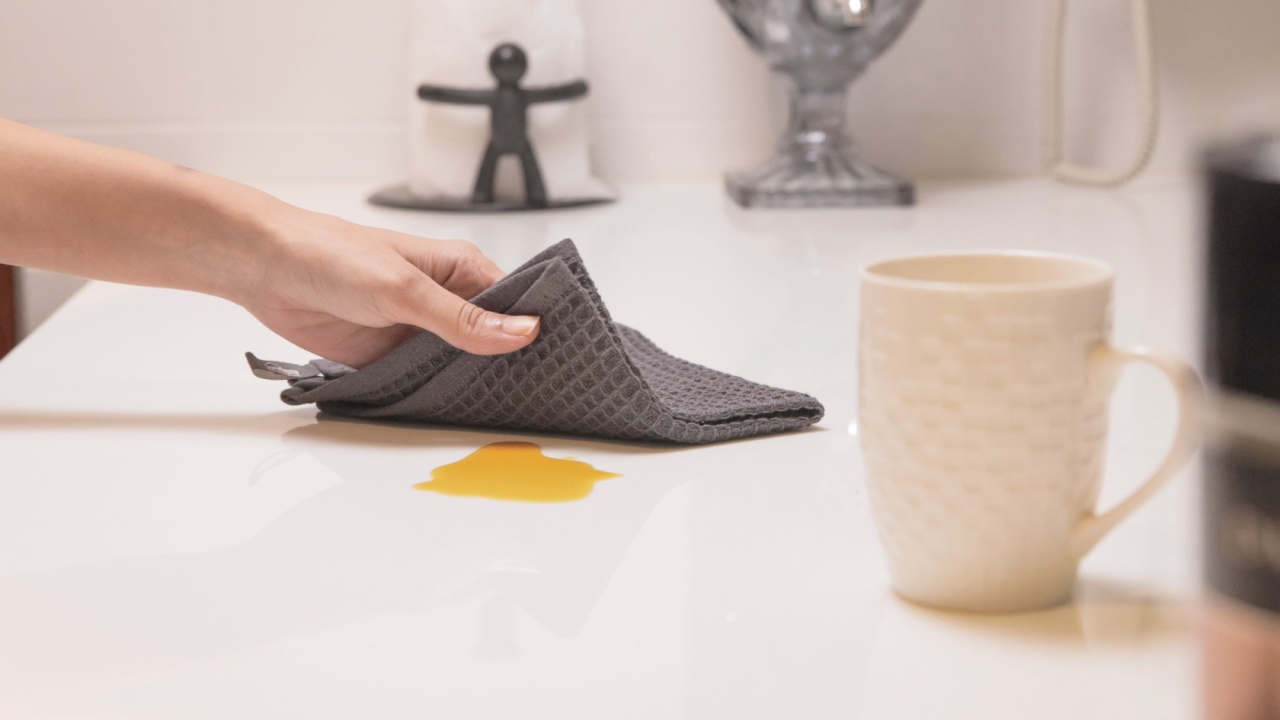
Daily cleaning is your best friend against stains and damage. Wipe up spills right away, especially acidic ones like coffee or wine; they can sneak past the sealant and cause trouble! For a quick clean, mix a teaspoon of dish soap with 4 cups of water in a spray bottle.
Lightly mist your counters (no need to soak!) and wipe with a clean microfiber cloth. This keeps your sealant happy! And don’t forget those sneaky spots under appliances; crumbs and grease love to hide there. Let everything air dry to prevent water spots.
Daily Maintenance Tips:
- Wipe spills immediately, especially acidic foods and drinks
- Use coasters under glasses and bottles
- Always use cutting boards; never cut directly on granite
- Clean counters after each food preparation session
- Allow surfaces to air dry after cleaning
3. Remove Grease Buildup and Sticky Residue
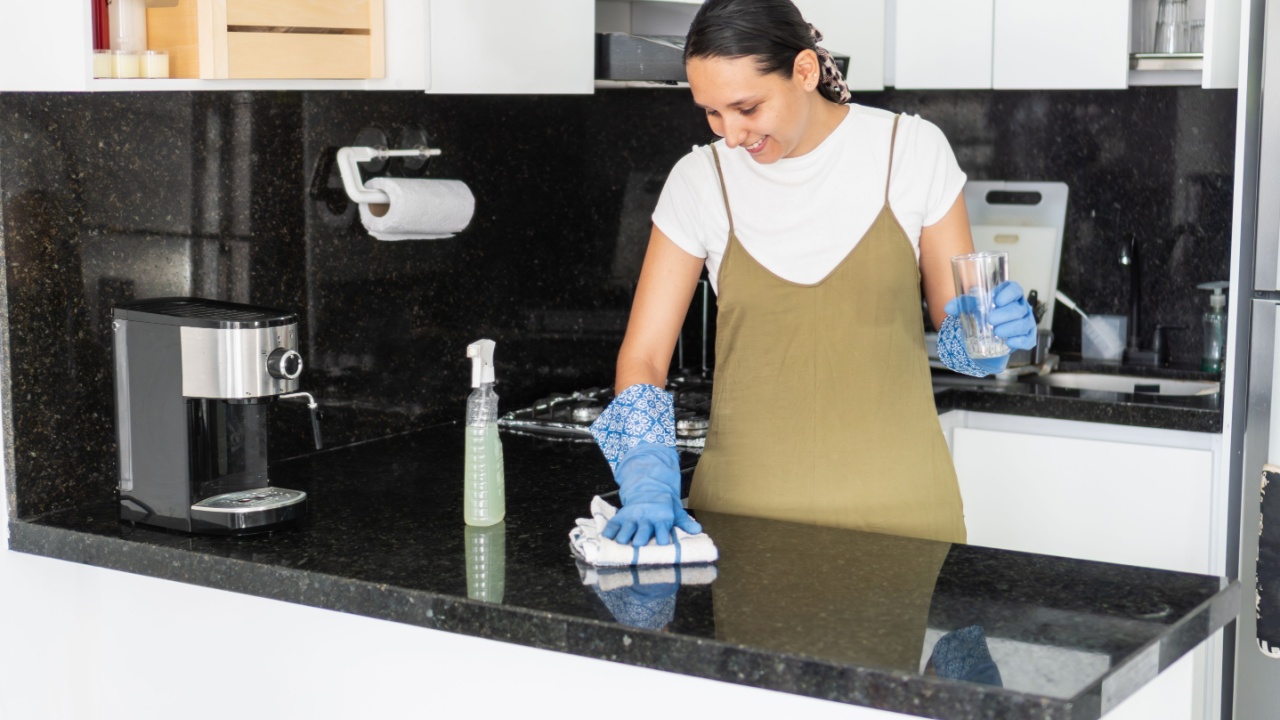
Even with regular cleaning, grease from cooking oils and hand lotions can build up on granite, making it look dull and feel sticky. To remove it, mix equal parts cool water and isopropyl alcohol in a spray bottle.
Lightly spray the greasy areas and wipe clean with a microfiber cloth. This method effectively cuts through grease and restores shine without damaging the granite’s sealant, making it ideal for kitchen counters and bathroom vanities.
Degreasing Best Practices:
- Mix a fresh solution for each cleaning session
- Test on a small, inconspicuous area first if using on new counters
- Use a clean microfiber cloth to prevent redistributing grease
- Apply extra attention to areas near cooking surfaces
- Avoid excessive scrubbing; let the solution do the work
4. Treat Stubborn Stains and Discoloration
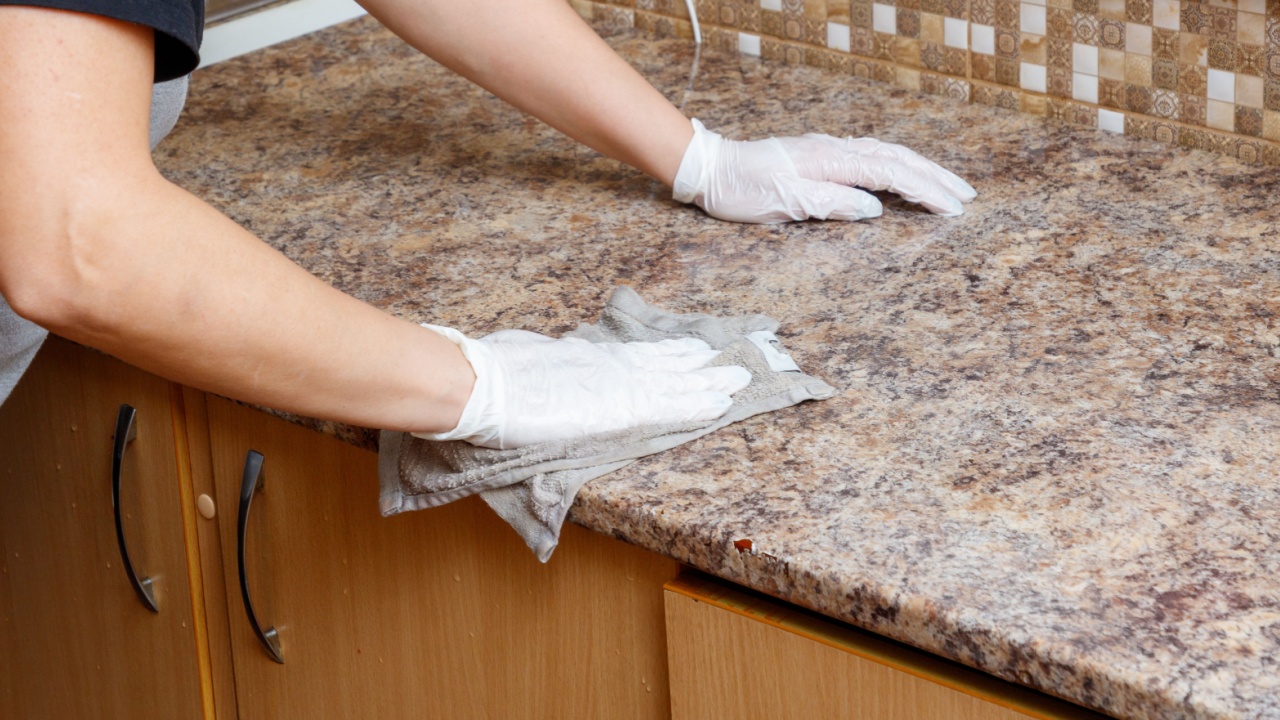
Stains from red wine, coffee, or juice can happen, but most can be removed with a simple DIY paste.
To treat stains, mix 1/2 cup of baking soda with 1/2 teaspoon of hydrogen peroxide to form a thick paste. Spread the paste 1/4-inch thick over the stain, cover it with plastic wrap, and tape down the edges.
Leave it on for 24 hours to draw the stain out of the stone. After 24 hours, remove the plastic and let the paste dry completely before wiping it away. You may need to repeat this process for deep or old stains.
Stain Removal Guidelines:
- Address stains as soon as you notice them for best results
- Don’t rinse the paste off; let it dry completely first
- Repeat the treatment if necessary until the stain fades
- For oil-based stains, substitute acetone for hydrogen peroxide
- Consider professional help for persistent deep stains
Troubleshooting Common Granite Issues- 1. Dull or Hazy Appearance
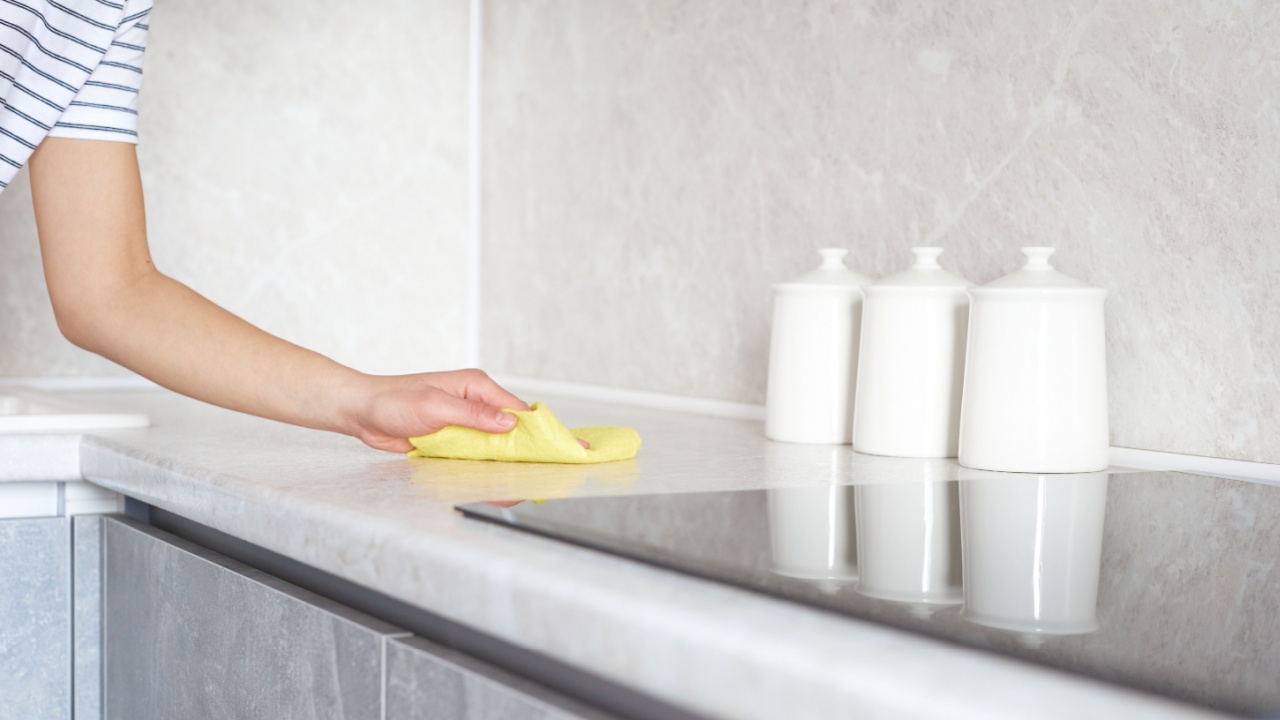
If your granite looks lackluster even after cleaning, it might be time for a shine restoration. Apply a few drops of vegetable oil to a microfiber cloth and gently wipe across the surface, then buff with a clean cloth to bring back the glossy finish.
This is a temporary fix until you can have the counters professionally resealed, which should happen every two to four years.
2. Water Rings or Spots
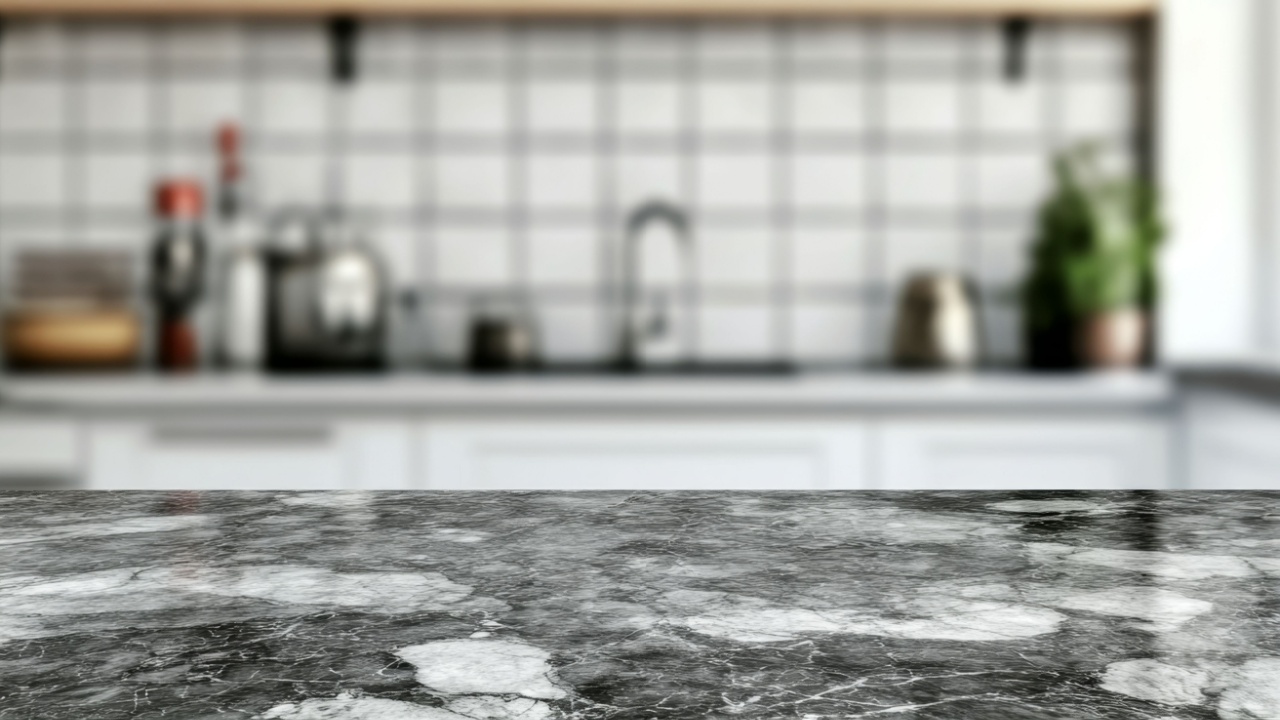
Water rings typically indicate that your sealant is wearing thin. While you can remove existing water spots with your regular cleaning solution, recurring rings mean it’s time to reseal.
Test your seal by placing a few drops of water on the counter; if they bead up, you’re good. If they absorb within a few minutes, schedule a resealing.
3. Scratches and Etching
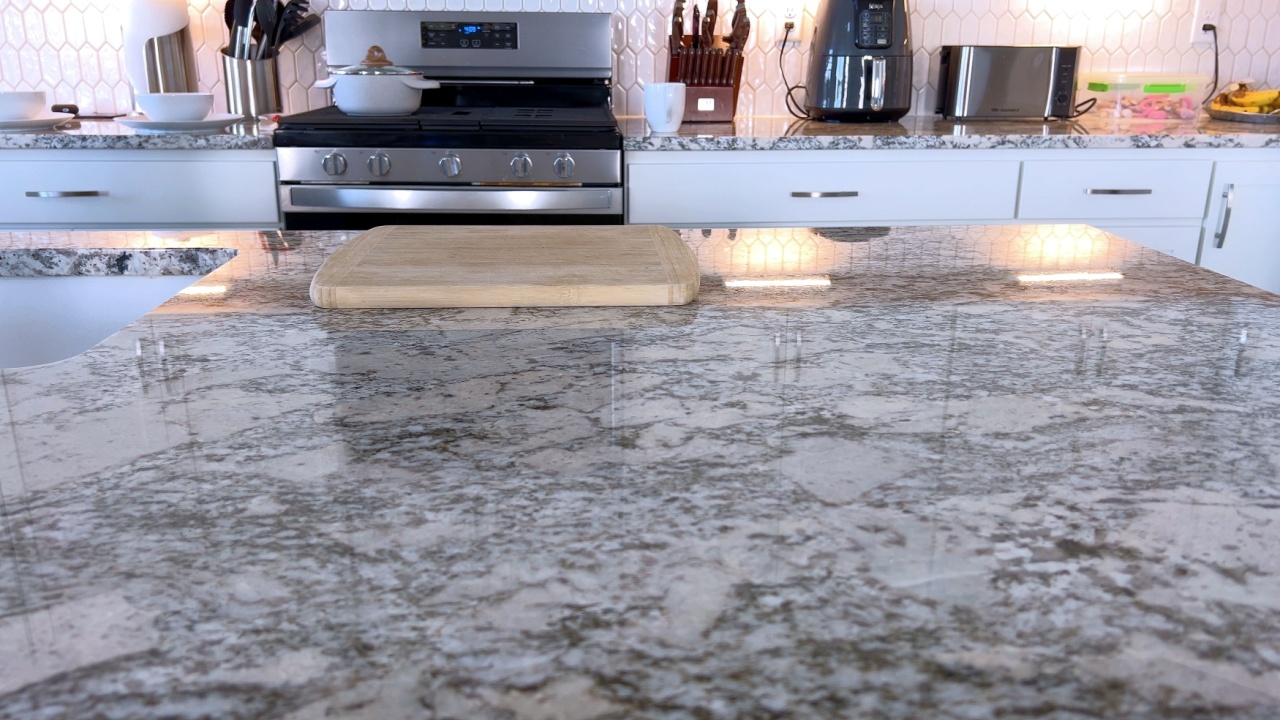
Light scratches from daily use are normal, but deep scratches or etching from acidic substances may require professional repair.
Prevent future damage by always using cutting boards, trivets under hot pots, and coasters under glasses. Never drag heavy appliances across granite; lift instead.
4. Heat Damage
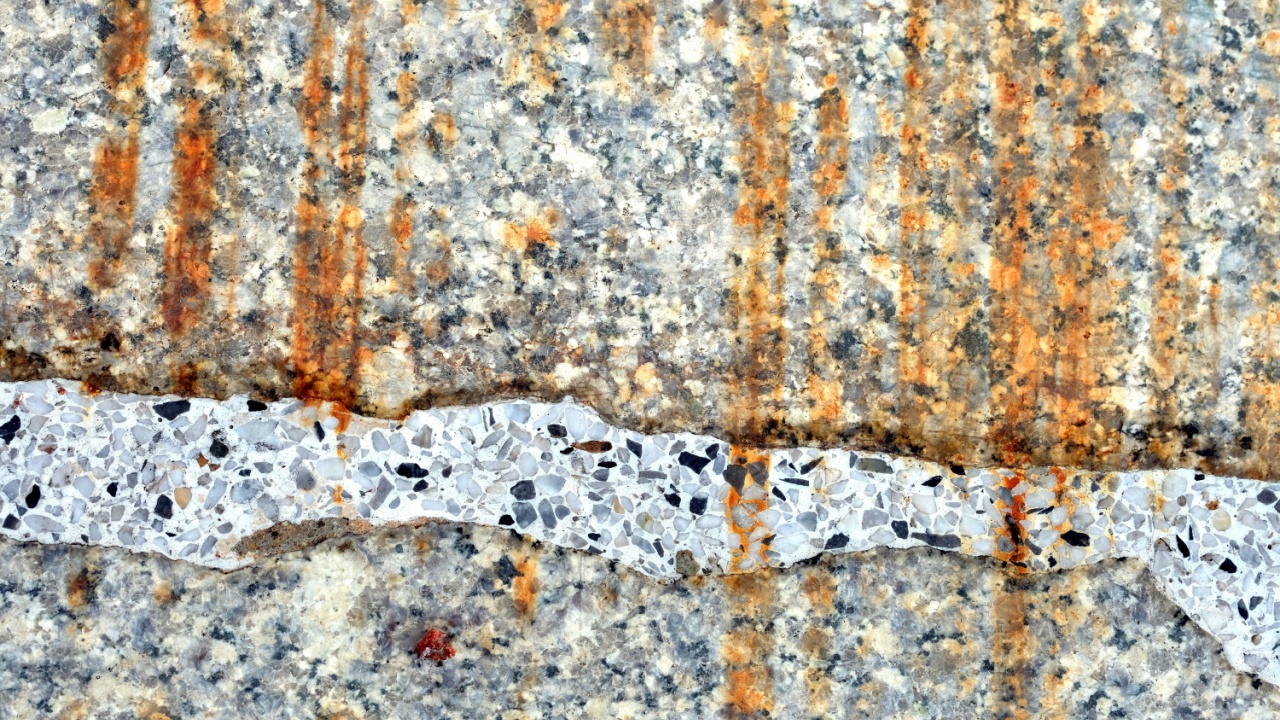
While granite is heat-resistant, extreme temperature changes can cause cracks or discoloration. Always use trivets under hot cookware, especially for appliances that generate prolonged heat like slow cookers or electric griddles. The airflow beneath trivets protects the stone from thermal shock.
Keep Your Granite Beautiful for Years

Now that you know the proper techniques for cleaning and maintaining granite countertops, you can keep them looking showroom-fresh with minimal effort. Consistency is key, daily attention prevents most major problems, and addressing issues promptly makes them easier to resolve.
Ready to expand your home care knowledge? Browse our other cleaning and maintenance guides at Backyard Garden Lover for more practical tips on keeping every surface in your home in top condition.