12 Indoor Gardening Ideas to Combat the Winter Blues
Now that the days are shorter and a chill is in the air, it’s easy to feel a little gloomy. For those of us with a green thumb, packing up the outdoor garden for the season can feel like saying goodbye to an old friend. But just because it’s cold outside doesn’t mean your gardening adventures have to stop. Bringing the garden indoors is a fantastic way to keep your spirits high and your home feeling vibrant.
Indoor gardening can do more than just beautify your space. Interacting with indoor plants can reduce stress and improve your mood. Here are 12 creative and fulfilling indoor gardening projects to help you beat the winter blues and keep your green thumb thriving throughout the season.
Where We Got This Data
All gardening tips and care recommendations in this article are based on expert-backed guidance from horticultural educators, university extension programs, botanical institutions, and reputable gardening publications. We’ve cross-referenced plant care practices with trusted sources in plant science, sustainable gardening, and indoor horticulture to ensure accuracy and seasonal relevance.
1. Craft a Terrarium Wonderland
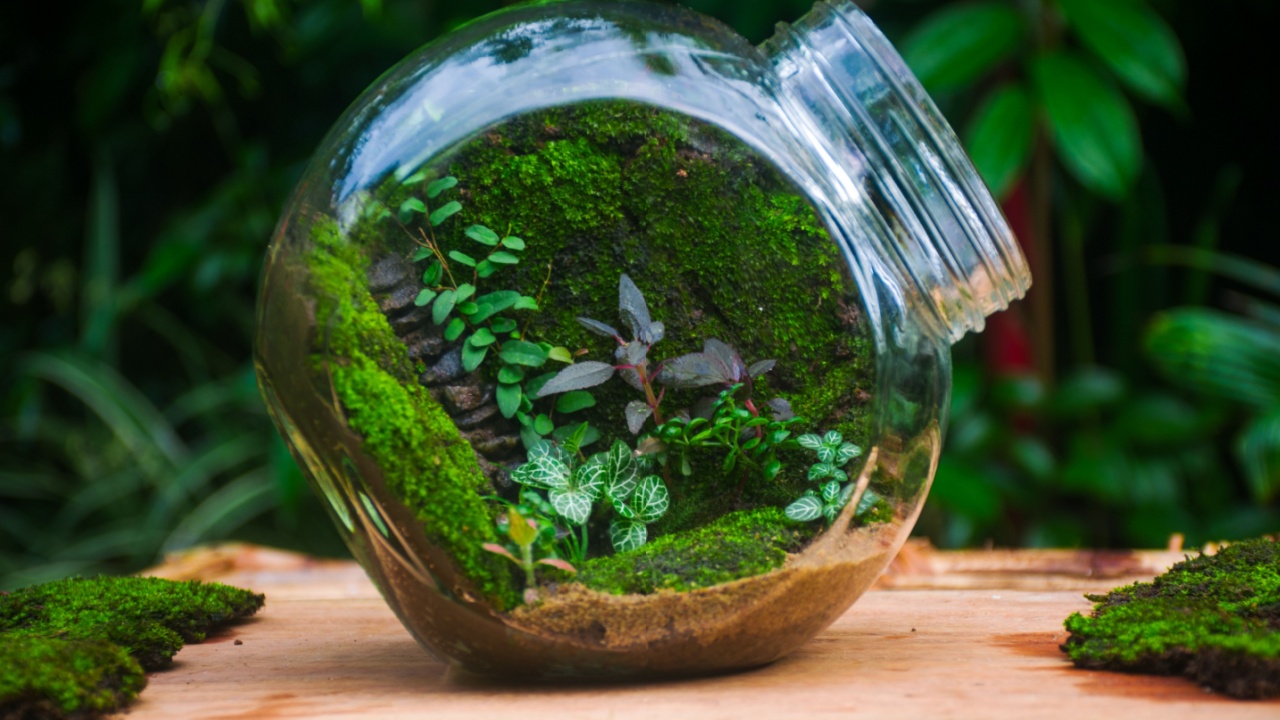
A terrarium is a miniature garden contained within a glass container. It’s a beautiful, low-maintenance way to bring some green into your home, especially on a cold day. Just layer rocks, charcoal, soil, and plants in a clear glass jar or bowl to create a tiny living ecosystem.
Terrariums are great for small spaces and require minimal water; some even recycle their own moisture. This makes them perfect for growing plants that struggle with dry winter air, such as mosses and ferns.
- Care Tips: Place your terrarium in a spot with bright, indirect light. Direct sunlight can cook the plants inside the glass. For open terrariums, water sparingly when the soil feels dry. For closed terrariums, you’ll only need to add water occasionally if you notice a lack of condensation.
- Get Started: Gather a clear glass container, small pebbles for drainage, activated charcoal to keep it fresh, potting soil, and small plants like ferns, mosses, or air plants. Add decorative touches, such as miniature figurines, for a whimsical feel.
2. Build a Succulent Wall Garden

A vertical succulent garden turns your wall into living art, adding texture, color, and style. Using a frame, you can arrange low-maintenance succulents in stunning, visually appealing designs. It’s a space-saving, eye-catching project that’s sure to spark conversations!
- Care Tips: Succulents require ample light, so place your wall garden near a sunny window. Water it sparingly, about once a month, or when the soil is arid. It’s best to take the frame down and water it horizontally, allowing excess water to drain before re-hanging.
- Get Started: You’ll need a shallow wooden frame or shadow box, chicken wire or mesh to hold the soil, cactus/succulent potting mix, and a variety of small succulents.
3. Germinate Seeds for Spring
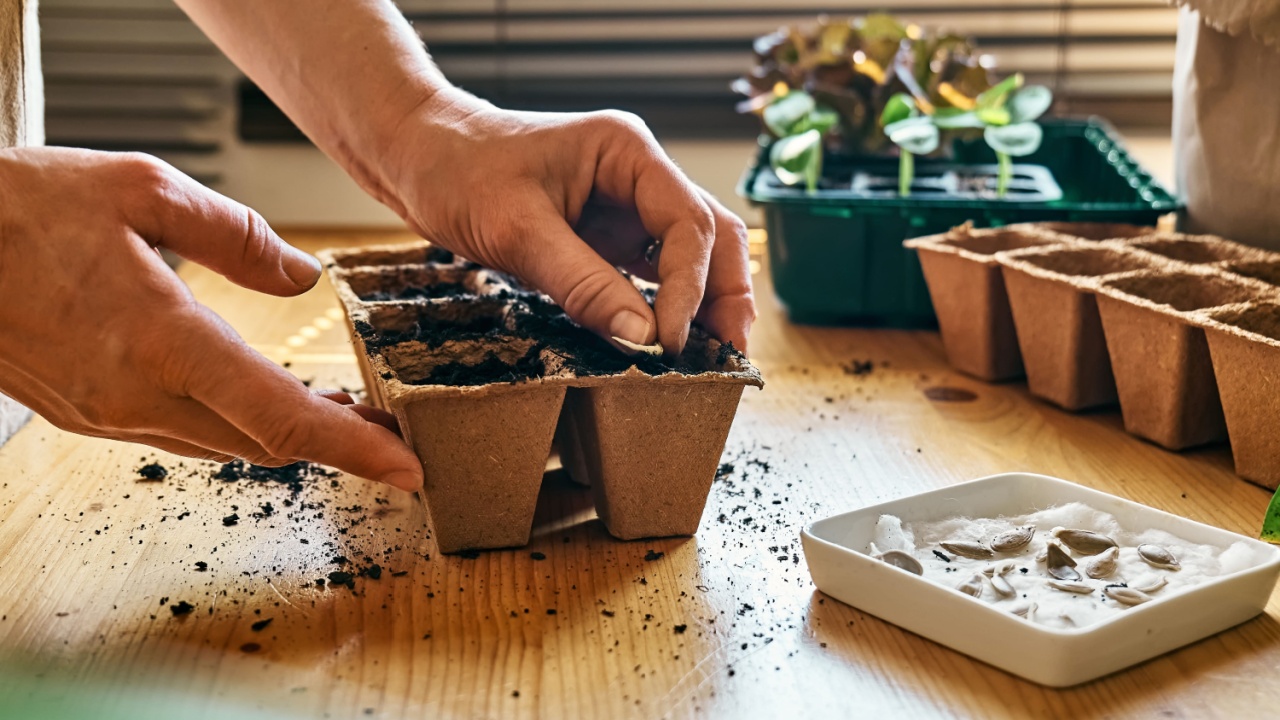
Get a head start on spring by germinating seeds indoors. It’s a rewarding, hopeful activity that results in more vigorous plants ready for warmer weather. Plus, it’s cost-effective and allows you to grow unique varieties not found in nurseries.
- Care Tips: Most seeds need warmth and consistent moisture to germinate. Use a seed-starting mix and cover your trays with a plastic dome to create a greenhouse effect. Place them in a warm spot or use a heat mat. Once they sprout, they’ll need plenty of light from a sunny window or a grow light.
- Get Started: An old egg carton makes a perfect, biodegradable seed tray. Just fill each cup with soil, plant your seeds, and watch them grow. You can also purchase seed-starting kits that come with everything you need.
4. Grow Your Own Microgreens
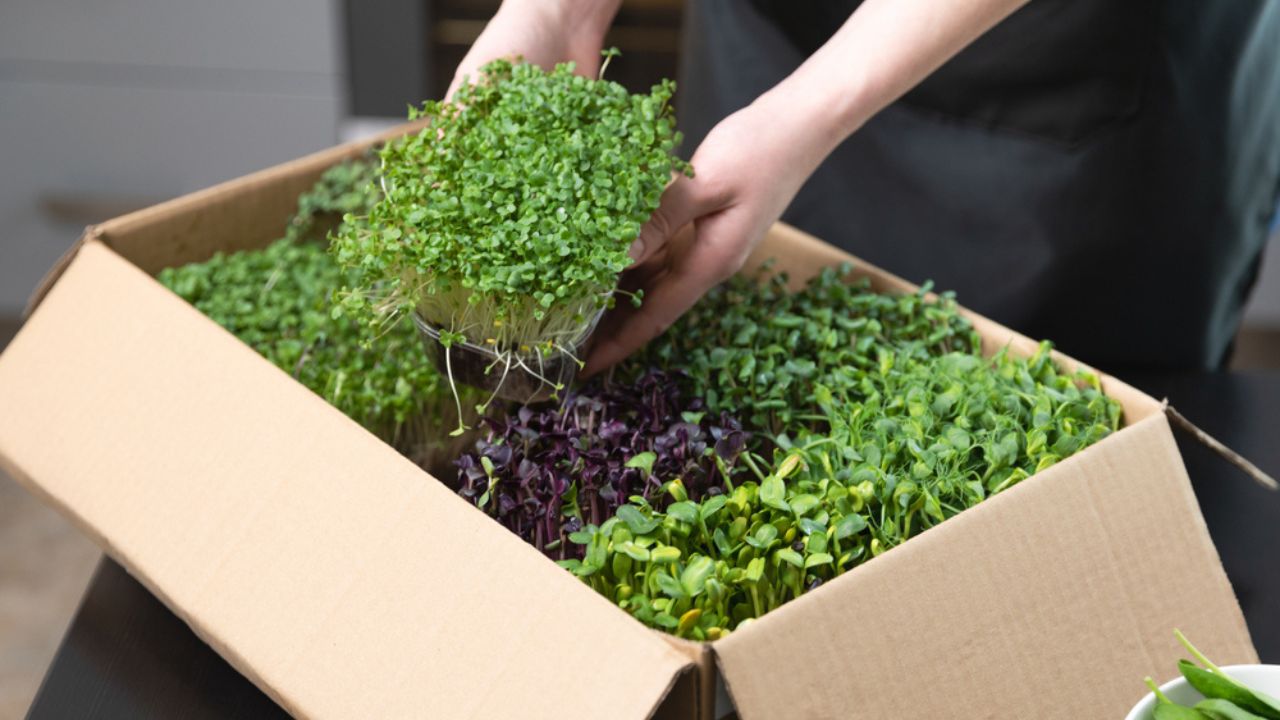
Microgreens are baby plants loaded with flavor and nutrients, way more than their full-grown versions. They’re super easy to grow and ready to harvest in 1–3 weeks. Perfect for your windowsill, they add fresh, healthy greens to salads, sandwiches, and soups. Quick to grow, space-saving, and a fun project for the whole family!
- Care Tips: Fill a shallow tray with potting soil, scatter the seeds evenly, and gently press them into the soil. Cover them with a damp paper towel or another tray until they sprout. Then, place them in a sunny spot and keep the soil moist. Harvest with scissors when the first set of true leaves appears.
- Get Started: You can buy microgreen kits or simply a shallow container, some potting mix, and seeds for plants like radish, broccoli, kale, or basil.
5. Create a Fragrant Indoor Herb Garden
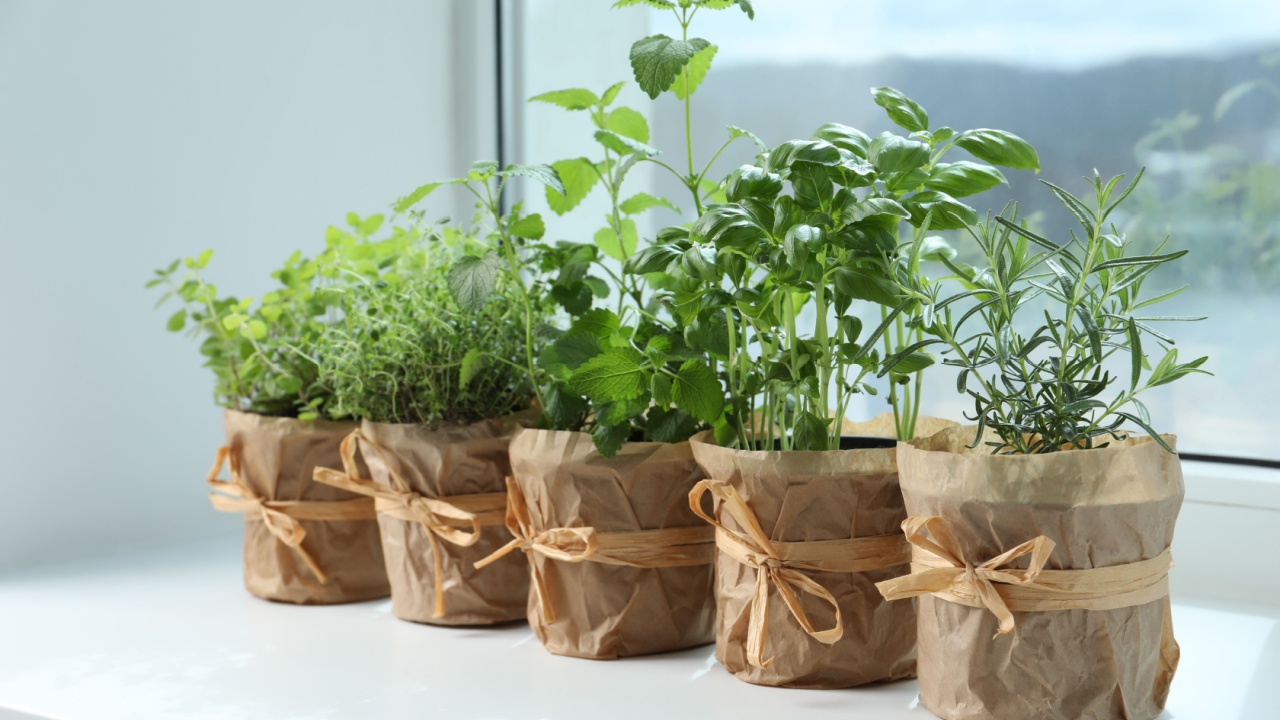
Fresh herbs year-round? Yes, please! An indoor herb garden on your sunny kitchen windowsill means you’ll have fresh basil, mint, or rosemary whenever you need it. Plus, they’ll make your home smell amazing. It’s practical, beautiful, saves money, and guarantees the freshest flavors for your cooking.
- Care Tips: Most herbs require at least six hours of direct sunlight per day, making a south-facing window an ideal location. Ensure your pots have good drainage, and water when the top inch of soil feels dry.
- Get Started: Choose herbs you love to cook with, like basil, parsley, mint, chives, and rosemary. You can grow them from seed or buy small starter plants for a quicker harvest.
6. Learn to Propagate Your Plants
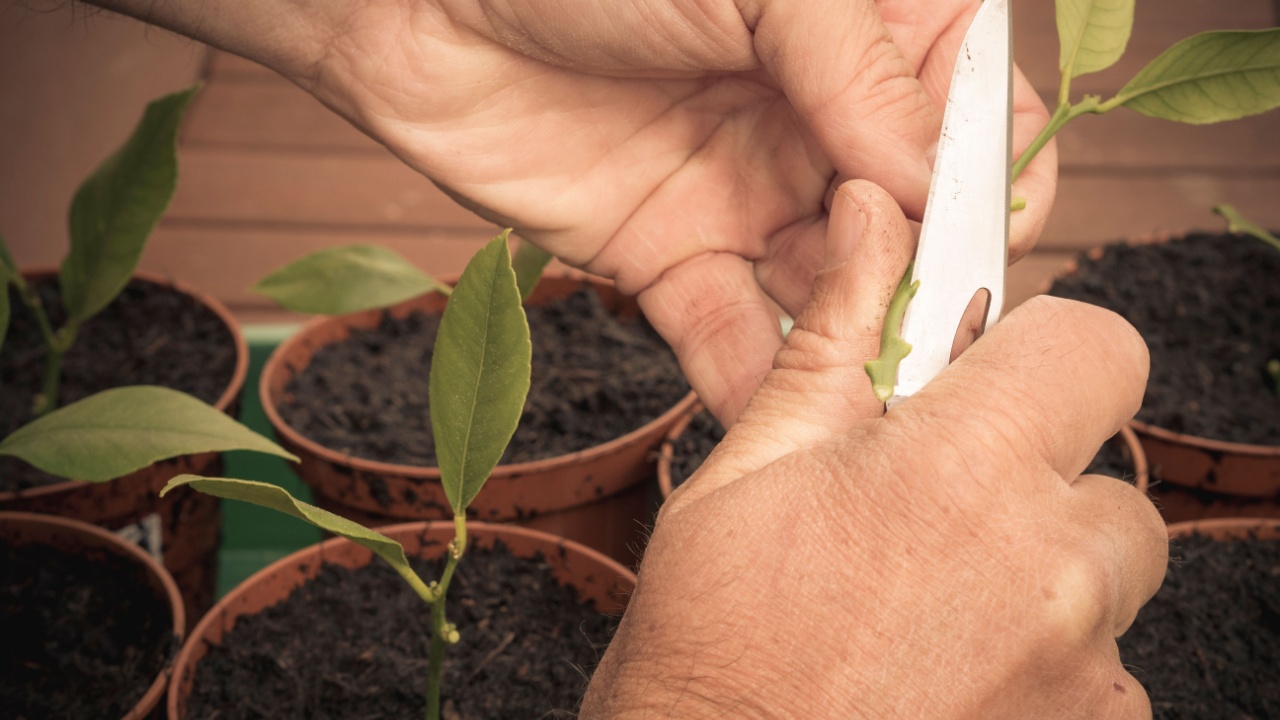
Propagation involves creating new plants from existing ones, often through the use of cuttings. It’s a free, sustainable way to expand your collection. Many houseplants like Pothos are easy to propagate in water or soil, perfect for gifting or duplicating favorites. Mastering this skill boosts gardening confidence and saves money..
- Care Tips: For water propagation, place a cutting with at least one node in a jar of water and wait for roots to appear. For soil propagation, dip the cut end in a rooting hormone and plant it in moist soil. Keep the cutting in a warm, bright spot.
- Get Started: All you need is a healthy parent plant, a clean pair of scissors, a jar of water, or a small pot with soil. It’s a simple experiment with a high chance of success.
7. Make Homemade Bird Feeders

This indoor craft brings life to your backyard and supports local wildlife, especially in winter. It’s a fun, family-friendly activity that turns your window into a live nature show.
- Care Tips: Hang your feeder in a location visible from a window but out of reach of squirrels. Keep it filled with a quality birdseed mix, and clean it periodically to prevent disease.
- Get Started: You can get creative with materials like pinecones, peanut butter, and birdseed, or craft a wreath using a bundt pan and a mix of seeds, nuts, and suet.
8. Plan Your Outdoor Spring Garden

Winter’s the perfect time to plan your spring garden! Flip through seed catalogs, sketch ideas, and pick new plants to try. A little planning now saves time and stress later, and keeps the gardening excitement alive while it’s too cold to dig.
- Care Tips: Reflect on what worked and what didn’t in your garden during the previous year. Consider companion planting, crop rotation, and the sun exposure in different parts of your yard.
- Get Started: Use graph paper or an online garden planning tool to map out your space. Create a list of seeds and supplies you’ll need so you’re ready to go as soon as the weather warms up.
9. Regrow Vegetables From Kitchen Scraps
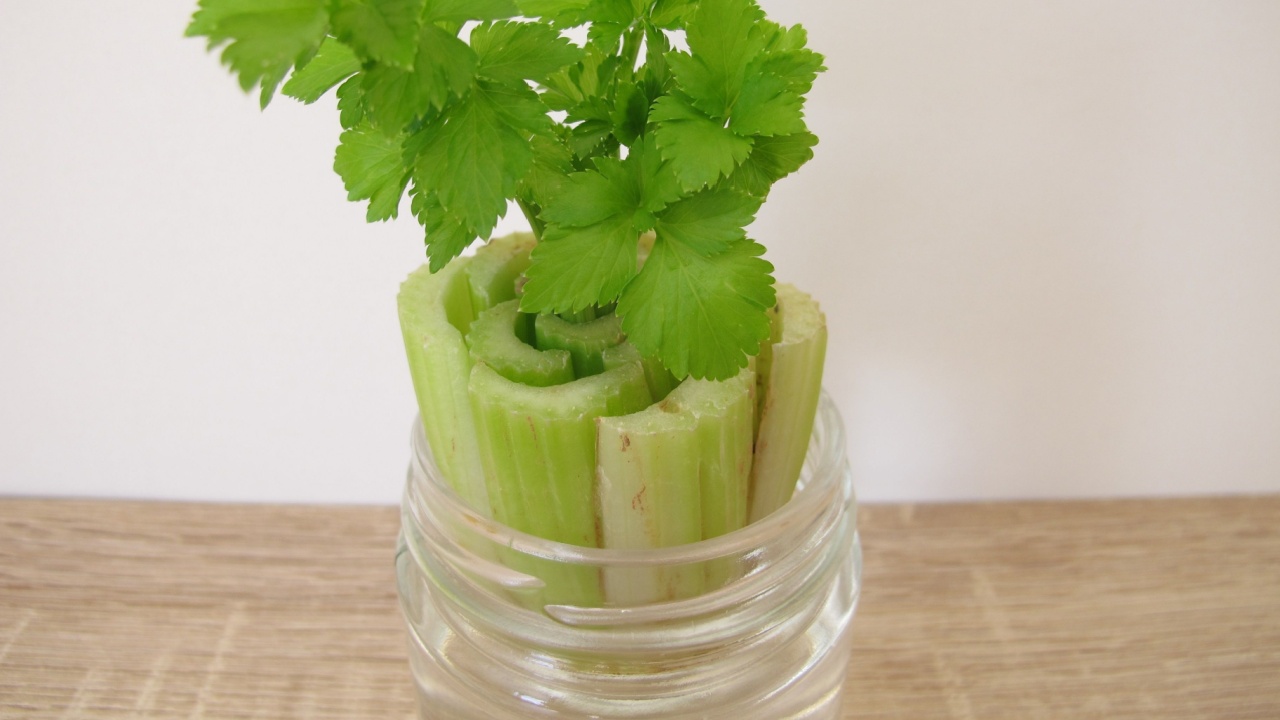
Don’t toss those vegetable scraps! Many common vegetables can be regrown from the parts you’d normally throw away. It’s a fascinating and sustainable project that reduces food waste and gives you a bonus harvest. Green onions, celery, lettuce, and carrot tops are all great candidates for regrowing on a sunny windowsill.
This is a free and easy way to receive additional food with your initial purchase.
- Care Tips: For vegetables like celery and green onions, place the root end in a shallow dish of water. Change the water every couple of days. Once new roots and leaves appear, you can plant them in soil.
- Get Started: Simply save the root ends of your next bunch of green onions or head of celery and place them in water. You’ll be surprised at how quickly they start to grow back.
10. Start a Miniature Moss Garden
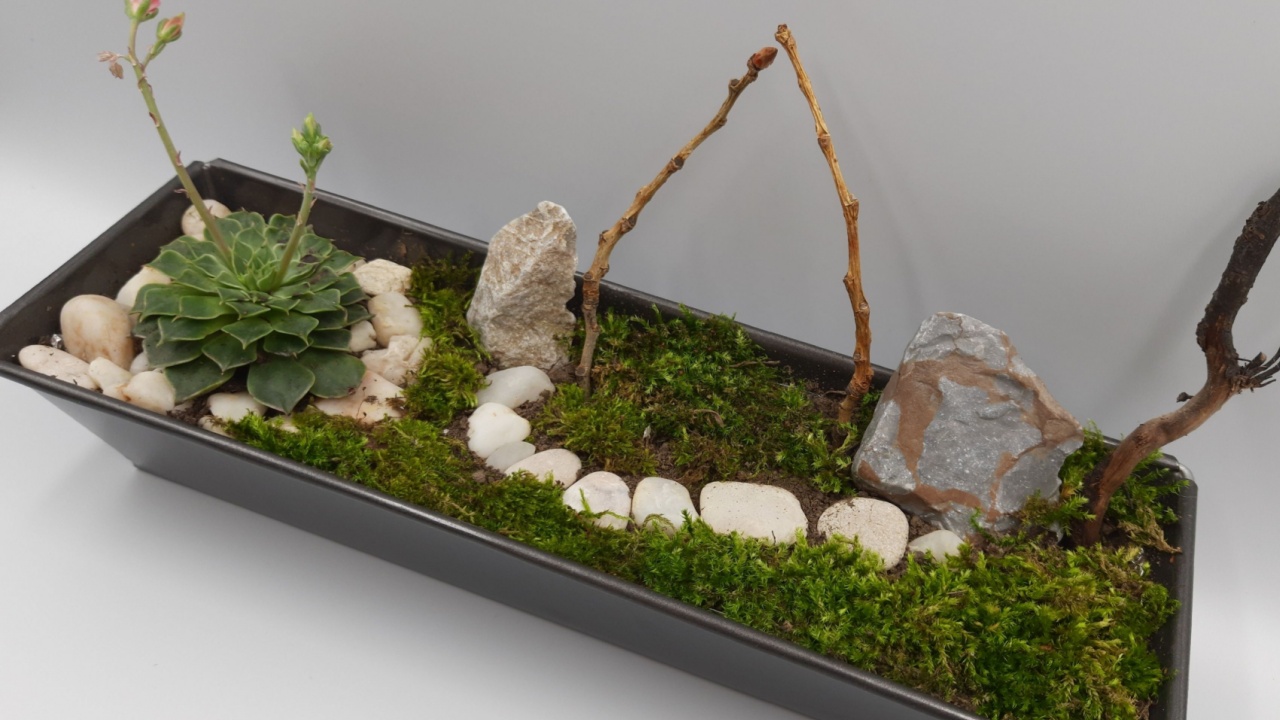
Create a serene, low-maintenance moss garden to bring a lush, green, forest-floor feel to your home. Perfect for low-light areas, these zen-like miniature landscapes are easy to care for and ideal for beginners.
- Care Tips: Moss prefers indirect light and high humidity. Keep the soil consistently moist by misting it with a spray bottle every few days.
- Get Started: Find a shallow ceramic dish, add a layer of pebbles for drainage, followed by a layer of potting mix. Arrange pieces of moss on top and add small rocks or twigs to create a miniature landscape.
11. Create a Succulent Fairy Garden
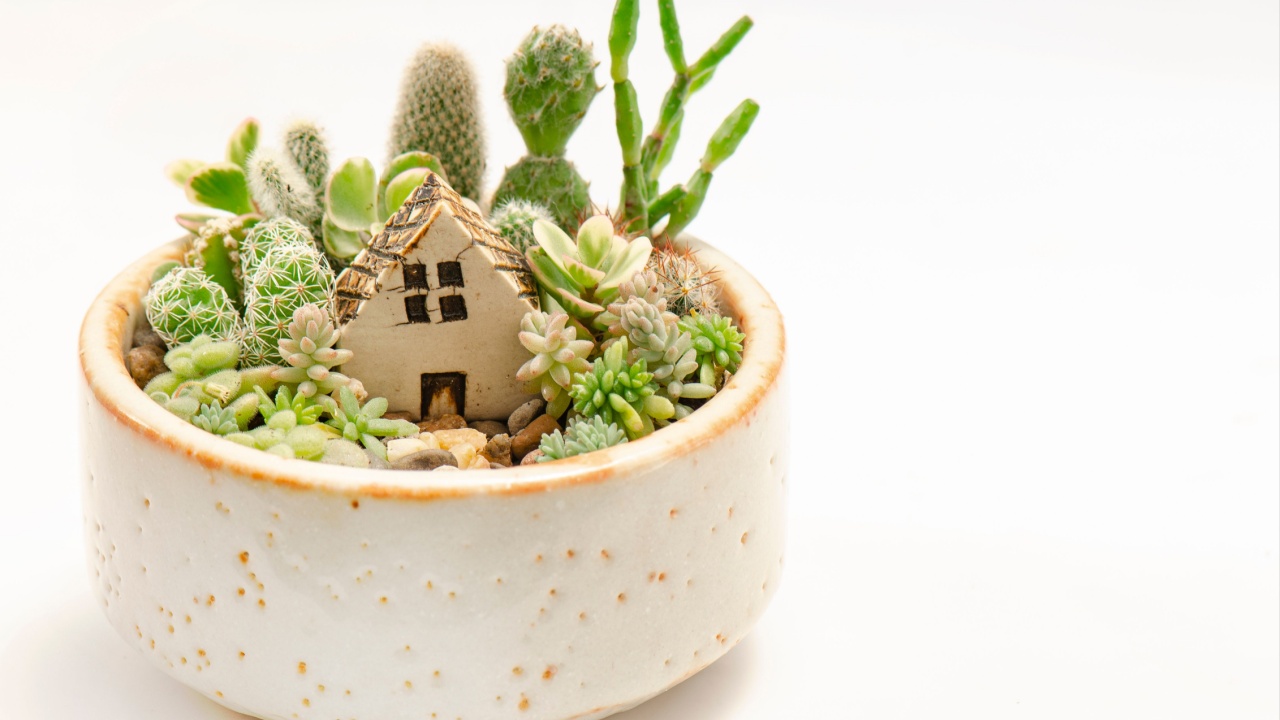
Unleash your imagination with a whimsical succulent fairy garden! Combine gardening fun with miniature world-building. Fill a wide container with succulents, then add tiny houses, furniture, and fairy figurines for an enchanting scene. It’s a delightful, creative project for all ages, adding magic and personality to your plant collection.
- Care Tips: Follow the same care guidelines as for other succulents: provide plenty of light and water sparingly. Be careful not to dislodge your tiny accessories when watering.
- Get Started: Choose a container, some cactus soil, a few small succulents, and a collection of miniature accessories from a craft store. You can even use broken terracotta pots to create interesting levels and hiding spots.
12. Nurture an Avocado Pit into a Plant
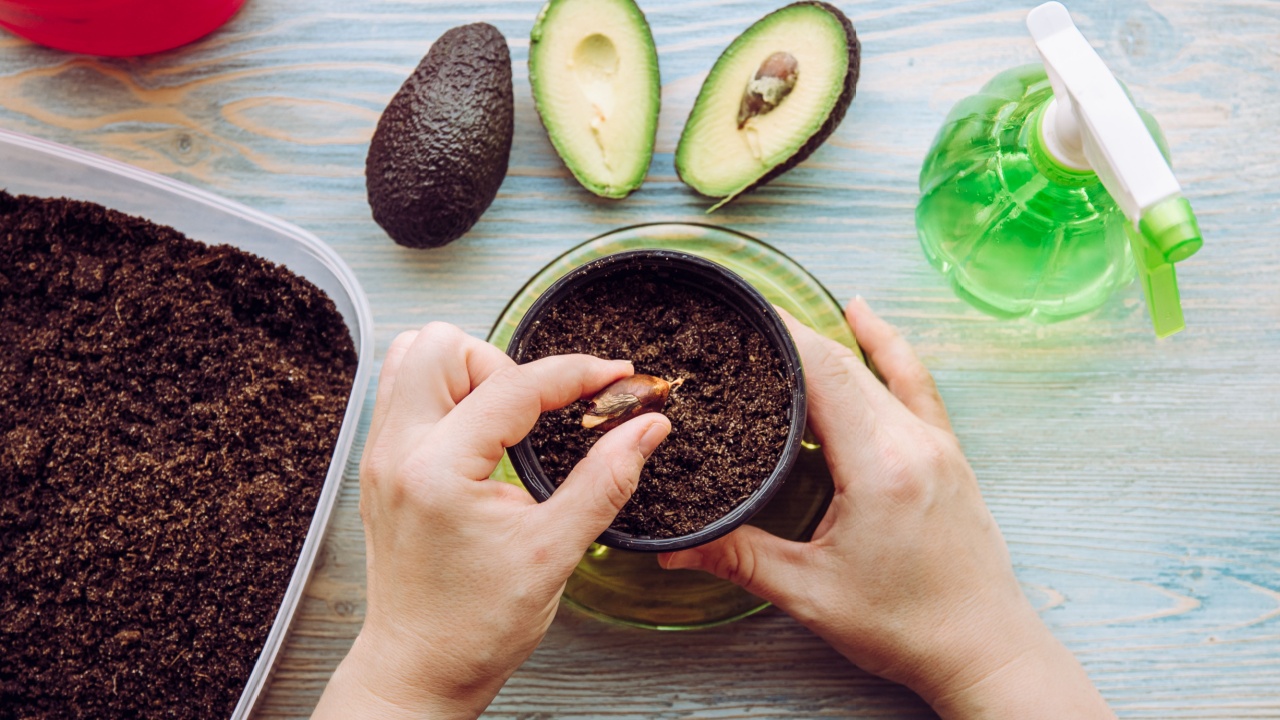
Turning an avocado pit into a leafy houseplant is a classic, rewarding project. It’s a lesson in patience and gives new life to something discarded. While it likely won’t fruit indoors, watching it sprout is satisfying. It’s a free plant and a long-term project with exciting stages, from rooting to being potted.
- Care Tips: Suspend the pit over a glass of water using toothpicks, with the bottom end submerged. Keep the water level consistent. Once a strong root system and a stem have developed, transfer it to a pot with well-draining soil.
- Get Started: After enjoying an avocado, carefully wash and dry the pit. Then, suspend it in water and place it in a warm, sunny spot.
Keep Your Green Thumb Active Indoors This Winter
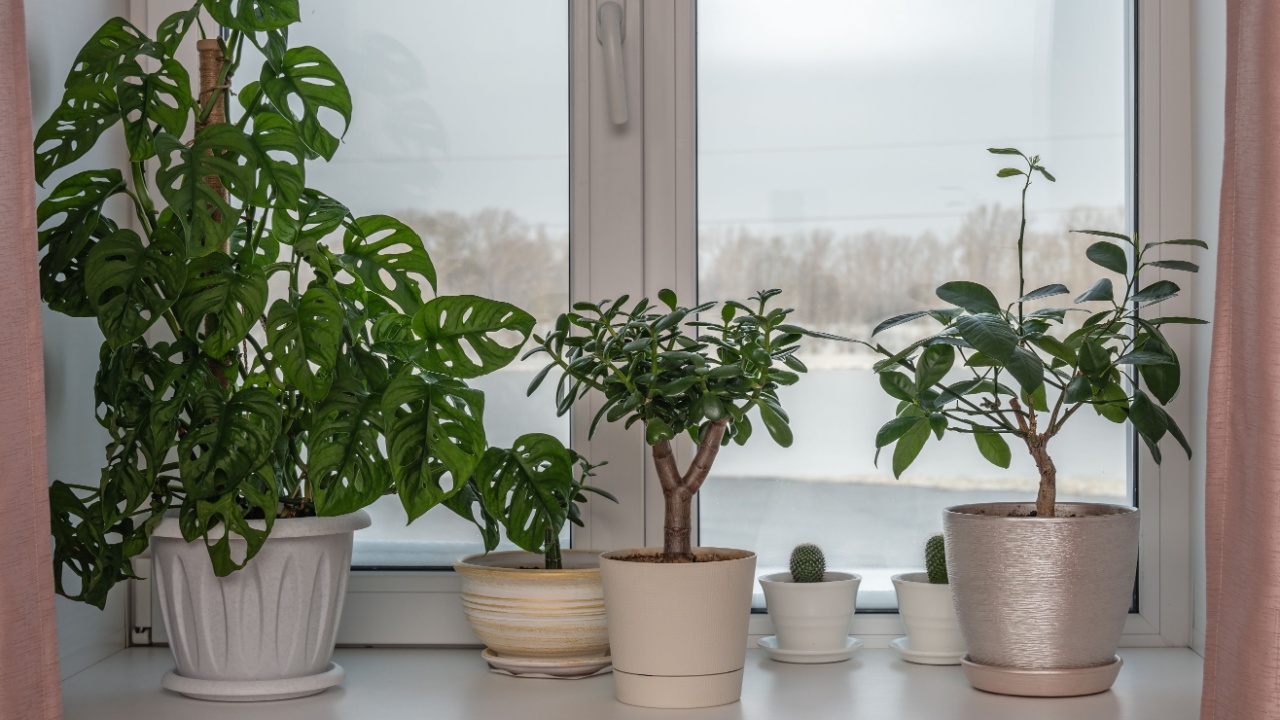
Don’t let the winter season dampen your love for gardening. These indoor projects are the perfect way to keep your hands in the dirt and your home full of life until spring returns.
Pick a project that sparks your interest, gather your supplies, and start growing. For more seasonal gardening tips and inspiration, be sure to check out our other articles on winterizing your garden and preparing for the seasons ahead.