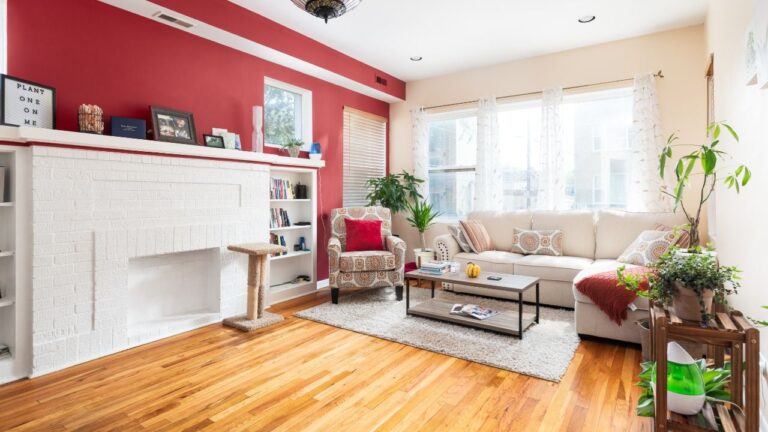
15 Inspiring Reading Nook Ideas to Add to Your Vision Board
That pile of books on your nightstand seems to be growing into a literary skyscraper, doesn’t it? Each spine represents a world you intend to visit, a story waiting to unfold. Yet, finding the right time and, more importantly, the right place to dive in can feel like a challenge.
Creating a dedicated spot for reading is the first step towards finally conquering that ever-expanding book list. It can help you reach any new year’s resolutions you’ve made about reading more this year, too.
A well-designed nook invites you to sit down, tune out distractions, and lose yourself in a good story. Here is the guide you’ve been searching for to help you craft your personal literary escape.
1. The Transformed Closet Nook
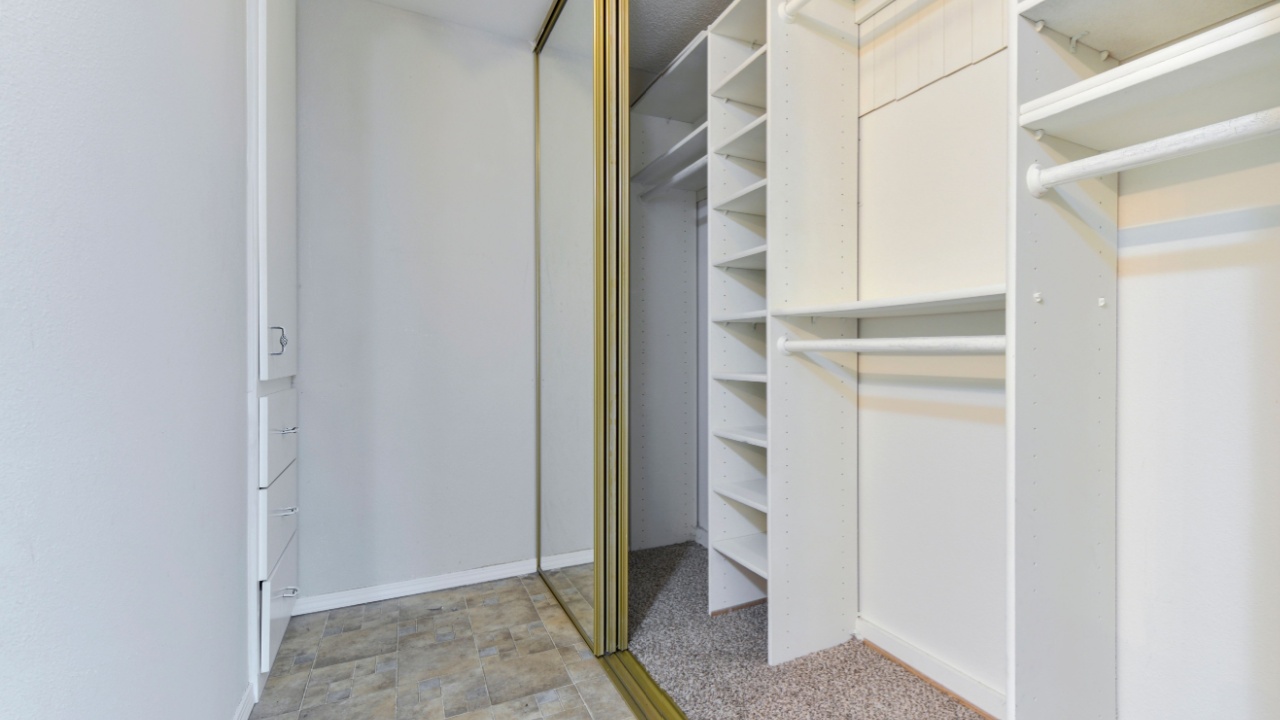
An underused closet holds immense potential to become a secluded literary hideaway. By removing the door and rod, you reveal a perfectly framed space ready for a new purpose. This is an excellent solution for homes short on spare rooms.
To begin, paint the interior a color that calms you; deep blues or soft grays work well. Install a floating bench or a custom-built seat to maximize the floor area. Add a plush cushion and some supportive pillows. For lighting, consider a stick-on, battery-powered sconce or a small plug-in lamp to avoid complex wiring.
Quick Guide:
- Best For: Homes lacking a spare corner or room.
- Key Elements: Built-in bench, wall-mounted lighting, and a feeling of enclosure.
- Next Steps: Empty the closet, patch any holes, and apply a fresh coat of paint. Measure for a custom cushion and select lighting that fits the small space.
2. The Window Seat Sanctuary
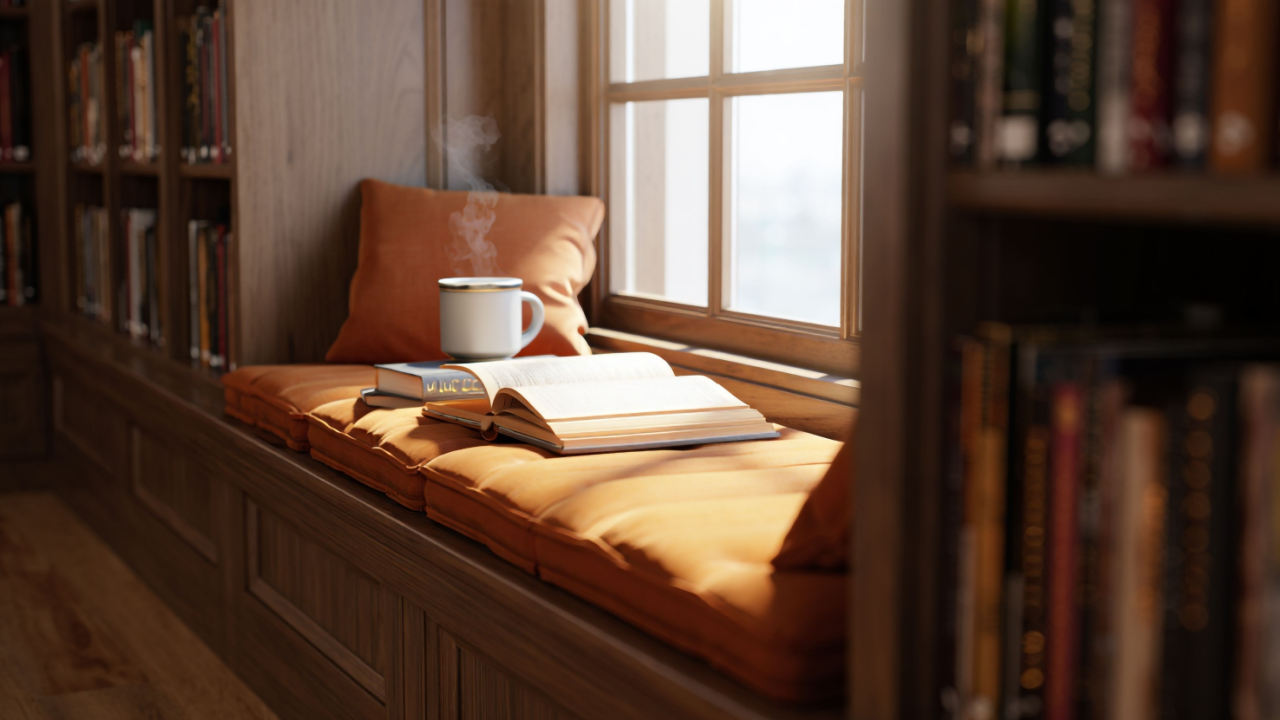
A window seat combines a comfortable perch with a view of the outdoors, offering the best of both worlds. It provides a front-row seat to changing weather, passing clouds, and the rhythm of nature, all while you remain comfortable inside. This setup makes the most of natural light, which is ideal for daytime reading and reduces eye strain. The structure itself can also double as a clever storage solution.
If your home has a bay window or a deep-set window, you are already halfway there. A carpenter can build a simple bench with a hinged lid for storing blankets, extra pillows, or even more books. If a built-in is not an option, a low bench or a storage ottoman placed snugly under a window can achieve a similar effect. Layer it with a thick seat cushion and an assortment of pillows for adjustable comfort.
Quick Guide:
- Best For: Rooms with large or deep-set windows.
- Key Elements: A comfortable bench, abundant natural light, and a view.
- Next Steps: Measure your window area to determine the size of the bench. Decide between a custom-built-in for storage or a freestanding piece of furniture.
3. The Stair Landing Pause Point
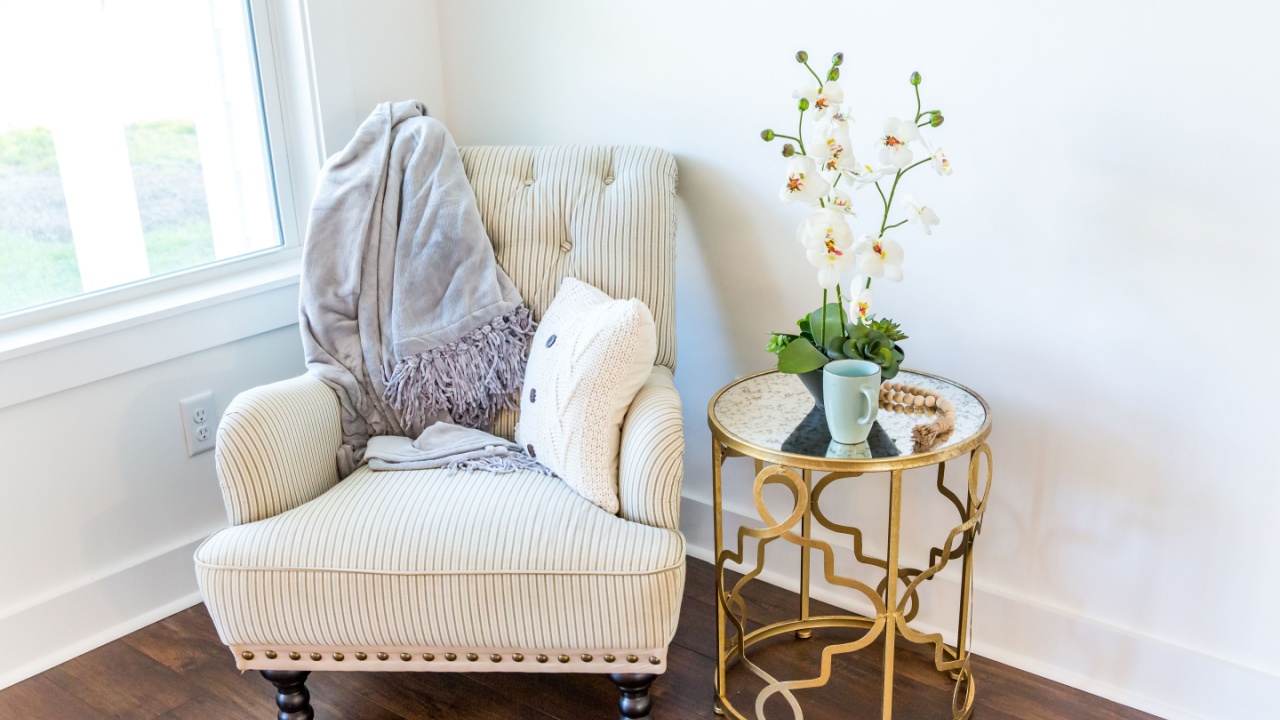
The landing at the top of a staircase is often overlooked, treated as a simple pathway rather than usable space. However, it’s an unexpected location that feels separate from the main living zones, offering a quiet moment of pause. This is particularly effective in homes with wider landings or those featuring a window.
A single, comfortable armchair with a high back can define the space instantly. Choose one with a slim profile to avoid obstructing the walkway. Pair it with a small side table just large enough for a book, a drink, and perhaps a small plant. A floor lamp tucked behind the chair will provide focused light for evening reading sessions without overwhelming the area.
Quick Guide:
- Best For: Homes with a spacious or unused stair landing.
- Key Elements: A comfortable armchair, a compact side table, and a dedicated light source.
- Next Steps: Assess your landing for traffic flow to ensure an armchair will not create a bottleneck. Select a chair that complements your existing decor.
4. The Bedroom Retreat
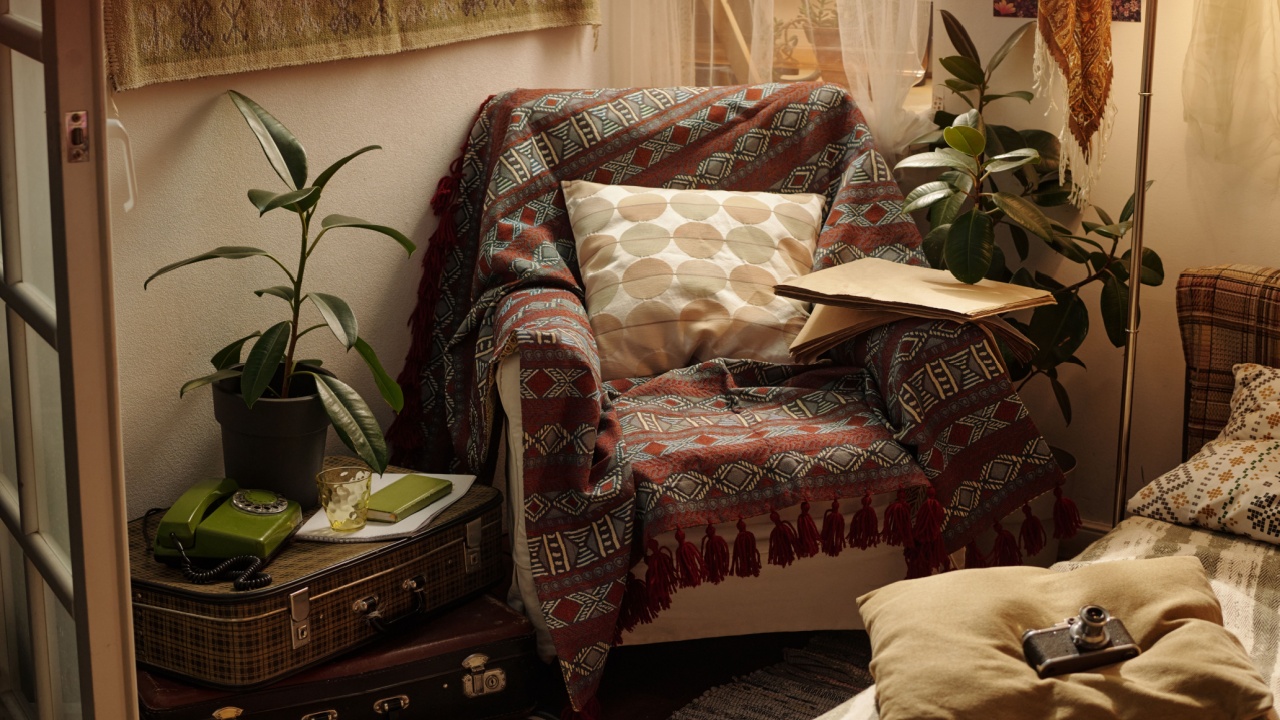
Your bedroom is already a space for rest and relaxation, making it a natural fit for a reading nook. Carving out a corner here creates a personal escape within your private sanctuary, perfect for winding down before sleep or enjoying a slow weekend morning. It reinforces the bedroom’s role as a place of peace, separate from the home’s more active areas.
All you need is a comfortable chair, perhaps a soft armchair or a classic chaise lounge, and good lighting. Position the chair in a corner away from the main path of foot traffic. Add a floor lamp with an adjustable head to direct light exactly where you need it. A small basket for holding your current reads and a favorite blanket will complete the setup, making it feel intentional and inviting.
Quick Guide:
- Best For: Creating a private reading spot for unwinding.
- Key Elements: A plush chair, an adjustable lamp, and proximity to your bedroom’s calm atmosphere.
- Next Steps: Identify a low-traffic corner in your bedroom. Choose a chair that prioritizes comfort for long periods of sitting.
5. The Hallway Library Moment

A long or wide hallway is more than just a corridor; it’s a canvas. By lining one wall with shallow bookshelves, you can transform it into a mini-library. This not only provides ample storage for your collection but also turns a purely functional space into a point of interest. Adding a small seating element completes the transformation into a reading nook.
Use low-profile bookshelves to keep the walkway clear. Floating shelves are another great option as they create an open, airy feel. In a wider section of the hall, place a narrow bench or a single, small-scale accent chair. If space is tight, the bench can sit directly below the shelves.
Quick Guide:
- Best For: Homes with wide or long hallways.
- Key Elements: Slim bookshelves, a narrow bench or chair, and efficient use of a transitional space.
- Next Steps: Measure the width of your hallway to select bookshelves that will not impede movement. Install shelves securely to the wall.
6. The Daybed Dual-Purpose Lounge
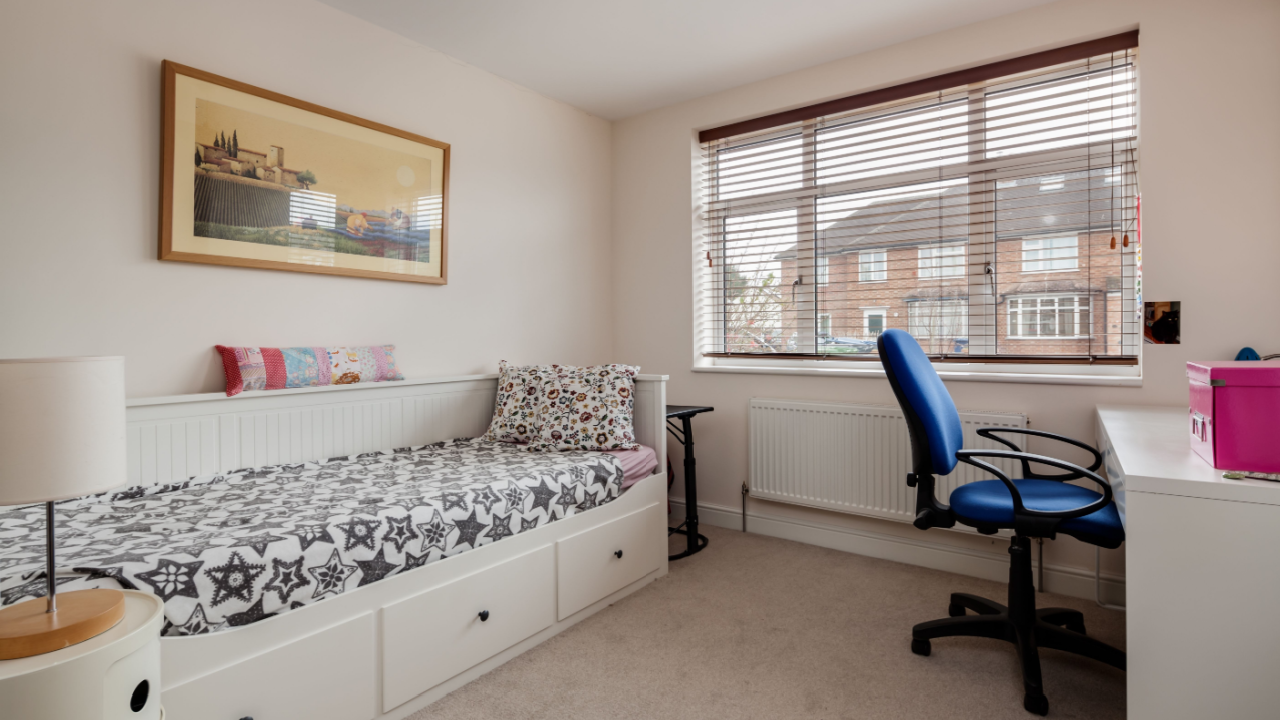
A daybed is a master of versatility, serving as a sofa for socializing and a bed for lounging. This makes it an ideal foundation for a reading nook that can accommodate more than one person or allow you to stretch out completely. It’s perfect for long, lazy afternoons when you want to get completely lost in a novel, with plenty of room to shift positions.
Place the daybed against a wall and load it with an abundance of pillows in various shapes and sizes. This allows you to build a supportive backrest for sitting upright or a soft nest for reclining. A nearby side table is essential for holding essentials, and a flexible floor lamp can provide light from any angle. The area underneath the daybed can also be used for storing books in decorative bins or baskets.
Quick Guide:
- Best For: Living rooms, guest rooms, or any space needing flexible seating.
- Key Elements: A daybed, lots of pillows for support, and a side table.
- Next Steps: Select a daybed that fits your room’s scale. Gather a collection of pillows with different textures and firmness levels.
7. The Awkward Corner Solution
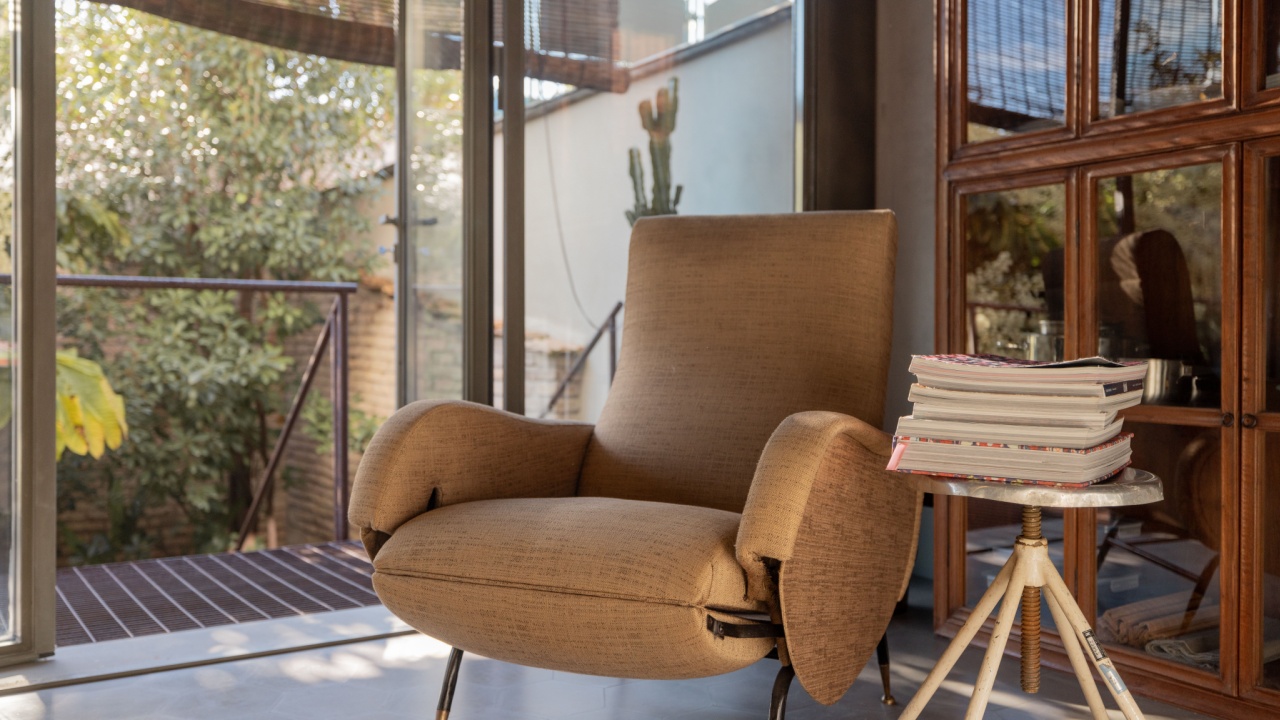
Every home has one: that odd corner where nothing seems to fit. It might be under a slanted roof, in an L-shaped room, or next to a structural column. Instead of letting it go to waste, turn its unique geometry into an asset by designing a reading nook that feels custom-made. The unusual shape can make the spot feel more intentional and secluded.
The key is finding furniture that fits the specific dimensions. A small-scale armchair, a beanbag, or even a collection of large floor pillows can work. Utilize vertical space with narrow, wall-mounted shelves.
Quick Guide:
- Best For: Transforming oddly shaped or seemingly unusable spaces.
- Key Elements: Furniture scaled to the corner, vertical shelving, and clever lighting.
- Next Steps: Measure the awkward corner precisely. Look for furniture with a small footprint or consider flexible options like floor cushions.
8. The Immersive Themed Nook
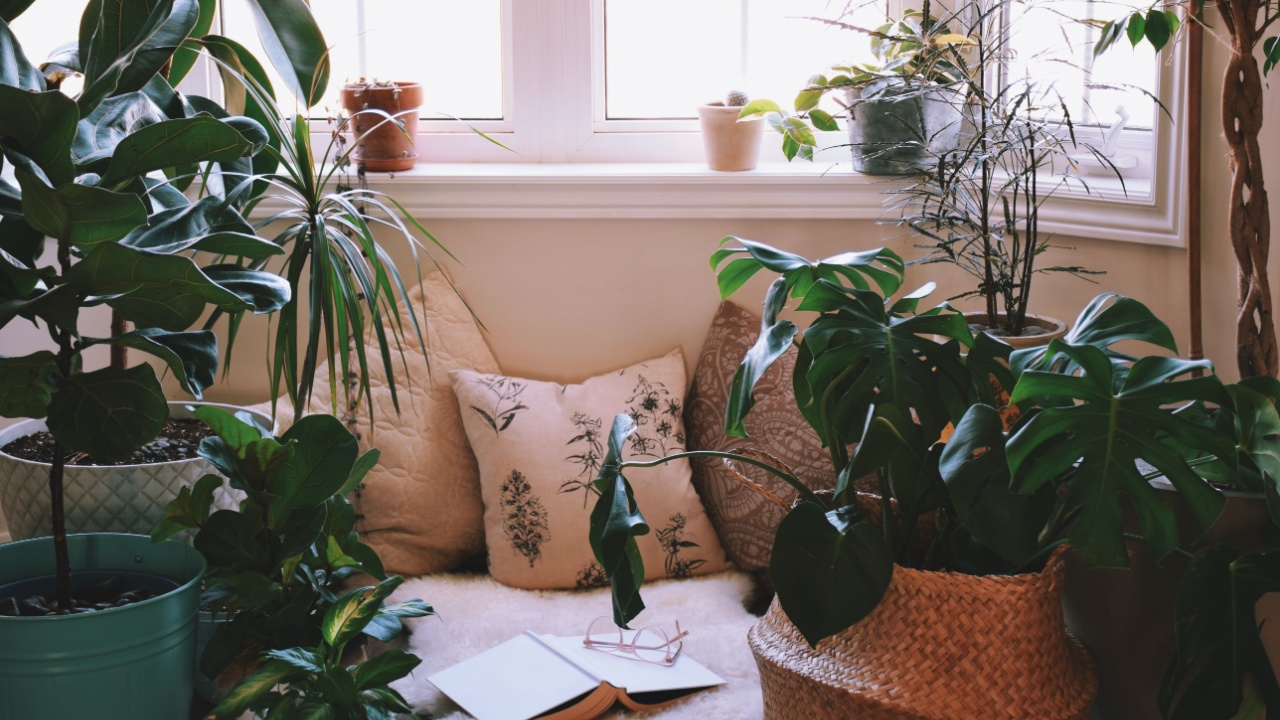
For those who love to fully escape into the worlds they read, a themed nook can elevate the experience. This idea involves styling the space to reflect a favorite genre, book, or literary setting. It can be a dark academia corner with rich wood tones or a fantasy-inspired alcove with ethereal lighting; a theme makes the nook a true destination.
Start by choosing your theme. For a nature-inspired retreat, use botanical prints, plenty of plants, and natural materials like wood and rattan. For a sci-fi feel, opt for metallic accents, sleek furniture, and cool-toned lighting. The decor, from the pillows to the wall art, should all contribute to the chosen atmosphere.
Quick Guide:
- Best For: Readers who enjoy a fully transportive and imaginative experience.
- Key Elements: Cohesive decor, specific color palettes, and accessories that match a chosen theme.
- Next Steps: Brainstorm a theme based on your favorite books or genres. Create a mood board to guide your selection of furniture, colors, and decor.
9. The Kid-Friendly Reading Zone
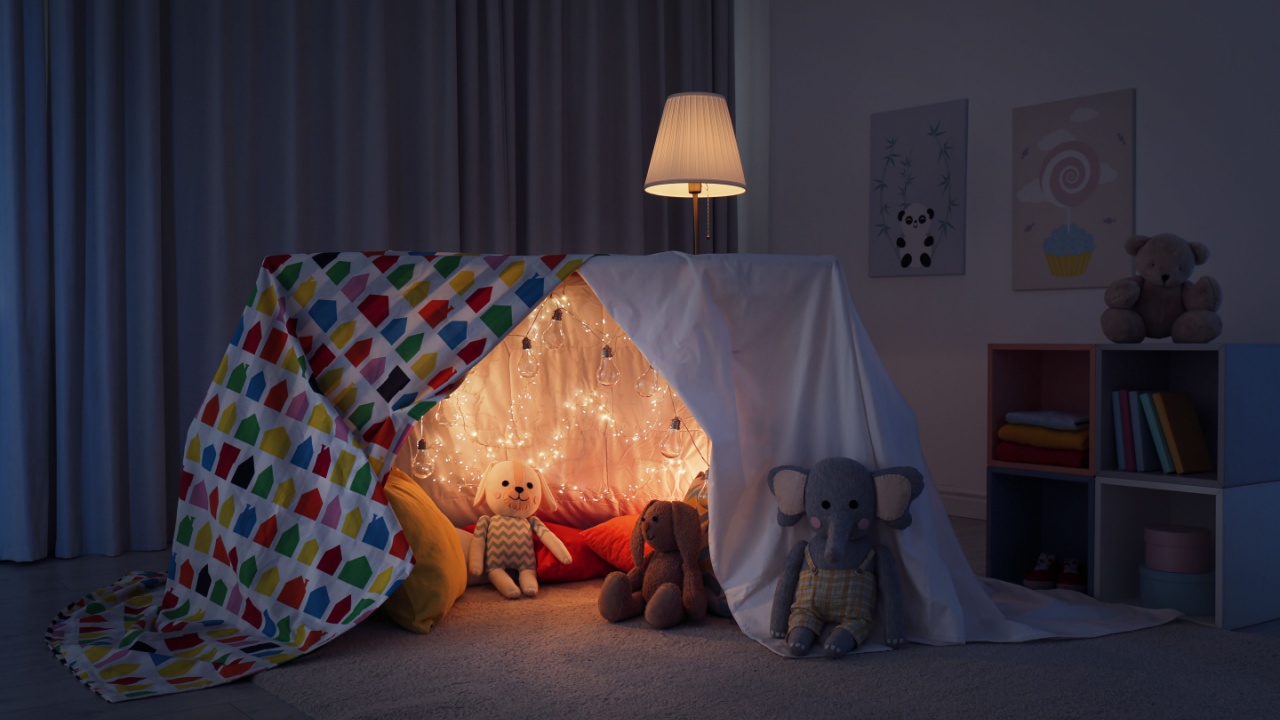
Fostering a love of reading starts early, and a dedicated nook can make books a fun and accessible part of a child’s world. A kid-friendly nook should be comfortable, safe, and organized in a way that empowers them to choose their own stories.
Use low, front-facing bookshelves so kids can see the covers and easily grab their favorites. A soft rug, a few large floor cushions, or a child-sized beanbag create a comfortable spot for them to settle in. Consider a playful tent or canopy to make the space feel like a secret fort. Ensure any lighting is secure and out of reach.
Quick Guide:
- Best For: Playrooms, children’s bedrooms, or a corner of the family room.
- Key Elements: Front-facing bookshelves, soft and durable furnishings, and a sense of fun.
- Next Steps: Choose a safe corner with good visibility. Install low shelves and select washable, soft materials for seating.
10. The Monochrome Modern Nook
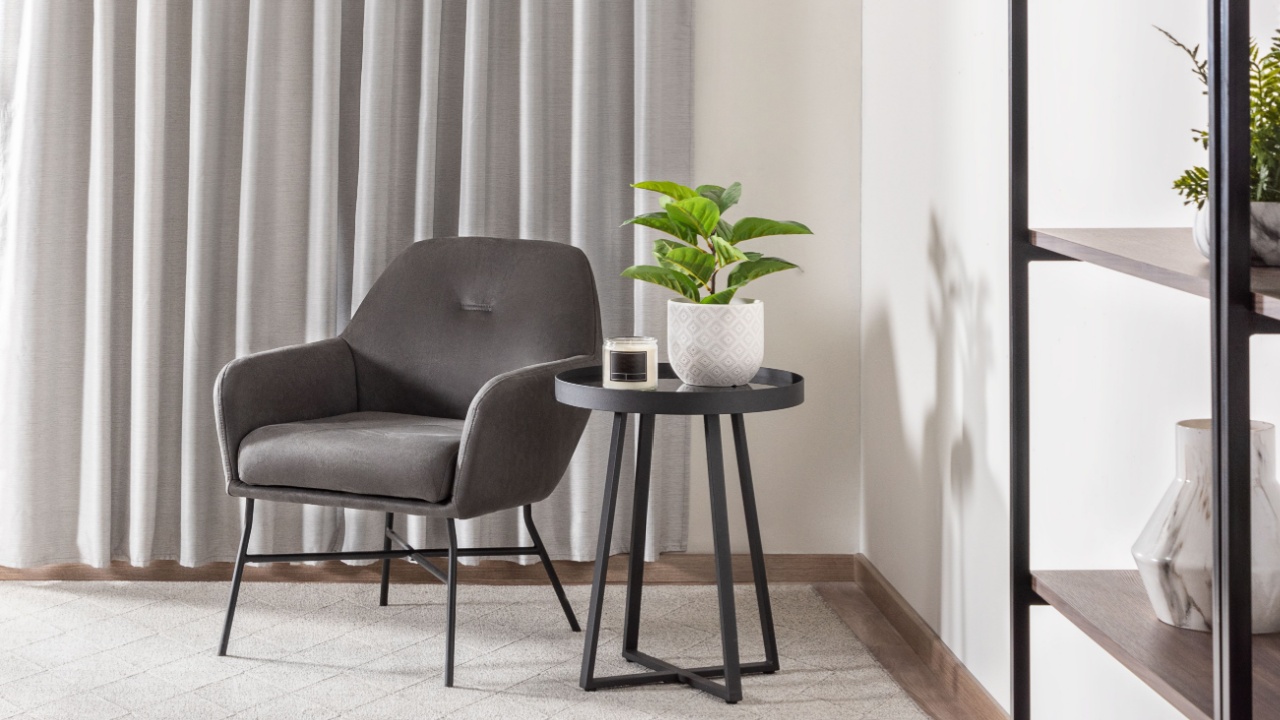
The magic of a monochrome design extends to reading nooks. You can focus on varying shades of a single color, which creates a visually calming and sophisticated space. This approach is perfect for a reading nook, as the lack of distracting color contrasts helps the mind settle and focus.
Select a base color like gray, navy, or even a soft cream and build from there. The trick is to use a variety of textures to keep the space from feeling flat. Combine a smooth leather chair with a chunky knit blanket, a velvet pillow, and a linen-shaded lamp. The different materials will add depth and interest while maintaining the soothing, unified color scheme.
Quick Guide:
- Best For: Creating a sophisticated and visually restful reading spot.
- Key Elements: A single color family, a mix of different textures, and clean lines.
- Next Steps: Choose a color that you find calming. Gather items in different tints, tones, and shades of that color, paying close attention to texture.
11. The Library Ladder Accent

For those blessed with high ceilings and a passion for books, floor-to-ceiling bookshelves with a rolling ladder are the ultimate dream. This design not only offers massive storage capacity but also makes a dramatic style statement. The ladder itself adds a touch of classic library charm and makes every book, even those on the highest shelf, easily accessible.
The shelves should be built from sturdy materials to handle the weight of the books and the ladder system. The ladder provides a functional and interactive element, turning the act of selecting a book into a small adventure. A comfortable chair placed nearby completes the literary scene.
Quick Guide:
- Best For: Rooms with high ceilings and for serious book collectors.
- Key Elements: Floor-to-ceiling bookshelves, a secure rolling ladder, and a comfortable seating area.
- Next Steps: Consult with a professional carpenter to design and install the shelving and ladder system safely.
12. The Privacy Curtain Partition
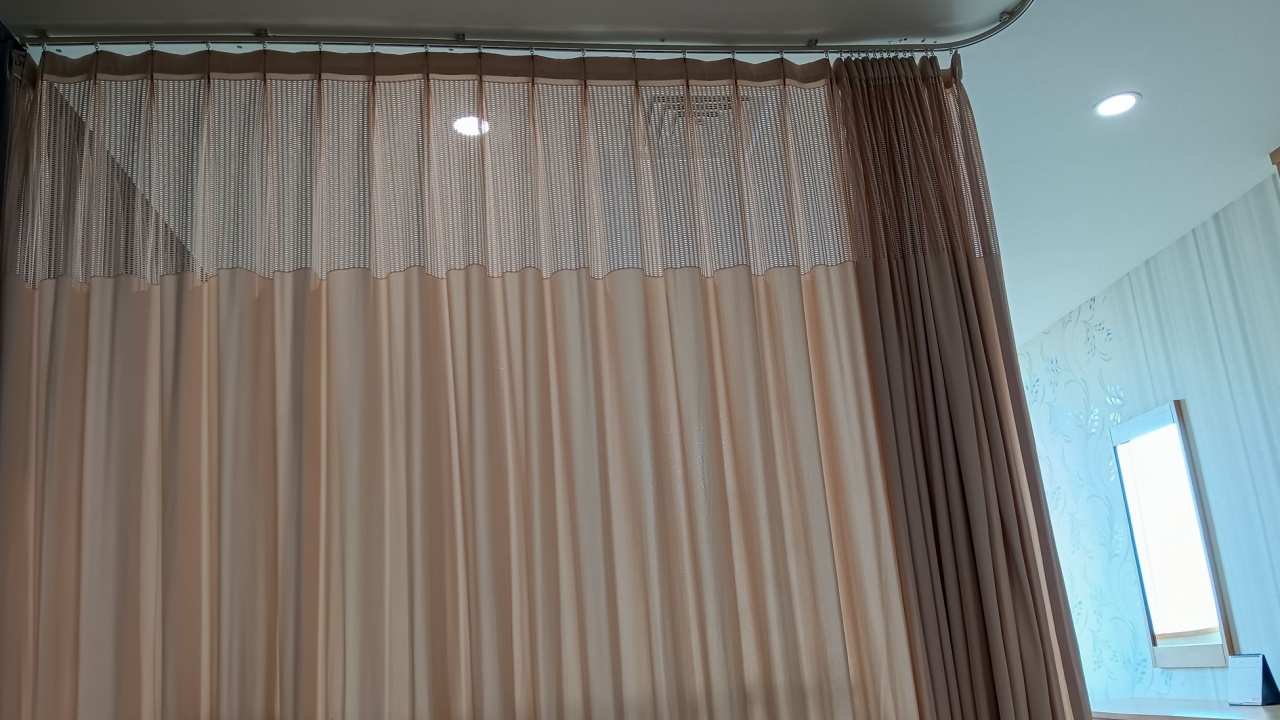
Even in an open-plan living area, you can create a sense of seclusion for your reading nook. A simple curtain is a brilliant way to visually separate your reading spot from the rest of the room. It allows you to block out distractions and signal to others that you are in your own little world, without the need for permanent walls.
Install a ceiling-mounted curtain track around your chosen corner. This allows the curtain to glide smoothly and be pulled back easily when not in use. Choose a fabric that suits your needs; a heavy velvet can help dampen sound, while a light linen will offer visual privacy without blocking light completely. Behind the curtain, place your chair, lamp, and side table.
Quick Guide:
- Best For: Open-concept spaces or large rooms where a sense of privacy is needed.
- Key Elements: A ceiling-mounted curtain track, a fabric curtain, and a fully furnished nook behind it.
- Next Steps: Choose a corner for your nook and install a curtain track on the ceiling. Select a curtain fabric and length that fits the space.
13. The Minimalist Floating Shelf Setup
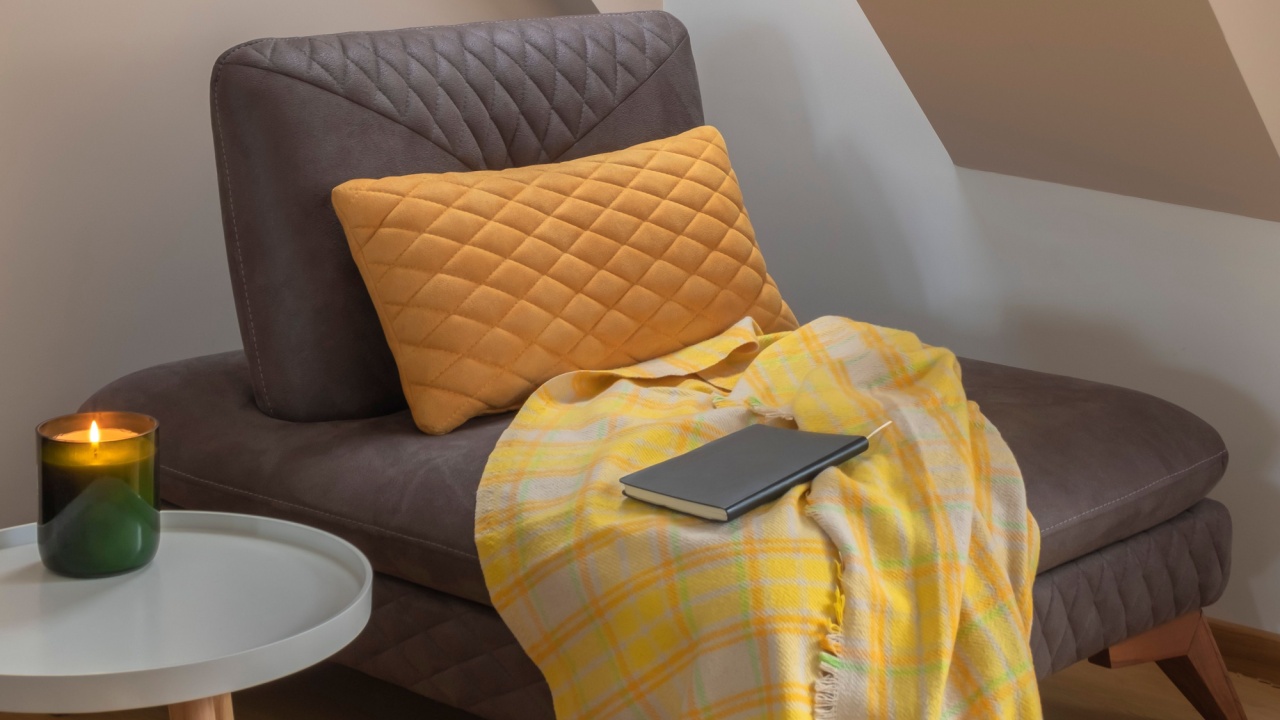
If your aesthetic leans toward the simple and uncluttered, a minimalist nook can be just as inviting. This idea focuses on clean lines and only the most essential elements. It proves that you do not need a lot of furniture or decor to create a functional and stylish reading space. Minimalism may have been a ’90s design, but it’s still great.
The core of this design is a series of floating shelves. Install two or three above a simple, modern chair. Use the shelves to hold a small, curated selection of books and perhaps a single decorative object. A sleek, slim-profile floor lamp and a small stool or pouf acting as a side table will complete the look. This keeps the floor clear and maintains an open, airy feeling.
Quick Guide:
- Best For: Small spaces and lovers of modern, uncluttered design.
- Key Elements: Floating shelves, a simple chair, and a minimalist lamp.
- Next Steps: Select a chair with a clean silhouette. Plan the placement of your floating shelves to create a balanced composition on the wall.
14. The Under-the-Stairs Hideaway
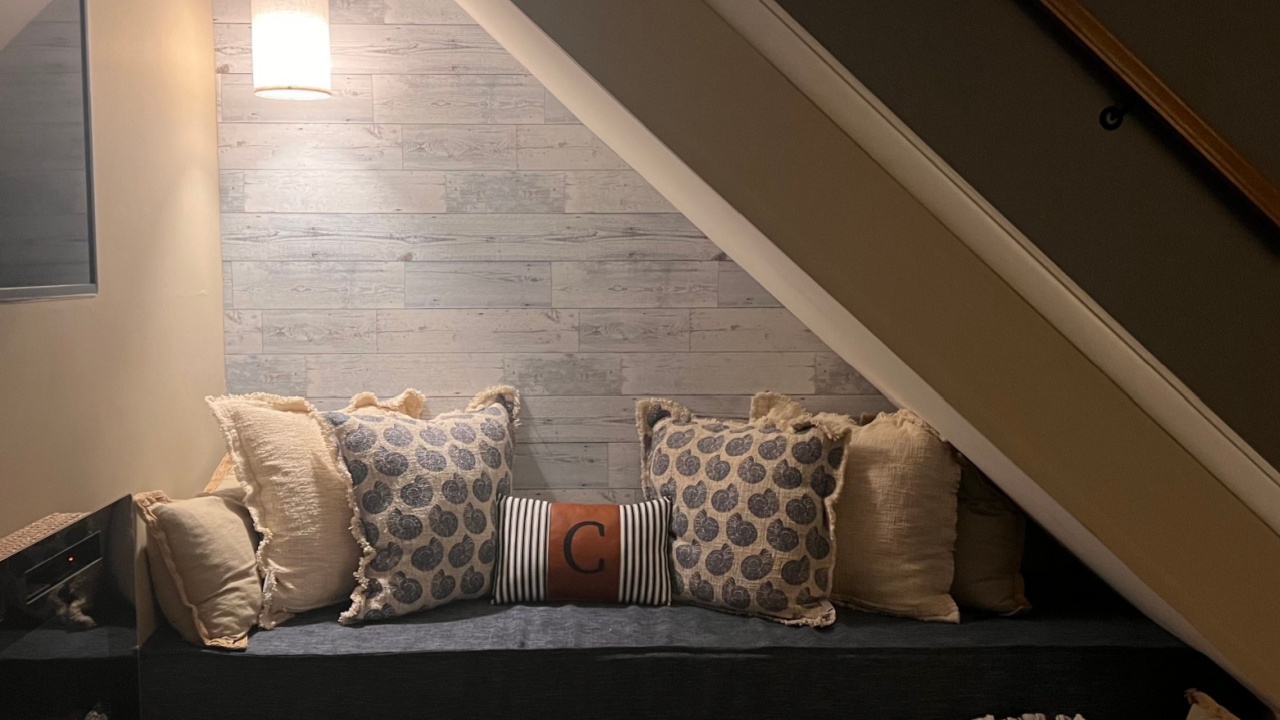
The space under a staircase is often a dust-collecting void; the lucky ones become shoe racks. With some planning, it can be reclaimed and turned into one of the most charming spots in the house. Its angled ceiling and enclosed feel make it a natural starting point for a built-in reading nook.
This project often benefits from custom carpentry. A built-in bench can be designed to fit the exact dimensions of the space, with drawers underneath for storage. Integrated shelving on the back wall can hold books, and built-in lighting, like a small sconce or recessed puck lights, is essential for this often dark area. Add a thick cushion and pillows to finish your hidden retreat.
Quick Guide:
- Best For: Homes with an open space under the staircase.
- Key Elements: A custom-built bench, integrated shelving, and dedicated lighting.
- Next Steps: Measure the space carefully. Sketch out a design for a bench and shelving, or consult with a professional to bring your vision to life.
15. The Garden Nook Retreat
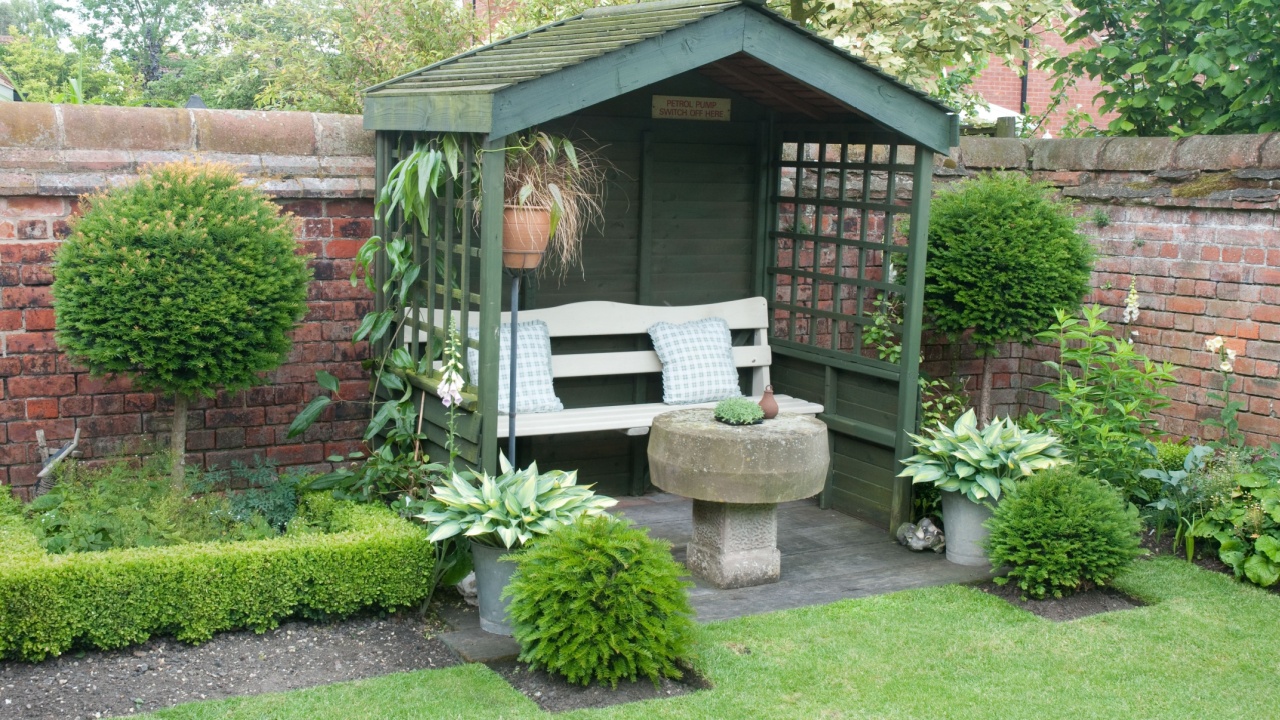
If you find peace in nature, creating a reading nook directly in your garden can be a transformative experience. Surrounded by greenery, birdsong, and fresh air, this outdoor setup encourages deep relaxation and uninterrupted reading time. It’s a way to blend your love of books with the restorative power of the outdoors.
Choose a quiet, shaded corner of your garden—under a tree, beside a hedge, or near a flower bed. Place a weatherproof armchair or bench with cushions made from sun-resistant, washable fabric. Add a small table for your book and drink, and consider a canopy, pergola, or large umbrella for protection from the elements. Surround the area with potted plants or climbing vines to enhance the sense of enclosure and privacy.
Quick Guide:
- Best For: Garden lovers and those seeking a nature-connected reading experience.
- Key Elements: Outdoor seating, shade, and lush surroundings.
- Next Steps: Identify a quiet garden spot with natural shade or add a canopy. Choose furniture that can withstand sun and moisture, and layer in plants for ambiance.
Bringing Your Literary Haven to Life
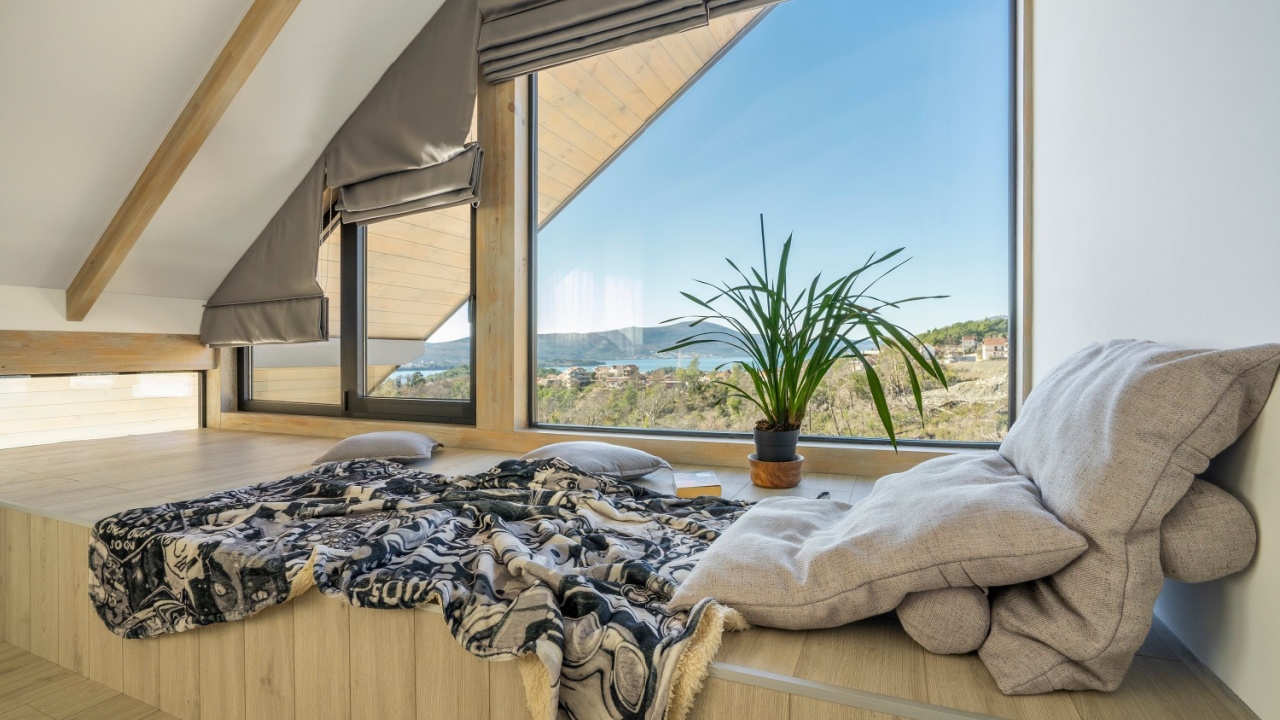
With these ideas as your guide, the next step is to look at your own home with fresh eyes. Walk through each room and identify those forgotten corners, unused walls, or awkward spaces that hold hidden potential.
The most effective reading nooks are born from a thoughtful combination of three key elements: a comfortable seat that encourages you to stay awhile, good lighting that prevents eye strain and sets the mood, and a personal touch that makes the space feel yours uniquely. It could be a favorite blanket, a piece of art that inspires you, or a shelf filled with books that feel like old friends.