14 Seemingly Simple Tasks That Modern Life Made Complicated
Some household tasks used to be straightforward. You could take out the trash, wipe your shoes, or just check what’s in the fridge with minimal mental energy. Now, many simple chores have transformed into multi-step operations requiring apps, online portals, and specific instructions.
It seems technology, meant to simplify our lives, has occasionally added a few extra layers of complexity. From sorting recyclables, changing a lightbulb, to cars driving you by themselves, let’s explore the everyday tasks that have become surprisingly elaborate.
1. Mailing a Package

A trip to the post office was once a simple errand. You’d box up your item, write an address, and pay for postage at the counter. Today, shipping a package often feels like a logistical puzzle. You might need to weigh and measure the box precisely, navigate various shipping tiers online, and print a prepaid barcode. Some services require a QR code, which may not be accepted at every drop-off location, leading to the extra step of scheduling a pickup.
- How to Simplify: For simple packages, consider using flat-rate boxes from the postal service. This eliminates the need to weigh your item, as long as it fits. Keep a small digital scale and a measuring tape handy to speed up the process when using your own packaging.
2. Recycling

Recycling programs have become more sophisticated, which is a positive step for the environment. However, the rules can be confusing. It’s no longer just about separating paper and plastic. Now, in some areas you need to know which numbers of plastics are accepted, what to do with mixed materials, and how to handle items like greasy pizza boxes or black plastic trays, which are often rejected. The guidelines can change from week to week, leaving many people guessing.
- How to Simplify: Print out your local municipality’s recycling guide and post it near your bins. Create separate, clearly labeled containers in your home for paper, glass, specific plastics, and non-recyclables to sort as you go.
3. Dealing with Yard Waste
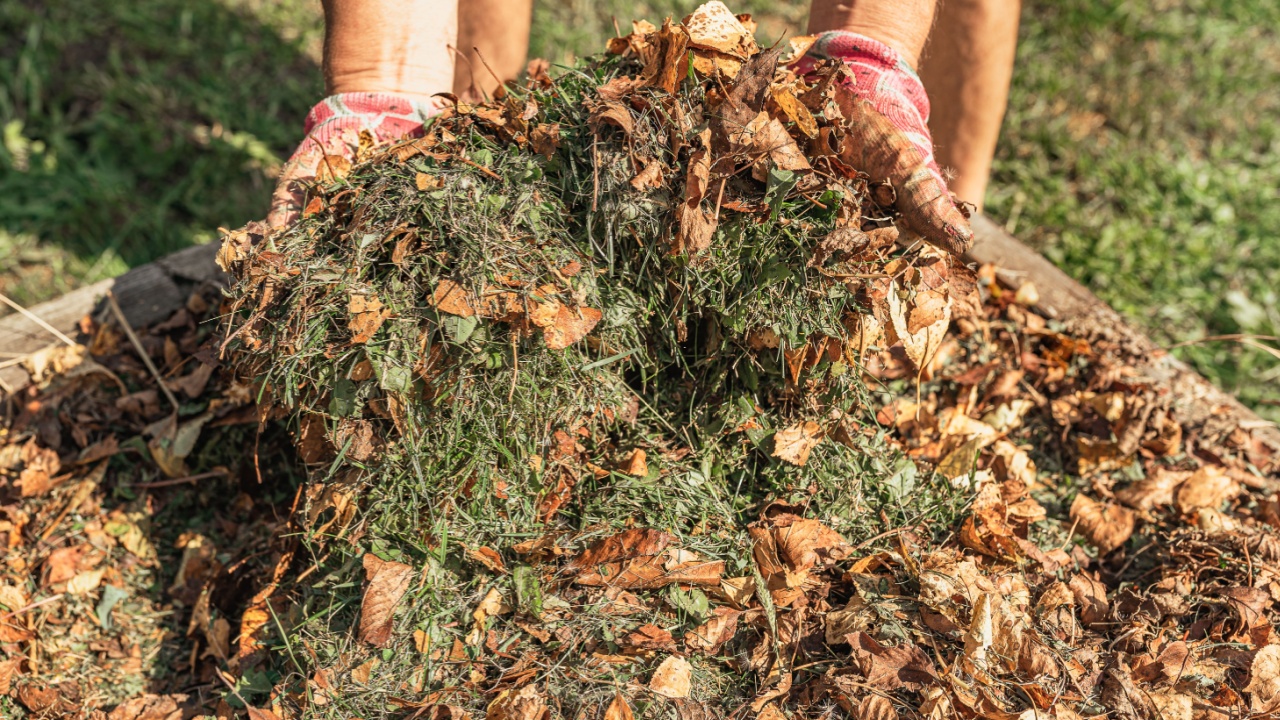
Disposing of yard trimmings used to involve piling branches and leaves at the curb for collection. Now, many cities have strict requirements. Bundles must often be tied with biodegradable twine, cut to a specific length (like under four feet), and weigh less than a set limit. Sometimes, piles with too many leaves mixed in with branches are left behind, forcing you to re-bundle everything.
- How to Simplify: Invest in a good pair of loppers and a small handsaw to easily cut branches to the required size. Use a yard waste bag or can to manage loose leaves and smaller debris. A leaf shredder can also reduce volume and create useful mulch for your garden.
4. Doing Laundry in a Shared Space
For those living in apartments or dorms, laundry day has gone digital. Finding an open machine used to be the biggest challenge. Now, you might need to download an app, top up a digital balance, and reserve a specific washer and dryer for a set time. This system can be frustrating when you just want to do a quick load, and some buildings even lock the machines between bookings.
- How to Simplify: Try to schedule your laundry for off-peak hours, like weekday mornings or afternoons. Set a timer on your phone for a few minutes before your cycle ends to avoid losing your machine or inconveniencing a neighbor.
5. Renewing Vehicle Registration

Renewing a car’s registration was once a matter of filling out a form and mailing a check. The process can now involve more steps, especially in areas with emissions testing. You have to be mindful of testing windows and your car’s internal computer system. Some vehicle owners find themselves driving around just to reset the car’s monitors so it will pass the “readiness” check for an emissions test.
- How to Simplify: Mark your calendar with the registration renewal deadline and any required inspection dates. Keep all your vehicle-related documents in one file folder for easy access. Address any “check engine” lights promptly, as they can prevent your car from passing inspection.
6. Getting Rid of Old Household Items
Getting rid of an old mattress or a broken chair used to mean dragging it to the curb on the designated day. The process now frequently requires advance planning. Many cities ask you to submit an online request, pay a fee, and print a special sticker to attach to the item. Placing it in the correct spot on the curb is also important for a successful pickup.
- How to Simplify: Check your city’s sanitation department website well in advance of needing a bulk pickup. Schedule the collection as soon as you know you need it, as some areas have long wait times.
7. Changing a Lightbulb

The humble lightbulb has become a high-tech accessory. Gone are the days of just buying a 60-watt bulb. Now you must choose the right base size, lumens (brightness), and color temperature (warm vs. cool light). With smart bulbs, the process involves connecting the bulb to your Wi-Fi, downloading an app, and syncing it to your home network, all just to turn on a light.
- How to Simplify: When you find a bulb you like, buy a few extras to have on hand. For smart bulbs, write down the Wi-Fi password and any app login information and tape it to the inside of a utility closet for future reference.
8. Vacuuming the Floor

Cleaning the floor used to be as simple as plugging in a vacuum and pushing it around. Robotic vacuums have added a new set of chores to the chore. You must pre-charge the device, clear the floor of all cables and small objects, and sometimes wait for the vacuum’s software to update before it can even start. Then there is the mapping process, where the robot learns the layout of your home.
- How to Simplify: Make a quick five-minute “pre-clean” part of your routine before running the robot vacuum. Designate a “home base” for the charging station that is central and unobstructed.
9. Getting New Printer Ink

Older printers were fairly forgiving. When the ink ran out, you could buy a generic cartridge and pop it in. Modern printers are often more particular. They can reject refills that lack a specific microchip and may block third-party brands entirely. Some models are even programmed to automatically order new, expensive cartridges through a subscription service.
- How to Simplify: Research printers before you buy to see if they accept third-party ink cartridges. When you find a reliable, affordable ink source, buy an extra set so you are not caught without one when you have an important document to print.
10. Paying a Utility Bill

Paying for power or water used to take five minutes. You’d open the envelope, review the statement, and mail back a check. Now, each utility company has its own online portal with a unique login and password. Before you can even pay, you might have to complete security checks to prove you are human. Switching back to paper billing can be surprisingly difficult.
- How-To Simplify: Use a password manager to store the login information for each utility portal. Set up automatic payments for predictable bills to reduce the monthly administrative work.
11. Setting a Thermostat

Thermostats were once simple dials on the wall. You turned one way for more heat and the other for less. Smart thermostats, while energy-efficient, require a setup process. You need to connect them to Wi-Fi, download an app, create schedules, and label different temperature zones in your home. Getting the settings just right can take some trial and error.
- How-To Simplify: During the initial setup, use the default or recommended schedule. Adjust it by a degree or two each day until you find a comfortable and efficient balance.
12. Watching Television

Turning on the TV used to be a one-button operation. Today, it’s a sequence of events. You might turn on the television, then the soundbar, then the streaming device. After that, you must navigate through multiple apps and profiles just to find something to watch. Sometimes you forget which service has the show you were watching last night.
- How-To Simplify: A universal remote can consolidate control of all your devices. Many streaming devices also offer a universal search function that can scan across all your apps to find a specific movie or show.
13. Making a Simple Phone Call

The act of calling someone has become surrounded by a new etiquette. It was once normal to call a friend or family member spontaneously. Now, it is common to text someone first with “Is it a good time to call?” to avoid interrupting their day. The simple act of reaching out to talk has gained a layer of scheduling. While we still need phone etiquette, sometimes, many people just want to make the call and be done.
- How-To Simplify: For close friends and family, establish a mutual understanding that spontaneous calls are welcome. You can always let it go to voicemail if you are busy. It helps preserve a bit of spontaneity in a highly scheduled world.
14. Grocery Shopping

A trip to the grocery store was about making a list and heading to the aisles. Now, effective shopping can involve downloading store-specific apps, digitally “clipping” coupons before you shop, and scanning a barcode at checkout to get the sale prices. Forgetting to use the app can mean missing out on significant savings. Shopping got complicated, and it shouldn’t be.
- How-To Simplify: Dedicate 10 minutes before your shopping trip to scan the weekly flyer and load relevant digital coupons onto your store account. This small bit of planning can save both time and money at the store.
Taking Back Simplicity

While modern life has added a few extra steps to old chores, a little organization can make a big difference. Many of these complications arise from a lack of familiarity with a new system. By creating routines and using simple tools to manage the new complexities, you can streamline these tasks and get back to what matters. Focus on one or two of these areas at a time to build new habits that make your household run smoothly.