
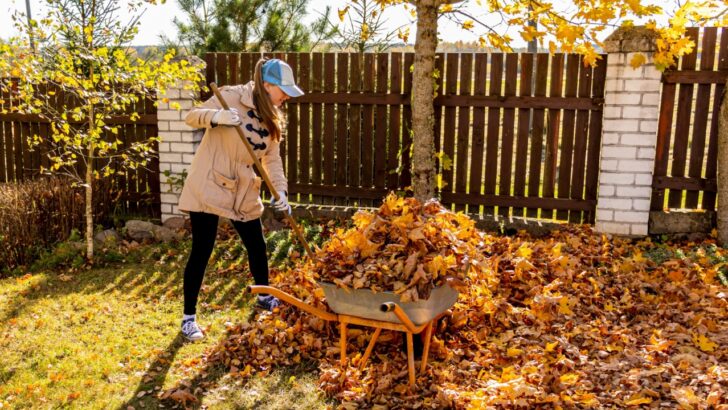
It’s autumn, your neighbor’s yard has turned into a leaf graveyard, and the squirrels are sizing up your leftover tomatoes. You, on the other hand, are in an epic stand-off with your rake: To clean, or not to clean? If your garden starts looking like Mother Nature hit “reset” a little too hard, you might wonder if you should just grit your teeth and tidy up or just put your feet up and let nature handle it.
Like most garden debates, fall clean-up isn’t a clear-cut hero vs. villain situation. It’s more like a tug-of-war between your perfectionist streak and your inner lazy gardener (who, for the record, is great company). So, should you haul out those bags and tools? Or can you skip it and earn extra autumn couch time?
Here’s your in-depth tour through the pros and cons, complete with helpful quick guides, to help you discover what’s best for your backyard, your wildlife, and your back muscles.
The Pros of Fall Clean Up- 1. Prevent Pests and Diseases
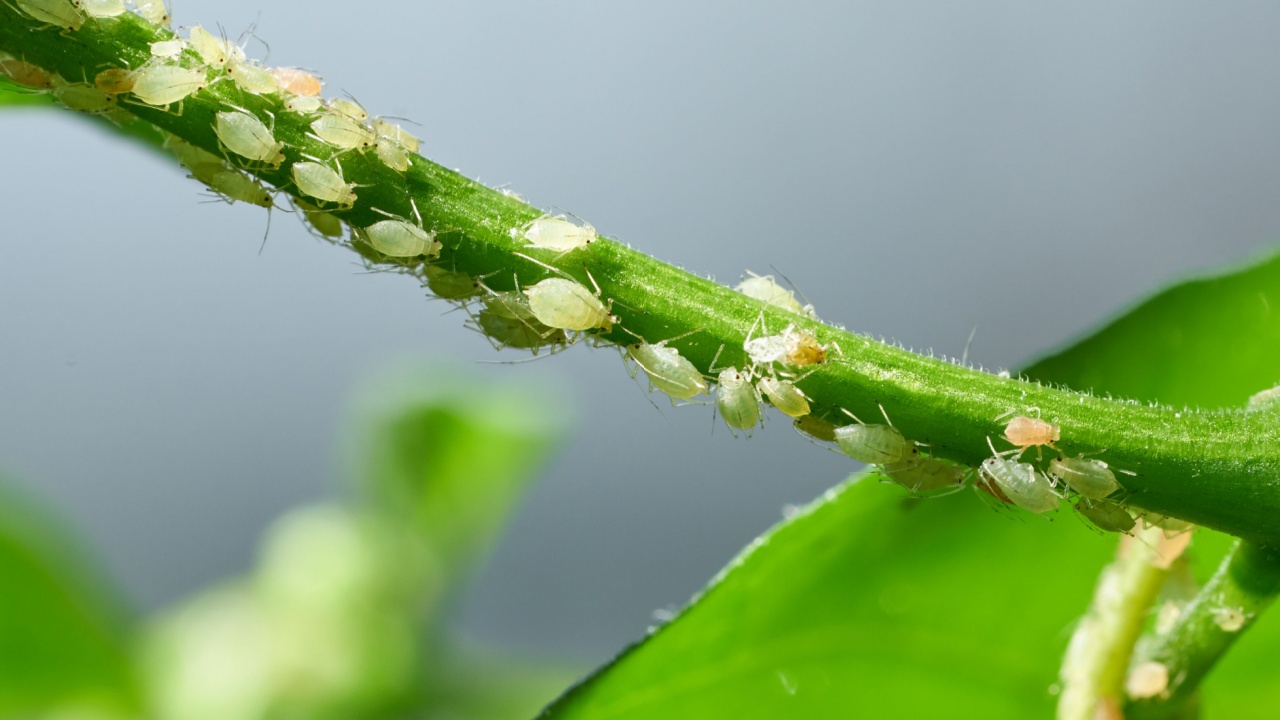
Image Credit: Shutterstock.
Tidy up plants that show clear signs of disease, such as powdery mildew or black spot, or that have been heavily damaged by insects. Bag and discard this material rather than composting it, since pathogens and pests can survive in cool, home compost systems. Clearing out compromised foliage now reduces the amount of trouble lurking in your garden beds, giving your plants a healthier foundation for spring.
Fungal spores, aphids, slugs, and other unwelcome guests often use dead leaves and stems as winter shelter. By removing infected or infested debris, you disrupt their life cycle and help prevent a resurgence when warmer weather returns.
Quick Guide:
- What to do: Clear all diseased and pest-ridden plant matter (don’t compost unhealthy debris).
- Targets: Fungal spores, squash bugs, cucumber beetles, and slugs.
- Next step: Boost soil health with compost or manure before winter fully sets in.
2. Improve Lawn Health
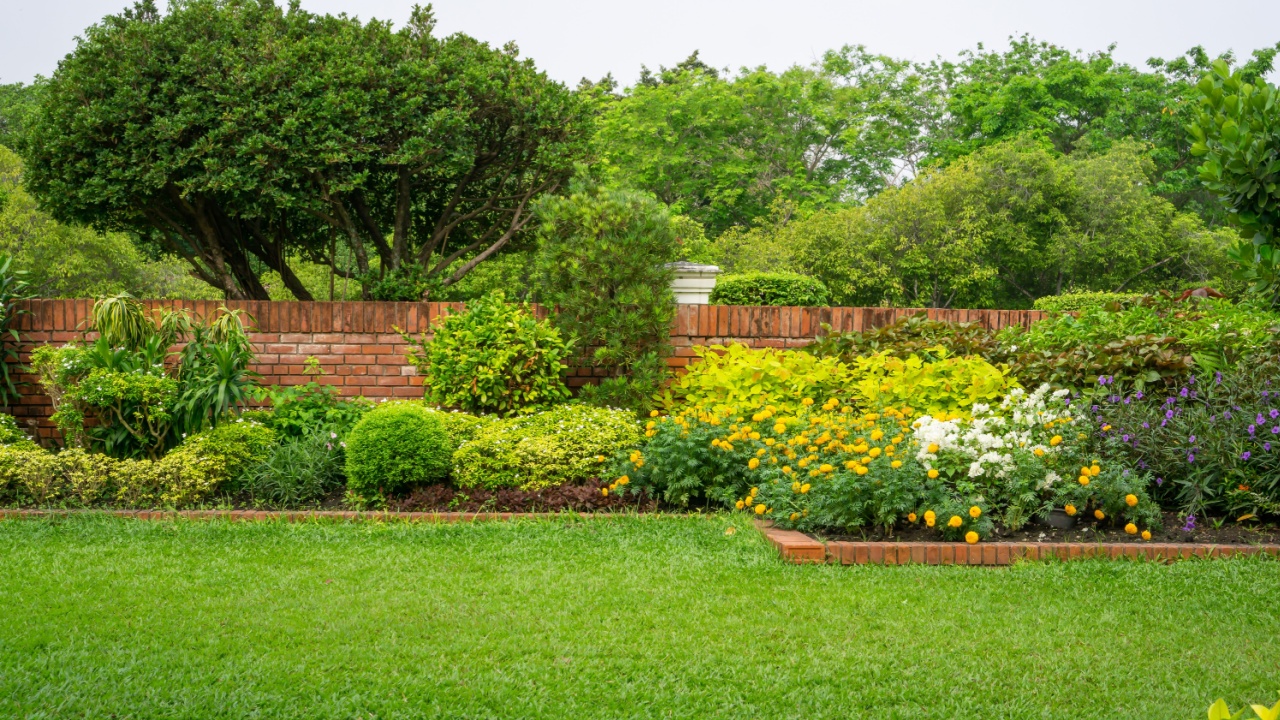
Image Credit: Shutterstock.
Leaving thick piles of leaves on your lawn can block sunlight and trap moisture, which encourages fungal diseases to develop as temperatures drop. Dead patches often appear in spring when turf has been smothered for too long. Grass still needs light and air in the fall, even as it slows down for the season.
Removing leaves or mulching them into smaller pieces helps prevent these issues. Shredded leaves break down more easily and allow oxygen to reach the soil, keeping the lawn in better condition through winter. A little attention in autumn gives your turf a stronger start when spring growth returns.
Quick Guide:
- What to do: Rake or shred leaves, leaving only a thin layer to decompose naturally.
- Targets: Prevents snow mold and brown patch.
- Next step: After clearing, aerate and overseed for a healthier spring turf.
3. Get Ahead of Spring Weeds
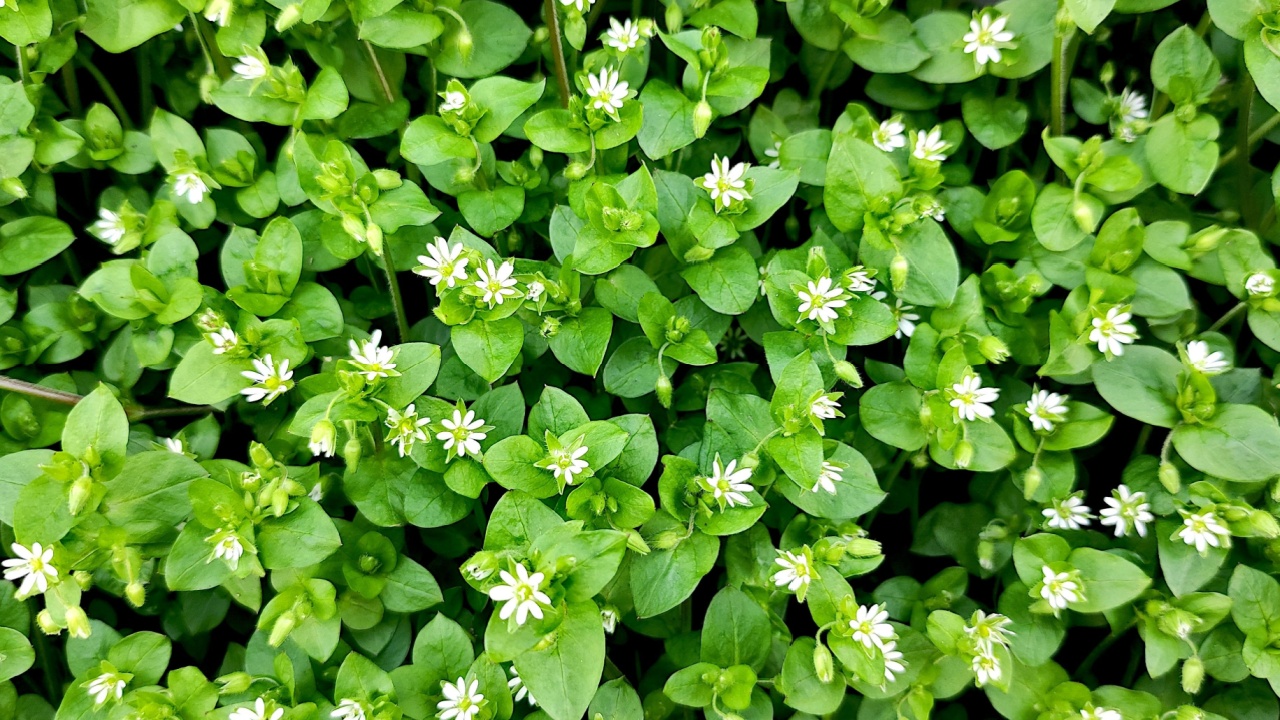
Image Credit: Shutterstock.
Many common garden weeds, including henbit and chickweed, take full advantage of cool fall weather to sprout quietly and settle in for the winter. They may look small and harmless now, but beneath the surface, they are already establishing strong root systems. By early spring, they can surge ahead of your desired plants and take over valuable garden space before you have even pulled out your tools for the season.
If you take time to pull these early troublemakers now (even while muttering about their persistence), you prevent them from gaining that head start. A focused fall weeding session means fewer invaders competing for nutrients, sunlight, and moisture when your flowers and vegetables begin to grow again.
Quick Guide:
- What to do: Do a thorough weeding session, focusing on stubborn perennials.
- Targets: Fall-germinating weeds such as chickweed, henbit, and dandelion.
- Next step: Mulch beds with 2-3 inches of leaves or straw to keep new weeds down.
4. Achieve a Tidy Look and Peace of Mind
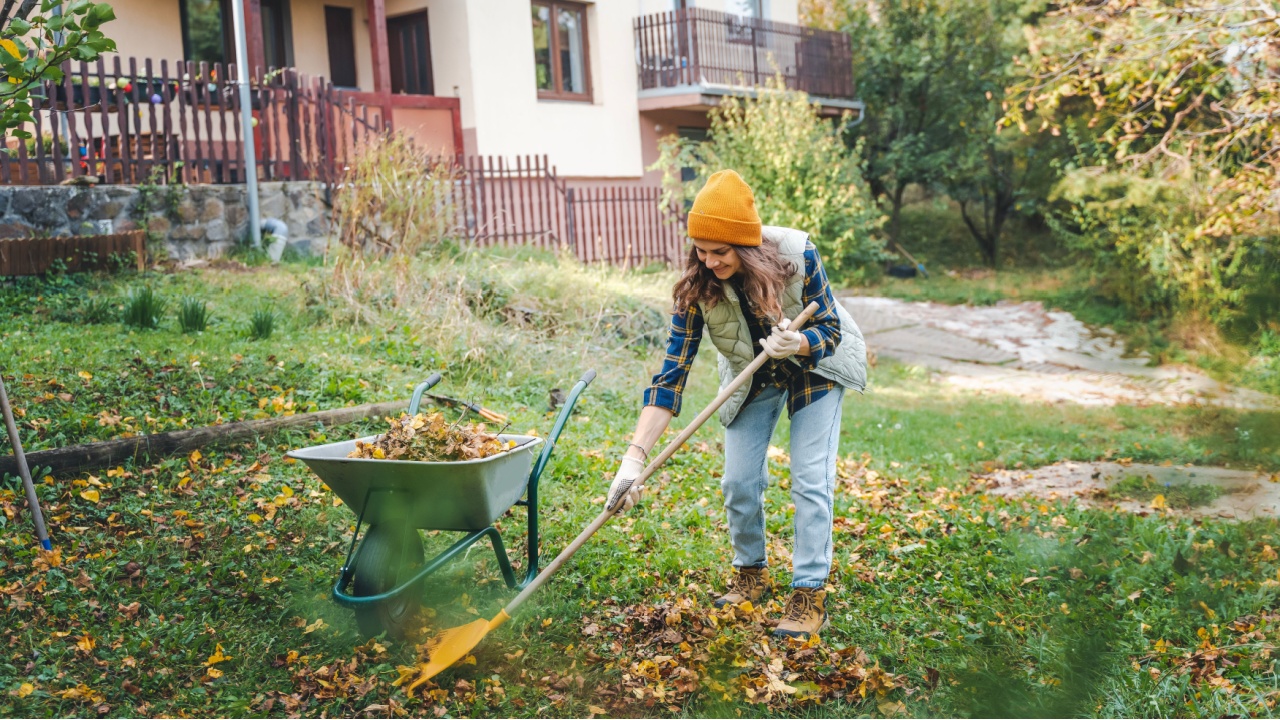
Image Credit: Shutterstock.
A tidy yard may not win you a Nobel Prize, but looking outside and seeing neat beds and clean pathways can feel a lot more peaceful than a jumble of fading plants and scattered leaves. Straightening up at the end of the season can create a sense of closure, signaling that you have wrapped up another year of gardening. For many people, that visual order also brings a welcome sense of calm during the darker months when outdoor spaces are mostly viewed from indoors.
This kind of intentional tidiness can set you up for a smoother start once spring arrives. Tools are stored where you can find them, beds are easier to navigate, and there is less debris to deal with when new growth appears. While perfection is not required for a thriving garden, a bit of fall organization can help you feel prepared for the burst of activity that comes with the next growing season.
Quick Guide:
- What to do: Rake, trim, and stow garden tools and containers.
- Benefit: Reduces visual overload, provides a sense of control, and sets the stage for spring.
- Next step: Enjoy something warm and pretend you’re the world’s most organized gardener (for now).
The Cons of Fall Clean Up- 1. Removes Habitat for Beneficial Insects
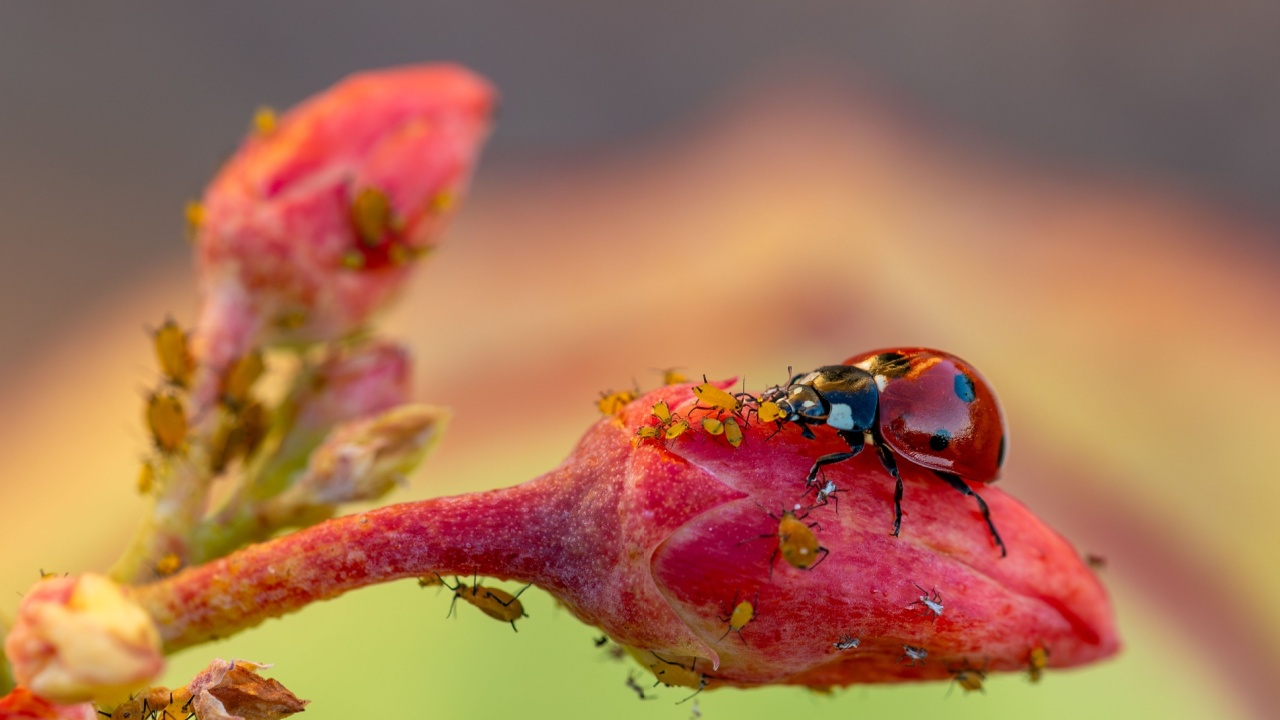
Image Credit: Shutterstock.
Clearing away “mess” often means evicting helpful insects, too. Ladybugs, lacewings, native bees, and butterflies rely on leaf piles and hollow stems for shelter and to keep from freezing. Overdoing the tidying can mean fewer garden allies when you need them most in spring.
Quick Guide:
- What to do: Leave stems 8-15 inches tall and let leaves rest in flower beds.
- Saves: Solitary bees, ladybugs, predatory beetles, lacewings, and overwintering butterflies.
- Next step: Wait until spring temps are consistently above 50°F before final clean-up.
2. Takes Away Natural Food for Birds
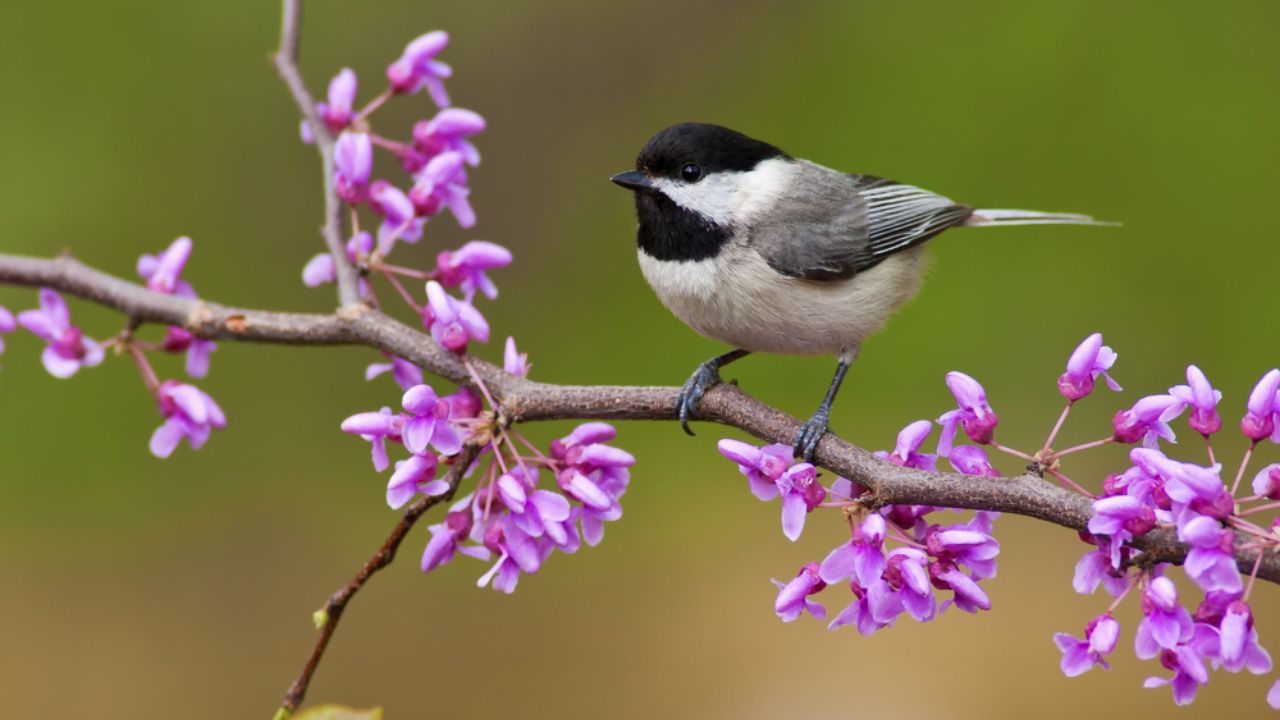
Image Credit: Shutterstock.
Seed heads and leaf litter in your “messy” garden help birds survive the winter. Finches, chickadees, and ground-feeding birds rely on leftover seeds and bugs hidden in leaves. Removing every last stalk sends them looking elsewhere for snacks.
Quick Guide:
- What to do: Delay cutting perennials with seeds until late winter.
- Attracts: Seed eaters such as goldfinches, cardinals, sparrows, and juncos.
- Next step: Supplement with a well-stocked bird feeder during the toughest winter weeks.
3. Missing Out on Free Mulch and Soil Protection
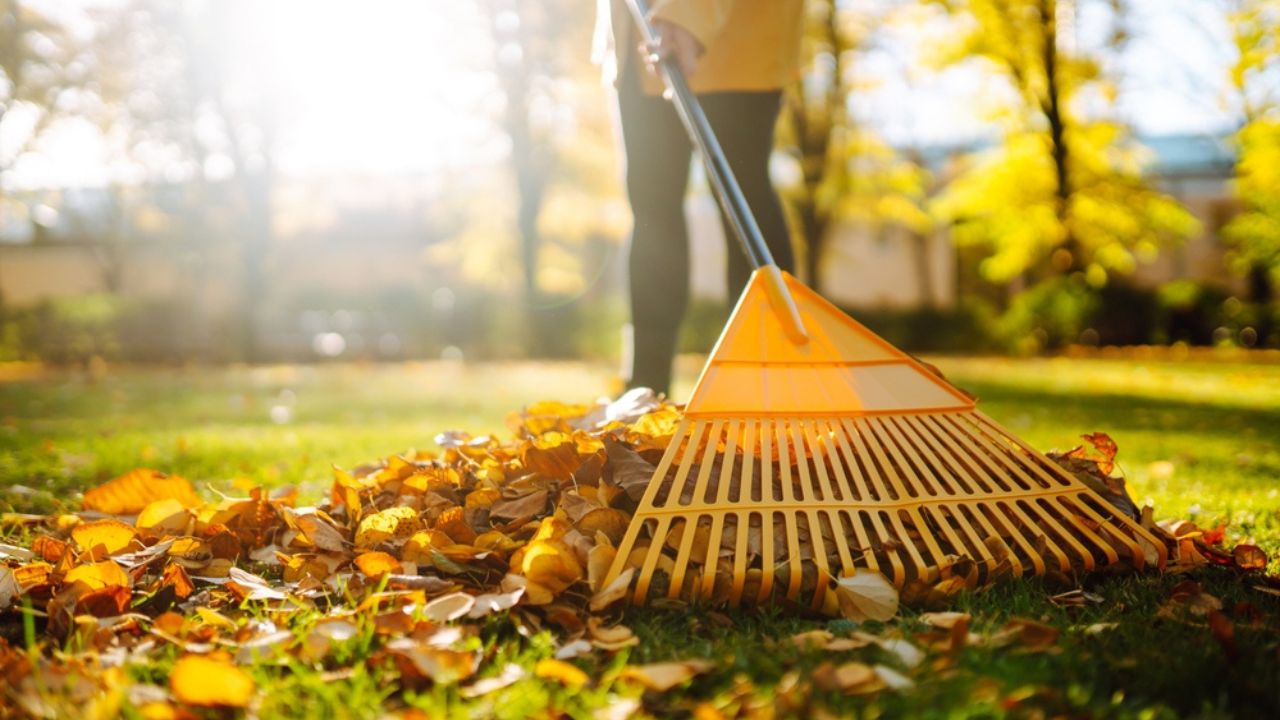
Image Credit: Shutterstock.
Fallen leaves and chopped stems will decompose, feeding your soil and acting as free mulch. They insulate plant roots from wild temperature swings (and potential heaving), boost beneficial microbes, and, eventually, create nutrient-rich humus.
Quick Guide:
- What to do: Rake leaves off the grass, then let them pile up in garden beds or a compost pile. Chop big leaves with a mower for faster breakdown.
- Benefits: More fertile soil, improved moisture retention, and insulation for perennials and shrubs.
- Next step: Leave the leaf mulch in place in spring, or gently rake it aside when planting.
4. It Can Be a Lot of Work
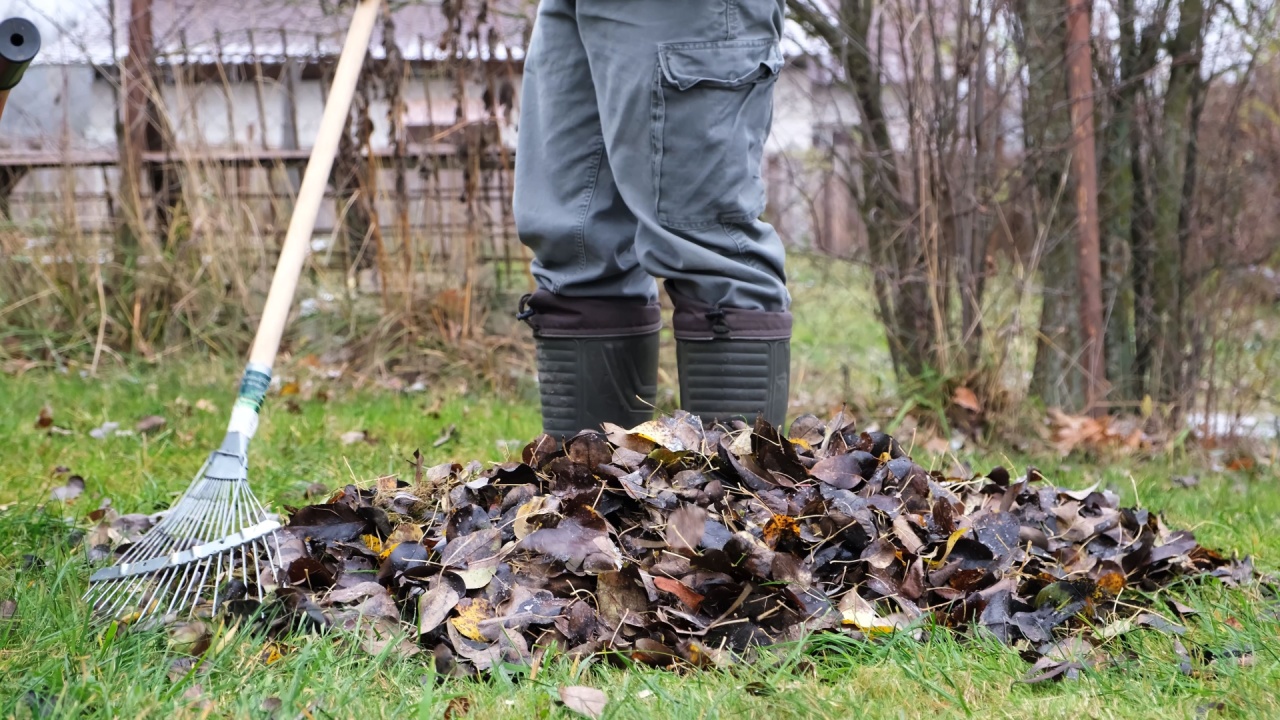
Image Credit: Shutterstock.
A full fall clean-up is no small feat. Raking, bagging, and hauling debris can turn into hours of heavy, repetitive work, especially if you are dealing with a large yard or thick layers of leaves. The physical strain can take a toll on your back, shoulders, and energy levels long before you finish the job.
Choosing a lighter approach is not always about cutting corners. Sometimes it is simply a smart way to protect your body and conserve your time for the parts of gardening you enjoy most. A little strategic “lazy gardening” can help you stay healthy and ready for spring without feeling like you spent every autumn weekend wrestling with yard waste.
Quick Guide:
- What to do: Prioritize tasks if you’re feeling overwhelmed (clear the lawn, leave the beds).
- Benefit: Saves your back, leaves more time for hikes or apple cider, and cuts down on green waste.
- Next step: Use the spare time to plan your spring garden or order seeds with zero guilt.
The Final Rake
Image Credit: Shutterstock.
If you’ve made it this far, bravo; decision fatigue is real. The best approach is a mix. Safeguard your lawn and banish sick plants, but consider leaving beds a bit wild. Your local birds, helpful bugs, and maybe even your spring self will be better for it.
Instead of gearing up for an all-or-nothing marathon, experiment with blending clean and messy tactics in your yard. Your garden just needs a bit of thoughtful care now, and a dash of patience later.