15 Vegetables That Grow Surprisingly Well Indoors
Dreaming of a garden but short on outdoor space? Or perhaps you’re tired of battling unpredictable weather and pesky garden pests. Or you’re itching to start growing something even though it’s the middle of winter. Whatever the reason, growing your own vegetables indoors is a fantastic solution. It allows you to control the environment, enjoy fresh produce year-round, and bring a touch of green into your home.
This guide will walk you through 15 of the best vegetables that not only survive but thrive inside. You’ll learn why each one is a great choice for indoor gardening, get practical care tips, and discover how to get started. Get your containers ready, it’s time to create your own indoor vegetable patch.
1. Carrots
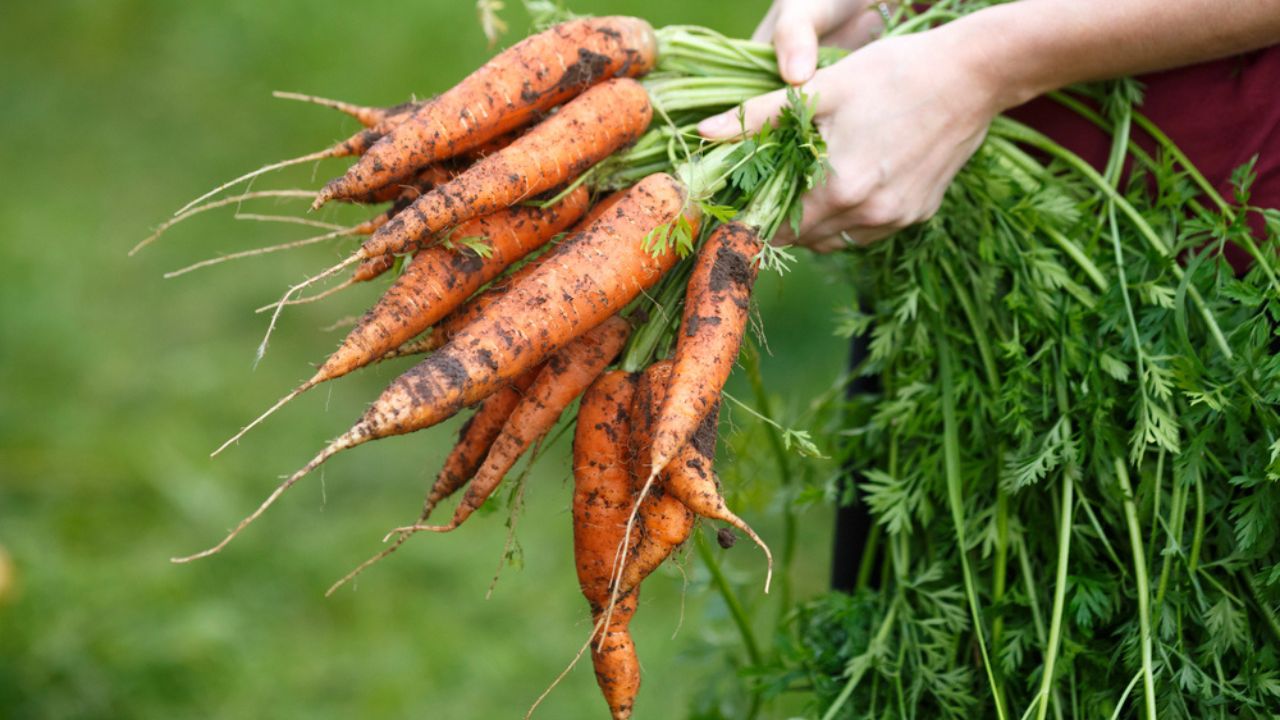
While root vegetables may seem tricky indoors, carrots are surprisingly adaptable and easy to manage with a deep enough container. A key advantage of indoor cultivation is complete control over the soil, crucial for preventing the misshapen roots often caused by dense garden soil.
You can provide ideal loose, sandy soil, and choosing smaller, rounder varieties further simplifies the process.
Quick Care Tips
- Indoor growing protects carrots from the carrot rust fly.
- Ideal varieties are Thumbelina, Paris Market, Danvers Half Long, and Little Finger.
- They need at least 6 hours of direct sun or grow light daily.
- Use a deep pot (8-12 inches) with excellent drainage.
2. Lettuce
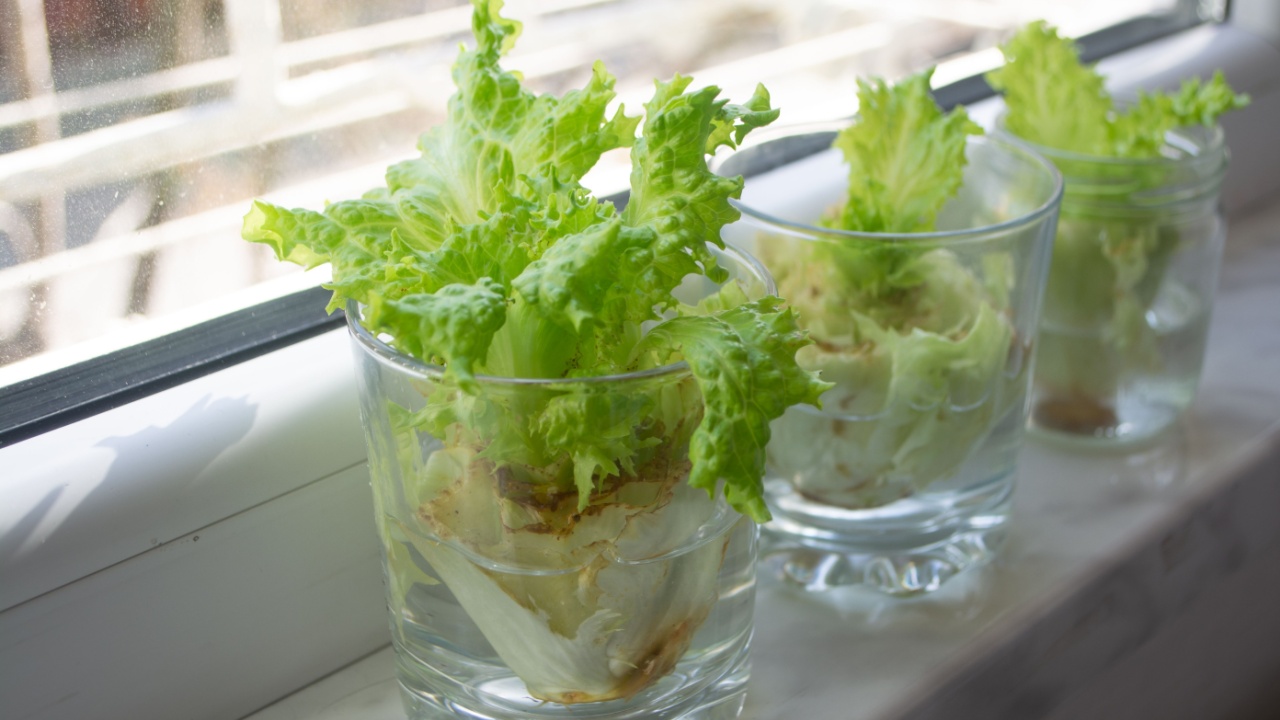
Lettuce is one of the easiest and most rewarding vegetables to grow indoors. It’s a space-efficient crop, and many loose-leaf varieties allow for a “cut-and-come-again” harvest, providing fresh salads for weeks from a single planting.
Growing lettuce inside protects the tender leaves from pests like slugs and aphids and shields them from the scorching sun, which can cause bolting (premature flowering) and bitter flavors.
Quick Care Tips:
- It matures quickly and needs less light than fruiting vegetables.
- Perfect for a sunny windowsill.
- Ideal varieties include Buttercrunch, Tom Thumb, Black Seed Simpson, and Red Sails.
- Requires at least 6 hours of sunlight daily. South-facing windows are ideal, but if you don’t have enough sunlight, consider investing in a grow light.
- Grows well in a shallow container or window box with at least 6 inches of depth.
3. Scallions (Green Onions)
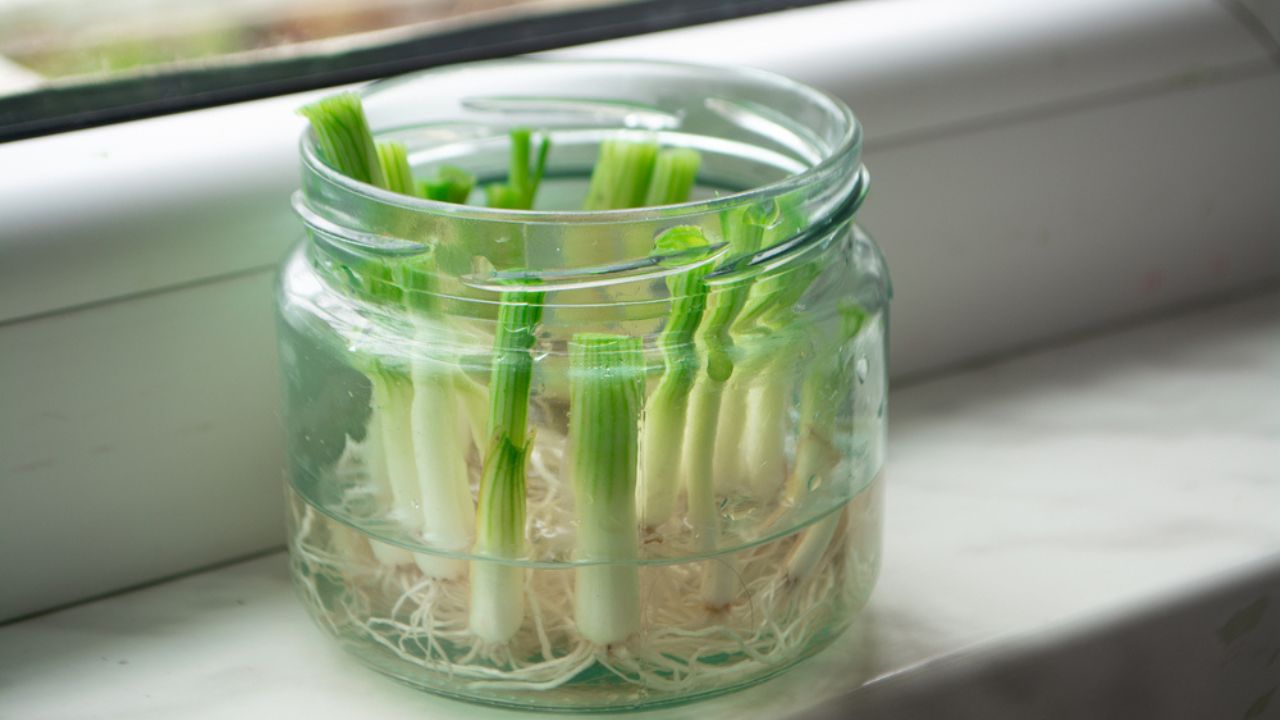
Scallions are an indoor gardening favorite for a reason: they are incredibly low-maintenance and can be grown from scraps.
You can place the root ends from store-bought scallions in a glass of water and watch them regrow, or plant them in soil for a more robust harvest. They take up very little space and provide a continuous supply of fresh, zesty flavor for your kitchen.
Quick Care Tips:
- Ideal varieties include Evergreen Hardy White, White Lisbon, and Ishikura.
- They prefer full sun, needing 6-8 hours daily.
- Grow them in a jar of water on the windowsill or in a small pot with soil.
4. Radishes
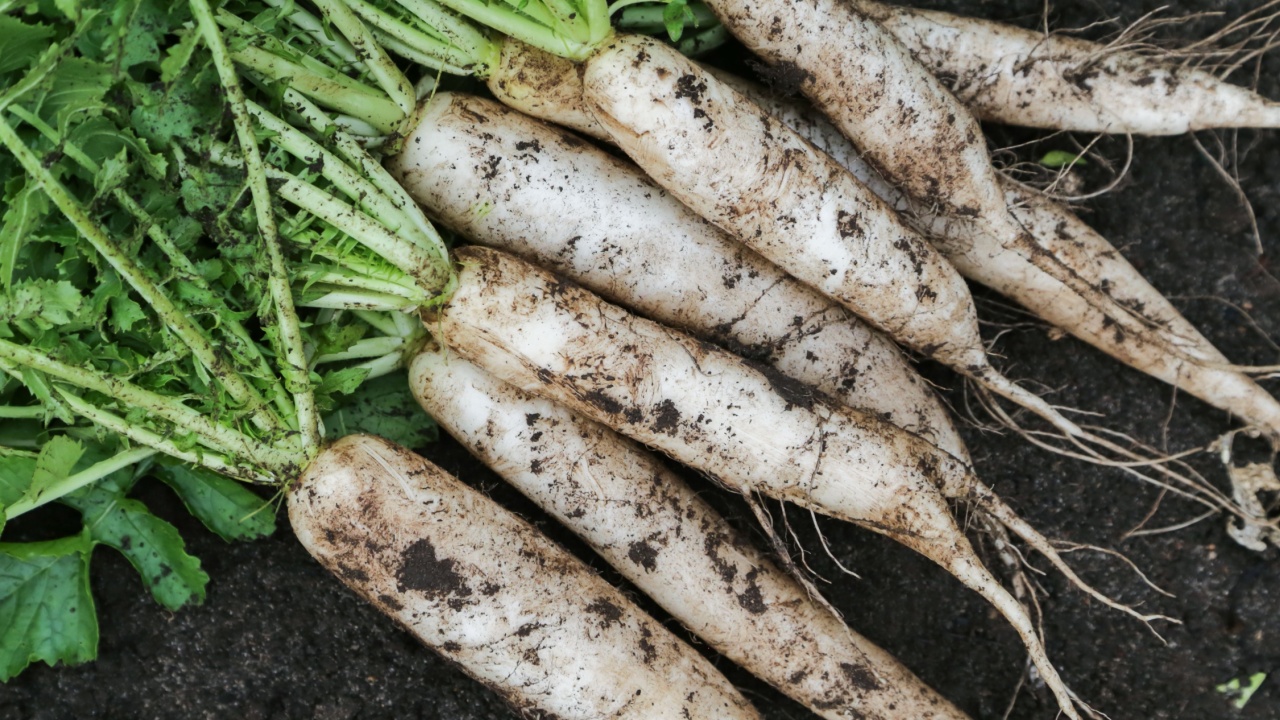
If you’re looking for a fast-growing crop that delivers near-instant gratification, radishes are your answer. These spicy little globes are ready to harvest in as little as a month.
Growing them indoors is incredibly simple because they tolerate cooler temperatures and don’t need a lot of space. Their speed also means you can do succession planting easily in a single container.
Quick Care Tips:
- Ideal varieties include Cherry Belle, French Breakfast, Sparkler, and Easter Egg.
- Provide 4-6 hours of direct sunlight.
- Use a container at least 6 inches deep.
- Harvest in 3-5 weeks from seed.
5. Spinach
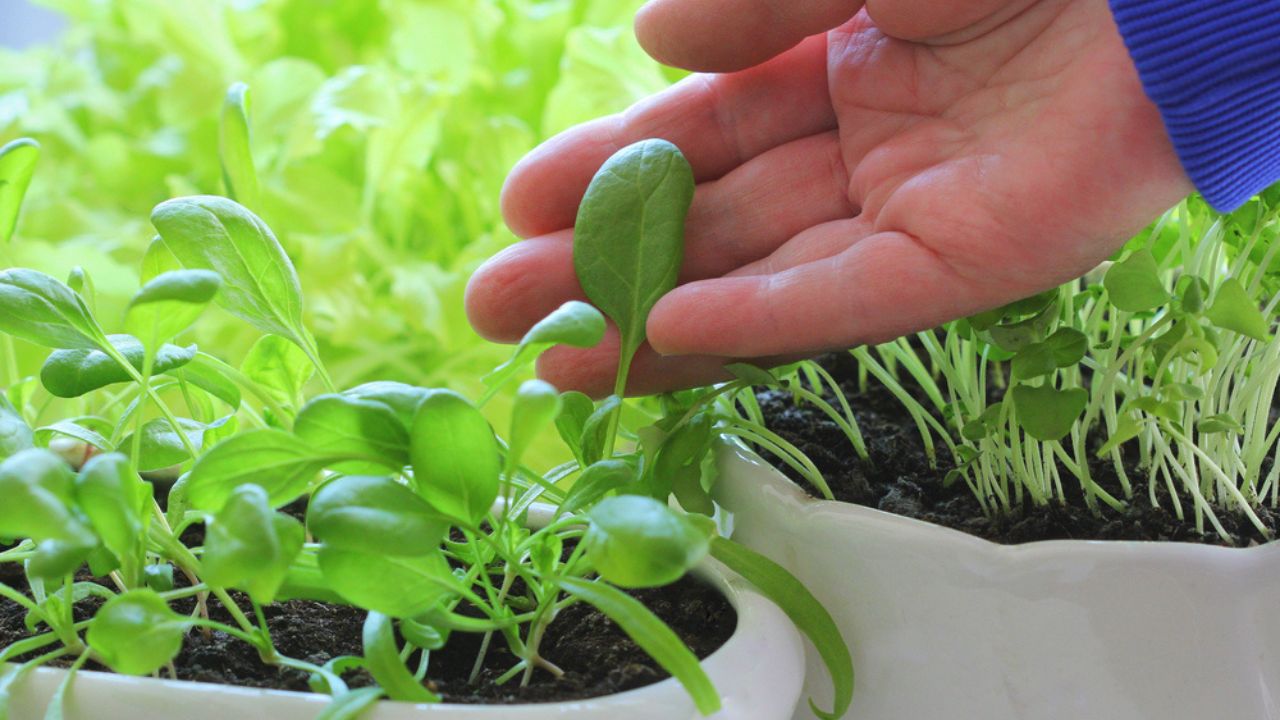
Spinach is a nutrient-packed leafy green that thrives in the cooler, consistent temperatures of an indoor environment.
Outdoors, spinach is quick to bolt in the summer heat, but inside, you can manage its conditions to ensure a long, productive harvest. Like lettuce, it’s a great cut-and-come-again crop.
Quick Care Tips:
- It’s highly productive in small spaces.
- Prefers moderate light and cool temperatures.
- Try Bloomsdale Long Standing, Tyee, Regiment, and Baby Leaf varieties.
- Provide 4-6 hours of indirect or gentle sunlight.
- Use a window box or pot that is 6-12 inches deep.
6. Kale
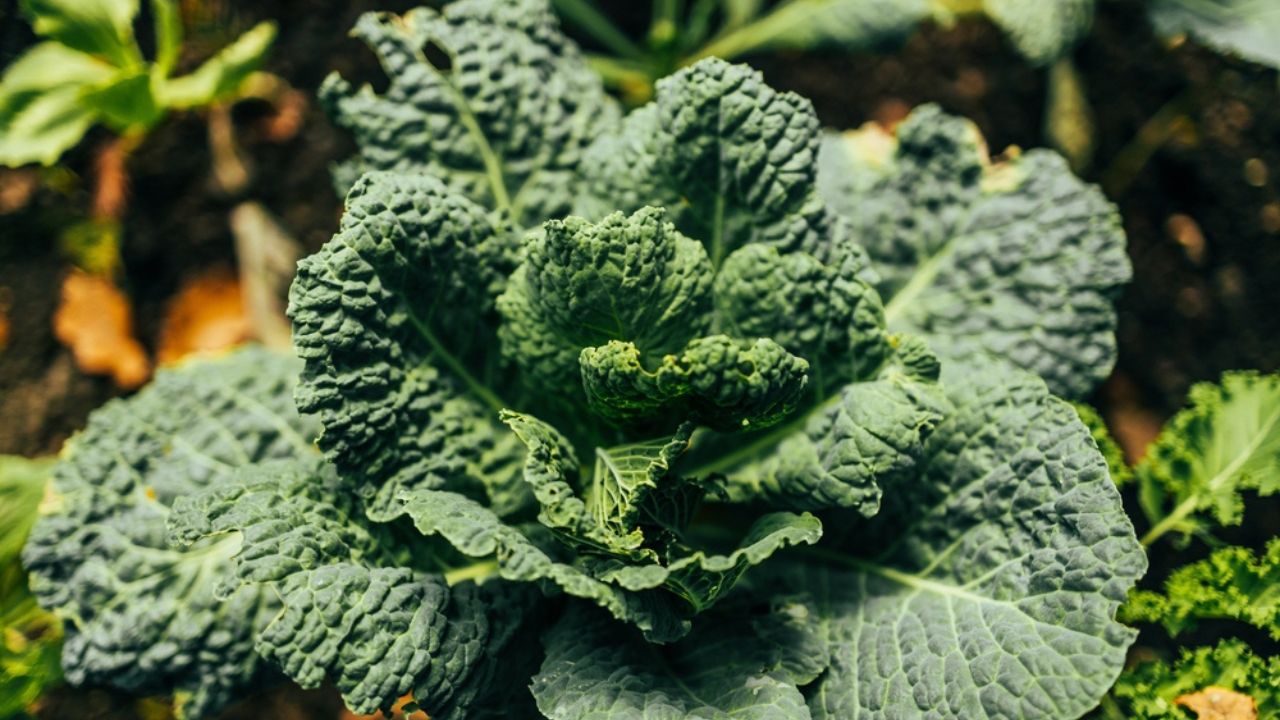
Another nutritional powerhouse, kale is remarkably easy to grow indoors. It’s part of the hardy brassica family and is very tolerant of cold temperatures, so it doesn’t mind a drafty windowsill.
Its beautiful, textured leaves also make it an attractive houseplant. You can harvest the outer leaves as needed, and the plant will continue producing from the center.
Quick Care Tips:
- Kale is cold-hardy and needs minimal light, making it a low-fuss option.
- Ideal varieties include Dwarf Blue Curled, Lacinato (Dinosaur Kale), and Red Russian.
- 12-14 hours of light are ideal for the best growth.
- A medium-sized pot, about 8 inches in diameter, is a good start.
7. Peppers

While you might associate peppers with sprawling outdoor gardens, many compact varieties do exceptionally well indoors.
Growing them inside protects them from pests and diseases, which can be a major challenge outdoors. The stable, warm environment of a home is perfect for these heat-loving plants, leading to a more reliable fruit set.
Quick Care Tips:
- Ideal varieties include compact bell peppers like Cupid, sweet peppers like Yummy Snacker, or small hot peppers like Jalapeño or Cayenne.
- They need at least 6-8 hours of strong, direct light. A grow lamp is a good alternative.
- Use a 2-3 gallon pot to support a healthy root system.
- Peppers are typically ready to harvest 60-90 days after planting.
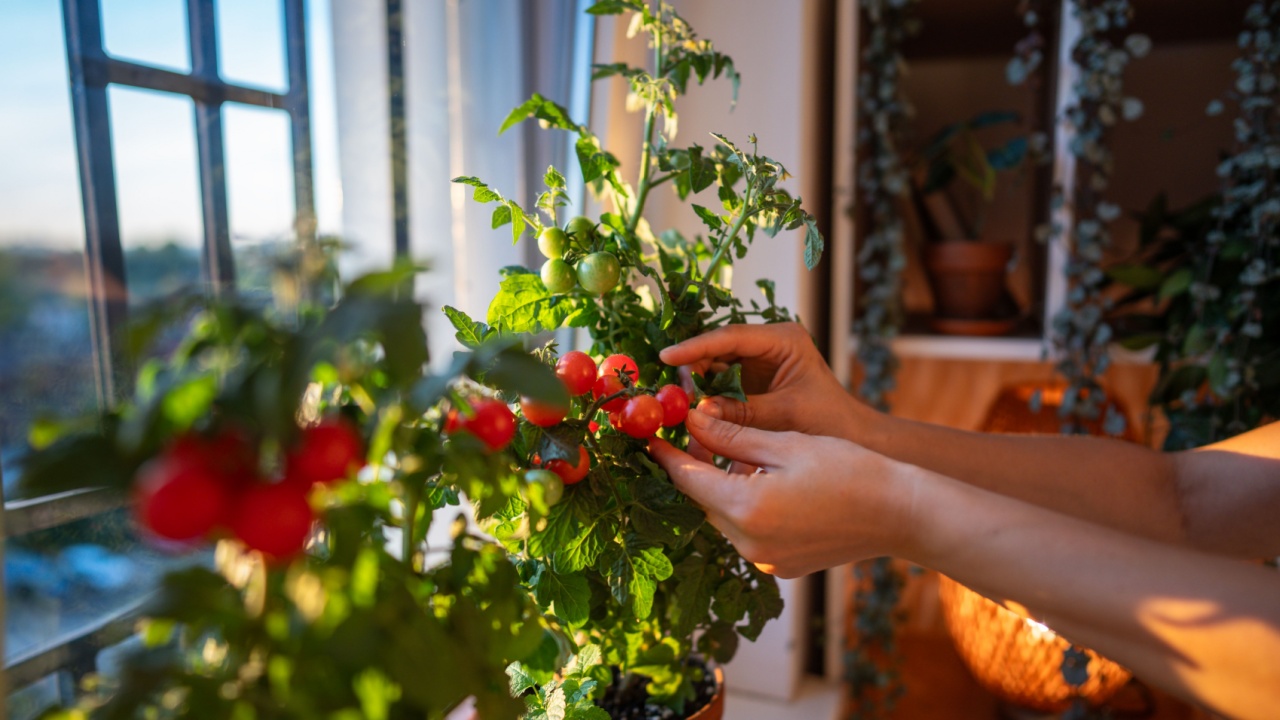
8. Tomatoes (Dwarf Varieties)
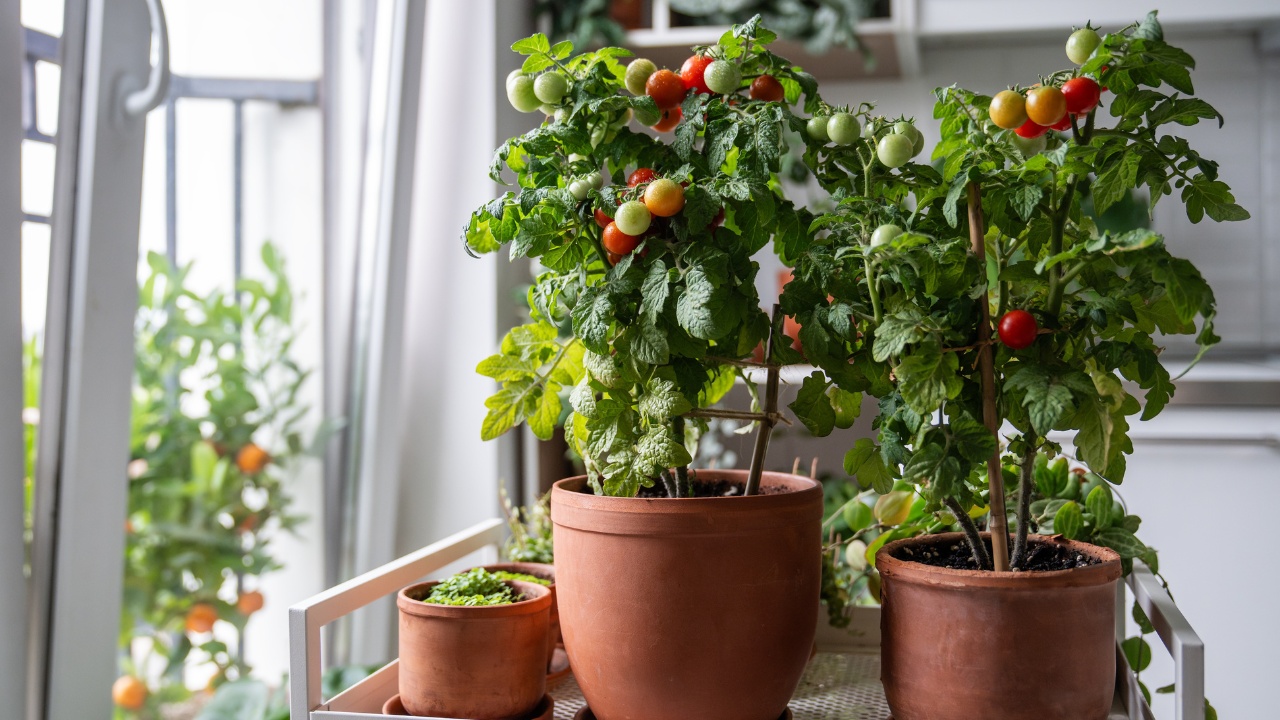
You don’t need a huge backyard to grow your own tomatoes. Dwarf or determinate varieties are bred specifically for small spaces and container gardening.
Growing tomatoes indoors means no more worrying about blight, hornworms, or surprise frosts. You can provide the consistent warmth and light they need to produce juicy, flavorful fruit.
Quick Care Tips:
- Growing compact varieties indoors reduces pests and diseases for a better harvest.
- Ideal varieties include Tiny Tim, Red Robin, and Patio Princess.
- Tomatoes need at least 6-8 hours of direct sunlight or a strong grow light.
- Use a 5-gallon container to avoid root-bound plants.
9. Garlic Greens
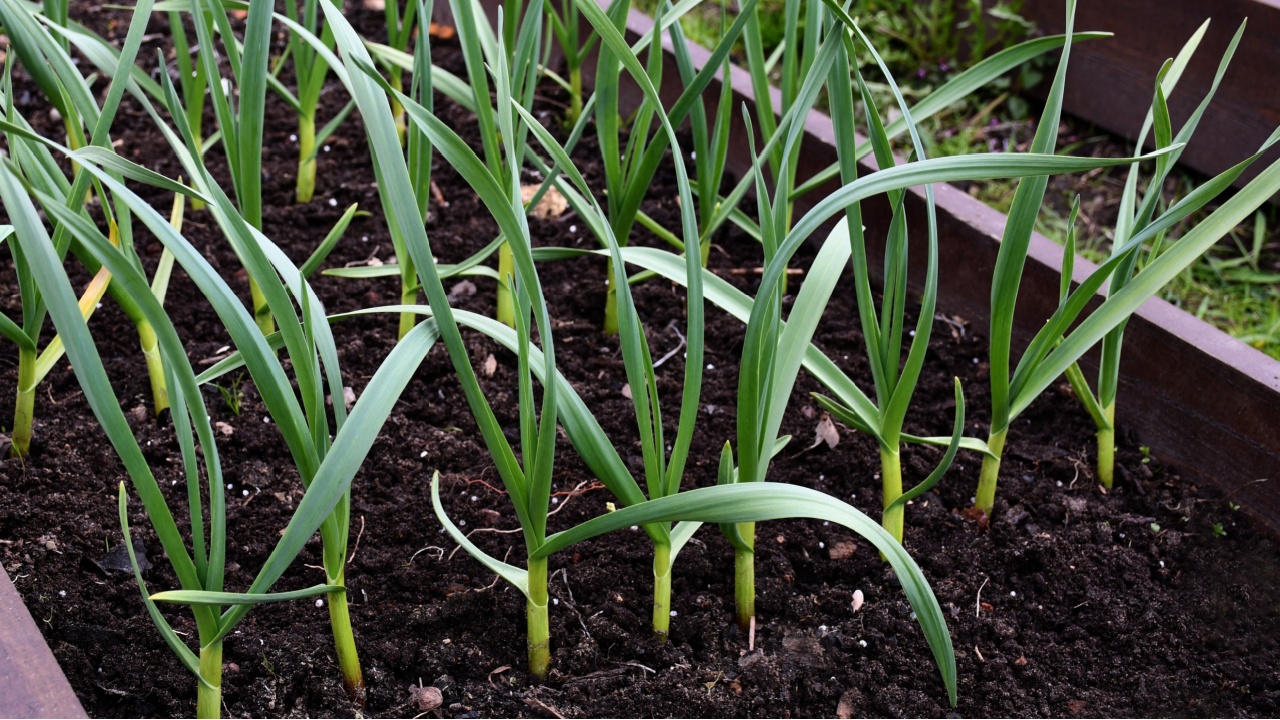
While growing a full head of garlic indoors can be a lengthy process, cultivating garlic greens is fast and simple.
These greens have a mild, garlic-chive flavor perfect for garnishing. You can plant individual cloves from a store-bought bulb. The greens will sprout quickly, and you can snip them off as needed.
Quick Care Tips:
- It’s an incredibly fast and easy way to get fresh garlic flavor without the long wait for bulbs to mature. It requires very little space.
- Any store-bought garlic (softneck or hardneck) will produce greens.
- 6-8 hours of sunlight is plenty.
- A shallow pot, about 4-6 inches deep, is sufficient.
Potatoes
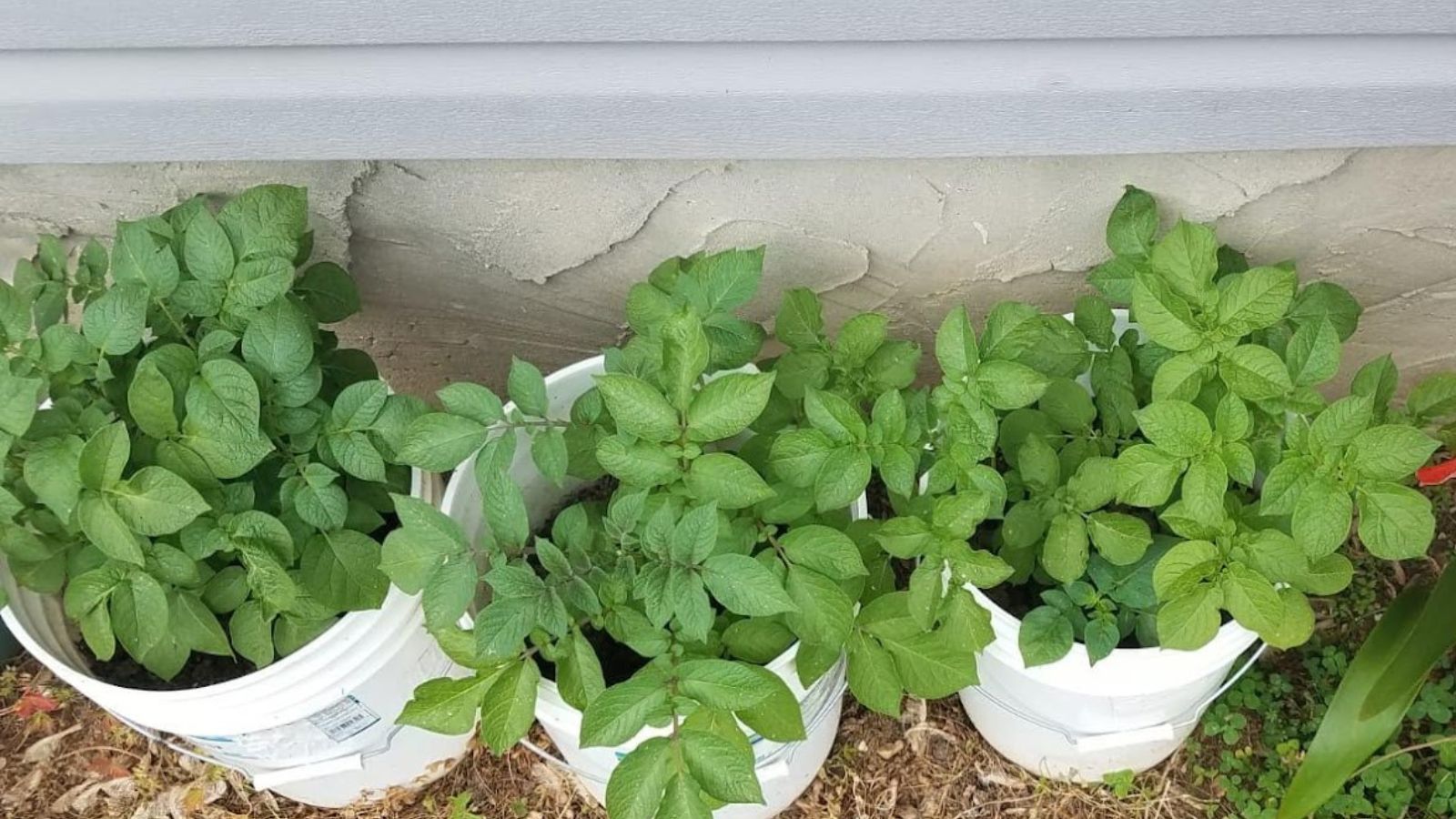
Potatoes in your living room? It’s possible! While they require a bit more space than herbs, growing potatoes in large containers or grow bags is surprisingly effective. Indoor cultivation keeps them safe from common pests like the Colorado potato beetle. You can also perfectly control soil moisture to prevent rot.
Quick Care Tips:
- Grow bags make it easy to “hill” the potatoes (adding soil as they grow) and even easier to harvest. You get clean, pest-free tubers.
- Fingerling, Yukon Gold, and Red Pontiac are the best varieties to grow indoors.
- They need about 6 hours of daily sunlight.
- Use a large 10-gallon grow bag or a very deep pot to allow room for the tubers to form.
11. Herbs
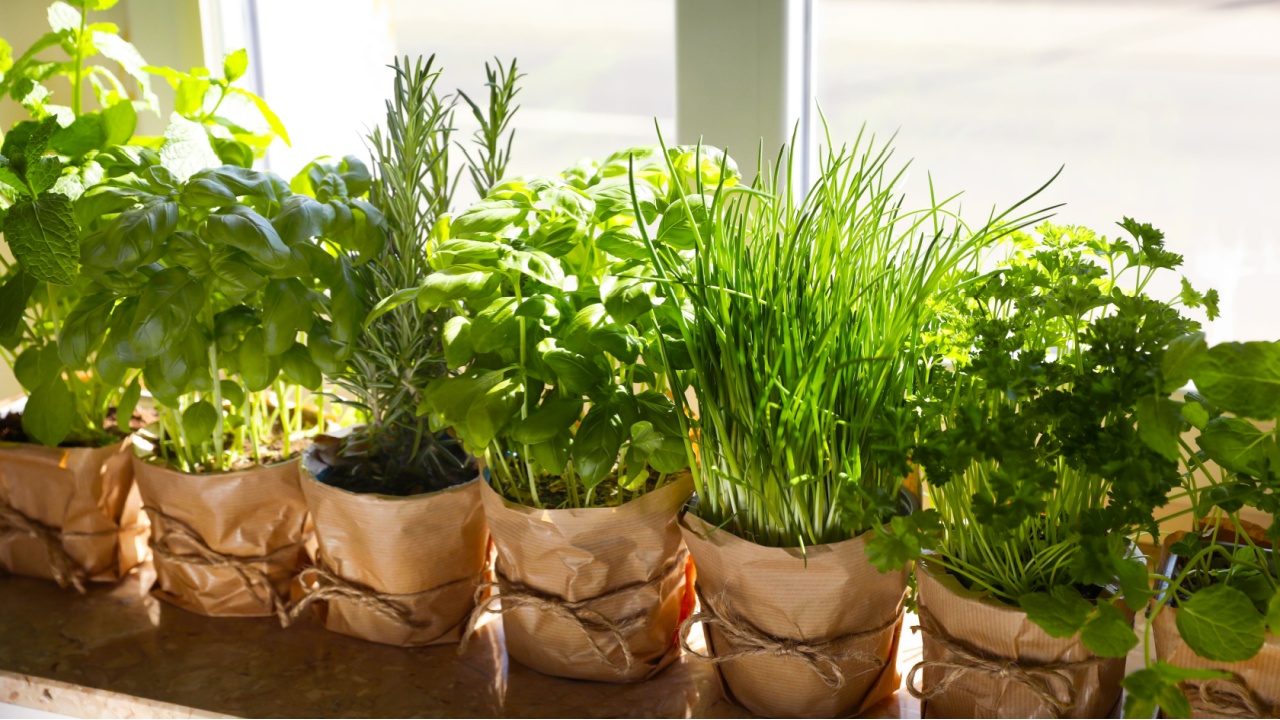
No indoor garden is complete without a collection of fresh herbs. Most herbs thrive in containers, and their light requirements are manageable for a sunny kitchen window. Having fresh basil, mint, rosemary, or thyme on hand will elevate your cooking. Once established, most herbs can be harvested continuously.
Quick Care Tips:
- They are the definition of “cut-and-come-again.” A small pot can provide fresh flavors for months, and they’re generally low-maintenance.
- Basil, mint, parsley, oregano, thyme, rosemary, and chives.
- 6 hours of sunlight is adequate for most. Basil prefers more, while mint is more tolerant of shade.
- Small, individual pots (4-6 inches) or a larger window box planter will work.
12. Microgreens
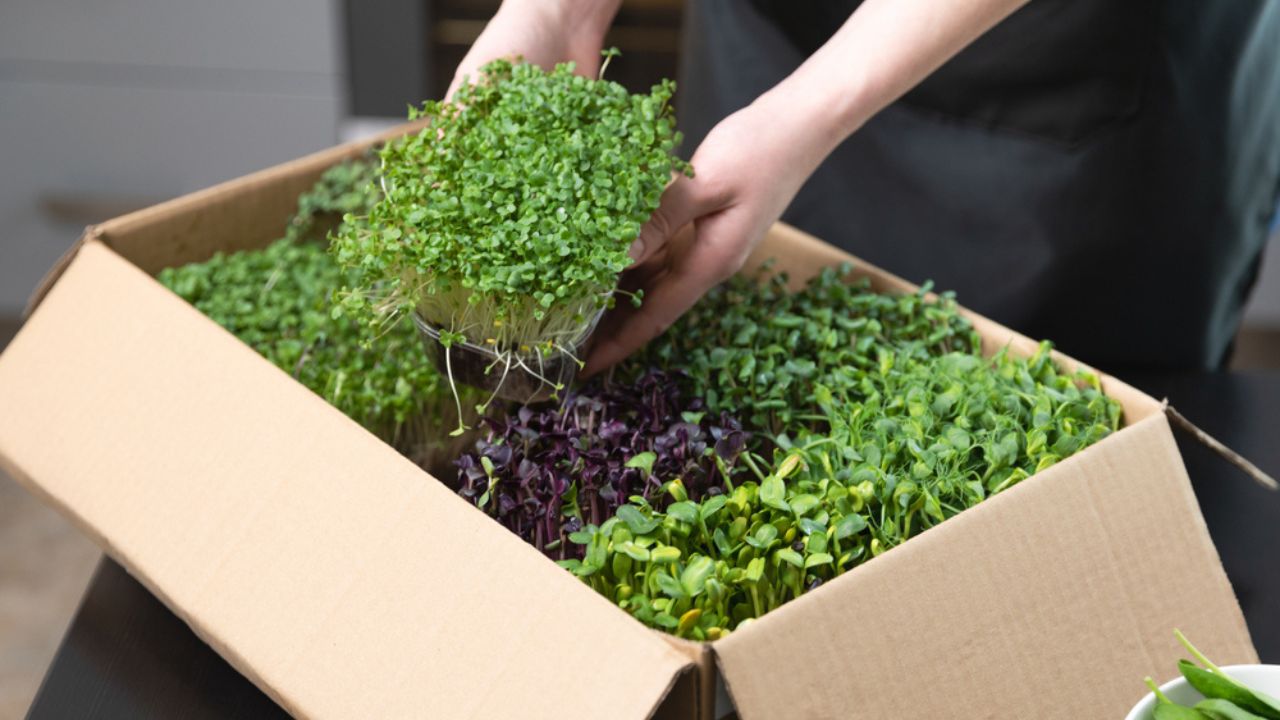
Microgreens are the quickest crop you can grow. These are simply the young seedlings of vegetables like broccoli, kale, and radish, harvested just after their first true leaves appear.
They are packed with nutrients and flavor. Because they’re harvested so young, they only need a shallow tray of soil and minimal light.
Quick Care Tips:
- The ultimate crop for small spaces and impatient gardeners.
- Popular varieties include sunflower, broccoli, radish, and arugula.
- They only need about four hours of light daily.
- A shallow tray or pie plate with drainage holes is sufficient.
13. Swiss Chard
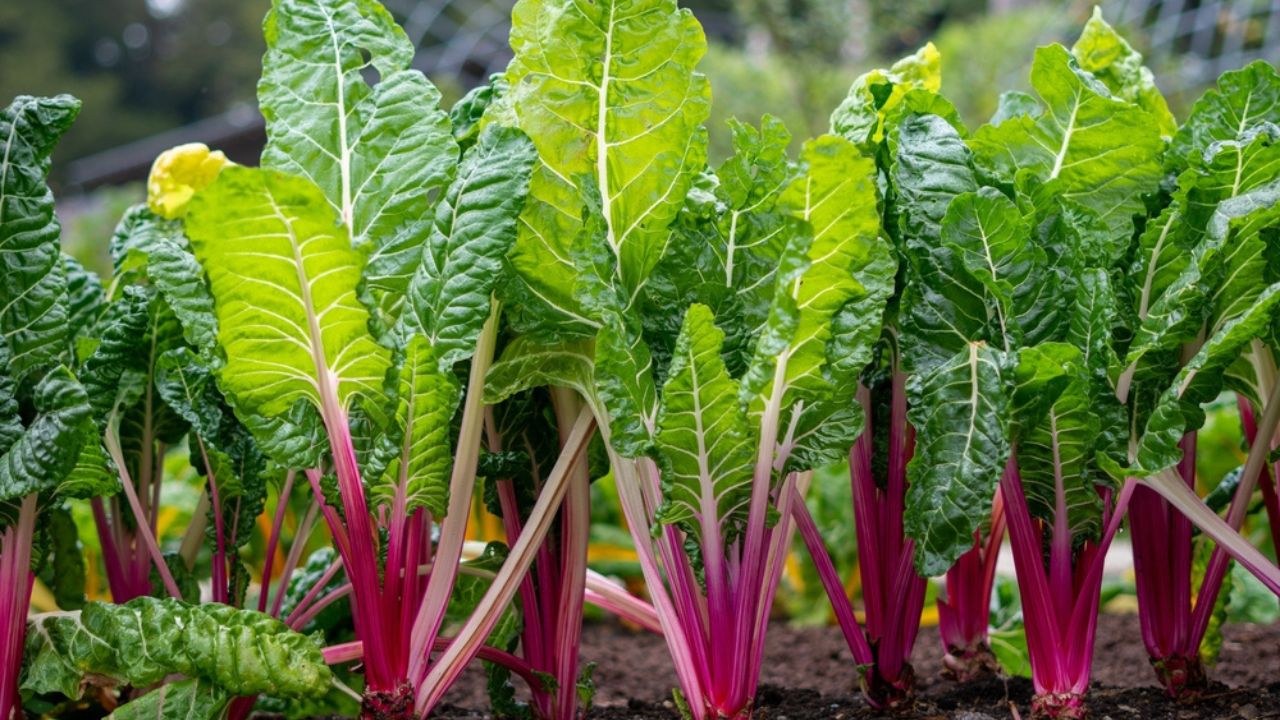
With its vibrant, jewel-toned stems, Swiss chard is as beautiful as it is edible. This leafy green is a member of the beet family and is highly adaptable to container life.
It’s more heat-tolerant than spinach and less bitter than some kale varieties, making it a reliable and tasty choice. Like other greens, it can be harvested leaf by leaf.
Quick Care Tips:
- Ideal varieties include Bright Lights, Fordhook Giant, and Ruby Red.
- It prefers 6 hours of sun but can tolerate partial shade.
- A 2-gallon pot that is at least 8 inches deep is a good size for a single plant.
- You can begin harvesting outer leaves in 4-6 weeks.
14. Beets
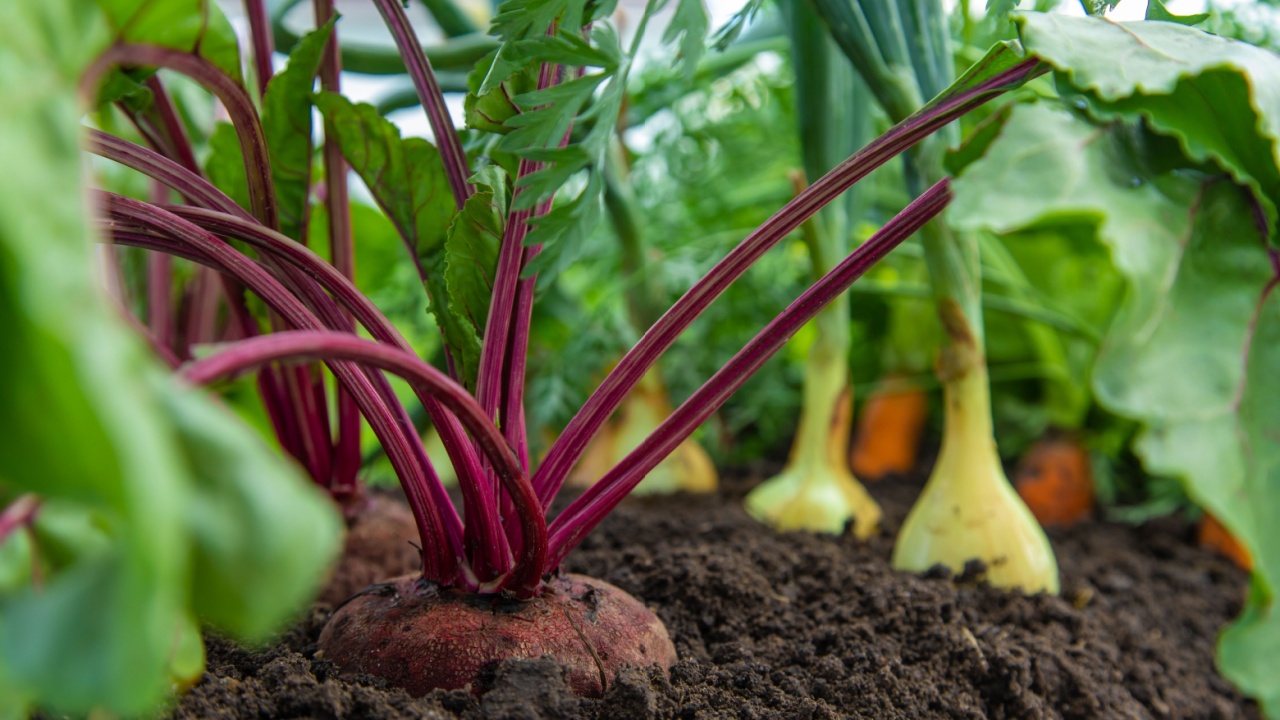
Growing beets indoors is a two-for-one deal. Not only can you harvest the earthy root, but the leafy tops are also delicious and can be cooked like spinach or Swiss chard. Choose smaller, round varieties to ensure they have enough space in a container. Deep pots are a must.
Quick Care Tips:
- Indoor growing keeps the soil loose for perfectly formed roots.
- Ideal varieties include Detroit Dark Red, Golden Beet, and Chioggia.
- Beets require at least 6 hours of sunlight for good root development.
- A deep container, at least 8-10 inches, is essential.
15. Arugula
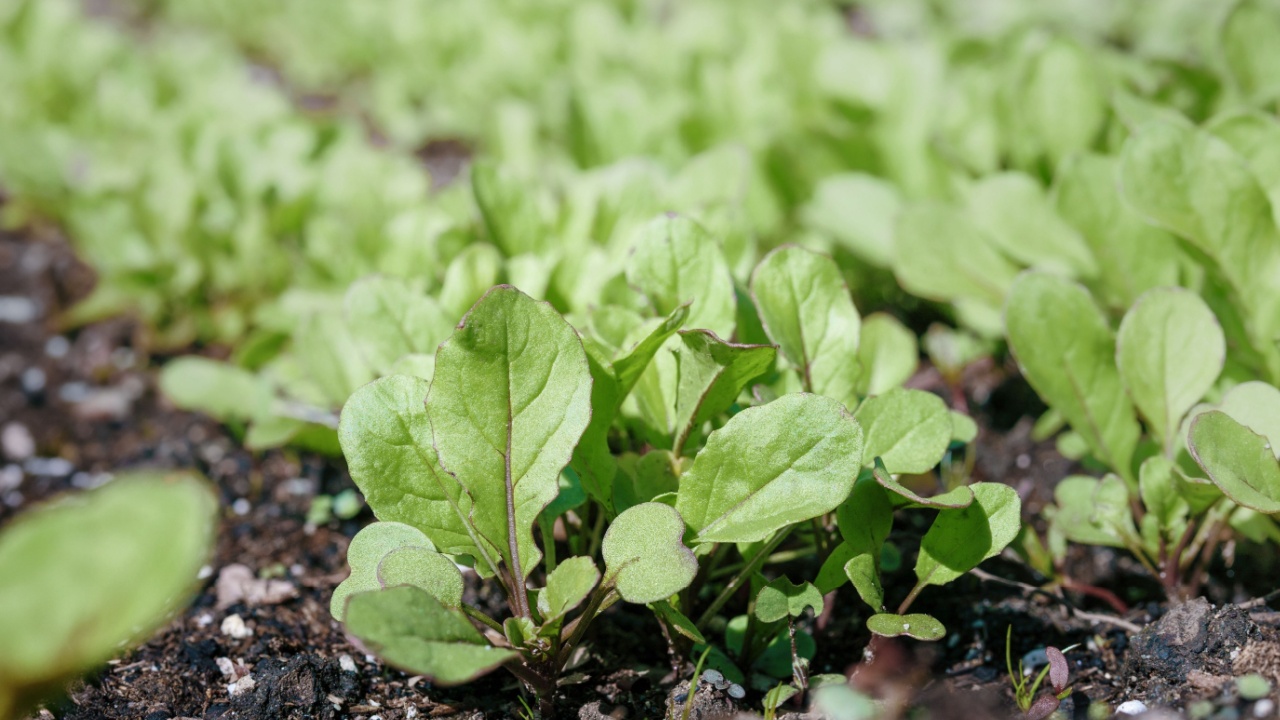
If you love a peppery kick in your salads, growing arugula indoors is a must. This fast-growing green thrives in the stable conditions of an indoor garden. It’s less likely to bolt or become overly bitter when grown away from the intense summer heat. Arugula’s quick growth cycle means you can have a fresh supply almost constantly.
Quick Care Tips:
- Its peppery flavor is more pronounced when freshly picked.
- Try Astro, Rocket, or Wild Rocket varieties.
- It needs about 6 hours of daily sunlight.
- A shallow pot or window box will do.
Ready to Start Your Garden?

With the right setup and a little care, you can turn any corner of your home into a productive vegetable garden. Now that you know which plants to start with, it’s time to gather your supplies.