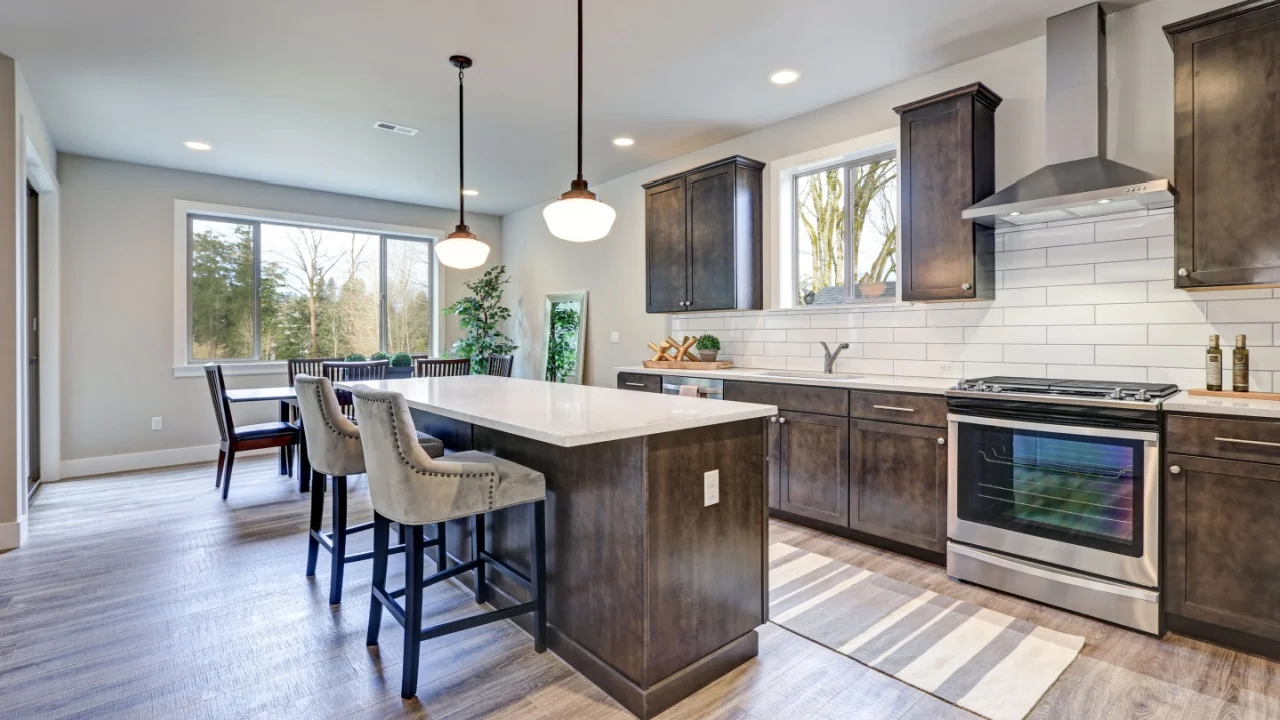
10 Kitchen Designs That’ll Quickly Lead to Frustration
We all want a beautiful kitchen; what we truly need, though, is a functional one. When planning a kitchen renovation, it is easy to get swept up in design trends that look stunning in photos but fail in daily use. Trendy is good, but practicality is better.
Nobody understands the importance of a practical kitchen layout better than a chef, whether a professional or cooking for the family daily. They spend their days chopping, searing, and plating in high-pressure environments where efficiency is everything. What do they have to say about which popular kitchen designs are more trouble than they are worth?
Read on to see 10 designs most chefs find impractical.
1. Pure White Countertops
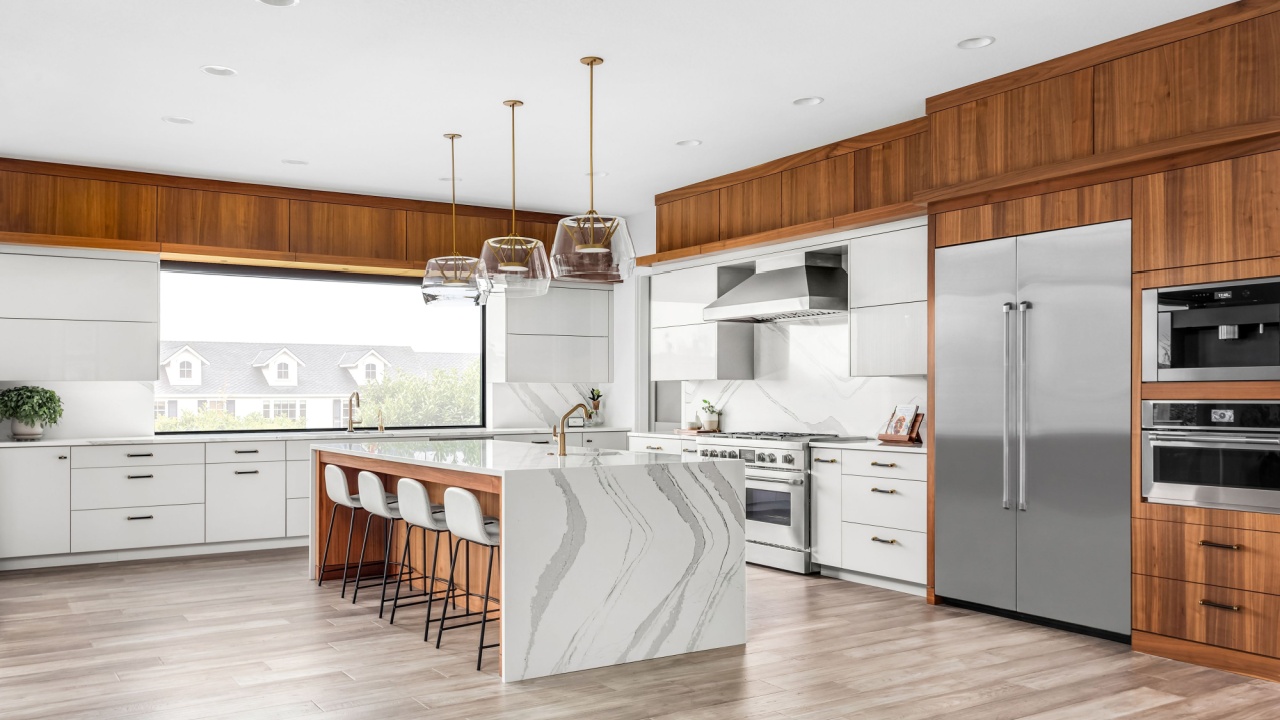
The look of a pristine, all-white countertop is undeniably appealing for its clean and modern aesthetic. It can make a kitchen feel brighter and larger. However, from a practical standpoint, it is a demanding choice for a space that sees daily action. Chefs note that these surfaces reveal every single crumb, coffee ring, and drop of sauce, necessitating constant vigilance to keep them looking spotless. What appears sleek in a showroom can become a source of daily frustration.
If you’re set on a white kitchen, choose your countertop material wisely and pair it with the right backsplash and tiles, because white surfaces look stunning but require thoughtful maintenance and supportive design choices to stay that way.
What to do instead:
- Choose light countertops with subtle veining or flecks to maintain a bright look without showing every spill.
- Consider quartz, marble, or granite in light gray or beige patterns to better hide crumbs and stains.
- These finishes provide the brightness of white without the high-maintenance upkeep.
- Bring home a sample of the slab to check how it looks in your kitchen’s natural and artificial lighting.
- Test stain resistance on the sample using common culprits like wine or tomato sauce before making a final choice.
2. All Open Shelving
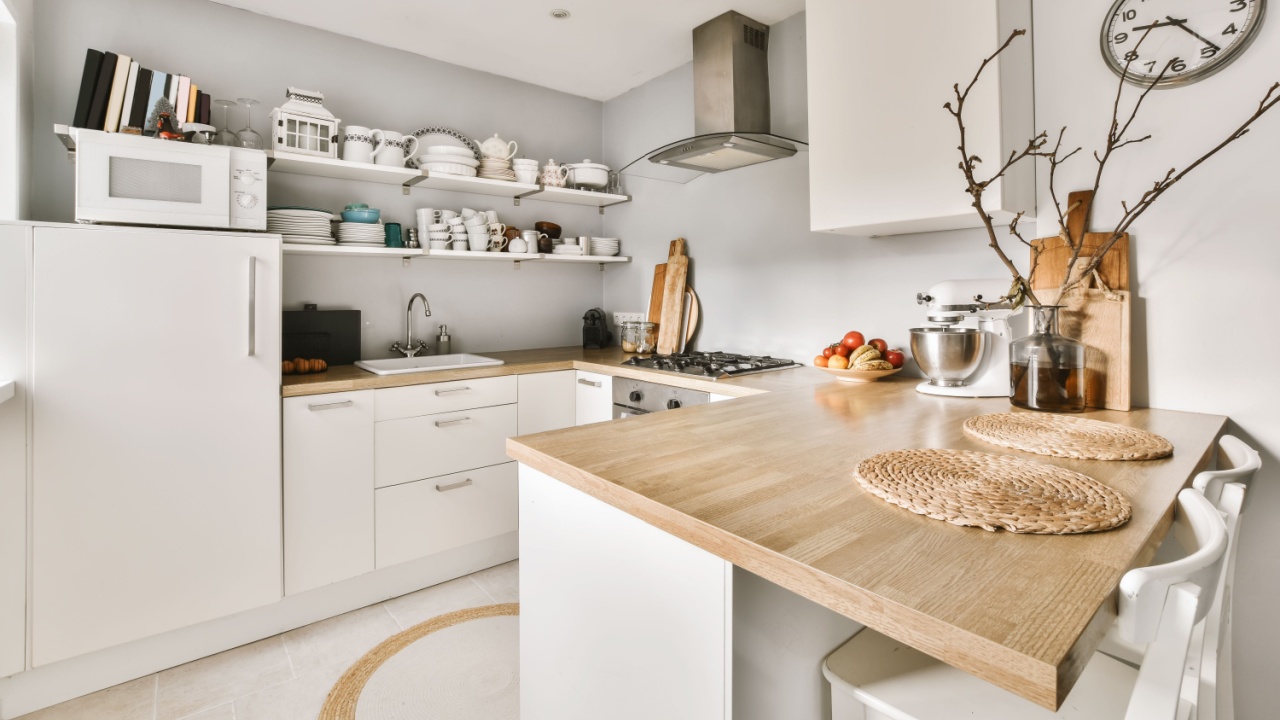
Open shelving has dominated design feeds for years, offering a way to display beautiful dishes and glassware. While a few strategically placed shelves can add personality, replacing all upper cabinets with them is a choice many chefs find baffling.
Kitchens produce grease, steam, and dust, all of which settle on every exposed surface. This means every plate, bowl, and glass needs to be washed before use, or you will need to commit to a rigorous and frequent cleaning schedule for both the shelves and their contents.
What to do instead:
- Use open shelving sparingly as a design accent for frequently used items such as coffee mugs and everyday plates that get washed often.
- Store most dishware, cookware, and pantry items behind cabinet doors to keep them clean, organized, and dust-free.
- This approach creates a balance between style and practicality, giving you a curated display with the functionality a working kitchen needs.
3. Oversized Kitchen Islands
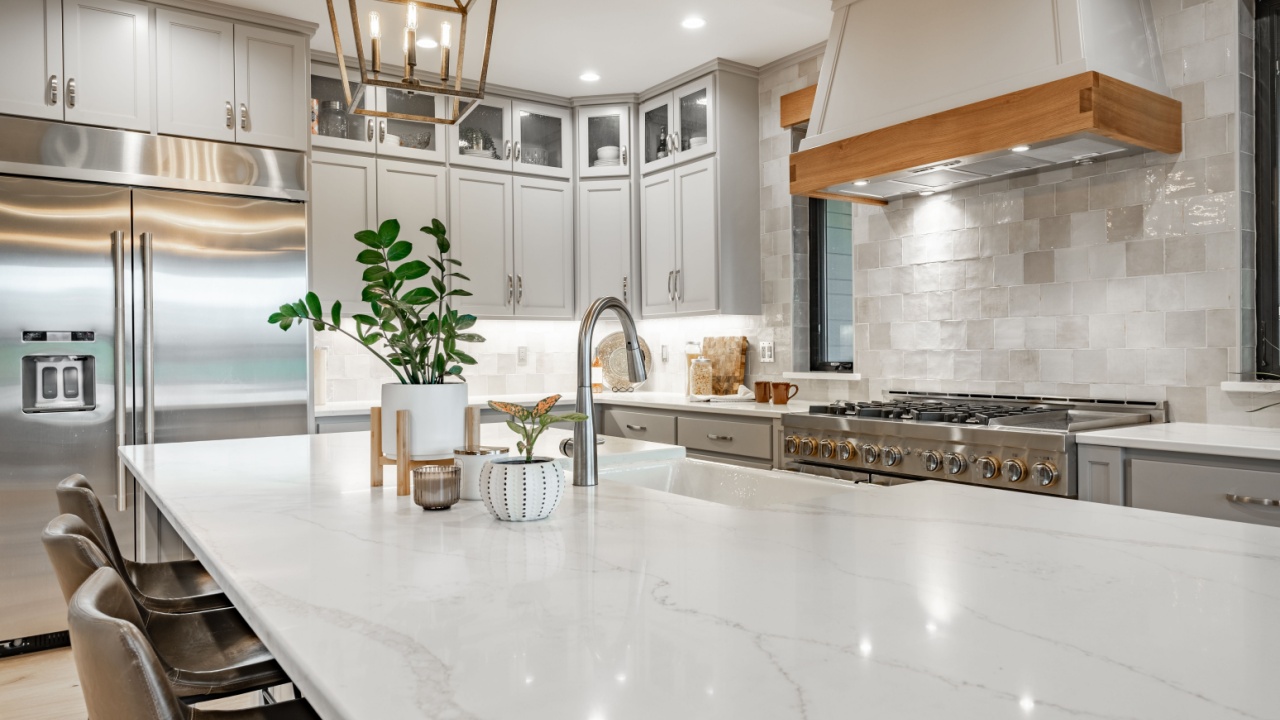
A large island can seem like the ultimate kitchen luxury, promising endless prep space and seating. In reality, an island that is too large for the room can create more problems than it solves. It can disrupt the workflow, making it difficult to move between the sink, refrigerator, and stove.
Chefs also note that a massive island without adequate outlets is a wasted opportunity. If you have to run an extension cord across the floor to use a mixer or blender, the island’s purpose as a functional workspace is defeated.
What to do instead:
- Ensure your island is proportional to the size of your kitchen (generally no more than 10% of the kitchen’s total square footage).
- Maintain 36 to 42 inches of clearance on all sides for easy and comfortable movement.
- Include multiple electrical outlets—ideally with USB ports—to make the island a functional and versatile workspace.
4. Skinny Islands with a Sink
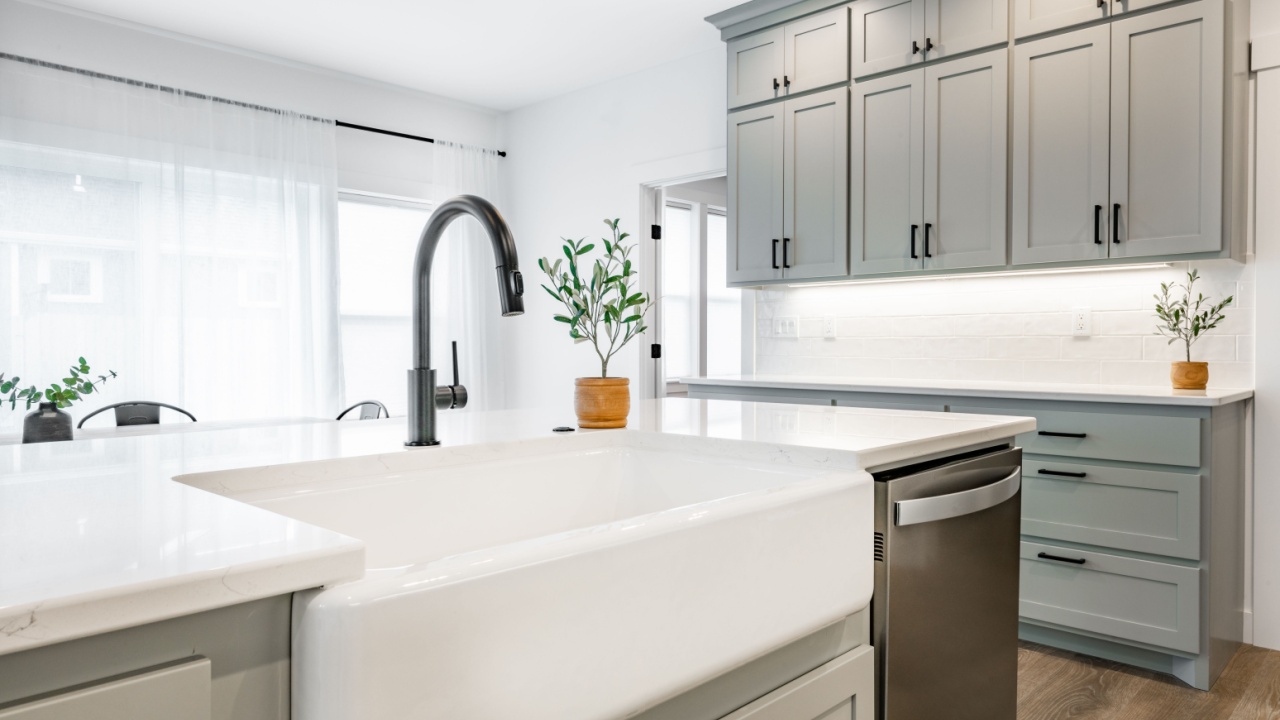
On the opposite end of the spectrum is the skinny island, often with a sink shoehorned into its small surface. This is a common solution for smaller kitchens where a full-sized island will not fit. However, chefs find this setup incredibly frustrating.
With limited space on either side of the sink, there is nowhere to place dirty dishes or a rack for clean ones. Water inevitably splashes onto the surrounding floor and any food being prepped nearby, creating a constant, messy battle.
What to do instead:
- If your kitchen is narrow, consider a peninsula instead of an island to retain seating and counter space without blocking the main walkway.
- A movable kitchen cart is another flexible option, offering extra prep space when needed and easy storage when not in use.
- If you choose an island with a sink, ensure the island is wide enough to leave 18–24 inches of clear counter space on both sides for practical use.
5. Too Many Deep Drawers
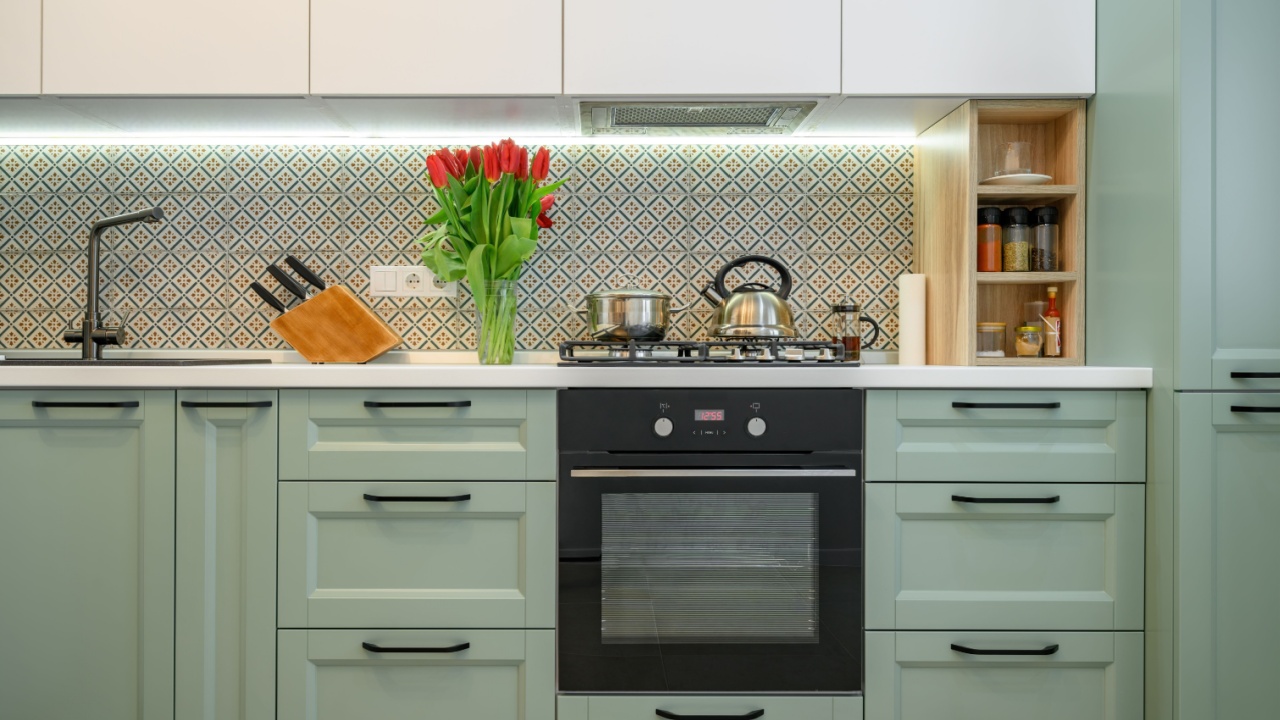
Replacing all lower cabinets with deep drawers is a popular trend focused on accessibility. While a few deep drawers are excellent for storing pots and pans, using them for everything else is impractical.
Stacking pantry items like canisters, bottles, and jars in deep drawers makes them unstable and prone to tipping over. It becomes difficult to see and access what is in the back without unloading the entire drawer, defeating the purpose of convenient storage.
What to do instead:
- Use deep drawers for bulky pots, pans, and small appliances.
- For other lower storage needs, choose traditional cabinets with pull-out shelves.
- Pull-out shelves offer easy visibility and access to items at the back, giving you the usefulness of a drawer with the stability of a shelf.
6. Pot Racks Hanging Over Prep Areas

Hanging pot racks can be a charming, space-saving feature, especially in kitchens with a rustic or industrial style. However, their placement is critical. Chefs warn against installing them directly over a primary prep area or the cooktop.
Pots hanging overhead can block essential task lighting, casting shadows on your workspace. They also collect dust and grease, which can then fall onto your food as you cook.
What to do instead:
- If you choose to use a pot rack, place it over a kitchen island where messy prep work doesn’t happen, or install it against a solid wall.
- This keeps pots accessible but away from direct cooking splatters and steam.
- Before installing, assess your kitchen lighting to make sure the rack won’t block or interfere with it.
- Regularly wipe down the rack and the handles of hanging pots to keep them clean.
7. Backless Bar Stools at the Island
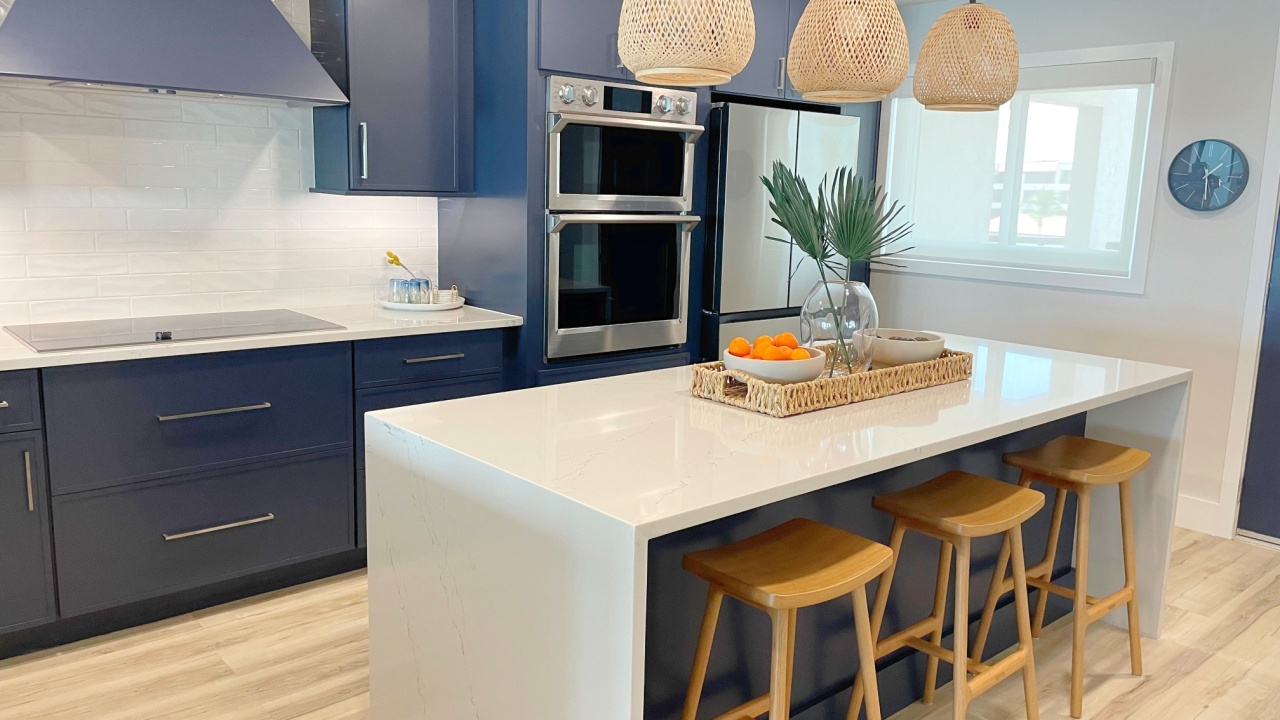
Backless stools are a popular choice for kitchen islands because their low profile creates a clean, uncluttered look. They can be tucked neatly under the counter, which is excellent for small spaces. The problem is that they are uncomfortable for anything more than a few minutes of sitting.
If you want your island to be a spot where the family can do homework, choose seating that supports longer sitting. If you’d like guests to linger during a party, comfort becomes even more critical. Backless stools may look sleek, but they are not practical for extended use.
What to do instead:
- Prioritize comfort by choosing counter or bar stools with low-profile backs that still provide support.
- These offer comfortable seating for longer periods without adding visual bulk to the space.
- Select materials such as wood, metal, or upholstered seats that complement your kitchen’s style while making the island feel more inviting and usable for everyone.
8. Appliance Garages with Awkward Doors
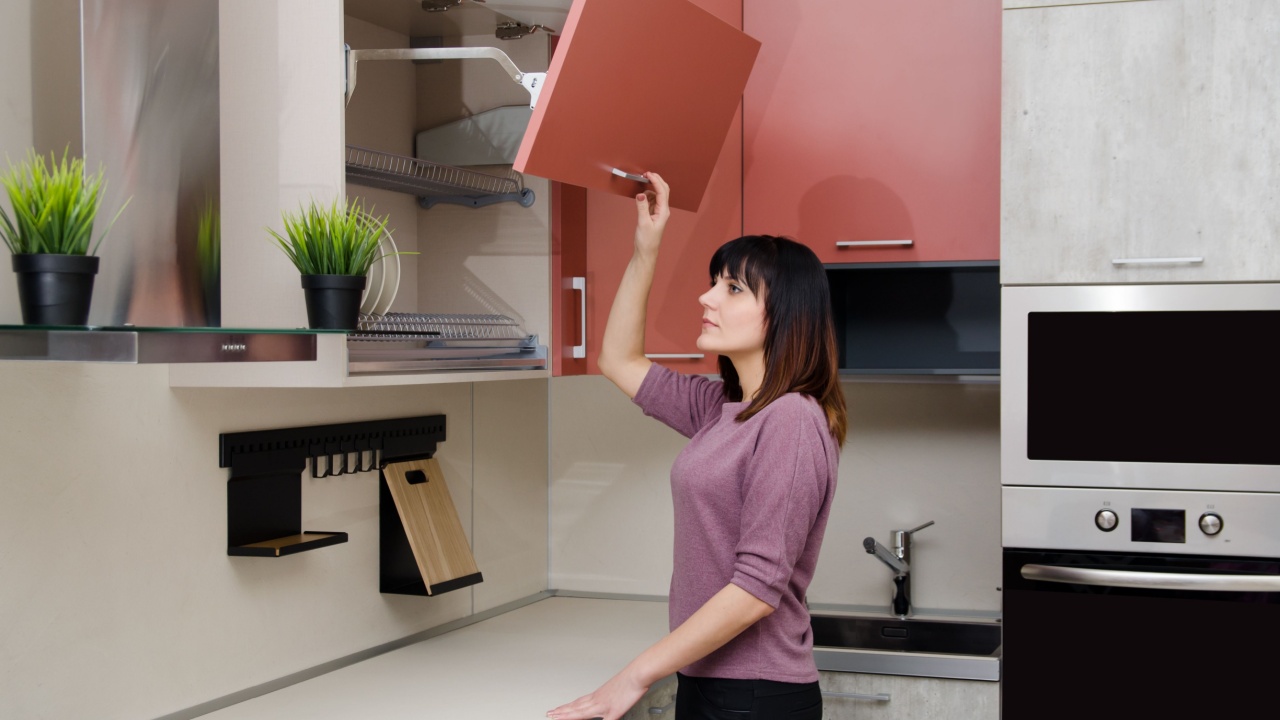
Appliance garages are countertop cabinets designed to hide small appliances, such as toasters and coffee makers. While they aim to reduce visual clutter, their design often creates more hassle than convenience. Many use tambour or vertical lift-up doors that are prone to jamming and difficult to clean. These enclosed spaces can also trap heat and moisture, which is not ideal for appliances that need ventilation or frequent use.
What to do instead:
- If you want to conceal appliances, choose a cabinet with standard hinged doors or pocket doors that slide back into the cabinet for easier access and long-term reliability.
- You can also designate a section of your pantry with an electrical outlet as a “breakfast station” or “beverage station” to keep appliances off the main countertops entirely.
9. Dark Cabinetry in Small Kitchens
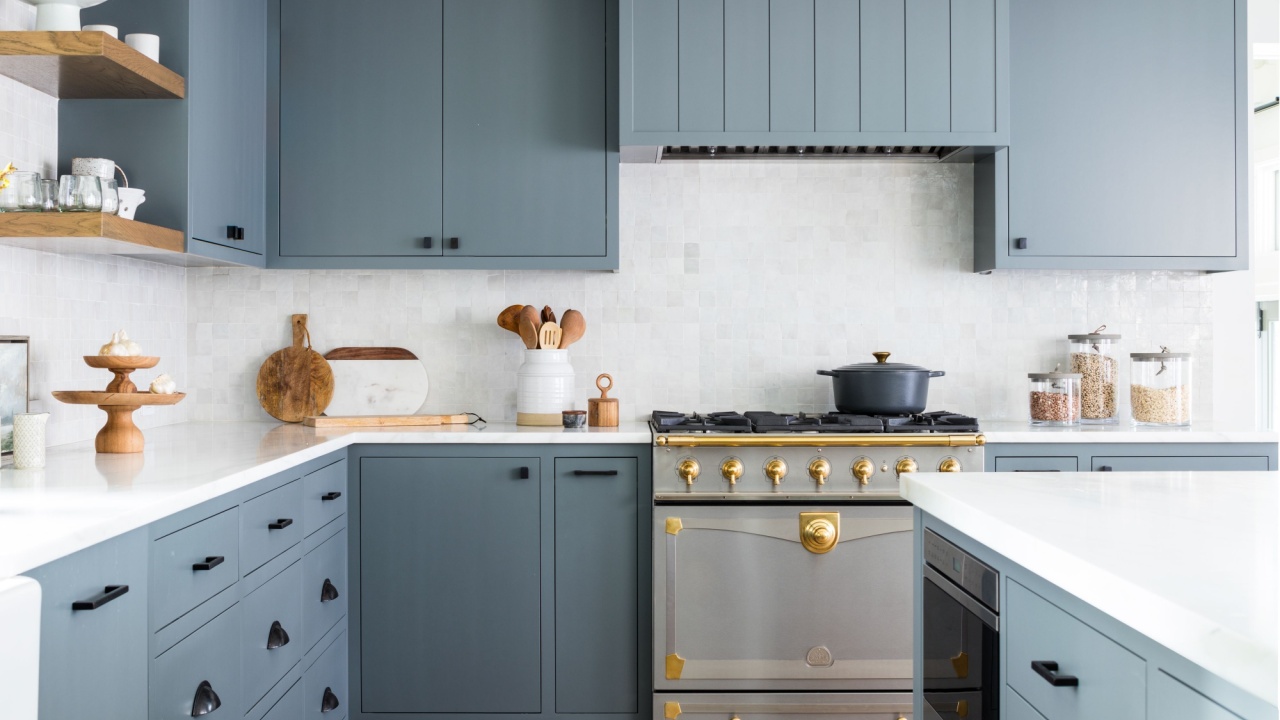
It’s good to get your kitchen cabinet color right. Dark, moody kitchens with cabinetry in shades like black, navy, or forest green have undeniable visual appeal. In larger spaces with plenty of natural light, these colors can feel bold, elegant, and deeply sophisticated. They add richness and depth, especially when paired with lighter countertops, reflective surfaces, or warm metallic hardware. For homeowners drawn to dramatic design, this palette can be a striking choice.
In smaller or dimly lit kitchens, however, dark cabinetry tends to absorb light and visually compress the space. The result can feel more enclosed than intended, making everyday tasks feel less inviting. To keep the look while improving function, consider using dark tones selectively, such as on lower cabinets or an island. Balance them with lighter finishes above. Layered lighting, including under-cabinet fixtures, is essential to maintain brightness and comfort.
What to do instead:
- Use dark colors selectively—on lower cabinets or the island only.
- Pair with lighter upper cabinets to maintain visual lift.
- Incorporate reflective surfaces like glass, polished stone, or metallic hardware.
- Add layered lighting, including under-cabinet fixtures and ceiling-mounted options.
- Consider glass-front doors or open shelving to break up solid blocks of color.
10. Integrated, Handleless Cabinetry
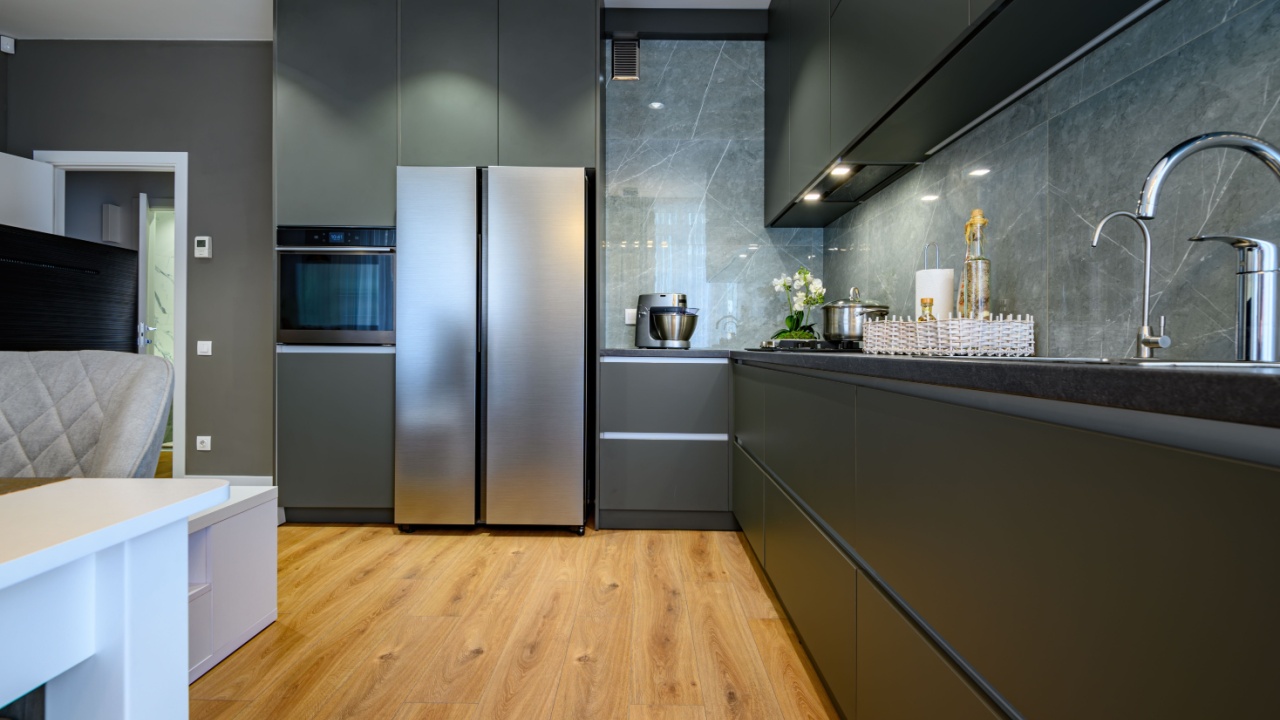
Sleek, handleless cabinets with push-latch mechanisms or recessed channels are a minimalist’s dream; clean lines, no hardware, and a seamless look that photographs beautifully. But in a real kitchen, where hands are often full, wet, or covered in flour, these cabinets can be less than cooperative. Push-latch systems don’t always respond on the first try, and recessed grooves can be awkward to grip.
If you add the constant smudging from repeated touches, suddenly your streamlined surfaces require more wiping than cooking. Having a mostly clean kitchen is a good life hack; for home cooks who value both form and function, this design can feel like a daily test of patience. A better option is to choose low-profile hardware that blends into the cabinetry while still offering something to grab.
What to do instead:
- If you prefer a minimalist look, choose simple, low-profile hardware.
- Slim bar pulls, or small knobs, provide the function you need without taking away from a modern design.
- They are easier to use when your hands are wet or messy and help keep cabinet faces cleaner.
- This minor compromise on aesthetics yields a substantial improvement in daily function.
Planning Your Practical Kitchen
Creating a kitchen that works for you involves looking beyond fleeting trends and focusing on functionality. A thoughtful design considers how you move and work in the space every day. Before committing to a new layout or finish, analyze your own cooking habits. Think about what currently frustrates you in your kitchen and what changes would make your daily routine smoother. By striking a balance between style and practicality, you can create a beautiful kitchen that will be a joy to cook in for years to come.