15 White Flowers That’ll Make the Yard Glow
White flowers bring a unique elegance and serenity to any garden. They can brighten up shady corners, create a stunning contrast against vibrant colors, and even seem to glow in the moonlight. A garden filled with white blooms offers a classic, timeless look that feels both sophisticated and calming.
If you’re looking to add a touch of brilliance to your outdoor space, here is a list of 15 breathtaking white flowers (a mix of perennials and annuals) that are perfect for any garden.
Where We Got This Data
All botanical information in this article has been verified using authoritative horticultural sources. These include university extension programs, cooperative extension services, and trusted botanical databases such as the Missouri Botanical Garden, NC State Extension, and USDA Plant Hardiness Zone Map. This ensures that the gardening advice provided is accurate, regionally relevant, and backed by expert research.
1. Hydrangea
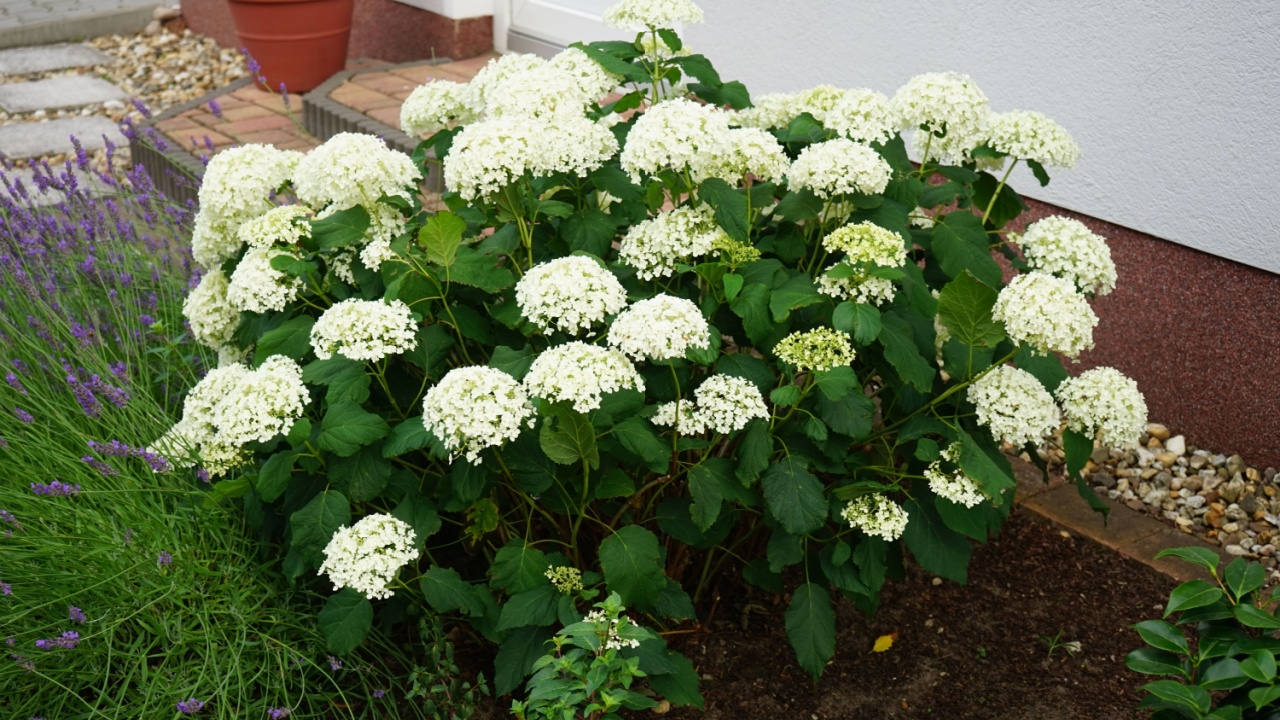
The ‘Annabelle’ hydrangea is a showstopper known for its enormous, globe-shaped flower heads that can reach up to 12 inches in diameter. These beauties start as lime green buds in late spring and open into brilliant white blooms that last all summer long.
They are incredibly reliable and hardy, making them a favorite for both new and experienced gardeners. Hydrangeas work beautifully as foundation plantings, in mixed borders, or as a stunning standalone specimen. Their dried flower heads also provide winter interest and are popular in arrangements.
- USDA Hardiness Zones: 3-9
- Sun Exposure: Full sun to part shade
- Soil Needs: Well-drained soil
- Blooms: Summer to fall
2. Peony
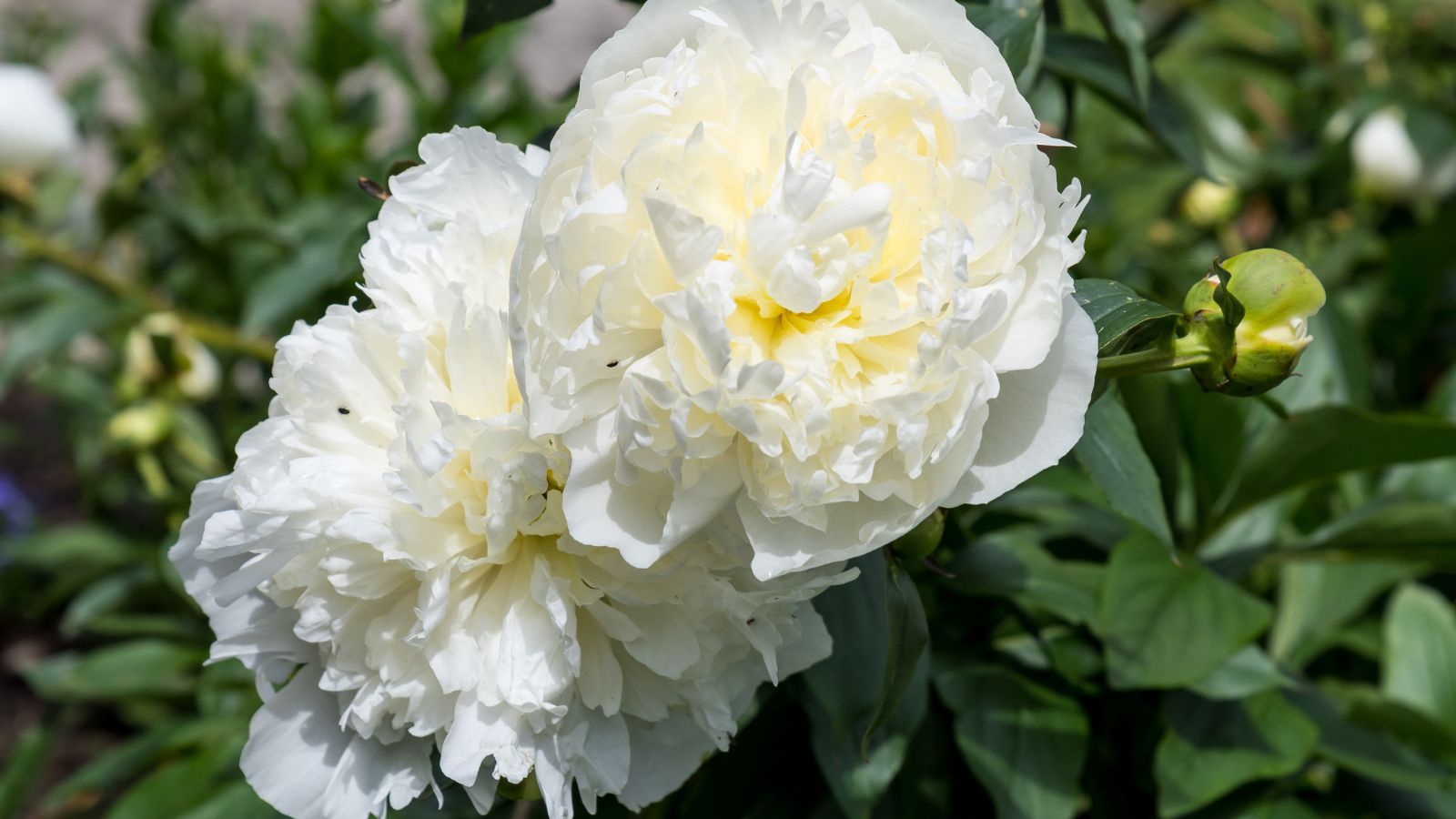
White peonies are the symbol of romance and elegance in the garden. With their large, fragrant, and ruffled petals, they make a dramatic statement in late spring and early summer.
Varieties like ‘Festiva Maxima’ feature pure white petals with small crimson flecks near the center, adding to their charm. Peonies are long-lived perennials that require minimal care once established. They are perfect for cottage gardens and make exceptional cut flowers for bouquets.
- USDA Hardiness Zones: 3-8
- Sun Exposure: Full sun
- Soil Needs: Well-drained, fertile soil
- Blooms: Late spring to early summer
3. Shasta Daisy
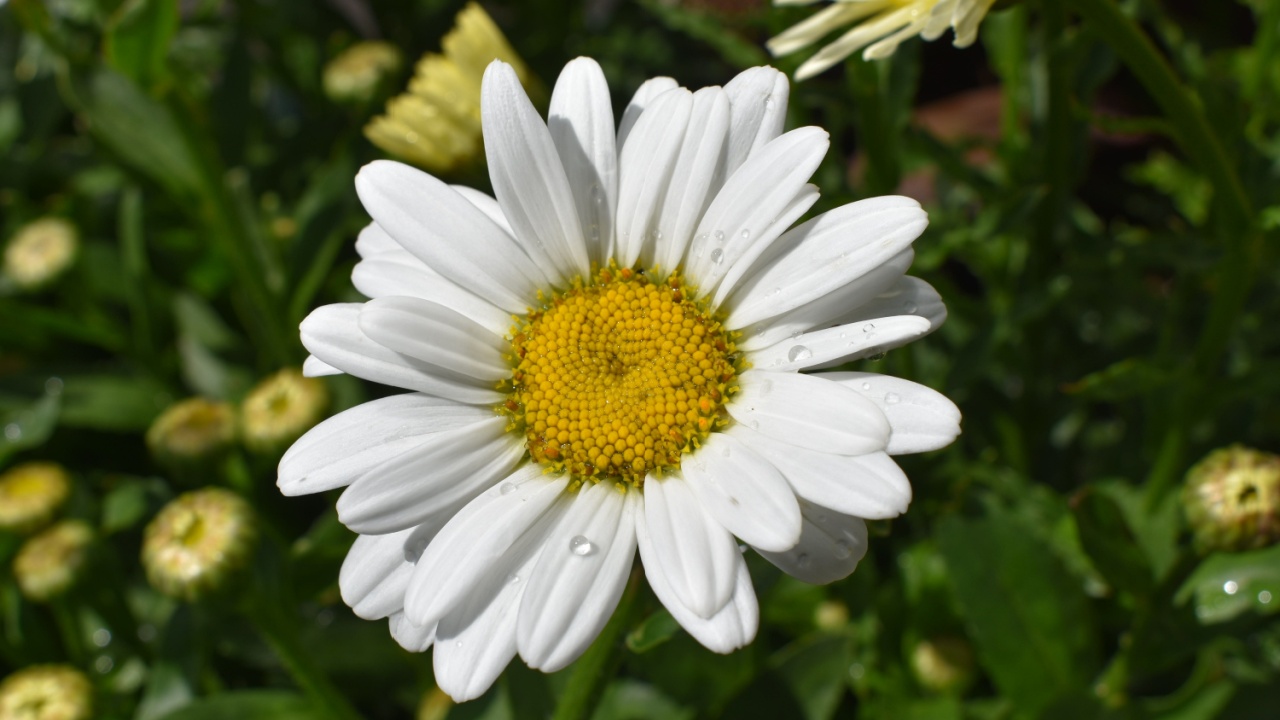
For a cheerful and classic garden look, the Shasta daisy is a must-have. Its bright white petals surrounding a sunny yellow center create a happy, carefree vibe. Blooming profusely from early summer to fall, these hardy perennials are excellent for filling in borders and attracting pollinators like bees and butterflies. S
hasta daisies are low-maintenance and thrive in full sun, making them an easy choice for adding long-lasting brightness to your landscape. They also make wonderful, long-lasting cut flowers.
- USDA Hardiness Zones: 5-9
- Sun Exposure: Full sun
- Soil Needs: Well-drained soil
- Blooms: Early summer to fall
4. Summersweet
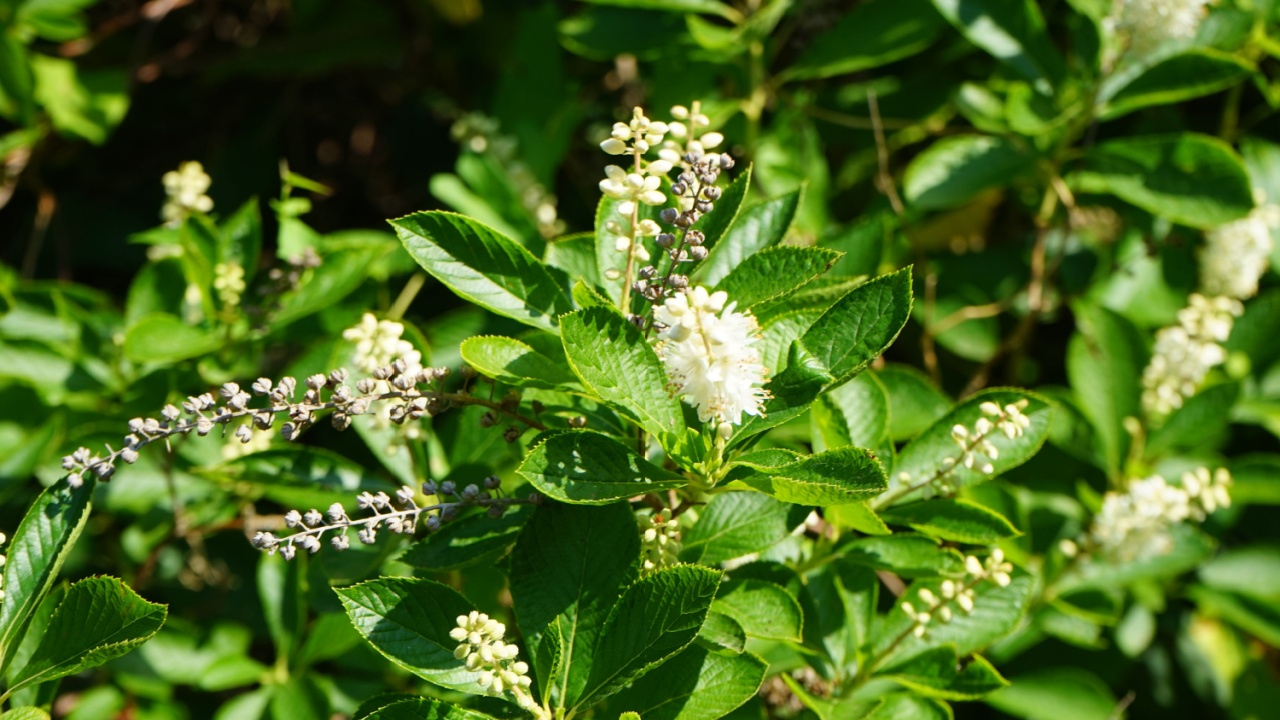
If you want to attract pollinators while adding a sweet fragrance to your garden, summersweet is the perfect choice. This shrub produces spikes of tiny, fragrant white flowers in mid-to-late summer, a time when many other plants have finished blooming.
Summersweet is also incredibly adaptable, thriving in shady, moist, and even wet conditions where other plants might struggle. Its flowers are a magnet for bees and butterflies, and its attractive yellow fall foliage adds another season of interest.
- USDA Hardiness Zones: 4-9
- Sun Exposure: Full sun to full shade
- Soil Needs: Moist, well-drained soil
- Blooms: Mid-to-late summer
5. Dogwood

The flowering dogwood tree is an iconic sign of spring, celebrated for its elegant branches covered in beautiful white bracts. These “flowers” are actually modified leaves that surround the small, true yellowish-green flowers. Dogwoods offer year-round appeal, with stunning spring blooms, attractive summer foliage, vibrant red fall color, and bright red berries that feed winter songbirds. Planting a dogwood tree provides structure and a stunning focal point for your landscape.
- USDA Hardiness Zones: 5-9
- Sun Exposure: Full sun to part shade
- Soil Needs: Moist, acidic, well-drained soil
- Blooms: Spring
6. Viburnum

Viburnums are versatile and hardworking shrubs that offer something for every season. Many varieties, such as the Korean spice viburnum, produce incredibly fragrant clusters of white or pinkish-white flowers in the spring. These are often followed by berries that attract birds and foliage that turns a beautiful shade of red or purple in the fall. With so many types available, you can find a viburnum to fit almost any garden size or style, from compact shrubs to small trees.
- USDA Hardiness Zones: 2-9
- Sun Exposure: Full sun to part shade
- Soil Needs: Well-drained soil
- Blooms: Spring
7. Crocus
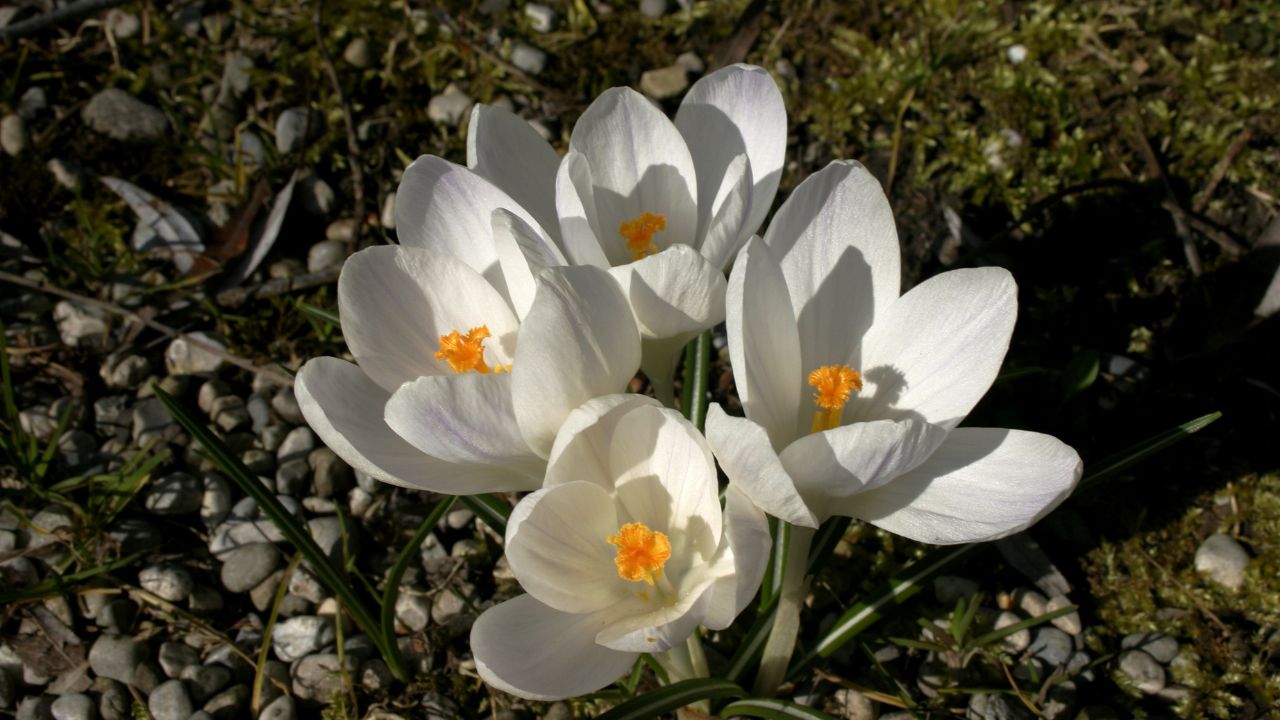
As one of the first flowers to emerge in late winter or early spring, often pushing through the snow, the white crocus is a welcome sign that warmer days are ahead.
These small, cup-shaped flowers are perfect for planting in lawns, rock gardens, and at the front of borders where their delicate beauty can be appreciated up close. Crocuses naturalize easily, meaning they will multiply over time to create a larger, more impressive display each year.
- USDA Hardiness Zones: 3-8
- Sun Exposure: Full sun to part shade
- Soil Needs: Well-drained soil
- Blooms: Late winter to early spring
8. Common Snowdrop
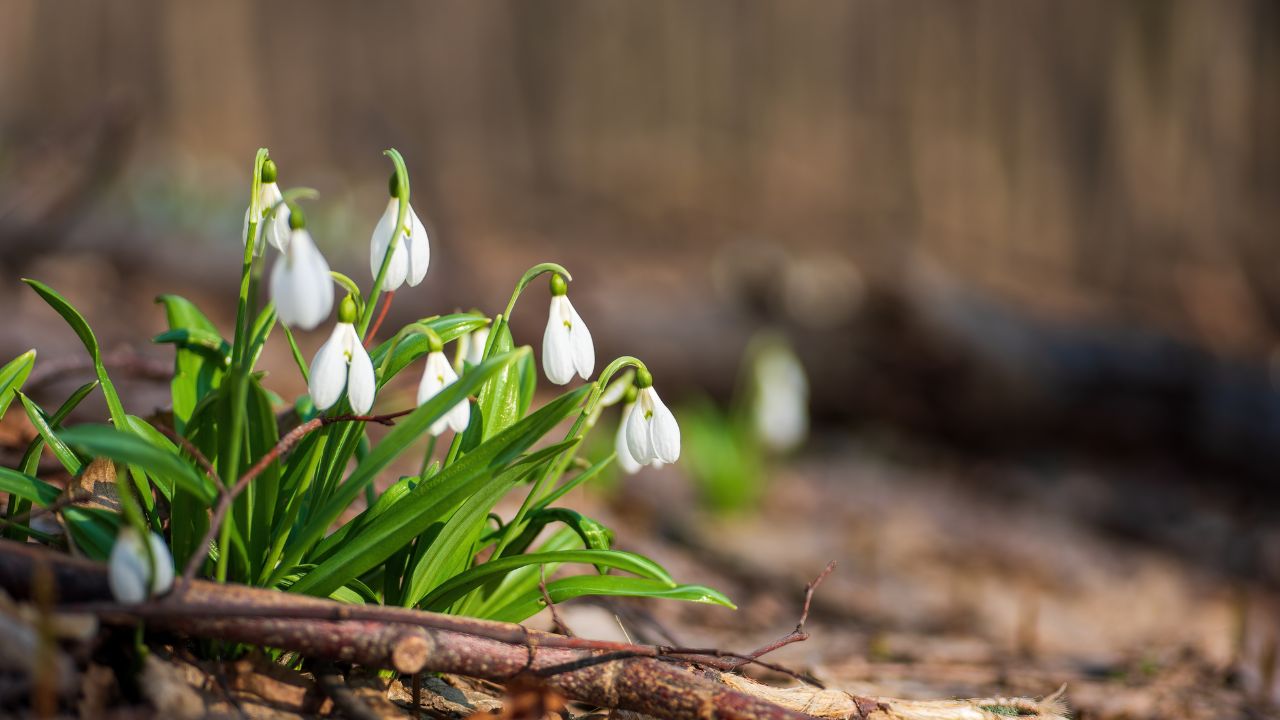
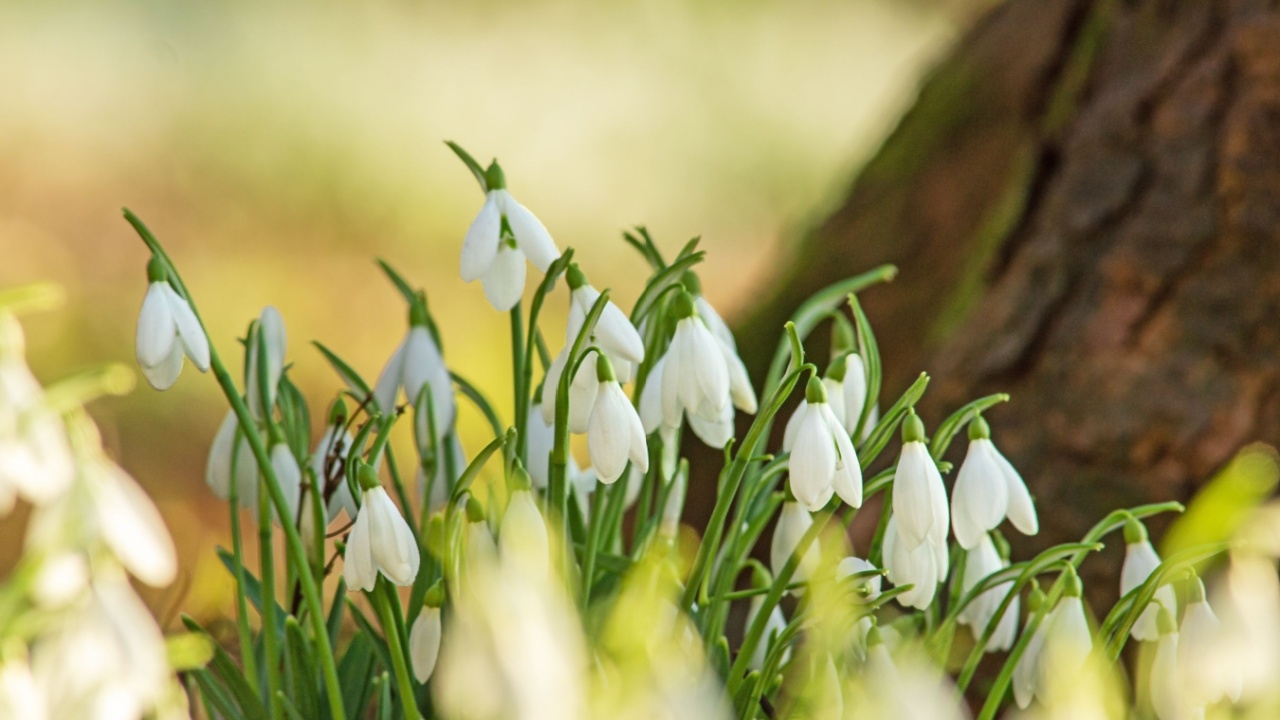
True to their name, common snowdrops are another early-spring bloomer, famous for their nodding, bell-shaped white flowers that often appear when snow is still on the ground.
Each delicate flower has three larger outer petals and three smaller inner petals, often marked with a touch of green. They look magical when planted in large drifts under deciduous trees or in woodland gardens, creating a carpet of white to chase away the winter blues.
- USDA Hardiness zones: 3 to 7
- Sun Exposure: Full sun to part shade
- Soil Needs: Moist, well-drained soil
- Blooms: Late winter to early spring
9. Dahlia
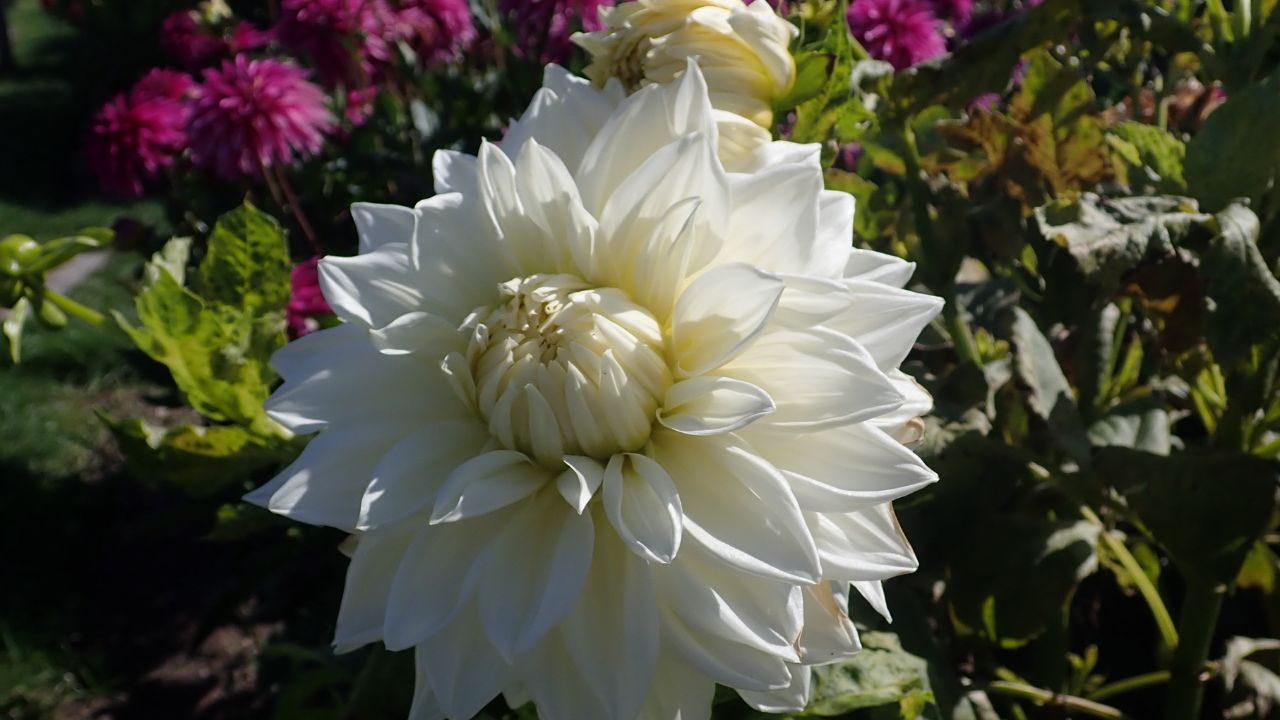
Dahlias offer an incredible diversity of shapes and sizes, and the white varieties are simply stunning. From the perfectly spherical pompoms to the large, spiky “cactus” flowered types, there’s a white dahlia for every taste.
They bloom from midsummer until the first frost, providing a long season of beauty. In colder climates, their tubers must be dug up and stored for the winter.
- USDA Hardiness Zones: 8-10 (grown as annuals or tubers lifted in other zones)
- Sun Exposure: Full sun
- Soil Needs: Rich, well-drained soil
- Blooms: Midsummer to fall
10. Sweet Alyssum
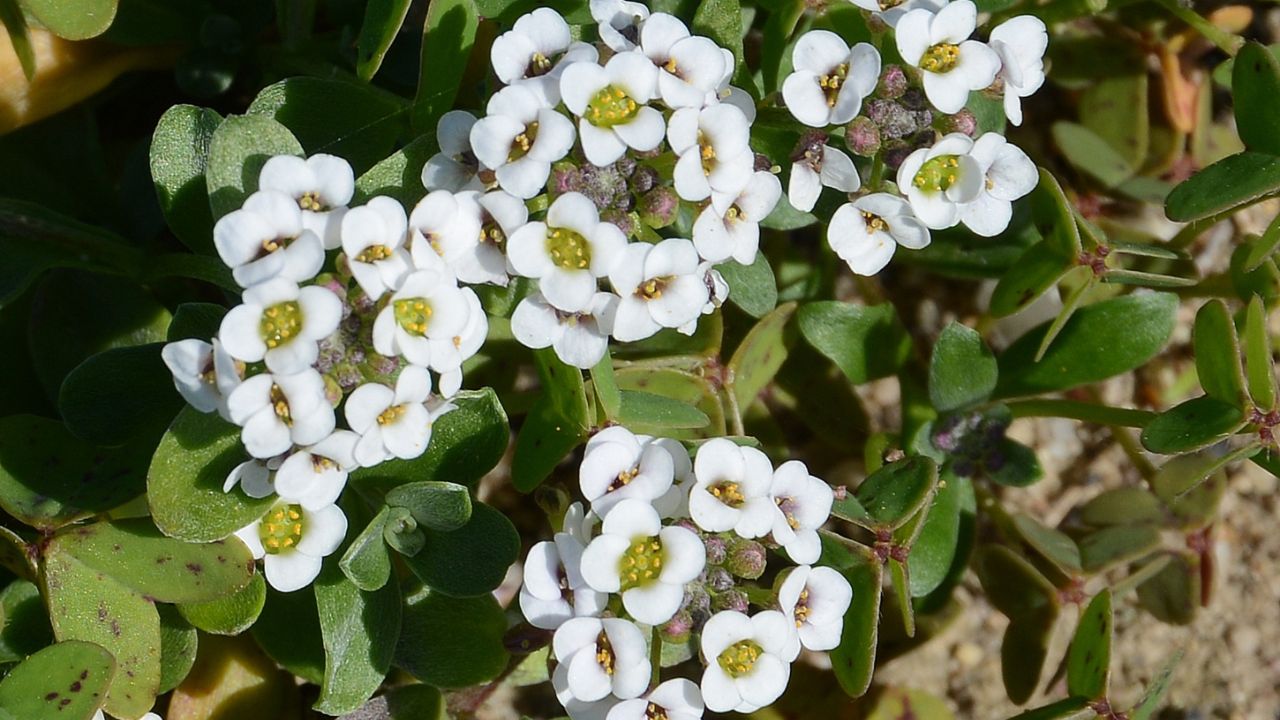
For a low-growing plant that creates a carpet of tiny, fragrant white flowers, look no further than sweet alyssum. This annual is perfect for edging garden beds, filling containers, or spilling over retaining walls.
It blooms continuously from spring until the first hard frost. Sweet alyssum is easy to grow from seed and attracts beneficial insects, making it a wonderful addition to any garden.
- USDA Hardiness Zones: Grown as an annual in all zones
- Sun Exposure: Full sun to part shade
- Soil Needs: Well-drained soil
- Blooms: Spring to frost
11. Climbing Hydrangea
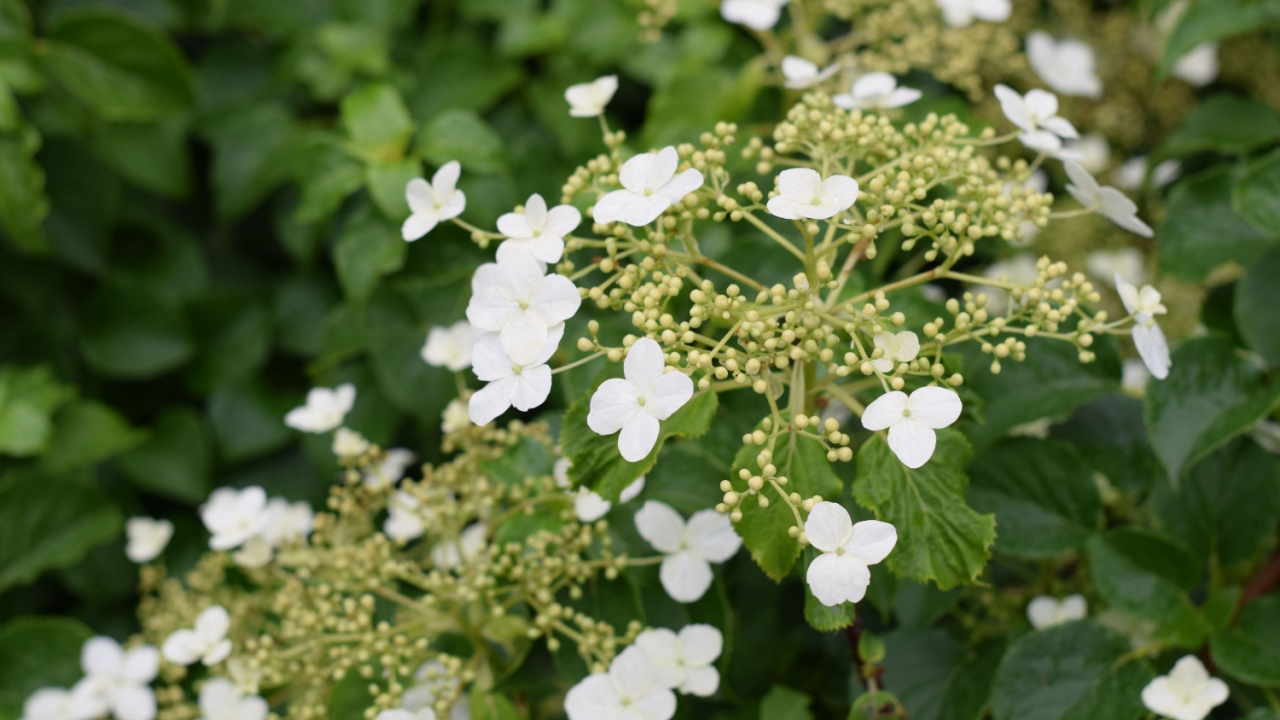
Want a flowering vine to cover a wall, trellis, or large tree? The climbing hydrangea is a fantastic choice. This vigorous vine clings to surfaces, covering them with lush green leaves and big, lacey white flowers in early summer.
While it might start slow, a mature climbing hydrangea is a stunning sight. It also loves the shade, making it a perfect pick for north-facing walls.
- USDA Hardiness Zones: 4-8
- Sun Exposure: Part shade to full shade
- Soil Needs: Rich, moist, well-drained soil
- Blooms: Early summer
12. Japanese Anemone
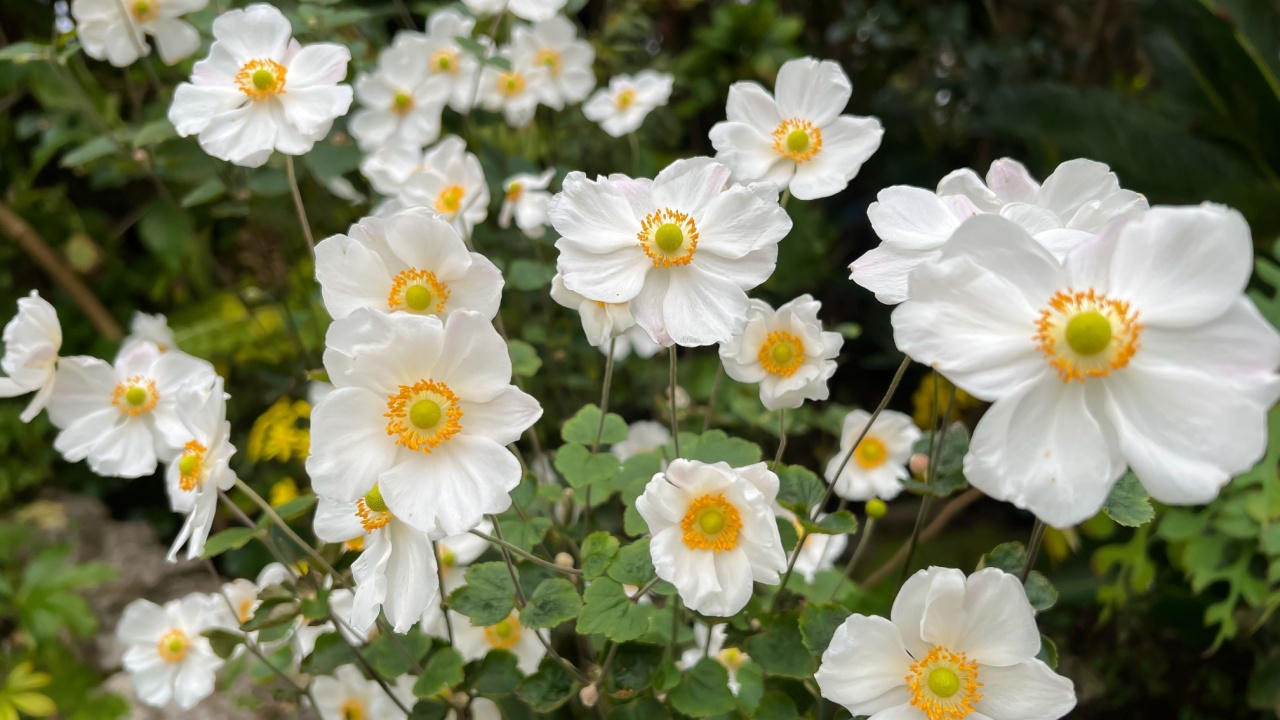
Blooming in late summer and fall when many other perennials are starting to fade, Japanese anemones provide a final flourish of color.
Their tall, wiry stems carry lovely, poppy-like white flowers with yellow centers that dance in the breeze. These elegant flowers are perfect for adding height and movement to the back of a border.
- USDA Hardiness Zones: 4-8
- Sun Exposure: Full sun to part shade
- Soil Needs: Rich, moist, well-drained soil
- Blooms: Late summer to fall
13. Petunia
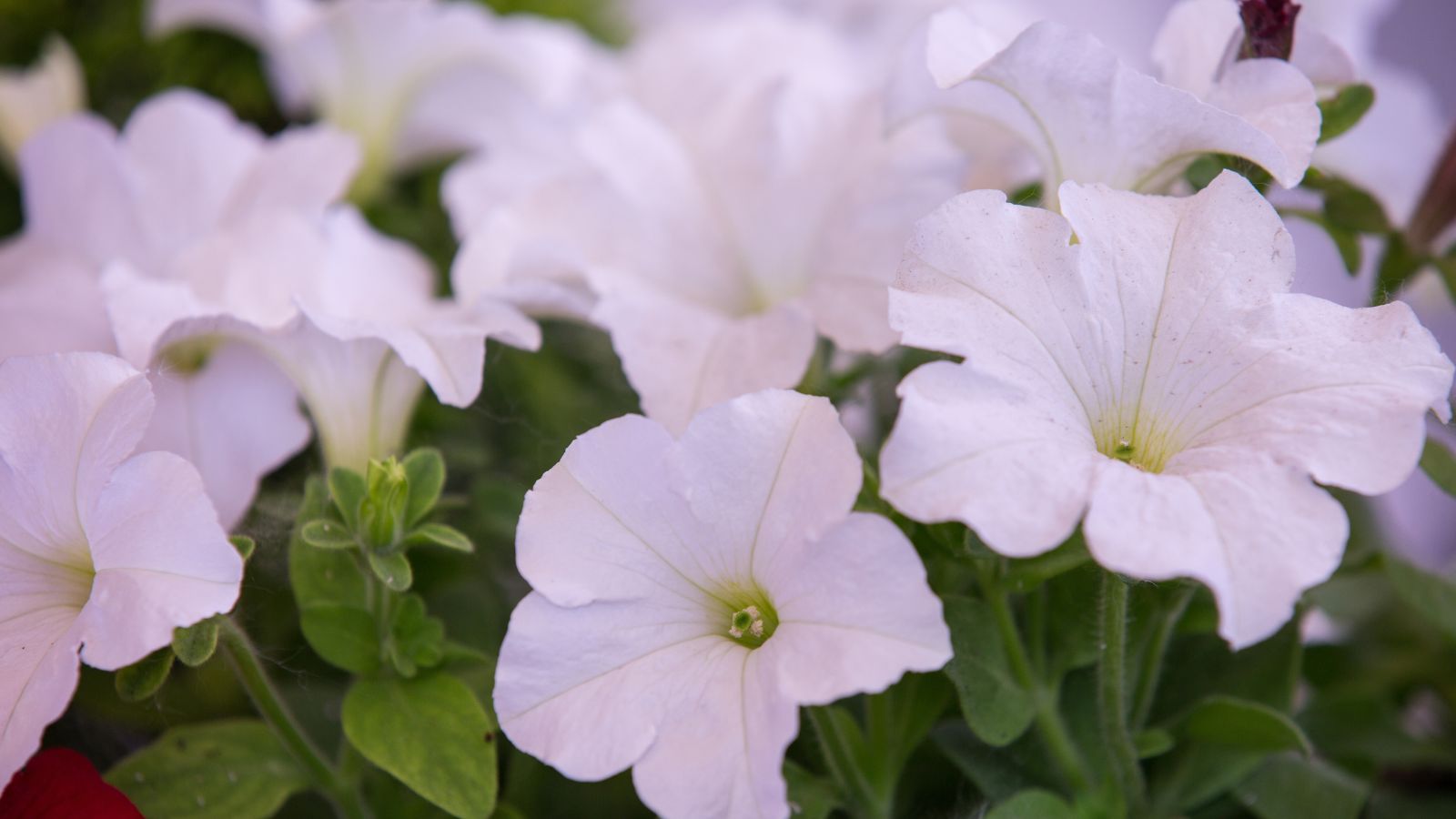
Petunias are a classic annual for a reason. They are reliable, easy to care for, and bloom prolifically all summer long. White petunias, like the popular ‘Supertunia White,’ are perfect for creating a clean, crisp look in containers, hanging baskets, and garden beds.
They mix beautifully with other colors or can be used on their own for a stunning monochromatic display. For the best performance, provide them with plenty of sun and regular feeding.
- USDA Hardiness Zones: Grown as an annual in all zones
- Sun Exposure: Full sun
- Soil Needs: Well-drained soil
- Blooms: Spring to frost
14. Bacopa
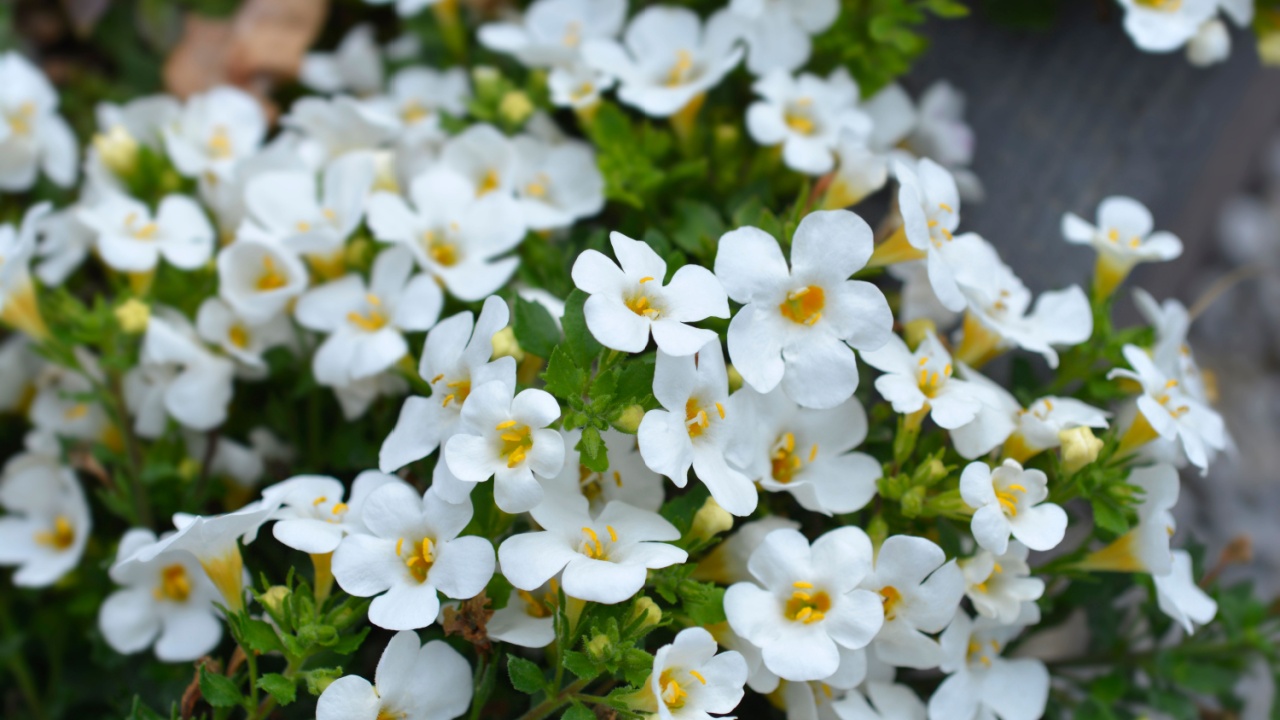
Bacopa is a fantastic trailing annual that produces a profusion of tiny white flowers from spring until frost. It’s an ideal “spiller” plant for hanging baskets and containers, cascading gracefully over the edges with its flower-covered stems.
Bacopa performs well in both sun and part shade, and it doesn’t require deadheading to keep blooming. It’s a low-maintenance option for adding continuous white sparkle to your garden designs.
- USDA Hardiness Zones: 9-11 (grown as an annual elsewhere)
- Sun Exposure: Full sun to part shade
- Soil Needs: Consistently moist, well-drained soil
- Blooms: Spring to frost
15. Yucca
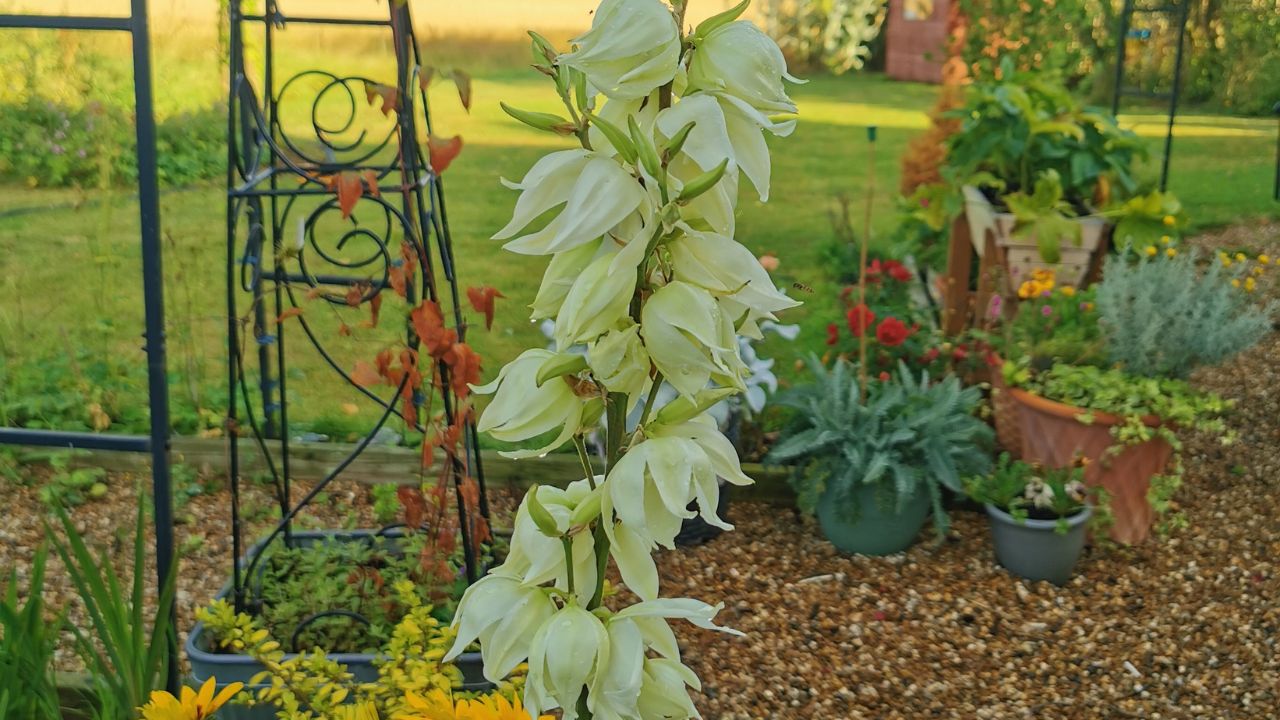
For a dramatic, architectural look, yucca is an unbeatable choice. This drought-tolerant plant forms a rosette of sharp, sword-like leaves.
In early to midsummer, it sends up a towering flower stalk that can reach several feet high, covered in large, creamy-white, bell-shaped flowers. Yucca adds a bold, structural element to the garden and thrives in hot, sunny, and dry conditions where other plants might fail. It’s a low-maintenance plant that makes a big impact.
- USDA Hardiness Zones: 4-11
- Sun Exposure: Full sun
- Soil Needs: Dry, well-drained soil
- Blooms: Early to midsummer
Plan Your White Flower Garden
Adding white flowers is a foolproof way to elevate your garden’s design, creating a space that feels both vibrant and peaceful. Now that you have some ideas, the next step is planning. Consider which of these blooms will best suit your climate and soil, and think about how to combine them for continuous color.
Start by sketching out your garden beds and deciding where these glowing additions will make the most impact. Happy gardening.
Read More: