10 Overlooked Details Accidentally Making a Home Feel Cheap
Certain elements in the home can sometimes betray your best efforts, giving an accidental, cheap look. It’s like wearing a tuxedo with Crocs. Something is undermining the whole operation.
Short of physically moving your house, the most powerful change you can make is enhancing its curb appeal and interior details. Designers agree that small styling mistakes can quietly reduce the overall impact of your home. We’re going to walk through ten common culprits that can unintentionally cheapen your home’s appearance, starting from the outside in. You’ll learn why they’re holding your home back and get simple, actionable ideas to upgrade your space.
1. An Unkempt Yard and Entryway

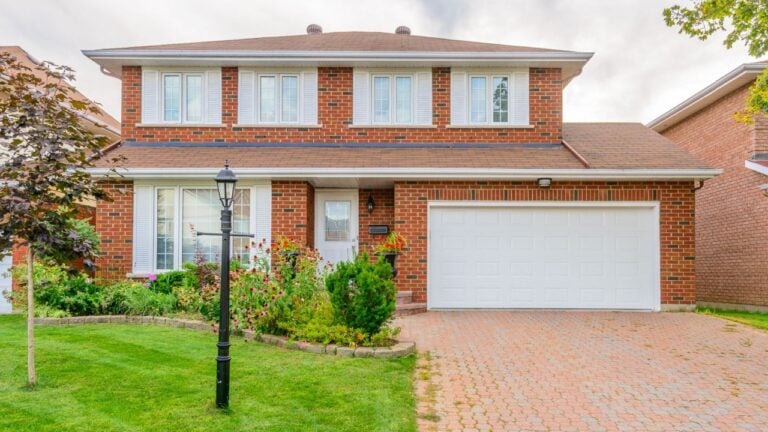
Your home’s first impression happens before anyone even steps inside. An overgrown lawn, weedy flower beds, a faded front door, or a porch cluttered with odds and ends can give an immediate impression of neglect. This instantly lowers the perceived value and care of the entire property. It suggests that if the outside is overlooked, the inside might be too.
Curb appeal is a powerful tool. A tidy, welcoming exterior sets a positive tone and makes your entire home feel more polished and put-together. You do not need a professional landscape designer; a little bit of weekend effort can completely transform your home’s public face.
Quick Fixes & Next Steps:
- Garden Tidy-Up: Pull weeds, trim overgrown bushes, and add a fresh layer of mulch to your garden beds. Mulch is like a fresh coat of paint for your yard; it makes everything look neat and intentional.
- Paint the Front Door: A freshly painted front door in a welcoming color is one of the fastest and most affordable ways to boost curb appeal.
- Add Potted Plants: Place a few large, attractive planters near your entrance. Fill them with seasonal flowers or evergreen shrubs for year-round color and life.
- Update House Numbers & Mailbox: Swap out faded, tiny house numbers for large, modern ones that are easy to read. A new, stylish mailbox can also make a big difference.
2. Shiny Brass Fixtures

Polished brass fixtures had their moment in the spotlight, especially in the 1980s and 1990s, when their warm glow brought a sense of elegance to many homes. While they still hold nostalgic charm for some, today’s design trends lean toward more muted, modern finishes like matte black, brushed nickel, or aged bronze. In certain spaces, high-gloss brass can feel out of sync with contemporary decor, making rooms appear less cohesive.
Because these fixtures were widely used in past decades, they can sometimes give a home a dated look. Fortunately, updating hardware is a simple and impactful way to refresh your space. Be it a new cabinet pull or a statement light fixture, small changes can make a big difference.
Quick Fixes & Next Steps:
- Upgrade Hardware: Replace old brass knobs, handles, and pulls with finishes like brushed nickel, matte black, or aged bronze.
- Paint It: For a budget-friendly option, you can paint existing fixtures. Remove the hardware, clean it thoroughly, prime it with a high-quality metal primer, and then spray paint it with a color of your choice. A matte or satin finish often looks more high-end.
- Lighting First: If your budget is limited, start by replacing a prominent light fixture. A new chandelier or bathroom vanity light can single-handedly modernize a space.
3. Popcorn Ceilings
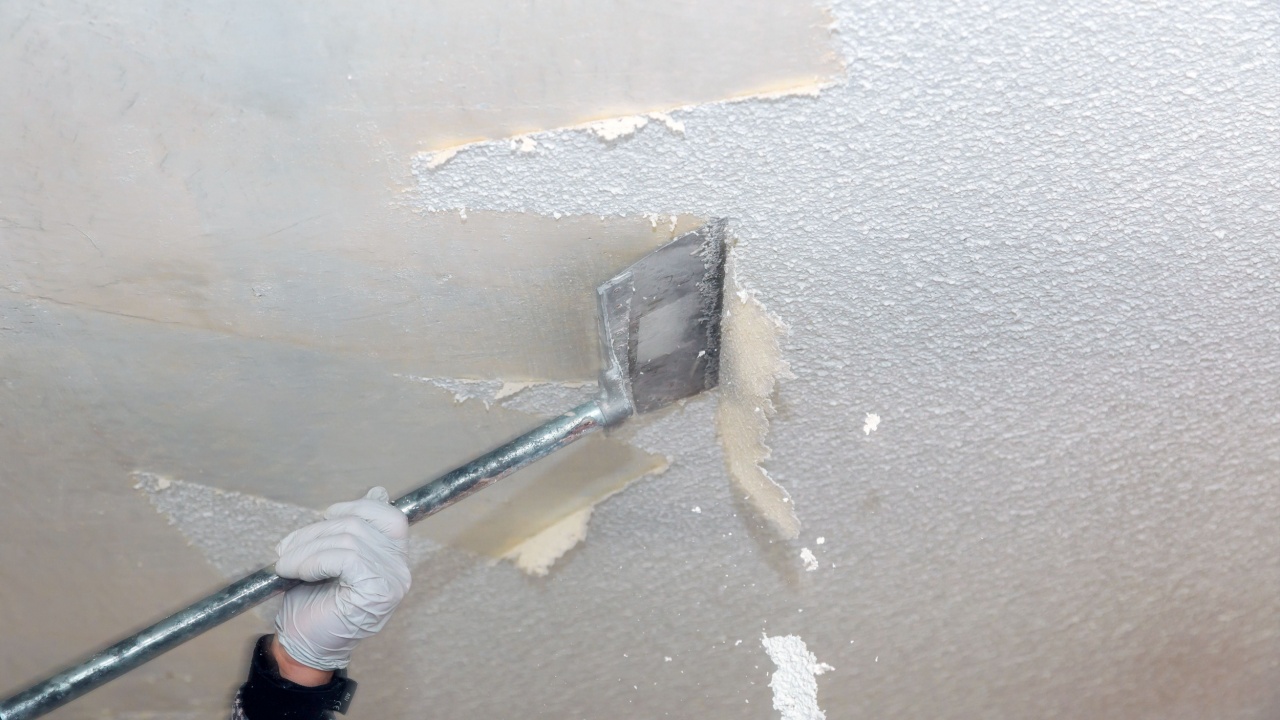
Popcorn ceilings were once a practical solution for builders to mask imperfections and reduce noise. They served their purpose, but their textured surface tends to trap dust and cast uneven shadows, which can make rooms feel smaller and less inviting. Even in a well-decorated space, this ceiling style can subtly detract from the overall look.
Removing or covering popcorn texture is a transformative update. A smooth ceiling reflects light more evenly, instantly brightening the room and giving it a more refined, modern feel. Though the process can be messy, many homeowners find the results well worth the effort.
Quick Fixes & Next Steps:
- Scrape It Off: If the ceiling was installed before 1979, test it for asbestos first. If it is clear, you can spray the ceiling with water to soften the texture and then scrape it off. It’s a messy DIY, but very doable.
- Cover It Up: A less messy alternative is to cover it. You can install thin drywall directly over the existing ceiling or cover it with beautiful, modern ceiling planks or beadboard panels. This adds architectural interest while hiding the texture.
- Skim Coat: Another option is to hire a professional to apply a skim coat of joint compound over the texture, creating a smooth finish without the mess of full removal.
4. Flimsy Aluminum Blinds
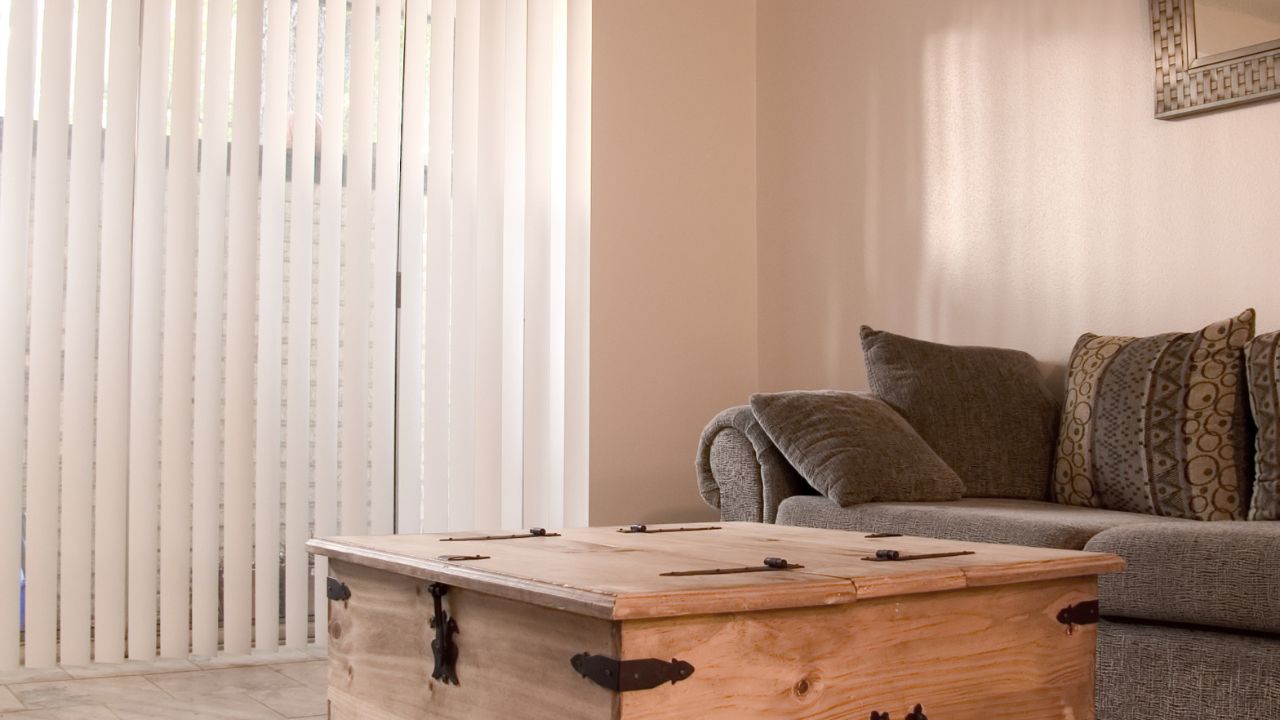
The telltale clatter of thin aluminum blinds is a sound many of us know. They were a go-to for their low cost and basic function, but they do very little for a room’s aesthetic. These blinds bend and dent easily, collect a shocking amount of dust, and often hang unevenly. Their metallic, industrial look can make a room feel cold, temporary, and impersonal, like a college dorm or a temporary office space.
Window treatments are the “eyebrows” of a room; they frame the view and soften the space. Investing in better quality window coverings adds texture, color, and a sense of permanence that flimsy metal blinds simply cannot offer.
Quick Fixes & Next Steps:
- Upgrade to Better Blinds: Consider faux-wood or real wood blinds. They offer the same light-control function but with a much warmer, more substantial, and classic look.
- Try Shades: Cellular, Roman, or woven wood shades are excellent alternatives. They provide a clean, tailored appearance and come in countless fabrics and materials to match your decor.
- Add Curtains: If you need to keep the blinds for now, layering curtains over them can work wonders. Hang a curtain rod high and wide around the window frame and add a pair of simple, elegant curtain panels. This will hide the sides of the blinds and add softness and color.
5. Mismatched and Outdated Light Bulbs

Having a mix of different light bulb types in a single fixture or room: some cool-toned, some warm-toned, some bright, some dim, creates a chaotic and cheap-looking lighting scheme. Cool, bluish light can make a space feel sterile and clinical, while old, dim bulbs can make it feel gloomy.
Consistent, high-quality lighting makes colors appear richer, spaces feel warmer, and your decor looks more cohesive. This invisible layer of design influences the mood of the entire room. Standardize your bulbs to easily fix that brings instant harmony.
Quick Fixes & Next Steps:
- Choose a Consistent Color Temperature: For living spaces and bedrooms, look for bulbs in the “warm white” or “soft white” range (around 2700K to 3000K). For kitchens and bathrooms, a “bright white” or “cool white” (around 4000K) can work well.
- Switch to LEDs: Replace all your bulbs with energy-efficient LEDs. They last for years and provide consistent, high-quality light. Buy them all from the same brand to ensure a perfect match.
- Install Dimmers: Add dimmer switches to your main light fixtures. This allows you to adjust the light level to suit the mood and activity, making any space feel more versatile and high-end.
6. Hollow-Core Interior Doors
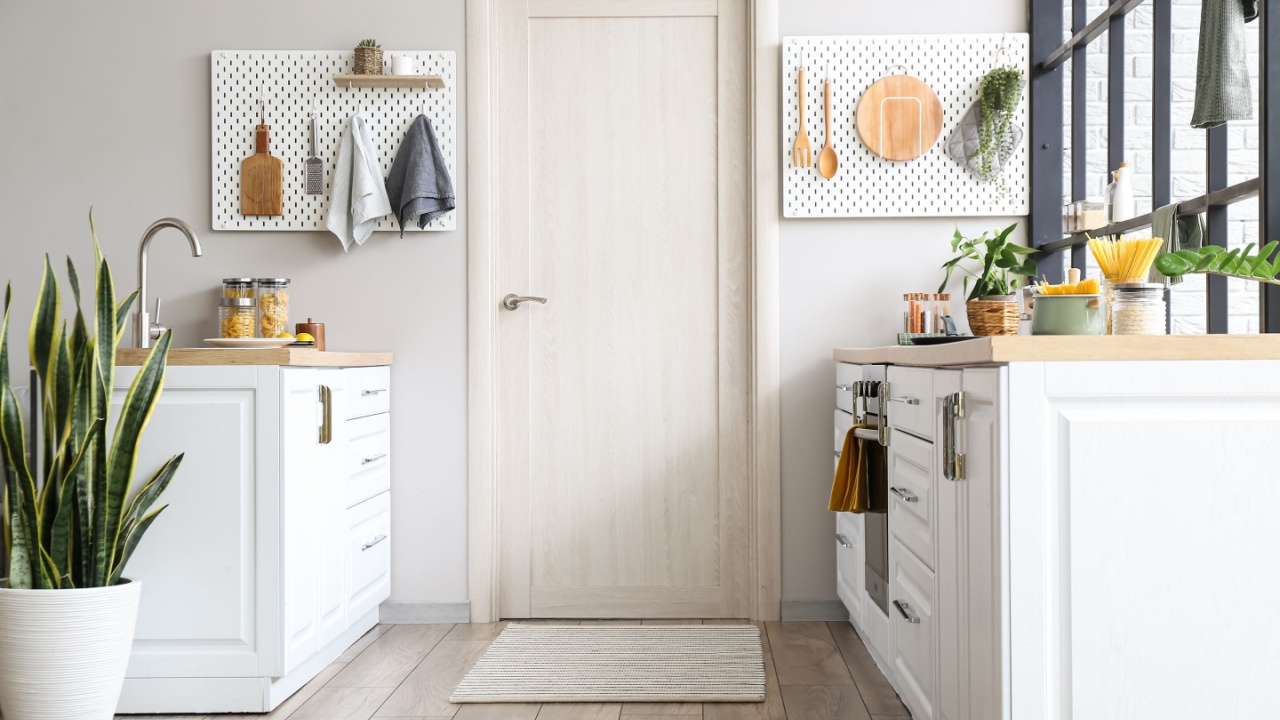
Go ahead, give one of your interior doors a knock. If you hear a hollow, lightweight sound, you have hollow-core doors. These are standard in many new builds because they are inexpensive. While they do the basic job of separating rooms, their flimsy feel and lack of soundproofing contribute to a sense of cheap construction.
Replacing them with solid-core doors is a significant upgrade. The weight and substance of a solid door feel more luxurious. It also does a much better job of blocking sound, which improves the quality of life in your home. The difference is something you can literally feel every time you open or close a door.
Quick Fixes & Next Steps:
- Paint and Upgrade Hardware: If replacing doors is not in the budget, give them a refresh. A fresh coat of paint in a classic color like black or charcoal gray can make them look more substantial. Upgrading the doorknobs at the same time will complete the transformation.
- Add Molding: You can mimic the look of a high-end paneled door by adding lightweight molding. Measure and cut trim pieces to create a shaker-style or traditional paneled design, then paint the entire door one color.
- Replace Key Doors: If you cannot replace all the doors, start with the most important ones, like the door to the primary bedroom or a powder room.
7. Exposed Plastic Storage Bins

We all need storage, but transparent plastic bins stacked in the corner of a bedroom or living area are not the answer. While practical for a garage or attic, they look cluttered and temporary when used as part of your main living space. Seeing the jumble of contents inside creates visual noise, making a room feel disorganized and unsettled.
The goal is to have storage solutions that are both beautiful and functional. Integrating storage into your decor rather than leaving it as an afterthought is key to a polished look.
Quick Fixes & Next Steps:
- Choose Opaque Bins: If you must use bins, switch to opaque ones in a single color. They will look much more uniform and hide the clutter inside.
- Use Baskets: Woven baskets made of seagrass, rattan, or cloth are a fantastic alternative. They add texture and warmth to a room while providing ample storage.
- Invest in Furniture with Storage: Look for ottomans with hidden storage, side tables with drawers, or benches with lift-up tops. These pieces work double-duty, providing function without sacrificing style.
8. Vinyl Flooring That Imitates Wood Poorly

There are some fantastic, high-quality vinyl floors on the market today. However, there are also many older or cheaper versions that do not do a great job of mimicking real wood. Obvious pattern repeats, an unnaturally high-gloss finish, or a texture that feels plasticky underfoot can all make your flooring look cheap.
Since flooring covers such a large surface area, it has a massive impact on the overall feel of your home. A floor that looks fake can bring down the look of everything you put on top of it.
Quick Fixes & Next Steps:
- Use Area Rugs: A large, well-chosen area rug can cover a significant portion of the offending floor. It will also add color, texture, and softness, drawing the eye away from the flooring underneath.
- Consider Luxury Vinyl Plank (LVP): If you are ready for a replacement, modern LVP is an excellent choice. It’s durable, waterproof, and comes in incredibly realistic wood looks with varied patterns and textures.
- Paint It: For some types of vinyl or old linoleum, painting can be a temporary and bold solution. Use a high-quality porch and floor paint for durability.
9. Too Many Small, Unrelated Decorations
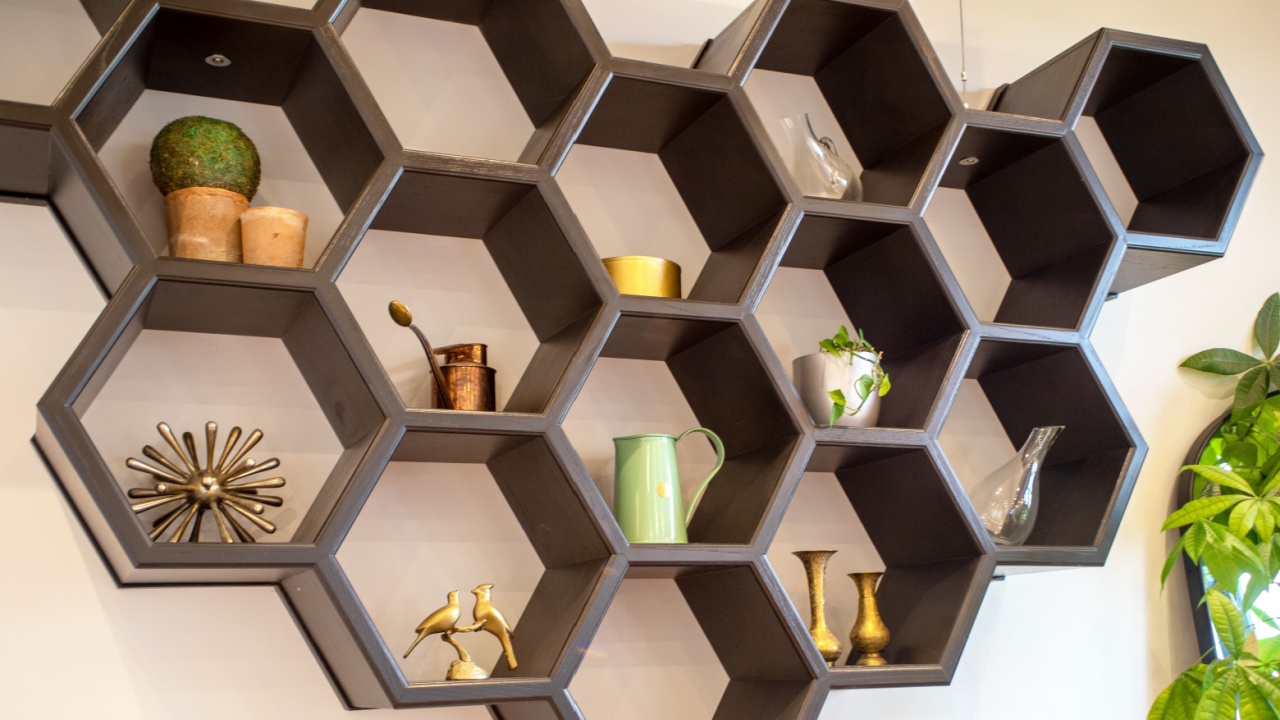
A collection of many small, disconnected knick-knacks can quickly turn into clutter. A shelf crowded with dozens of tiny figurines, mismatched photo frames, and random souvenirs may make a space feel busy and unfocused.
The principle of “less is more” often applies to decor. Grouping items thoughtfully and using fewer, larger-scale pieces creates a more curated and high-end look.
Quick Fixes & Next Steps:
- Group and Edit: Gather all your small decorative items. Keep only the ones you truly love. Group the remaining items into small collections of three or five, varying their height and texture.
- Go Big: Invest in one or two larger pieces of art or decor instead of ten small ones. A large framed print, a substantial vase, or a sculptural object will have much more impact.
- Use Trays: A simple tray is a decorator’s best friend. Place a small collection of items—a candle, a small plant, and a couple of books—on a tray. This makes the grouping feel intentional and contained.
10. Bare, Undressed Windows
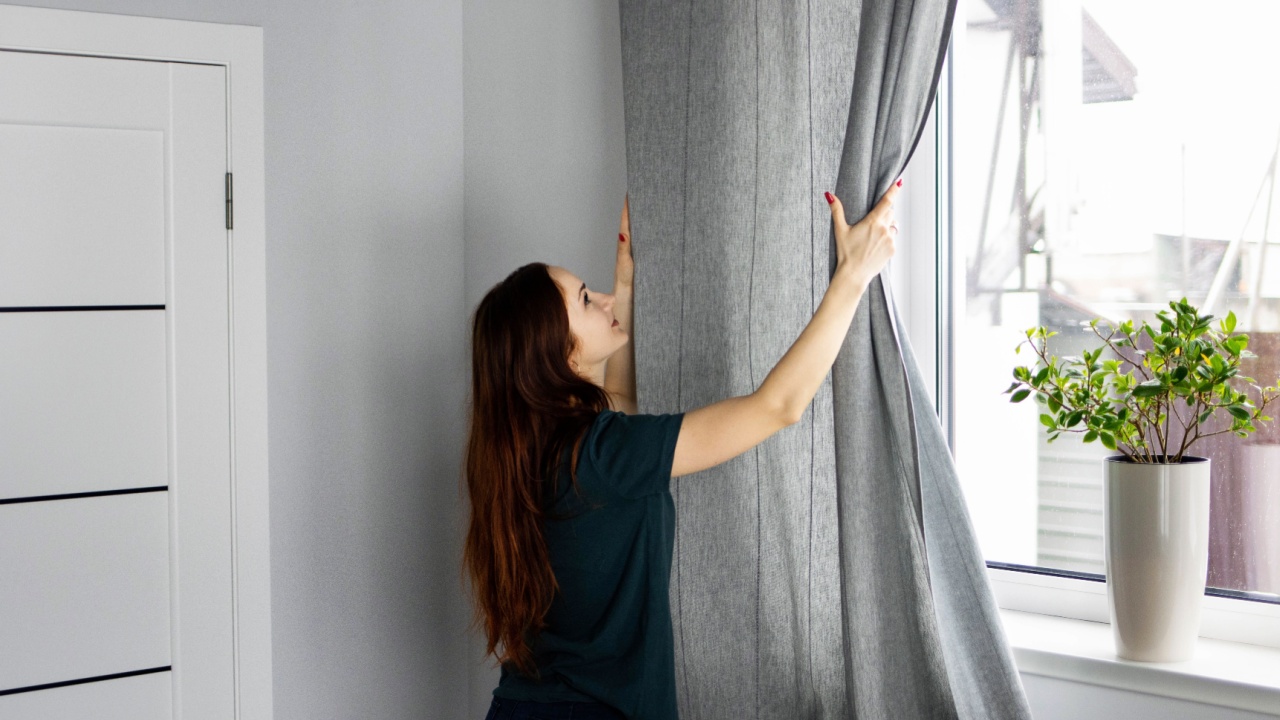
Windows without any form of covering can make a room feel unfinished, cold, and impersonal. It is like a person without eyebrows—something is missing. Bare windows offer no privacy, no light control, and none of the softness or architectural definition that curtains or shades provide.
Dressing your windows is one of the final layers of decorating that ties a room together. It adds color, pattern, texture, and a sense of completeness, making the space feel more comfortable and designed.
Quick Fixes & Next Steps:
- Hang Curtains High and Wide: The most common mistake is hanging the curtain rod right above the window frame. Instead, mount the rod 4-6 inches above the frame and extend it 6-10 inches on either side. This makes the window appear larger and more grand.
- Choose the Right Fabric: Simple, solid-colored linen or cotton-blend curtains are a timeless choice that works in almost any room. Avoid shiny, cheap-feeling polyester.
- Layer a Shade and Curtains: For a truly polished look, layer a functional shade (like a woven wood or Roman shade) for privacy and light control with decorative curtain panels to frame the window.
It’s the Little Things

You don’t need a full renovation to make your home feel more intentional and inviting. Walk through each room and take note of what stands out. Is the lighting uneven? Are the window treatments missing or outdated? Pick one detail to improve, whether it’s swapping out old hardware or refreshing your entryway.
These small updates can change how your home looks and how it feels to live in. With a few focused changes, your space can shift from basic to personal, polished, and welcoming.