10 Things Women Shouldn’t Disclose About Their Homes
We love sharing. We share vacation photos, recipes for that killer banana bread, and maybe even a few too many details about our last awkward date. It’s how we connect. But when it comes to our homes, some details are better kept under wraps. These days, it’s easy to forget how much we share online. Between photo dumps, status updates, and smart devices, our homes are more exposed than ever.
Your home should be your sanctuary, your fortress of solitude, your personal space where you can dance in your underwear without judgment. Keeping it safe means being a little more strategic about what you reveal. We’ve put together a list of ten home details you might want to reconsider sharing with the wider world.
1. Your Full Street Address
This one feels like a no-brainer, yet it happens more than you’d expect. You order a cute new doormat, snap a picture for Instagram, and accidentally include your house number. Or you post a screenshot of your run route, which conveniently starts and ends right at your front door. Sharing your exact location is like handing a stranger a map to your life.
It’s surprisingly easy for someone to piece together information. A house number here, a street sign there, and suddenly a random person on the internet knows exactly where you live. This can lead to everything from unwanted visitors to more serious security threats.
Safety First Scan:
- What to do: Before posting photos, crop out or blur any identifying information like house numbers, street signs, or even unique architectural features that could pinpoint your location.
- Next Steps: Review your social media privacy settings. Limit who can see your posts to friends and family. Turn off location tagging for your photos automatically.
2. Photos of Your Keys
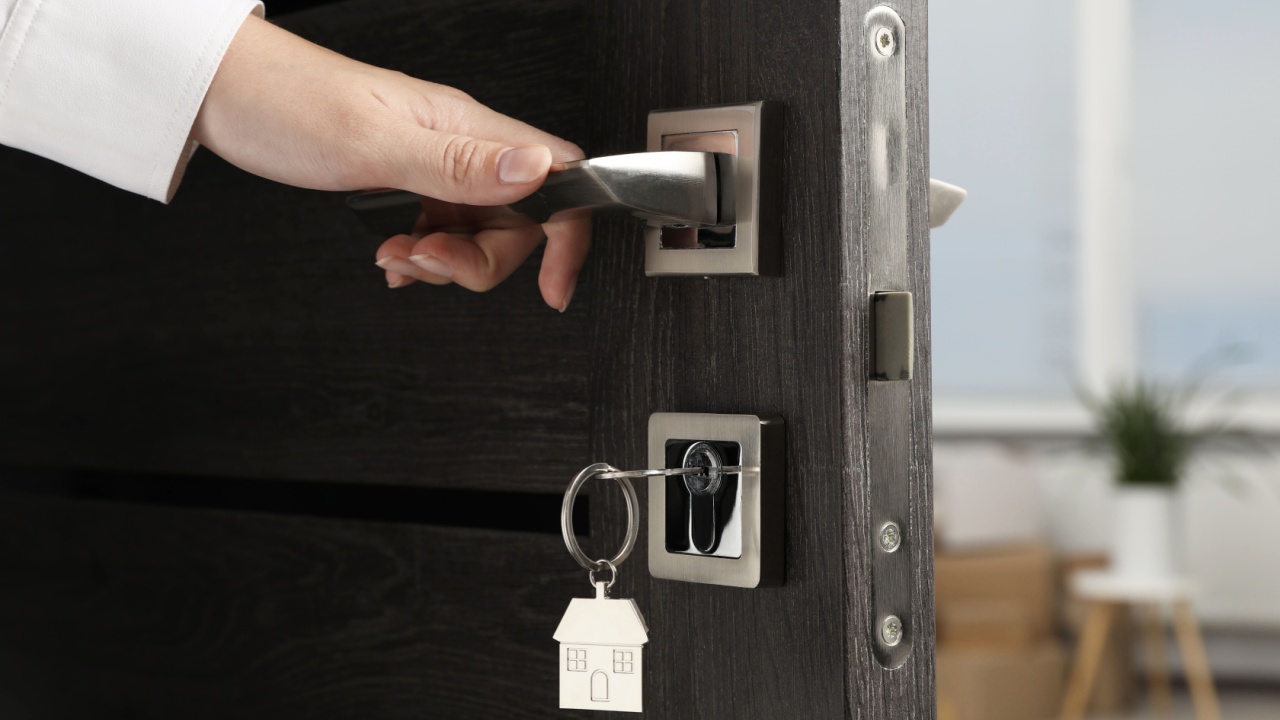
Your keys look harmless enough sitting on the counter, maybe next to a cute keychain you bought on Etsy. It’s tempting to include them in that “just got home” aesthetic photo. However, a high-resolution picture of your keys is all a determined person needs to create a copy.
Modern key-cutting technology can duplicate a key from a clear photograph. It’s an unlikely scenario, but the risk is real. The same goes for keys to your office, your parents’ house, or your car. Keep them out of the frame and securely out of sight.
Safety First Scan:
- What to do: Make it a habit to never photograph your keys. Store them away from doors and windows where they could be seen from the outside.
- Next Steps: Consider upgrading to a smart lock with a keypad. This eliminates the need for physical keys and allows you to change the entry code whenever you feel it’s necessary.
3. Your Work-From-Home Status

Telling everyone you work from home seems innocent. You might mention it in a neighborhood group when asking for coffee shop recommendations or post about your “home office setup.” The problem is that you’re also announcing that your house is likely occupied during the day, which might deter some criminals, but it also signals that you are home alone.
For someone with bad intentions, knowing you’re solo all day could make you a target for scams or other dangers. It’s a small detail, but it paints a picture of your daily routine for anyone who is paying attention.
Safety First Scan:
- What to do: Be vague about your work schedule. Instead of saying “I work from home,” you can say you have a flexible schedule.
- Next Steps: If you must meet a stranger for a local marketplace sale, arrange to do it in a public place, not at your home. Many police departments offer their parking lots as safe exchange zones.
4. The Layout of Your Home

Giving a full video tour of your home on social media shows off your great taste in decor, but it also gives a complete blueprint to the public. You’re showing everyone where the bedrooms are, the easiest entry points, and where you might keep grandmas engagement ring.
Think of it like a virtual casing of your own house. A person can learn the locations of windows, doors, and potential blind spots. It’s best to share curated snapshots of rooms rather than a walkthrough that connects all the dots.
Safety First Scan:
- What to do: Share vignettes of your home, not a complete floor plan. Focus on a decorated corner, a new piece of art, or a beautiful tablescape.
- Next Steps: When you have service people in your home, stay present. Don’t let them wander unaccompanied through your house.
5. Your Expensive New Purchases
It is completely normal to be excited about a new 75-inch TV, a high-end laptop, or a valuable piece of art. The urge to share a photo of your new prize is strong. Unfortunately, broadcasting these big-ticket items can make your home a more attractive target for theft.
This also applies to the packaging. Leaving a giant television box or a stack of boxes from luxury brands by the curb is like putting up a sign that says, “Expensive stuff inside!” Break down boxes and put them in recycling bins to be less conspicuous.
Safety First Scan:
- What to do: Enjoy your new items privately first. If you share, do so with a close circle of friends and avoid posting publicly.
- Next Steps: Make sure your homeowner’s or renter’s insurance is up to date and covers your valuables. Keep receipts and serial numbers for expensive items in a safe place.
6. Your Vacation Plans
Posting “Counting down the days until Hawaii! #sunaandsand” is fun, but it’s also a public announcement that your home will be empty. Sharing your departure and return dates gives potential thieves a clear window of opportunity. I once had a friend whose home was burglarized after she posted her entire two-week itinerary online.
It’s much safer to post your beautiful vacation photos after you’ve returned. Let your followers enjoy your beach pictures when you’re safely back home, sipping coffee and missing the sun.
Safety First Scan:
- What to do: Wait until you get back to post your vacation pictures. The “photo dump” is a classic for a reason.
- Next Steps: Ask a trusted neighbor or friend to collect your mail and keep an eye on your place. Use timers for lights and a radio to create the illusion that someone is home.
7. Your Security System’s Details

You might be proud of your new, state-of-the-art security system. You might even want to recommend it to others. However, never share the brand of your security system, the location of your cameras, or the code to your alarm.
Sharing these details can help someone figure out how to bypass your system. For example, if they know the brand, they can research its vulnerabilities. If they know where your cameras are, they can find the blind spots.
Safety First Scan:
- What to do: Keep all information about your security measures private. The little yard sign from the security company is a deterrent; specific details are a liability.
- Next Steps: Regularly change your alarm codes and passwords. Check your cameras to ensure they are functioning correctly and covering the most important areas without revealing your home’s interior layout to the public.
8. Where You Hide Your Spare Key
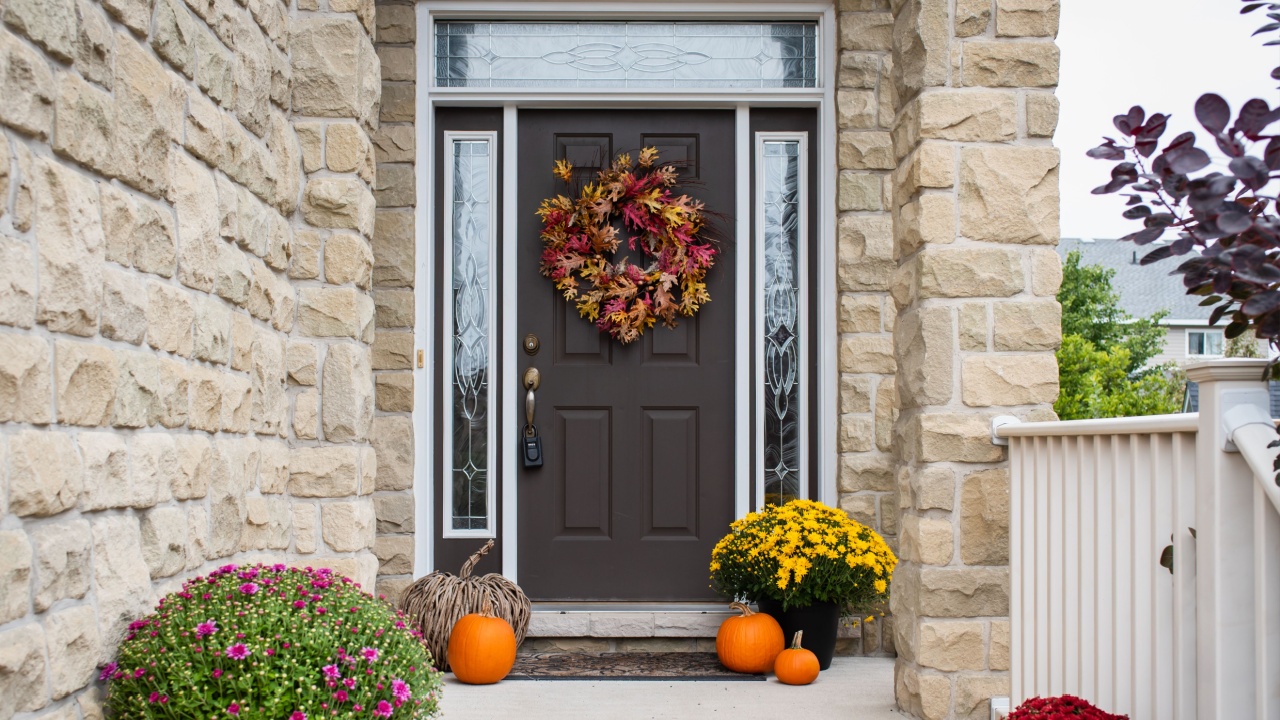
That plastic rock isn’t fooling anyone. Hiding a spare key under the doormat, in a fake sprinkler head, or on top of the door frame are the first places a burglar will look. Announcing your “clever” hiding spot online, even as a joke, is a major security risk.
If you absolutely must have a spare key accessible, there are safer ways to manage it. The best option is to avoid the hidden outdoor key altogether.
Safety First Scan:
- What to do: Never, ever post about where you hide your spare key. Just don’t.
- Next Steps: Give a spare key to a trusted neighbor or friend who lives nearby. Another great option is to install a high-quality lockbox with a code that you can change periodically.
9. Your Daily Routines

Do you post a “morning coffee on the porch” selfie at 7 AM every day? Do you share a post-gym photo every evening around 6 PM? These seemingly harmless posts establish a predictable pattern. They tell the world when you leave, when you return, and when you’re likely to be distracted.
Someone watching your social media can learn your schedule and know exactly when your house is empty or when you might be less alert. It’s better to be a little unpredictable with your online sharing.
Safety First Scan:
- What to do: Mix up the times you post. Avoid sharing your activities in real-time. Post your morning coffee picture in the afternoon.
- Next Steps: Vary your routes and times for regular activities like jogging or walking the dog. It’s a good safety practice in general, both for your home and personal security.
10. Information About Being Home Alone
Announcing “Finally have the house to myself this weekend!” can feel liberating. You’re ready for a solo movie marathon with your favorite snacks. But you’re also letting everyone know that you are alone and potentially more vulnerable.
This is especially true if you have a public profile or a large, diverse following. You never know who is seeing your posts. It’s safer to enjoy your quiet time without broadcasting it to the world.
Safety First Scan:
- What to do: Share your excitement about your solo weekend with a friend via text message instead of on a public forum.
- Next Steps: If you are home alone, take extra precautions. Double-check that all doors and windows are locked. Keep your phone charged and nearby. Be aware of your surroundings.
Protecting Your Peace of Mind (And Safety)
Don’t be paranoid, but you need to be empowered and in control of your personal space. Your home is your haven, and protecting it starts with being thoughtful about the information you put out into the world.
Take a few minutes this week to review your recent posts. See if you’ve accidentally shared any of these details. Then, adjust your privacy settings to create a more secure online environment. By taking these simple precautions, you can continue to share the things you love without compromising the safety of the place you love most: your home.
Read more
How Women Living Alone Stay Safe—16 Habits That Actually Work
Living Alone? These 14 Tips Are Non-Negotiable for Feeling Safer After Dark