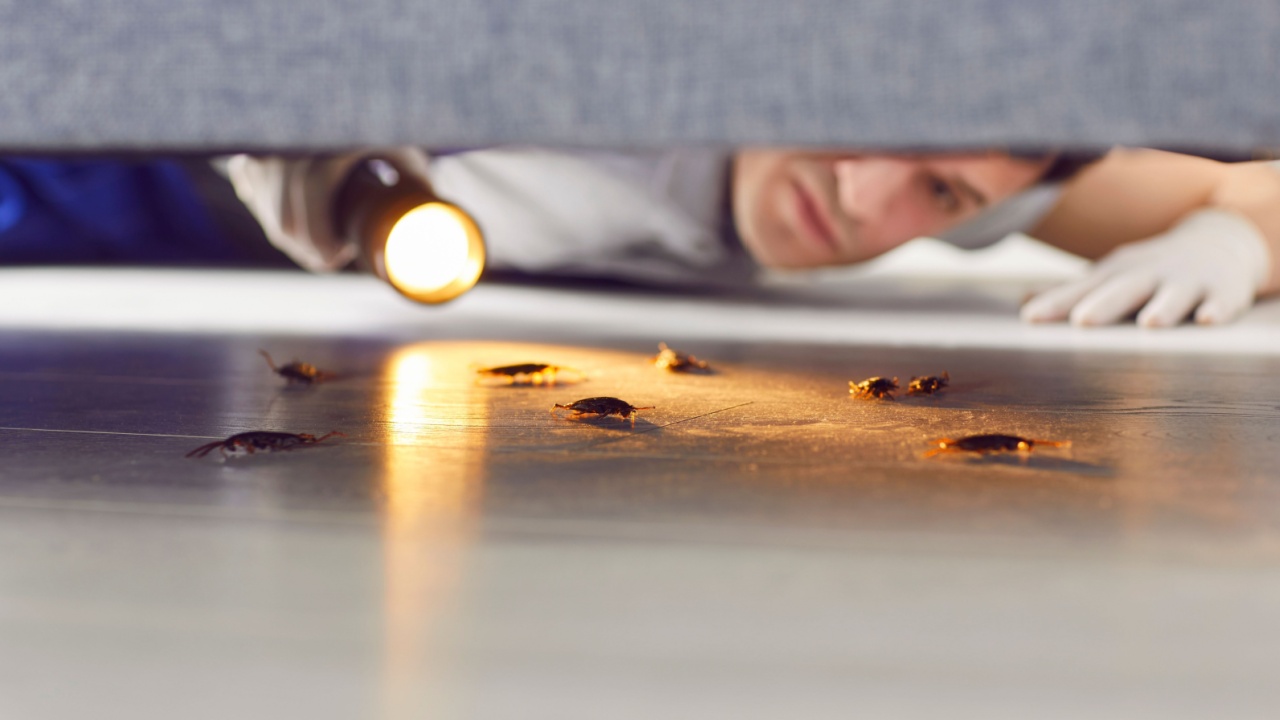
10 Bugs and Animals Invading Homes When Temperatures Drop
Winter is here, and you are probably reaching for your favorite sweater, looking forward to some quality time indoors. Unfortunately, you are not the only one with this idea. A whole host of critters, from the six-legged to the four-legged variety, see your warm, comfortable house as the perfect winter vacation spot. They are not looking to split the utility bills; they are just seeking shelter from the dropping temperatures.
Finding an eight-legged roommate in your shower or a line of ants marching across your kitchen counter can be a little jarring. While many of these seasonal squatters are more of a nuisance than a real threat, nobody wants an uninvited houseguest that doesn’t clean up after itself. Who are these invaders? What do they want? And how do we politely show them the door, or better yet, never let them in?
Here’s a look at the top ten bugs and animals looking to move in with you during fluctuating temperatures this winter season.
1. Stink Bugs
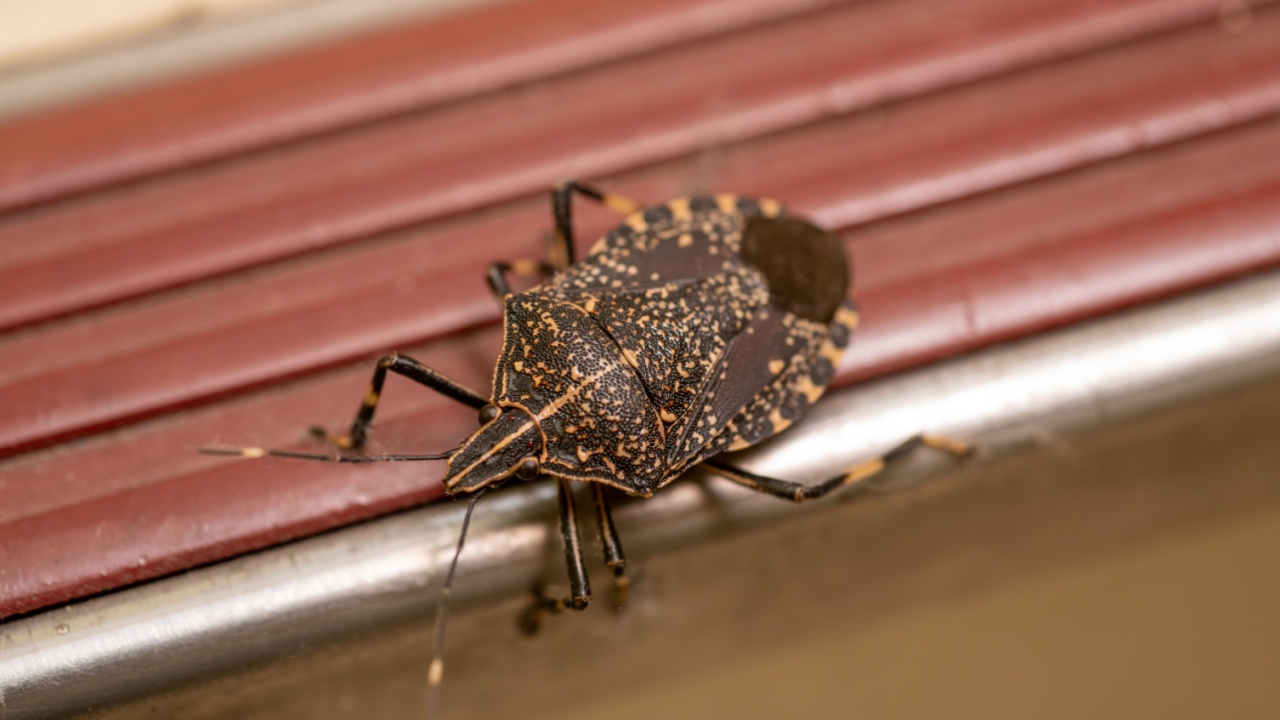
You know them, you love to hate them. Those shield-shaped, clumsy flyers that seem to appear out of thin air and buzz erratically around your light fixtures. Stink bugs spend their summers happily munching on your garden plants, but as soon as the weather cools, they begin a desperate search for a warm place to wait out the winter. Your house is their five-star resort.
They are harmless to humans and pets; they do not bite or spread disease. Their one, very potent defense mechanism is the foul odor they release when threatened or squashed. It is a smell you will not soon forget. They slip in through tiny cracks around windows, siding, and utility pipes.
What to do:
- Seal the Deal: Go on a mission to seal any cracks or holes on the exterior of your home with caulk. Pay close attention to window frames, doorframes, and where pipes enter the house.
- Gentle Eviction: If you find one, do not crush it. The best way to remove them is to gently coax one onto a piece of paper and flush it, or vacuum them up and immediately dispose of the bag.
- Screen Time: Check your window and door screens for tears and repair them.
2. Boxelder Bugs
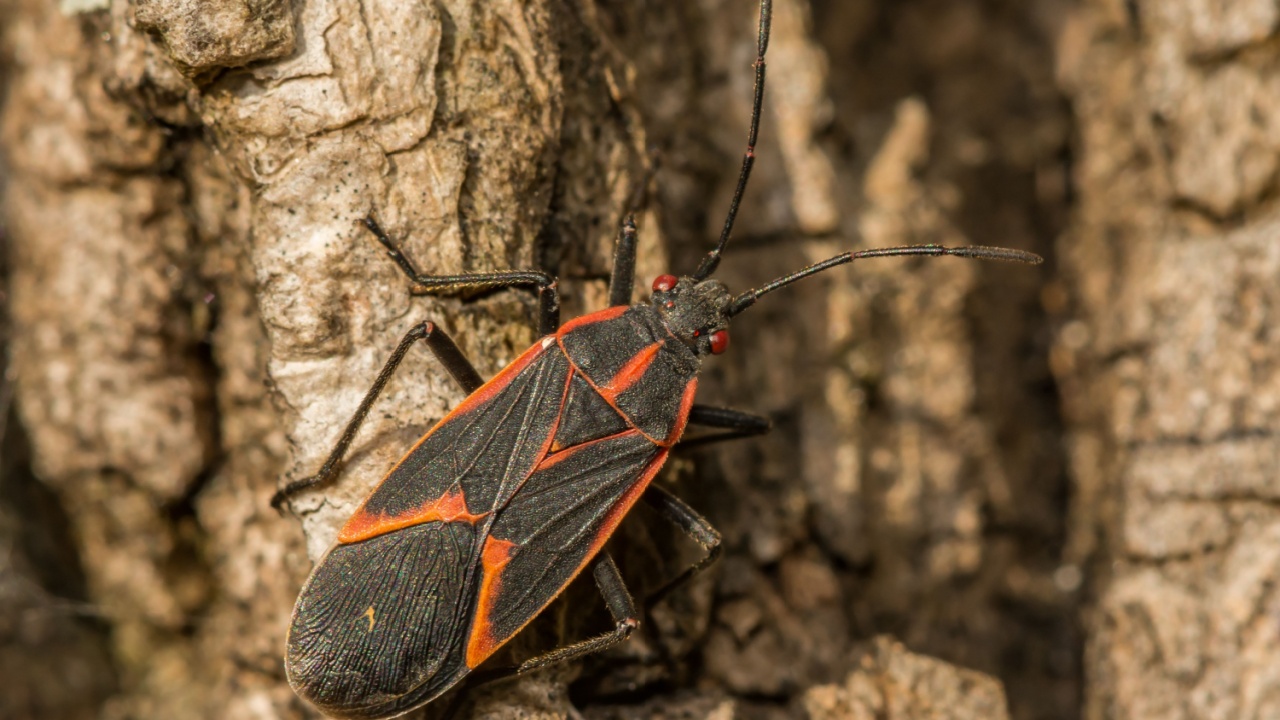
If you have ever seen swarms of black and red insects sunbathing on the south-facing side of your house, you have met the boxelder bug. They look like they are perpetually dressed for a formal event. These bugs are particularly drawn to homes near boxelder, maple, and ash trees, where they feed during the warmer months.
Like stink bugs, they are just looking for a warm hideout for the winter. They are not dangerous, but they can stain curtains and walls with their droppings, which is just rude. They often find their way inside and remain dormant in wall voids until a warm spell fools them into thinking it is spring, leading to a sudden indoor appearance.
What to do:
- Soap and Water: A simple solution of dish soap and water sprayed directly on them can be an effective way to manage a large group on your siding.
- Vacuum Power: For the ones that make it inside, the vacuum is your best friend.
- Tree Management: If you have host trees close to your house, consider this a long-term relationship. Keeping the area free of fallen seeds can help reduce their numbers.
3. House Spiders
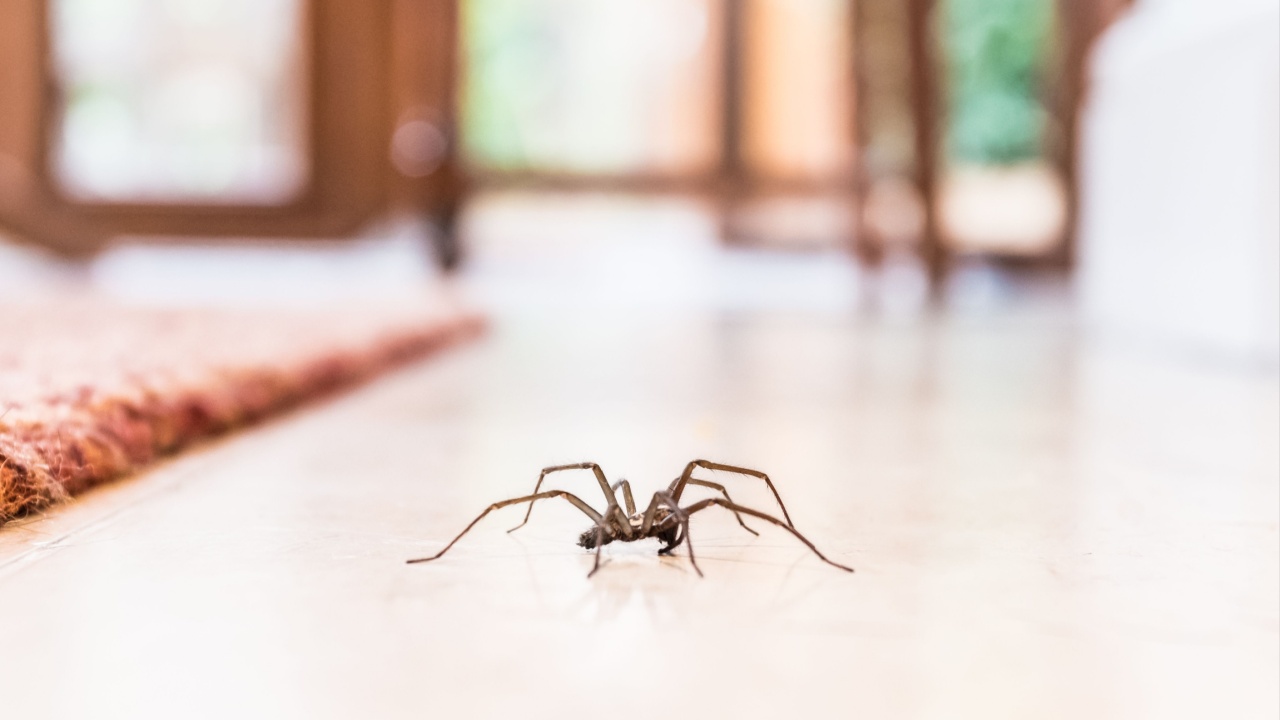
Spiders are the classic houseguest that pays rent by eating other, more annoying bugs. Still, that does not mean you want to run into one on your way to the bathroom at 2 a.m. As fall arrives, two things happen in the spider world: their food supply of outdoor insects starts to dwindle, and it is mating season. This drives many of them indoors, looking for food or a partner.
Most house spiders are completely harmless and are actually beneficial predators. They prefer to stay out of sight in quiet, undisturbed corners, basements, and attics. Finding more spiders than usual can be a sign that you have another pest problem that they are taking care of for you.
What to do:
- Declutter: Spiders love clutter because it provides excellent hiding spots. Keeping your home, especially storage areas, tidy will make it less inviting.
- Seal Entry Points: Like with other pests, sealing cracks and gaps is crucial. Check around pipes under sinks and along baseboards.
- Relocation Program: If you can stomach it, catching a spider in a cup and releasing it outside is a kind way to handle them. If not, the vacuum works here too.
4. Mice
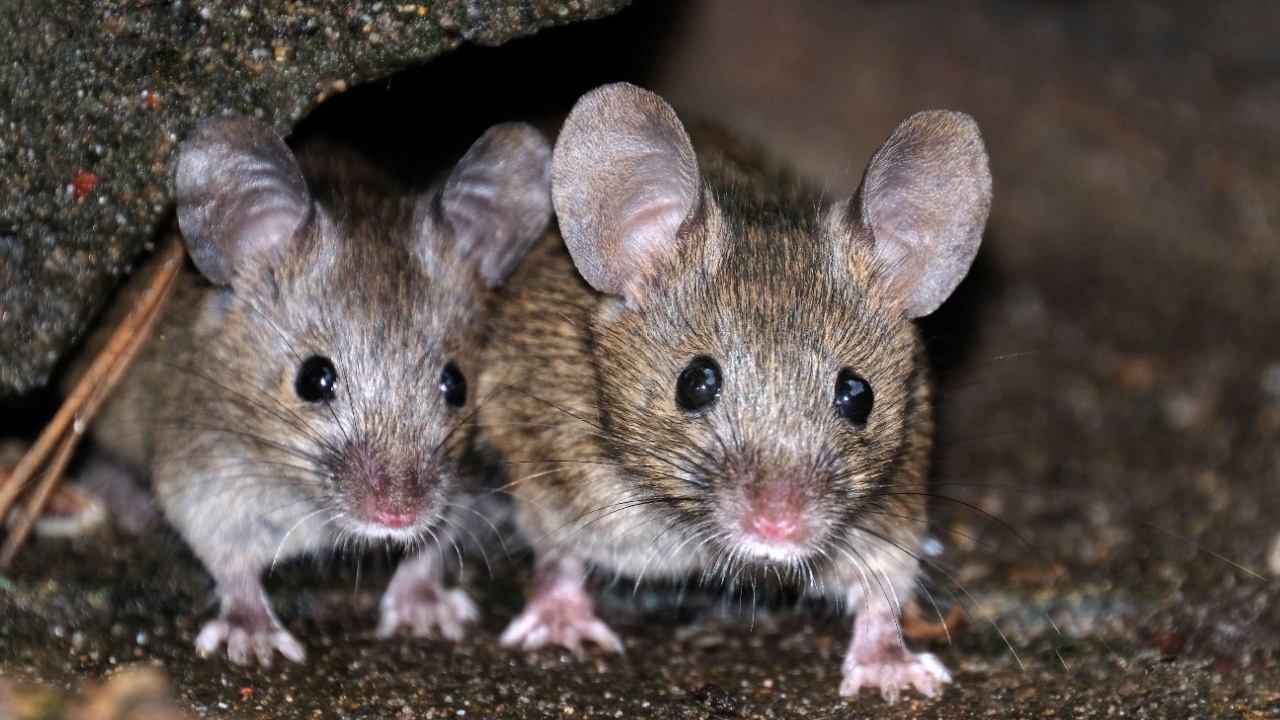
Moving from bugs to something a bit bigger, mice are notorious for seeking refuge indoors when the weather turns. Your warm walls, quiet attic, and pantry full of snacks are an irresistible combination. A mouse can squeeze through a hole the size of a dime, so it is surprisingly easy for them to get in.
The problem with mice is that they are not solitary visitors. One mouse can quickly lead to many. They can chew through wiring, which creates a fire hazard, contaminate food, and shred insulation for their nests. Their presence is more than a minor annoyance; it is a potential threat to your property and health.
What to do:
- Fortify Your Home: Conduct a thorough inspection of your foundation, siding, and roofline for any small gaps. Seal them with steel wool and caulk, as they cannot chew through steel.
- Clean Kitchen: Store all food, including pet food, in airtight containers. Clean up crumbs and spills immediately.
- Set Traps: If you suspect you have mice, set traps. There are many types available, from traditional snap traps to live-capture traps.
5. Cockroaches
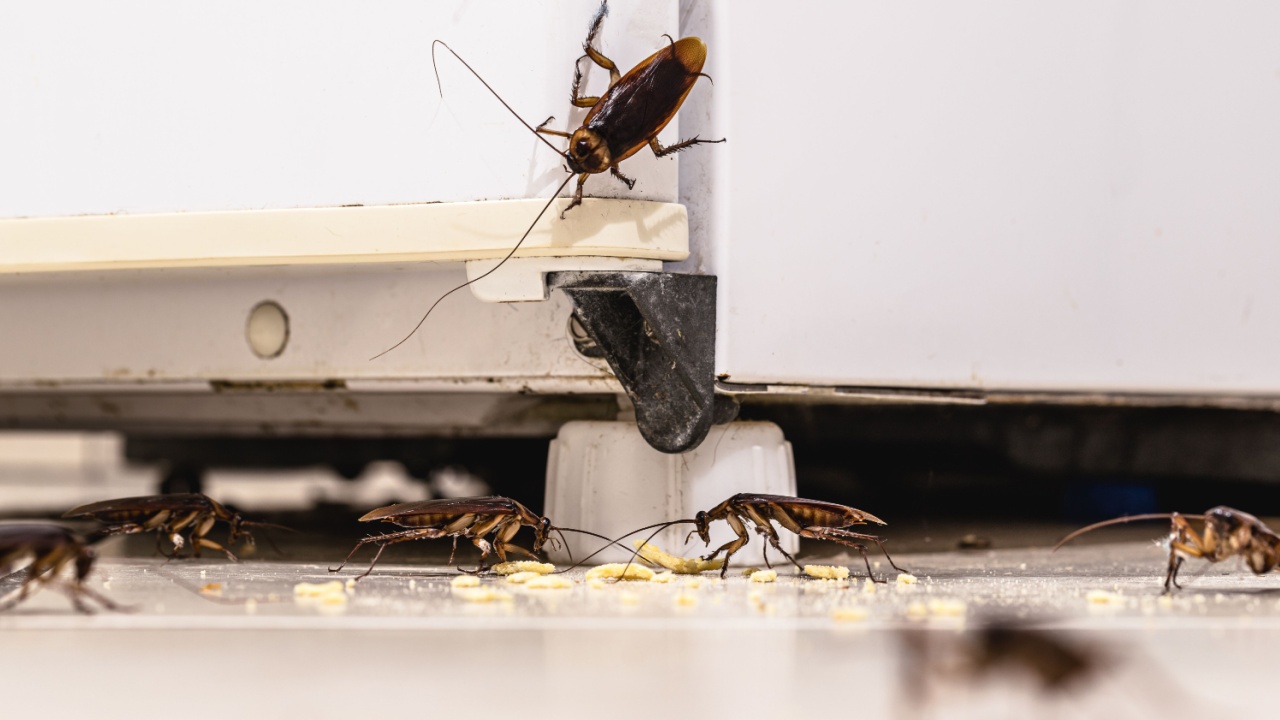
Cockroaches are survivors; there’s a rumor that they made it out of a nuclear bomb. When the outdoor environment becomes less hospitable, they will eagerly move into your home, seeking warmth, moisture, and food. They are often found in kitchens and bathrooms, scuttling under appliances or in dark cabinets.
These pests are a genuine health concern. They can carry bacteria and trigger allergies or asthma. They are also incredibly resilient and reproduce quickly, so seeing one is often a sign of a larger, hidden population.
What to do:
- Keep It Dry: Fix leaky faucets and pipes. Roaches need water, so reducing moisture is key. Use a dehumidifier in damp basements.
- Immaculate Cleaning: A spotless kitchen is your best defense. Wipe down counters, sweep floors, and take out the trash daily.
- Seal and Bait: Seal cracks where they can enter and use roach baits or traps in areas where you have seen activity.
6. Ants
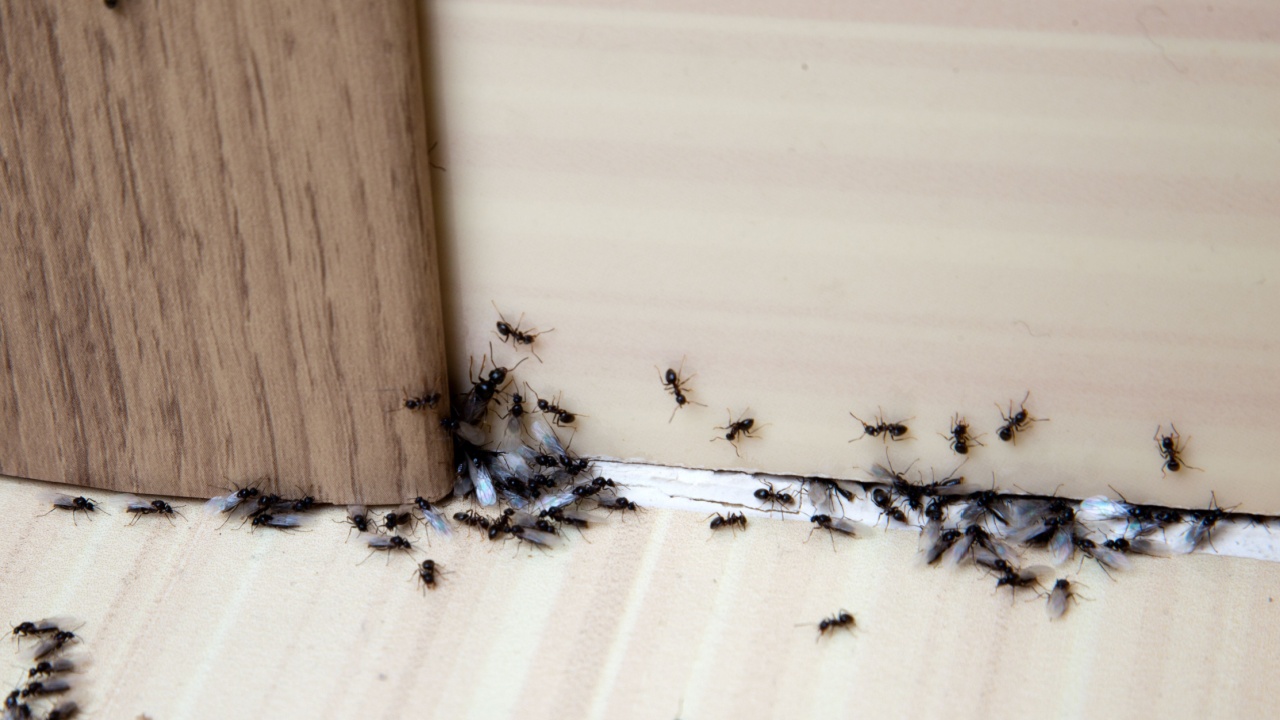
Just when you thought the summer ant invasion was over, a new wave might appear in the fall. As their outdoor food sources disappear, your kitchen becomes the local hotspot. A few stray crumbs from dinner or a sticky spot of juice on the counter is an open invitation for an entire colony to explore your home.
Carpenter ants are a particular concern in the fall. They may not be foraging for food but are looking for a place to build a satellite nest to overwinter. They excavate tunnels in wood, which can cause structural damage if left unchecked.
What to do:
- Erase Their Trail: When you see a line of ants, wipe them up with a soapy sponge. This removes the pheromone trail they leave for others to follow.
- Sweet Traps: You can use ant baits, which they will carry back to the colony, effectively dealing with the source of the problem.
- Identify the Type: If you suspect carpenter ants, look for piles of fine sawdust (called frass). A professional may be needed to handle a carpenter ant infestation.
7. Asian Lady Beetles

They look like ladybugs, but these are their more aggressive cousins. Asian lady beetles are often seen in large groups on sunny exterior walls in the fall. They were originally introduced to control agricultural pests, but their population has exploded, and now they are known for invading homes to overwinter.
While they do not cause structural damage, they can be a major nuisance. They sometimes emit a yellowish, smelly fluid that can stain surfaces. They have also been known to give a mild “nip” if they land on you, which is more startling than painful.
What to do:
- Seal Everything: They are experts at finding small entry points. Diligent sealing is your best prevention strategy.
- Vacuum Them Up: A vacuum cleaner is the most effective way to remove a large number of them from inside your home.
- Light Traps: In areas like attics, a simple light trap can be effective at collecting them.
8. Silverfish
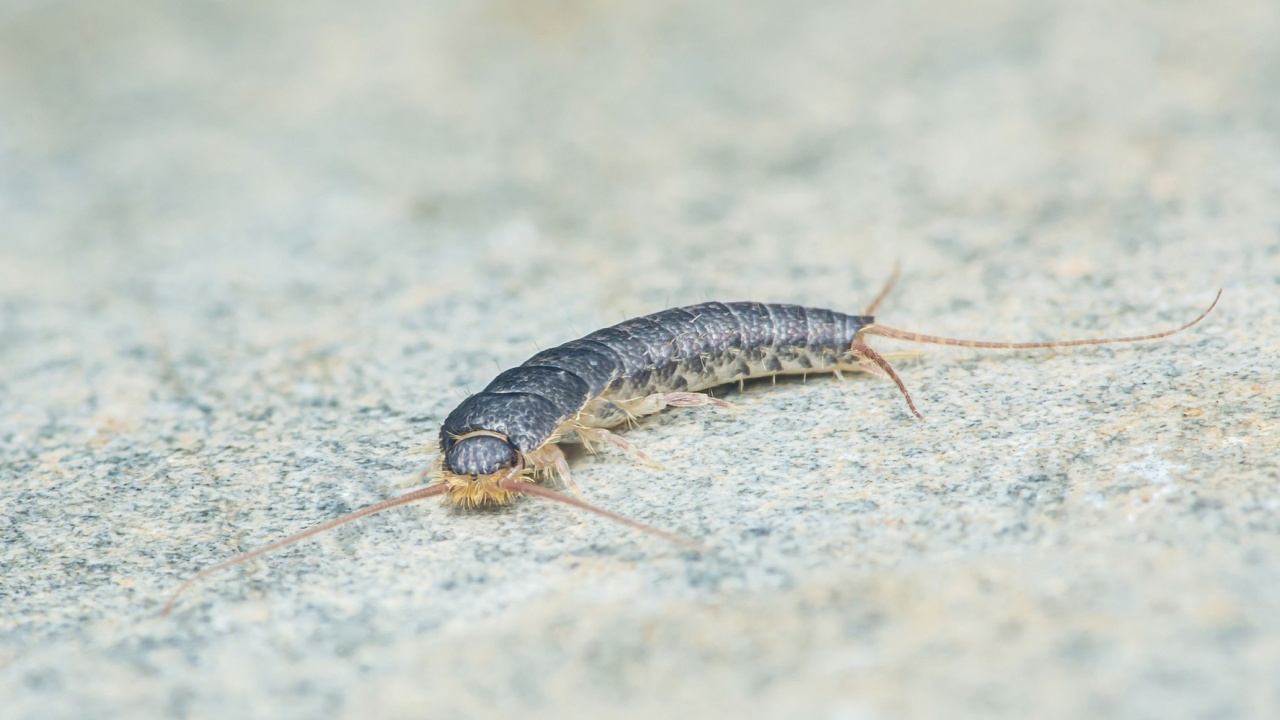
These fast-moving, silvery insects are creatures of the night. If you turn on a light in a basement, bathroom, or attic and see something darting for cover, it might be a silverfish. They thrive in dark, damp environments and are drawn to your home for its humidity and food sources.
Silverfish have a peculiar diet. They feed on starches and sugars, which means they will happily munch on paper, book bindings, wallpaper glue, and even clothing made from natural fibers. They will not hurt you, but they can damage your belongings.
What to do:
- Reduce Humidity: Run a dehumidifier in damp areas like basements and bathrooms. Ensure proper ventilation.
- Store Properly: Keep old books, papers, and clothing in sealed plastic containers rather than cardboard boxes.
- Declutter Dark Spaces: Clearing out clutter removes their hiding places and food sources.
9. Cluster Flies
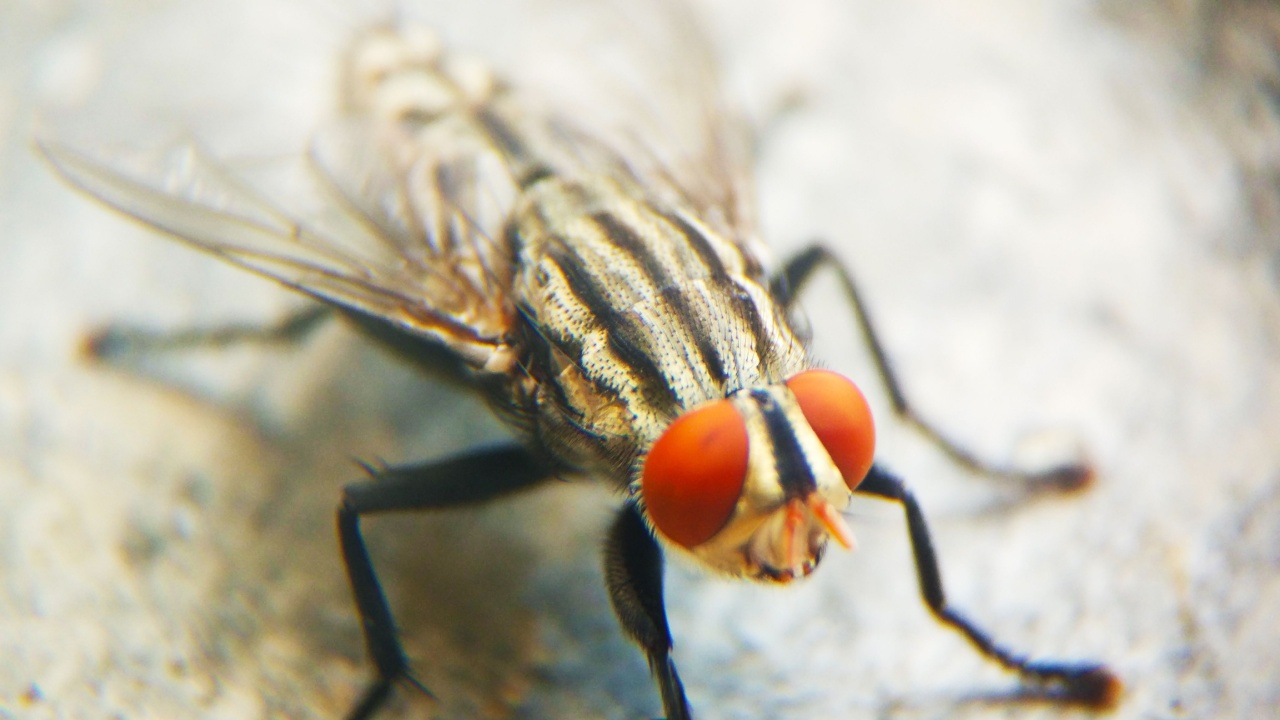
If you find a large group of sluggish flies buzzing around your windows on a sunny winter day, you probably have cluster flies. They are slightly larger than houseflies and are much slower. They enter your home in the fall to hibernate, often in attics and wall voids.
They are not a sanitation issue like houseflies, as they do not breed indoors. They are just annoying. Warm days can wake them from their slumber, causing them to emerge and congregate at windows, trying to get back outside.
What to do:
- Exterior Prevention: The key is to stop them from entering in the fall. Seal gaps around the roofline, vents, and eaves.
- Vacuuming: Once inside, vacuuming is the best way to remove them.
- Professional Help: For severe, recurring infestations, a pest control professional can apply an exterior treatment in late summer to prevent them from gathering on your home.
10. Raccoons
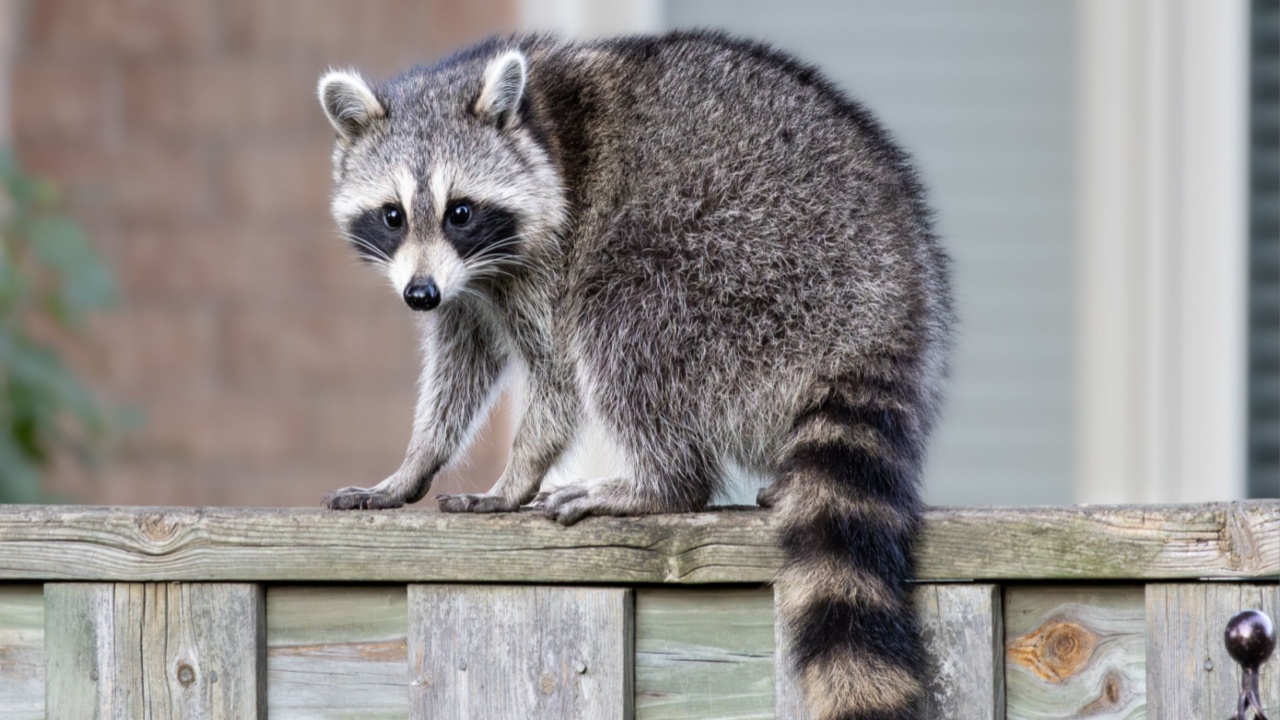
Raccoons are clever and have incredibly dextrous paws, which they use to open trash cans, pry open vents, and find their way into your attic or chimney. As winter approaches, a warm, dry attic is the perfect place for them to nest.
A raccoon in your attic is a serious problem. They can cause significant damage to insulation, ductwork, and wiring. They also carry diseases and parasites that can be harmful to humans and pets.
What to do:
- Secure Trash: Use trash cans with locking lids. Do not leave pet food outside overnight.
- Cap Your Chimney: A chimney cap is essential to keep raccoons and other wildlife out.
- Inspect Your Roof: Check for any damaged shingles, soffits, or vents that could serve as an entry point and repair them promptly.
Securing Your Home for the Season
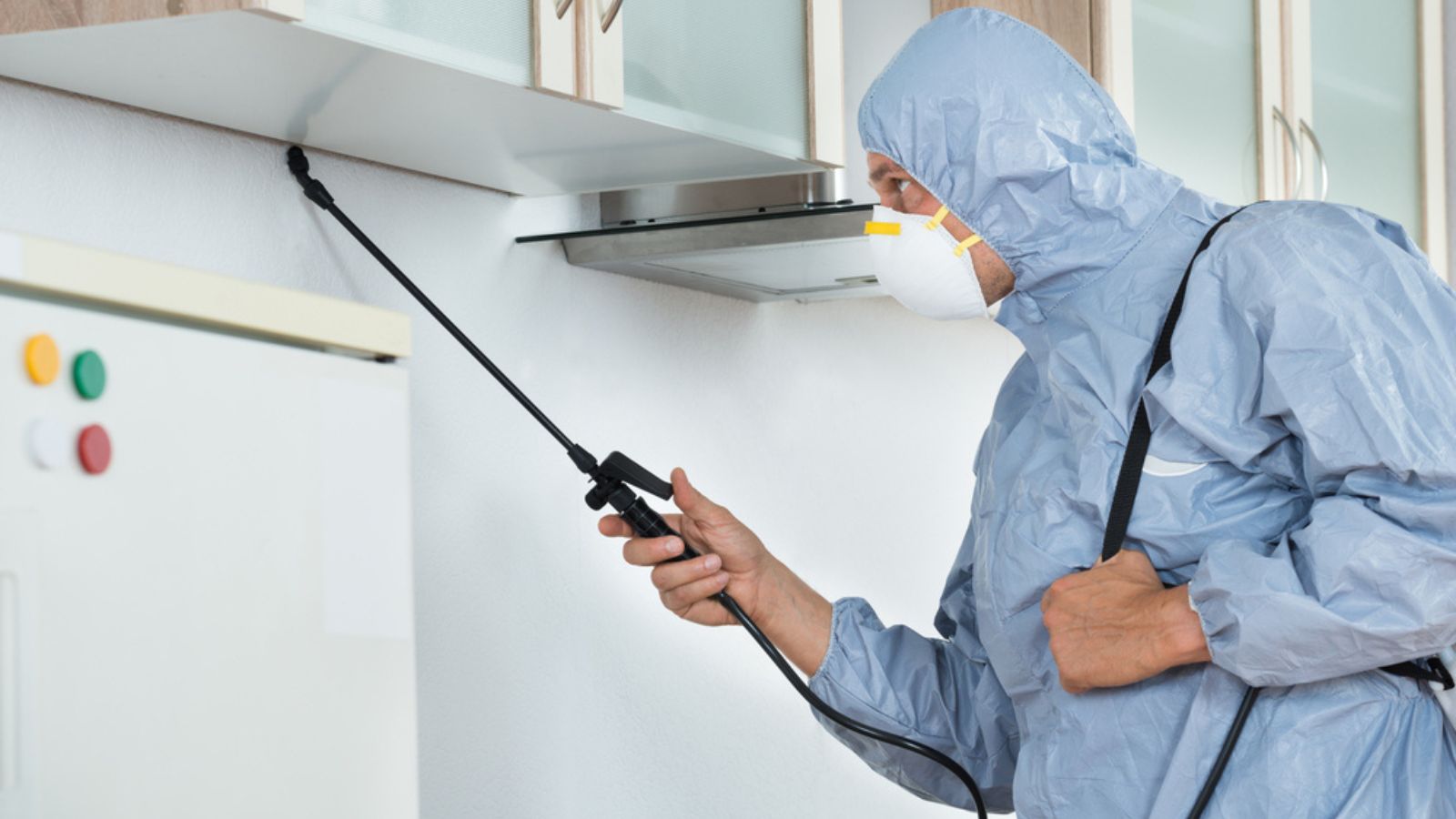
Dealing with pests is a part of homeownership, but you can significantly reduce your chances of a winter-long battle. The best defense is a good offense. Take some time this fall to walk around your property. Look for and seal any potential entry points, no matter how small. Tidy up your yard, removing leaf litter and debris where pests might hide.
Inside, focus on cleanliness and moisture control. A clean, dry home is far less attractive to most of these uninvited guests. By taking these steps, you can ensure your home remains your sanctuary, and the only guests you have are the ones you invite.