14 Home Purchases That Just Aren’t Worth Spending Money On
Remember when a dollar felt like it went a lot further? Unfortunately, continuing inflation (currently increasing at a rate of 2.92%) is making everyday things feel shockingly expensive. It doesn’t have to be all doom and gloom, though! A few clever changes and swaps can make your budget go a long way. While nobody wants to feel deprived, it’s ridiculous when the price of necessities overtakes our paychecks.
A few everyday things we’ve always bought are simply overpriced, signaling that it might be time to rethink what’s essential versus insignificant. Sometimes you can even find alternatives that save money without sacrificing what genuinely makes us happy. Ready to break free from overspending?
Here are 14 everyday purchases that are no longer worth their inflated prices, confirmed by online forums.
1. Brand Name Toilet Paper

We’ve been conditioned to think soft, quilted toilet paper equals a luxurious bathroom experience. But really, all it needs to do is simple: its job!
Marketing creates this “need” for plush paper, but it’s a classic example of paying for fluff (pun intended!). Simple, single-ply options work just fine and cost half as much.
2. Meal Delivery Kits

Meal kits promise no-fuss dinners, but that convenience comes at a shocking price. You’re buying chopped veggies and tiny spice packets, not gourmet meals.
You’re paying someone else for meal planning and some basic prep. A bit of effort saves serious cash! Get strategic with a weekly meal plan. Batch cook on the weekend or choose easy recipes that come together quickly, saving you more than those overpriced kits (designed to eliminate all kitchen time).
3. Individual Yogurts

Pre-portioned yogurts are quick, but those little cups add up! A full-size tub of your favorite yogurt with added fruit or granola is way more satisfying.
Individual servings create unnecessary packaging waste and drive up the cost per serving. Embrace the power of buying in bulk. Grab the larger container, portion it out yourself, and add toppings you actually enjoy for a fraction of the cost.
4. Dry Cleaning Clothing

Dry cleaning is a time-saver, but those costs add up. Many “Dry Clean Only” items can actually be washed at home with care.
Dry cleaners use harsh chemicals, and those fees can seriously eat into your clothing budget. Read labels carefully! Many delicate fabrics can be hand-washed with gentle detergent and air-dried. Invest in a clothes steamer for quick wrinkle-busting.
5. Disposable Razors

With fancy multi-blade razors and constant “upgrades,” the humble razor has gotten ridiculously pricey.
Marketing convinces us that more blades = a better shave, but those cartridges are absurdly expensive. Get old-school with a simple safety razor! Replacement blades are dirt cheap, provide a closer shave with less irritation, and create less waste. Mastering the safety razor takes practice, but your wallet and the planet will thank you.
6. Pre-Cut Fruits and Vegetables

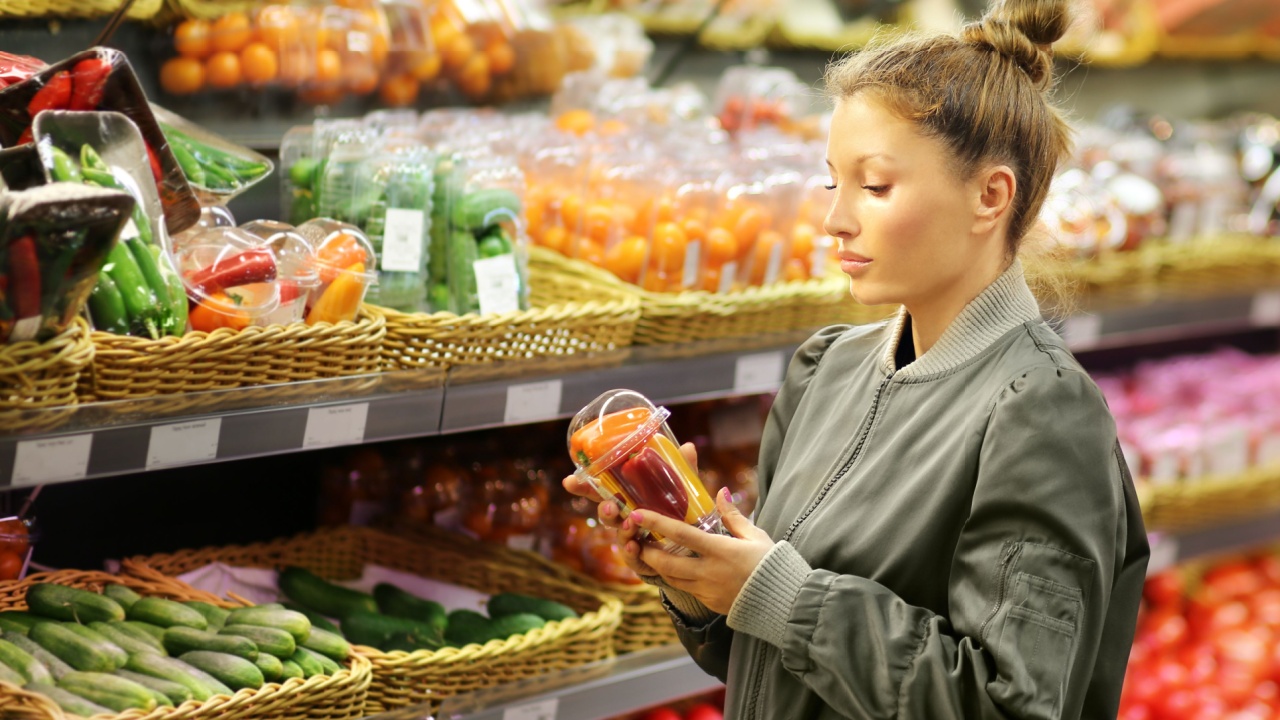
Convenience is king! But pre-chopped produce doubles, sometimes even triples, the price compared to whole ingredients. Is saving a few minutes worth it?
You’re paying someone else to do something you can easily do at home. A little extra effort with a sharp knife (and some YouTube tutorials if needed) can yield significant savings on your grocery bill. Plus, pre-cut produce loses freshness faster, meaning you could waste more.
7. Paper Towels

We reach for paper towels without thinking – from cleaning spills to drying hands. But those rolls disappear fast, costing way more than they’re worth and creating substantial waste.
Paper product costs, along with environmental concerns, are driving prices up. Swap paper towels for reusable options! Upcycle old t-shirts cut into rags, bar mop towels, or Swedish dishcloths, which are absorbent and washable. Designate specific clothes for certain tasks to avoid cross-contamination.
8. Bottled Water

Bottled water feels like an everyday necessity, but it comes with hefty financial AND environmental costs. Single-use plastic bottles are a major pollution problem.
We’ve been sold a lie by the bottled water industry. In most places, tap water is perfectly safe and far cheaper. Invest in a good reusable water bottle! If you dislike the taste, consider using a filter pitcher or add fruit and herbs for a refreshing, cost-effective infused drink.
9. Brand-name Medications

Sometimes, brand-name medications are necessary. But often, generic equivalents have identical active ingredients and cost significantly less.
Big Pharma sets sky-high prices, and patents prevent cheaper alternatives from hitting the market quickly. Your health shouldn’t break the bank! Don’t assume brand-name is superior – discuss generic options with your doctor. Explore online pharmacies or discount programs for additional savings.
10. Coffee Shop Drinks

Coffee is life for many of us, but daily $6 lattes add up alarmingly fast. That caffeine fix can quickly drain your budget.
You’re paying for barista expertise, fancy ingredients, and the ambiance as much as the coffee itself. Master your favorite coffee drinks at home! Invest in simple, affordable brewing methods from a classic French press to a single-serve pour-over cone. Play around with flavored syrups or creamers for that coffee shop touch.
11. K-Cups
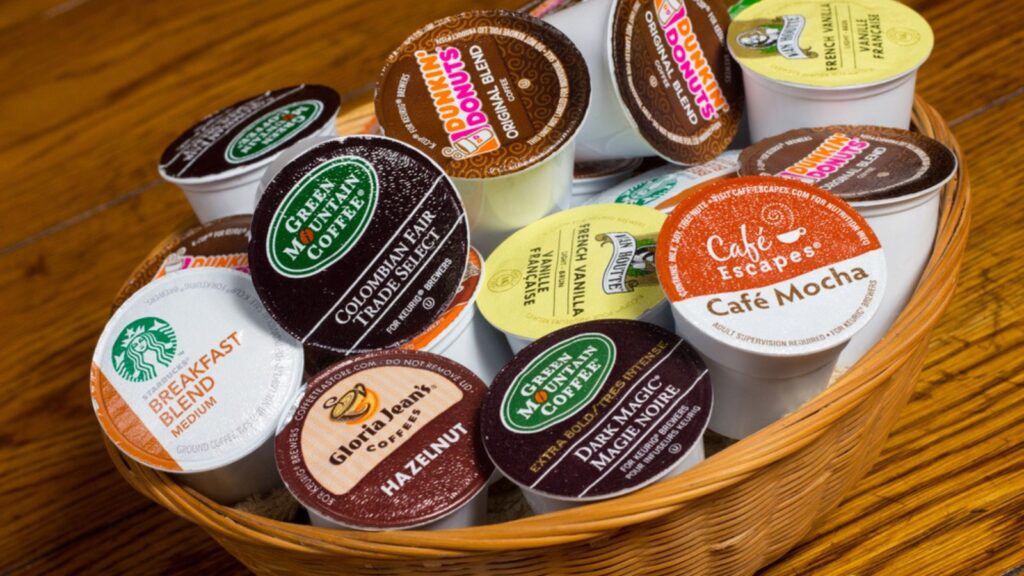
K-cups promise single-serve coffee bliss. But that quick cup comes with shocking per-brew costs and major environmental consequences.
Those tiny plastic pods are ridiculously wasteful, and the cost per cup is far higher than that of other brewing methods. Ditch the K-Cup machine, or at least minimize use! If you love variety, explore reusable K-Cup pods you can fill with your own favorite coffee grounds for way less. Or go classic with brewing methods like a French press or pour-over that offer full control over your morning pick-me-up without the waste.
12. Organic Produce (When It Doesn’t Matter)

“Organic” often seems synonymous with better. But sometimes, it just means pricier, especially for items with lower pesticide risk.
Organic farming is good for the environment, but the benefits don’t always justify the cost of every fruit or veggie. According to the Environmental Working Group, the “Dirty Dozen” are specific produce items known for high pesticide residue, so become savvy about it and prioritize buying them organically (including berries, spinach, peppers, grapes, and apples). For others, where the difference is less significant (particularly anything you’re peeling), save money by going conventional.
13. Magazines

Flipping through a magazine is nice, but those subscriptions add up and often sit unread on coffee tables.
Magazines thrive on recurring subscriptions and impulse buys. However, much of the same content is available digitally for free. Many magazines have free online versions with bonus content compared to the print versions. And don’t forget about your local library! They often carry a wide selection you can check out for free, offering variety without a recurring cost.
14. Fabric Softener

The promise of fluffy towels is tempting! However, fabric softeners have downsides beyond the inflated price tag.
Fabric softeners work by coating fibers with chemicals that can irritate the skin, lead to buildup on towels (reducing absorbency!), and shorten the lifespan of fabrics. Ditch the softeners! Alternatives like white vinegar in your rinse cycle or wool dryer balls work wonders without the chemicals or cost. Your laundry and your pocketbook will thank you.
Read more:
Budget Out of Control? Here’s How to Make a Weekly Spending Plan and Stick to It