12 Gorgeous Shade-Loving Plants for North-Facing Gardens
Gardening on the north side of your home can feel like a puzzle. With limited direct sunlight, many popular plants fail to thrive, leaving these spaces looking bare and unloved. But what if you viewed this shade not as a limitation, but as an opportunity? North-facing gardens offer a unique microclimate perfect for a whole world of stunning plants that flourish in cooler, less intense light. Creating a lush, vibrant sanctuary in these shadier spots is easier than you think.
With the right plant selection, you can transform a dim corner into a surprising mix of rich textures, subtle colors, and graceful forms. This guide will walk you through 12 gorgeous shade-loving plants that are perfect for your north-facing garden.
1. Bleeding Heart (Dicentra spectabilis)
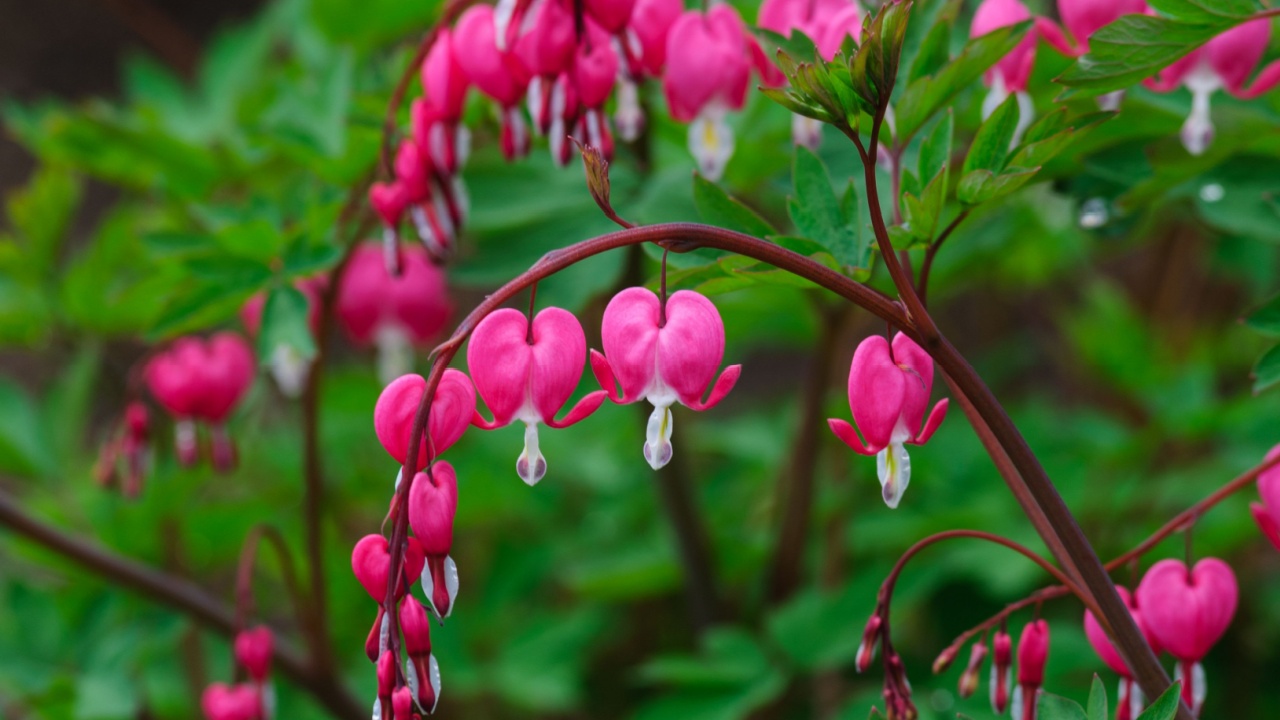
A classic shade garden favorite, the Bleeding Heart is an enchanting perennial known for its romantic, heart-shaped flowers. These delicate pink or white blooms dangle gracefully from arching stems in the spring, creating a truly magical display.
It’s a fantastic choice for north-facing gardens because it thrives in the partial to full shade these areas provide. It prefers cool, moist conditions and well-drained soil, which often aligns with the environment on the shadier side of a house. The plant’s soft, fern-like foliage provides a lush green backdrop that contrasts beautifully with its unique flowers, adding texture and interest even after the blooms have faded.
Care at a Glance:
- Light: Partial to full shade.
- Soil: Rich, moist, well-drained soil.
- Water: Keep soil consistently moist, especially during dry spells.
- Special Note: Bleeding Hearts go dormant in mid-summer after flowering. Don’t be alarmed when the foliage dies back; it will return next spring.
2. Hostas (Hosta spp.)
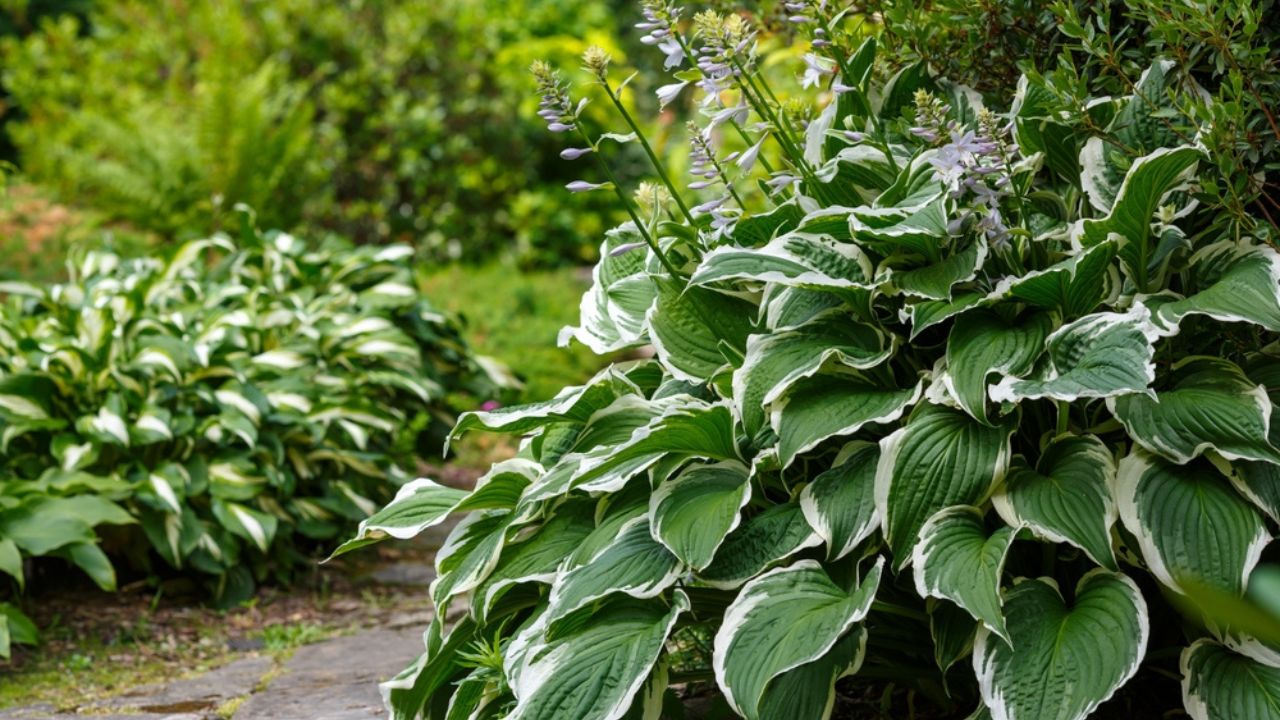
Hostas are the undisputed kings of the shade garden. Celebrated for their incredible foliage, they come in a vast range of sizes, shapes, and colors—from deep greens and blues to striking variegated patterns with white, cream, or gold. This versatility allows you to create complex, textured designs using foliage alone.
They are ideal for north-facing gardens because they flourish in low-light conditions where other plants struggle. Too much sun can scorch their beautiful leaves. Hostas are incredibly low-maintenance and long-lived, making them a reliable foundation for any shade garden. In mid-summer, they send up stalks of lavender or white bell-shaped flowers, attracting pollinators like bees and hummingbirds.
Care at a Glance:
- Light: Partial to full shade.
- Soil: Adaptable to various soils but prefers rich, moist, well-drained soil.
- Water: Requires consistent moisture. Water deeply once a week.
- Pest Watch: Keep an eye out for slugs and deer, which love to munch on Hosta leaves.
3. Japanese Painted Fern (Athyrium niponicum ‘Pictum’)
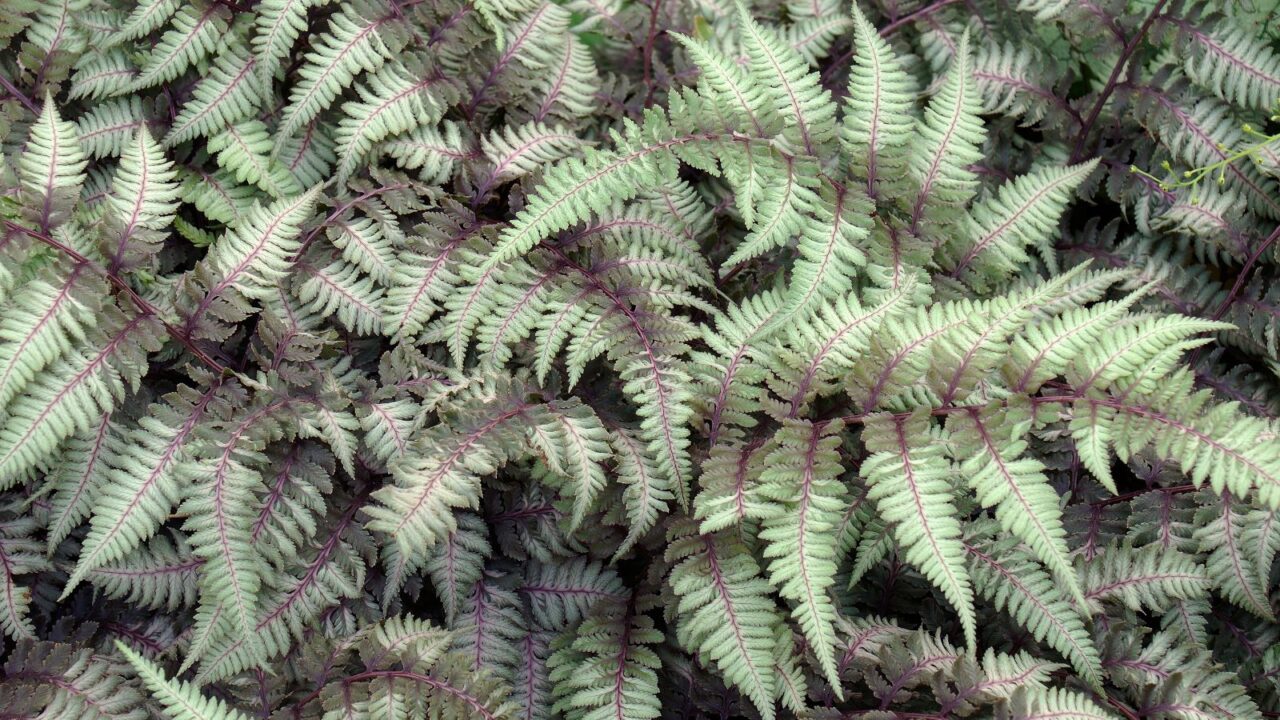
For a touch of artistry, look no further than the Japanese Painted Fern. This is not your average green fern. Its delicate, arching fronds are a stunning blend of silvery-gray, soft green, and deep burgundy-purple, looking as if they’ve been hand-painted.
This fern brings elegance and sophisticated color to the darkest corners of a garden. It thrives in the full shade and consistently moist soil typical of a north-facing plot. Unlike some ferns, it has a slow-spreading, clumping habit, meaning it won’t become invasive. It’s perfect for adding fine texture and a cool, calming presence to your shade plantings.
Care at a Glance:
- Light: Full to partial shade. Avoid direct sun.
- Soil: Moist, rich, well-drained soil.
- Water: Needs consistent moisture to thrive. Do not let the soil dry out.
- Placement: Plant near bolder textures like Hostas or Heucheras for a striking contrast.
4. Coral Bells (Heuchera spp.)
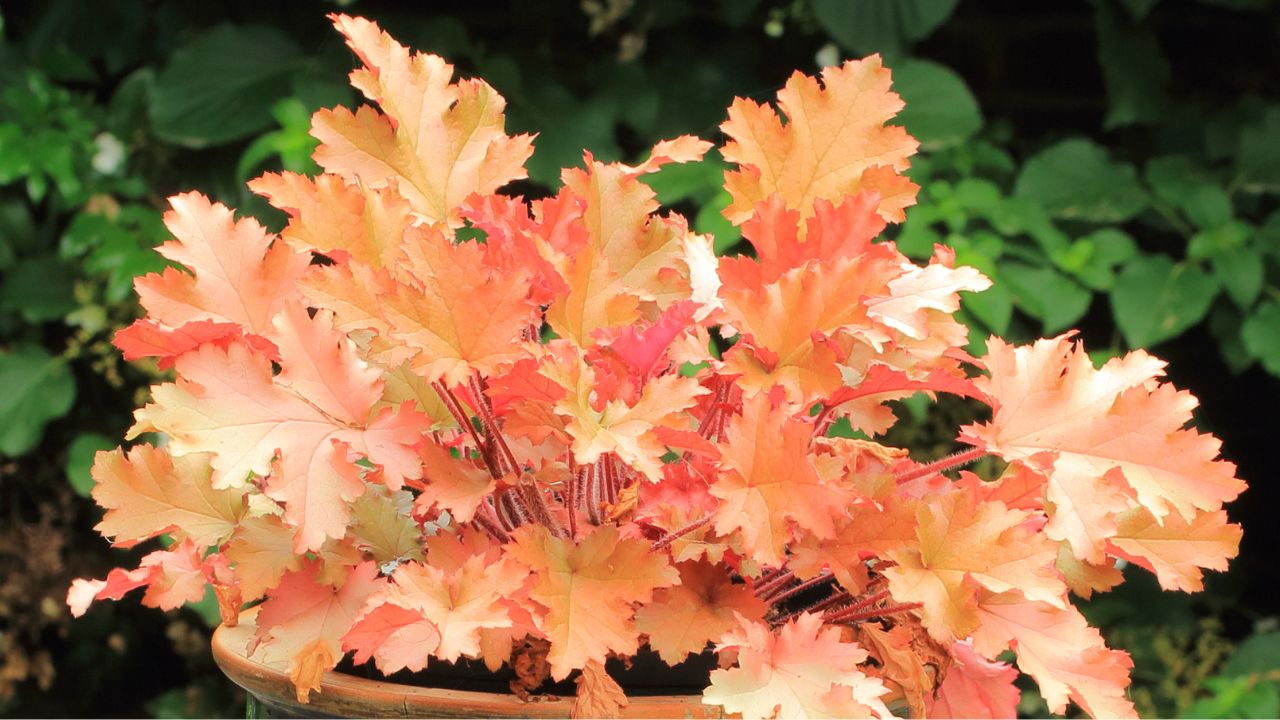
If you think shade gardens are all green, Coral Bells are here to prove you wrong. These amazing perennials are grown primarily for their vibrant foliage, which comes in an astonishing spectrum of colors including deep purple, bronze, chartreuse, orange, and near-black.
Coral Bells are perfect for brightening up north-facing gardens. While they can handle some sun, many varieties develop their richest colors in partial shade, protected from the harsh afternoon sun. They are compact, mounding plants that work well as border edgings or in containers. In late spring or early summer, they produce airy wands of tiny, bell-shaped flowers that are a favorite of hummingbirds.
Care at a Glance:
- Light: Partial shade is ideal. Some varieties tolerate more sun or shade.
- Soil: Requires well-drained soil to prevent root rot.
- Water: Water regularly, but allow the soil to dry slightly between waterings.
- Maintenance: Divide clumps every 3-4 years to rejuvenate them.
5. Astilbe (Astilbe spp.)

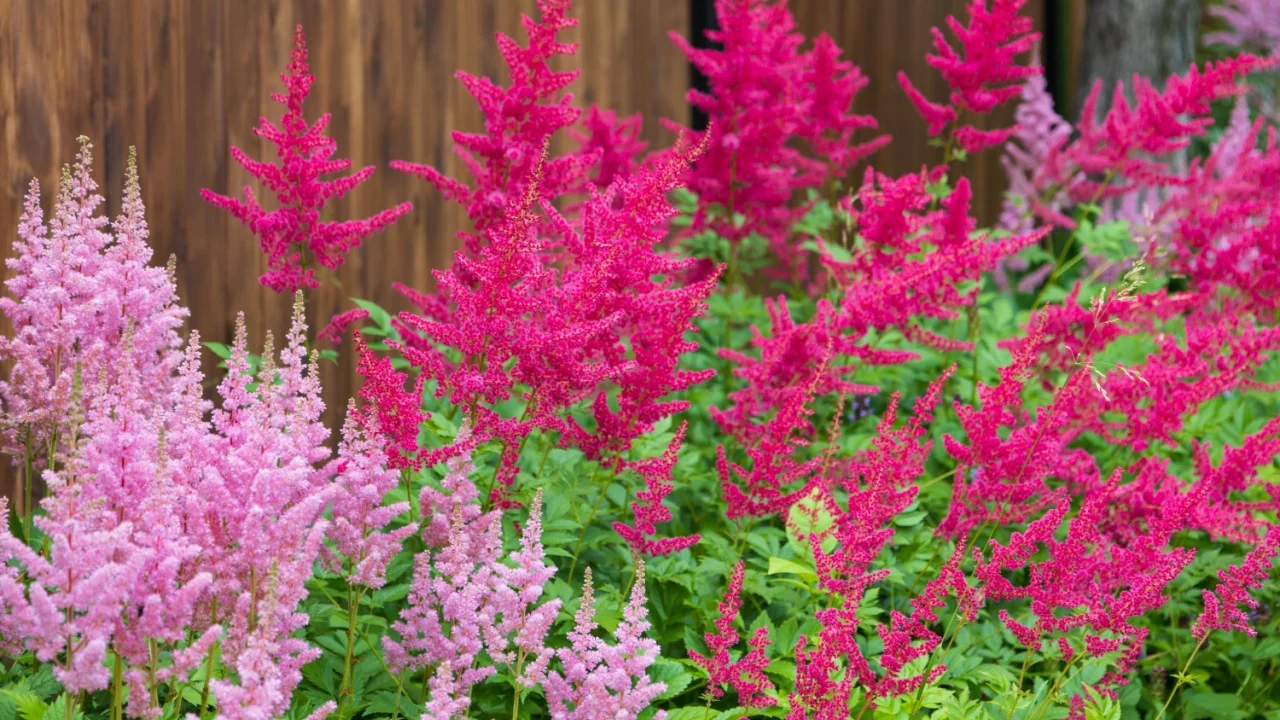
Astilbe brings a dose of feathery texture and vibrant color to shady, moist areas. Known for its beautiful, plume-like flower spikes that rise above ferny foliage, Astilbe blooms in shades of pink, red, lavender, and white from late spring to late summer.
This plant is a star performer in north-facing gardens because it loves shady conditions and consistently moist soil. Direct sun can scorch its leaves and cause its flowers to fade quickly. It’s a great choice for adding vertical interest and a soft, romantic feel to garden beds. The flower plumes also attract butterflies and other pollinators, adding life and movement to your garden.
Care at a Glance:
- Light: Partial to full shade.
- Soil: Rich, organic soil that stays consistently moist.
- Water: Astilbe is not drought-tolerant. Regular watering is crucial.
- Tip: The dried flower heads can be left on the plant for winter interest.
6. Solomon’s Seal (Polygonatum odoratum)
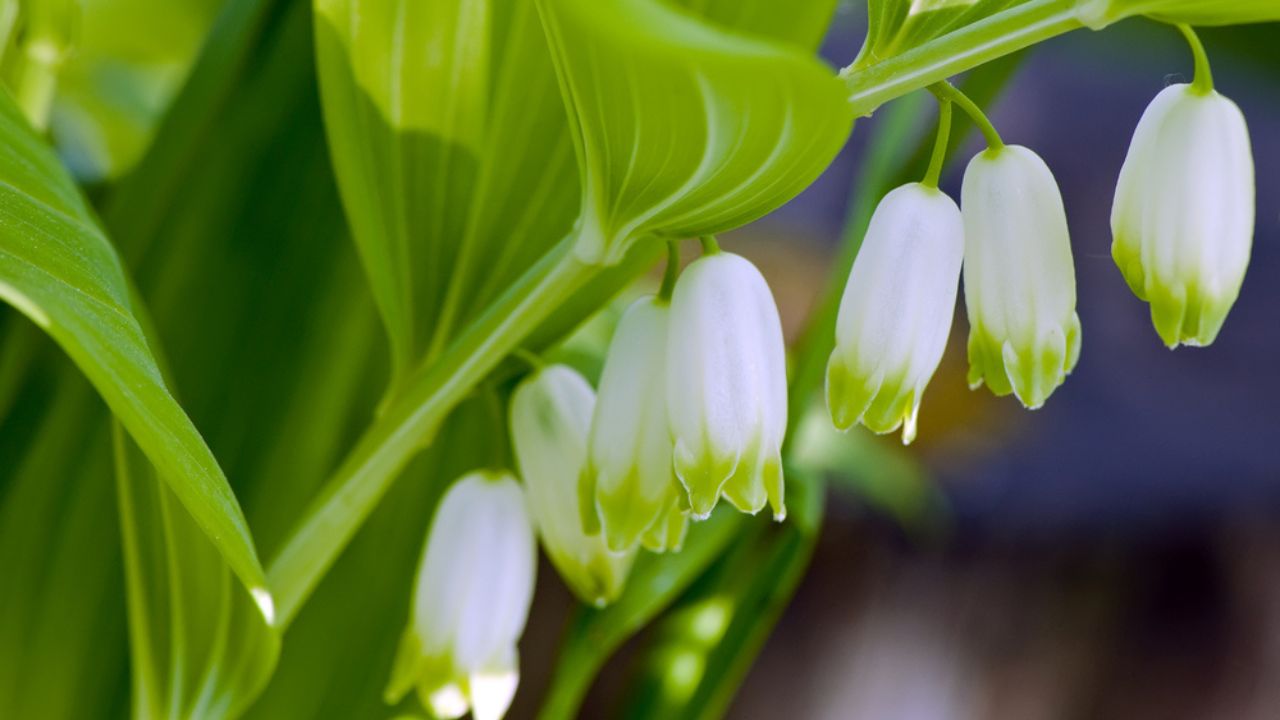
For a touch of woodland grace, Solomon’s Seal is an exceptional choice. This elegant perennial features unbranched, arching stems from which pairs of small, white, bell-shaped flowers hang in the spring. The flowers are followed by attractive blue-black berries in the fall.
It is perfectly adapted to the full, deep shade found in many north-facing gardens. Solomon’s Seal thrives in rich, moist soil and will slowly spread by rhizomes to form a beautiful, stately colony. Its clean lines and graceful arching form provide a wonderful architectural element that contrasts well with mounding plants like Hostas and ferns.
Care at a Glance:
- Light: Partial to full shade.
- Soil: Prefers moist, well-drained, organic-rich soil.
- Water: Keep consistently watered, especially while establishing.
- Growth: Spreads slowly to form a dense groundcover over time.
7. Lungwort (Pulmonaria spp.)
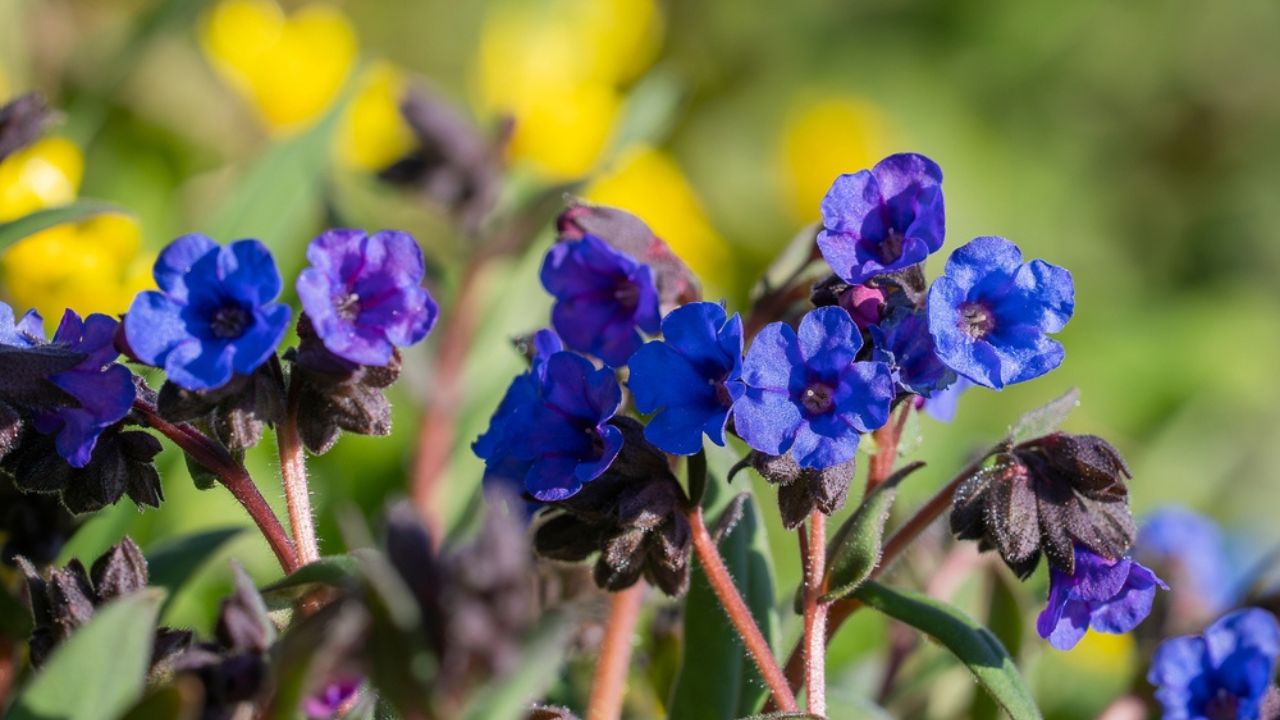
Lungwort is one of the earliest bloomers in the shade garden, often flowering alongside crocuses and daffodils. It produces charming clusters of flowers that open pink and mature to a beautiful blue, so you often see both colors on the plant at once. Its foliage is equally attractive, with many varieties sporting leaves speckled or splotched with silver.
This low-growing perennial is ideal for the front of a north-facing border. It thrives in the cool, shady, and moist conditions that mimic its native woodland habitat. The interesting foliage remains attractive all season long, providing color and texture even after the flowers have finished. Bees are particularly fond of its early-season blooms.
Care at a Glance:
- Light: Full to partial shade.
- Soil: Moist, well-drained soil rich in organic matter.
- Water: Needs regular watering to keep the soil evenly moist.
- Maintenance: Cut back old foliage after flowering to encourage fresh growth.
8. Hellebores (Helleborus orientalis)
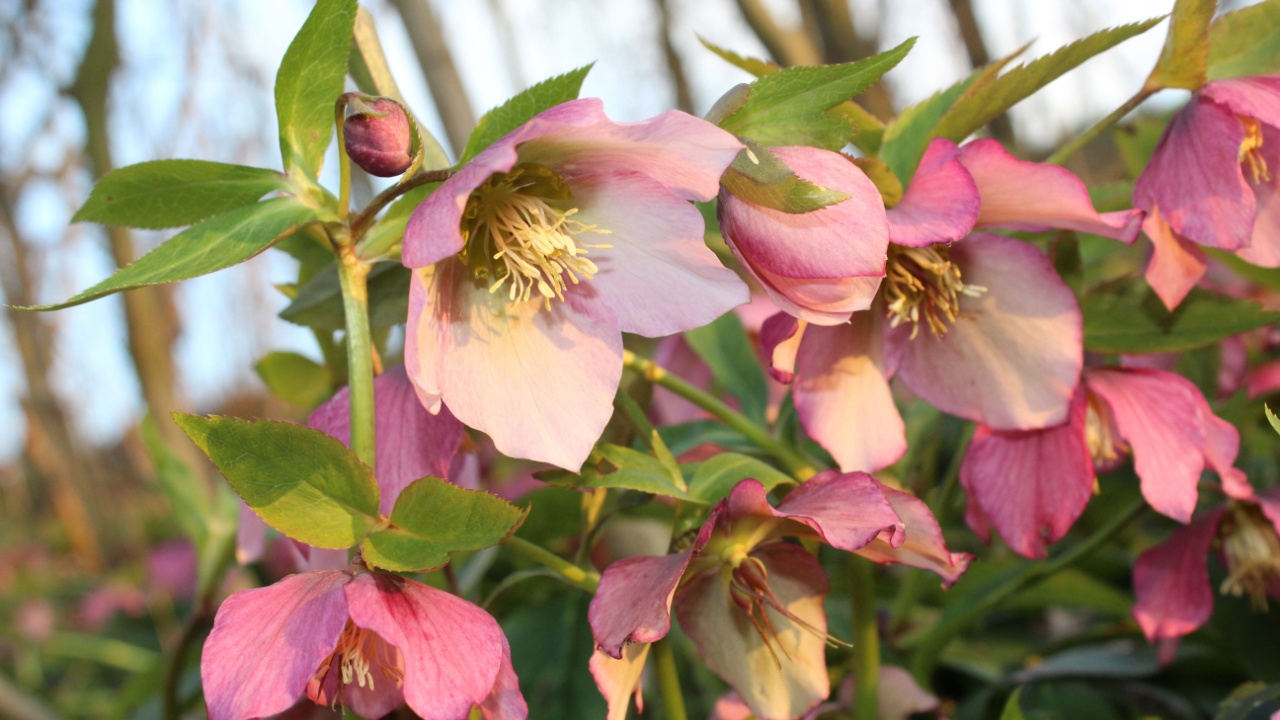
Often called Lenten Rose because they bloom in late winter and early spring around the season of Lent, Hellebores are a true gift to the shade gardener. Their nodding, cup-shaped flowers appear in a range of colors, from white and green to pink, rose, and deep burgundy.
Hellebores are invaluable for north-facing gardens because they provide color when little else is happening. Their leathery, evergreen foliage is attractive year-round and is resistant to deer and rabbits. They are tough, long-lived perennials that thrive in the partial to full shade conditions that keep them protected from hot summer sun.
Care at a Glance:
- Light: Partial to full shade.
- Soil: Rich, moist, and well-drained soil is best.
- Water: Water during dry spells, but they are quite drought-tolerant once established.
- Feature: They are one of the very first perennials to bloom, bringing life to the late-winter garden.
9. Siberian Bugloss (Brunnera macrophylla)

Siberian Bugloss is prized for its sprays of tiny, intense sky-blue flowers that resemble forget-me-nots. These cheerful blooms appear in mid-spring, floating above the foliage on delicate stems. Many popular varieties, like ‘Jack Frost’, also feature stunning heart-shaped leaves with intricate silver overlays.
This plant is a superb choice for shady, moist spots in a north-facing garden. The foliage provides season-long interest, looking fresh and beautiful from spring until frost. It forms a neat, mounding clump that works well as a groundcover or as an accent plant. It’s a low-maintenance gem that offers both beautiful flowers and exceptional foliage.
Care at a Glance:
- Light: Partial shade. Morning sun is fine, but afternoon sun will scorch the leaves.
- Soil: Prefers consistently moist, rich soil.
- Water: Needs regular water, especially in warmer weather.
- Benefit: The silver-leafed varieties are incredibly effective at brightening up dark areas.
10. Foamflower (Tiarella cordifolia)

Native to North American woodlands, Foamflower is a charming perennial that is perfectly at home in a shade garden. In spring, it produces bottlebrush-like spikes of frothy, fragrant white or pinkish flowers that seem to float above the foliage, giving the plant its name. The leaves are often heart-shaped or deeply lobed and can have attractive mottled markings.
Foamflower thrives in the cool, moist, and shady conditions of a north-facing garden. It is a fantastic groundcover, spreading by runners to form a dense, weed-suppressing mat. It pairs beautifully with other woodland plants like ferns, hostas, and hellebores to create a naturalistic, layered look.
Care at a Glance:
- Light: Partial to full shade.
- Soil: Prefers moist, humus-rich, well-drained soil.
- Water: Keep consistently moist.
- Habit: Some varieties are clumping, while others are spreading (running). Choose based on your needs.
11. Spotted Dead Nettle (Lamium maculatum)

Don’t let the name fool you; Spotted Dead Nettle is a beautiful and hardworking groundcover. It features silvery-white leaves edged in green and produces clusters of small, hooded flowers in shades of pink, purple, or white from late spring through summer.
It’s an excellent problem-solver for difficult shady areas, including those in north-facing gardens. Lamium is incredibly tolerant of shade and will quickly fill in bare spots to create a carpet of color. It’s especially useful for underplanting shrubs or taller perennials. While it can be a vigorous spreader, it is not considered invasive and is easy to control.
Care at a Glance:
- Light: Partial to full shade.
- Soil: Tolerates a wide range of soils but prefers moist, well-drained conditions.
- Water: Needs average water; can be quite drought-tolerant in shade once established.
- Tip: Shear it back after the first flush of flowers to encourage fresh foliage and more blooms.
12. Japanese Forest Grass (Hakonechloa macra)

For a completely different texture, consider Japanese Forest Grass. This graceful, arching grass creates a soft, cascading mound that resembles a miniature bamboo. The ‘Aureola’ variety is particularly stunning, with bright chartreuse leaves striped with green that light up shady corners.
This grass is a perfect textural counterpoint to the broad leaves of Hostas and the fine fronds of ferns. It thrives in partial shade and rich, moist soil, making it a natural fit for north-facing gardens. Its flowing, waterfall-like habit is wonderful for softening hard edges along pathways or spilling over the sides of containers. In the fall, the foliage often takes on beautiful pink or reddish tones.
Care at a Glance:
- Light: Partial shade is ideal for the best color.
- Soil: Requires moist, well-drained, humus-rich soil.
- Water: Needs consistent moisture and should not be allowed to dry out.
- Movement: One of its best features is the way it sways gracefully in the slightest breeze.
A Thriving Shade Garden
Now that you’re armed with a list of beautiful and reliable plants (even some that self-seed), it’s time to start creating your shade garden. Begin by observing your space. Note which areas get a little morning sun and which remain in deep shade all day. Test your soil’s moisture level to understand if it stays damp or dries out quickly.
Your next step is to plan. Start with a few “foundation” plants like Hostas or Japanese Forest Grass to create structure. Then, weave in pops of color with Coral Bells and the delicate blooms of Bleeding Hearts or Astilbe. Finally, fill in the gaps with groundcovers like Foamflower or Lamium. Don’t be afraid to move things around until you find a combination you love. With a little patience and the right plants, your north-facing garden can become one of the most beautiful and peaceful parts of your home landscape.