
12 Things I Quit Buying and Haven’t Missed at All
So often, we fill our spaces with things we think we need, caught up in the wave of consumerism and ads we see daily. Then, we later find they clutter our lives, drain our wallets, and distract us from what truly matters (weighing us down literally and figuratively). Simplifying your life isn’t about deprivation; it’s about making conscious choices that create more room for joy, peace, and connection, much like weeding a garden bed allows your prized plants to flourish.
By cutting back on unnecessary purchases, you can save money, reduce waste, and free up mental and physical space. Let’s explore 12 items you can stop buying today to cultivate a simpler, more fulfilling life.
1. Single-Use Kitchen Gadgets
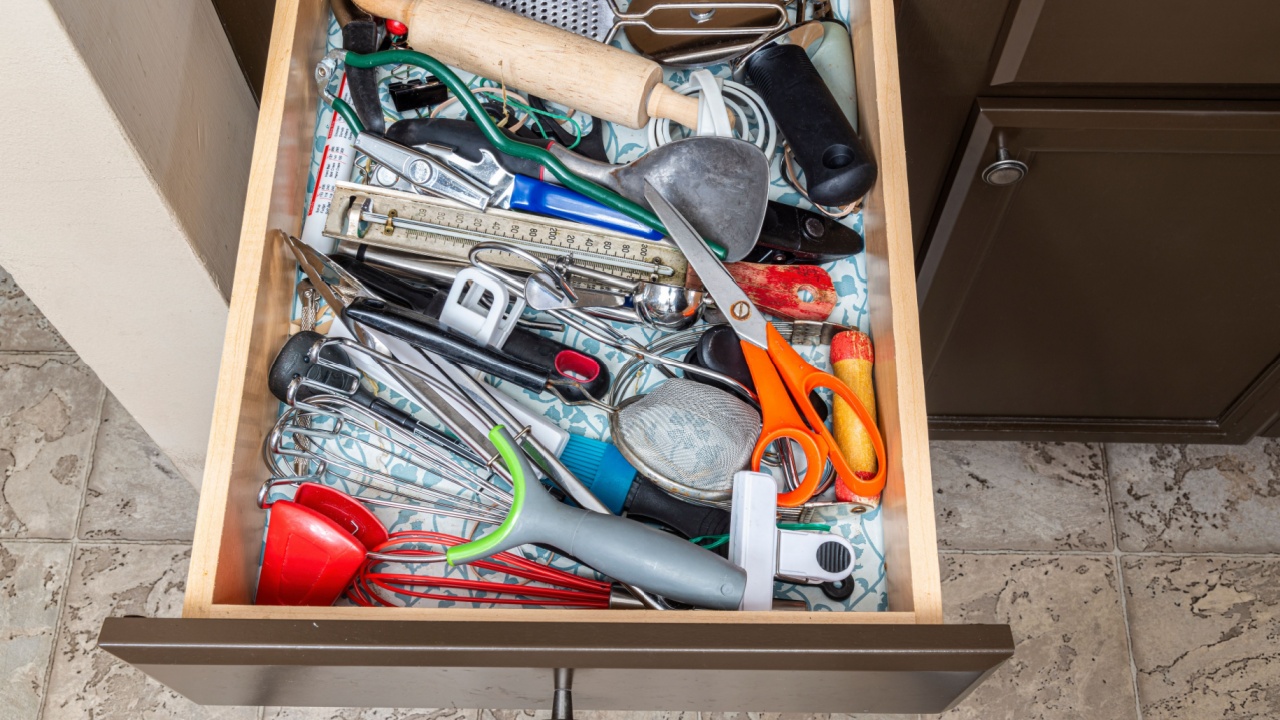
That banana slicer, avocado tool, or strawberry huller might seem like a genius invention in the store, but how often do you really use it? Single-purpose gadgets are often the fast track to a cluttered kitchen drawer. They promise convenience but end up taking up valuable space and are rarely as efficient as a good old-fashioned knife.
By skipping these items, you save money and keep your kitchen organized and functional. A minimalist kitchen is an efficient one, where every tool has multiple uses. Think of it like your garden shed, you wouldn’t buy a different trowel for every single type of plant. You choose versatile, durable tools that get the job done. The same principle applies in your kitchen.
Next Steps:
- The Challenge: Before buying a new kitchen gadget, ask yourself: “Can I already do this with a tool I own?” More often than not, the answer is yes.
- The Alternative: Invest in a high-quality chef’s knife and a smaller paring knife. These two tools can handle nearly every cutting, slicing, and dicing task you throw at them.
- Declutter: Go through your kitchen drawers. If you haven’t used a gadget in the last year, it’s time to donate it.
2. Bottled Shampoo and Conditioner
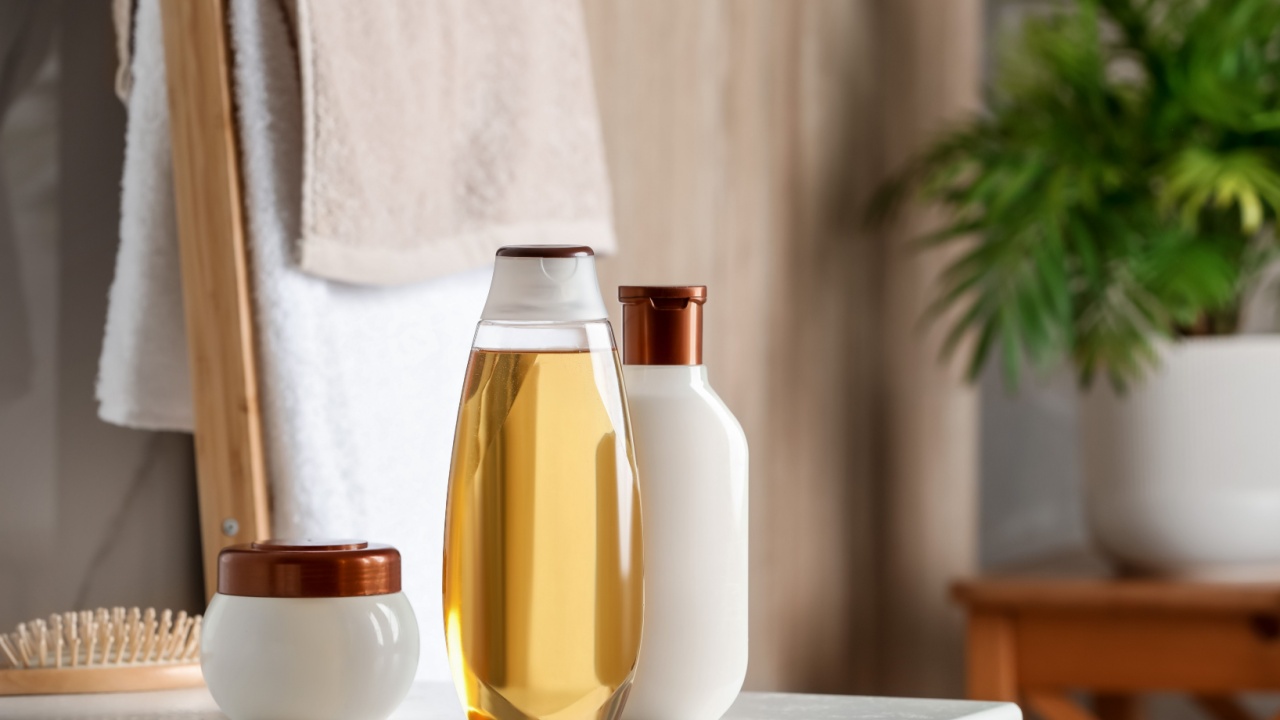
The mountain of plastic bottles in the bathroom is a modern-day reality for many, but it doesn’t have to be. Each plastic shampoo and conditioner bottle contributes to a massive global waste problem. Switching to solid shampoo and conditioner bars is a simple yet powerful way to reduce your plastic consumption significantly.
These bars are highly concentrated, meaning one small bar can last as long as two or three liquid bottles. They are fantastic for travel, as there’s no risk of spills, and they free up precious shower space. Many are made with natural ingredients, which can be gentler on your hair and scalp.
Next Steps:
- Making the Switch: Look for shampoo and conditioner bars formulated for your hair type (oily, dry, color-treated, etc.). There are countless small businesses and eco-friendly brands that offer great options.
- Proper Care: To make your bars last, keep them dry between uses. A simple soap dish with drainage, placed away from the direct stream of water, works perfectly.
- DIY Option: For the truly adventurous, you can explore making your own shampoo bars using natural ingredients.
3. Seasonal Decor

The temptation to buy a whole new set of decorations for every holiday and season is strong, but it leads to boxes of stuff that sit in storage for 11 months of the year. This cycle of buying, storing, and eventually discarding trendy seasonal items is both expensive and wasteful.
Instead, focus on creating a beautiful home base that you can accent with natural, timeless elements. This approach not only saves money and storage space but also connects your indoor decor with the world just outside your door. It encourages creativity and a deeper appreciation for the changing seasons.
Next Steps:
- Invest in Timeless Pieces: Choose a few high-quality, neutral decor items that can be used year-round. A beautiful wreath made of grapevines, for example, can be decorated with fresh-cut greens in winter, flowers in spring, and colorful leaves in fall.
- Bring the Outdoors In: Use elements from your garden or local surroundings. A vase of fresh-cut flowers, a bowl of pinecones, or branches from a blossoming tree can make a beautiful, free, and eco-friendly statement.
- Create Traditions: Instead of buying new decorations, make them. Stringing popcorn and cranberries, drying orange slices, or making paper snowflakes are fun activities that create memories, not just clutter.
4. Store-Bought Makeup Remover
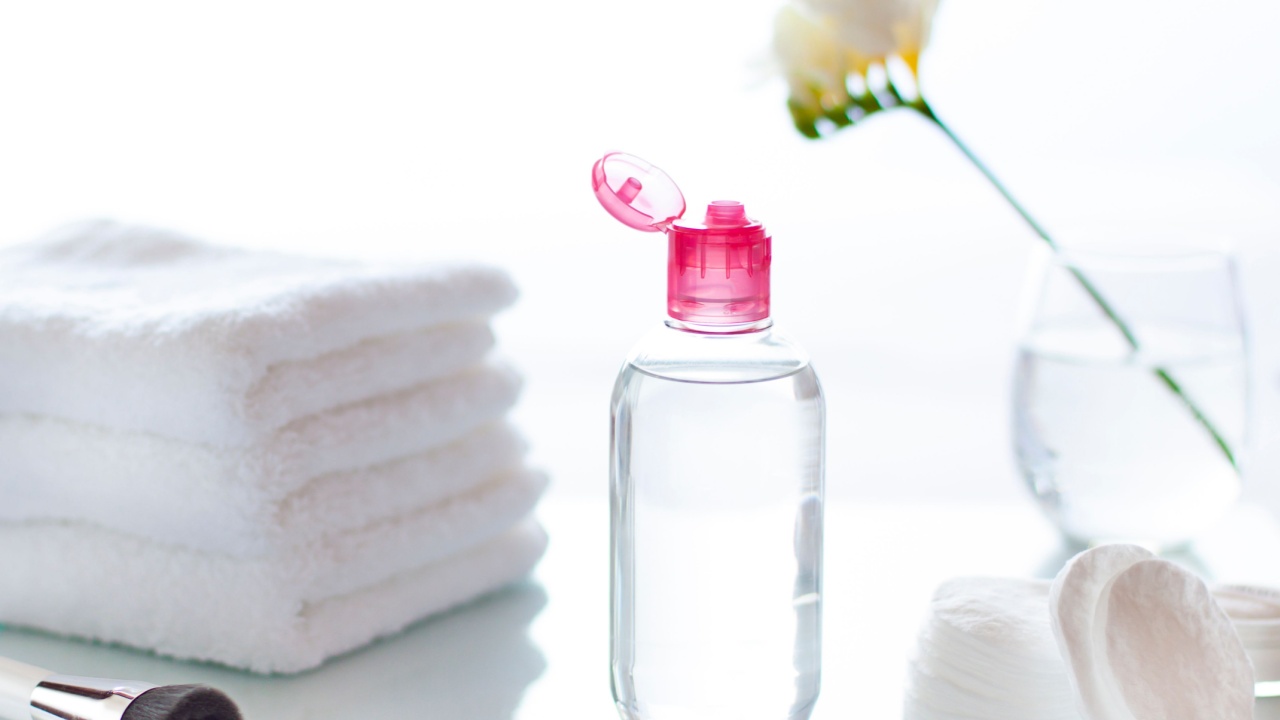
Wiping away the day’s makeup shouldn’t require a special, often expensive, chemical-laden product. Many commercial makeup removers contain alcohols and fragrances that can irritate the skin. Plus, they usually come in plastic packaging, adding to your household waste.
A simple, natural oil is a highly effective and gentle alternative. Oils like coconut, jojoba, or even olive oil are brilliant at dissolving stubborn makeup, including waterproof mascara, while moisturizing your skin at the same time. You’ll save money, reduce your exposure to unnecessary chemicals, and simplify your skincare routine.
Next Steps:
- How to Use: Apply a small amount of your chosen oil to a reusable cotton round or directly to your face. Gently massage it over your skin and eyes, then wipe away with a warm, damp cloth.
- Choose Your Oil: Virgin coconut oil is a popular choice and widely available. Jojoba oil is excellent for acne-prone skin as it closely mimics the skin’s natural sebum.
- Go Reusable: Ditch disposable cotton balls and wipes. Invest in a set of soft, reusable fabric rounds that can be washed and used again and again.
5. Extra Toys for Kids

A mountain of toys can be overwhelming for both children and parents. Studies have shown that with fewer toys, children play more creatively, engage in longer periods of focused play, and learn to value their possessions more. An overflowing toy box often leads to a constant cycle of mess, cleanup, and distraction.
By being more intentional about the toys you bring into your home, you can foster deeper creativity and reduce clutter. This isn’t about depriving your children; it’s about providing them with quality, open-ended toys that encourage imagination.
Next Steps:
- The One-In, One-Out Rule: For every new toy that comes into the house, one old toy must be donated. This teaches children about letting go and prevents accumulation.
- Focus on Experiences: Prioritize gifts of experience over material things. A trip to the zoo, a membership to a local botanical garden, or a camping trip creates lasting memories that toys can’t replicate.
- Toy Rotation: Keep a portion of toys in storage and rotate them every few weeks. This keeps toys feeling new and exciting without having to constantly buy more.
6. Paper Towels

The convenience of paper towels is hard to deny, but their environmental and financial costs add up quickly. They are a single-use product made from trees, and they contribute a significant amount of waste to landfills. Making the switch to reusable cloths is one of the easiest and most impactful changes you can make in your home.
Think about how much you spend on paper towels each year; that money could be reinvested into your garden or another passion project. Reusable cloths are more absorbent, more durable, and far more eco-friendly.
Next Steps:
- Build Your Stash: Cut up old t-shirts, towels, and flannel sheets to create a collection of rags for different purposes.
- The Two-Bin System: Keep a small bin under your sink for dirty clothes. When it’s full, simply toss them in the laundry with your regular towels. Keep your clean, folded cloths in an accessible drawer or basket.
- For Tough Messes: Keep a dedicated set of “gross” rags for particularly messy jobs, so you don’t have to worry about staining your nicer kitchen towels.
7. Single-Purpose Cleaners

The cleaning aisle is a dizzying array of specialized products: one for glass, one for countertops, one for floors, one for the toilet. Most of these are unnecessary. A few simple, versatile ingredients can clean nearly every surface in your home, saving you money and drastically reducing the number of plastic bottles under your sink.
Simplifying your cleaning supplies makes the task less complicated and your home healthier by reducing exposure to harsh chemicals. Natural ingredients like vinegar, baking soda, and castile soap are powerful, safe, and inexpensive.
Next Steps:
- Your All-Purpose Spray: Fill a spray bottle with a 50/50 solution of white vinegar and water. This works wonders on windows, countertops (avoid on natural stone like granite or marble), and sinks. Add a few drops of essential oil like lemon or tea tree for a fresh scent and antibacterial properties.
- The Power Scrubber: Make a paste of baking soda and a little water for scrubbing tubs, sinks, and tough grime. It’s a gentle abrasive that cleans without scratching.
- The DIY Kit: Keep vinegar, baking soda, castile soap, and a few spray bottles on hand. With this simple kit, you’re prepared for almost any cleaning challenge.
8. Plastic Food Storage Containers
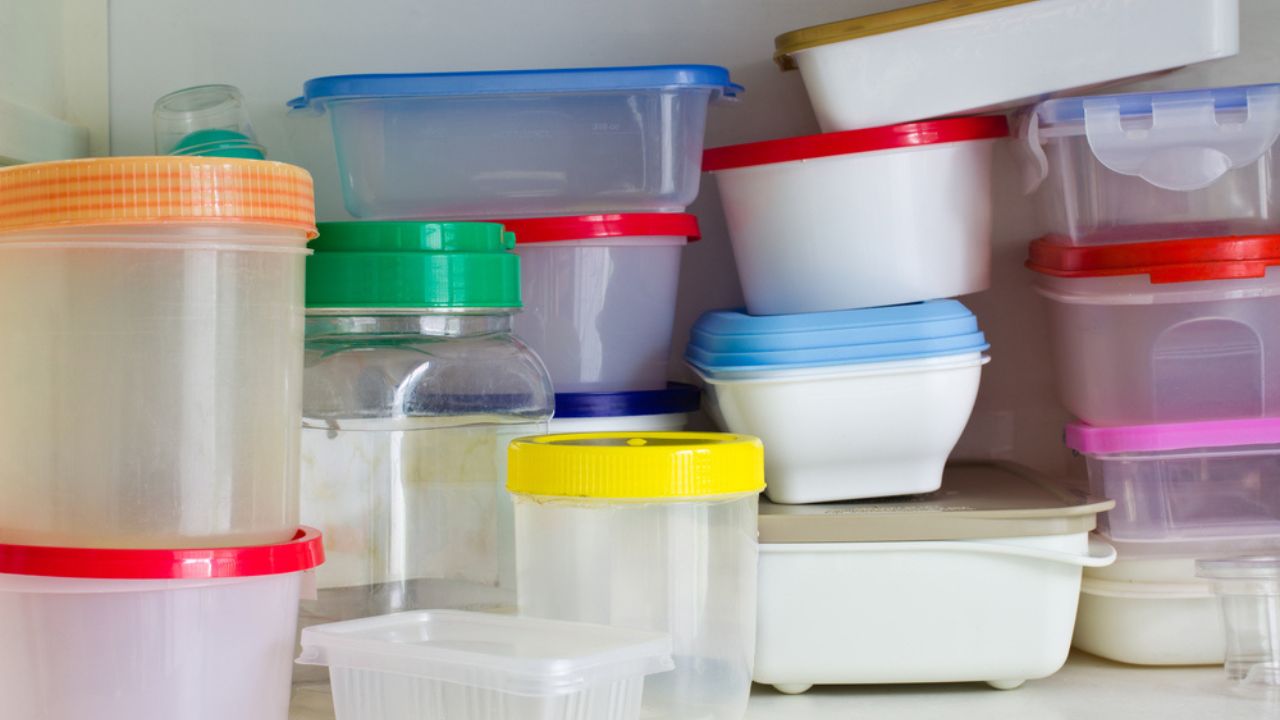
Plastic containers have a tendency to multiply. They stain, warp, absorb odors, and lids mysteriously disappear, creating a chaotic cabinet. More importantly, concerns exist about chemicals from plastic leaching into food, especially when heated.
Glass storage containers are a superior alternative. They are durable, non-porous (so they won’t stain or smell), and can go from the freezer to the oven to the dishwasher. While the initial investment is higher, they will last a lifetime, unlike their plastic counterparts that need frequent replacing.
Next Steps:
- Make a Gradual Switch: You don’t have to replace everything at once. As your old plastic containers wear out, replace them with glass ones.
- Repurpose Jars: Start saving glass jars from things like pickles, sauces, and jams. They make excellent free storage containers for pantry staples, leftovers, and even for propagating plant cuttings.
- Look for Versatility: Invest in a set of glass containers with interchangeable lids. This will make finding the right match much easier.
9. Books

For a book lover, this one can be tough. The romance of a physical book is undeniable. However, a personal library demands a lot of space, can be heavy to move, and can gather a lot of dust. If you find your shelves overflowing, it might be time to reconsider how you consume literature.
Embracing digital books or your local library allows you to read as much as you want without the physical clutter. You’ll save a tremendous amount of money and space, freeing up your shelves for a few truly cherished books and, of course, more houseplants.
Next Steps:
- Rediscover Your Library: Your local library is a treasure trove. You can borrow physical books, e-books, and audiobooks for free. It’s the ultimate minimalist and frugal solution for avid readers.
- Go Digital: An e-reader allows you to carry thousands of books in one lightweight device. It’s perfect for travel and reading in bed.
- The Curated Shelf: Be selective about the physical books you buy. Keep only the ones that hold special meaning, that you will re-read, or that you truly want to display. Practice the one-in, one-out rule here as well.
10. Trendy Clothes

Fast fashion encourages us to constantly buy new, trendy items that go out of style in a single season. This model is incredibly wasteful, often relies on unethical labor practices, and results in a closet full of clothes you don’t love or wear.
Building a capsule wardrobe based on timeless, high-quality, classic pieces is a more sustainable and stylish approach. You’ll spend less time deciding what to wear, you’ll always feel put-together, and you’ll save a significant amount of money in the long run.
Next Steps:
- Define Your Style: Take time to figure out what you truly love to wear, what fits your body well, and what suits your lifestyle.
- Focus on Quality: Instead of buying five cheap t-shirts, invest in one or two that are well-made from durable, natural fibers. They will look better, feel better, and last much longer.
- The 30-Day Rule: If you see an item you want, wait 30 days before buying it. Often, the impulse will pass, and you’ll realize you didn’t really need it.
11. Aerosol Air Fresheners
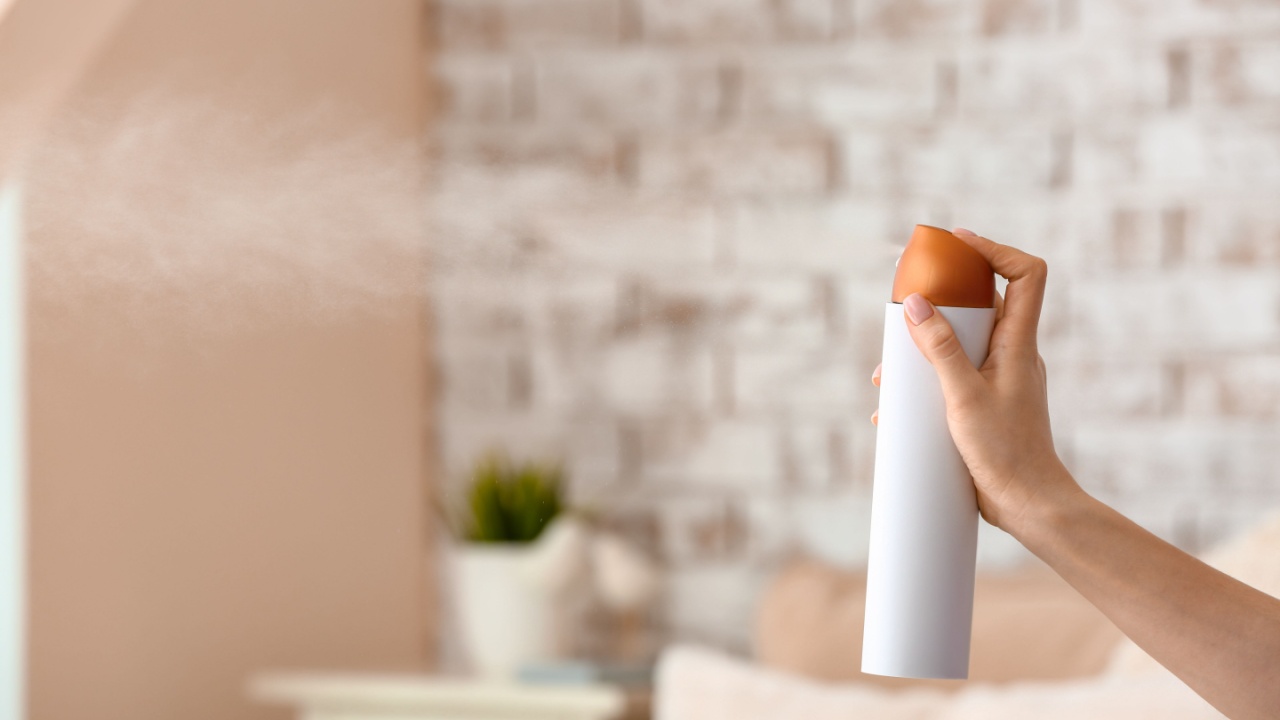
Those aerosol cans of air freshener may provide a quick burst of “Linen Fresh” or “Ocean Breeze,” but they often do more harm than good. They are filled with synthetic fragrances and volatile organic compounds (VOCs) that can pollute your indoor air and trigger allergies or asthma (same with candles).
There are many natural, healthier, and more pleasant ways to make your home smell wonderful. The best way is to address the source of bad odors, but for adding a pleasant scent, natural options are far superior.
Next Steps:
- Open a Window: The best air freshener is fresh air. Whenever possible, open your windows to ventilate your home.
- Simmer Pot: Fill a small pot with water on the stove and add natural ingredients like citrus peels, cinnamon sticks, cloves, or a sprig of rosemary from your garden. Let it simmer on low for a lovely, natural scent.
- Essential Oil Diffuser: A diffuser is a great way to scent a room using pure essential oils. You can customize the scent to your mood, from calming lavender to energizing peppermint.
12. CDs and DVDs

This one is a duh for younger generations. In an age of streaming services and digital media, physical CDs and DVDs are largely obsolete. They take up a lot of shelf space, require specific players to use, and can easily get scratched or damaged. Holding onto a large collection “just in case” is a classic form of clutter.
Letting go of these items can free up an incredible amount of space in your living room or office. Most music and movies are readily available online through subscription services or digital purchase, offering more convenience with a much smaller physical footprint.
Next Steps:
- Digitize What You Can’t Find: For rare or sentimental items, consider digitizing them. You can convert old home movies or rare albums to digital files to preserve them without the physical clutter.
- Sell or Donate: Your old collection might be valuable to someone else. You can sell CDs and DVDs to second-hand media stores or donate them to libraries or thrift shops.
- Embrace Streaming: Explore the vast libraries available on services like Spotify for music and Netflix, Hulu, or Kanopy (often free through your library) for movies and TV shows.
Say Goodbye to Clutter, Spending, and Stress
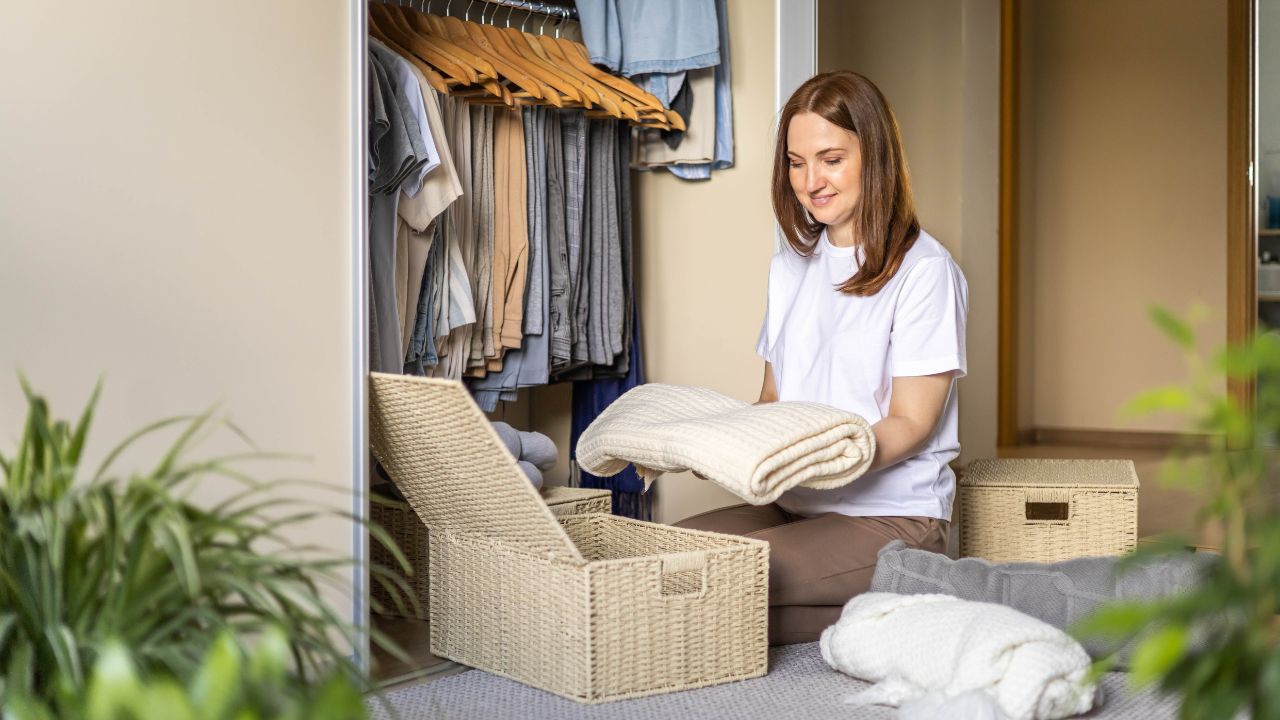
Simplifying your life isn’t a race to own the least amount of stuff. It’s a mindful process of clearing out the non-essential to make room for what truly brings you joy and purpose. Start small. Pick one or two items from this list that resonate with you and commit to making a change.
As you begin to see the benefit of more money in your pocket, less clutter in your home, and more time for your passions, you’ll be inspired to continue. Treat your home and your life like you treat your garden: prune what no longer serves you, nurture what you want to grow, and watch as a more beautiful, intentional life blossoms before your eyes.
Read more:
6 Things We Waste Money Buying That Just Add Clutter
6 Groceries That Aren’t Worth Buying Anymore