Every Artist Has a Place Where the Noise of the World Fades
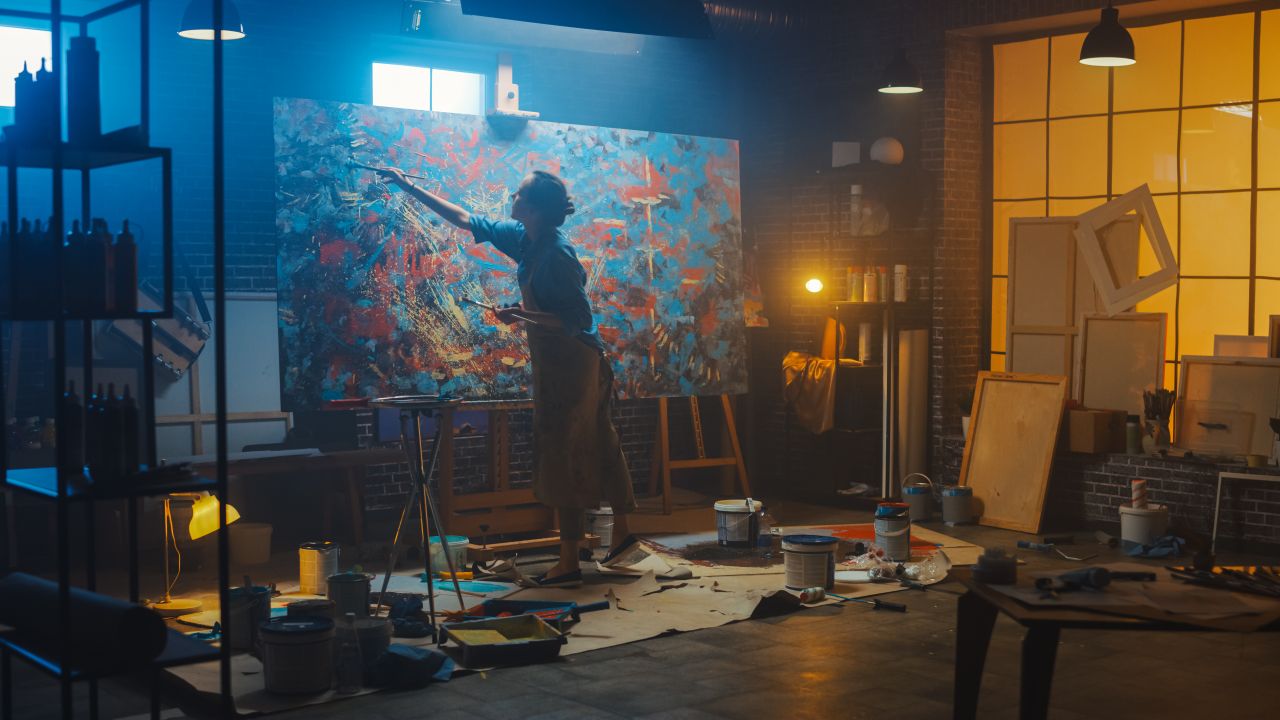
Sometimes it’s a room tucked beneath an attic beam, lit by a single window. Other times, it’s a converted garage, a garden shed, or even a corner table that transforms each morning into a realm of possibility. Wherever it exists, the studio is less about size and more about rhythm — a heartbeat that guides creativity into being.
True artistic transformation doesn’t happen on a stage or in front of an audience. It happens here, in the solitude of the studio, where each brushstroke, sketch, and sculpted line carries traces of the environment that shaped it.
A studio isn’t defined by its walls but by the spirit it protects. It’s where imagination learns to speak.
A Room That Breathes
Step into any artist’s workspace and you can feel it, that charged quiet, the scent of oil paint, sawdust, or clay, the evidence of countless attempts scattered across the floor. The air seems thick with patience and persistence.
Leonardo da Vinci’s Florentine workshop, Monet’s light-filled retreat in Giverny, and Georgia O’Keeffe’s desert studio all reveal a shared truth: design shapes expression. Monet painted with light, O’Keeffe carved silence into form, and da Vinci surrounded himself with sketches and contraptions that blurred invention and art.
A studio’s design is never mere decoration.
It’s atmosphere, every corner either nurtures or restrains imagination.
Designing a Space That Speaks
The most powerful studios aren’t measured in square footage but in intention. Design isn’t a luxury, it’s a language between artist and space.
- Light that inspires: Natural sunlight reveals truth; soft lamplight adds intimacy. Together, they shape perception.
- Space that adapts: Open layouts invite freedom; small nooks encourage focus.
- Tools within reach: A clear, organized workspace removes friction.
- Texture and tone: Rough wood, cool metal, warm fabric — tactile details connect thought to touch.
When these elements align, a studio stops being a room and becomes an instrument tuned to creativity itself.
Inspiration in the Ordinary
Inside the studio, even the mundane becomes muse. A wrinkled rag might spark a color palette; the sound of a brush against canvas might carry rhythm. Time stretches differently here; moments blur into discovery.
Studios are sanctuaries of attention. They remind us that inspiration isn’t something you find. It’s something you listen to.
Here, failure and brilliance coexist. The walls have heard sighs, laughter, and the quiet click of realization. The studio forgives. It holds space for both discipline and doubt.
Building Your Own Creative Haven
You don’t need cathedral ceilings or industrial walls to build a studio that inspires. The essence lies in creating a space that reflects you.
- Choose your light. Position your workspace near a window or use adjustable warm lighting to mimic natural glow.
- Simplify your surroundings. Keep only what serves your process. Minimalism clarifies focus.
- Personalize with meaning. Add pieces that evoke memory or emotion — a photograph, a plant, a favorite texture.
- Keep the ritual. Consistency creates rhythm. Enter the space even on uninspired days; presence often precedes creativity.
A studio is a promise, a quiet agreement between you and your craft.
Final Reflections
Every masterpiece begins somewhere, often in stillness, alone. The studio is both refuge and frontier, where imagination learns discipline and ideas find their final form.
Whether it’s a sun-drenched loft, a makeshift desk in a spare room, or a digital workspace glowing in the dark, your studio carries your fingerprint. It is the echo of your creative pulse, your way of returning home.