
14 Telltale Signs an Adult Grew Up in a Poor Household
A home isn’t just made of walls and a roof; it’s built from memories, habits, and the everyday objects that fill its spaces. For many who grew up with limited means, the home was a classroom for creativity and resourcefulness. It was where we learned that the value of an item wasn’t in its price tag, but in its usefulness. This spirit of making do, of seeing potential in the ordinary, is a powerful lesson that stays with us, shaping how we manage our homes and gardens today.
This post is a nod to those clever, thrifty habits that turned simple household items into indispensable tools. It’s a celebration of the ingenuity that stretched every dollar and made the most of every resource. Whether you’re looking to bring more sustainable practices into your life or simply feeling a bit nostalgic, let’s explore 14 things you probably had around the house if you grew up poor.
1. Plastic Grocery Bags (Saved for Reuse)
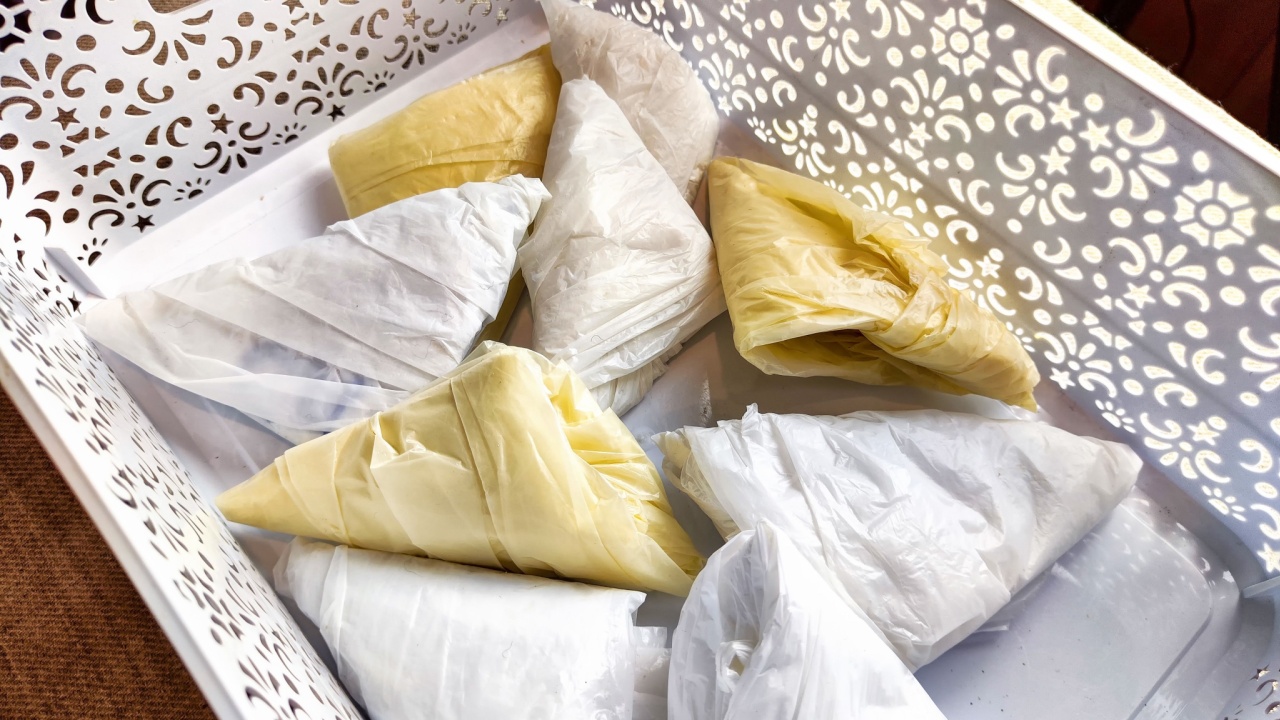
In a resourceful home, the question was never if you would reuse a plastic grocery bag, but how. These bags were the unsung heroes of daily life. They were stuffed into a larger “bag of bags” under the sink, in a pantry, or in a dedicated dispenser, always ready for their next mission.
This practice is rooted in pure practicality. Why buy small trash can liners when you have a steady supply of perfectly sized bags for free? They became the default liner for bathroom and office wastebaskets. Beyond trash, they were used to pack lunches, carry wet swimsuits home from the pool, or protect shoes in a suitcase. For gardeners, they were perfect for collecting weeds or transporting a few seedlings from a friend’s yard.
- Why It’s a Good Option: Reusing plastic bags reduces waste and saves money on single-use items like trash liners. It’s a simple act of conservation that has a tangible impact.
- Care & Next Steps: To store them efficiently, fold bags into small triangles or use a tube-shaped dispenser. Ensure bags used for carrying food are clean. As many areas phase out plastic bags, consider investing in reusable tote bags for shopping, but keep any plastic bags you do acquire for their second life at home.
2. Old Butter or Cool Whip Containers
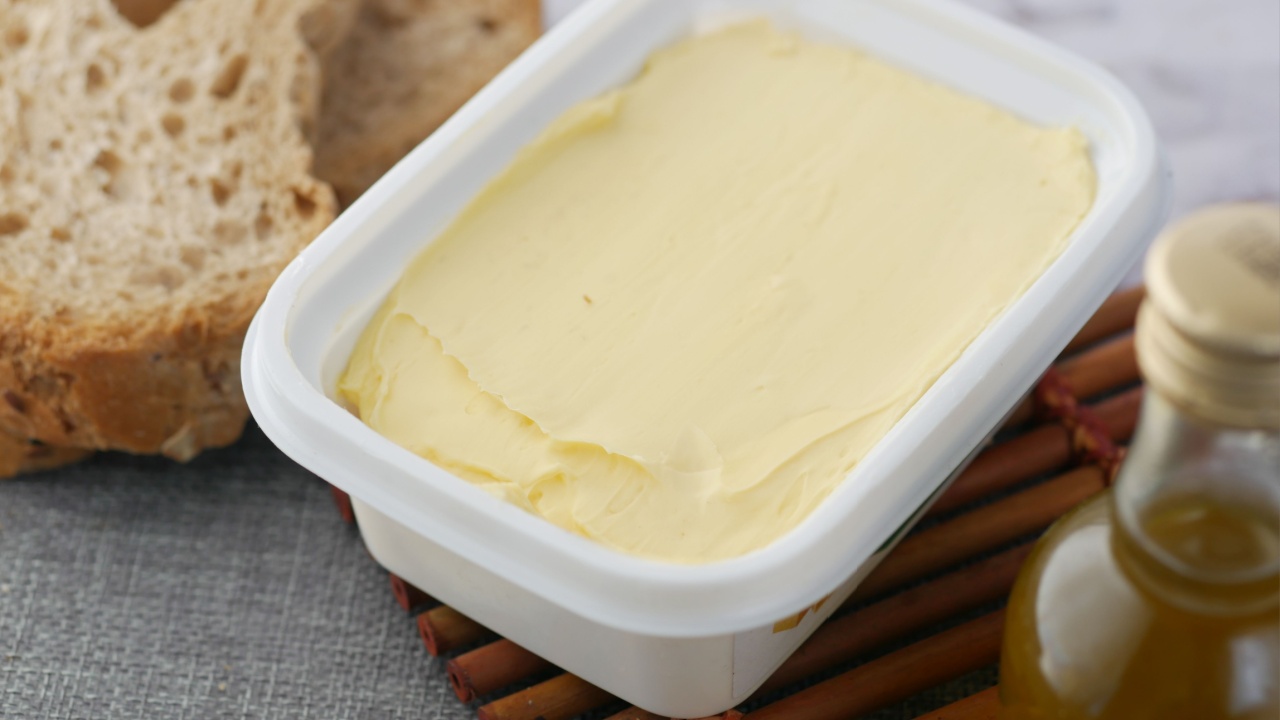
Opening the fridge and finding a tub of what you thought was butter, only to discover it’s leftover spaghetti, is a universal experience for many. These sturdy, lidded containers were far too valuable to toss after one use. They became the original Tupperware, a colorful, mismatched collection for storing everything.
From last night’s dinner to homemade soups, these containers were perfect for leftovers. Their airtight seals kept food fresh, and they were durable enough for the freezer. In the garage or garden shed, they held nails, screws, seeds, or plant markers. Their value was in their versatility and the simple fact that they were free.
- Why It’s a Good Option: Repurposing food-grade plastic containers is an excellent way to reduce household waste and avoid buying new storage solutions.
- Care & Next Steps: Wash containers thoroughly with soap and hot water between uses. To avoid mystery meals, use a piece of masking tape and a marker to label the contents and date. You can even use them as starter pots for seedlings; just poke a few drainage holes in the bottom.
3. Empty Coffee Cans or Jars
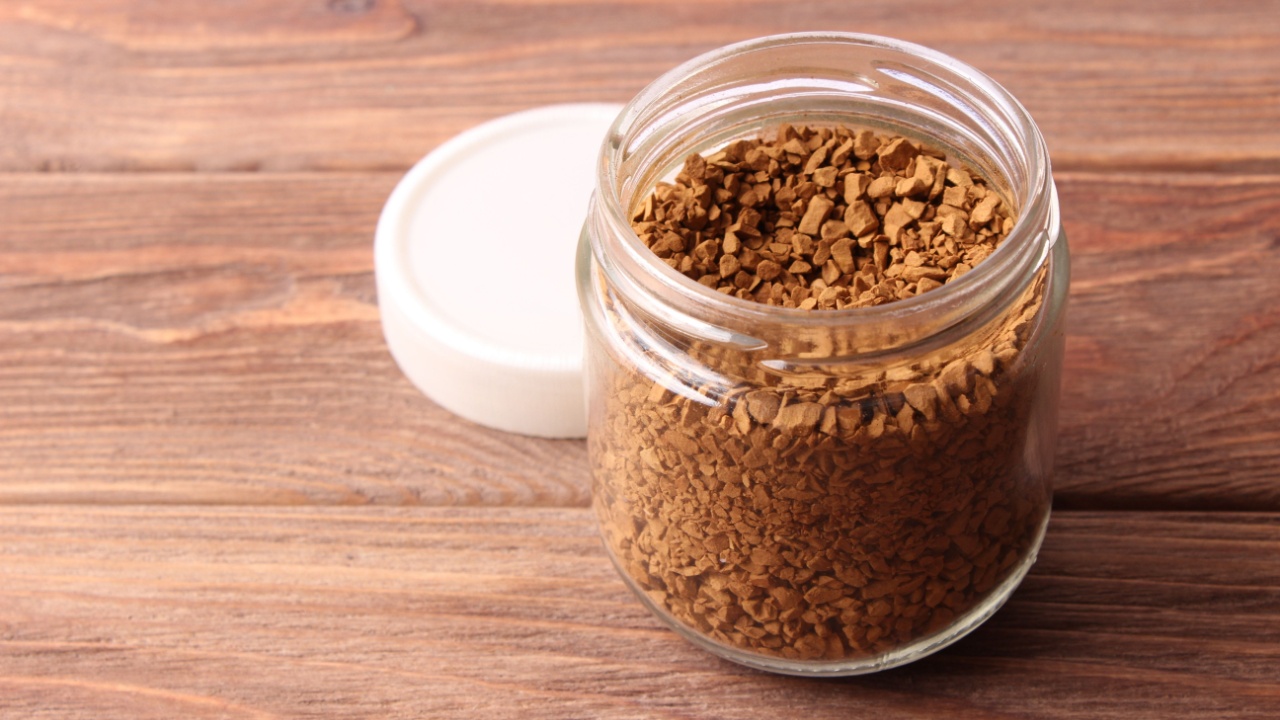
The humble coffee can was a heavyweight champion of household repurposing. Once the coffee grounds were gone, these metal or plastic cans embarked on a new career. The most classic reuse was as a grease collector next to the stove, saving bacon drippings to flavor future dishes while protecting plumbing from clogs.
Their sturdy nature made them ideal for workshop storage, holding anything from paintbrushes to loose nuts and bolts. Glass coffee jars were even more versatile, perfect for pantry storage of dry goods like rice, beans, or flour. Their clear sides let you see contents at a glance, bringing order to the shelves.
- Why it’s a good option: Coffee cans and jars are incredibly durable and can be repurposed for years, keeping waste out of landfills and organizing your space for free.
- Care & Next Steps: Clean cans and jars well to remove any lingering coffee smell. You can give them a makeover with a coat of spray paint to match your kitchen or workshop decor. For garden use, a large coffee can with holes punched in the bottom makes an excellent, deep planter for herbs.
4. Mismatched Tupperware and Lids
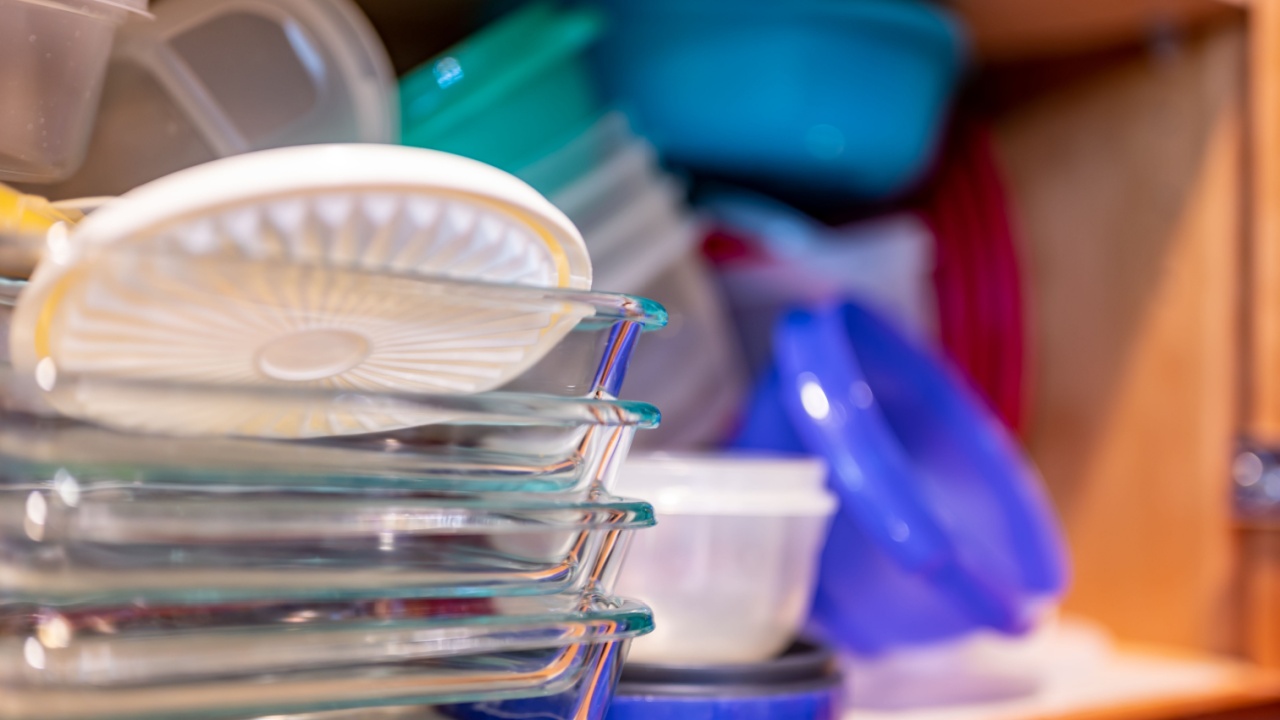
In a frugal home, the Tupperware cabinet was a chaotic but functional puzzle. Lids and containers rarely matched. A round lid might be stretched precariously over a square container, or a container might be covered with a simple sheet of plastic wrap. The goal was function, not perfection.
This collection of mismatched pieces was a testament to a “waste not, want not” philosophy. As long as a container could hold food, it was kept. Losing a lid didn’t mean the container was useless; it just meant you had to get more creative. This approach teaches adaptability and the beauty of imperfection.
- Why It’s a Good Option: Keeping and using mismatched pieces extends the life of your food storage, saving money and reducing plastic waste.
- Care & Next Steps: Dedicate a drawer or bin specifically for lids to make finding a “close enough” match easier. You can also use lidless containers as drawer organizers for utensils, office supplies, or junk drawer odds and ends.
5. Extra Napkins and Condiment Packets from Restaurants
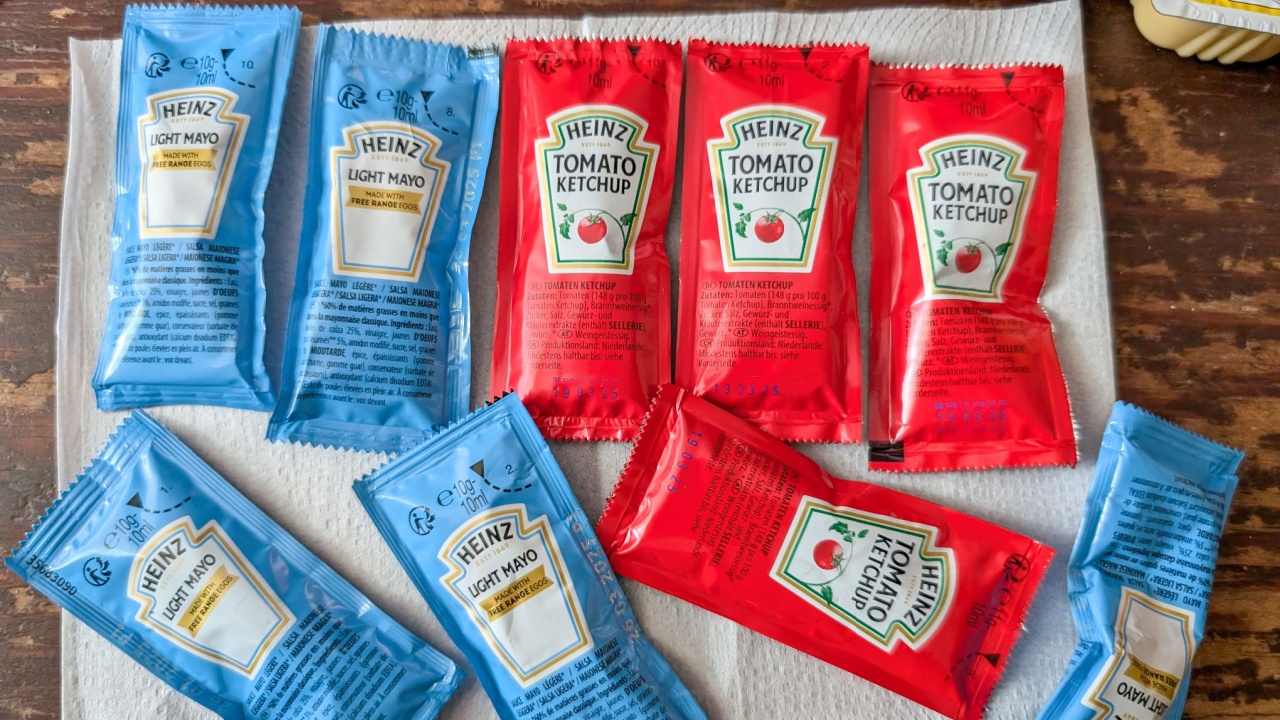
The glove compartment was often a treasure trove of napkins, ketchup packets, and plastic cutlery “borrowed” from fast-food restaurants. Every time you ate out, it was an opportunity to stock up. These weren’t stolen; they were simply surplus resources being gathered for a future need.
A spill in the car? Grab a napkin from the glove box. Packing a lunch and forgot a fork? There’s one in the center console. Need a little ketchup for your fries at home? The drawer has a handful of packets. This habit is all about preparedness and making sure you always have what you need without having to buy it.
- Why It’s a Good Option: It’s a practical way to be ready for small emergencies and reduce the need to buy disposable items. It also minimizes waste from the restaurants themselves.
- Care & Next Steps: Keep your stash organized in a small box or bag in your car or a dedicated kitchen drawer. Check on condiment packets occasionally to ensure they haven’t expired.
6. Duct Tape as a Universal Fix-It Tool

If something was broken, duct tape was often the first and final solution. From a leaky hose in the garden to a hole in a shoe, a strip of that magical silver tape could hold it together. It was the ultimate symbol of self-reliance and ingenuity, proving you didn’t need a specialist for every small repair.
Duct tape’s strength and water-resistant properties made it incredibly versatile. It could patch a ripped tarp, hold a loose car bumper in place, or reinforce the spine of a well-loved book. It wasn’t always pretty, but it was effective, embodying the principle that a working item is better than a broken one.
- Why It’s a Good Option: Knowing how to make quick, temporary repairs with duct tape can save you from having to immediately replace an item, saving money and hassle.
- Care & Next Steps: Always keep a roll of quality duct tape in your home, garage, and car. For garden use, it’s great for temporarily mending cracked watering cans or creating splints for broken plant stems.
7. Bread Bags and Twist Ties
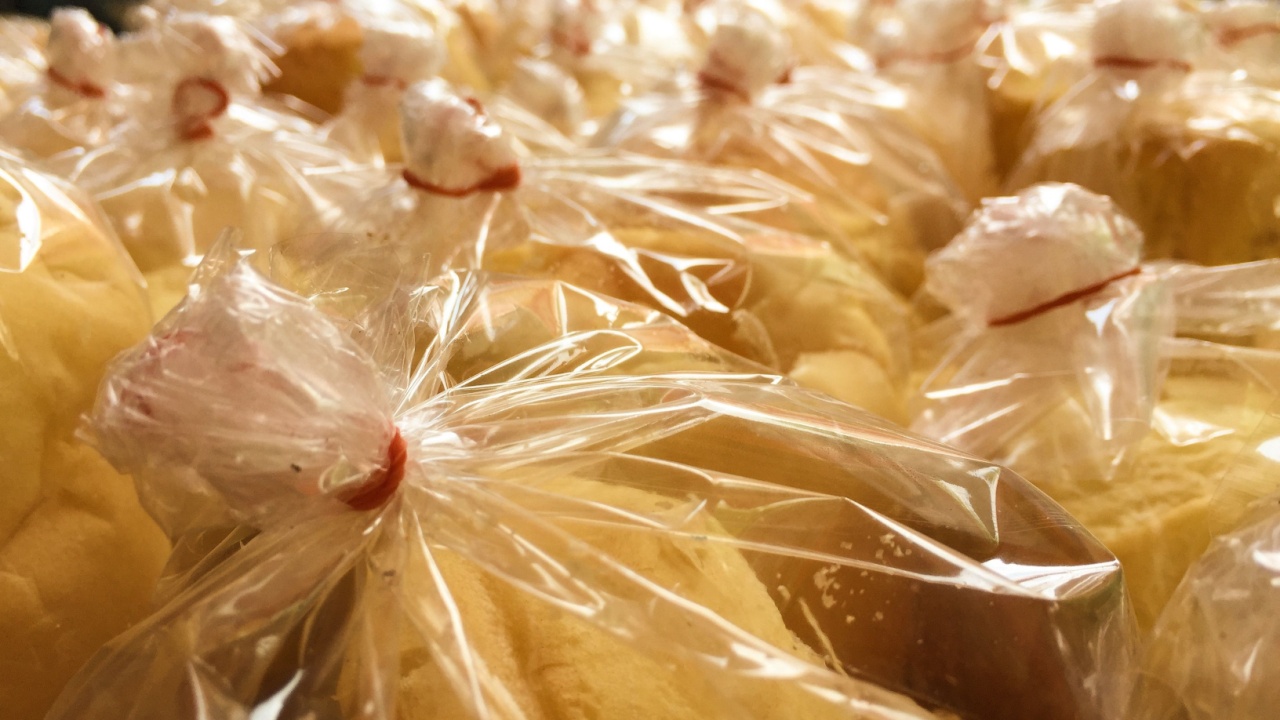
The humble bread bag was never just trash. Once the last slice was gone, these thin plastic bags were turned inside out, shaken free of crumbs, and given a new purpose. They were perfect for packing sandwiches, covering rising dough, or as makeshift gloves for messy tasks like seasoning meat or applying shoe polish.
And the twist ties? Those were gold. They were carefully saved in a jar or on a hook, ready to re-seal bags of chips, wrangle unruly electrical cords, or secure plant stems to stakes in the garden. Nothing was wasted.
- Why It’s a Good Option: It’s a classic example of finding a second life for packaging, saving you from buying plastic wrap, sandwich bags, or cable ties.
- Care & Next Steps: Keep a small container in a kitchen drawer for your twist tie collection. When using bread bags for food, ensure they are clean and free of holes. In the garden, twist ties are gentle enough to use on delicate tomato plants.
8. Stacks of Old Towels and Rags
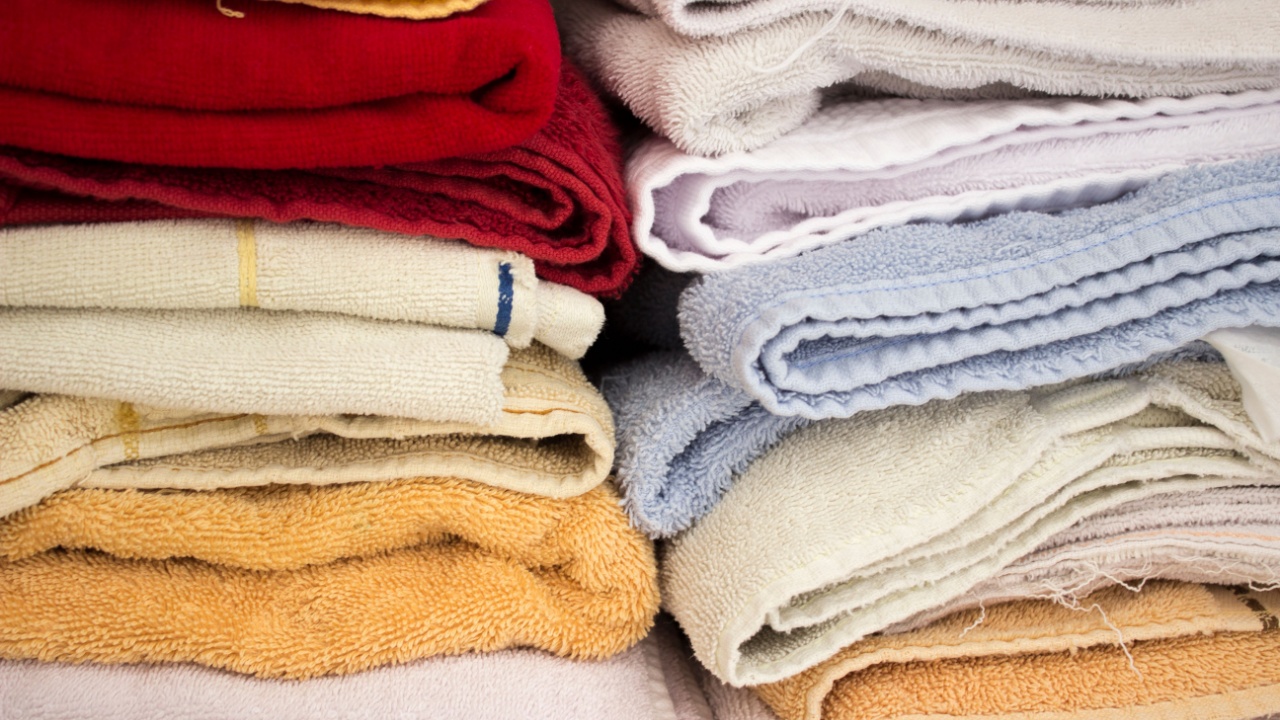
An old towel never truly dies; it just gets demoted. Once a bath towel became too frayed or thin for its primary job, it began a new life as a utility rag. These textiles were cut into various sizes and stacked in the laundry room or under the sink, ready for any mess.
These rags were used for everything from wiping up spills and cleaning windows to washing the car and polishing furniture. They were far more absorbent and durable than paper towels, and because they were destined for dirty work, there was no hesitation in using them for the grimiest of jobs.
- Why It’s a Good Option: Using old towels and t-shirts as rags is a fantastic, zero-cost alternative to disposable paper towels. It’s sustainable and highly effective.
- Care & Next Steps: Simply cut old, worn-out towels, sheets, and cotton clothing into usable squares. Store them in an accessible place. After use, you can wash them in a separate “rag load” to be used again and again.
9. Generic Cleaning Supplies in Repurposed Bottles
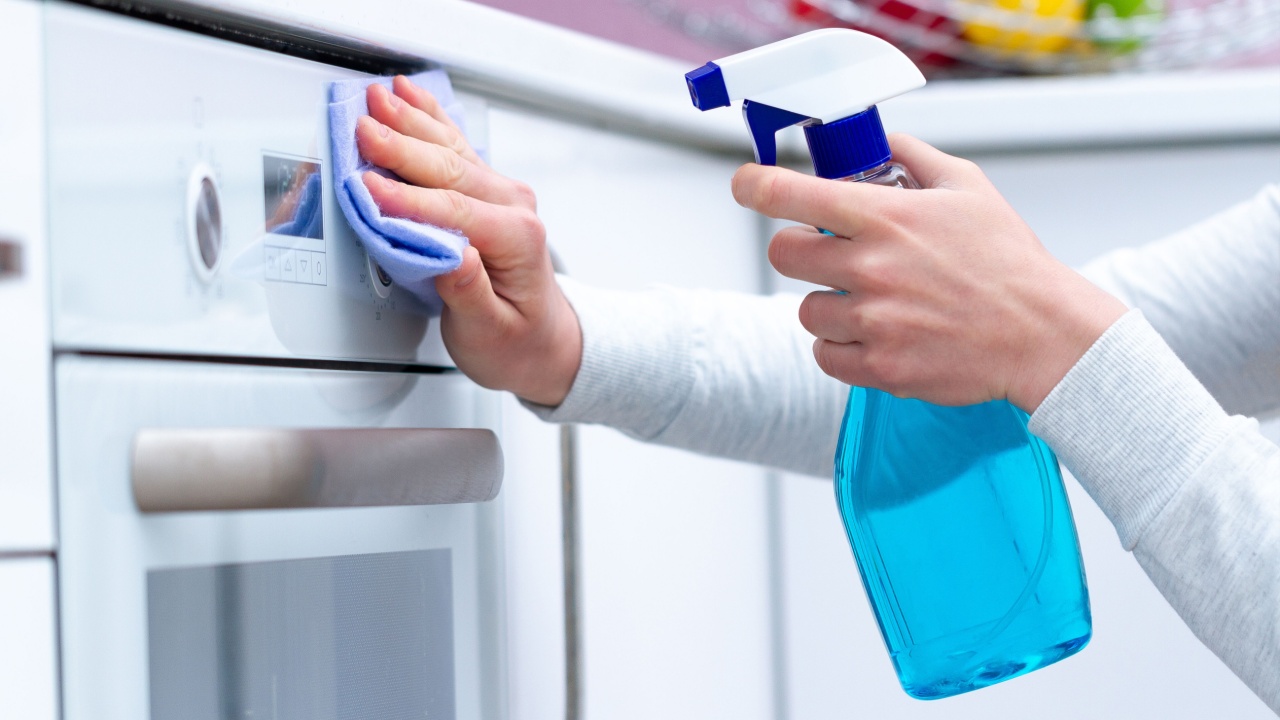
Brand names were a luxury, but a clean house was a necessity. This led to the widespread use of generic cleaning supplies, often purchased in bulk and decanted into old, repurposed spray bottles. A Windex bottle might actually contain a homemade solution of vinegar and water, its original label long gone.
This practice was economical and efficient. Buying concentrated cleaners or simple ingredients like vinegar, baking soda, and bleach was much cheaper than purchasing pre-mixed, branded products. It was a lesson in chemistry and economics, proving you could achieve the same results for a fraction of the cost.
- Why It’s a Good Option: Making your own cleaners is cheap, reduces plastic waste from new bottles, and gives you control over the ingredients in your home.
- Care & Next Steps: Always label your repurposed bottles clearly to avoid dangerous mix-ups. Look up simple, effective cleaning recipes online using ingredients like white vinegar, baking soda, and dish soap.
10. Jars of Saved Cooking Grease
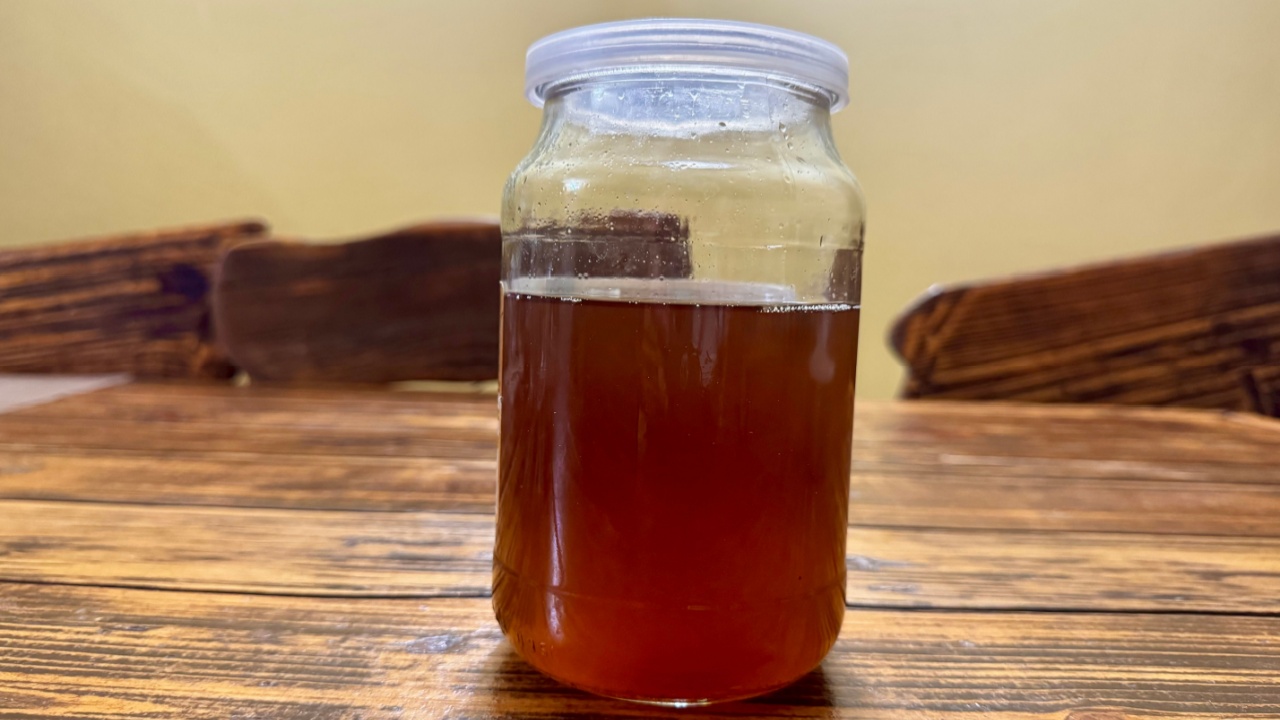
Sitting on the stovetop or in the fridge, the jar of saved bacon grease was a culinary secret weapon. After cooking bacon or other fatty meats, the flavorful rendered fat was carefully poured into a jar to solidify. This wasn’t a waste, it was liquid gold.
This saved grease was used to add a rich, smoky depth of flavor to other dishes. A spoonful could be used to fry eggs, sauté green beans, or make the most delicious roasted potatoes. It was a way to stretch flavor from one meal to the next, ensuring that every bit of an ingredient was put to good use.
- Why It’s a Good Option: Saving animal fats is a traditional cooking technique that adds incredible flavor and reduces food waste. It’s also a free alternative to using oil or butter.
- Care & Next Steps: Store your grease in a sealed jar in the refrigerator to keep it fresh. Strain it through a fine-mesh sieve or cheesecloth as you pour it into the jar to remove any solid bits.
11. Mismatched or Hand-Me-Down Furniture

A perfectly matched set of living room furniture was a rarity. Instead, the home was often furnished with an eclectic mix of hand-me-downs, thrift store finds, and pieces acquired over many years. A couch from an aunt, a coffee table from a yard sale, and an armchair found on the curb created a unique and personal space.
This style wasn’t a deliberate choice but a practical necessity. Each piece of furniture had a story and was cherished for its function. This approach created homes that felt lived-in, comfortable, and full of character, reflecting the family’s journey rather than a catalog.
- Why It’s a Good Option: Furnishing with second-hand pieces is sustainable, affordable, and allows you to create a home with unique character.
- Care & Next Steps: Learn basic DIY skills like painting, reupholstering, or refinishing to give old furniture a new look. Always inspect second-hand furniture for structural integrity and pests before bringing it home.
12. Tin Foil Washed and Reused
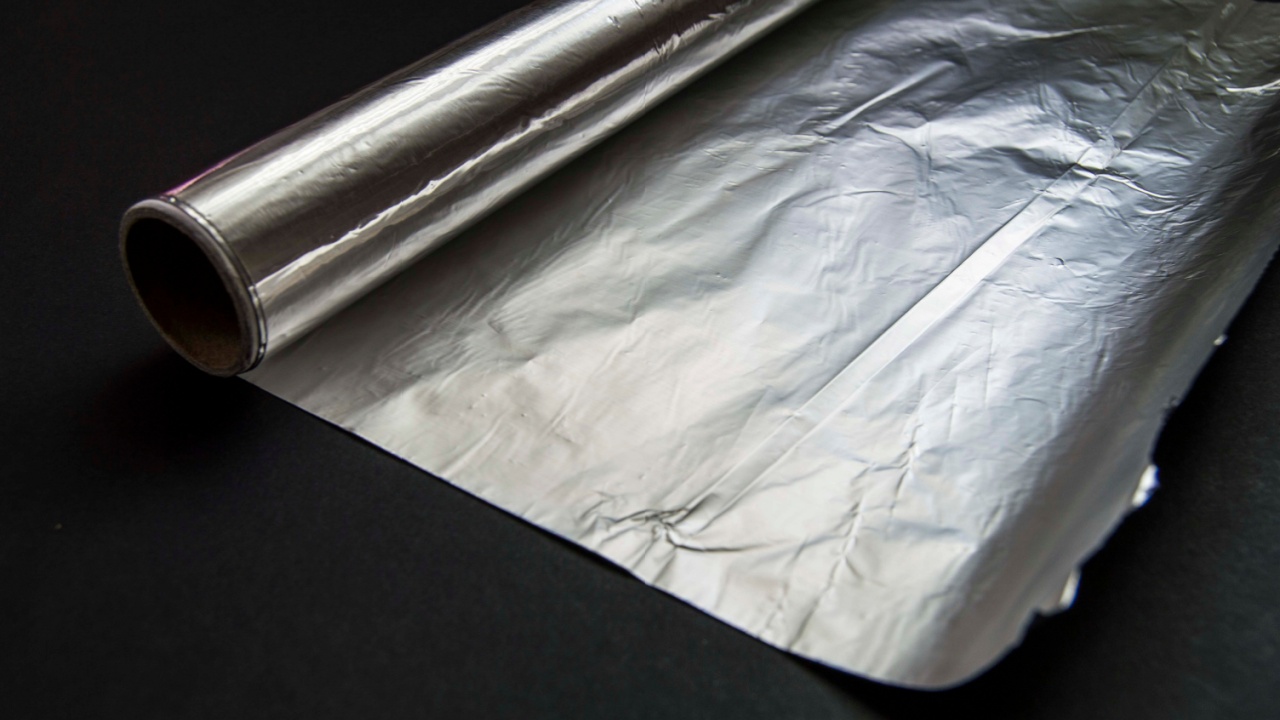
A single sheet of aluminum foil could have multiple lives in a resourceful kitchen. After being used to cover a casserole dish, it wasn’t just crumpled up and thrown away. It was carefully wiped clean, folded, and stored in a drawer for its next use.
It might be used again to cover another dish, line a baking sheet, or even be crumpled into a ball to scrub a stubborn pot. This habit stemmed from the understanding that even disposable items could be reused with a little effort, stretching their value as far as possible.
- Why It’s a Good Option: Reusing aluminum foil reduces waste and saves money. It’s a small but powerful act of conservation.
- Care & Next Steps: Gently wash used foil with soap and water and let it air dry. Store it flat or folded. Heavy-duty foil is easier to wash and reuse multiple times.
13. Stacks of Old Mail, Coupons, or Rubber Bands
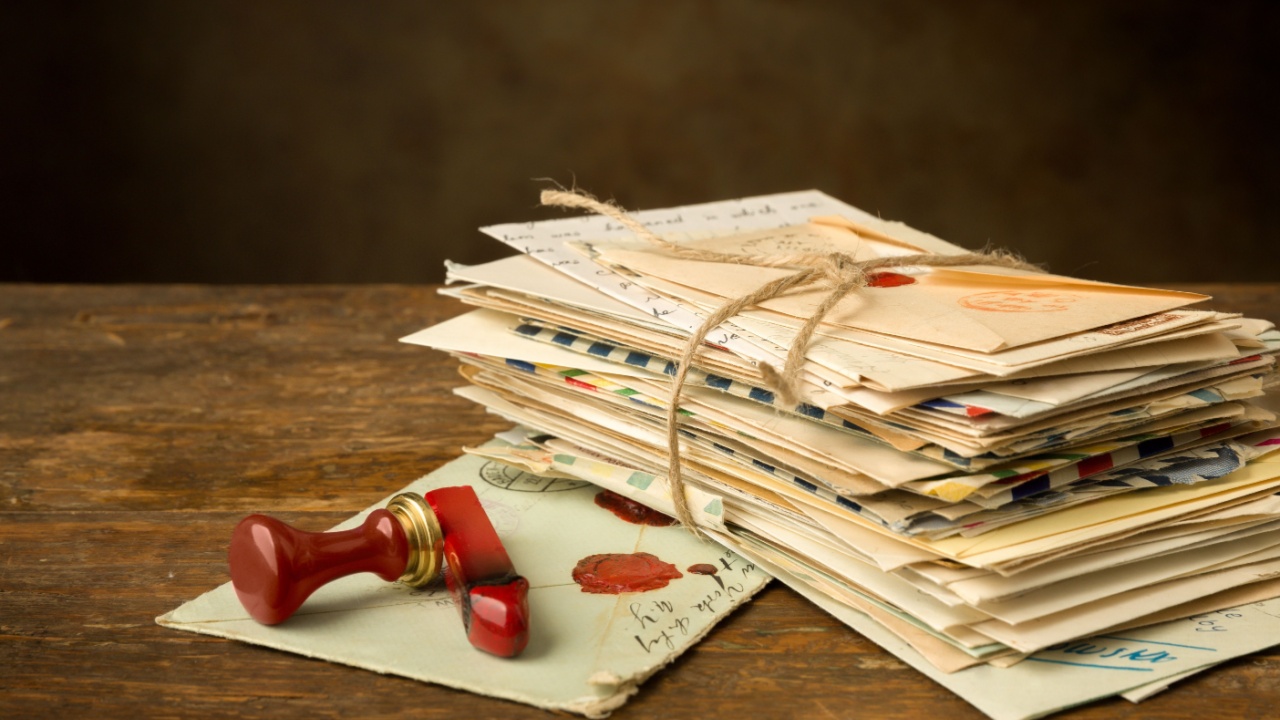
A certain drawer or corner of the kitchen counter was often dedicated to a seemingly random collection of “just in case” items. This included old mail with blank backsides for grocery lists, a pile of coupons waiting to be sorted, and a ball of rubber bands collected from newspapers and produce.
This wasn’t clutter; it was a resource center. The back of an envelope was a perfect notepad. A rubber band was always on hand to seal a bag or bundle of pens. This stash represented a state of readiness, ensuring that a solution for a small, everyday problem was always within reach.
- Why It’s a Good Option: This habit promotes reuse and preparedness. It keeps useful items out of the trash and makes you less likely to buy new notepads or other small supplies.
- Care & Next Steps: Use a small box or drawer organizer to keep these items tidy. Go through the coupons periodically to discard expired ones.
14. Expired or Odd Mix of Spices
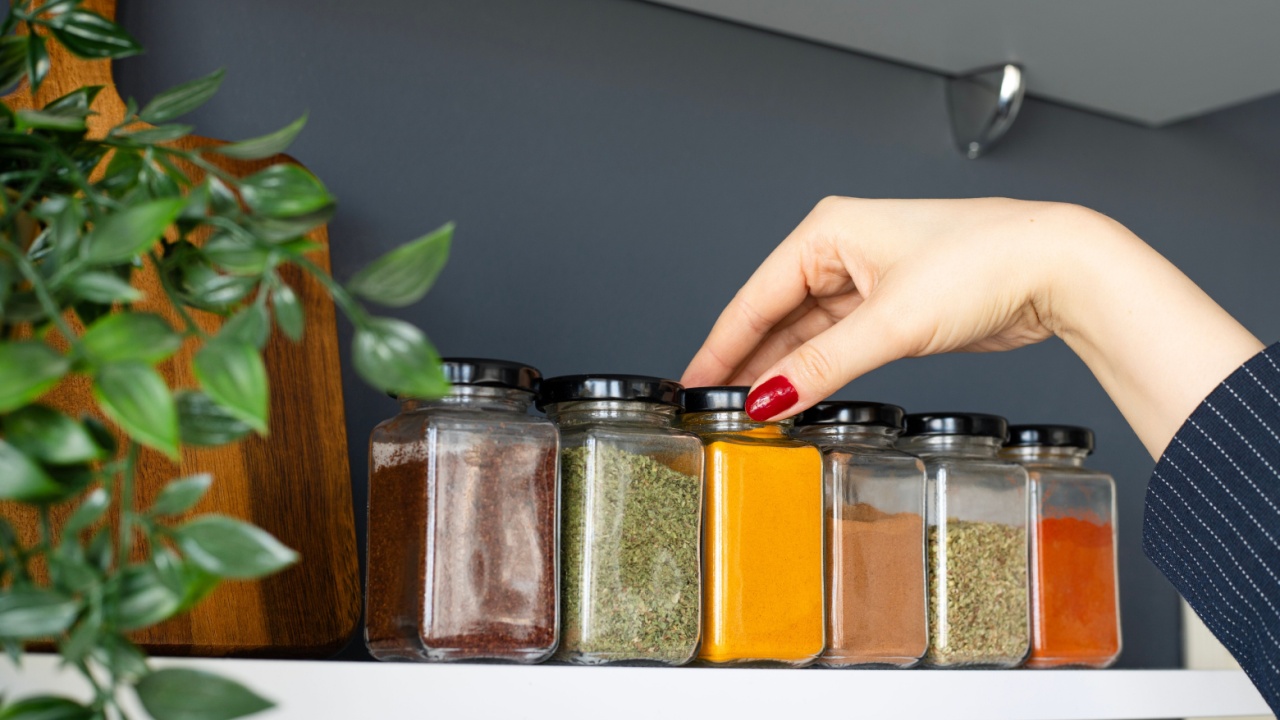
The spice rack was a historical archive of culinary experiments. It held half-used jars of spices from years past, some with faded labels and contents of questionable potency. Throwing them out felt wasteful, so they stayed.
While a chef might insist on fresh spices, a resourceful cook knows that even old spices have a role to play. They might not be as vibrant, but they can still add a subtle layer of flavor. An older spice might just require you to use a little more. It’s about adapting your technique to the resources you have.
- Why It’s a Good Option: Using up older spices prevents food waste. For non-culinary uses, many fragrant spices like cinnamon or cloves can be used in homemade potpourri or pest-deterrent sachets for the garden.
- Care & Next Steps: To see if an old spice still has life, crush a little between your fingers. If you can still smell a distinct aroma, it’s usable. Store spices in a cool, dark place to extend their shelf life.
Embracing Resourcefulness in Your Home

These habits, born from necessity, are more than just memories. They are valuable lessons in sustainability, creativity, and appreciating what we have. Embracing this spirit of resourcefulness can enrich our lives, our homes, and our gardens.
As your next step, look around your own home. Before you throw something away, ask yourself if it could have a second life. Could that glass jar organize your shed? Could that old t-shirt become a set of cleaning rags? By adopting some of these classic, thrifty habits, you can save money, reduce waste, and connect with a practical wisdom that turns a simple house into a resourceful and loving home.
Read more:
16 Ways to Escape the Cycle of Being Lifestyle Poor
12 Realities of Growing Up as a Poor Kid That Confused Their Rich Classmates