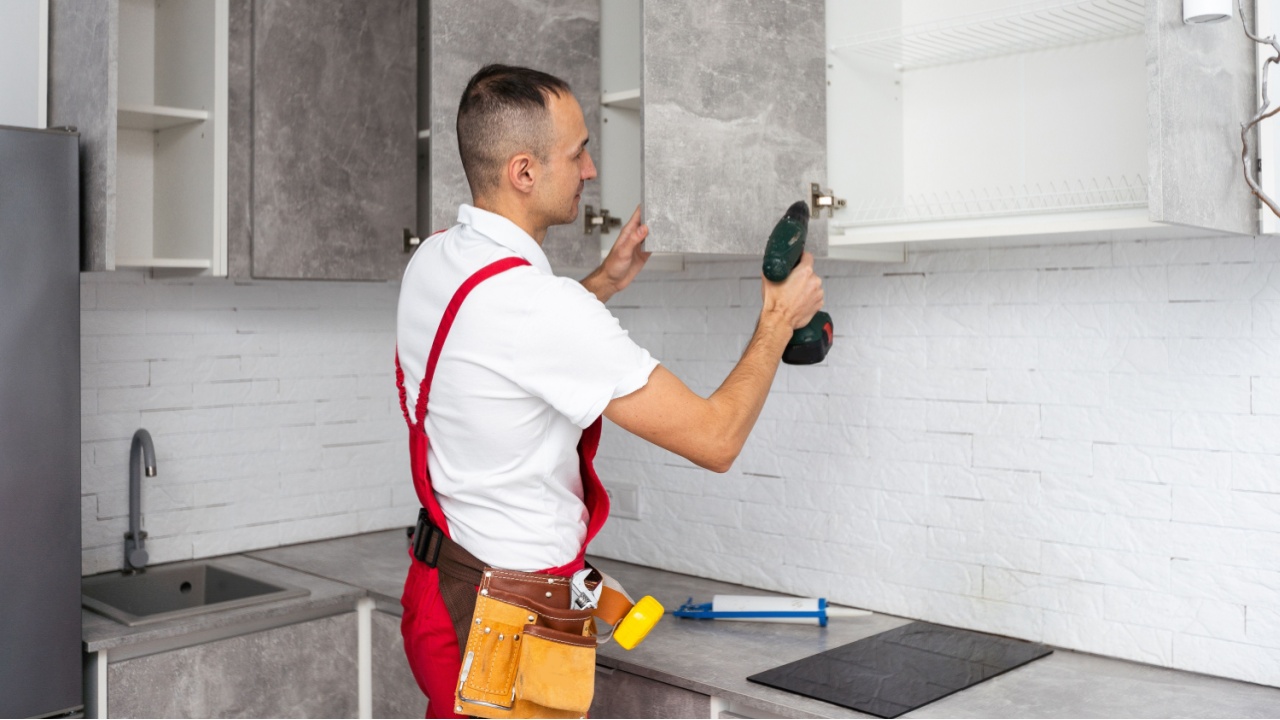
10 Home Renovations That People Always Regret
Starting a home renovation can be exciting. You spend hours creating vision boards, scrolling through inspiration, and dreaming of the perfect space that reflects your style and enhances your daily life. But sometimes, what looks stunning in a magazine or on a design show doesn’t quite translate into practical, everyday living.
The key to a successful renovation isn’t just about aesthetics; it’s about creating a home that is both beautiful and functional for years to come. Thoughtful planning can help you sidestep common pitfalls and ensure your investment brings you joy, not frustration. Before you swing that first hammer, let’s explore ten of the most common renovation regrets homeowners experience, so you can make choices you’ll love for a lifetime.
1. Installing Marble Countertops in High-Traffic Areas
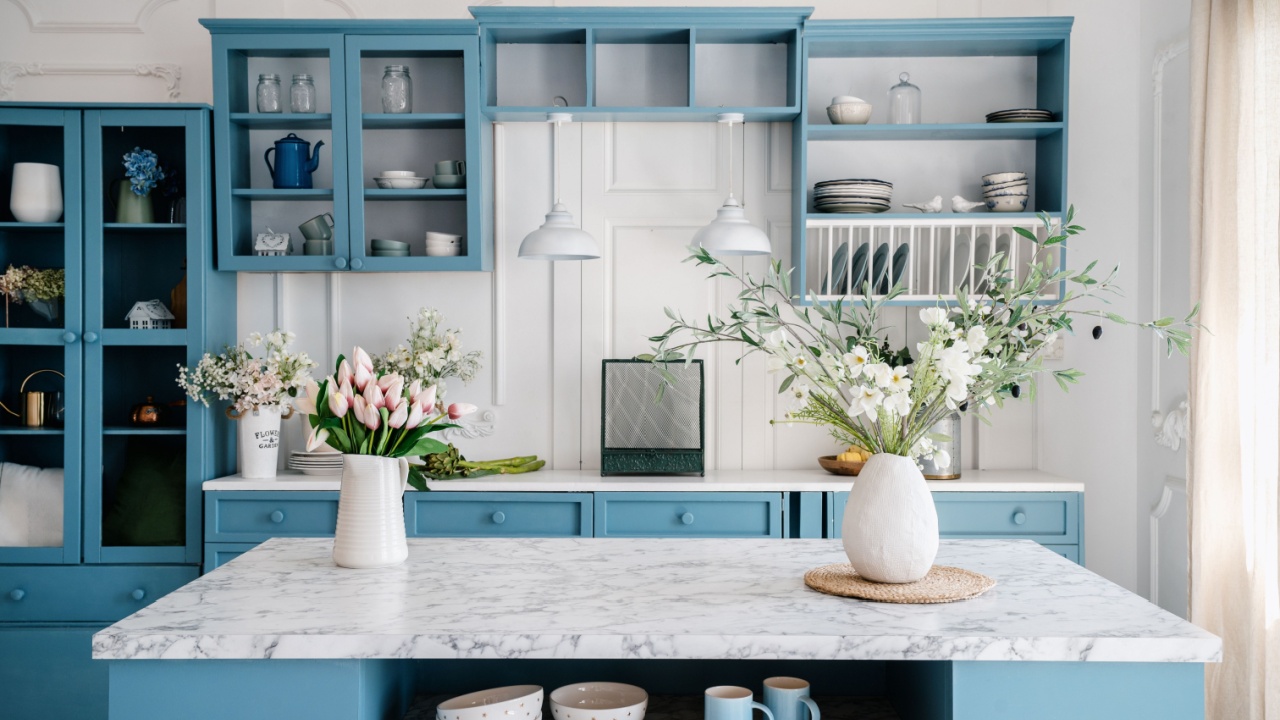
Marble countertops are the definition of classic luxury. Their cool, veined appearance adds a timeless elegance to any kitchen or bathroom. However, this beauty comes with a significant trade-off: marble is a soft, porous natural stone that requires a high level of maintenance, especially in a busy home.
The regret often sets in after the first red wine spill, lemon juice splash, or dropped pan leaves a permanent stain or etch. Homeowners who love to cook with colorful spices, host family gatherings, or have young children quickly find that the constant worry over damaging their countertops outweighs the aesthetic appeal. The reality of living with a surface that is so susceptible to staining, scratching, and etching can turn a dream kitchen into a source of stress.
How to Avoid This Regret:
- Alternative Materials: Consider engineered quartz or sintered stone (like Neolith). These materials masterfully mimic the look of marble but offer superior durability. They are non-porous, meaning they resist staining and don’t require sealing. They are also much harder to scratch or chip, making them ideal for the rigors of a family kitchen.
- Strategic Placement: If your heart is set on marble, use it in lower-traffic areas. It can be a stunning choice for a bathroom vanity, a fireplace surround, or a baking station that sees less daily abuse than the main kitchen prep space.
Quick Care Tips:
- Seal Regularly: If you do choose marble, have it professionally sealed upon installation and reseal it every 6-12 months.
- Clean Immediately: Wipe up spills, especially acidic ones like citrus, vinegar, or coffee, as soon as they happen.
- Use Gentle Cleaners: Avoid harsh, abrasive, or acidic cleaners. Stick to pH-neutral stone cleaners and soft cloths.
2. Embracing a Fully Open-Floor Plan
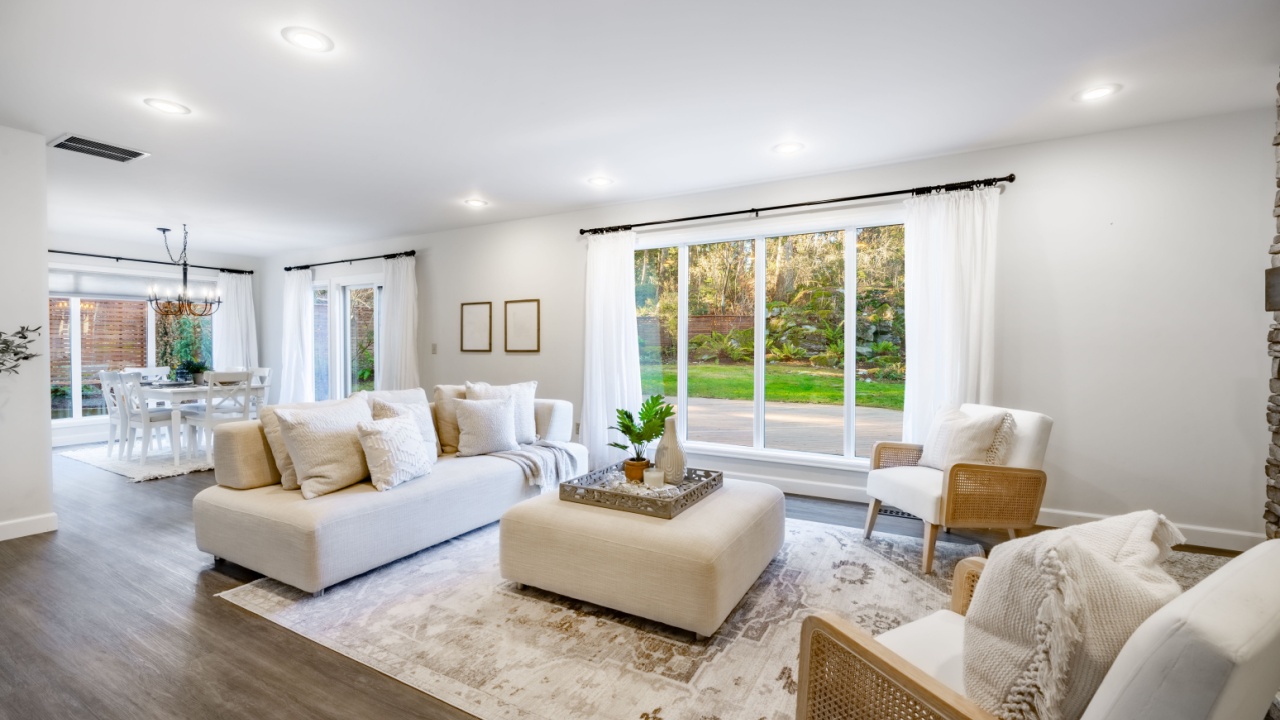
For years, the open-concept layout has reigned supreme, promising airy, light-filled spaces perfect for entertaining. The idea of a seamless flow from the kitchen to the living and dining areas is appealing. However, the pandemic and the rise of remote work have revealed the significant downsides of having no walls.
The primary regret is the complete lack of privacy and sound separation. When one person is on a work call, another is watching TV, and kids are playing, the noise can become overwhelming. Cooking smells from the kitchen waft throughout the entire living space, and there’s no quiet corner to retreat to for a moment of peace. Homeowners find that while great for parties, the open plan is less practical for the complexities of daily family life.
How to Avoid This Regret:
- Create Zones: You can maintain a sense of openness while creating distinct zones. Use large area rugs to define the living area, position furniture to create “rooms within a room,” or use a bookshelf as a partial divider.
- Semi-Open Solutions: Consider alternatives to removing all walls. A large cased opening, pocket doors, or elegant glass and steel partitions can provide separation when you need it and an open feel when you don’t. This gives you the best of both worlds.
Next Steps for Planners:
- Think about your family’s daily routines. Where do you need quiet? Where does noise travel?
- Consult with a designer about creating a “broken-plan” layout that offers more flexibility than a fully open one.
3. Designing Open-Air Outdoor Living Spaces
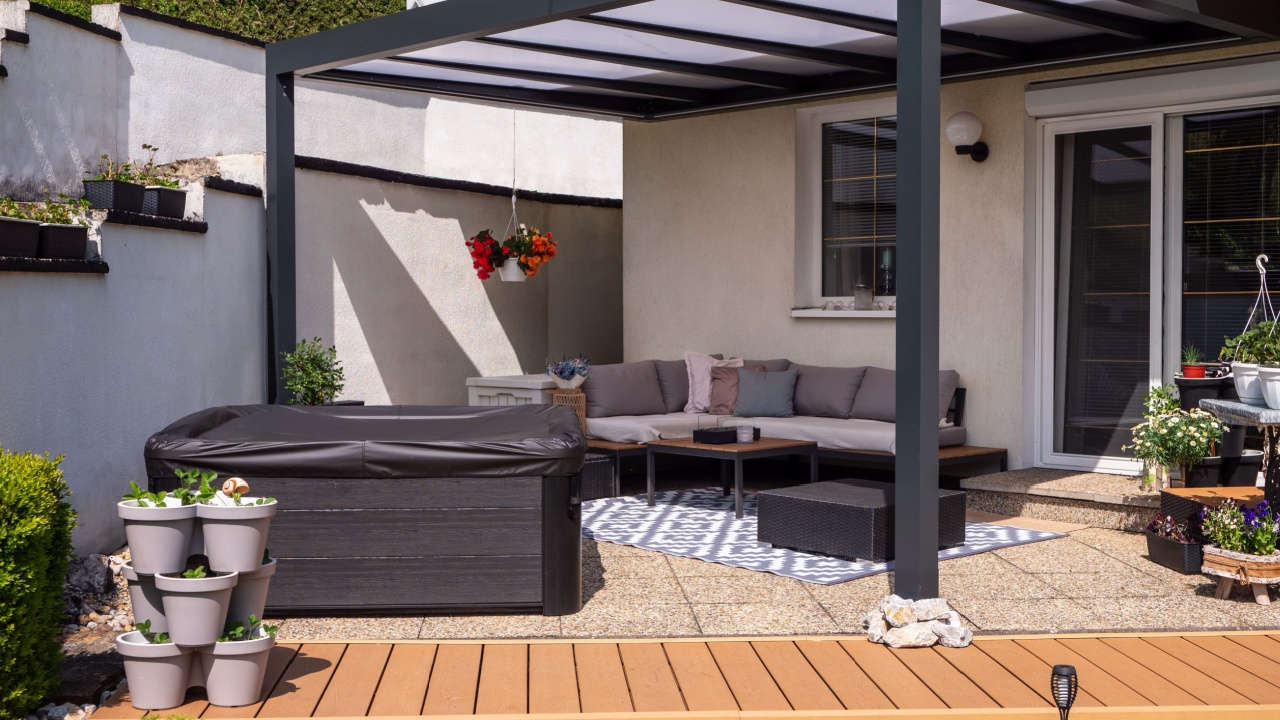
An expansive deck, a breezy loggia, or a sun-drenched patio seems like a perfect extension of your home. The dream is to enjoy alfresco dining, read a book in the fresh air, or lounge by the pool. The reality, however, is often dictated by Mother Nature.
Homeowners, particularly those in regions with intense heat, high humidity, frequent rain, or lots of insects, often regret not creating more protected outdoor areas. An open patio may be unusable for several months of the year due to the weather. Furniture gets dirty, pollen covers every surface, and mosquitoes can ruin a lovely evening. The space you invested in ends up being used far less than anticipated.
How to Avoid This Regret:
- Screen It In: A screened-in porch is a fantastic solution. It keeps bugs out, provides some shelter from rain, and allows you to enjoy the outdoors in comfort. You can even add ceiling fans for better air circulation.
- Consider a Three-Season or Four-Season Room: Enclosing a patio with glass windows creates a room you can use almost year-round. A four-season room with insulation and HVAC becomes a true home extension, blending indoor comfort with outdoor views.
- Add an Awning or Pergola: A retractable awning can provide instant shade and some protection from light rain. A pergola can support climbing plants to create a beautiful, shaded canopy.
Garden Lover’s Tip:
- Plant natural insect repellents like citronella, lavender, and rosemary in pots around your patio to help deter pests.
4. Choosing Overly Trendy Tile
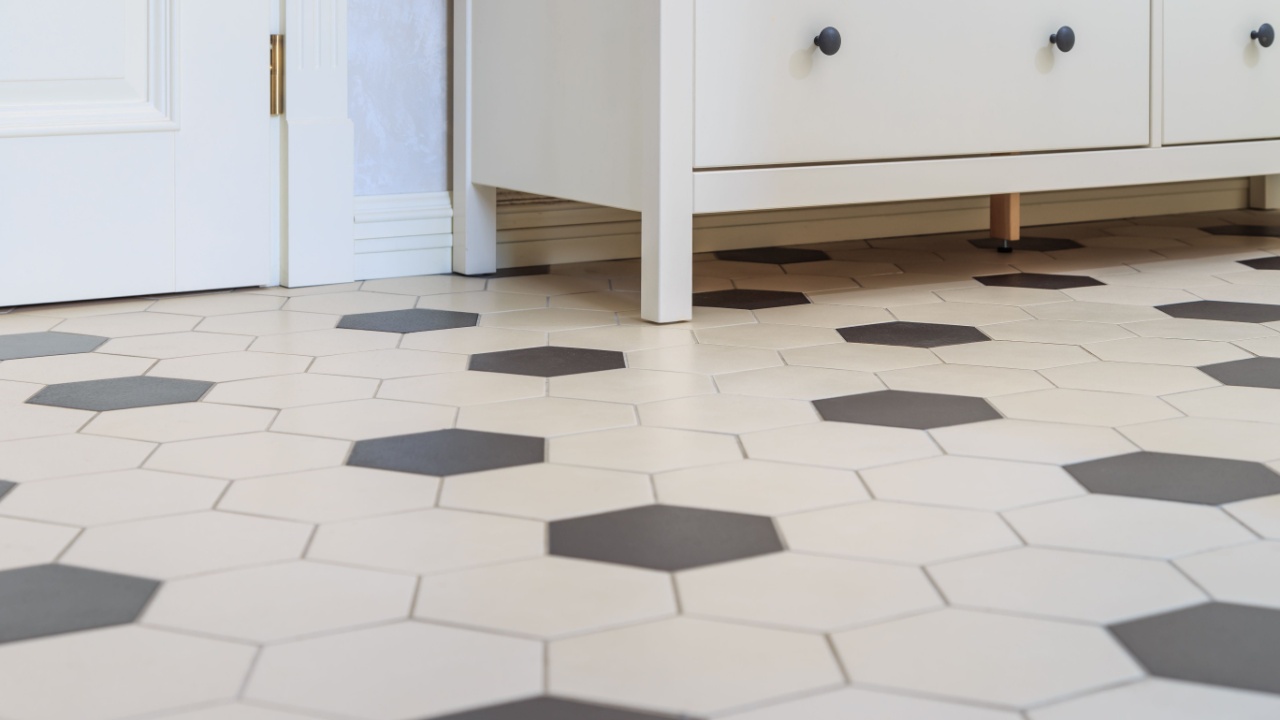
Tile is a wonderful way to inject personality and color into a bathroom, kitchen, or laundry room. With so many bold patterns and unique shapes trending, it’s easy to fall in love with a look you’ve seen online. The problem is that what’s fashionable today can feel dated tomorrow.
The regret comes a few years down the line when you’ve grown tired of that busy pattern or specific color. Unlike paint, which is easy and inexpensive to change, replacing tile is a costly, messy, and labor-intensive job. Homeowners who committed to a strong trend for a permanent fixture like a floor or shower wall often wish they had chosen something more timeless.
How to Avoid This Regret:
- Go Classic with Tile: For permanent surfaces, stick with classic, neutral tiles. Subway tiles, simple hex patterns, or natural stone looks will stand the test of time. You can’t go wrong with white, gray, or beige.
- Add Trends with Paint and Accessories: Bring in bold colors and patterns with things that are easy to change. Paint the walls, add colorful towels, hang a vibrant piece of art, or choose a shower curtain with a trendy design. These elements provide the personality you crave without the long-term commitment.
Quick Care Tips:
- Always buy 10-15% extra tile for any project. This ensures you have matching tiles for any future repairs, as dye lots can vary.
- Keep your grout clean and sealed to make the entire installation look fresh for years.
5. Installing Barn Doors and Shiplap
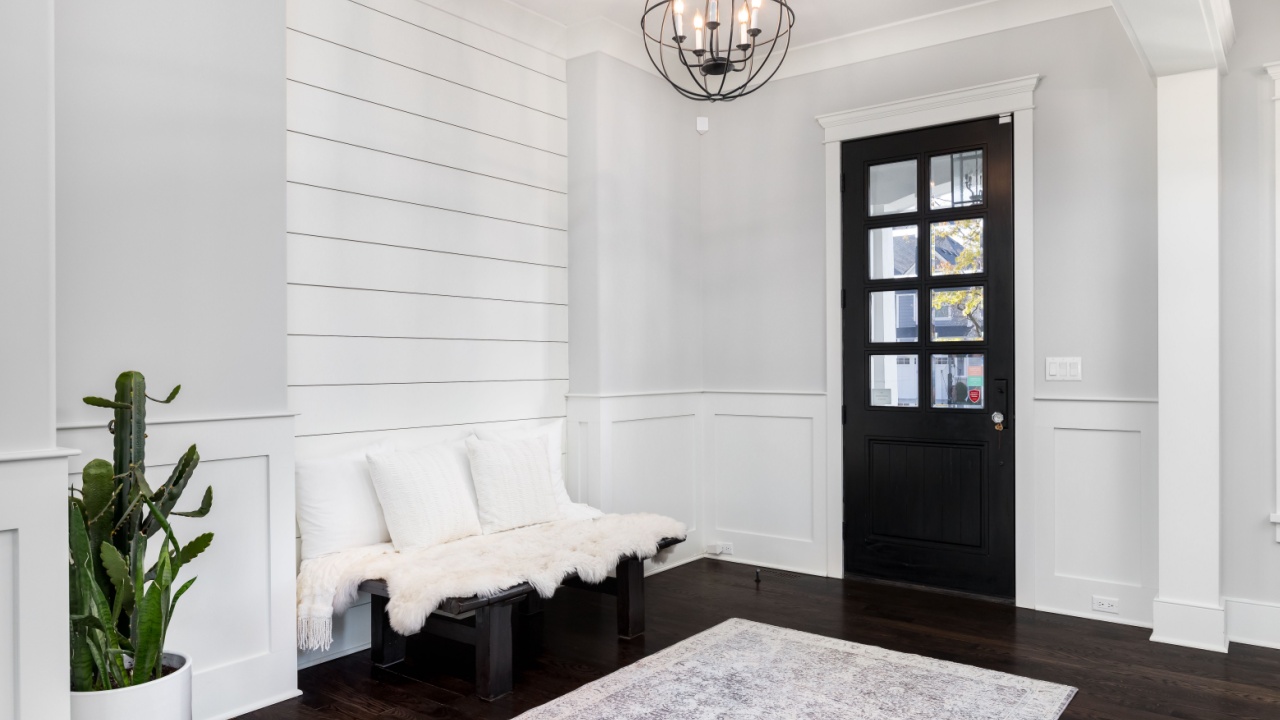
The modern farmhouse trend, popularized by shows like Fixer Upper, swept the nation. At the forefront were two signature elements: sliding barn doors and shiplap walls. While they can look charming in the right context, many homeowners have come to regret these additions.
Barn doors are a major source of regret due to their lack of functionality. They slide along a track on the outside of the wall, leaving significant gaps. This means they offer almost no sound insulation or privacy, making them a poor choice for bathrooms or bedrooms. Shiplap, while visually appealing, creates countless horizontal ledges that are magnets for dust, requiring constant cleaning.
How to Avoid This Regret:
- Consider the Home’s Architecture: Does a barn door or shiplap fit the style of your home? These elements look natural in a rustic or modern farmhouse but can feel out of place in a mid-century modern or colonial house.
- Prioritize Function: For doorways that need privacy, a traditional swinging door or a pocket door (which slides into the wall) is a far superior option. If you love the look of shiplap, consider using it as a smaller accent wall rather than in an entire room.
Next Steps for Planners:
- Before installing a barn door, stand in the doorway and think about how much sound and light will pass through.
- If you’re set on a textured wall, consider vertical shiplap, which collects less dust, or beadboard for a more classic look.
6. Opting for Clear Glass Cabinet Doors
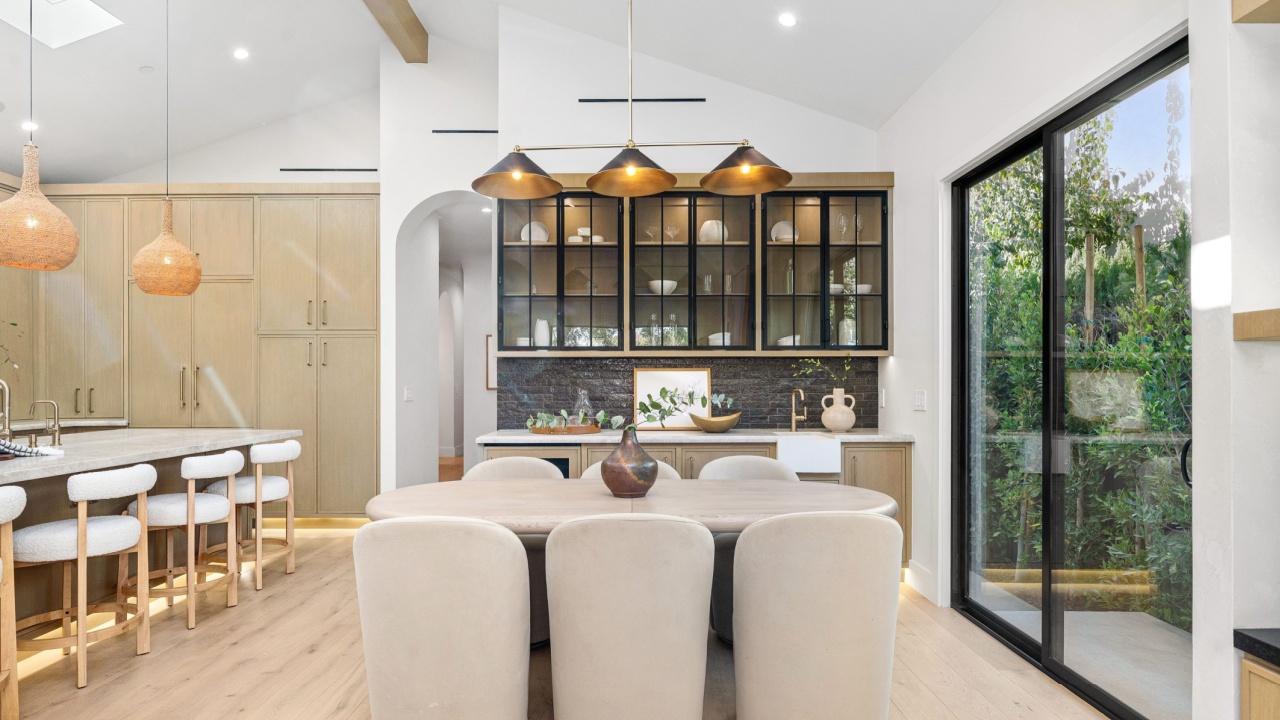
Clear glass doors on kitchen cabinets or in a pantry create a light, airy look and allow you to display your beautiful dishes. In a perfectly styled showroom, they look fantastic. In a real, working kitchen, they can be a source of constant pressure. (This is a common recommended kitchen trend that real people often dislike.)
The regret stems from the need for perpetual tidiness. Every plate, glass, and mug must be perfectly stacked and coordinated. Any clutter, mismatched items, or even a slightly disorganized spice collection is on full display, making the entire kitchen feel messy. Most homeowners don’t have the time or desire to curate their cabinets like a retail display.
How to Avoid This Regret:
- Choose Obscure Glass: You can still get the light and elegant feel of glass without the pressure. Reeded, frosted, or seeded glass obscures the view just enough to hide minor clutter while still reflecting light and adding texture.
- Use Glass Selectively: Instead of outfitting all your upper cabinets with glass, choose just one or two accent cabinets for your most beautiful glassware or serving pieces. This creates a focal point without exposing your everyday mugs and plastic containers.
Quick Care Tips:
- If you already have clear glass, you can apply a decorative film to the inside of the doors to create a frosted or patterned look. This is a simple, non-permanent solution.
7. Building a Doorless Shower
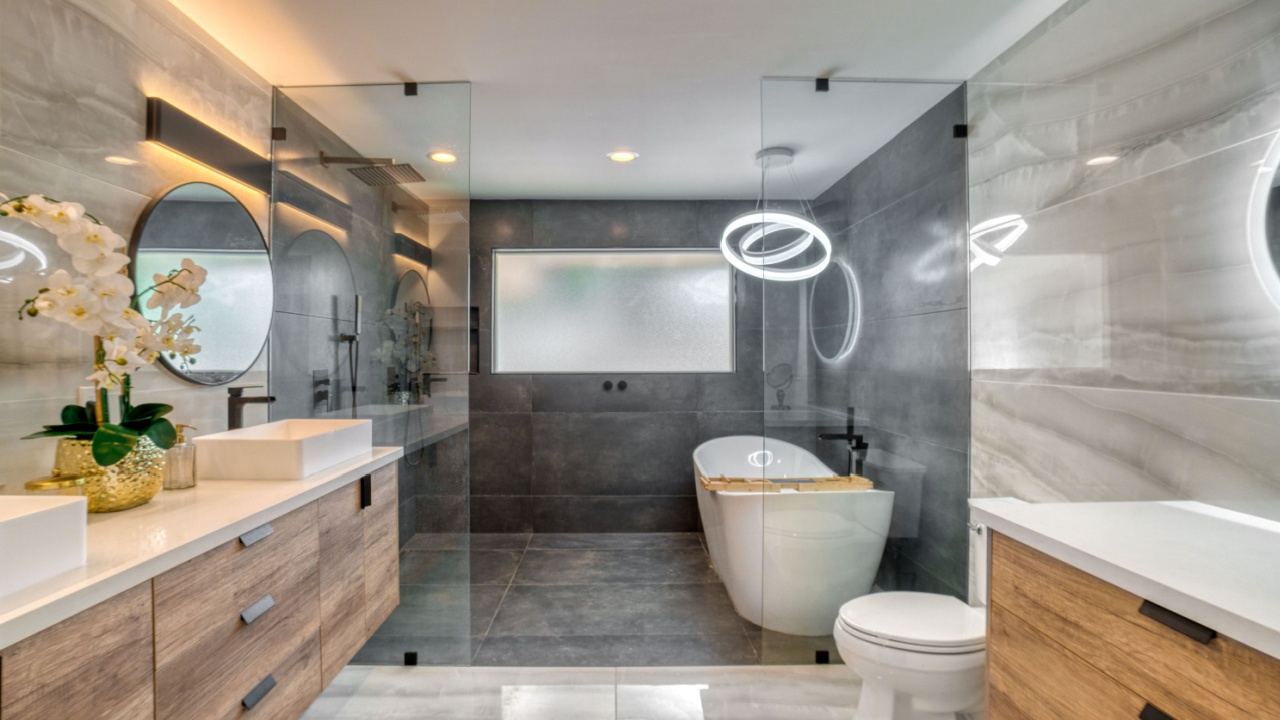
The doorless, walk-in shower is a staple of modern, high-end bathroom design. It offers a sleek, minimalist aesthetic and excellent accessibility. However, the practical experience of using one can be less than luxurious.
Two main regrets surface with doorless showers. First, they can be cold. Without a door to trap steam and warmth, the showering experience can be drafty and chilly. Second, water containment is a major issue. Despite careful design, water often splashes out onto the main bathroom floor, creating a slipping hazard and potential for water damage over time.
How to Avoid This Regret:
- Strategic Design: If you’re building a doorless shower, make it large enough to contain splashes and consider adding a partial glass panel to block drafts and water. Installing heated floors in the bathroom can also help combat the chill.
- Consider a Frameless Glass Door: For a similarly sleek and modern look without the downsides, opt for a frameless glass door. It provides the minimalist aesthetic you want while effectively trapping heat and water where they belong.
Next Steps for Planners:
- Discuss drainage solutions, like a linear drain, with your contractor to improve water management.
- Test the water flow from your intended showerhead to see how far it splashes before finalizing your design.
8. Planting Invasive or High-Maintenance Species

For garden lovers, the landscape is as important as the house itself. It’s tempting to choose fast-growing plants like bamboo or English ivy for quick privacy screens or ground cover. However, these choices often lead to major regret.
Invasive species can quickly take over your entire yard, choke out other plants, and even spread to your neighbors’ properties. They require constant, aggressive maintenance to keep them in check, turning a beautiful garden into a weekly battle. Similarly, choosing plants that aren’t suited to your climate or soil type (like planting a water-hungry lawn in an arid region) leads to endless work and expense.
How to Avoid This Regret:
- Choose Native Plants: Native plants are adapted to your local climate, soil, and rainfall levels. They require less water, fertilizer, and overall maintenance. They also provide vital food and habitat for local wildlife and pollinators.
- Research Before You Plant: Before buying any plant, research its growth habits. Is it known to be invasive in your area? How large will it get? What are its sun and water needs? Your local cooperative extension office is a great resource.
Garden Lover’s Tip:
- For privacy, consider planting a hedge of native shrubs like arborvitae, viburnum, or holly, which are beautiful and non-invasive.
9. Installing a Too-Small Patio or Deck
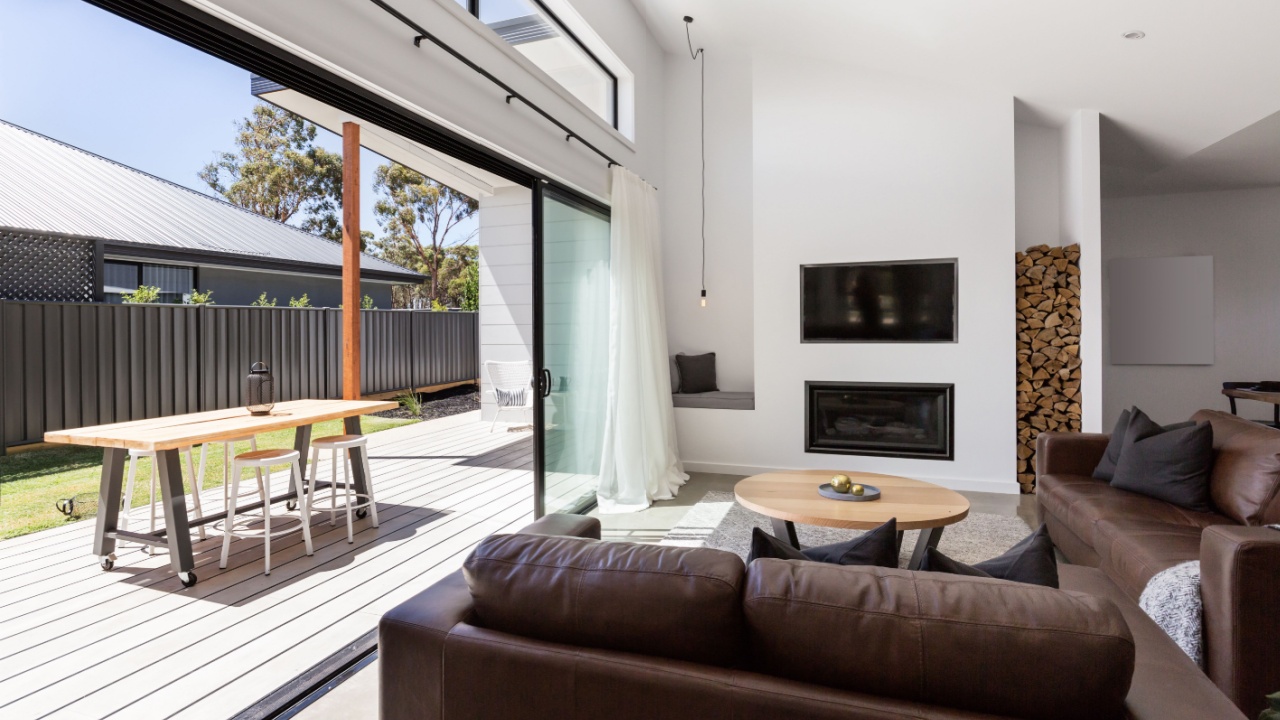
When planning an outdoor space, it’s easy to underestimate how much room you actually need. Homeowners often build a deck or patio that looks appropriately sized on paper, only to realize it’s too cramped for their needs.
The regret becomes clear when you try to host a barbecue. Once you have a grill, a dining table for six, and a few lounge chairs, there’s no room to walk around comfortably. The space feels cluttered and awkward, discouraging you from using it. A poorly sized patio fails to become the functional outdoor living room you envisioned.
How to Avoid This Regret:
- Map It Out in Your Yard: Before you build, use spray paint or a garden hose to outline the proposed dimensions of your patio or deck. Place your outdoor furniture (or objects of a similar size) within the outline to get a real-world feel for the space.
- Plan for Traffic Flow: Ensure there are clear, wide pathways around furniture. A good rule of thumb is to have at least three feet of open space for major walkways. Think about the path from the back door to the grill, and from the table to the yard.
Next Steps for Planners:
- Think about how you’ll use the space. Do you need separate zones for cooking, dining, and lounging?
- It’s often better to build slightly larger than you think you need. The extra space will always be more useful than a cramped layout.
10. Forgetting About Outdoor Lighting and Electrical
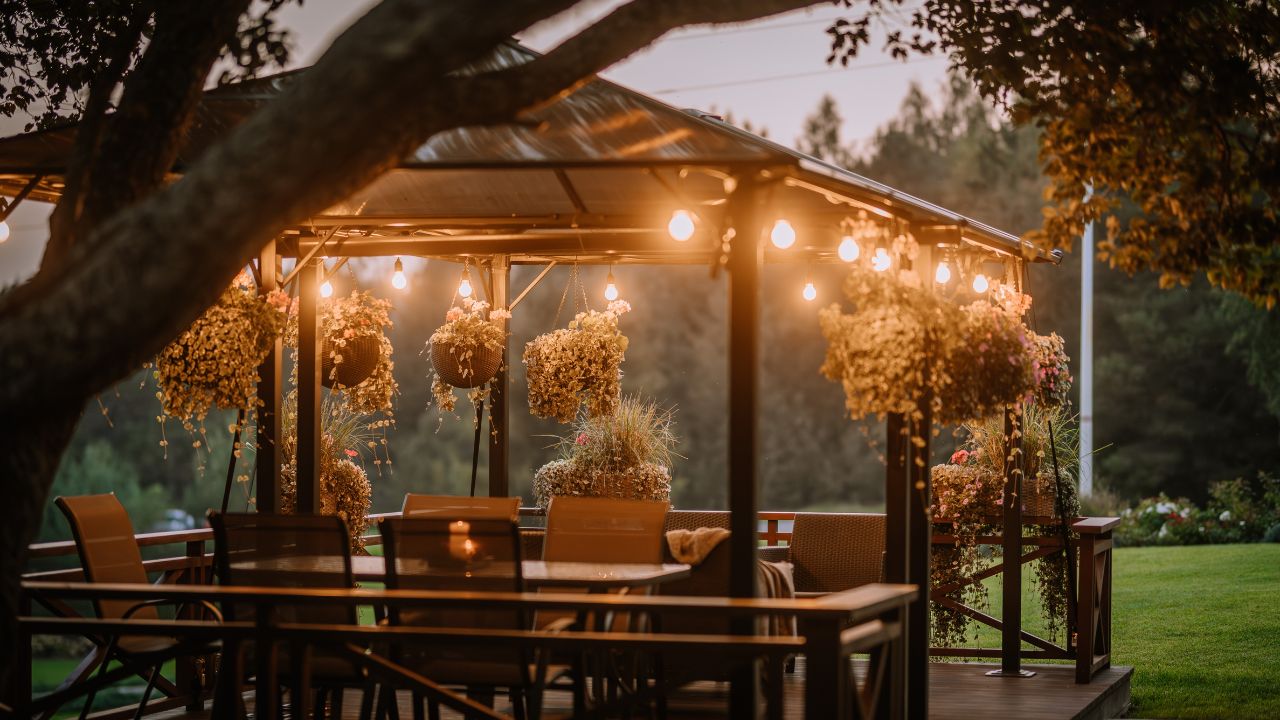
In the excitement of designing a new garden or patio, practical elements like lighting and electricity are often overlooked. This becomes a significant regret when you want to enjoy your beautiful outdoor space after sunset.
Without proper lighting, your patio is unusable in the evening, and pathways can become tripping hazards. The lack of outdoor outlets means running messy and dangerous extension cords across the lawn for string lights, music speakers, or electric gardening tools. The beautiful oasis you created is only functional during daylight hours.
How to Avoid This Regret:
- Integrate Lighting into Your Plan: Plan for a layered lighting scheme from the beginning. This includes task lighting for the grill area, ambient lighting like string lights or post caps for the seating area, and path lighting for safety.
- Install GFCI Outlets: Work with an electrician to install several weather-protected GFCI (ground-fault circuit interrupter) outlets in convenient locations around your patio, deck, and garden. This is safer and more convenient than relying on extension cords.
Garden Lover’s Tip:
- Use landscape lighting to highlight specimen trees, architectural shrubs, or a water feature. This creates beautiful drama and depth in your garden at night.
Your Path to a Regret-Free Renovation
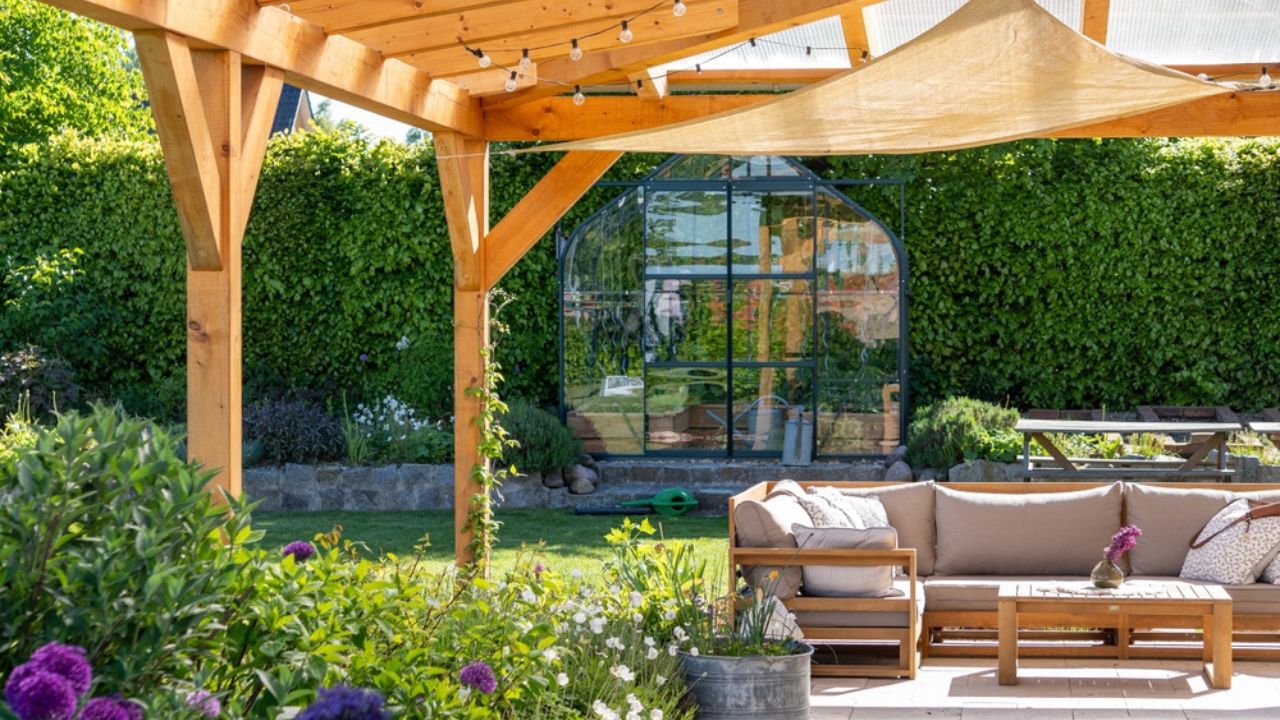
A successful renovation is one that you love just as much five years from now as you do on day one. By learning from the common regrets of others, you can approach your project with wisdom and foresight (and decide if you need to hire a pro). The key is to strike a balance between beauty and practicality, trends and timelessness, and dreams and daily life.
As you plan your next home or garden project, take the time to think through how you will actually use the space. Consider the maintenance, durability, and long-term function of every choice you make. With careful planning, you can create a home that is not only beautiful but also a perfect, functional backdrop for your life’s best moments.
Read more:
4 Renovations Hiccups People Wish They’d Anticipated
Homeowners Plan to Spend More on Renovations in 2026, Despite Rising Costs