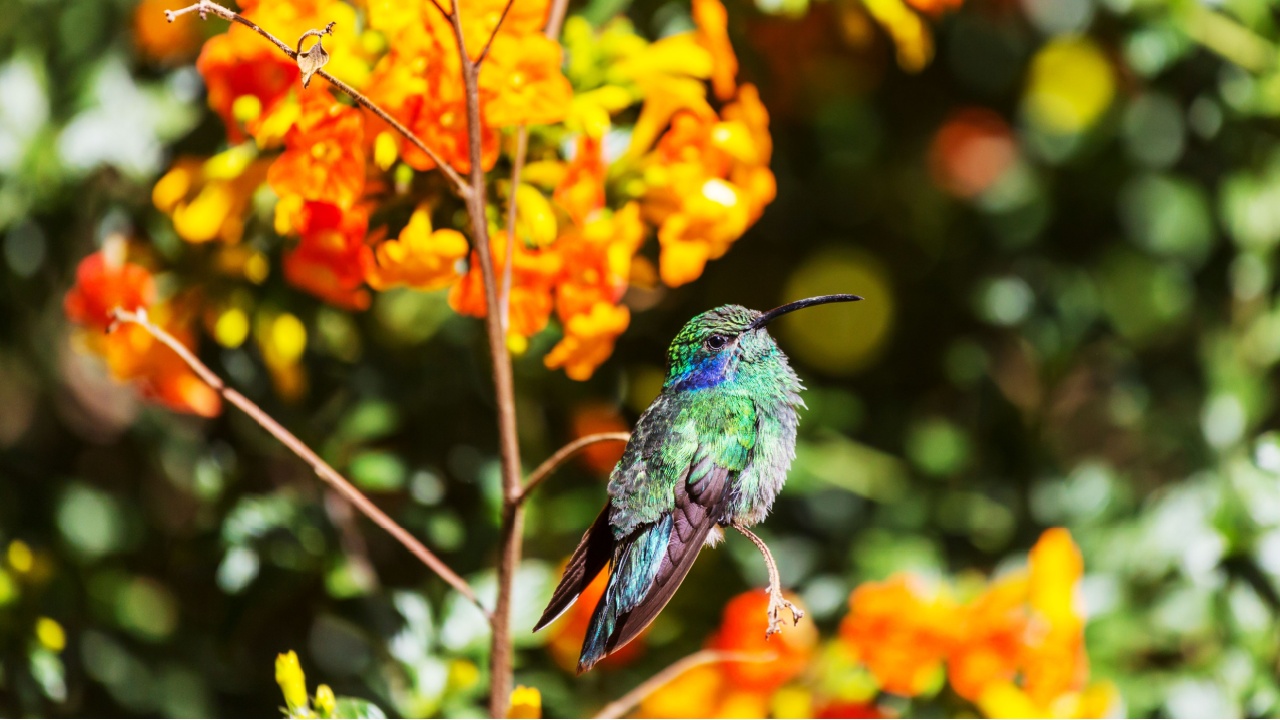
18 Tips for Attracting More Hummingbirds to the Yard
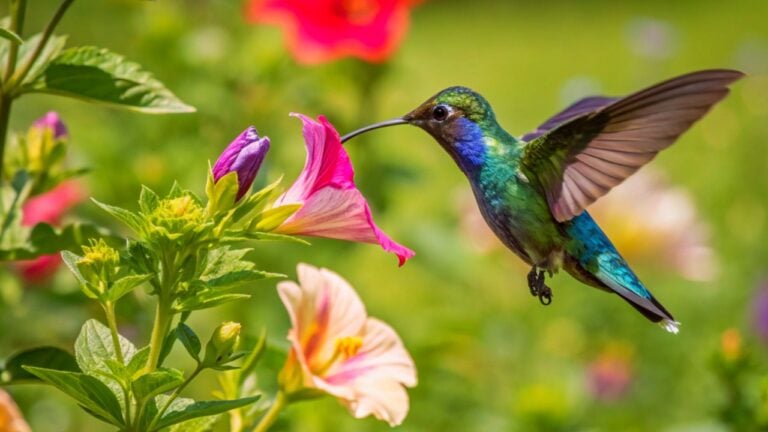
Watching a hummingbird dart through a garden, wings a blur and iridescent feathers flashing in the sun, is a truly magical experience. T
hese tiny, energetic birds bring a sense of wonder and life to any backyard space. Transforming your garden into a haven for hummingbirds is easier than you might think.
It’s about creating an environment that provides them with everything they need: food, water, and shelter. With a few simple adjustments, you can invite these delightful visitors to your home and enjoy their acrobatic displays all season long.
This guide will walk you through 18 effective tricks to make your garden irresistible to hummingbirds.
1. Add Nectar Feeders
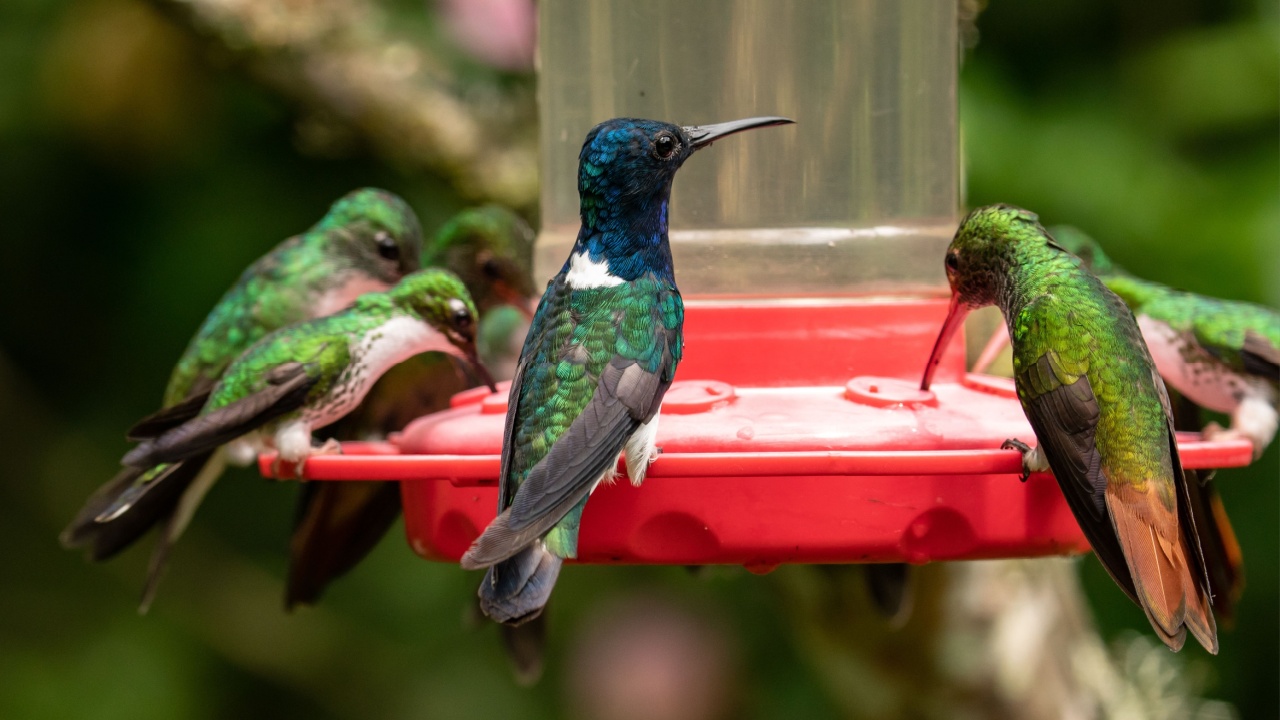
A hummingbird feeder is the quickest way to roll out the welcome mat. These specialized feeders hold sugar water, or nectar, which provides the high-energy fuel hummingbirds need to sustain their incredibly fast metabolism. Since they don’t eat seeds, a standard bird feeder won’t do the trick. A reliable source of fresh nectar will make your yard a primary destination for any hummingbirds passing through.
Key Info:
- What it is: A feeder designed to hold liquid nectar.
- Why it works: It offers a consistent, high-energy food source that hummingbirds actively seek.
- Next Steps: Choose a feeder that is easy to fill and, most importantly, easy to clean. Look for one with red parts to help catch their eye.
2. Choose the Right Feeder Location
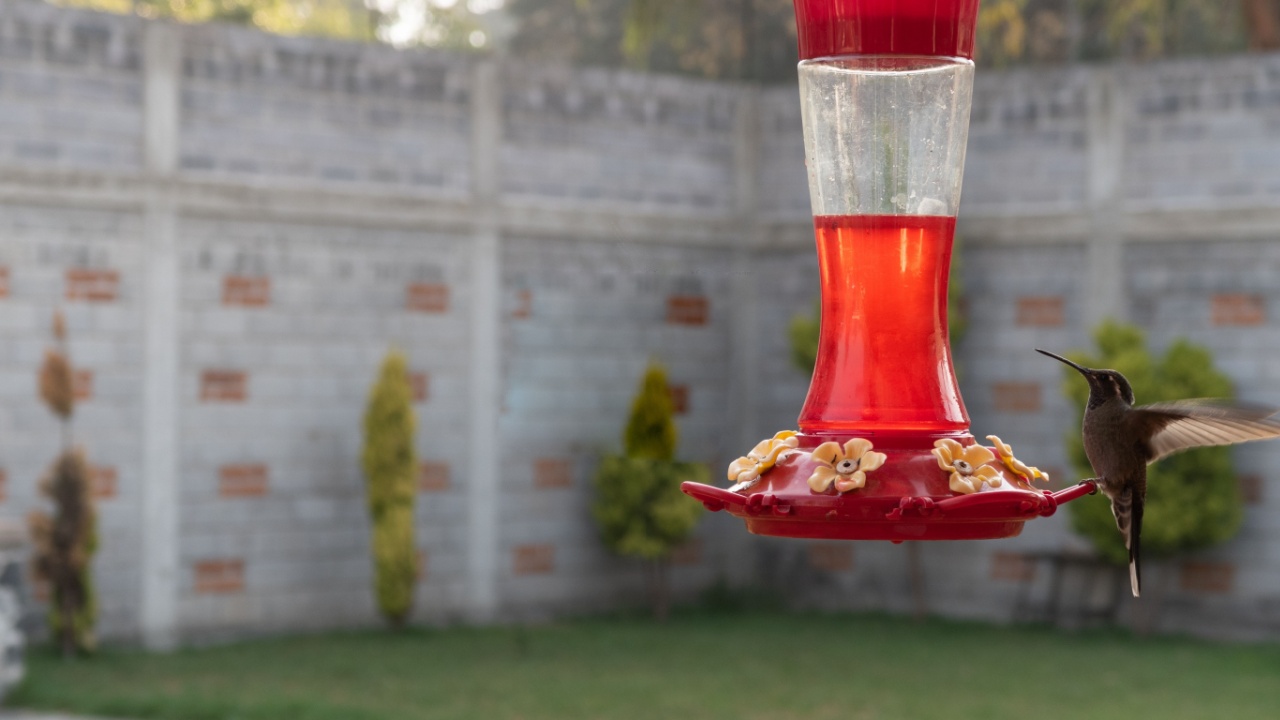
Where you hang your feeder matters. Placing it in an open, exposed area can make hummingbirds feel vulnerable to predators. They prefer a spot that offers a quick escape route to nearby cover. Also, consider your own viewing pleasure, place it where you can watch the show from a window!
Key Info:
- What it is: Strategic placement of your nectar feeders.
- Why it works: A safe location near trees or shrubs provides perching spots and a sense of security, encouraging more frequent visits. Placing it in the shade also helps keep the nectar fresh longer.
- Next Steps: Scout your yard for a spot that is within 10-15 feet of a tree or large shrub. Ensure it’s visible from inside your house and receives partial to full shade throughout the day.
3. Think Red
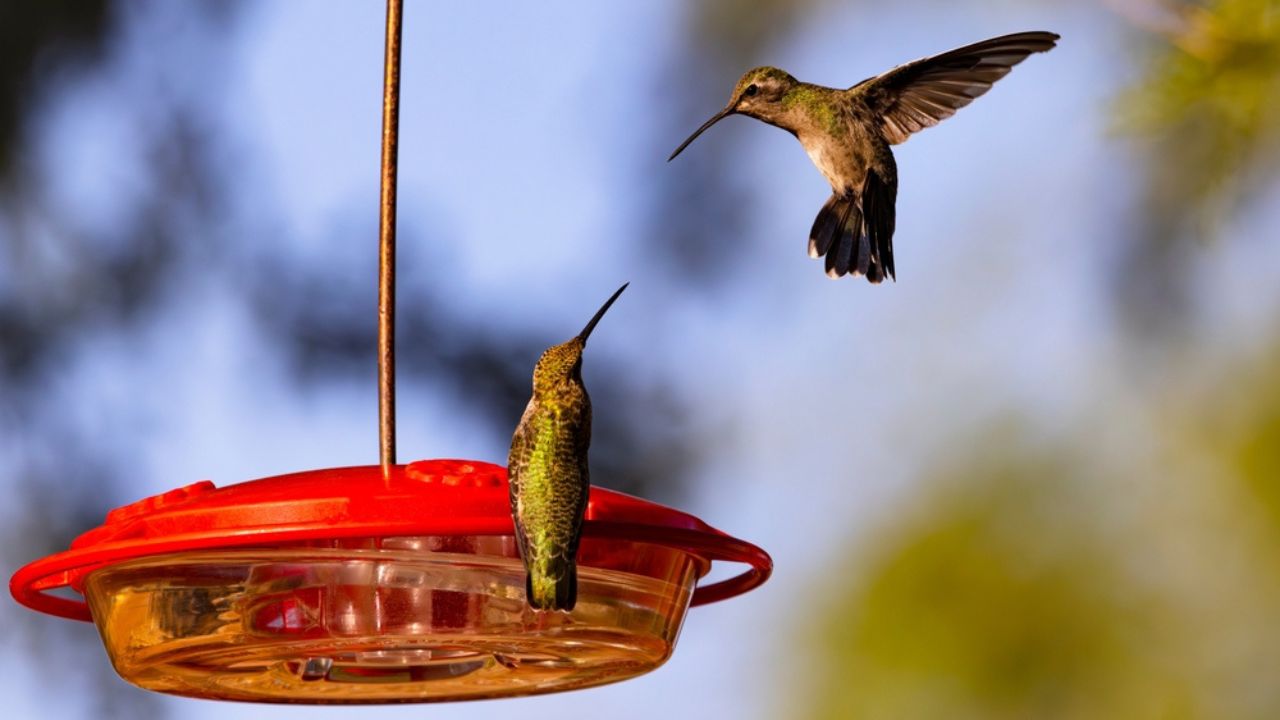
Hummingbirds have a strong visual attraction to the color red. It signals a potential food source, which is why so many nectar-rich flowers and feeders feature this vibrant hue. Using red in your garden is a simple but powerful way to get their attention, especially when you’re first trying to attract them.
Key Info:
- What it is: Incorporating the color red to attract hummingbirds.
- Why it works: Hummingbirds are biologically programmed to investigate red objects for food.
- Next Steps: Tie red ribbons to your feeder or nearby branches. Choose feeders with red bases or feeding ports. Do NOT add red dye to your nectar; it’s unnecessary and potentially harmful. The red on the feeder itself is enough.
4. Master the Perfect Nectar Recipe

You don’t need to buy commercial nectar mixes. The best and healthiest nectar is one you can make at home with just two ingredients. This simple formula closely mimics the sucrose content of natural flower nectar, providing hummingbirds with the pure energy they need without any harmful additives.
Key Info:
- What it is: A homemade sugar water solution.
- Why it works: It’s a clean, safe, and cost-effective way to provide the perfect food for hummingbirds.
- Next Steps: Mix 1 part plain white granulated sugar with 4 parts warm water. Stir until the sugar is completely dissolved. Let it cool before filling your feeders.
5. Avoid Harmful Sweeteners

While it may be tempting to use other sweeteners you have on hand, it’s critical to stick to plain white sugar. Honey can promote the growth of dangerous mold, and artificial sweeteners offer no nutritional value. Other types of sugar, like brown or raw sugar, contain levels of iron that can be toxic to these tiny birds.
Key Info:
- What it is: Using only refined white sugar for your nectar.
- Why it works: This ensures the nectar is safe and easily digestible, preventing potential health issues for hummingbirds.
- Next Steps: Keep a separate bag of plain white table sugar specifically for your hummingbirds to avoid any mix-ups.
6. Keep Your Nectar Fresh
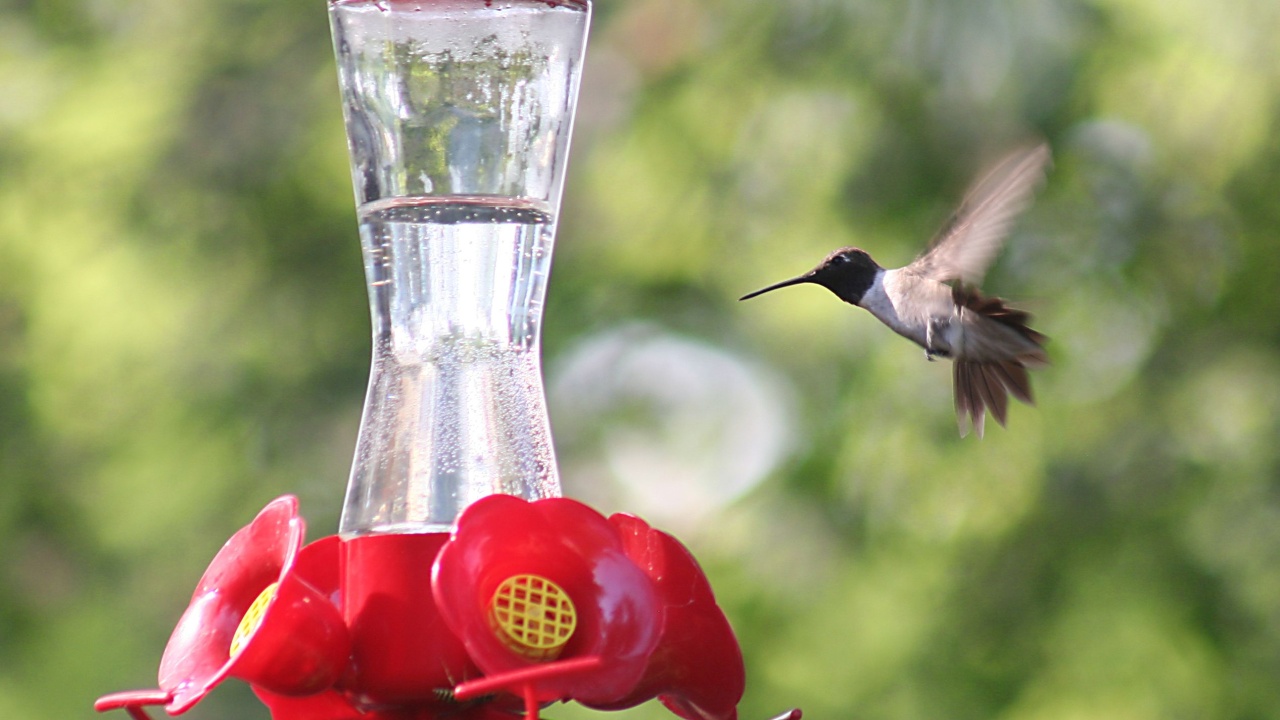
Nectar can spoil quickly, especially in warm weather. Fermented sugar water can be harmful to hummingbirds and will certainly discourage them from returning. Freshness is key to maintaining a healthy and popular feeding station.
Key Info:
- What it is: Regularly replacing the nectar in your feeders.
- Why it works: Spoiled nectar can harbor mold and bacteria. Hummingbirds will avoid a feeder with cloudy or foul-smelling liquid.
- Next Steps: In hot weather (over 80°F), change the nectar every 1-2 days. In milder weather (60-70°F), you can go 3-5 days. If you see any cloudiness or black specks, change it immediately.
7. Clean Feeders Regularly and Thoroughly
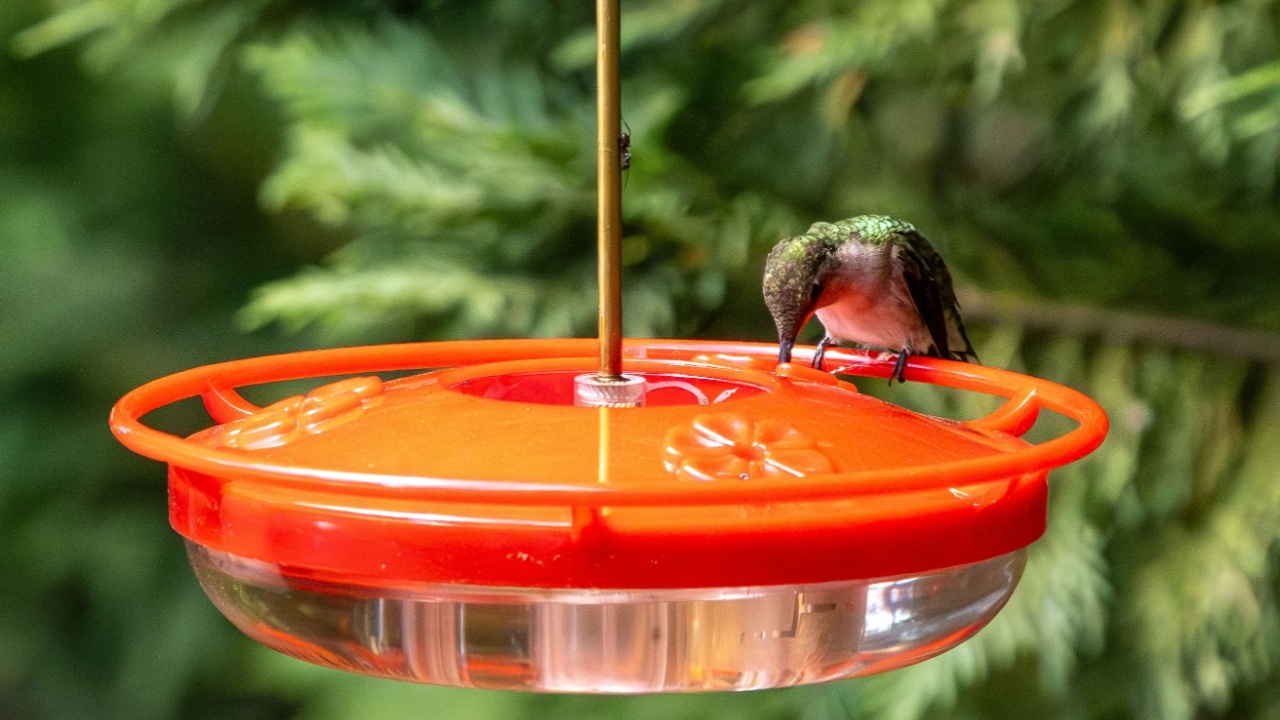
A clean feeder is just as important as fresh nectar. Mold and bacteria can build up in the feeding ports and reservoir, contaminating fresh batches of nectar. Regular cleaning ensures you’re providing a safe and healthy food source.
Key Info:
- What it is: Scrubbing your feeders every time you refill them.
- Why it works: It prevents the growth of harmful mold and bacteria that can make hummingbirds sick.
- Next Steps: Disassemble your feeder and wash all parts with a solution of hot water and a little vinegar. Use a bottle brush to scrub hard-to-reach areas. Rinse thoroughly with water before refilling.
8. Choose Feeders That Are Easy to Clean
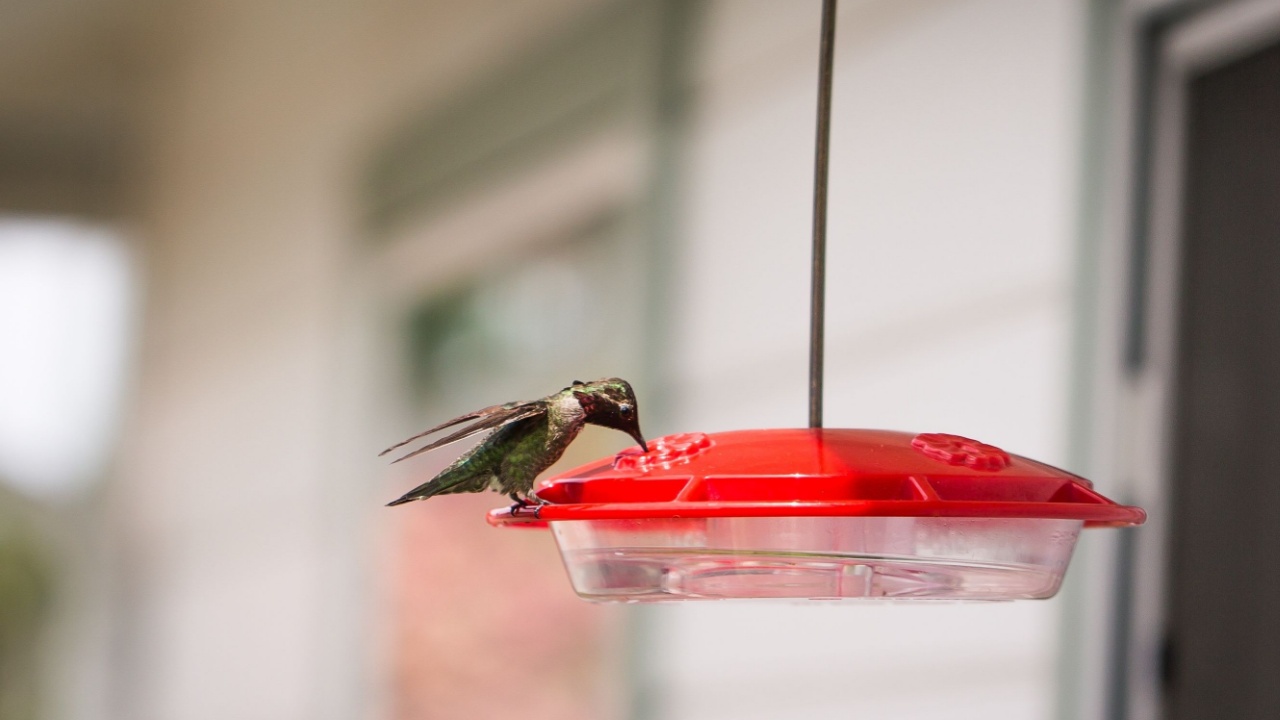
If cleaning your feeder is a hassle, you’ll be less likely to do it as often as needed. Opt for feeders with simple designs, wide openings, and fewer parts. This makes the essential task of cleaning much more manageable.
Key Info:
- What it is: Selecting a feeder designed for easy disassembly and cleaning.
- Why it works: A simple design encourages frequent, thorough cleaning, leading to a healthier feeding environment for the birds.
- Next Steps: Look for saucer-style feeders or bottle feeders with a wide mouth. These models typically have fewer nooks and crannies where mold can hide.
9. Never Let Feeders Run Empty

Hummingbirds are creatures of habit and have incredible memories. Once they incorporate your feeder into their daily route, they will depend on it. If they arrive to find it empty, they will quickly move on to find a more reliable food source.
Key Info:
- What it is: Maintaining a consistent supply of nectar.
- Why it works: Consistency builds trust and keeps hummingbirds returning to your yard day after day, and even year after year.
- Next Steps: Check your feeders daily, especially once you have regular visitors. If you’re going on vacation, consider asking a neighbor to refill them or take them down a week before you leave.
10. Outsmart Bees and Wasps

Bees, wasps, and hornets are also attracted to sugar water, and they can quickly take over a feeder, driving hummingbirds away. The key is to make the nectar inaccessible to insects while keeping it available for the birds.
Key Info:
- What it is: Using methods to prevent insects from accessing the nectar.
- Why it works: It keeps the feeder reserved for hummingbirds and prevents aggressive insects from deterring them.
- Next Steps: Choose saucer-style feeders where the nectar level is below the feeding ports, making it unreachable for insects. Ensure your feeder doesn’t leak, as drips attract pests.
11. Install an Ant Moat

Ants can be a persistent nuisance, marching up your feeder pole and drowning in the nectar. An ant moat is a simple yet highly effective barrier that stops them in their tracks.
Key Info:
- What it is: A small cup-like device that hangs between the hook and the feeder, filled with water.
- Why it works: Ants can’t swim, so the water creates an impassable barrier, preventing them from reaching the feeder.
- Next Steps: Many feeders come with a built-in ant moat. If yours doesn’t, you can buy a separate one to hang above your feeder. Keep it filled with water.
12. Hang Multiple Feeders
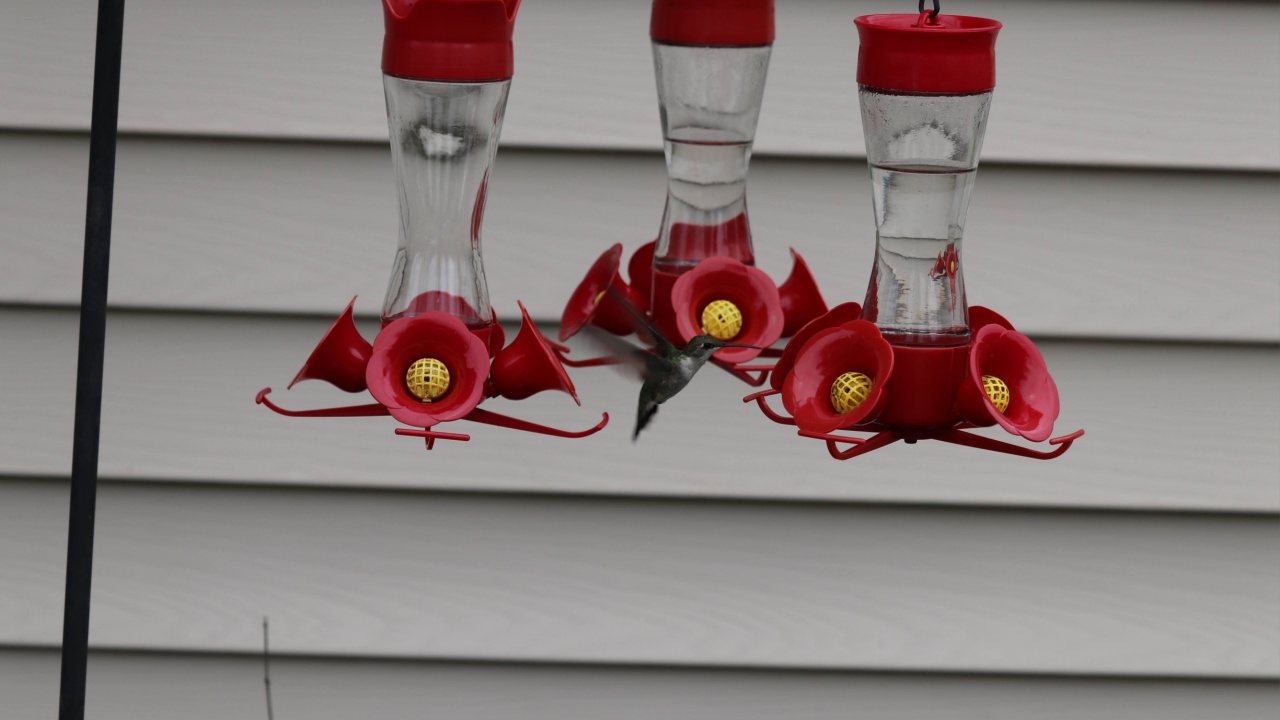
Hummingbirds can be surprisingly territorial. A dominant “bully” bird will often guard a single feeder, chasing away any competitors. Putting up several feeders helps to diffuse this aggression and allows more birds to feed peacefully.
Key Info:
- What it is: Setting up more than one nectar feeder in your yard.
- Why it works: It prevents one aggressive hummingbird from monopolizing the food source, giving other birds a chance to eat.
- Next Steps: Place feeders in different locations around your yard, preferably out of sight of one another. This forces a bully bird to choose which one to defend, leaving the others open.
13. Plant Nectar-Rich Flowers
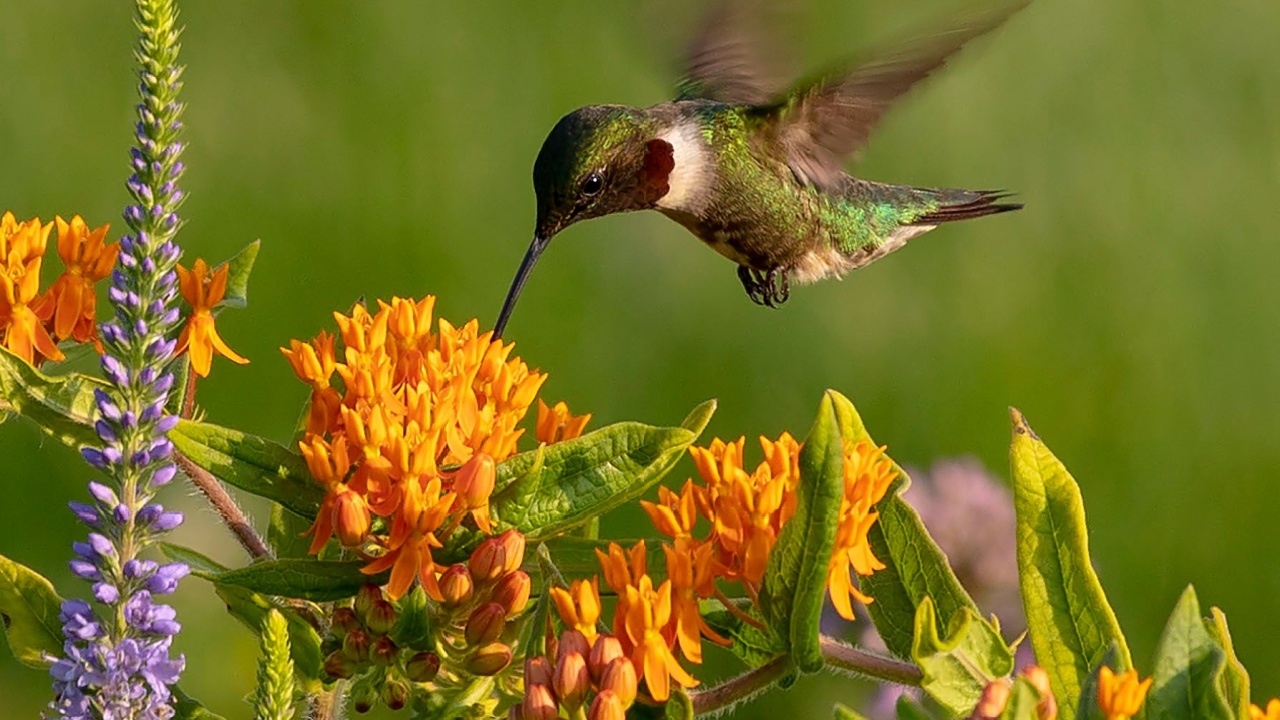
While feeders are great, a garden filled with nectar-producing flowers is the ultimate attraction. Flowers provide a natural, self-replenishing food source that hummingbirds have relied on for centuries. A diverse garden will draw them in and encourage them to stay.
Key Info:
- What it is: Creating a garden with flowers that hummingbirds love.
- Why it works: It provides a constant, natural supply of food and creates a more complete habitat.
- Next Steps: Plant flowers with long, tubular shapes, as these are often rich in nectar. Good choices include Bee Balm (Monarda), Salvia, Penstemon, and Trumpet Vine.
14. Prioritize Native Plants
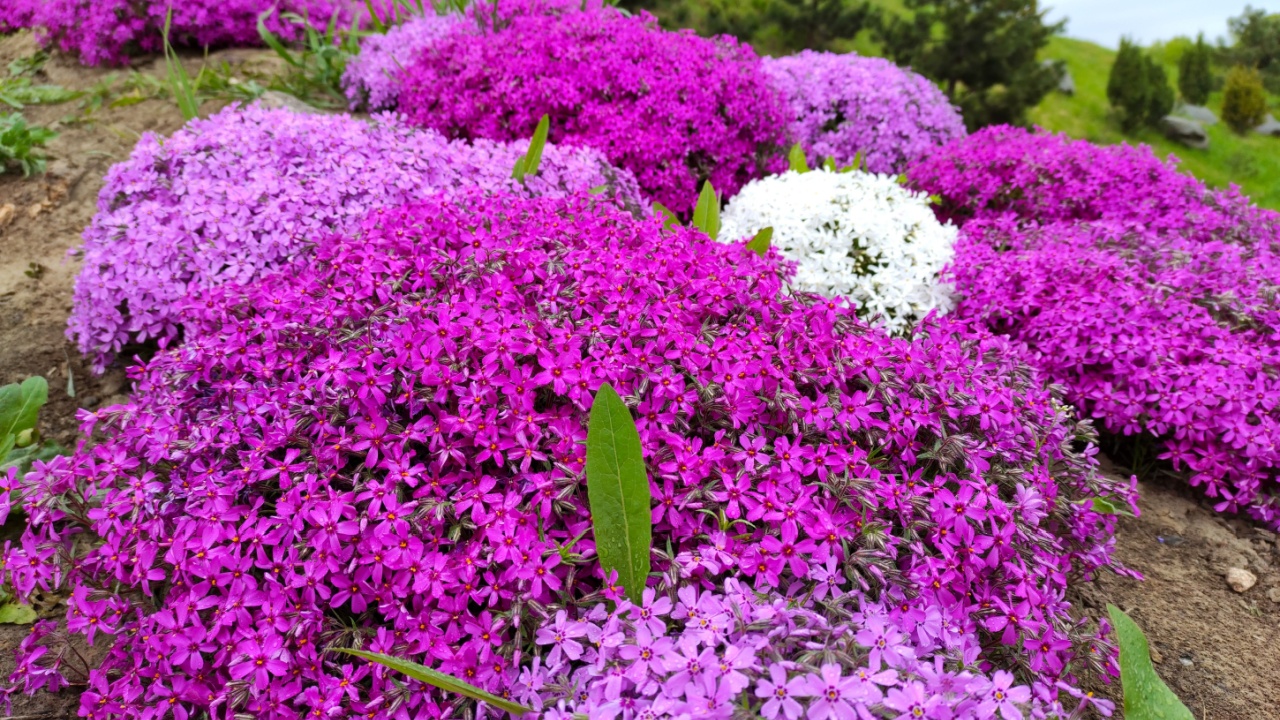
Native plants are the foundation of a healthy local ecosystem. They are adapted to your climate and soil, and local hummingbirds have evolved alongside them. These plants also attract the small insects that hummingbirds need for protein.
Key Info:
- What it is: Choosing plants that are native to your specific region.
- Why it works: Native plants provide the most appropriate nectar and attract beneficial insects, offering a complete diet for hummingbirds.
- Next Steps: Visit a local nursery that specializes in native plants or consult your local extension office for a list of hummingbird-friendly plants native to your area.
15. Plan for Continuous Blooms
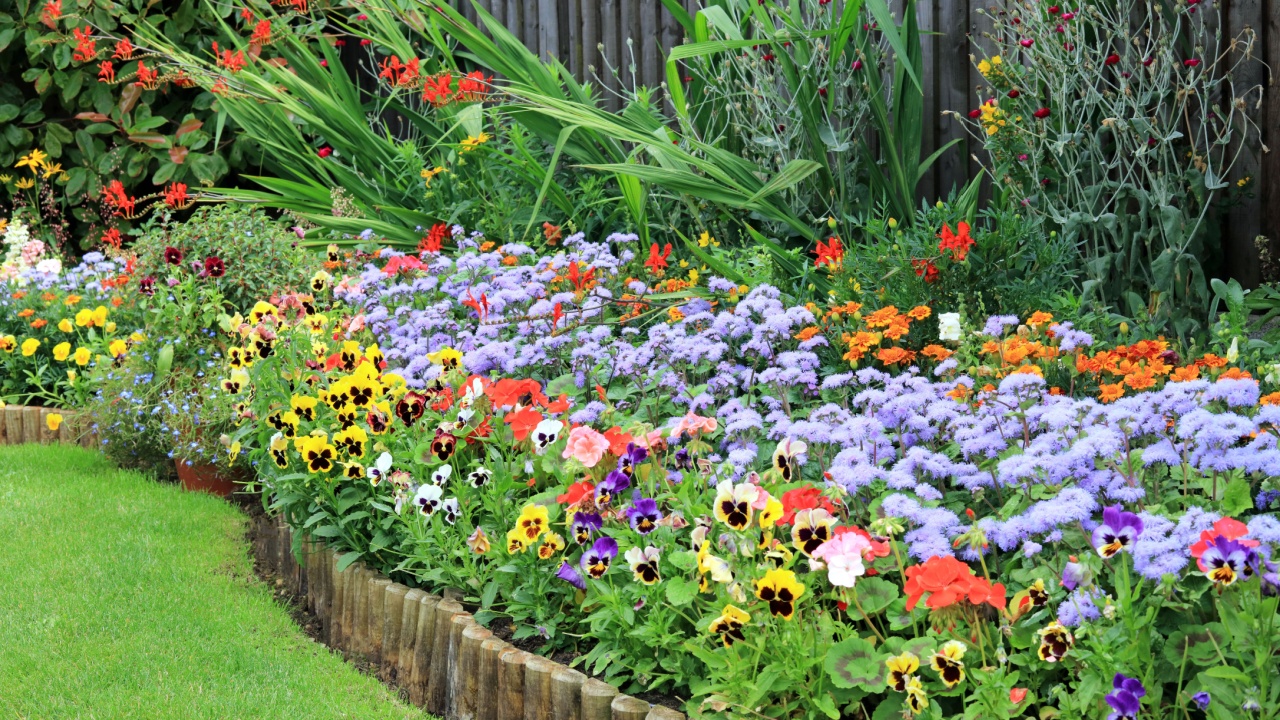
To keep hummingbirds in your yard all season, you need a continuous supply of flowers. By selecting plants with different bloom times, you can create a garden that offers nectar from early spring until the last hummingbird migrates in the fall.
Key Info:
- What it is: Selecting a variety of plants that flower at different times.
- Why it works: It ensures there is always a food source available, from the arrival of the first migrants to the departure of the last.
- Next Steps: Research the bloom times for your favorite hummingbird plants. Create a garden plan that includes early-spring bloomers (like Columbine), mid-summer stars (like Cardinal Flower), and late-season bloomers (like Goldenrod).
16. Deadhead Your Flowers
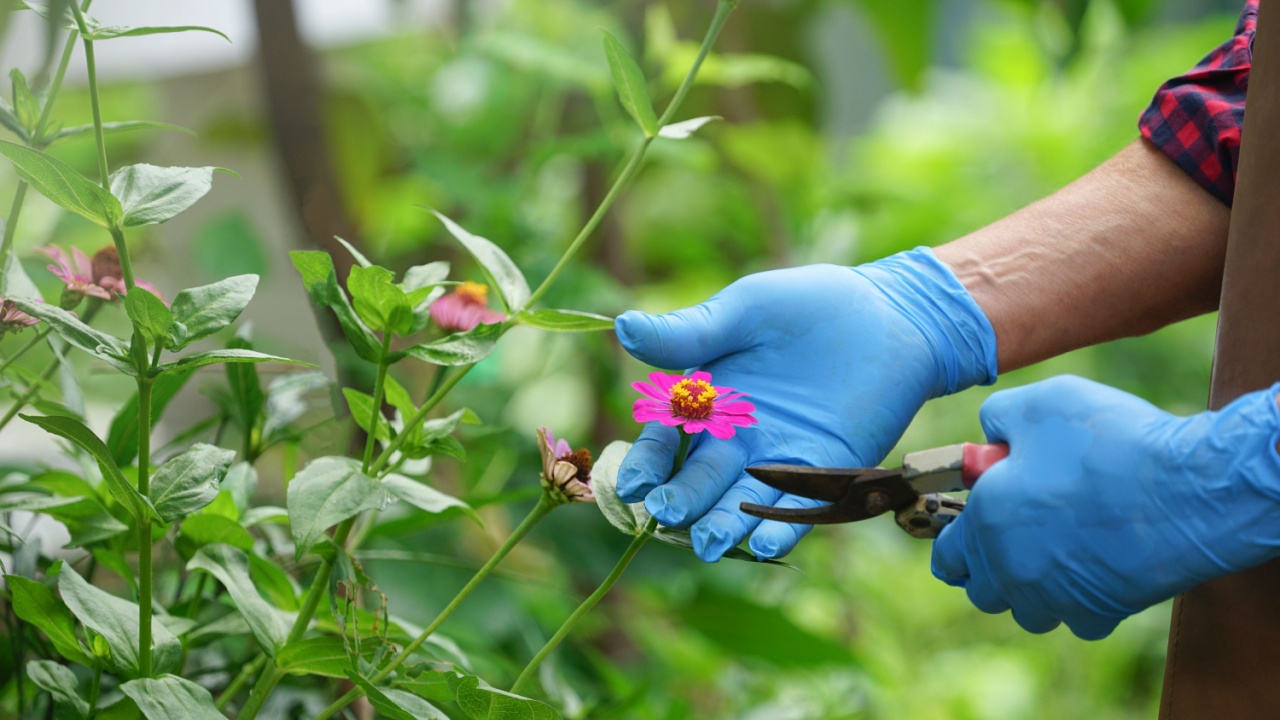
Deadheading, or removing spent blossoms, encourages plants to produce more flowers. A plant’s goal is to produce seeds. By removing the old flowers before they set seed, you trick the plant into flowering again, extending the nectar season for your hummingbirds.
Key Info:
- What it is: The practice of pinching or cutting off faded flowers.
- Why it works: It redirects the plant’s energy from seed production to creating more blooms, resulting in more food for hummingbirds.
- Next Steps: Regularly walk through your garden and snip off any dying flowers. This simple task can significantly increase the number of blooms on annuals and many perennials.
17. Provide a Water Source
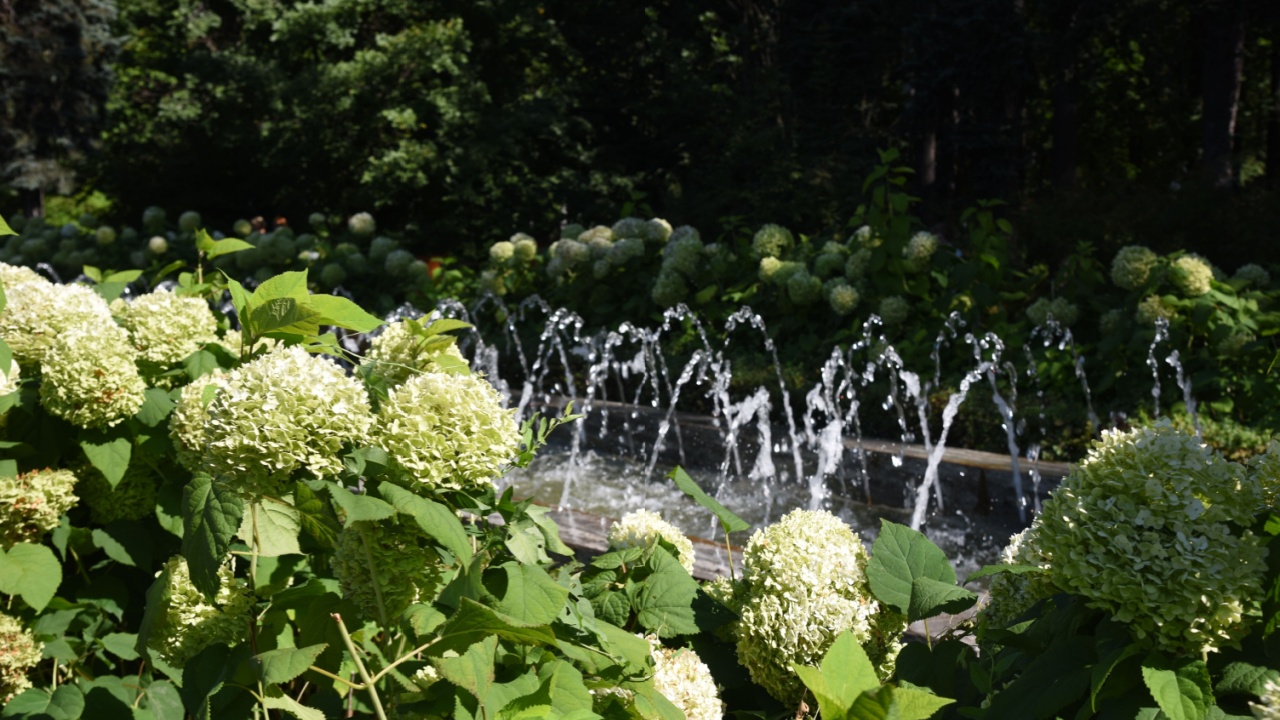
Hummingbirds need water for drinking and bathing, but they don’t use traditional birdbaths. They prefer moving water and gentle mists. A fine spray allows them to fly through and wet their feathers, which is essential for preening and staying clean.
Key Info:
- What it is: Offering a source of moving water, like a mister or bubbler.
- Why it works: The fine droplets are perfectly sized for their tiny bodies, and the sound of moving water helps attract them.
- Next Steps: Add a solar-powered fountain or mister to your existing birdbath. You can also purchase a dedicated mister that attaches to a garden hose for an easy and effective water feature.
18. Offer Perching Spots
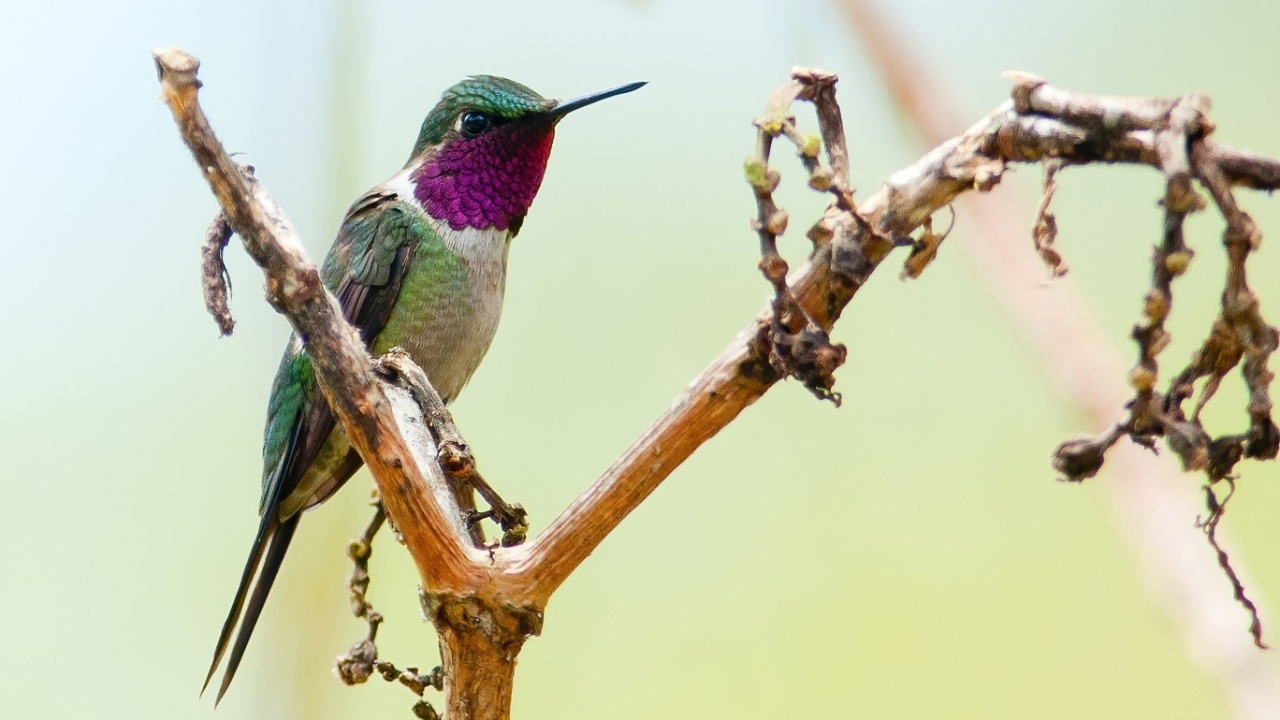
Despite their constant motion, hummingbirds spend about 80% of their time perched. They need safe places to rest, digest, and survey their territory. Providing these perches will make them feel more at home in your yard.
Key Info:
- What it is: Ensuring there are plenty of branches, twigs, and other places for hummingbirds to rest.
- Why it works: Perches provide essential spots for resting and security, making your yard a more complete and inviting habitat.
- Next Steps: If you have mature trees and shrubs, you’re already set. If not, consider adding some. You can also buy a “hummingbird swing,” a small, decorative swing to hang near your feeders, giving you a front-row seat to their downtime.
Your Hummingbird Haven Awaits
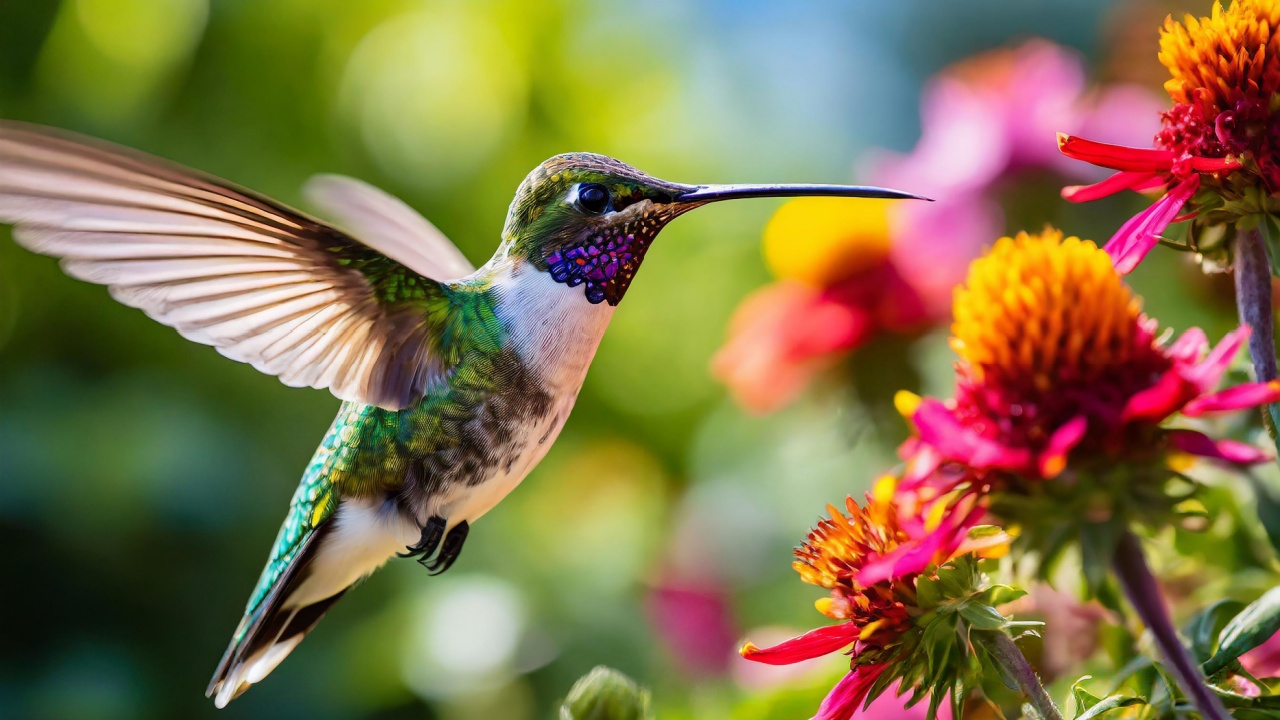
Creating a hummingbird-friendly garden is a rewarding journey that connects you more deeply with the natural world. Start small. You don’t have to do everything at once. Begin by putting up a single, easy-to-clean feeder and keeping it consistently filled with fresh, homemade nectar.
As you enjoy your first visitors, consider adding a pot of red salvia or bee balm to your patio. Each small step you take will make your garden more inviting, and soon enough, you’ll be rewarded with the dazzling sight of these tiny jewels gracing your backyard.
Read more:
Turn the Yard Into a Hummingbird Haven with These 15 Trees
16 Nectar-Packed Plants to Turn Your Yard Into a Hummingbird Hotspot