11 Gardening Hacks for Giant, Beautiful Dahlia Blooms
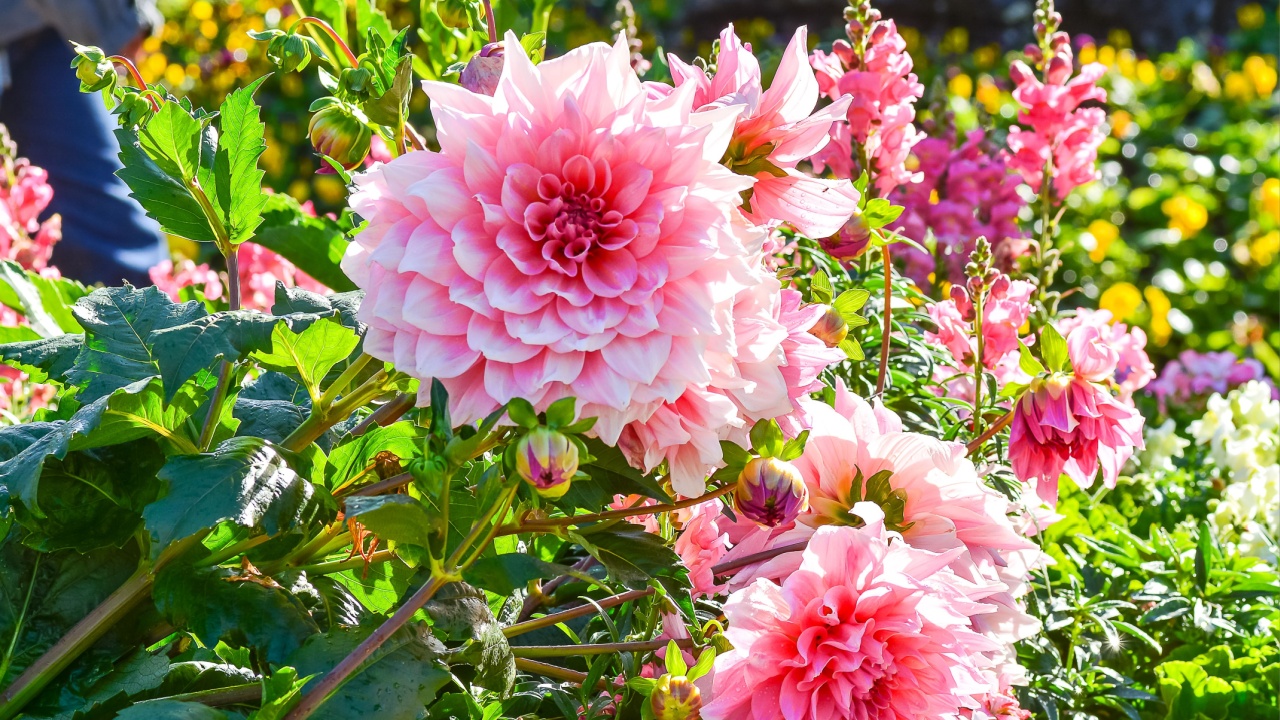
Dahlias are the undisputed queens of the summer and fall gardens. With their intricate petals and stunning, kaleidoscopic colors, they bring a level of drama and beauty that few other flowers can match. But if you’ve ever planted dahlia tubers with dreams of dinner-plate-sized blossoms, only to be met with underwhelming, modest flowers, you know the disappointment that can follow. It’s a common challenge for even dedicated gardeners.
The good news is that achieving those massive, show-stopping blooms (and extending those blooms as far into autumn as possible) is within your reach. It often comes down to a few specific techniques that give your plants the exact support they need to thrive. We’re going to explore 11 proven hacks that will help you coax the largest, most vibrant dahlia heads from your garden patch. From preparing your tubers to fine-tuning your soil, these tips will transform your dahlia season.
1. Choose the Right Variety
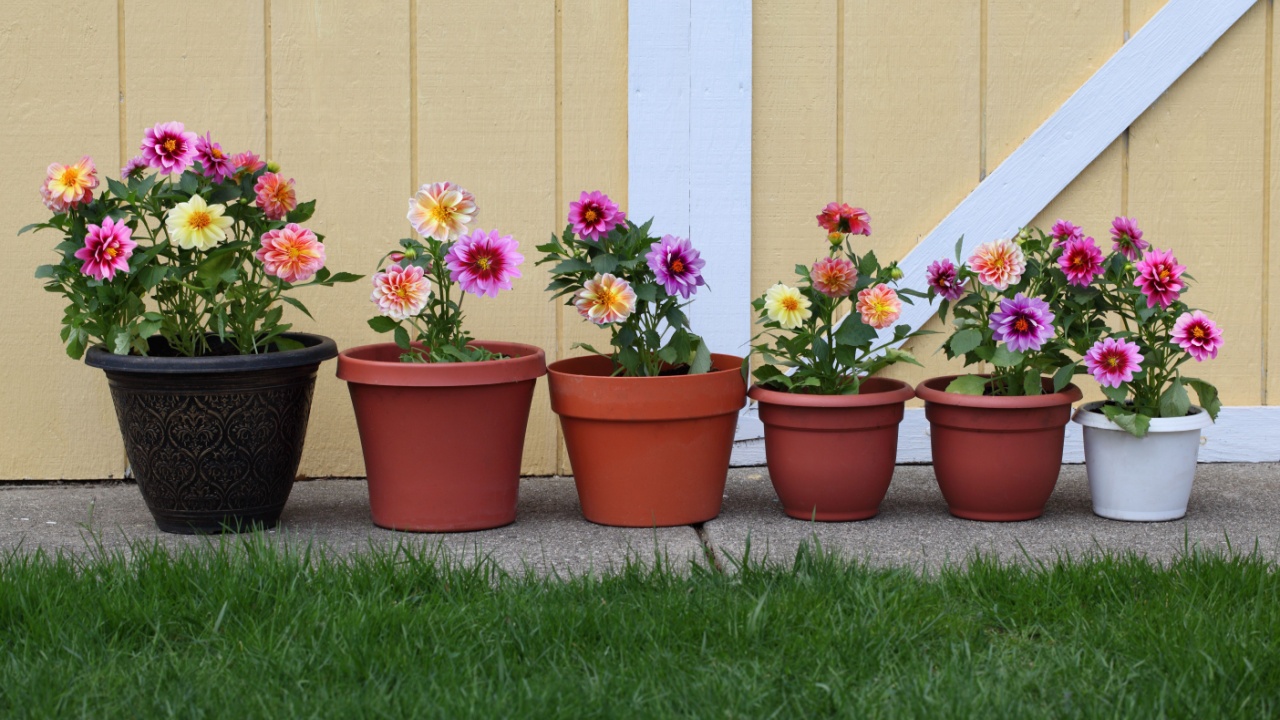
Before you even touch a trowel, the most critical step is selecting a dahlia variety known for producing large flowers. Not all dahlias are created equal in size. While smaller pompon or ball dahlias have their own charm, they will never produce giant blooms, no matter how much you pamper them. For truly colossal flowers, you need to plant varieties specifically bred for size.
Look for cultivars labeled as “Dinner Plate,” “Giant,” or “AA” size dahlias. These classifications indicate that the blooms can reach 10 inches or more in diameter. Popular giant varieties include ‘Kelvin Floodlight,’ ‘Penhill Watermelon,’ and ‘Cafe au Lait.’ Researching and choosing the right genetic foundation sets you up for success from the very beginning.
- Why it works: Genetics determines a plant’s maximum potential. By starting with a variety bred for large flowers, you are working with the plant’s natural capabilities rather than against them.
- Quick Tips:
-
- Read plant tags and descriptions carefully, looking for size classifications.
- Purchase tubers from reputable suppliers who accurately label their varieties.
- Keep a garden journal to track which giant varieties perform best in your specific climate and soil.
2. Start Tubers Indoors for a Head Start
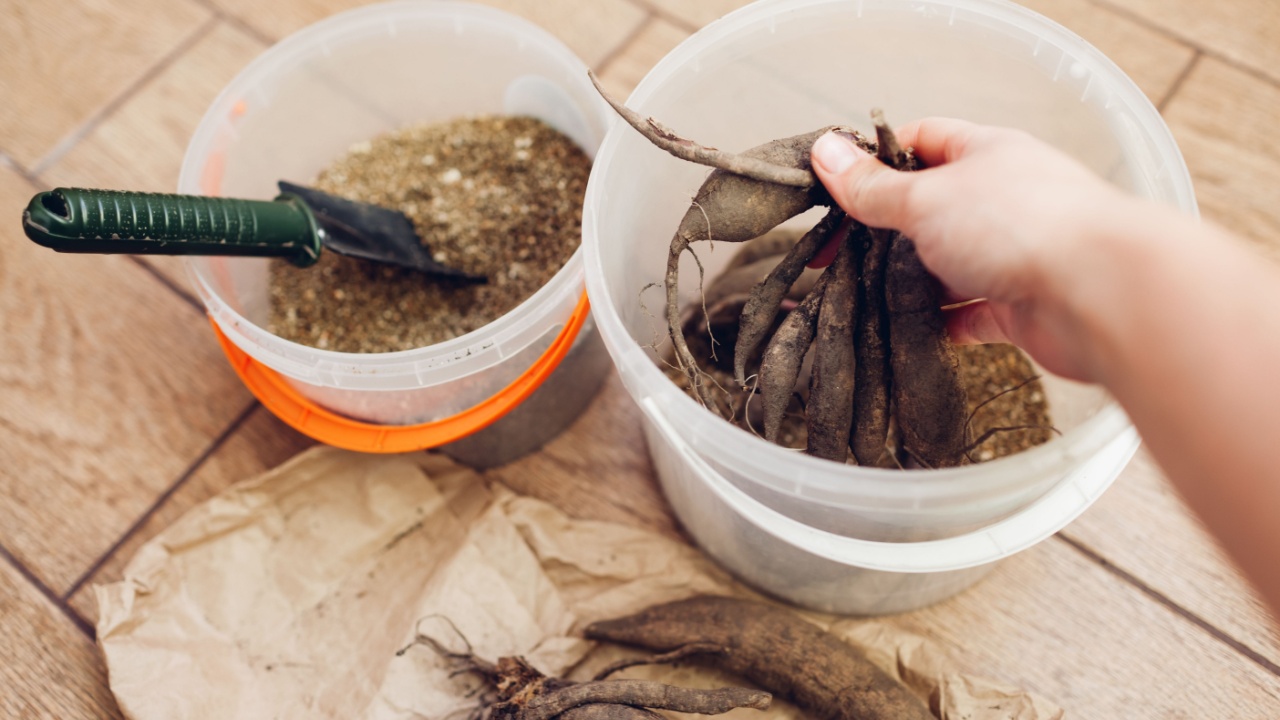
In climates with shorter growing seasons, giving your dahlia tubers an early start indoors can make a huge difference. Starting them about four to six weeks before your last expected frost date extends their growing period, giving them more time to develop the strong root systems and foliage needed to support massive blooms.
To do this, place tubers in pots with a light, well-draining potting mix. Keep them in a warm spot (around 65-70°F) with plenty of light, like a sunny windowsill or under grow lights. By the time you transplant them outside after the danger of frost has passed, they will already be vigorous young plants, ready to take off.
- Why it works: An extended growing season allows the plant to build more energy reserves before it enters its blooming phase. A well-established plant can channel more resources into producing larger flowers.
- Quick Tips:
-
- Use pots that are large enough to accommodate the tuber without crowding it.
- Water sparingly until you see green shoots emerge to prevent the tuber from rotting.
- Harden off your plants for a week before transplanting them into the garden by gradually exposing them to outdoor conditions.
3. Enrich Your Soil with Organic Matter

The foundation of any great garden is healthy soil, and dahlias are heavy feeders. They thrive in loose, fertile, and well-drained soil that is rich in organic matter. Before planting, take the time to amend your garden bed to create the ideal environment for your dahlia roots to flourish.
Incorporate a generous amount of well-rotted compost or aged manure into the top 8-12 inches of your soil. This not only provides essential nutrients but also improves soil structure, enhances drainage, and promotes a healthy microbial ecosystem. This rich environment mimics the fertile soils of their native habitat in the mountains of Mexico.
- Why it works: Rich soil provides a steady supply of nutrients and allows roots to expand easily, creating a strong support system for a large, productive plant. Poor, compacted soil will stress the plant and limit bloom size.
- Quick Tips:
-
- Aim for a soil pH between 6.5 and 7.0, which is slightly acidic to neutral.
- If you have heavy clay soil, adding compost is especially important to improve drainage and prevent tubers from rotting.
- Work the amendments into the soil a few weeks before planting to allow them to integrate.
4. Pre-Soak Tubers Before Planting
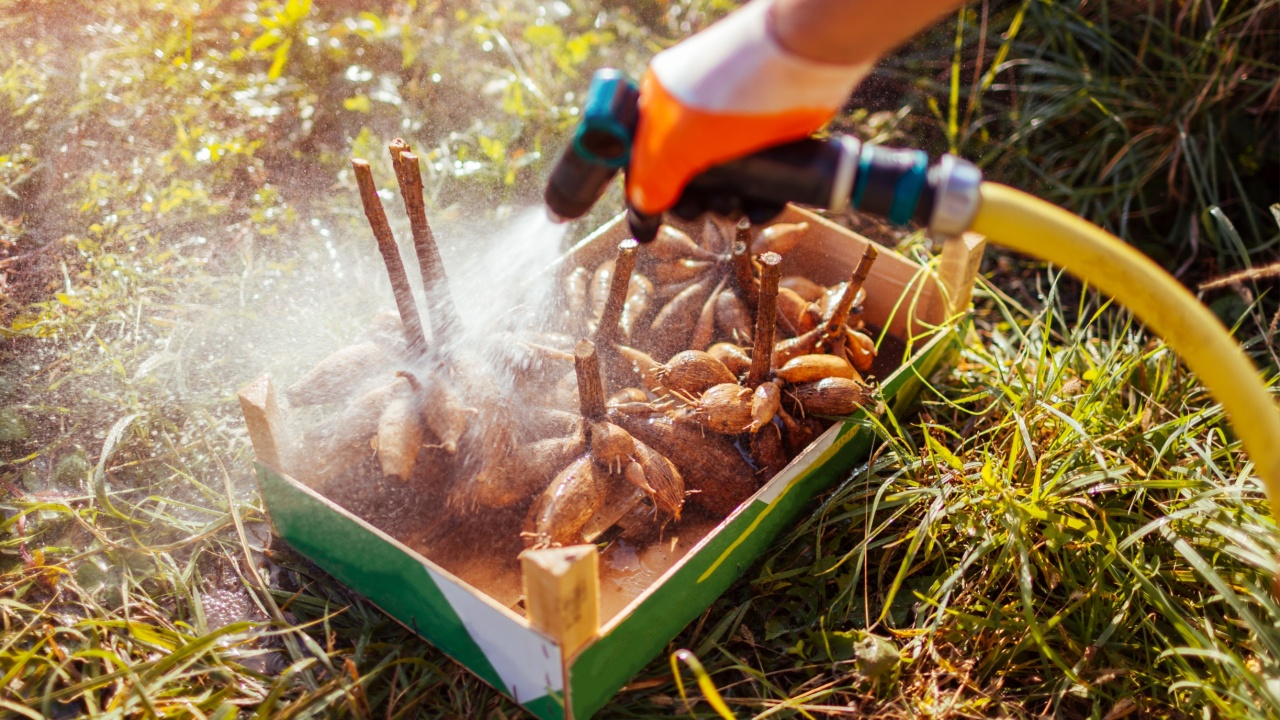
For an extra boost, give your dahlia tubers a quick soak before planting them. Placing the tubers in tepid water for a few hours can help rehydrate them after storage and signal that it’s time to wake up and start growing. This simple step can jump-start root development and lead to faster sprouting.
To enhance this process, you can add a diluted liquid seaweed or compost tea solution to the water. This infuses the tubers with beneficial microbes and micronutrients right from the start. You’ll often see new sprouts emerge more quickly from pre-soaked tubers compared to those planted dry.
- Why it works: Soaking softens the tough outer skin of the tuber and provides the initial moisture needed to break dormancy. This encourages the rapid development of feeder roots, giving the plant a strong start.
- Quick Tips:
-
- Don’t soak tubers for more than a few hours, as prolonged submersion can lead to rot.
- Ensure the water is tepid, not hot or cold, to avoid shocking the tuber.
- Plant the tubers immediately after soaking.
5. Plant in Full Sun and Shelter from Wind
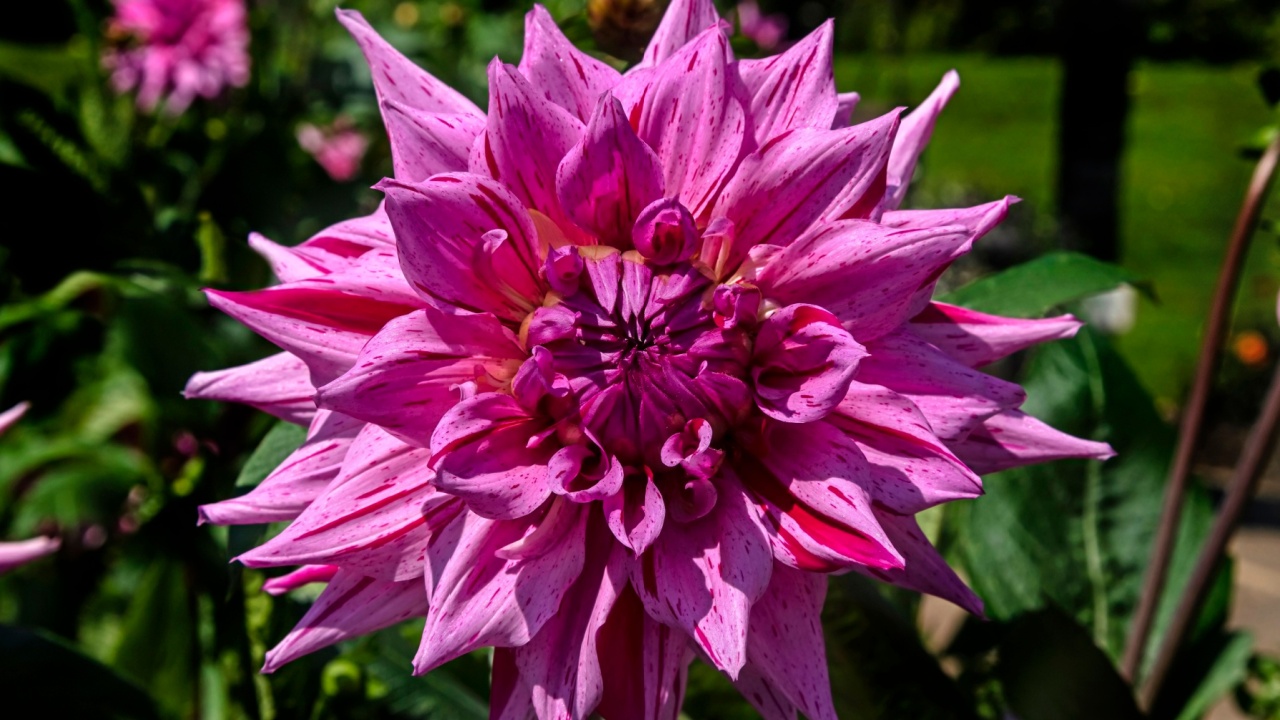
Dahlias are sun-worshippers. To generate the massive amount of energy required for producing giant blooms, they need at least six to eight hours of direct sunlight each day. A location in full sun is non-negotiable for achieving maximum flower size. Plants grown in shadier spots will often become leggy and produce smaller, less impressive flowers.
However, the large, heavy heads of dinner plate dahlias are also vulnerable to strong winds, which can snap stems and damage blossoms. Try to find a location that offers both full sun and protection from harsh gusts. Planting near a fence, wall, or a screen of taller, sturdy plants can provide a necessary windbreak.
- Why it works: Photosynthesis is the process by which plants create energy. More sun equals more energy, which can be directed toward growing larger blooms. Wind protection prevents physical damage to the plant, preserving the flowers you’ve worked hard to grow.
- Quick Tips:
-
- Observe your yard throughout the day to find the sunniest spots.
- If a natural windbreak isn’t available, consider installing a temporary lattice or screen.
- Proper staking (see next tip) is crucial, especially in windy locations.
6. Provide Sturdy Support and Staking
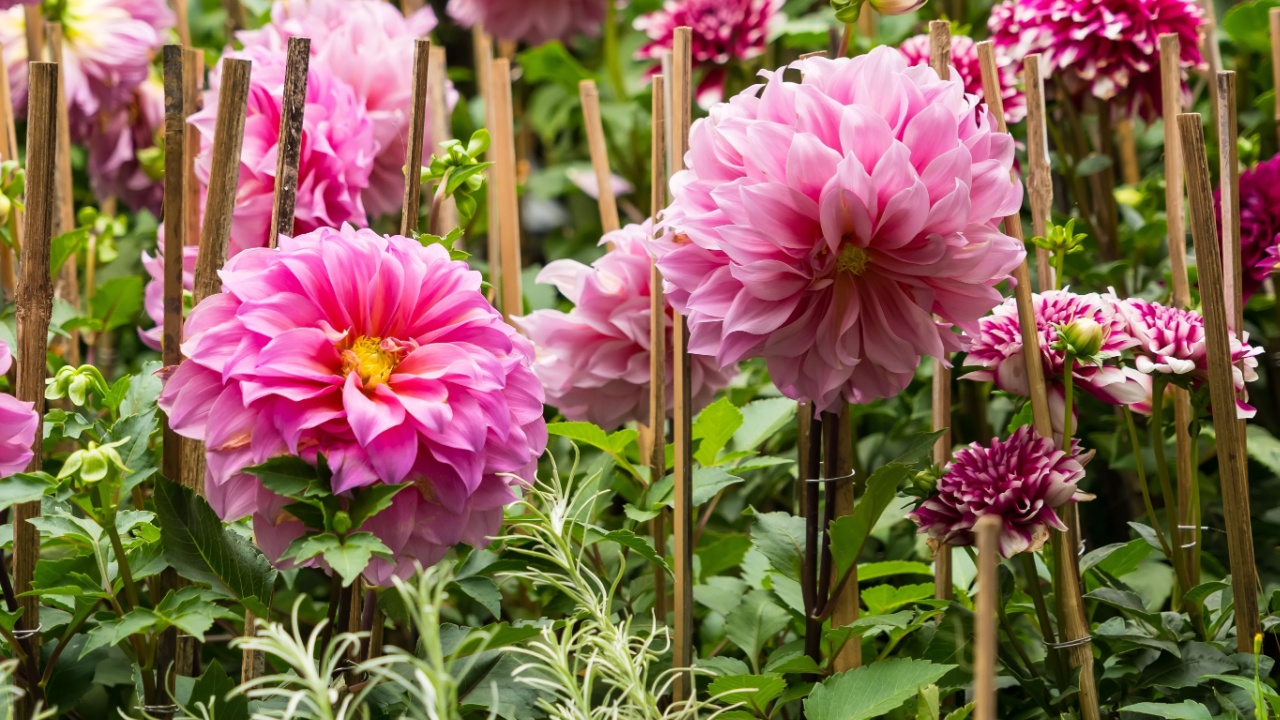
Giant dahlia blooms are heavy. A single, water-logged flower head can easily weigh down and break a stem, especially after a summer rainstorm. Providing robust support from the beginning is essential to protect your investment of time and effort.
Install a stake at the same time you plant the tuber. This avoids the risk of damaging the root system later. A sturdy wooden or metal stake that is at least five to six feet tall is ideal for large varieties. As the plant grows, use soft garden twine or cloth strips to loosely tie the main stem to the stake every foot or so.
- Why it works: Support prevents stem breakage, ensuring that nutrients and water can flow freely to the developing flower head. It also keeps your beautiful blooms upright and visible.
- Quick Tips:
-
- For very bushy plants, a tomato cage or a corral of several stakes with twine wrapped around them can provide even better support.
- Check your ties regularly to make sure they aren’t too tight and cutting into the stem.
- Tie the stem just below a leaf node for a more secure hold.
7. Use a High-Phosphorus Fertilizer
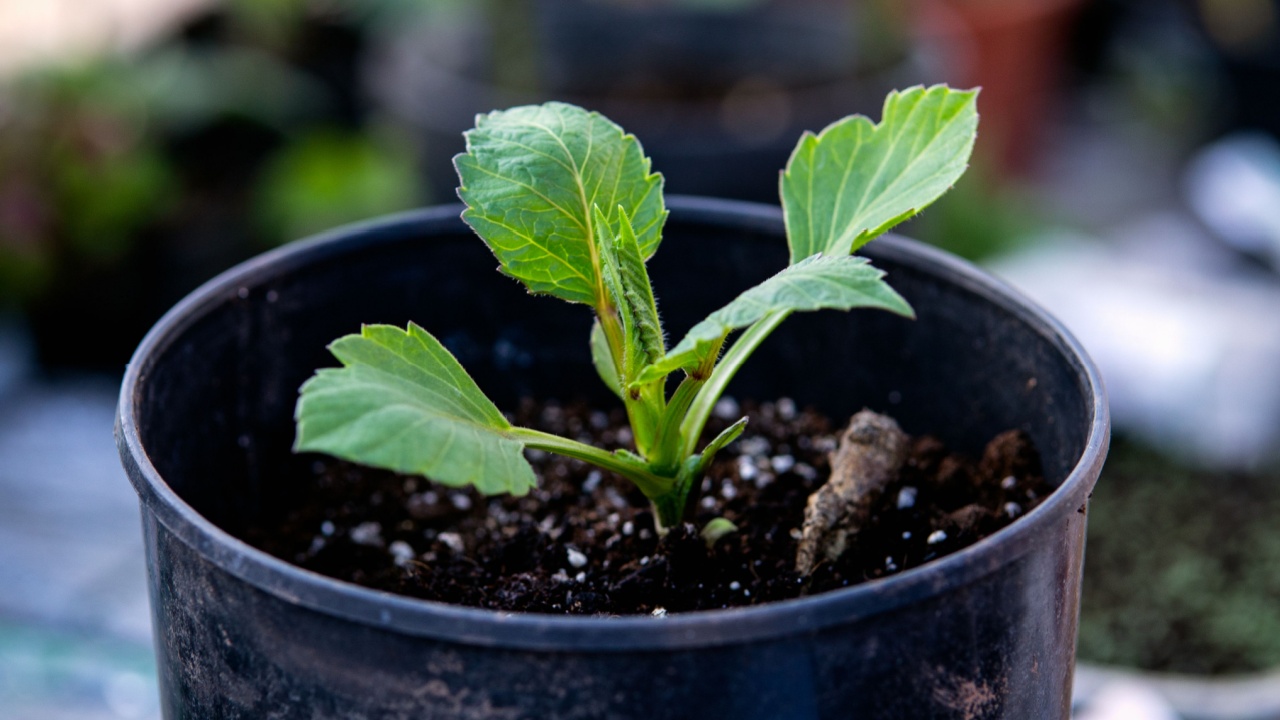
To fuel impressive flower production, you need to provide the right nutrients at the right time. While nitrogen is important for early foliage growth, phosphorus is the key nutrient for promoting abundant and large blooms. Once your dahlia plants are established and about a foot tall, switch to a fertilizer with a lower nitrogen and higher phosphorus and potassium content.
Look for a fertilizer with an N-P-K ratio like 5-10-10 or 10-20-20. Apply this fertilizer every three to four weeks during the growing season, following the package instructions. Over-fertilizing, especially with nitrogen, can lead to lush, weak foliage at the expense of flowers.
- Why it works: Phosphorus plays a direct role in flower and bud formation. Providing an ample supply during the budding phase encourages the plant to produce more and larger blooms.
- Quick Tips:
-
- Avoid high-nitrogen fertilizers once the plants are established.
- Water the plant well before and after applying fertilizer to prevent root burn.
- You can alternate between a granular fertilizer and a liquid feed like fish emulsion or seaweed extract.
8. Water Deeply and Consistently

Inconsistent watering is a major source of stress for dahlias and can lead to stunted growth and smaller blooms. Instead of shallow, frequent watering, it’s much more effective to water your plants deeply once or twice a week, allowing the moisture to penetrate at least six to eight inches into the soil.
Deep watering encourages the roots to grow downward, creating a more resilient plant that is better able to withstand periods of heat and drought. The exact frequency will depend on your climate, soil type, and recent rainfall. A good rule of thumb is to check the soil; if it’s dry a few inches below the surface, it’s time to water.
- Why it works: Consistent moisture ensures that the plant’s vascular system can efficiently transport nutrients to the developing blooms. A stressed, thirsty plant will conserve resources, resulting in smaller flowers.
- Quick Tips:
-
- Soaker hoses or drip irrigation are excellent for delivering water directly to the root zone and minimizing evaporation.
- Water in the morning to allow foliage to dry before evening, which helps prevent fungal diseases.
- Dahlias in containers will need to be watered more frequently than those in the ground.
9. Mulch to Retain Moisture
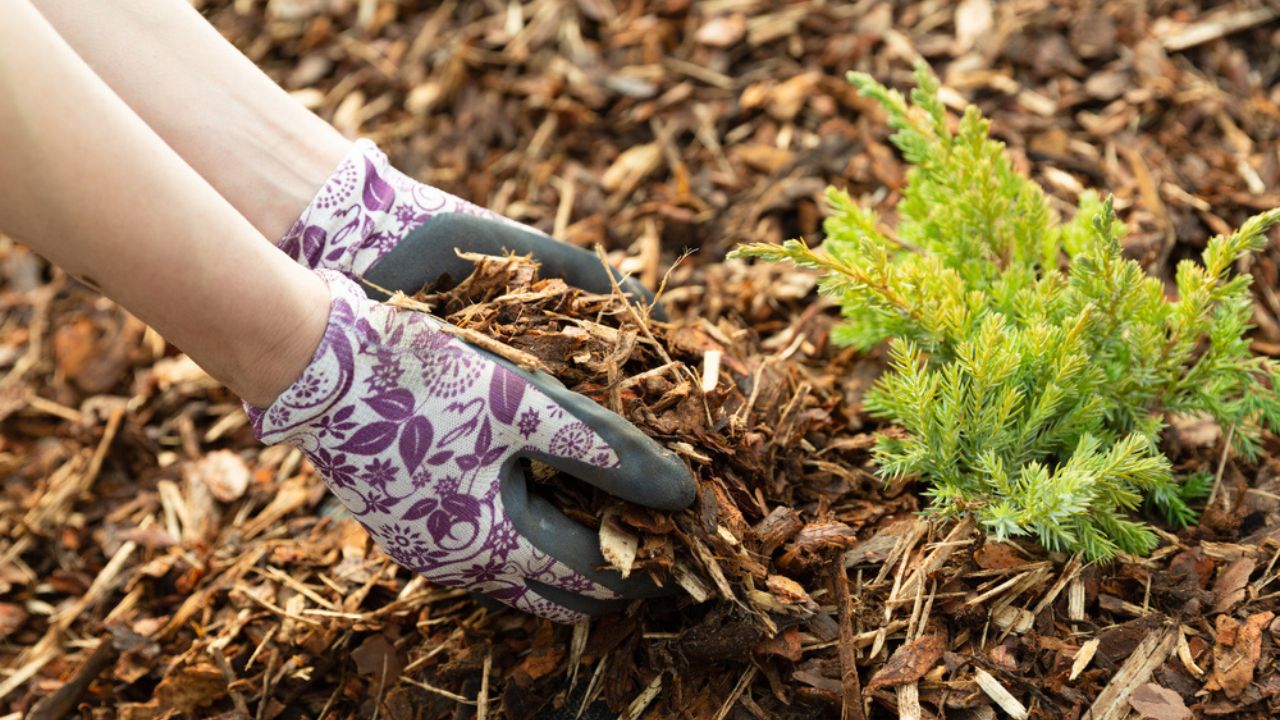
Applying a two- to three-inch layer of organic mulch around the base of your dahlia plants is a simple hack with multiple benefits. Mulch helps to conserve soil moisture by reducing evaporation, which means you’ll have to water less often. It also helps regulate soil temperature, keeping the roots cool during hot summer days.
Furthermore, a good layer of mulch suppresses weeds that would otherwise compete with your dahlias for water and nutrients. As organic mulches like straw, shredded leaves, or wood chips break down over time, they also contribute to the soil’s fertility.
- Why it works: By creating a stable, moist, and cool root environment, mulch reduces plant stress and allows the dahlia to focus its energy on producing spectacular blooms.
- Quick Tips:
-
- Keep the mulch a couple of inches away from the main stem of the plant to prevent rot and discourage pests.
- Apply mulch after the soil has warmed up in late spring and the plants are a few inches tall.
- Replenish the mulch layer as needed throughout the season.
10. Pinch and Disbud for Bigger Blooms
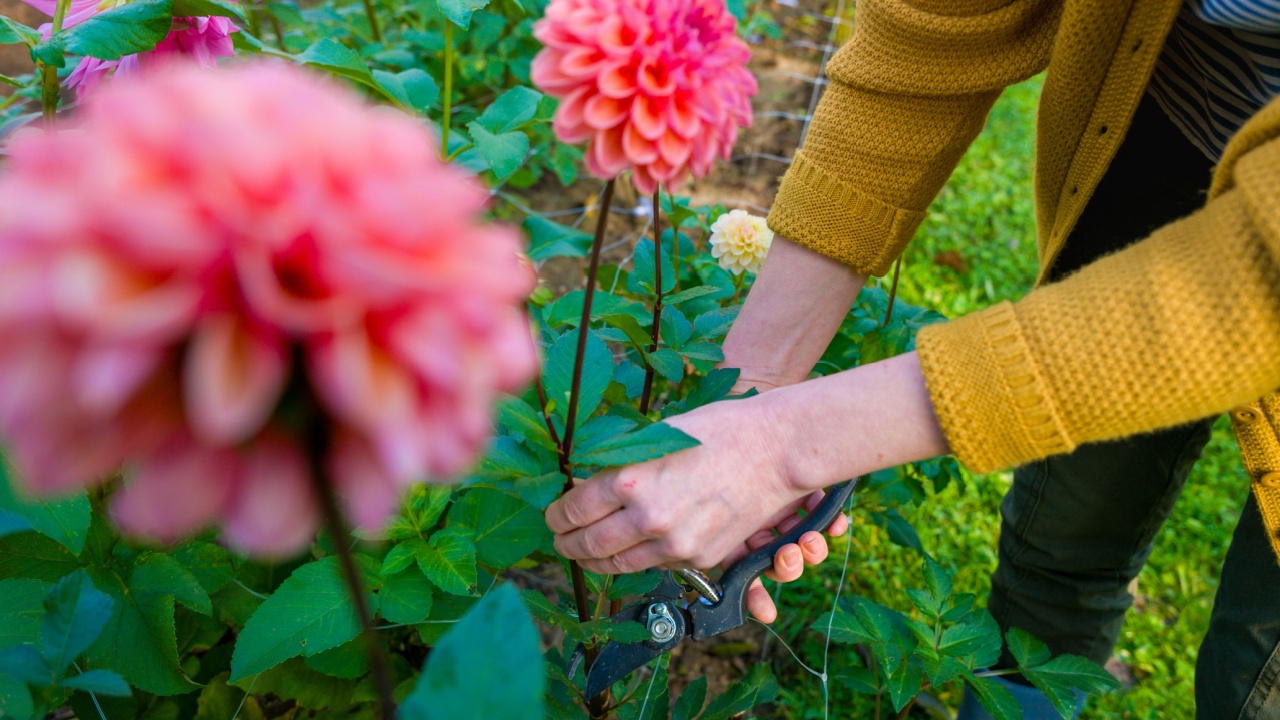
This may feel counterintuitive, but removing parts of the plant can lead to much larger flowers. The first step is “pinching.” When a young dahlia plant is about 12 inches tall and has three to four sets of leaves, pinch off the top central shoot. This encourages the plant to branch out, creating a fuller, bushier plant with more stems.
Later, for the largest possible flowers, you’ll need to “disbud.” Dahlias typically form buds in clusters of three at the end of a stem: a central terminal bud and two smaller side buds. To channel all the plant’s energy into one magnificent flower, carefully pinch off the two smaller side buds, leaving only the central bud to develop.
- Why it works: The plant has a finite amount of energy to distribute. By reducing the number of flowers a single stem has to support, you concentrate all of that energy into producing one single, gigantic bloom.
- Quick Tips:
-
- Use your fingers or a small, sharp pair of scissors to make clean cuts when pinching and disbudding.
- Perform this on all the main flowering stems if your goal is exclusively giant blooms.
- If you prefer more flowers over maximum size, you can skip disbudding.
11. Attract Pollinators
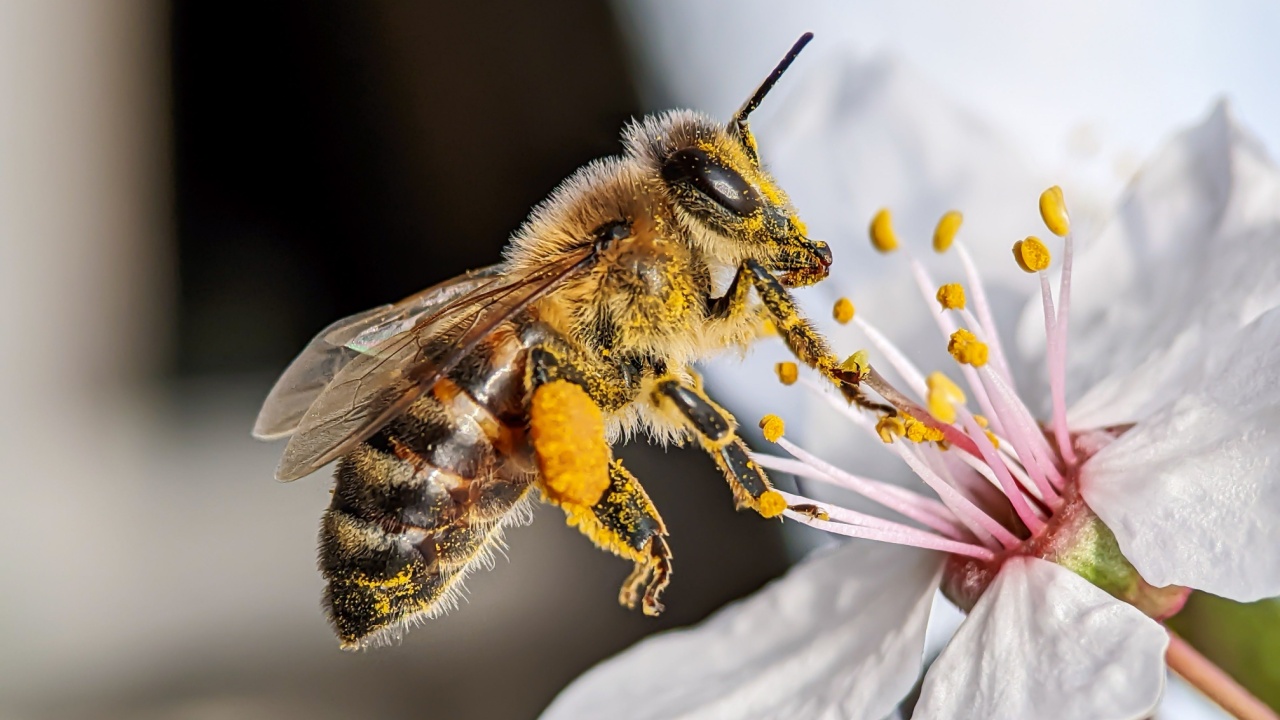
While many dinner plate dahlias are prized for their form and not necessarily for seed production, a healthy population of pollinators is a sign of a thriving garden ecosystem. Bees, butterflies, and other beneficial insects can contribute to overall plant health. More importantly, attracting these insects often involves planting a diverse range of flowers.
Planting companion flowers like borage, cosmos, or calendula near your dahlias will draw in pollinators. These beneficial insects can also help control pest populations, reducing the need for chemical interventions. A vibrant, active garden is a healthy garden, and healthy plants produce the best flowers.
- Why it works: While not directly increasing bloom size in the same way as disbudding, creating a healthy garden ecosystem reduces pest pressure and plant stress. A less-stressed plant can devote more energy to flowering.
- Quick Tips:
-
- Avoid using broad-spectrum pesticides, which can harm beneficial insects.
- Provide a shallow water source, like a birdbath with pebbles, for thirsty pollinators.
- Choose single-petal companion flowers, as they are often more accessible to bees than complex double-petal varieties.
Nurturing Beautiful Blooms All Season Long
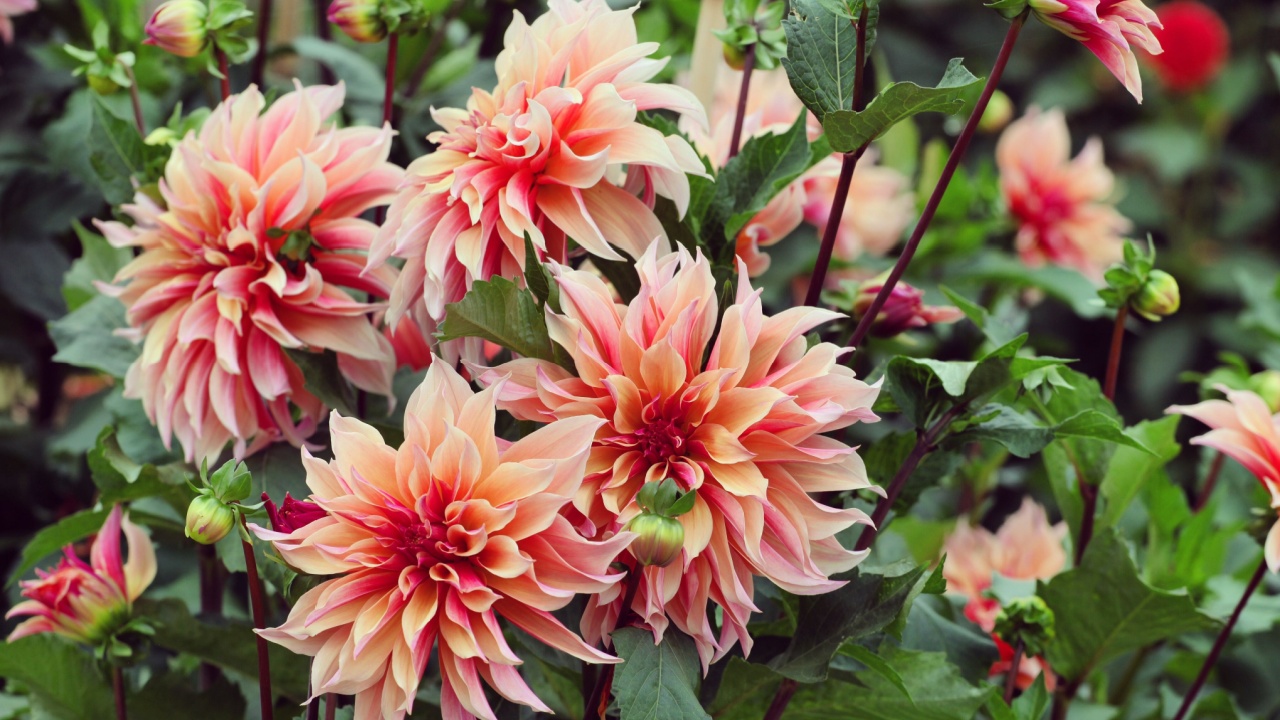
Now that you have these 11 hacks in your gardening toolkit, the next step is to put them into action. Start by selecting a few giant dahlia varieties for next season and plan out a sunny, protected spot in your garden. As you prepare your soil and plant your tubers, refer back to these tips for staking, fertilizing, and watering.
Don’t be afraid to experiment. Try disbudding on a few stems and not on others to see the difference for yourself. With a little extra attention and these proven techniques, you’ll be well on your way to a garden filled with the giant, beautiful dahlia blooms you’ve always dreamed of.