12 Herb Gardening Mistakes That’ll Derail Your Summer Bounty
Growing your own herbs is one of the most rewarding gardening experiences. The convenience of snipping fresh basil for your pasta or mint for your tea is unmatched. While many herbs are quite forgiving, a few common missteps can turn a thriving herb garden into a disappointing struggle. By understanding these pitfalls, you can ensure your plants stay healthy, productive, and flavorful all season long.
This guide will walk you through 12 common herb gardening mistakes and how to fix them. We’ll cover everything from watering and sunlight to harvesting and soil selection. Whether you’re a seasoned gardener or just starting, these tips will help you cultivate a fragrant and bountiful herb collection.
1. Using the Wrong Soil Mix
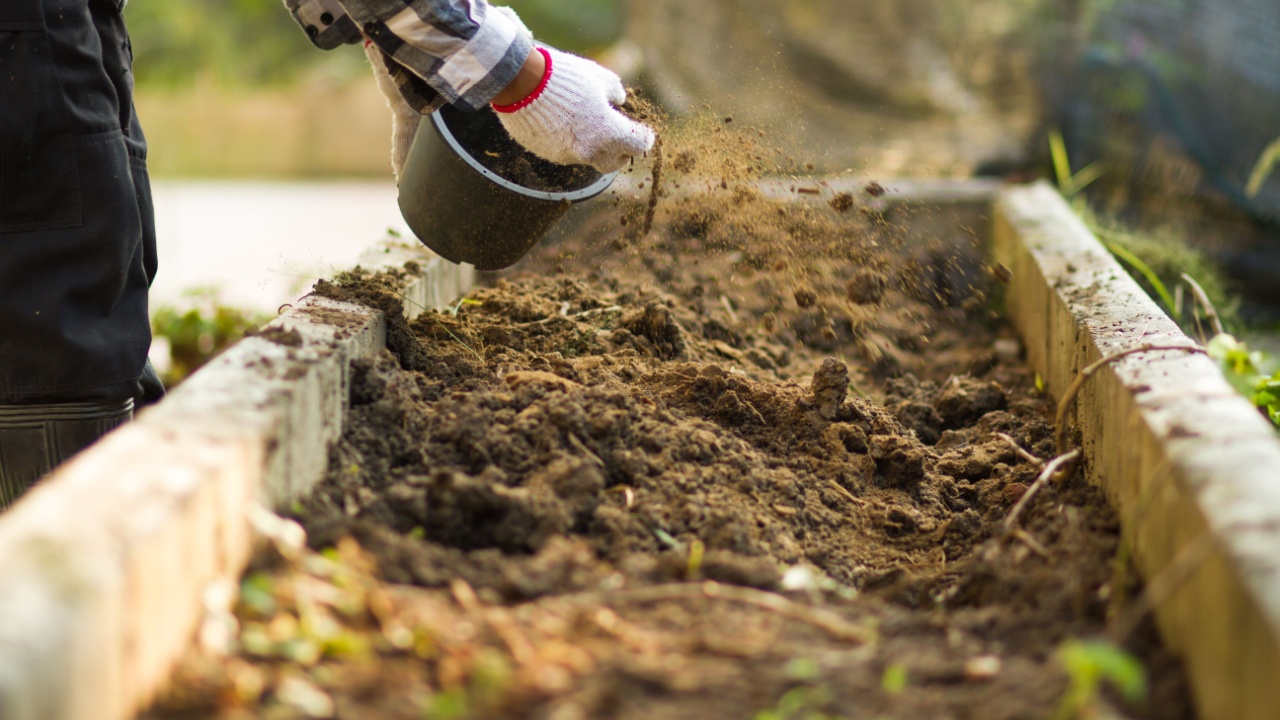
Many gardeners assume that any standard potting or garden soil will do for herbs. However, most popular culinary herbs, especially those native to the Mediterranean like rosemary, thyme, and oregano, have specific soil needs. Using a heavy, moisture-retentive soil can lead to root rot, one of the most common killers of these sun-loving plants. These herbs evolved in gritty, well-draining soil and will quickly suffer in dense, wet conditions.
The key is to create a growing medium that mimics their natural habitat. A proper soil mix allows excess water to drain away freely, preventing the roots from becoming waterlogged. It also ensures there’s enough air circulation around the root system, which is crucial for healthy growth. By starting with the right foundation, you set your herbs up for success from day one.
Quick Tips:
- Create Your Own Mix: Combine one part potting soil, one part perlite or coarse sand, and one part compost for an ideal herb blend.
- Check Drainage: Ensure your pots have ample drainage holes at the bottom.
- Amend Garden Beds: If planting in the ground, work sand or fine gravel into heavy clay soil to improve its structure and drainage.
- Know Your Herbs: While Mediterranean herbs love dry conditions, others like mint and parsley prefer consistently moist soil. Adjust your mix accordingly.
2. Incorrect Watering Practices
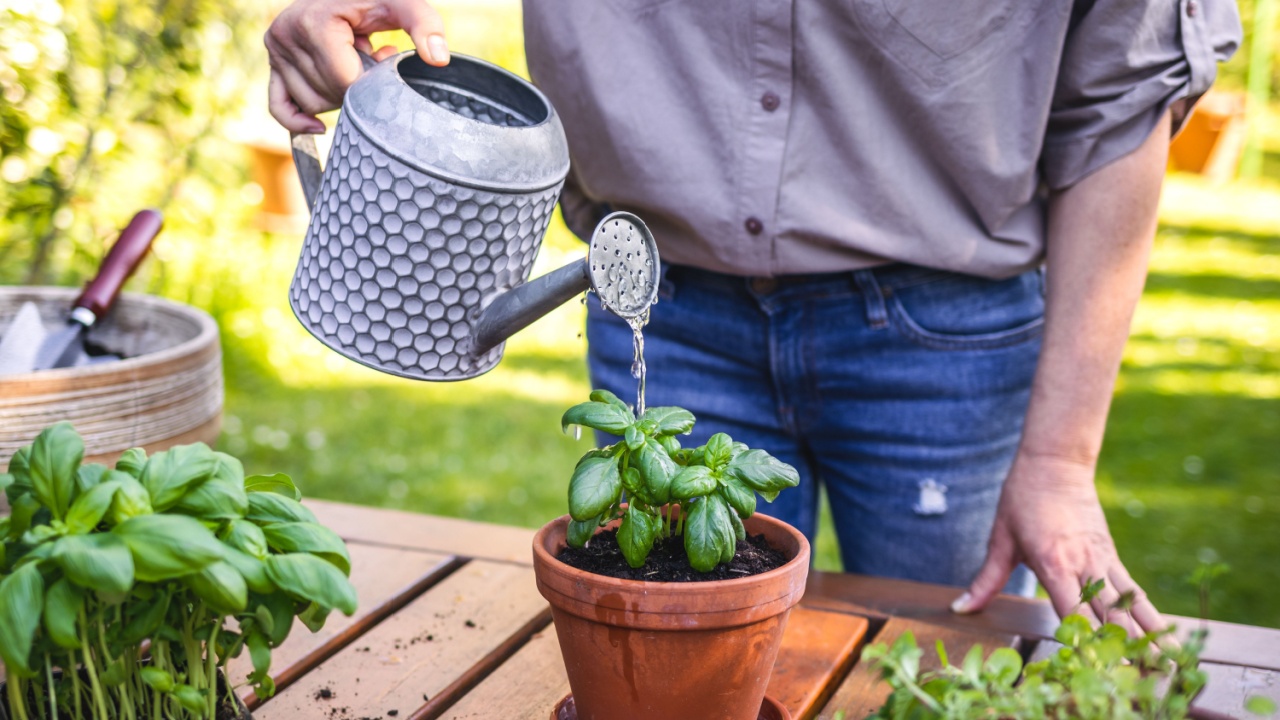
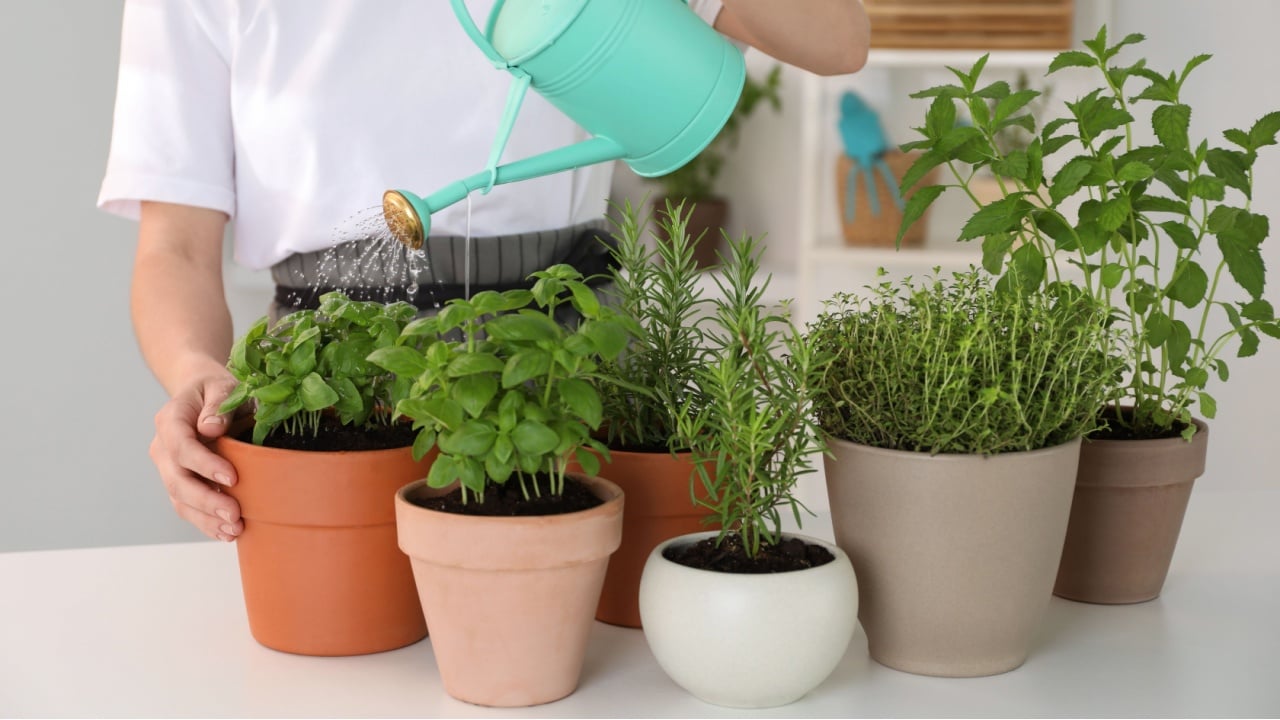
Watering is a delicate balance, and both too much and too little can spell disaster for your herbs. Overwatering is a frequent mistake, especially for beginners who worry about their plants drying out. This can lead to root rot, fungal diseases, and a general lack of vigor. Conversely, underwatering can cause herbs to wilt, turn brown, and become stressed, making them more susceptible to pests.
The trick is to water deeply but infrequently. Check the soil moisture instead of watering on a fixed schedule. Most herbs prefer the soil to dry out slightly between waterings. This encourages their roots to grow deeper in search of moisture, resulting in a stronger, more resilient plant.
Quick Tips:
- The Finger Test: Stick your finger about an inch into the soil. If it feels dry, it’s time to water. If it’s damp, wait another day or two.
- Water the Soil, Not the Leaves: Apply water directly to the base of the plant to keep the foliage dry and prevent fungal issues.
- Morning is Best: Water in the morning so the plant has time to absorb the moisture before the heat of the day, and any excess can evaporate.
- Container Care: Potted herbs dry out faster than those in the ground, so check them more often, especially during hot weather.
3. Providing Insufficient Sunlight
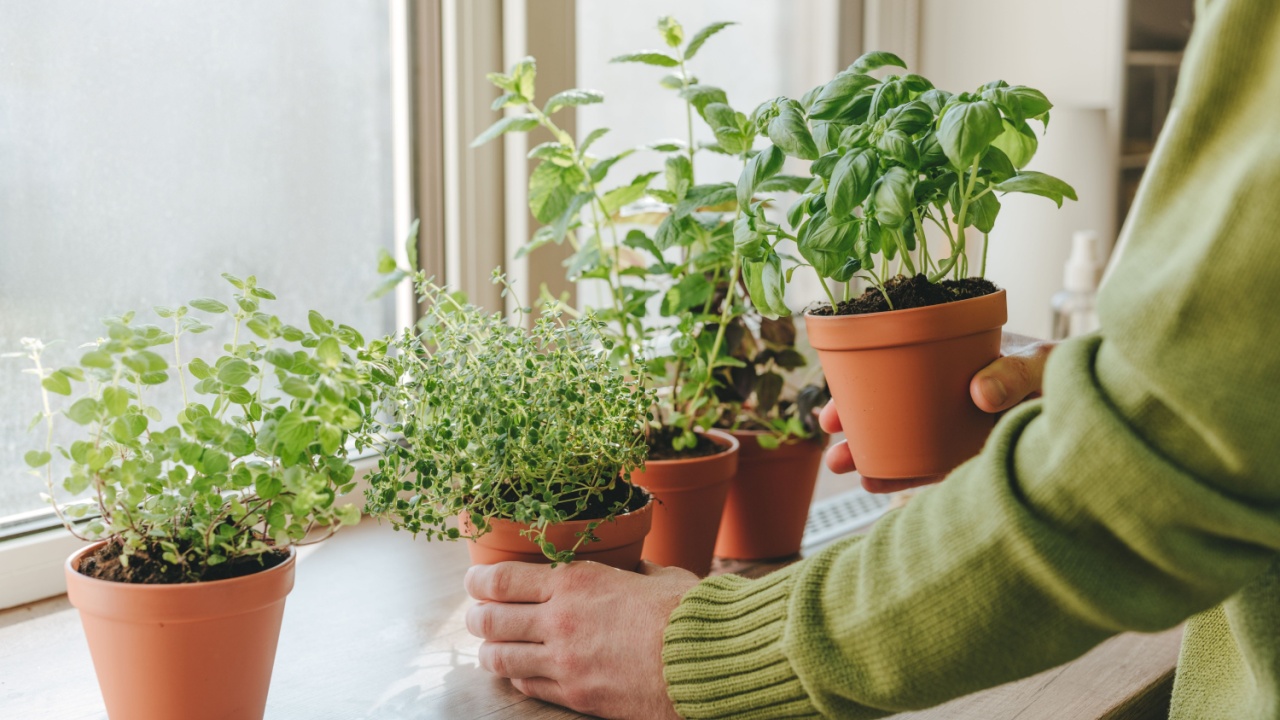
Most culinary herbs are sun worshippers. Basil, rosemary, thyme, oregano, and sage need at least six to eight hours of direct sunlight each day to thrive and develop the essential oils that give them their potent flavor and aroma. Placing them in a shady spot will result in leggy, weak growth and lackluster taste.
If you don’t have a spot with full sun, don’t despair. Some herbs are more tolerant of partial shade. Mint, parsley, chives, and cilantro can do well with about four hours of direct sun, especially if it’s morning sun. Before you plant, observe your garden or patio throughout the day to identify the sunniest locations and place your herbs accordingly.
Quick Tips:
- Sun Seekers: Reserve your sunniest spot (6-8+ hours) for Mediterranean herbs like rosemary, thyme, sage, and basil.
- Shade Tolerant: Plant mint, chives, parsley, and cilantro in areas that get at least 4 hours of morning sun.
- Indoor Solution: If growing indoors, place herbs in a south-facing window or supplement with a grow light for 10-12 hours a day.
- Rotate Pots: If your herbs are in containers, rotate them every few days to ensure all sides get even sun exposure.
4. Planting Aggressive Herbs with Others

Not all herbs play well together. Aggressive spreaders, particularly those in the mint family (like peppermint, spearmint, and lemon balm), can quickly take over a garden bed. Their vigorous root systems, called rhizomes, spread underground and will choke out less assertive neighbors. Planting them directly in a mixed herb garden is a recipe for a monoculture of mint.
To prevent a garden takeover, you must contain these enthusiastic growers. Planting them in their own pots is the easiest solution. If you want them in a garden bed alongside other plants, you can sink a container into the ground to physically block the roots from spreading. This allows you to enjoy fresh mint without it becoming a garden bully.
Quick Tips:
- Isolate the Spreaders: Always plant mint, lemon balm, and even oregano (which can spread aggressively) in separate containers.
- The Pot-in-Pot Method: Sink a 10-inch or larger pot into your garden bed, leaving the lip an inch above the soil line, and plant your mint inside it.
- Annual Vigilance: Even when contained, check around the pot periodically for any runners that have escaped over the top.
- Know the Family: Be aware that many plants are in the mint family and share this spreading habit.
5. Using the Wrong Size Container
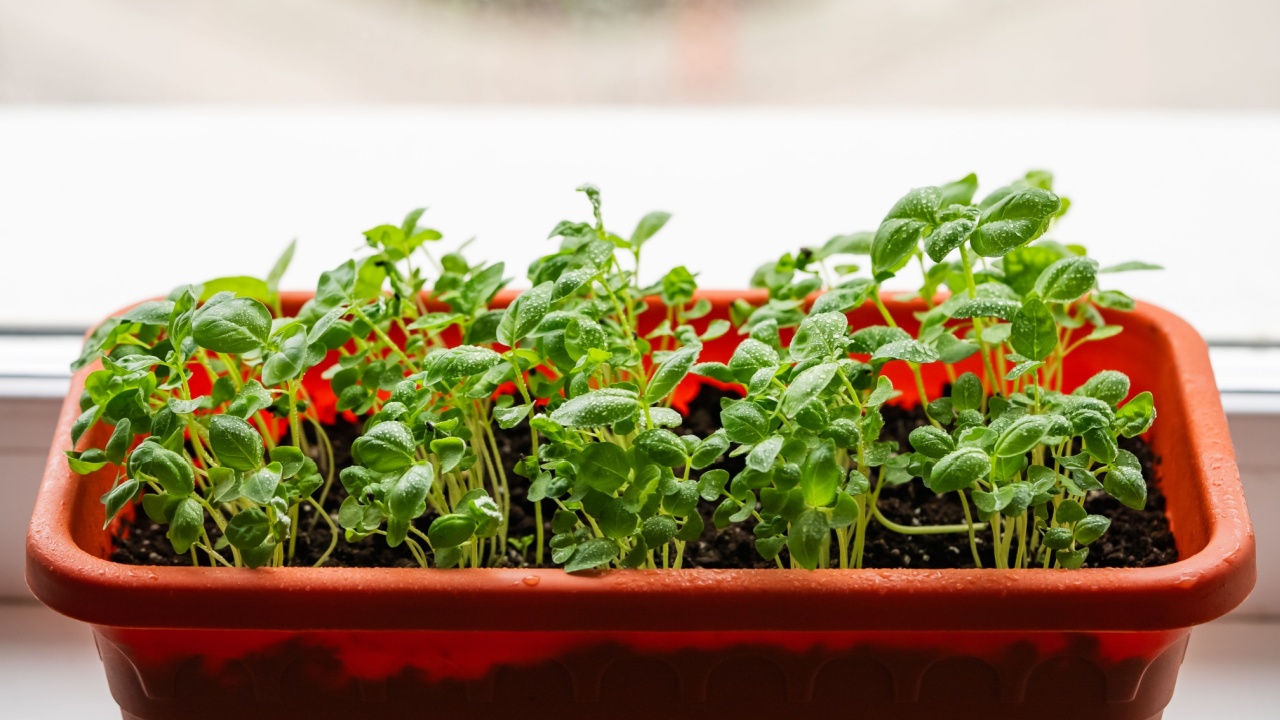
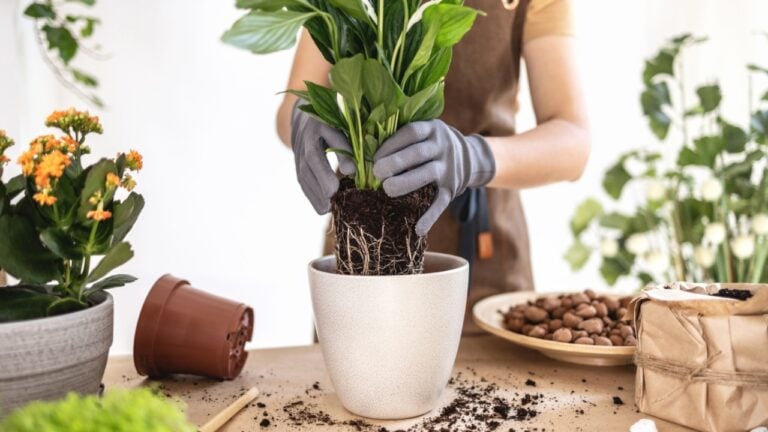
Choosing a container that is too small is a common mistake that can severely limit an herb’s potential. A small pot restricts root growth, which in turn stunts the top growth of the plant. The soil in a small container also dries out very quickly, meaning you’ll have to water constantly. The plant can easily become root-bound, where the roots circle the inside of the pot, making it difficult to absorb water and nutrients.
As a general rule, choose a pot that is at least 8-10 inches in diameter for a single herb plant. This gives the roots enough space to expand and provides a good soil volume to hold moisture. Larger herbs like rosemary or basil will eventually need even bigger pots. Giving your herbs room to grow is essential for a healthy, productive plant.
Quick Tips:
- Go Bigger: Start with at least an 8-inch pot for most herbs. For larger herbs or multiple plants, choose a 12-inch pot or larger.
- Depth Matters: Ensure the pot is deep enough to accommodate the herb’s root system. Root vegetables like carrots or parsley need deeper pots.
- Check for Root-Bound Plants: If your herb stops growing or needs water constantly, gently slide it out of the pot to check the roots. If they are tightly circled, it’s time to repot.
- Material Choice: Terracotta pots are porous and dry out faster, which is great for Mediterranean herbs. Plastic or glazed pots retain more moisture.
6. Fearing the Harvest
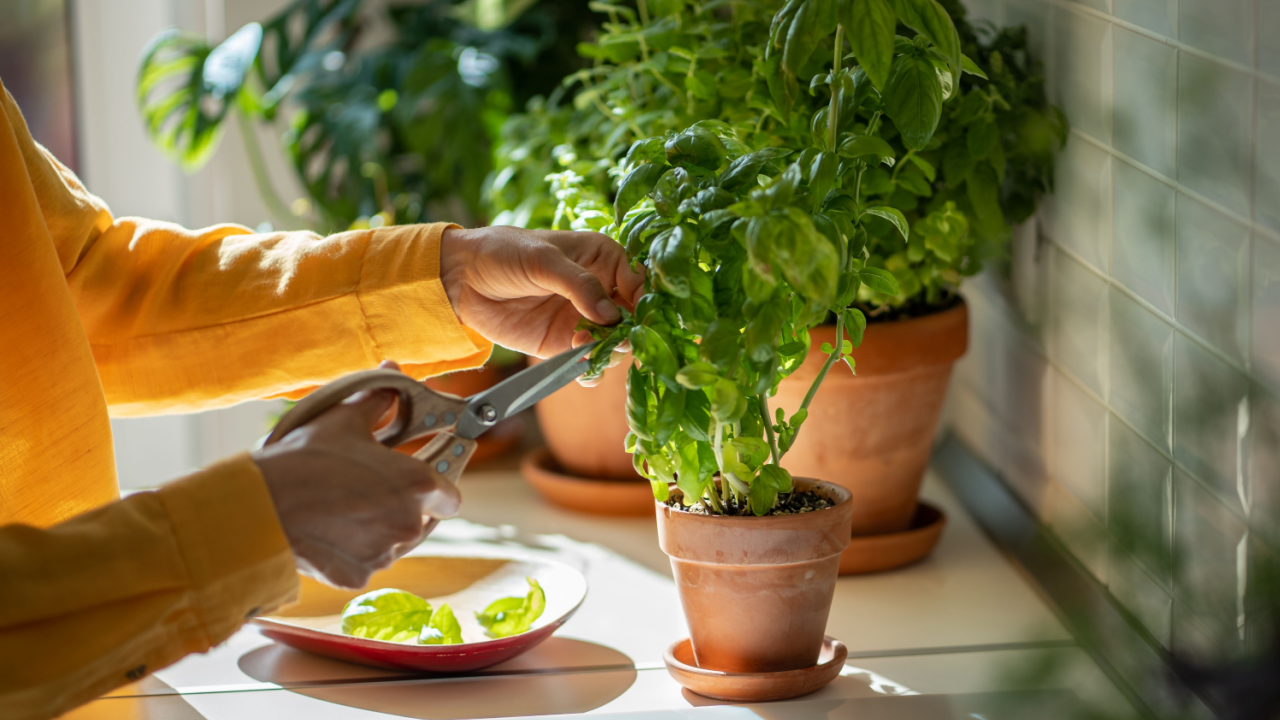
Many new gardeners are hesitant to harvest their herbs, fearing they might harm the plant. In reality, the opposite is true. Regular harvesting, or “pruning,” encourages herbs to become bushier and more productive. When you snip the top growth, the plant is stimulated to send out new side shoots, creating a fuller plant with more leaves to harvest later.
For leafy herbs like basil, mint, and parsley, never remove more than one-third of the plant at a time. For woody herbs like rosemary and thyme, you can prune them back by about a third in the spring to encourage new growth. Regular trimming prevents the plants from becoming leggy and also stops them from “bolting,” producing flowers and seeds, which can turn the leaves bitter.
Quick Tips:
- Snip Often: Harvest your herbs regularly, even if you don’t need them immediately. You can always dry or freeze the excess.
- Prune Above a Leaf Node: When cutting stems, make your cut just above a set of leaves. This is where new growth will emerge.
- Pinch Off Flowers: For basil and cilantro, pinch off any flower buds as soon as they appear to prolong the harvest and keep the leaves flavorful.
- Use Sharp Tools: Use clean, sharp scissors or pruning shears to make clean cuts and avoid damaging the plant.
7. Grouping Herbs with Different Needs
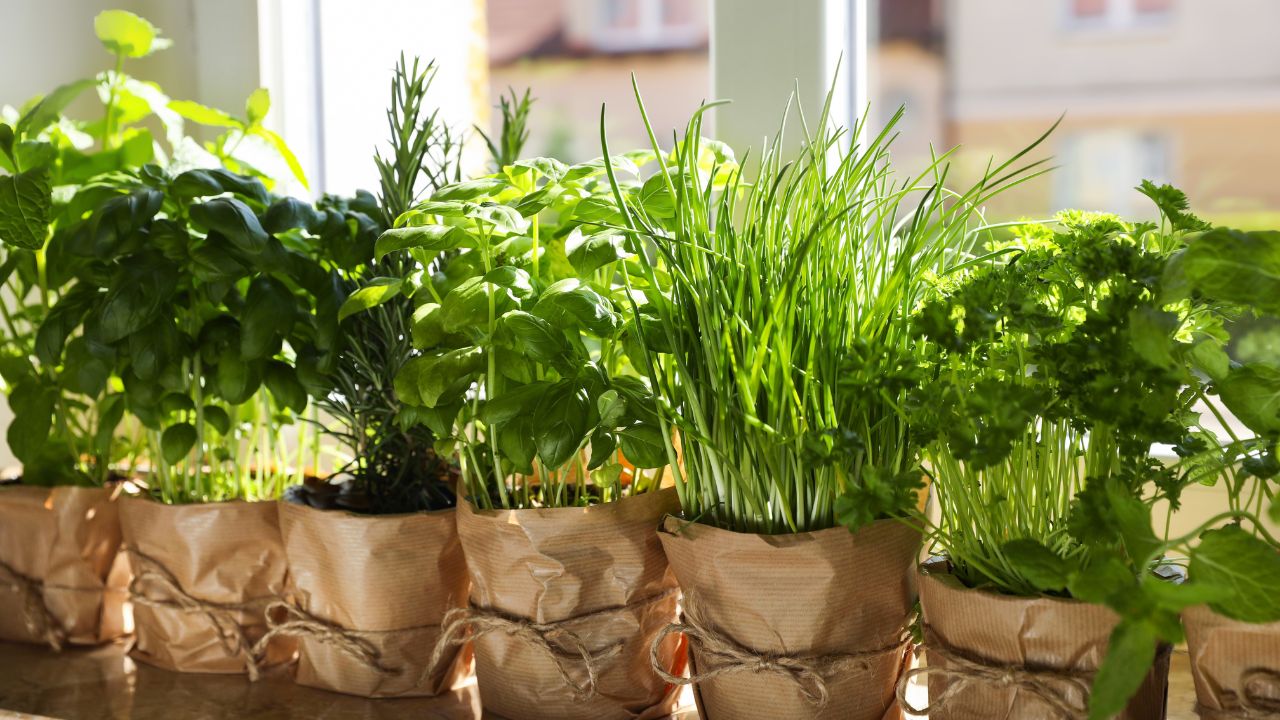
While a mixed herb planter looks beautiful, it can be tricky to maintain if you combine plants with conflicting needs. Grouping a water-loving herb like mint with a drought-tolerant one like rosemary in the same pot is a common error. One of them will inevitably suffer because you can’t provide the ideal watering conditions for both simultaneously.
To create a successful mixed container, group herbs with similar light and water requirements. Create a “Mediterranean” pot with rosemary, thyme, sage, and oregano that all prefer full sun and dry soil. In another container, you can plant moisture-loving herbs like parsley, chives, and mint. This approach ensures all the plants in a single container can thrive under the same care regimen.
Quick Tips:
- Sun Lovers Pot: Combine rosemary, thyme, sage, oregano, and lavender. These all need 6-8+ hours of sun and well-draining soil.
- Moisture Lovers Pot: Group parsley, cilantro, and chives. These herbs appreciate more consistent moisture and can tolerate partial shade.
- Read the Plant Tag: Always check the plant tag for information on light and water needs before you buy.
- Single Pots are Easiest: If you’re unsure, planting each herb in its own pot is the simplest way to meet its individual needs perfectly.
8. Over-Fertilizing
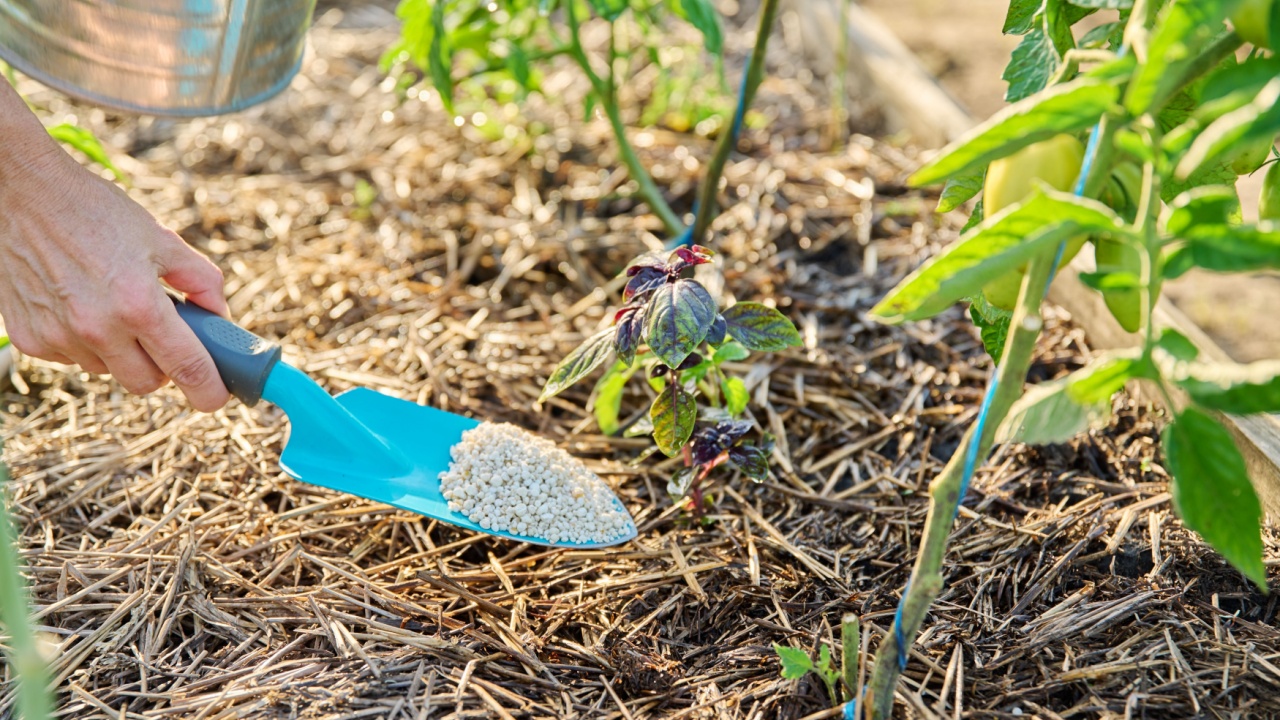
Herbs are generally not heavy feeders. In fact, too much fertilizer can be worse than not enough. Excessive nitrogen, a key component in many all-purpose fertilizers, promotes lush, green foliage but at the expense of flavor. The plant puts its energy into growing leaves instead of developing the essential oils that give herbs their characteristic aroma and taste.
For most herbs, the compost you mix into the soil at planting time is sufficient for several months. If you do need to fertilize, use a balanced, all-purpose liquid fertilizer diluted to half-strength. Apply it once a month during the growing season at most. Less is more when it comes to feeding your herbs.
Quick Tips:
- Start with Rich Soil: Amend your soil with compost at the beginning of the season. This slow-release organic matter will feed your plants over time.
- Dilute, Dilute, Dilute: If using a liquid fertilizer, dilute it to half or even a quarter of the recommended strength.
- Watch for Signs: Yellowing leaves can be a sign of a nutrient deficiency, but check for overwatering first, as it’s a more common cause.
- Avoid Fertilizing Woody Herbs: Woody Mediterranean herbs like rosemary, thyme, and oregano rarely need any fertilizer at all.
9. Starting from Seed at the Wrong Time
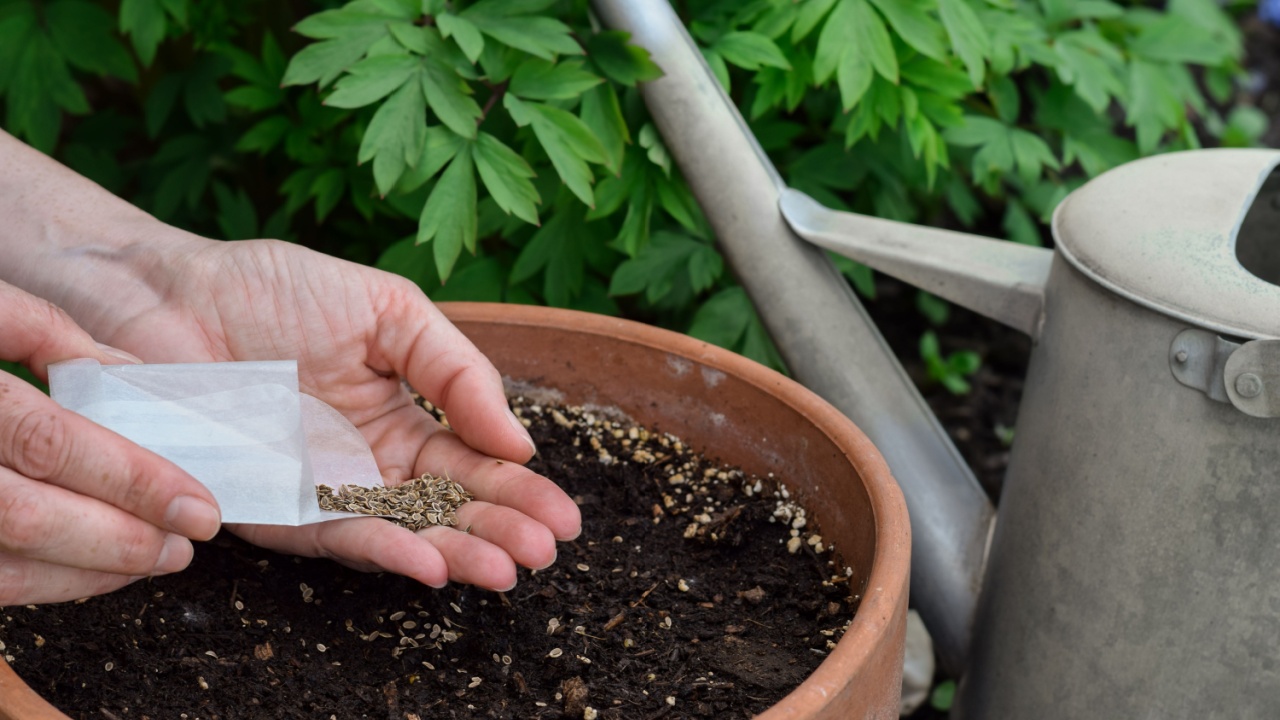
While growing from seed is economical, timing is everything. Starting seeds too late in the season means your plants won’t have enough time to mature before the first frost. Starting them too early indoors can lead to weak, leggy seedlings if they don’t have enough light. Each herb has its own ideal germination time.
For most annual herbs like basil and cilantro, you can start seeds indoors 6-8 weeks before your last expected frost date. This gives them a strong head start. Hardy herbs like parsley and chives can be sown directly into the garden in early spring. Always check the back of the seed packet for specific instructions on timing and planting depth.
Quick Tips:
- Know Your Frost Dates: Find the average first and last frost dates for your specific location to plan your seed-starting schedule.
- Follow Packet Instructions: The seed packet is your best guide for when and how to plant.
- Use a Heat Mat: A seedling heat mat can speed up germination for heat-loving herbs like basil.
- Buy Starter Plants: For herbs that are slow to grow from seed, like rosemary or lavender, buying a small starter plant from a nursery is often an easier option.
10. Ignoring Pest Problems
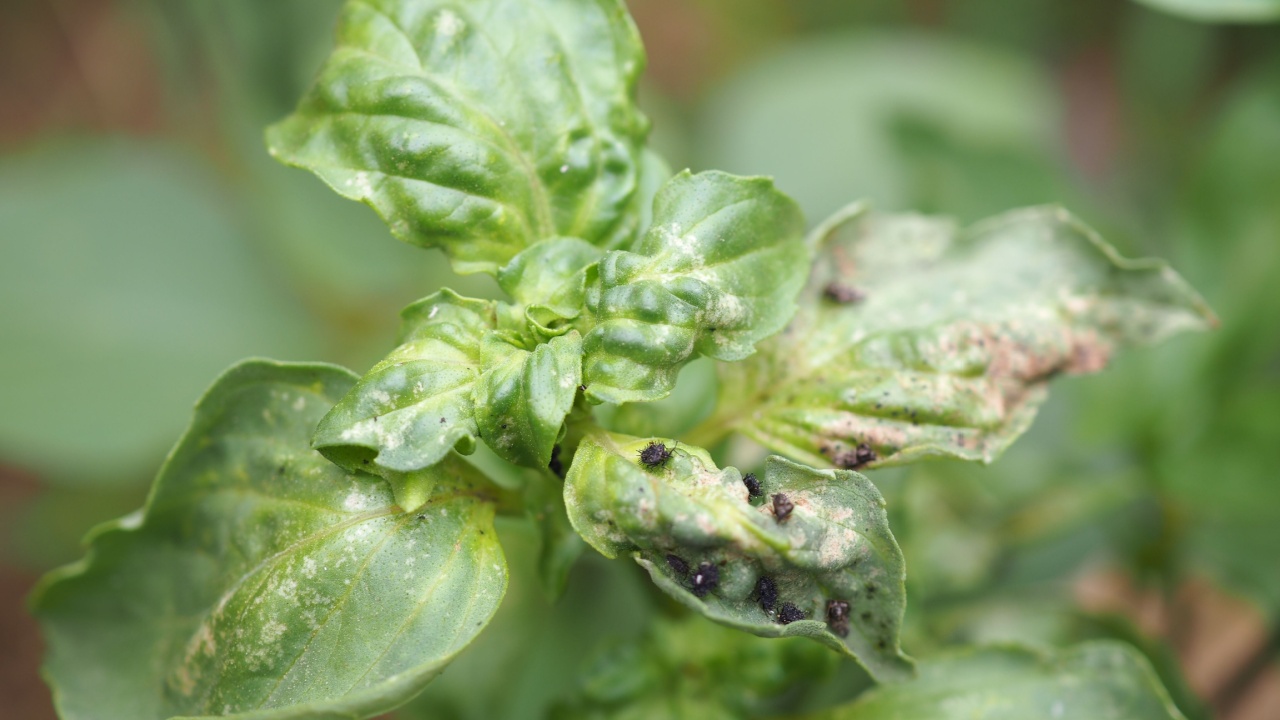
Herbs are relatively pest-resistant, but they are not immune. Small infestations of aphids, spider mites, or whiteflies can quickly get out of hand if ignored. These pests suck the sap from the leaves, weakening the plant and sometimes transmitting diseases. It’s important to inspect your plants regularly, checking the undersides of leaves where pests often hide.
Catching pest problems early makes them much easier to control. Often, a strong spray of water from the hose is enough to dislodge aphids. For more stubborn infestations, insecticidal soap is an effective and safe option for edible plants. Avoid using harsh chemical pesticides on anything you plan to eat.
Quick Tips:
- Inspect Regularly: Make it a habit to check your plants for signs of pests at least once a week.
- First Line of Defense: Use a strong blast of water to knock pests off plants.
- Use Insecticidal Soap: For persistent pests, apply a ready-to-use insecticidal soap, making sure to coat the undersides of the leaves.
- Encourage Beneficial Insects: Attract ladybugs and lacewings to your garden, as they are natural predators of many common pests.
11. Planting Too Densely

It’s tempting to pack seedlings close together to get a full, lush look right away. However, overcrowding is a serious mistake. Plants that are too close together must compete for sunlight, water, and nutrients. This competition leads to stunted growth and weaker plants. Furthermore, poor air circulation in a dense planting creates a humid environment, which is an open invitation for fungal diseases like powdery mildew.
Pay close attention to the spacing recommendations on the plant tag or seed packet. It may look sparse at first, but your herbs will quickly fill in the space. Giving them room to breathe ensures that each plant has the resources it needs to reach its full potential.
Quick Tips:
- Follow Spacing Guidelines: Adhere to the spacing advice on plant tags. For most herbs, this is between 12 and 18 inches apart.
- Thin Your Seedlings: If you sowed seeds directly in the garden, you must thin the seedlings to the proper spacing once they have a few sets of true leaves.
- Promote Airflow: Proper spacing allows for good air circulation, which helps keep leaves dry and prevents fungal diseases.
- Plan for Mature Size: Visualize how large the plant will be when it’s fully grown, and plant for that size, not the size of the small seedling.
12. Forgetting to Plan for Winter
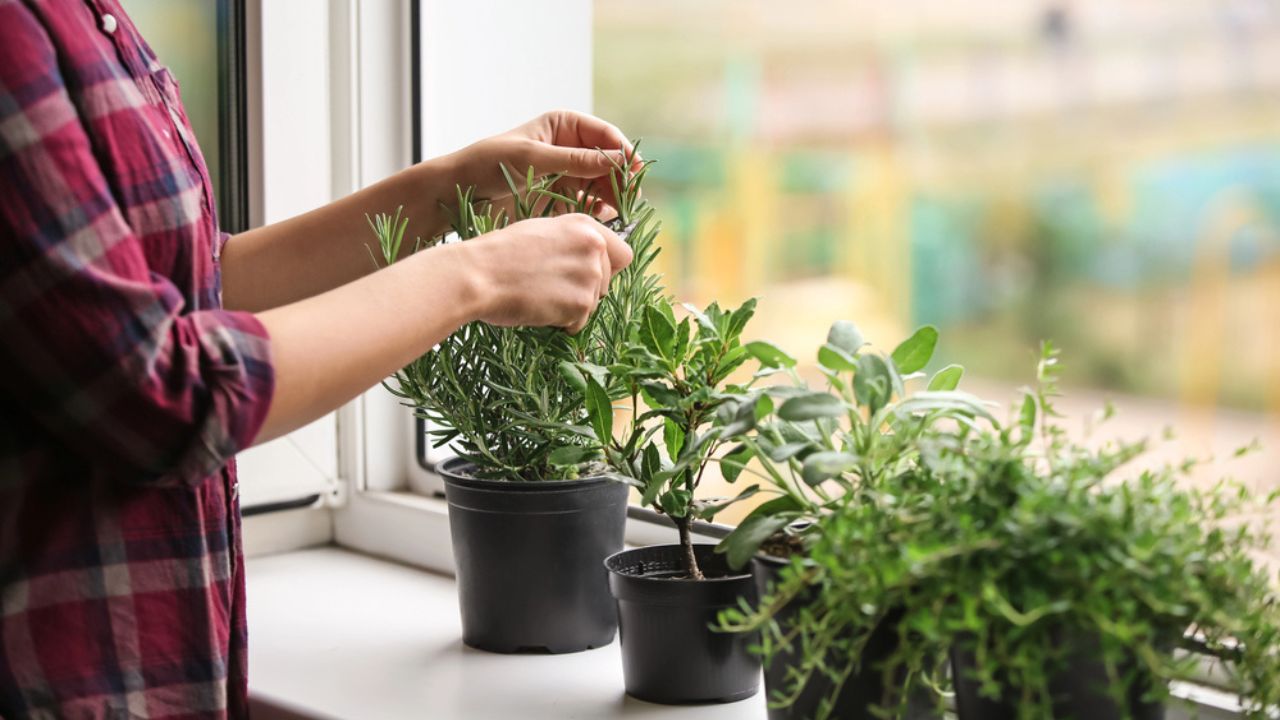
Many popular herbs, such as basil, cilantro, and dill, are annuals that will die with the first hard frost. Others, like rosemary, are tender perennials that may not survive a cold winter outdoors in many climates. Not having a plan for winter can mean losing your plants and having to start over from scratch next spring.
You have several options for overwintering herbs. You can bring potted tender perennials like rosemary and lavender indoors to a sunny window. You can take cuttings from plants like basil or mint to root in water over the winter. For hardy perennials like thyme, sage, and chives, a layer of mulch can help protect their roots from the cold. Finally, be sure to dry or freeze a large batch of your annual herbs before the frost so you can enjoy their flavor all winter long.
Quick Tips:
- Bring Tender Herbs Indoors: Before the first frost, move potted rosemary, lavender, and other tender herbs to a bright, cool spot indoors.
- Take Cuttings: Take 4-inch cuttings of basil, mint, or oregano and place them in a jar of water on a sunny windowsill to root.
- Mulch Hardy Perennials: After the ground freezes, apply a 2-3 inch layer of mulch (like straw or shredded leaves) over your hardy perennial herbs.
- Preserve Your Harvest: Harvest all your annual herbs before the frost. Dry them, freeze them in ice cube trays with oil, or make pesto to enjoy their flavor through the winter.
Cultivating a Thriving Herb Garden
Avoiding these common mistakes can transform your herb gardening journey from one of frustration to one of fragrant success. Start by choosing the right location and soil, then practice mindful watering and regular harvesting. Don’t be afraid to experiment and learn what works best for your specific plants and environment.
Your next step is to take action. Go outside and check the moisture level of your soil. Pinch back that leggy basil plant to encourage bushier growth. If you’ve been thinking about starting an herb garden, pick up a few starter plants and a bag of well-draining soil this weekend. The simple joy of cooking with herbs you’ve grown yourself is well worth the effort.
Read more:
9 Vegetables and Herbs to Grow and Cut the Grocery Bill by $400
How to Dry Your Herbs Without Compromising Flavor