Poor Pepper Yield This Year? 12 Mistakes to Avoid Next Season
Growing peppers can be one of the most satisfying parts of tending a backyard garden. From sweet bells to fiery habaneros, these vibrant fruits bring a burst of flavor and color to any dish. Yet, they can be finicky. It’s frustrating when you put in the effort, only to be met with sparse yields, yellowing leaves, or stunted plants. The dream of a bumper crop can quickly turn into a puzzle of what went wrong.
Often, the difference between a disappointing harvest and an abundance of peppers comes down to avoiding a few common pitfalls. This guide will walk you through 12 key mistakes gardeners make when growing peppers, brought to you by our own gardening experiences and those of other experts.
1. Over-Fertilizing Your Plants

It’s natural to want to give your plants a boost, and fertilizer seems like the obvious solution. However, when it comes to peppers, more is not always better. Dousing them with high-nitrogen fertilizer encourages the plant to pour its energy into producing lush, green leaves at the expense of flowers and fruit. While your plants might look incredibly healthy and green, you’ll be left wondering where all the peppers are.
Excessive nitrogen also makes the tender new growth a prime target for pests like aphids, which can introduce a whole new set of problems. Instead of heavy feeding, focus on balanced nutrition. Start with rich soil amended with compost. Once the plants begin to set fruit, you can apply a balanced fertilizer or side-dress with more compost to provide a gentle, sustained source of nutrients.
Quick Guide:
- The Problem: Too much nitrogen leads to leafy growth and few fruits.
- The Fix: Use a balanced fertilizer (e.g., 5-10-10) only after fruit begins to form.
- Next Steps: Amend your soil with well-rotted compost before planting to create a nutrient-rich foundation.
2. Crowding Your Pepper Plants

When seedlings are small, it’s easy to underestimate how much space they will need once they mature. Planting peppers too close together creates a dense canopy of leaves that traps moisture and restricts airflow. This humid environment is the perfect breeding ground for fungal diseases like powdery mildew and bacterial leaf spot, which can spread quickly from plant to plant.
Crowded plants also compete fiercely for sunlight, water, and soil nutrients, resulting in weaker root systems and smaller, less abundant fruit. Giving each plant enough room to breathe is crucial for its health and productivity.
Quick Guide:
- The Problem: Poor airflow and resource competition lead to disease and stunted growth.
- The Fix: Space standard pepper varieties at least 18-24 inches apart.
- Next Steps: When planning your garden layout, use a measuring tape to ensure proper spacing from the start.
3. Ignoring Pest Problems Until It’s Too Late
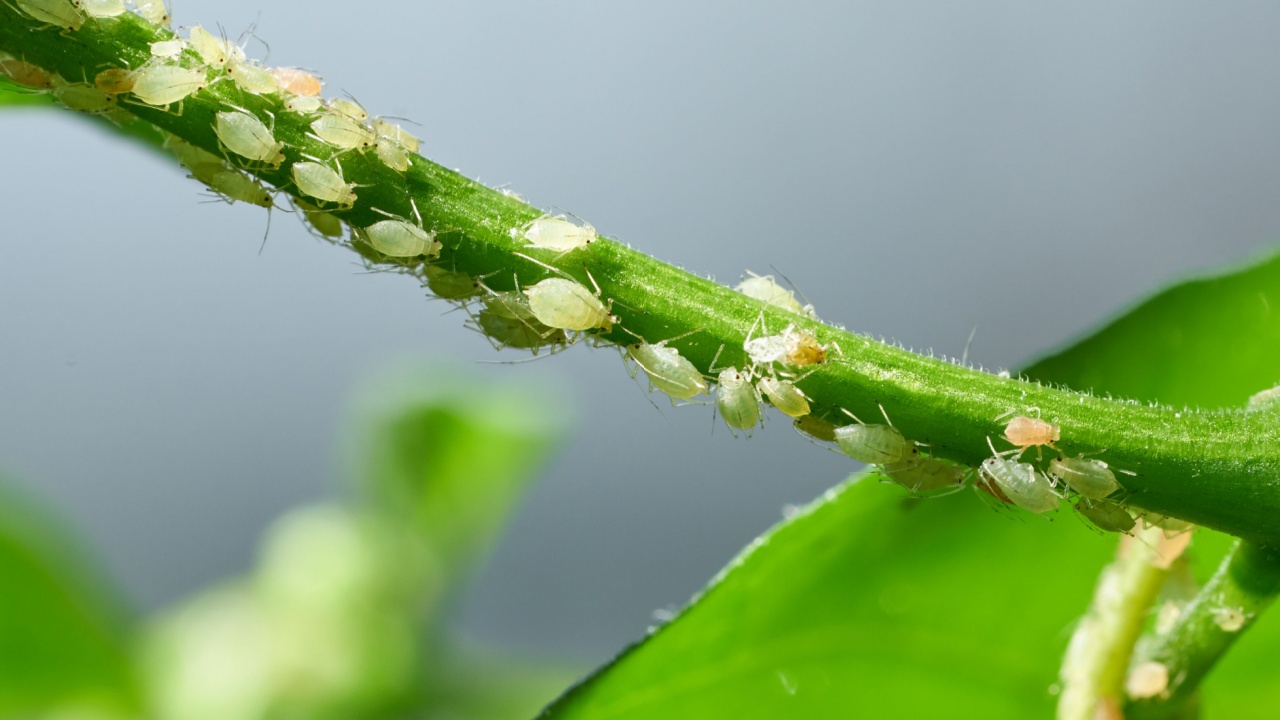
Aphids, thrips, flea beetles, and hornworms are all pests that have a taste for pepper plants. Waiting until you see significant damage like chewed leaves or holes in your peppers means you’re already fighting an uphill battle. A small infestation can explode in a matter of days, putting your entire crop at risk.
Proactive monitoring is your best defense. Spend a few minutes each day inspecting your plants, paying close attention to the undersides of leaves where many pests like to hide. Catching them early makes them much easier to manage. You can often remove small pest populations by hand or with a strong spray of water.
Quick Guide:
- The Problem: Pests can quickly destroy foliage and fruit if left unchecked.
- The Fix: Inspect plants daily for early signs of pests.
- Next Steps: Encourage beneficial insects like ladybugs and lacewings by planting companion flowers like alyssum and dill nearby.
4. Skipping the Hardening-Off Process

After nurturing your pepper seedlings indoors for weeks, it’s tempting to move them directly into the garden on the first warm day. However, this sudden change in environment can send your plants into shock. The intense sun, wind, and fluctuating temperatures are too much for tender seedlings to handle all at once, leading to sunburned leaves, stunted growth, or even death.
Hardening off is the process of gradually acclimating your plants to outdoor conditions. Over 7-10 days, slowly increase their exposure to the elements. Start with a few hours in a shaded, protected spot and gradually move them into more direct sunlight. This simple step toughens up the plants, making them resilient enough to thrive in the garden.
Quick Guide:
- The Problem: Moving seedlings outdoors too quickly causes shock, scorch, and wilting.
- The Fix: Acclimate plants to outdoor conditions over a week or more.
- Next Steps: Begin the hardening-off process two weeks before your target planting date.
5. Planting in Too Much Shade

Peppers are sun-worshippers. They originated in the warm, sunny climates of Central and South America and need plenty of direct sunlight to produce energy for flowering and fruiting. Planting them in a shady spot will result in leggy, weak stems as the plants stretch desperately for light. You’ll also see very few flowers, which means very few peppers.
Before you plant, observe your garden throughout the day to identify the sunniest locations. Your peppers need a spot that receives at least six to eight hours of direct sunlight daily. If your yard has limited sun, consider planting peppers in containers that you can move to follow the light.
Quick Guide:
- The Problem: Lack of sun leads to leggy plants and poor fruit production.
- The Fix: Choose a location that gets 6-8 hours of direct sunlight per day.
- Next Steps: If your garden is shady, opt for containers or choose smaller, faster-maturing pepper varieties that require a slightly shorter season.
6. Failing to Support Heavy Branches

In the early stages, it’s hard to imagine that your small pepper plants will need support. But as they grow and begin to produce fruit, the weight can become too much for the branches to bear. A single heavy rainstorm or strong gust of wind can be enough to snap a fruit-laden branch, leading to a loss of your precious harvest.
It’s best to provide support early on, before the plants become heavy. Installing stakes or tomato cages when the plants are still young allows you to do so without disturbing their established root systems. As the plant grows, you can loosely tie the main stem and heavy branches to the support using soft garden twine.
Quick Guide:
- The Problem: Heavy fruits can cause branches to bend and break.
- The Fix: Use stakes or cages to support plants as they grow.
- Next Steps: Install supports at the time of planting to avoid root damage later.
7. Not Rotating Your Crops
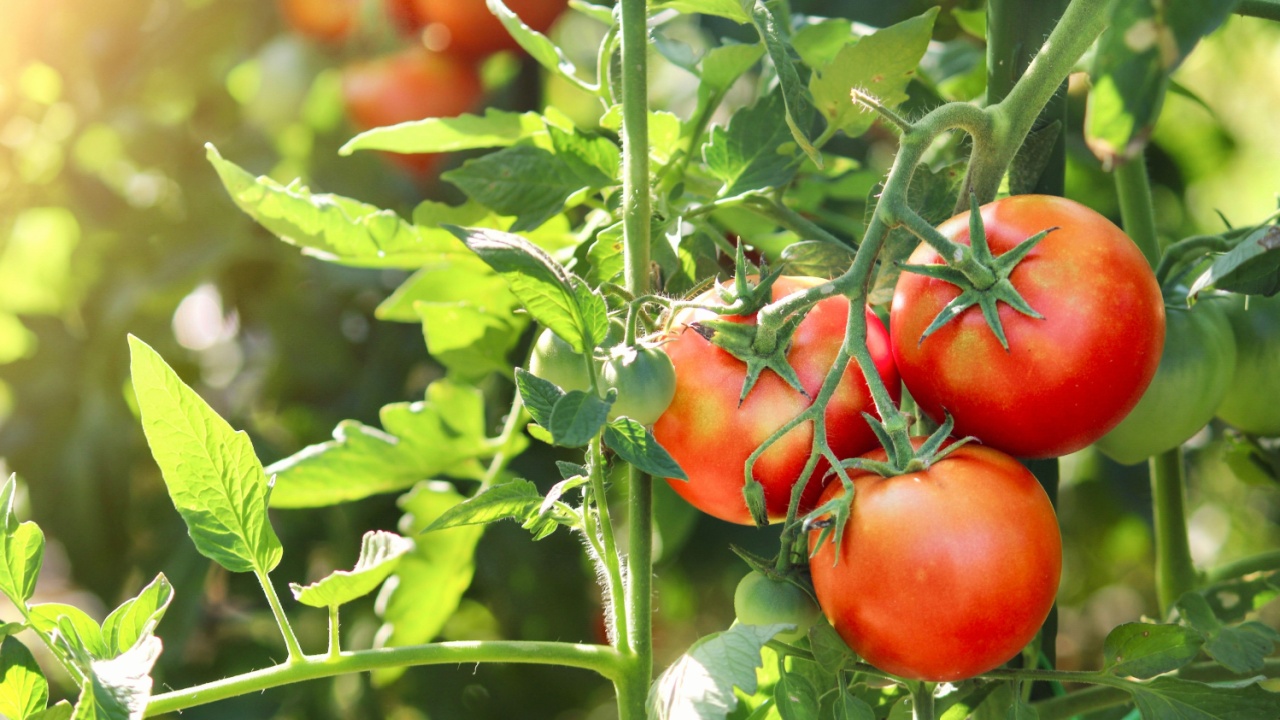
Planting peppers (or their relatives like tomatoes, eggplants, and potatoes) in the same garden bed year after year is an open invitation for trouble. Soil-borne diseases like verticillium wilt, fusarium wilt, and Phytophthora blight can build up in the soil over time. These pathogens can survive through the winter and will be waiting to infect your new plants the following season.
Crop rotation is a simple yet effective practice to break this disease cycle. By planting a different plant family in that spot each year, you starve out the pests and pathogens that specifically target peppers. A good rule of thumb is to follow a three to four-year rotation schedule.
Quick Guide:
- The Problem: Planting in the same spot encourages soil-borne diseases.
- The Fix: Rotate peppers with unrelated crops like beans, squash, or onions.
- Next Steps: Keep a simple garden journal to track what you planted where each year, making future rotation planning easy.
8. Planting Too Early or Too Late
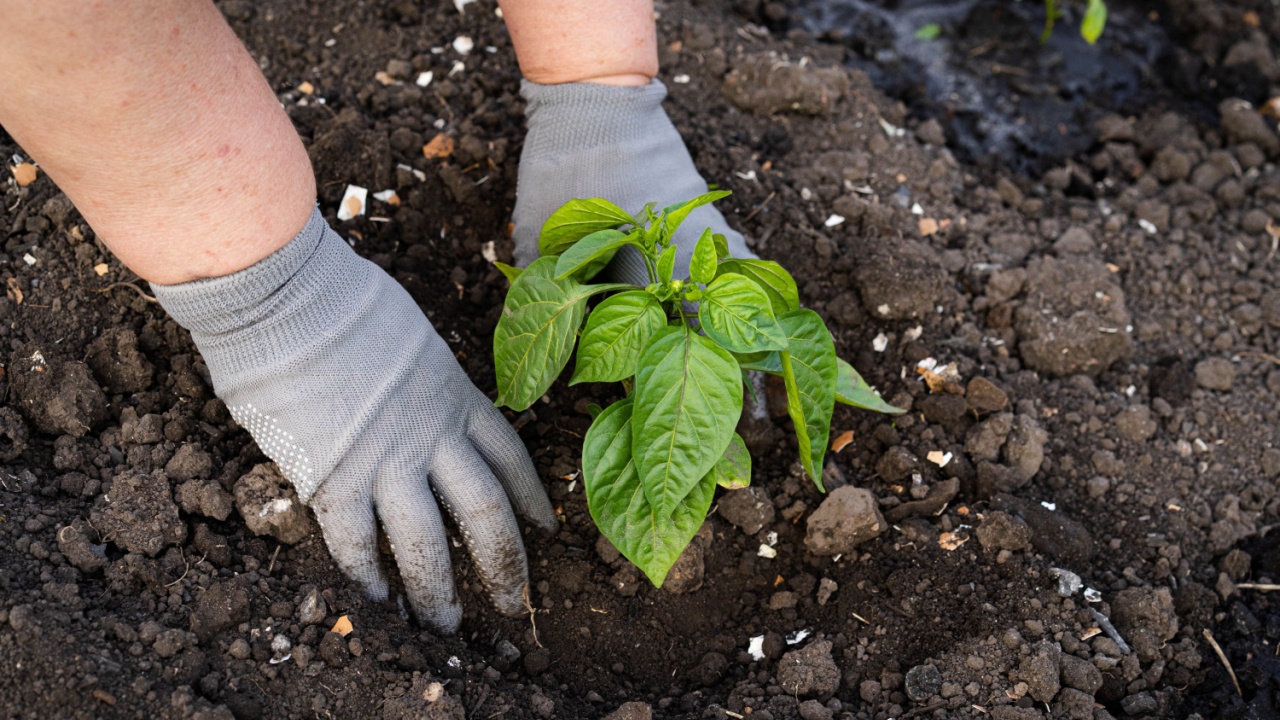
Timing is everything with heat-loving plants like peppers. They are very sensitive to cold, and planting them too early, when nighttime temperatures are still dipping below 55°F (13°C), can stunt their growth for the entire season. The cold soil and air will cause them to sulk, and they may never fully recover.
On the other hand, planting too late can significantly shorten your harvest window. Peppers need a long, warm growing season to mature. If you wait too long, your plants may not have enough time to produce a substantial crop before the first frost of fall arrives.
Quick Guide:
- The Problem: Incorrect timing leads to stunted growth or a shortened harvest season.
- The Fix: Transplant seedlings into the garden two to three weeks after your last expected frost date.
- Next Steps: Start seeds indoors 8-10 weeks before your transplant date to give them a strong head start.
9. Ignoring Soil pH and Drainage

Peppers are particular about their soil. They thrive in well-draining, slightly acidic soil with a pH between 6.0 and 6.8. If your soil is heavy clay, it will retain too much water, leading to waterlogged roots and a high risk of root rot. If the pH is too high or too low, the plant will be unable to absorb essential nutrients from the soil, even if they are present.
Before planting, it’s wise to test your soil. You can use a simple home test kit or send a sample to your local cooperative extension service. Based on the results, you can amend the soil with lime to raise the pH or sulfur to lower it. Incorporating several inches of compost or other organic matter is the best way to improve drainage and soil structure.
Quick Guide:
- The Problem: Poor drainage causes root rot, and incorrect pH locks out nutrients.
- The Fix: Aim for a soil pH of 6.0-6.8 and ensure good drainage by adding organic matter.
- Next Steps: Consider raised beds if you have heavy clay soil, as they provide excellent drainage.
10. Harvesting Improperly
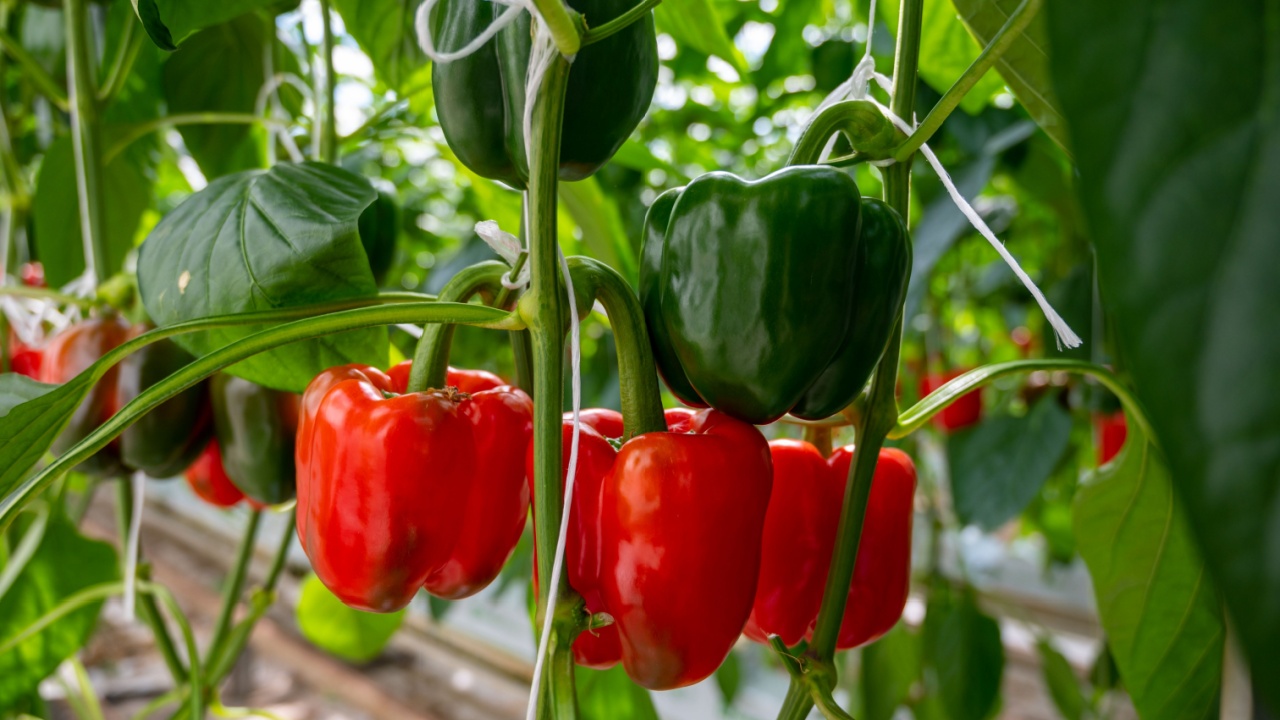
You’ve successfully grown your peppers, and now it’s time to enjoy them. But how you harvest matters. Yanking the peppers off the plant can tear the branch, creating an open wound that is susceptible to disease. It can also damage the fruit itself.
The best way to harvest is with a clean, sharp pair of pruners or scissors. Snip the stem about a half-inch above the pepper. This clean cut minimizes damage to the plant and encourages it to continue producing. Remember that many peppers change color as they ripen; leaving them on the plant longer will often result in a sweeter, more complex flavor.
Quick Guide:
- The Problem: Pulling peppers can damage the plant and reduce future yields.
- The Fix: Use clean pruners or scissors to snip peppers from the stem.
- Next Steps: Harvest regularly, as picking ripe peppers signals the plant to produce more flowers.
11. Inconsistent Watering
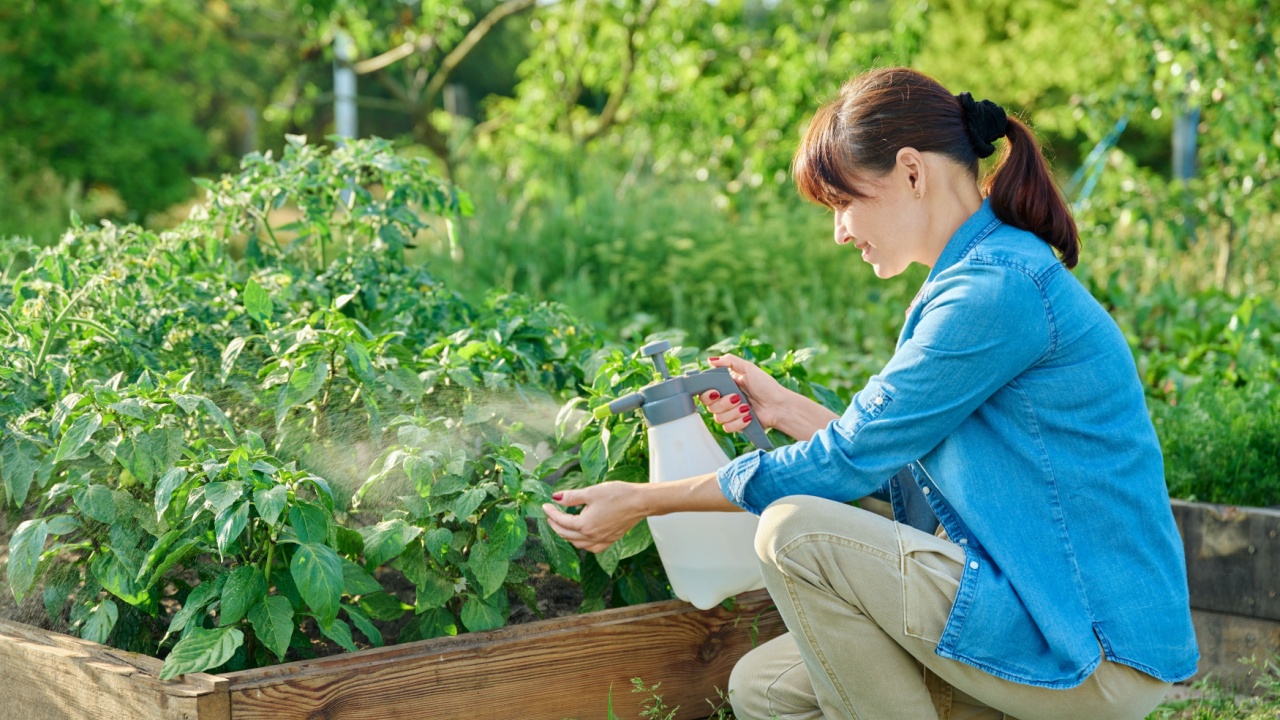
Pepper plants are sensitive to both overwatering and underwatering. Too much water suffocates the roots, leading to yellow leaves and root rot. Too little water stresses the plant, causing it to drop its blossoms and produce small, sometimes bitter-tasting fruit. Watering on a rigid schedule without checking the soil can easily lead to one of these extremes.
The key is consistent moisture. Water deeply when the top inch of soil feels dry to the touch. Using a soaker hose or drip irrigation is ideal, as it delivers water directly to the roots while keeping the foliage dry, which helps prevent disease. Applying a layer of organic mulch, like straw or shredded leaves, will help the soil retain moisture and keep roots cool.
Quick Guide:
- The Problem: Both over- and underwatering stress plants, causing blossom drop and poor fruit quality.
- The Fix: Water deeply and consistently when the top inch of soil is dry.
- Next Steps: Apply a 2-3 inch layer of mulch around your plants to help regulate soil moisture.
12. Not Pinching Early Flowers
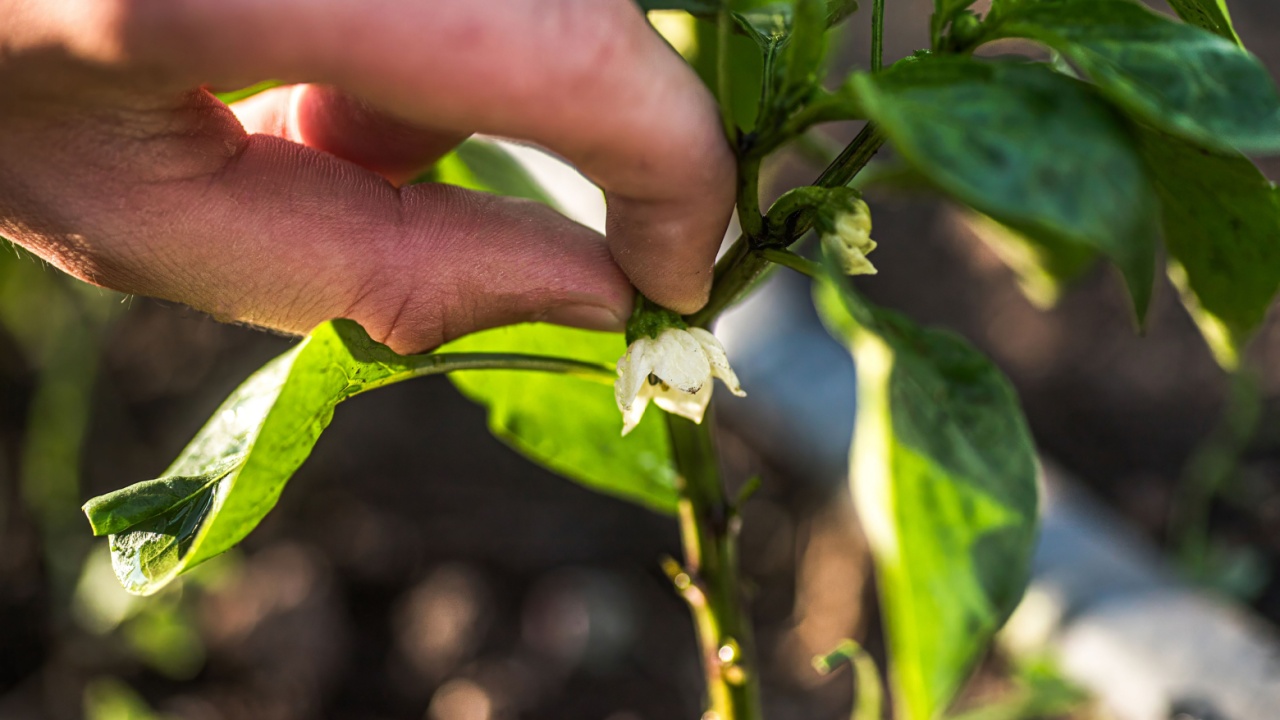
This one may feel counterintuitive, but it’s a secret of many experienced gardeners. When a young pepper plant first develops flowers, it’s often still quite small (and too early, especially if they’re blooming indoors due to limited space). If you allow it to set fruit at this stage, it will divert its limited energy into maturing that one or two peppers instead of growing a stronger root system and a larger, more robust frame.
By pinching off the first few flower buds, you encourage the plant to focus on vegetative growth first. This results in a bigger, stronger plant that can ultimately support a much larger harvest later in the season. It’s a small sacrifice that pays big dividends.
Quick Guide:
- The Problem: Early fruiting on a small plant potentially leads to a smaller overall harvest.
- The Fix: Pinch off the first few flower buds that appear on young plants if the plant still needs to grow and the weather needs to turn warmer.
- Next Steps: Continue this practice for the first couple of weeks after transplanting until the plant has developed a sturdy frame.
How to Get a Bountiful Pepper Harvest
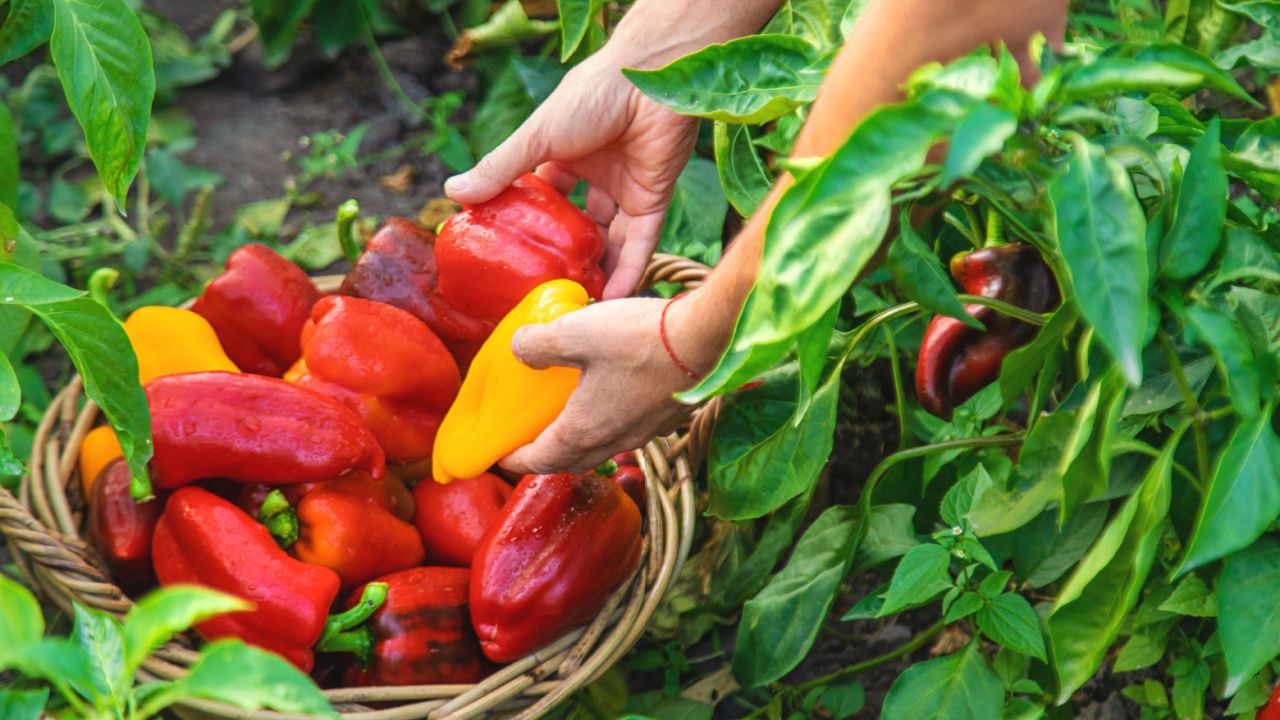
Gardening is a journey of learning and discovery. Don’t be discouraged if you’ve made some of these mistakes in the past; every gardener has. The key is to take these lessons and apply them to your next season.
Start by planning ahead. Grab a notebook and sketch out your garden layout, making note of where you’ll rotate your crops. Set a reminder to test your soil this fall or early next spring. Most importantly, use this guide as a checklist to prepare for a successful pepper patch. With a little care and attention to detail, you’ll be well on your way to enjoying your best pepper harvest yet.