18 Top Fall Flowers for Containers to Brighten Your Porch
As the summer sun mellows and a crisp note enters the air, our gardens don’t have to fade away. Autumn offers a rich, second act for your porch, patio, and balcony. Container gardening is a fantastic way to capture the cozy, vibrant spirit of the season. It allows you to easily control soil and light conditions, creating perfect little ecosystems for plants that thrive in cooler weather. With a few well-chosen pots and the right flowers, you can design a stunning display that will provide brilliant color right up until the first frost.
This guide will walk you through 18 of the best fall flowers for containers. We’ll explore classic choices and some surprising additions that can add texture, color, and life to your outdoor spaces. From the fiery tones of marigolds to the delicate faces of violas, you’ll find plenty of inspiration to create your perfect autumn arrangement.
1. Mums (Chrysanthemums)
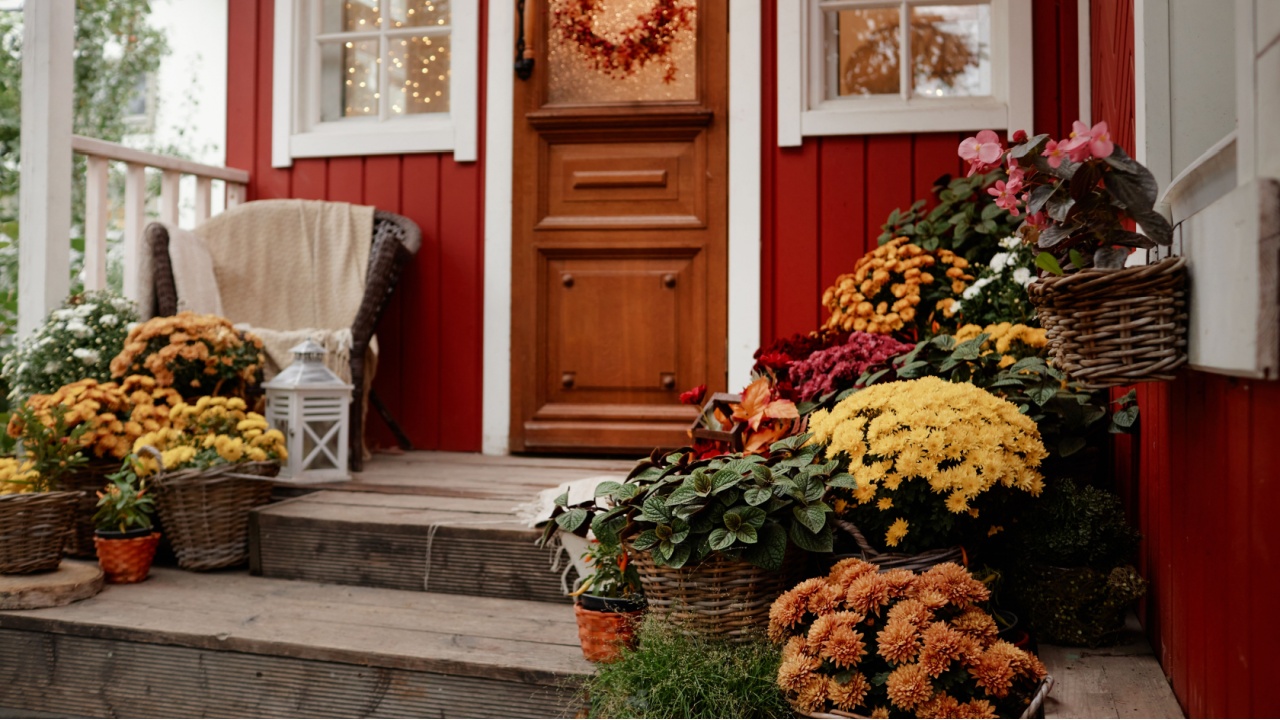
Chrysanthemums are the undisputed star of the autumn garden. Their dense mounds of jewel-toned flowers in shades of red, orange, yellow, and deep purple are synonymous with fall. They are incredibly versatile and hardy, making them an ideal choice for container gardening as the temperatures drop.
When you’re selecting mums, look for plants with more closed buds than open flowers. This simple trick ensures you’ll get a longer blooming period. Once you bring them home, repot them into a larger container with fresh, well-draining potting mix. This gives their roots room to expand and helps prevent them from drying out too quickly. Mums prefer full sun to produce the most blooms, so place your pots where they will receive at least six hours of direct sunlight each day.
Quick Care Tips:
- Light: Full sun (6+ hours/day)
- Water: Keep soil consistently moist, but not waterlogged. Water at the base of the plant.
- Soil: Well-draining potting mix.
- Tip: Mums purchased in the fall are often treated as annuals, but you can plant hardy varieties in the ground after they finish blooming for a chance of return next year.
2. Pansies
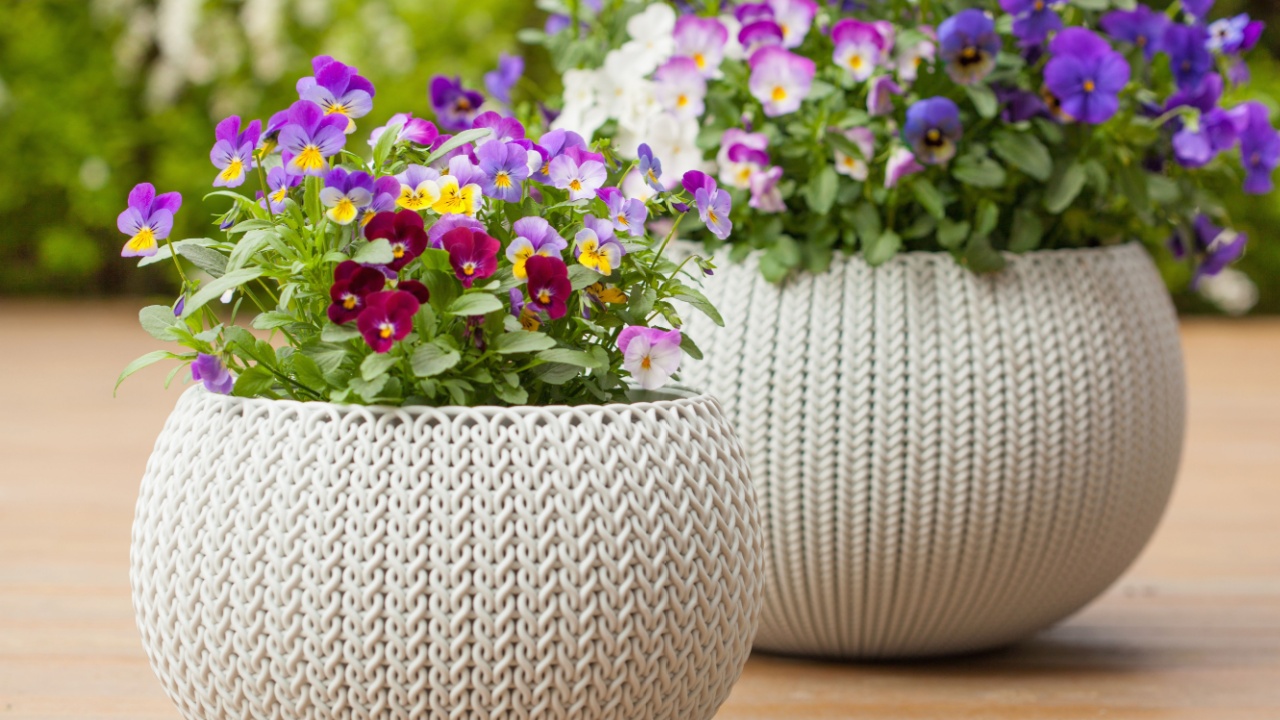
With their cheerful “faces” and vast color palette, pansies are a cool-weather favorite that can brighten any fall container. These resilient flowers thrive in the mild days and chilly nights of autumn, often blooming well into the early winter in milder climates. They are perfect for tucking into mixed containers or filling a pot all on their own.
Pansies are not demanding. They perform best in a location that gets morning sun and some afternoon shade, especially in regions where fall afternoons can still be warm. Regular deadheading, pinching off the spent blooms, is the key to encouraging a continuous show of flowers. Don’t be afraid if a light frost is in the forecast; pansies are surprisingly tough and will often bounce right back.
Quick Care Tips:
- Light: Full sun to partial shade.
- Water: Water regularly to keep the soil evenly moist.
- Soil: Standard, well-draining potting soil.
- Tip: Plant them with other fall bloomers like ornamental cabbage and asters for a classic autumn look.
3. Asters
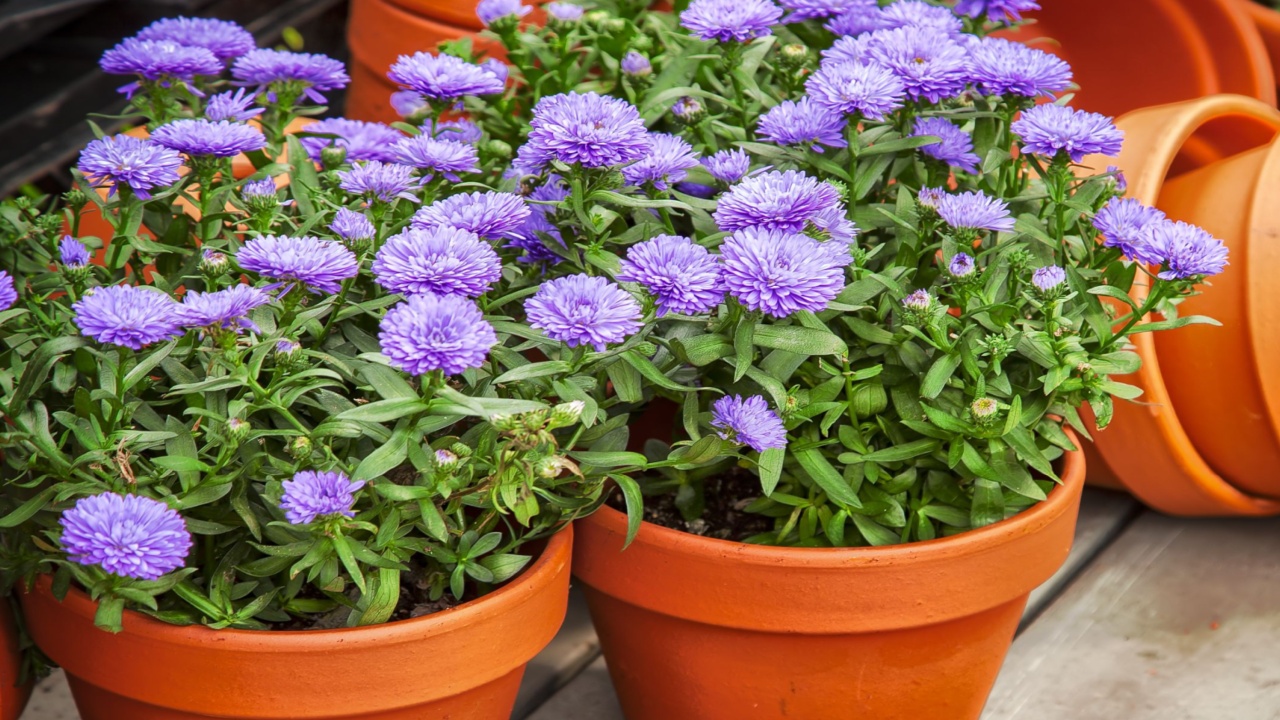
Asters bring a touch of wild, natural beauty to container gardens with their daisy-like flowers. Blooming in vibrant shades of purple, blue, pink, and white, they are a magnet for late-season pollinators like butterflies and bees. Their upright growth habit makes them an excellent “thriller” or tall element in a mixed container arrangement.
To keep asters happy in pots, provide them with plenty of sunlight and good air circulation to prevent fungal issues like powdery mildew. Use a container that has excellent drainage, as they dislike having wet roots. Most varieties sold for fall are perennials, so after they have finished flowering on your porch, you can plant them in your garden beds for years of enjoyment.
Quick Care Tips:
- Light: Full sun.
- Water: Water well, but allow the soil to dry slightly between waterings.
- Soil: Well-draining mix.
- Tip: Choose a compact variety for containers to maintain a tidy shape without needing to stake them.
4. Ornamental Cabbage and Kale
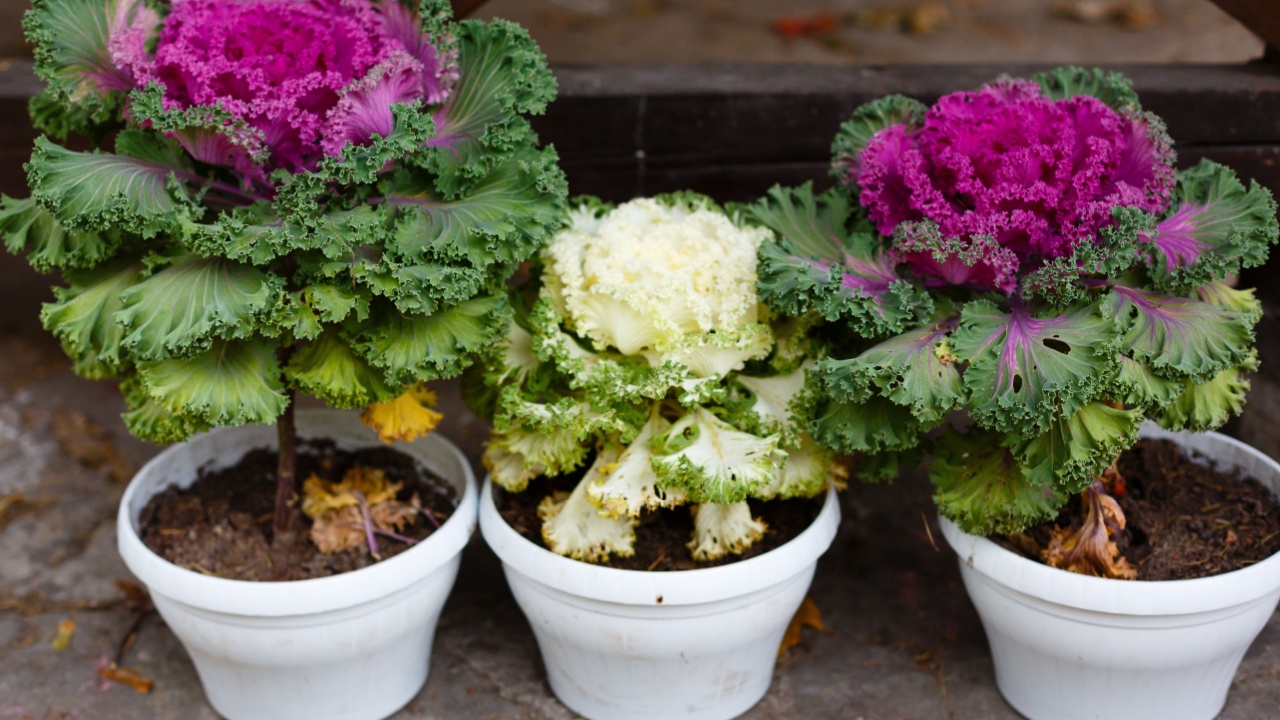
While not technically flowers, ornamental cabbage and kale provide stunning color and texture that intensifies as the weather gets colder. Their ruffled leaves form rosettes in shades of cream, pink, purple, and deep green. They are exceptionally cold-hardy and will often look their best after a few light frosts have passed, making them one of the longest-lasting additions to a fall container.
These plants are incredibly easy to care for. They are not picky about soil and can handle full sun or light shade. Use them as a bold focal point or as a filler to complement flowering plants like pansies and mums. Their unique foliage adds structure and interest that lasts well into winter.
Quick Care Tips:
- Light: Full sun to partial shade.
- Water: Keep soil consistently moist.
- Soil: General-purpose potting soil.
- Tip: The colors become more vibrant after the first frost, so don’t worry when the temperatures start to dip!
5. Sweet Alyssum
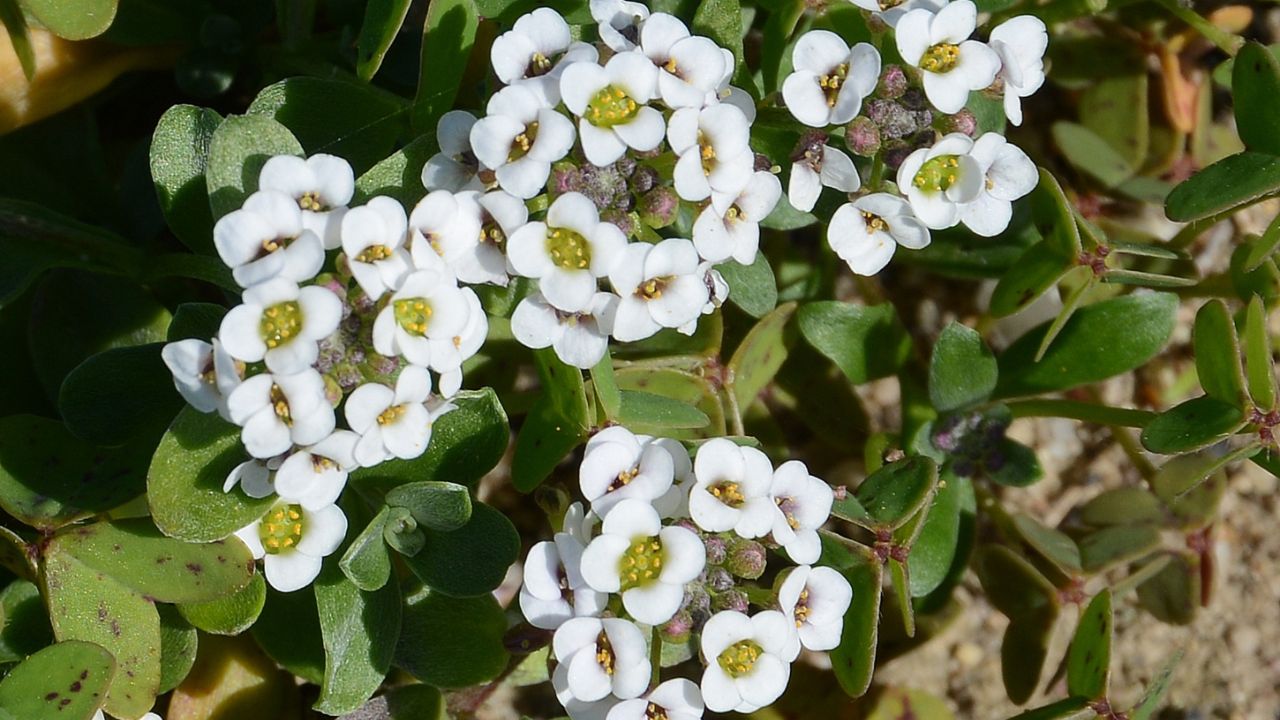
For a delicate, fragrant spiller that cascades beautifully over the sides of your pots, look no further than sweet alyssum. This low-growing annual produces a carpet of tiny white, pink, or purple flowers with a lovely honey-like scent. It performs wonderfully in the cooler temperatures of fall, often reviving after a summer lull.
Sweet alyssum is an excellent choice for the edges of containers or as a filler plant between taller specimens. It needs at least six hours of sun to bloom profusely. If it starts to look a bit tired, you can give it a light trim to encourage a fresh flush of growth and more flowers.
Quick Care Tips:
- Light: Full sun to partial shade.
- Water: Prefers consistent moisture.
- Soil: Well-draining soil.
- Tip: Its sweet fragrance is a wonderful bonus next to a doorway or on a patio where you often sit.
6. Million Bells (Calibrachoa)
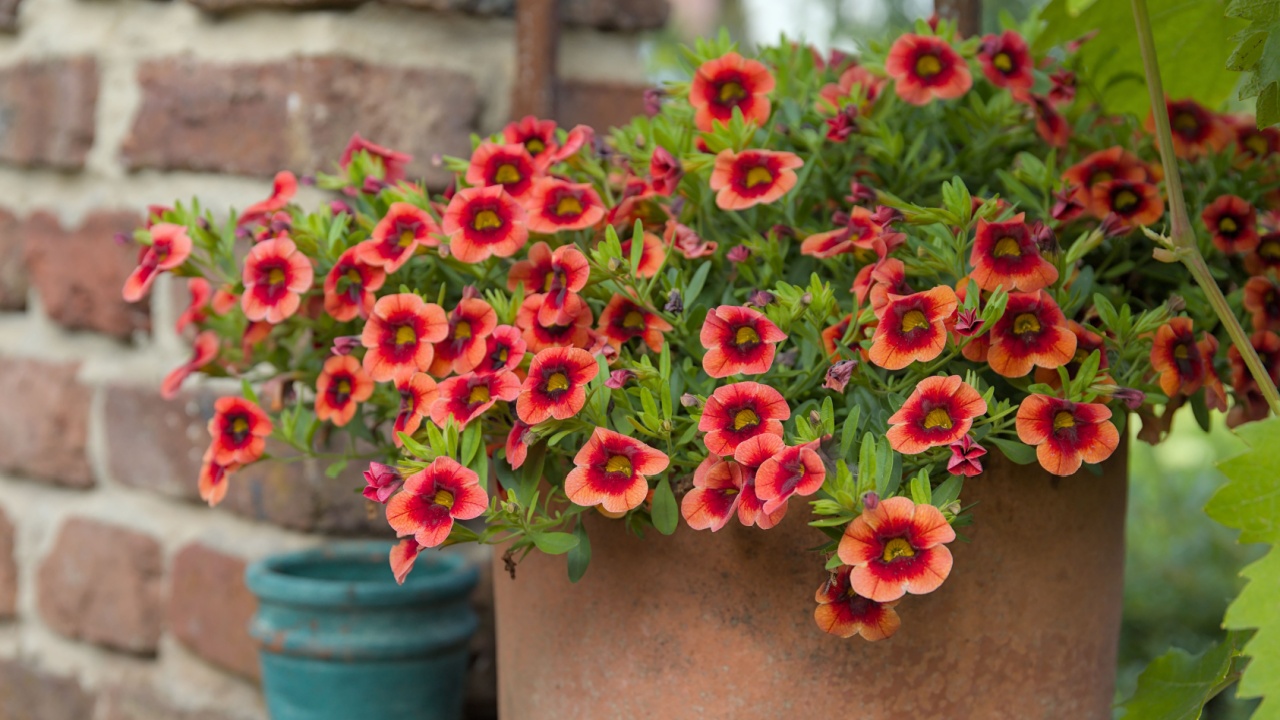
Million Bells, or calibrachoa, are prolific bloomers that look like miniature petunias. They are perfect for hanging baskets and containers, where their trailing stems can spill over the edges, creating a waterfall of color. Available in nearly every shade imaginable, they continue to flower generously until the first hard frost.
These plants are self-cleaning, meaning you don’t need to deadhead them to keep the blooms coming. They thrive in full sun and require excellent drainage. Let the top inch of soil dry out before watering again to prevent root rot. Their continuous blooming power makes them a workhorse in any fall container combination.
Quick Care Tips:
- Light: Full sun (at least 6 hours).
- Water: Water when the top of the soil feels dry. Avoid overwatering.
- Soil: Fast-draining potting mix.
- Tip: They are heavy feeders, so apply a liquid fertilizer every few weeks to support their non-stop blooming.
7. Sedum
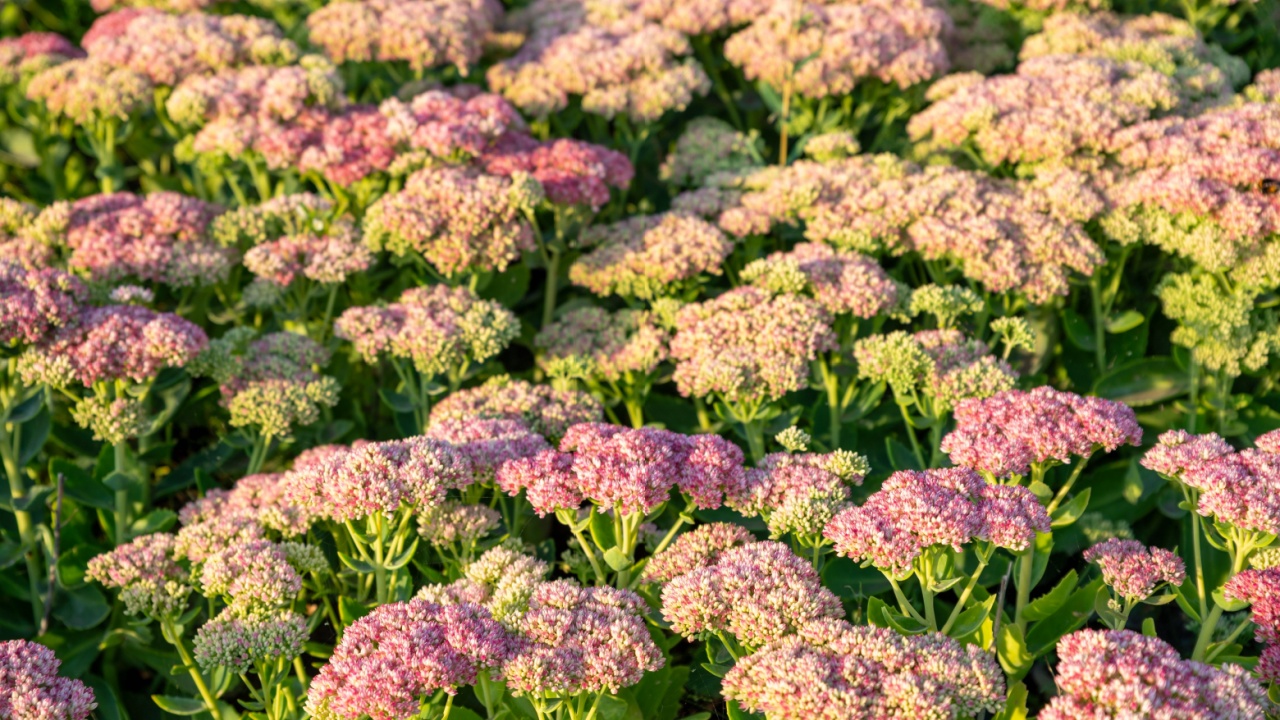
Sedum, particularly upright varieties like ‘Autumn Joy’ or ‘Autumn Fire’, is a superb choice for fall containers. This succulent offers year-round interest, but it truly shines in autumn when its flower heads transition from pale pink to a deep, coppery red. The fleshy leaves are drought-tolerant, making it a low-maintenance option.
Plant sedum in a pot with fast-draining soil and place it in a full-sun location. It requires very little attention and is forgiving if you forget to water it occasionally. The dried flower heads can be left on the plant through winter to provide texture and interest in your garden, even under a dusting of snow.
Quick Care Tips:
- Light: Full sun.
- Water: Water sparingly; it is highly drought-tolerant.
- Soil: Gritty, well-draining soil. Cactus or succulent mix works well.
- Tip: After enjoying it in a container, you can transplant this hardy perennial into your garden.
8. Black-Eyed Susans (Rudbeckia)
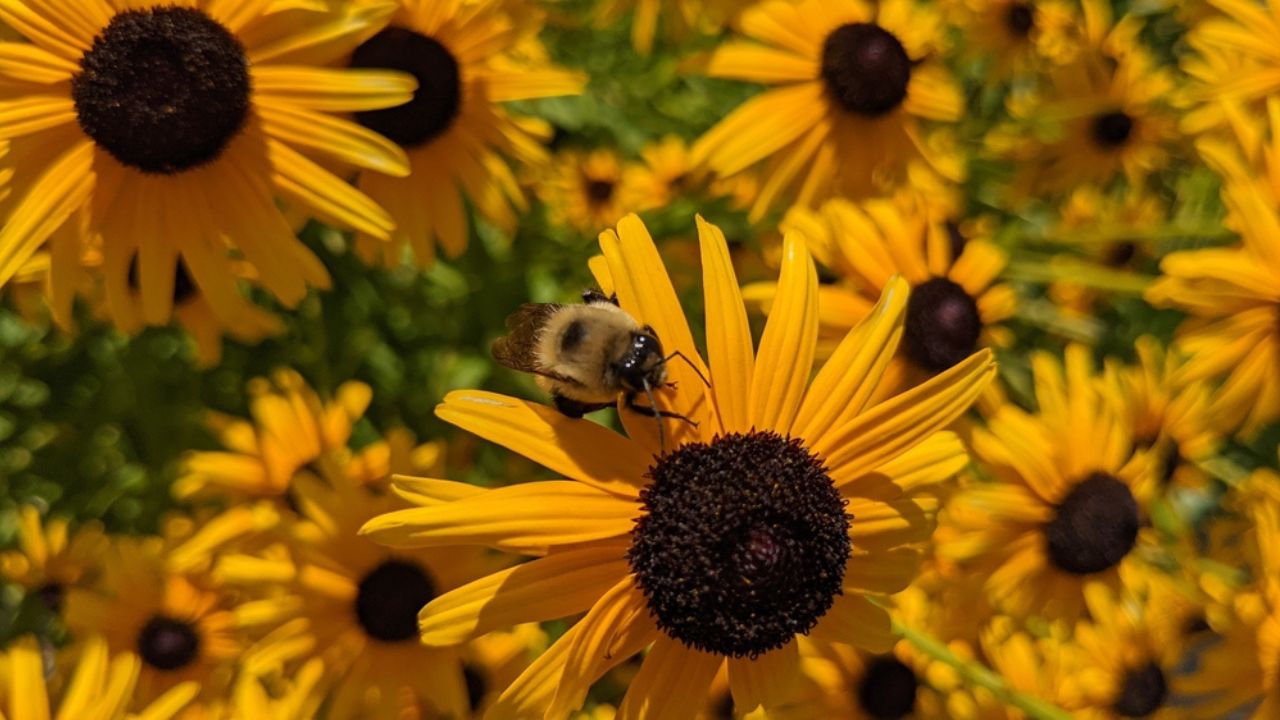
With their golden-yellow petals and dark brown centers, Black-Eyed Susans bring a dose of sunshine to the fall landscape. These cheerful, daisy-like flowers bloom from summer into autumn, providing a long season of color. They are hardy, dependable, and attract plenty of pollinators.
For containers, choose a more compact variety like ‘Little Goldstar’ to prevent the plant from becoming too tall and floppy. They need full sun to perform their best and prefer well-drained soil. Regularly removing spent flowers will encourage the plant to produce more blooms and extend its flowering season deeper into fall.
Quick Care Tips:
- Light: Full sun.
- Water: Keep soil moderately moist, but they can tolerate some dryness.
- Soil: Any standard, well-draining potting soil.
- Tip: Pair them with purple asters or ornamental grasses for a beautiful, high-contrast display.
9. Marigolds
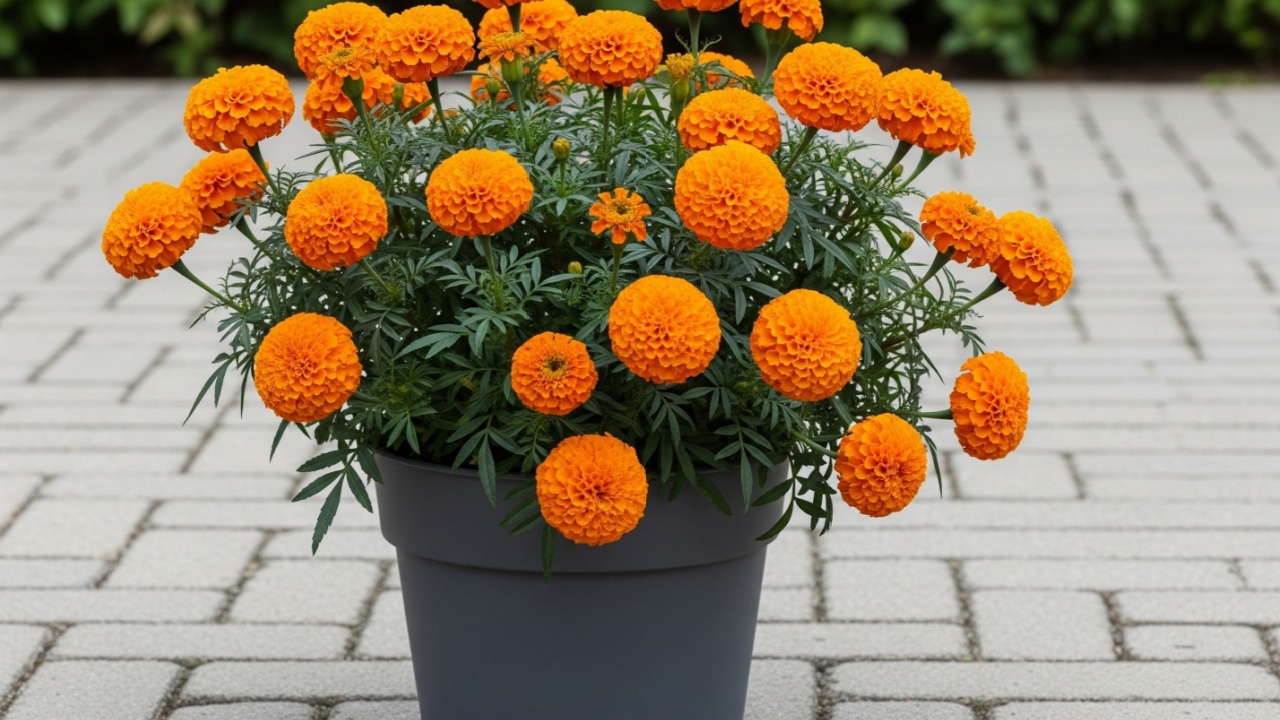
Marigolds are a classic for a reason. Their pom-pom flowers in sunny shades of orange, yellow, and red are the perfect complement to pumpkins and other autumn decor. They are easy to grow, bloom until frost, and their distinct scent is known to deter some garden pests.
When planting in containers, choose French or Signet marigolds, which are more compact than the taller African varieties. Give them a spot in full sun and be sure to leave enough space between plants for good air circulation. Marigolds are tolerant of most soil types as long as there is good drainage.
Quick Care Tips:
- Light: Full sun.
- Water: Water at the base of the plant, and allow the soil to dry out a bit between waterings.
- Soil: Well-draining potting mix.
- Tip: Deadhead spent blooms to keep the plants looking tidy and encourage more flowers.
10. Ornamental Peppers
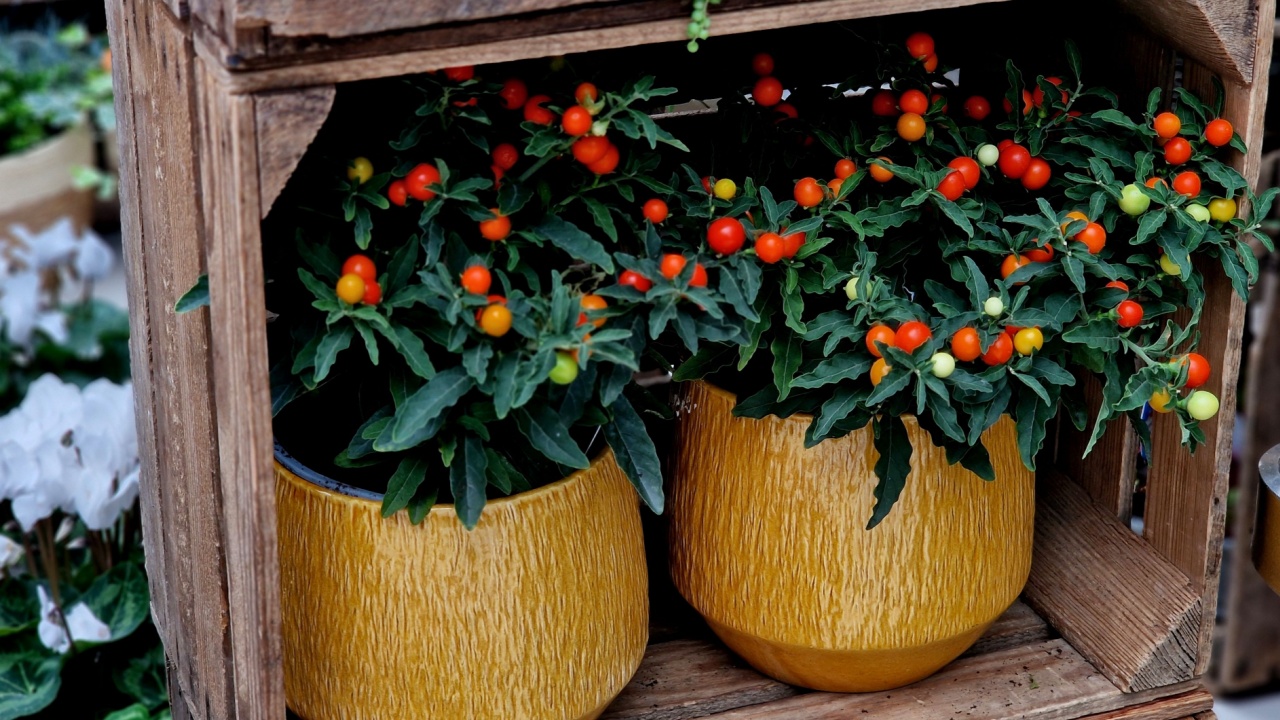
For a unique pop of color and shape, consider adding ornamental peppers to your fall containers. These plants were bred for their visual appeal rather than their taste. They produce small, glossy peppers in vibrant shades of red, purple, orange, and yellow that stand out beautifully against their dark green foliage.
Ornamental peppers love the heat but will continue to produce their colorful fruits well into the cool days of autumn. Plant them in full sun in a well-draining pot. The peppers are edible, but they are typically extremely hot and not very flavorful. Their primary purpose is to add a festive and unexpected element to your porch display.
Quick Care Tips:
- Light: Full sun.
- Water: Keep soil consistently moist.
- Soil: Rich, well-draining soil.
- Tip: The colorful peppers will hold their color for weeks, providing a long-lasting display.
11. Violas
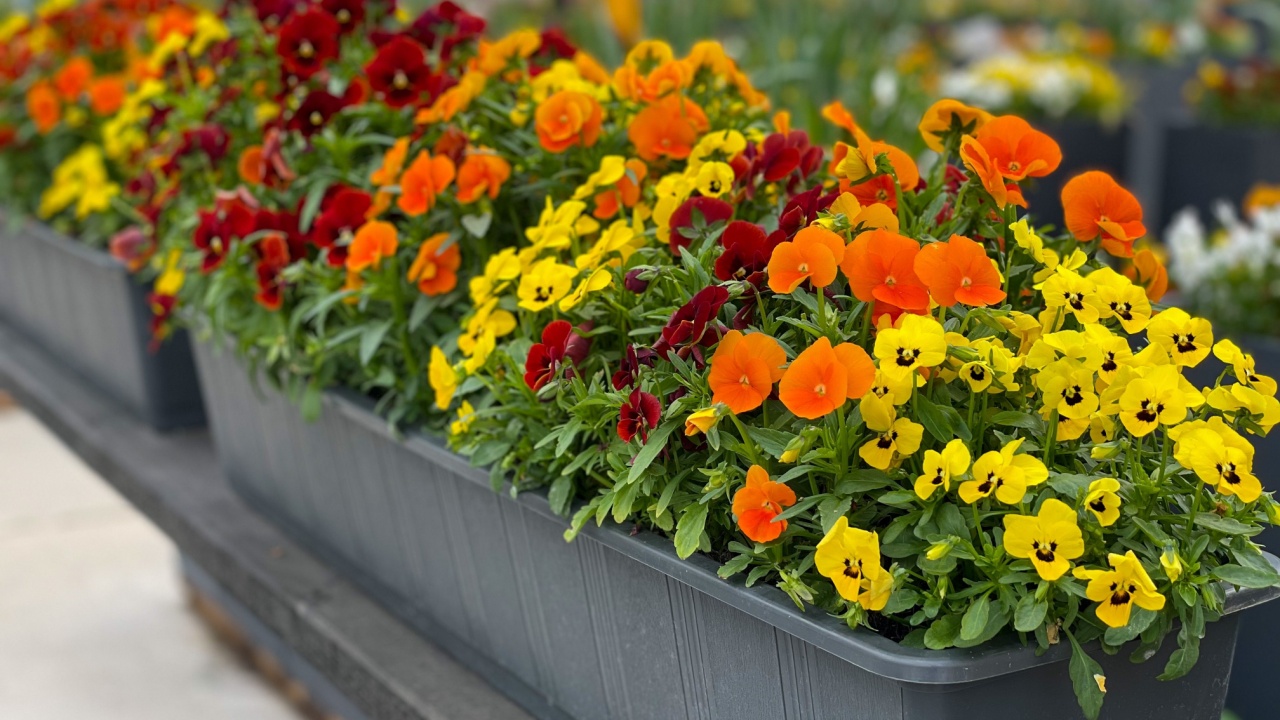
Violas are the charming, smaller cousins of pansies. They produce an abundance of petite flowers in a huge array of colors and patterns. They are exceptionally tolerant of cold weather and are a perfect choice for adding delicate detail to window boxes, small pots, and mixed containers.
Like pansies, violas prefer cooler temperatures and will bloom profusely throughout the fall. They can handle full sun but appreciate some afternoon shade. Their trailing habit makes them a great “spiller” plant. Many varieties have a light, sweet fragrance that is a delight up close.
Quick Care Tips:
- Light: Full sun to partial shade.
- Water: Maintain evenly moist soil.
- Soil: Standard potting mix.
- Tip: Violas are edible! You can use the flowers to garnish salads, desserts, and drinks for a beautiful, whimsical touch.
12. Snapdragons
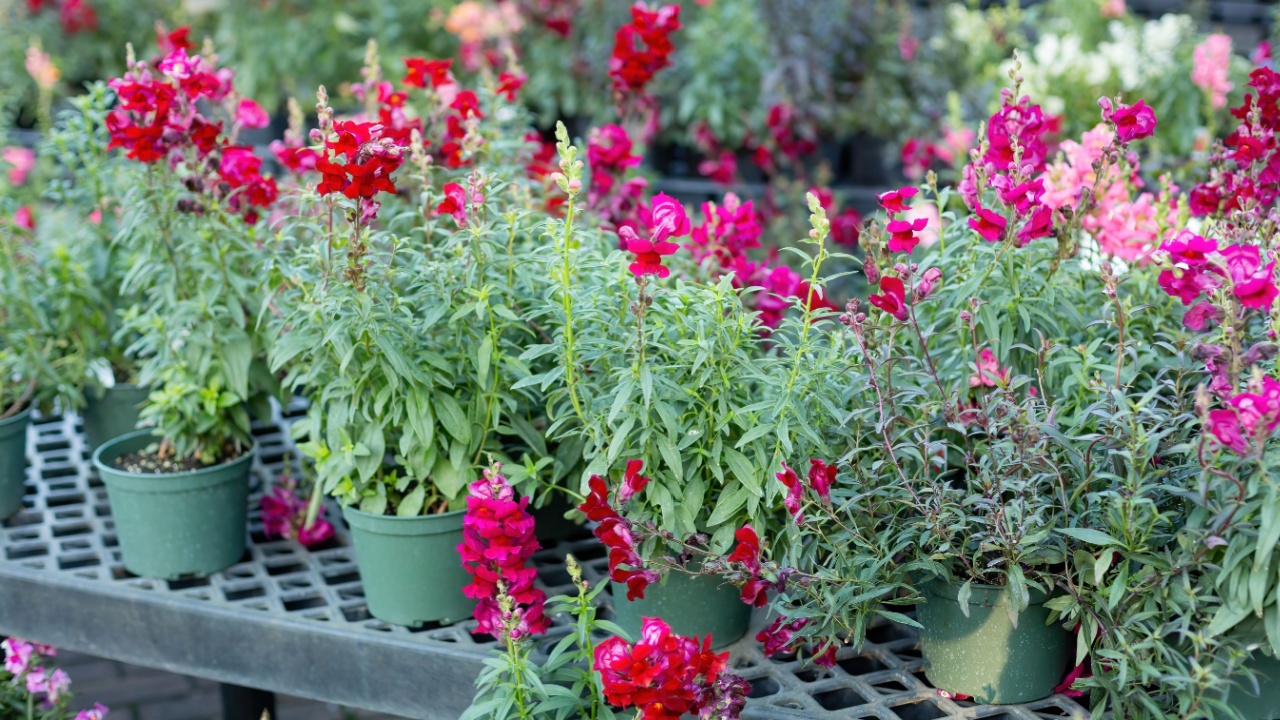
With their tall spires of uniquely shaped flowers, snapdragons add vertical interest and a touch of magic to fall containers. They come in a wide range of colors, from soft pastels to bold, saturated hues. Snapdragons love cool weather and often have a second surge of blooms in the fall as temperatures cool down from summer’s peak.
For containers, you can choose dwarf varieties for the front of a pot or taller ones to act as a “thriller” in the center. They need at least eight hours of sun a day to produce strong stems and abundant flowers. Pinching the top of a young plant can encourage it to become bushier and produce more flower spikes.
Quick Care Tips:
- Light: Full sun (8+ hours).
- Water: Keep soil consistently moist.
- Soil: Well-draining, fertile potting mix.
- Tip: The flowers are a favorite of bumblebees, adding life and movement to your display.
13. Zinnias
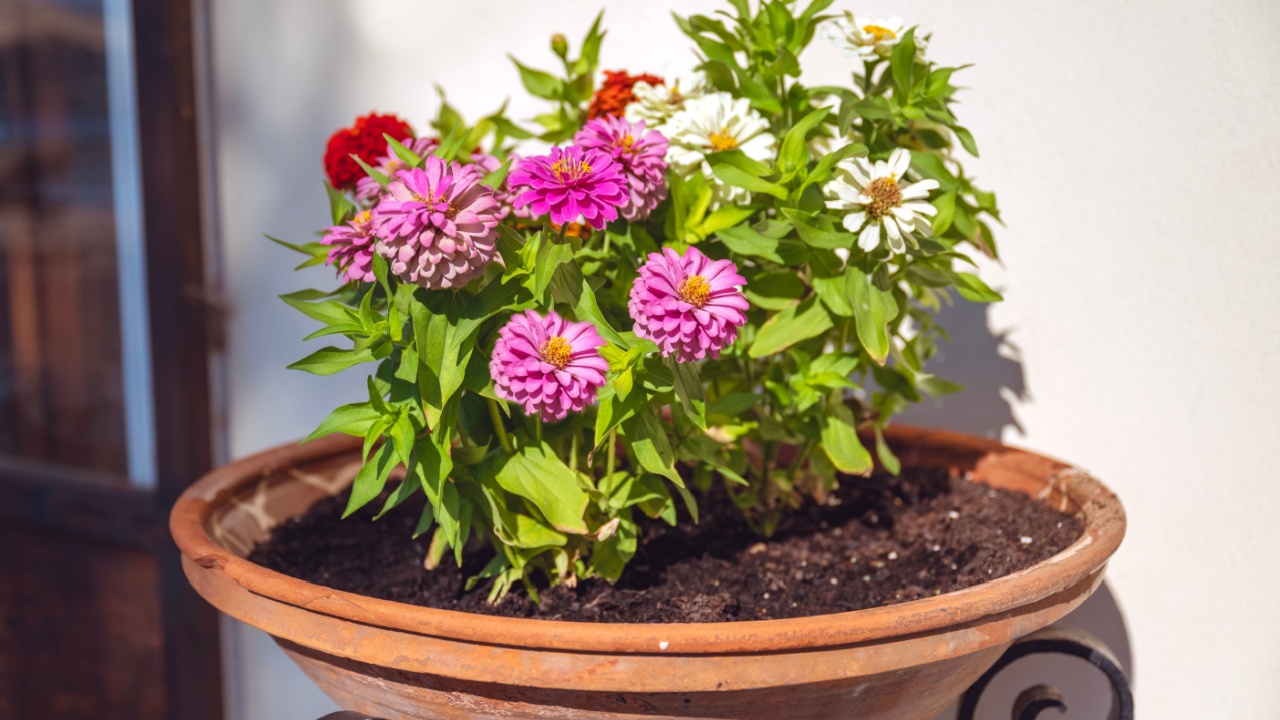
Zinnias bring an explosion of cheerful, non-stop color that lasts from summer right up until the first frost. They are one of the easiest annuals to grow, making them perfect for beginner gardeners. Their daisy-like blooms come in almost every color except blue and are beloved by butterflies and hummingbirds.
When growing zinnias in pots, select shorter, more compact varieties to keep the container looking full and balanced. They are sun-worshippers and require a location with plenty of direct sunlight to thrive and prevent powdery mildew. Zinnias grow quickly and bloom heavily, rewarding you with a vibrant display for minimal effort.
Quick Care Tips:
- Light: Full sun.
- Water: Water deeply a few times a week, allowing the soil to dry between waterings.
- Soil: Well-draining soil.
- Tip: Zinnias make excellent cut flowers, so you can bring the beauty of your fall containers indoors.
14. Goldenrod (Solidago)
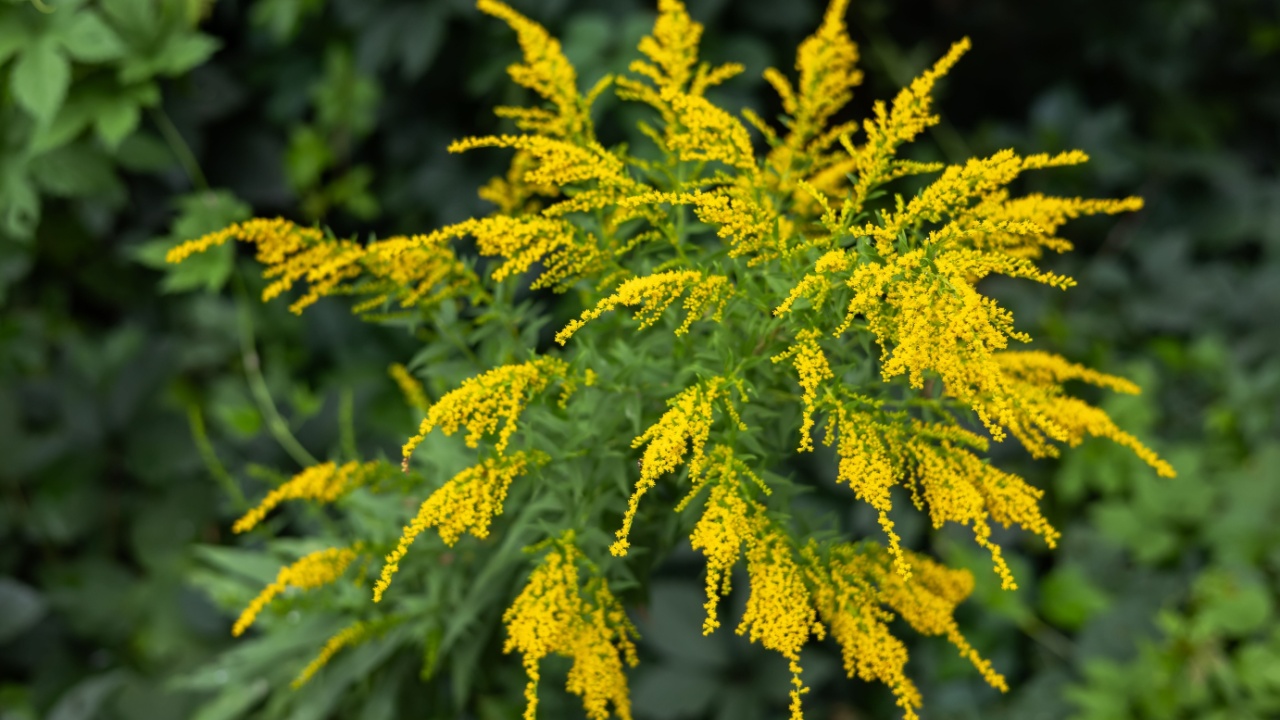
With its arching plumes of fluffy, golden-yellow flowers, goldenrod adds wonderful texture and a bright splash of color to autumn pots. It has a natural, wildflower look that pairs beautifully with other fall staples. Growing it in a container is a great way to enjoy its beauty without worrying about it spreading too aggressively in the garden.
Choose a container that is at least 12 inches in diameter to give its roots ample space. Goldenrod needs full sun to produce the best blooms. It’s a hardy and drought-tolerant plant once established, making it a fairly low-maintenance choice for a sunny porch.
Quick Care Tips:
- Light: Full sun.
- Water: Water regularly until established; it is drought-tolerant afterward.
- Soil: Use a large pot with good drainage holes.
- Tip: Despite its reputation, goldenrod does not cause hay fever; the pollen is heavy and sticky, carried by insects, not the wind.
15. Cyclamen
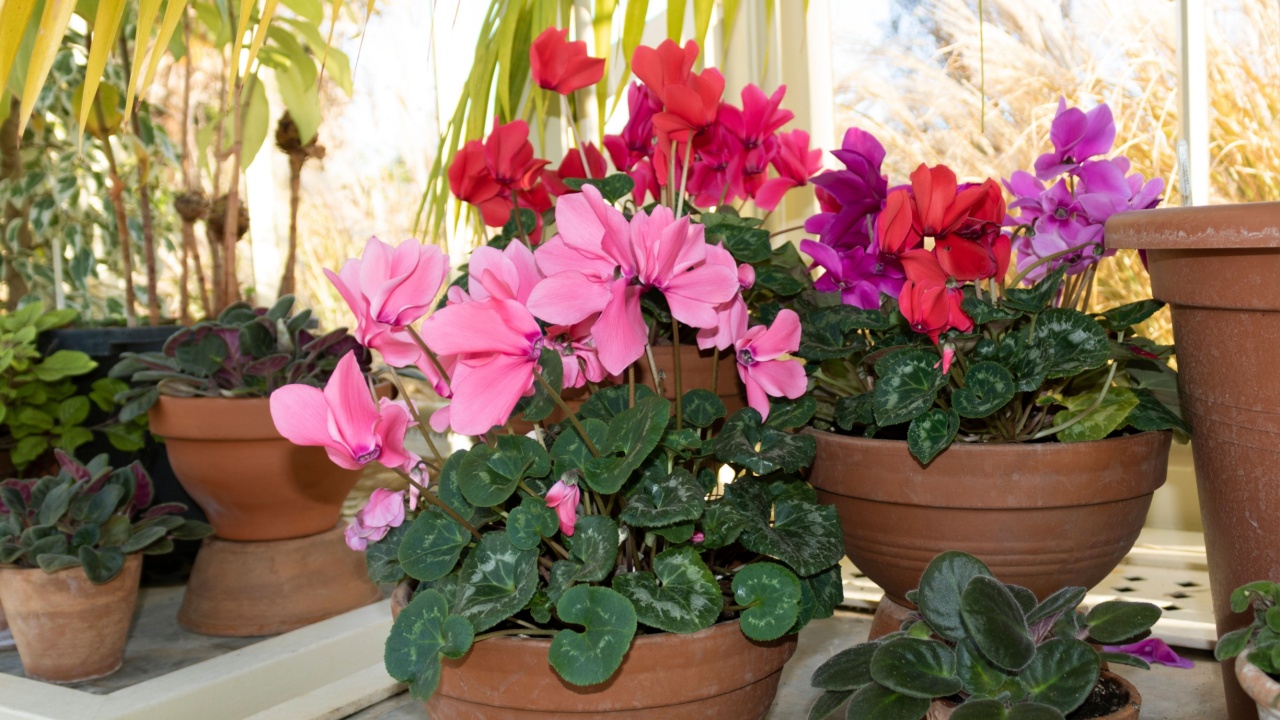
For a touch of elegance in a shady spot, cyclamen is an outstanding choice. It boasts beautifully marbled, heart-shaped leaves and delicate, upswept flowers in shades of pink, red, and white. These plants thrive in cool weather and are perfect for a sheltered porch or a tabletop display where their unique features can be appreciated up close.
Cyclamen is sensitive to overwatering. It’s best to water the soil directly and avoid getting water on the crown of the plant, which can lead to rot. Allow the top inch of soil to dry out before watering again. In regions with hard freezes, you can bring your cyclamen indoors to enjoy as a houseplant through the winter.
Quick Care Tips:
- Light: Bright, indirect light or partial shade.
- Water: Water when the topsoil is dry. Do not overwater.
- Soil: Well-draining potting mix.
- Tip: The foliage is just as attractive as the flowers, providing long-lasting interest.
16. Salvia
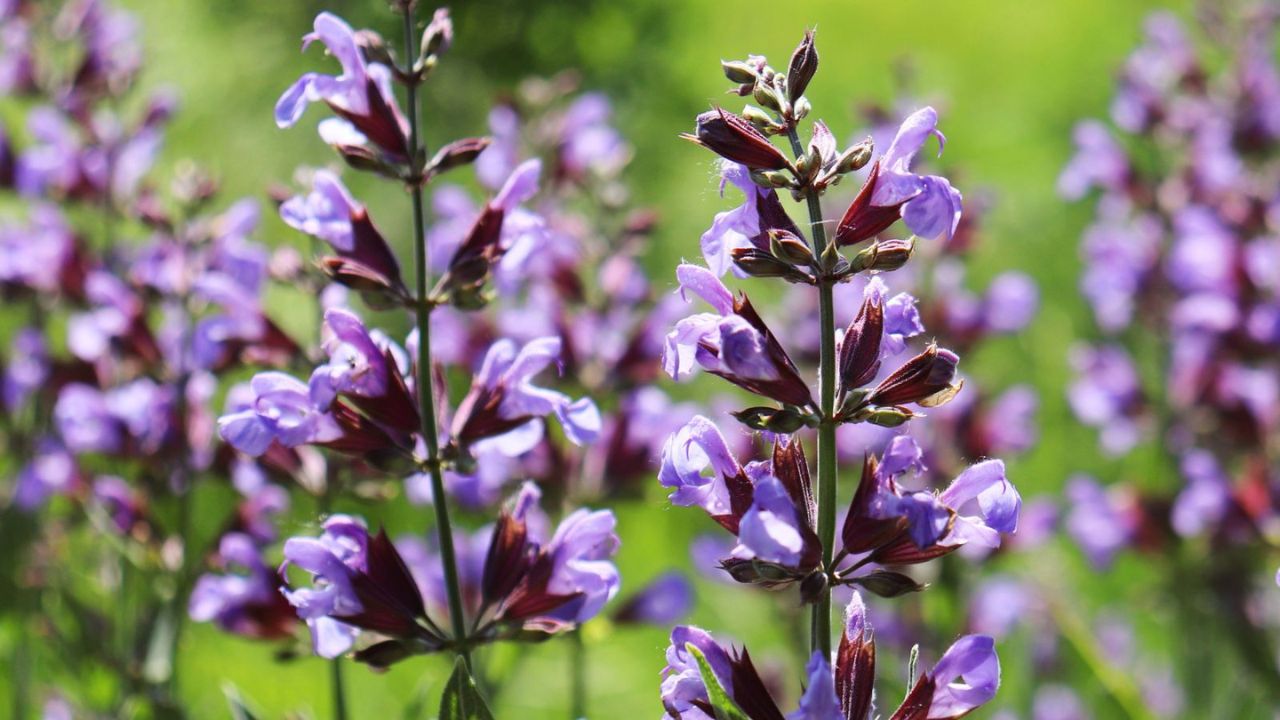
Salvia is a season-bridging champion, with many varieties blooming enthusiastically from summer straight through fall. Its spikes of vibrant blue, purple, red, or pink flowers are a favorite of hummingbirds and bees. Many salvias are also quite drought-tolerant once established, making them a resilient choice for containers.
To grow salvia in a pot, choose a container that’s at least eight inches wide and place it in a location that receives six or more hours of direct sunlight. The key is well-draining soil, as salvia does not like to have its roots sitting in water. Deadheading the spent flower spikes can encourage a new flush of blooms.
Quick Care Tips:
- Light: Full sun (6+ hours).
- Water: Drought-tolerant once established, but performs best with regular water.
- Soil: Well-draining soil is essential.
- Tip: The foliage of many salvia varieties is aromatic, releasing a pleasant scent when brushed against.
17. Impatiens
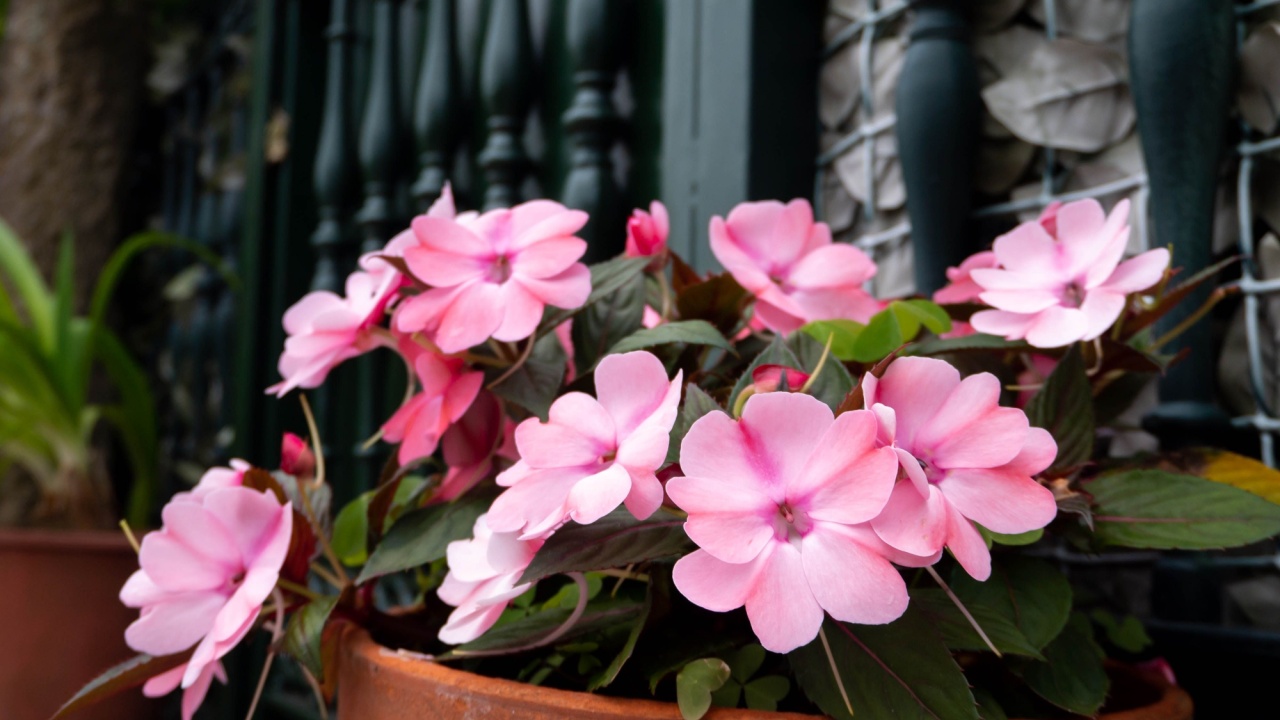
If you have a shady porch or patio, impatiens are a fantastic option for adding bright color. These shade-loving annuals produce a wealth of flowers in pink, red, white, orange, and purple. While often thought of as a summer plant, they adore the cooler temperatures of fall and will continue to bloom happily until the first frost.
Impatiens require consistently moist soil to thrive, so they are a good candidate for self-watering planters. They will need to be watered frequently, especially on warmer days. Regular fertilization will also help them maintain their flower production throughout the season.
Quick Care Tips:
- Light: Partial to full shade.
- Water: Keep soil consistently moist. They are not drought-tolerant.
- Soil: Rich, well-draining potting soil.
- Tip: New Guinea impatiens varieties can tolerate more sun than traditional impatiens.
18. Dahlias
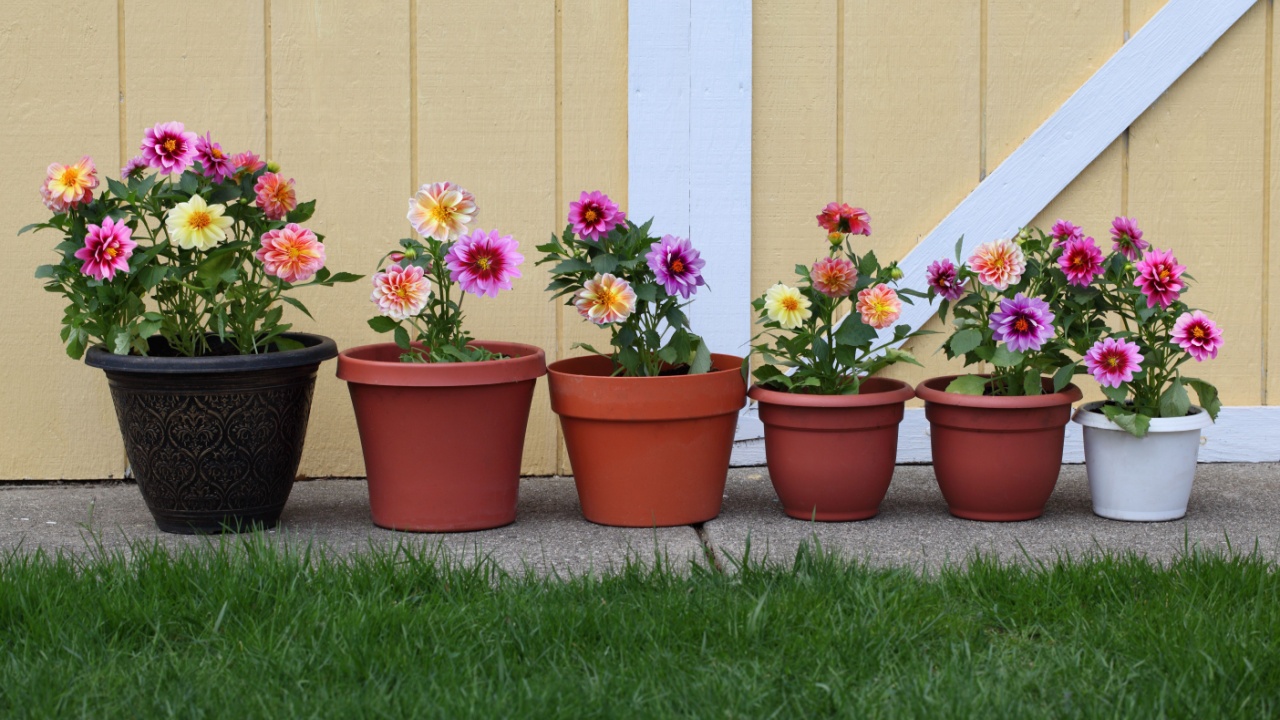
Dahlias are known for their spectacular and intricate blooms, and smaller varieties are perfectly suited for container growing. They offer a huge range of colors, sizes, and forms, from simple single-petaled flowers to complex, dinner-plate-sized blossoms. They provide a final, show-stopping display before the garden goes to sleep for the winter.
When growing dahlias in pots, select a large container to accommodate their tuberous roots and provide stability. They need a sunny location and well-drained, fertile soil. Dahlias are heavy feeders and drinkers, so plan to fertilize and water them regularly to support their impressive blooms.
Quick Care Tips:
- Light: Full sun.
- Water: Keep soil evenly moist but not soggy.
- Soil: Rich, well-drained soil in a large pot.
- Tip: In colder climates, you can dig up the dahlia tubers after the first frost, store them over winter, and replant them next year.
Cultivating a Beautiful Fall Garden on the Porch
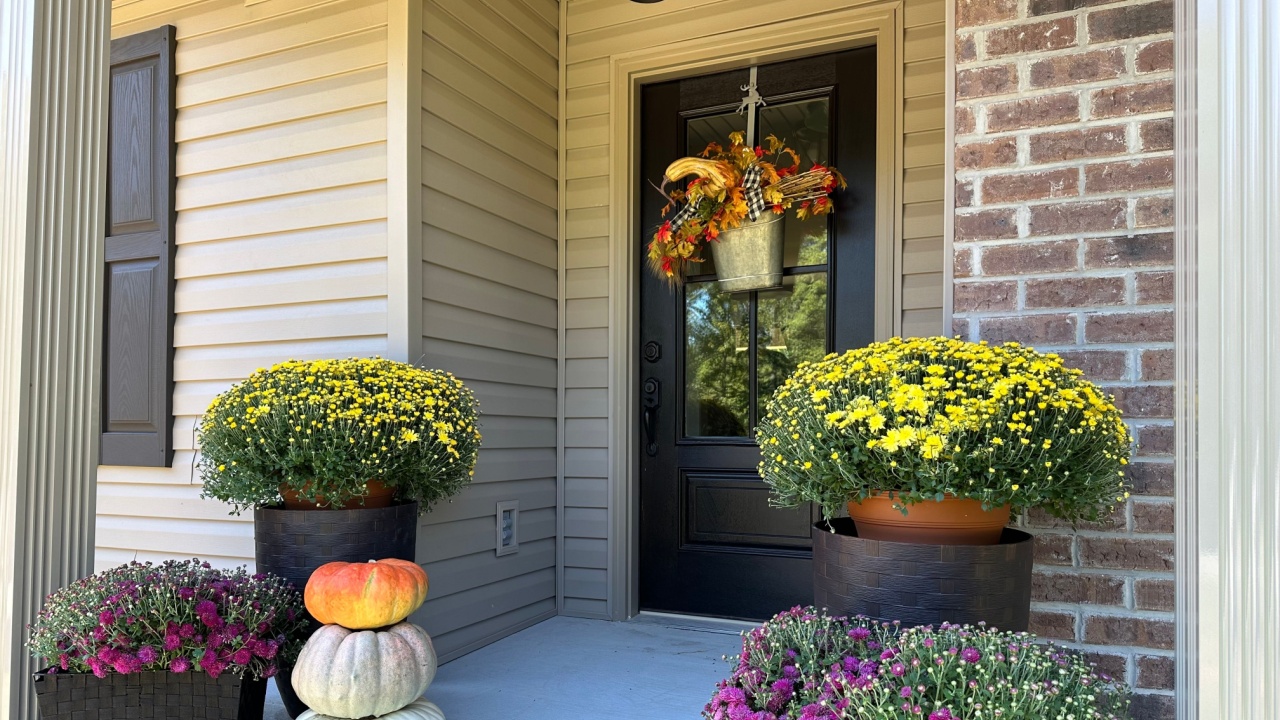
Now that you’re armed with ideas, it’s time to start planning! The first step is to assess your space. Take note of how much sunlight your porch or patio receives throughout the day. This will help you choose the right plants that will thrive in your specific conditions. Next, have fun with design. Think about the “thriller, filler, spiller” method for creating balanced and visually appealing containers.
Choose a tall “thriller” like a snapdragon or aster, add mounding “fillers” like mums or ornamental cabbage, and finish with a trailing “spiller” like sweet alyssum or million bells. Don’t be afraid to mix and match colors and textures to create a look that is uniquely yours. Gather your favorite pots, get some quality potting mix, and head to your local garden center to bring your vision to life.