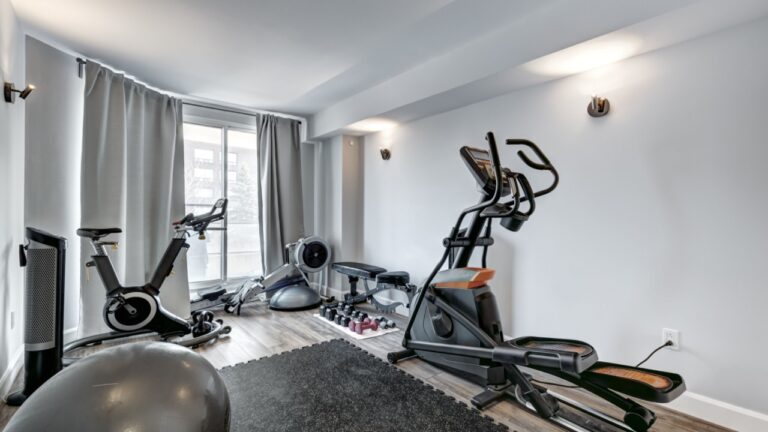
16 Easy (and Relatively Cheap) Ways to Soundproof a Space
A peaceful home and garden should be a sanctuary, a place to escape the noise of the outside world. Yet, sounds from traffic, loud neighbors, or even within our own homes can disrupt this tranquility.
Whether you’re trying to enjoy a quiet morning in your sunroom, keep the noise from your workshop from disturbing the house, or simply create a more serene living space, soundproofing might seem like an expensive and complicated project. The good news is that it doesn’t have to be. You can significantly reduce unwanted noise using everyday items and simple, budget-friendly techniques.
This guide will walk you through 16 effective and affordable ways to reclaim your peace and quiet. From strategically placing your furniture to using common household materials, you’ll discover practical solutions that make a real difference.
1. Lay Down Rugs

Uncovered floors, especially hardwood, tile, or laminate, are major culprits for noise amplification. Sound waves bounce off these hard surfaces, creating echoes that make a room feel louder. Placing rugs on the floor is one of the simplest and most effective ways to combat this.
Thick, plush rugs are excellent at absorbing sound, muffling footsteps, and reducing the echo in a room. You don’t need to invest in expensive Persian carpets; even affordable, thick-piled rugs from a discount store can make a substantial difference. Consider layering rugs for an extra sound-absorbing boost and a unique decorative touch. For high-traffic areas or rooms directly above a living space, adding a dense underpad beneath your rug will provide an additional layer of sound insulation.
Quick Tips:
- Best for: Reducing echo, footstep noise, and sound traveling between floors.
- How it works: Soft, porous fibers absorb sound waves instead of reflecting them.
- Next Steps: Measure your noisiest floor spaces and look for thick-area rugs or carpet remnants. Don’t forget to add a felt or rubber rug pad for maximum effect.
2. Hang Heavy Curtains
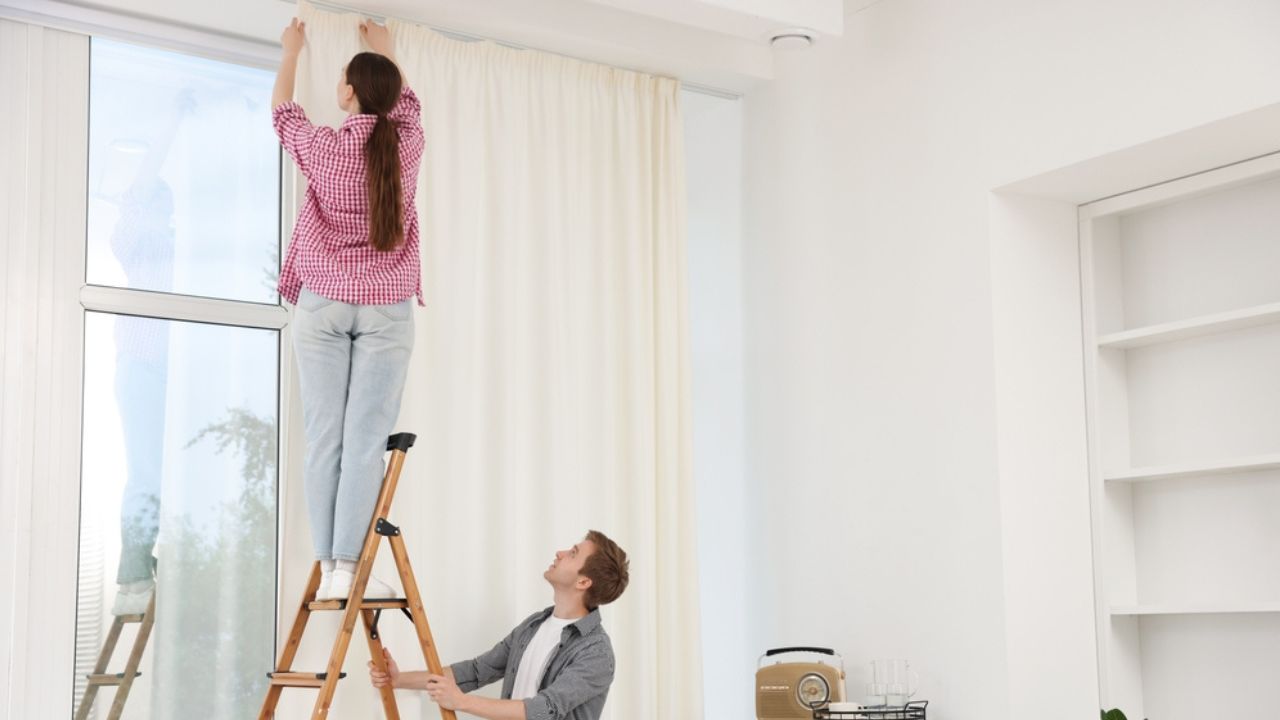
Windows are weak points when it comes to soundproofing. Standard curtains do little to block outside noise, but upgrading to heavier, denser drapes can work wonders. Look for curtains marketed as “blackout” or “thermal,” as these are typically made from thick, tightly woven fabrics designed to block light and insulate against temperature changes, which also makes them great for dampening sound.
For a DIY approach, you can sew multiple layers of fabric together. A combination of a decorative outer layer, a dense middle layer like felt or fleece, and a simple backing can create a surprisingly effective sound barrier. Extend the curtain rod well beyond the window frame so the curtains can cover a portion of the wall, further preventing sound from leaking in around the edges.
Quick Tips:
- Best for: Blocking (or at least muffling) traffic noise, neighborhood sounds, and drafts.
- How it works: The dense fabric mass absorbs sound vibrations coming through the glass.
- Next Steps: Measure your windows, ensuring the curtains will be wide and long enough to provide full coverage. Install a sturdy curtain rod to support the weight of the heavier fabric.
3. Strategically Arrange Upholstered Furniture

The furniture in your room can either amplify sound or help absorb it. Hard surfaces like wooden tables, metal chairs, and glass cabinets allow sound to bounce around freely. In contrast, soft, upholstered furniture acts like a sponge for sound waves.
A large, fabric-covered sofa, plush armchairs, and ottomans can significantly deaden a room’s acoustics. Pay attention to where the noise is coming from. If you share a wall with a noisy neighbor, placing a large, fabric sofa or a tall, filled bookcase against that wall can create a barrier. The goal is to break up flat, hard surfaces and introduce soft materials that trap sound.
Quick Tips:
- Best for: Reducing echo and dampening sound within a room.
- How it works: Soft materials and irregular shapes absorb and diffuse sound waves.
- Next Steps: Rearrange your current furniture to block noise sources. If buying new pieces, prioritize upholstered items over those with hard surfaces.
4. Apply Weather Stripping
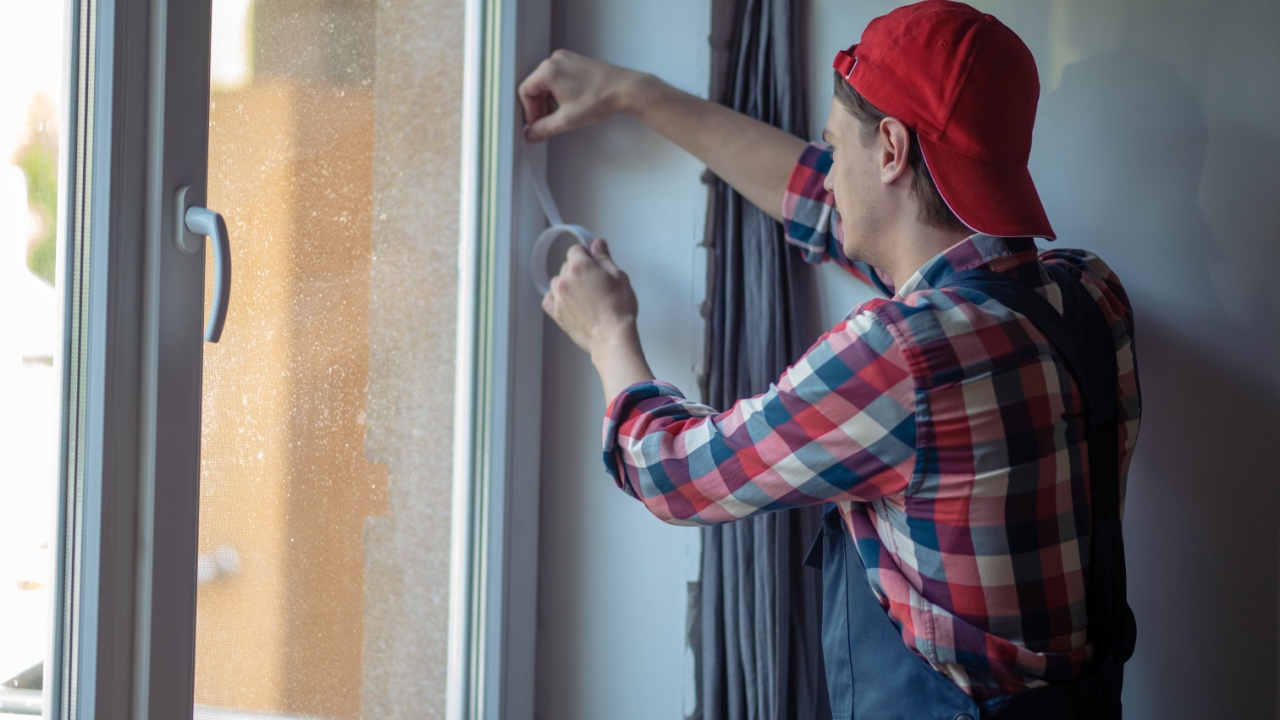
Gaps around doors and windows are like open highways for noise. Weather stripping is a cheap and incredibly effective solution. Designed to block drafts, it creates an airtight seal that also blocks sound waves from seeping through cracks.
There are several types of weather stripping available. Self-adhesive foam tape is inexpensive and very easy to install, just peel and stick. V-strip (or tension seal) is another great option that springs open to fill gaps. While these are primarily for keeping out cold air, their ability to seal openings makes them a top choice for budget soundproofing. Apply it around the entire door frame and the bottom of the door for the best results.
Quick Tips:
- Best for: Sealing air gaps around doors and windows that let in noise.
- How it works: Fills gaps to create a seal, blocking the path of airborne sound.
- Next Steps: Inspect your doors and windows for visible light or drafts. Purchase the appropriate weather stripping from a hardware store and apply it to the frame.
5. Use Interlocking Floor Mats
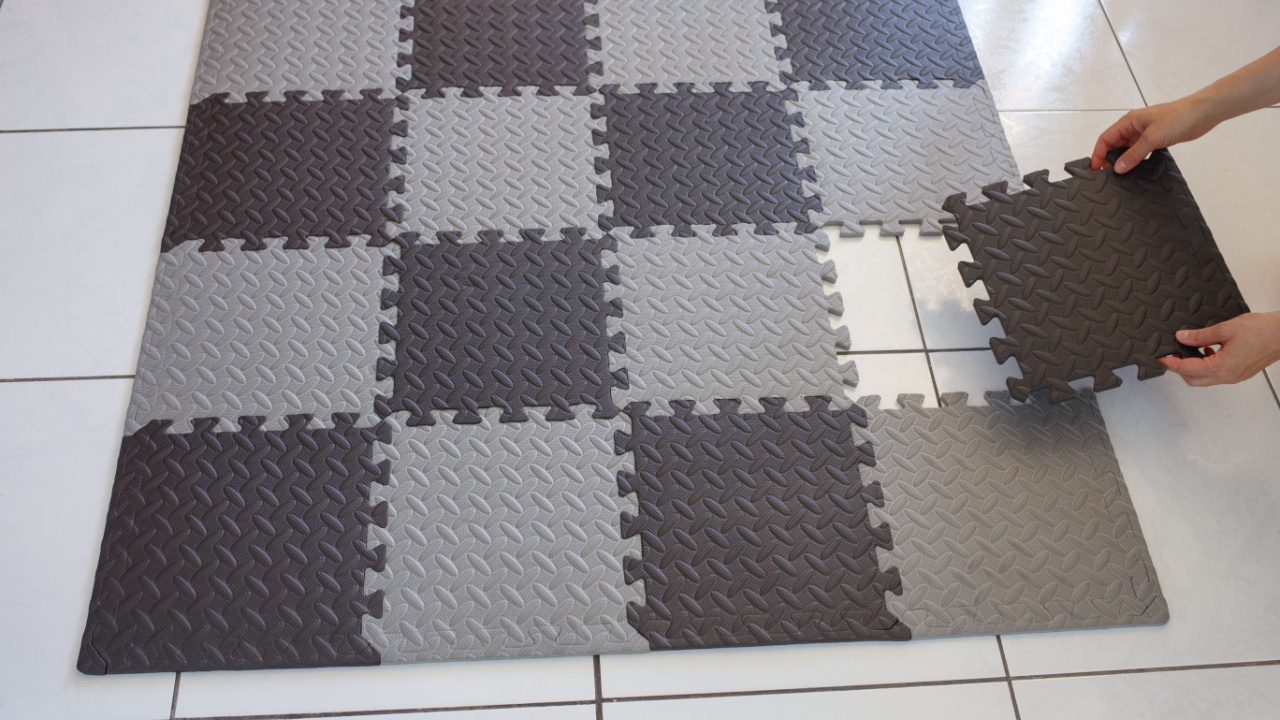
For spaces like home gyms, workshops, or playrooms, interlocking foam or rubber floor mats are a fantastic dual-purpose solution. They provide a cushioned, durable surface while offering excellent sound absorption. These mats are often used in commercial gyms to dampen the noise of dropped weights, and they can do the same for heavy footsteps, vibrations from exercise equipment, or kids’ playtime.
These mats are typically made from high-density EVA foam or rubber, materials known for their sound-dampening properties. They are easy to install, fitting together like puzzle pieces, and can be laid directly over a hard floor. You can cover an entire room or just a specific area where noise is a problem.
Quick Tips:
- Best for: Basements, home gyms, workshops, and children’s play areas.
- How it works: The dense, soft material absorbs impact and vibration.
- Next Steps: Measure the area you want to cover and purchase enough interlocking tiles. You can lay them directly on concrete, tile, or wood floors.
6. Install Mass Loaded Vinyl (MLV)

While it sounds technical, Mass Loaded Vinyl (MLV) is a go-to material for serious DIY soundproofing on a budget. It’s a heavy, flexible, vinyl sheet that is infused with small metal particles to increase its mass. Mass is the key to blocking sound, and MLV adds a lot of it without taking up much space.
MLV is incredibly effective at stopping sound from passing through walls, floors, and ceilings. You can staple it directly to studs during construction or hang it on an existing wall and cover it with another layer of drywall. For a simpler, less permanent solution, you can create a “curtain” of MLV to hang over a door or window when you need extra quiet.
Quick Tips:
- Best for: Soundproofing walls, floors, and ceilings for significant noise reduction.
- How it works: Its high density and mass block the transmission of sound vibrations.
- Next Steps: For a simple application, attach MLV to a large board and lean it against a problem wall. For a more permanent fix, research how to install it behind drywall.
7. Choose the Right Window Blinds
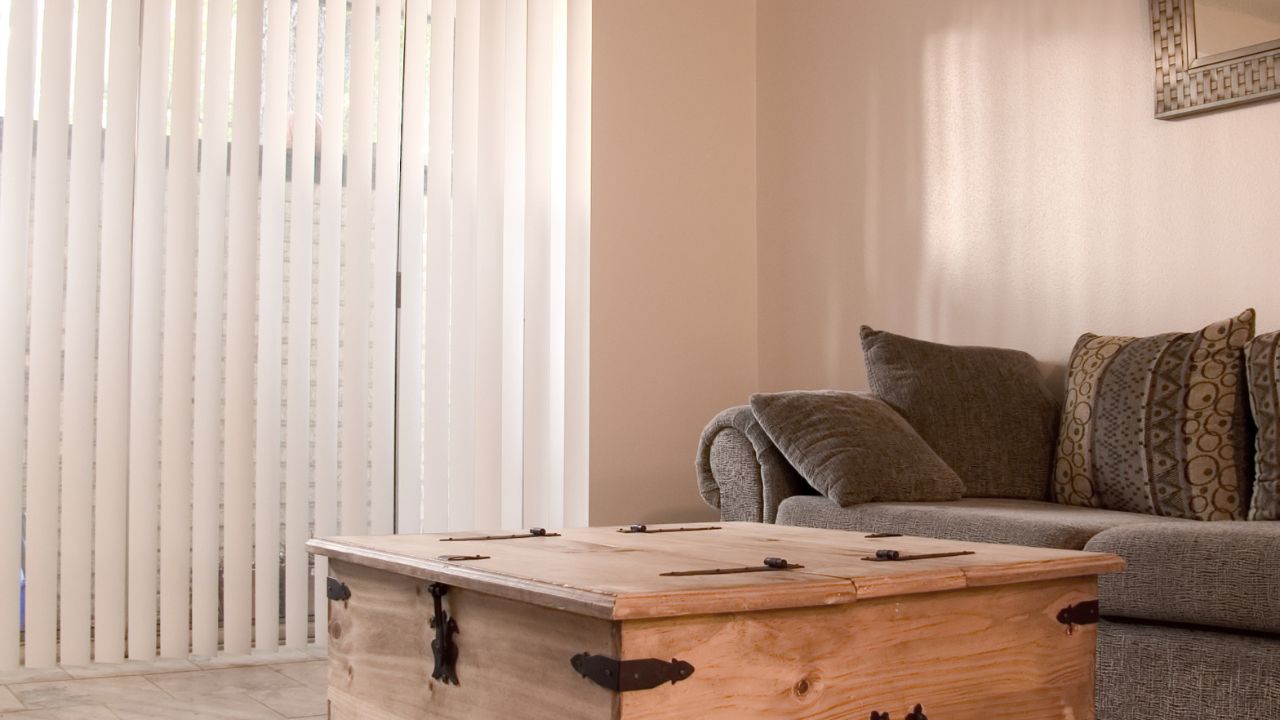
While not as effective as heavy curtains, the right type of blinds can contribute to your soundproofing efforts. Standard vinyl or aluminum blinds do very little, as their hard surfaces reflect sound. However, cellular shades (also known as honeycomb blinds) are designed differently.
These blinds have honeycomb-shaped pockets that trap air, creating an insulating barrier. This design is excellent for energy efficiency and also provides a decent level of sound absorption. The air pockets disrupt sound waves as they pass through, reducing the amount of noise that enters the room. For best results, choose double-cell blinds, which offer an extra layer of pockets.
Quick Tips:
- Best for: Supplementing other window treatments for moderate noise reduction.
- How it works: Honeycomb-shaped air pockets trap and dampen sound waves.
- Next Steps: When shopping for new blinds, specifically look for cellular or honeycomb styles. Opt for double-cell and “light-blocking” options for the best acoustic performance.
8. Quiet Your Air Vents
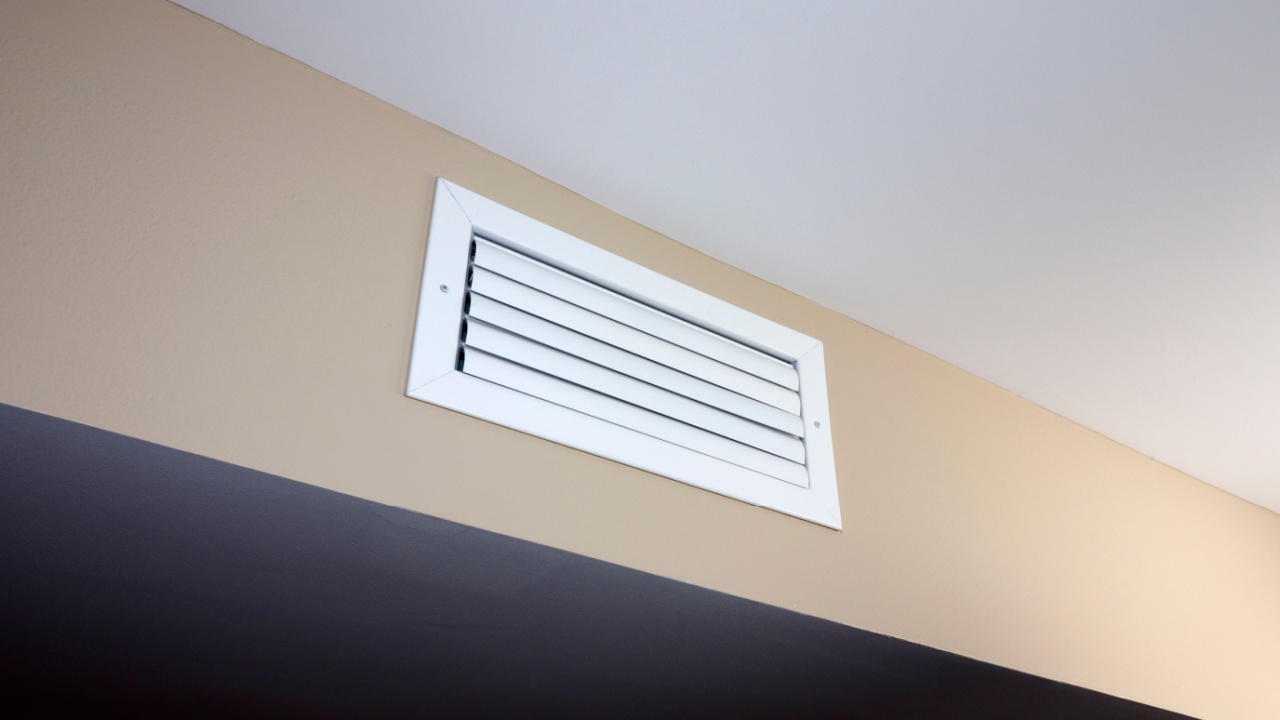
Air vents are necessary for circulation, but are also direct pathways for sound to travel between rooms. Blocking them completely is not an option for health and safety reasons, but you can muffle the sound that passes through them.
One clever trick is to create a “sound maze” inside the vent duct. By placing pieces of acoustic foam in a staggered pattern within the duct, you force the sound waves to bounce around and lose energy before they exit the vent. This dampens the noise without completely obstructing airflow. You can also purchase acoustic vent covers designed to let air pass through while reducing noise.
Quick Tips:
- Best for: Reducing noise traveling between rooms through HVAC vents.
- How it works: Creates a complex path for sound waves, causing them to dissipate.
- Next Steps: Purchase acoustic foam and cut it into pieces that can be strategically placed inside your vent ducts. Ensure you do not block more than 50% of the airflow.
9. Hang Blankets on Walls
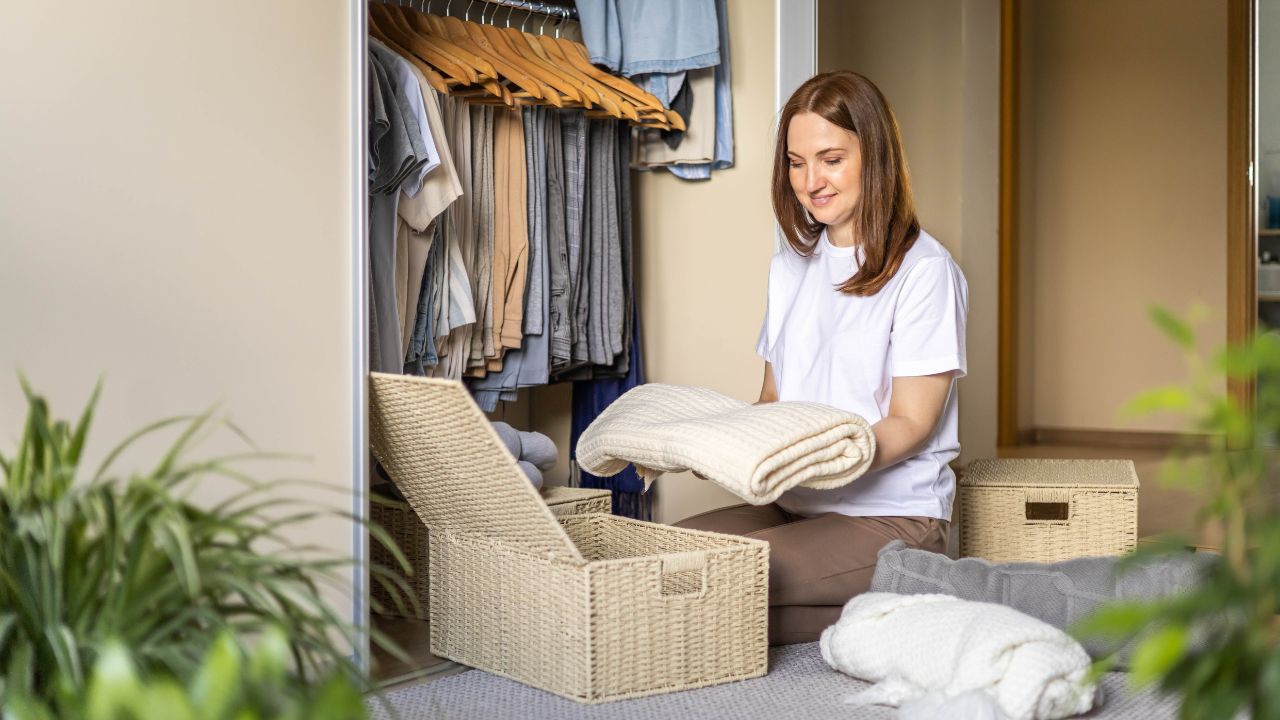
This is one of the most affordable and surprisingly effective soundproofing methods. Similar to heavy curtains, thick blankets hung on a wall can absorb a significant amount of sound. This is particularly useful for dampening echo in a room or reducing noise transmission through a thin wall.
You don’t need special “acoustic blankets,” although they are available. Any thick, heavy blankets will work, such as moving blankets, thick quilts, or wool blankets. You can hang them from a curtain rod installed near the ceiling for a temporary solution or attach them more permanently with hooks or nails. This is a popular trick for home recording studios and practice rooms for a reason.
Quick Tips:
- Best for: Reducing echo and dampening sound through thin walls.
- How it works: The dense, porous material absorbs sound energy.
- Next Steps: Gather heavy blankets or purchase inexpensive moving blankets. Hang them on the wall that is the primary source or reflection point of the noise.
10. Use Egg Cartons (with a Caveat)

The idea that egg cartons are great at soundproofing is a common myth. Their shape resembles professional acoustic foam, leading people to believe they function the same way. In reality, their thin, light cardboard material does very little to block sound.
However, they are not completely useless. Egg cartons can help reduce echo and high-frequency flutter in a room. They work by diffusing sound waves, scattering them in different directions rather than absorbing them. So, while they won’t stop your neighbor’s bass from coming through the wall, they can make a room sound less hollow. For a truly budget-friendly experiment, they can be a starting point, but don’t expect miracles.
Quick Tips:
- Best for: Reducing echo and high-frequency reverberation at almost no cost.
- How it works: The irregular shape scatters sound waves (diffusion), but does not absorb or block them effectively.
- Next Steps: If you have them, attach them to a wall to slightly alter the room’s acoustics. For real sound absorption, upgrade to acoustic foam panels.
11. Build Homemade Soundproofing Panels

If you’re feeling crafty, building your own acoustic panels is a fantastic project that yields professional-level results on a DIY budget. These panels are essentially a wooden frame filled with sound-absorbing material and wrapped in fabric.
To build one, create a simple rectangular frame from 1×2 or 1×4 lumber. Fill the inside with a dense, sound-absorbing material like rockwool insulation, old towels, or dense foam. Then, stretch a breathable fabric (like burlap or muslin) over the front and staple it to the back of the frame. You can hang these on your walls like artwork, and they will dramatically improve the room’s acoustics by absorbing sound waves.
Quick Tips:
- Best for: Professional-grade sound absorption for home theaters, studios, or noisy rooms.
- How it works: Combines a frame with dense absorptive material to trap sound energy.
- Next Steps: Gather materials: wood for the frame, rockwool or old towels for insulation, and breathable fabric for the cover. Build and hang several panels for the best effect.
12. Create a DIY Window Plug

For serious noise problems coming through a window, a removable window plug is an excellent solution. This is essentially a custom-fit panel that you can place inside your window frame to completely block it off when you need silence.
To make one, get a piece of sound-dampening material like acoustic foam or a rigid insulation board. Cut it to the exact dimensions of your interior window frame so it fits snugly. For even better performance, you can sandwich the foam between two pieces of MDF or plywood. Attach a handle to make it easy to insert and remove. This creates a solid, dense barrier that is highly effective at blocking outside noise.
Quick Tips:
- Best for: Blocking significant noise from traffic, trains, or loud outdoor events.
- How it works: Creates a dense, airtight barrier in the window opening.
- Next Steps: Measure your window frame precisely. Cut acoustic foam or insulation board to size and add a handle for easy use.
13. Add Soft Wall Hangings

Think beyond traditional framed art. Hard surfaces like glass and picture frames reflect sound, but soft wall hangings do the opposite. Decorative quilts, woven tapestries, or macrame pieces can add character to your room while also helping to absorb sound.
The larger and thicker the wall hanging, the more effective it will be. This method works on the same principle as rugs and curtains: soft, porous materials trap sound waves and prevent them from bouncing around the room. It’s an easy way to reduce echo and add a warm, cozy feel to your space without cluttering the floor.
Quick Tips:
- Best for: Reducing echo and adding a decorative element.
- How it works: Fabric and woven materials absorb sound waves.
- Next Steps: Look for large tapestries, quilts, or other fabric art. Hang them on large, bare walls, especially those opposite a noise source like a TV or speakers.
14. Make a DIY Draft Stopper

The gap under your door is a major weak point for sound leakage. A simple draft stopper, also known as a door snake, is an easy and cheap fix. While designed to keep out cold air, it’s equally effective at blocking sound from traveling between rooms.
You can buy one for a few dollars, or easily make your own. Just sew a tube of fabric and fill it with a dense material. Sand is an excellent filler due to its density, which is great for blocking sound. Other options include rice, dried beans, or even cat litter. Place the draft stopper firmly against the bottom of your door to seal the gap.
Quick Tips:
- Best for: Blocking sound from traveling under doors.
- How it works: The dense filling creates a physical barrier in the gap.
- Next Steps: Sew a fabric tube and fill it with sand or rice. Place it at the base of any interior door where noise is an issue.
15. Use Bookshelves as a Sound Barrier
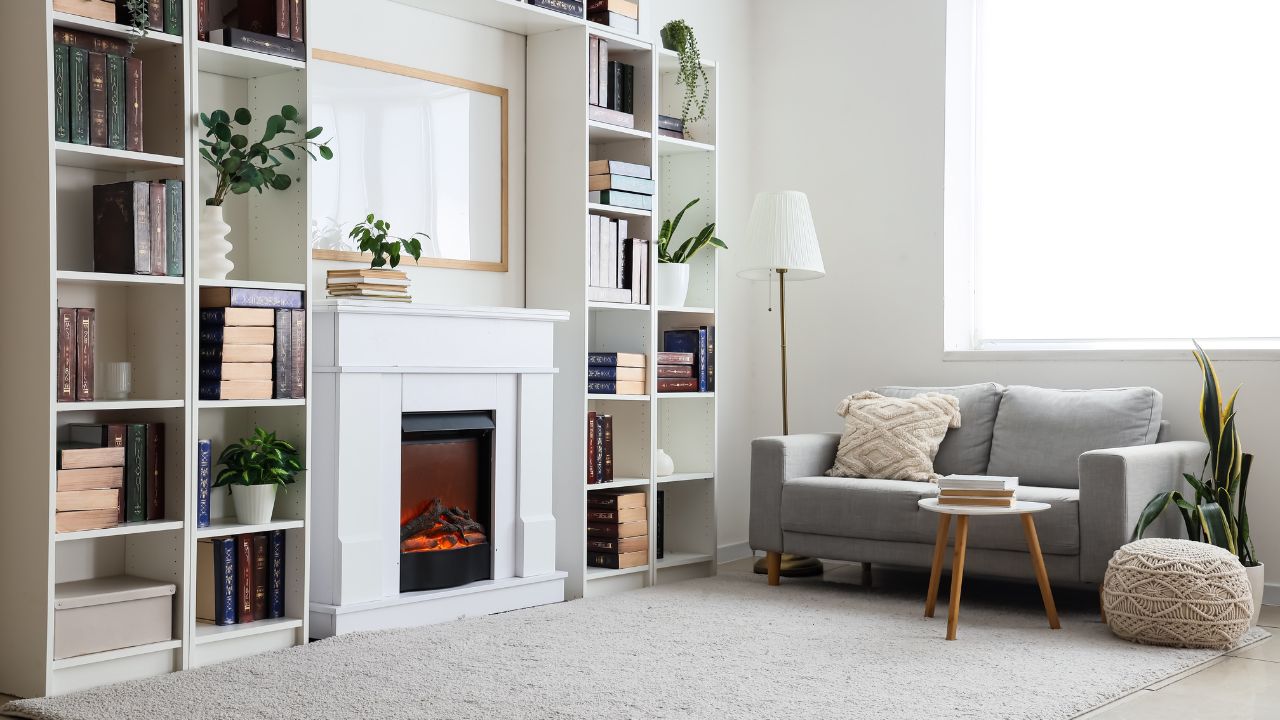
A large, well-stocked bookshelf can be an unexpectedly effective soundproofing tool. The combination of the solid wood frame and the dense, irregularly shaped paper of the books works to both block and diffuse sound waves.
For the best results, place a tall, wide bookshelf against a wall that you share with a noise source (like a neighbor’s apartment or a loud room). The more packed the shelf is, the better. The mass of the books and the variety of their shapes and sizes will help to break up and absorb sound energy, reducing what gets through the wall.
Quick Tips:
- Best for: Reducing noise transmission through shared walls.
- How it works: The mass of the books blocks sound, while their varied shapes diffuse it.
- Next Steps: If you have a large book collection, consolidate it onto a tall bookshelf placed against your noisiest wall. Ensure there are as few gaps as possible.
16. Plant a Living Sound Barrier

For outdoor noise from traffic or neighbors, nature offers a beautiful and effective solution. A dense row of trees or shrubs can act as a natural sound wall, absorbing and deflecting sound waves before they reach your home or patio.
The best plants for this purpose are evergreen trees and shrubs that have dense foliage year-round. Varieties like Arborvitae, Leyland Cypress, or Holly create a thick, living wall. The leaves, twigs, and branches work together to scatter and absorb sound. For optimal results, plant a staggered row of mixed species with foliage that extends from the ground up. This not only reduces noise but also adds privacy and beauty to your yard.
Quick Tips:
- Best for: Reducing outdoor noise from traffic, neighbors, and machinery.
- How it works: Dense foliage and branches absorb and deflect sound waves.
- Next Steps: Identify the source of the outdoor noise. Research fast-growing evergreen shrubs and trees suitable for your climate and plant a dense hedge between your home and the noise source.
DIYing a Quieter Home

Now that you’re armed with these budget-friendly soundproofing ideas, it’s time to take action. Start by identifying the biggest noise problems in your home. Is it traffic noise coming through a window? Echo in a room with hardwood floors? Or sound traveling under a door?
Choose one or two of the easiest and most relevant tips to implement first. You might be surprised by how much of a difference a new rug, a set of blackout curtains, or a simple draft stopper can make. As you begin to enjoy the peace and quiet, you can gradually incorporate more of these techniques to create the serene home and garden sanctuary you deserve.
Read more
6 Considerations When Designing a Room for a Hobby
Fix the Cold Drafts with these 15 Insulation Tips