16 Reasons to Never Volcano Mulch Your Trees
Mulch is a gardener’s best friend. It helps soil retain moisture, suppresses weeds, and keeps soil temperatures stable.
But there’s a common landscaping trend that turns this helpful tool into a harmful one: volcano mulching.
This practice involves piling mulch high against the trunk of a tree, creating a cone or “volcano” shape. While some might think it looks neat and tidy, this simple mistake can slowly and silently damage, and even kill, your beloved trees.
Understanding the proper way to mulch is crucial for the long-term health and beauty of your yard. Let’s dig into the 16 reasons why you should avoid volcano mulching and how to do it right.
1. Bark Rot and Decay
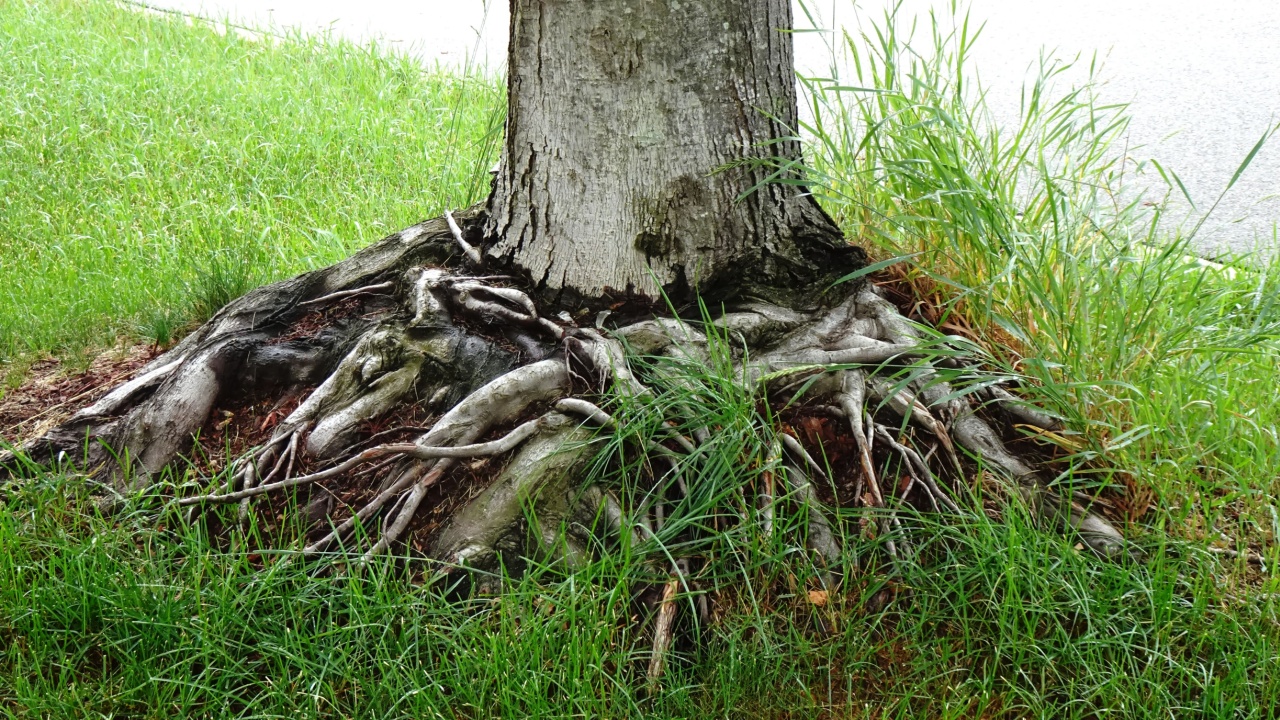
When you pile mulch directly against a tree’s trunk, you trap moisture against the bark. Tree bark is designed to be exposed to air and stay relatively dry; it’s the tree’s first line of defense against the outside world. Constant dampness breaks down the protective outer layer, causing it to soften and rot. This decay creates weak spots, making the tree vulnerable to a host of other problems.
Why it’s harmful:Rotted bark can no longer protect the tree from pests and diseases. It creates a direct entry point for harmful fungi and bacteria that can infect the vital tissues underneath.
How to fix it:
- Create a Gap: Always keep mulch 3 to 6 inches away from the tree trunk.
- Expose the Root Flare: Pull back any existing mulch to ensure the area where the trunk widens at the base (the root flare) is completely exposed to the air.
- Check Annually: Make it a habit to check the base of your trees each spring to ensure mulch hasn’t shifted against the trunk over the winter.
2. Root Suffocation
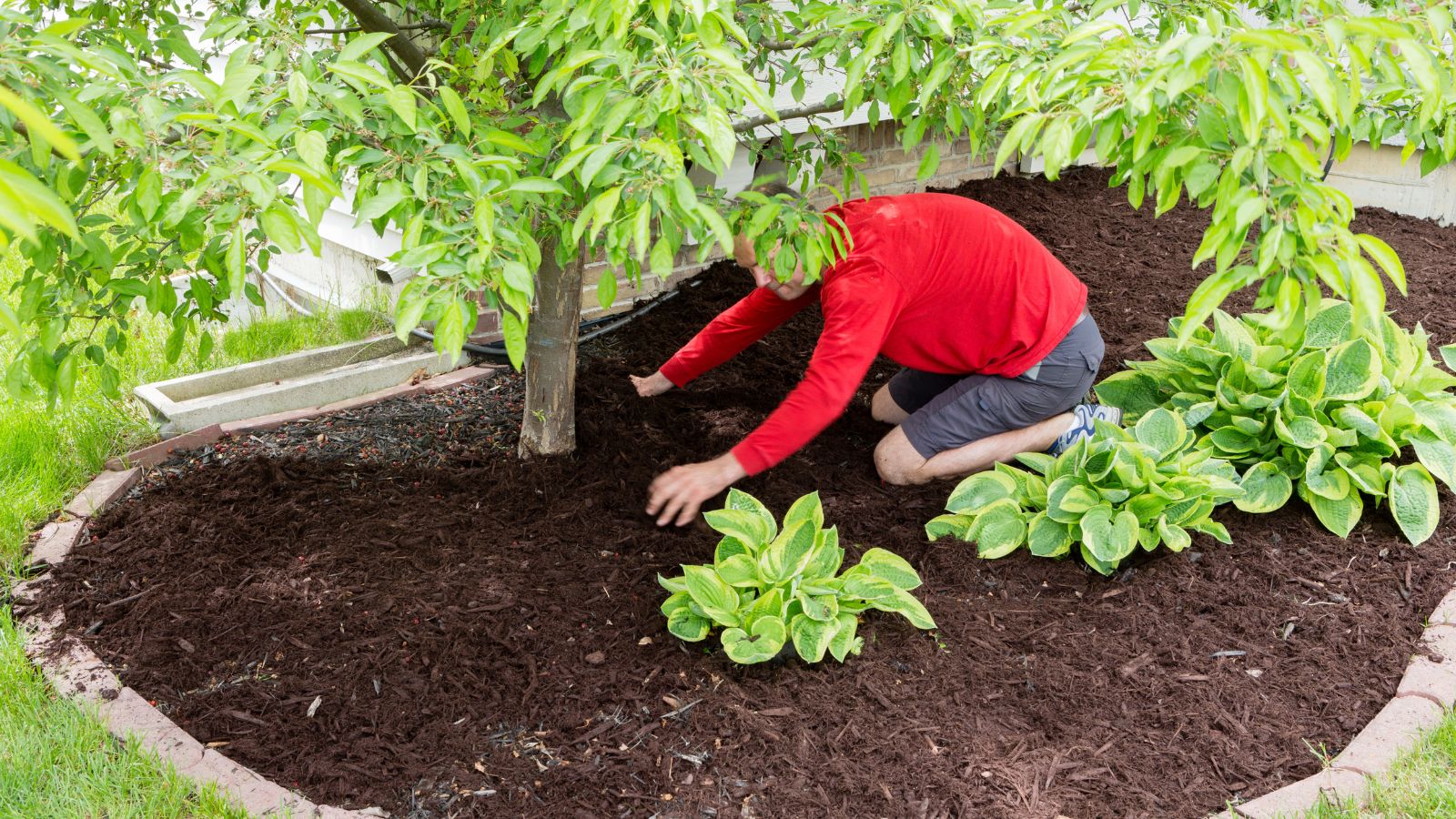
Just like us, trees need to breathe, and a surprising amount of this happens through their roots. Roots require oxygen from the soil to function properly. A thick, compacted layer of volcano mulch acts like a heavy blanket, preventing the necessary exchange of gases between the soil and the atmosphere. Without enough oxygen, the roots can’t perform their essential functions of absorbing water and nutrients.
Why it’s harmful:Root suffocation leads to a slow decline in tree health. The tree becomes stressed, its growth is stunted, and it becomes far more susceptible to other issues like drought and disease.
How to fix it:
- Keep it Thin: Apply mulch in a flat, even layer that is only 2 to 4 inches deep.
- Don’t Compact: Avoid packing down the mulch. A looser layer allows for better air and water flow.
- Use the Right Material: Coarser mulch, like wood chips, allows for better aeration than fine, dense materials.
3. Stem Girdling Roots
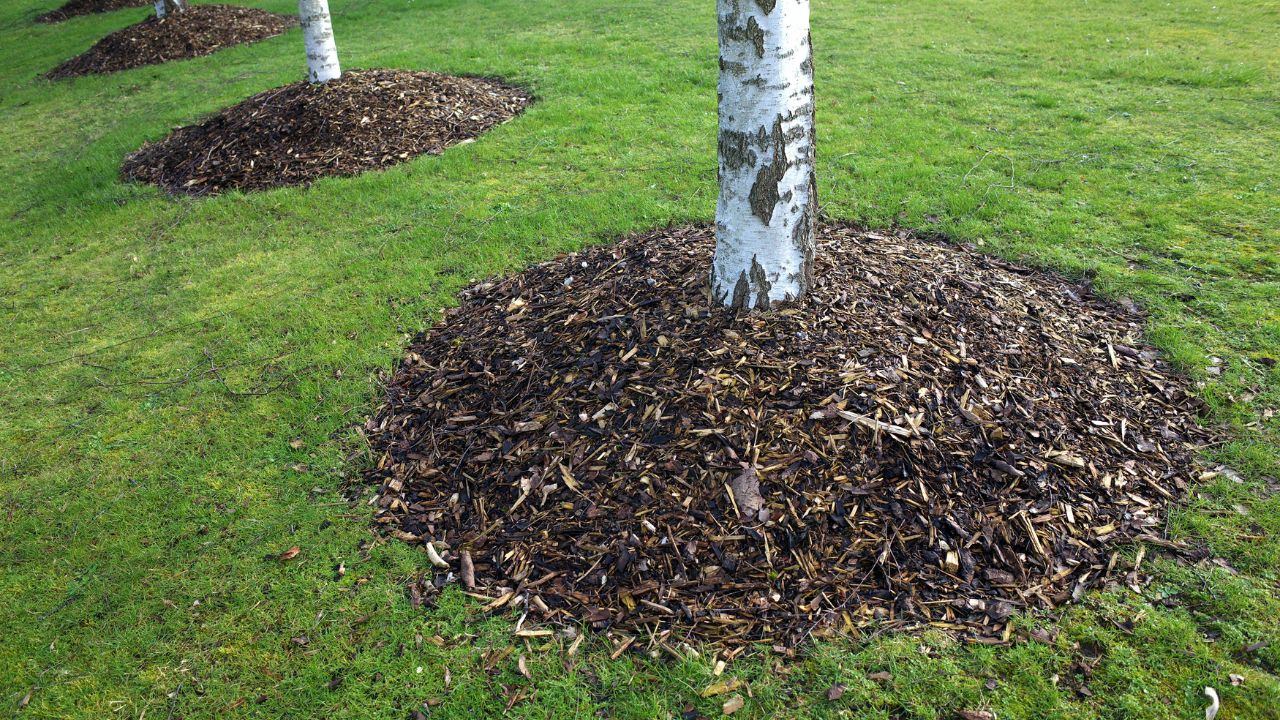
One of the most insidious effects of volcano mulching is the development of girdling roots. The moist, dark environment of the mulch pile encourages roots to grow upward and into the mulch instead of outward into the soil. These roots often begin to circle the tree’s trunk. As the tree and the roots grow, these circling roots tighten their grip, effectively strangling the tree by cutting off the flow of water and nutrients.
Why it’s harmful:Girdling roots act like a tourniquet, slowly killing the tree. The damage often goes unnoticed until the tree shows significant signs of decline, such as a thinning canopy or dieback, at which point it may be too late.
How to fix it:
- Inspect Young Trees: Regularly check the base of your trees for any roots growing around the trunk.
- Prune Problem Roots: If you find small girdling roots, you can carefully prune them away with sharp shears. For larger roots, it’s best to consult a certified arborist.
- Mulch Correctly from the Start: The best solution is prevention. Proper mulching encourages roots to grow away from the trunk.
4. Excess Moisture Retention
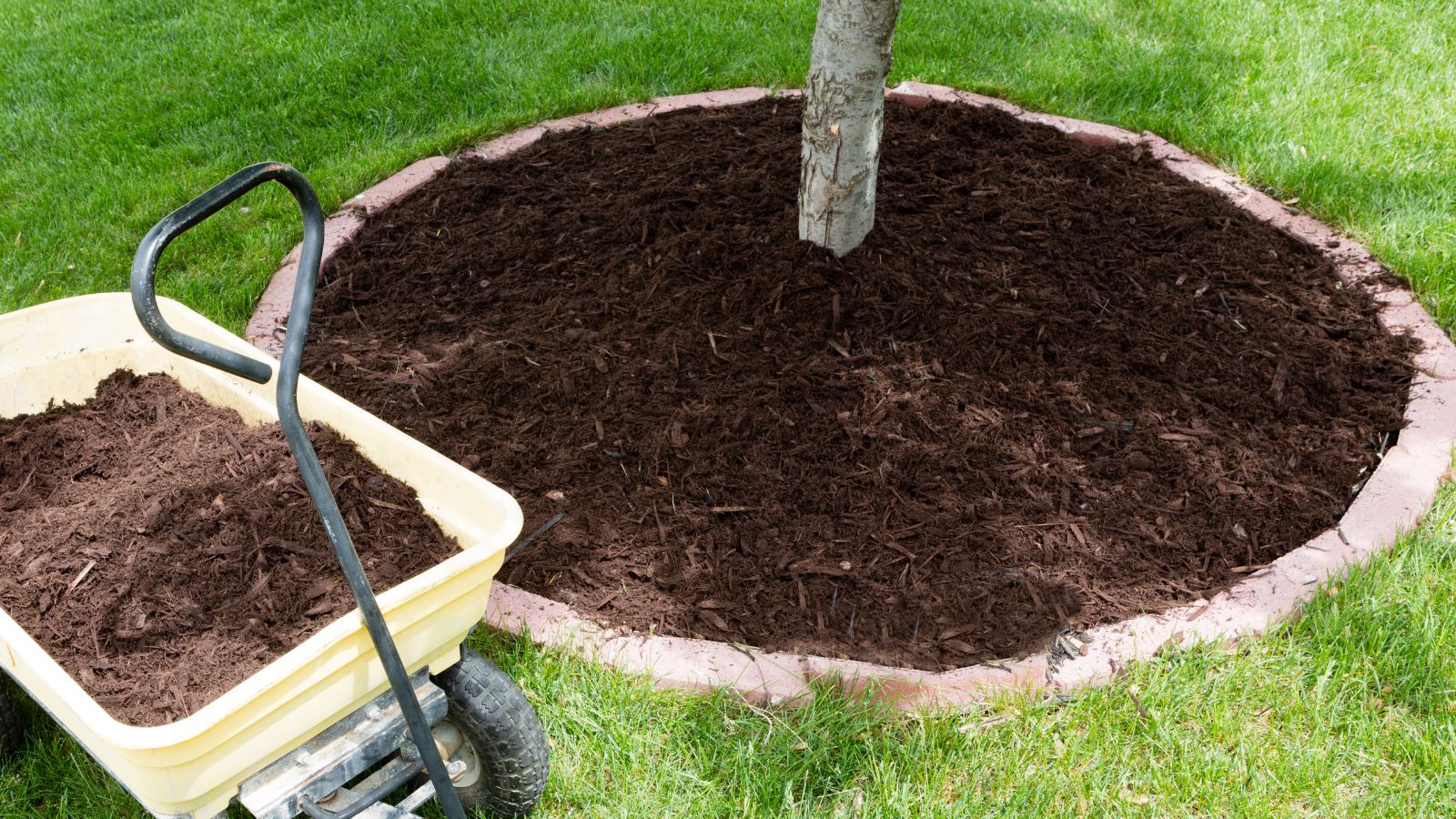
While mulch is great for retaining soil moisture, a volcano pile holds far too much water directly against the trunk and root crown. This perpetually soggy environment is the perfect breeding ground for fungal and bacterial diseases that cause root rot. These pathogens thrive in low-oxygen, high-moisture conditions and can quickly infect and destroy a tree’s root system.
Why it’s harmful:Root rot can kill a tree within a few seasons. Once established, it is very difficult to treat. The tree’s ability to absorb water is compromised, ironically causing it to show signs of drought stress even in wet soil.
How to fix it:
- The Donut Method: Spread mulch in a donut shape, not a volcano. This means a wide, flat ring with an empty space in the middle around the trunk.
- Monitor Soil Moisture: Before watering, check the soil moisture under the mulch. You may not need to water as often as you think.
- Improve Drainage: If your soil is naturally heavy and wet, consider using less mulch or incorporating organic matter into the soil before planting to improve drainage.
5. Pest Infestations

A deep pile of mulch provides a cozy, hidden shelter for damaging pests. Rodents like voles and mice love to tunnel through volcano mulch, where they are protected from predators and the elements. They often chew on the tender bark at the base of the tree, girdling it and causing severe damage. Insects, such as borers and ants, also find the moist, decaying wood an attractive place to nest.
Why it’s harmful:Rodent damage can kill a tree, especially a young one. Insect infestations that start at the base of the tree can spread, weakening its structure and introducing diseases.
How to fix it:
- Maintain a Clear Zone: A 3- to 6-inch mulch-free zone around the trunk makes the area less appealing to pests and makes any rodent activity easier to spot.
- Avoid Fresh Mulch: Fresh, green mulch can be more attractive to certain insects. Using aged or composted mulch is a better choice.
- Be Vigilant: Periodically inspect the base of your trees for signs of gnawing, tunnels, or insect activity.
6. Unnatural Temperature Swings
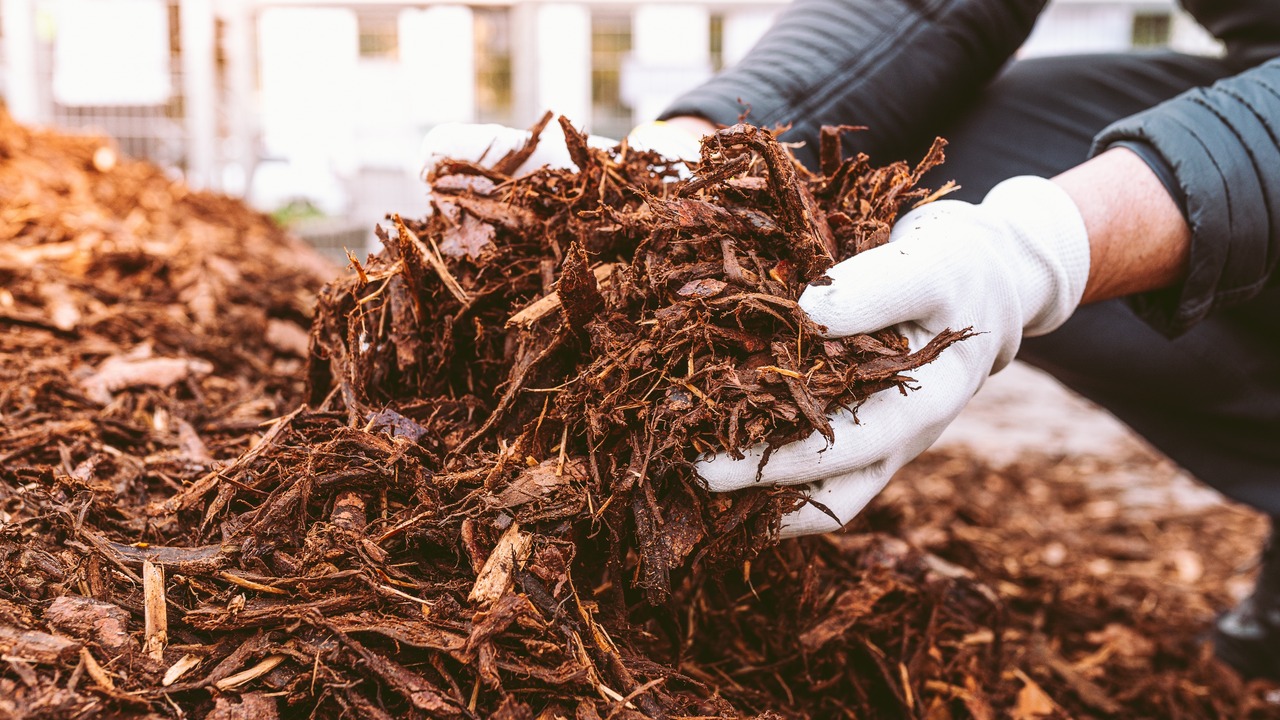
A proper layer of mulch moderates soil temperature, protecting roots from extreme heat in summer and cold in winter. However, a thick volcano of mulch can have the opposite effect on the trunk. In summer, dark, dense mulch can absorb and trap excessive heat, essentially “cooking” the sensitive inner bark. In winter, it can trap moisture that freezes and thaws, causing bark to split.
Why it’s harmful:Temperature stress weakens the tree and can cause direct physical damage to the trunk, creating entry points for disease and decay.
How to fix it:
- Apply a Thin Layer: A 2- to 4-inch layer is sufficient to insulate the soil without creating extreme temperatures around the trunk.
- Choose Lighter Colors: If you live in a very hot climate, lighter-colored mulch will absorb less heat than dark-colored mulch.
- Spread it Wide: Extend the mulch layer out to the tree’s drip line (the edge of its canopy) to regulate the temperature over a larger portion of the root zone.
7. Secondary Root Development
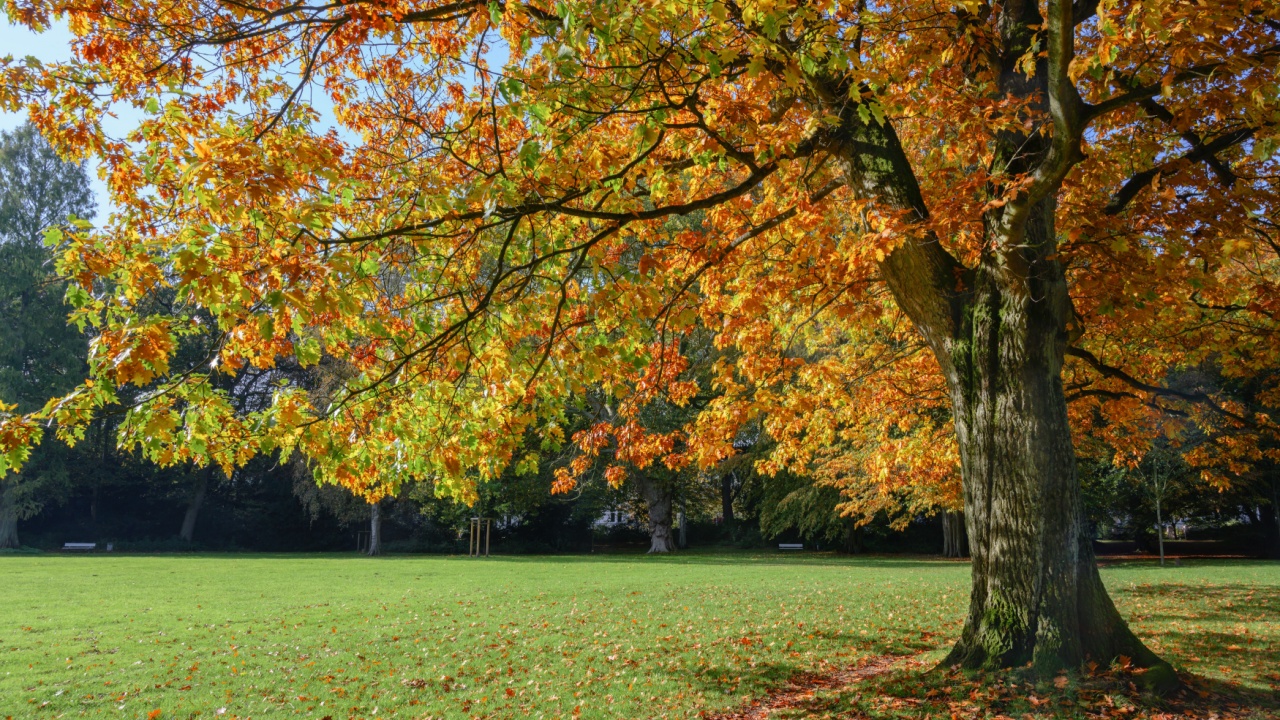
When a tree’s trunk is buried under a deep pile of mulch, it can be tricked into growing a new, shallow set of roots directly into the mulch pile. These are known as adventitious roots. The tree becomes dependent on these weak, poorly anchored roots for water and nutrients.
Why it’s harmful:These secondary roots are very vulnerable. They can dry out quickly during a drought or freeze in the winter, causing sudden and severe stress to the tree. Because they aren’t anchored in soil, they do nothing to improve the tree’s stability.
How to fix it:
- Remove Existing Volcanoes: Carefully pull back deep mulch from the trunk. You may find a mat of these fine roots.
- Prune Adventitious Roots: These shallow roots can be pruned off before you reapply a proper, thin layer of mulch.
- Expose the Root Flare: Keeping the root flare visible is the best way to prevent the formation of these problematic roots.
8. Nutrient Imbalances

As organic mulch decomposes, the microorganisms responsible for the process use nitrogen from the soil. When mulch is piled too deeply, this process can temporarily “rob” the top layer of soil of nitrogen, making it unavailable to the tree’s roots. This can lead to a nitrogen deficiency, often visible as yellowing leaves (chlorosis) and poor growth.
Why it’s harmful:Nitrogen is a critical nutrient for healthy leaf and stem growth. A deficiency can stunt the tree and make it appear sickly. Over time, very deep mulch can also alter the soil’s pH, making other nutrients less available.
How to fix it:
- Use Aged Mulch: Well-composted or aged mulch has already gone through the most nitrogen-intensive phase of decomposition.
- Apply Thinly: A 2- to 4-inch layer minimizes the nitrogen-stealing effect.
- Fertilize if Needed: If you notice signs of nutrient deficiency, a soil test can confirm the issue, and you can apply a balanced, slow-release fertilizer.
9. Compromised Structural Integrity
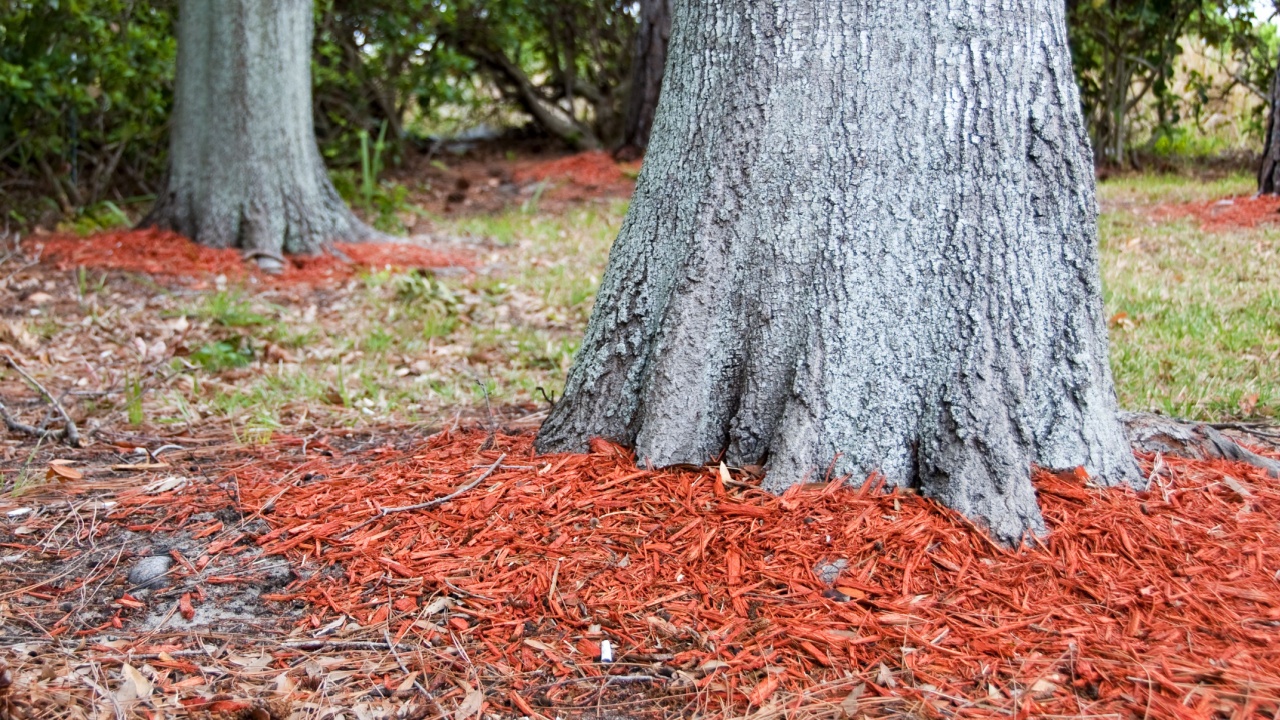
Trees need to develop a natural “taper,” where the trunk is widest at the bottom and gradually narrows as it goes up. This flare provides critical structural support. When the base of the trunk is buried in a mulch volcano, it’s essentially planted too deeply. The buried portion of the trunk stays weak and doesn’t develop the proper taper, making the entire tree less stable.
Why it’s harmful:A tree without a strong base is a hazard. It is much more likely to lean or even snap during a windstorm or under the weight of ice and snow.
How to fix it:
- Plant at the Right Depth: When planting a new tree, ensure the root flare is at or slightly above the soil level.
- Correct Existing Problems: Gradually remove soil and mulch from around the base of an improperly planted or over-mulched tree to expose the flare. This allows the trunk to dry out and strengthen over time.
10. Delayed Frost Hardening
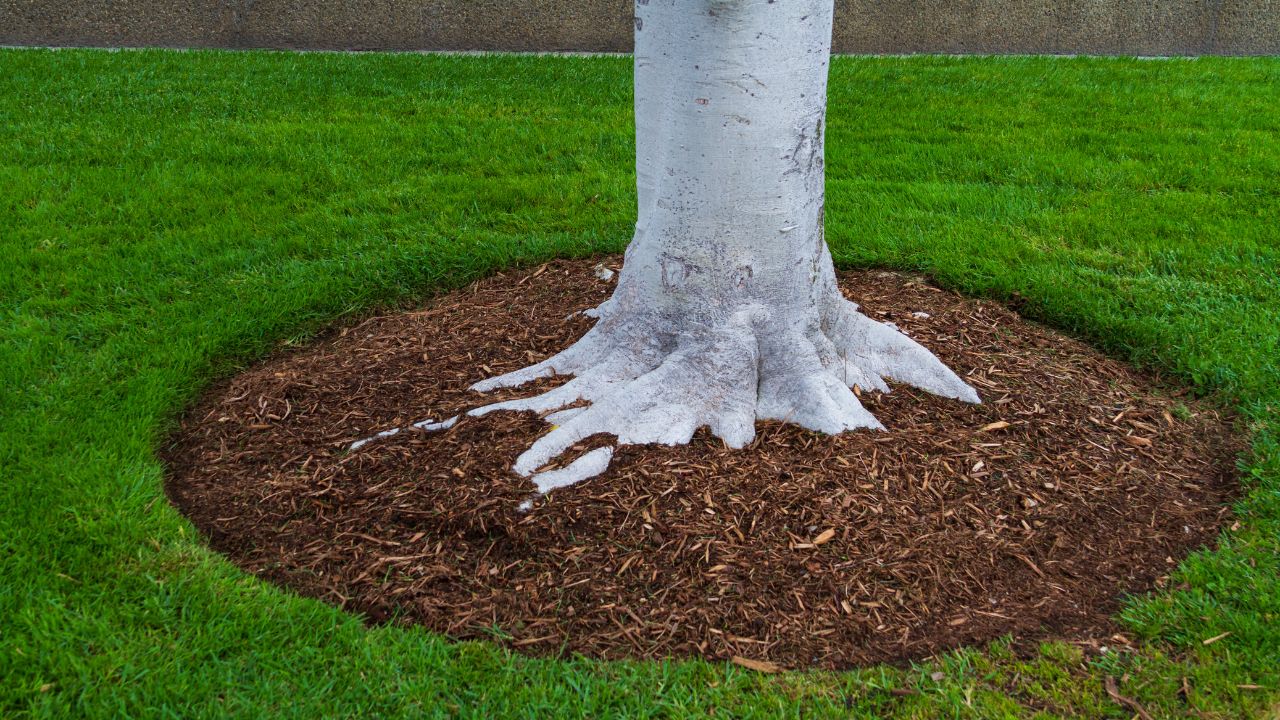
Trees have an internal clock that responds to environmental cues, like changing day length and cooling temperatures, to prepare for winter. This process, called hardening, allows them to survive freezing temperatures. A thick mound of mulch insulates the base of the tree, confusing these signals. The trunk may not “realize” it’s getting cold, delaying its preparation for dormancy.
Why it’s harmful:If a sudden, hard frost arrives before the tree has properly hardened off, its tissues can be severely damaged or killed. This can lead to bark splitting and dieback in the spring.
How to fix it:
- Think Thin: A proper 2- to 4-inch layer of mulch moderates soil temperature without interfering with the tree’s natural seasonal responses.
- Check in Fall: As you’re doing fall cleanup, double-check that mulch hasn’t been piled up against your trees. It’s a great time to ensure they are ready for winter.
11. Wasteful Use of Resources
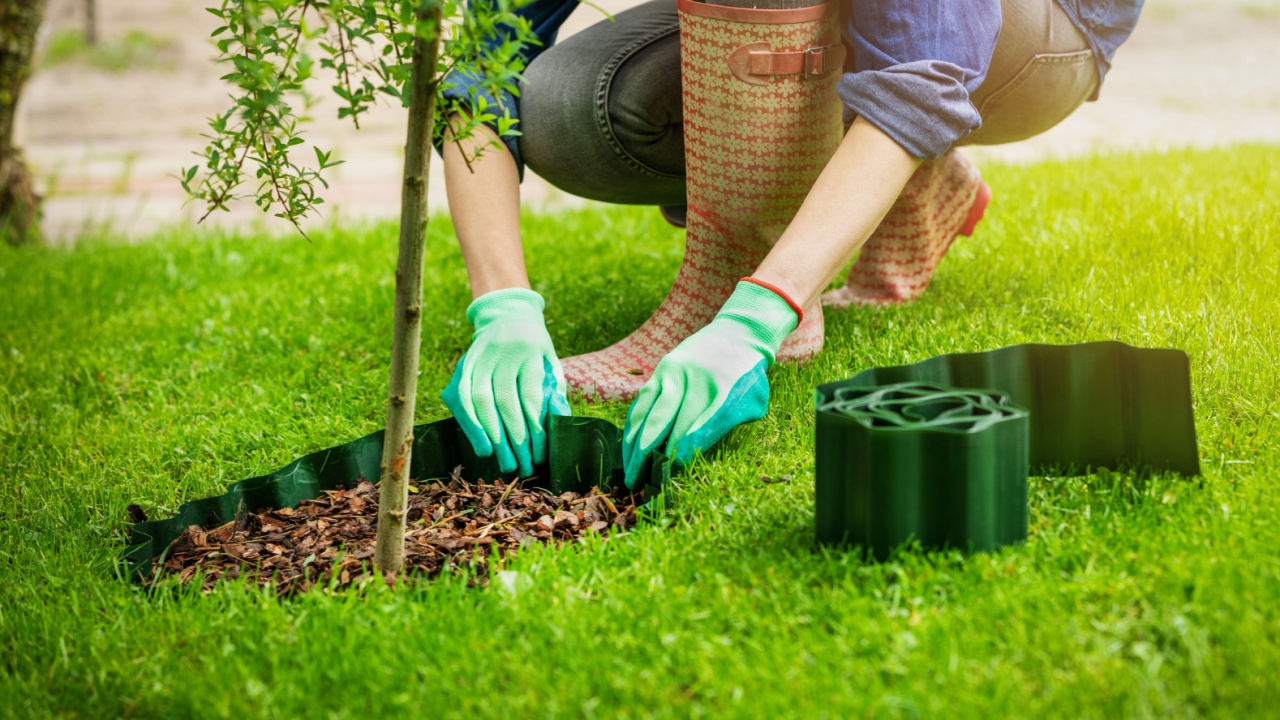
Creating a single mulch volcano uses a surprisingly large amount of mulch. That same mulch, if applied correctly, could cover a much larger area of your garden. This not only saves you money on materials but also provides more benefits to your plants by protecting a wider root zone.
Why it’s harmful:It’s a waste of money and material. You’re paying for a product and then applying it in a way that harms your trees instead of helping them.
How to fix it:
- Spread it Out: One bag of mulch can create a proper, wide ring around a small tree instead of a damaging volcano.
- Calculate Your Needs: Measure the area you need to cover (a circle extending to the tree’s drip line) to determine how much mulch you actually need. You’ll likely find you can buy less than you thought.
12. Delayed Problem Detection
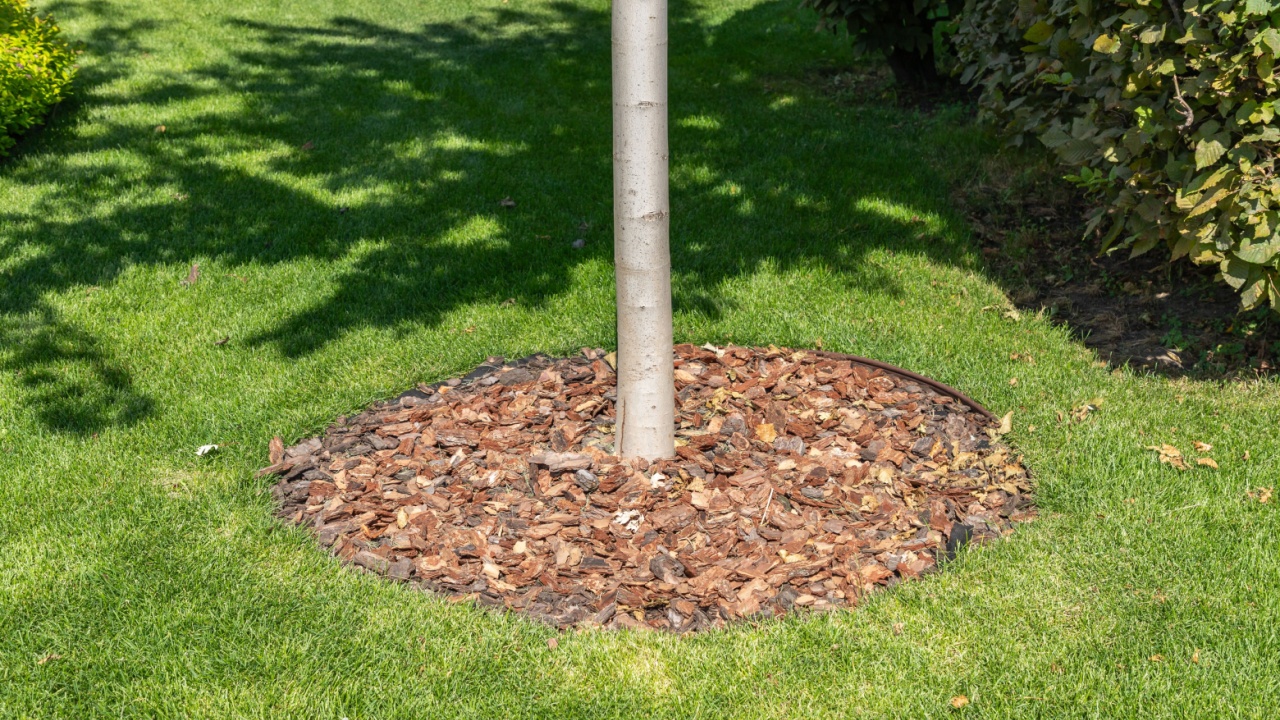
A thick pile of mulch against a tree’s trunk hides what’s happening at the crucial root flare area. This makes it impossible to spot the early signs of disease, insect infestations, or physical damage. By the time the symptoms are visible higher up in the tree’s canopy, the problem at the base is often severe and much harder to address.
Why it’s harmful:Early detection is key to managing almost any tree health issue. Hiding the base of the tree is like ignoring a problem until it’s a full-blown crisis.
How to fix it:
- Keep it Visible: The root flare is a window into your tree’s health. Keep it clear of mulch, soil, and debris so you can perform regular visual inspections.
- Schedule Check-ups: Make it a part of your routine garden walk to glance at the base of each tree, looking for anything unusual.
13. Reduced Water Penetration
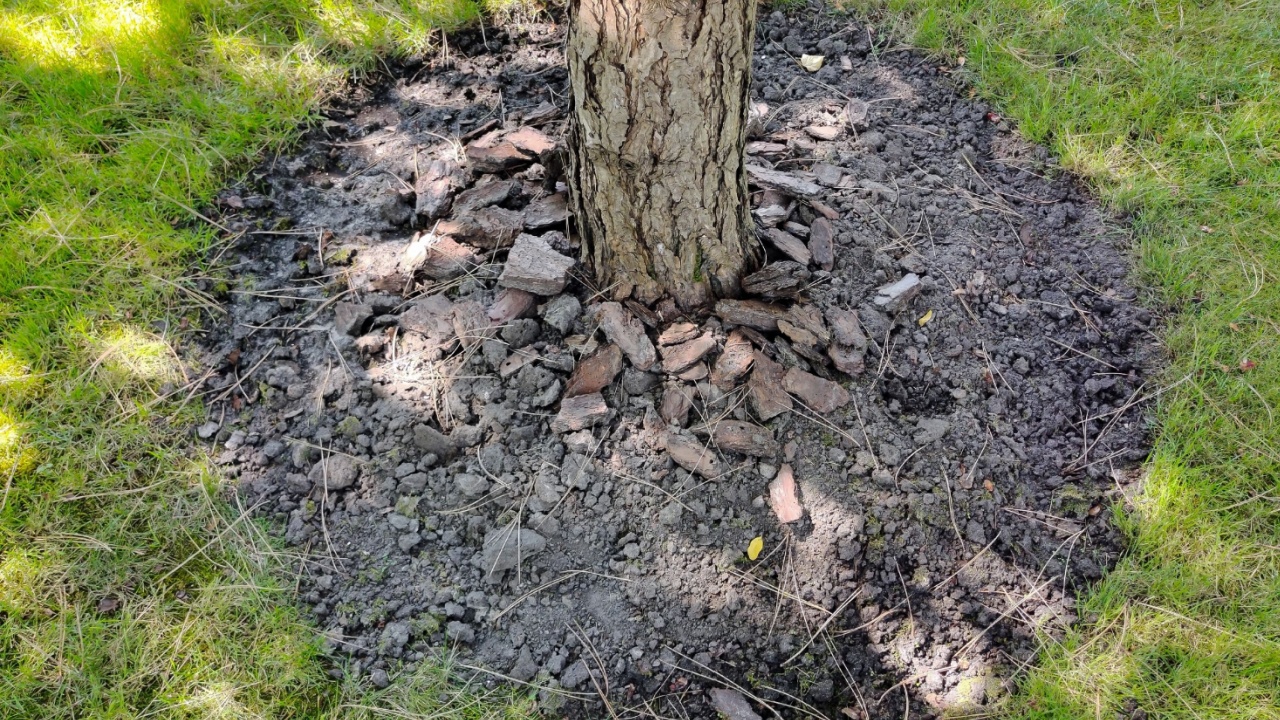
Ironically, after a thick layer of mulch dries out, it can become hydrophobic, meaning it actually repels water. Fine, compacted mulch can form a crust that causes rainwater or irrigation to run off the sides of the volcano instead of soaking down to the roots where it’s needed.
Why it’s harmful:The tree can suffer from drought stress even when it’s raining. The water you apply simply isn’t reaching the root zone.
How to fix it:
- Create a Saucer: A proper mulch ring should be slightly depressed in the middle, like a shallow saucer. This shape helps capture water and direct it toward the tree’s roots.
- Fluff the Mulch: If you notice your mulch has become compacted and crusty, use a garden fork or rake to fluff it up and break the crust, which will improve water absorption.
14. Creating a “False Soil” Level
Over time, a deep mulch pile begins to decompose and looks like soil, creating a false ground level. This can confuse future gardeners or landscapers, who might add even more mulch or soil on top, burying the tree’s root flare even deeper. This compounds all the problems of planting a tree too deeply.
Why it’s harmful:This perpetuates a cycle of damage. Each year, the problem gets worse as the tree’s trunk is buried further, leading to a slow and certain decline.
How to fix it:
- Define the Edge: Use a simple garden spade to create a clean, defined edge for your mulch ring. This visually separates the garden bed from the lawn and establishes a clear boundary.
- Educate Others: If you hire landscapers, be clear about your mulching preferences. Specify that you want a “donut,” not a “volcano,” and that the root flare must remain exposed.
15. Altering Soil pH
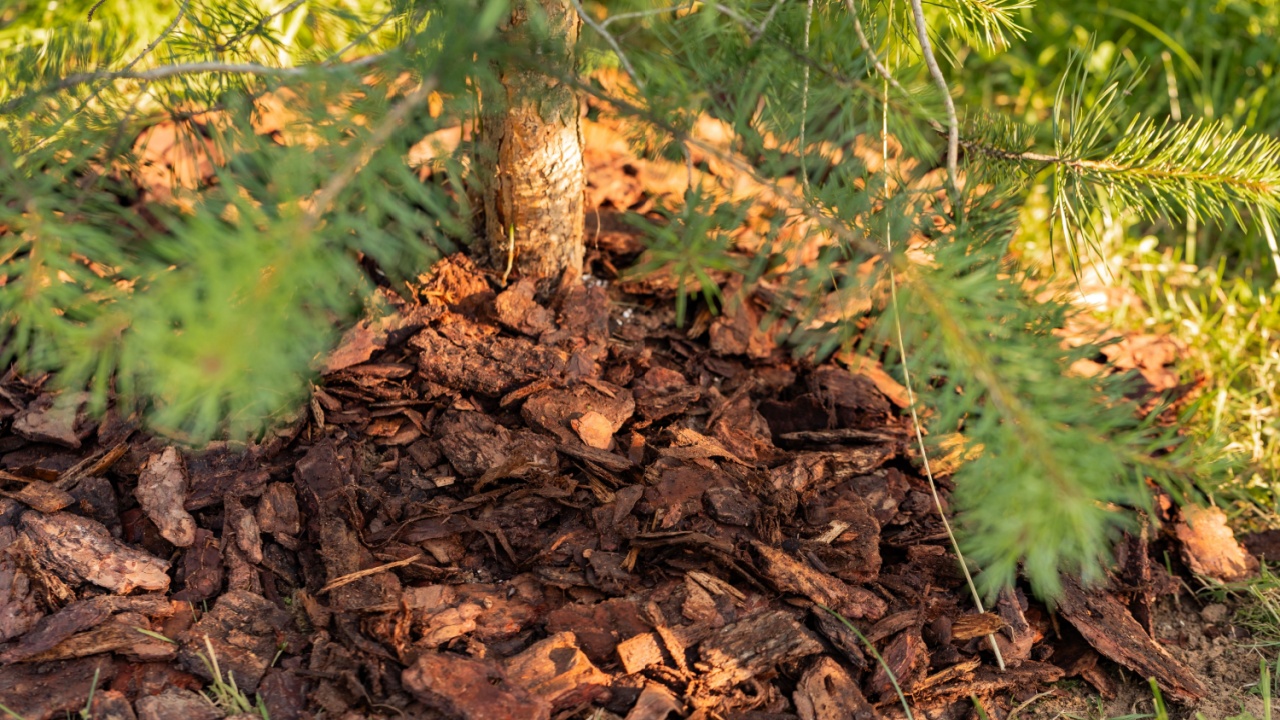
While some pH change is natural as mulch decomposes, an excessively thick layer can cause more dramatic shifts. Certain types of mulch, like pine needles or fresh wood chips, can be quite acidic as they break down. A deep pile concentrates this effect in a small area around the trunk, potentially lowering the soil pH to a level that is unhealthy for the tree.
Why it’s harmful:Most trees prefer a relatively neutral pH. When the soil becomes too acidic or too alkaline, it can “lock up” essential nutrients, making them unavailable to the roots even if they are present in the soil.
How to fix it:
- Use Composted Mulch: Well-decomposed mulch is more pH-neutral.
- Test Your Soil: If you are concerned about pH, a simple soil test kit can tell you if you need to make adjustments.
- Apply a Thin Layer: Spreading mulch thinly minimizes its impact on soil chemistry in any one spot.
16. Encouraging Weed and Grass Competition
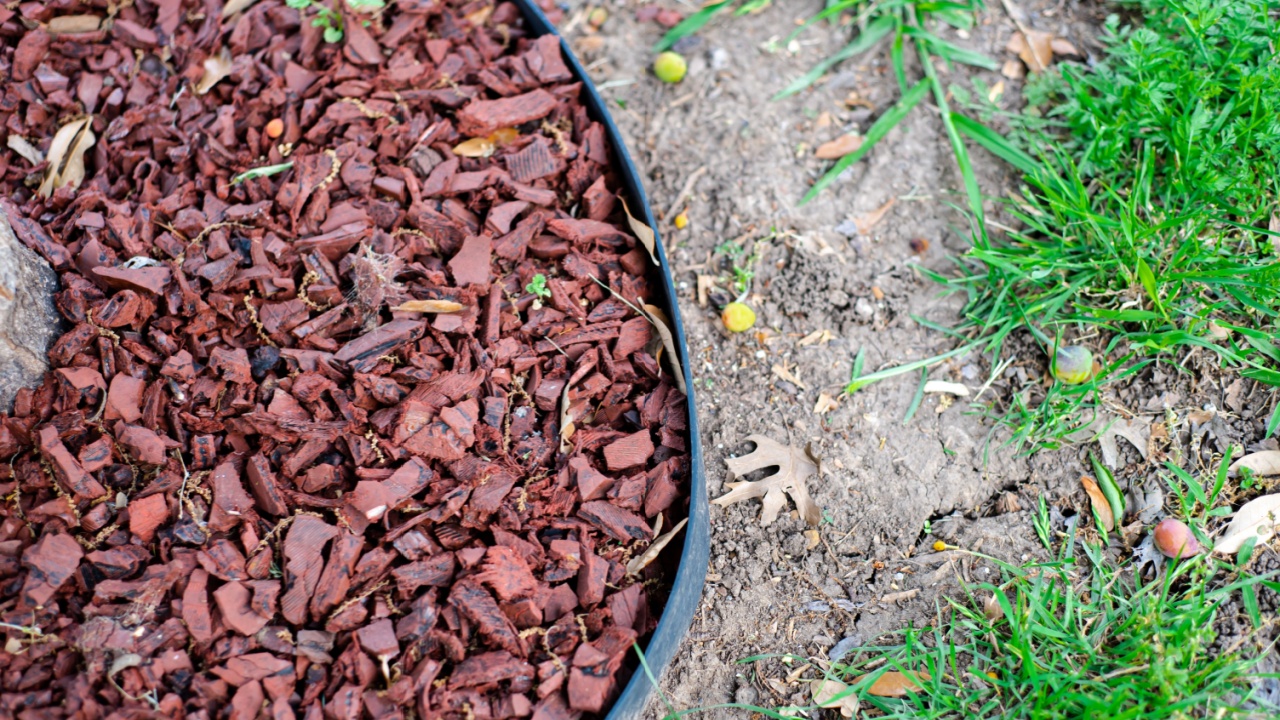
While a proper mulch layer suppresses weeds, a mulch volcano can actually become a perfect germination bed. Weed seeds land on top of the moist, rich mulch and sprout happily. Grass from the surrounding lawn can also creep up the sides of the volcano, competing directly with the tree for water and nutrients right at its base.
Why it’s harmful:Weeds and grass are aggressive competitors. They steal resources that should be going to your tree, adding another layer of stress.
How to fix it:
- Create a Clean Edge: Maintaining a sharp, clean edge between your lawn and your mulch ring makes it easy to trim and prevents grass from creeping into the bed.
- A Flat Surface is Easier to Weed: A flat ring of mulch is much easier to weed by hand or with a hoe than the steep, awkward slopes of a volcano.
Next Steps for Healthy, Happy Trees
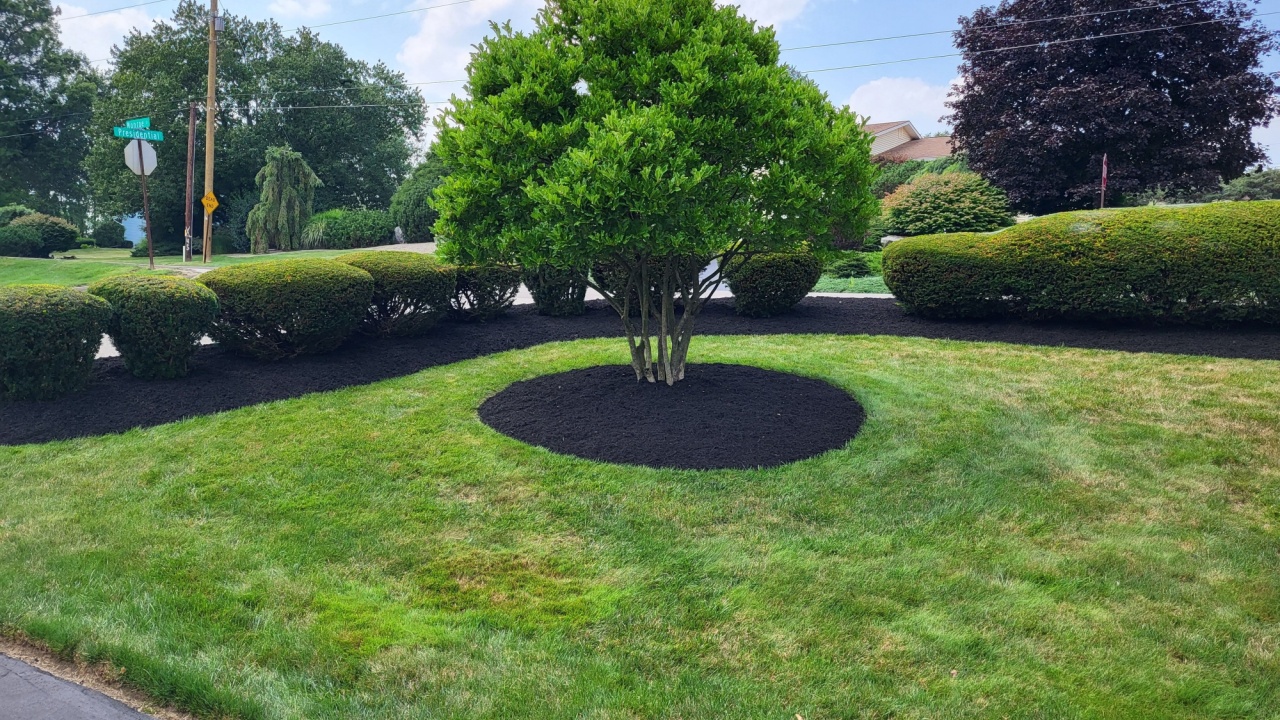
Moving away from volcano mulching is one of the best things you can do for the trees in your yard. The fix is simple: think “donut,” not “volcano.” Your action plan is straightforward. First, go outside and inspect your trees. If you see any mulch volcanoes, use a rake or your hands to pull the mulch back from the trunk, aiming for a 3- to 6-inch gap. Make sure you can see the root flare.
Next, redistribute that excess mulch into a wide, flat ring around the tree, ideally extending out to the drip line, but keeping it no more than 4 inches deep. Make this practice a core part of your annual garden maintenance. By taking a few minutes each spring to mulch correctly, you are investing in the long-term health, stability, and beauty of your trees for years to come.
Read more
19 Beautiful Citrus Trees That’ll Look Great in the Backyard
6 Invasive Trees That Will Take Over the Yard If You Let Them