15 Inspiring Flower Arranging Tips and Tricks (in Time for Mother’s Day)
Bringing fresh flowers into your home, whether from your own garden or a local shop, is a simple joy. The color, fragrance, and life they add can transform a room. But turning that beautiful bunch of stems into a stunning display can sometimes feel more frustrating than fun.
If you’ve ever plopped flowers into a vase only to watch them splay out or droop sadly, you know the challenge.
Flower arranging is an art, but it’s one you can easily master. With a few professional secrets and clever tricks, you can create arrangements that look like they came straight from a floral boutique.
This guide will walk you through 15 simple yet effective tips to elevate your bouquets, keep your flowers fresher for longer, and unlock your inner floral designer.
1. Create a Grid with Tape
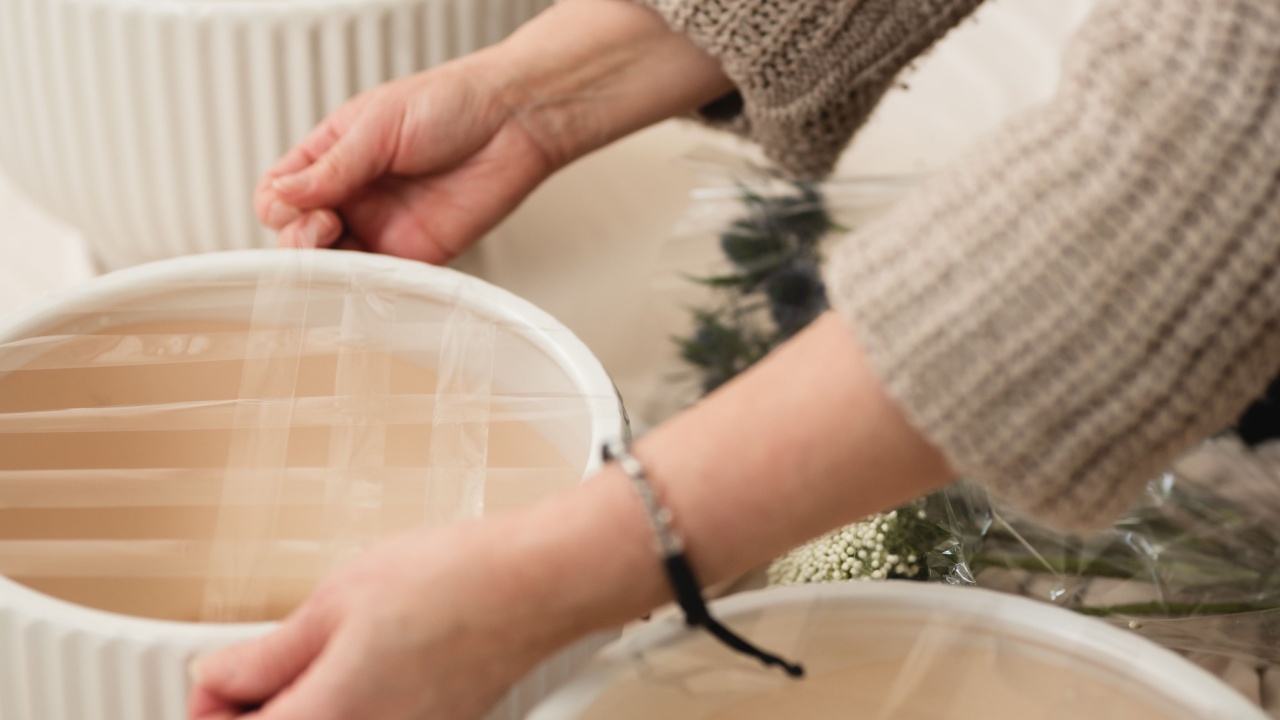
Working with a wide-mouthed vase or bowl is a common frustration. Flowers tend to fall to the sides, leaving a big space in the middle. The simple solution is to create a support grid across the top of your container using clear cellophane tape.
First, make sure the rim of your vase is completely dry. Then, apply strips of tape in a grid pattern horizontally and vertically, leaving small squares for you to insert your flower stems. This grid provides structure, holding each stem exactly where you want it. This method gives you incredible control over the placement and spacing of your flowers, allowing you to build a full, balanced arrangement. The main downside is that changing the water can be tricky, so it’s best for shorter-term displays.
Quick Guide:
- Why it works: Provides a structural framework to hold stems in place.
- Best for: Wide-mouthed vases, bowls, and creating full, rounded arrangements.
- Pro-Tip: Fill your vase with water before you create the tape grid to avoid messes.
2. Use a Flexible Silicone Arranger
For smaller vases or jars, a flexible silicone cap like a “Budable” (found on Amazon) can be a game-changer. These stretchy lids fit over the opening of your container and have small holes to grip individual stems. This gives you precise control, even allowing you to use flowers with stems that have been cut too short to stand up on their own.
One of the biggest advantages of this tool is how easy it makes changing the water. You can lift the entire arrangement out with the cap, swap the water, and place it back without disturbing your design. Just be sure the rim of your vase is dry when you first apply the cap for a secure fit. Also, remove any thorns from stems like roses to prevent them from tearing the silicone.
Quick Guide:
-
- Why it works: Offers precise control and makes water changes effortless.
- Best for: Small to medium vases, jars, and arrangements with varied stem lengths.
- Pro-Tip: Clean the vase rim with a bit of rubbing alcohol before applying the cap to ensure a non-slip grip.
3. Bend a Wire Arranger to Fit
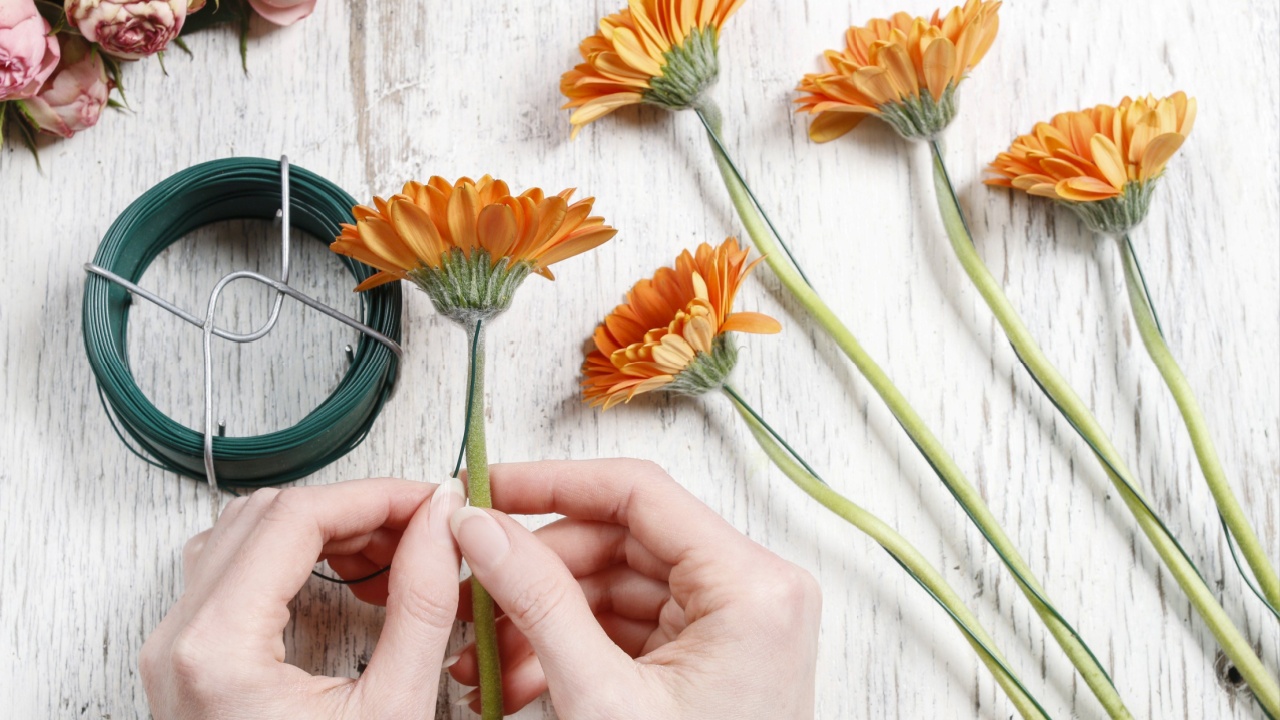
A bendable wire flower arranger is another fantastic tool, especially for those who love a rustic aesthetic. These typically come in various sizes and can be bent and shaped to fit almost any vase opening. The wire creates a built-in grid that is sturdier than tape and reusable.
What makes these so useful is their versatility and durability. You can mold them to create the exact structure you need. Because they often have a rustic, chicken-wire look, they can even become a charming part of the display if visible over the edge of the vase. Like the tape method, changing the water requires a little more care, but the sturdy support it offers is well worth it.
Quick Guide:
- Why it works: Provides a sturdy, reusable, and customizable support grid.
- Best for: Any size vase, achieving a rustic or farmhouse look.
- Pro-Tip: Shape the wire arranger to have a slight dome to help create a more rounded, professional-looking bouquet.
4. Try Mason Jar Flower Lids
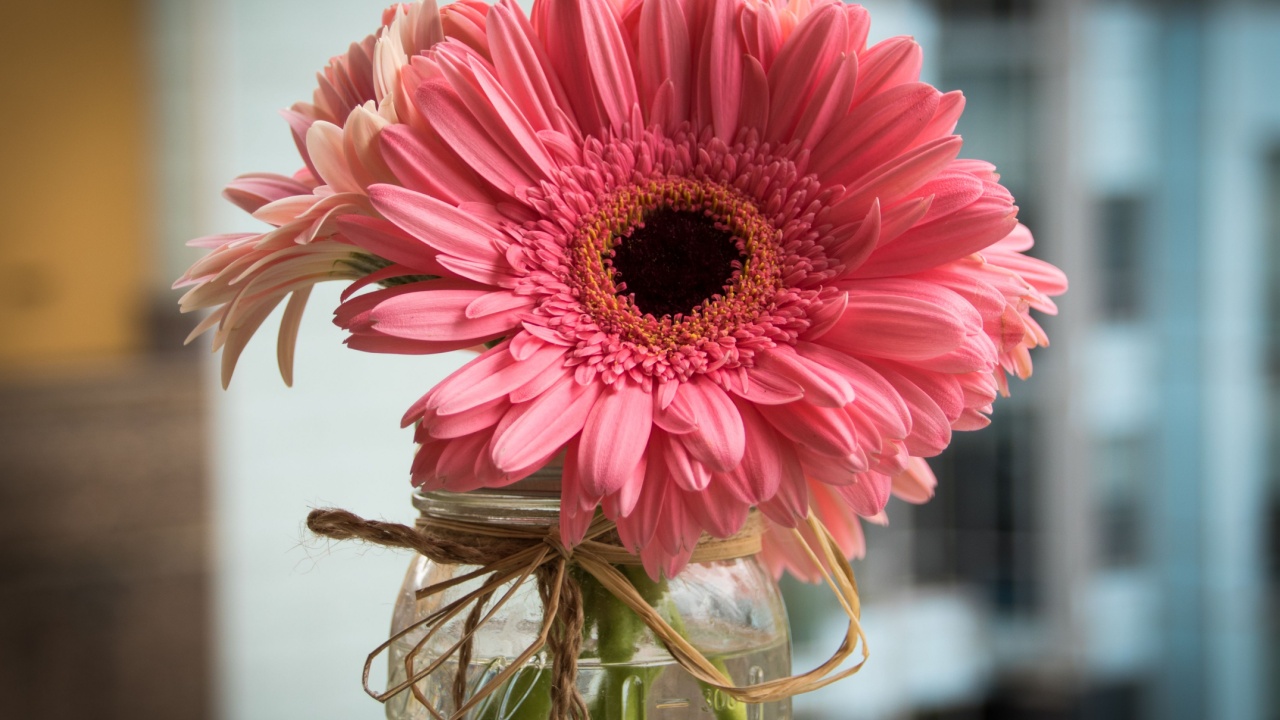
If you love using mason jars as vases, specialized flower lids (often called “flower frogs”) are a must-have. These metal or plastic discs have a grid pattern and are designed to fit perfectly into the mouth of a standard mason jar, screwing on with the jar’s ring.
This simple accessory instantly turns a basic jar into an ideal flower container. The grid separates the stems, preventing them from bunching up and allowing you to build a beautiful, airy arrangement with ease. It adds a touch of rustic charm while making the process incredibly simple. It’s the perfect way to display flowers cut straight from your garden.
Quick Guide:
- Why it works: Provides an instant grid specifically designed for mason jars.
- Best for: Mason jar bouquets, wildflower arrangements, and rustic decor.
- Pro-Tip: Use these lids to help kids create their own simple flower arrangements from garden clippings.
5. Use the Double Vase Trick
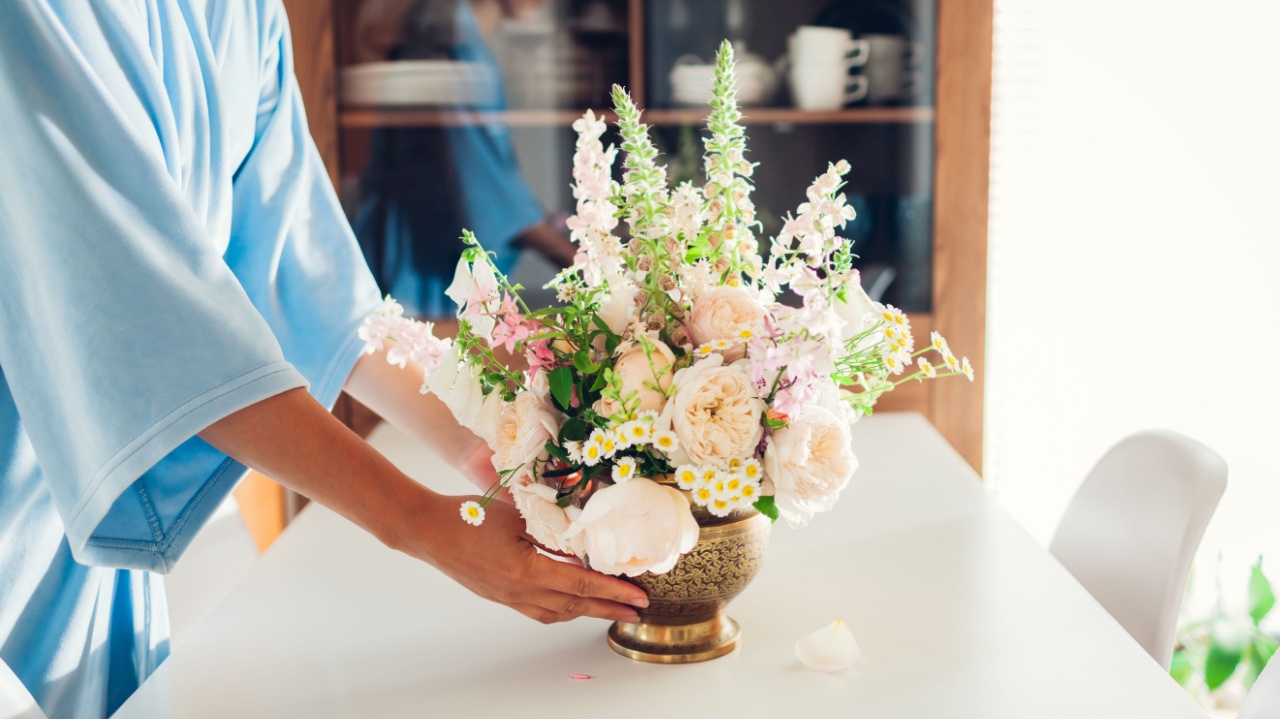
For a truly high-end look, try the double vase technique. Place a smaller, narrow vase inside a larger, wider one. Arrange your flowers in the inner vase, which provides the tight structure needed to keep them upright and beautifully arranged.
The magic happens in the space between the two vases. You can fill this gap with decorative elements that match the season or your decor. Sliced lemons or limes, cranberries, smooth river stones, seashells, or even colorful glass beads add a stunning visual layer to your arrangement. This trick not only makes arranging easier but also turns a simple bouquet into a sophisticated statement piece.
Quick Guide:
- Why it works: Simplifies arranging while creating a unique, layered visual effect.
- Best for: Clear glass vases, special occasions, and seasonal centerpieces.
- Pro-Tip: Use larger, fuller flowers like hydrangeas or peonies around the edge to help hide the rim of the inner vase.
6. Disguise Stems with Leaves
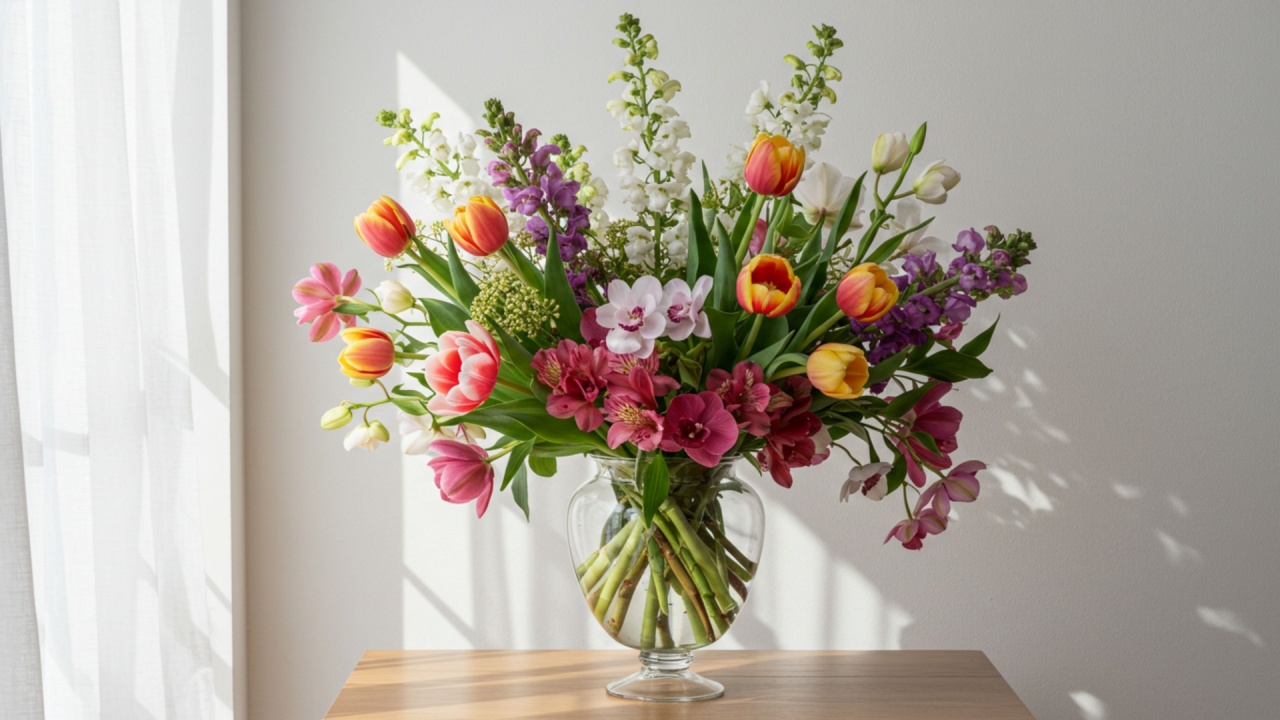
Sometimes you don’t want to see the tangle of stems in a clear glass vase, especially if you’re using floral foam for support. A simple and elegant solution is to line the inside of the vase with large, flat leaves. Aspidistra leaves (also known as cast iron plant) are perfect for this, as they are wide, durable, and last a long time.
Simply curl a few leaves and place them against the inside wall of the vase before adding water and flowers. This creates a clean, green backdrop that hides the stems and mechanics of your arrangement, giving it a polished and professional finish. If you can’t find fresh leaves, high-quality faux leaves work just as well and can be reused.
Quick Guide:
- Why it works: Hides messy stems or floral foam for a cleaner look.
- Best for: Clear glass vases of any shape.
- Pro-Tip: Gently mist the inside of the vase before placing the leaves to help them stick to the glass and stay in place.
7. Float Flowers with a Bubble Wrap Skirt
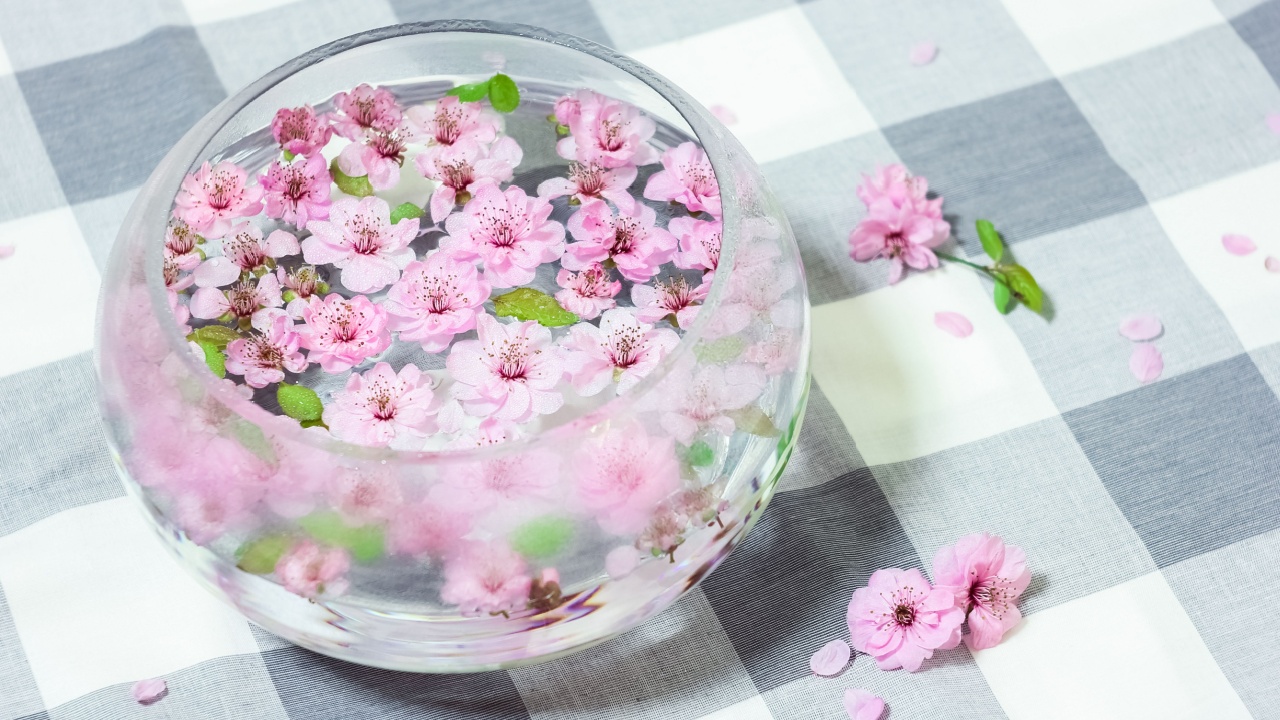
Floating flowers in a shallow bowl of water can create a serene and beautiful centerpiece. However, many flowers become waterlogged and sink after a short time. To keep them afloat longer, create a small “bubble skirt” for each bloom.
Cut a small square of bubble wrap, poke a tiny hole in the center, and gently thread the stem of a flower through it. Trim the bubble wrap so it’s hidden beneath the petals. This little raft will keep your flower floating perfectly on the surface. This is a wonderful way to decorate for a party or to simply enjoy single blooms from your garden.
Quick Guide:
- Why it works: Provides a hidden, buoyant base to keep flowers from sinking.
- Best for: Wide, shallow bowls, water features, and special event decor.
- Pro-Tip: This works best with flat-faced flowers like gerbera daisies, dahlias, and open garden roses.
8. Build a Tiered Flower Tower
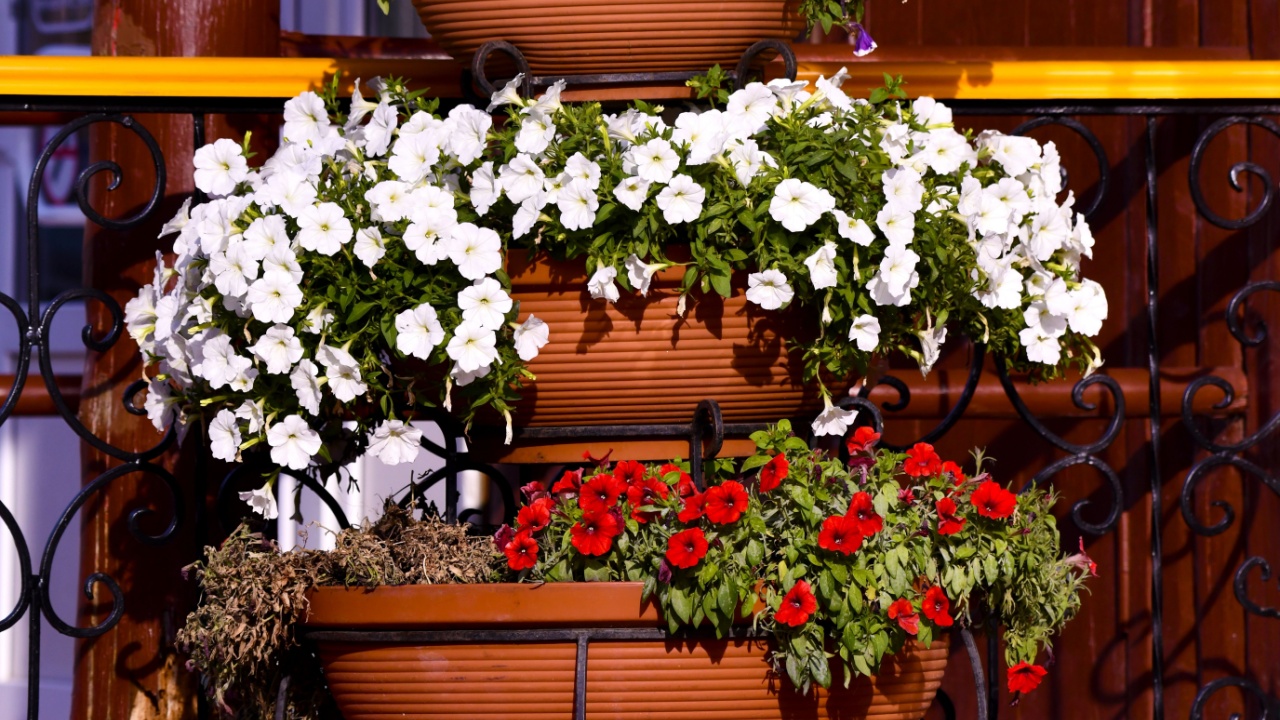
For a dramatic display on your patio, porch, or garden, create a flower tower using stacked pots. You’ll need several pots of graduating sizes and your choice of flowers or herbs. This method creates a prominent vertical feature that is perfect for brightening up a corner or adding height to your container garden.
To build it, place the largest pot at the bottom and fill it with soil. You can either place the next pot directly on the soil or use an empty overturned pot in the center for support. Continue stacking and planting until you reach the top. This impressive structure can be filled with a cascade of colorful annuals or a fragrant mix of herbs.
Quick Guide:
- Why it works: Creates a high-impact vertical display in a small footprint.
- Best for: Patios, decks, and garden corners.
- Pro-Tip: Choose trailing plants like petunias or lobelia for the lower tiers to create a beautiful spilling effect.
9. Submerge a Single Stunning Bloom
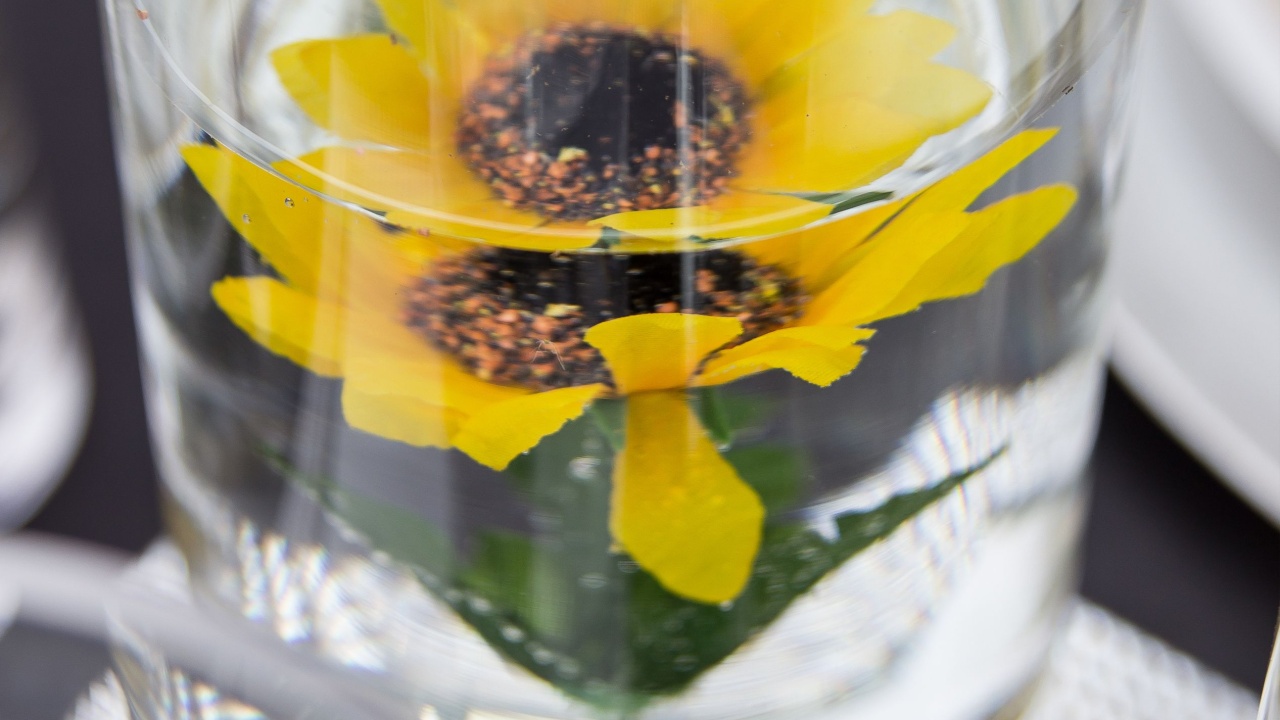
Instead of a traditional bouquet, showcase the beauty of a single, perfect flower by submerging it in water. Choose a tall, clear cylinder vase or a large glass. Place decorative rocks, glass beads, or pebbles at the bottom to act as an anchor.
Trim the flower stem and nestle it among the rocks to keep it upright. Carefully fill the vase with distilled water, which will stay clearer than tap water. An orchid, a calla lily, or a perfect rose can look incredibly stylish and modern with this technique. It’s a budget-friendly way to create a high-impact, minimalist arrangement.
Quick Guide:
- Why it works: Creates a unique, minimalist, and modern centerpiece.
- Best for: Tall cylinder vases and showcasing single, architecturally interesting flowers.
- Pro-Tip: Change the water every couple of days to keep it looking crystal clear.
10. Think Beyond the Traditional Vase
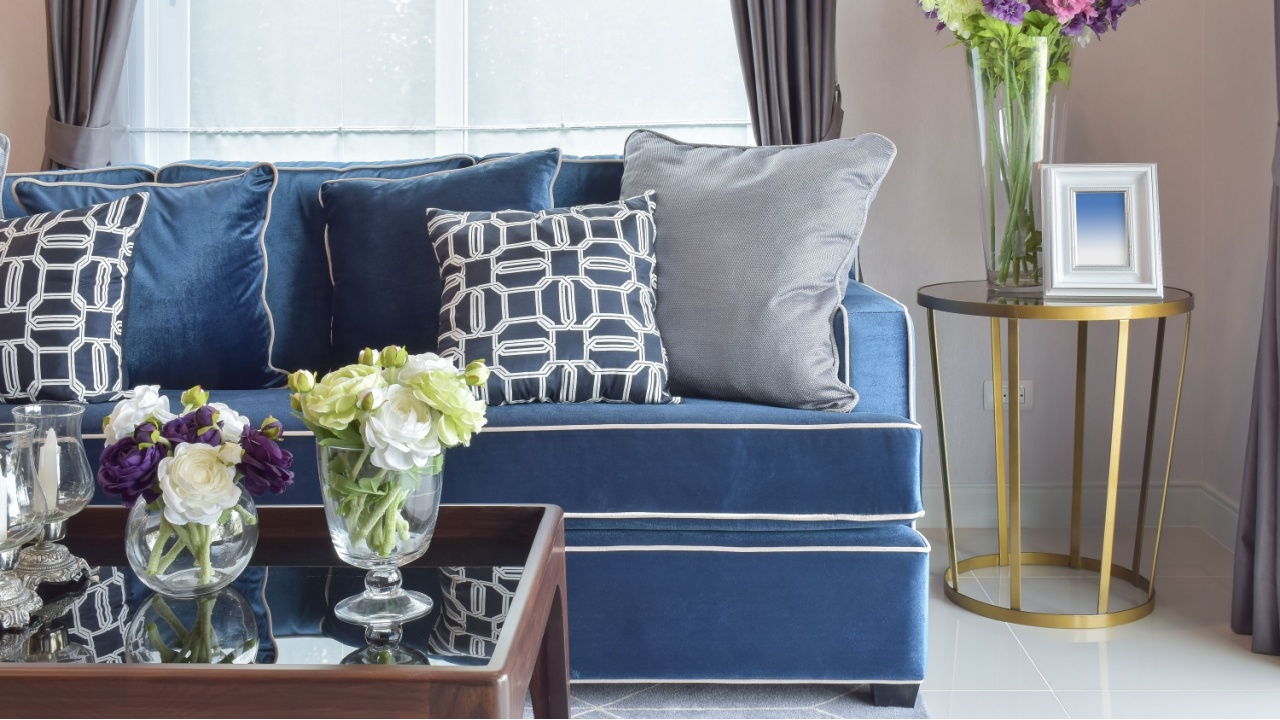
The container you choose has a huge impact on the final look of your arrangement. Don’t limit yourself to traditional vases! Almost anything that can hold water can be used to display flowers, and thinking creatively can lead to some truly unique displays.
Look through your kitchen cabinets. A row of drinking glasses with single stems in each, a vintage tin can, a ceramic pitcher, or even a pair of rain boots can make for a whimsical and charming “vase.” Matching the container to the style of the flowers and the setting is a key part of floral design.
Quick Guide:
- Why it works: An unusual container adds personality and character to your arrangement.
- Best for: Casual arrangements, themed parties, and expressing personal style.
- Pro-Tip: If your chosen container isn’t waterproof (like a basket), simply place a smaller glass jar or plastic container inside to hold the water.
11. Use Floral Foam for Difficult Shapes
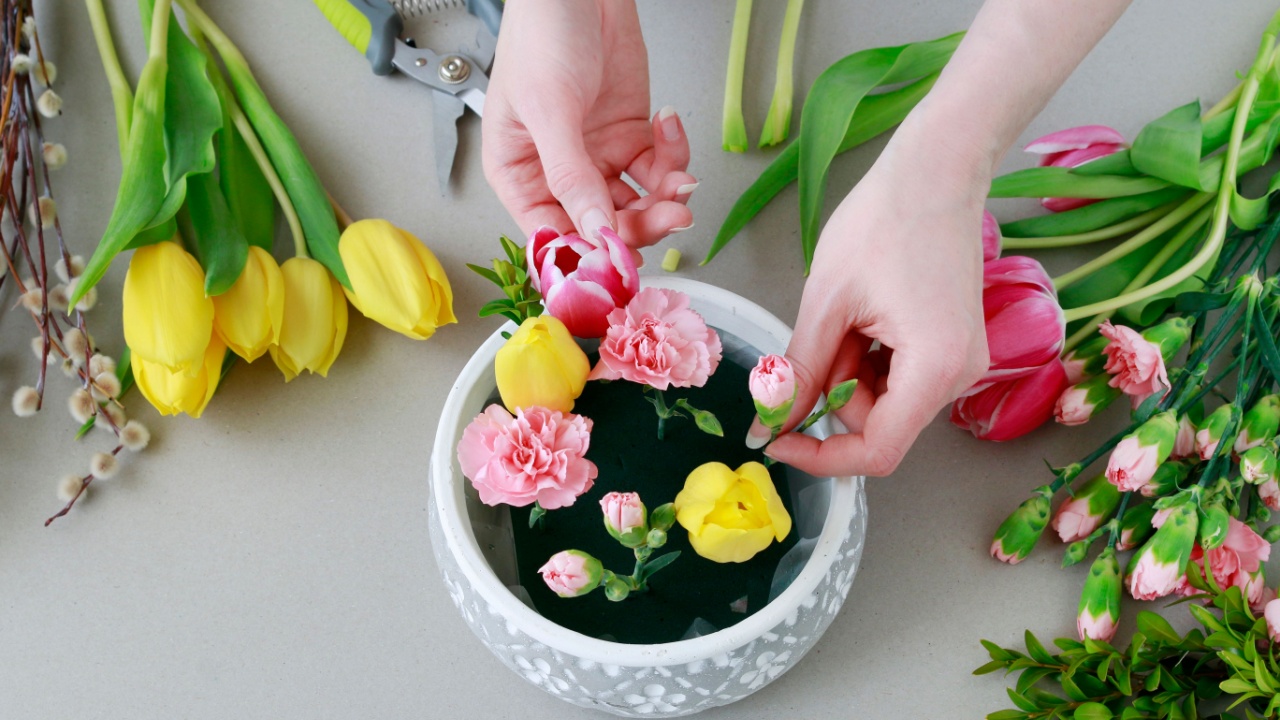
When working with shallow, unusually shaped, or opaque containers, wet floral foam is your best friend. This dense, water-absorbent foam can be cut to fit any container and provides both hydration and stable support for your stems.
To use it, soak the foam in water until it’s fully saturated (let it sink on its own; don’t push it down). Then, cut it to size and place it in your container. You can then insert stems at any angle, giving you complete creative freedom to build height, shape, and drama that would be impossible otherwise.
Quick Guide:
- Why it works: Provides stable support and a water source in unconventional containers.
- Best for: Shallow dishes, long centerpiece boxes, and complex arrangements.
- Pro-Tip: Create your arrangement’s shape with greenery first, then add your main flowers, and finish with filler flowers.
12. Use Chicken Wire for a Reusable Structure
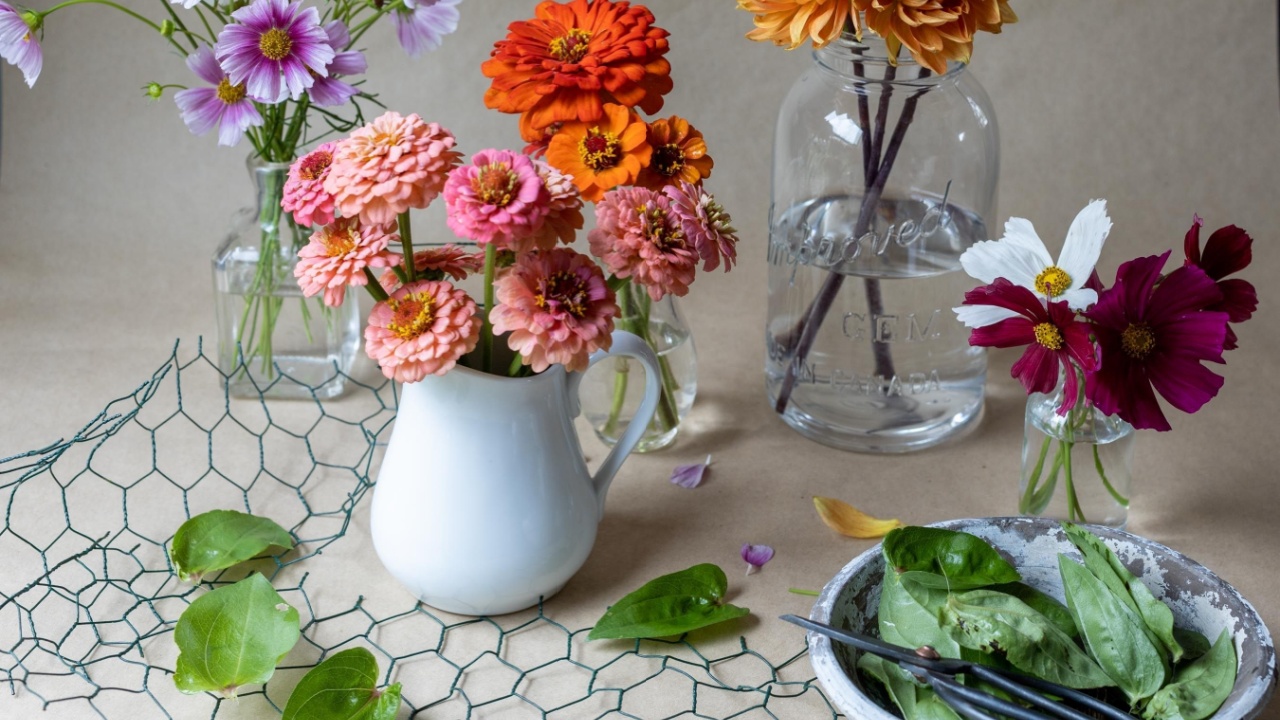
For a rustic and highly effective alternative to floral foam or tape, use a ball of chicken wire. This old-school florist’s trick is making a comeback because it’s reusable and allows flowers to drink naturally from the vase water.
Simply cut a piece of chicken wire and loosely form it into a ball or dome shape that fits snugly inside your vase. The wire mesh creates a sturdy, flexible framework that grips stems firmly. You can easily add, remove, or reposition flowers as you build your design. It’s perfect for creating loose, airy, garden-style arrangements.
Quick Guide:
- Why it works: Creates a sturdy, reusable framework that allows for easy arranging.
- Best for: Large vases, urns, and creating natural, garden-style designs.
- Pro-Tip: Use floral tape to secure the chicken wire to the vase rim in a crisscross pattern for extra stability.
13. Build Your Bouquet in Layers
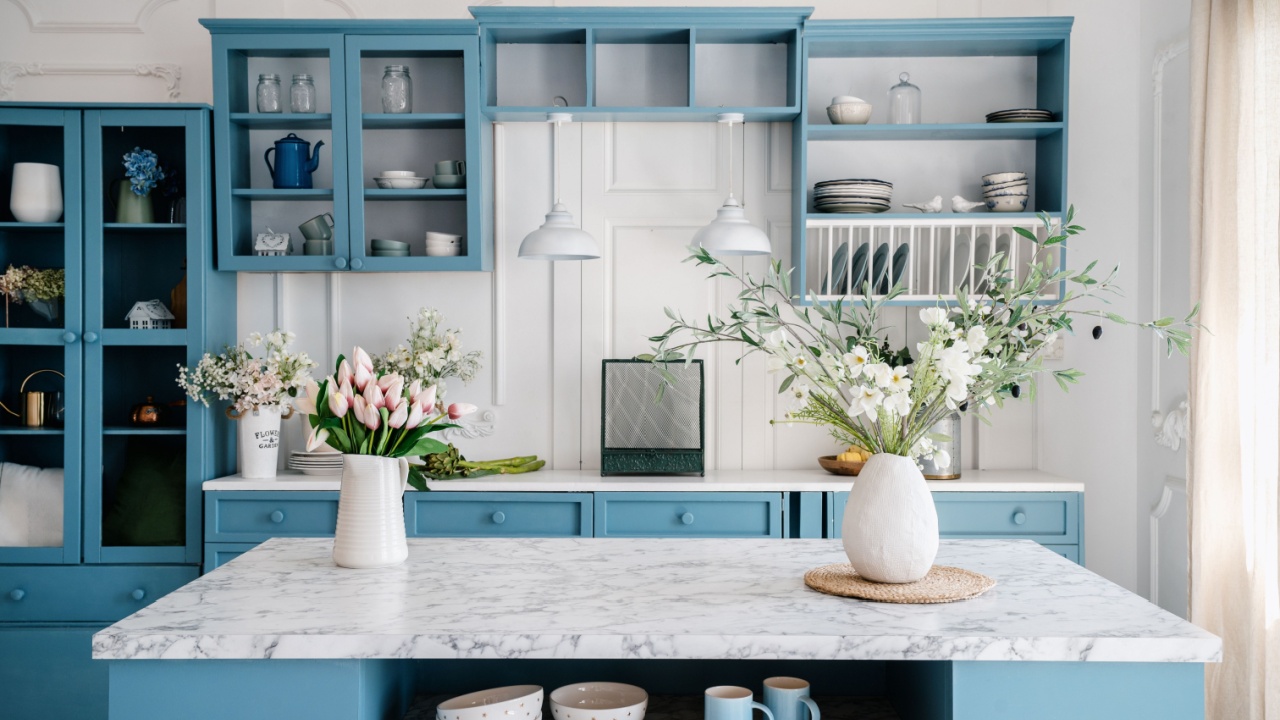
To arrange a store-bought bouquet like a pro, don’t just drop it in the vase. Take a more structured approach by building it in layers. First, prepare your stems by cutting them at an angle and removing any leaves that will be below the waterline.
Start by creating a base of greenery. This will establish the shape and size of your arrangement. Next, add your “focal flowers,” the largest or most dramatic blooms, placing them strategically. Then, fill in the gaps with your “secondary flowers,” and finish by adding wispy “filler flowers” or more greenery to fill any remaining holes. Make sure to vary the heights of your stems for a more natural, dynamic look.
Quick Guide:
- Why it works: A layered approach creates balance, structure, and visual interest.
- Best for: Any mixed bouquet, whether store-bought or from the garden.
- Pro-Tip: Turn the vase as you work to ensure the arrangement looks good from all angles.
14. Keep Your Flowers Fresh Longer
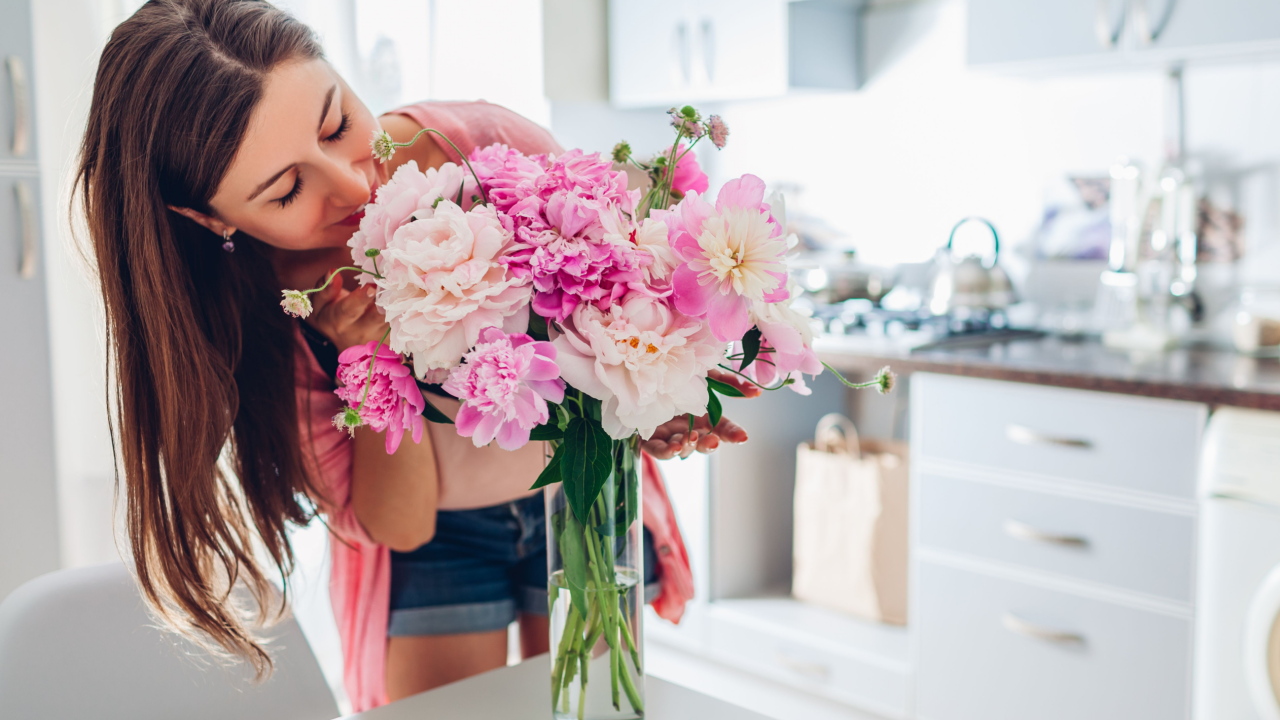
Once you’ve created your beautiful arrangement, you want it to last. The single most effective trick is to keep it cool. Flowers last much longer in cooler temperatures. If you have space, placing your vase in the refrigerator overnight mimics the conditions at a florist and can nearly double the life of your blooms.
Beyond that, always change the water every one to two days, or as soon as it looks cloudy. Each time you change the water, give the stems a fresh snip at an angle. For flowers with woody stems like lilacs or hydrangeas, you can gently smash the bottom inch of the stem with a hammer to help them absorb more water.
Quick Guide:
- Why it works: Cool temperatures slow decay, and fresh water prevents bacterial growth.
- Best for: All cut flower arrangements.
- Pro-Tip: A light mist of hairspray on the undersides of petals can help fragile flowers like tulips and poppies hold their shape longer.
15. Liven Up a Vase with Fish
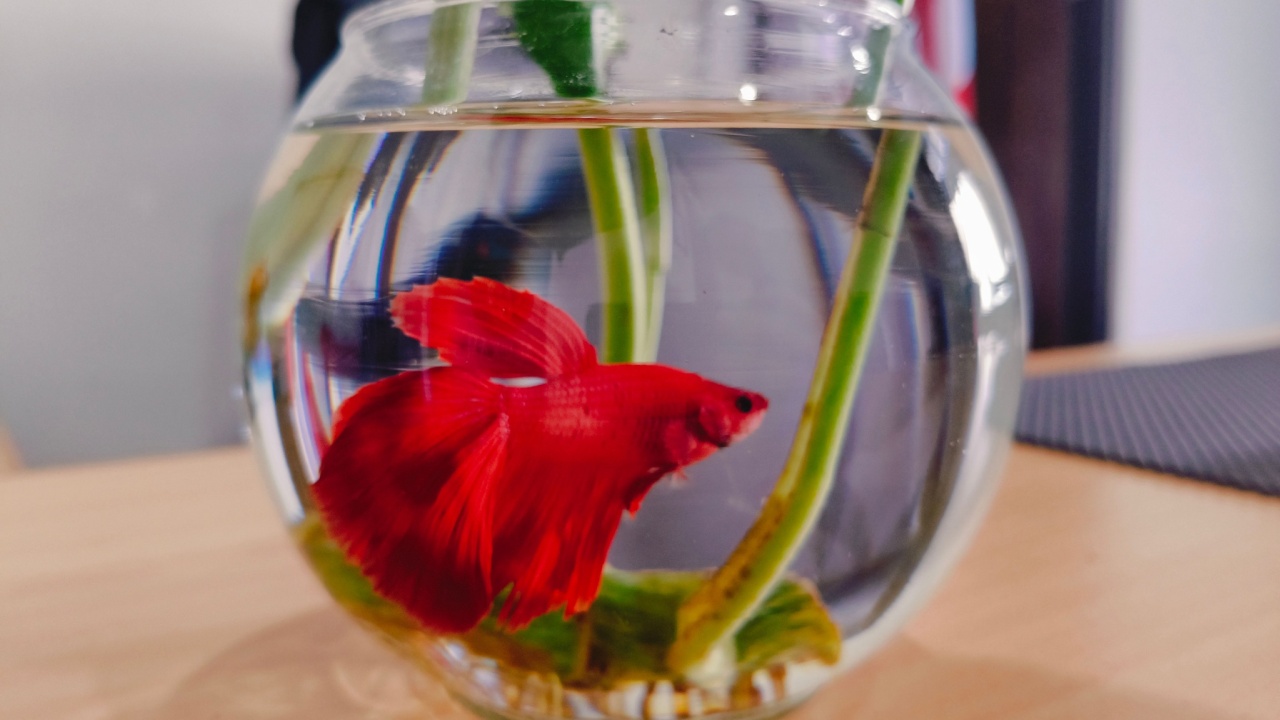
For a truly spectacular and temporary centerpiece perfect for a wedding or special party, you can add live fish to a large vase. This creates a living art piece that is sure to be a conversation starter. Choose a large, clear vase and create your arrangement using one of the structural methods above, like a smaller vase inside or a wire grid at the top, to keep the stems separate from the main water area.
It is crucial to ensure the water is safe for the fish. Use dechlorinated water at the correct temperature for the species you choose, like a betta or a few guppies. After the event, the fish can be given to guests as party favors (with proper care instructions) or moved to a permanent, spacious tank. This is a high-effort tip that requires responsible pet ownership.
Quick Guide:
- Why it works: Creates a dynamic, living centerpiece for a special occasion.
- Best for: Large glass vases at parties, weddings, or events.
- Pro-Tip: Place your flowers in a smaller, separate container inside the larger vase to prevent any plant decay from affecting the fish’s water quality.
Become an Expert at Flower Arranging
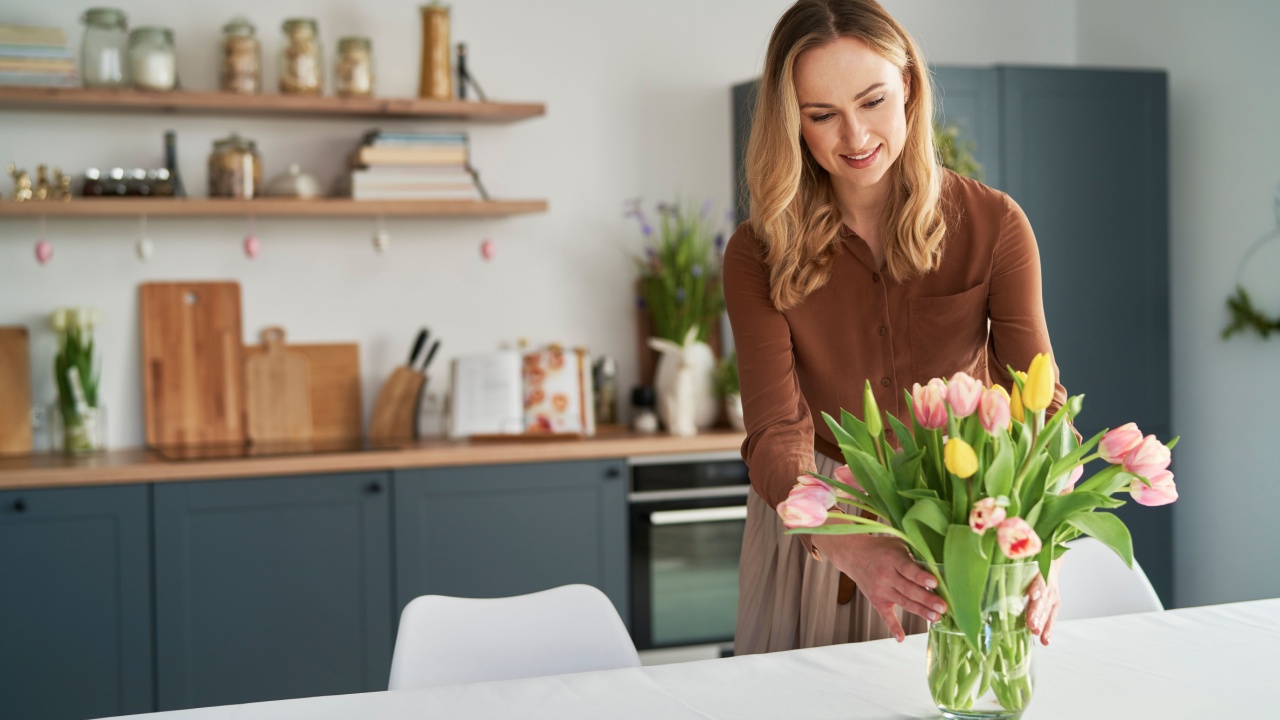
With these tips and tricks in your back pocket, you’re ready to move beyond just putting flowers in a vase. The next time you have a fresh bouquet, choose one or two of these techniques to try. Start simple: create a tape grid on your favorite wide vase or try building a layered bouquet.
Don’t be afraid to experiment. The more you play with different flowers, containers, and methods, the more you’ll develop your own personal style. Head out to your garden, snip a few blooms, and start creating something beautiful for your home today.
Read more:
Easy Ways to Make Your Cut Flowers Last
What to Do With Too Many Flower Vases