Live in a Warmer Zone? 9 Hardy Salad Greens for a Winter Garden
The first frost doesn’t have to mean the end of fresh, homegrown salads. Many gardeners pack away their tools when the cold weather arrives, but you can enjoy crisp, flavorful greens straight from your garden all winter long. By choosing the right plants and providing a little protection, you can extend your harvest season and keep fresh produce on your plate.
This guide will introduce you to nine resilient salad greens that not only survive but often thrive in cooler temperatures. We will explore what makes each one a great choice for your winter garden, how to care for them, and the simple steps to get started. Get ready to transform your garden into a year-round source of fresh flavor.
Note: Not much will survive a true hard freeze in colder growing regions. This list covers greens that can tolerate a mild to moderate freeze in zones on the warmer side of the spectrum. If you’re expecting snow soon, this list isn’t for you unless you have a good windowsill or greenhouse to extend your growing season.
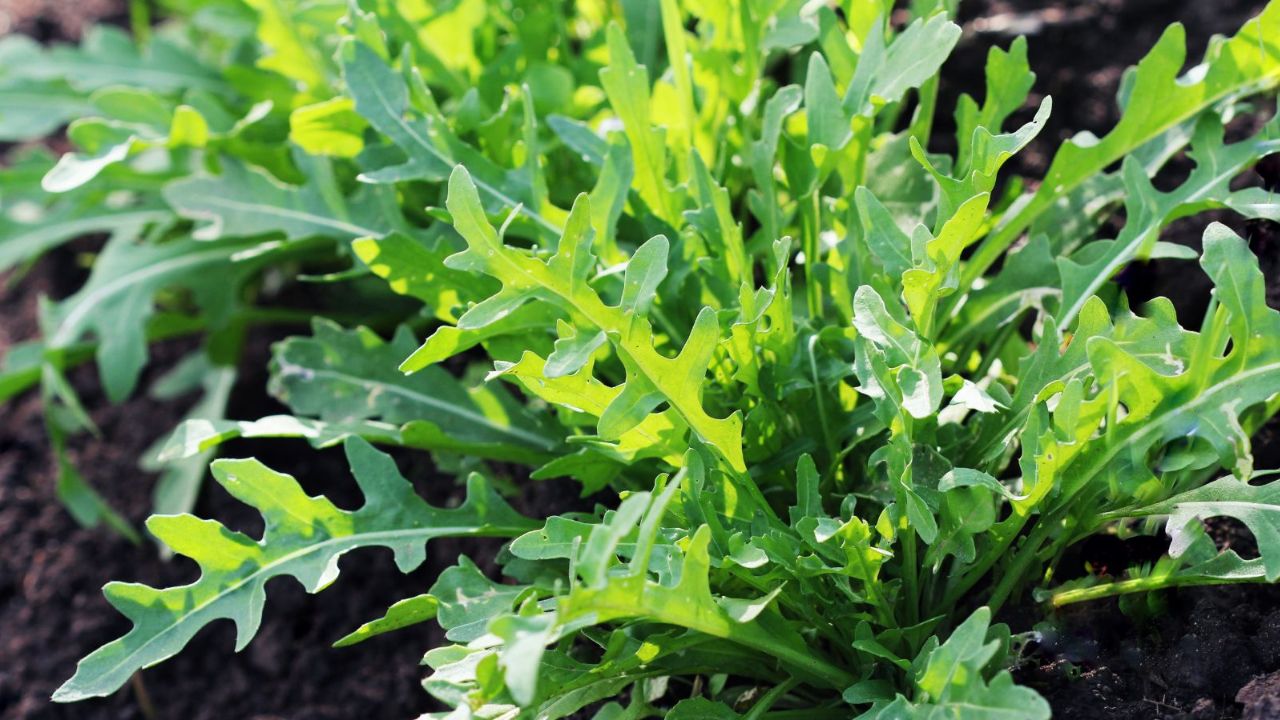
1. Arugula
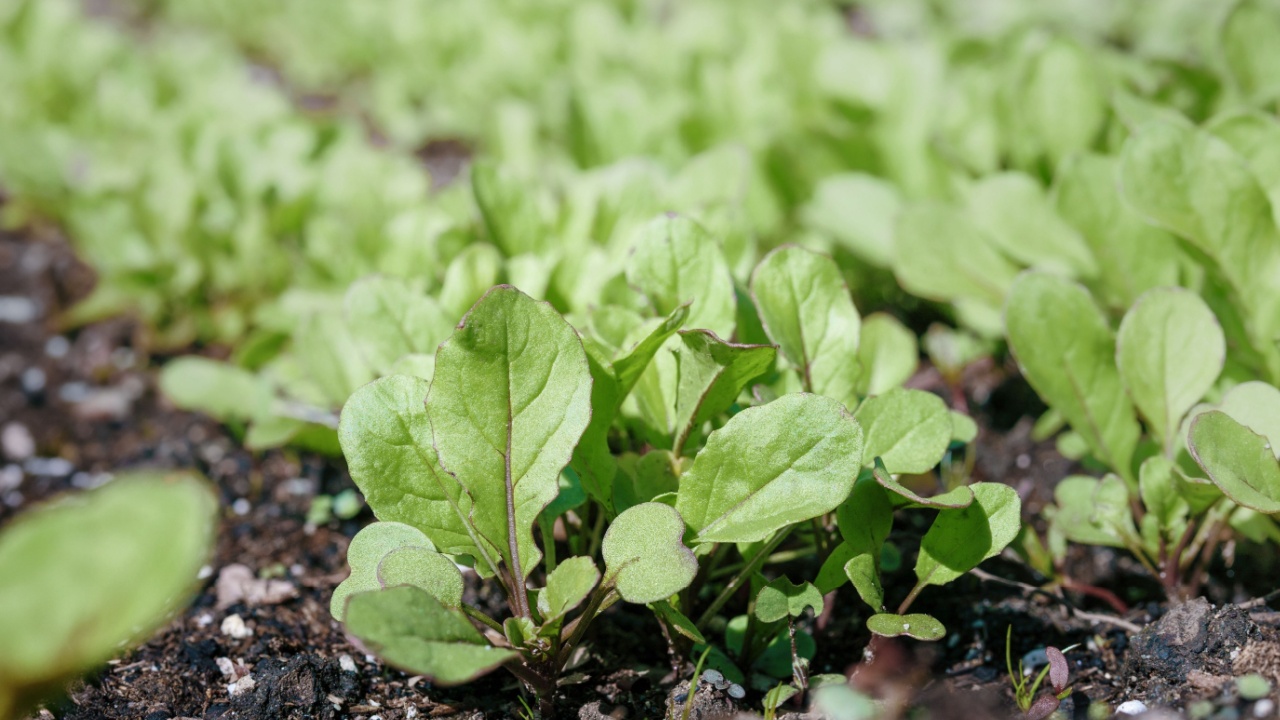
Arugula brings a peppery, spicy kick to any salad, and its flavor often becomes milder and more complex in cooler weather. This fast-growing green is remarkably tolerant of cold, making it a perfect choice for gardeners looking to get a quick harvest before the deepest winter chill sets in. It is hardy down to about 28°F (-2°C) and will germinate in soil as cool as 40°F (4°C).
Its resilience makes it a dependable crop for the fall and winter months. For the best results, plant arugula in a spot that gets plenty of sun but is sheltered from harsh winds. Sow seeds in early fall to give them enough time to establish before the first hard frost. While mature plants can handle light frost, providing a cold frame or a simple row cover during deep freezes will protect them and ensure a continuous harvest. Water at midday to allow the foliage to dry before nightfall, which helps prevent ice from forming on the leaves.
Arugula at a Glance
- Flavor: Peppery and spicy.
- Hardiness: Tolerates temperatures down to 28°F (-2°C).
- Planting Time: Early fall.
- Winter Care: Use a cold frame or row cover during hard freezes.
- Harvesting: Cut outer leaves as needed, allowing the plant to continue producing.
2. Lamb’s Lettuce (Mâche)
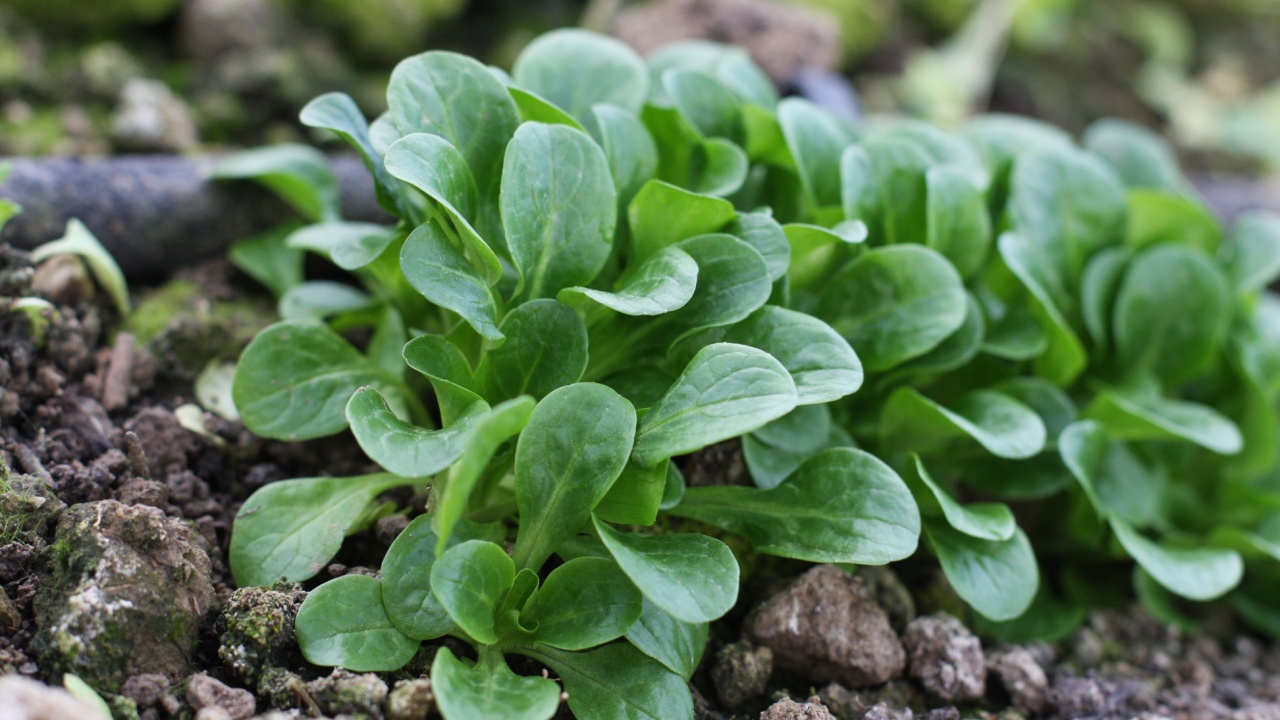
Also known as mâche or corn salad, lamb’s lettuce is one of the hardiest winter greens you can grow. It forms small, tender rosettes with a wonderfully mild, nutty flavor that complements other salad ingredients beautifully. This plant is exceptionally cold-tolerant and can even survive being frozen solid under a blanket of snow, emerging ready for harvest once it thaws.
Because mâche is a slow-growing green, it’s a good idea to plant a generous amount to ensure you have enough for your salads. Sow seeds in late summer or early fall. The plants will grow slowly through the coldest months and then put on a new burst of growth as the days get longer in late winter. This makes it a perfect “cut-and-come-again” crop. You can harvest individual leaves or the entire rosette. A simple row cover can help speed up growth, but it is not essential for survival in most climates.
Lamb’s Lettuce at a Glance
- Flavor: Mild and nutty.
- Hardiness: Extremely cold-tolerant; can survive under snow.
- Planting Time: Late summer to early fall.
- Winter Care: Requires very little protection, but row covers can speed up growth.
- Harvesting: Harvest outer leaves or the whole rosette.
3. Mizuna
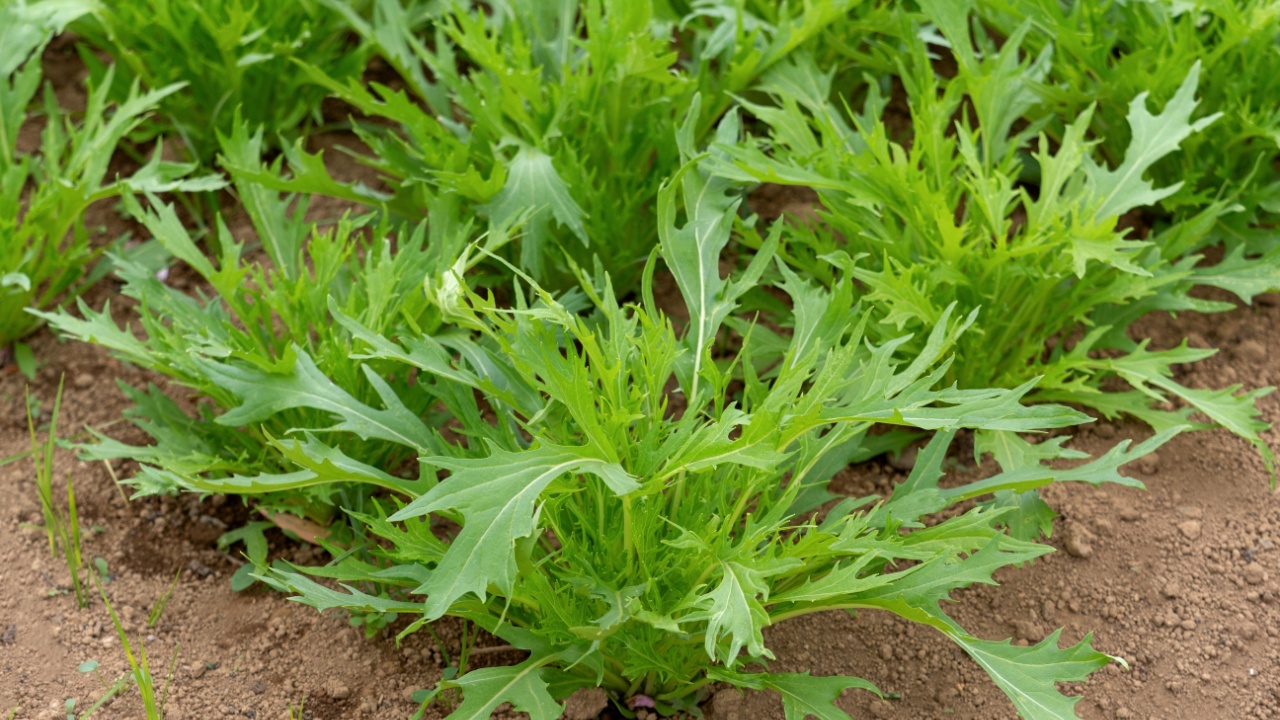
Mizuna is a fast-growing Japanese mustard green that adds a mild, peppery crunch to salads. Its attractive, feathery leaves are not only tasty but also incredibly resilient. Mizuna is a great choice for winter gardening because it tolerates low light levels and can survive surprisingly cold temperatures, even subzero conditions with some protection.
Seeds will germinate in soil as cool as 40°F (4°C), so you can plant it in the fall for a winter-long harvest. The plant grows quickly, often ready for its first picking in just 30 to 40 days. Like other greens, it benefits from a location with good drainage to prevent water from pooling and freezing around the roots. Use a cold frame or hoop house to shield it from the most extreme cold, and you can harvest its delicate leaves all season. Its cut-and-come-again nature means a few plants can provide a steady supply.
Mizuna at a Glance
- Flavor: Mildly peppery and crisp.
- Hardiness: Very cold-hardy, tolerates low light.
- Planting Time: Early to mid-fall.
- Winter Care: Best with a cold frame or hoop house in very cold regions.
- Harvesting: Cut outer leaves to encourage continuous growth.
4. Salad Burnet
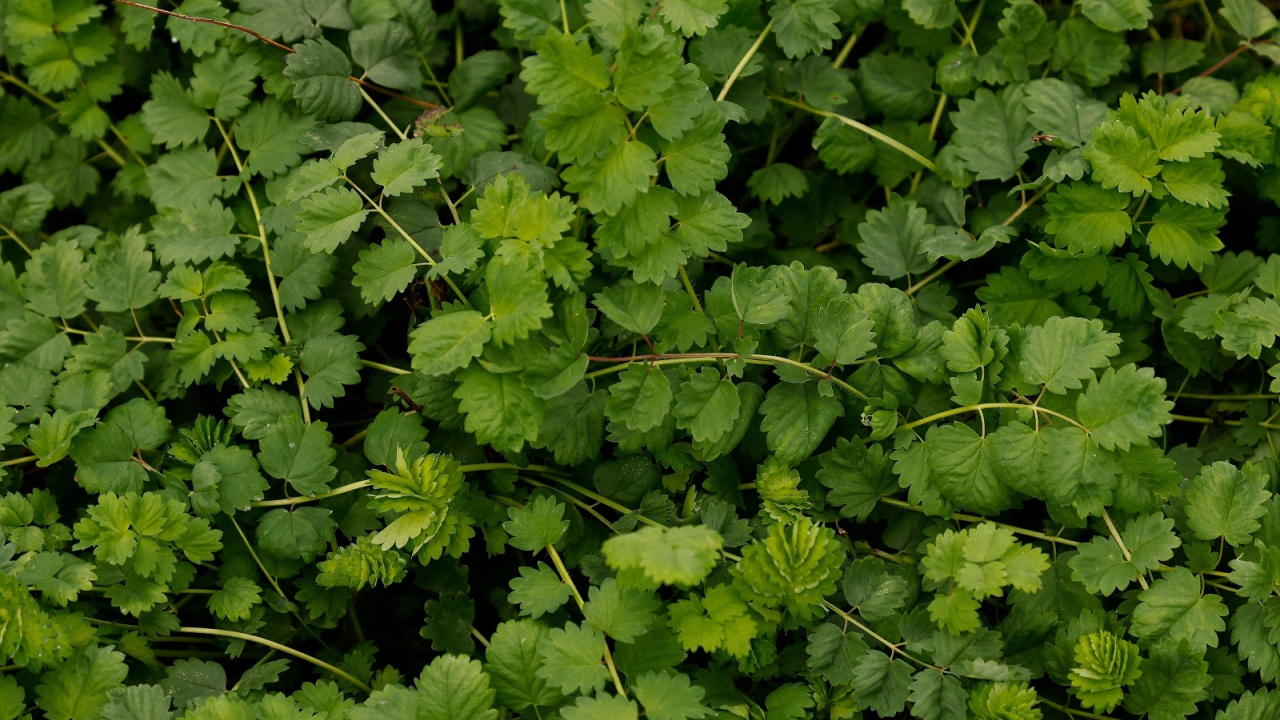
Salad burnet is a perennial herb that is often overlooked as a salad green. Its lacy, fern-like leaves have a refreshing, cucumber-like flavor that brightens up any winter meal. As a perennial, it is exceptionally tough and can remain green and productive throughout the year in milder climates. It is hardy down to -30°F (-34°C), making it one of the last plants to die back in even the coldest gardens. The best leaves for salads are the young, tender ones. Regular harvesting encourages the plant to produce more of this fresh growth. Plant salad burnet in a well-drained spot where it will get some sun. In zones 4 and below, a thick layer of straw mulch applied after the ground freezes can help protect the roots and ensure they return vigorously in the spring. For winter harvesting, a cold frame will keep it accessible and tender.
Salad Burnet at a Glance
- Flavor: Crisp and cucumber-like.
- Hardiness: Perennial, hardy to -30°F (-34°C).
- Planting Time: Spring or early fall.
- Winter Care: Mulch heavily in very cold climates.
- Harvesting: Pick young, tender leaves for the best flavor.
5. Spinach
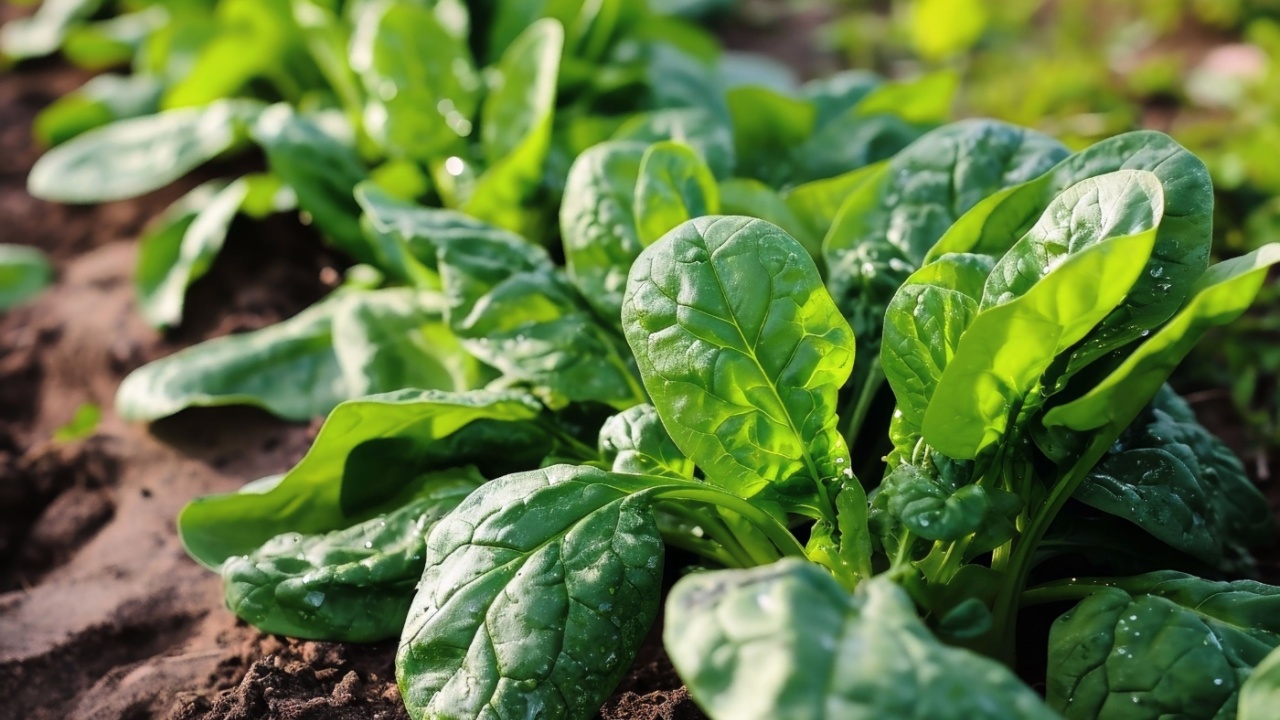
Spinach is a classic cool-weather crop, and many varieties are incredibly well-suited for overwintering. The sugar content in the leaves increases in cold weather as a natural antifreeze, which means winter-harvested spinach is often sweeter and more flavorful than what you grow in the spring. It can tolerate temperatures down to 20°F (-6°C) and can be grown year-round in zones 6 and above with minimal protection.
For a winter crop, choose a cold-hardy variety like ‘Bloomsdale’ and sow seeds in early fall. The plants will establish themselves before growth slows in the coldest part of winter. With protection from a cold frame or heavy row cover during deep freezes, you can continue to harvest throughout the season. When the days begin to lengthen in late winter, the plants will experience a surge of new growth, giving you an abundant early spring harvest.
Spinach at a Glance
- Flavor: Earthy and sweet, especially after a frost.
- Hardiness: Tolerates temperatures down to 20°F (-6°C).
- Planting Time: Early fall.
- Winter Care: Use a cold frame or row cover when temperatures drop significantly.
- Harvesting: Pick outer leaves to allow the plant to keep producing.
6. Watercress

If you have a consistently wet or boggy spot in your garden, watercress is an excellent winter green to consider. This aquatic perennial offers a peppery flavor and crisp texture. It is hardy down to Zone 5 and grows naturally along the edges of running streams. In a home garden, you can mimic these conditions to enjoy it year-round.
The key to growing watercress is constant moisture. Plant it in containers set in a tray of water or in a low-lying area of your garden that stays damp. A soilless potting mix works well for containers. Sow seeds in the fall in soil that is between 50-60°F (10-15°C). You can begin harvesting just a few weeks after the seedlings appear. Cutting the plants back encourages them to grow back thicker and more abundantly. A thick layer of mulch can help retain the soil moisture it craves.
Watercress at a Glance
- Flavor: Peppery and fresh.
- Hardiness: Perennial, hardy to Zone 5.
- Planting Time: Fall.
- Winter Care: Requires consistently wet soil.
- Harvesting: Cut stems back to a few inches; they will regrow quickly.
7. Winter Purslane (Miner’s Lettuce)

Winter purslane, also known as miner’s lettuce, is a North American native that is perfectly adapted to cool, damp winters. It produces tender, heart-shaped succulent leaves with a flavor similar to spinach. This self-seeding annual can survive temperatures as low as 5°F (-15°C) and will happily grow all winter long in mild climates.
The young leaves and stems can be harvested repeatedly throughout the season. Because it reseeds so readily, a single planting can provide you with greens for years to come. Sow seeds in the fall in a shady, moist part of your garden. It doesn’t require much care, but it will perform best in soil that doesn’t dry out completely. Miner’s lettuce is a true “plant it and forget it” green that will reward you with fresh salads when little else is growing.
Winter Purslane at a Glance
- Flavor: Mild and spinach-like.
- Hardiness: Survives down to 5°F (-15°C).
- Planting Time: Fall.
- Winter Care: Prefers moist, shady spots.
- Harvesting: Cut, and it will regrow; self-seeds easily.
8. Kale
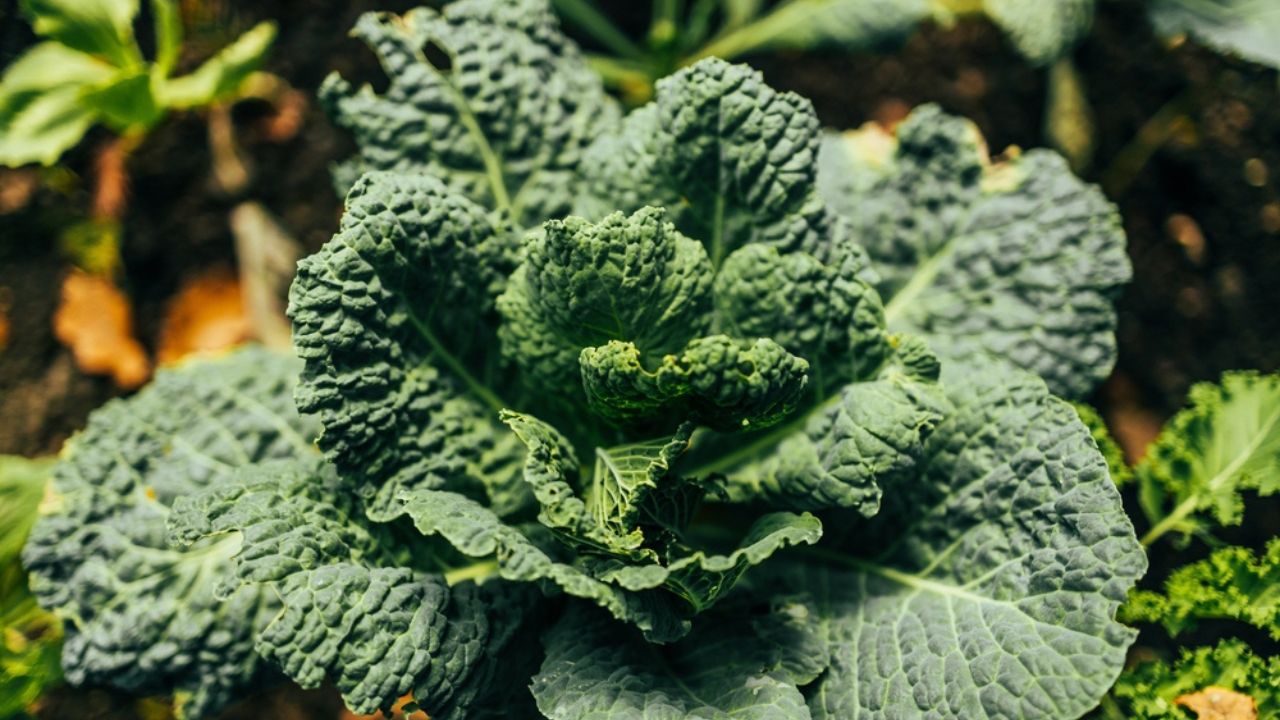
Kale is a nutritional powerhouse that is famously cold-hardy. Like spinach, its flavor improves dramatically after a frost, as the cold temperatures convert starches into sugars, resulting in sweeter, less bitter leaves. Many varieties, especially the curly-leaf types, can survive temperatures well into the teens and will continue producing leaves even under a layer of snow.
Plant kale in late summer or early fall to give it time to mature before the harsh weather arrives. The large, sturdy plants can stand up to winter winds, but a cold frame or hoop house will keep the leaves in better condition for harvesting. Harvest the lower, outer leaves first, leaving the central bud intact so the plant can continue to produce new growth. With a little protection, kale can provide you with fresh greens from fall until spring.
Kale at a Glance
- Flavor: Earthy and sweet, especially after frost.
- Hardiness: Very cold-hardy, some varieties survive into the low teens.
- Planting Time: Late summer or early fall.
- Winter Care: Snow acts as insulation, but a cold frame makes harvesting easier.
- Harvesting: Pick lower and outer leaves as needed.
9. Endive

Endive is a chicory green known for its crisp texture and slightly bitter flavor, which adds a sophisticated note to salads. It is more cold-tolerant than most lettuces and can be harvested well into the winter, especially when given some protection. It grows in a tight head, which helps protect the inner leaves from the harshest cold.
To grow endive for winter, plant it in late summer. It prefers well-drained soil and a sunny location. For a less bitter flavor, you can blanch the heads about two weeks before harvesting. To do this, simply cover the plants with a pot or tie the outer leaves together to block light from reaching the center. In cold climates, a thick layer of mulch or a cold frame will help it survive deep freezes and allow for a late-season harvest.
Endive at a Glance
- Flavor: Crisp with a pleasant bitterness.
- Hardiness: More cold-tolerant than lettuce.
- Planting Time: Late summer.
- Winter Care: Blanch before harvesting to reduce bitterness; use mulch or a cold frame for protection.
- Harvesting: Cut the entire head at the base.
Ready for a Winter Garden?
With these nine hardy greens, your garden can be a source of fresh, healthy food all year. The key to a successful winter harvest is planning ahead. Your first step is to choose a few of these greens to try. Next, prepare a garden bed in a sunny, sheltered location with good drainage.
You can also get started with containers on a patio or balcony. Finally, invest in some basic season-extending tools like row covers or a cold frame to protect your plants during the coldest snaps. Start your seeds in late summer or early fall, and you’ll be well on your way to enjoying delicious, garden-fresh salads in the middle of winter.