Here’s How Often You Should Be Throwing These Items in the Washer
Keeping a home (and garden) vibrant and healthy takes work. One chore that often gets overlooked, or at least put on a confusing schedule, is laundry. While it seems simple enough, knowing how often to wash certain items can be tricky.
Washing things too much can wear them out, while not washing them enough can turn your cozy home into a haven for germs, allergens, and unpleasant odors.
For anyone who loves spending time both indoors and out, maintaining a clean environment is key to a comfortable life. Whether you’re tracking in dirt from the garden or just going about your daily routine, your textiles are collecting more than you might think.
This guide will walk you through the ideal washing schedule for 10 common household items, helping you keep your home fresh, clean, and healthy.
1. Bed Sheets: Once a Week

We spend about a third of our lives in bed, which makes our sheets ground zero for a buildup of sweat, body oils, dead skin cells, and dust mites. For this reason, it’s best to wash your bed sheets once a week. This frequency keeps your sleeping area hygienic and prevents the accumulation of allergens that can disrupt your sleep and affect your health.
If you have pets that sleep in your bed, deal with allergies, or tend to sweat a lot at night, you might even consider washing them every 4-5 days. A weekly wash is a solid rule of thumb to maintain a fresh and inviting bed.
Care Tips:
- Water Temperature: Wash sheets in warm or hot water to effectively kill germs and dust mites. Always check the care label first, as some delicate fabrics may require cooler temperatures.
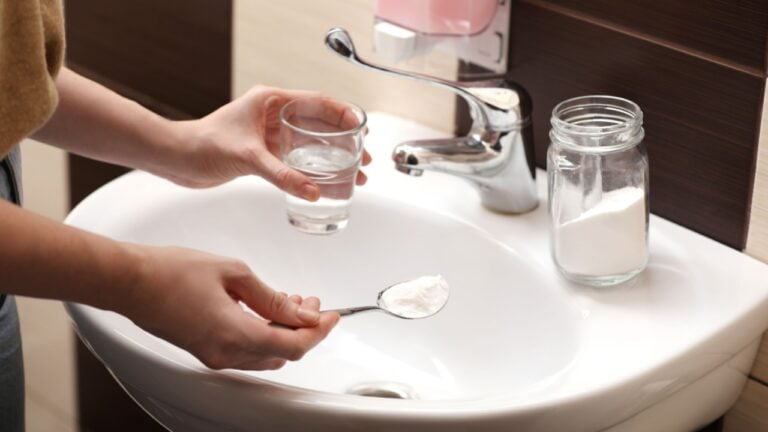
- Stain Removal: Treat any stains before washing. A simple paste of baking soda and water can work wonders on many common stains.
- Drying: Tumble dry on a low to medium heat setting to prevent excessive shrinking. To keep them extra fresh, hang them outside on a clothesline on a sunny day.
2. Towels: After 3-4 Uses
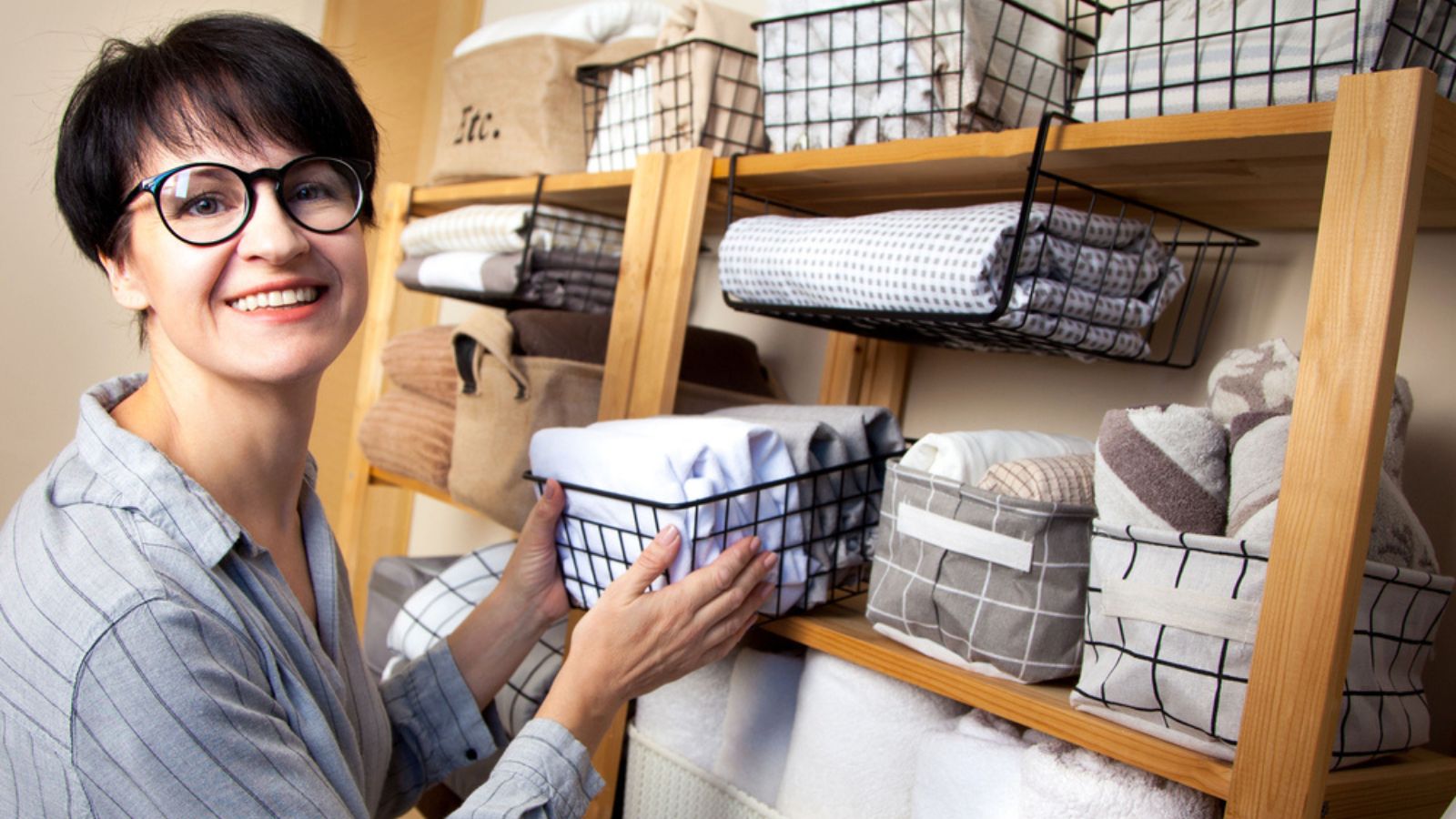
Your bath towel might seem clean since you only use it after showering, but it’s a different story. Each time you dry off, the towel absorbs water and dead skin cells, creating a damp environment where bacteria and mildew thrive. To prevent that musty smell and keep germs at bay, wash your bath towels after every three to four uses.
Remember to hang your towel up to dry completely between uses. Bunching it up on the floor or a hook prevents air from circulating, which encourages microbial growth.
Care Tips:
- Separate Loads: Wash towels separately from clothing to prevent lint transfer and to allow for a more aggressive wash cycle.
- Avoid Fabric Softener: While it sounds nice, fabric softener can leave a waxy coating on towel fibers, reducing their absorbency over time. Use white vinegar in the rinse cycle instead to soften them naturally.
- Hot Water: Use hot water to sanitize your towels thoroughly and remove any built-up oils and bacteria.
3. Jeans: After 4-5 Wears
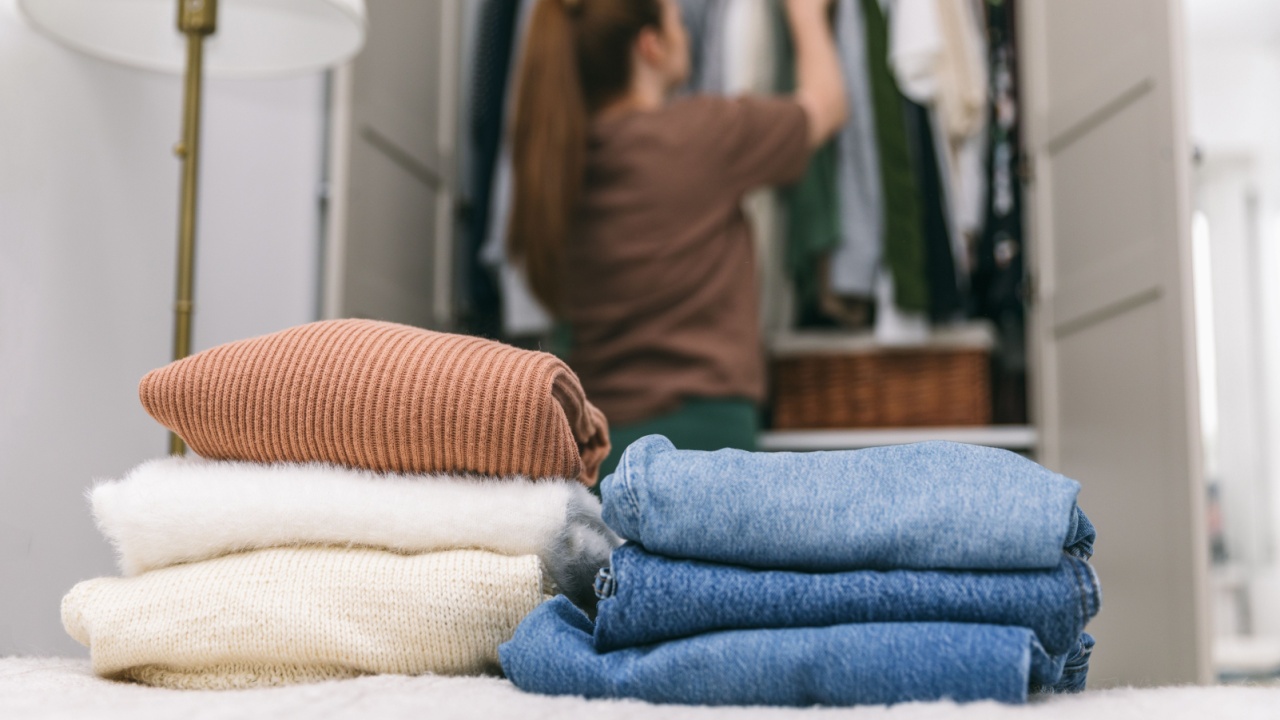
Jeans are made from durable denim that doesn’t need to be washed after every wear. In fact, washing them too often can cause the color to fade and the fabric to break down prematurely. A good guideline is to wash your jeans after four to five wears, unless they are visibly dirty or have stretched out.
Spot-treating small stains is a great way to extend the time between washes. For garden enthusiasts, a quick brush-off of dried dirt might be all that’s needed after a day of light work.
Care Tips:
- Wash Inside Out: Turn your jeans inside out before placing them in the washer. This helps preserve their color and reduces friction on the outer surface.
- Cold Water: Always use cold water and a gentle cycle to prevent shrinking and fading.
- Air Dry: To maintain their fit and longevity, hang your jeans to air dry instead of putting them in the dryer. If you must use a dryer, choose the lowest heat setting.
4. Workout Clothes: After Every Wear
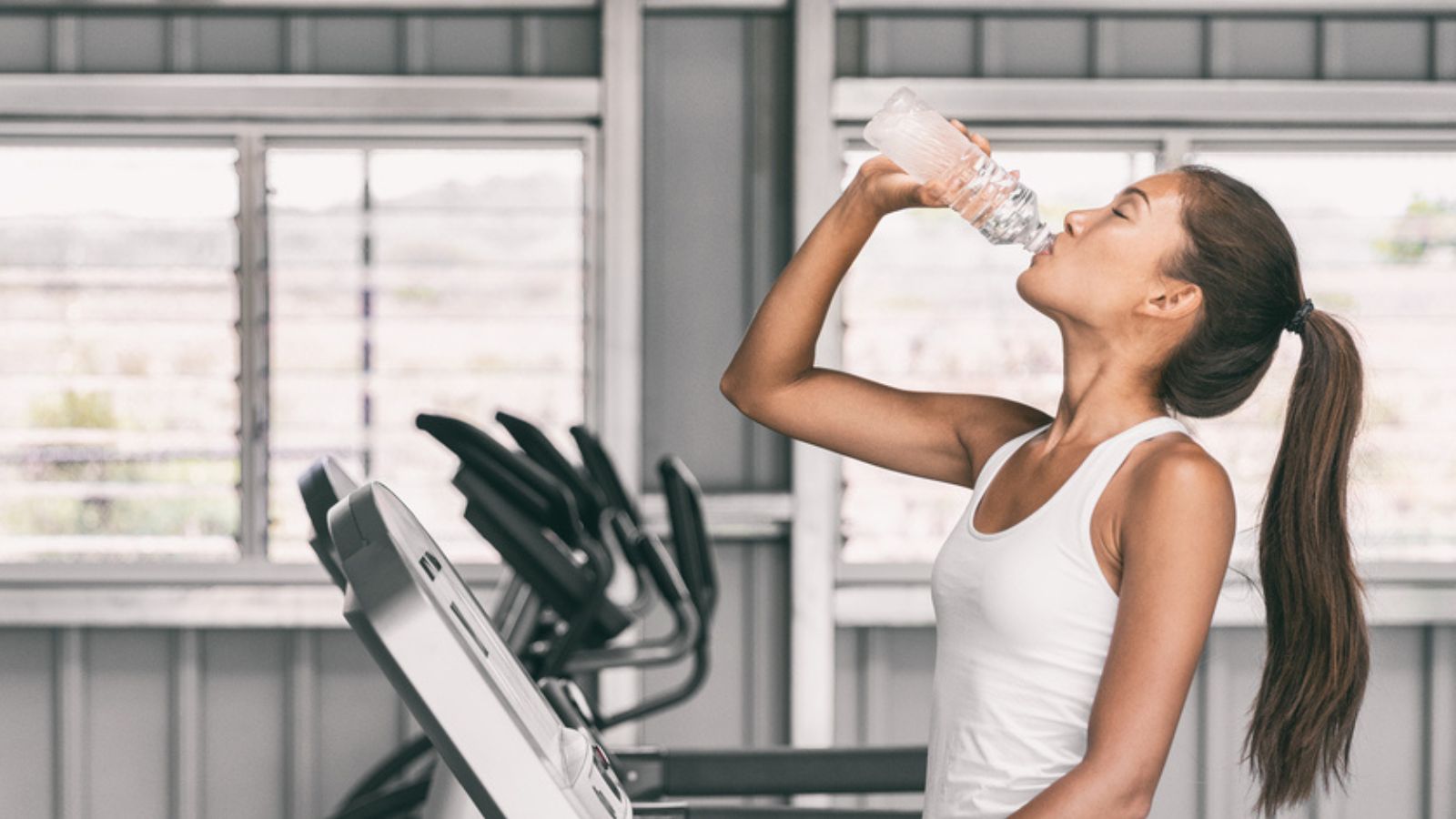
There’s no getting around this one. Your workout clothes are designed to handle sweat, but that moisture-wicking fabric can become a breeding ground for bacteria and yeast if left unwashed. This leads to stubborn odors and can even cause skin irritation or infections. Wash your gym gear after every single use.
Don’t let sweaty clothes sit in a gym bag or hamper for long. If you can’t wash them immediately, hang them up to air out until you can get to the laundry.
Care Tips:
- Cold Water: Most performance fabrics do best in cold water, which helps protect their elasticity and high-tech fibers.
- Specialty Detergent: Consider using a detergent specifically designed for activewear to help eliminate tough odors.
- Skip the Dryer Heat: High heat can damage the synthetic fibers in workout clothes, causing them to lose their shape and stretch. Air-dry them or use a no-heat tumble setting.
5. Bras: After 3-4 Wears
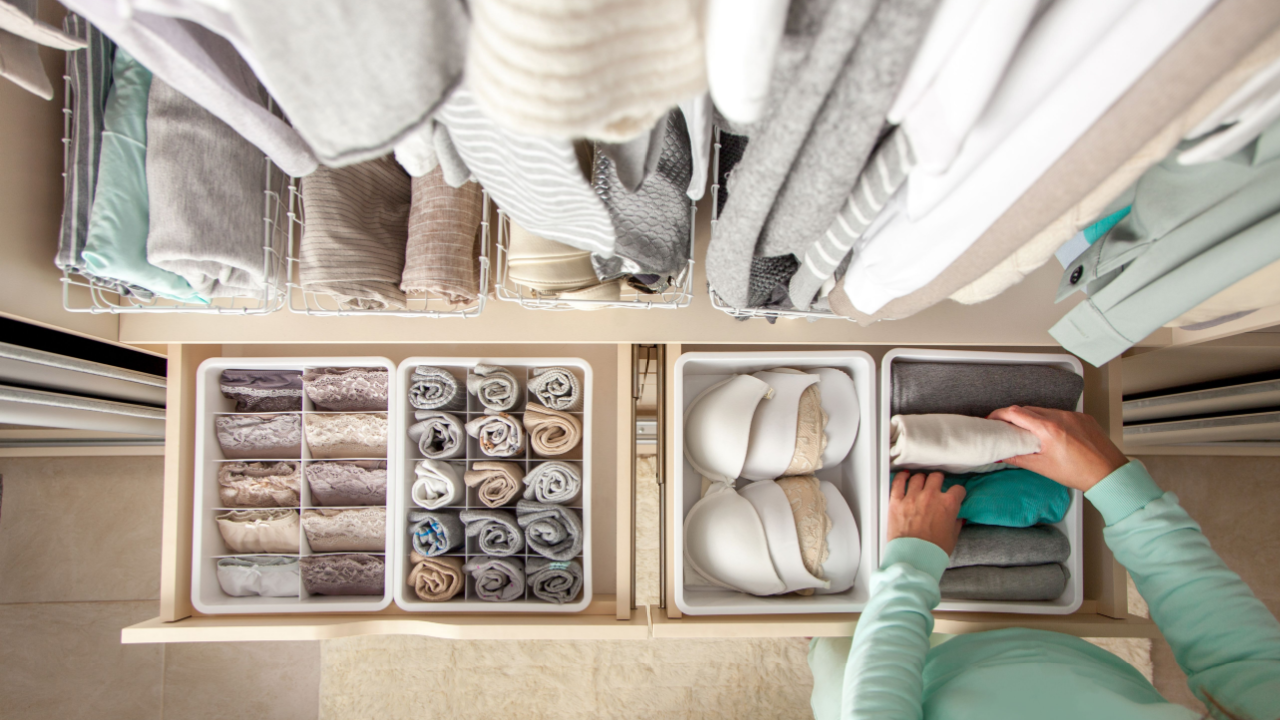
Like jeans, bras don’t need to be washed after every wear. Over-washing can damage the delicate fabrics, stretch out the elastic, and cause them to lose their shape and support. Aim to wash your bras after three or four wears. Of course, this rule doesn’t apply to sports bras, which fall into the “workout clothes” category and should be washed after each use.
Rotating between several bras gives the elastic time to rest and recover its shape between wears, extending the life of each garment.
Care Tips:
- Hand-Washing is Best: The gentlest method is to hand-wash bras in cool water with a mild detergent.
- Machine Washing: If you use a washing machine, fasten the hooks, place the bras in a mesh lingerie bag, and use the delicate cycle with cold water.
- Always Air Dry: Never put bras in the dryer. The heat will destroy the elastic and can warp the underwire. Reshape the cups and lay them flat or hang them to dry.
6. Pajamas: After 3-4 Wears

You might think your pajamas stay clean since you only wear them to bed, but just like your sheets, they absorb sweat, oils, and dead skin cells while you sleep. To keep them fresh and hygienic, wash your pajamas after three to four nights.
If you shower right before bed, you might be able to stretch this a little longer. However, if you tend to sweat in your sleep, it’s better to wash them more frequently to prevent bacteria buildup.
Care Tips:
- Check the Fabric: Cotton pajamas can handle warmer water, but delicate fabrics like silk or flannel do better in cool water on a gentle cycle.
- Low Heat Drying: To prevent shrinkage and keep fabrics soft, tumble dry on a low heat setting or let them air dry.
7. Jackets and Coats: A Few Times Per Season
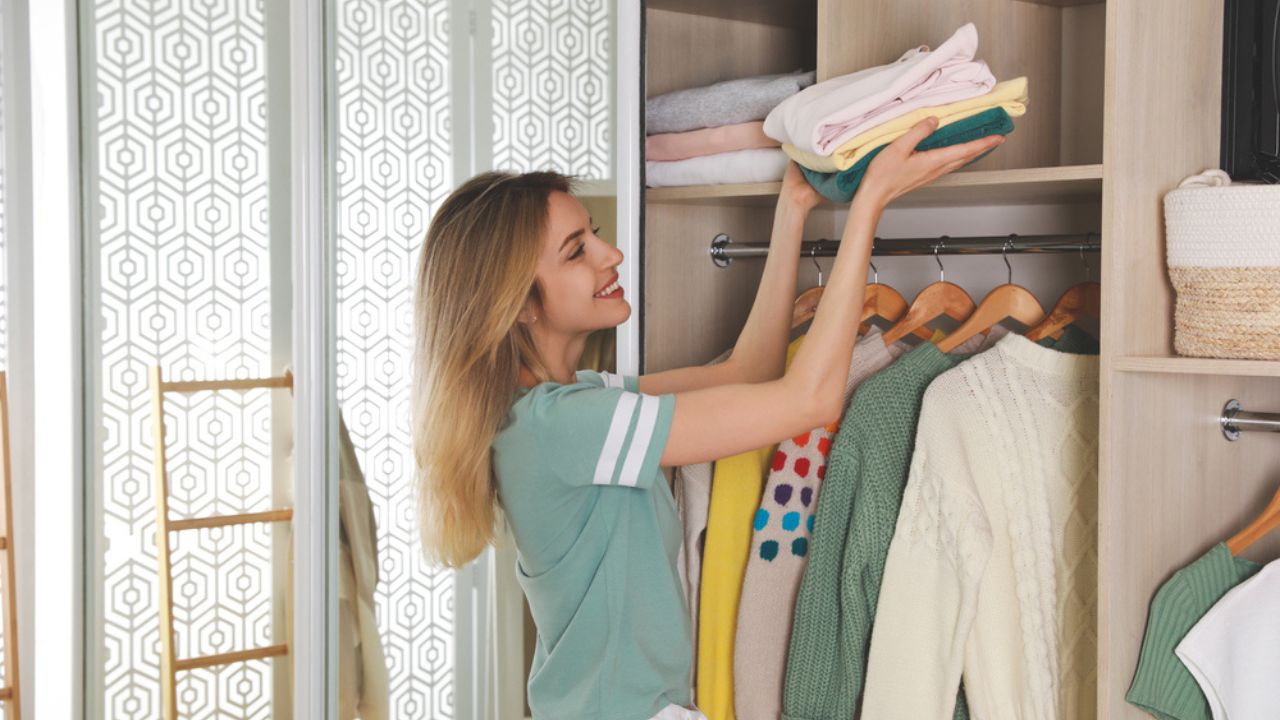
Outerwear doesn’t have direct contact with your skin, so it doesn’t need frequent cleaning. For most jackets and coats, washing them two to three times per season is sufficient, unless they get visibly soiled with mud from the garden or something gets spilled on them.
Always check the care label before washing, as different materials require different cleaning methods. Wool coats may need to be dry-cleaned, while down or synthetic-fill jackets can often be washed at home.
Care Tips:
- Down Jackets: Wash down-filled coats in a large, front-loading washer on a gentle cycle. To restore the fluffiness, dry on low heat with a few clean tennis balls or dryer balls.
- Raincoats: For water-repellent jackets, check the label for instructions on how to wash without damaging the protective coating.
- Spot Treat: Address small spots and stains as they happen to avoid a full wash.
8. Throw Pillows: Monthly

Throw pillows on your couch and chairs collect dust, allergens, and germs from daily use. People rest their heads on them, pets nap on them, and they often end up on the floor. If the cover is removable, wash it monthly (at most, quarterly, every 3 months). If the entire pillow is machine-washable, wash it every one to two months.
This simple step can help reduce allergens in your living space and keep your decorative pillows looking and smelling fresh.
Care Tips:
- Wash in Pairs: To keep your washing machine balanced, wash two pillows at a time.
- Gentle Cycle: Use a gentle cycle with warm water and a small amount of detergent.
- Thorough Drying: Dry the pillows on a low heat setting with dryer balls to help fluff them up. Ensure they are completely dry to prevent mold growth inside.
9. Reusable Grocery Bags: Weekly
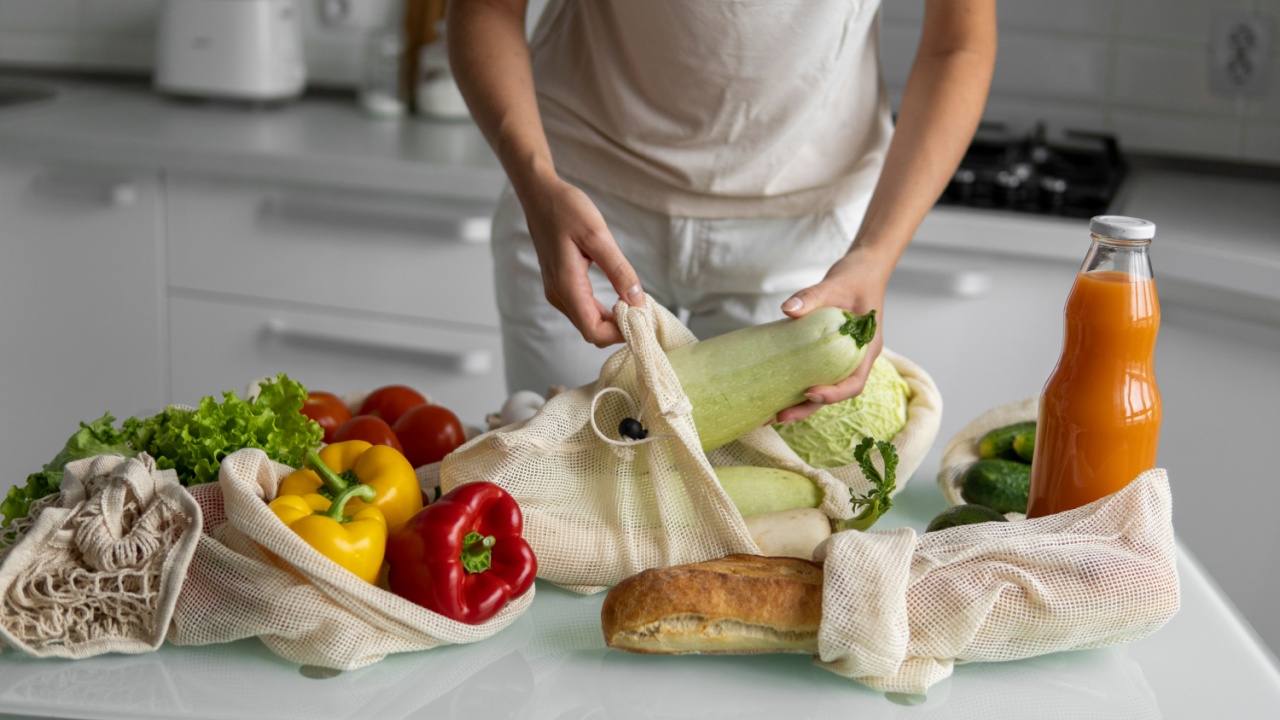
Your reusable grocery bags can harbor nasty bacteria from meat juices, dairy spills, and residue from produce. To prevent cross-contamination and keep your food safe, it’s a good idea to wash them weekly, or at least after every trip where they carried raw meat or poultry.
Keep separate bags for meats and produce to further reduce risk. Most canvas or cotton bags can be tossed right into the washing machine with a regular load.
Care Tips:
- Hot Water: Wash canvas or cotton bags in hot water with detergent to kill any lingering germs.
- Inside Out: Turn bags inside out and make sure all corners are free of crumbs before washing.
- Air Dry: Let the bags air dry completely before storing them to prevent a musty smell.
10. Pet Bedding: Every Two Weeks
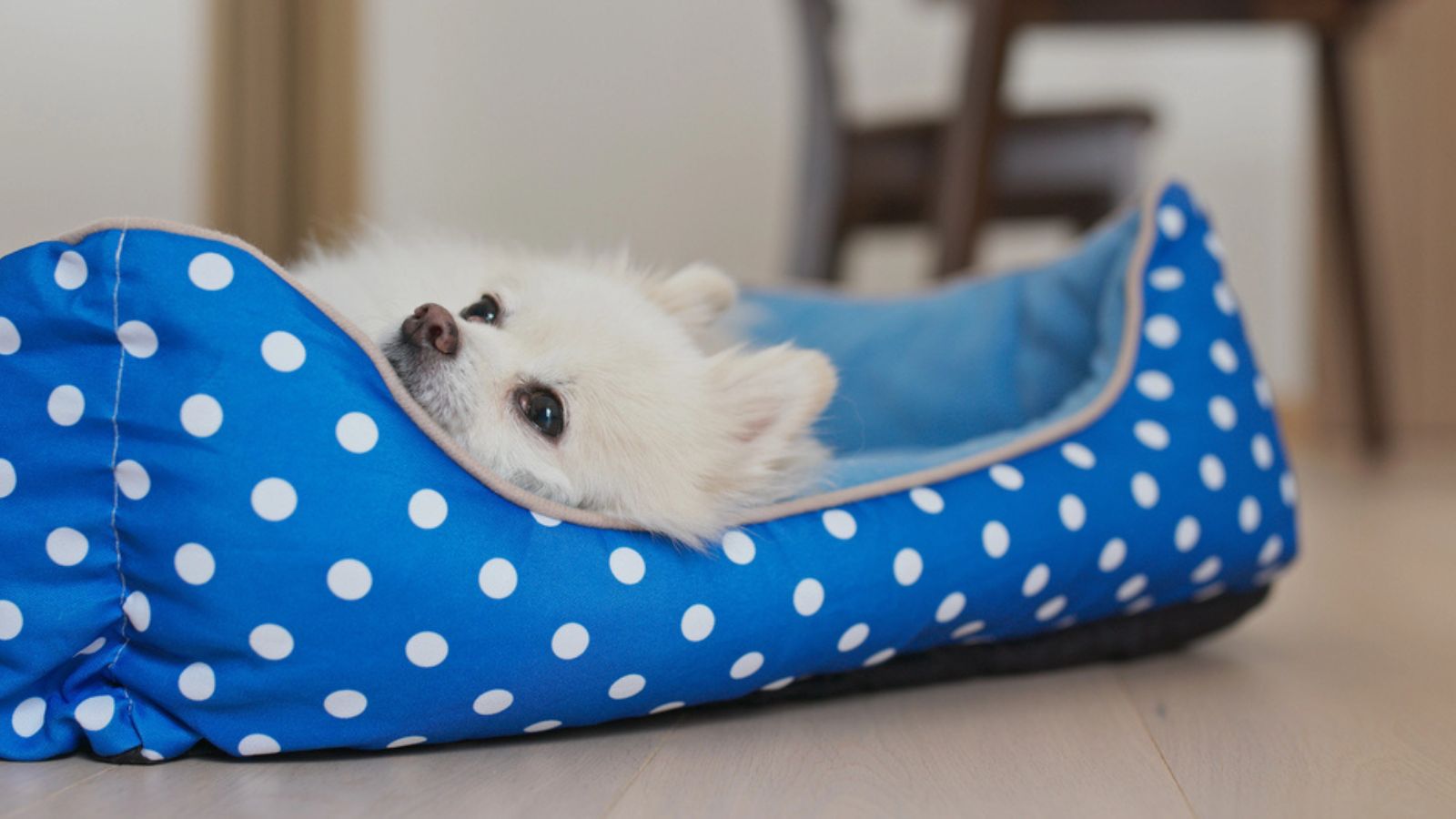
Our furry friends bring so much joy, but they also bring hair, dander, dirt, and germs into their beds. To control odors and keep your pet’s sleeping area sanitary, wash their bedding every one to two weeks. If your pet has allergies, gets especially dirty, or is recovering from an illness, wash it weekly.
Regularly washing pet bedding not only benefits your pet but also helps reduce pet-related allergens and odors throughout your home.
Care Tips:
- Remove Hair First: Before washing, use a lint roller or vacuum to remove as much pet hair as possible.
- Hot Water and Pet-Safe Detergent: Wash in hot water using a fragrance-free, pet-safe detergent to kill fleas, eggs, and bacteria.
- Extra Rinse Cycle: Run an extra rinse cycle to ensure all detergent is removed, as any residue can irritate your pet’s skin.
Staying on Top of Laundry Means a Fresher Home
Keeping your home clean doesn’t have to be a guessing game. By creating a simple laundry schedule, you can keep your washer working efficiently and manage everything from your bedsheets to your pet’s favorite blanket with confidence.
Start by picking one or two items from this list and incorporating their washing schedule into your weekly routine. Before you know it, you’ll have a system in place that keeps your entire home and garden environment feeling fresh, clean, and welcoming. A little bit of laundry planning goes a long way in creating a healthier and more comfortable living space.
Read more:
4 Signs the Forgotten Washer Laundry Needs Another Clean Cycle
10 Habits That Make Laundry Day Worse Than It Needs to Be