14 Hygiene Mistakes Making Our Bodies and Homes Dirty
We often view hygiene as a straightforward matter – wash your hands, brush your teeth, shower daily, and you’re set. But it’s not that simple. Our daily lives are filled with subtle hygiene missteps that, though seemingly insignificant, can surprisingly affect our health.
These oversights often blend seamlessly into our routines, making them easy to miss. From grubby objects we handle every day to unconscious germ-spreading habits, a hidden world of hygiene pitfalls exists. While nobody’s perfect, recognizing these common mistakes allows us to make small but impactful changes for a healthier life.
Let’s expose these hygiene blind spots and explore 14 common mistakes, along with practical tips to enhance your hygiene practices and protect your health. We sourced these common mistakes from trusted online health experts, including dentists and researchers.
1. Skipping Handwashing After Handling Money

Money, whether paper or coins, passes through countless hands while accumulating a variety of germs along the way. It’s a notorious carrier of bacteria like E. coli and Staphylococcus aureus, which can cause a range of illnesses.
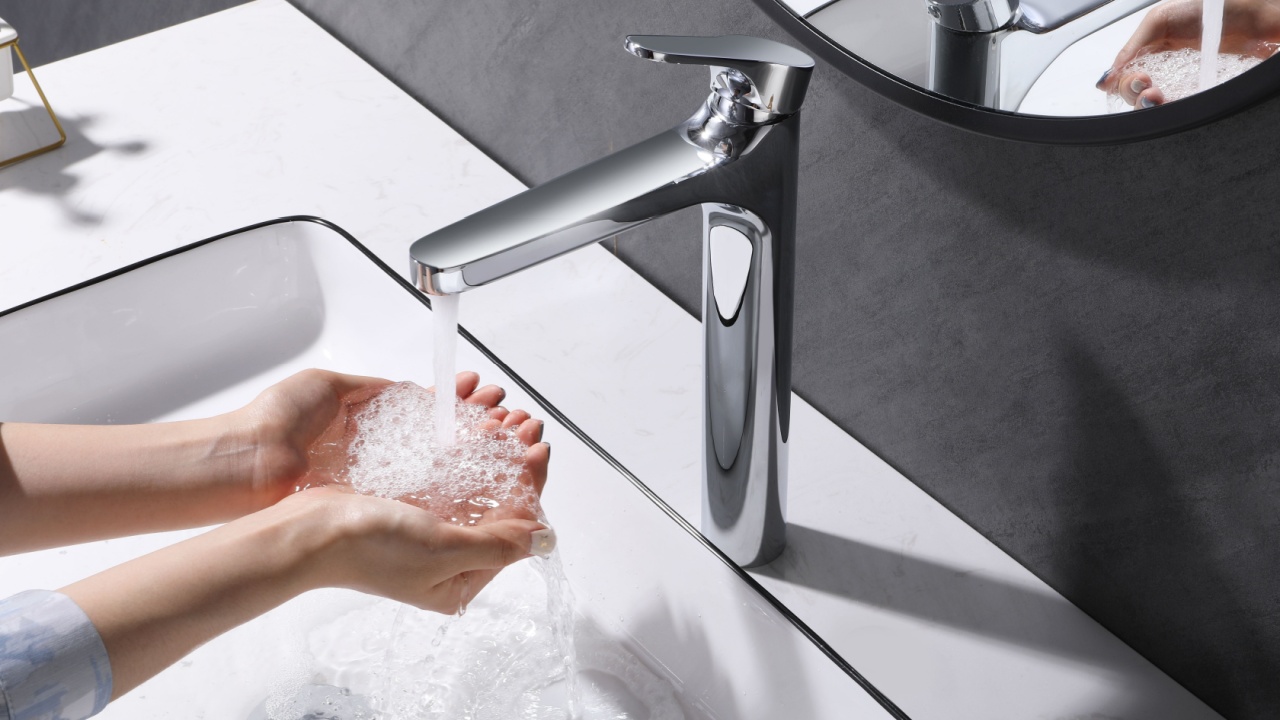
Washing your hands thoroughly after handling money stops these unwanted passengers from reaching your face or food. A quick 20-second scrub with soap and water is your first line of defense against these germs.
2. Not Replacing Your Toothbrush Regularly

Your toothbrush, though vital for oral hygiene, can become a breeding ground for bacteria over time. Worn bristles are less effective at cleaning and can harbor harmful microbes, potentially leading to gum disease and other oral health issues.
Dentists advise replacing your toothbrush every three to four months, or sooner if the bristles are frayed. A fresh toothbrush ensures optimal cleaning and reduces the risk of introducing bacteria into your mouth. Don’t let your toothbrush become a liability – replace it regularly for a healthy smile.
3. Using the Same Towel for Too Long

Damp towels, especially in humid environments, create a perfect breeding ground for bacteria and mold. That musty smell? It’s a clear sign your towel needs a wash. Using the same towel repeatedly can lead to skin irritations and infections.
Aim to replace your bath towel every three to four days and hang it to dry properly after each use. By keeping your towels dry and switching them out frequently, you create an environment that’s less hospitable to germs.
4. Forgetting to Clean Your Phone

Your phone is practically an extension of your hand, constantly in contact with various surfaces and your face. Studies have shown that cell phones can harbor more bacteria than a toilet seat.
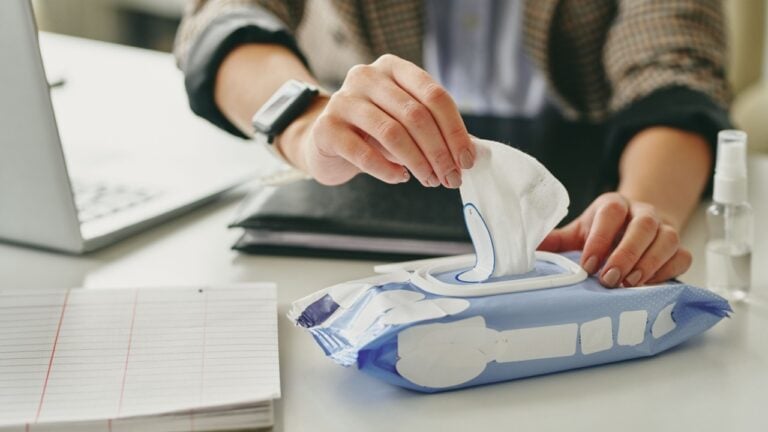
Regularly wipe down your phone with a disinfectant wipe to minimize germ spread. It’s a small action that can significantly reduce your exposure to harmful bacteria and keep your phone clean. Your phone is a high-touch surface, so keeping it clean is essential.
5. Reusing Water Bottles Without Washing Them

Reusable water bottles are great for the environment, but they can also become a breeding ground for bacteria if not cleaned properly. The moist environment inside, combined with residue from your mouth and hands, creates a perfect environment for microbial growth.
Wash your reusable bottle with soap and hot water after each use. This simple practice can help prevent the buildup of harmful bacteria and keep your water tasting fresh. Don’t let your eco-friendly choice inadvertently become a health hazard.
6. Not Washing Your Reusable Grocery Bags
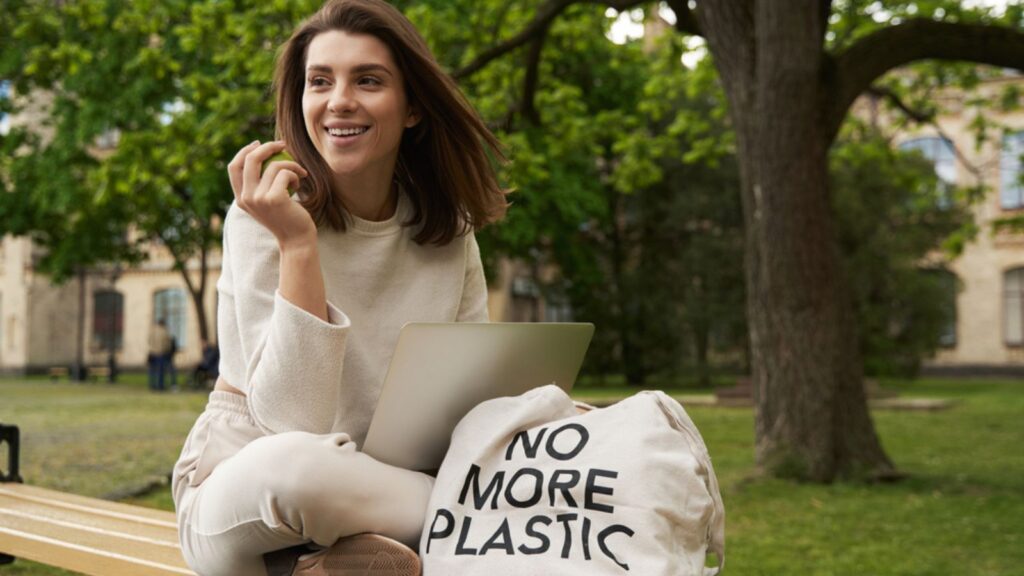
Reusable bags are a positive step for the environment, but they can also harbor bacteria, especially if you carry raw meat or produce in them. Food spills and leaks can contaminate the bags, creating a potential health risk.
Wash your reusable bags regularly according to the care instructions to keep them clean and safe for carrying your groceries. This helps prevent cross-contamination and ensures your bags remain hygienic.
7. Touching Your Face Frequently

Your hands are constantly interacting with the world, picking up germs from various surfaces. Touching your face transfers these germs to your skin, increasing the risk of breakouts and infections.
Be mindful of this habit and try to avoid touching your face unnecessarily. If you need to touch your face, make sure your hands are clean first. Breaking this habit can significantly reduce the transfer of germs and help keep your skin clear.
8. Sharing Personal Items

Sharing personal items like razors, towels, or makeup brushes can facilitate the spread of germs and infections. Even with close friends or family, it’s best to avoid sharing these items.
Personal items can harbor bacteria and viruses specific to an individual. Keeping your personal items to yourself is a simple way to protect both yourself and others from unnecessary exposure.
9. Not Cleaning Your Makeup Brushes Regularly

Makeup brushes can accumulate bacteria, oil, and dead skin cells, leading to breakouts and skin irritation. Regularly cleaning your brushes with a gentle cleanser helps to remove these contaminants.
Clean brushes not only promote healthier skin but also prevent bacterial buildup that can cause infections. Make it a habit to clean your brushes regularly to keep your skin looking and feeling its best.
10. Wearing Shoes Indoors

Shoes can track in dirt, bacteria, and other contaminants from the outside world. Take them off at the door to maintain a clean and healthy home environment.
Studies have shown that shoes can carry harmful bacteria. Leaving your shoes at the door helps to prevent these contaminants from entering your living space and protects your family’s health. It’s a simple practice that can significantly reduce the amount of dirt and germs brought into your home.
11. Forgetting to Wash Your Pillowcase Regularly

Your pillowcase absorbs sweat, oil, and dead skin cells from your face and hair throughout the night. Washing it at least once a week helps to remove these contaminants, preventing breakouts and promoting healthier skin.
A clean pillowcase contributes to a more hygienic sleep environment. Make it a part of your laundry routine to wash your pillowcase regularly for a cleaner and healthier sleep experience.
12. Not Cleaning Your Reusable Straws

Reusable straws are an eco-friendly alternative, but they can also harbor bacteria if not cleaned properly. Food particles and moisture can get trapped inside, creating a breeding ground for microbes.
Wash your reusable straws with soap and hot water after each use, and use a straw-cleaning brush to ensure they stay clean and hygienic. These simple steps help prevent the buildup of bacteria and ensure a safe and enjoyable drinking experience.
13. Leaving Dirty Dishes in the Sink Overnight

Dirty dishes left in the sink can attract pests and create a breeding ground for bacteria. The food residue on dishes provides a feast for microorganisms, leading to unpleasant odors and potential health hazards.
Wash your dishes promptly or rinse them and place them in the dishwasher to maintain a clean and hygienic kitchen. This practice not only keeps your kitchen looking its best but also helps prevent the spread of germs and keeps unwanted pests at bay.
14. Using Your Kitchen Sponge for Too Long
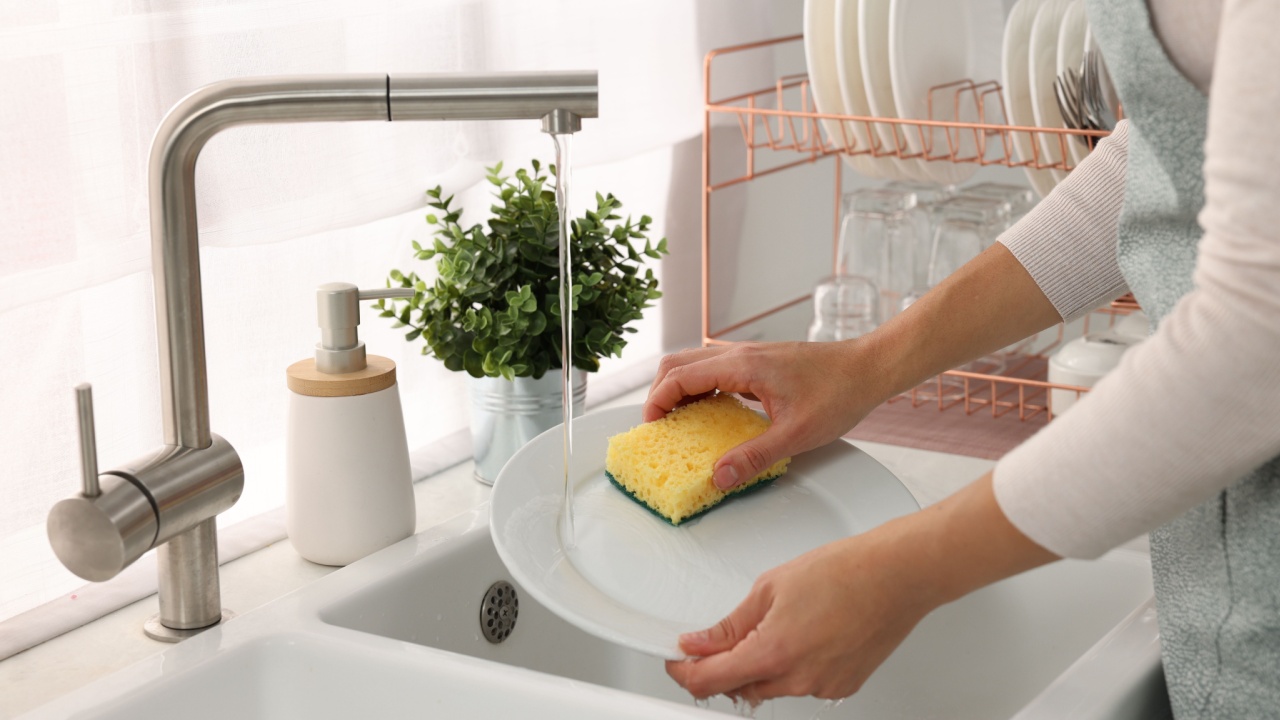
Kitchen sponges are notorious for harboring bacteria. The moist environment and food particles they encounter make them a prime spot for microbial growth. Replace your sponges every one to two weeks or sanitize them regularly in the dishwasher or microwave to prevent the spread of harmful bacteria in your kitchen. This simple step can significantly reduce the risk of foodborne illness and ensure a safer cooking environment.