8 Ways to Make Garden Tomatoes Ripen Faster, from the Experts
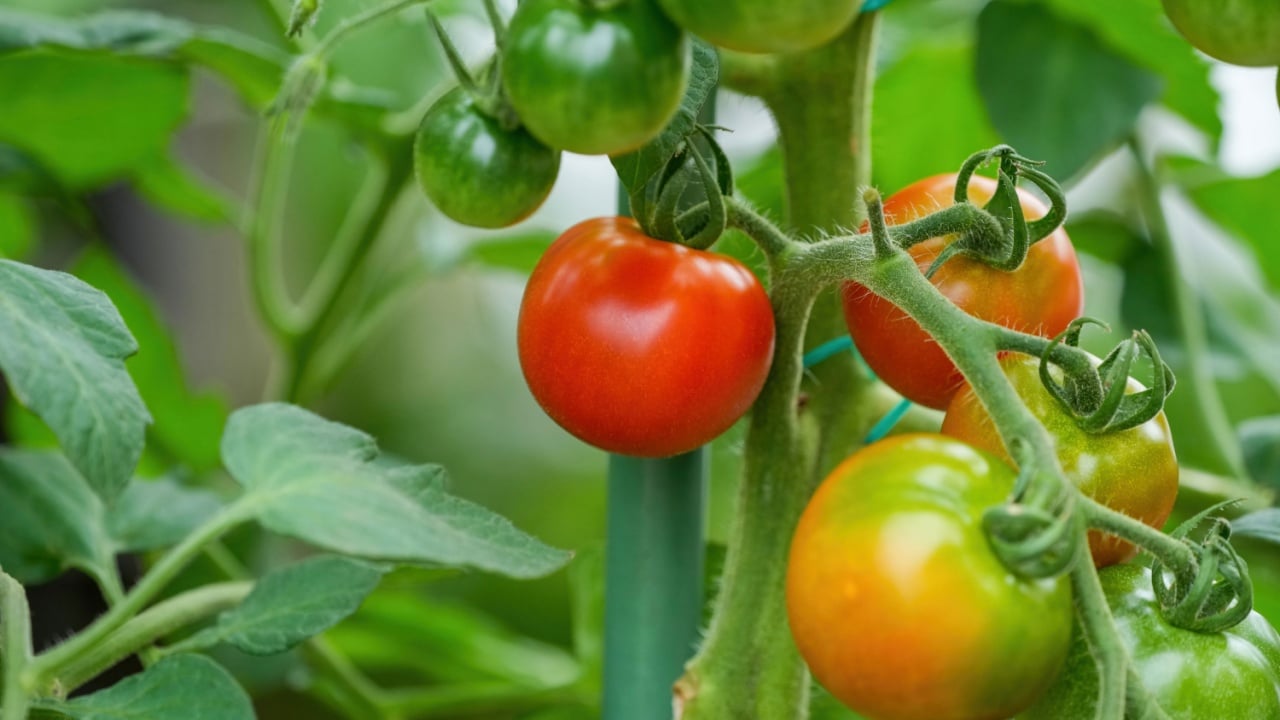
Nothing beats the anticipation of waiting for your homegrown tomatoes to reach that perfect, sun-kissed ripeness. Yet as any gardener knows, Mother Nature doesn’t always cooperate with our timeline. Whether you’re racing against an early frost or simply eager to enjoy the fruits of your labor, understanding how to accelerate tomato ripening can make the difference between a disappointing season and a bountiful harvest.
Tomato ripening is a complex biological process controlled by ethylene gas production, temperature, light exposure, and plant stress responses. By manipulating these factors strategically, you can encourage your plants to focus energy on ripening existing fruits rather than producing new growth. These techniques work because they either trigger natural stress responses that prioritize reproduction or optimize the environmental conditions that promote rapid fruit development.
This guide presents 8 proven methods to speed up tomato ripening, combining traditional gardening wisdom with science-backed approaches. From simple pruning techniques to strategic stress induction, you’ll discover practical ways to maximize your harvest and extend your growing season.
Tips Straight from the Experts
-
Image Credit: Shutterstock.
Agricultural researchers and extension specialists consistently stress that successful tomato ripening comes down to understanding plant biology and providing the right growing conditions. Their guidance highlights proven methods that help gardeners avoid common pitfalls and enjoy more dependable harvests.
We rounded up advice from Colorado State, University of Minnesota, Ask Extension, and South Dakota State to give you the best insight for your home garden.
1. Improve Air Circulation Around Plants
-
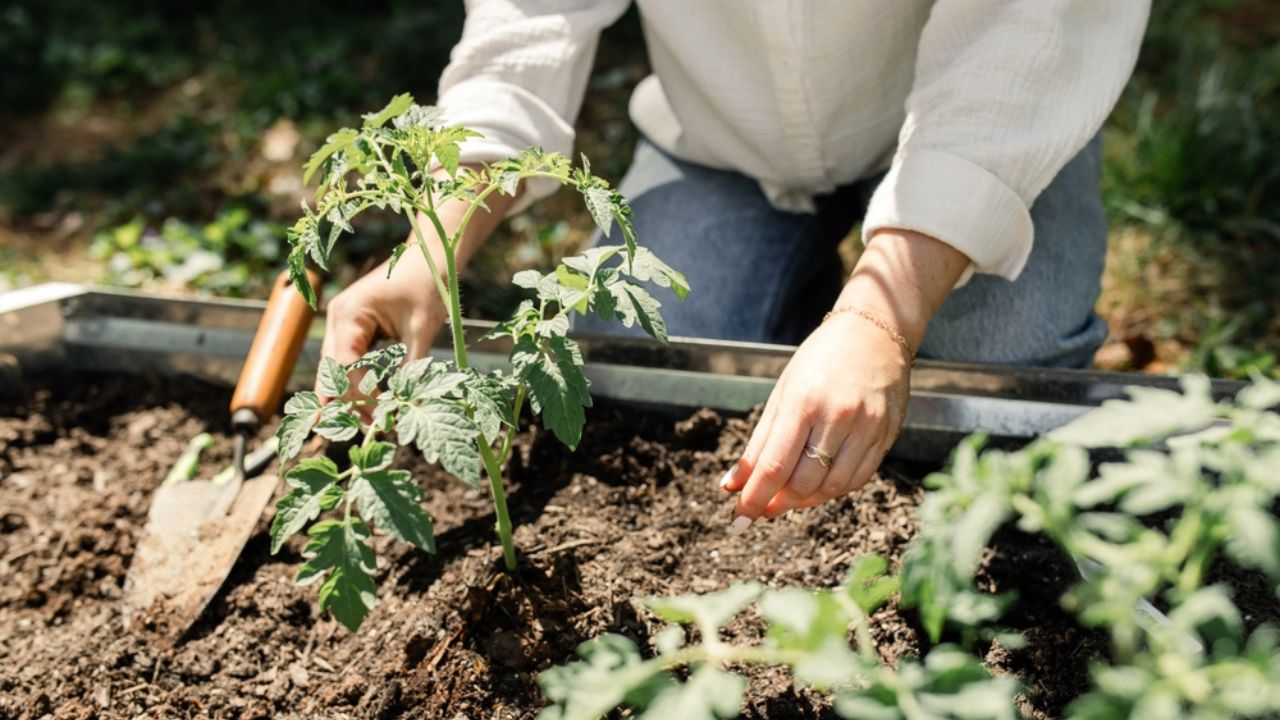
Image Credit: Shutterstock.
Proper airflow serves multiple functions in tomato ripening acceleration. Beyond preventing fungal diseases that can slow or halt fruit development, good air circulation helps regulate temperature and humidity around the fruit clusters, creating optimal conditions for ethylene gas distribution—the hormone responsible for triggering ripening.
Poor air circulation creates microclimates of stagnant, humid air that can actually inhibit ethylene production and circulation. When ethylene isn’t well distributed, it can lead to uneven ripening patterns and increased susceptibility to late blight and other diseases that compete with ripening for the plant’s energy resources.
How to Implement:
- Space plants properly: Maintain 2-3 feet between plants when planting, depending on variety size
- Prune lower branches: Remove leaves and branches that touch the ground or have dense growth, making sure not to prune more than 1/3 of the foliage.
- Thin upper foliage: Selectively remove some leaves from dense areas, particularly for indeterminate varieties.
- Remove suckers: Eliminate growth between main stems and branches to prevent overcrowding
Quick Implementation Tips:
- Use clean, sharp pruning shears to prevent disease transmission
- Prune during dry conditions to minimize infection risk
- Focus on removing yellowing or diseased leaves first
- Maintain enough leaf coverage to protect fruits from sun scald
2. Optimize Watering for Ripening
-
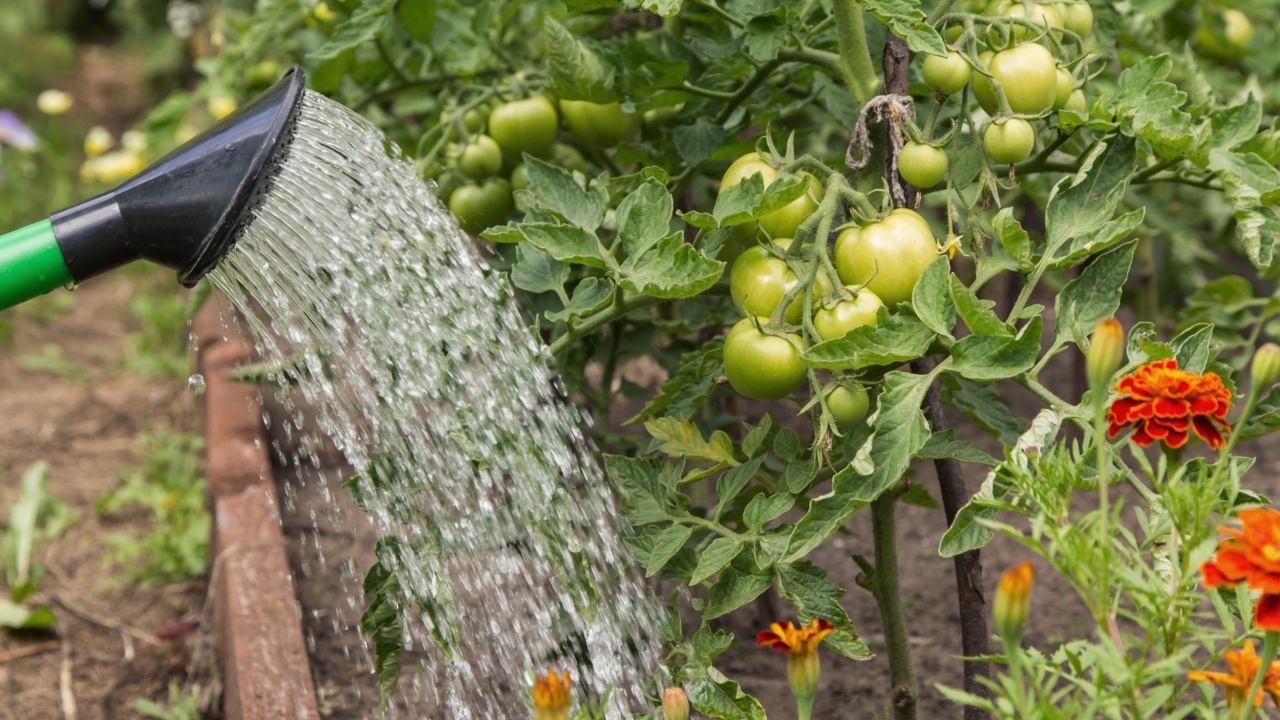
Image Credit: Shutterstock.
Water management plays a crucial role in ripening speed because tomatoes need consistent moisture to transport nutrients and maintain cellular processes, but excessive water can actually delay ripening by encouraging continued vegetative growth rather than fruit maturation.
The key lies in providing just enough water to support fruit development without triggering the plant’s growth mode. Target 1–1.5 inches/week total, watering deeply 1–2× weekly; keep soil evenly moist.
How to Implement:
- Measure weekly water: Use the tuna can method by placing an empty can in your garden and checking accumulation after one week
- Water deeply but infrequently: Provide thorough watering 1-2 times per week rather than daily light sprinkling
- Focus on soil, not foliage: Direct water to the root zone to prevent foliar diseases
- Monitor soil moisture: Check 2-3 inches deep; soil should be moist but not soggy
Quick Implementation Tips:
- Install drip irrigation for consistent moisture delivery
- Mulch around plants to retain soil moisture and reduce watering frequency
- Water early morning to allow foliage to dry before evening
- Adjust watering based on rainfall—reduce supplemental irrigation during wet periods
3. Apply Strategic Water Stress
-
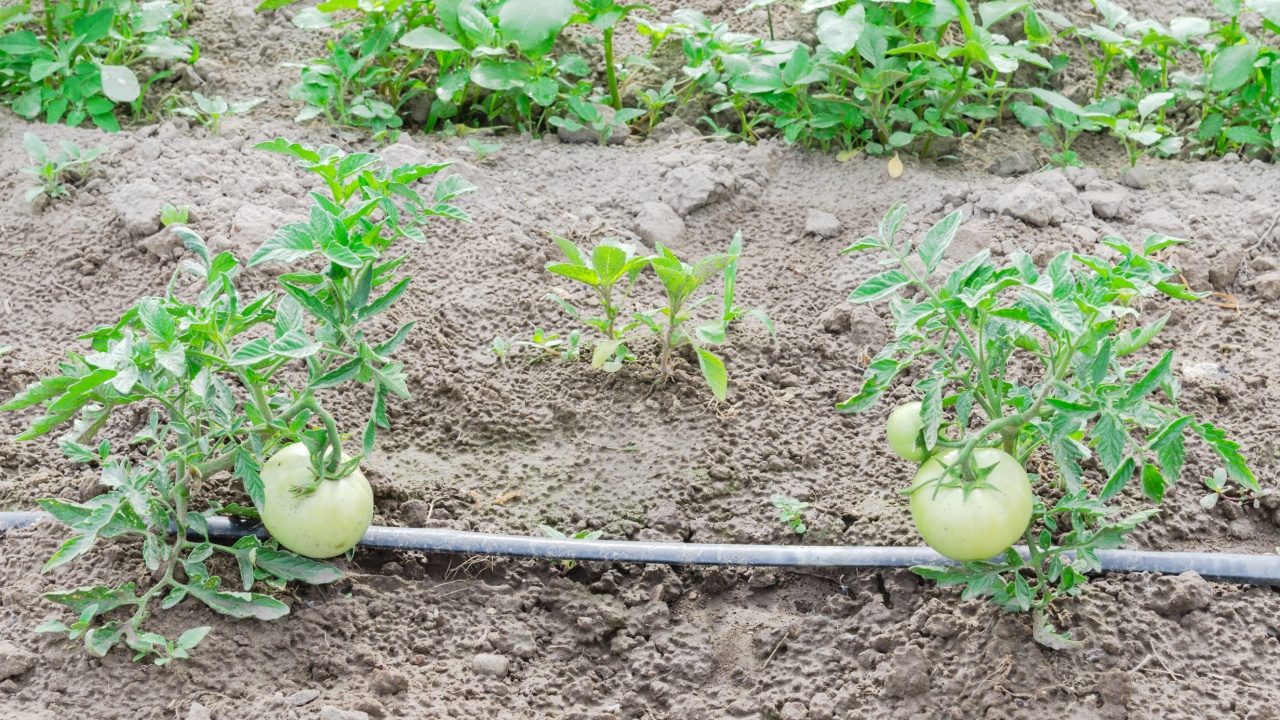
Image Credit: Shutterstock.
Controlled water stress triggers the plant’s survival instincts, causing it to redirect energy from new growth to fruit ripening and seed production. This technique works because water-stressed plants perceive a threat to their survival and prioritize reproduction over continued vegetative growth.
The key word here is “controlled”—you want to create mild stress, not plant damage. Properly executed water stress can not only speed ripening but also concentrate flavors and increase sugar content in the fruits.
How to Implement:
- Gradually reduce watering: Slightly cut back supplemental irrigation once fruit clusters are well-formed
- Time the stress period: Begin reducing water 2-3 weeks before expected ripening
- Monitor plant response: Watch for slight wilting during hottest part of day, but plants should recover by evening
- Don’t stress immature plants: Only apply this technique to plants with well-established root systems
Quick Implementation Tips:
- Start gradually—sudden water reduction can shock plants
- Focus on mature plants with several fruit clusters already formed
- Resume normal watering if plants show severe stress signs
- Combine with mulching to maintain some soil moisture
4. Provide Temperature Management
-

Image Credit: Shutterstock.
Tomatoes ripen optimally between 68-87°F (21-24°C). Temperatures outside this range significantly slow the ripening process, with extreme heat above 85°F (29°C) actually halting ripening altogether until cooler conditions return.
Understanding temperature’s role in ripening allows you to take protective measures during weather extremes. High temperatures break down the enzymes responsible for lycopene production (what makes tomatoes red), while cold temperatures slow all metabolic processes, including ethylene production.
How to Implement:
For Hot Weather Protection:
- Install shade cloth: Use 30-50% shade cloth during heat waves
- Create temporary shade: Position tall plants or temporary structures to provide afternoon shade
- Use floating row covers: Apply during extreme heat to create a cooler microclimate
- Increase mulching: Add extra organic mulch to keep soil and roots cooler
For Cool Weather Protection:
- Cover overnight: Use floating row covers or frost cloth during chilly nights
- Create heat sinks: Place water-filled containers near plants to absorb and release heat
- Choose protected locations: Plant in areas that receive maximum sun and wind protection
Quick Implementation Tips:
- Monitor local weather forecasts and prepare for protection in advance
- Remove covers during optimal temperature periods to avoid overheating
- Use light-colored mulch in hot climates, dark mulch in cool climates
- Consider season extension structures for consistent protection
5. Practice Strategic Pruning (Topping)
-
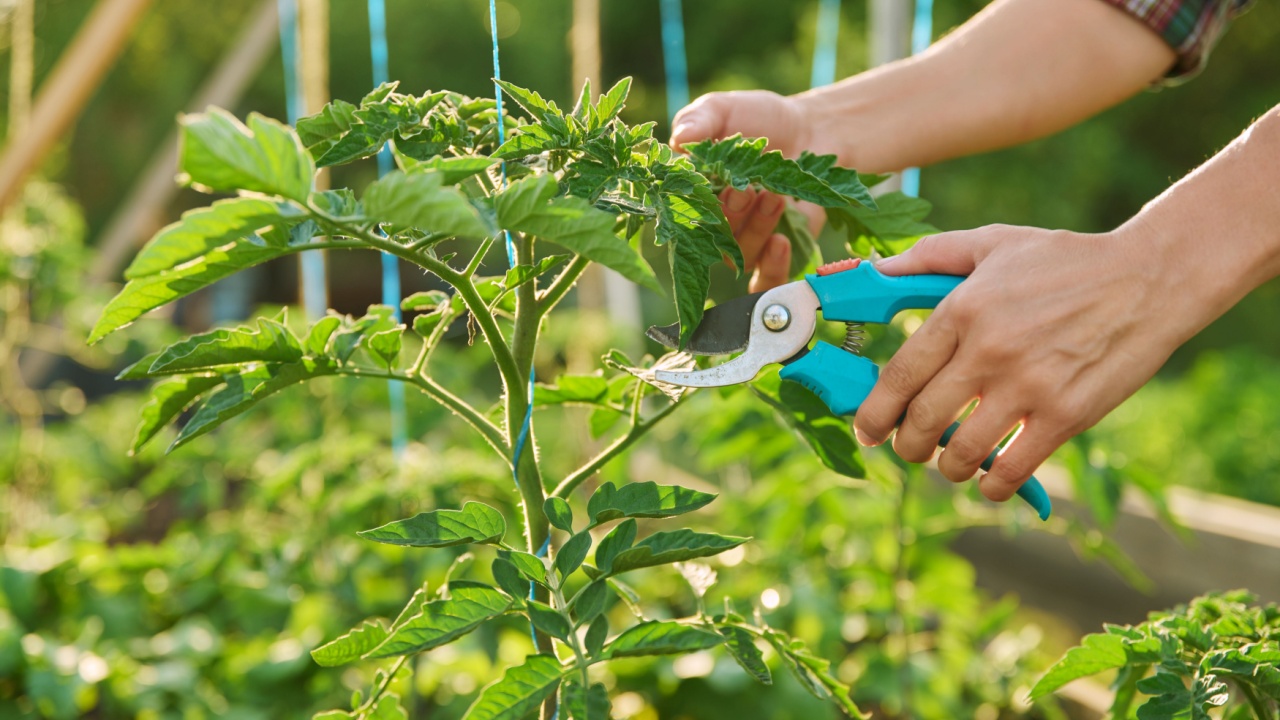
Image Credit: Shutterstock.
Topping involves removing the growing tips of indeterminate tomato plants to redirect energy from new growth to fruit ripening. This technique works because it eliminates the plant’s ability to produce new flowers and fruit clusters, forcing all available energy into maturing existing fruits.
Timing is crucial with topping—too early and you limit potential yield, too late and it won’t significantly impact ripening speed. The ideal time is when you have several fruit clusters already formed and several weeks before the expected first frost.
How to Implement:
- Identify the right timing: Top when nights consistently drop below 60°F (15°C) or 6-8 weeks before the first expected frost
- Choose proper cutting location: Cut just above the uppermost flower cluster you want to keep
- Use clean tools: Sanitize pruning shears between plants to prevent disease transmission
- Make clean cuts: Cut at a 45-degree angle just above a leaf node or flower cluster
Quick Implementation Tips:
- Only top indeterminate varieties—determinates naturally stop growing
- Remove any new suckers that develop after topping
- Don’t top if you still want additional fruit production
- Consider topping only half your plants to compare results
6. Remove Competing Fruits
-

Image Credit: Shutterstock.
Selective fruit removal redirects the plant’s energy from numerous small or late-developing fruits to fewer, more mature ones. This technique works because plants have limited energy resources, and concentrating these resources on fewer fruits results in faster, more complete ripening.
The strategy involves removing small, late-forming fruits that are unlikely to ripen before season’s end, as well as damaged or diseased fruits that consume energy without contributing to the harvest.
How to Implement:
- Assess fruit development: Identify fruits that are unlikely to mature before frost or end of season
- Remove smallest fruits: Take off fruits smaller than a golf ball if they’re forming late in the season
- Eliminate damaged fruits: Remove any cracked, spotted, or diseased fruits immediately
- Limit clusters: Consider reducing large clusters to 4-6 fruits for faster individual fruit development
Quick Implementation Tips:
- Make clean cuts to prevent disease entry
- Focus removal efforts on indeterminate varieties that continue producing
- Don’t remove too many fruits at once—gradual removal is less stressful
- Compost healthy removed fruits, dispose of diseased ones in trash
7. Harvest at Peak Maturity
-
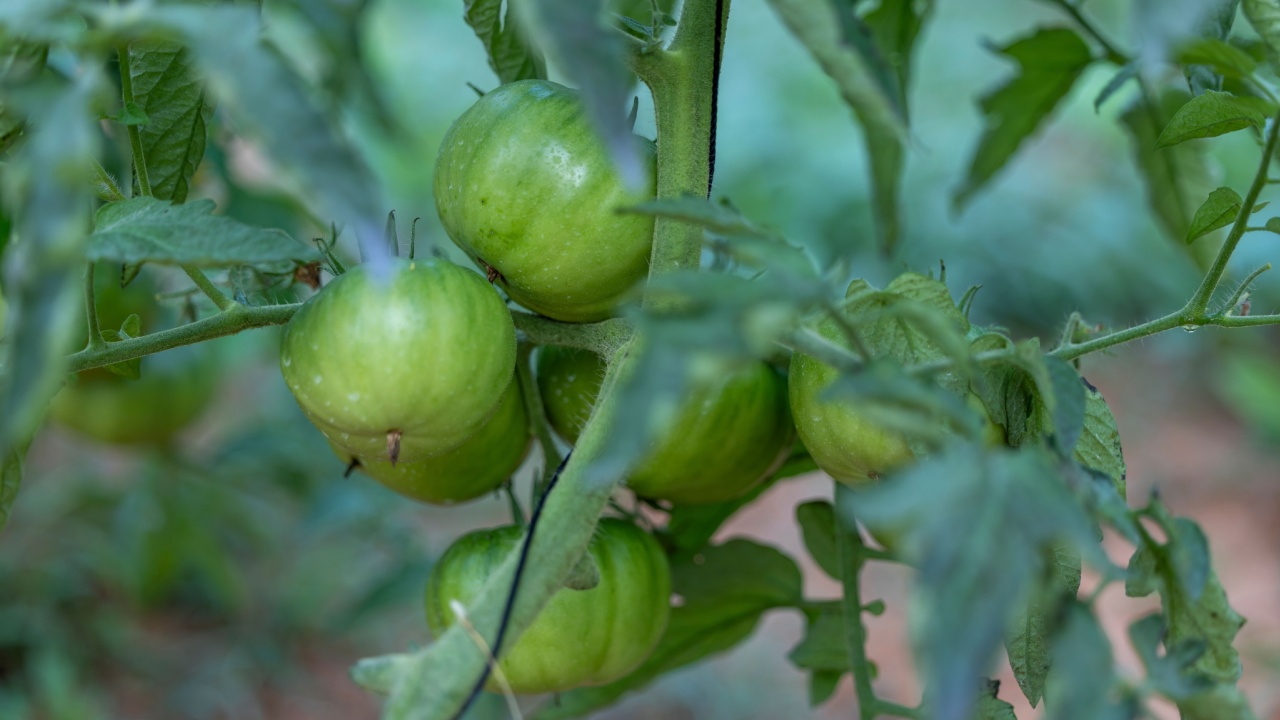
Image Credit: Shutterstock
Harvesting mature green tomatoes that haven’t fully ripened allows you to control the ripening environment and speed up the process significantly. Tomatoes that have reached full size and begun the ripening process will continue to ripen normally when removed from the plant.
This technique works because once tomatoes reach the “mature green” stage, the plant has already triggered the ripening process internally. The fruit no longer depends on the plant for the biochemical changes needed to develop full color and flavor.
How to Implement:
- Identify mature green stage: Look for fruits that have reached full size at the “breaker” stage (first signs of color change)
- Test firmness: Mature fruits will have slight give when gently squeezed but won’t be rock hard
- Watch for color breaks: Harvest when you see the first hints of color change, even just a small blush of pink
- Handle carefully: Use clean hands or tools and avoid damaging the fruit during harvest
Quick Implementation Tips:
- Harvest in the morning when temperatures are cooler
- Handle fruits gently to avoid bruising
- Never harvest dull, matte green fruits—they won’t ripen properly off the vine
- Check plants daily during peak ripening season for optimal harvest timing
8. Optimize Indoor Ripening Conditions
-
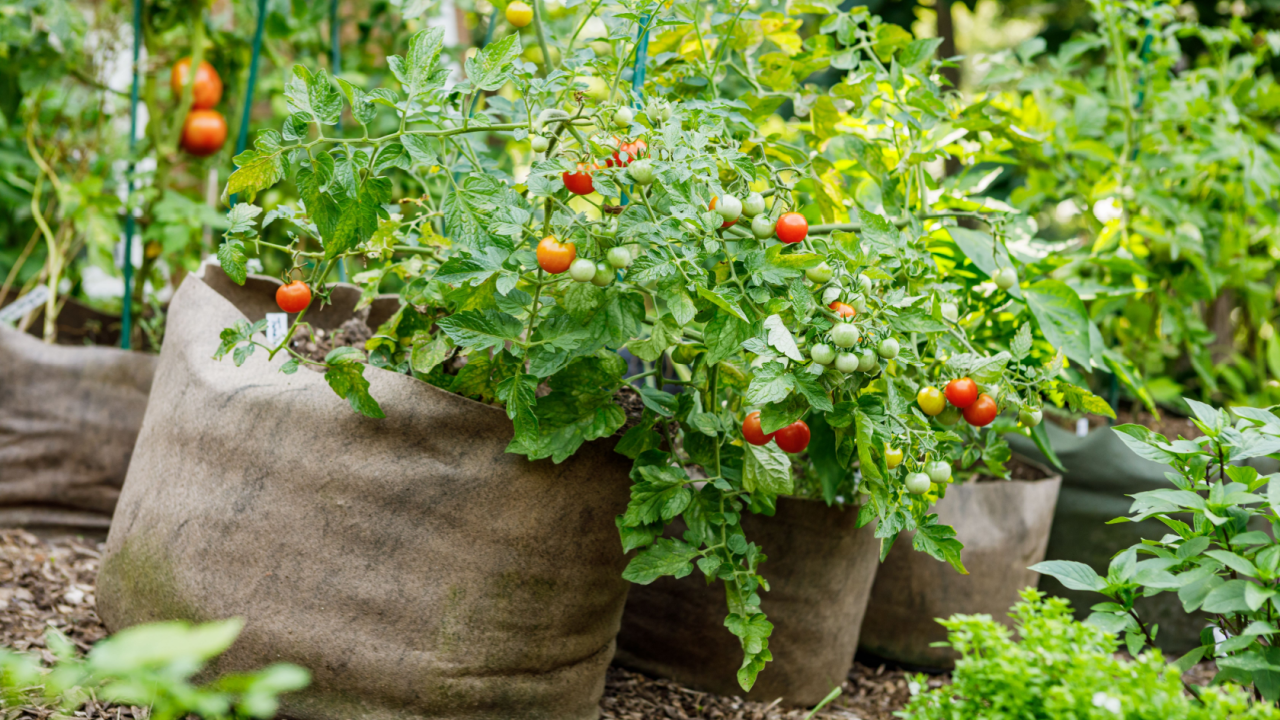
Image Credit: Shutterstock.
Once harvested, creating the ideal indoor environment can dramatically speed up the ripening process. The key factors are temperature, ethylene gas concentration, and proper air circulation. Room temperature (65-75°F) provides optimal conditions for enzyme activity and ethylene production.
Ethylene gas, naturally produced by ripening fruits, can be concentrated to accelerate the process, while proper ventilation prevents excessive moisture buildup that could lead to rotting rather than ripening. You can also add an apple or banana or extra concentration.
How to Implement:
- Use paper bags: Place 3-5 tomatoes in brown paper bags to concentrate ethylene gas
- Add ethylene producers: Include a ripe banana or apple to boost ethylene levels
- Maintain proper temperature: Keep bags at room temperature, never refrigerate
- Check progress daily: Monitor fruits and remove any that show signs of spoilage
Quick Implementation Tips:
- Don’t overcrowd bags—proper air circulation is essential
- Remove ripe fruits promptly to prevent over-ripening
- Store different varieties separately as they ripen at different rates
- Keep bags in a dark or dimly lit area for best results
Maximizing Your Tomato Harvest
-
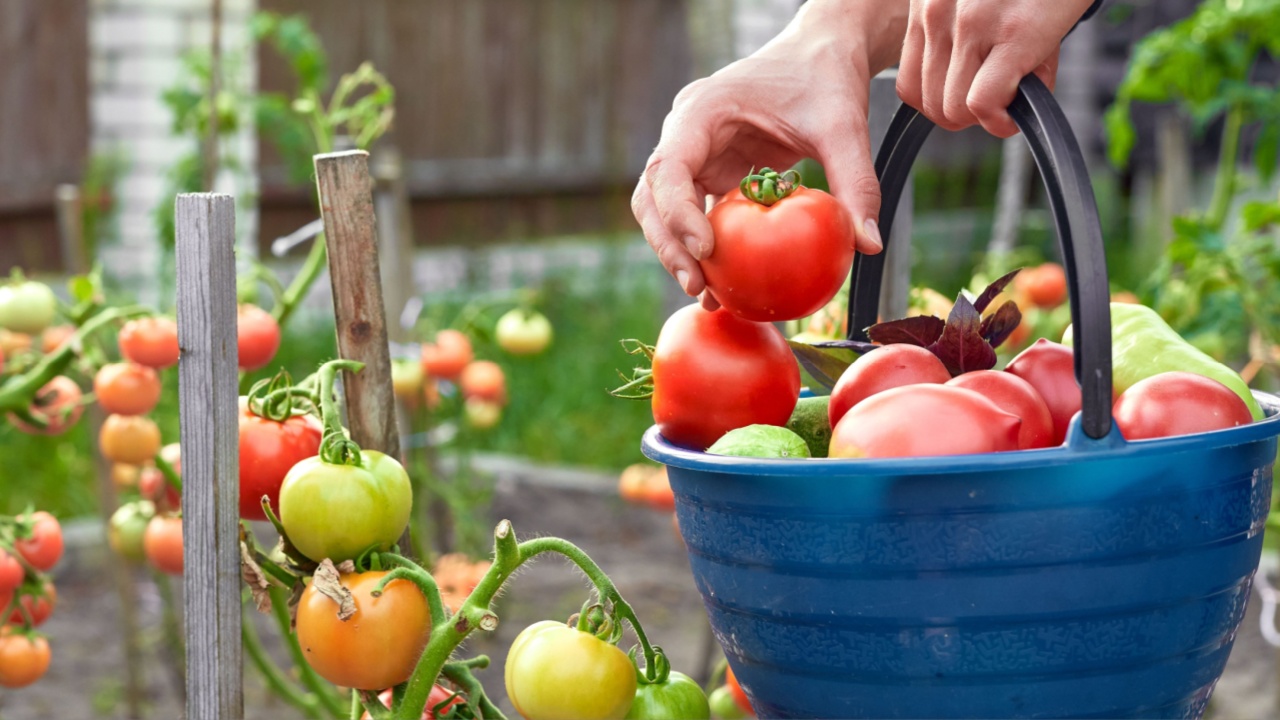
Image Credit: Shutterstock.
Success with faster tomato ripening comes from understanding your plants’ natural processes and working with them rather than against them. The most effective approach often involves combining 2-3 compatible techniques rather than relying on a single method.
Early season planning sets the foundation for success—proper spacing, variety selection, and optimal planting locations make later ripening acceleration techniques more effective. As the season progresses, monitoring weather patterns and plant development helps you time interventions for maximum impact.
Remember that different tomato varieties respond differently to these techniques. Determinate varieties naturally focus energy on ripening their fruit load, while indeterminates benefit more from strategic pruning and stress techniques. Large fruited varieties typically need more time and energy to ripen than cherry types, making them better candidates for aggressive ripening acceleration.
The key to mastering these techniques lies in observation and gradual implementation. Start with the least invasive methods like improved air circulation and proper watering, then progress to more intensive techniques like root pruning or controlled stress only when needed. With practice, you’ll develop an intuitive sense for timing and intensity that maximizes your harvest while maintaining fruit quality.