
17 Tricks to Always Keeping a Clean Kitchen
Cooking at home isn’t just healthier—it can also improve your emotional well-being and reduce stress when your kitchen is organized. Studies show that people who prepare meals at home eat better, consume fewer calories, and even score higher on diet-quality indexes. Plus, research in allied healthcare found that cooking and the act of creating meals can boost mood, self-esteem, and overall quality of life. A tidy, well-organized kitchen further amplifies this effect—one survey found that 60% of respondents experienced reduced anxiety when their kitchen was neat.
By weaving these insights into your intro, you establish a strong, science-backed foundation for why maintaining a clean kitchen matters—not just for hygiene, but for health, productivity, and quality of life.
Tips from All Walks of Life
These 17 strategies come from professional organizers, habit experts, and home cooks who’ve mastered the art of kitchen maintenance. Each tip addresses a specific challenge that derails kitchen cleanliness, offering practical solutions you can implement immediately. Whether you’re preparing harvests from your backyard garden or simply want to enjoy cooking again, these secrets will transform your kitchen into a space you’re proud to use every day.
1. Master the Art of Cleaning While You Cook

The single most effective habit separating chronically clean kitchens from disaster zones is real-time cleaning during food preparation. Professional chefs call this “mise en place”—having everything in its place before, during, and after cooking.
This approach prevents the overwhelming pile-up that makes post-meal cleanup feel insurmountable. When you clean as you go, you’re never more than five minutes away from a spotless kitchen, regardless of what you’ve been cooking.
Implementation Strategy
Set up three stations before cooking begins: a large bowl for scraps and packaging, a dish tub filled with hot soapy water for immediate soaking, and a designated spot for cleaned utensils. As you finish with each tool or ingredient, immediately send it to the appropriate station.
Why This Works
Your brain processes cleaning differently when it’s part of the cooking flow versus a separate, overwhelming task afterward. Small, consistent actions feel effortless, while large cleanup sessions trigger procrastination and avoidance.
2. Create Designated Homes for Every Single Item

The “everything in its place” principle eliminates decision fatigue and reduces cleanup time by up to 60%. When every item has a specific, logical location, you never waste time searching or wondering where something belongs.
This system works because it removes the mental load of constantly deciding where things go. Your hands automatically know where to reach for the garlic press or where to return the cutting board without conscious thought.
Creating Your System
Start with items you use daily, assigning prime real estate near your main work areas. Group similar items together: all baking supplies in one zone, coffee-making equipment in another. Use drawer dividers, shelf organizers, and clear containers to maintain boundaries.
Professional Insight
Restaurant kitchens operate on this principle because efficiency depends on instant access to tools. Chefs can prepare complex meals quickly because they never search for equipment—everything has its designated spot within arm’s reach of where it’s used.
3. Run Your Dishwasher Like Clockwork

Successful kitchen maintainers treat their dishwasher like a daily appointment that cannot be missed. Loading it each evening and emptying it every morning creates a rhythm that prevents dish accumulation and sink overflow.
This habit provides a psychological fresh start each day. Walking into a kitchen with an empty sink and available dishwasher space immediately signals that cooking and cleanup will be manageable.
The Evening Routine
After dinner cleanup, load the dishwasher completely, add detergent, and start the cycle before bed. The background hum becomes a comforting signal that your kitchen is being restored while you sleep.
The Morning Advantage
Empty the dishwasher while your coffee brews or as part of your morning routine. Clean dishes ready for use eliminates the “nothing’s clean” excuse that leads to takeout decisions and accumulating mess.
4. Maintain Clear Counter Surfaces
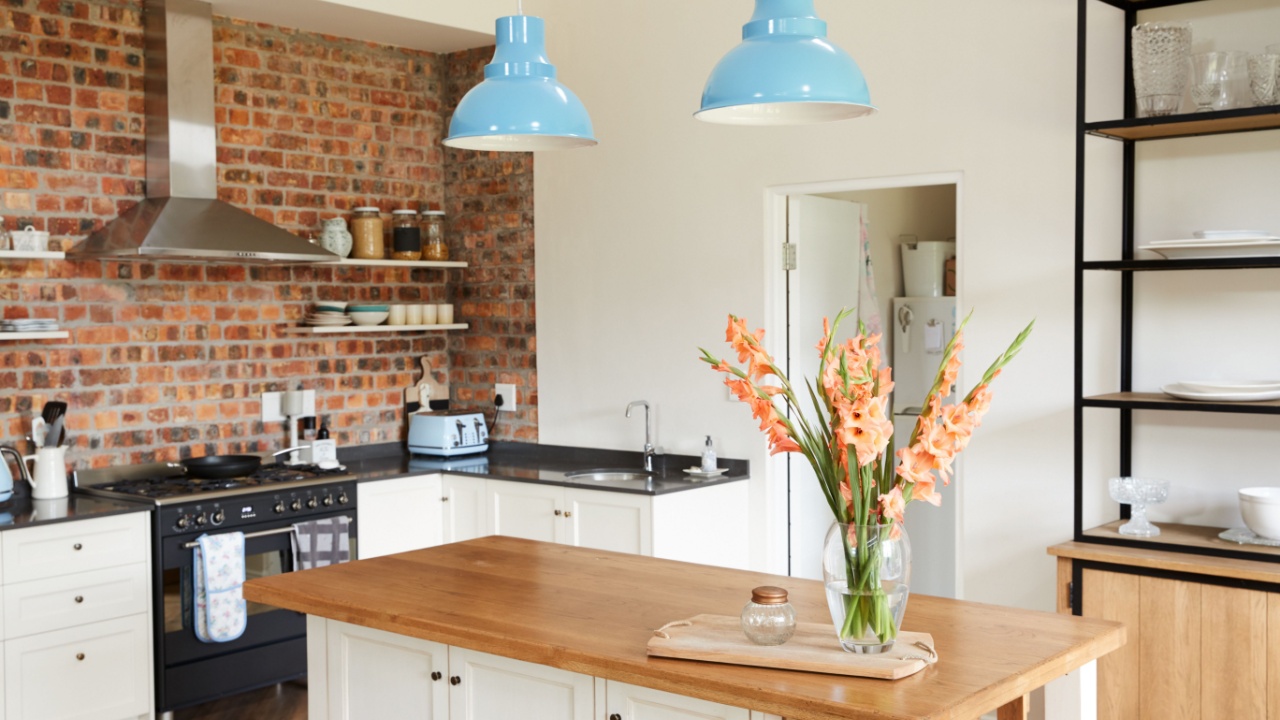
Professional organizers identify counter clutter as the primary factor that makes kitchens feel chaotic and overwhelming. Clear counters create visual calm and provide essential workspace for meal preparation.
Cluttered counters also collect more dirt and crumbs because cleaning becomes difficult when surfaces are covered. Clear surfaces can be wiped clean in seconds, maintaining hygiene and visual appeal.
The Counter Reset Method
Designate one drawer or cabinet section as your “landing zone” for items that typically accumulate on counters. Mail, keys, and daily paperwork get immediate temporary storage until they can be properly filed or acted upon.
Essential-Only Policy
Keep only daily-use items on counters: coffee maker, knife block, and perhaps one frequently used small appliance. Everything else gets stored after use, maintaining clean sight lines and easy cleaning access.
5. Implement a Strategic Cleaning Schedule

Successful kitchen maintenance follows predictable patterns rather than random bursts of cleaning energy. A visual schedule prevents tasks from being forgotten while ensuring deep cleaning happens before problems develop.
Scheduled tasks become automatic much faster than those done “when needed.” The schedule removes decision-making from the equation, making compliance more likely.
Weekly Task Distribution
Mondays: Clean appliance exteriors and handles. Wednesdays: Deep clean sink and faucet. Fridays: Wipe down cabinet faces. Saturdays: Mop floors thoroughly. This distribution prevents any single day from feeling overwhelming.
Monthly Deep Tasks
First Saturday: Clean inside the refrigerator. Second Saturday: Deep clean oven. Third Saturday: Organize pantry and check expiration dates. Fourth Saturday: Clean light fixtures and ceiling fans.
6. Never Let Your Sink Overflow
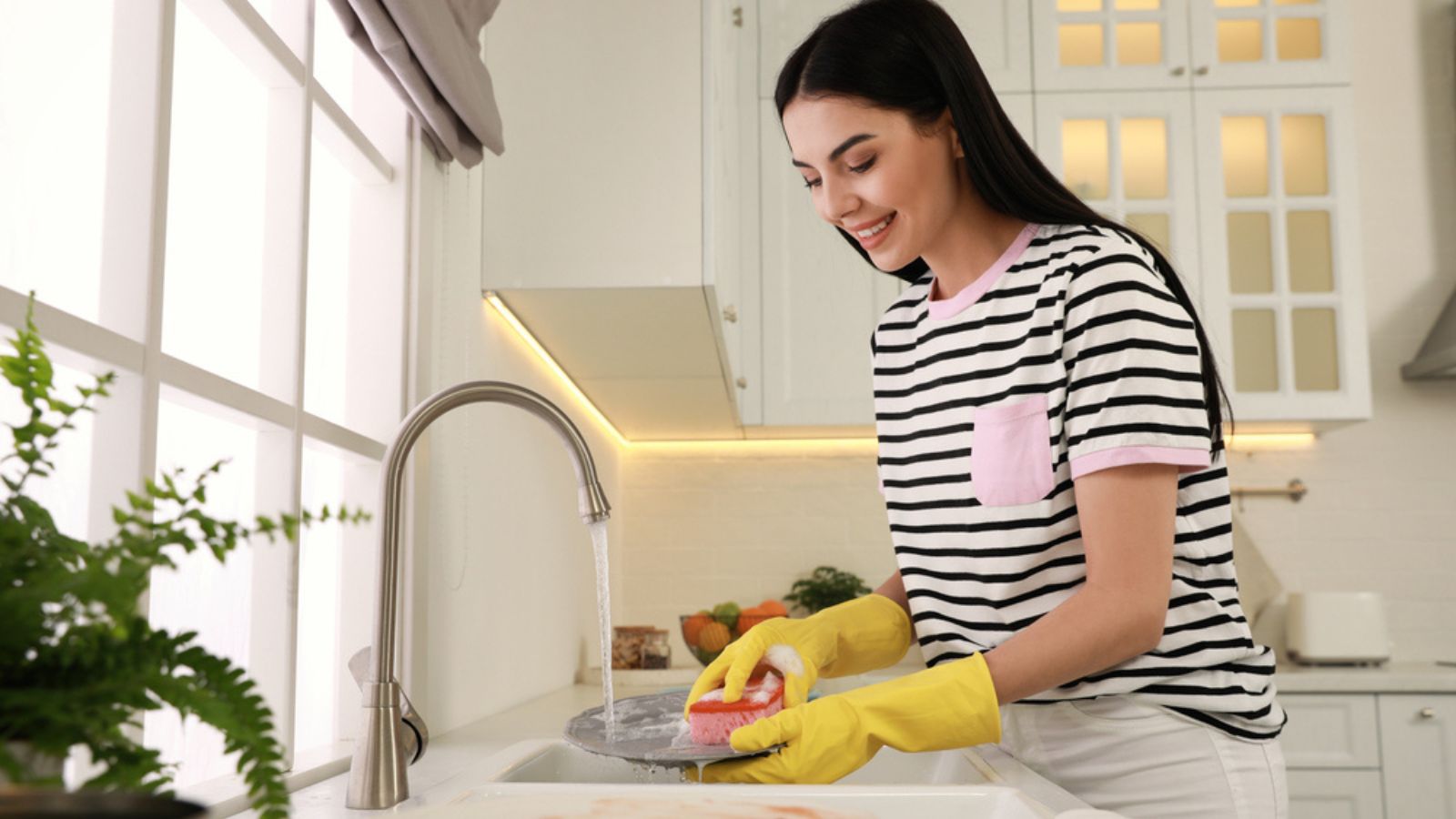
An empty sink serves as the control center for all kitchen cleaning activities. When the sink is full of dirty dishes, every other cleaning task becomes more difficult or impossible to complete properly.
Restaurants maintain strict “empty sink” policies because a full sink creates bottlenecks that shut down the entire operation. The same principle applies in home kitchens—sink capacity determines overall functionality.
The Two-Minute Rule
If washing a dish takes less than two minutes, do it immediately rather than adding it to a growing pile. This prevents accumulation and maintains constant sink availability for food prep needs.
Soaking Strategy
When pans need soaking time, fill them with hot soapy water immediately and place them beside the sink rather than inside it. This keeps sink access available while addressing stuck-on food.
7. Practice Immediate Post-Meal Cleanup

The window immediately following a meal is crucial for kitchen maintenance. Taking just ten minutes to address the aftermath prevents problems from setting in and becoming much more difficult to resolve later.
Food residue becomes exponentially harder to clean as time passes. Grease solidifies, sauces dry and stick, and odors develop when cleanup is delayed. Immediate action requires minimal effort, while delayed cleanup becomes a major project.
The Ten-Minute Drill
Set a timer for ten minutes after eating and tackle cleanup with focused intensity. Put away leftovers, load the dishwasher, wipe surfaces, and sweep floors. Most meals can be completely cleaned up within this timeframe.
Family Involvement
Assign each family member specific post-meal responsibilities: one person handles leftovers, another loads dishes, and a third wipes surfaces. Parallel action makes the process faster and prevents the burden from falling on one person.
8. Stock Cleaning Supplies Strategically
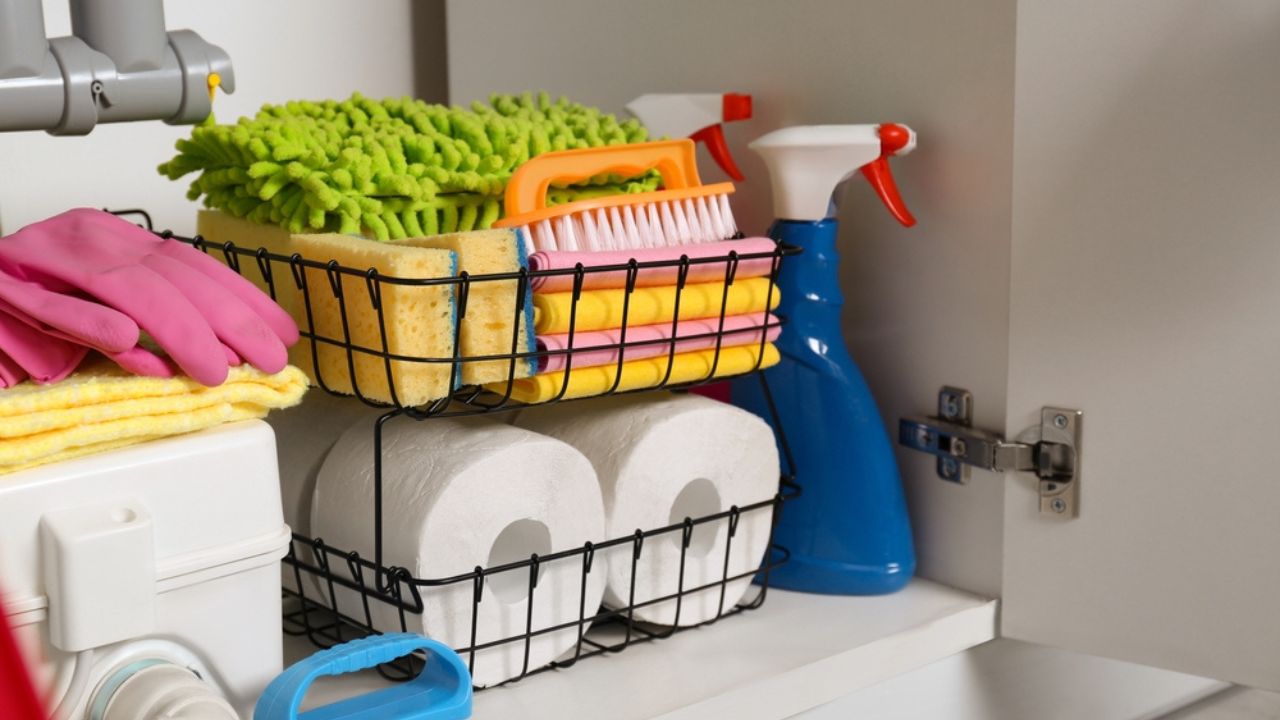
Kitchen cleaning fails when supplies aren’t immediately available where and when needed. Professional cleaners keep supplies at the point of use rather than in distant storage areas.
Having to retrieve cleaning products from another room creates friction that often results in postponed cleaning. When supplies are within arm’s reach, cleanup becomes an automatic response to messes.
Strategic Supply Stations
Keep all-purpose cleaner, microfiber cloths, and paper towels in an easily accessible kitchen cabinet. Store dish soap, sponges, and scrub brushes in an under-sink caddy. Place a small handheld vacuum in a nearby closet for quick crumb cleanup.
Quality Investment
Professional-grade cleaning products work faster and more effectively than budget alternatives, making cleanup less time-consuming and more satisfying. The time saved justifies the higher cost.
9. Declutter Ruthlessly and Regularly
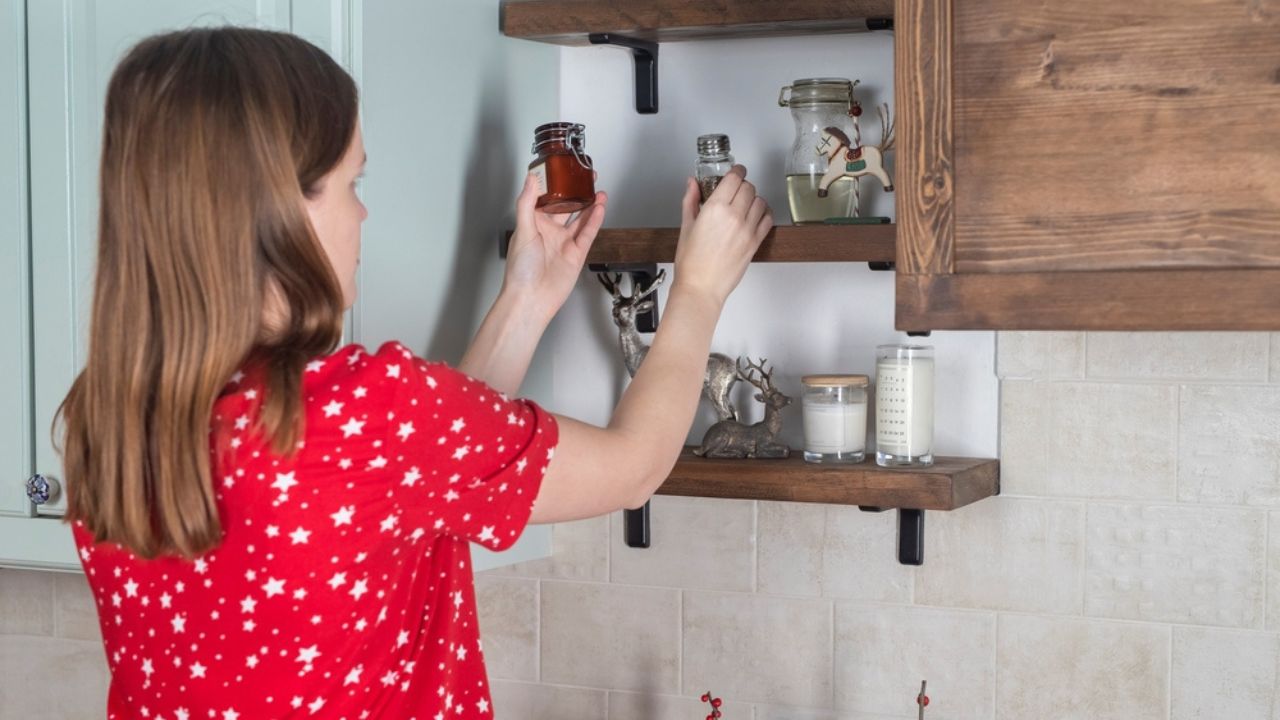
Kitchen functionality is inversely related to the amount of stuff crammed into the space. Professional organizers use the “one in, one out” rule to prevent accumulation that makes cleaning difficult. Minimalism is key for feeling in control of kitchen cleanliness (and for the whole house.)
Excess items create hiding places for dirt, make cleaning more time-consuming, and prevent efficient organization. Every item you keep should earn its space through regular use and clear value.
The Three-Box Method
During decluttering sessions, use three boxes: Keep, Donate, and Trash. Be honest about what you actually use versus what you think you might use someday. Duplicate items rarely need to be kept unless you entertain large groups regularly.
Quarterly Reviews
Schedule quarterly decluttering sessions to prevent gradual accumulation. Check expiration dates, evaluate whether gadgets are actually being used, and assess whether storage solutions are working effectively.
10. Address Floor Maintenance Throughout the Day
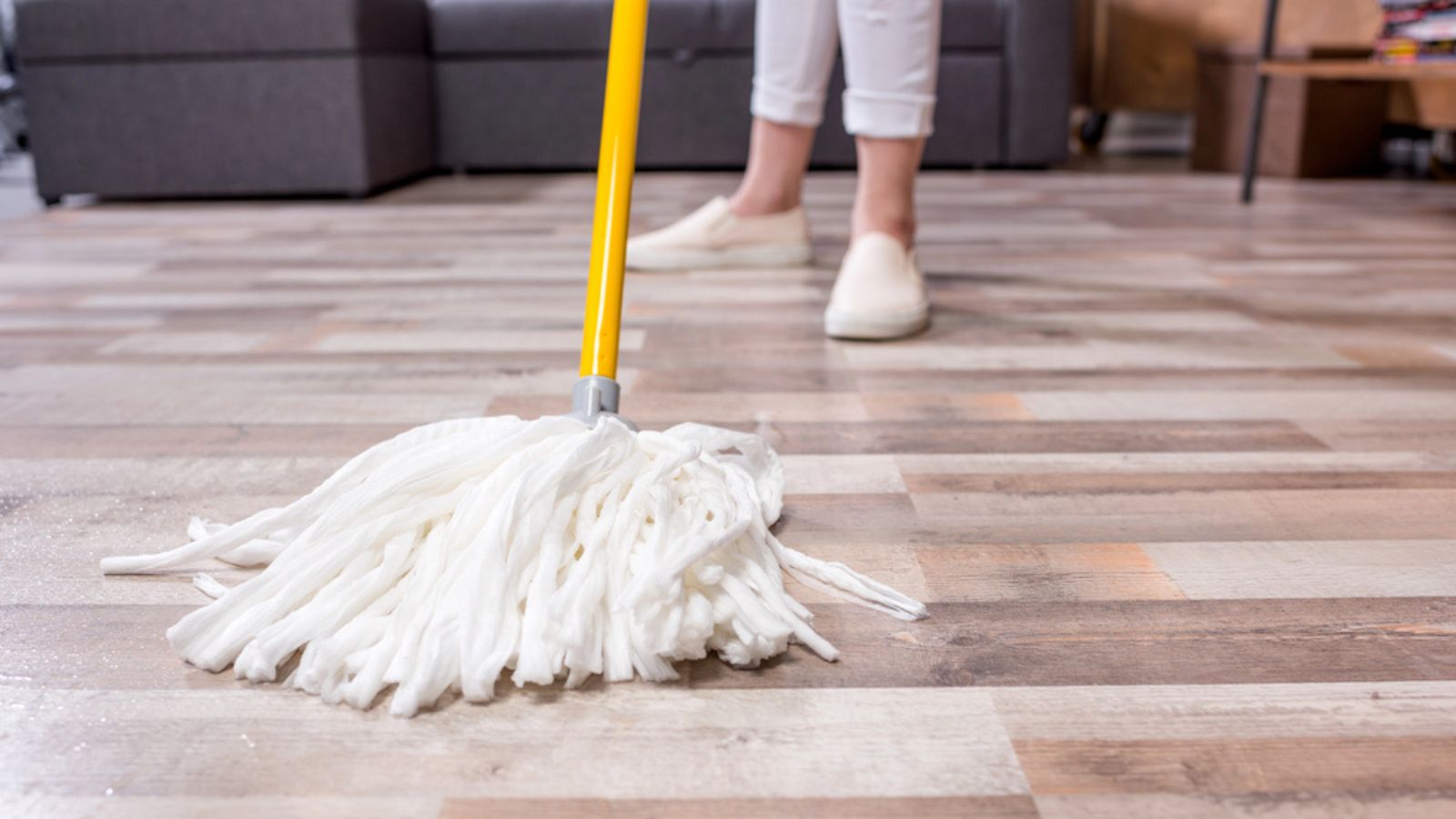
Kitchen floors receive more abuse than any other surface in the home, making ongoing maintenance essential for overall cleanliness. Waiting for weekly deep cleaning allows the buildup to become much more difficult to address.
Professional kitchens sweep constantly throughout service because accumulated debris makes the workspace unsafe and unsanitary. Home kitchens benefit from the same proactive approach.
The Spot-Cleaning Approach
Keep a small handheld vacuum or dustpan and brush easily accessible for immediate spill response. Address dropped food, spilled liquids, and tracked-in dirt as soon as they occur rather than letting them accumulate.
Daily Floor Care
End each day with a quick sweep of high-traffic areas and immediate cleaning of any sticky spots. This prevents buildup that requires intense scrubbing and maintains consistently clean walking surfaces.
11. Master Food Rotation and Expiration Management

Expired and spoiled food creates odors, attracts pests, and wastes money while making kitchen maintenance more unpleasant. Successful kitchen maintainers develop systems for tracking and using food before it spoils.
Professional restaurants use “first in, first out” rotation systems because food waste directly impacts profitability. Home cooks can apply the same principles to reduce waste and maintain freshness.
The Weekly Food Audit
Before grocery shopping, spend ten minutes checking expiration dates in the refrigerator, pantry, and freezer. Use items approaching expiration in the week’s meal planning or prepare them for longer storage.
Storage Optimization
Store new groceries behind existing items so older products get used first. Use clear containers for leftovers with masking tape dates so nothing gets forgotten in the back of the refrigerator.
12. Transform Cleaning into Enjoyable Activities

The emotional experience of cleaning significantly impacts consistency and effectiveness. People who enjoy their cleaning routine maintain higher standards and experience less resistance to necessary tasks.
Positive associations make behaviors more likely to continue long-term. When cleaning feels pleasant or rewarding, it becomes sustainable rather than a constant struggle.
Environmental Enhancement
Play energizing music, light candles with appealing scents, or listen to podcasts during cleaning sessions. These positive sensory experiences create pleasant associations with maintenance tasks.
Reward Systems
Celebrate cleaning accomplishments with small rewards: a special coffee, a few minutes of reading, or a relaxing shower. These positive reinforcements strengthen the habit loop and make cleaning feel worthwhile.
13. Choose the Right Waste Management System

Inadequate trash and recycling systems create constant overflow problems that make kitchens feel chaotic and unsanitary. The right setup prevents odors, contains mess, and makes disposal effortless.
Professional kitchens invest heavily in waste management because inadequate systems create health hazards and operational inefficiencies. Home kitchens benefit from applying commercial-grade thinking to waste handling.
Capacity Matching
Choose containers large enough that emptying them every other day prevents overflow. Smaller containers require more frequent attention, while oversized ones may not get emptied often enough to prevent odors.
Lid and Location Strategy
Lidded containers prevent odor escape and pest attraction while maintaining visual cleanliness. Position trash and recycling containers for easy access from main work areas without interfering with traffic flow.
14. Maintain Your Garbage Disposal Regularly

The garbage disposal handles significant organic waste loads, making regular cleaning essential for preventing odors and blockages that can disrupt entire kitchen operations.
Neglected disposals develop bacterial growth that creates persistent odors resistant to surface cleaning efforts. Regular maintenance prevents problems that become expensive to fix and unpleasant to endure.
Weekly Cleaning Protocol
Run cold water, add a handful of ice cubes and coarse salt, then operate the disposal for thirty seconds. The ice and salt combination cleans blades and removes buildup while cold water solidifies grease for easier removal.
Natural Deodorizing
Drop citrus peels into the disposal and run with cold water to freshen and naturally clean the grinding chamber. The citrus oils provide a pleasant fragrance while the acids help break down residue.
15. Know When Strategic Shortcuts Save Time

Efficient kitchen maintenance balances thoroughness with practicality. Professional cleaners use targeted shortcuts that achieve maximum impact with minimum time investment, focusing effort where it makes the biggest difference.
Understanding which tasks require detailed attention versus those that benefit from quick solutions prevents perfectionist paralysis and maintains forward momentum.
High-Impact Quick Fixes
Steam-clean the microwave by heating a bowl of water with lemon juice for two minutes, then wiping it clean. Run vinegar through the coffee maker monthly to prevent mineral buildup. Use baking soda paste for stubborn stain removal without harsh scrubbing.
Strategic Prioritization
Focus detailed cleaning on surfaces that impact food safety and visual cleanliness: cutting boards, countertops, and sink areas. Less critical areas can receive lighter attention while maintaining overall standards.
16. Create Buffer Zones for Meal Prep Chaos
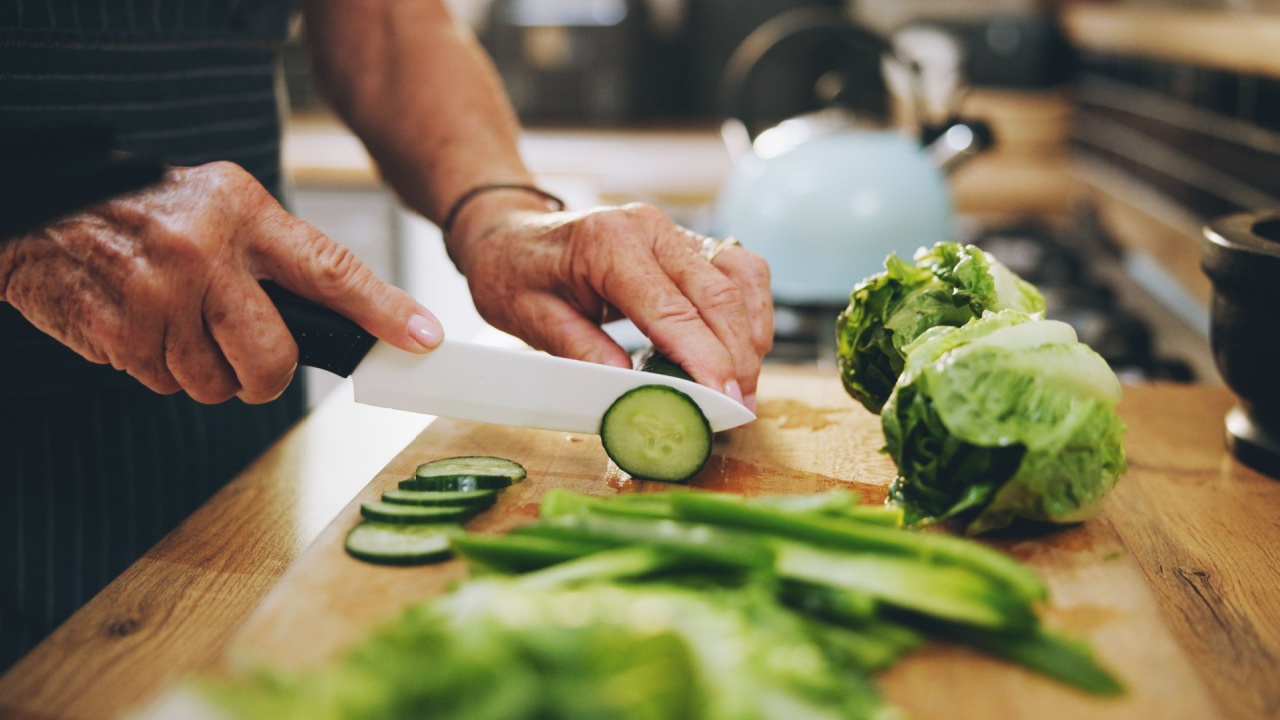
Even the most organized cooks create a temporary mess during active meal preparation. Successful kitchen maintainers plan for this chaos by creating designated areas where mess is acceptable and easily contained.
Professional kitchens use “dirty zones” during service, where controlled mess is expected and planned for. This prevents contamination of clean areas while acknowledging the reality of cooking processes.
Designated Mess Areas
Use large cutting boards, sheet pans, or kitchen towels to create boundaries for messy prep work. These portable surfaces can be quickly cleaned or replaced while keeping surrounding areas pristine.
Prep-to-Clean Workflow
Plan prep sequences so dirty tasks happen first, followed by cleaning, then final assembly in clean spaces. This prevents cross-contamination and reduces total cleanup time.
17. Develop Evening Kitchen Reset Rituals
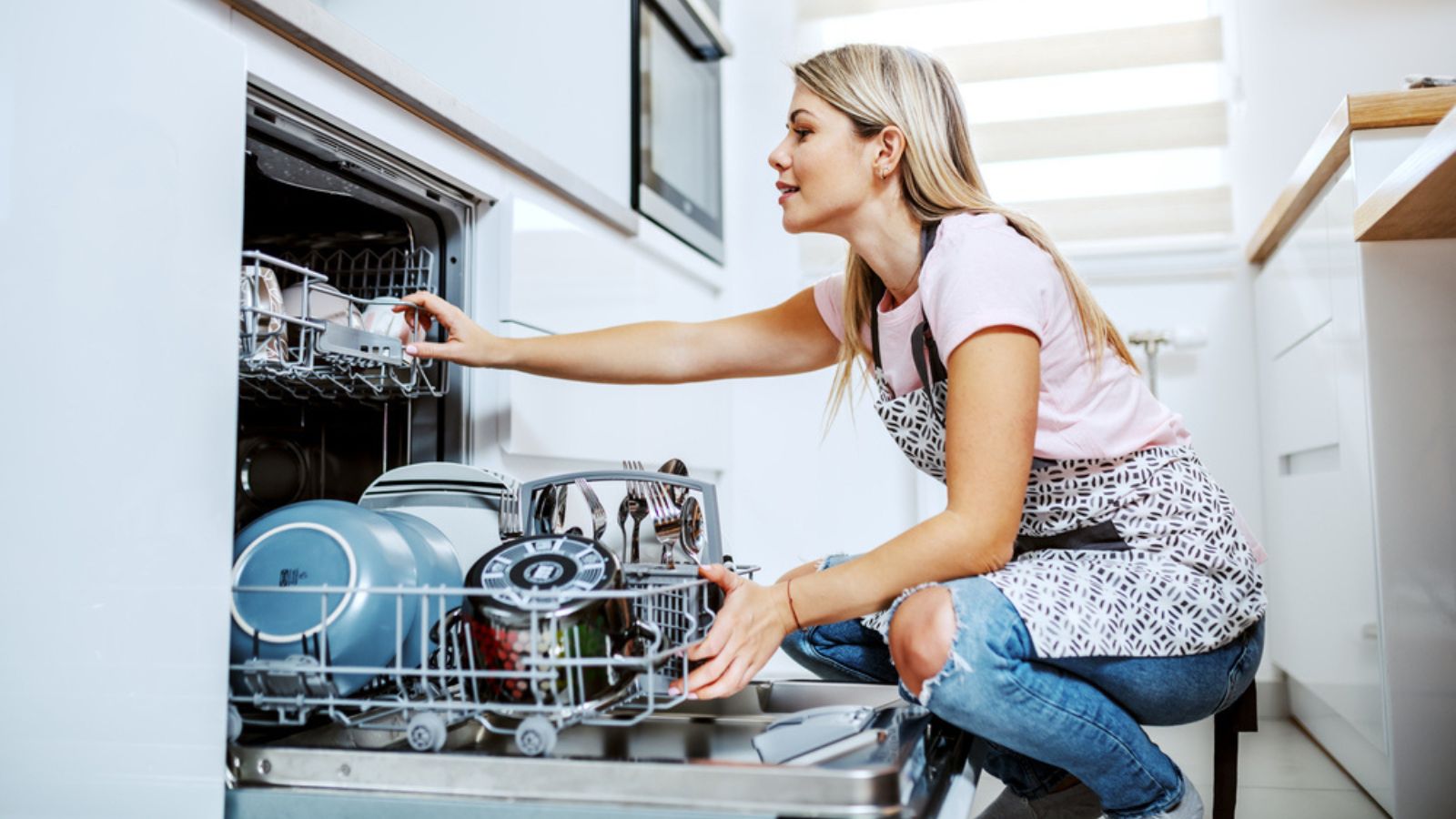
Ending each day with a consistent kitchen reset ritual ensures you start the next day with a clean slate and positive momentum. This routine prevents accumulated small messes from becoming overwhelming projects.
The psychological impact of waking up to a clean kitchen sets a positive tone for the entire day. It signals competence, control, and care that influences mood and decision-making throughout the day.
The Five-Minute Reset
Clear counters completely, wipe all surfaces, empty the dishwasher if needed, and take out trash if full. Start the dishwasher with the day’s dishes. These simple tasks create complete restoration in minimal time.
Morning Preparation
Set up coffee, lay out breakfast items, and ensure clean dishes are available for the next day’s needs. This preparation eliminates morning friction and decision-making when energy is low.
Building Your Personal Kitchen Maintenance System
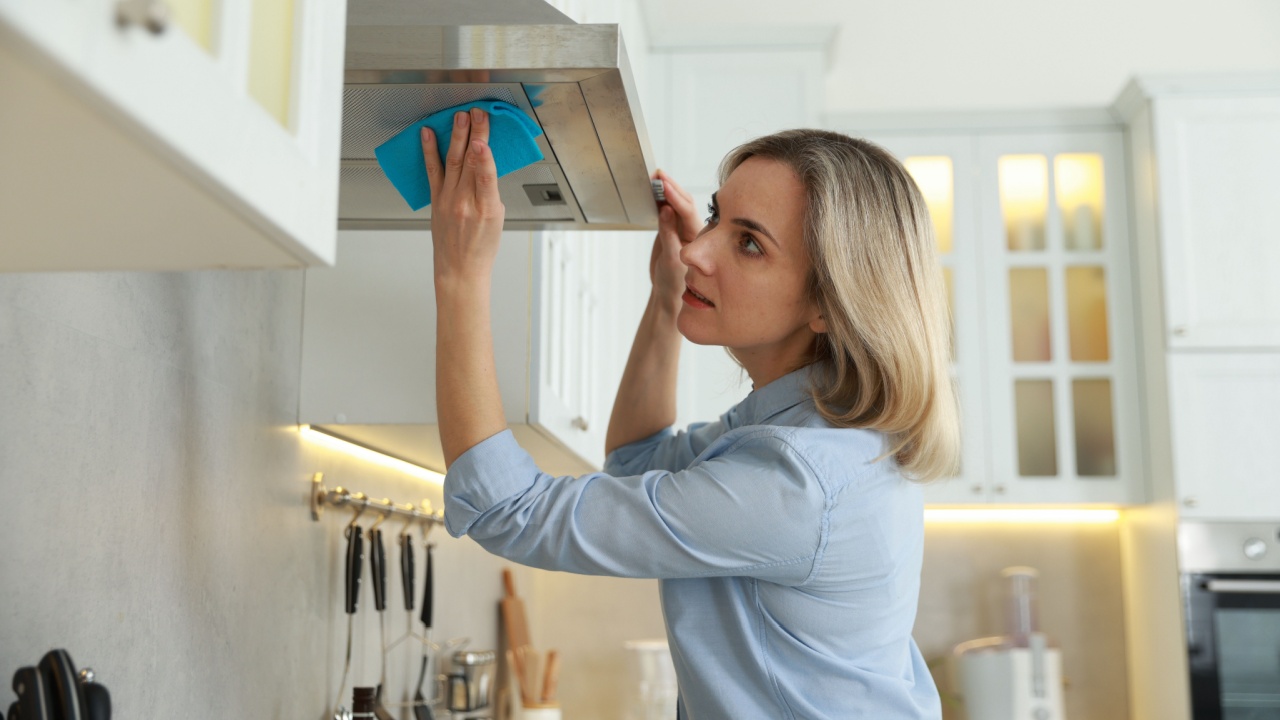
The secret to permanent kitchen cleanliness lies not in perfection, but in developing sustainable systems that work with your lifestyle rather than against it. Start with the three habits that resonate most strongly with your current challenges, implementing them consistently for two weeks before adding additional strategies.
Remember that maintenance systems require adjustment periods as you discover what works best for your space, schedule, and preferences. Professional organizers recommend choosing systems you can maintain during your busiest weeks, ensuring sustainability when life gets complicated.
Your garden thrives because you tend it consistently with appropriate tools and knowledge. Apply this same patience and systematic approach to your kitchen, and you’ll discover that maintaining cleanliness becomes as natural and satisfying as nurturing your outdoor spaces.
A clean kitchen isn’t about impressing others—it’s about creating a space that supports your well-being, creativity, and connection to the food you prepare. When your kitchen works smoothly, cooking becomes more enjoyable, meal planning feels manageable, and the entire rhythm of home life improves.