
28 Seemingly Small Home Details That Lead to Big Problems
Your home constantly communicates with you through subtle signs and symptoms. While some issues announce themselves with dramatic leaks or obvious damage, many serious problems start as whispers before becoming expensive screams. Learning to recognize these early warning signs can save you thousands of dollars and prevent minor issues from becoming major disasters.
As someone who loves spending time in their backyard, you understand the importance of maintaining outdoor spaces. But the same attention to detail you apply to your garden should extend throughout your entire home. Small problems left unchecked can quickly escalate into costly repairs that eat into your landscaping budget or force you to postpone that new patio project.
This comprehensive guide reveals 28 subtle signs that indicate you’ll soon be dealing with major home repairs. From roof issues that could damage your garden below to plumbing problems that might flood your basement workshop, these early indicators help you stay ahead of expensive fixes. By catching these problems early, you’ll protect both your home’s value and your ability to invest in the outdoor spaces you love.
Sourced from the Experts
This article is informed by expert guidance from trusted home-maintenance and building-safety sources that you will find referenced throughout. These expert-reviewed sources help ensure the guidance provided is both actionable and grounded in real-world experience.
1. Damaged Plumbing Vent Boots
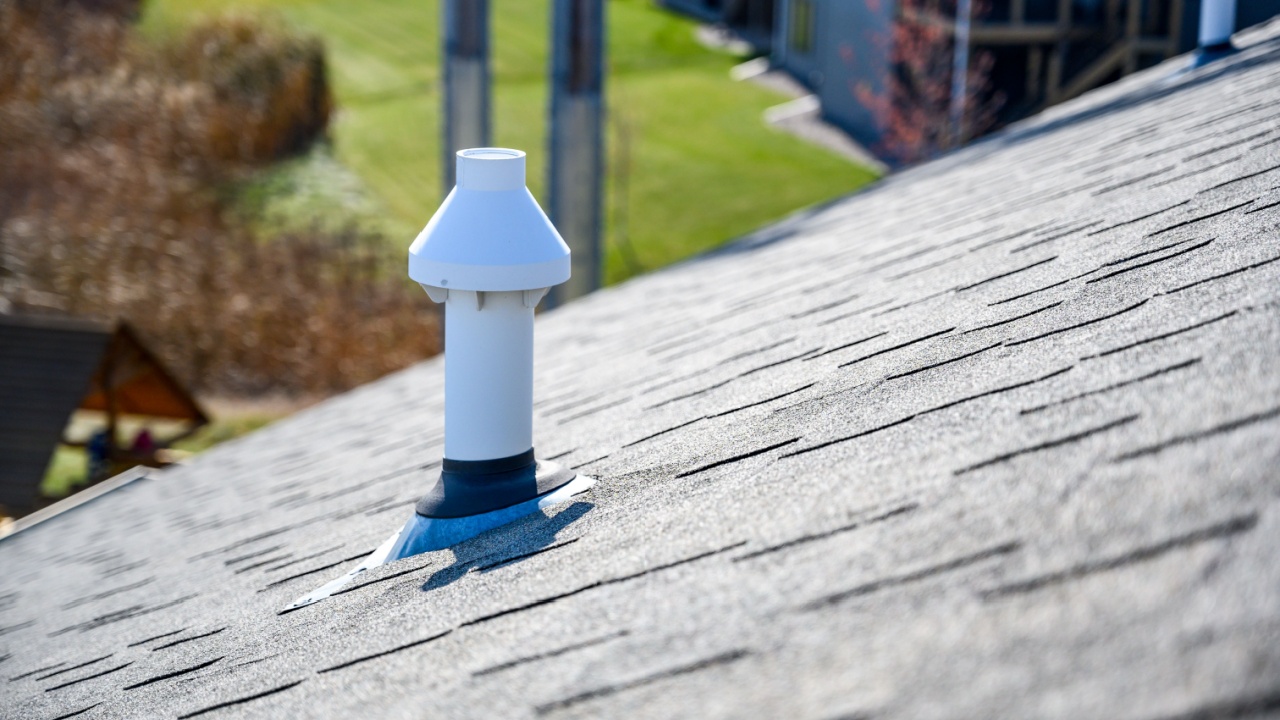
Those rubber boots around pipes sticking through your roof might seem insignificant, but they’re your first line of defense against water infiltration. These vent boots regulate air pressure in your plumbing system while keeping rainwater from following pipes into your home.
Why This Matters
When vent boots fail, water travels down plumbing pipes and can emerge anywhere in your home – potentially flooding finished basements, damaging electrical systems, or creating mold problems that require extensive remediation. The damage often appears far from the actual leak source, making repairs more complex and expensive.
What to Look For
Check for cracked plastic bases, separated metal seams, or deteriorated rubber around the pipe. Missing or loose nails at the base also indicate impending failure.
Action Steps
Inspect vent boots annually from your roof or with binoculars. Replace damaged boots immediately – it’s a $20 fix that prevents thousands in water damage. Use rubber-washered screws instead of nails for longer-lasting repairs.
2. Ceiling Stains That Spread

Water stains creeping across your ceiling or running down walls signal active roof leaks that will only worsen with time. Unlike one-time spills, these stains indicate ongoing moisture intrusion that’s already damaging your home’s structure.
Why This Matters
Active leaks destroy insulation, rot framing lumber, and create ideal conditions for mold growth. The longer you wait, the more extensive and expensive repairs become. What starts as a simple shingle replacement can evolve into structural repairs costing tens of thousands.
What to Look For
Brown or yellow stains that appear after rain, expand over time, or show concentric rings indicating repeated wetting and drying cycles.
Action Steps
Trace the leak’s source immediately – remember that water travels along framing before dropping, so the stain location rarely matches the actual roof breach. Document the damage with photos for insurance purposes before making temporary repairs.
3. Frosted Nails in Your Attic (Shiners)

Exposed nail tips in your attic that appear white with frost reveal a serious moisture problem. These “shiners” indicate that humid indoor air is escaping into the attic and condensing on cold metal surfaces.
Why This Matters
This condensation cycle creates persistent moisture problems that rot roof decking, damage insulation, and promote mold growth. The constant freeze-thaw cycle can also work nails loose, compromising your roof’s structural integrity.
What to Look For
White, frosted nail tips visible during cold weather, or rust stains around nails indicating repeated moisture exposure.
Action Steps
Clip protruding nails with side-cutting pliers (the short term fix) and improve attic ventilation and insulation (long term necessity). Address the root cause by sealing air leaks from living spaces into the attic, particularly around electrical fixtures and plumbing penetrations.
4. Missing or Damaged Shingles
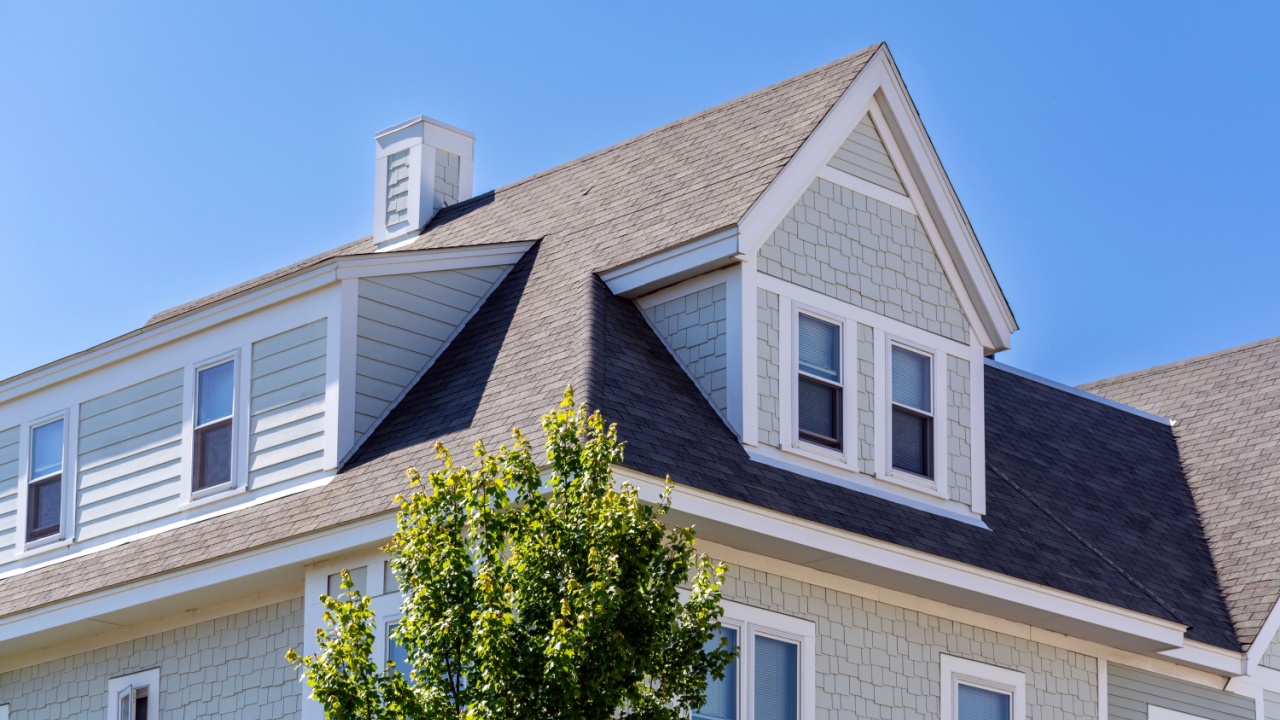
Individual shingles that curl, crack, or disappear entirely create entry points for water that will eventually cause extensive interior damage. Even small holes from removed satellite dishes or antenna mounts can channel significant water into your home’s structure.
Why This Matters
Each compromised shingle exposes the underlying roof deck to moisture, UV rays, and temperature fluctuations. This exposure accelerates deterioration of adjacent shingles, creating a cascade effect that can necessitate entire roof replacement.
What to Look For
Curled edges, granule loss, cracked surfaces, or missing shingles. Also check for small holes from hardware removal or storm damage.
Action Steps
Replace damaged shingles promptly using matching materials. For small holes, install flashing rather than just applying caulk, which provides only temporary protection.
5. Blocked or Dirty Soffit Vents

Clogged soffit vents disrupt the critical airflow pattern that keeps your attic dry and your energy bills manageable. These intake vents work with ridge vents to create continuous air circulation that prevents moisture buildup and ice dams.
Why This Matters
Poor attic ventilation traps moisture that rots framing, ruins insulation, and creates ideal conditions for mold growth. In winter, inadequate airflow contributes to ice dams that can cause sudden, catastrophic leaks.
What to Look For
Paint, debris, or insulation blocking soffit openings, or visible buildup of dirt and grime restricting airflow.
Action Steps
Clean soffit vents regularly and ensure they’re not blocked by insulation or debris. Install baffles to maintain clear air channels from soffits to ridge vents.
6. Mold Growth Where Roof Meets Wall

Dark staining or mold growth where your roof intersects exterior walls indicates missing or inadequate kick-out flashing. This critical component directs water away from the wall and into gutters.
Why This Matters
Without proper flashing, roof runoff flows directly down exterior walls, eventually penetrating behind siding and causing rot in wall framing. This problem is particularly destructive near windows and doors where water can infiltrate living spaces.
What to Look For
Dark stains, mold growth, or peeling paint at roof-wall intersections, especially below windows or doors.
Action Steps
Install kick-out flashing immediately to redirect water flow. Check for interior damage and address any rot or mold problems before they spread further.
7. Rusty or Separated Gutters
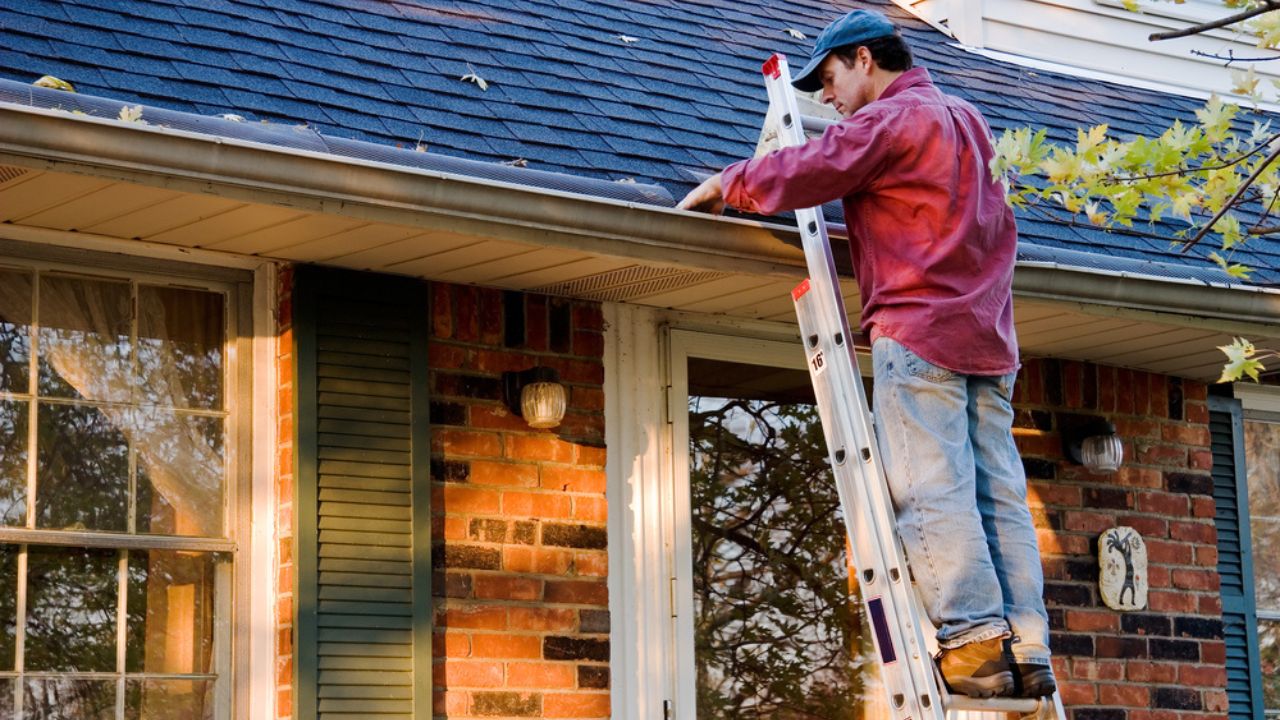
Gutter systems showing rust, separated seams, or obvious holes will fail completely during the next heavy rain, potentially flooding your foundation and landscape areas.
Why This Matters
Failed gutters can potentially dump thousands of gallons of water directly against your foundation, causing basement flooding, foundation settlement, and erosion of garden beds and walkways.
What to Look For
Rust spots, separated joints, sagging sections, or visible holes. Also watch for water stains on siding below gutters.
Action Steps
Clean gutters regularly and repair small leaks with gutter tape. Replace severely damaged sections before they fail completely and cause more extensive damage.
8. Cracked or Damaged Roof Vents
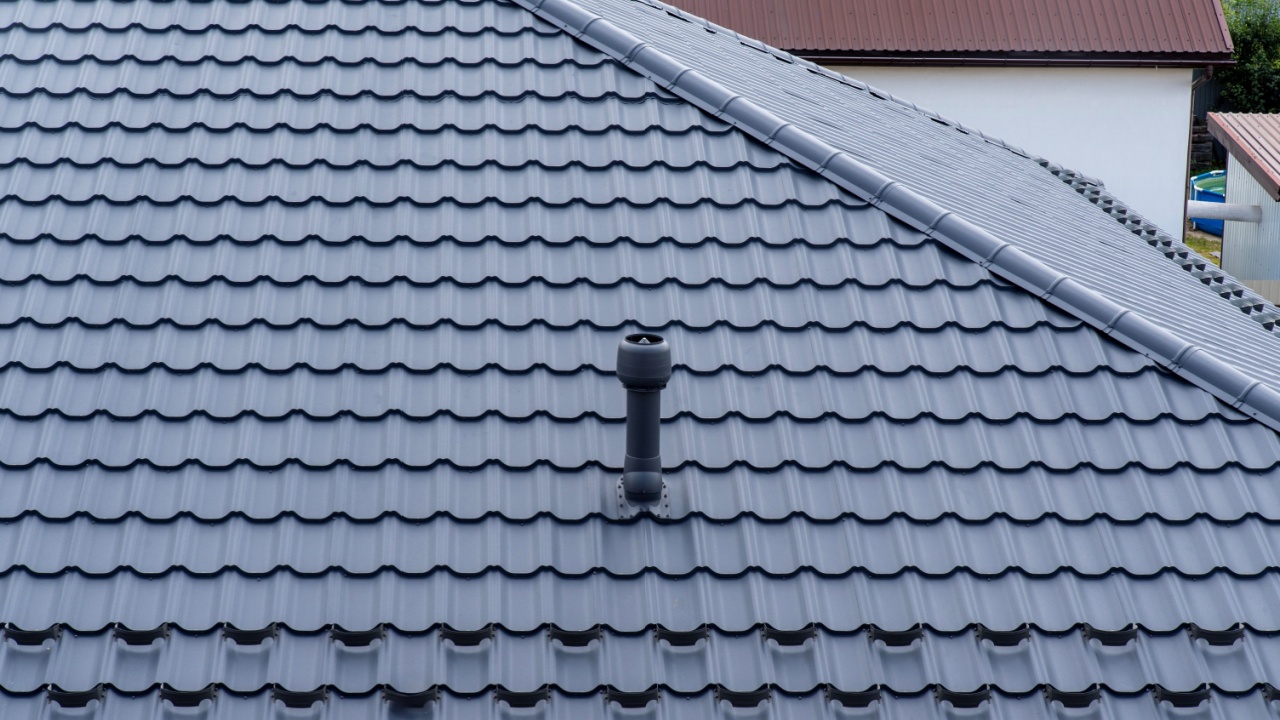
Plastic roof vents that show cracks or metal vents with broken seams allow water to enter your attic every time it rains. These penetrations are common failure points that many homeowners overlook.
Why This Matters
Each damaged vent creates a direct path for water into your home’s structure. Unlike gradual leaks, vent failures can allow large amounts of water to enter quickly during storms.
What to Look For
Visible cracks in plastic housings, separated seams in metal vents, or missing/loose mounting hardware.
Action Steps
Replace damaged vents completely rather than attempting repairs with caulk. Use rubber-washered screws for secure mounting that won’t leak over time.
9. Loose or Missing Step Flashing

Step flashing along walls that intersect your roof can work loose over time, creating gaps that allow water to flow behind siding and into wall cavities.
Why This Matters
Each piece of step flashing must overlap properly to channel water over the shingles below. When pieces separate or rust through, water bypasses your roof’s protection and enters the building envelope.
What to Look For
Visible gaps between flashing pieces, rust holes, or flashing that appears separated from adjacent surfaces.
Action Steps
Secure loose flashing immediately and replace rusted sections. This work typically requires temporarily removing some siding and shingles for proper installation.
10. Mold on Exterior Walls
Mold growth on exterior walls often indicates roof leaks that are allowing water to saturate wall systems (although it can also be from shage or algae). This moisture creates ideal conditions for mold that can spread throughout your home’s structure.
Why This Matters
Mold damages building materials and creates health concerns for occupants. It also indicates ongoing moisture problems that will worsen structural damage over time.
What to Look For
Dark staining, visible mold growth, or musty odors near exterior walls, particularly after rain events.
Action Steps
Identify and fix the moisture source before treating the mold. Professional mold remediation may be necessary for extensive growth.
11. Missing Gutter Apron
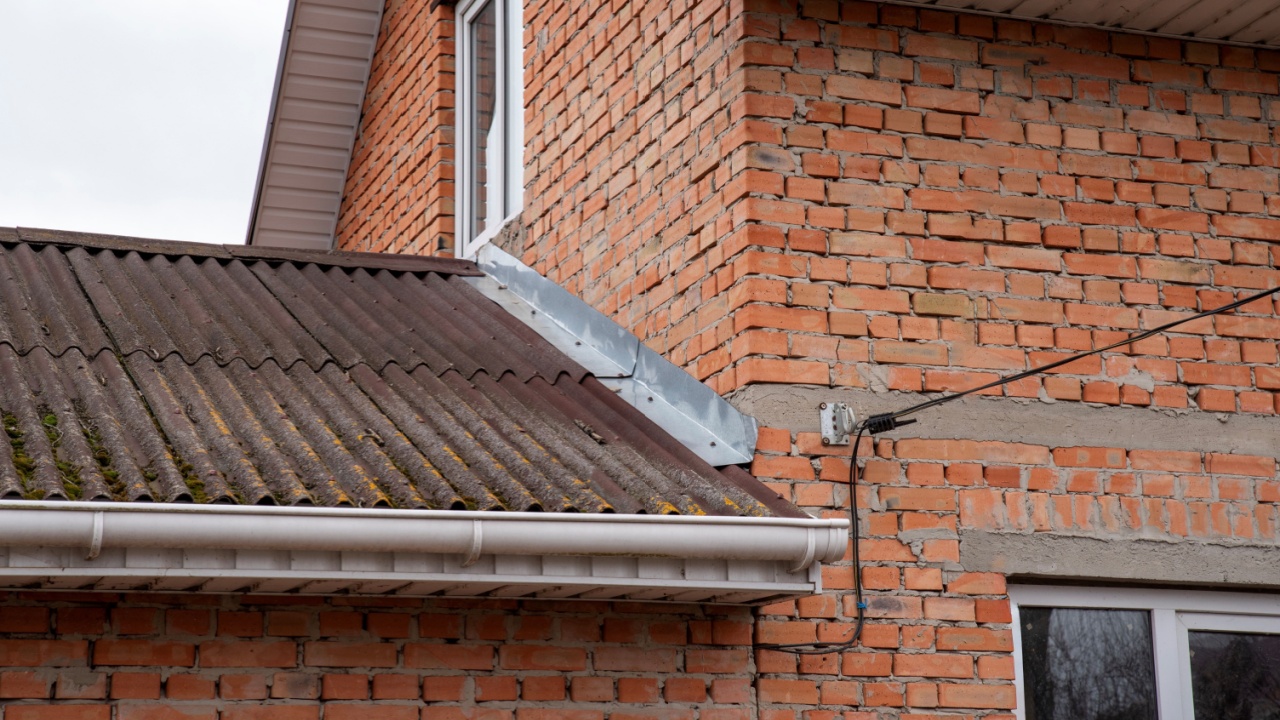
Water that drips behind gutters instead of flowing into them indicates missing gutter apron – a critical component that directs roof runoff into the gutter system.
Why This Matters
Without gutter apron, water wicks behind gutters and rots fascia boards, soffits, and even roof decking. This hidden damage often goes unnoticed until it becomes extensive and expensive to repair.
What to Look For
Water stains on fascia boards below gutters, or visible water dripping behind gutters during rain.
Action Steps
Install gutter apron along all gutter runs to ensure proper water collection. This relatively simple fix prevents thousands of dollars in hidden water damage.
12. Corroded Chimney Flashing
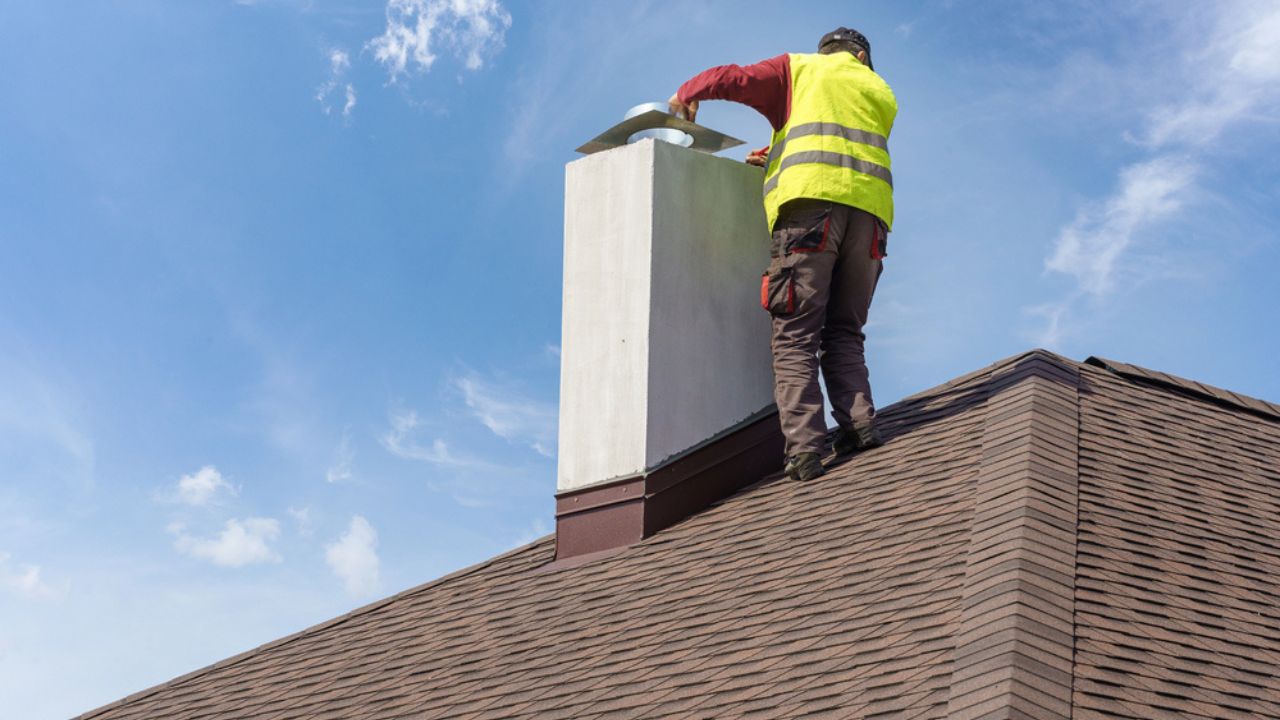
Metal flashing around chimneys gradually deteriorates due to constant exposure to moisture and temperature cycles. Galvanized steel flashing is particularly vulnerable at bend points.
Why This Matters
Chimney leaks can cause extensive damage to surrounding roof structure and interior spaces. The brick and mortar can also deteriorate when subjected to constant moisture infiltration.
What to Look For
Rust stains, visible holes, or separated flashing joints around the chimney base.
Action Steps
Install new flashing over old deteriorated pieces as a temporary fix, but plan for complete flashing replacement during your next re-roofing project.
13. Granule Loss (Roof) from Hail Damage
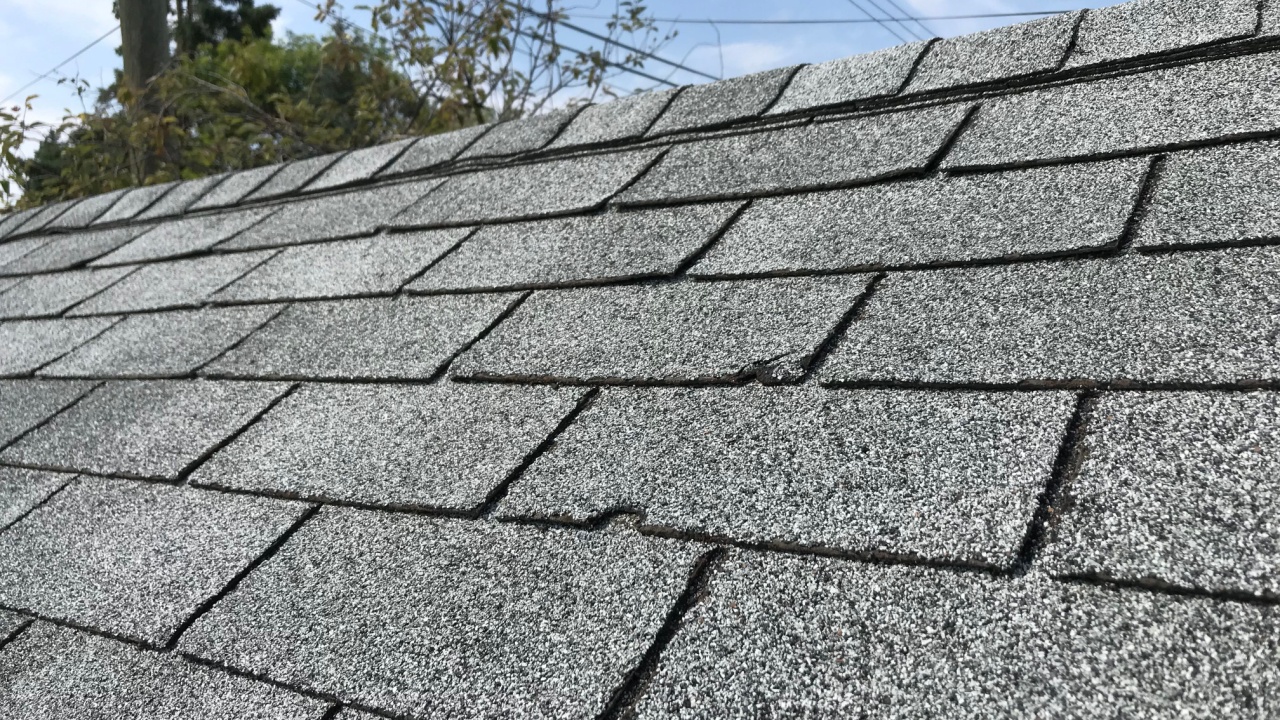
Shingles that have lost protective granules due to hail impact are vulnerable to UV damage and accelerated aging. This damage often goes unnoticed until shingles begin failing prematurely.
Why This Matters
Granules protect asphalt shingles from UV rays and weather. Once this protection is compromised, shingles deteriorate rapidly and may need replacement years earlier than expected.
What to Look For
Exposed black asphalt on shingle surfaces, granules in gutters after storms, or circular damage patterns on shingles.
Action Steps
Document hail damage with photos and contact your insurance company promptly. Most policies cover hail damage, but claims must be filed within specific time frames.
14. Bulging Washing Machine Hoses

Supply hoses to your washing machine that show signs of bulging or cracking are at immediate risk of catastrophic failure. These high-pressure hoses can burst without warning.
Why This Matters
A burst washing machine hose can release hundreds of gallons of water in minutes, flooding multiple floors and causing extensive damage to flooring, walls, and personal belongings. Ouch!
What to Look For
Visible bulges, cracks, or fraying in rubber hoses, especially near connection points.
Action Steps
Replace washing machine hoses every 5 years regardless of appearance (or per manufacturers recommendation). Consider upgrading to braided steel hoses for better durability and burst protection.
15. Staining Around Bathroom Exhaust Fans

Discoloration around bathroom fans typically indicates condensation problems in the exhaust ductwork. This moisture can damage fan motors, drywall, and attic framing.
Why This Matters
Condensation in exhaust ducts reduces fan efficiency and can cause water damage to surrounding materials. In cold climates, this moisture can freeze and block the duct completely.
What to Look For
Brown or yellow stains around fan housing, reduced fan performance, or visible moisture during operation.
Action Steps
Ensure exhaust ducts are properly insulated and terminate outside the building. Replace inadequate ductwork and repair any moisture damage promptly.
16. White Mineral Deposits on Chimney Brick
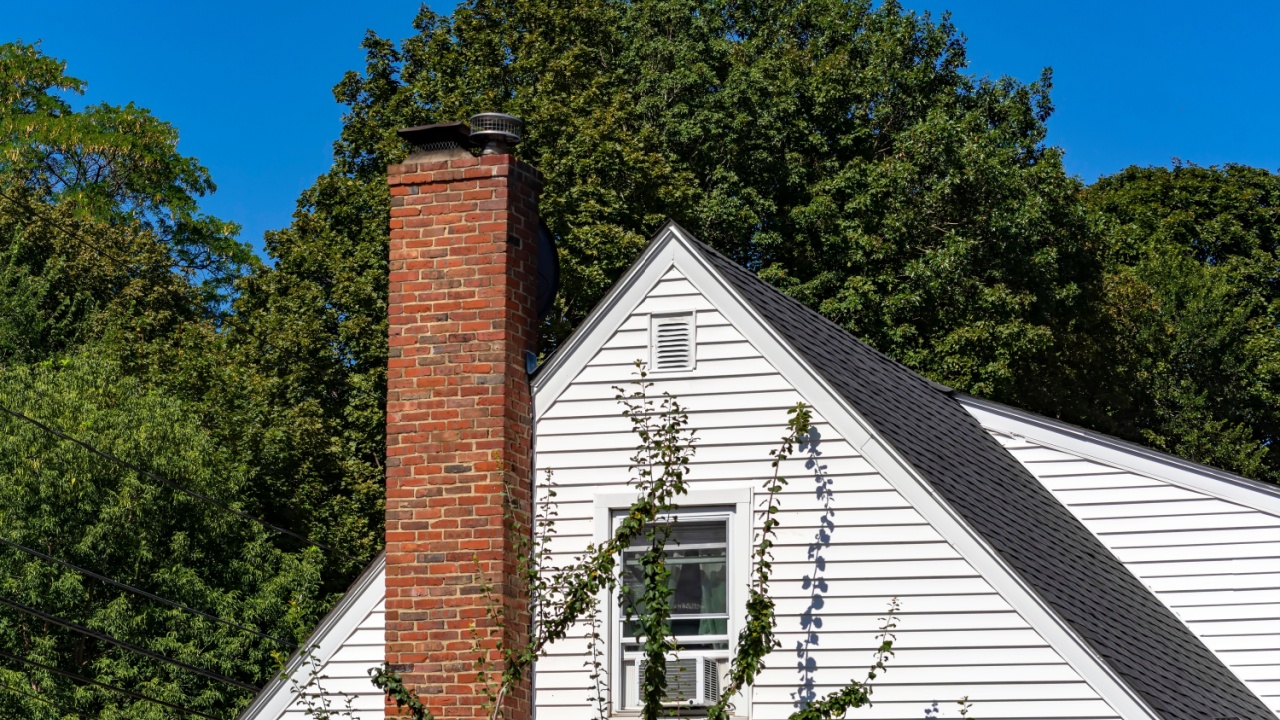
Efflorescence – white crystalline deposits on brick surfaces – indicates moisture moving through masonry. Heavy deposits suggest serious moisture infiltration that can damage the chimney structure.
Why This Matters
Moisture in chimney masonry can freeze and crack bricks, deteriorate mortar joints, and damage flue liners. This can create fire hazards and allow dangerous gases to leak into living spaces.
What to Look For
White chalky deposits on brick surfaces, particularly after wet weather, or spalling (flaking) brick surfaces.
Action Steps
Identify and eliminate moisture sources, such as damaged chimney caps or flashing. Have the chimney inspected annually by a certified professional.
17. Melted Plastic Components on Water Heater

Damaged or melted plastic parts on top of your water heater indicate backdrafting – a dangerous condition where exhaust gases flow back into living spaces instead of exiting through the flue.
Why This Matters
Backdrafting can introduce deadly carbon monoxide into your home. It also indicates combustion problems that reduce efficiency and may damage the water heater.
What to Look For
Melted or damaged plastic grommets, discolored metal surfaces, or soot deposits around the flue connection.
Action Steps
Stop using the water heater immediately and contact a qualified technician. Install carbon monoxide detectors if not already present and ensure adequate combustion air supply.
18. Deck Built Too Close to Door Threshold

Decking that sits at or above the door threshold creates a pathway for water to enter your home during rain events. This seemingly minor design flaw can cause major water damage.
Why This Matters
Water splashing off the deck can penetrate door components, damage interior flooring, and rot structural framing. The problem worsens over time as wood components deteriorate.
What to Look For
Deck boards at or above the door threshold, water stains on siding near doors, or interior water damage near deck doors.
Action Steps
Lower the deck surface to at least 6 inches below the door threshold, or install proper flashing and drainage systems to manage water flow.
19. Water Meter Running with All Fixtures Off

A water meter that continues to register flow when all fixtures are turned off indicates hidden leaks that are wasting water and potentially causing structural damage.
Why This Matters
Hidden leaks can cause extensive damage to foundations, flooring, and structural components. They also result in high water bills and potential mold problems.
What to Look For
Movement on your water meter’s low-flow indicator when no water is being used anywhere in the house.
Action Steps
Check all visible plumbing for leaks, then contact a plumber to locate hidden leaks using specialized detection equipment.
20. Damaged or Kinked Dryer Vent Hose

Flexible dryer vent hoses that are crushed, kinked, or showing signs of damage create fire hazards and reduce drying efficiency. Vinyl hoses are particularly problematic.
Why This Matters
Restricted airflow causes dryers to overheat and lint to accumulate – both significant fire hazards. Damaged ductwork also increases energy costs and reduces appliance lifespan.
What to Look For
Crushed or kinked sections, holes or tears in the ductwork, or excessive lint accumulation around the dryer.
Action Steps
Replace damaged ductwork with rigid metal ducts when possible. Clean the entire vent system annually and ensure proper exterior termination.
21. Cracked or Damaged Siding
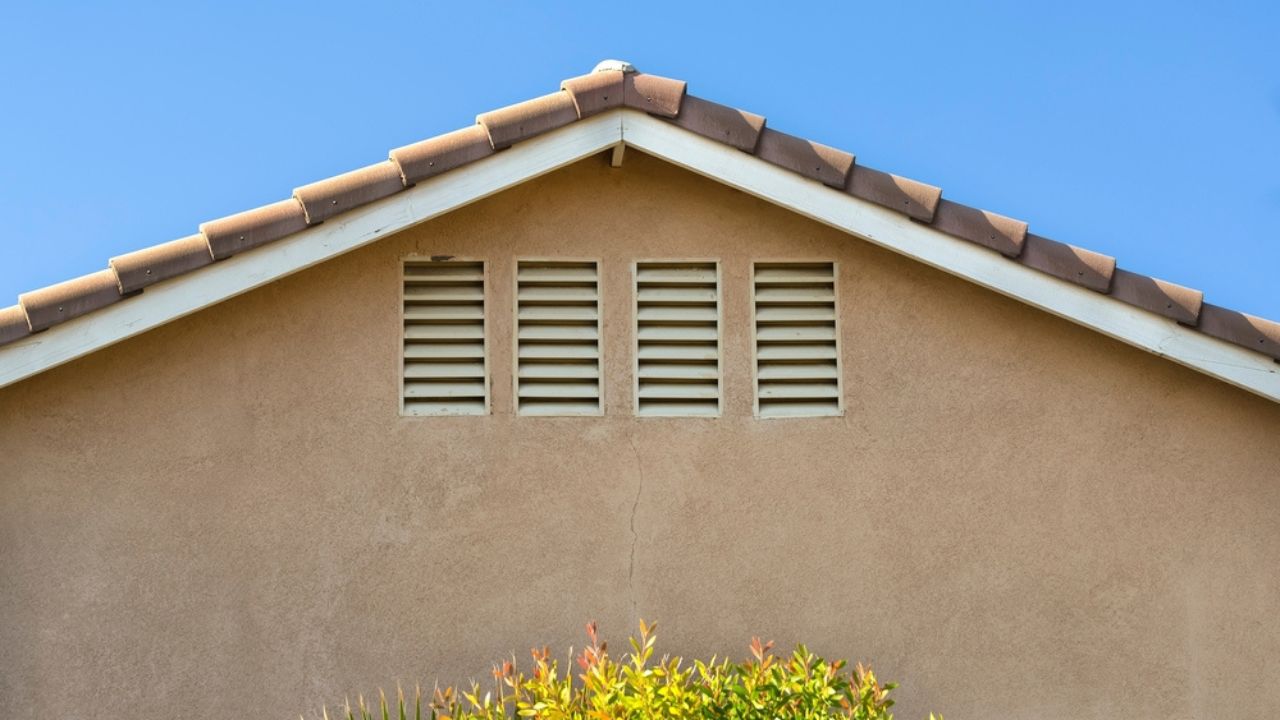
Siding damage creates entry points for moisture that can lead to rot, mold, and structural damage. Small cracks or holes can allow surprising amounts of water into wall systems.
Why This Matters
Water infiltration through siding damage can rot wall framing, damage insulation, and create mold problems that affect indoor air quality and require expensive remediation.
What to Look For
Visible cracks, holes, loose sections, or areas where siding has pulled away from the building.
Action Steps
Repair siding damage promptly using appropriate materials and techniques. Address any underlying moisture damage before installing new siding.
22. Cracked Chimney Liner

Flue liners that develop cracks allow heat and combustion gases to contact combustible building materials, creating serious fire hazards and health risks.
Why This Matters
Damaged flue liners can cause house fires and allow carbon monoxide to enter living spaces. They also reduce heating efficiency and may violate building codes.
What to Look For
Visible cracks in clay liner tiles, rust stains on the exterior chimney, or white staining (efflorescence) on chimney bricks.
Action Steps
Have your chimney inspected annually by a certified professional. Repair or replace damaged liners immediately and install carbon monoxide detectors throughout the home.
23. Sagging or Bouncy Deck Structure

Decks that sag visibly or feel bouncy when walked on indicate structural problems that could lead to collapse without warning.
Why This Matters
Deck collapses can cause serious injuries and property damage. Structural problems also indicate potential issues with foundations, posts, or connections that support the deck.
What to Look For
Visible sagging, excessive bounce when walked on, loose or wobbly railings, or gaps appearing between deck boards and the house.
Action Steps
Stop using the deck immediately and have it inspected by a structural engineer. Make necessary repairs before allowing anyone to use the structure again.
24. Improperly Supported Deck Beams

Beam splices that don’t properly align with support posts create weak points that can fail suddenly under load, particularly when combined with weather exposure.
Why This Matters
Inadequate bearing surface between beams and posts can cause sudden structural failure, especially when deck loads increase during gatherings or severe weather.
What to Look For
Beam connections that extend beyond post tops, splices that appear to have minimal contact with supports, or visible gaps between beams and posts. Officially, prescriptive guides require beams to bear on/posts and splice over posts with ≥1.5 in. bearing on wood/metal—avoid vague “1 inch on all sides.”
Action Steps
Add proper blocking or replace undersized posts to ensure adequate bearing surface. Most codes require at least one inch of bearing on all sides.
25. Deck Ledger Attached to Siding Only

Deck ledgers attached directly to siding without proper backing can pull away from the house, causing deck collapse and structural damage to the building.
Why This Matters
Siding alone cannot support deck loads. When these connections fail, the entire deck can separate from the house, often taking portions of the exterior wall with it.
What to Look For
Joist hangers attached directly to siding material, gaps appearing between the deck and house, or visible pulling away of siding near deck connections.
Action Steps
Install a proper ledger board attached to structural framing with appropriate fasteners and flashing. This work should be performed by qualified professionals.
26. Electrical Outlets That Move

Loose electrical outlets indicate deteriorating connections that can cause arcing, overheating, and fire hazards. This seemingly minor problem can have serious consequences.
Why This Matters
Loose electrical connections generate heat and can cause fires. They also damage connected devices and may indicate broader electrical system problems.
What to Look For
Outlets that move when plugs are inserted or removed, visible gaps around outlet faces, or slight electrical shocks when touching outlets.
Action Steps
Turn off power to the outlet and tighten mounting screws. If wires appear loose or damaged, contact a qualified electrician immediately.
27. Foundation Settling Cracks

Small cracks in foundation walls that grow over time indicate settling or shifting that can compromise your home’s structural integrity and create entry points for water and pests.
Why This Matters
Foundation movement affects the entire structure above, potentially causing doors and windows to stick, floors to become uneven, and creating pathways for water infiltration.
What to Look For
Hairline cracks that widen over time, horizontal cracks, or step-pattern cracks in block foundations. Also monitor for new cracks appearing after heavy rains.
Action Steps
Mark crack endpoints with pencil and date them to monitor growth. Consult a structural engineer if cracks exceed 1/4 inch width or show signs of active movement.
28. Musty Odors in Basement or Crawl Space
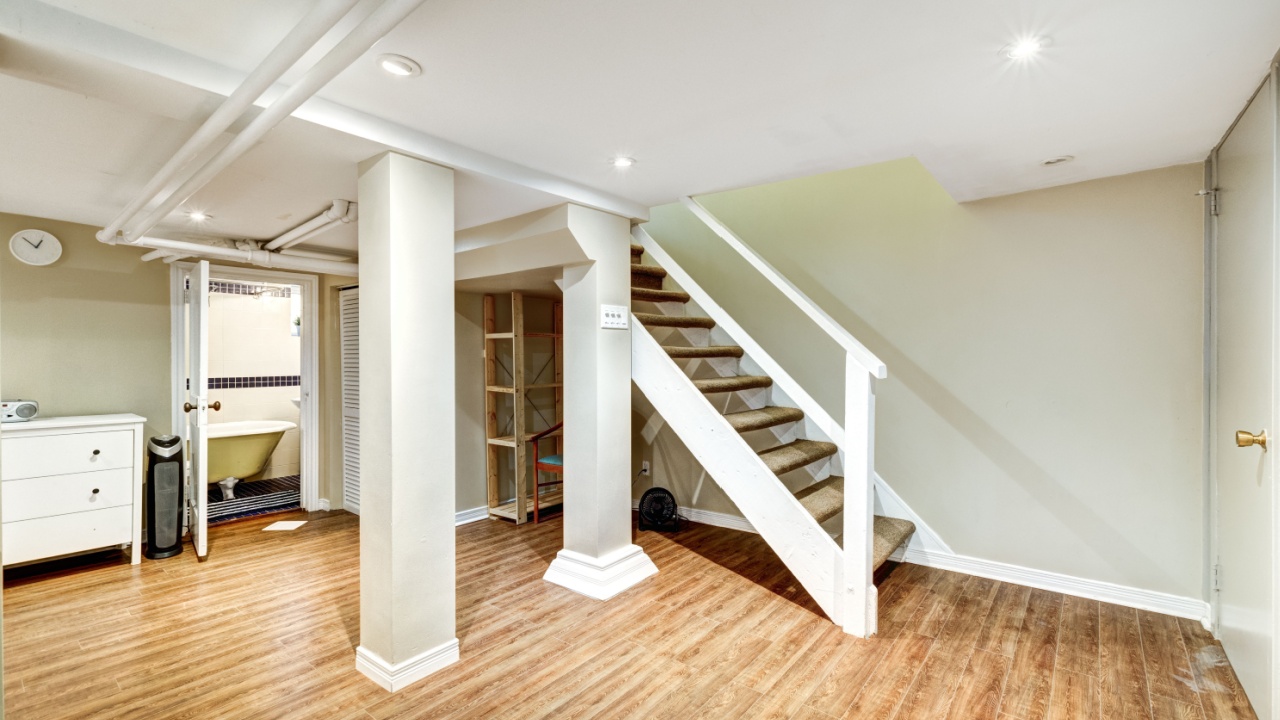
Persistent musty smells in below-grade areas indicate moisture problems that can lead to mold growth, wood rot, and structural damage throughout your home.
Why This Matters
Basement moisture problems don’t stay contained – they affect indoor air quality throughout the house and can cause extensive damage to flooring systems and structural components.
What to Look For
Persistent musty odors, visible condensation on walls or pipes, rust on metal components, or white mineral deposits on foundation walls.
Action Steps
Identify moisture sources such as poor drainage, plumbing leaks, or inadequate ventilation. Install dehumidification and improve drainage around the foundation perimeter.
Taking Action Before Problems Escalate

The key to avoiding major home repair bills lies in recognizing these subtle warning signs before they become obvious disasters. Regular home inspections – both professional and personal – help catch problems while they’re still manageable and affordable to fix.
Create a monthly inspection routine that covers these critical areas. Document any changes with photos and dates, which helps track problem progression and supports insurance claims when necessary. Remember that many of these issues are interconnected – a small roof leak can cause multiple problems throughout your home if left unaddressed.
Your home is likely your largest investment, and maintaining it properly protects both your financial security and your family’s safety. By staying alert to these warning signs and taking prompt action, you’ll avoid the stress and expense of emergency repairs while preserving your ability to invest in the outdoor spaces and home improvements that bring you joy.
Don’t let small problems grow into major disasters. The few hours you spend on regular inspection and preventive maintenance will save you thousands of dollars and countless headaches down the road.