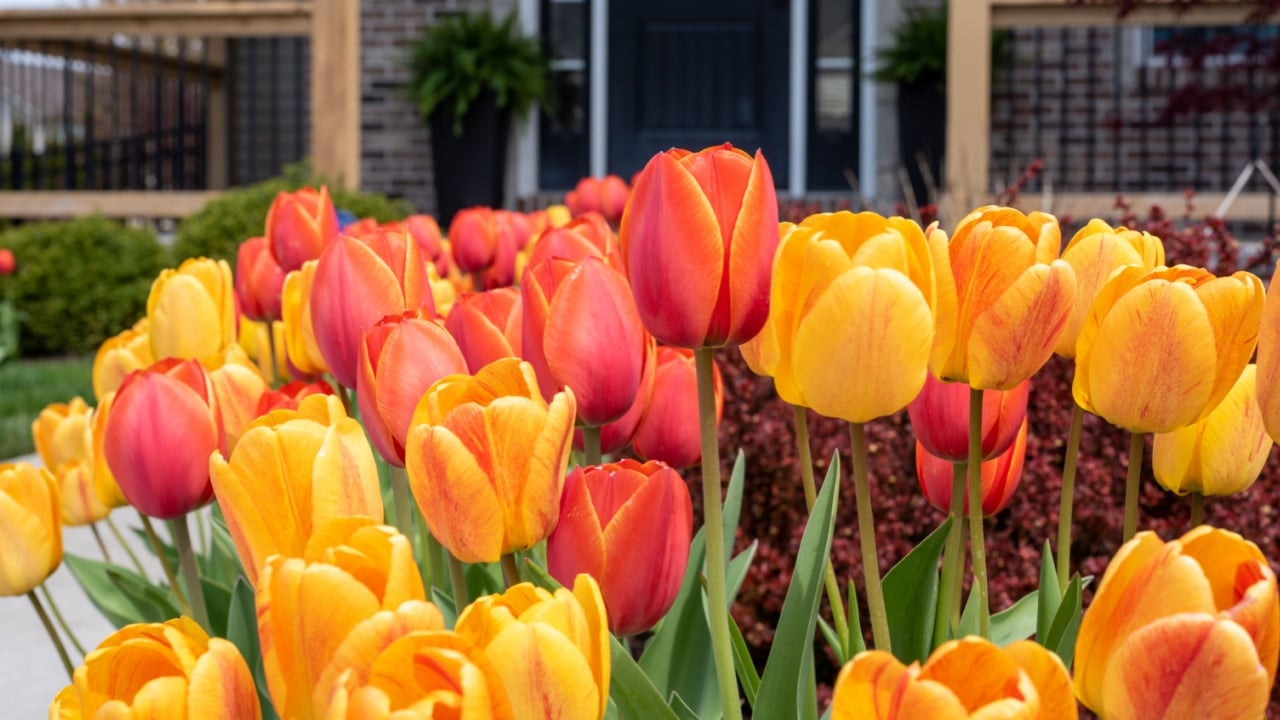
15 Beautiful Orange Flowers to Add to the Yard
Orange flowers bring warmth, energy, and vibrant color to any garden space. These bold beauties create striking focal points that capture attention from across the yard. Whether you’re looking for annuals that provide quick bursts of color or perennials that return year after year, orange flowers offer endless possibilities for creating a dynamic landscape.
From cheerful zinnias that attract butterflies to exotic canna lilies with tropical flair, orange flowers span every garden style and growing condition. You’ll discover options for full sun borders, partial shade corners, and everything in between. Many of these plants also serve double duty by supporting pollinators or providing cut flowers for indoor arrangements.
From the Experts
To ensure accuracy, we turned to trusted horticultural resources, including university extension programs. They provided guidance on pollinator benefits and care practices, plus plant safety and potential toxicity. Together, these expert-backed references helped us confirm which orange flowers are best for beauty, pollinator support, and safe use in home gardens.
Caution: Always check with your local extension for any invasive species to avoid.
1. Zinnias
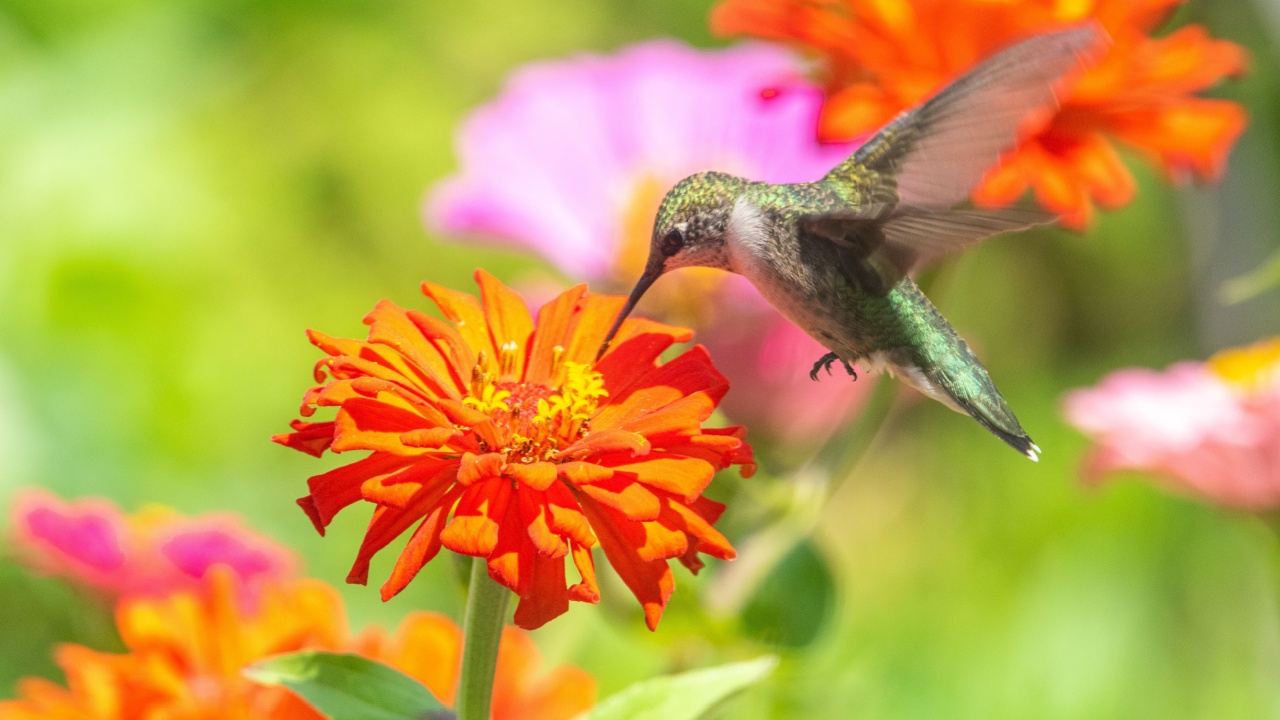
Zinnias deliver non-stop color from summer through fall, making them garden workhorses that never disappoint. These cheerful annuals produce daisy-like blooms in brilliant orange shades, from soft peach to vibrant tangerine. Their sturdy stems and long-lasting flowers make them excellent for cutting gardens.
Care Tips
Plant zinnia seeds directly in the garden after the last frost date, or start indoors 4-6 weeks earlier for a head start. Choose a sunny location with well-draining soil. Space plants 6-12 inches apart, depending on the variety. Water the soil level to prevent powdery mildew on leaves. Deadhead spent blooms regularly to encourage continuous flowering. Tall varieties may need staking in windy locations.
2. Daylilies
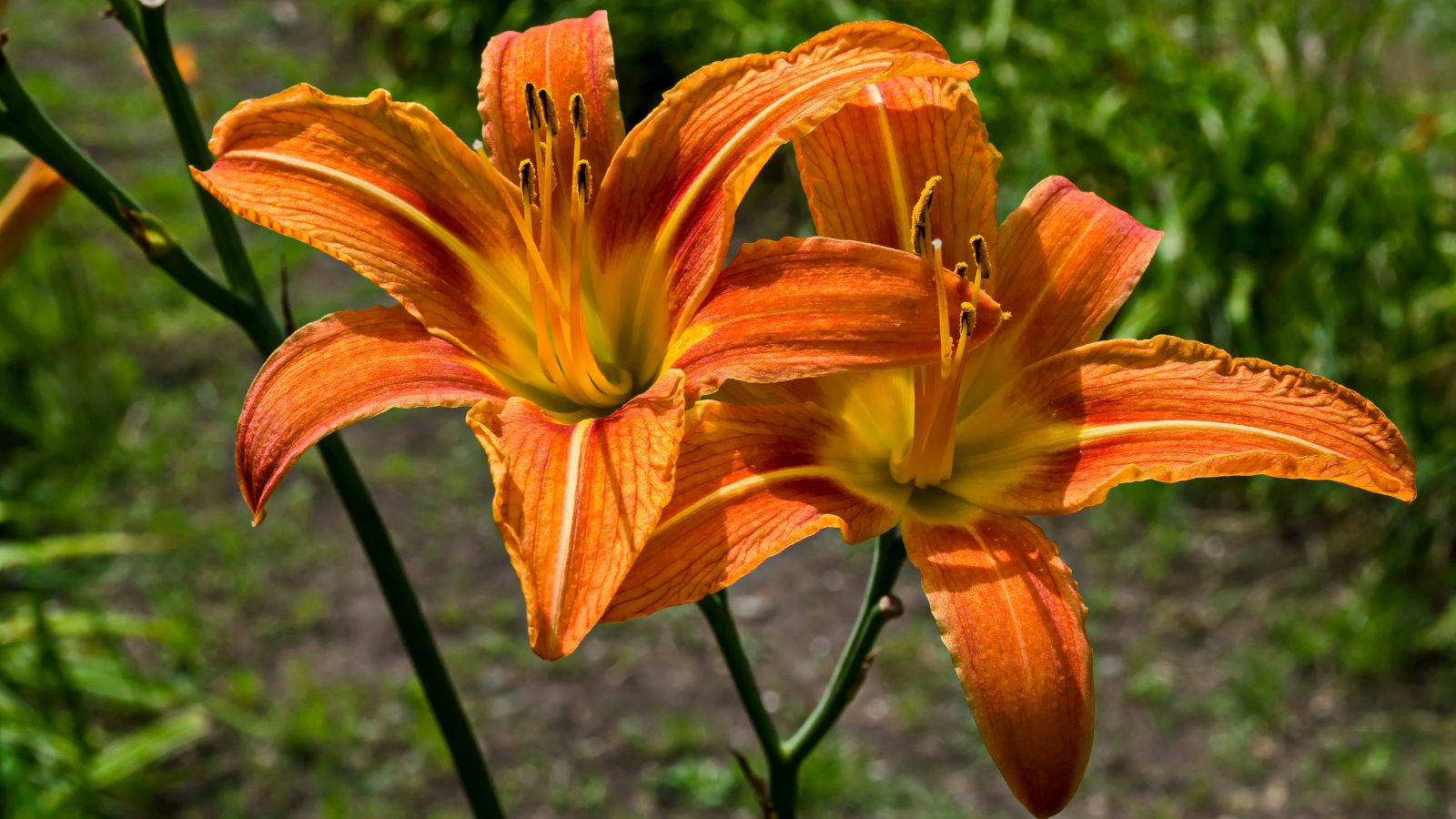
Daylilies earn their name because each flower lasts just one day, but established clumps produce dozens of buds that open in succession for weeks of bloom. These hardy perennials form fountain-like clumps of arching foliage topped with trumpet-shaped flowers. Orange varieties range from pale apricot to deep burnt orange, often with darker throats or ruffled edges.
Care Tips
Plant daylilies in well-draining soil with at least 6 hours of sunlight. They tolerate various soil types and drought once established. Divide clumps every 3-4 years in early spring or fall to maintain vigor. Remove spent flowers daily and cut back flower stems when finished blooming. Apply a balanced fertilizer in early spring and again after the first bloom cycle for repeat-flowering varieties.
3. Chrysanthemums (Mums)

Fall-blooming mums provide essential late-season color when most other flowers are fading. These reliable perennials produce dense clusters of small, daisy-like flowers in warm orange tones. Their compact, bushy growth habit makes them perfect for borders, containers, or mass plantings.
Note: Mums are treated as annuals in cold zones.
Care Tips
Plant mums in spring for best establishment, choosing a sunny location with good drainage. Pinch growing tips monthly through July to encourage bushy growth and more flowers. Water consistently during the dry period,s but avoid overhead watering. Apply a layer of mulch in winter after the ground begins to freeze. Cut back stems in early spring before new growth emerges.
4. Pansies and Violas
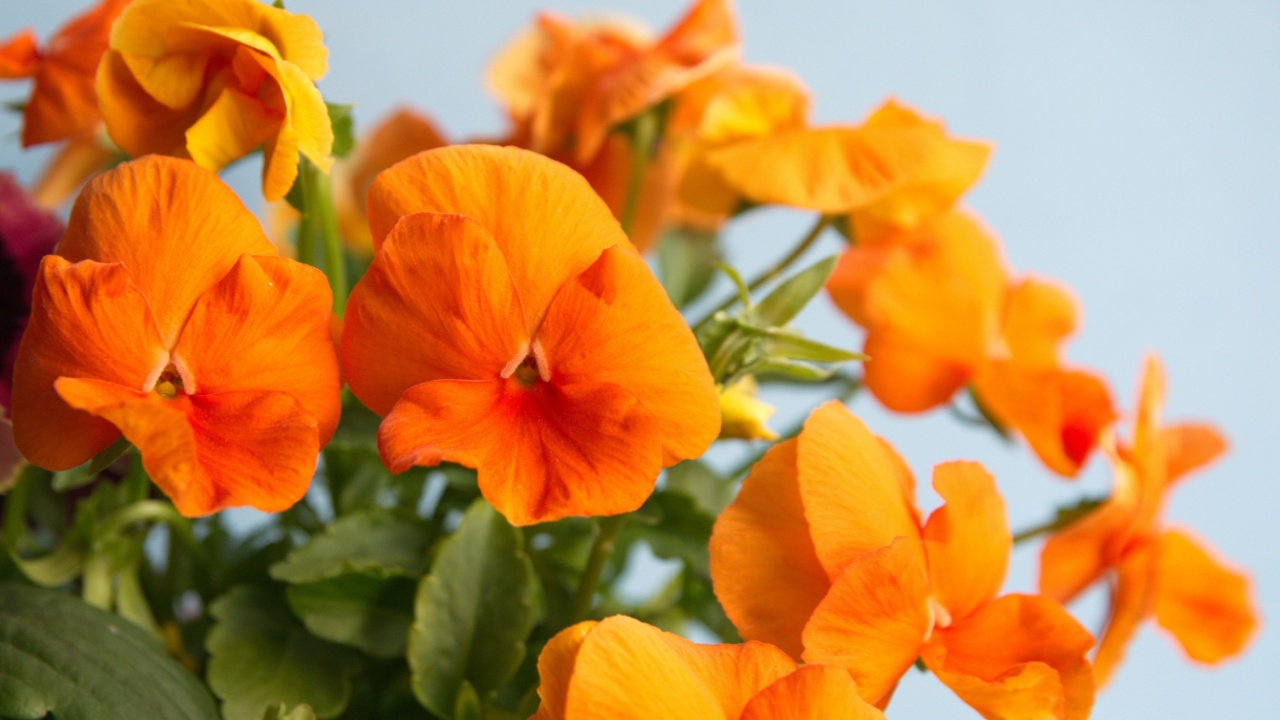
These cool-weather champions bloom when temperatures are too cold for most other flowers. Orange pansies and violas feature distinctive “faces” with contrasting markings that add character to winter and early spring gardens. Their compact size makes them ideal for edging, containers, or underplanting taller perennials.
Care Tips
Plant in fall for winter bloom in mild climates, or early spring elsewhere. Choose locations with morning sun and afternoon shade in warmer areas. Keep soil consistently moist but not waterlogged. Remove spent flowers regularly to encourage more blooms. Apply liquid fertilizer every 2-3 weeks during active growth. Replace plants when they become leggy or stop flowering well.
5. Dahlias
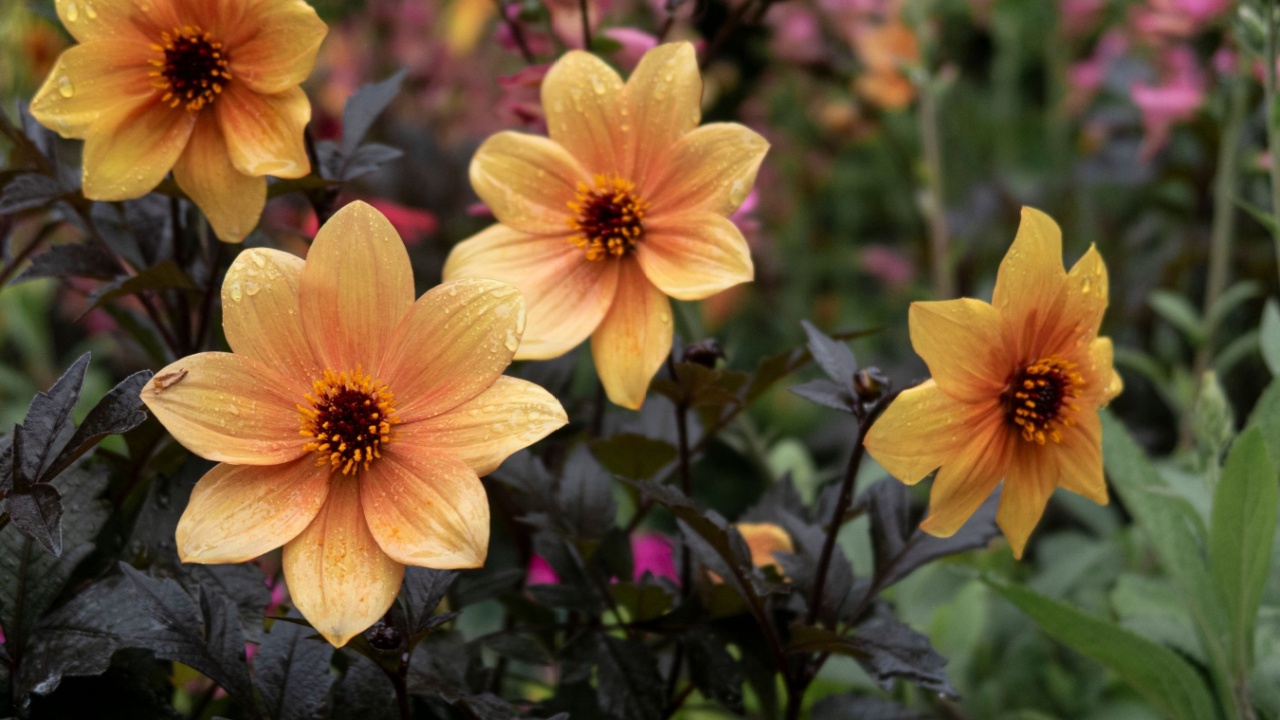
Dahlias produce some of the most spectacular flowers in the garden, with blooms ranging from 2 inches to dinner-plate size. Orange varieties include both single and double forms, with petals that may be pointed, rounded, or uniquely shaped. These tender perennials bloom from midsummer until frost.
Care Tips
Plant tubers after soil warms in spring, 4-6 inches deep in rich, well-draining soil. Install stakes at planting time for tall varieties. Water deeply but infrequently once established. Apply balanced fertilizer monthly during the growing season. In cold climates, dig tubers after the first frost, dry thoroughly, and store in a cool, dry location over winter.
6. Tulips
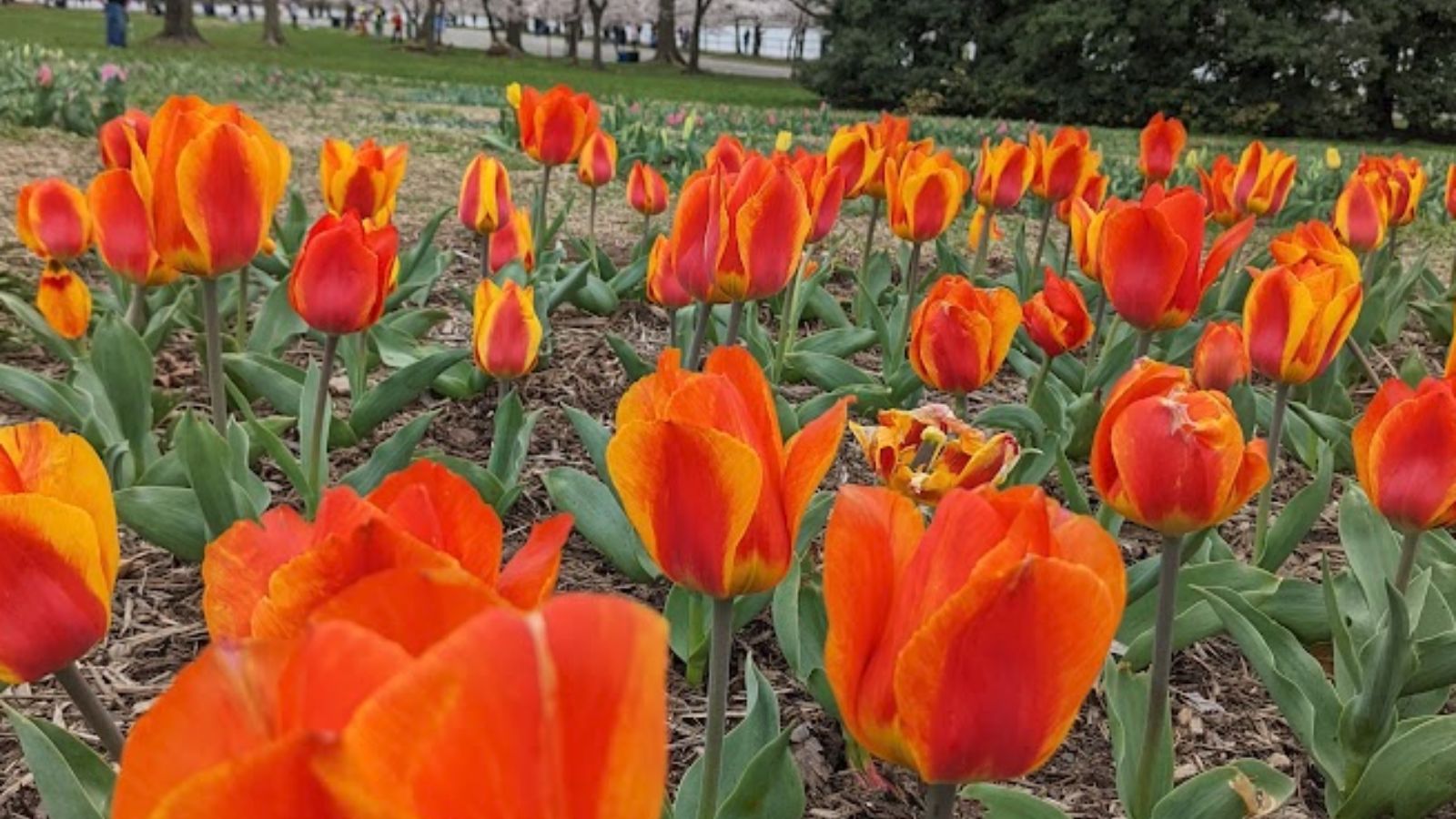
Spring wouldn’t be complete without tulips, and orange varieties offer warm alternatives to traditional pastels. These spring bulbs produce cup-shaped flowers on sturdy stems, perfect for cutting or garden display. Orange tulips range from soft salmon to vibrant orange-red, sometimes with contrasting edges or flames.
Care Tips
Plant bulbs in fall, 6-8 weeks before hard frost. Choose locations with full sun to partial shade and excellent drainage. Plant bulbs 6 inches deep and 4-6 inches apart. After flowering, allow foliage to die back naturally to nourish next year’s bulbs. Apply bulb fertilizer in early spring when shoots emerge. Treat as annuals in warm climates where they don’t reliably return.
7. Kniphofia (Red Hot Poker)
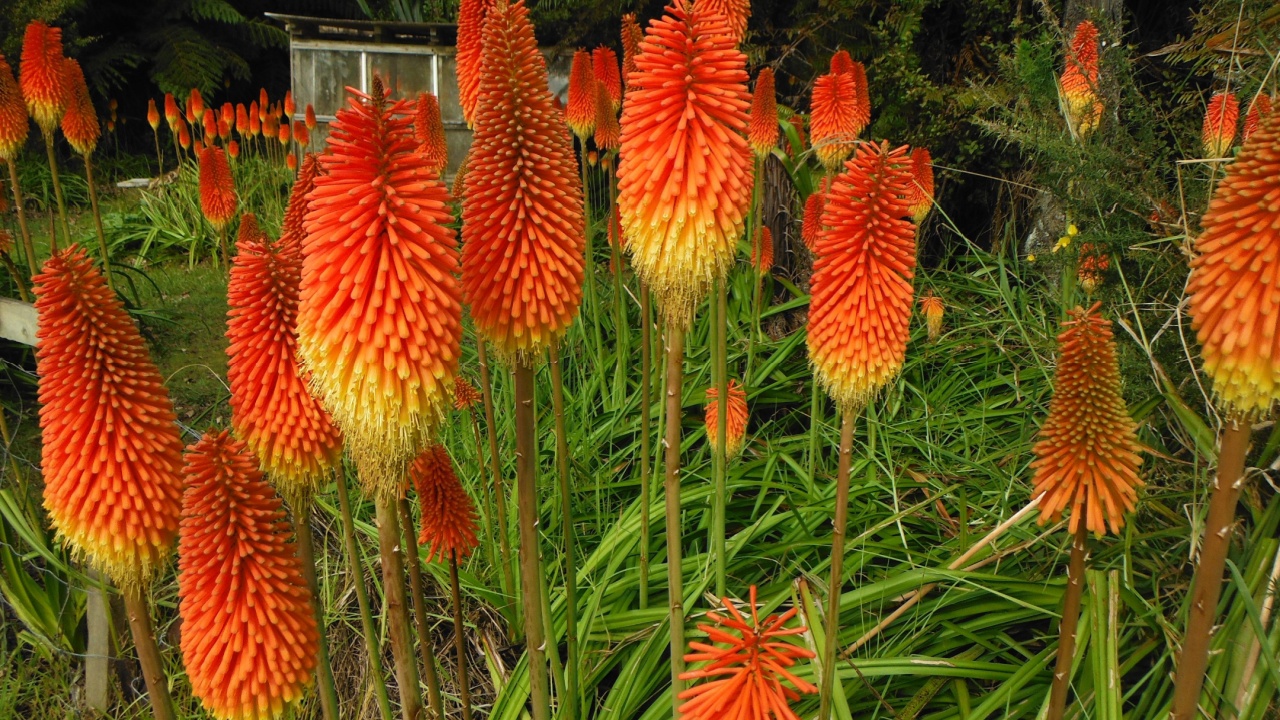
These architectural perennials create dramatic vertical accents with their poker-straight flower spikes rising above grass-like foliage. Orange varieties produce dense clusters of tubular flowers that often fade from orange at the top to yellow at the bottom, creating beautiful color gradations that hummingbirds adore.
Care Tips
Plant in full sun with excellent drainage, as wet winter soil can cause crown rot. Space plants 18-24 inches apart to allow good air circulation. Divide clumps every 3-4 years in spring. Cut back spent flower spikes but leave foliage through winter for cold protection. Remove dead leaves in early spring. Mulch crown lightly in coldest zones.
8. Celosia
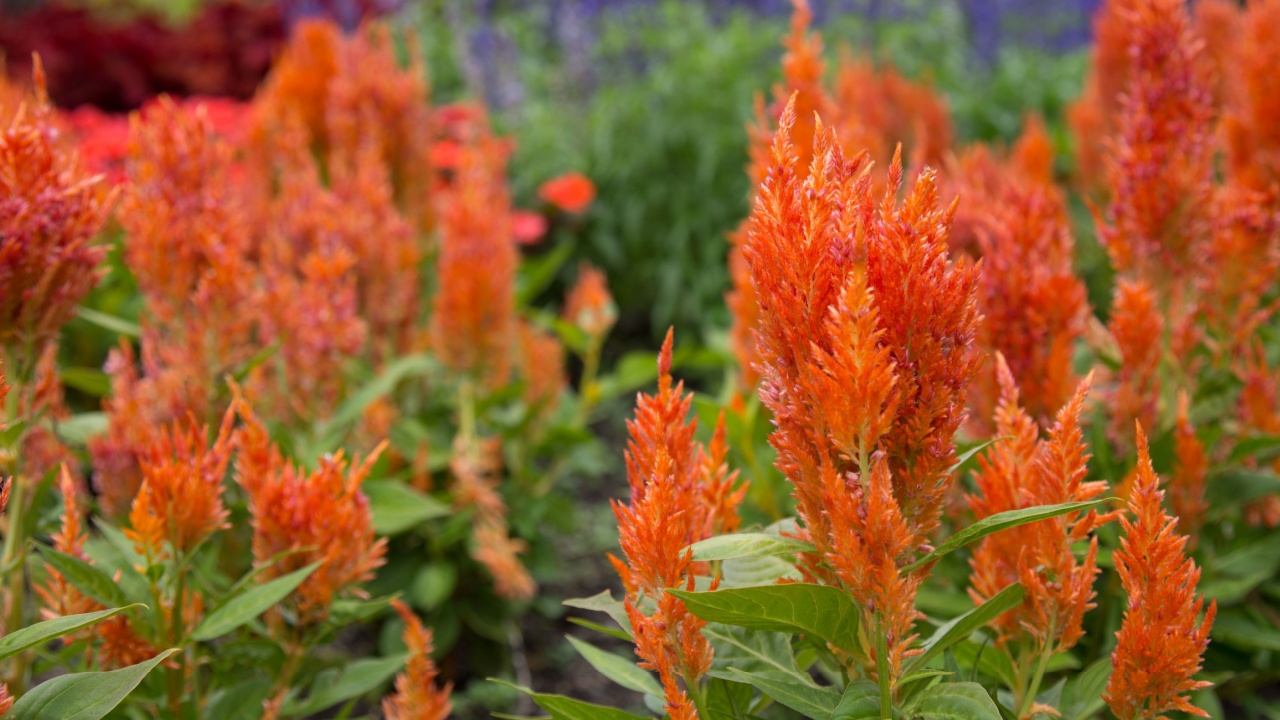
Celosia flowers come in three distinct forms: plumed types with feathery flower heads, crested forms resembling rooster combs, and wheat-type forms with cylindrical spikes. Orange varieties of all types provide intense color and unique textures that work well in both cutting gardens and landscape beds.
Care Tips
Start seeds indoors 6-8 weeks before the last frost, or direct seed after the soil warms. Choose full sun locations with well-draining soil. Avoid overwatering or overfertilizing, which can reduce flowering. Space plants according to variety size. These heat-lovers thrive in hot, humid conditions. Harvest flowers early in the morning for the longest vase life.
9. Double Tiger Lily
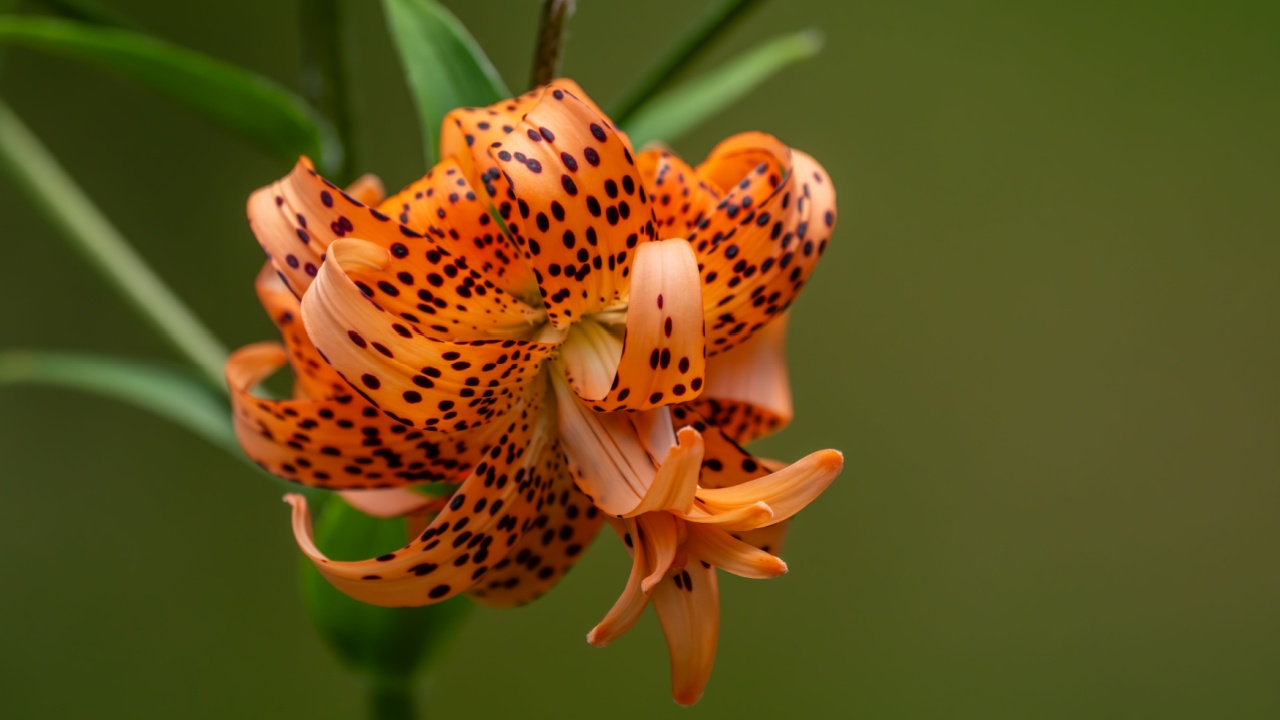
These striking perennials produce multiple layers of recurved petals covered in dark spots, creating flowers that look almost too perfect to be real. The deep orange blooms appear in midsummer on tall stems that rise above narrow foliage, making excellent back-of-border plants.
Caution: Toxic to cats.
Care Tips
Plant bulbs in fall or early spring in well-draining soil enriched with organic matter. Choose locations with morning sun and afternoon shade in hot climates. Mulch around plants to keep roots cool and moist. Stake tall stems in windy locations. Allow foliage to die back naturally after flowering. Apply compost around plants each spring.
10. Marigolds
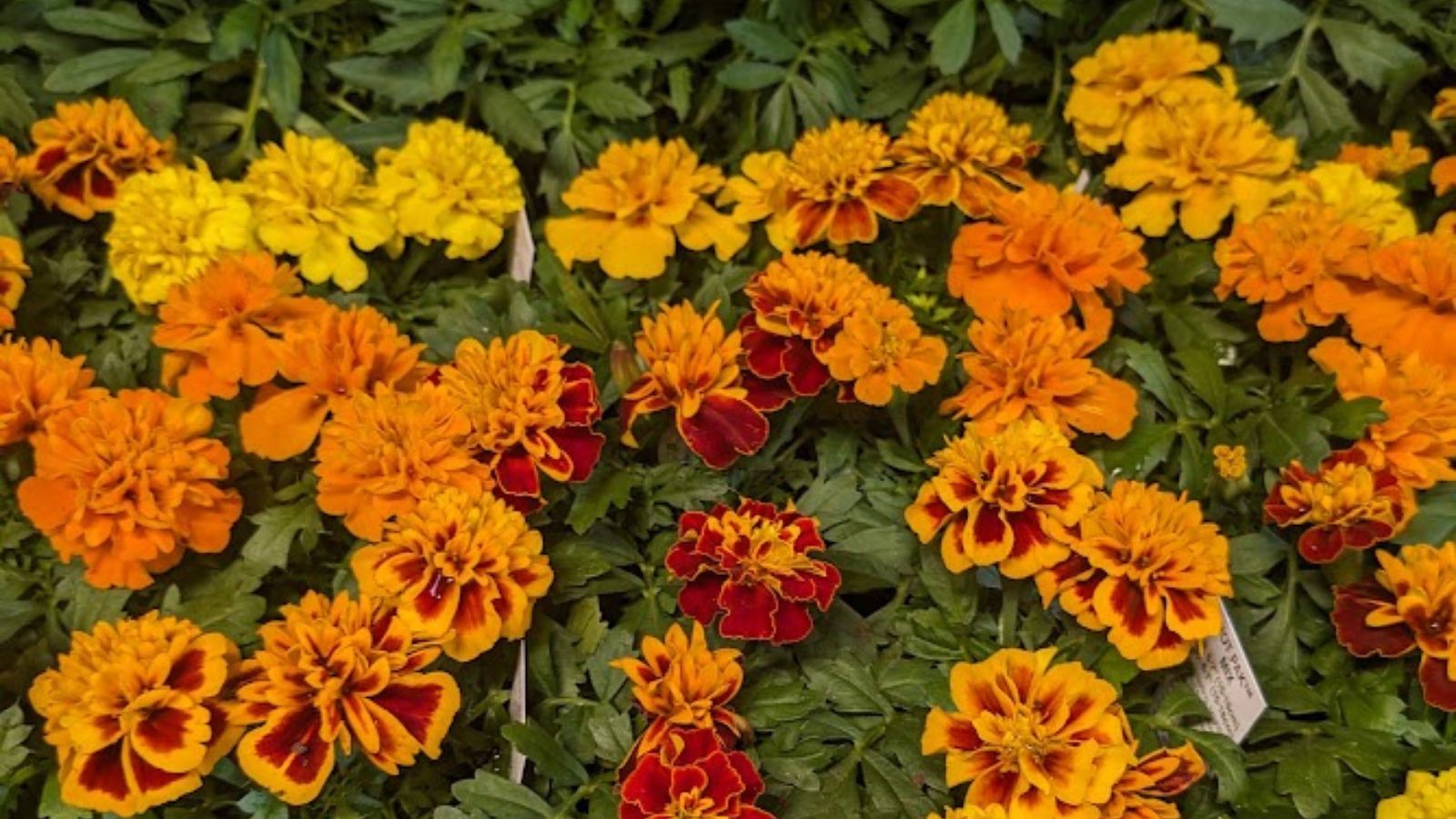
Marigolds provide reliable color all season long with minimal care required. Orange varieties include both African types with large, full flowers and French types with smaller, often bicolored blooms. Their strong fragrance helps deter certain garden pests, making them valuable companion plants.
Care Tips
Direct seed after the last frost or start indoors 4-6 weeks earlier. Plant in full sun with average, well-draining soil. Avoid rich soils which promote foliage over flowers. Water the soil level to prevent disease. Deadhead regularly for continuous blooming. These drought-tolerant annuals actually perform better with occasional dry periods than with constant moisture.
11. Canna Lily
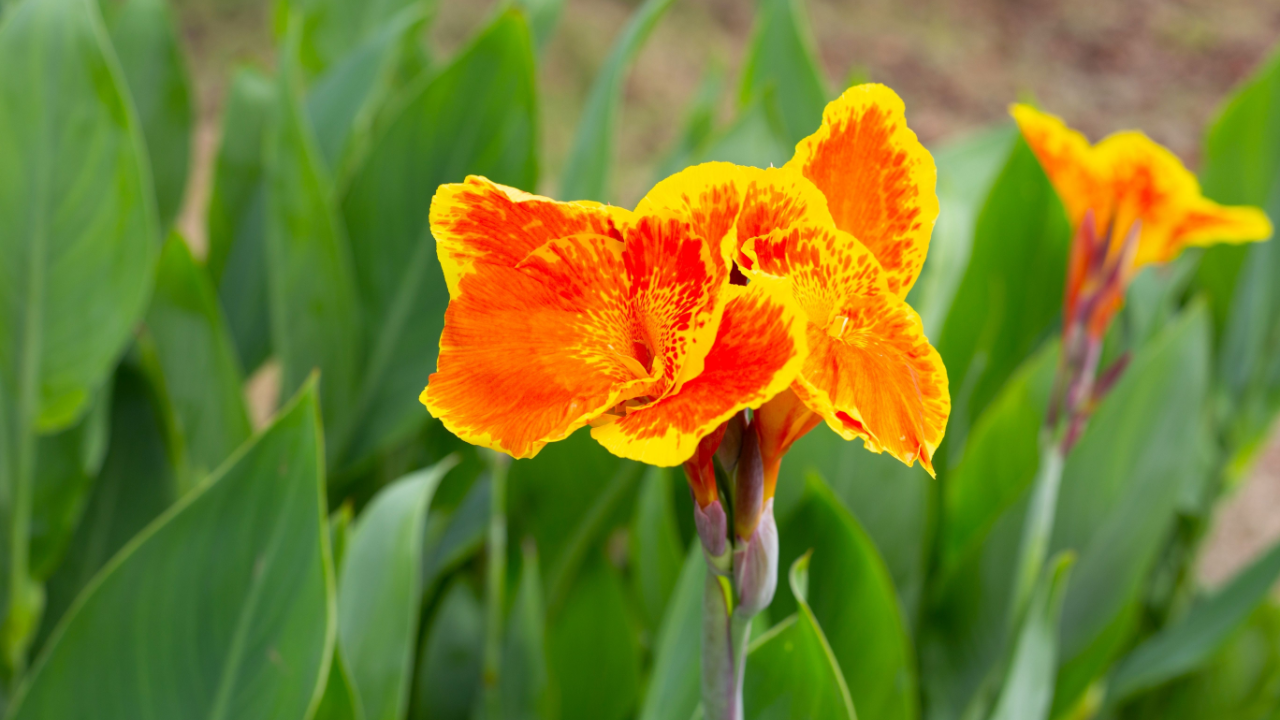
These tropical-looking perennials combine bold orange flowers with equally dramatic foliage that may be green, bronze, or variegated. The large, paddle-shaped leaves create instant exotic appeal, while successive flower spikes provide color from summer through fall.
Care Tips
Plant rhizomes after soil warms to 65°F, in rich, moist soil with full sun exposure. Space 18-24 inches apart, as these vigorous growers spread quickly. Water consistently and fertilize monthly during the growing season. In cold climates, dig rhizomes after the first frost and store indoors over winter. Divide rhizomes every 3-4 years in spring.
12. Butterfly Weed
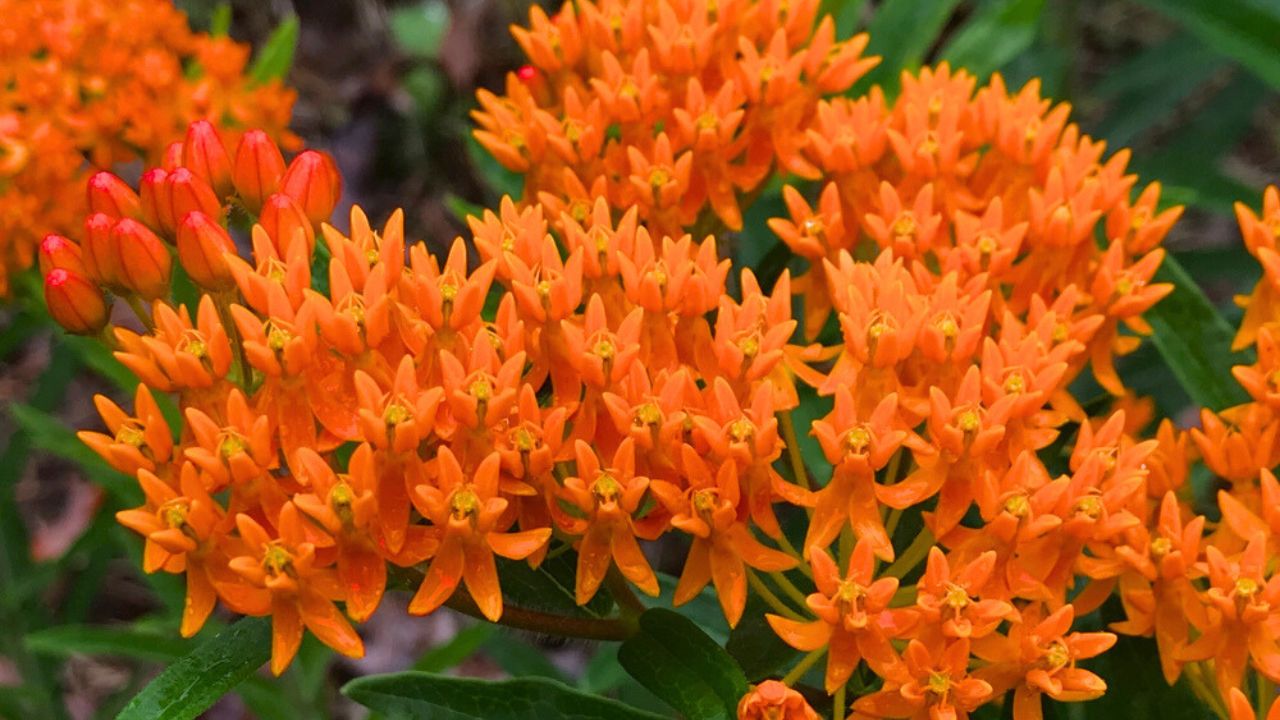
This native wildflower serves dual purposes: creating brilliant orange flower clusters that light up the garden and providing essential habitat for monarch butterflies. The flat-topped clusters of small orange flowers bloom for weeks in midsummer, followed by attractive seed pods.
Care Tips
Start from seed in the fall for spring germination, or purchase plants from native plant nurseries. Plant in full sun with excellent drainage, as this drought-tolerant native dislikes wet conditions. Avoid moving established plants due to deep taproots. Cut back stems after seed pods mature and disperse. This low-maintenance perennial requires no fertilizer and actually prefers poor soils.
13. California Poppy
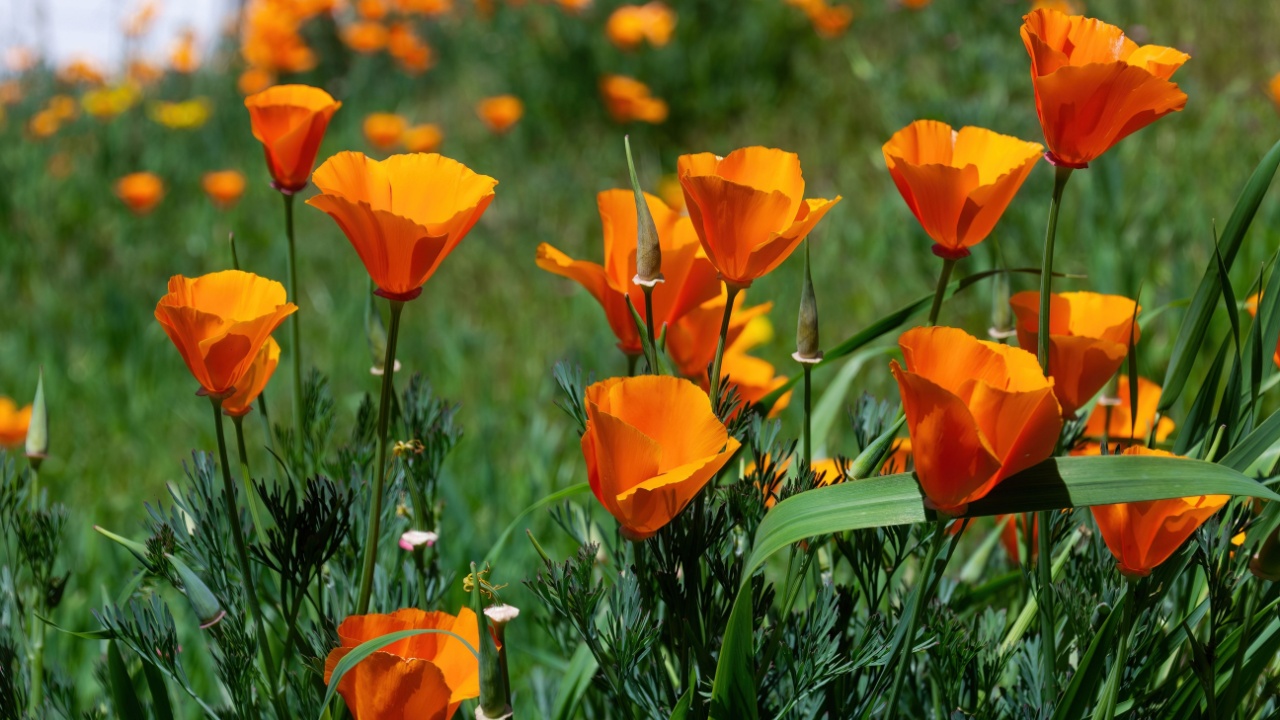
These cheerful wildflowers produce silky, four-petaled blooms in brilliant orange that seem to glow in sunlight. California poppies are incredibly easy to grow and will often self-seed to create natural drifts of color. Their finely divided, blue-green foliage provides an attractive backdrop for the vivid flowers.
Care Tips
Direct seed in fall or early spring where you want them to grow, as they don’t transplant well. Choose locations with full sun and well-draining soil. These drought-tolerant annuals actually prefer poor soils and need no fertilizer. Water sparingly once established. Allow some plants to go to seed for natural reseeding. Flowers close on cloudy days and at night.
14. Nasturtiums
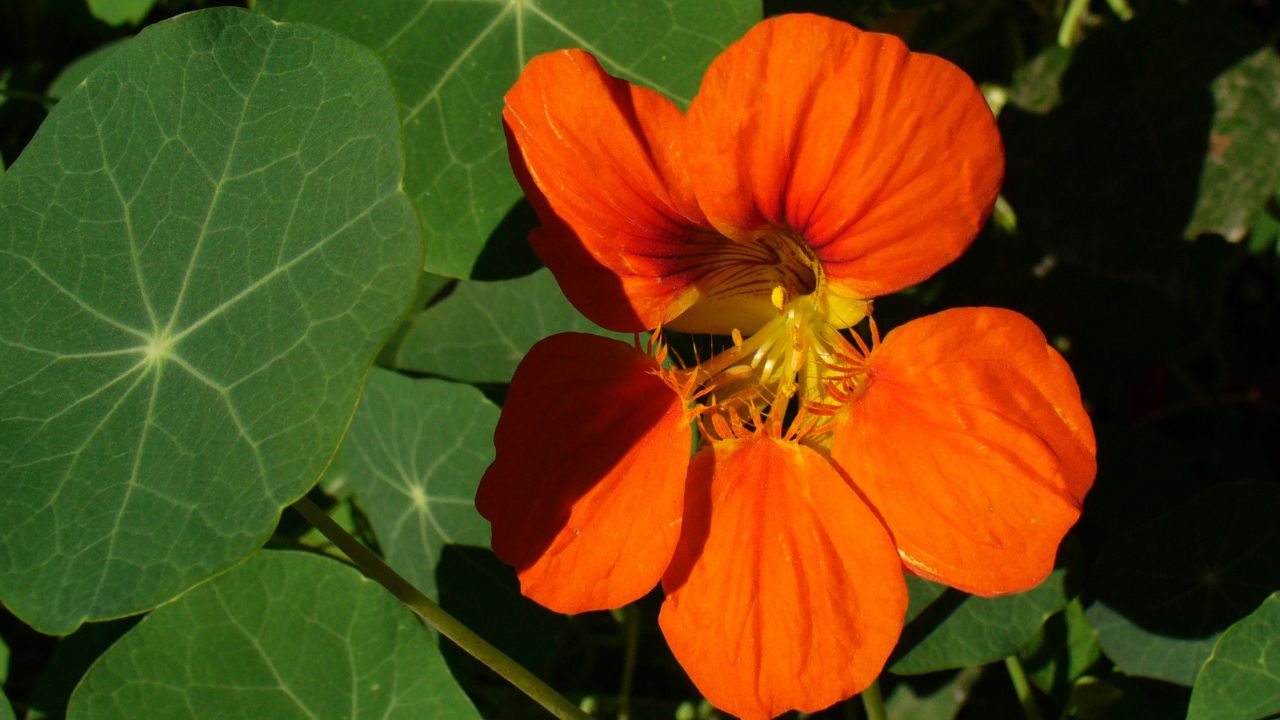
Nasturtiums offer edible flowers with a peppery taste that adds both color and flavor to salads. These trailing or climbing annuals produce round leaves and trumpet-shaped flowers in various shades of orange. They’re excellent for containers, hanging baskets, or ground cover.
Care Tips
Direct seed after the last frost in full sun to partial shade. Plant in average to poor soil, as rich conditions produce lush foliage at the expense of flowers. Water regularly, but don’t overwater. These fast-growing annuals will bloom until hard frost. Harvest flowers in the morning for culinary use. Allow some plants to self-seed for next year’s garden.
15. Tithonia (Mexican Sunflower)
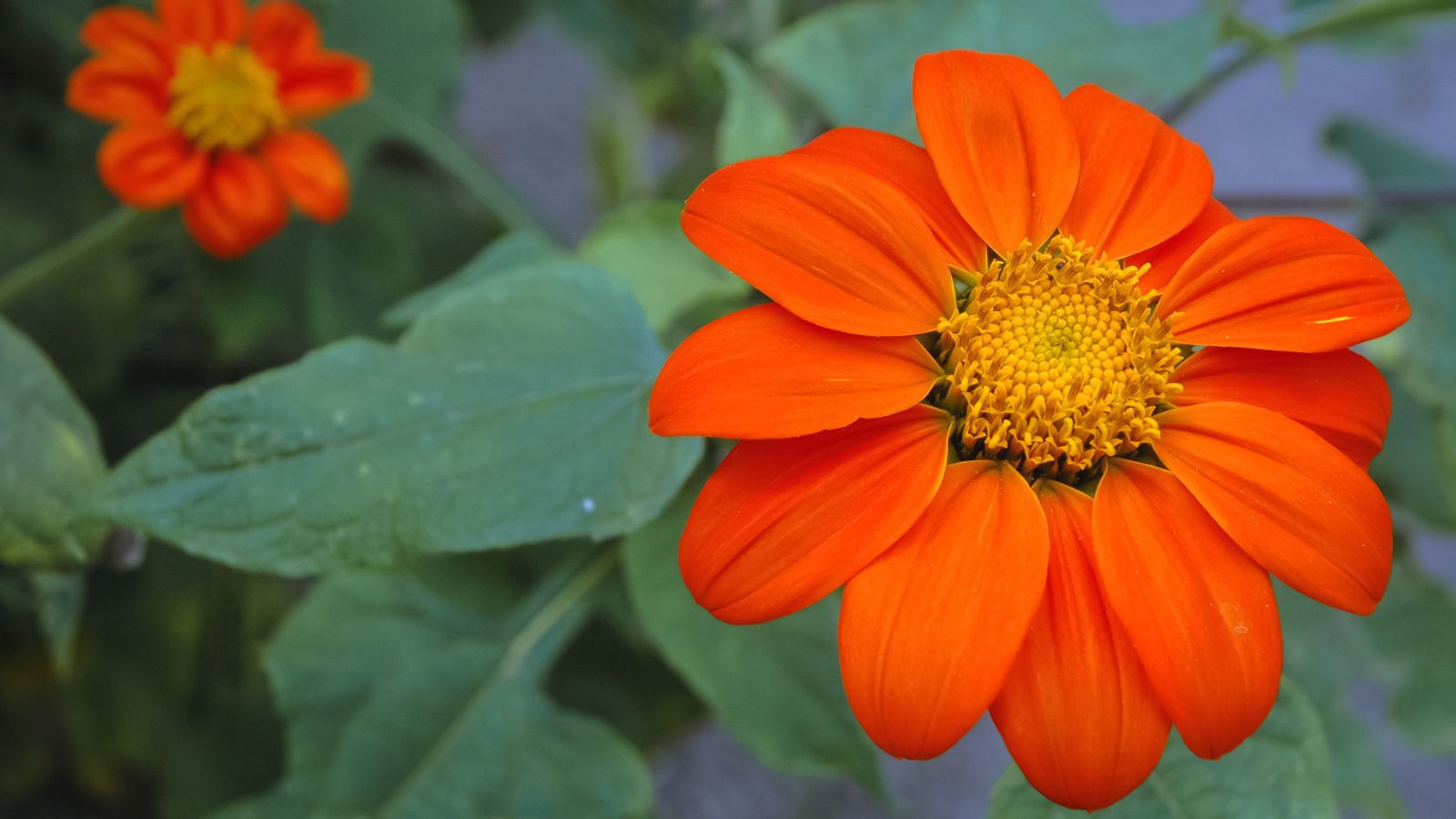
These tall annuals produce vibrant orange-red flowers that attract butterflies and hummingbirds from great distances. The large, velvety flowers sit atop sturdy stems that can reach 6 feet tall, making dramatic background plants or living screens.
Care Tips
Start seeds in early spring, 6 to 8 weeks before the last frost date. Transplant out after all danger of frost has passed. Tithonia prefers full sun and well-drained soil. Water regularly, but don’t overwater.
Choosing a Pop of Orange for Your Garden
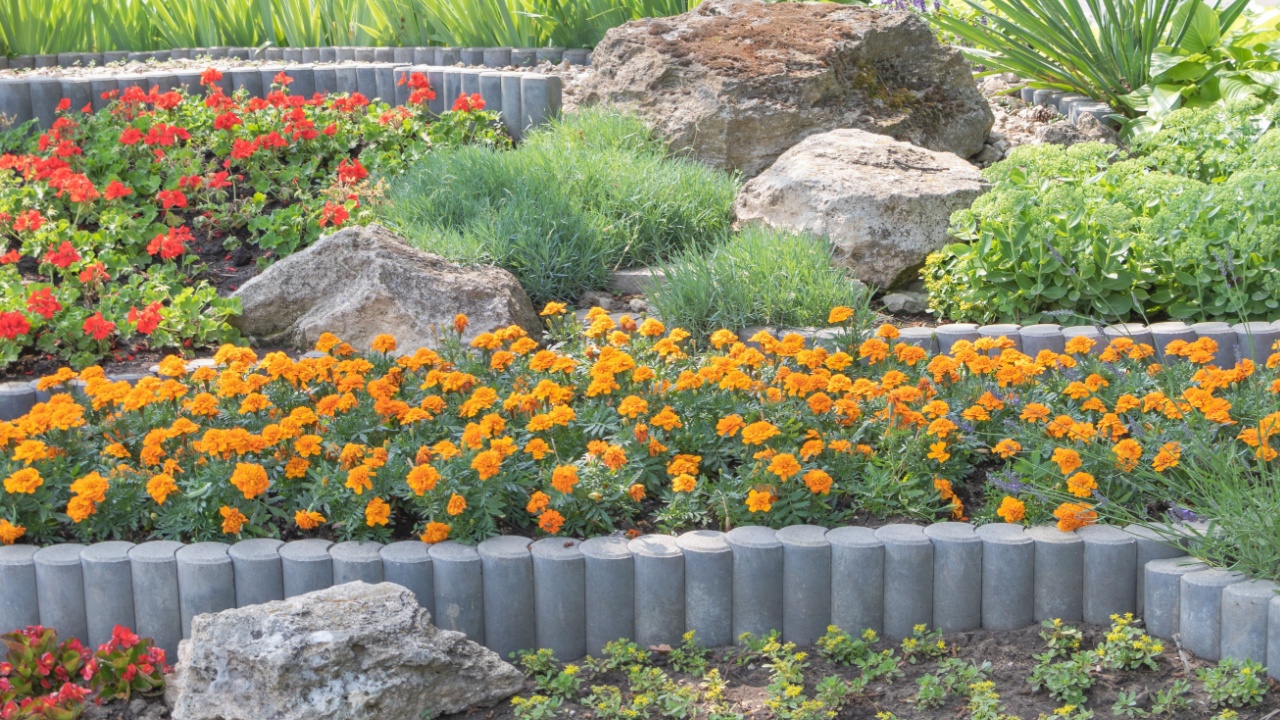
Incorporating orange into your garden is a great way to add vibrant color and energy. Whether you choose to include orange in the form of foliage, fruits, or flowers, there are many options available for every type of gardener.
Remember to consider the size and growth habits of your chosen plants, as well as their care needs, before adding them to your garden. With proper planning and maintenance, you can enjoy a beautiful burst of orange in your garden all year round. So go ahead and embrace this bold and cheerful hue – your garden (and mood) will thank you!
Read more:
15 Inspiring Flowers from the Bible to Grow at Home
9 Beautiful Yellow Flowers That Attract Pollinators to the Yard