
How to Upcycle Clothing Rather Than Dumping Them
When a shirt is stained beyond saving or those threadbare jeans can’t make one more trip to the donation bin, don’t toss them just yet.
With a little creativity, you can turn worn textiles into useful household helpers, garden aids, and even gifts. Below you’ll find practical ideas for repurposing some of your most raggedy clothing items. Use what fits your home and garden, and keep fabric out of the landfill.
How We Chose Our Upcycling Ideas

The upcycling strategies in this guide are rooted in educational resources and expert-recommended sustainability practices.
We relied on guidance from Oklahoma State University Extension, which underscores that nearly 100% of old textiles can be diverted from landfills through creative reuse and redesign. We also drew on information from Mississippi State University Extension, reminding us that most discarded textiles are never repurposed, and that even tattered items can serve new roles like cleaning rags.
Together, these sources helped us select ideas that are practical, eco-conscious, and applicable for everyday households.
1. Dye-and-Repurpose Into Everyday Accessories

Refresh stained or faded fabric with dye and transform it into new items like scrunchies, headbands, or reusable gift wrap. This is a fun way to extend the life of fabric, reduce demand for new accessories, and keep textiles out of the trash.
Tips for implementation
- Choose fiber-appropriate dye (fiber-reactive for cotton/linen, acid dye for wool/silk).
- Pre-wash with a de-greasing soap to remove finishes.
- Cut along seams first; harvest the largest flat pieces.
- Use leftover strips for hair ties, cord wraps, or jar covers.
2. Cut Cleaning Rags for Every Room

Replace paper towels with washable, cut-to-size rags for dusting, windows, and spill cleanups. This slashes paper waste and packaging and saves money over time.
Tips for implementation
- Best fabrics: old T-shirts (lint-free), flannel (polish), terry cloth (absorbent).
- Create a color code by task: blue for glass, green for kitchen, yellow for bathroom.
- Zigzag or pink the edges to limit fraying; store in a countertop caddy for easy reach.
- Wash hot; skip fabric softener so rags stay absorbent.
3. Harvest Sewing Supplies and Patch Material
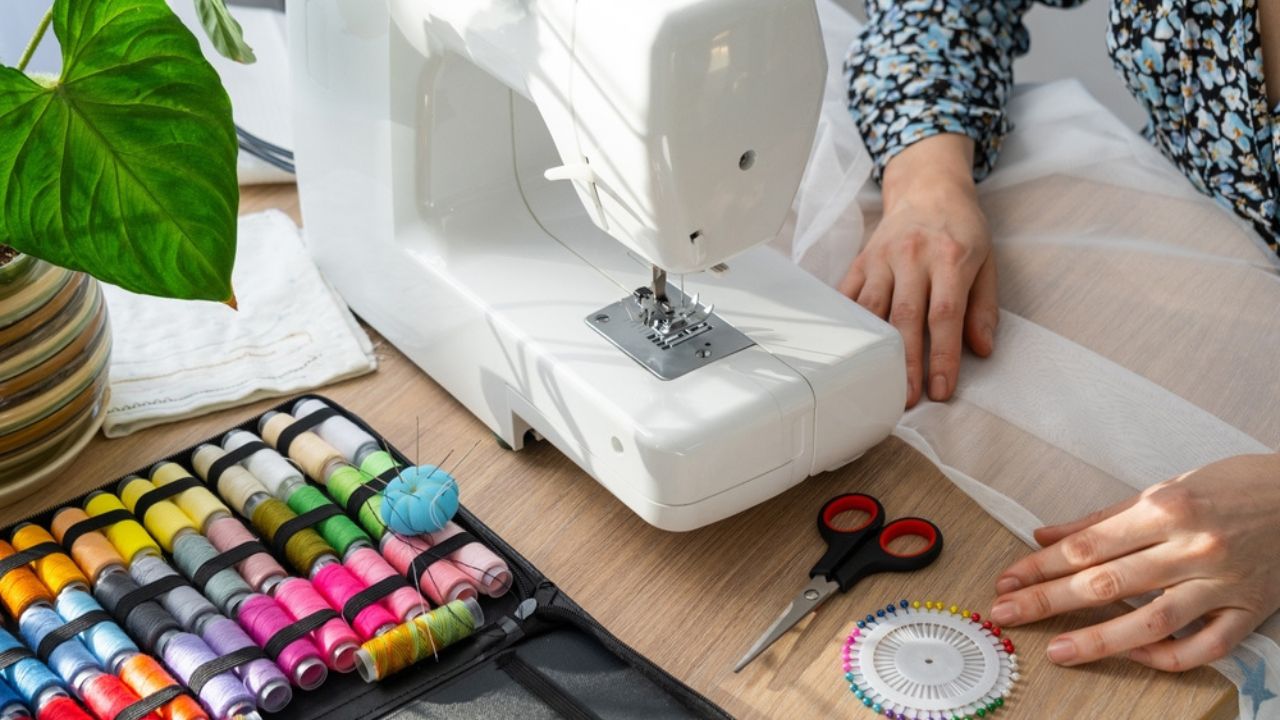
Salvage buttons, zippers, elastic, and usable fabric for mending and craft projects. In a consumerist world, this promotes repair over replacement and reduces new material purchases.
Tips for implementation
- Keep a “notions jar” and a flat organizer for sorted findings.
- Cut patch squares from denim, canvas, and heavy cotton; label sizes and colors.
- Use fusible webbing for quick patches on knees and elbows.
- Larger panels become tote linings, pillow backs, or quilt squares
4. Donate Usable Textiles to Animal Shelters
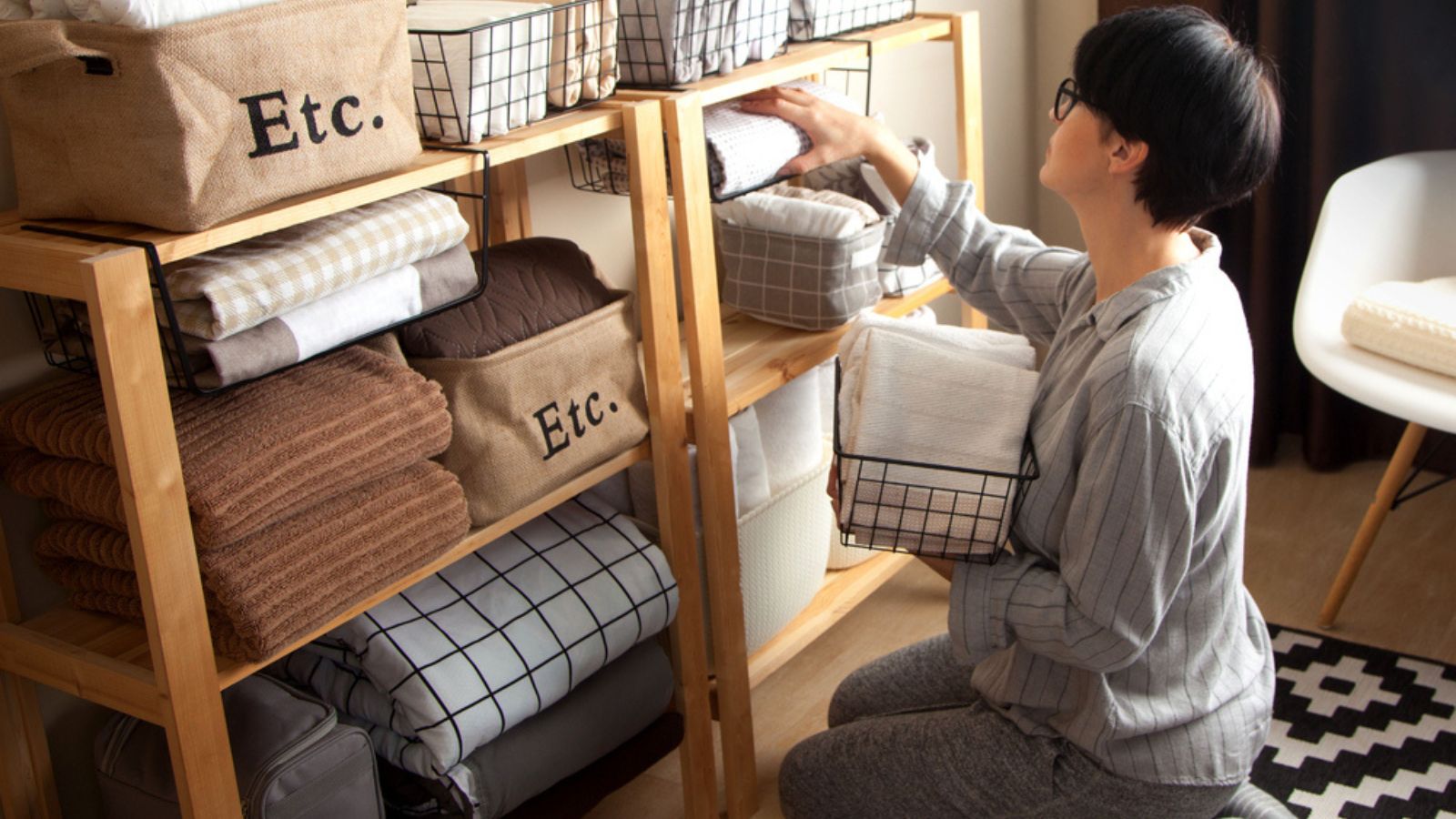
Provide bedding and cleaning cloths for rescues and shelters. This supports community organizations while diverting textiles from the landfill.
Tips for implementation
- Call ahead for accepted items (usually clean towels, sheets, blankets, and soft tees).
- Wash and bag by category; label the bag to help staff triage quickly.
- Avoid heavily torn, moldy, or heavily embellished fabrics.
5. Host a Mini Clothing Swap (Repurpose Edition)

Trade unneeded items with family or neighbors—great for kids’ play clothes, craft fabrics, and “cutter” garments. This extends the life of garments, reduces buying new, and builds community.
Tips for implementation
- Create categories: “Wear,” “Mend,” “Cut for Crafts.”
- Bring scissors, pinking shears, and a measuring tape for on-the-spot planning.
- End with a “last call” box for textile recycling drop-off.
6. Put Old Fabric to Work in the Garden

Use natural-fiber textiles as plant ties, frost protection, weed barriers, and more. It’s a creative way to cut plastic garden product use and give natural fibers a second life.
Tips for implementation
- Cotton T-shirt strips make gentle ties for tomatoes and vines.
- Lay heavier cotton or linen as a temporary weed-suppressing layer under mulch.
- Drape breathable cloth over seedlings for light frost or insect pressure.
- Avoid synthetic fabrics in soil-facing roles (they don’t break down cleanly).
7. DIY Pet Bedding and Toys

Create cozy, washable beds and safe tug toys for pets. This reduces pet product purchases and keeps soft textiles in circulation longer.
Tips for implementation
- Stuff a pillowcase with cut T-shirts and fleece; sew the open end shut with a wide zigzag.
- Braid long knit strips into tug ropes; knot both ends tightly.
- Use removable, washable covers for easy cleaning.
8. Return Worn Items Through Brand Take-Back Programs

Send textiles back to manufacturers who repair, resell, or recycle materials responsibly. What a great way to support circular fashion and higher-value recycling streams.
Tips for implementation
- Check labels and brand websites for mail-in or drop-off programs.
- Clean items first; include any required forms.
- Some brands offer store credit—keep an eye on seasonal promotions.
9. Use as Packing and Shipping Cushion

Replace bubble wrap and packing peanuts with soft textiles. This eliminates single-use plastics and gives textiles repeated utility.
Tips for implementation
- Wrap fragile items in old tees; fill voids with socks and flannel.
- Note “Reusable textile packaging inside” on boxes so recipients keep the cycle going.
- Store a “packing bin” in a closet for quick access.
10. Make Reusable Produce and Bulk Bags
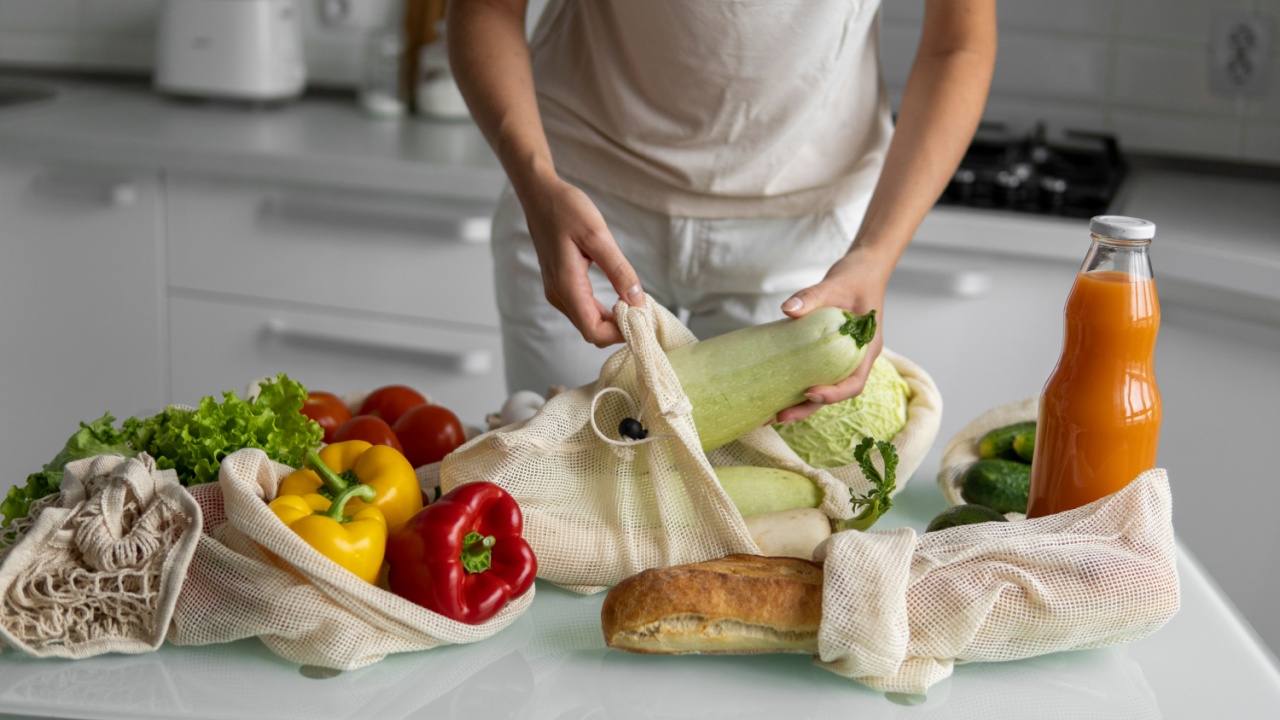
Sew lightweight bags for fruits, veggies, and bulk-bin goods. This replaces single-use plastic produce bags and lowers packaging waste on every grocery trip.
Tips for implementation
- Best fabrics: sheer curtain remnants, thin muslin, worn pillowcases.
- Cut rectangles; fold and stitch sides; add a drawstring channel with cord or ribbon.
- Weigh the bag once and write the tare weight on the hem with a laundry-safe marker.
11. Craft Zero-Waste Kitchen Reusables

Turn absorbent fabrics into everyday kitchen helpers. Once again, this reduces disposable paper and plastic products in the kitchen week after week.
Tips for implementation
- Cotton + flannel squares make soft napkins and unpaper towels, as mentioned earlier (add snaps if you want them roll-style).
- Sew two layers of cotton with a thin batting to make heat-safe trivets and pot holders.
- Stitch simple bowl covers with elastic from worn waistbands.
12. Build a Simple Rag Rug or Door Mat
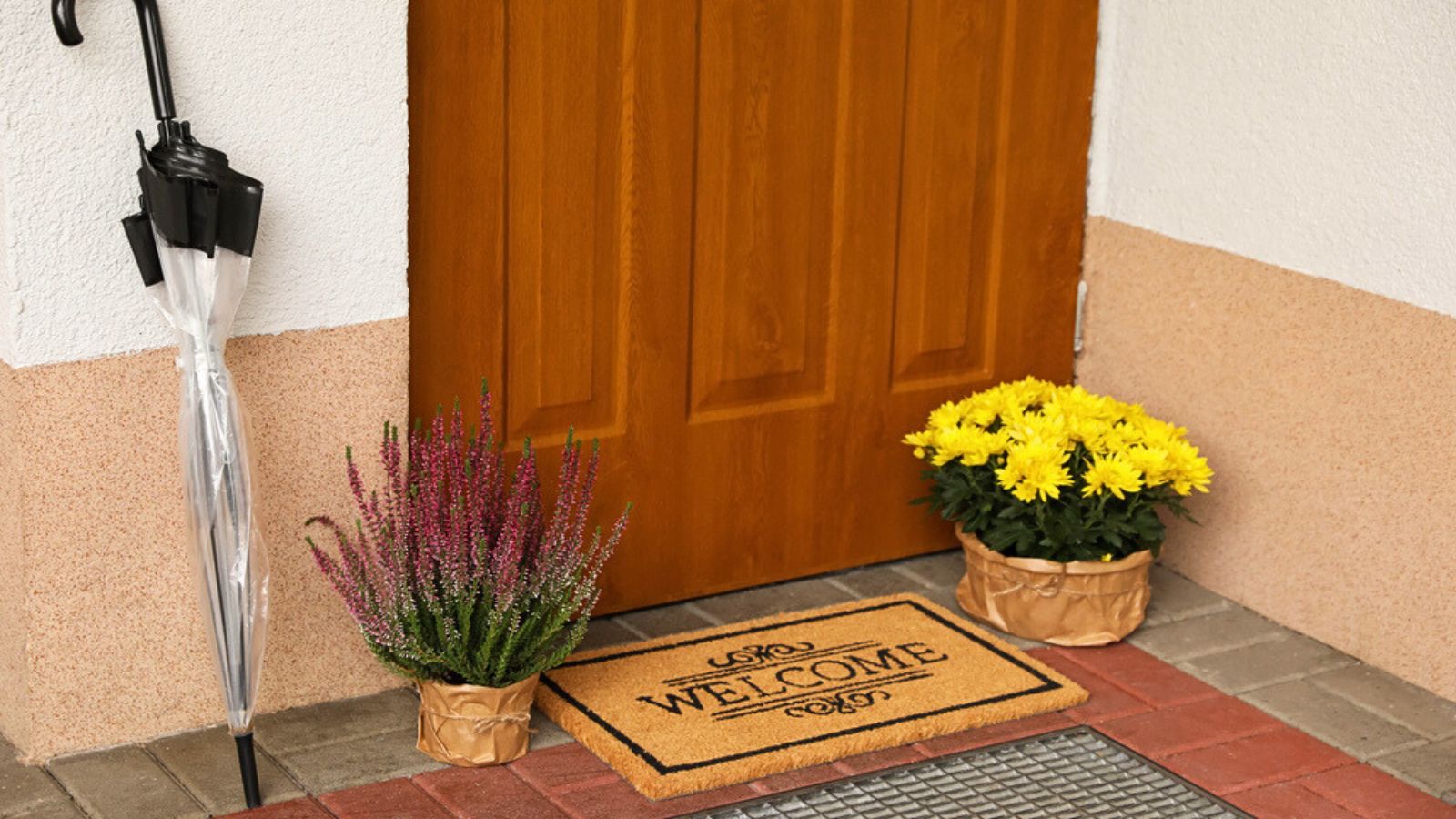
Weave or braid durable strips into a hard-working mat for entryways, mudrooms, or potting benches. Upcycles large amounts of textile waste into a long-lasting, practical item.
Tips for implementation
- Cut long, even strips from denim, canvas, or thick tees.
- Braid and coil into a circle or oval; stitch through layers with heavy thread as you go.
- For weaving, use a cardboard loom or a simple wood frame with nails and warp string.
How to Get Started: Sorting and Setup

- Sort by fiber: Keep 100% cotton and linen for garden and kitchen projects; set synthetics aside for packing or braided rugs; save wool for felting or insulation projects.
- Clean and prep: Wash everything first. Cut along seams to maximize flat panels. Roll strips by width and label for future projects.
- Create a textile toolkit: Keep shears, rotary cutter, cutting mat, pins, heavy needles, strong thread, and a small bin for rescued buttons/zippers.
- Set a limit: Dedicate one clear tote to “fabric for reuse.” When it’s full, make projects or pause collecting.
Safety and Quality Notes

- Skip moldy or heavily contaminated items.
- Avoid glittered, beaded, or heavily embellished pieces for pet and garden use.
- For brand take-backs or recycling programs, follow each program’s condition rules and prep steps.
Quick Wins You Can Do This Weekend

- Cut a dozen rags from two old T-shirts.
- Make three sets of plant ties for tomatoes and cucumbers.
- Sew two produce bags from a worn pillowcase.
- Assemble a notions jar from rescued buttons and zippers.
Small Textile Swaps, Big Impact
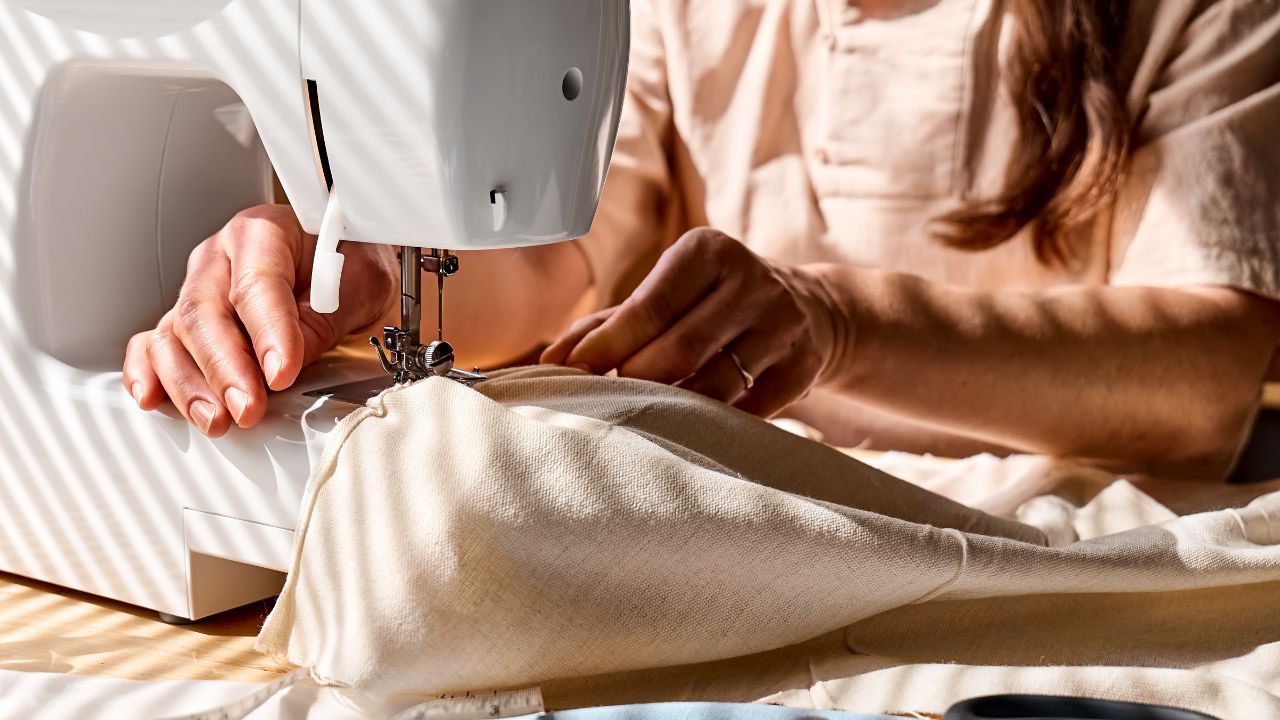
Sewing is an easy and accessible skill to learn that opens doors for textile reuse. YouTube tutorials abound, or reach out to your local craft community for sewing classes or workshops. With just a few basic stitches under your belt, you’ll be ready to tackle bigger projects and save even more textiles from the landfill.
Unusable clothes aren’t “trash”—they’re raw materials waiting for a job. Start with one idea that fits your life: a set of rags, a garden tie stash, a produce bag. As you get more familiar with your materials and what they can do, integrate more swaps into your routine.