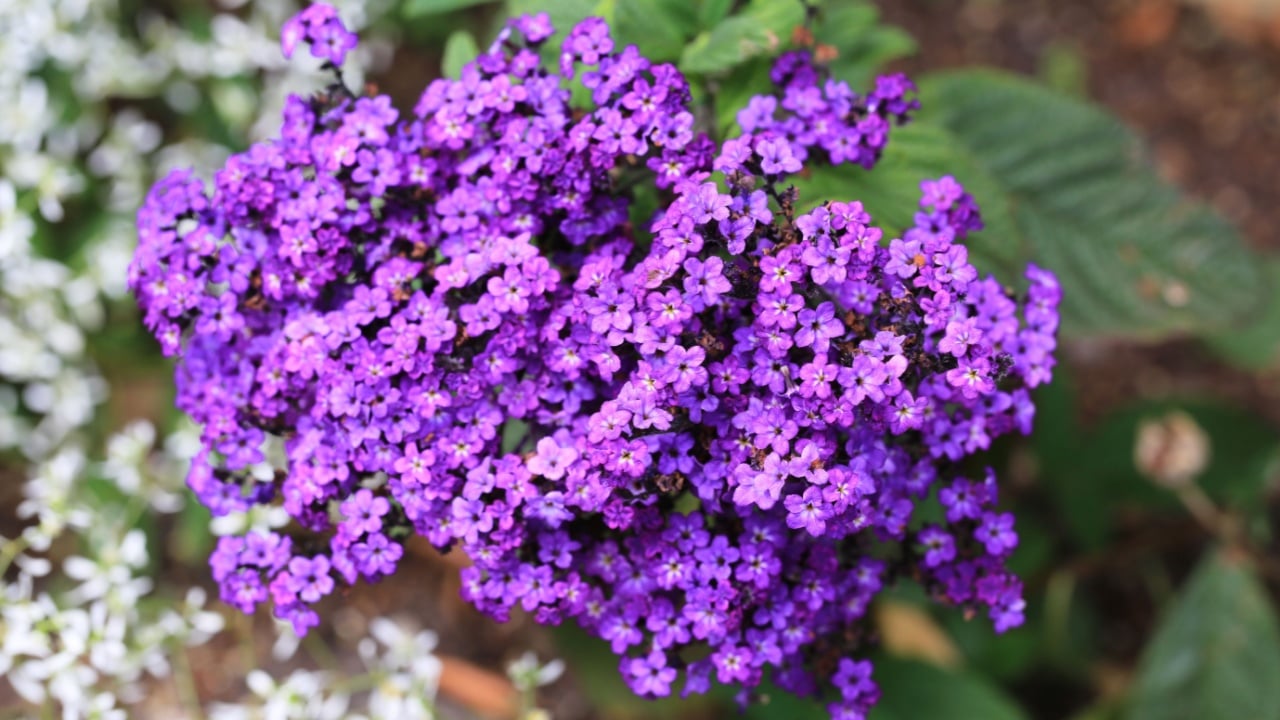
22 Great Smelling Plants Every Garden Needs
Want a yard that smells as lovely as it looks? Fragrant plants can turn ordinary paths, patios, and borders into immersive experiences.
Below you’ll find 22 proven, great-smelling choices. For each plant, you’ll get quick characteristics, a scent profile, and simple care tips so you can grow a low-maintenance, high-reward aromatic garden.
How We Chose Our Flower Recommendations
To make sure this guide is both delightful and reliable, we chose flowers based on expert insights from trusted sources like university extension programs and horticultural organizations with information on fragrant plants.
When direct expert confirmation wasn’t available, we selected blooms known for their strong, pleasant scent and long-lasting fragrance, drawing on horticultural references and documented gardener experiences. This combination of science-backed picks and informed judgment ensures every flower on our list will make your garden smell as good as it looks.
1. Pineapple Sage (Salvia elegans)
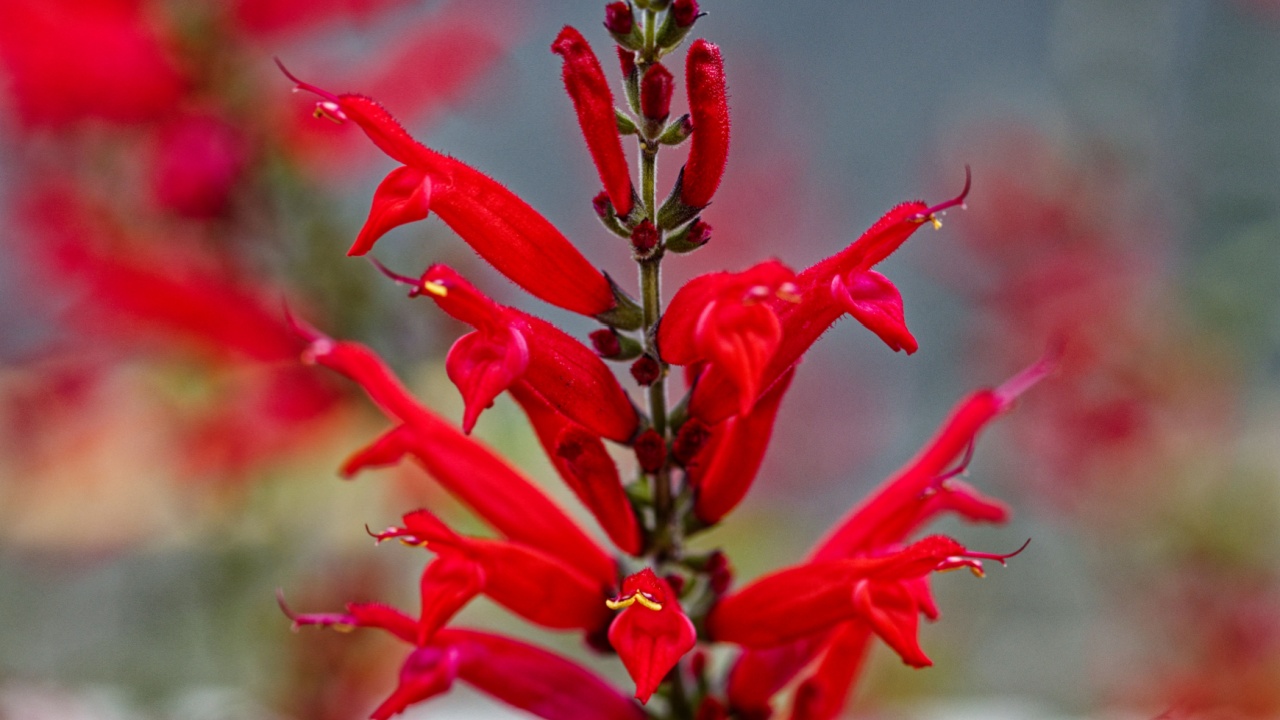
What it is: A tender perennial (Zones 8–11; grown as an annual elsewhere) with bright red tubular flowers and pineapple-scented foliage.
Scent: Fresh pineapple notes from the leaves; flowers are lightly sweet.
- Care tips: Full sun; well-drained soil; regular water in heat. Pinch young tips to encourage bushier growth. In cooler zones, grow in containers and overwinter indoors or replant each spring. Great near patios for brushing against the foliage.
2. Gardenia (Gardenia jasminoides)
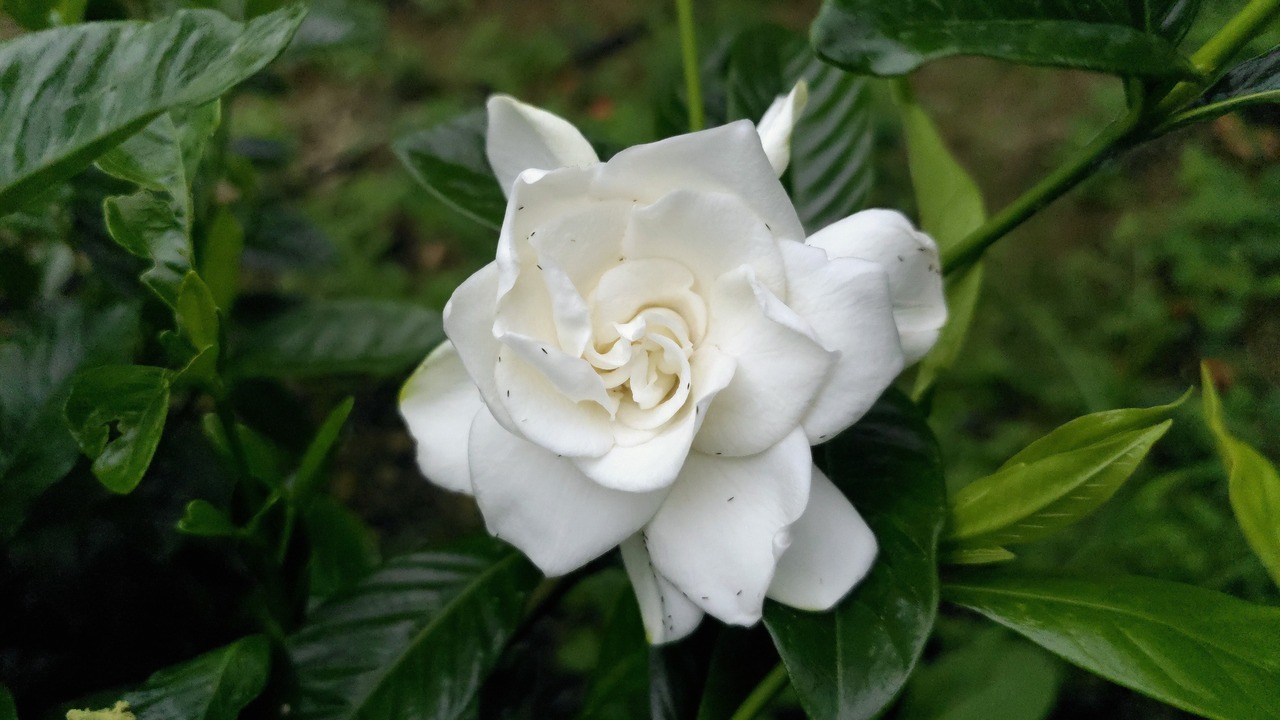
What it is: Evergreen shrub (Zones 8–11) with glossy leaves and creamy white flowers.
Scent: Rich, sweet, perfumy famous in fragrance.
- Care tips: Morning sun and afternoon shade; acidic, well-drained, humus-rich soil; consistent moisture and high humidity. Avoid hard water and feed with an acid-loving plant fertilizer. Place near an entry to enjoy the scent daily.
3. Jasmine Tobacco (Nicotiana alata)
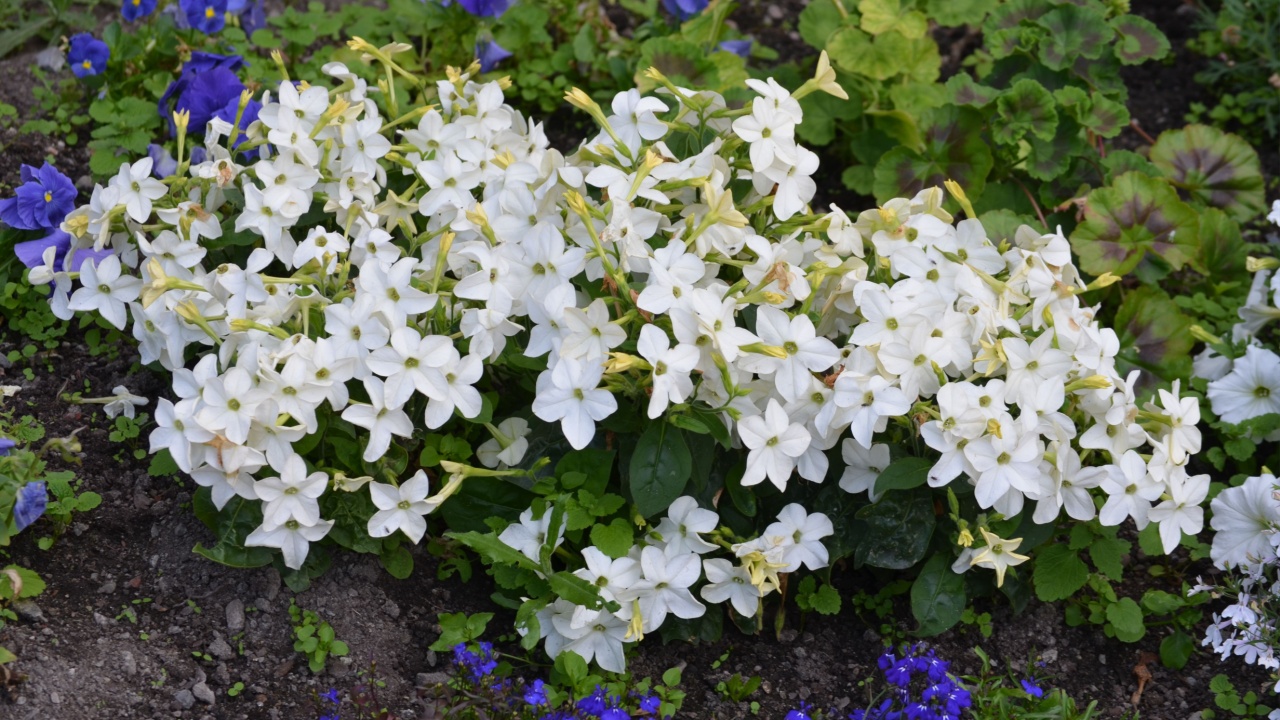
What it is: Annual in most zones (perennial in 10a–11b) with star-shaped white flowers that open wider at dusk.
Scent: Intensifies at night, sweet, jasmine-like.
- Care tips: Full sun to light shade; fertile, evenly moist soil. Deadhead to prolong bloom. Perfect for moon gardens and evening seating areas.
4. ‘Stargazer’ Lily (Lilium orientalis ‘Stargazer’)
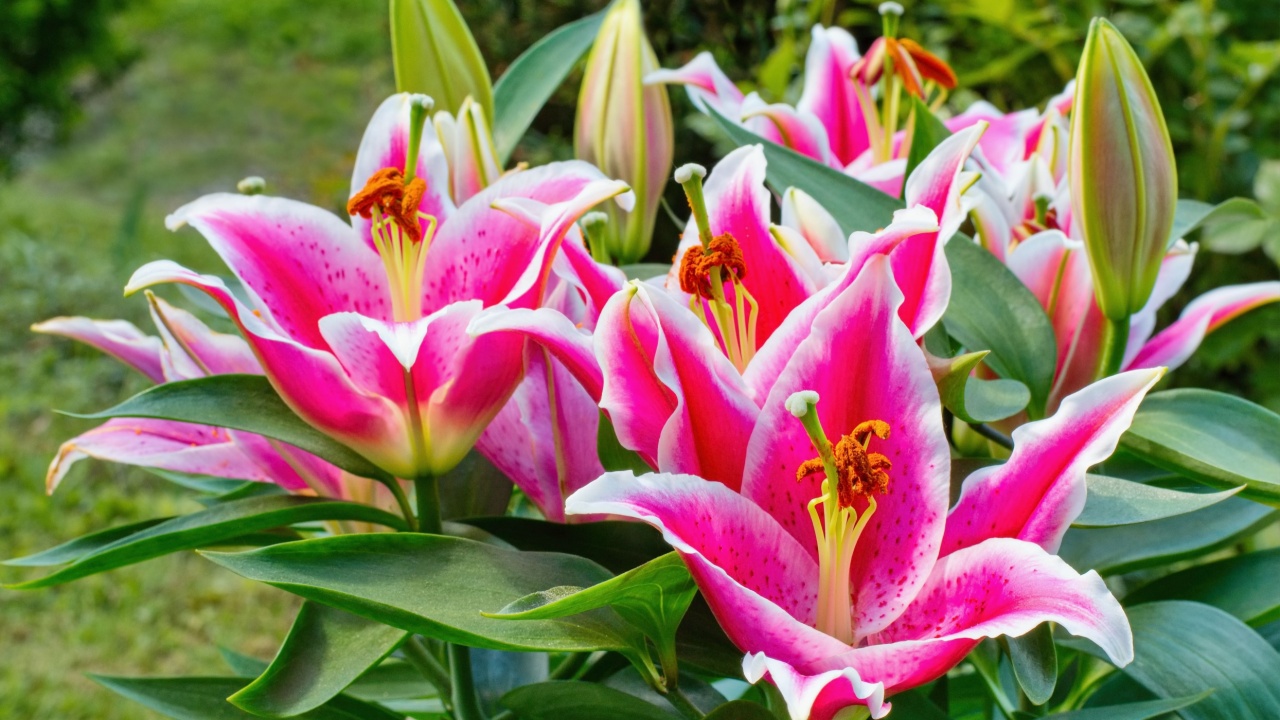
What it is: Bulb (Zones 4–9) with large, outward-facing pink-and-white blooms on sturdy stems.
Scent: Strong, sweet, and spicy-floral classic oriental lily perfume.
- Care tips: Full sun; consistent moisture in well-drained soil. Stake in windy spots. Plant bulbs 6–8 inches deep. Excellent in cutting garden,s remove spent blooms to focus energy into the bulb.
5. ‘Scentsation’ Honeysuckle (Lonicera periclymenum ‘Scentsation’)
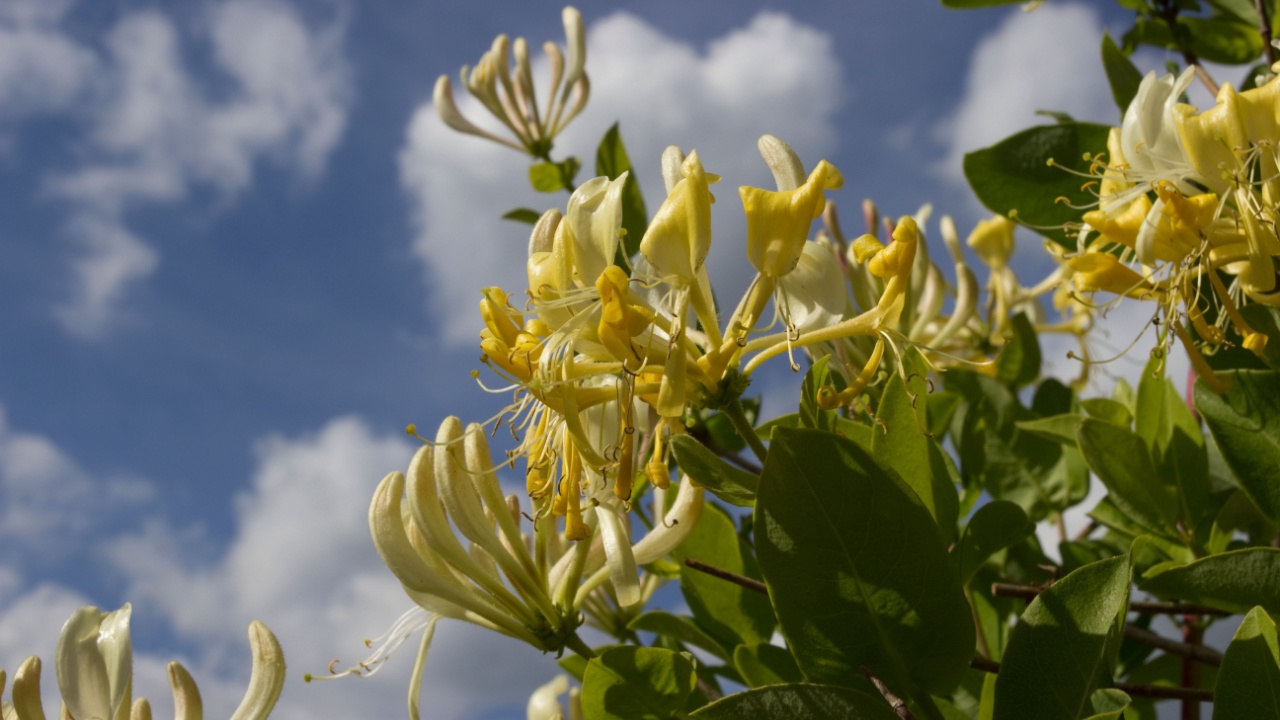
What it is: Deciduous vine (Zones 4–9) with yellow tubular flowers followed by red berries.
Scent: Classic honeysuckle, sweet and pervasive.
- Care tips: Full sun to light afternoon shade; average, well-drained soil. Provide a strong trellis or arbor. Prune after flowering to shape. Train over fences near seating to scent the air.
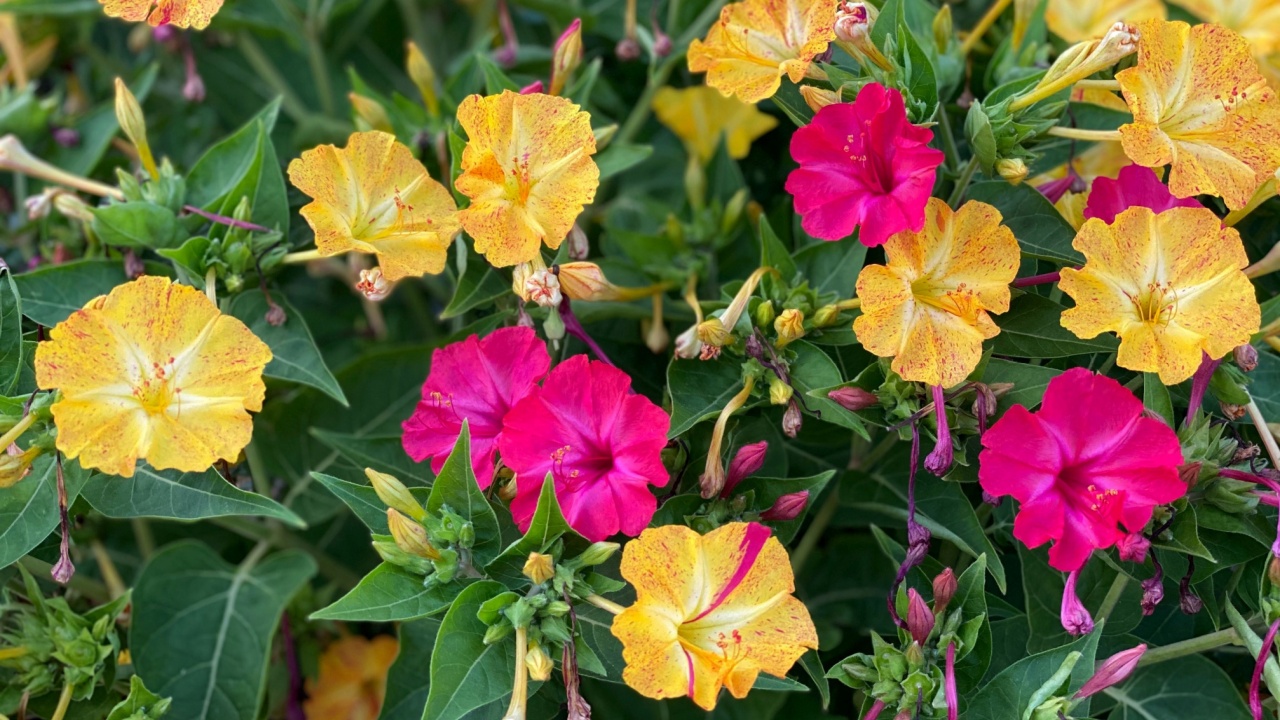
6. Four O’Clocks (Mirabilis jalapa)
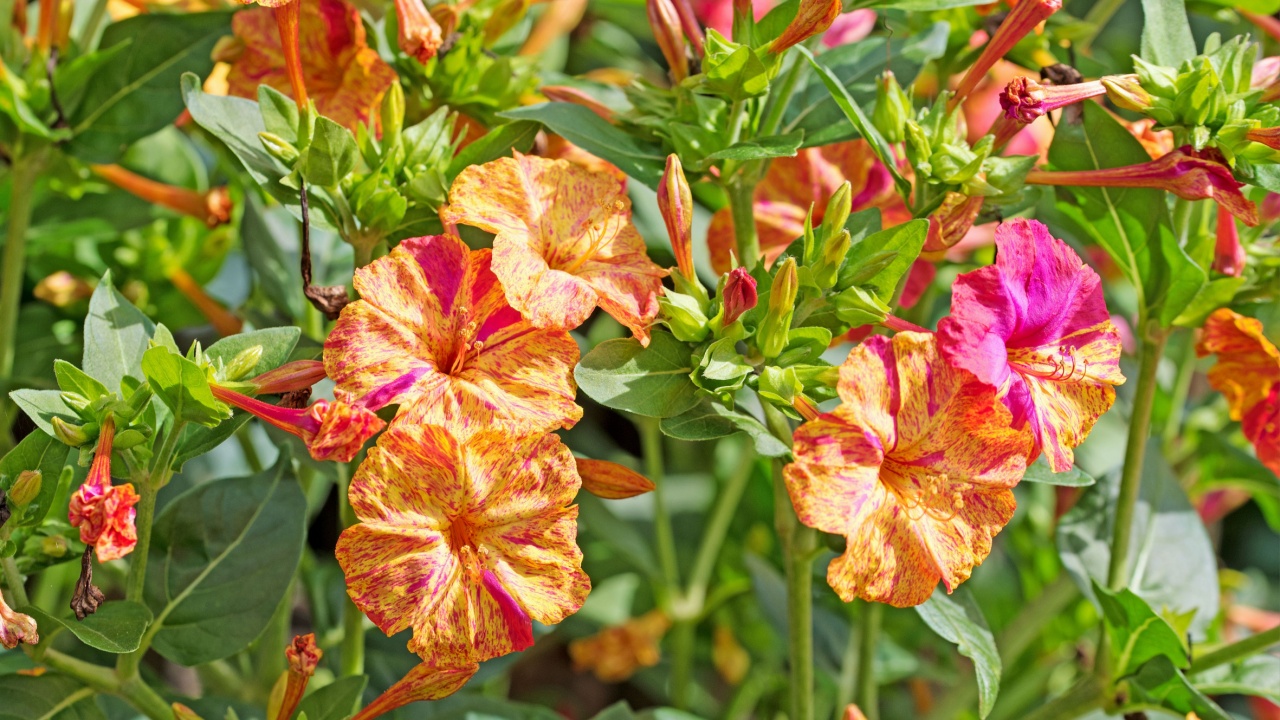
What it is: Tender perennial (Zones 9–11; tubers lifted and stored elsewhere) with bushy form and multicolored blooms that open late afternoon.
Scent: Lemony, lightly tropical.
- Care tips: Full sun; well-drained soil; moderate watering. Dig and store tubers in cold climates. Great along porches where the late-day scent can be enjoyed.
7. German Chamomile (Matricaria recutita)
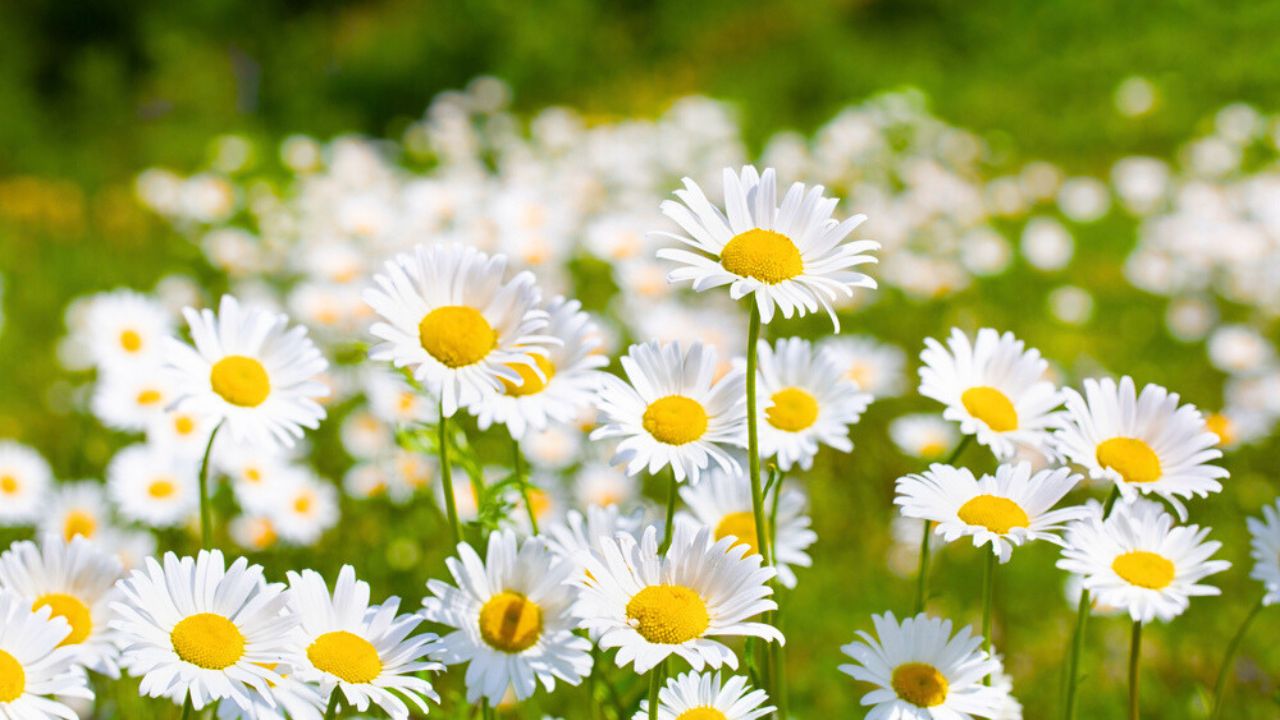
What it is: Self-seeding annual (hardy in Zones 5–9) with daisy-like flowers.
Scent: Herbal apple-honey fragrance; delicious as tea.
- Care tips: Full sun; well-drained soil; moderate watering. Deadhead to manage reseeding (or let it naturalize). Harvest flowers for drying when petals are fresh and fully open.
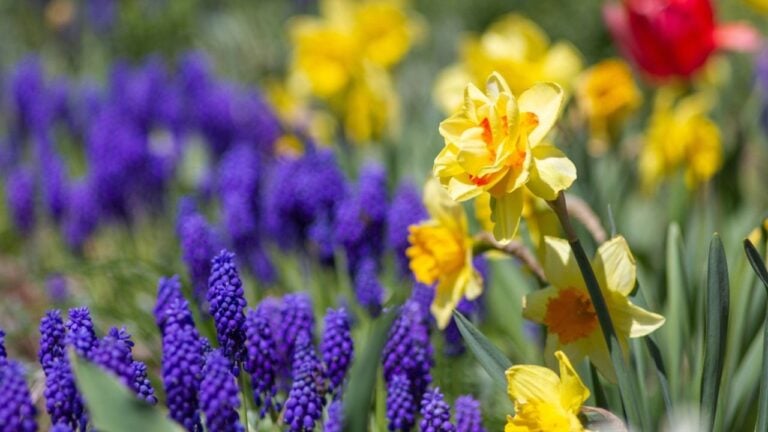
8. ‘Baby Moon’ Daffodil (Narcissus ‘Baby Moon’)
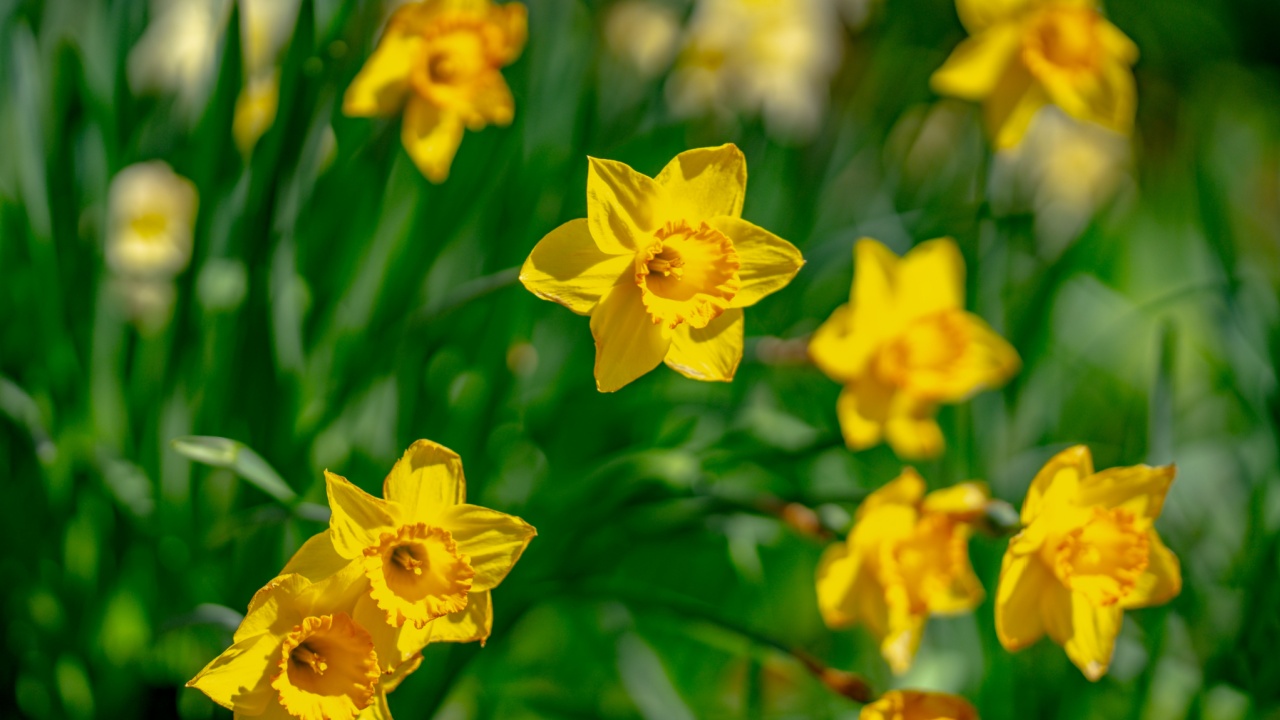
What it is: Miniature daffodil (Zones 4–9) with petite, golden-yellow blooms.
Scent: Among the most fragrant narcissu,s sweet and citrusy.
- Care tips: Full sun to part shade; well-drained soil. Plant bulbs 4–6 inches deep in fall. Allow foliage to die back naturally for next year’s bloom.
9. Tuberose (Agave amica)
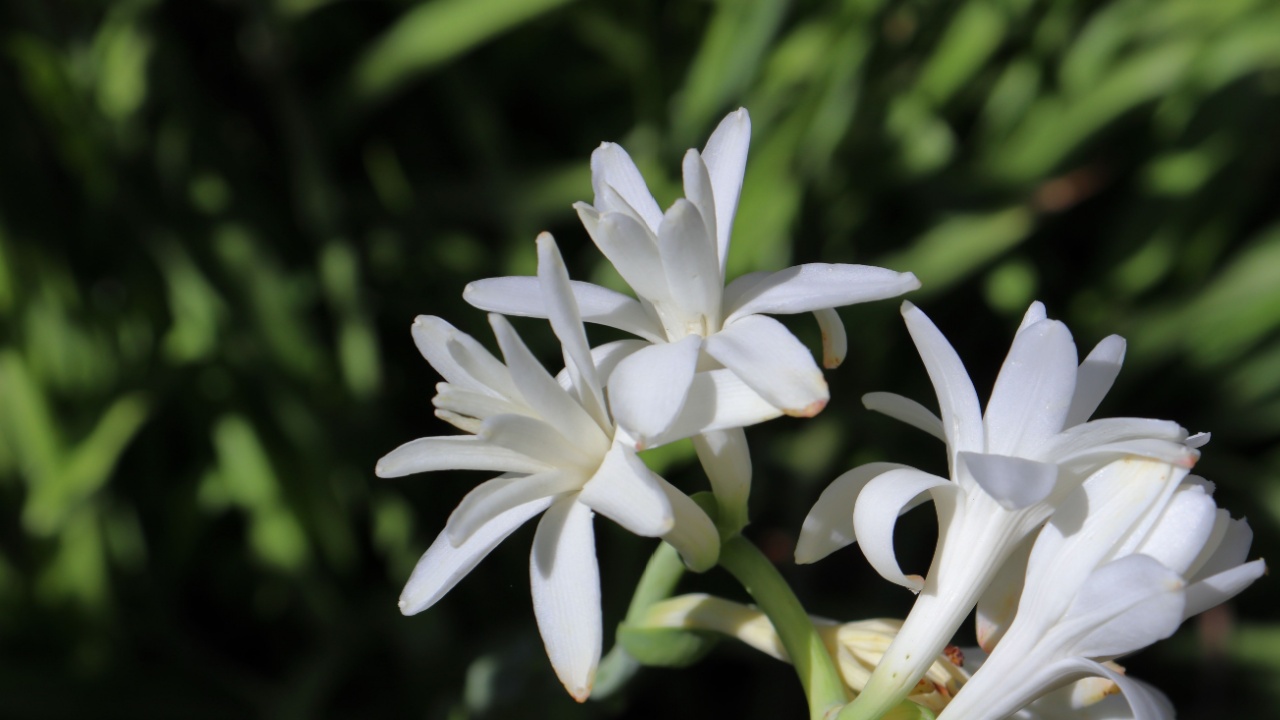
What it is: Rhizomatous perennial (Zones 7–10; lifted and stored elsewhere) with tall stems of white florets.
Scent: Intense, exotic notes of gardenia, vanilla, and cream.
- Care tips: Full sun; warm, well-drained soil. Plant after frost; keep evenly moist. Excellent in containers, so you can move to patios when in bloom.
10. Freesia (Freesia spp.)
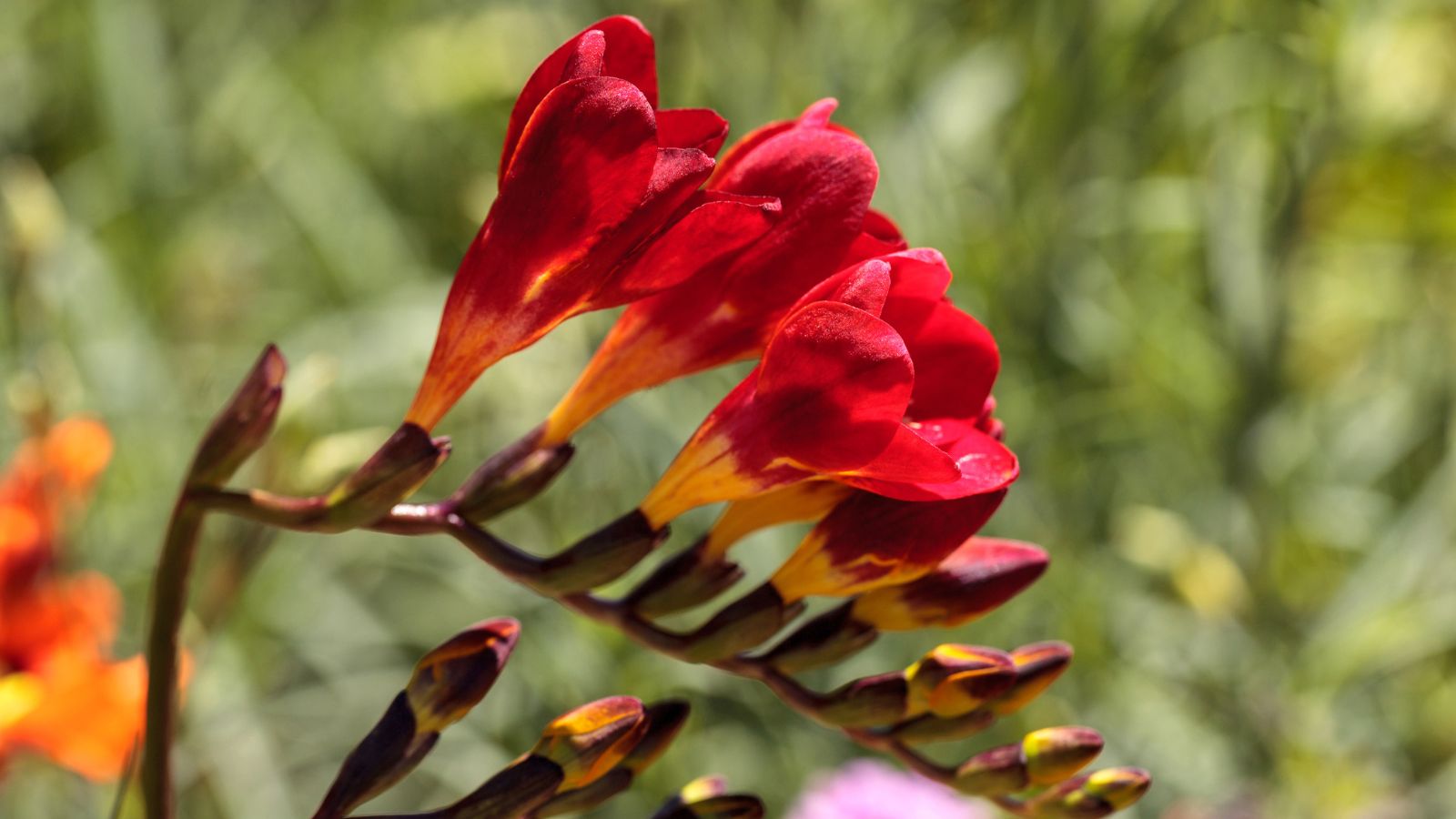
What it is: This flower (Zones 9–10; annual elsewhere) produces arching stems of colorful blooms.
Scent: Sweet, clean, widely used in soaps and perfumes.
- Care tips: Full sun; well-drained soil; modest watering. Plant corms shallowly (2 inches). Protect from heavy rain that can flop stems; great in pots.
11. Heliotrope (Heliotropium arborescens)
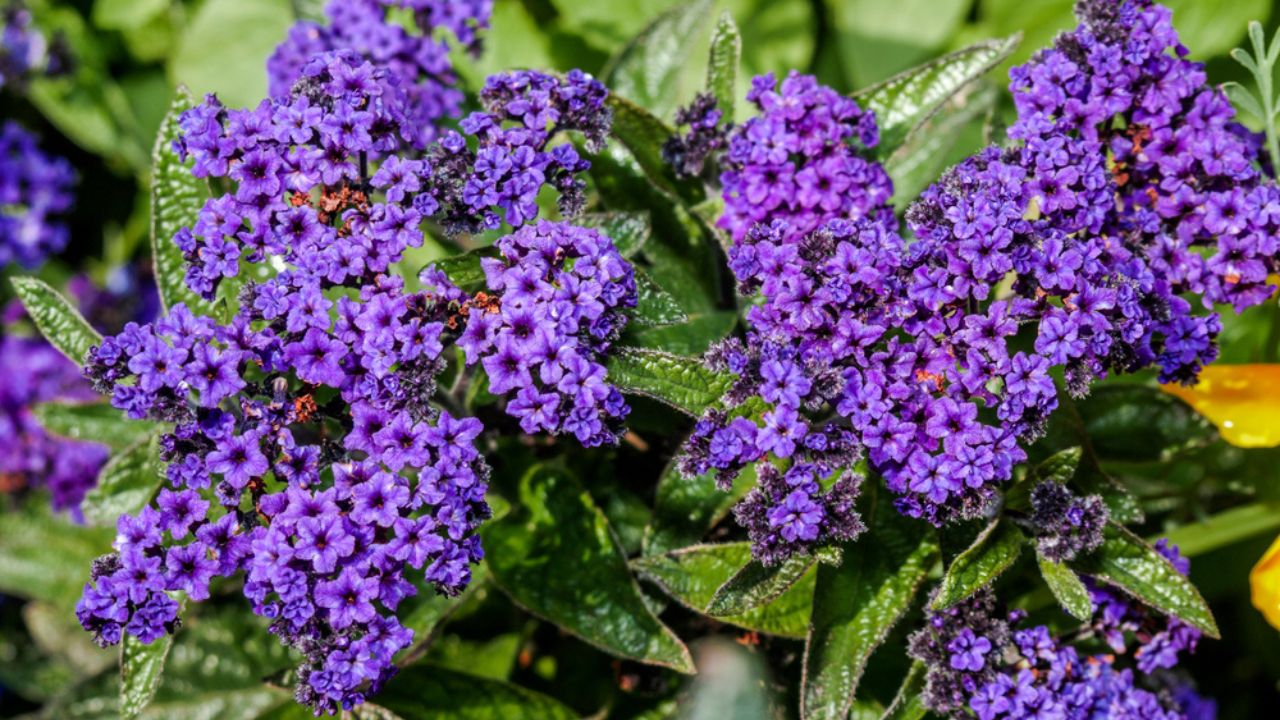
What it is: Tender perennial (Zones 9–11; annual elsewhere) with clusters of violet or white flowers.
Scent: “Cherry pie” fragrance, cherry and vanilla.
- Care tips: Full sun (afternoon shade in hot zones); well-drained, fertile soil; moderate water. Pinch to keep compact. Place by seating or in window boxes to savor the scent.
12. Chocolate Flower (Berlandiera lyrata)
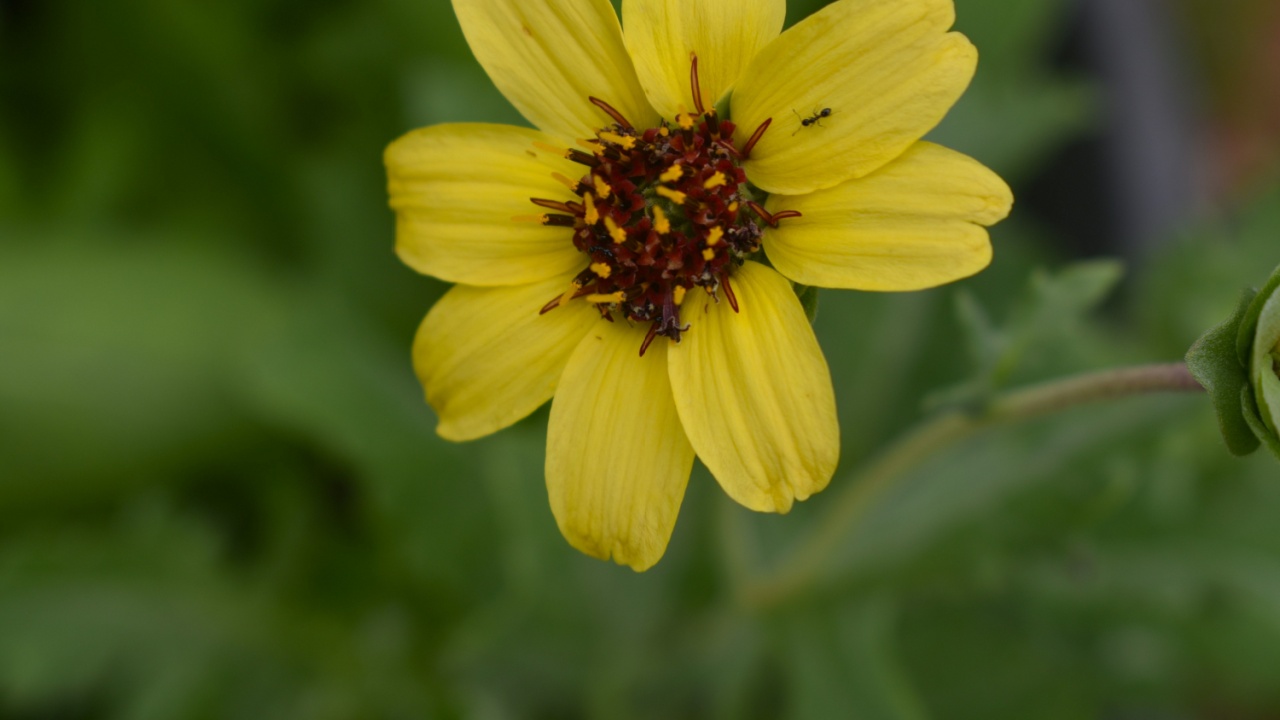
What it is: Perennial (Zones 4/5–10) native to the Southwest, with daisy-like yellow blooms.
Scent: Early-day cocoa aroma fades as petals close midday.
- Care tips: Full sun; very well-drained, even sandy soil; drought tolerant. Ideal for xeriscapes and pollinator gardens.
13. Star Jasmine (Trachelospermum jasminoides)

What it is: Evergreen vine (Zones 7b–10) with starry white blooms in spring and early summer.
Scent: Sweet, jasmine-like, and pervasive.
- Care tips: Full sun to light shade; well-drained soil; moderate water. Train on trellises or fences; prune lightly after bloom. Superb near gates and patios.
14. Texas Mountain Laurel (Dermatophyllum secundiflorum)
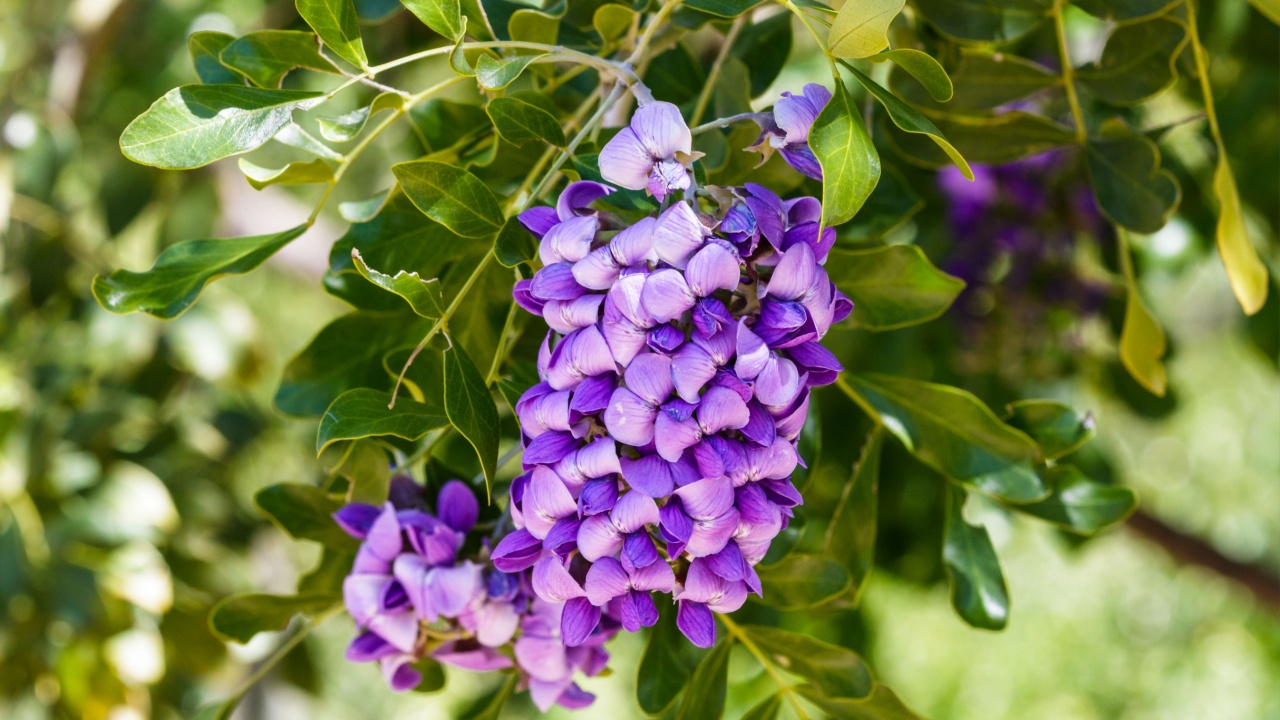
What it is: Evergreen shrub/small tree (Zones 7b–10b) with glossy leaves and purple spring flower clusters.
Scent: Intensely sweet,t often compared to grape soda (but richer).
- Care tips: Full sun; well-drained soil; very drought tolerant once established. Minimal pruning needed. Fantastic focal near sun-drenched patios.
Warning: Seeds are highly toxic if ingested.
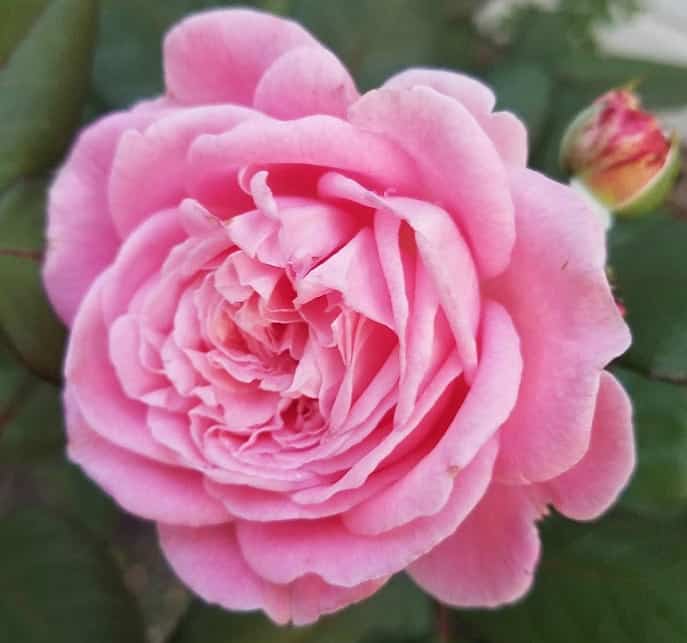
15. ‘Honey Perfume’ Rose (Rosa ‘Honey Perfume’)
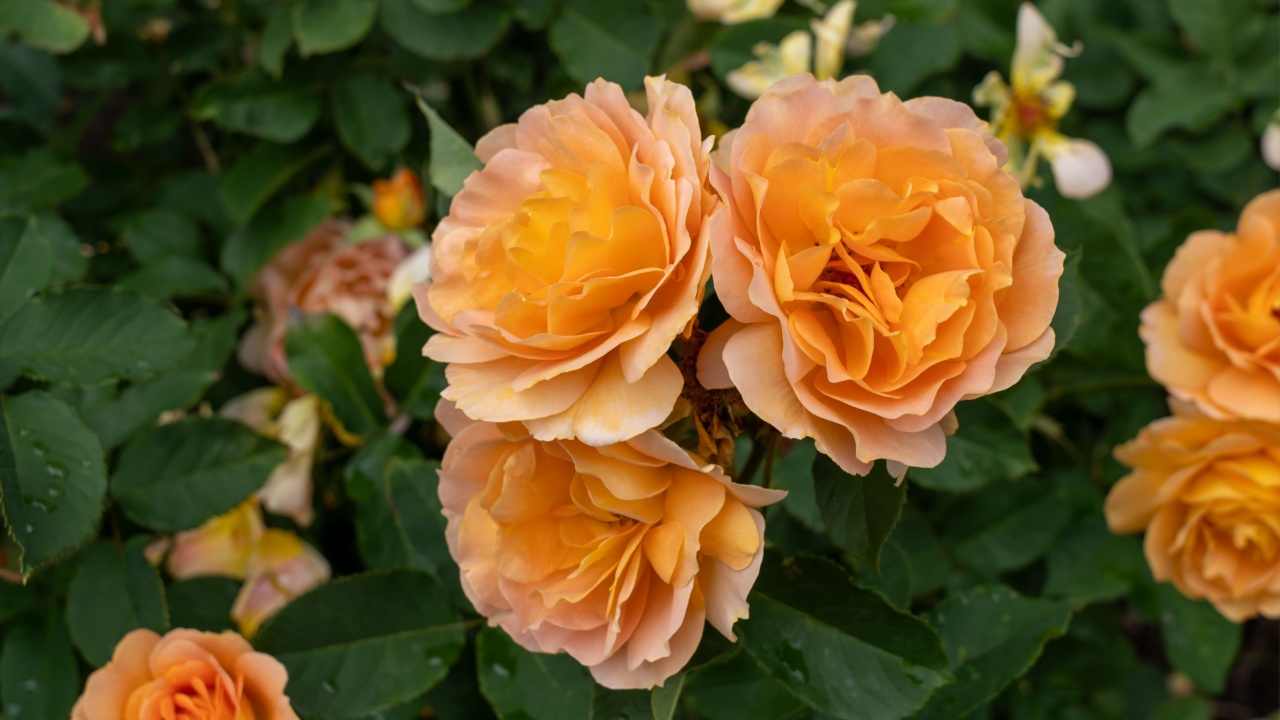
What it is: Floribunda rose (Zones 5–9) with clusters of ruffled apricot-yellow blooms.
Scent: Warm spice, clove, allspice, nutmeg.
- Care tips: Full sun; fertile, well-drained soil; regular deep watering and mulching. Prune in late winter. Choose disease-resistant rootstock and ensure good air flow.
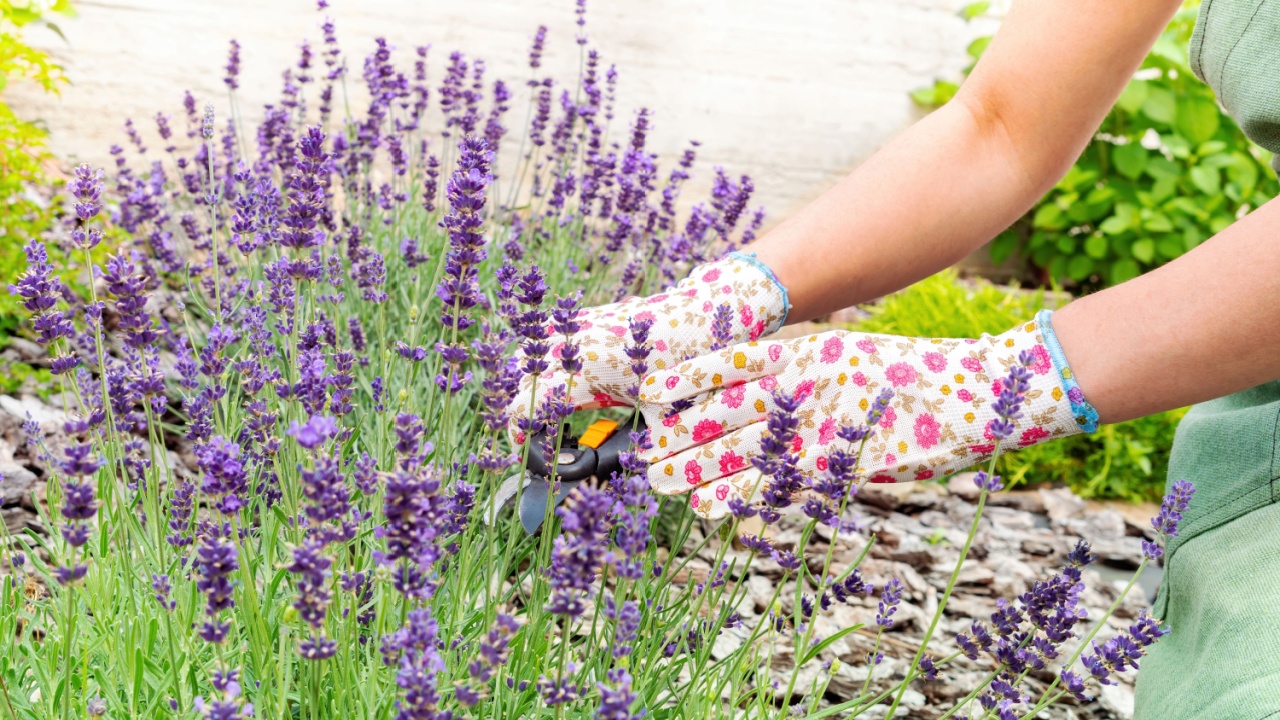
16. Lavender (Lavandula spp.)
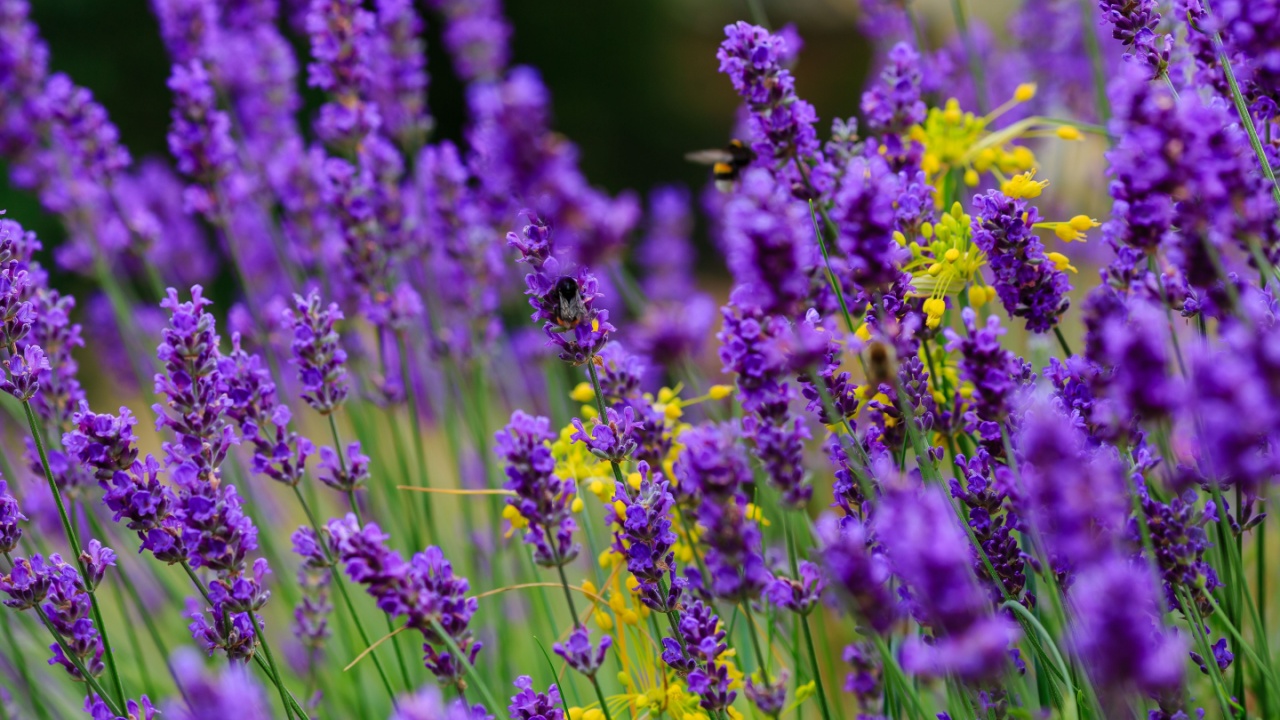
What it is: Woody perennial (hardiness varies by type; English lavender to Zone 5) with spires of purple or pink flowers.
Scent: Classic lavender herbal, floral, calming; foliage is aromatic too.
- Care tips: Full sun; lean, very well-drained soil (add grit); low to moderate water. Shear after bloom to keep mounded. Perfect for edging paths where brushing releases scent.
17. Sweet Pea (Lathyrus odoratus)
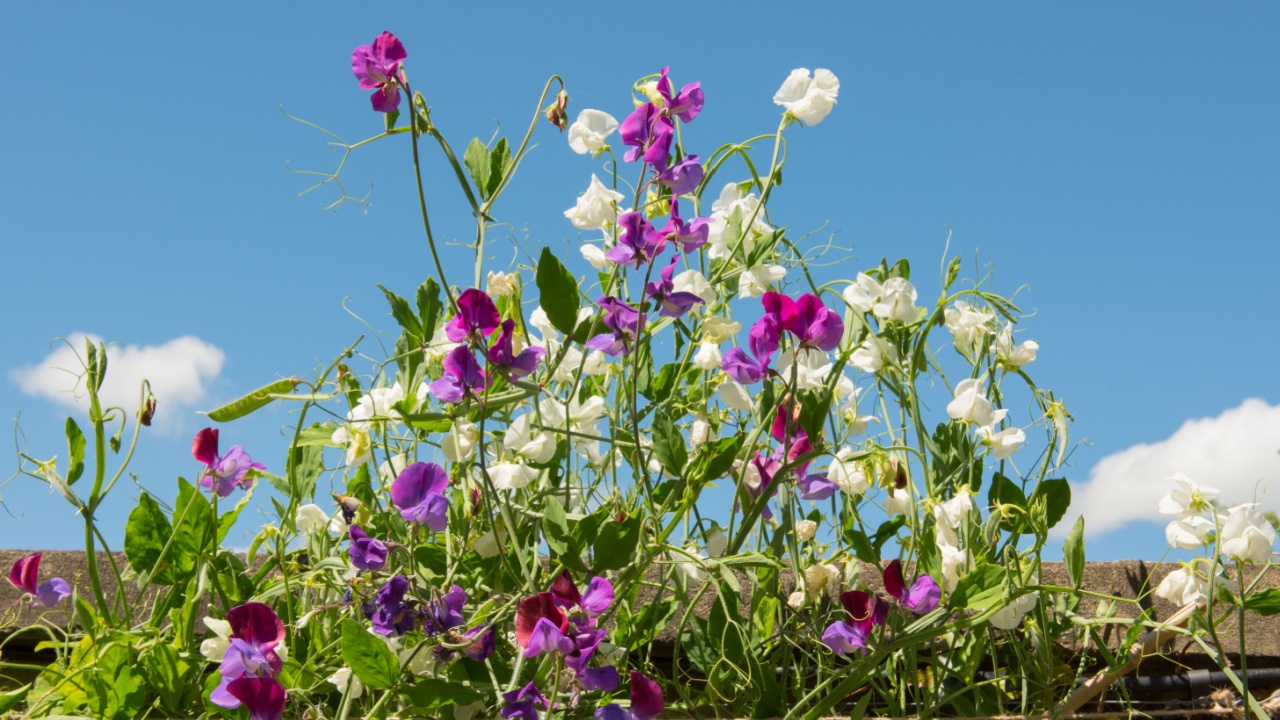
What it is: Annual vine (some perennial species exist) with ruffled blooms in pinks, purples, and white.
Scent: Intensely floral notes of rose and hyacinth.
- Care tips: Full sun with cool roots (mulch helps); rich, well-drained soil; regular feeding. Provide trellises and pick often to keep blooms coming. Note: Not edible; all parts are toxic, so don’t confuse with edible peas.
18. Dwarf Desertpeony (Acourtia nana)
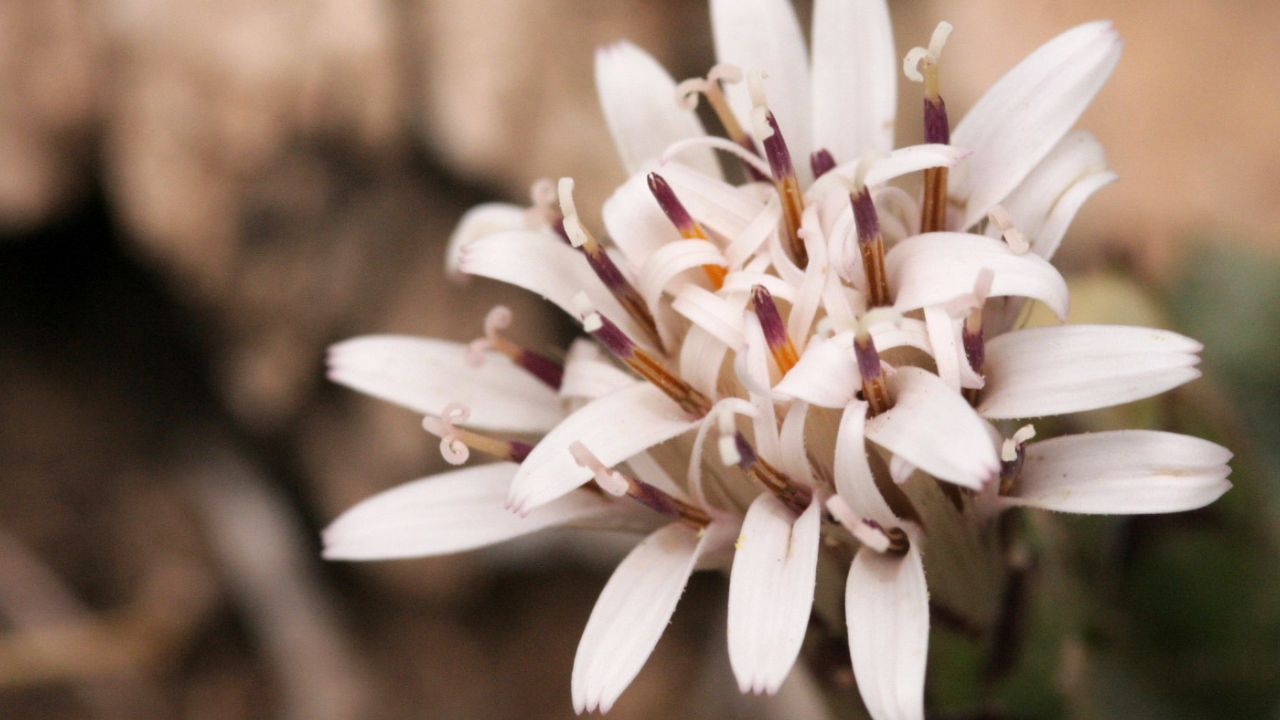
What it is: Small perennial (Southwest native) about 8 inches tall with frilly pink, purple, or white flowers.
Scent: Jasmine- to violet-like sweetness.
- Care tips: Full sun; very well-drained, dry soil; minimal water. Ideal for rock gardens and desert-style landscapes.
19. Rosemary (Salvia rosmarinus)
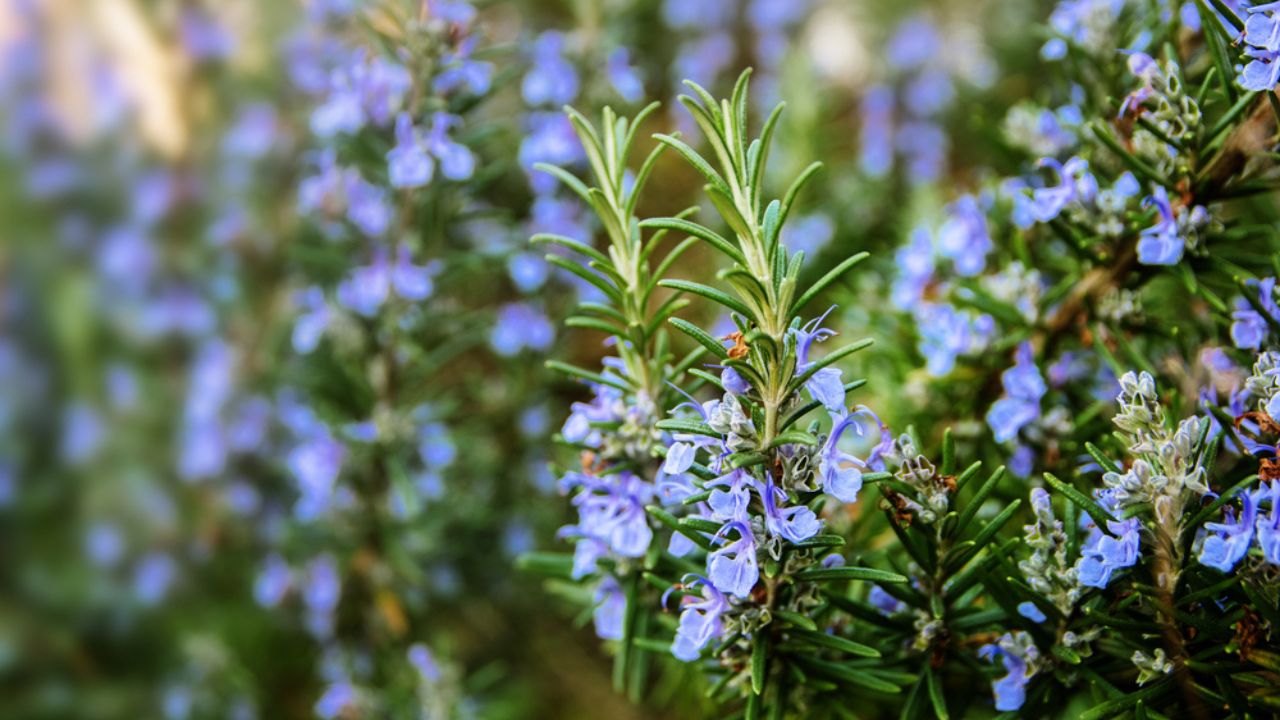
What it is: Evergreen herb (generally Zones 7–10) with needle-like foliage and pale blooms.
Scent: Piney, resinous, savory released with the lightest touch.
- Care tips: Full sun; well-drained soil; drought tolerant once established. Avoid overwatering. Use as a hedge or near kitchen doors for quick snips and aromatherapy.
20. Giant Hyssop (Agastache spp.)
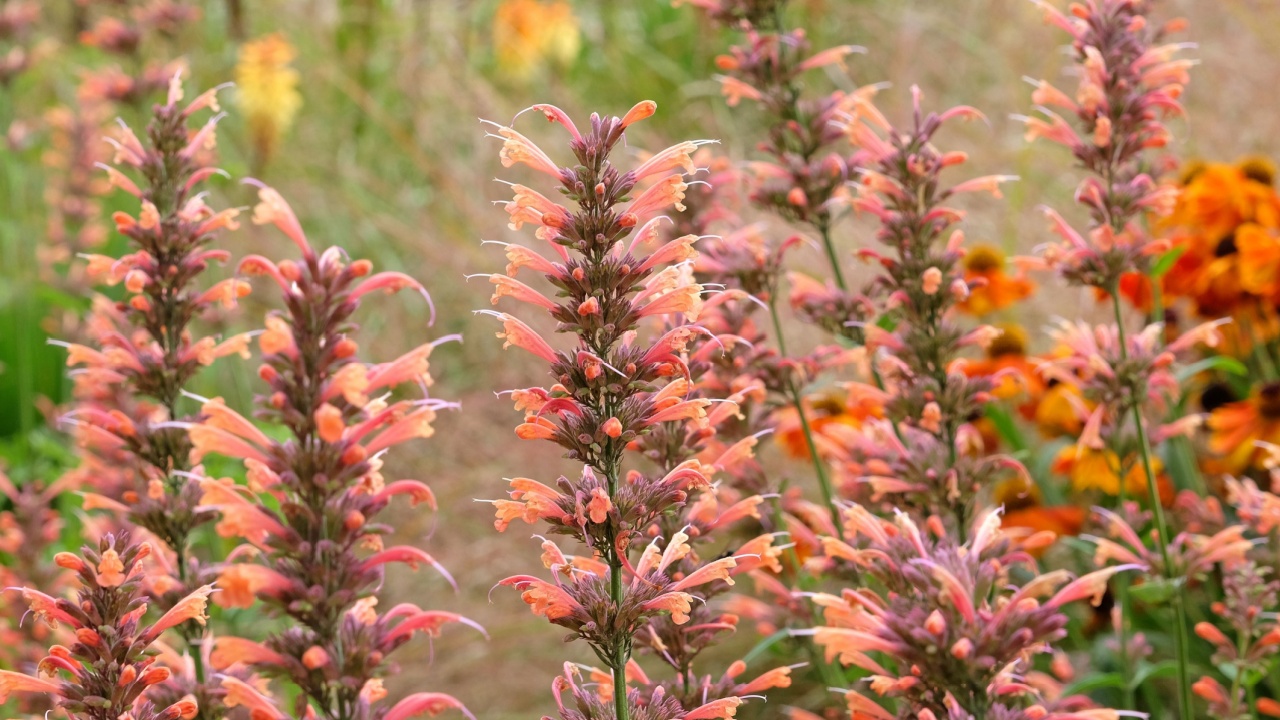
What it is: Perennial (Zones 4–10, variety dependent) with upright spikes in blue, purple, orange, or pink.
Scent: Aromatic foliage, geranium, mint, or mixed herbal; flowers are lightly sweet.
- Care tips: Full sun; well-drained, not overly rich soil; drought tolerant. Deadhead to extend bloom. A pollinator magnet is great in meadow-style plantings.
21. Night-Blooming Jasmine (Cestrum nocturnum)
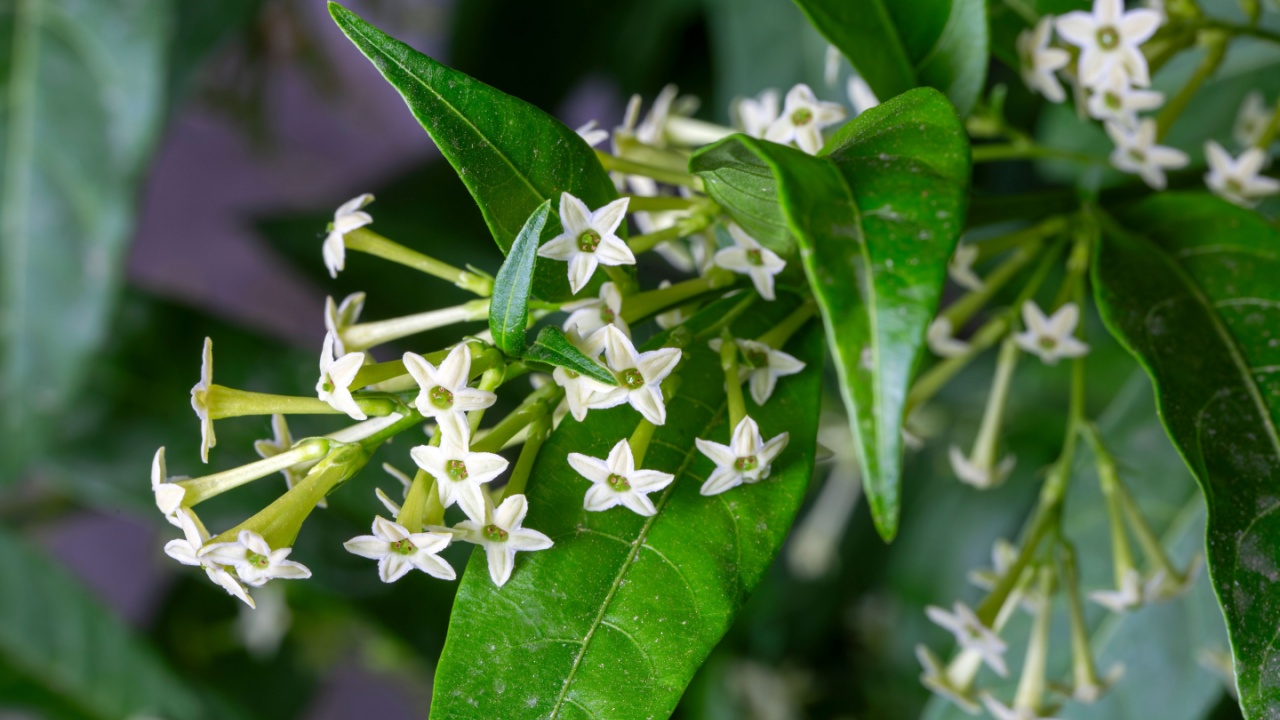
What it is: Tropical/subtropical shrub (Zones 9–11; container plant elsewhere) that releases its scent after dusk with clusters of small greenish-white tubular blooms.
Scent: Powerfully sweet at night; one plant can scent an entire patio.
- Care tips: Full sun to light shade; well-drained soil; moderate water. Prune after bloom to control size. Overwinter indoors in cold zones. Place downwind of seating to enjoy the evening perfume without overwhelming indoor spaces.
22. Sweet Alyssum (Lobularia maritima)
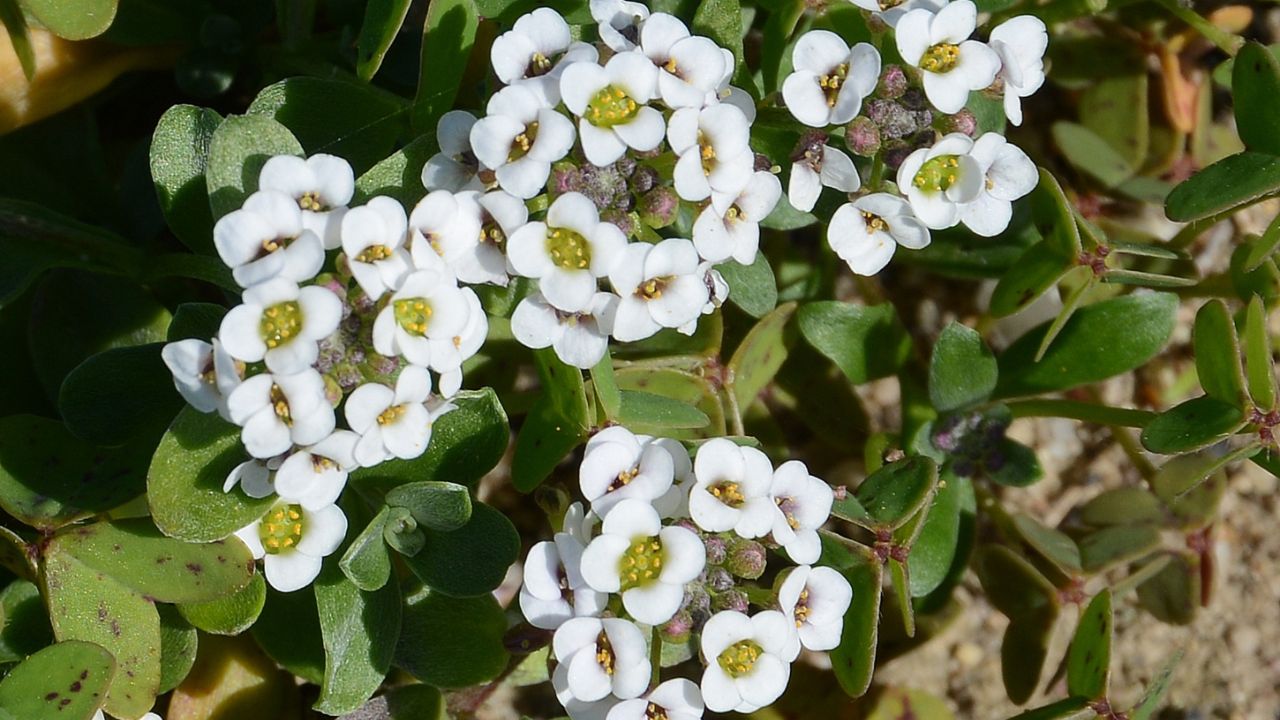
What it is: Cool-season annual with blankets of tiny white, pink, or purple flowers that bloom in spring and fall (longer in mild climates).
Scent: Honeyed, sugary fragrance, especially strong in masses.
- Care tips: Full sun to part sun; well-drained soil; moderate water. Shear lightly when bloom slows to encourage rebloom. Excellent for edging paths, filling containers, and tucking between stepping stones where the scent rises as you walk.
Warning: toxic if ingested.
How to Design a Year-Round Fragrant Garden
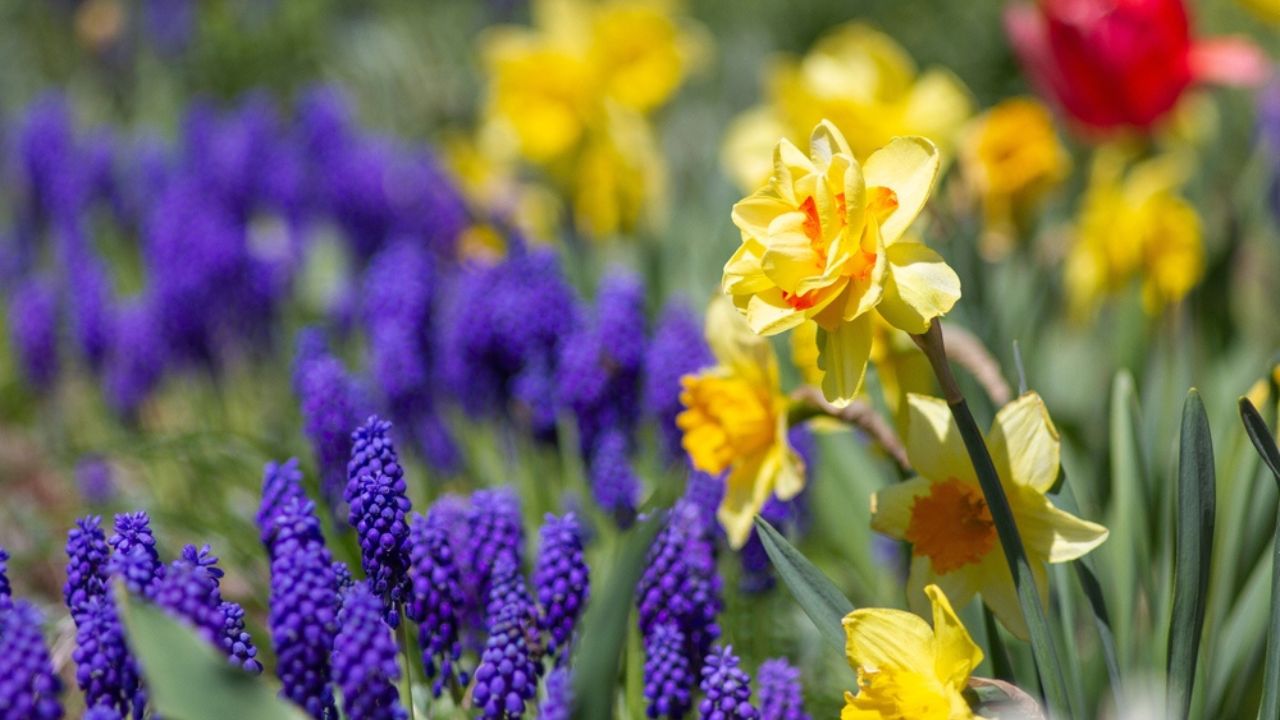
Want a garden that smells heavenly, filled with the flowers we just listed? Try these ideas:
- Layer bloom times: Combine spring bulbs (daffodils, hyacinths), early shrubs (star jasmine, Texas mountain laurel), summer showstoppers (roses, lilies, heliotrope), and fall stalwarts (agastache, rosemary).
- Place with purpose: Put the most fragrant plants near doors, paths, windows, and patios. Night-fragrant picks (jasmine tobacco, night-blooming jasmine, tuberose) thrive in outdoor seating areas.
- Mind the microclimate: Warm, sheltered spots intensify fragrance. Morning sun with afternoon shade suits many heavy bloomers in hot regions.
- Soil and drainage: Most aromatic plants prefer well-drained soils. Add compost for structure and grit for drainage as needed.
- Water wisely: Fragrance often improves when plants aren’t overwatered. Water deeply, then allow the topsoil to dry (exceptions apply for moisture-loving species like lilies).
- Avoid systemic pesticides: They can contaminate nectar and reduce pollinator activity. Handpick pests, encourage beneficial insects, and use targeted, pollinator-safe methods.
Quick Reference: Sun and Water Tolerances
What should you choose for your garden? Here’s a quick guide to get you started with choosing what’s right for your yard.
- Dry/great drainage: Lavender, rosemary, chocolate flower, agastache, dwarf desertpeony
- Even moisture: Stargazer lily, freesia, chamomile, pineapple sage
- Heat with light shade: Gardenia, ‘Honey Perfume’ rose, star jasmine, scentsation honeysuckle
- Container standouts: Tuberose, freesia, heliotrope, night-blooming jasmine, pineapple sage
Plant a Scent Trail You’ll Love
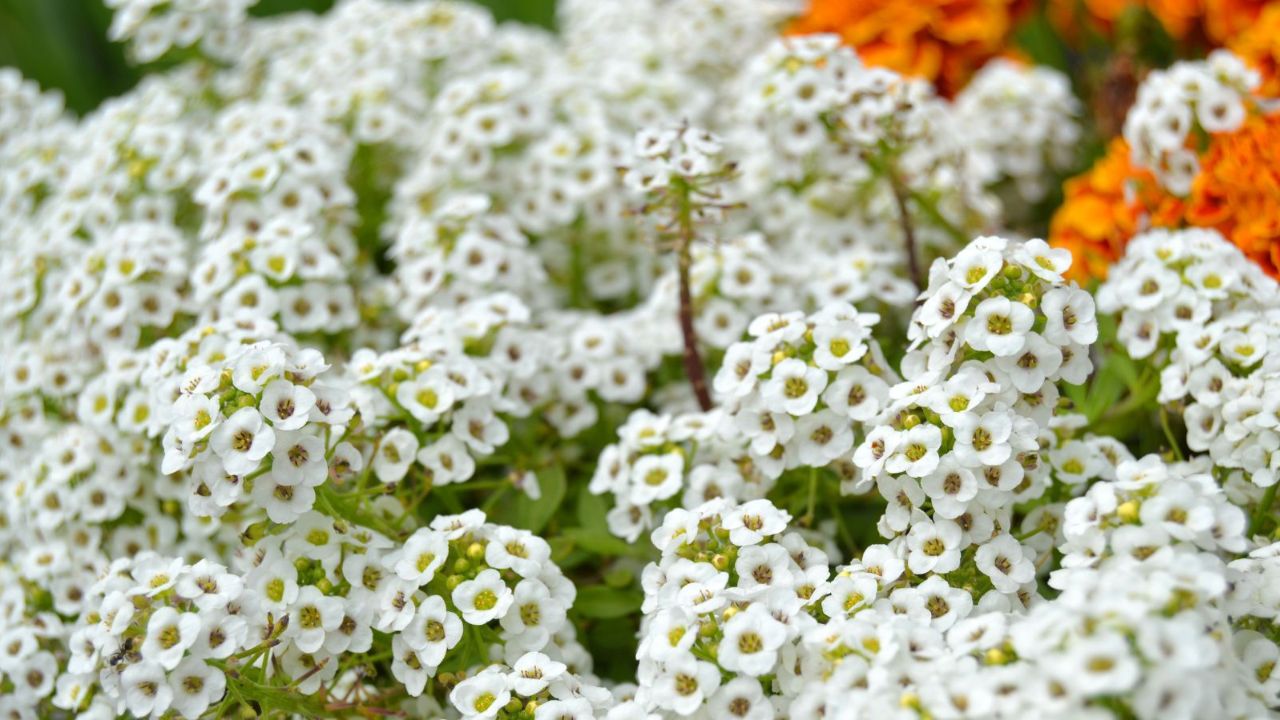
Pick three to five plants that suit your climate and sun, then site them where you pass or sit daily. For a simple starter palette: edge a path with lavender and sweet alyssum, add a container of tuberose for evening fragrance, train star jasmine near a patio, and mix in a ‘Honey Perfume’ rose for summer spice.
With a few smart choices, your garden will smell as enchanting as it looks morning, noon, and night.
Read more:
15 Plants Worth Adding to Your Garden Just for Their Heavenly Smells
18 Indoor Plants That Smell Amazing