9 Beautiful Yellow Flowers That Attract Pollinators to the Yard
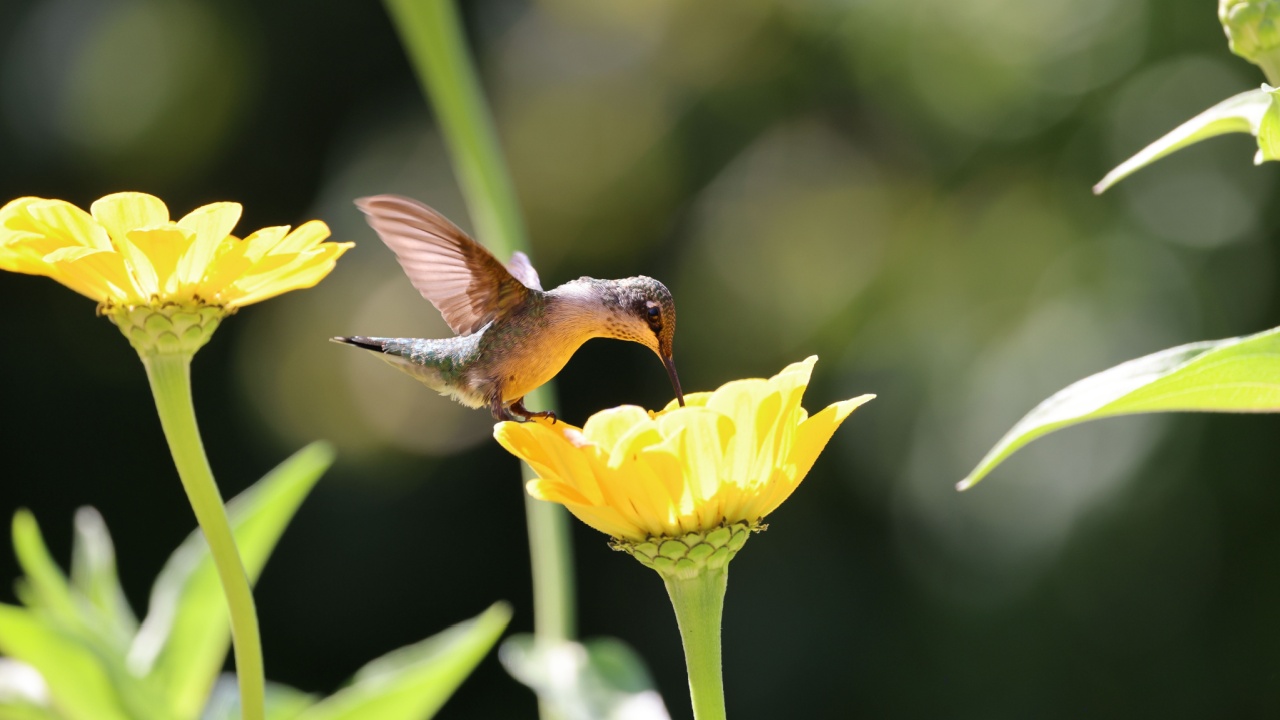
Hummingbirds don’t just chase red blooms. They’re also drawn to nectar-rich flowers with tubular shapes that fit their slender bills and tongues, including yellow ones. If you want more hummingbird activity in your yard and cheery colors, you can plant a mix of yellow bloomers that offer nectar from spring through fall.
In this article, you’ll find nine proven options from research-backed sources plus two additional, data-supported plants. For each flower, you’ll get key traits, why hummingbirds love it, and simple care tips to help you grow a reliable buffet.
Sourced from the Experts (and a Few Educated Guesses)
Most of the flowers featured in this guide are drawn from trusted horticultural and ecological sources, including university extensions and the forest service. These experts have studied hummingbird feeding habits, flower morphology, and nectar availability to identify the plants that truly support hummingbirds throughout their active seasons.
A few selections, especially less common cultivars or newer introductions, are included based on well-informed observations from experienced gardeners and pollinator enthusiasts.
1. Yellow Trumpet Honeysuckle (Lonicera sempervirens — yellow form)
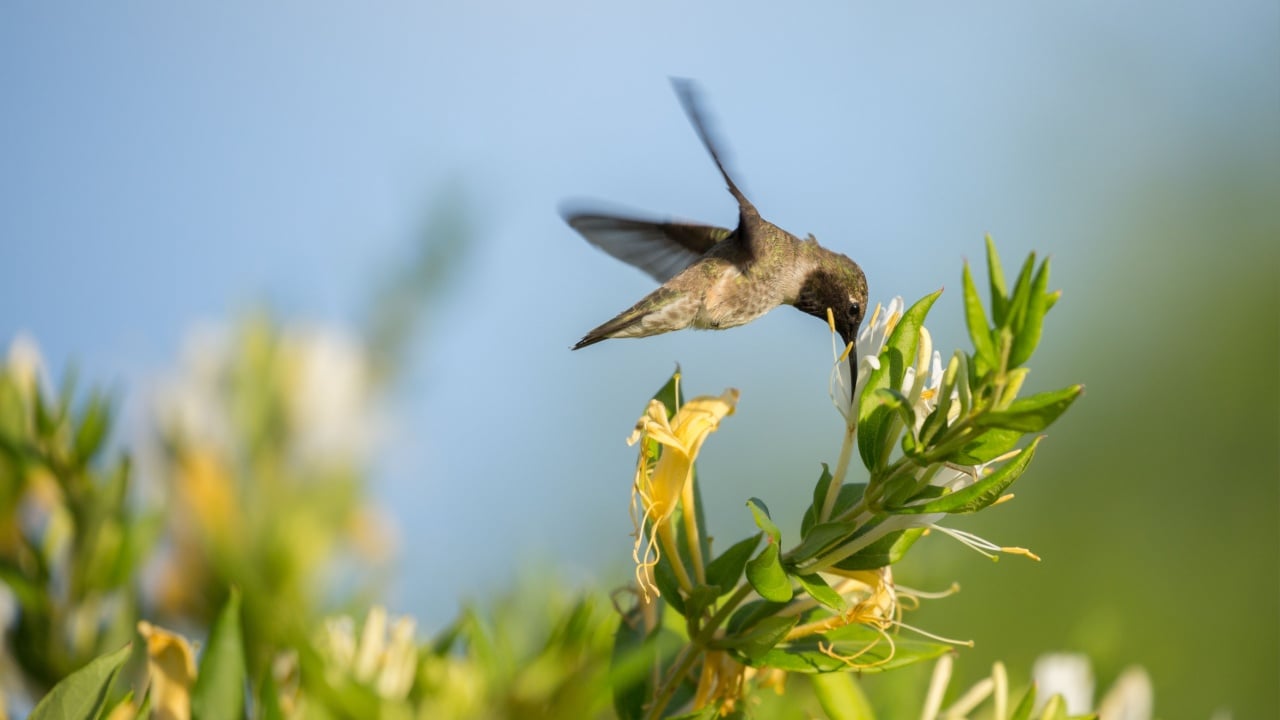
What it is: A vigorous native vine (zones 4–9) with clusters of trumpet-shaped blooms and glossy green leaves. The yellow form of trumpet honeysuckle offers sunny funnels from late spring into summer and can rebloom with light pruning.
Why hummingbirds love it: The long tubular corollas hold abundant nectar and are easy for hummers to access while hovering. Clusters create efficient foraging—multiple sips without moving far.
Care tips:
- Light and soil: Full sun for best bloom; fertile, well-drained soil.
- Water: Keep evenly moist the first season; drought-tolerant once established.
- Support and pruning: Provide a sturdy trellis or fence (vines to ~20 feet). Lightly prune after the main bloom flush to shape and encourage rebloom.
2. Woolly Yarrow (Achillea tomentosa)
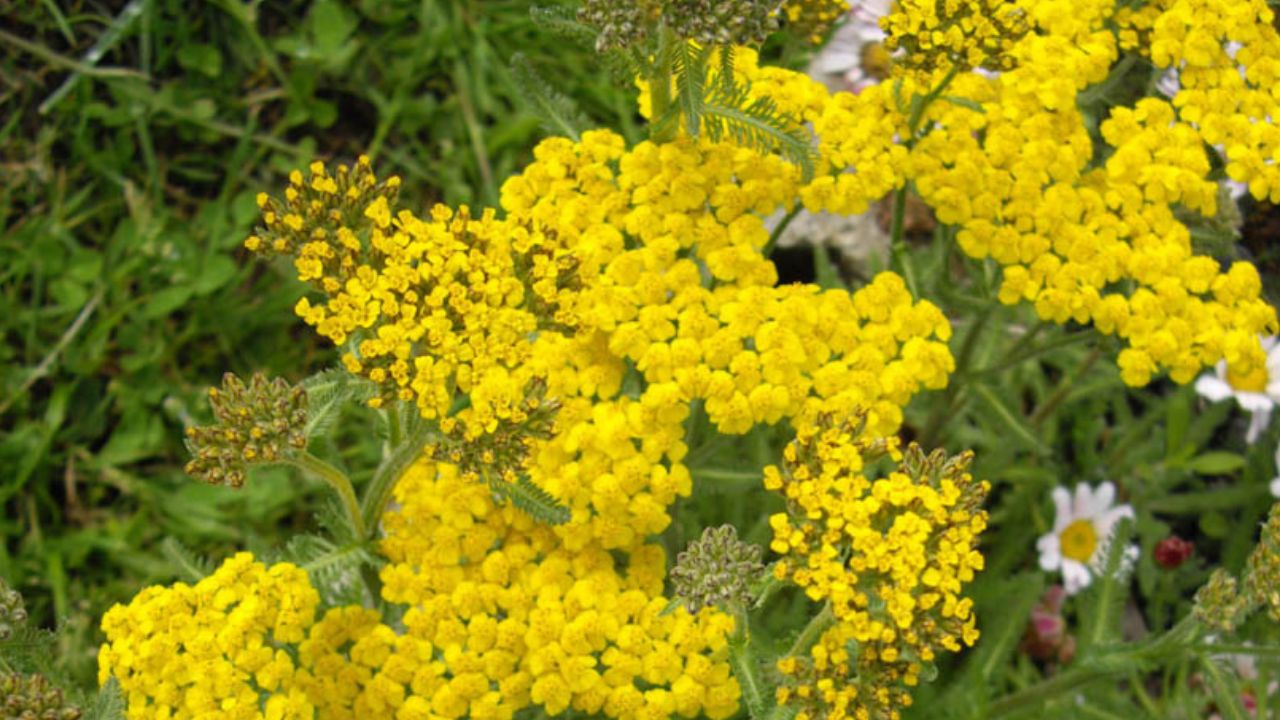
What it is: A low, spreading perennial ground cover (zones 3–7) with fuzzy gray-green foliage and flat-topped clusters of bright yellow flowers in late spring and early summer.
Why hummingbirds love it: While yarrow’s open umbels are famous with bees and butterflies, hummers use them as nectar “snacks” and perches while moving between deeper tubular blooms nearby. Clump-forming mats create safe, open viewing and foraging areas.
Care tips:
- Light and soil: Full sun; well-drained, lean soils.
- Water: Low to moderate; avoid soggy conditions.
- Maintenance: Deadhead to extend bloom and prevent self-seeding; shear lightly after flowering for a tidy mat.
3. Southern Sundrops (Oenothera fruticosa)
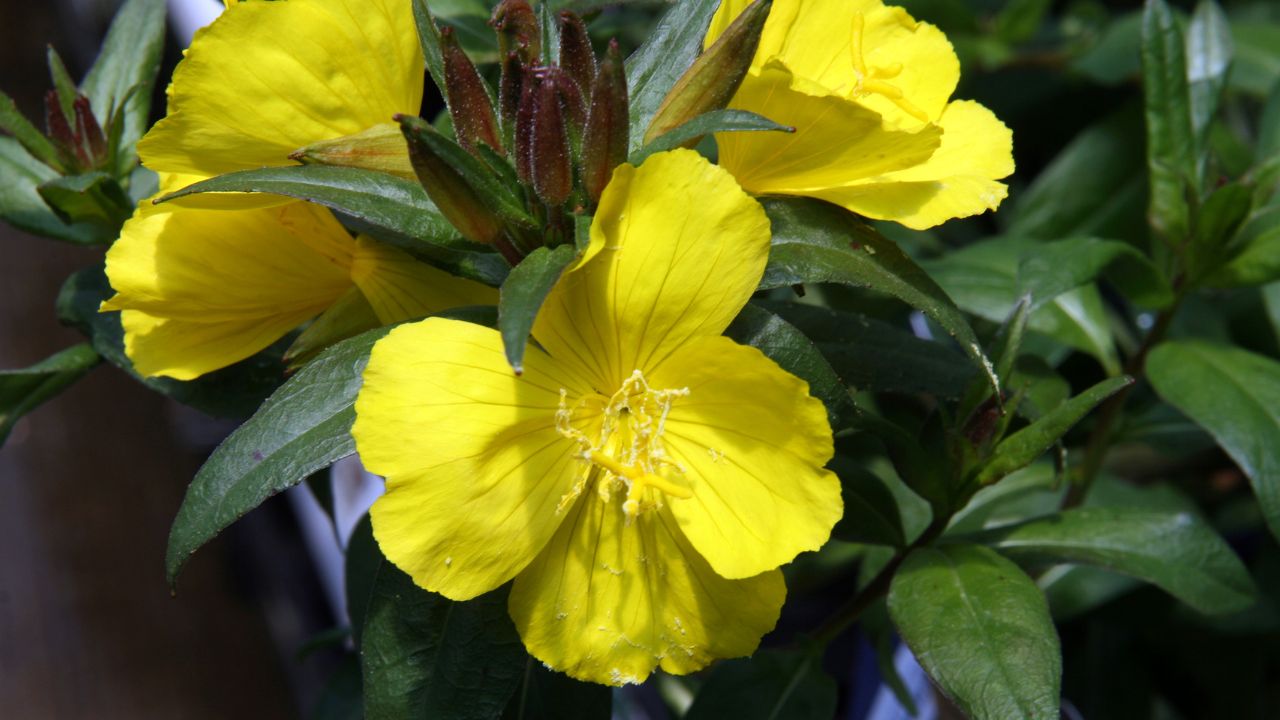
What it is: A native evening primrose (zones 4–8) forming 18-inch stems topped with glowing yellow saucers from late spring into summer.
Why hummingbirds love it: While not an obvious favorite of hummers, consistent bloom production offers frequent nectar stops. The open, shallow flowers allow quick feeding between tubular targets, keeping birds in your garden longer.
Care tips:
- Light and soil: Full sun; well-drained soil (tolerates sandy sites).
- Water: Moderate; drought-tolerant once established.
- Maintenance: Deadhead to promote new blooms; divide clumps every 3–4 years to maintain vigor.
4. Bluestem Goldenrod (Solidago caesia)
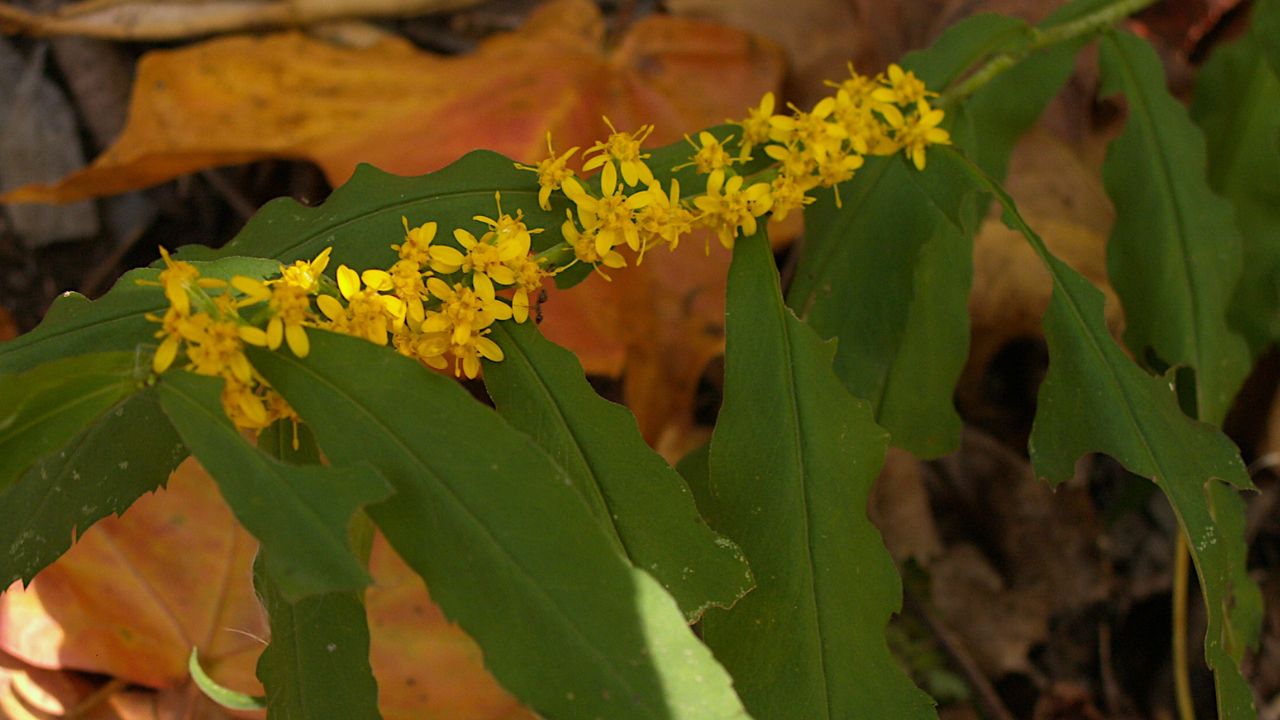
What it is: A shade-tolerant goldenrod (zones 4–8) that threads bright yellow flower sprays along purple-tinged stems in late summer to fall.
Why hummingbirds love it: Late-season nectar matters when hummers migrate. Goldenrod’s small flowers are rich in nectar and draw insect prey—another important food source for hummingbirds.
Care tips:
- Light and soil: Part shade to full sun; average, well-drained soil.
- Water: Moderate; drought-tolerant once established.
- Maintenance: Cut back spent stems in late fall or very early spring; clumps can be divided in spring.
5. Carolina Jessamine (Gelsemium sempervirens)
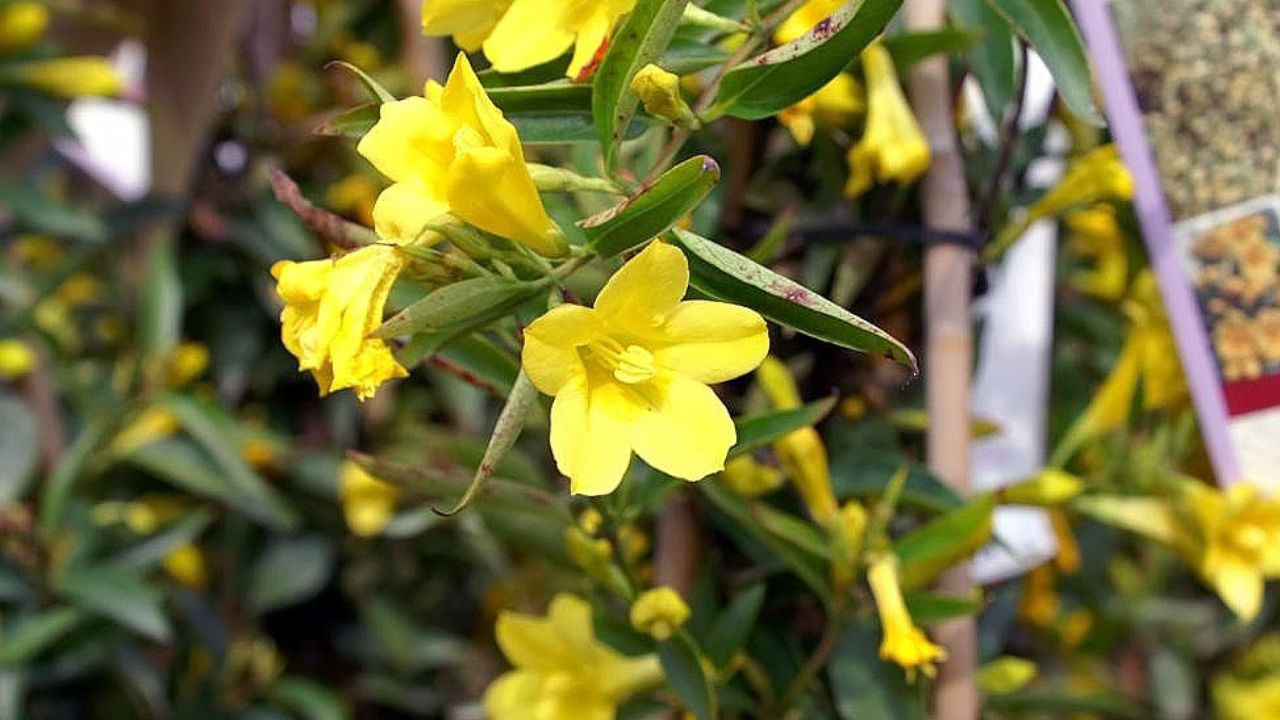
What it is: An evergreen or semi-evergreen native vine (zones 6–10) smothered in fragrant, trumpet-shaped yellow flowers in late winter to spring, with sporadic blooms later.
Why hummingbirds love it: Early-season nectar is scarce—these trumpets offer a timely energy source. The tubular shape suits hummingbird feeding mechanics.
Care tips:
- Light and soil: Full sun for best bloom; fertile, well-drained soil.
- Water: Moderate; mulch to keep roots cool.
- Caution: All parts are toxic—avoid if pets or children nibble plants. Provide sturdy support and prune after flowering to manage size.
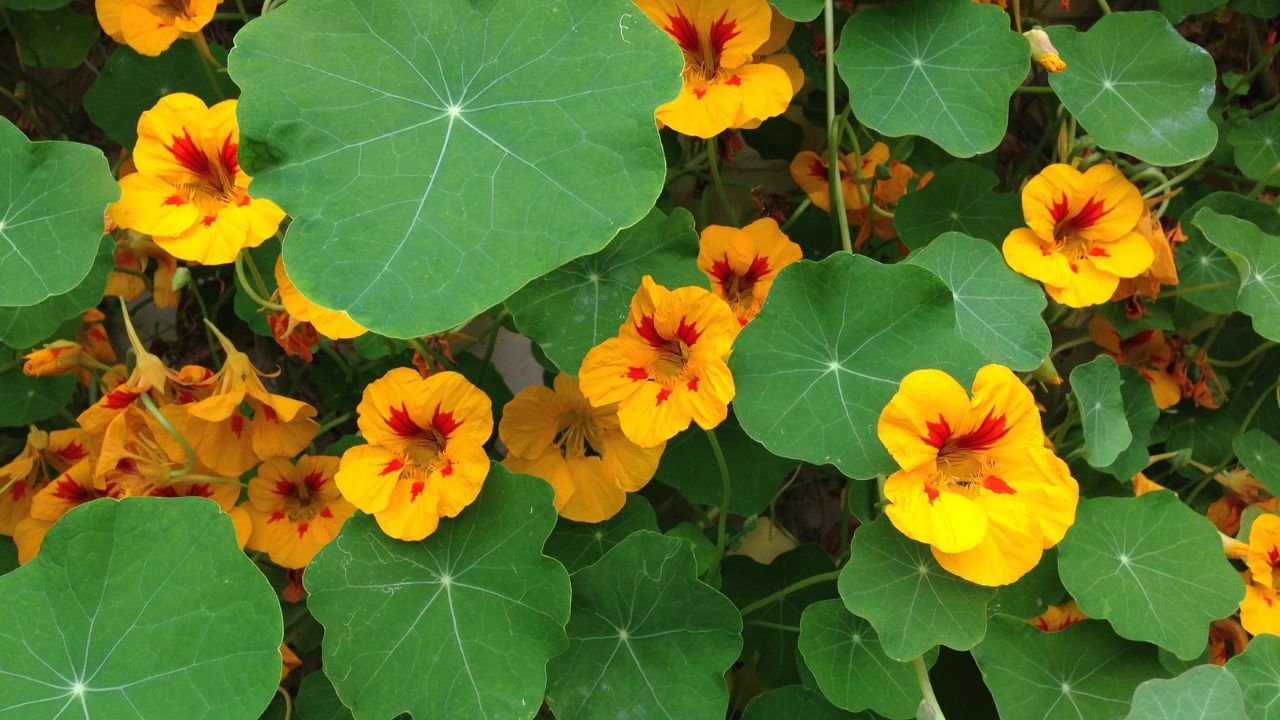
6. Common Nasturtium (Tropaeolum majus)
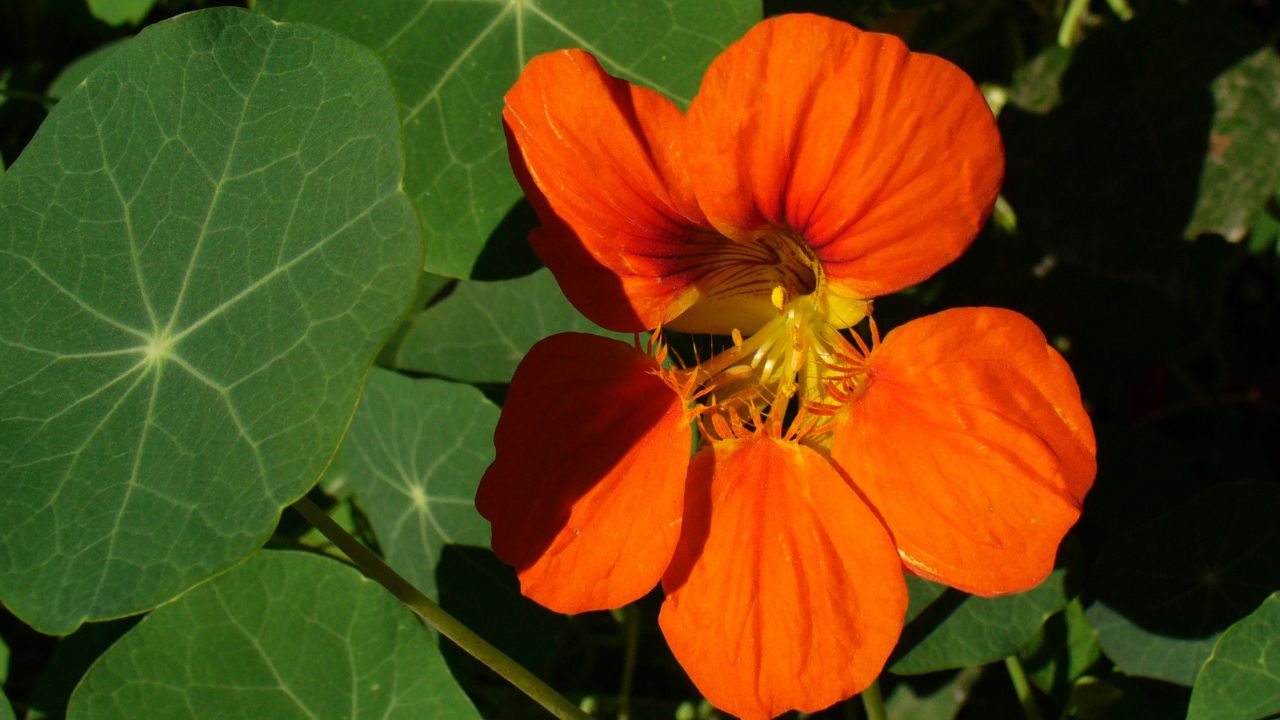
What it is: A cheerful annual (grown in zones 2–11 as warm-season color) with round leaves and funnel-shaped flowers in shades of yellow, orange, and red.
Why hummingbirds love it: Another flower that isn’t specifically reported as a hummingbird favorite. However, the long spurs hold nectar and the bloom’s funnel is easy for hummingbirds to probe. Nasturtiums also host aphids, which hummingbirds can pick off tiny insects for protein.
Care tips:
- Light and soil: Full sun; average to lean, well-drained soil (too much fertility leads to leaves over flowers).
- Water: Moderate; allow the top inch of soil to dry between waterings.
- Maintenance: Deadhead to extend bloom; trailing forms benefit from light trellising or basket planting.
7. Yellow Pineleaf Penstemon (Penstemon pinifolius ‘Mersea Yellow’)
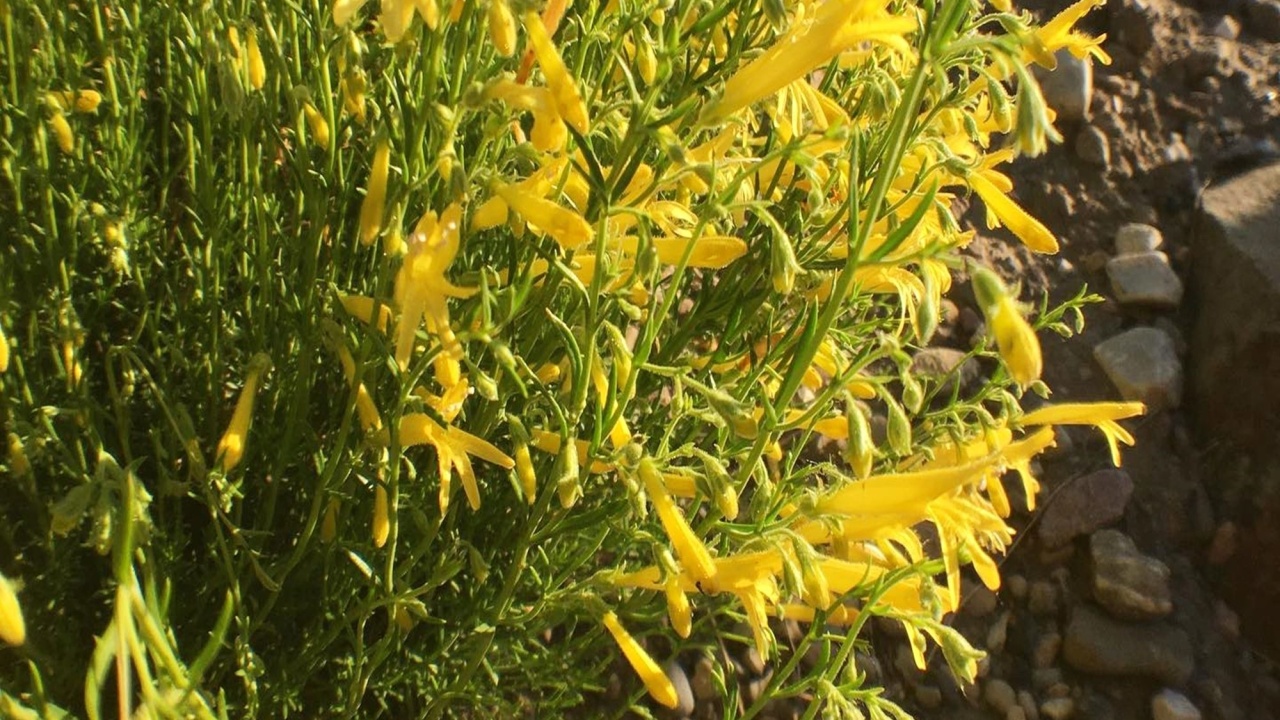
What it is: A compact, needle-leaved penstemon (zones 4–9) forming mounds to ~12 inches and covered with slender yellow tubes in late spring through summer.
Why hummingbirds love it: Penstemons are classic hummingbird plants. The narrow tubular flowers are nectar-rich and perfectly shaped for hummingbird bills.
Care tips:
- Light and soil: Full sun; very well-drained, gritty soil—excellent in rock gardens.
- Water: Low once established; avoid overwatering.
- Maintenance: Deadhead to rebloom; avoid heavy mulches that trap moisture around the crown.
8. Yellow Trumpetbush (Tecoma stans)
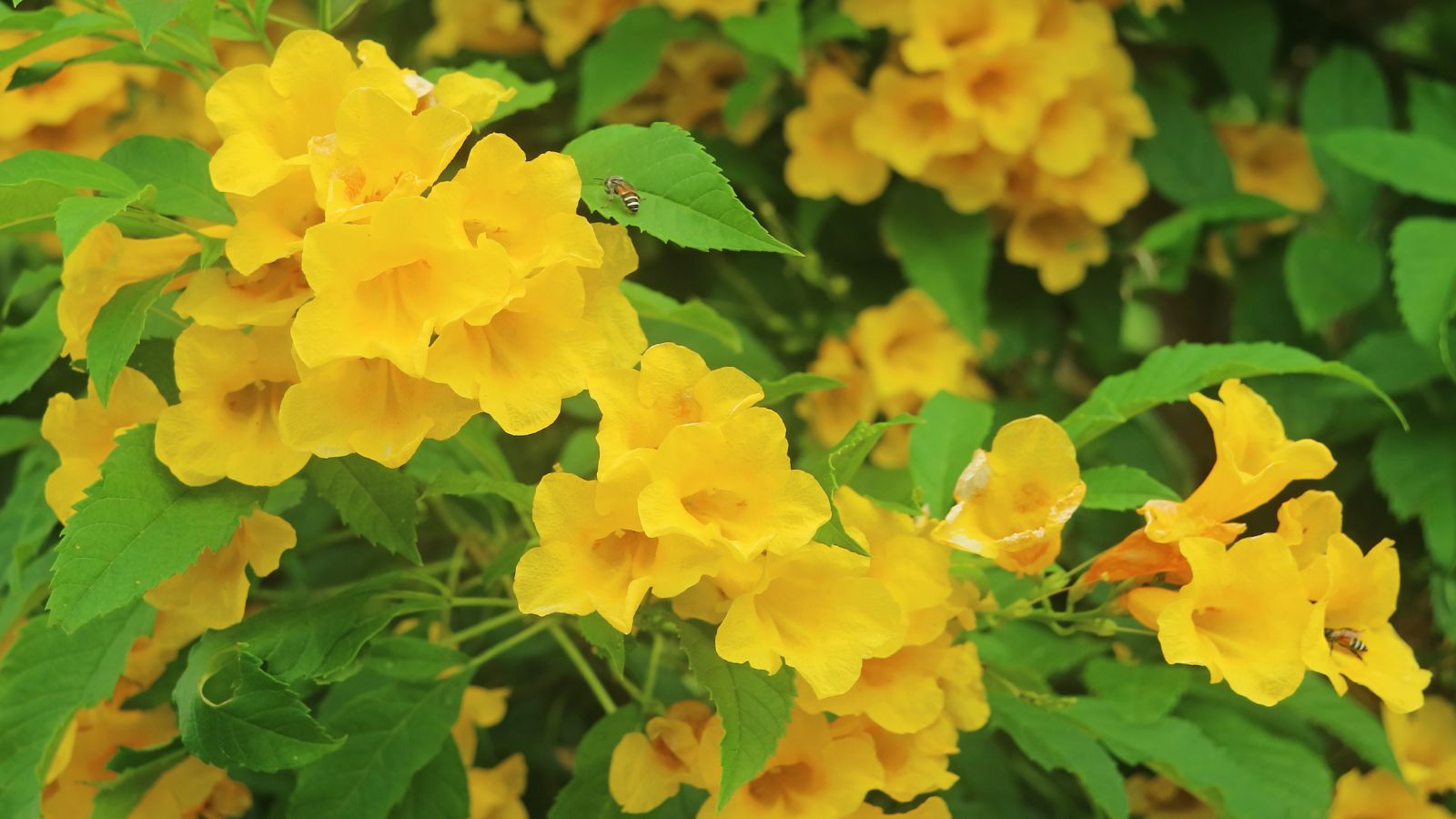
What it is: A heat-loving shrub or small tree (zones 8–11) producing cascades of lemon-yellow trumpets from late spring to frost. Often grown as a patio/container specimen in cooler zones and overwintered indoors.
Why hummingbirds love it: The abundant, tubular clusters are classic hummingbird fare. Long bloom duration means steady nectar availability during peak hummingbird season.
Care tips:
- Light and soil: Full sun; well-drained soil.
- Water: Moderate; more frequent in containers.
- Maintenance: Pinch or prune to keep a tidy shape and encourage branching. In frost-prone areas, grow in a large pot and bring inside before freezes.
9. Golden Columbine (Aquilegia chrysantha)
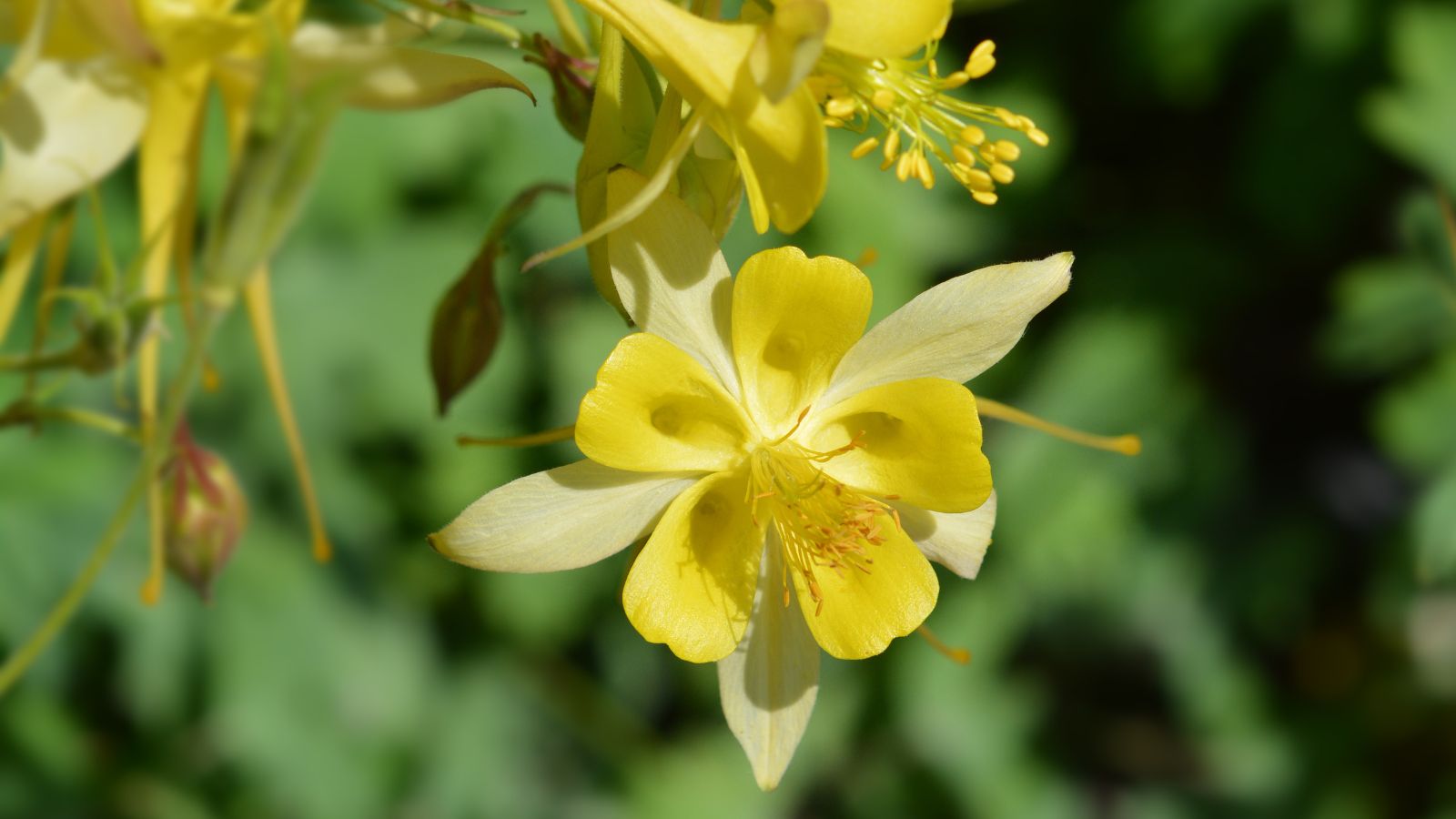
What it is: A long-spurred, golden-yellow columbine (zones 4–9) with nodding flowers in late spring to early summer. Native to the Southwest, it cross-pollinates easily with other columbines to extend color range.
Why hummingbirds love it: Columbine’s long nectar spurs evolved with hummingbird pollinators—the spur length matches hummingbird tongue reach, delivering a high-energy nectar reward.
Care tips:
- Light and soil: Morning sun with afternoon shade in hot climates; evenly moist, well-drained soils rich in organic matter.
- Water: Moderate; do not let soil stay soggy.
- Maintenance: Deadhead to prolong bloom; allow some seed for gentle reseeding. Cut back foliage if tattered and let fresh leaves regrow.
Planting Tips for a Hummingbird-Friendly Yellow Palette
Need ideas for planting the yellow hues we mentioned?
- Stagger bloom times: Combine early (Carolina jessamine), mid-season (penstemon, sundrops, nasturtium), and late-season (goldenrod, trumpetbush) to cover the whole hummingbird calendar.
- Mix flower shapes: Hummingbirds prefer tubes, but open clusters (yarrow, goldenrod) supply quick sips and attract insects hummers also eat.
- Layer heights: Use vines and shrubs for vertical structure, mid-border perennials for mass, and ground covers at the front to create safe flight corridors and perching spots.
- Skip pesticides: Systemic insecticides contaminate nectar. Use hand-picking, water sprays, and beneficial insects for management.
- Add water: A dripper or fine mister near plantings helps hummingbirds bathe and cool off, increasing visit time.
Add Beauty and Function

Creating a hummingbird-friendly garden is not only beneficial for these beautiful creatures but also adds beauty and diversity to our outdoor spaces. By understanding their feeding and nesting habits, we can easily provide them with the necessary resources to thrive in our gardens.
From planting native flowers to avoiding harmful pesticides, small changes in our gardening practices can make a big difference for hummingbirds. So next time you’re planning your garden, remember to include some of their favorite plants and create an inviting space for these tiny but mighty birds!
Read more:
16 Container Plants That Hummingbirds Love
14 Predators and Pests to Keep Away from Hummingbird Feeders