Want to Grow Dahlias This Year? Try These 12 Best Varieites
Looking to light up late summer and fall with show-stopping color? Dahlias deliver. With forms ranging from precise pompons to giant dinner plates and shades from soft pastels to moody merlot, there’s a dahlia for every bed, border, and vase.
This guide highlights 12 standout varieties, chosen for beauty, performance, and versatility, with notes on what they’re great for and how to use them in your garden. We gathered each of these beautiful choices straight from trusted nursery catalogs to give you a dose of inspiration for your next flower purchasing spree!
1. ‘American Dream’ (Dinnerplate, Semi-Cactus)
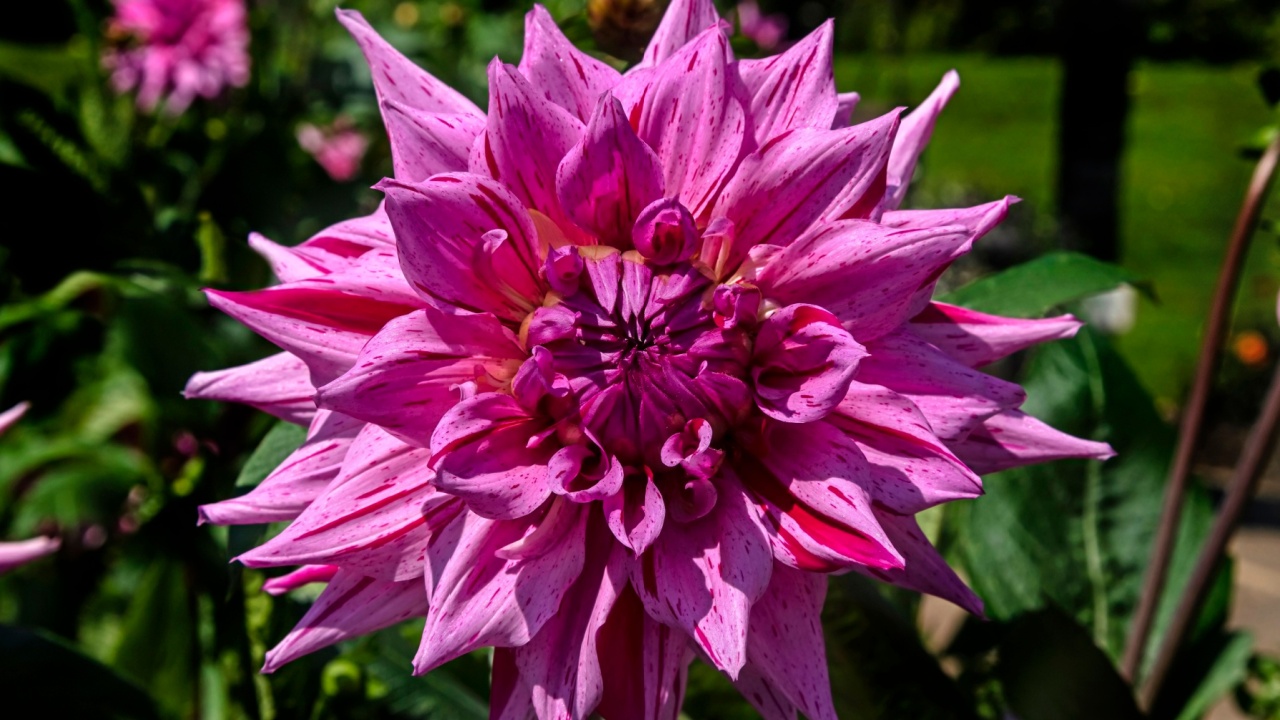
Big, bold, and blissfully pink, ‘American Dream’ produces fully double blooms in bubblegum pink streaked with raspberry, often reaching 8–10 inches across. Strong stems help support the oversized flowers, which last well in arrangements.
Why it’s a great choice: Perfect for focal points and “wow” moments in mixed borders, island beds, and cutting gardens. The huge flowers read from a distance and anchor color schemes.
Unique features: Semi-cactus form with furled petal tips adds texture and movement; excellent vase life.
2. ‘Labyrinth’ (Informal Decorative)
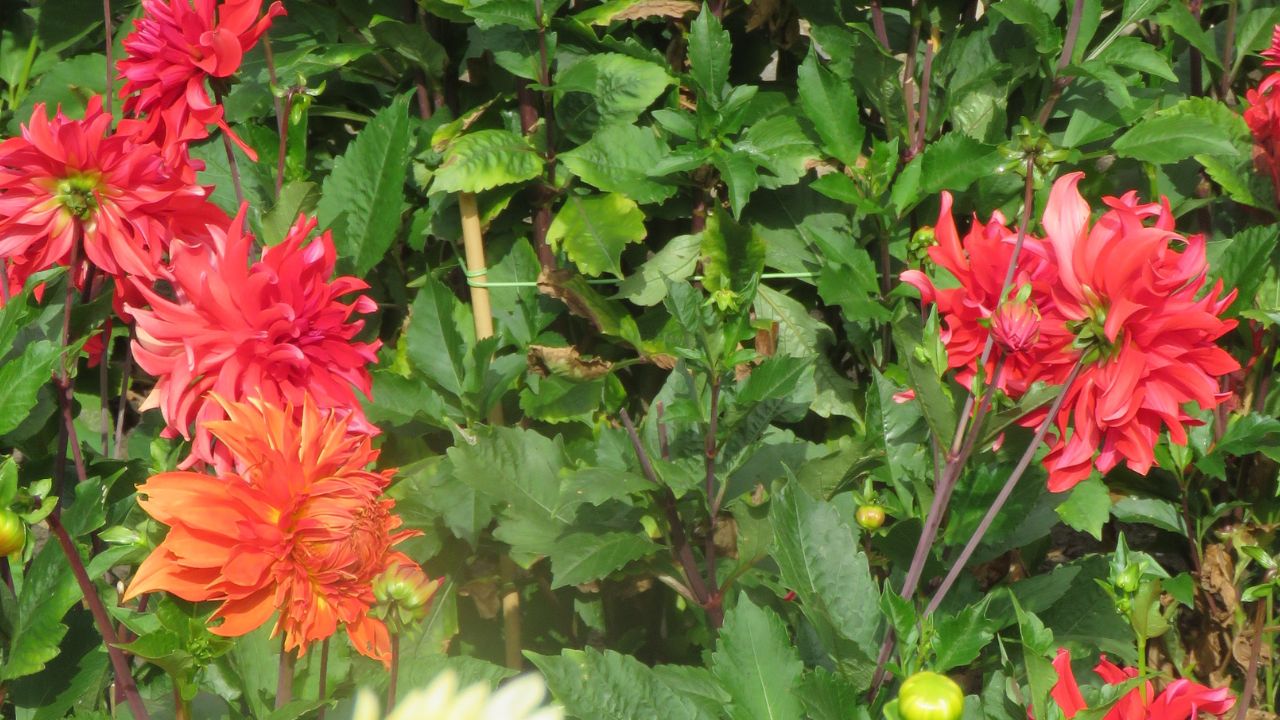
A florist favorite, ‘Labyrinth’ swirls pale pink, peach, and rose tones into large, twisting petals for a painterly, romantic look. Blooms often reach 8 inches and plants grow 3–4 feet tall.
Why it’s a great choice: Ideal for statement groups in borders and for abundant cutting—one or two clumps can supply bouquets for weeks.
Unique features: Twisted, ribbon-like petals and blended colors give a soft, modern-art effect.
3. ‘Thomas Edison’ (Dinnerplate, Informal Decorative)

Deep purple blooms with slightly lighter tips make ‘Thomas Edison’ an elegant dinnerplate option (up to 8 inches). Sturdy stems keep flowers upright in the garden and the vase.
Why it’s a great choice: Use at the back of beds for dramatic vertical color or mass in drifts for a high-impact monochrome scheme.
Unique features: Saturated jewel tone that pairs beautifully with silvers and bronzes in late-season plantings.
4. ‘Vancouver’ (Fully Double Novelty)
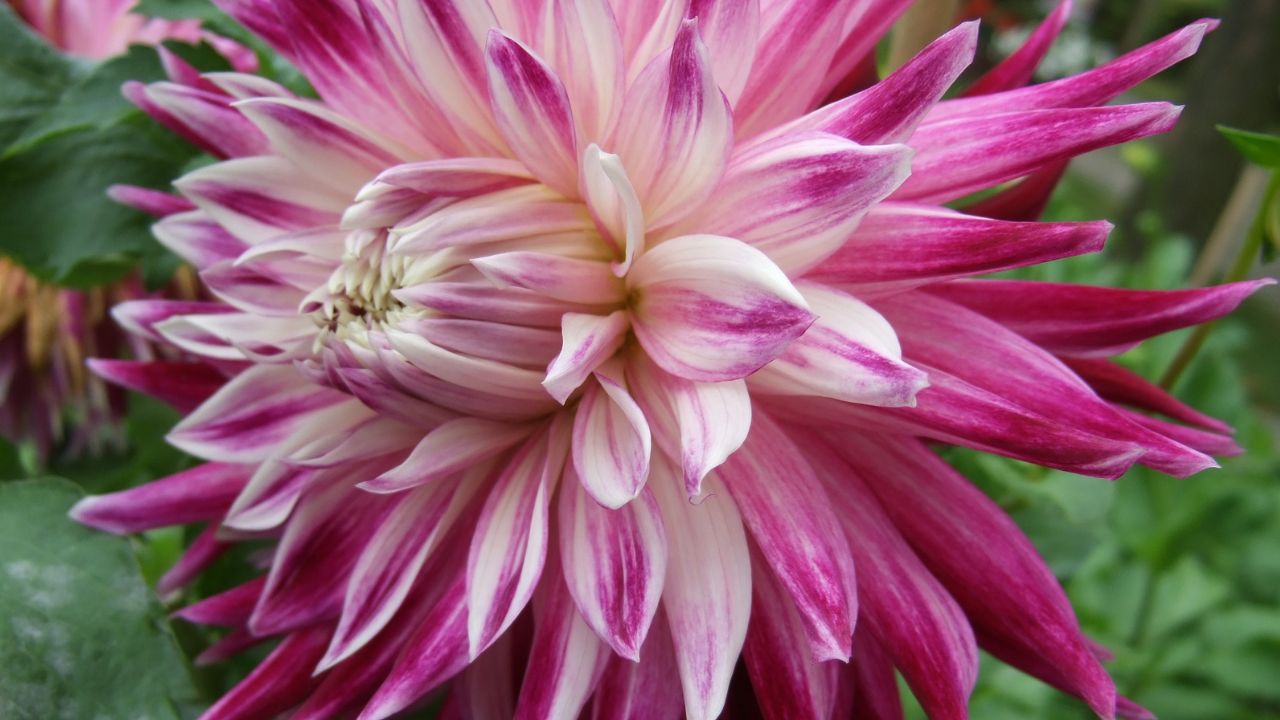
A high-performing, floriferous variety with magenta petals tipped in crisp white. Blooms reach 8–10 inches, and plants hit about 3-4 feet tall.
Why it’s a great choice: Outstanding for tall borders and cutting gardens; the bicolor pattern pops in photos and arrangements.
Unique features: White-tipped petals read as “sparkle” in the garden—great for moonlight gardens and evening entertaining.
5. ‘Cornel Bronze’ (Ball)

This perfectly symmetrical ball dahlia (3–4 inches) features incurved petals in bronzy orange that lighten at the tips. Plants reach 3–4 feet and produce prolifically.
Why it’s a great choice: Reliable form and long vase life make it a go-to for cut-flower growers; in beds, the warm hue ties together autumn palettes.
Unique features: Classic ball shape holds up in wind and rain better than larger decorative types.
6. ‘Brown Sugar’ (Ball)

Copper-orange petals deepen toward the center for a glowing, caramelized look. Blooms are up to 4 inches on sturdy 3–4 foot plants.
Why it’s a great choice: Exceptional in fall designs—pair with burgundy foliage or blue grasses. Its scale works anywhere from mid-border to containers.
Unique features: Warm, sophisticated tone that photographs beautifully and blends with both brights and neutrals.
7. ‘Lisonette’ (Cactus)
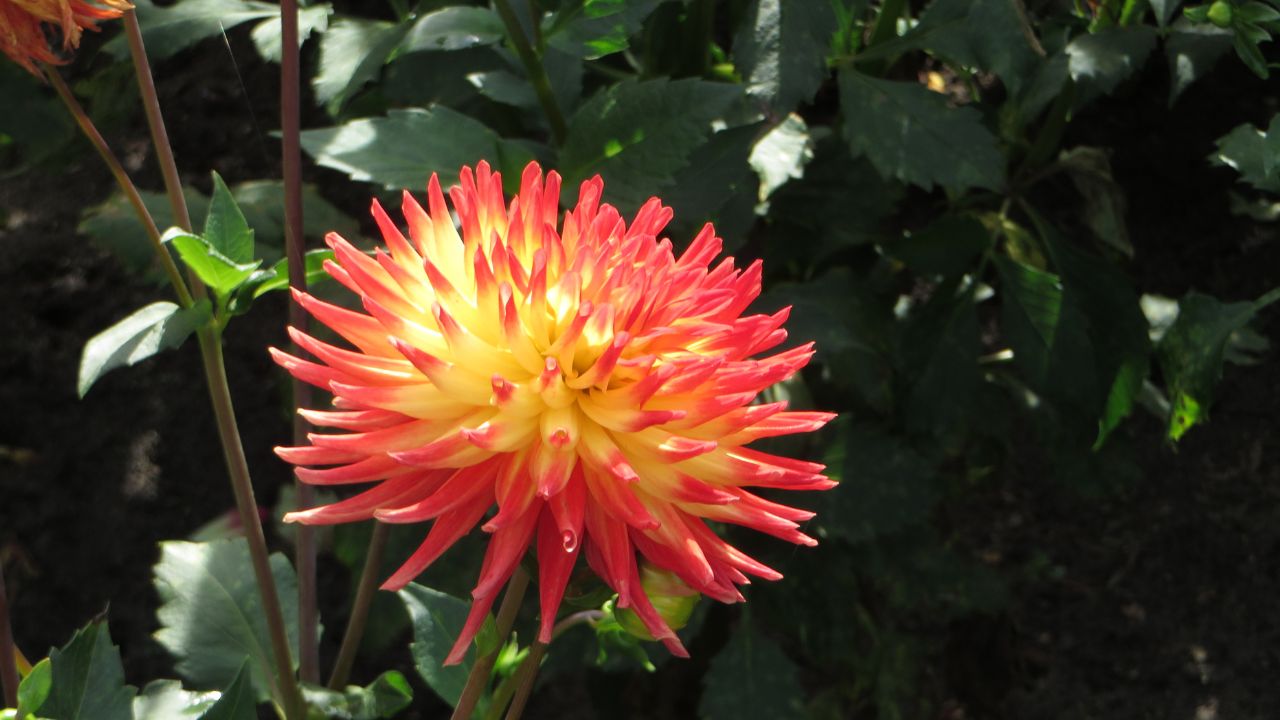
‘Lisonette’ shines like a sparkler—tight, narrow petals in lemon yellow tipped vermilion. Blooms reach up to 9 inches; plants grow 30–36 inches.
Why it’s a great choice: Use to inject energy into borders, cottage gardens, and mixed planters. The cactus form adds texture among rounded blooms.
Unique features: Fiery bicolor plus spiky silhouette = instant drama.
8. ‘Bodacious’ (Informal Decorative)
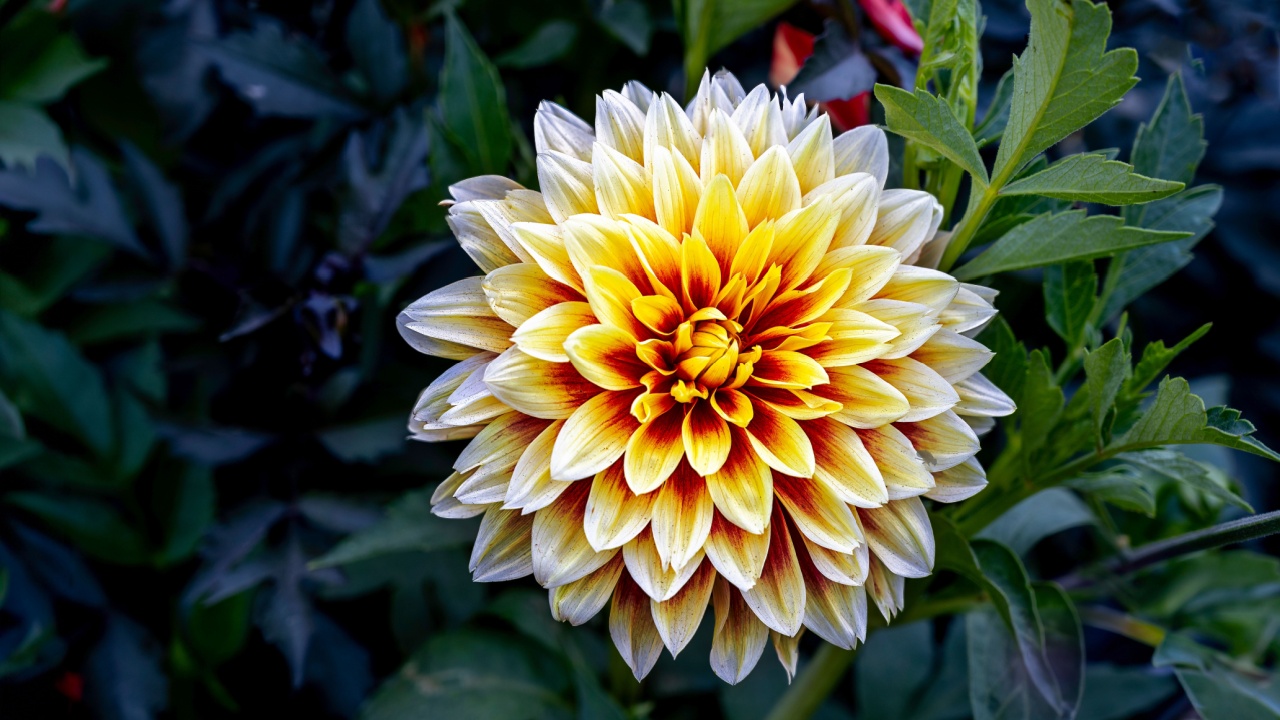
True to its name, ‘Bodacious’ flaunts fiery red-orange with lighter streaks or tips, often 8–11 inches across.
Why it’s a great choice: Plant where you want a conversation starter—entry beds, patio focal pots (with staking), or as a specimen in a cutting patch.
Unique features: High-contrast candy-stripe effect and tousled petals give a festive, “fireworks” feel.
9. ‘Rip City’ (Informal Decorative)
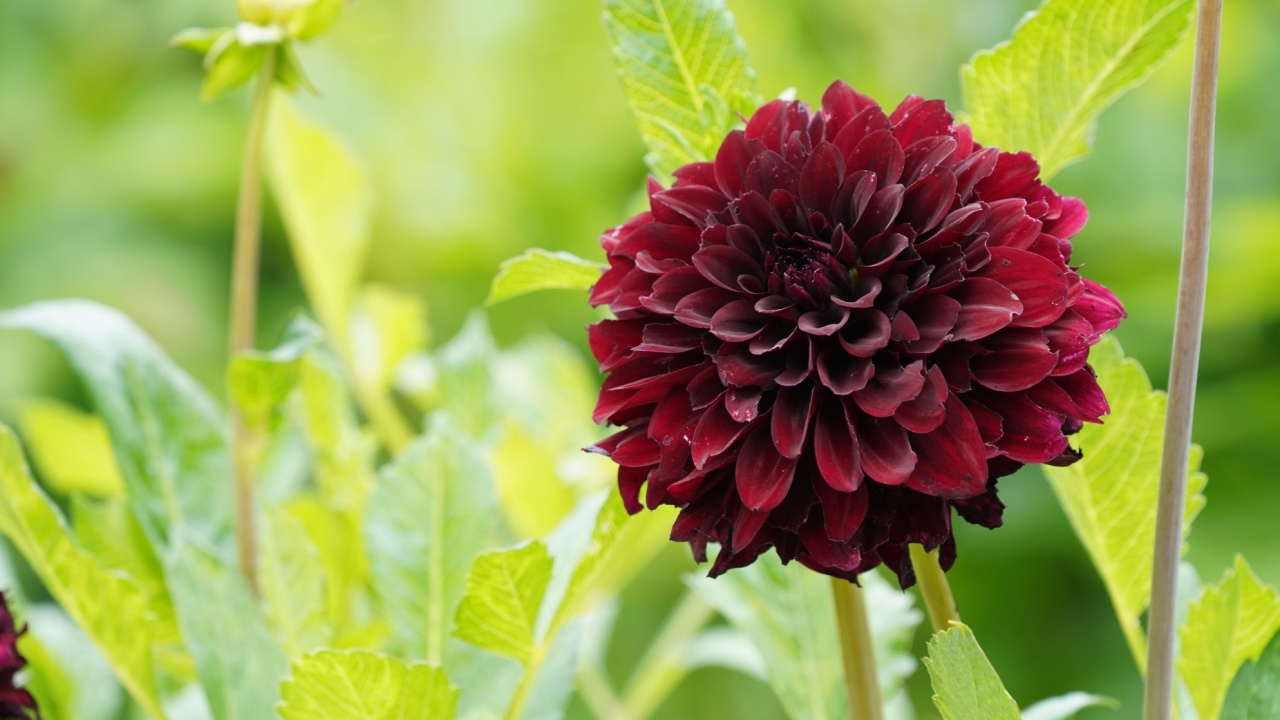
A deep burgundy dahlia with shaggy petals and a near-black heart, ‘Rip City’ delivers moody elegance. Blooms reach 4-6 inches on 3-foot plants.
Why it’s a great choice: Adds depth and sophistication to pastel schemes; stunning in modern, moody bouquets.
Unique features: Luxurious wine tone that pairs beautifully with blush, copper, apricot, and olive.
10. ‘Chat Noir’ (Semi-Cactus)
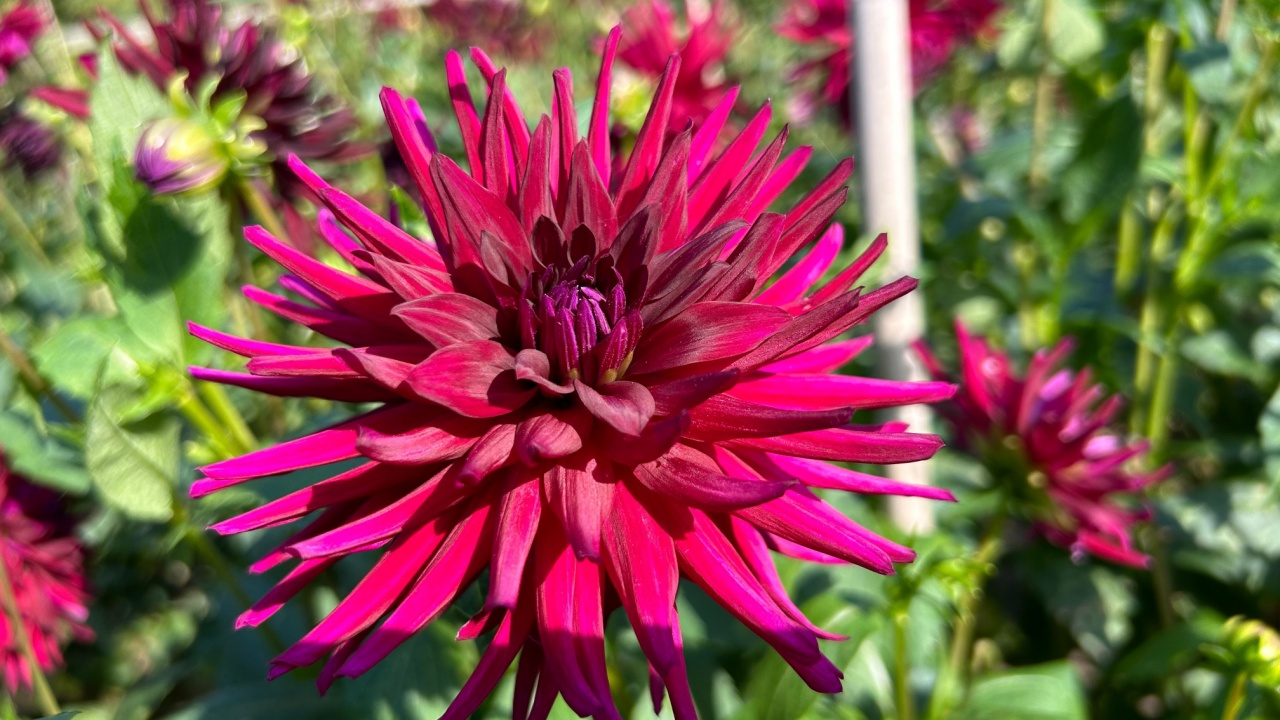
Velvety merlot (velvety garnet-red to dark purple) petals lighten at the tips for subtle dimension. Flowers are up to 6 inches and stems are strong.
Why it’s a great choice: An excellent “bridge” plant—darker than pinks, lighter than near-black varieties—use it to blend contrasting palettes.
Unique features: Semi-cactus form offers texture while keeping a sleek, refined look.
11. ‘Mystic Spirit’ (Single)
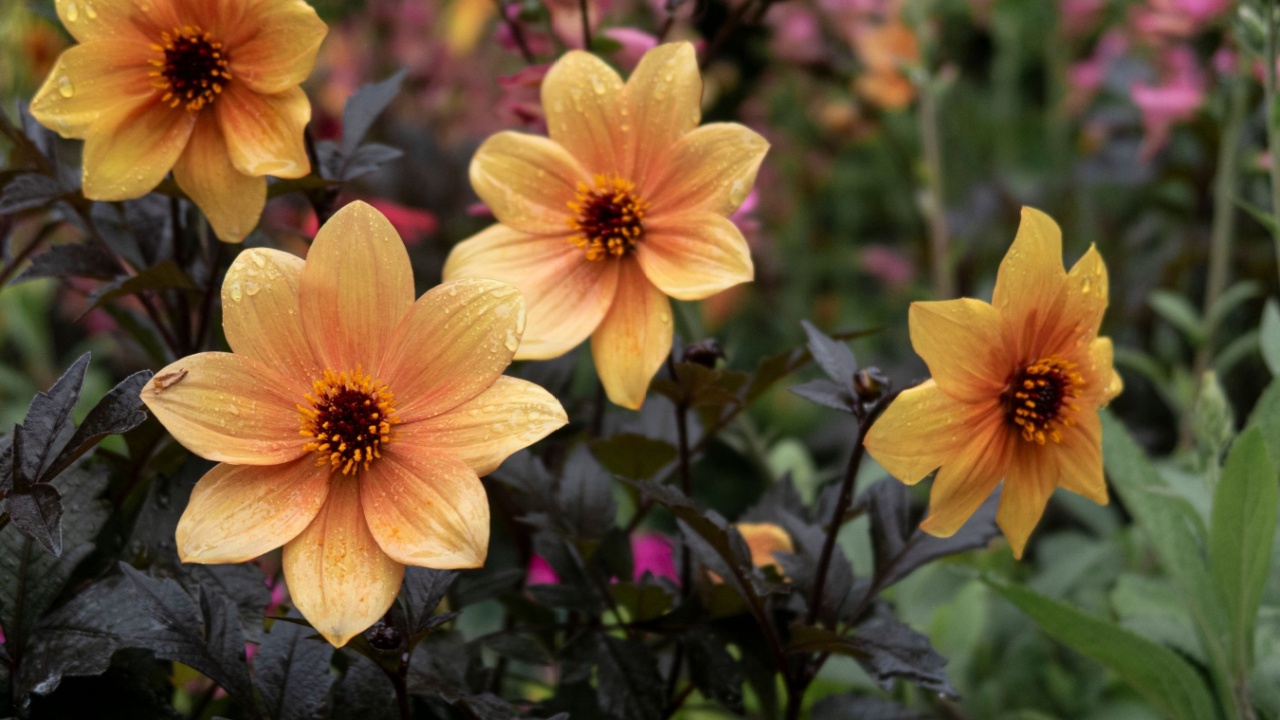
Soft peach single blooms surround a chocolate disk, all above mahogany-black foliage. Flowers reach up to 4 inches; plants grow 2–3 feet.
Why it’s a great choice: Ideal for containers, front-of-border, and pollinator-friendly gardens. The dark foliage provides contrast even when not in bloom.
Unique features: Bee-friendly single form plus dramatic dark leaves—ornamental even out of flower.
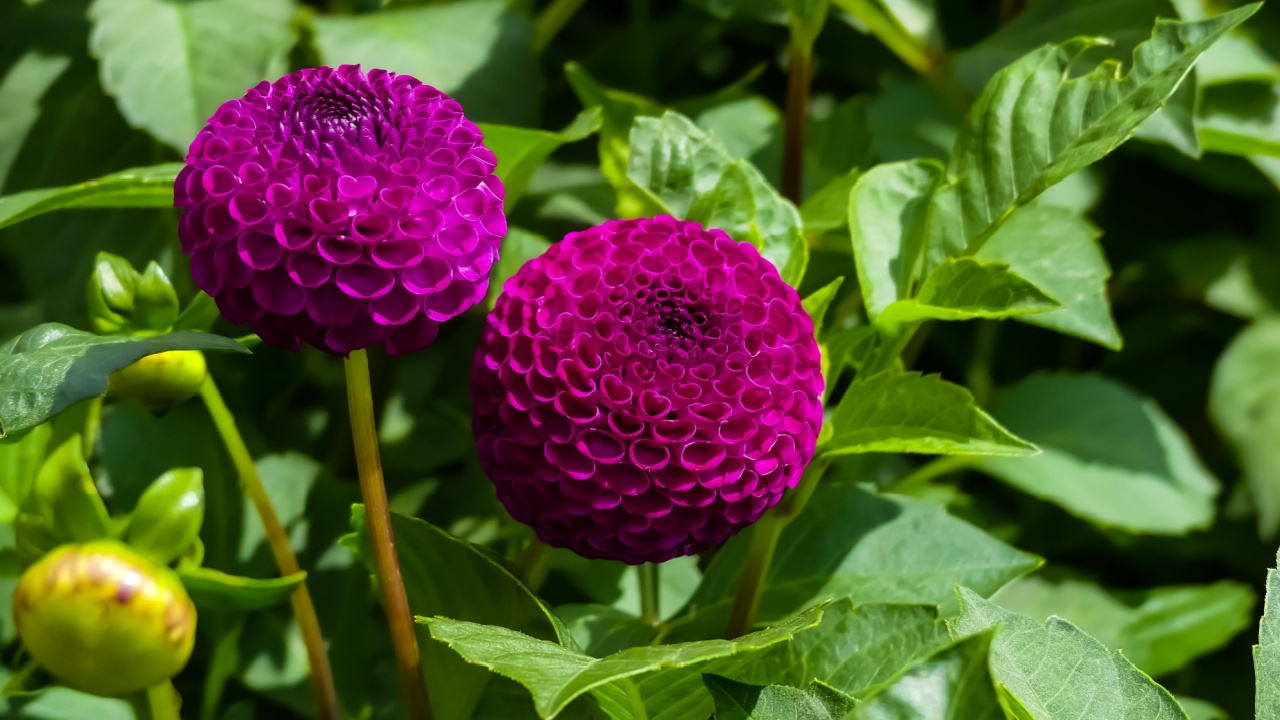
12. ‘Moor Place’ (Pompon)
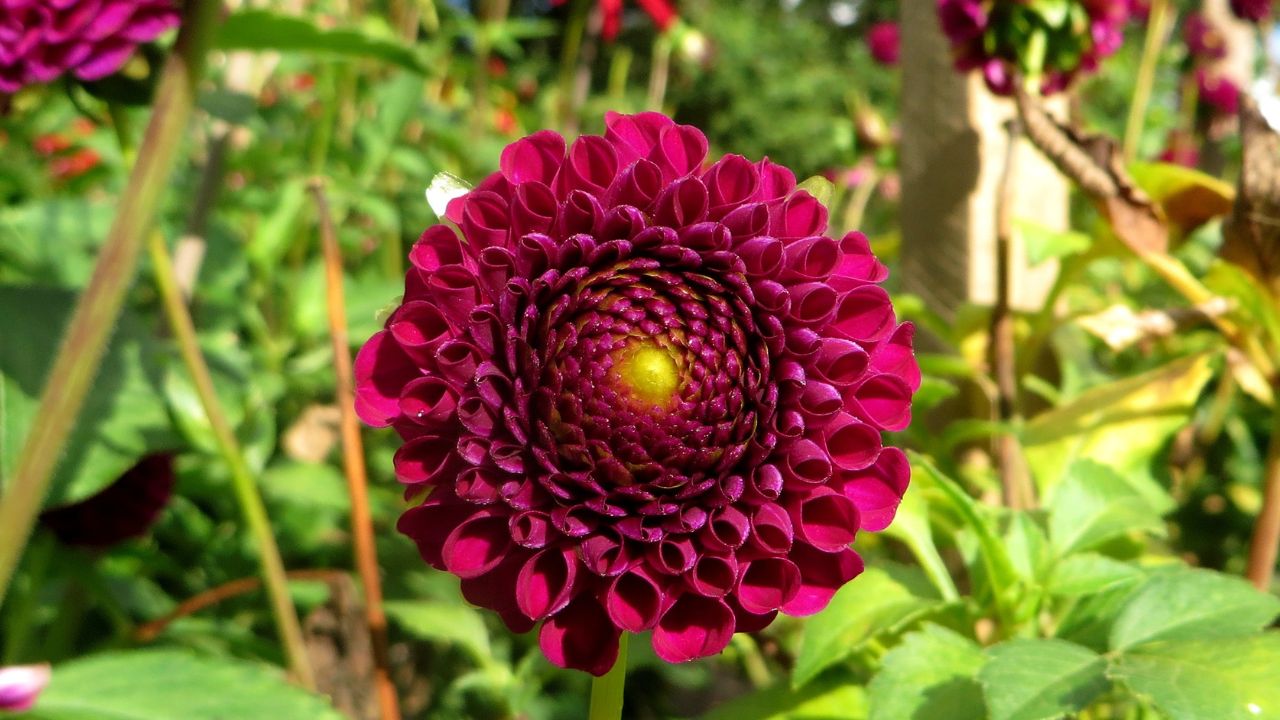
Perfectly rounded, 2-inch burgundy-to-purple pompons on 3-foot plants. Tight petals and compact form hold up in all weather.
Why it’s a great choice: Great for edging and grids in formal designs, and for adding “shape contrast” to mixed dahlia plantings. Also exceptional in petite arrangements and boutonnieres.
Unique features: Immaculate geometry—adds rhythm and repetition in both garden and vase.
Where These Dahlias Shine
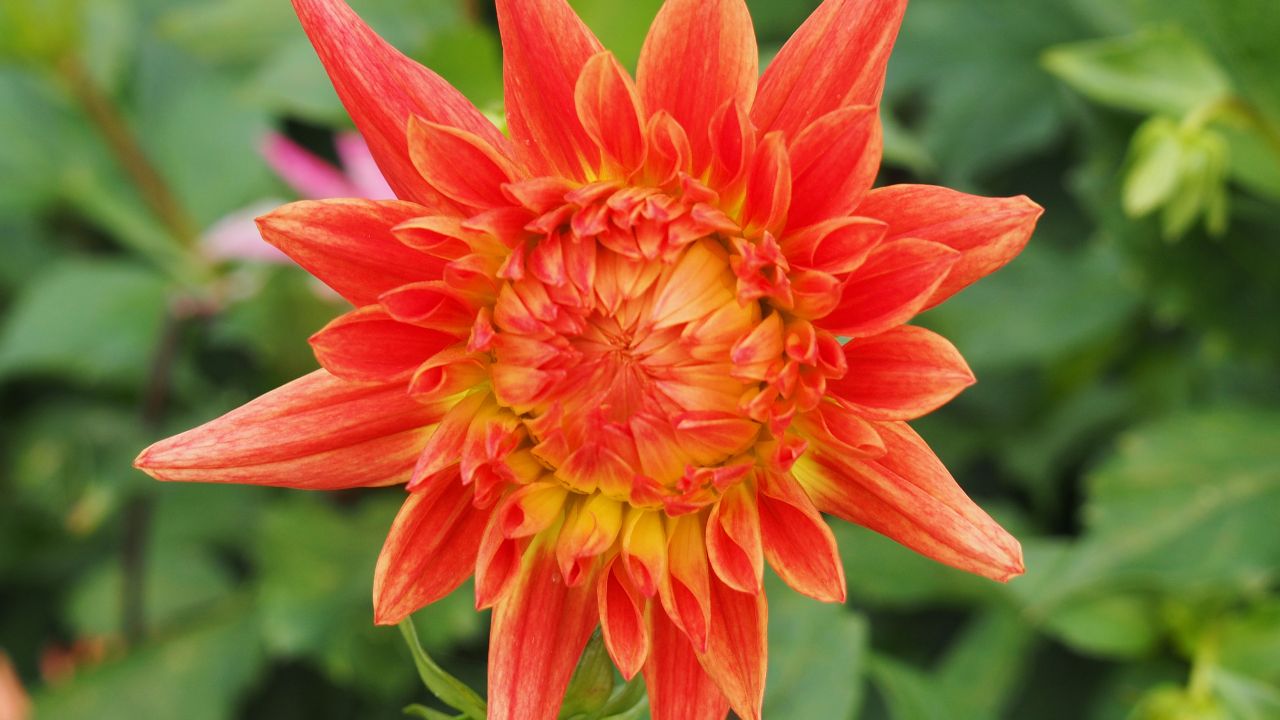
Not sure which variety is right for your garden? Here’s some good food for thought.
- Cutting gardens: ‘American Dream’, ‘Labyrinth’, ‘Cornel Bronze’, ‘Brown Sugar’, ‘Rip City’, ‘Vancouver’
- Back-of-border statements: ‘Thomas Edison’, ‘Vancouver’, ‘Bodacious’, ‘Lisonette’
- Color depth and contrast: ‘Rip City’, ‘Chat Noir’, ‘Bishop of Llandaff’, ‘Black Wizard’
- Mixed border companions: Salvia (‘Wendy’s Wish’), Alchemilla mollis, Canna ‘Pretoria’, Nepeta ‘Walker’s Low’, Ageratum houstonianum
Tips for Growing Dahlias
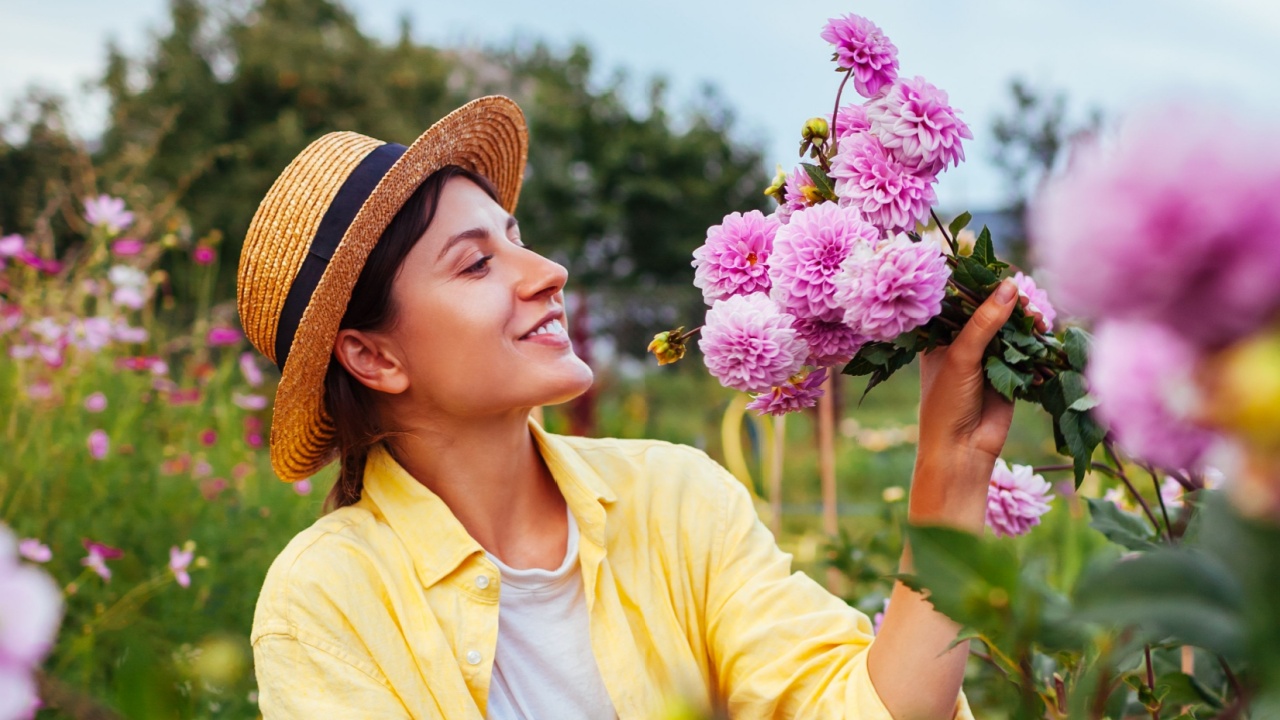
Dahlias are easy to grow and provide beautiful blooms all season long. Here are some tips for growing dahlias in your garden:
- Choose the right location – Dahlias prefer full sun, but can also do well in partial shade. Make sure the soil is well-draining to prevent rot.
- Prepare the soil – Add organic matter such as compost or aged manure to the soil before planting. This will provide nutrients for the dahlias to thrive.
- Plant at the right time – In most regions, dahlias can be planted after the last frost in spring. However, if you live in a warmer climate, you can plant them in fall for winter blooms.
- Dig holes and spacing – Dahlias should be planted 6-8 inches deep and spaced 12-18 inches apart, depending on the size of the variety.
- Water regularly – Keep the soil consistently moist but not waterlogged. Water deeply once or twice a week rather than light watering daily.
- Fertilize – Dahlias are heavy feeders and will benefit from regular fertilization. Use a balanced fertilizer once a month during the growing season.
- Stake for support – Some dahlias can grow quite tall and may need staking to prevent them from toppling over, especially if grown in windy areas.
- Pinch or cut back – To encourage more blooms, pinch off the top two sets of leaves when the plant is around 12 inches tall. You can also cut back spent flowers to encourage continuous blooming.
- Pests and diseases – Dahlias are generally not prone to many pests or diseases, but they can be susceptible to powdery mildew and slugs. Keep an eye out for these and take necessary measures if needed.
- Winter care – In areas with harsh winters, dahlias will need to be dug up and stored indoors during the cold season. After the first frost, carefully dig up the tubers and remove any excess soil. Allow them to dry for a few days in a well-ventilated area, then store them in peat moss or sawdust in a cool, dark place until spring.
Beauty That Lasts
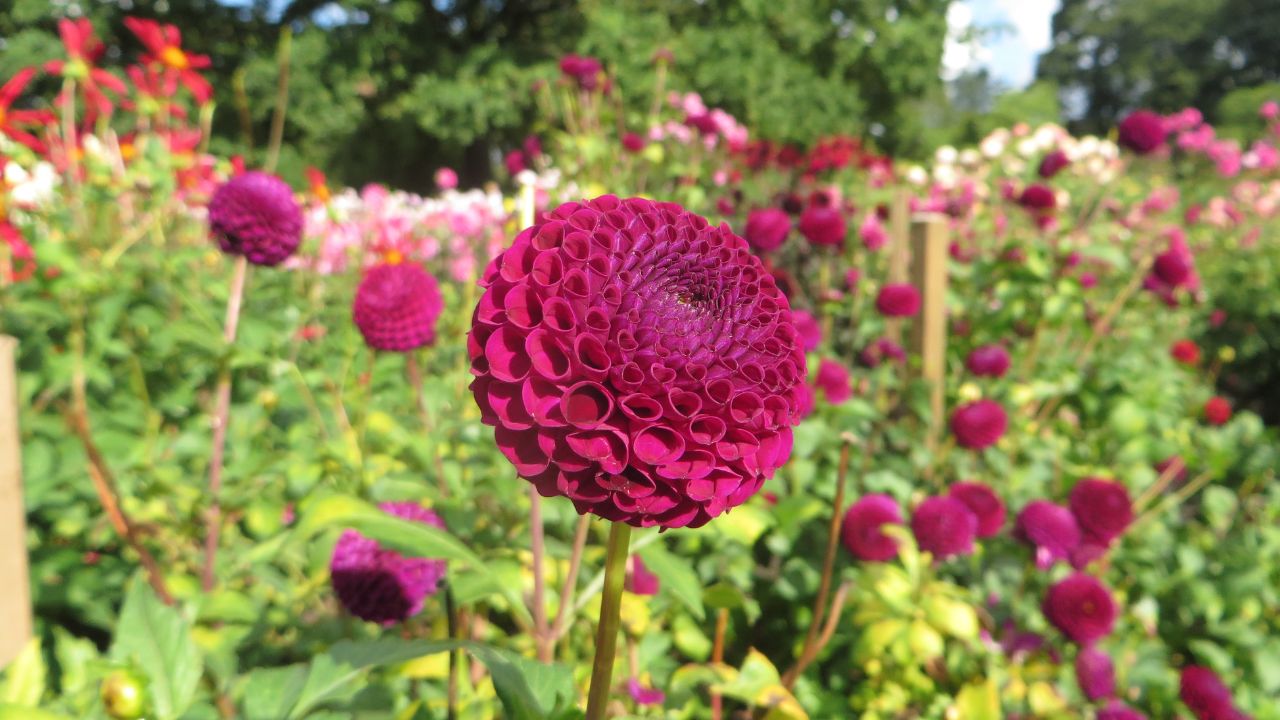
Dahlias are a stunning addition to any garden, with their vibrant colors and variety of sizes and shapes. By following these tips for planting, care, and maintenance, you can enjoy these beautiful flowers in your garden year after year.
Don’t be afraid to experiment with different varieties and techniques to discover what works best for you and your garden. Happy gardening! There is always something new to learn about gardening, so continue researching and expanding your knowledge on dahlias to become an expert dahlia grower. Your efforts will surely pay off when you see the magnificent blooms of these stunning flowers in your own backyard.
Read more
How To Grow Dahlias For Gorgeous Colors In The Garden
What is the Best Fertilizer for Dahlias? How to Grow Bigger, Brighter Flowers