How to Prune Houseplants So They Thrive for Years to Come
Pruning houseplants is an often-overlooked step in plant care, but it’s one of the most important. From maintaining a neat appearance to encouraging new growth, strategic pruning is the secret to happy, thriving indoor plants.
With these 8 essential tips for pruning from experts at local botanical gardens, you’ll gain the skills and confidence to keep your houseplants healthy, vibrant, and flourishing for years to come. Plus, you’ll learn which plants love a good trim and which ones are best left alone.
1. Know When to Prune
According to the Royal Horticultural Society, timing is everything when it comes to pruning. The best time to prune most houseplants is in spring, as they enter their active growing season. Pruning during this time encourages fresh growth and ensures your plants have the energy to bounce back. However, there are exceptions—for example, plants brought indoors from summer outdoor living may require pruning in the fall to fit into indoor spaces.
How to Start: Observe your plant’s growth cycles. If it’s actively growing, pruning will support its natural habits. But if it’s dormant, wait until new growth begins to emerge in spring.
2. Prune for Health and Shape
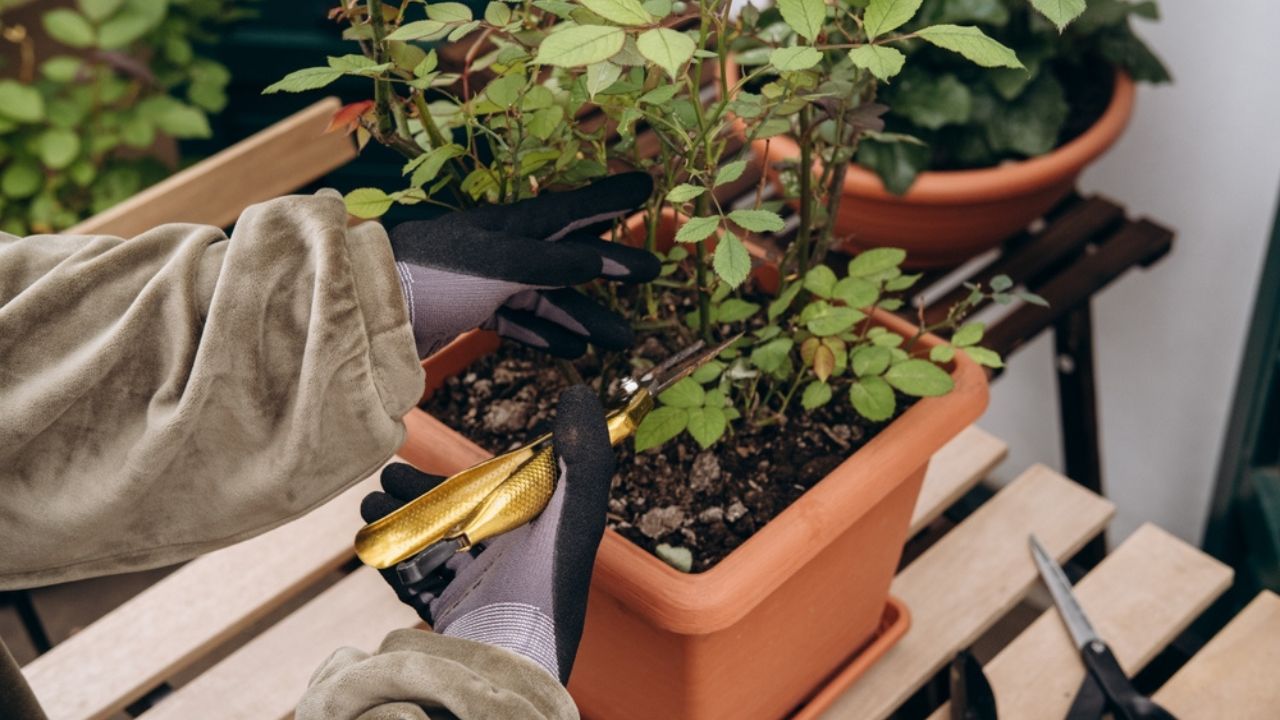
Pruning isn’t just about looks—it’s essential for plant health. Start by removing any yellowed, browning, or dead leaves. This reduces the risk of disease and pest issues while helping your plant focus on healthy growth. Beyond this, pruning can shape your plant, keeping it balanced and aesthetically pleasing.
How to Start: Use sanitized tools to snip away dead or damaged parts first. Then step back, visualize the shape you want, and carefully trim excess growth, paying attention to balance and symmetry.
3. Use the Right Tools
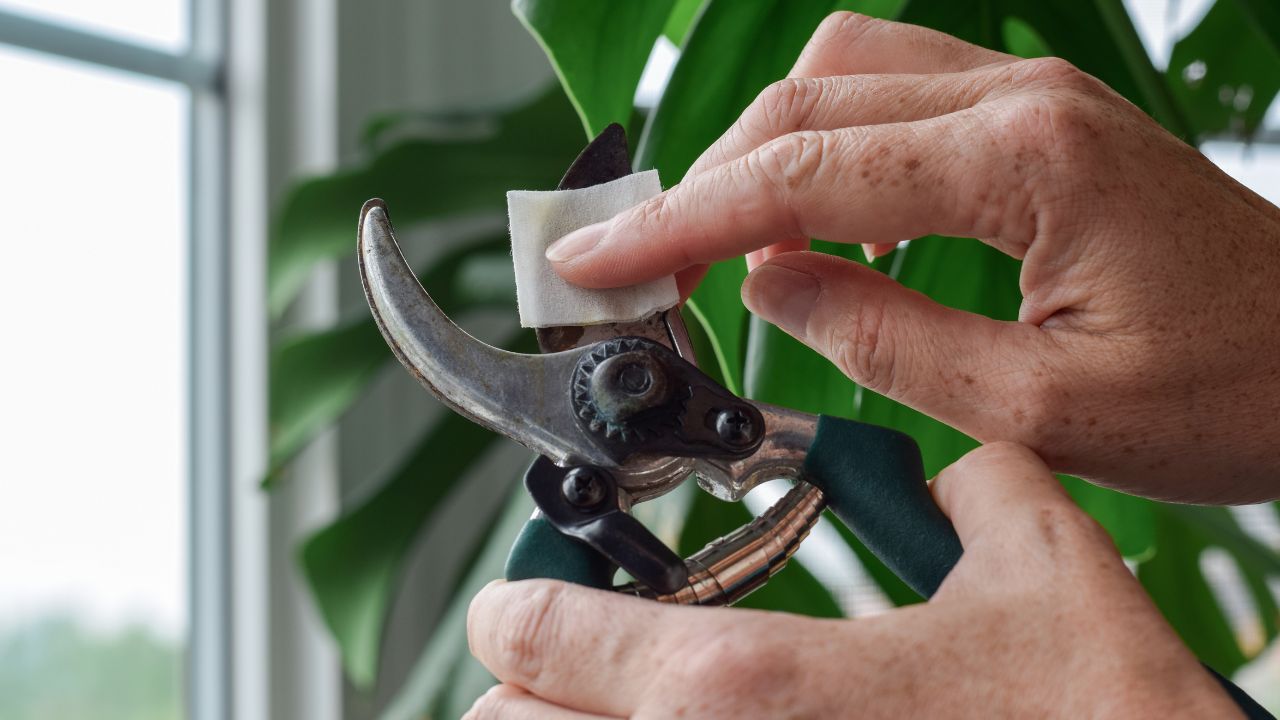
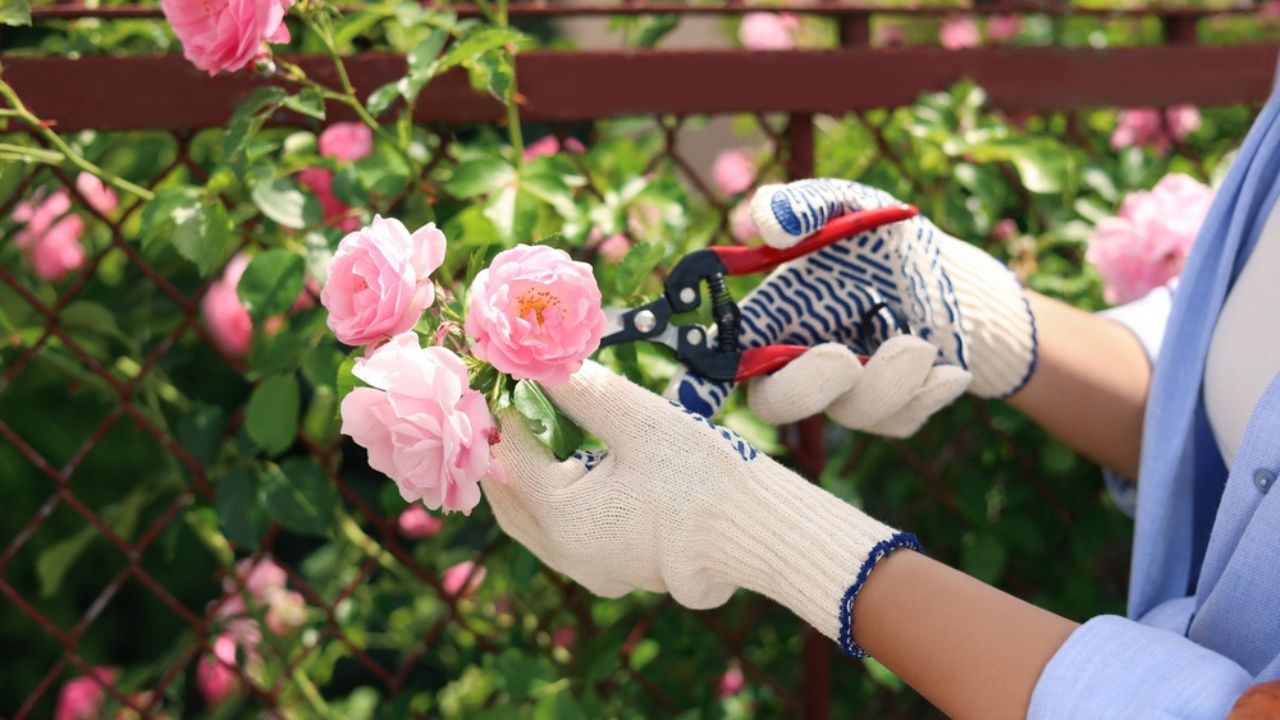
Using the proper tools for pruning is crucial. Dull shears or scissors can damage stems, causing ragged cuts that invite disease. Sharp pruning scissors or bypass pruners create clean cuts, which are healthier for your plants.
How to Start: Before pruning, sharpen and disinfect your tools with alcohol or diluted bleach to ensure they’re clean. This prevents the spread of bacteria or pests across plants.
4. Prune Above Nodes
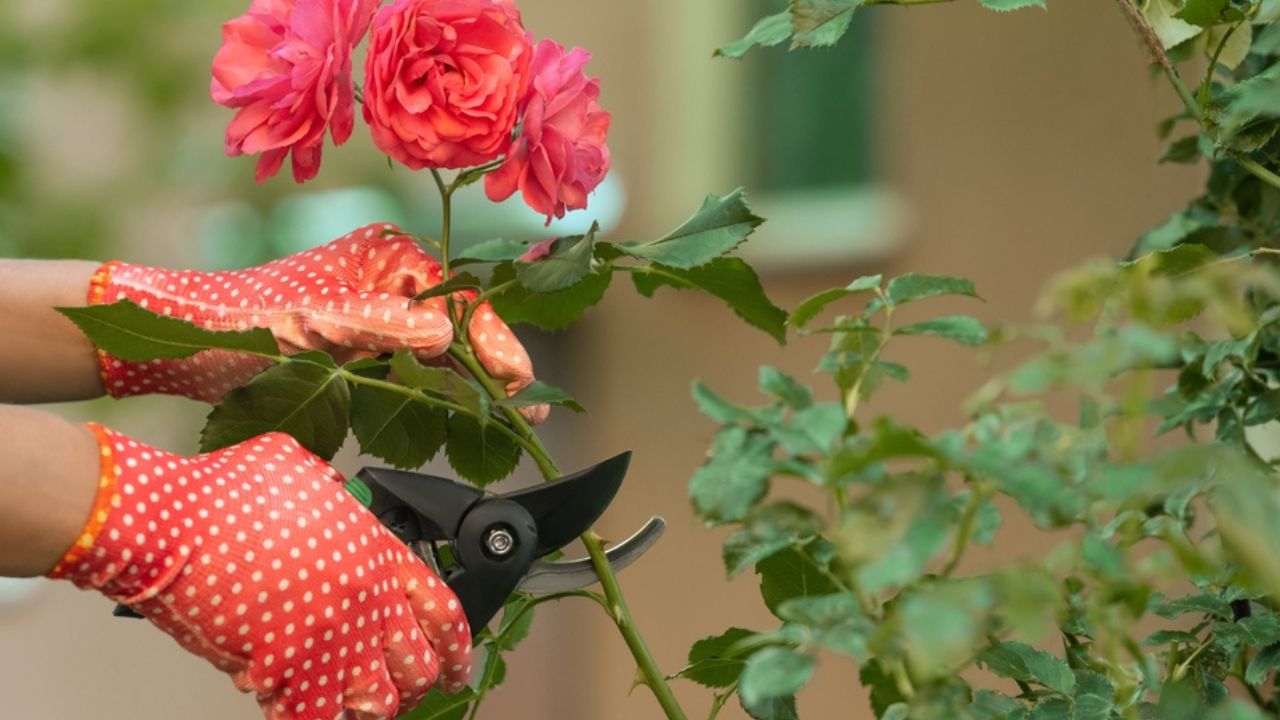
When pruning, the location of your cuts matters. Always prune just above a node—this is the small bump on a plant’s stem where leaves or branches grow. Cutting above a node encourages new shoots to form, promoting bushier growth.
How to Start: Identify the nodes on your plant and angle your cuts slightly away from them. This ensures water won’t sit on the cut surface, reducing the chance of rot or disease.
5. Don’t Overdo It
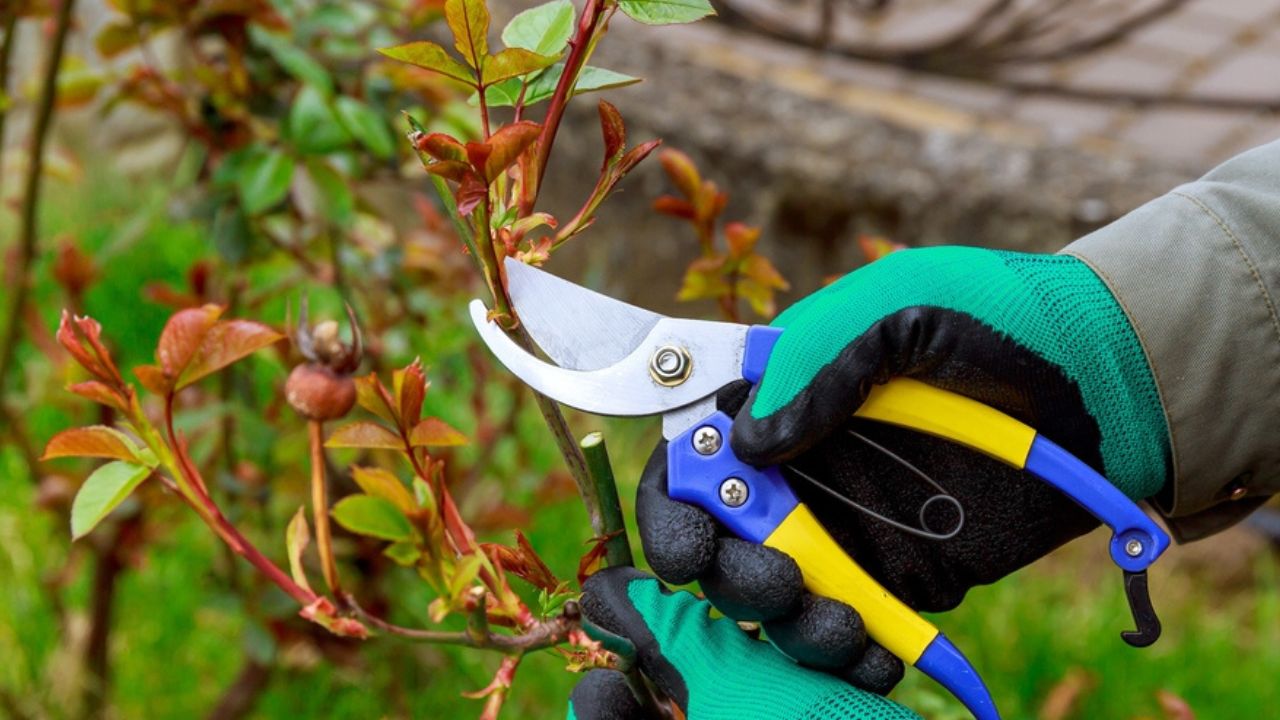
While pruning is beneficial, overdoing it can shock your plant. A general rule of thumb is to remove no more than 20-30% of the plant at a time. Removing too much foliage may leave your plant struggling to photosynthesize and recover.
How to Start: Begin with small, deliberate cuts. If drastic pruning is needed, spread it out over several weeks to give your plant time to adjust.
6. Sanitize After Pruning
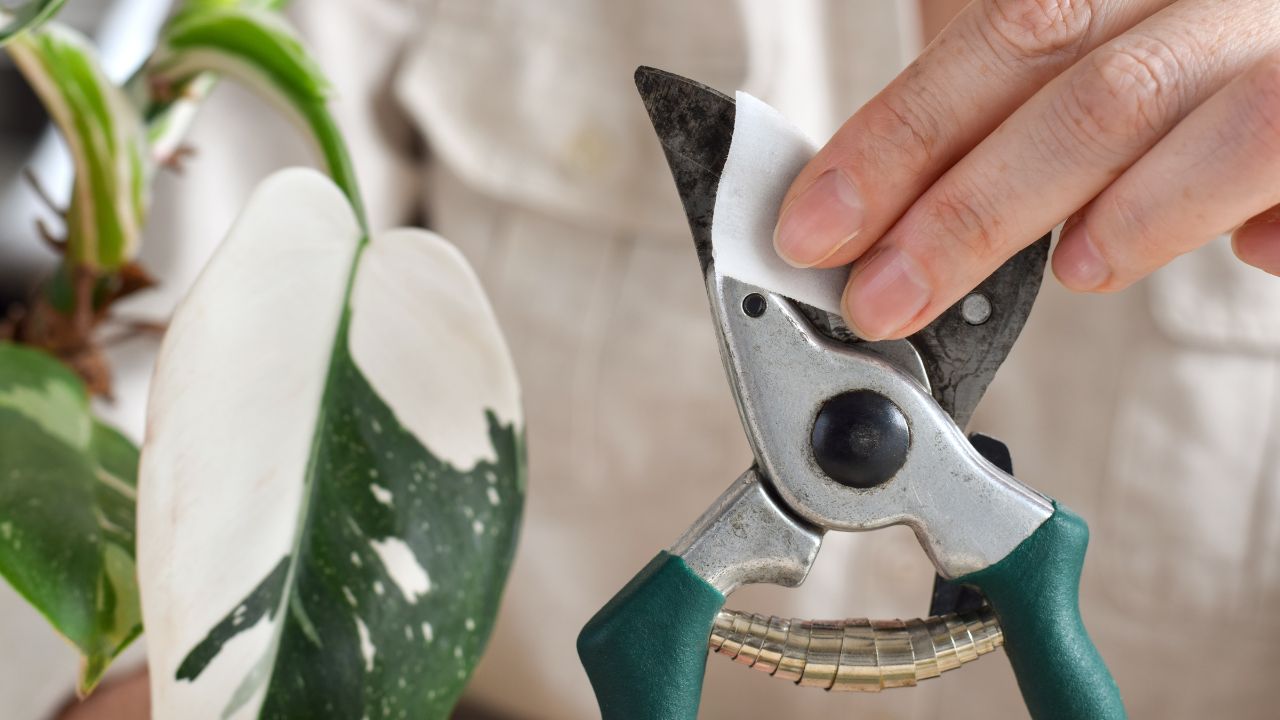
After pruning, your plant may have small wounds where you’ve cut. Ensuring these exposed areas stay clean reduces the chance of infection and keeps your plant healthy. Additionally, sanitizing your tools after each plant prevents cross-contamination. The New England Botanic Garden explains in its pruning guide the importance of using sanitized tools.
How to Start: Use a mild disinfectant on freshly cut areas if you’re concerned about infection. For your tools, wipe them with rubbing alcohol after each use, especially if pruning plants that have shown signs of disease.
7. Encourage Blooming with Strategic Cutting
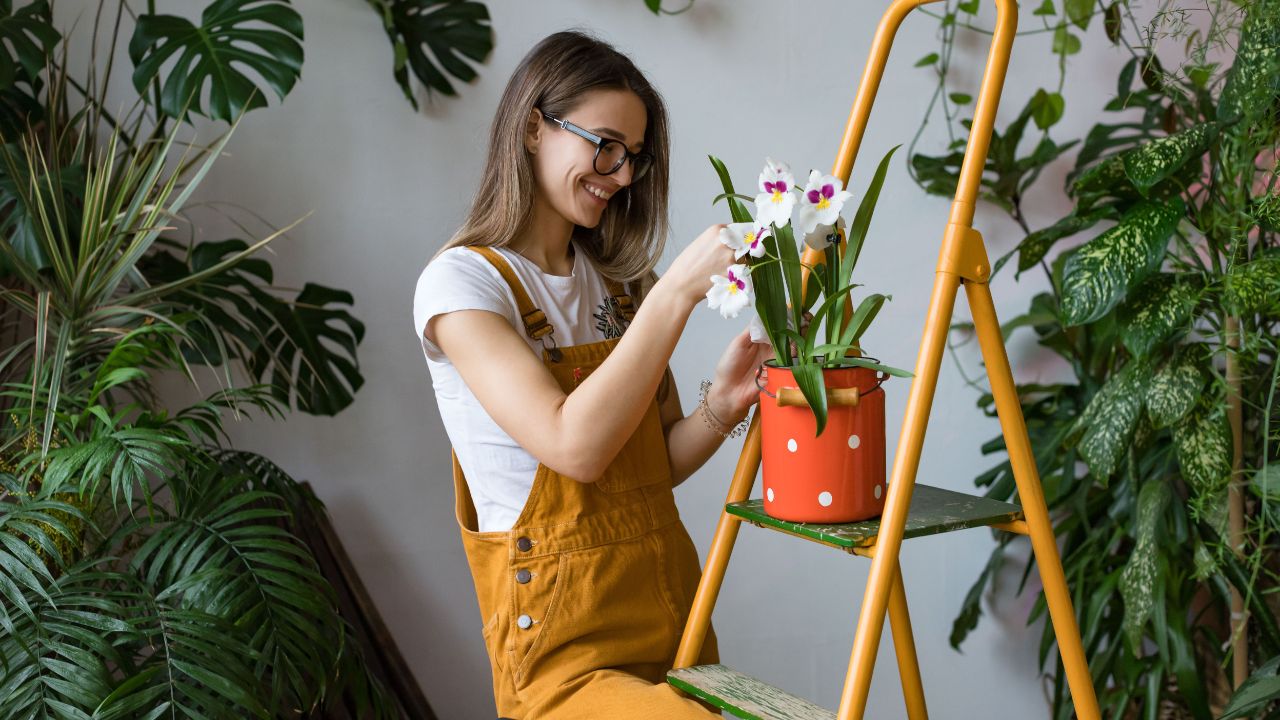
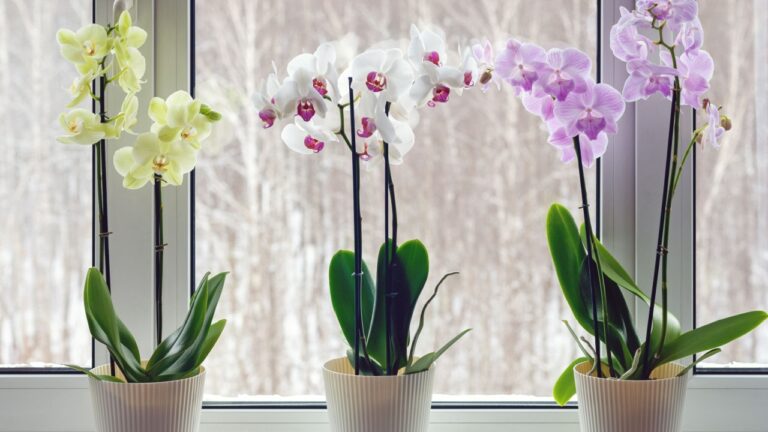
Certain flowering houseplants bloom better after they’ve been trimmed. Plants like holiday cacti or orchids benefit from post-bloom pruning to redirect energy toward new flower production. For foliage-focused plants, pruning promotes fuller growth and prevents leggy stems.
How to Start: With flowering plants, remove spent blooms and trim leggy stems once blooming slows. Pay attention to your plant’s individual needs—some thrive with aggressive pruning, while others require gentle shaping.
8. Provide Post-Pruning Care

Pruning can be stressful for plants, so post-pruning care is essential. Your plant may require slightly less water as it heals, but it still needs ample light and nutrients to recover.
How to Start: Place your plant in an optimal light condition for its species and keep the soil lightly moist. Consider using a diluted fertilizer a few weeks after pruning to support regrowth.
Houseplants That Benefit from Pruning

Some houseplants respond exceptionally well to pruning, thriving with regular trims to encourage growth, fullness, or blooming.
- Holiday Cactus (Schlumbergera): Trim after blooming to promote fullness and prepare for the next cycle of blooms.
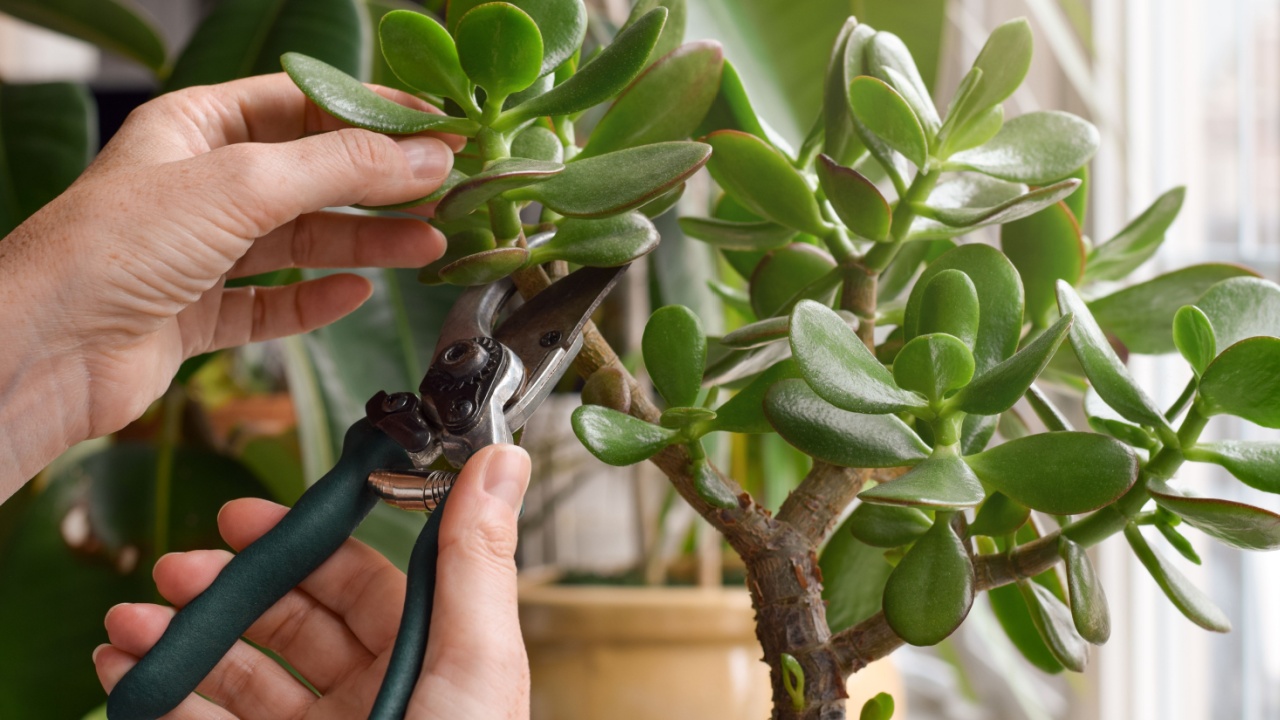
- Jade Plant (Crassula ovata): Prune to prevent leggy growth and enhance the plant’s structure.
- Rubber Plant (Ficus elastica): Regular pruning reduces height, encourages branching, and creates a bushier appearance.
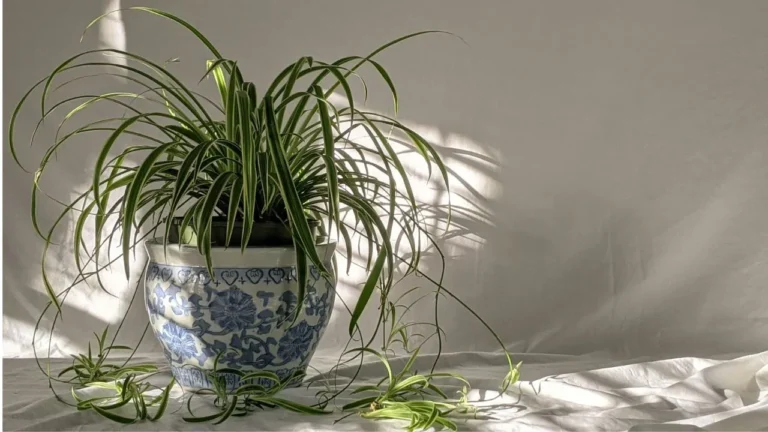
- Spider Plant (Chlorophytum comosum): Remove dead or yellowing leaves to improve appearance and redirect energy toward new growth.
- Pothos (Epipremnum aureum): Trimming back long vines keeps the plant compact and encourages cascading growth.
Houseplants to Avoid Pruning
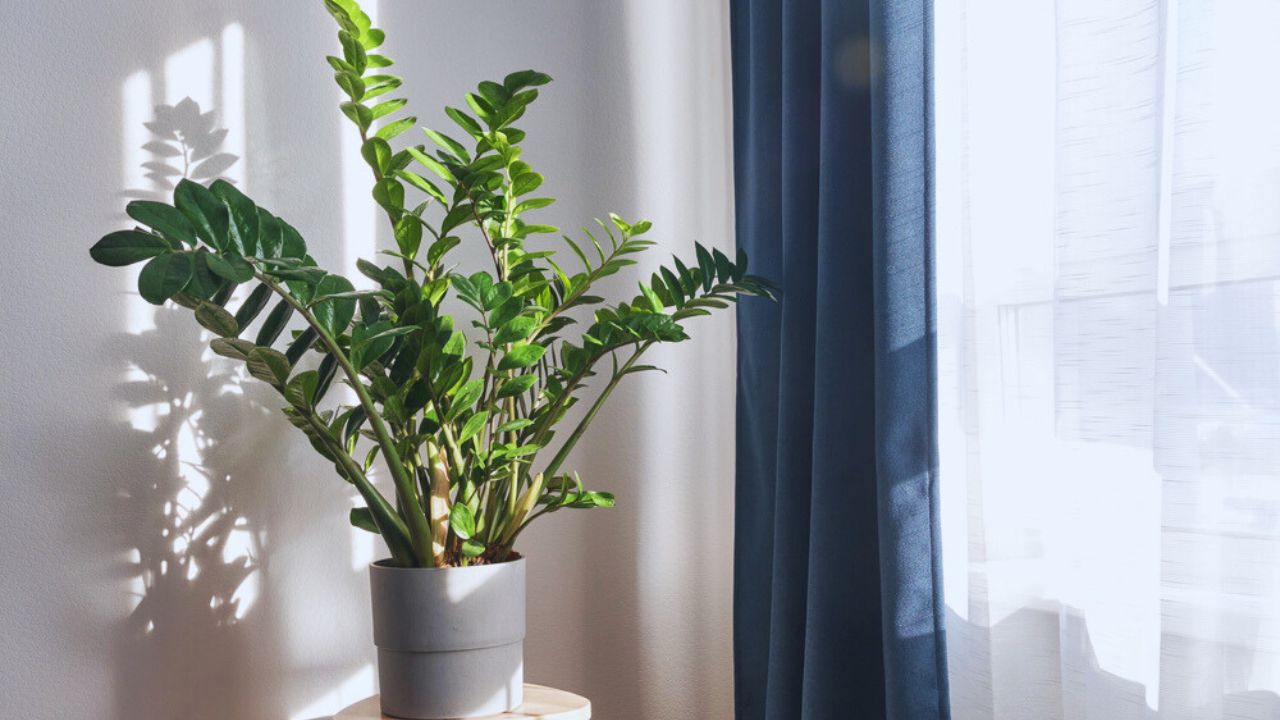
Other houseplants don’t adapt well to heavy pruning. These species should only have damaged or completely dead parts removed, as improper trimming can harm or even kill them.
- Snake Plant (Sansevieria): Cutting healthy shoots will not regenerate growth, so stick to trimming fully browned parts only.
- ZZ Plant (Zamioculcas zamiifolia): Avoid pruning healthy stems, as they grow slowly and do not recover quickly from cuts.
- Palm Plants (Arecaceae): Cutting central stems or too many fronds can severely damage or even kill the plant. Remove only yellowed or browned fronds.
Tips for Pruning Success and Beyond

Pruning is more than just cutting away unwanted growth—mastering this skill helps your plants thrive and keeps your indoor garden beautiful year-round. Here are some key tips to ensure success and go beyond basic pruning care.
- Understand Your Plant’s Needs: Every houseplant has unique requirements. Research your plant’s growth habits and preferred pruning techniques to avoid mishaps.
- Keep Learning about Propagation: Many cuttings from pruning, like those from pothos or jade plants, can be propagated. This is a great way to grow your collection or give plants to friends.
- Ensure Proper Lighting: Pruned plants need sufficient light to recover and continue thriving. Ensure each plant has access to the right intensity and duration of light for its species.
- Practice Consistency: Regular maintenance, including pruning and cleaning leaves, ensures your plants stay healthy and attractive.
Pruning is Important

Pruning is a vital part of houseplant care that’s often underestimated. Knowing when, where, and how to prune can make a tremendous difference in your plants’ health and longevity. From promoting fuller growth to encouraging beautiful blooms, these 8 essential tips provide everything you need to master the art of pruning.
Pair this knowledge with care and attention, and your houseplants will reward you by flourishing for years to come.