12 Tips to Extend Your Summer Blooms
Summer flowers bring life and color to your garden, but their beauty often fades too soon. To keep your garden thriving and vibrant throughout the season, it’s essential to use techniques that maximize bloom time.
Whether you’re a seasoned gardener or just starting, these 12 tips will help you extend the bloom season of your summer flowers, ensuring you enjoy their beauty for as long as possible.
Where We Got Our Tips
We built these recommendations on research-backed guidance from university Cooperative Extension programs, including Clemson University, Mississippi State University, the University of Connecticut, North Dakota State University, Iowa State University, and the University of Georgia.
Their experts provide evidence-based gardening practices that have been tested in real-world conditions. These tips also draw from long-standing horticultural principles recognized by professional growers, ensuring each suggestion is practical, reliable, and suitable for most home gardens.
1. Deadhead Regularly
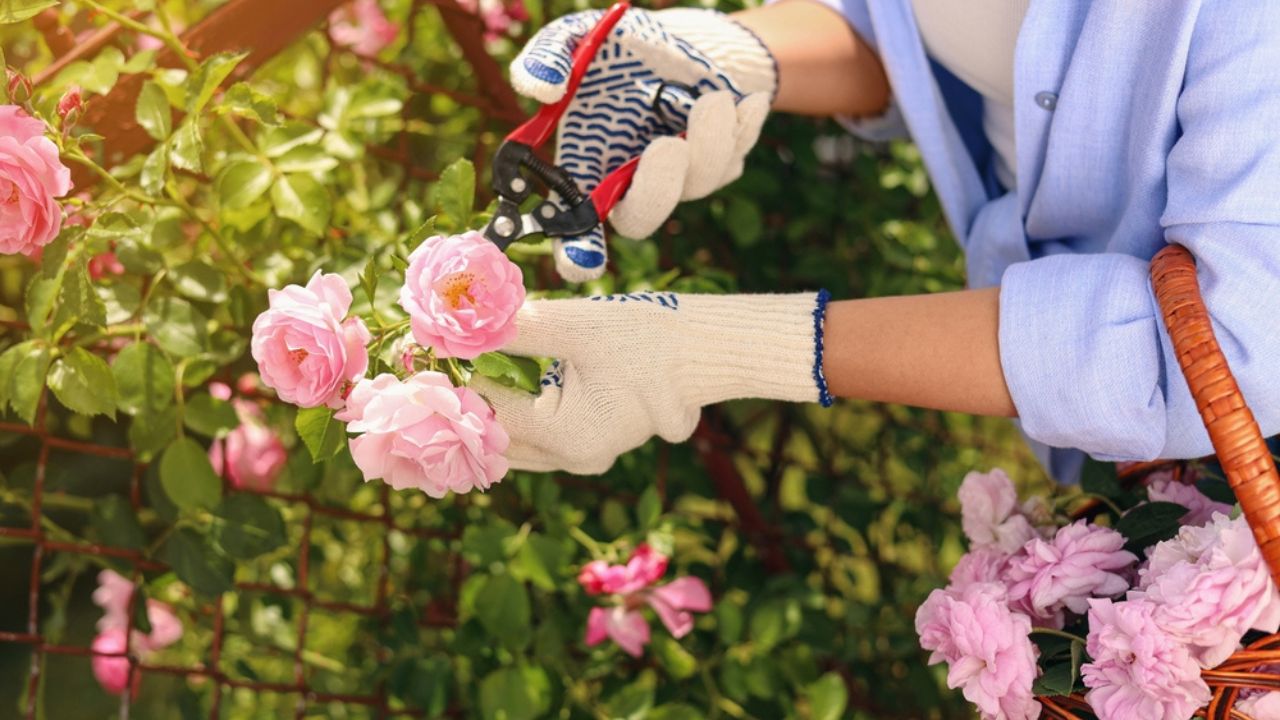
Deadheading, or removing spent flowers, is one of the most effective ways to encourage new blooms. When flowers fade, plants redirect their energy toward seed production instead of creating new flowers. Removing these spent blooms signals the plant to continue flowering, ensuring a prolonged display.
How to Start: Use clean pruning shears or simply pinch off wilted flowers just above a set of healthy leaves. For plants like marigolds, petunias, or dahlias, check for spent blooms every few days to keep the flowers coming.
2. Fertilize Wisely
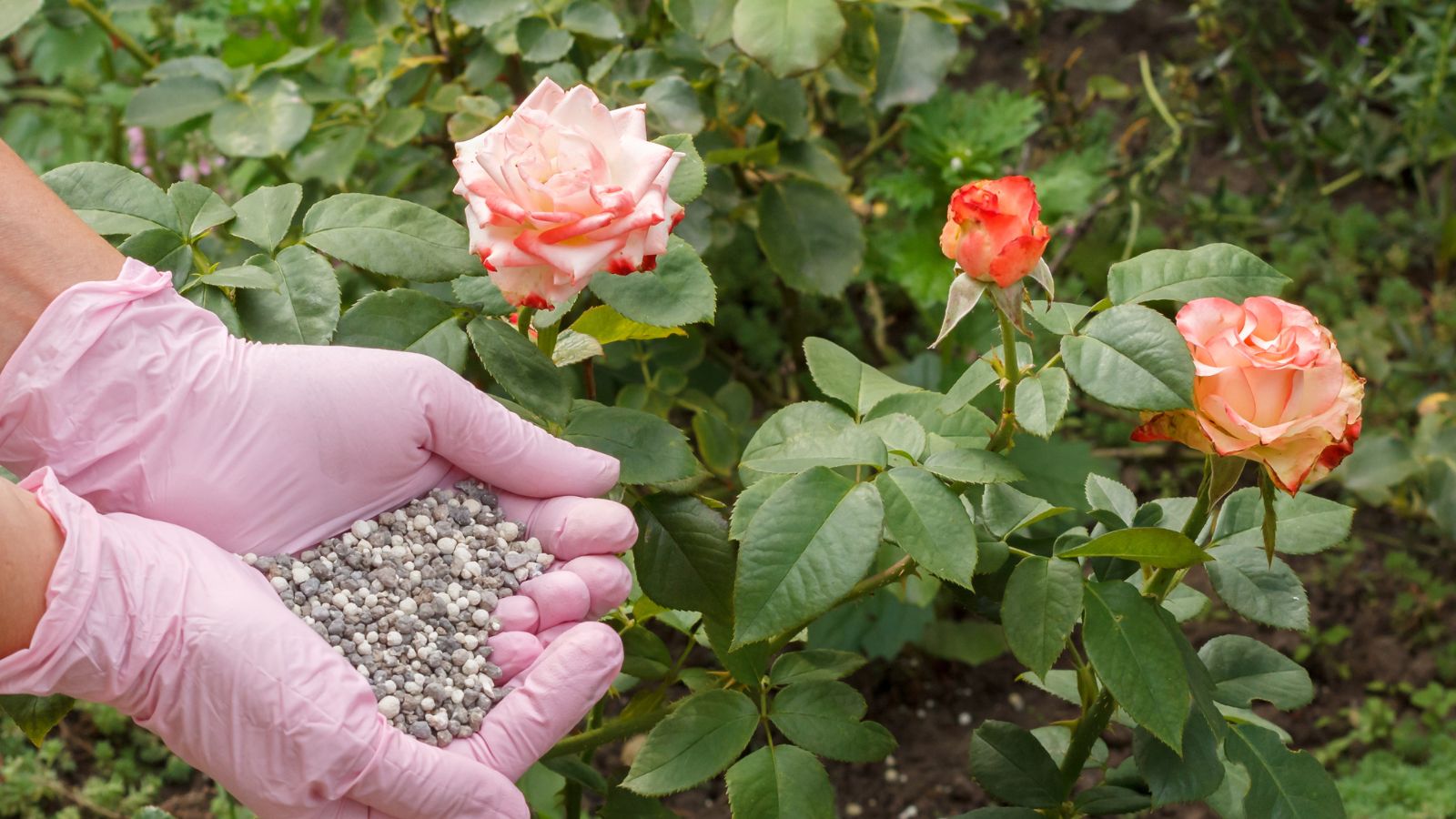
Providing your plants with the right nutrients can contribute to robust growth and abundant flowering. Fertilizers rich in phosphorus promote blooming, while nitrogen supports leafy growth. A slow-release fertilizer at the start of the season offers steady nutrition, while water-soluble options can provide quick boosts during active blooming periods.
How to Start: Apply a balanced, slow-release fertilizer in the spring as flowers begin to grow. During the summer, supplement with a water-soluble bloom booster every two to four weeks. Avoid over-fertilizing, as it can lead to excessive foliage and fewer flowers.
3. Water Deeply and Consistently
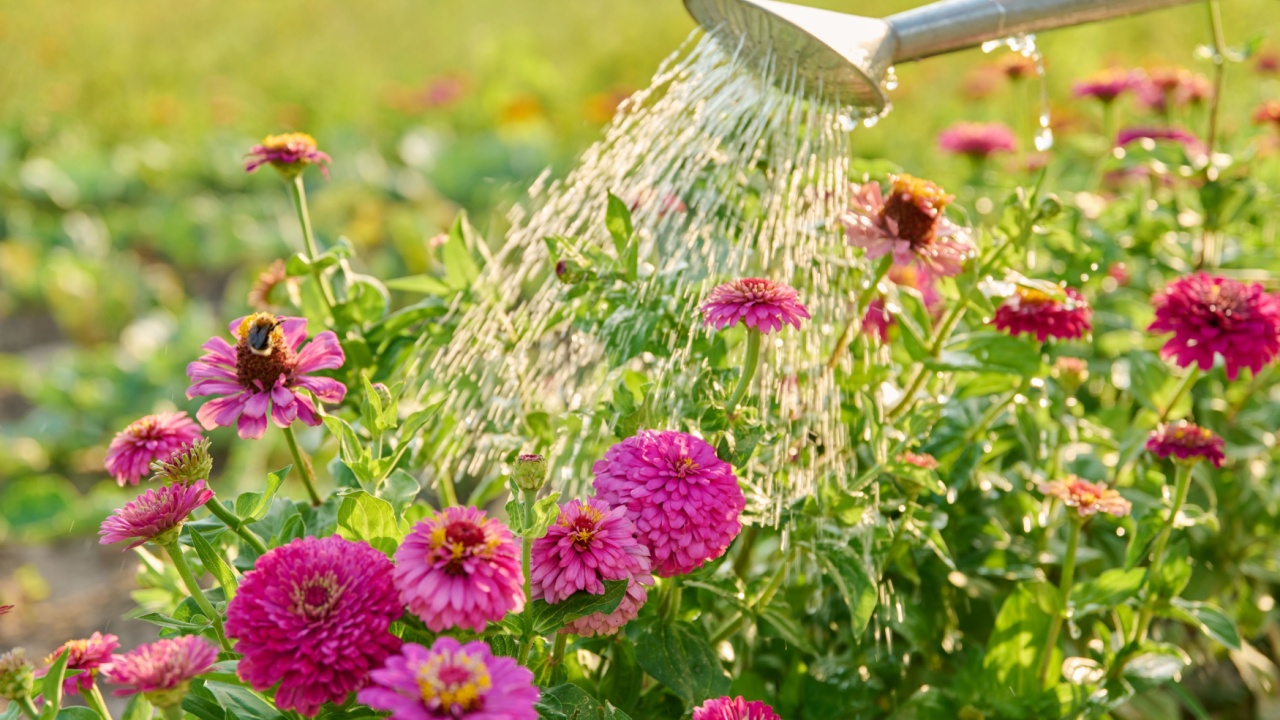
Proper watering helps maintain healthy plants capable of producing continuous blooms. While inconsistent watering can stress plants, leading to fewer or shorter-lived flowers, deep watering encourages root growth and overall plant vigor.
How to Start: Water your garden early in the morning, aiming for deep, infrequent watering rather than shallow, frequent sessions. Add mulch around the base of your plants to help retain moisture and regulate soil temperature.
4. Prune and Trim Back

Pruning and trimming plants mid-season can reinvigorate growth and promote additional blooms. For flowers like cosmos, zinnias, and daisies, removing leggy or overgrown stems encourages a more compact shape and new flower production.
How to Start: Use clean garden shears to remove up to one-third of the plant’s height if it begins to look overgrown. Focus on cutting above a leaf node to encourage branching and fresh blooms.
5. Choose Long-Blooming Varieties
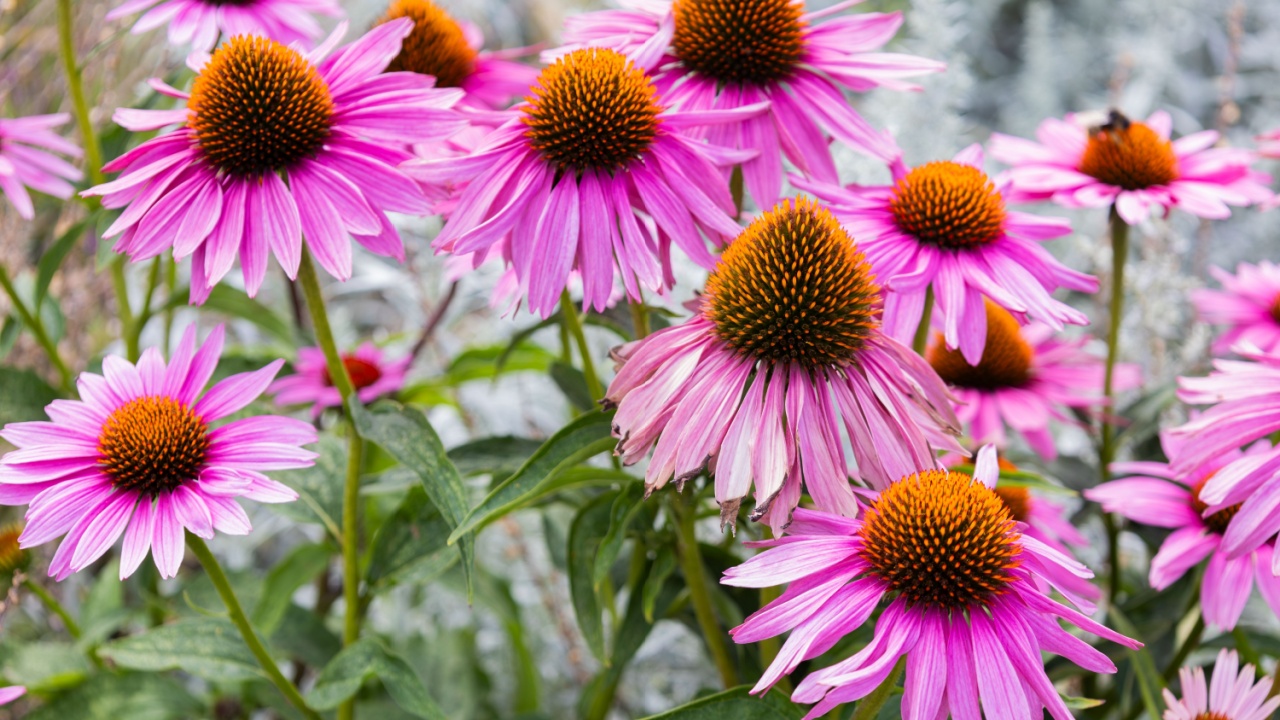
Some flowers naturally bloom for extended periods, while others have shorter lifespans. Planting long-blooming varieties ensures a continuous display of color throughout the summer. For example, coneflowers, black-eyed Susans, and daylilies are known for their extended blooming periods and resilience.
How to Start: Research and select varieties with long bloom periods that are well-suited to your growing zone. Native plants or hybrids bred for extended flowering are often excellent choices.
6. Stagger Planting Times

Staggered planting allows you to enjoy blooms in succession as plants mature and flower at different intervals. This approach works especially well for annuals like sunflowers, zinnias, and marigolds.
How to Start: Sow seeds or transplant flowers every two to three weeks throughout the spring and early summer. Label planting dates so you can monitor when each batch begins to bloom and plan future plantings accordingly.
7. Practice Companion Planting
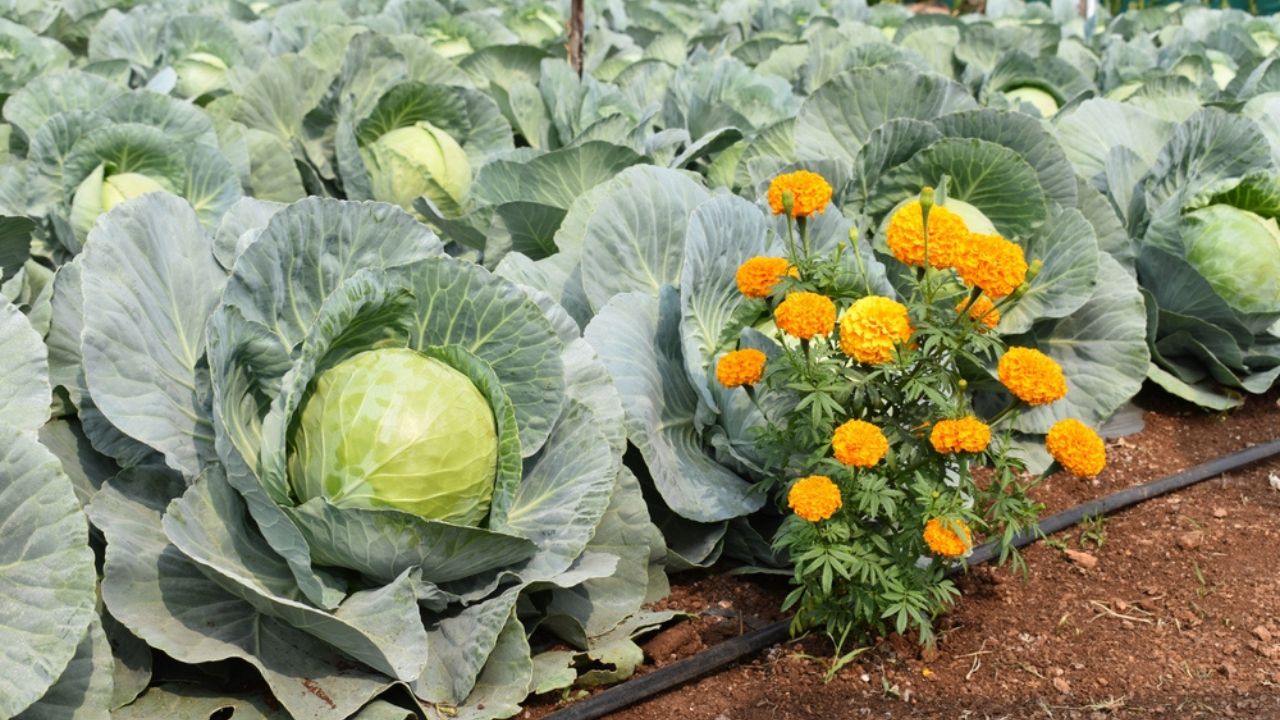
While not directly correlated to longer blooms, pairing specific plants together can create a more balanced and supportive garden ecosystem. Companion planting encourages healthier growth and blooming while naturally deterring pests.
How to Start: Pair flowers like marigolds with vegetables to repel harmful insects or plant taller, sun-loving flowers like sunflowers to provide partial shade to heat-sensitive varieties beneath them. Companion planting improves garden health and extends bloom times.
8. Provide Proper Support
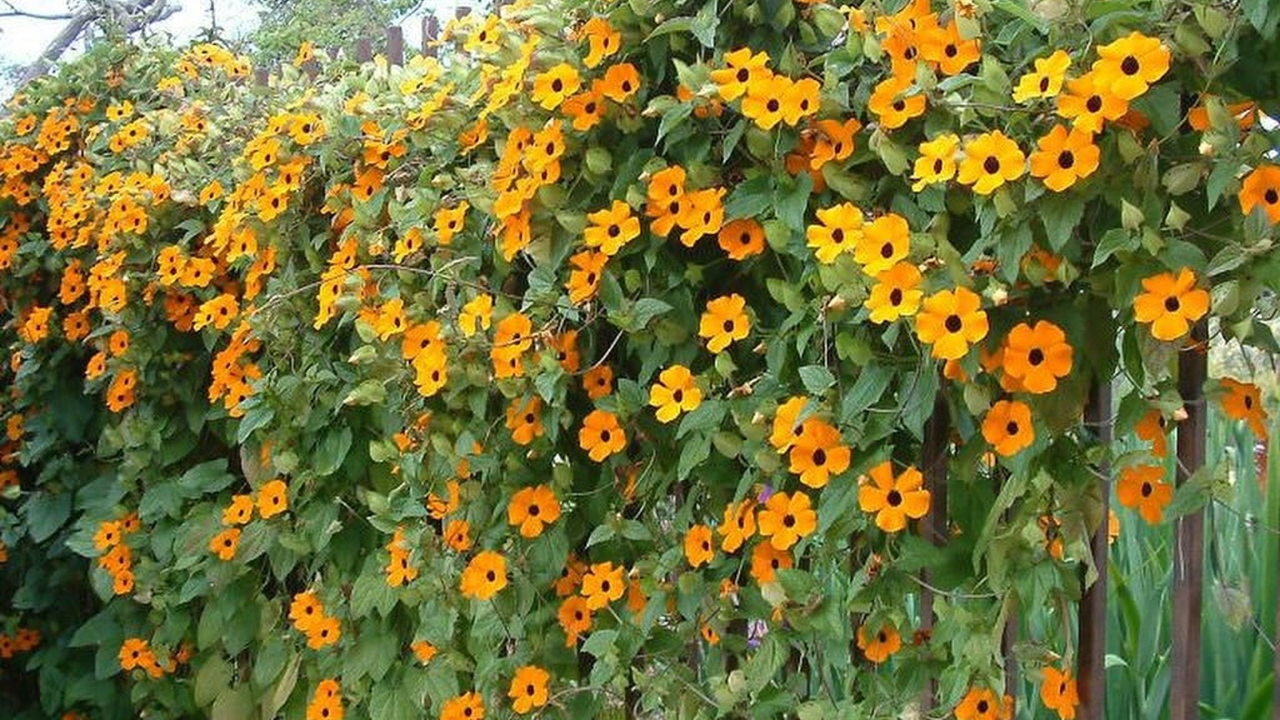
Many summer flowers benefit from physical support to keep them standing tall and prevent damage. Staking or adding cages ensures stems and blossoms remain intact, even in storms or under heavy bloom loads.
How to Start: Install stakes, cages, or trellises early in the season before the plants grow too large. Secure stems gently with garden ties or twine to avoid injury. Provide extra support for flowers like dahlias, snapdragons, and gladiolus, which are prone to tipping over.
9. Maintain Soil Health

Healthy soil is the foundation for productive plants and beautiful blooms. Ensuring your soil is rich in nutrients and has good drainage supports vigorous growth and long-lasting flowers.
How to Start: Amend your soil with organic matter like compost or aged manure before planting. Perform a soil test to identify nutrient deficiencies, and adjust with specific amendments as needed. Healthy soil reduces stress on plants, allowing them to bloom longer.
10. Control Pests and Diseases
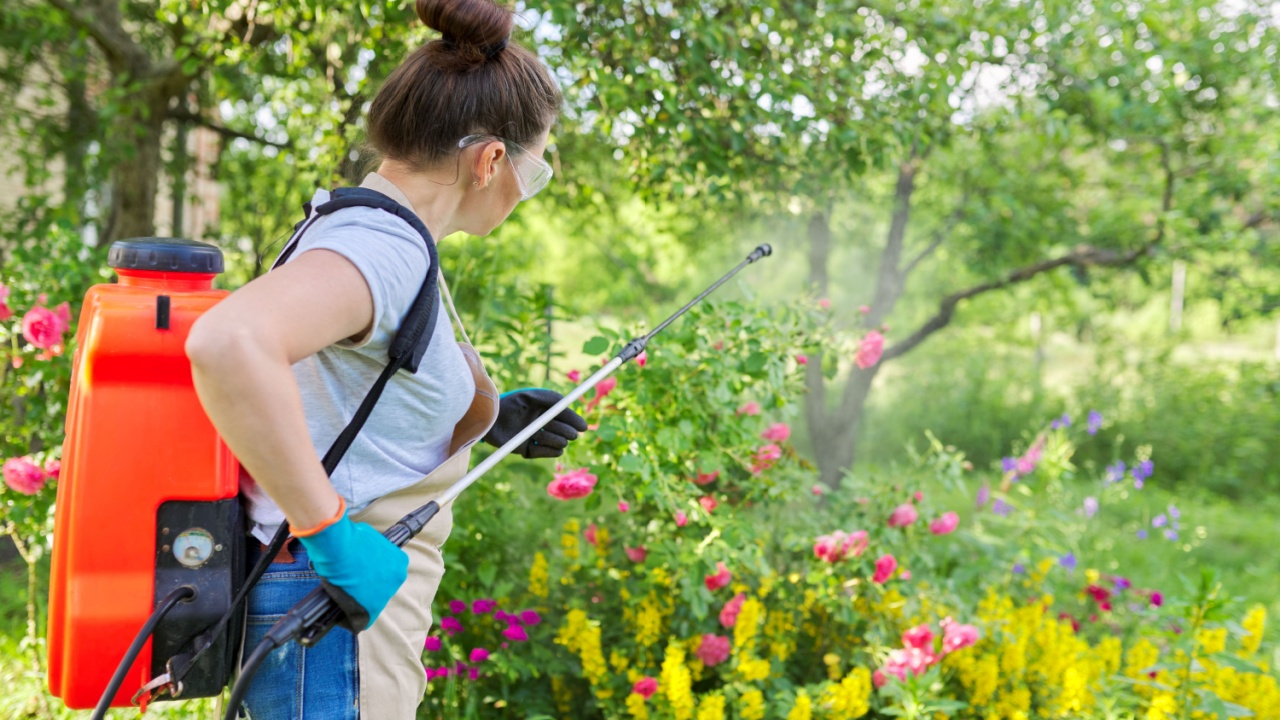
Pests and diseases can wreak havoc on garden plants, shortening their blooming periods and weakening overall health. Early prevention and swift action are essential to keeping your flowers in peak condition.
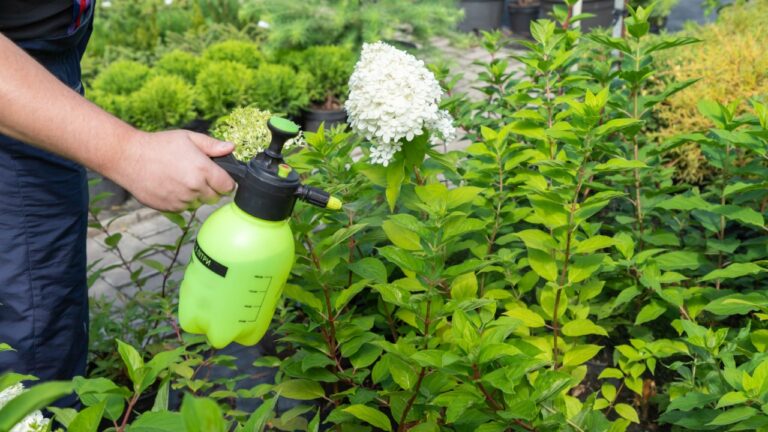
How to Start: Inspect your garden regularly for signs of trouble, such as yellowing leaves, holes, or visible insects. Use organic solutions like neem oil or insecticidal soap for pests and remove infected plants to avoid the spread of diseases. Keeping your plants healthy gives them the strength to produce abundant blooms.
11. Mulch for Moisture Retention
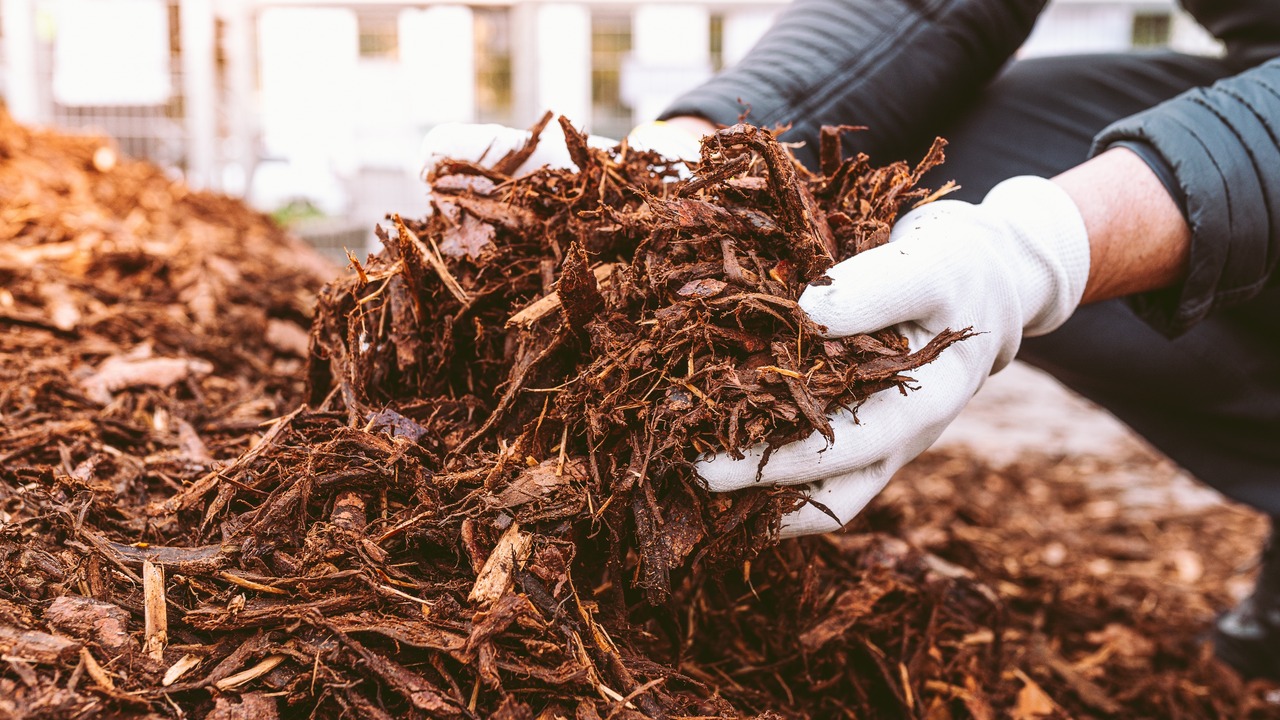
Mulching is a simple yet effective way to keep plants hydrated and healthy during hot summer months. It reduces water evaporation from the soil, keeps plant roots cool, and minimizes weed growth, allowing flowers to thrive.
How to Start: Spread a 2-3 inch layer of mulch, such as straw, bark, or wood chips, around the base of your flowers. Avoid piling mulch directly against plant stems to prevent rot. Organic mulches also break down over time, enriching soil health.
12. Keep Track with a Bloom Calendar

Tracking your plants’ bloom cycles ensures you know when to apply maintenance techniques like deadheading, fertilizing, or pruning. A calendar also helps you plan staggered plantings for continuous blooms throughout the season.
How to Start: Use a simple notebook or digital gardening app to record the bloom dates of each plant. Note which flowers need additional care and spot trends in your garden’s performance year after year. A bloom calendar helps you stay proactive about maximizing flowering potential.
Keeping the Colors As Long as Possible
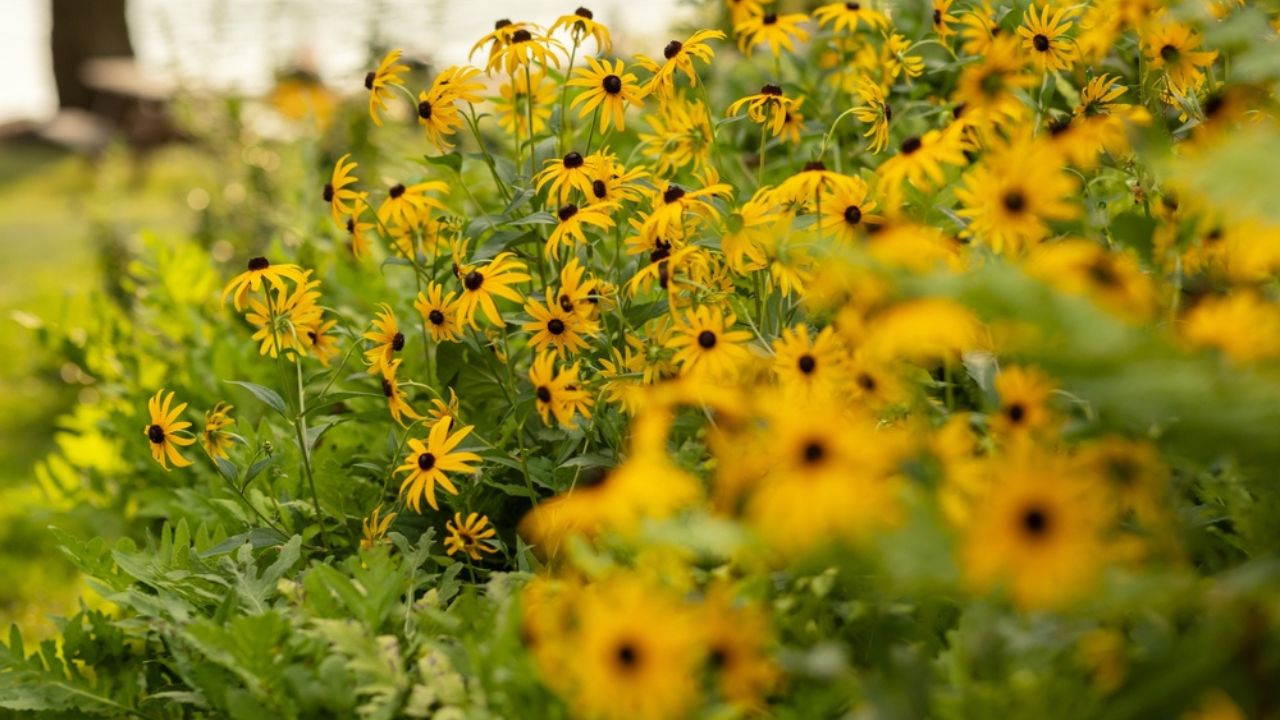
By following these 12 tips, you can transform your summer garden into a long-lasting display of vibrant color and beauty. From regular deadheading and pruning to choosing the right varieties and maintaining healthy soil, each strategy plays a crucial role in extending the bloom season of your flowers.
With a bit of planning and care, you can enjoy the magical beauty of summer blooms all season long.