Never Release Pets Into the Wild: 10 Exotic Pets That Are Now Invasive Species
Exotic pets might seem fascinating and unique, but when released into the wild, they can wreak havoc on local ecosystems. These pets, either intentionally or accidentally introduced, have often become invasive species, displacing native plants and animals, causing environmental problems, and even disrupting human livelihoods.
Here are 10 species that highlight how this issue has unfolded across the globe.
Straight from the Source
To ensure this list was accurate and credible, we relied on authoritative resources from government agencies, academic institutions, and reputable environmental organizations.
Our information on invasive species’ range, behavior, and ecological impact came primarily from the U.S. Geological Survey (USGS), U.S. Fish and Wildlife Service (USFWS), and other natural resource departments, which maintain detailed invasive species databases. These sources helped us verify both the biological facts and the real-world consequences of each species’ introduction into non-native environments.
1. Goldfish
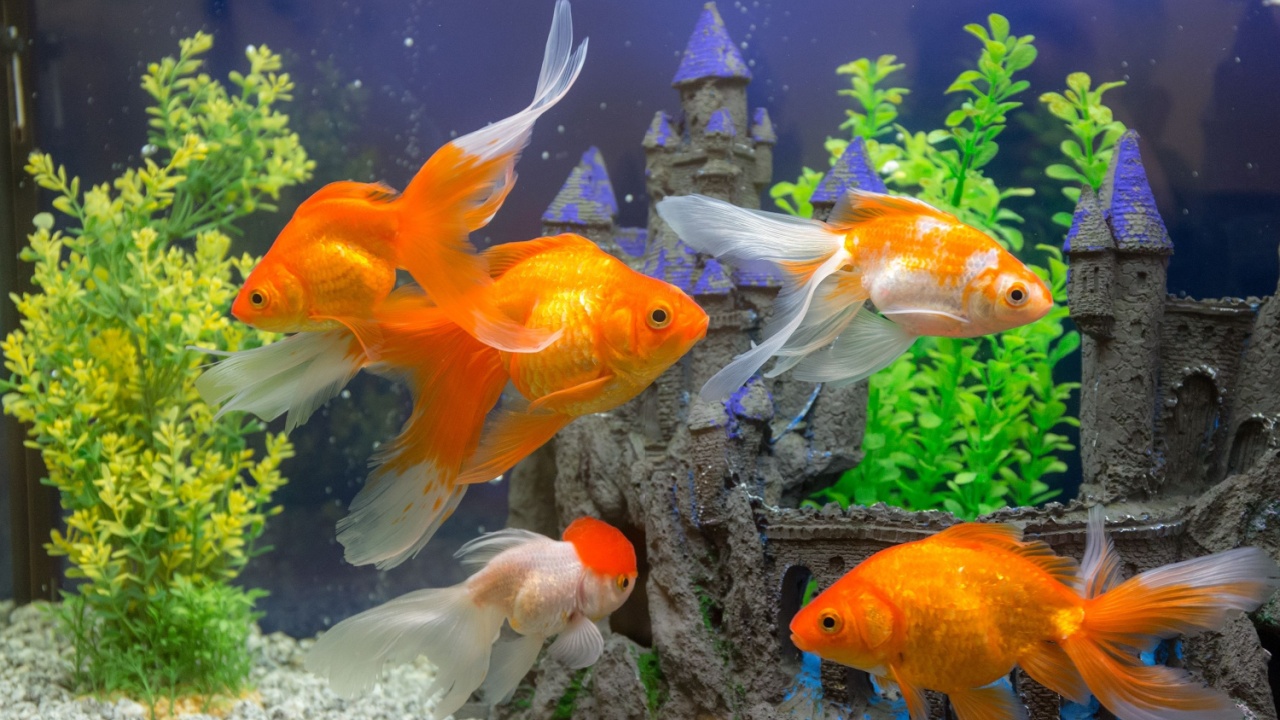
Where They’re Invading: Worldwide, including the U.S., Australia, and Europe
Why They’re a Problem: Originally kept in ornamental ponds or tanks, goldfish have found their way into rivers, lakes, and streams. Once released, they grow far larger than their domesticated size, reaching up to 19 inches in the wild. Their high reproduction rates, lack of predators, and bottom-feeding habits disrupt ecosystems by increasing water turbidity and outcompeting native species for food. For example, goldfish populations have threatened lakes in Colorado, where they consume vast resources and spread disease, impacting native fish.
2. Burmese Python
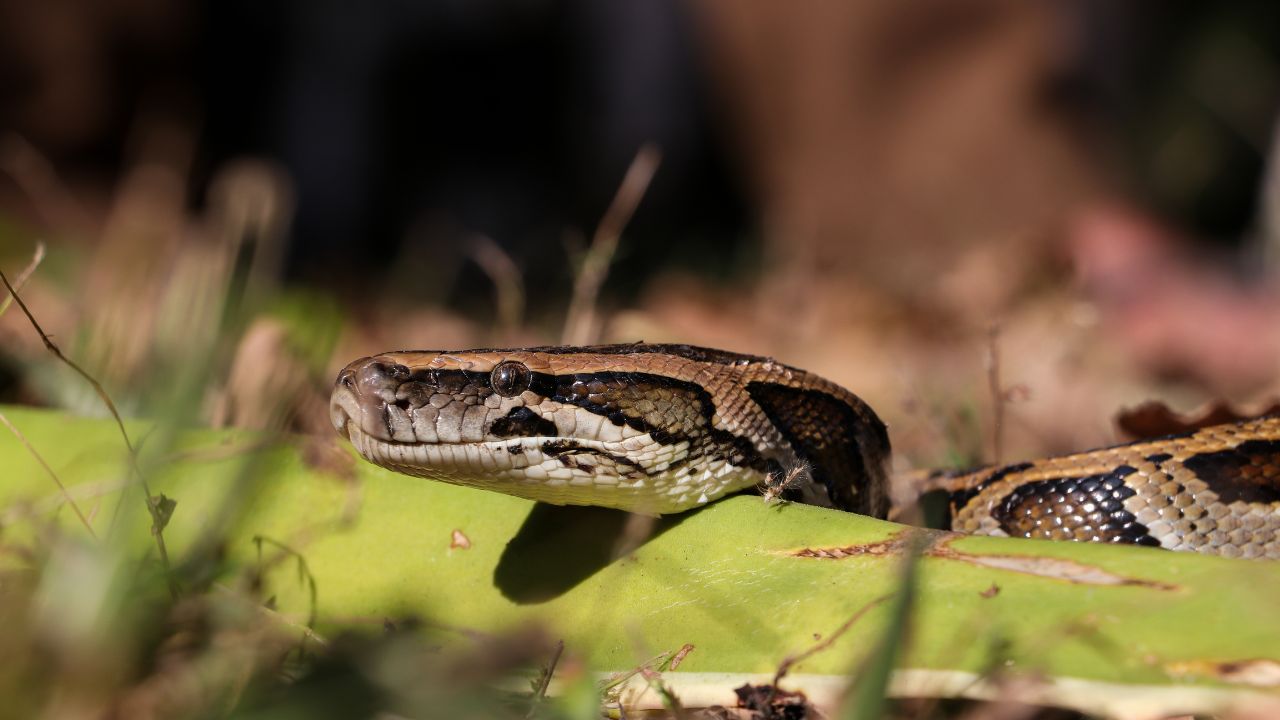
Where They’re Invading: The Florida Everglades, U.S.
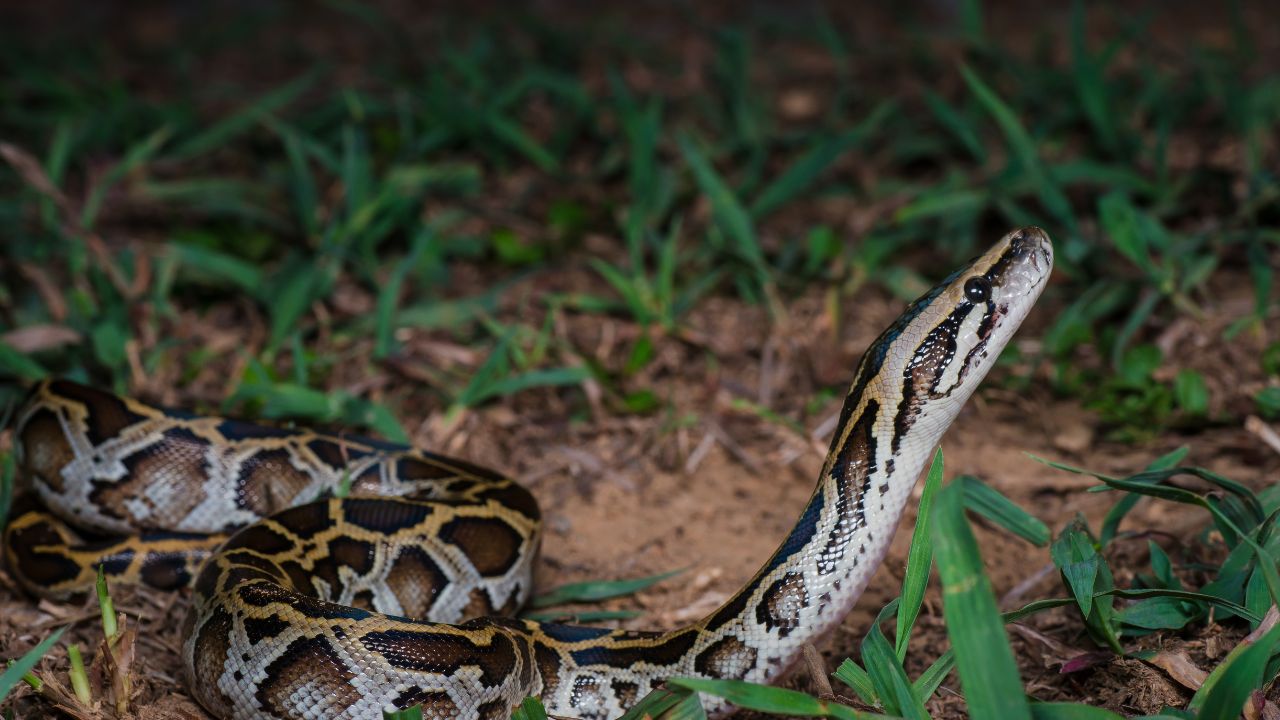
Why They’re a Problem: Native to Southeast Asia, Burmese pythons were introduced to Florida by pet owners who released unwanted snakes into the wild. With no natural predators in their invasive range and rapid reproduction, these snakes have decimated native populations of mammals like raccoons and foxes. Their role as apex predators in the Everglades profoundly destabilizes the ecosystem, reducing biodiversity and affecting even bird species and deer.
3. Red-Eared Slider
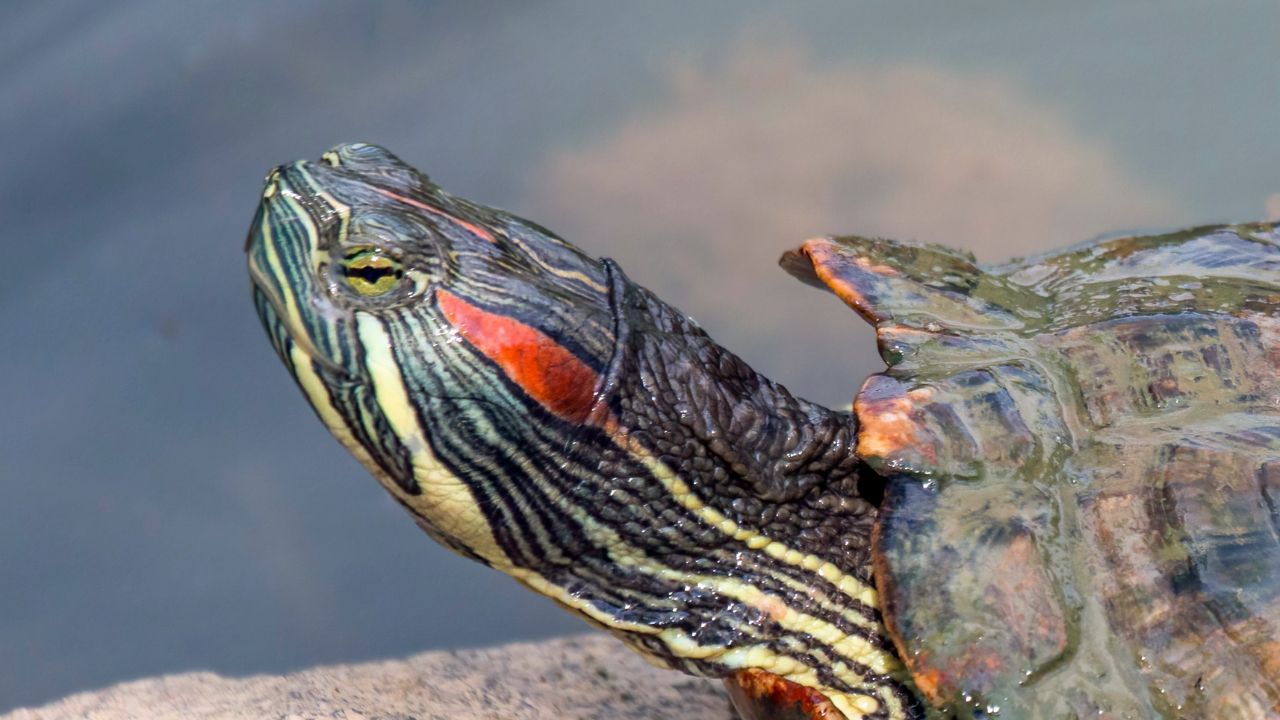
Where They’re Invading: Asia, Europe, and throughout the U.S.
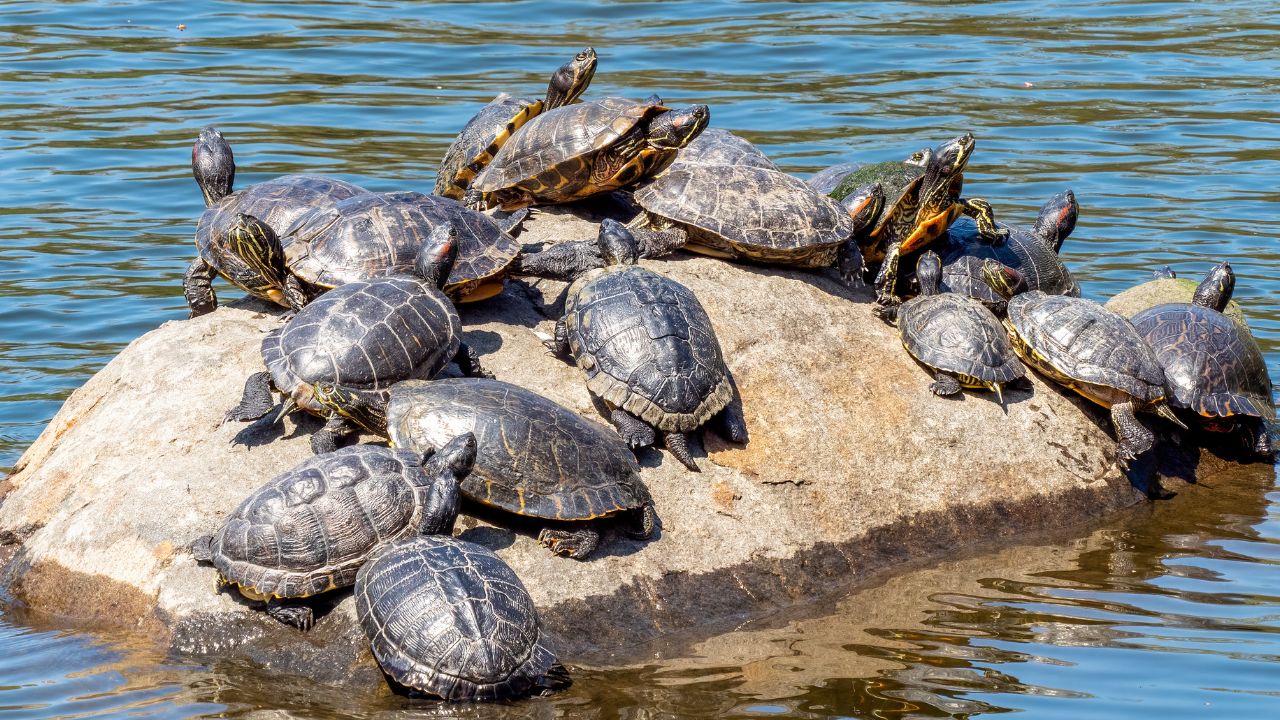
Why They’re a Problem: Native to the southeastern U.S., red-eared sliders have become one of the most widespread invasive turtles globally due to their popularity in the pet trade. They outcompete native turtles for basking spots, food, and nesting sites. For instance, in Japan, they now outnumber local turtle species by eight to one, leading to significant declines in native populations.
4. Snakehead Fish
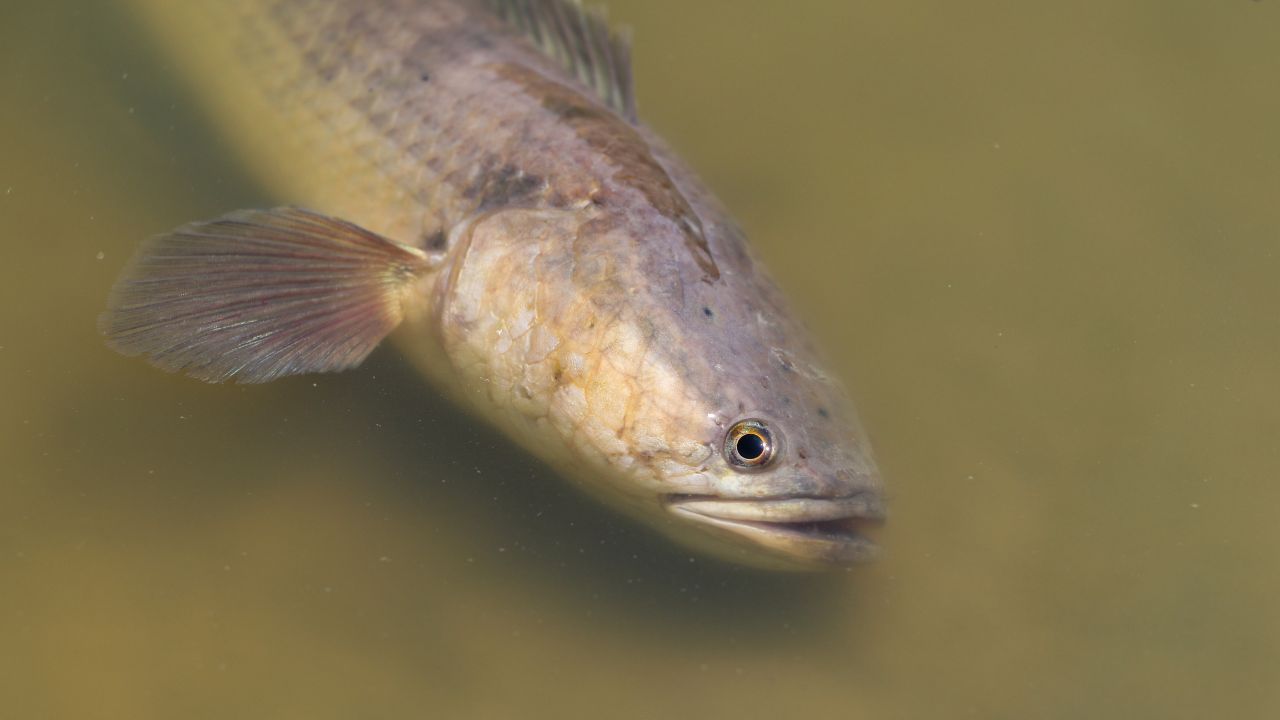
Where They’re Invading: U.S., particularly Maryland and Virginia
Why They’re a Problem: Native to Asia and Africa, snakeheads were introduced to North America through pet releases. These voracious predators can survive on land for short periods, allowing them to migrate between bodies of water. Capable of laying up to 100,000 eggs annually, snakeheads outcompete native fish species, disrupting aquatic ecosystems and reducing fish diversity, especially in Chesapeake Bay tributaries.
5. Green Iguana
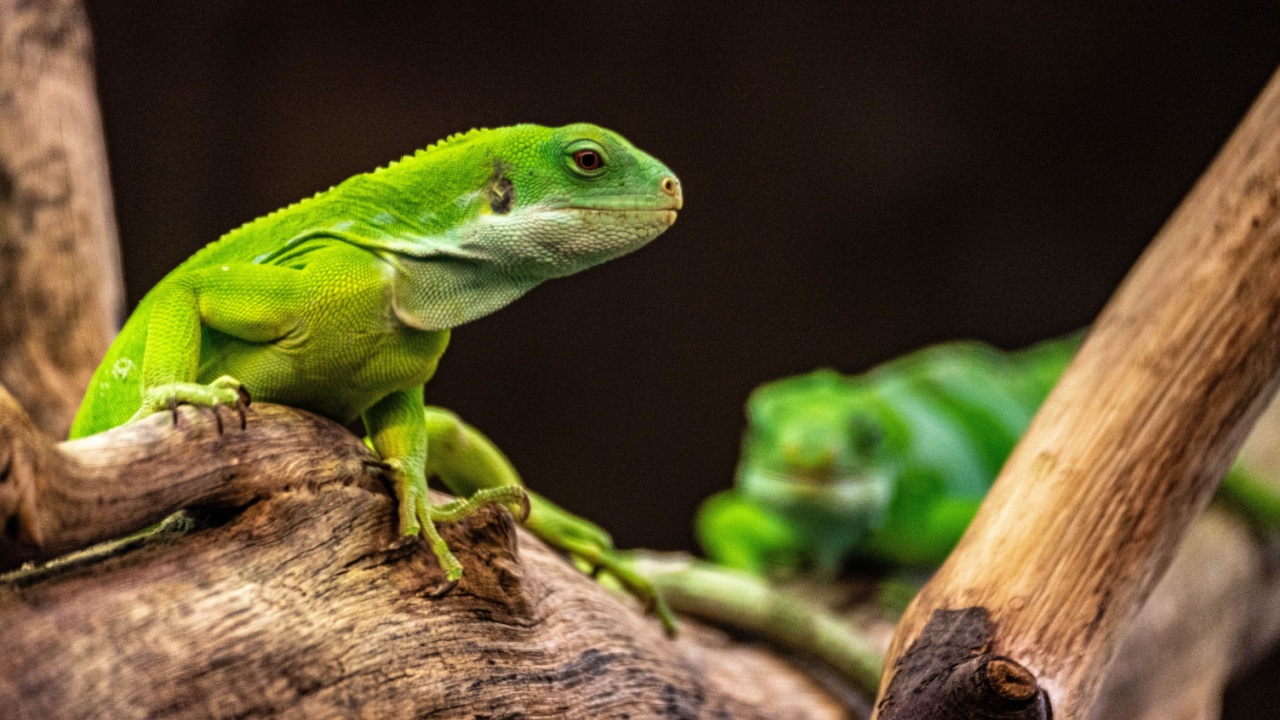
Where They’re Invading: Florida, Texas, and some Caribbean islands
Why They’re a Problem: Originally from Central and South America, green iguanas became popular as pets in the 1960s and 1970s. Escaped or released iguanas now thrive in Florida’s warm climate. They damage infrastructure by burrowing near seawalls and foundations, eat valuable crops, and threaten native plants and animals. Even endangered snails have been affected by their dietary habits.
6. Argentine Tegu
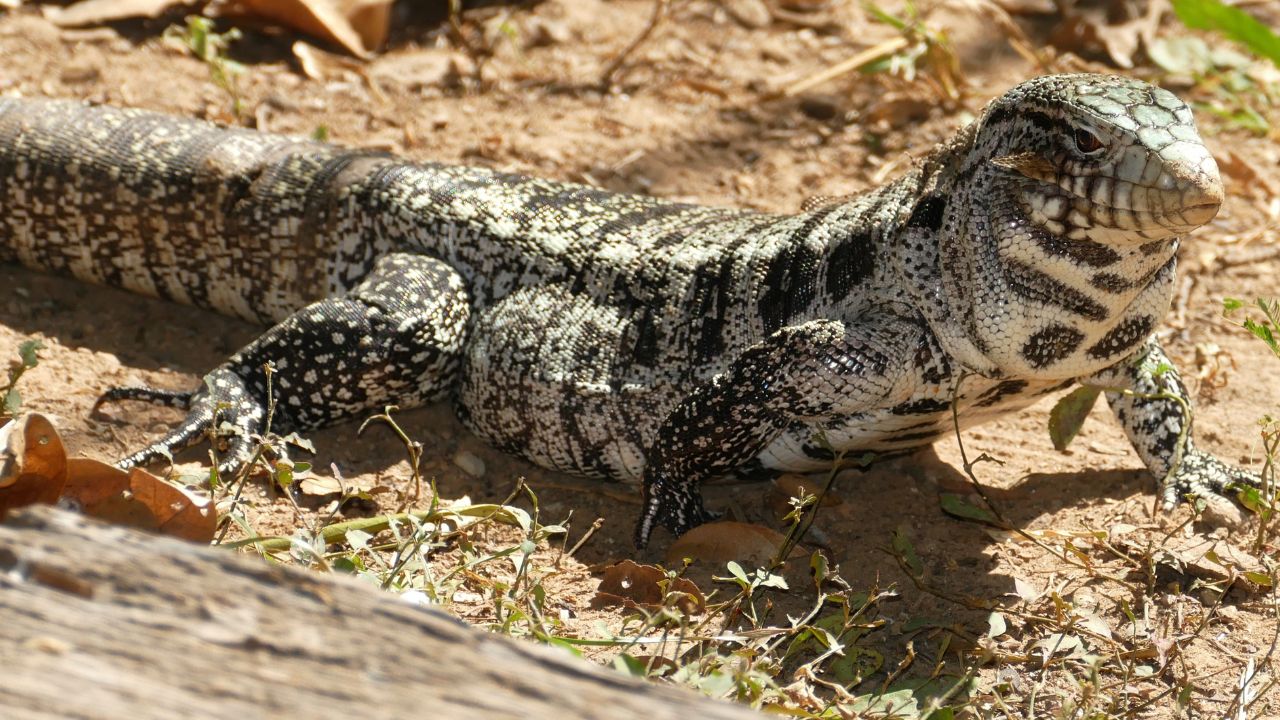
Where They’re Invading: Florida and Georgia, U.S.
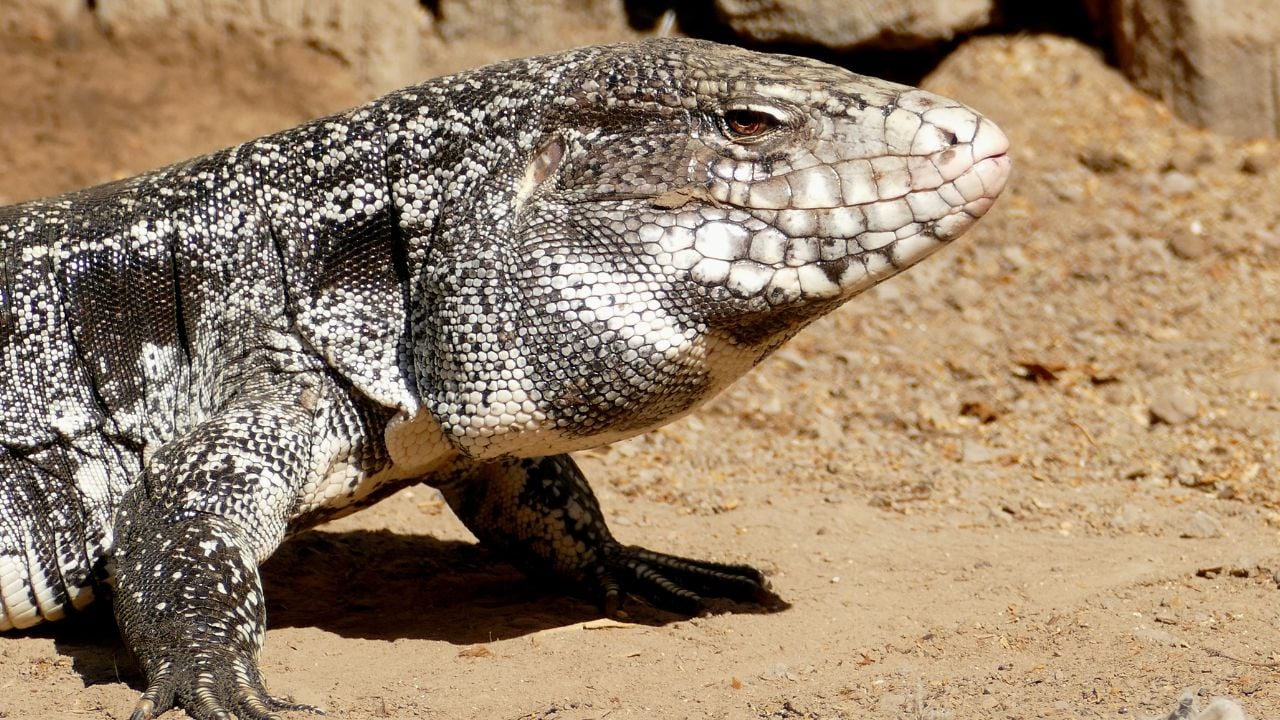
Why They’re a Problem: Argentine tegus are large lizards from South America that were released by pet owners into Florida’s natural areas. These omnivorous reptiles eat birds’ eggs, small mammals, and fruits, posing a threat to threatened species like American crocodile eggs. Their adaptability to cooler climates has allowed them to expand their invasive range beyond Florida.
7. Starling
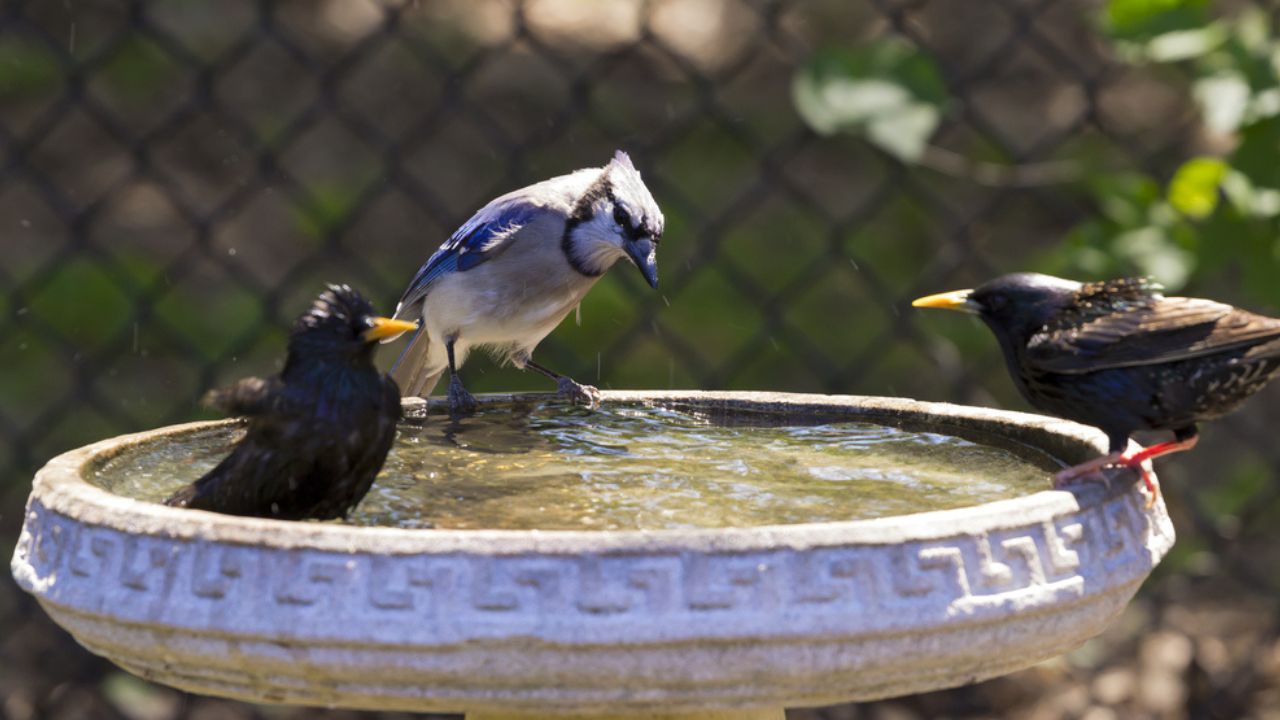
Where They’re Invading: North America
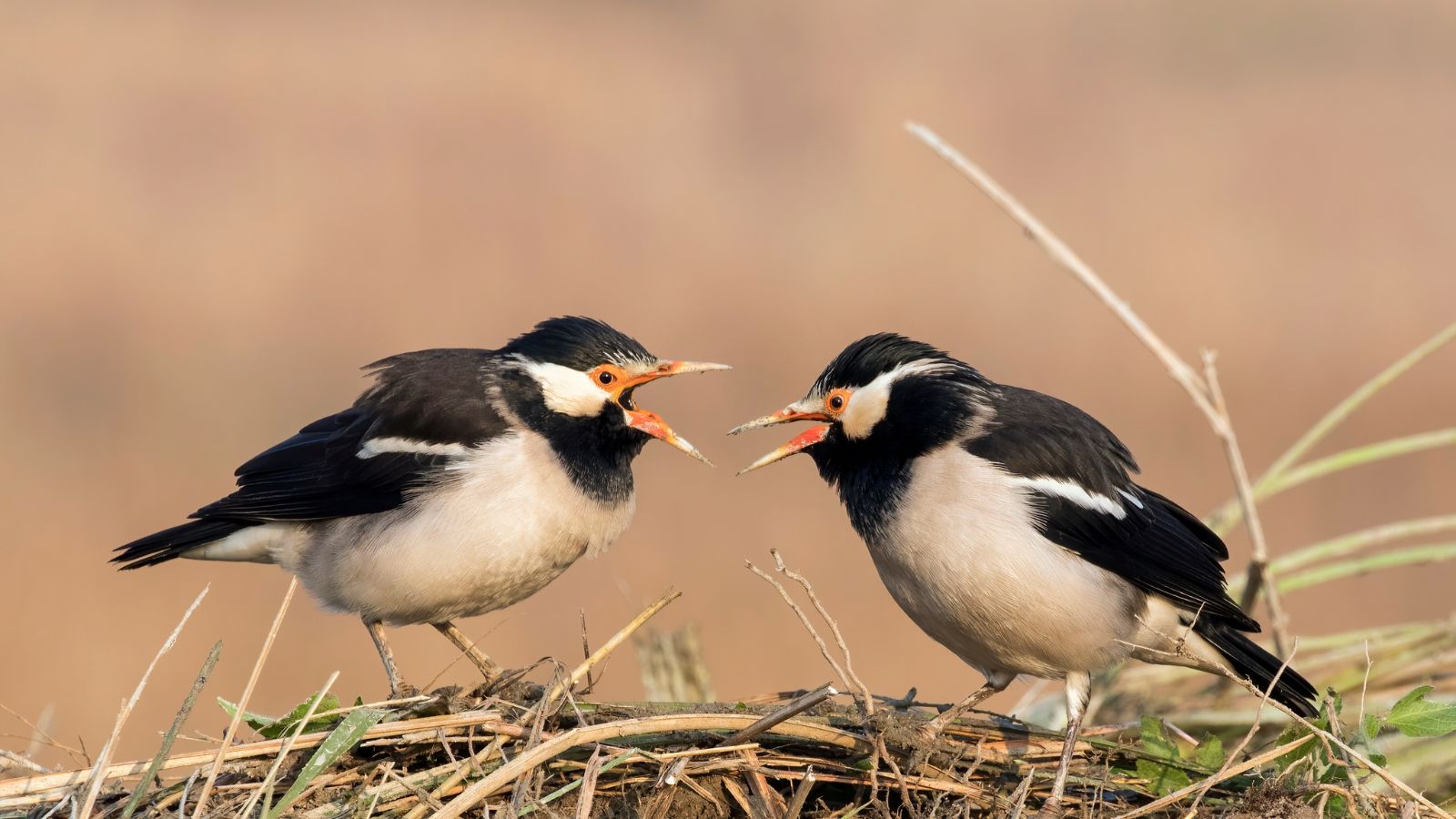
Why They’re a Problem: Originally brought to the U.S. in the 1890s to Central Park, starlings have since spread widely across the continent. Known for their aggressive behavior, they outcompete native birds for nesting sites, often destroying eggs or killing fledglings. Their large flocks also cause agricultural damage, particularly to grain crops, while posing risks to airplane safety at airports.
8. Pacu
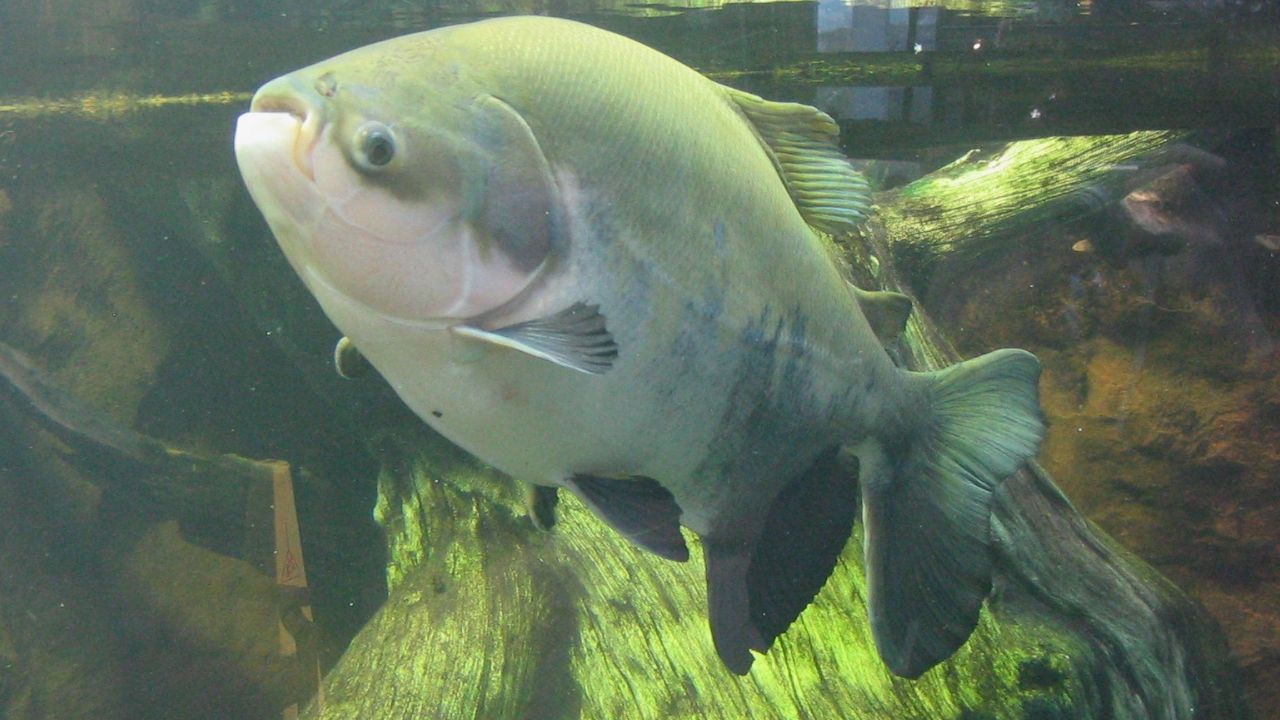
Where They’re Invading: Lakes and rivers in the U.S. and other countries
Why They’re a Problem: This South American fish, known for its human-like teeth, is often sold as a juvenile in pet stores. Once they grow too large for home aquariums, owners often release them into the wild. With few predators and high reproductive potential, pacus outcompete native fish for food and spread to new areas. Their diet of nuts, fruit, and aquatic plants disrupts local ecosystems and threatens biodiversity.
9. Feral Hogs
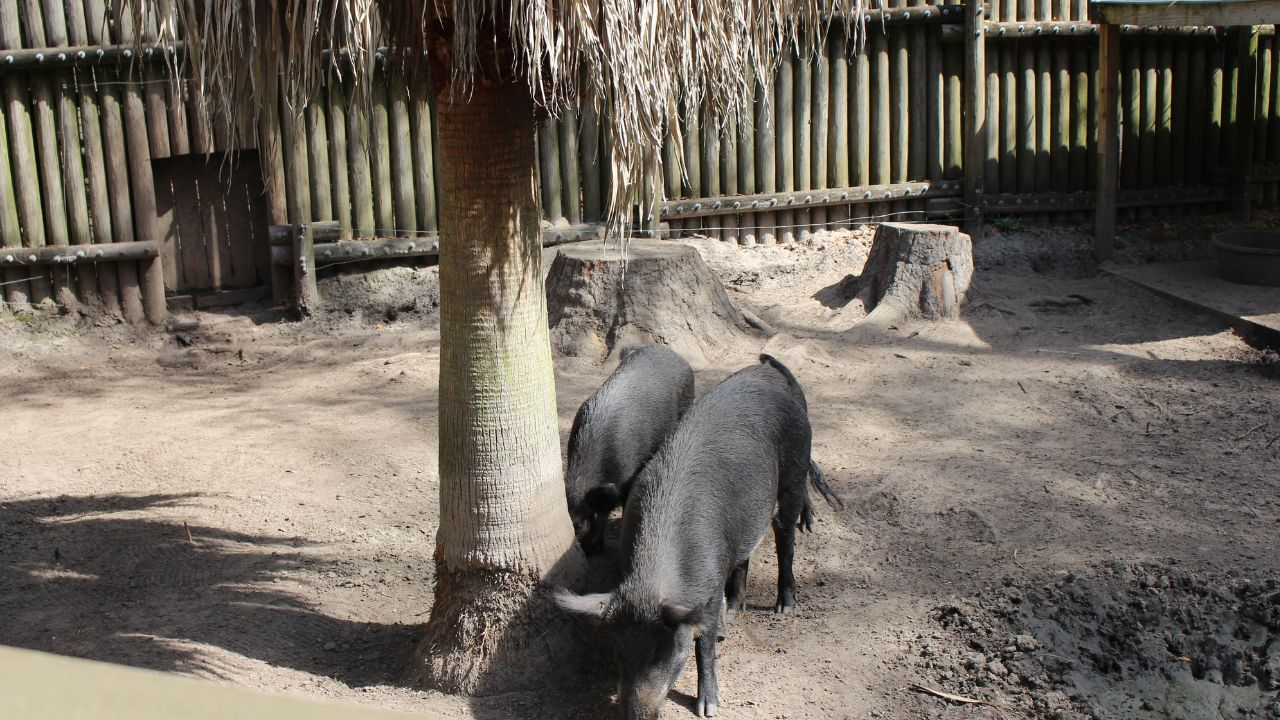
Where They’re Invading: Across much of the U.S., especially the South
Why They’re a Problem: First introduced by European settlers as livestock, feral hogs escaped or were released and quickly spread across the U.S. Today, their overpopulation wreaks havoc on agriculture by destroying crops and disturbing soil structure. They also disrupt natural ecosystems by preying on native species and competing for food sources.
10. Monk Parakeet
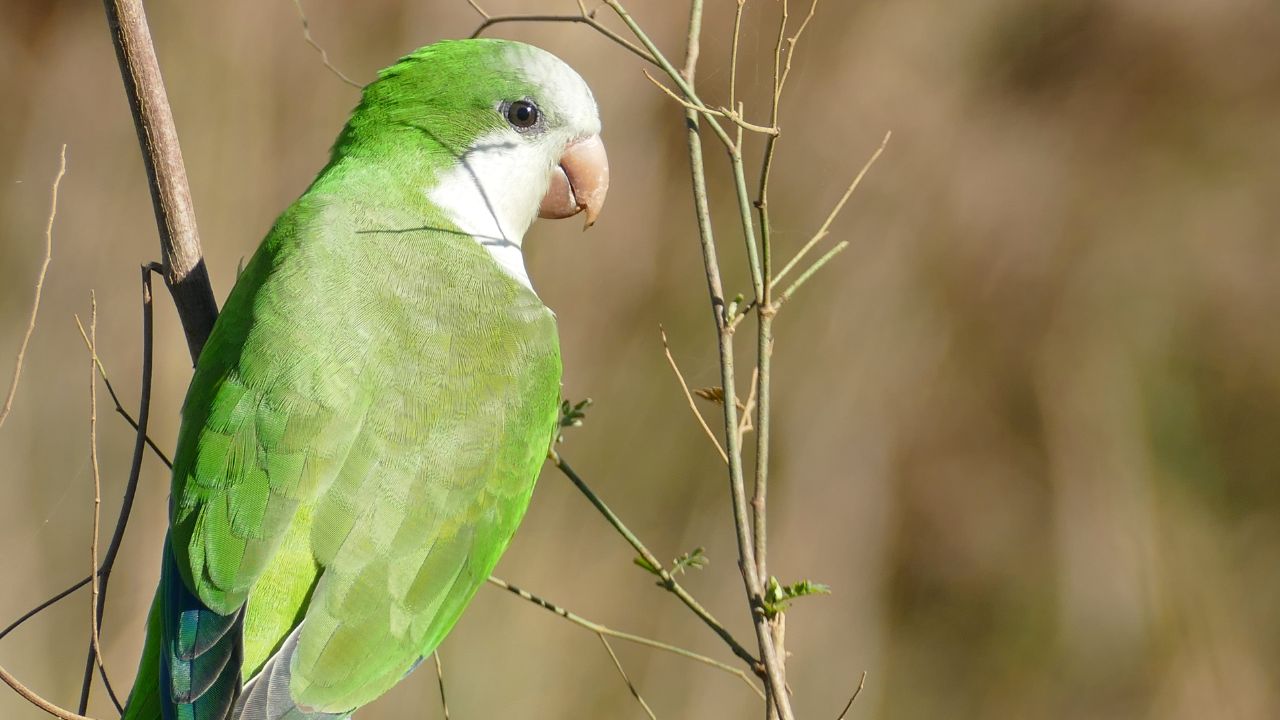
Where They’re Invading: U.S., especially urban areas like Chicago and Miami
Why They’re a Problem: Originally from South America, monk parakeets were brought to the U.S. as pets. Escaped birds established colonies in urban settings, thriving on available resources. Their large communal nests cause problems for electrical infrastructure, often leading to costly repairs, while their foraging habits impact local bird populations and farms.
The Importance of Pet Responsibility
A significant number of invasive species are the result of humans releasing unwanted pets into the wild, either intentionally or accidentally. To prevent further damage, responsible pet ownership is essential. Here are some key practices for all pet owners to follow:
- Research Before Purchasing: Understand exactly what it takes to care for the pet and how large it will grow. Many animals become invasive because their owners underestimated the care costs.
- Never Release Pets: If you can’t care for a pet, contact a shelter, zoo, or breeding program that can responsibly re-home or adopt it.
- Sterilize Pets: For animals like fish or reptiles, ensuring they don’t reproduce uncontrollably in captivity can prevent accidental releases of offspring.
- Educate Others: Spread the word about the risks of releasing pets into the wild and how they harm the environment.
By becoming responsible pet owners and advocating for stricter pet trade regulations, we can help curb the spread of invasive species and protect native ecosystems.
Do Your Part
Exotic pets may seem like an exciting addition to your home, but their impact on the environment can be disastrous if they escape or are released into the wild. Each species listed here highlights the need for awareness and action to ensure that ecosystems remain balanced and healthy.
Pet ownership should always come with the responsibility to care for animals in a way that protects the environment, local wildlife, and future generations.