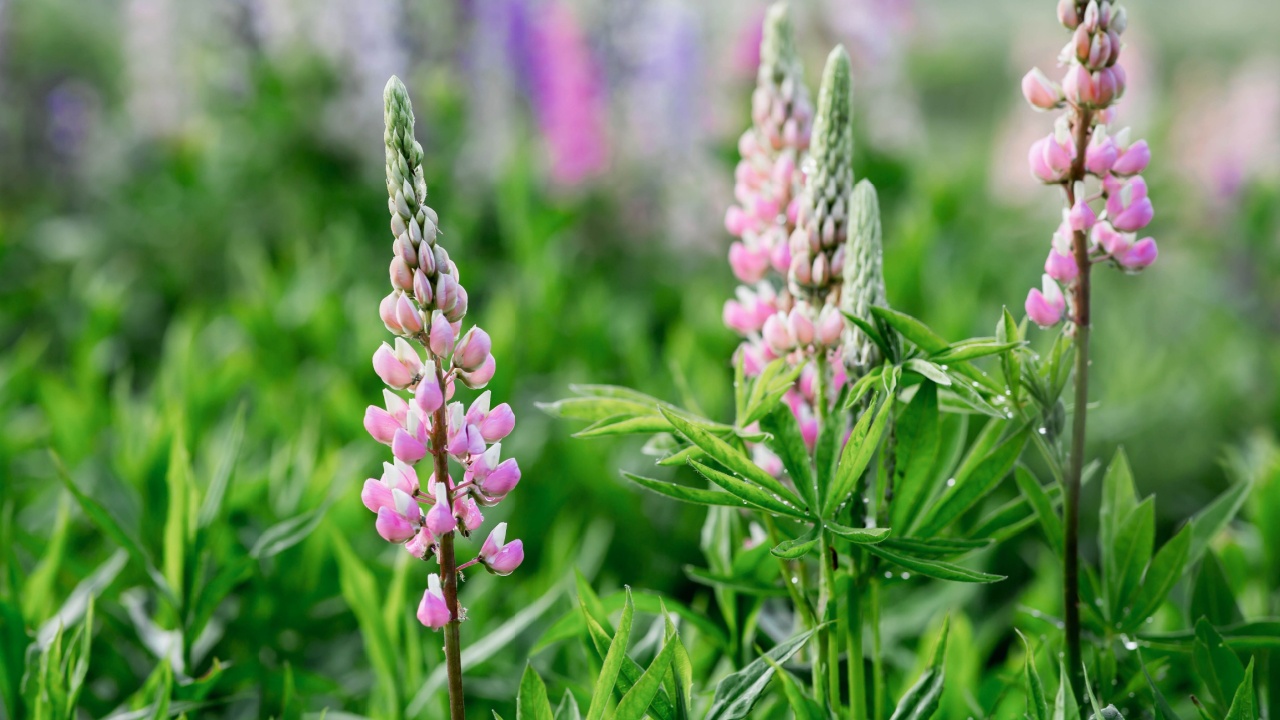
17 Native Wildflowers to Plant This Spring for a Full Beautiful Garden
Adding native wildflowers to your garden is a wonderful way to create a sustainable, vibrant, and low-maintenance landscape that supports the local ecosystem. Native wildflowers are perfectly adapted to the local climate, providing essential resources for native pollinators and wildlife. They’re easy to grow, offer stunning seasonal color, and don’t require excessive care or chemical inputs.
Below, we’ll introduce you to 17 exceptional native wildflowers to enhance your garden. We chose these options based on research about wildflower meadows, native species, and experimentation with our own gardens.
Note: For yarrow, milkweed, aster, goldenrod, and coreopsis, there are cultivars in different regions of the world. To keep it native, ask your local nursery or extension office for the appropriate options.
1. Black-Eyed Susan (Rudbeckia hirta)
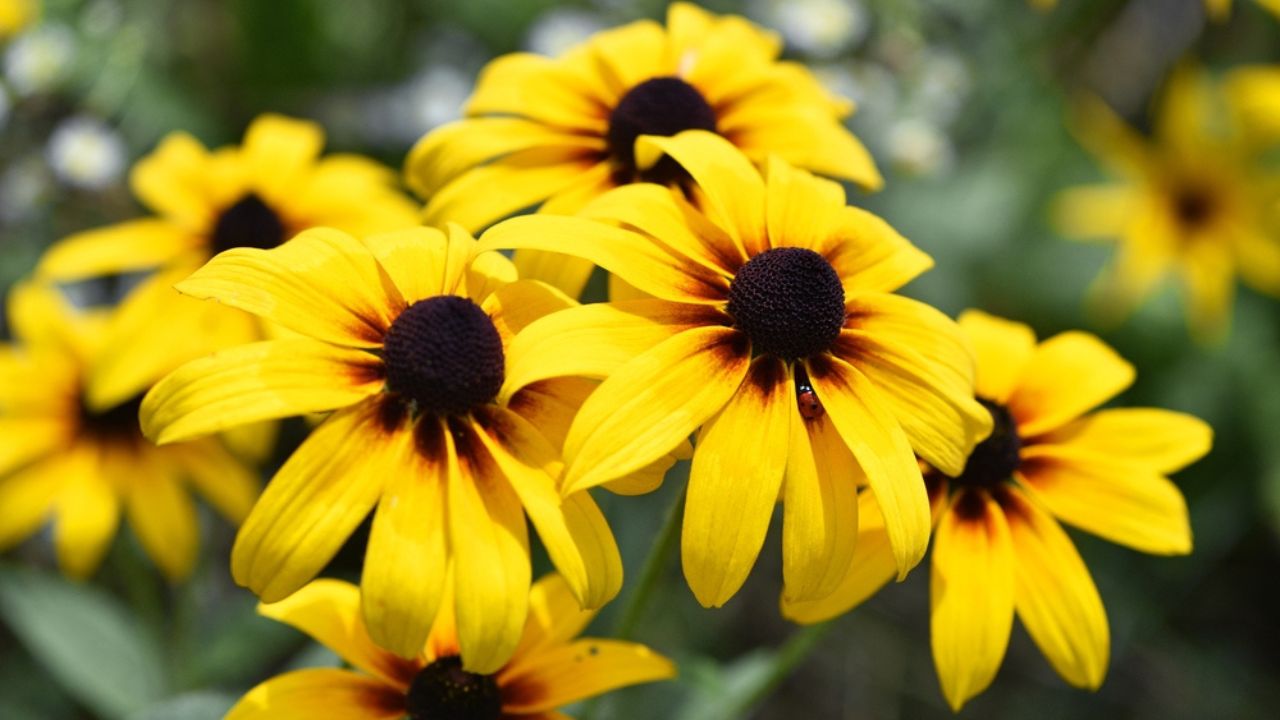
Characteristics: Black-eyed Susans are iconic yellow flowers with dark centers that bloom from midsummer through fall. Growing up to 3 feet tall, their daisy-like blooms are eye-catching and perfect for garden borders.
Why They’re a Good Pick: Native to most of the U.S., these flowers are hardy, low-maintenance, and attract a range of pollinators, including butterflies and bees.
Care Tips: Plant in full sun with well-drained soil. Deadhead blooms to encourage continuous flowering. Zones 3-9.
2. Purple Coneflower (Echinacea purpurea)
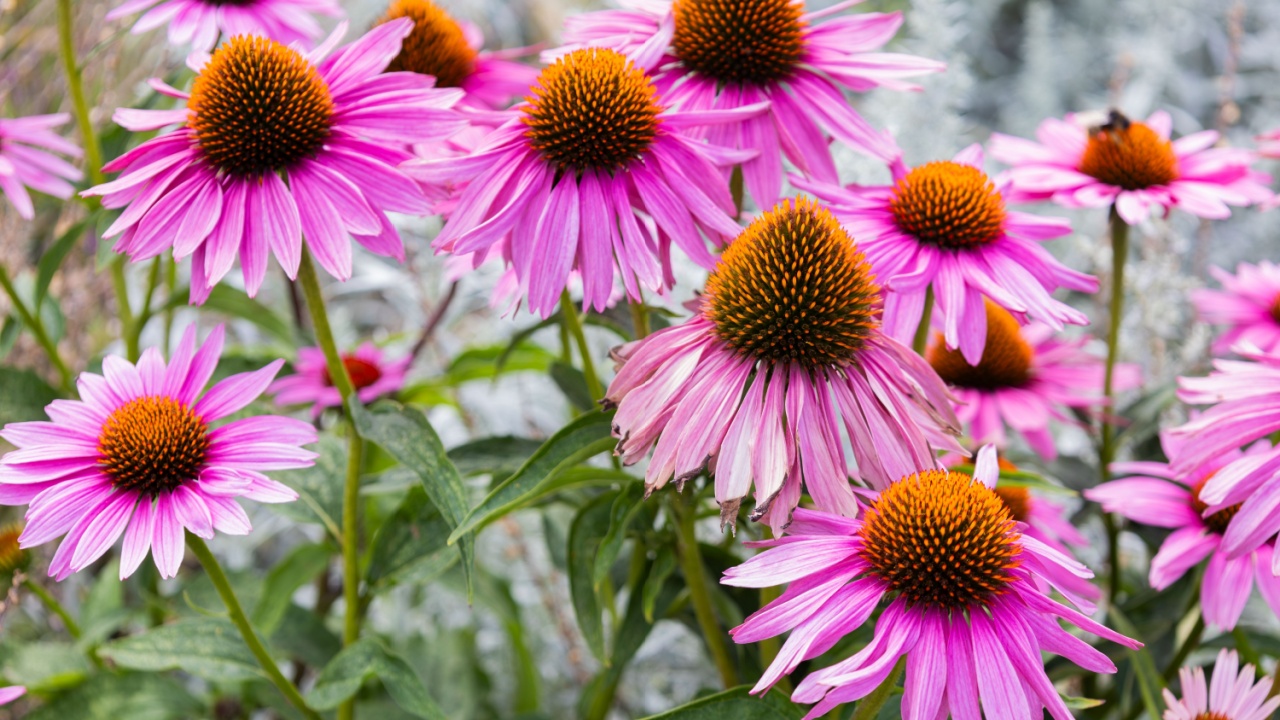
Characteristics: With their bright purple petals and cone-shaped centers, purple coneflowers are showstopping perennials that thrive in sunny spots.
Why They’re a Good Pick: These drought-tolerant flowers attract bees, butterflies, and seed-eating birds, making them a pollinator-friendly choice.
Care Tips: Plant in full sun to part shade. Water weekly until established, then minimize watering as they prefer dry conditions. Zones 3-8.
3. Milkweed (Asclepias spp.)
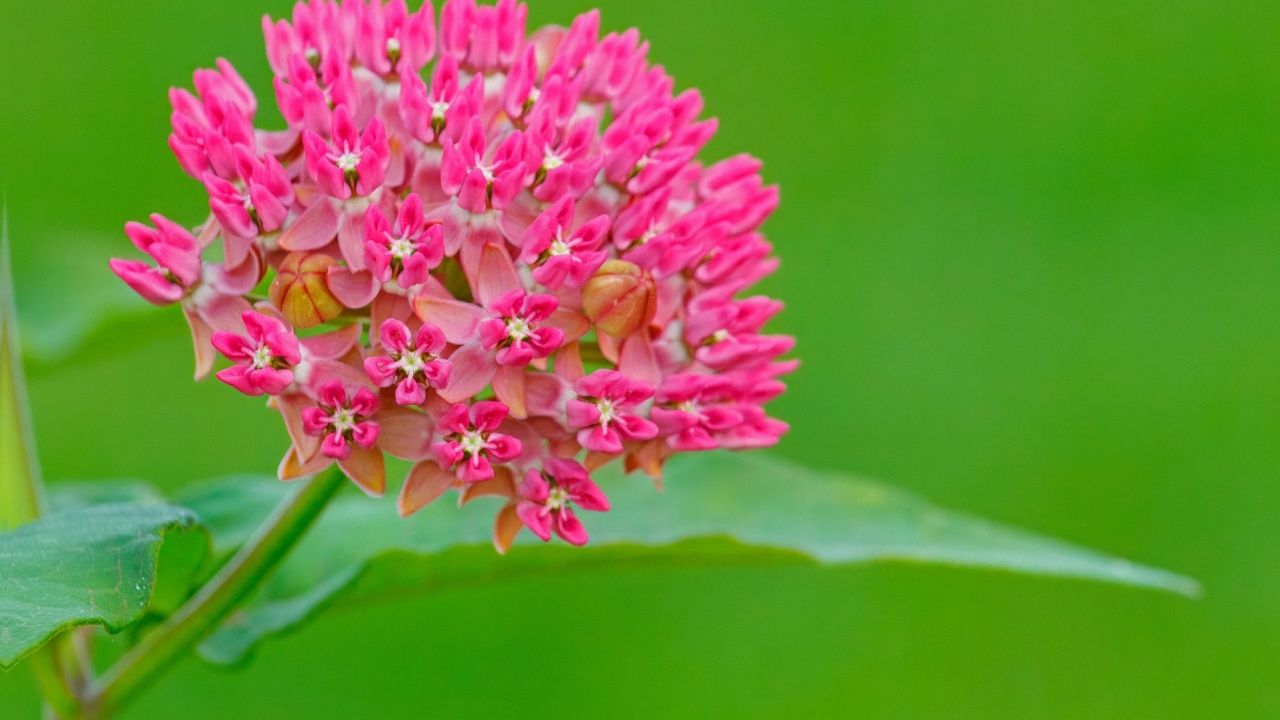
Characteristics: Milkweeds feature clusters of small, fragrant flowers in colors like pink, orange, and white. They are vital for supporting monarch butterfly populations.
Why They’re a Good Pick: Milkweed acts as both a nectar source for pollinators and a host plant for monarch caterpillars. It also adds height and texture to flower beds.
Care Tips: Plant in full sun with well-drained soil. Avoid overwatering, as they are drought-tolerant once established. Zones vary by species (3-11).
4. Goldenrod (Solidago spp.)
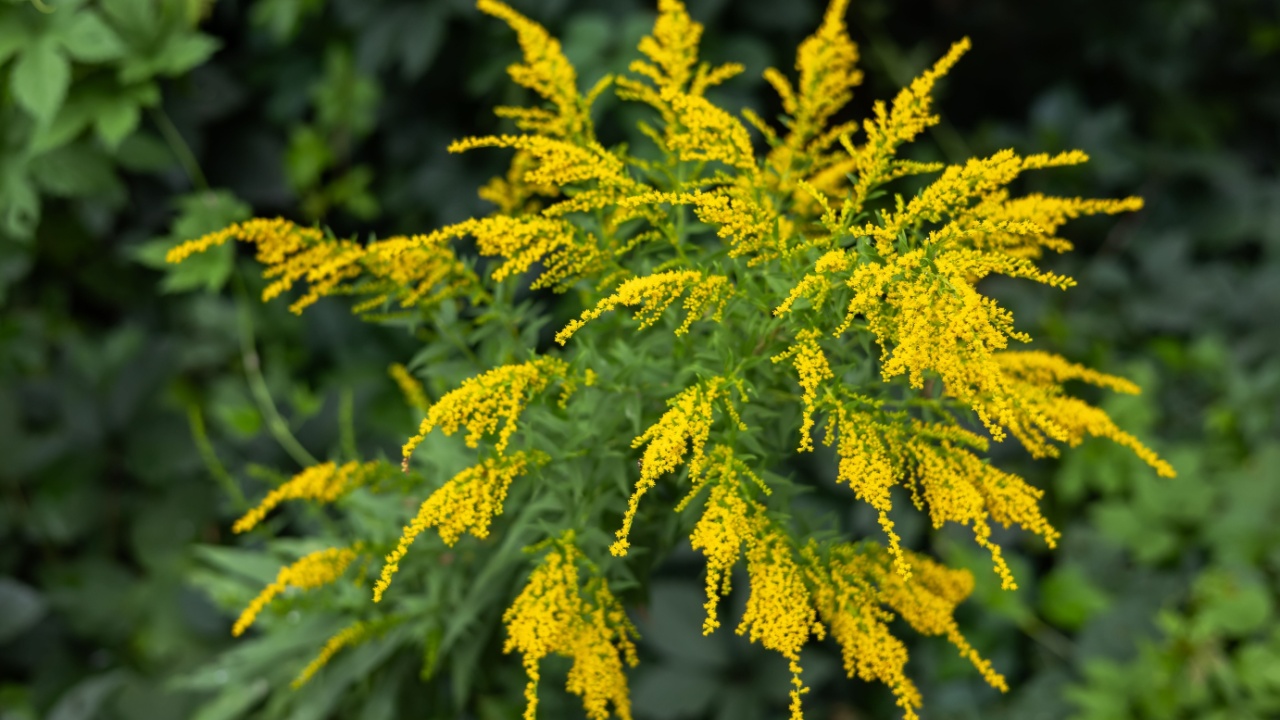
Characteristics: This late-summer bloomer features tall stalks of bright yellow flowers, creating a dramatic display in any garden.
Why They’re a Good Pick: Goldenrod supports native bees, butterflies, and other insects, offering an abundant nectar source during fall.
Care Tips: Plant in full sun to partial shade with well-drained soil. Divide clumps every few years to prevent overcrowding. Zones 3-9.
5. Blanket Flower (Gaillardia pulchella)
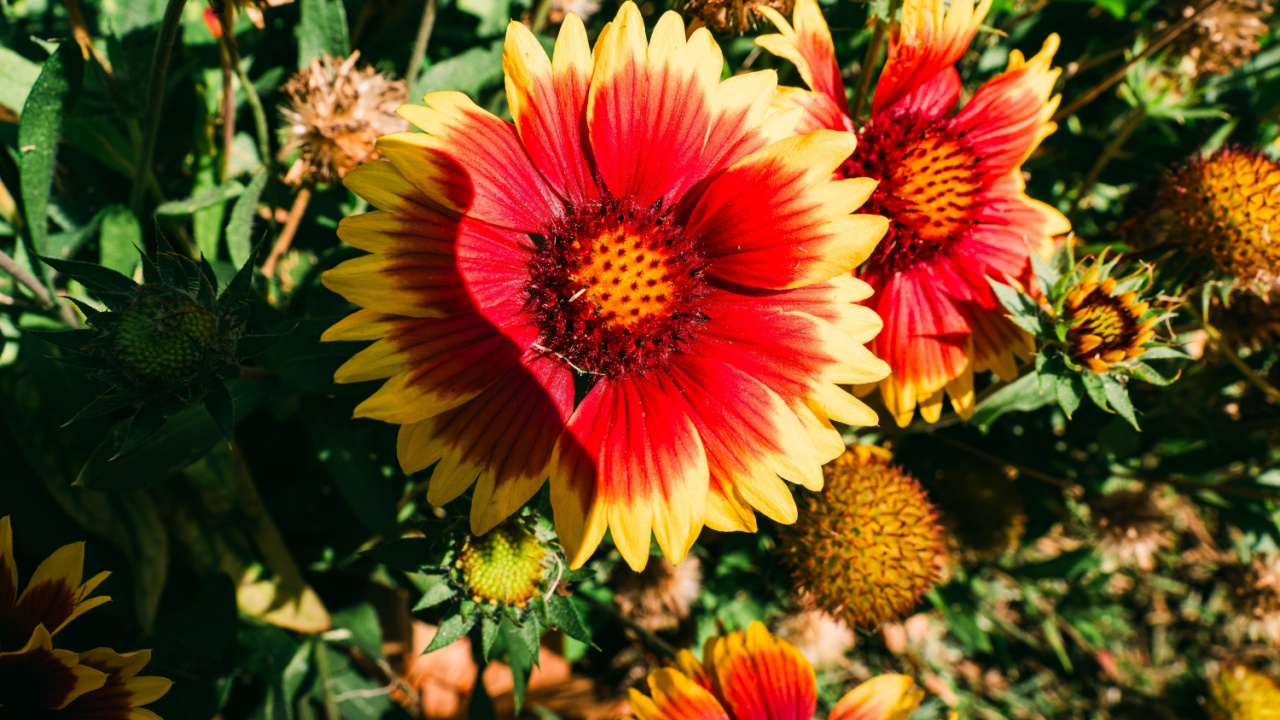
Characteristics: With their fiery red-and-yellow blooms, blanket flowers brighten up gardens from spring through fall.
Why They’re a Good Pick: Native to prairies and open areas, this wildflower is heat-tolerant and drought-resistant, making it perfect for low-water gardens.
Care Tips: Provide full sun and plant in well-drained, sandy soil. Deadhead to extend the blooming period. Zones 3-10.
6. Aster (Symphyotrichum spp.)
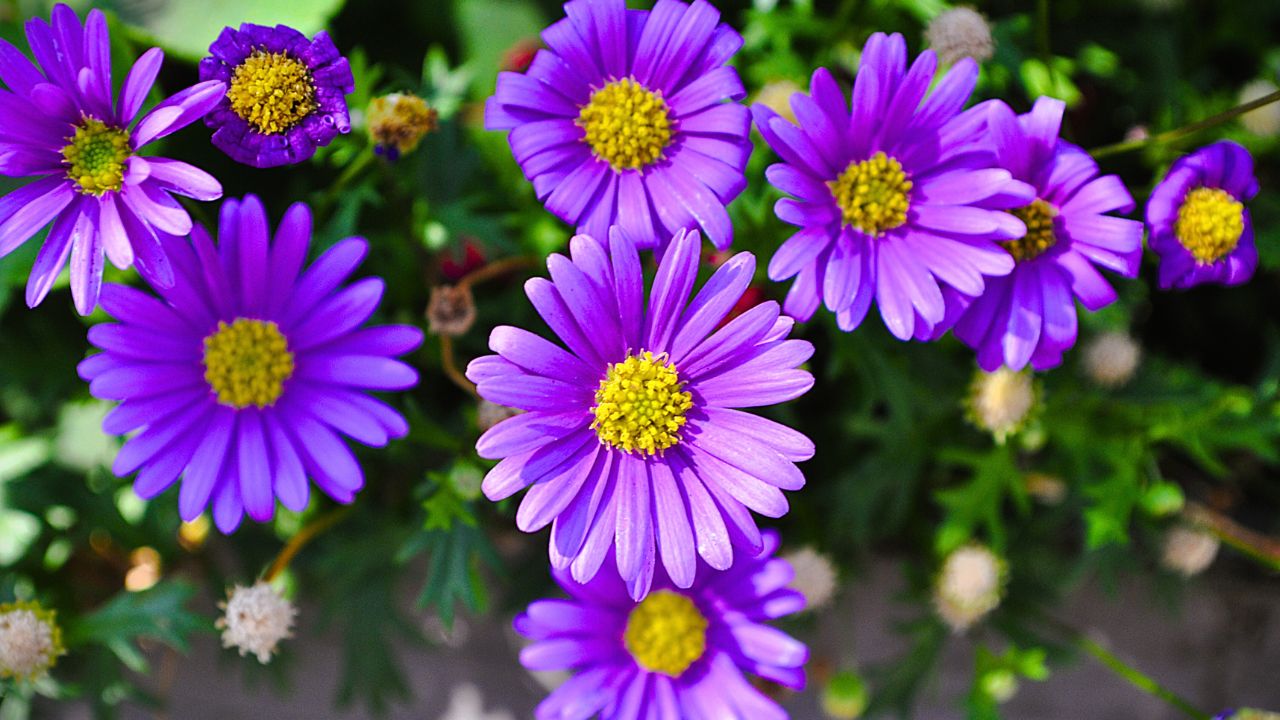
Characteristics: Asters are late-season bloomers with star-shaped flowers available in shades of purple, pink, and white. They create a lush backdrop in your garden as summer winds down.
Why They’re a Good Pick: Asters are vital for late-season pollinators, offering nectar during a time when few other plants are flowering.
Care Tips: Grow in full sun to partial shade. Provide moist, well-drained soil and divide plants every few years. Zones 3-8.
7. Wild Bergamot (Monarda fistulosa)
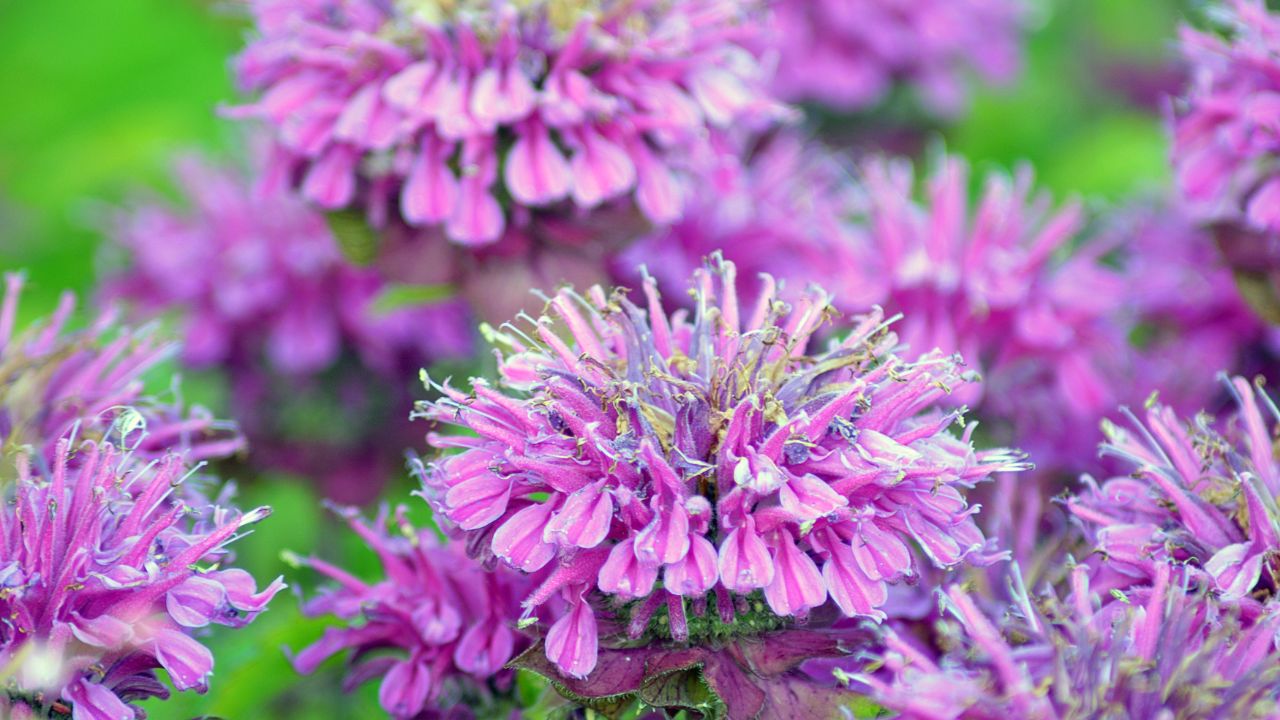
Characteristics: This fragrant flower features lavender-pink blooms that attract hummingbirds and butterflies. Its clusters of tubular flowers are a standout in sunny gardens.
Why They’re a Good Pick: Wild bergamot thrives without much maintenance and is popular for naturalizing garden areas. It’s also deer-resistant.
Care Tips: Plant in full sun to part shade with moderately moist soil. Cut back spent blooms for a second flowering. Zones 3-9.
8. Coreopsis (Coreopsis spp.)
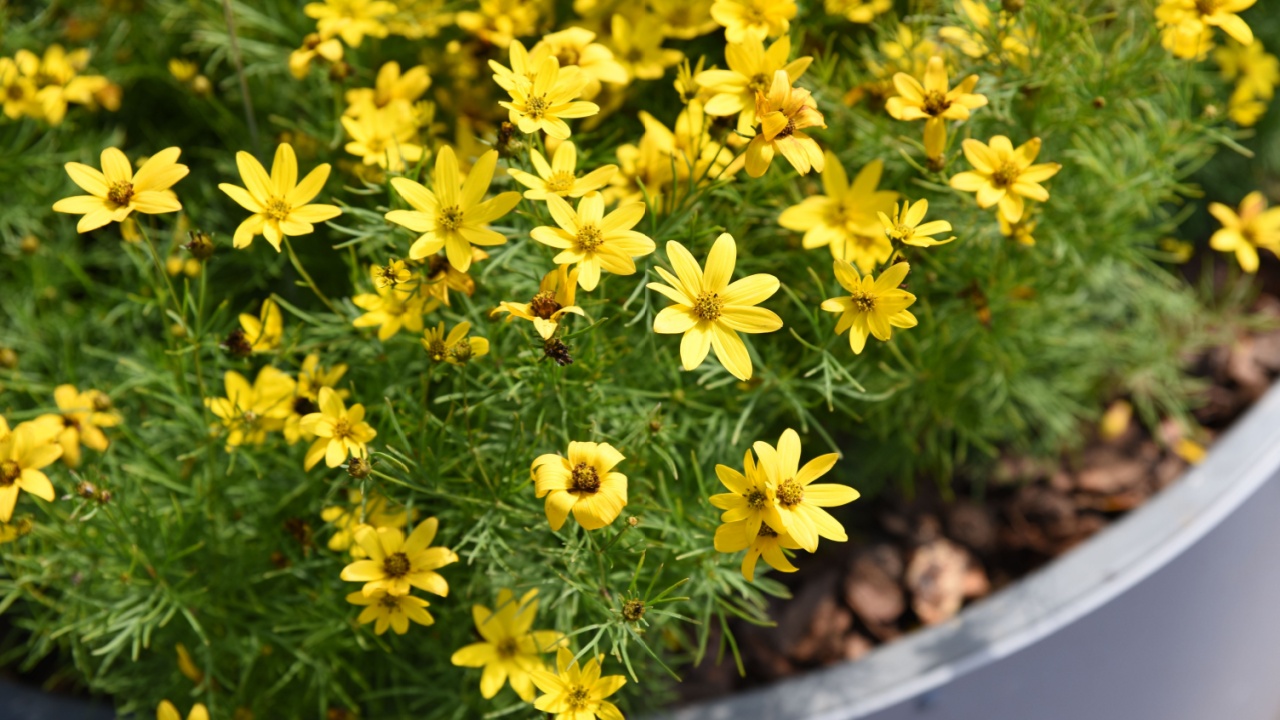
Characteristics: Known for their sunny yellow, daisy-like flowers, coreopsis adds cheerful color throughout summer.
Why They’re a Good Pick: Coreopsis is hardy, drought-tolerant, and thrives in a variety of soils, making it an adaptable wildflower for any garden.
Care Tips: Plant in full sun with sandy, well-draining soil. Remove spent flowers to prolong blooming. Zones 3-9.
9. Columbine (Aquilegia canadensis)
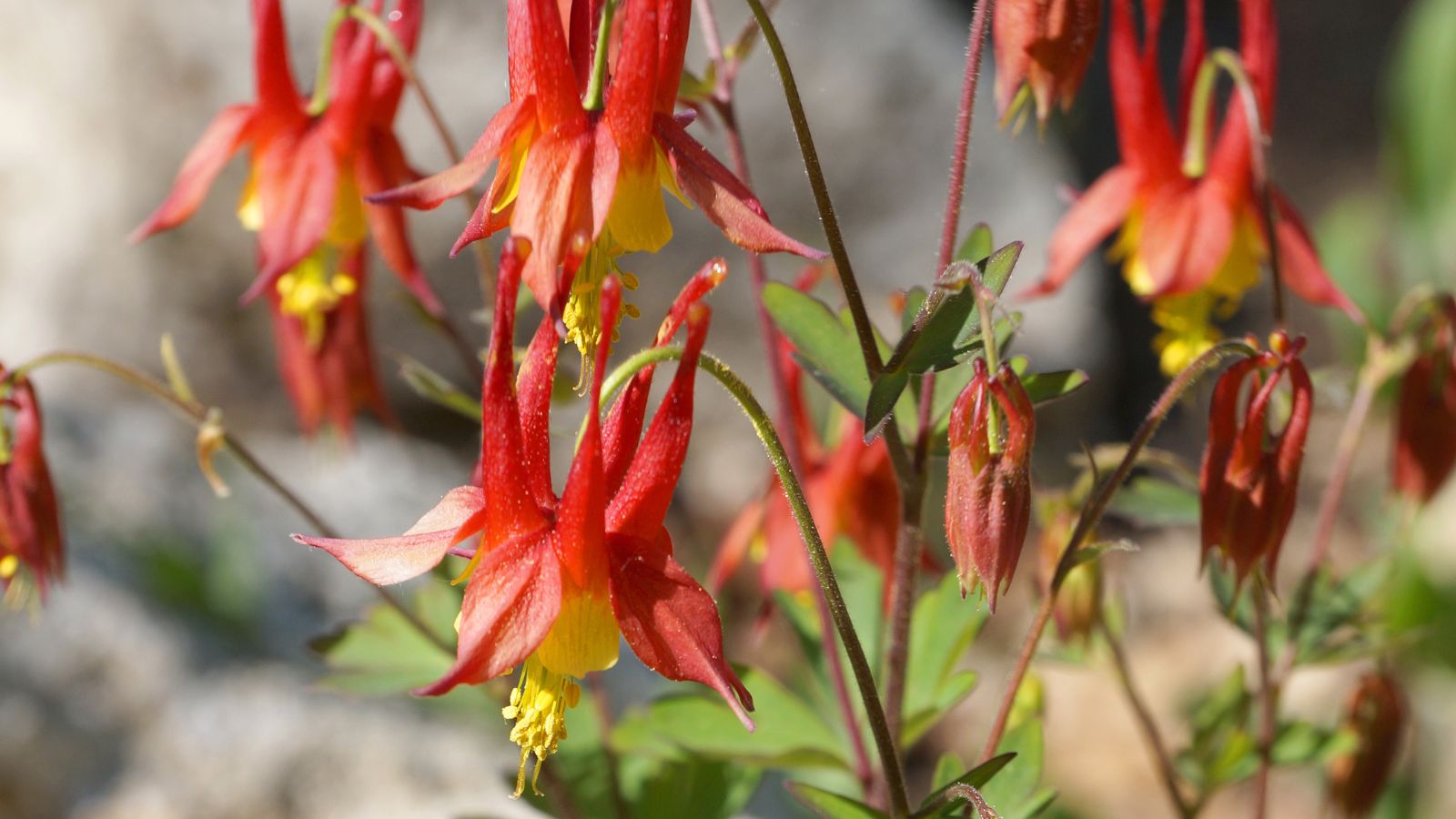
Characteristics: Columbine’s intricate, bell-shaped flowers come in shades of red and yellow, with delicate, fern-like foliage.
Why They’re a Good Pick: These spring bloomers attract hummingbirds and are a lovely addition to shaded or woodland gardens.
Care Tips: Grow in partial shade with rich, well-drained soil. Allow seeds to self-sow for natural propagation. Zones 3-8.
10. Lupine (Lupinus perennis)
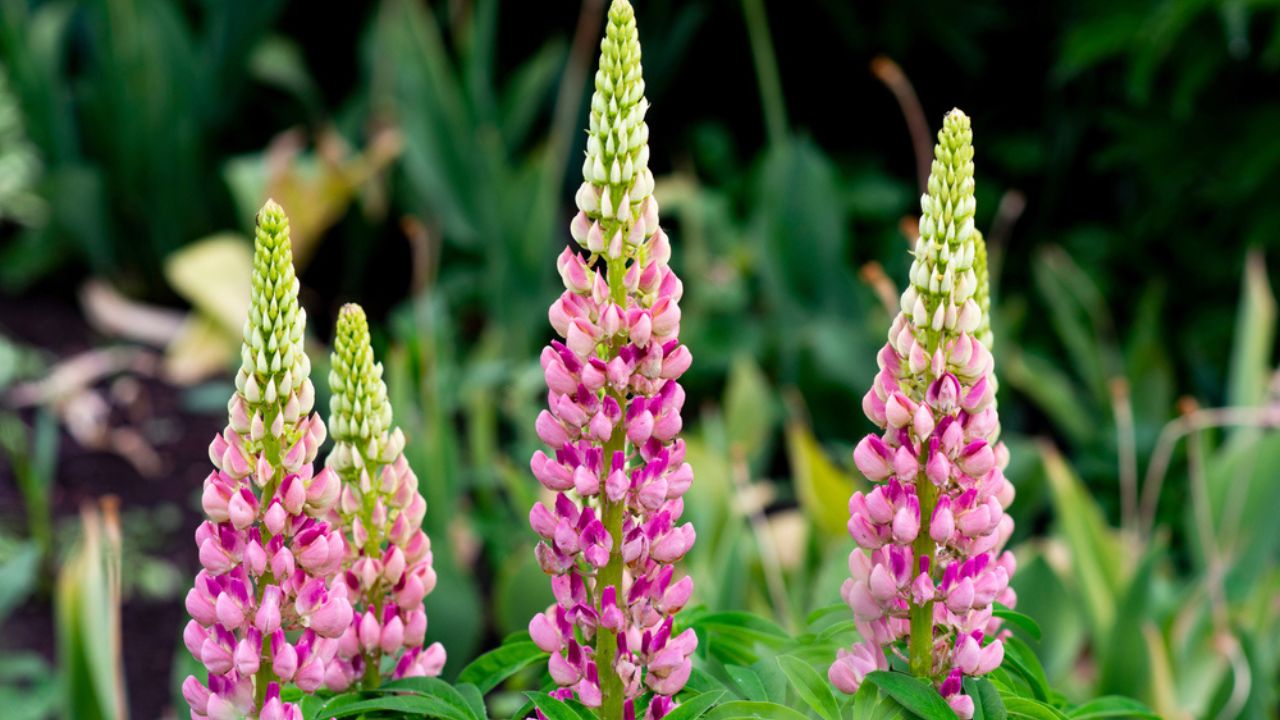
Characteristics: Tall spikes of blue, white, or pink blooms make lupines a striking focal point in gardens.
Why They’re a Good Pick: Lupines are nitrogen-fixing plants, enriching the soil while supporting native pollinators.
Care Tips: Grow in full sun to partial shade with acidic, well-drained soil. Water deeply but infrequently. Zones 4-8.
11. Wild Indigo (Baptisia australis)
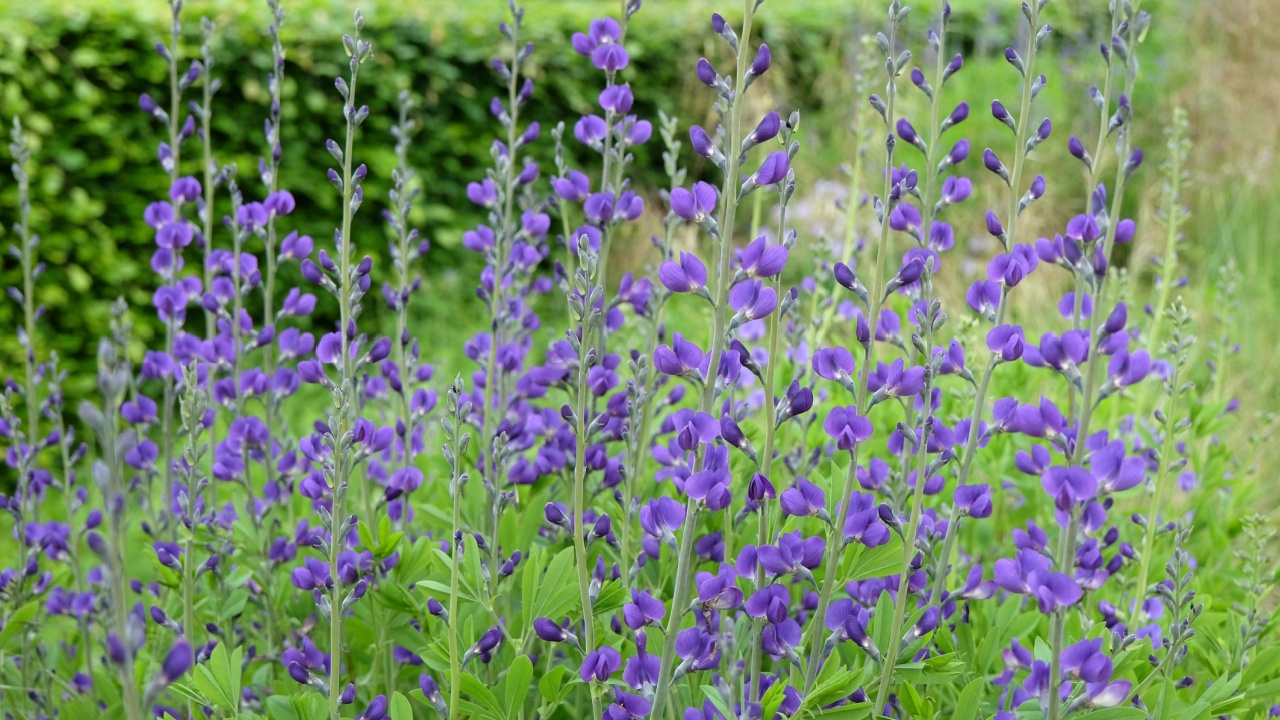
Characteristics: Wild indigo features tall spires of deep blue flowers that give way to decorative seed pods.
Why They’re a Good Pick: This drought-tolerant native plant is perfect for adding height and texture to perennial borders.
Care Tips: Plant in full sun with well-drained soil. Be patient—wild indigo takes a few years to mature fully. Zones 3-9.
12. Yarrow (Achillea millefolium)
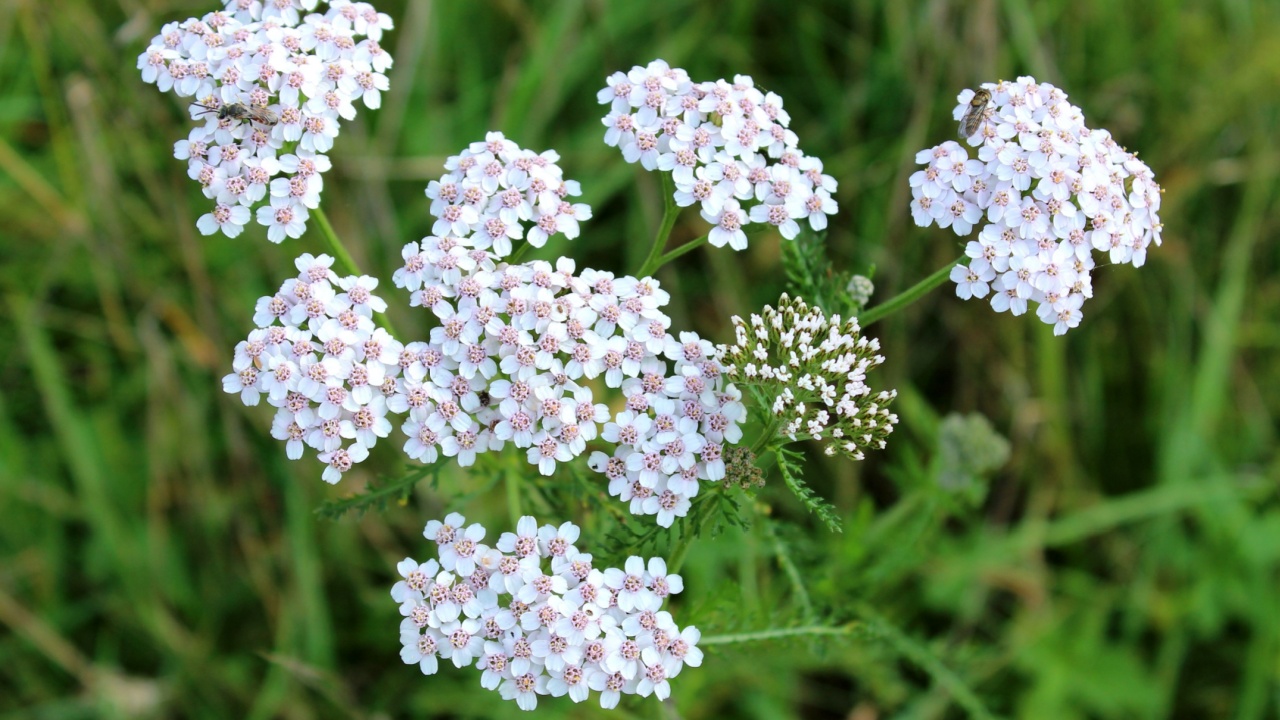
Characteristics: Yarrow’s flat-topped flower clusters bloom in white, yellow, pink, or red and add a textured look to gardens.
Note: Native common yarrow (Achillea millefolium var. occidentalis) is the primary U.S. variety, not to be confused with Eurasian cultivars.
Why They’re a Good Pick: Yarrow is tough, drought-tolerant, and attracts beneficial insects like ladybugs and lacewings.
Care Tips: Plant in full sun with sandy soil. Avoid overwatering, as yarrow thrives in dry conditions. Zones 3-9.
13. Blazing Star (Liatris spicata)
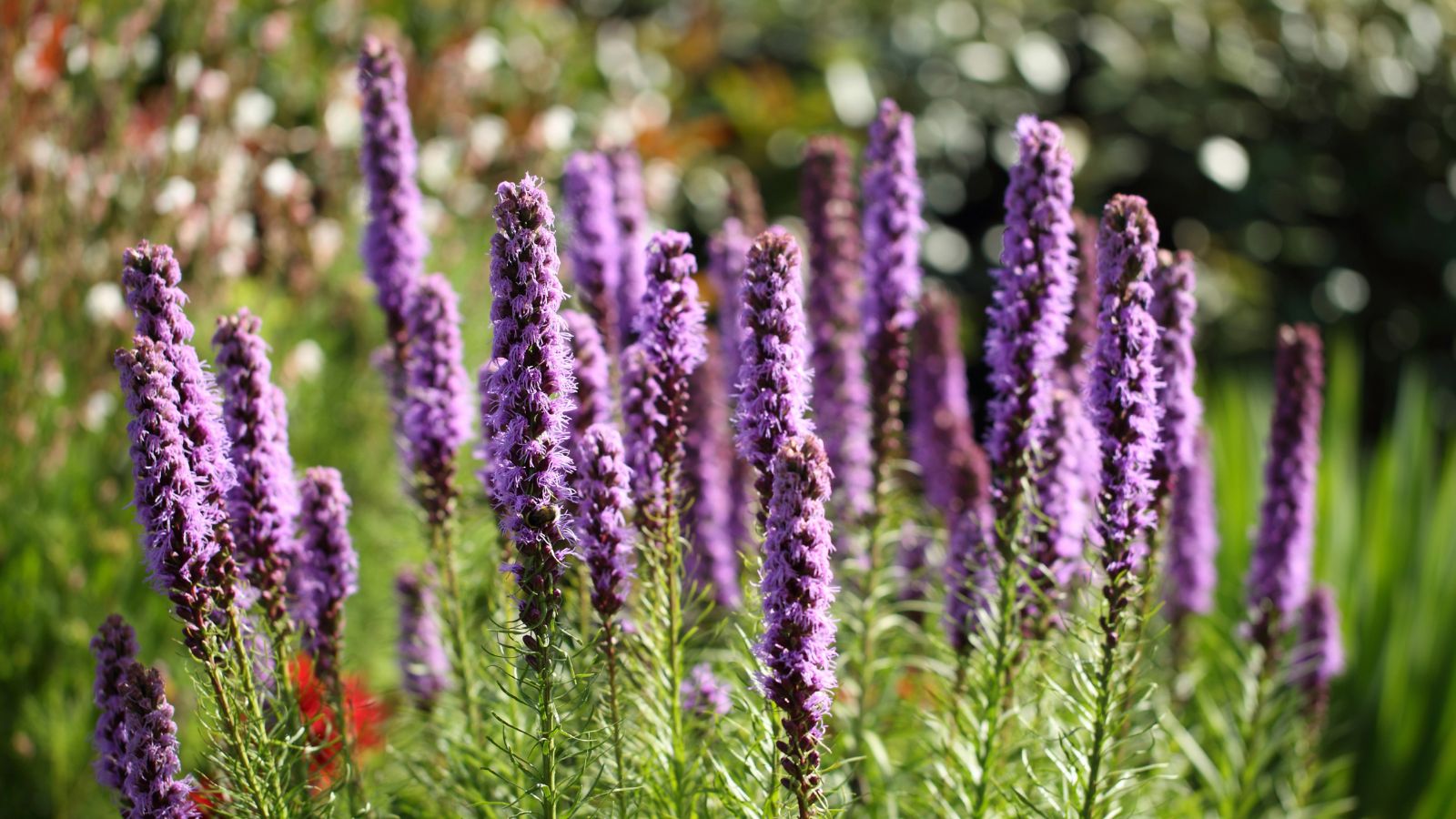
Characteristics: These vertical spikes of purple flowers attract butterflies and create stunning, tall accents in the garden.
Why They’re a Good Pick: Blazing Star thrives in sunny areas and provides nectar to pollinators. It’s also easy to grow from bulbs.
Care Tips: Grow in full sun with well-drained soil. Mulch to retain moisture during hot weather. Zones 3-8.
14. Golden Columbine (Aquilegia chrysantha)
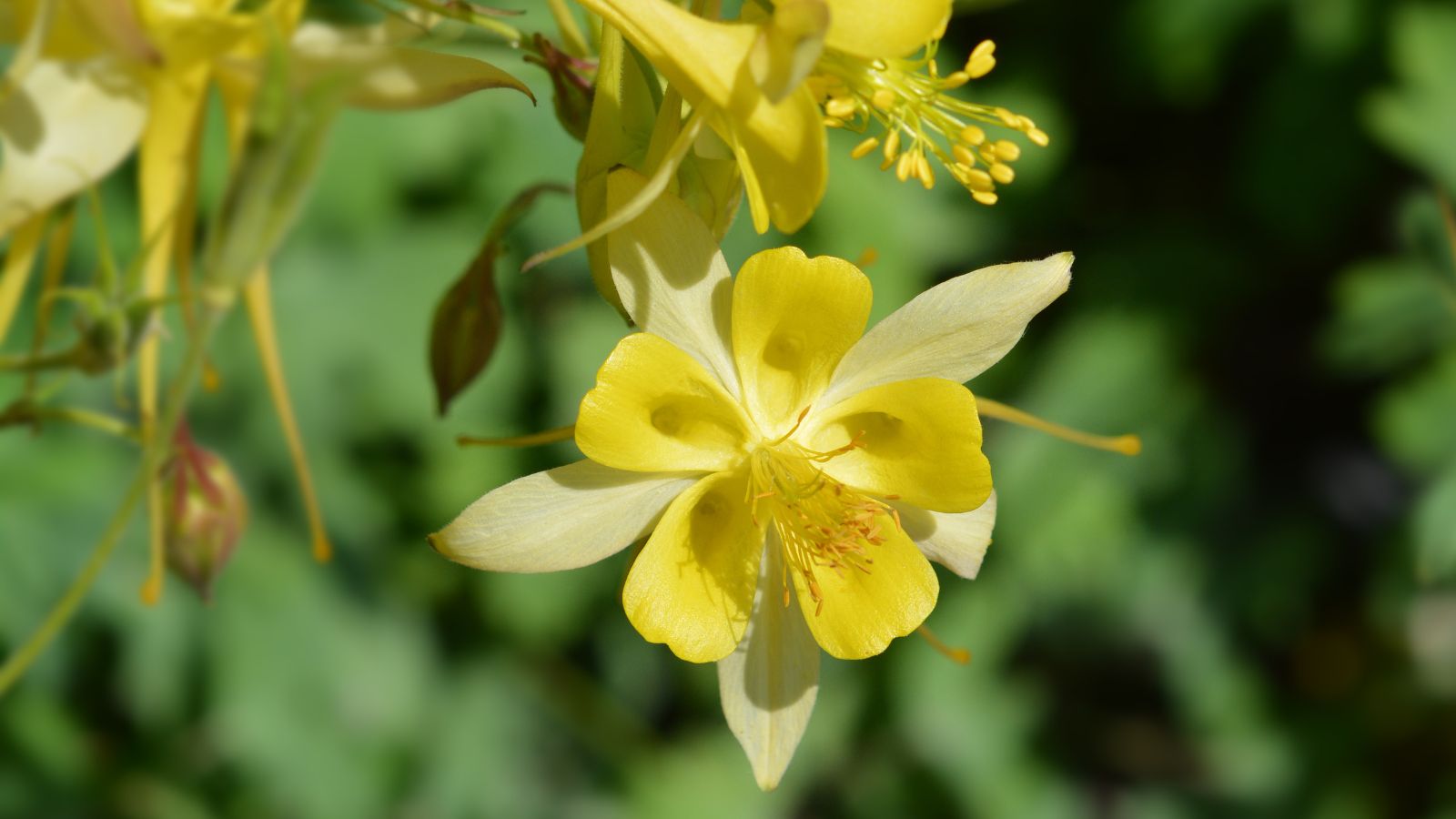
Characteristics: Known for its golden-yellow flowers and delicate spurs, golden columbine is a beautiful addition to shaded gardens.
Why They’re a Good Pick: It attracts hummingbirds and is incredibly low-maintenance.
Care Tips: Plant in part sun with moist, rich soil. Water regularly until established. Zones 4-9.
15. New England Aster (Symphyotrichum novae-angliae)
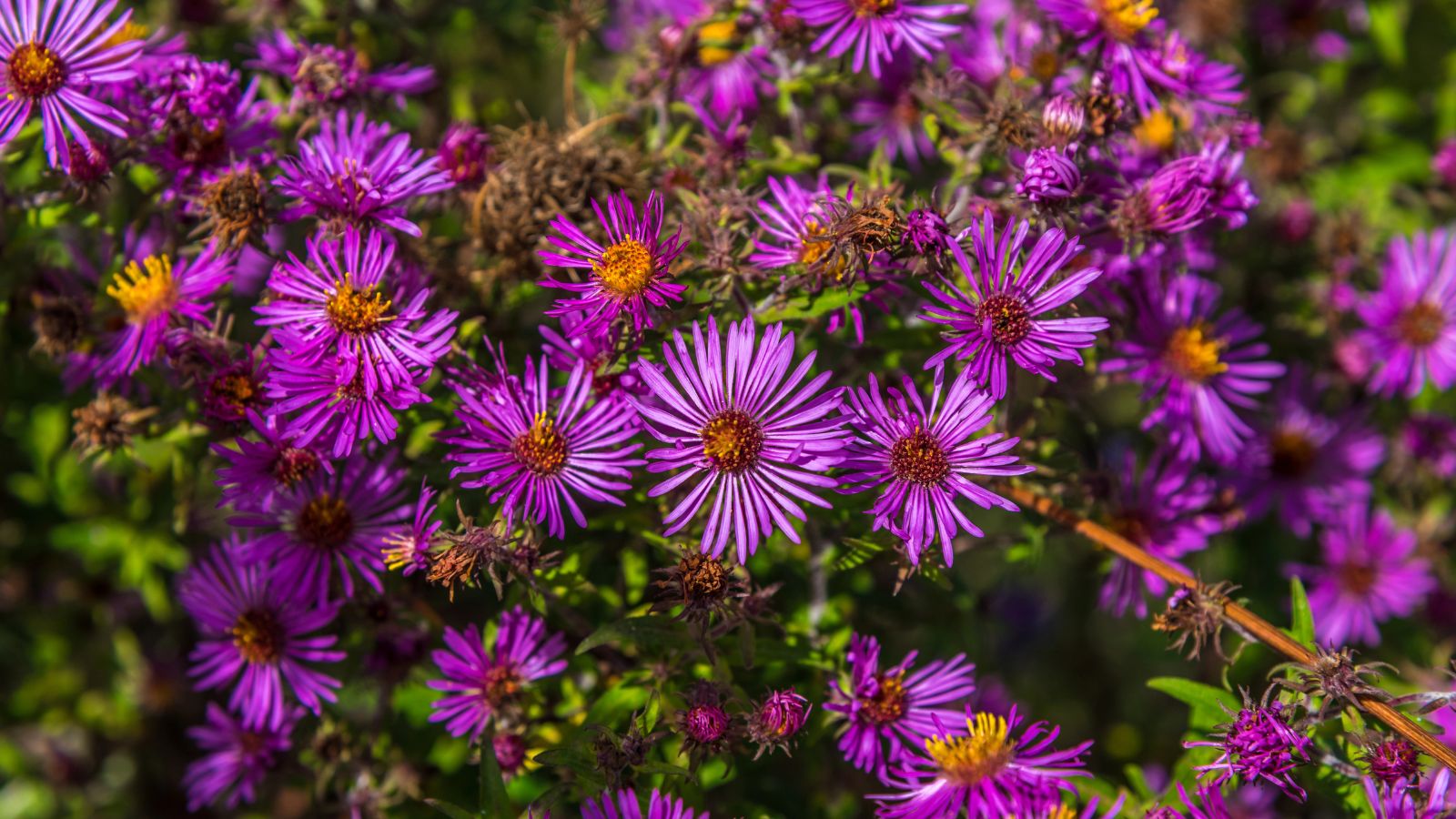
Characteristics: With dense clusters of purple flowers and a yellow center, this fall bloomer adds color when most flowers fade.
Why They’re a Good Pick: It’s vital for late-season pollinators like bees and butterflies.
Care Tips: Plant in full sun with moist soil. Deadhead to extend blooming. Zones 4-8.
16. Indian Blanket (Gaillardia pulchella)

Characteristics: This bright red and yellow flower blooms freely throughout summer, creating a warm, cheerful display.
Why They’re a Good Pick: Indian blanket thrives in heat and is highly attractive to pollinators.
Care Tips: Plant in full sun with sandy, well-drained soil. It’s drought-tolerant but benefits from occasional watering. Zones 3-10.
17. Penstemon (Penstemon digitalis)
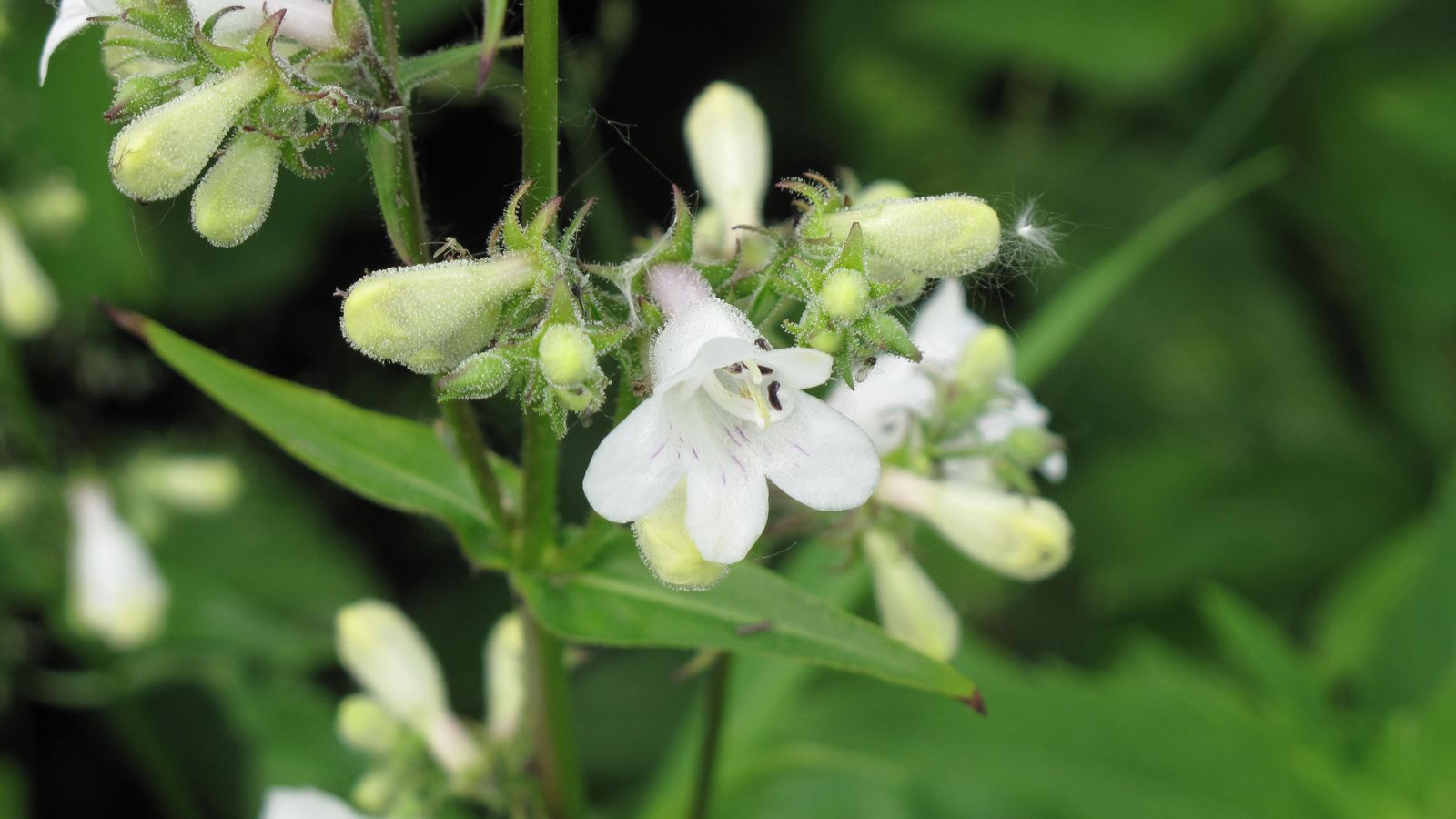
Characteristics: Tall, tubular white flowers with tinges of pink make penstemon elegant and unique.
Why They’re a Good Pick: Also called beardtongue, it attracts hummingbirds and adds vertical interest to gardens.
Care Tips: Grow in full sun with well-drained soil. Water moderately to promote flowering. Zones 3-8.
Grow Your Own Wildflower Meadow
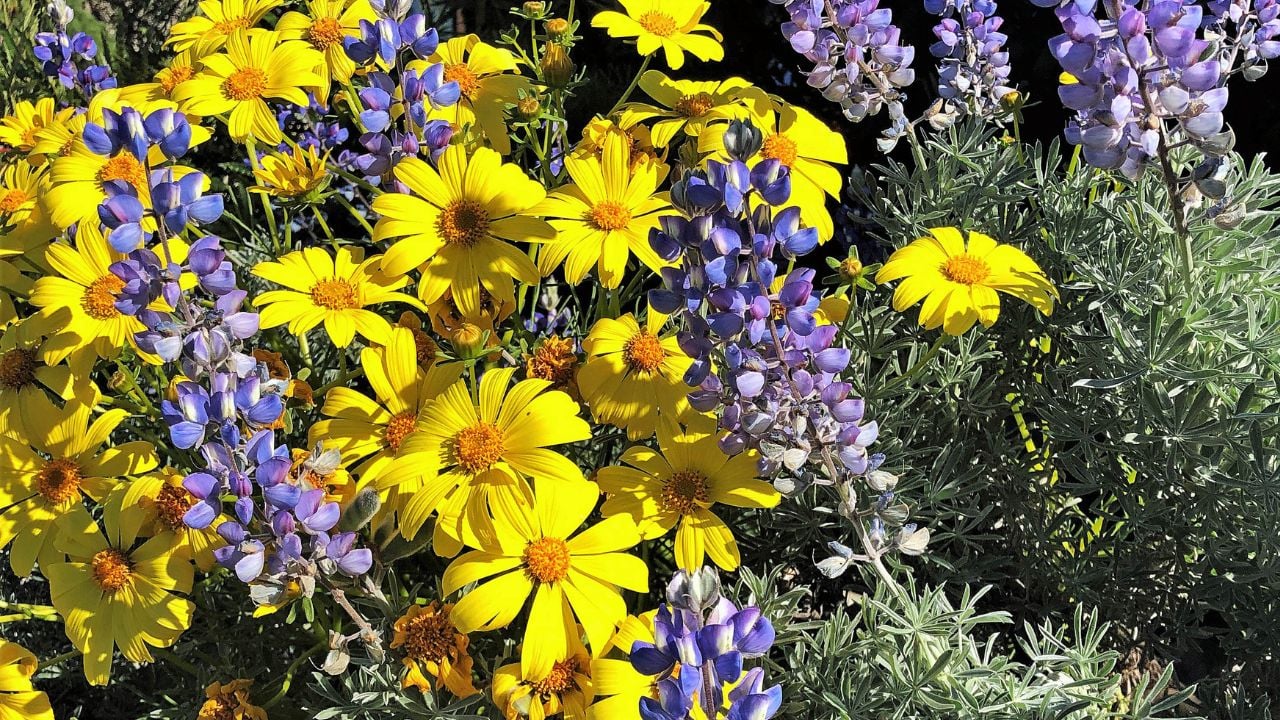
Native wildflowers are the perfect choice for creating a vibrant, balanced garden that supports local ecosystems. With options for varying colors, blooming seasons, and soil conditions, these flowers add beauty with minimal maintenance.
Choose your favorites from this list and watch your garden come alive with biodiversity!
Read more:
12 Beautiful Native Wildflowers for an Easy Garden Blueprint
Wyoming Native Plants List: 21 Charming Wildflowers for Landscaping