16 Plants Never Worth Growing in the Garden
Gardening is a rewarding endeavor, but some plants can turn your beautiful landscape into a battleground. Whether they’re invasive, prone to diseases, or just plain difficult to manage (a less serious offense, but still worth considering), these plants often cause more headaches than they’re worth.
Instead of adding troublemakers to your yard that become a total nightmare, opt for alternatives that are easier to care for and more beneficial to both your garden and local ecosystem.
Here are 16 plants you should avoid and what you can grow instead. That way, you don’t have to worry about getting them out later when they’re trying to take over.
Why These Plants Just Aren’t Worth It
When choosing what to grow, we looked for plants that pose real problems for most gardeners—whether through aggressive spread, difficulty of removal, or potential harm to local ecosystems. Many of the plants on this list are documented by land-grant university extensions and conservation agencies as invasive or troublesome across multiple U.S. regions. These are the “confirmed troublemakers,” backed by research and regulation.
A few others aren’t officially labeled invasive everywhere but have strong anecdotal evidence from experienced gardeners and horticulturists showing they quickly overrun garden beds or escape into natural areas. In these “probable” cases, we relied on consistent reports from reputable gardening sources and experts who have seen them behave badly over time.
In short, these plants may look appealing in the nursery, but once they’re in your yard, the maintenance headaches—and the potential ecological cost—just aren’t worth it.
1. Snow-on-the-Mountain (Aegopodium podagraria)
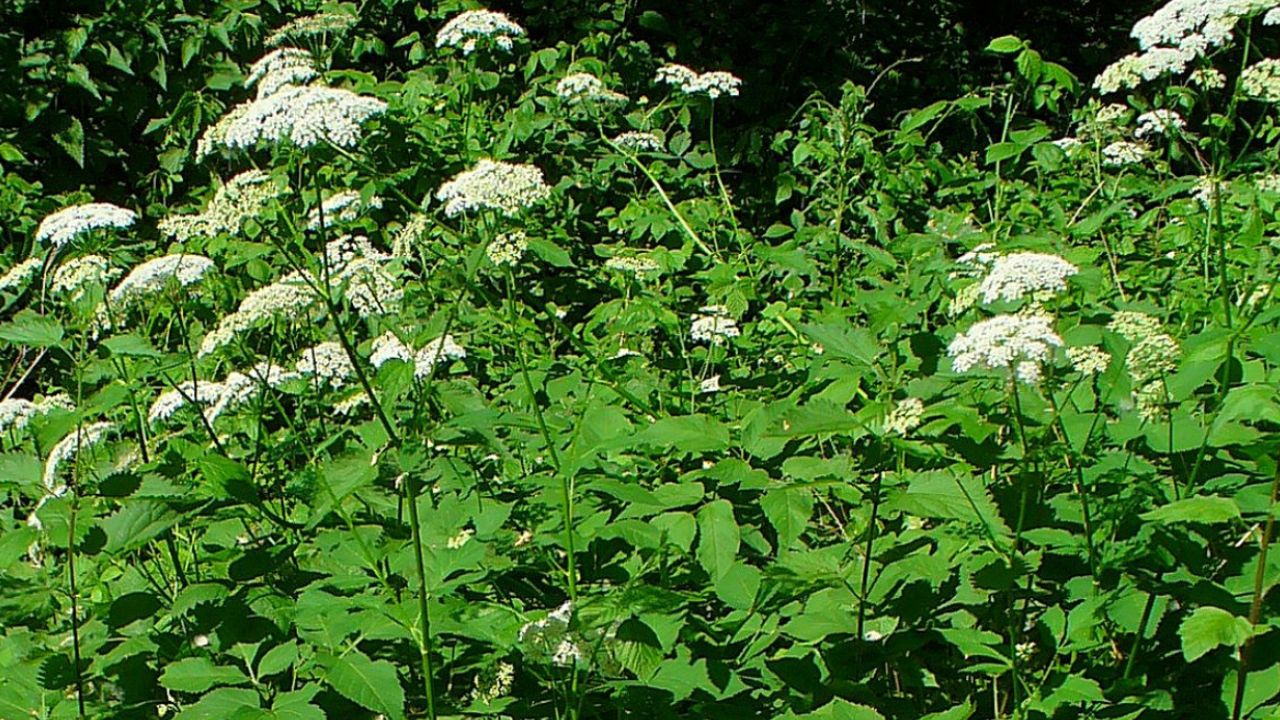
Why It’s Undesirable: Also known as Bishop’s Weed, this aggressive perennial spreads rapidly via underground runners, smothering neighboring plants. Eliminating it once established can take years of persistent weeding.
Try Instead: Go for Carex (ornamental sedges). They provide similar ground cover without the invasive tendencies and thrive in shaded areas.
2. Ostrich Ferns (Matteuccia struthiopteris)
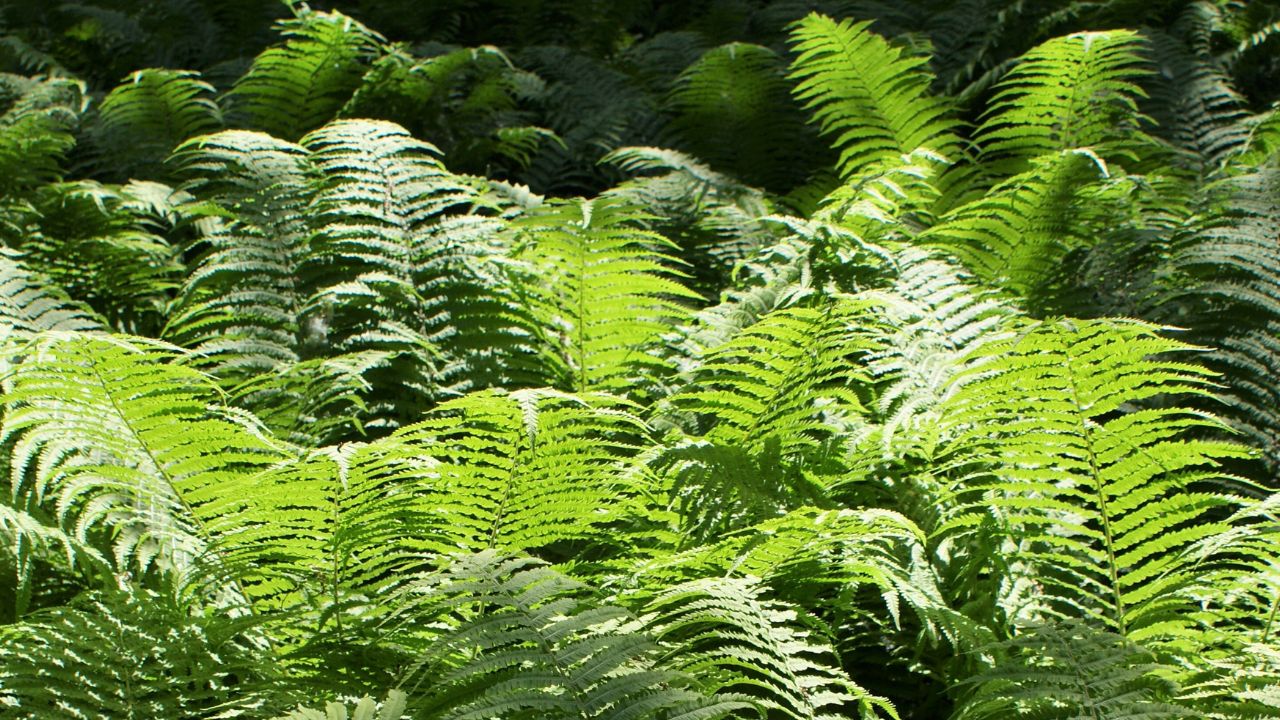
Why It’s Undesirable: Though they add a lush, tropical feel, native Ostrich Ferns can take over cool, moist areas with their extensive underground runners. They dominate shaded gardens, leaving little room for other plants.
Try Instead: Opt for Japanese Painted Fern (Athyrium niponicum). Its colorful fronds add visual interest without the risk of overrunning your yard.
3. Tansy (Tanacetum vulgare)

Why It’s Undesirable: This herb may look charming with its feathery foliage and small yellow flowers, but it’s highly invasive, spreading aggressively by seed and roots. Additionally, its oils are toxic to humans and animals.
Try Instead: Replace tansy with yarrow (Achillea millefolium). Yarrow provides similar feathery foliage and vibrant blooms, plus it’s a native pollinator favorite.
4. Oxeye Daisy (Chrysanthemum leucanthemum)
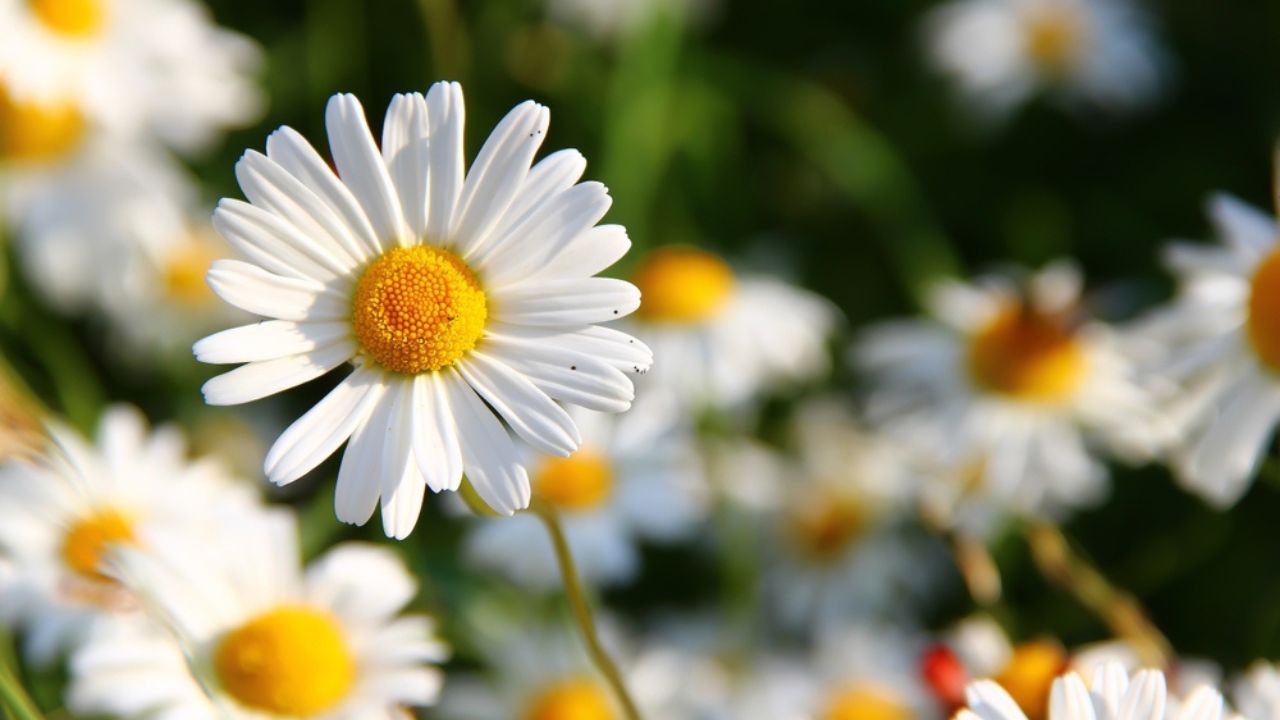
Why It’s Undesirable: Often mistaken for the well-behaved Shasta Daisy, Oxeye Daisy spreads uncontrollably by seeds and roots, outcompeting native wildflowers in your yard and local ecosystems.
Try Instead: Grow Shasta Daisy (Leucanthemum × superbum). It offers the same cheerful white flowers but stays neatly contained.
5. Creeping Bellflower (Campanula rapunculoides)

Why It’s Undesirable: This purple-flowered perennial lures gardeners in with its delicate blooms but quickly takes over gardens with its aggressive spread and deep taproots that are nearly impossible to remove.
Try Instead: Try balloon flower (Platycodon grandiflorus), which offers similar bell-shaped flowers without taking over your garden beds.
6. Ribbon Grass (Phalaris arundinacea ‘Picta’)
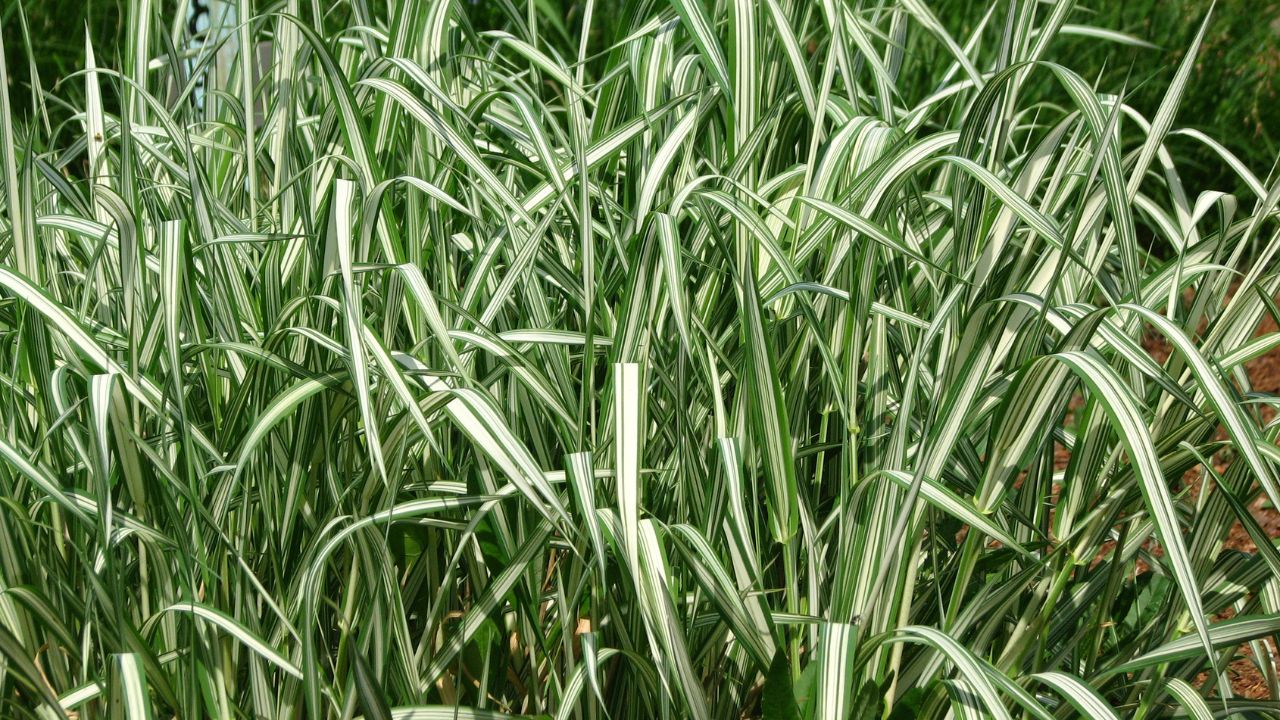
Why It’s Undesirable: This variegated ornamental grass is deceptively pretty but spreads aggressively via rhizomes, choking out other plants. It’s also listed as invasive in many regions.
Try Instead: Choose Blue Fescue (Festuca glauca). This compact ornamental grass stays where you plant it and provides the same graceful texture.
7. Blackberry Lily (Belamcanda chinensis)
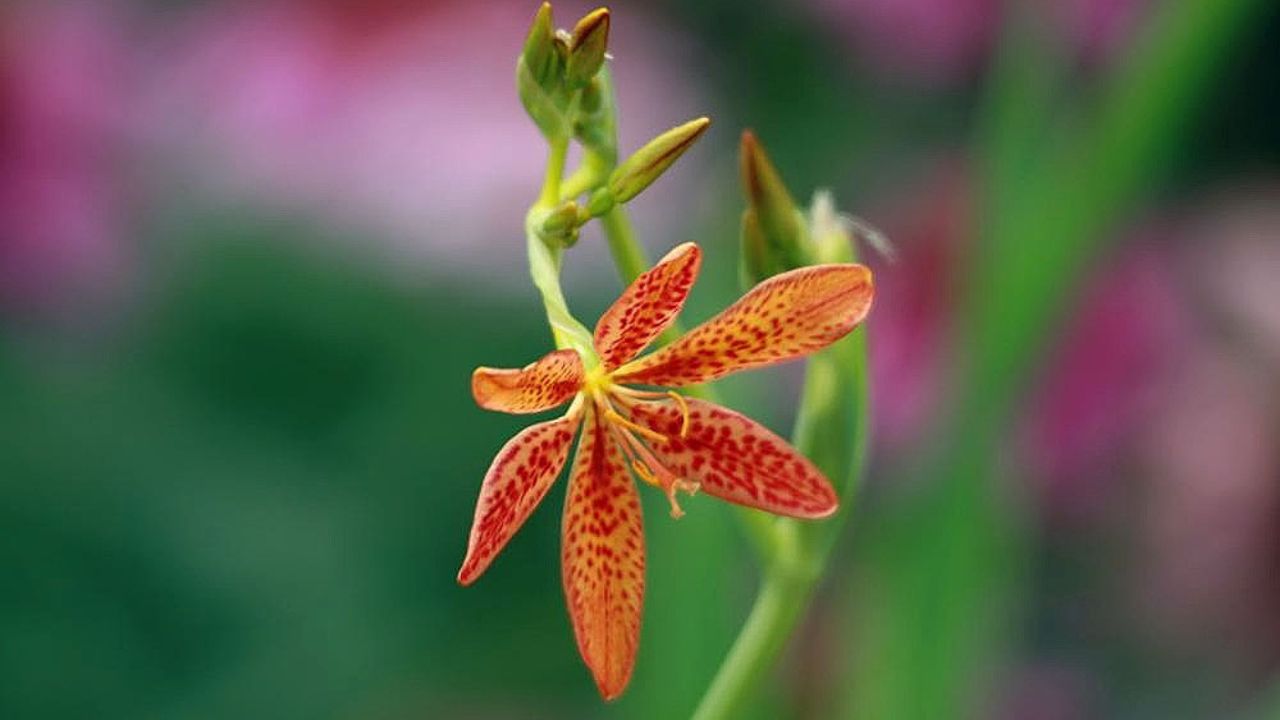
Why It’s Undesirable: While its orange, speckled blooms are attractive, blackberry lily aggressively reseeds, leading to unwanted sprouts across your garden for years to come in many regions of the US.
Try Instead: Consider Asiatic lilies (Lilium spp.). They offer vibrant blooms in a wide range of colors without the invasive behavior.
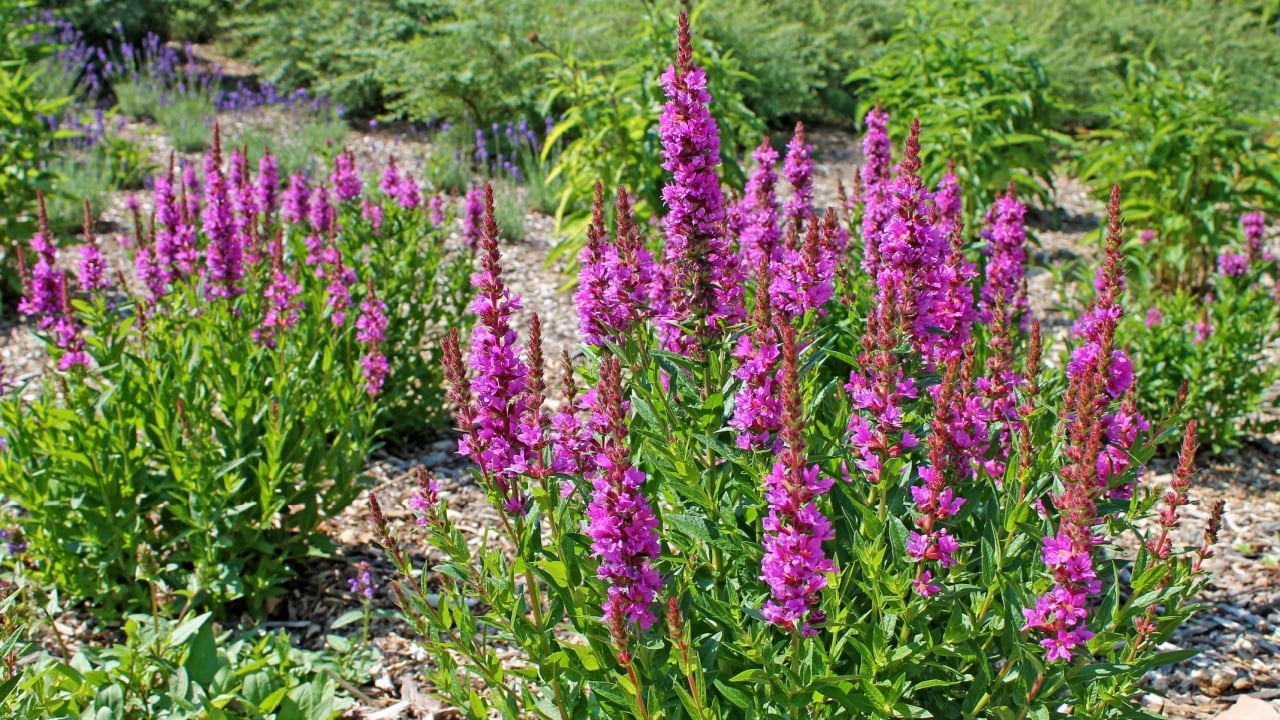
8. Purple Loosestrife (Lythrum salicaria)
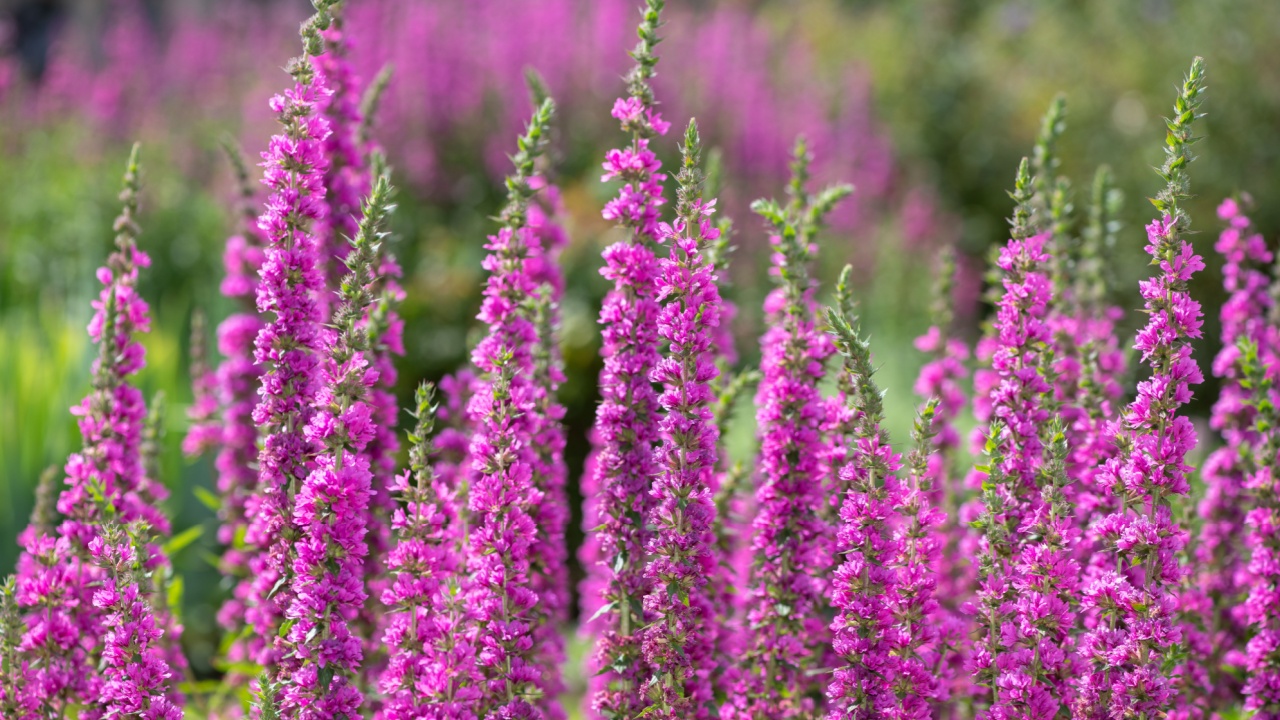
Why It’s Undesirable: This wetland perennial is beautiful but devastatingly invasive, choking out native plants and altering local ecosystems. Its invasive nature has led to bans in several states.
Try Instead: Swamp milkweed (Asclepias incarnata) is a fantastic alternative that supports pollinators like monarch butterflies while thriving in damp conditions.
9. Lily-of-the-Valley (Convallaria majalis)
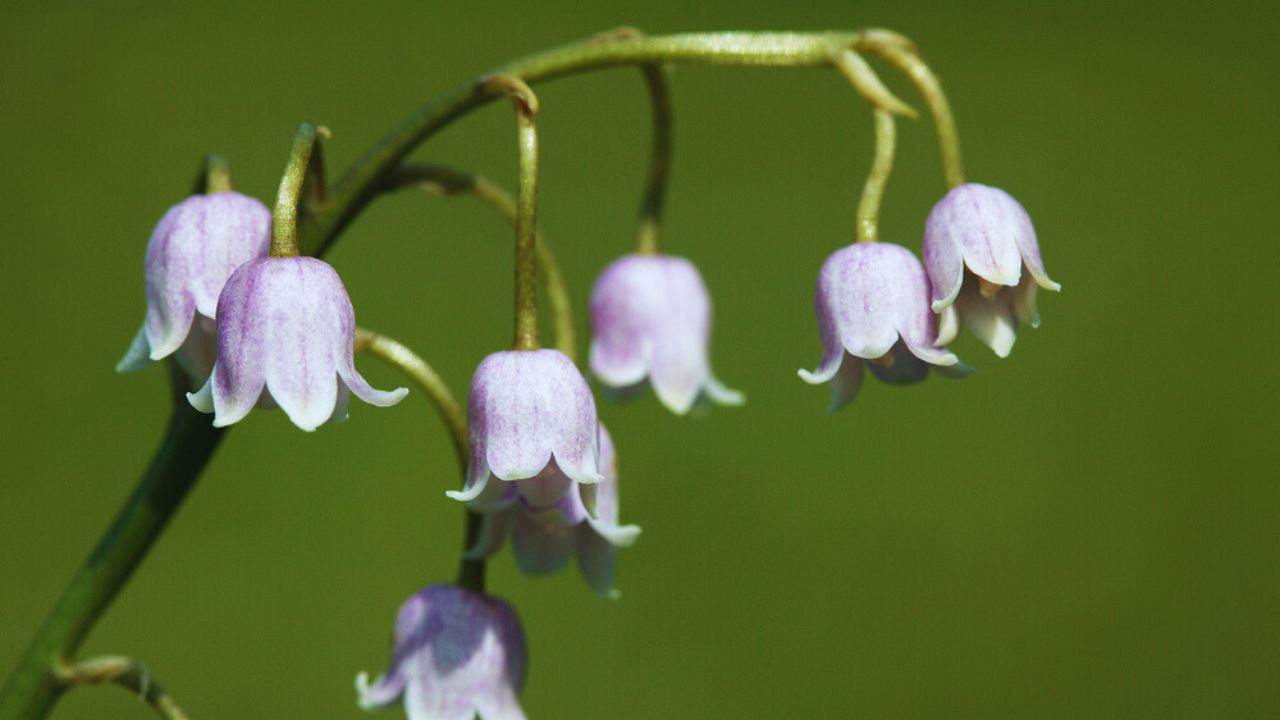
Why It’s Undesirable: Known for its lovely fragrance, Lily-of-the-Valley spreads aggressively via underground rhizomes, quickly overtaking beds and edging out other plants.
Try Instead: Plant Virginia Bluebells (Mertensia virginica). These delicate blue blossoms bring springtime beauty without taking over your garden.
10. Tawny Daylily (Hemerocallis fulva)
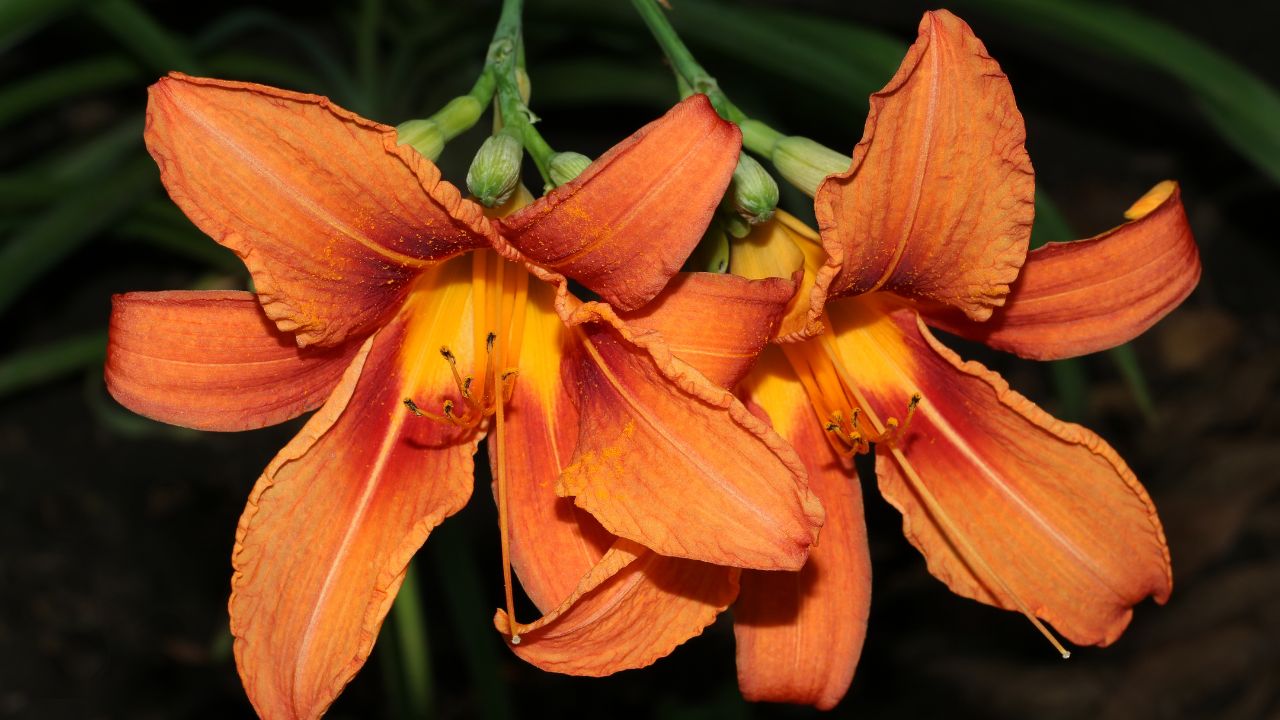
Why It’s Undesirable: Often called Ditch Lilies, these plants spread relentlessly, crowding out more delicate species. They’re tough to eradicate once established.
Try Instead: Choose hybrid daylilies (Hemerocallis hybrids). With hundreds of colorful cultivars, they’re beautiful, manageable, and easy to care for.
11. Anemone (Anemone sylvestris)

Why It’s Undesirable: Also known as Snow Drop Anemone, this charming ground cover is a garden bully in disguise, spreading aggressively by both seed and roots. It can quickly create a headache for gardeners.
Try Instead: Go for Japanese Anemones (Anemone hupehensis). They bloom later in the season and stay more contained.
12. Obedient Plant (Physostegia virginiana)
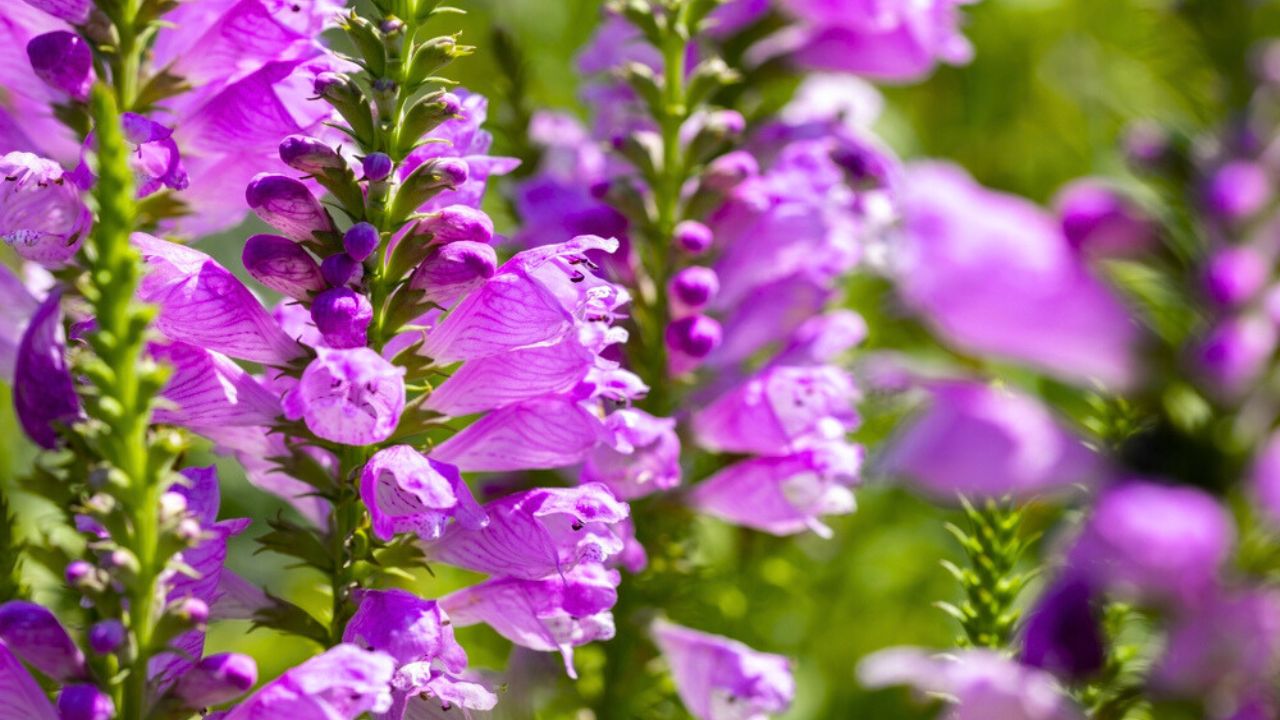
Why It’s Undesirable: Despite its name, the Obedient Plant is anything but. This vigorous spreader will quickly crowd out other perennials.
Try Instead: Choose the non-spreading ‘Miss Manners’ series of Obedient Plants, which stay tidy and bloom beautifully.
13. Royal Standard Hosta (Hosta plantaginea)

Why It’s Undesirable: While many hosta varieties are prized for shade gardens, the plain green Royal Standard Hosta tends to grow aggressively and lacks visual appeal. While not a confirmed invasive species, there are simply better options to grow.
Try Instead: Select variegated hostas like ‘Patriot’ or ‘June’ for the same sturdiness with a more decorative touch.
14. Lamb’s Ear (Stachys byzantina)
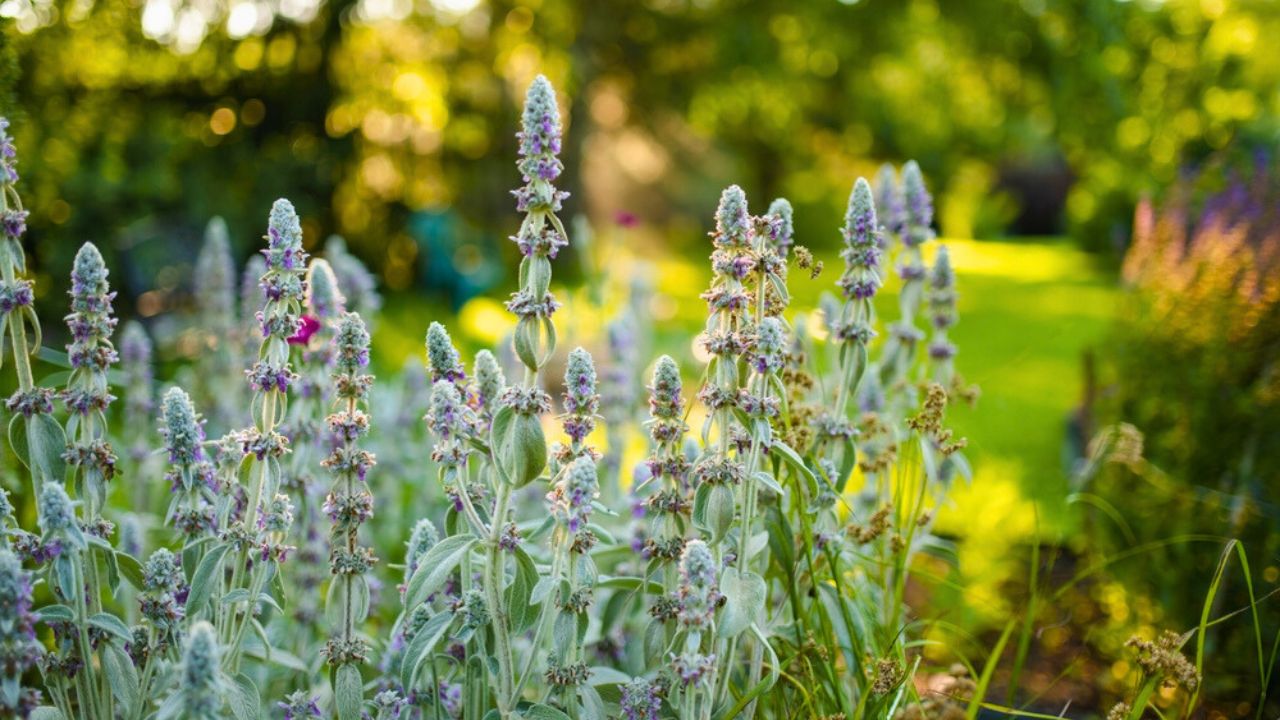
Why It’s Undesirable: Lamb’s Ear can quickly overrun your garden, creating large, scraggly patches once it starts flowering. It often looks untidy unless constantly maintained.
Try Instead: Replace Lamb’s Ear with Silver Mound Artemisia (Artemisia schmidtiana). It offers soft, silvery foliage and stays compact.
15. Mint (Mentha spp.)
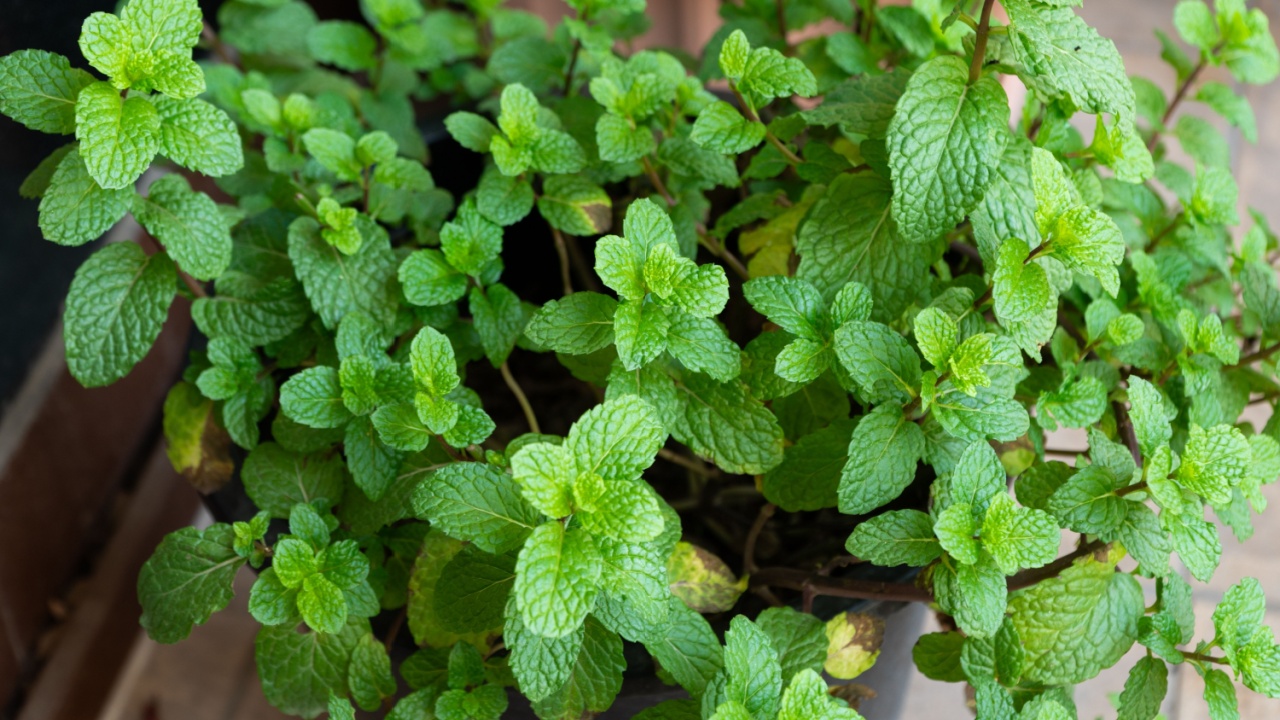
Why It’s Undesirable: Though popular for cooking and tea, mint quickly spreads through underground runners, making it challenging to contain. It can invade nearby beds rapidly.
Try Instead: Grow mint in containers to prevent its spread. Lemon balm (Melissa officinalis) is another option that’s slightly easier to manage and offers a similar fresh scent.
16. Morning Glory (Ipomoea purpurea)
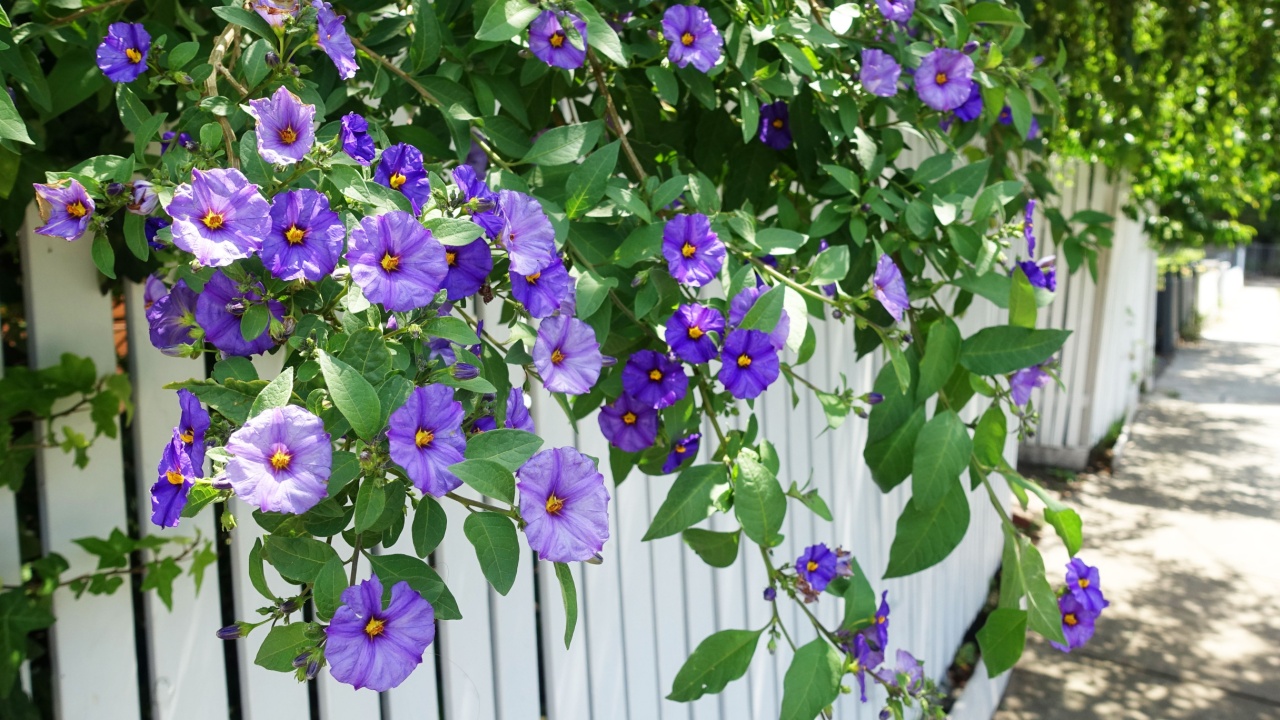
Why It’s Undesirable: Morning Glory’s rapid growth and ability to self-seed make it problematic for gardens. It can smother other plants if left unchecked, especially in small spaces.
Try Instead: Opt for Clematis (Clematis spp.). This climbing perennial produces beautiful flowers without becoming a nuisance.
Just Don’t Do It!

While gardening is a deeply personal hobby, knowing which plants to avoid can save you significant time and effort. Replace these problem-makers with the recommended alternatives, and you’ll enjoy a healthier, more beautiful yard without the headaches of invasive or aggressive species.
Smart planting leads to a flourishing garden, so choose wisely and grow happily!
Read more:
19 Vertical Plants That Do Well in Narrow Spaces
13 Drought-Tolerant Plants That Practically Take Care of Themselves