16 Plants That Grow Perfectly Next to Zinnias
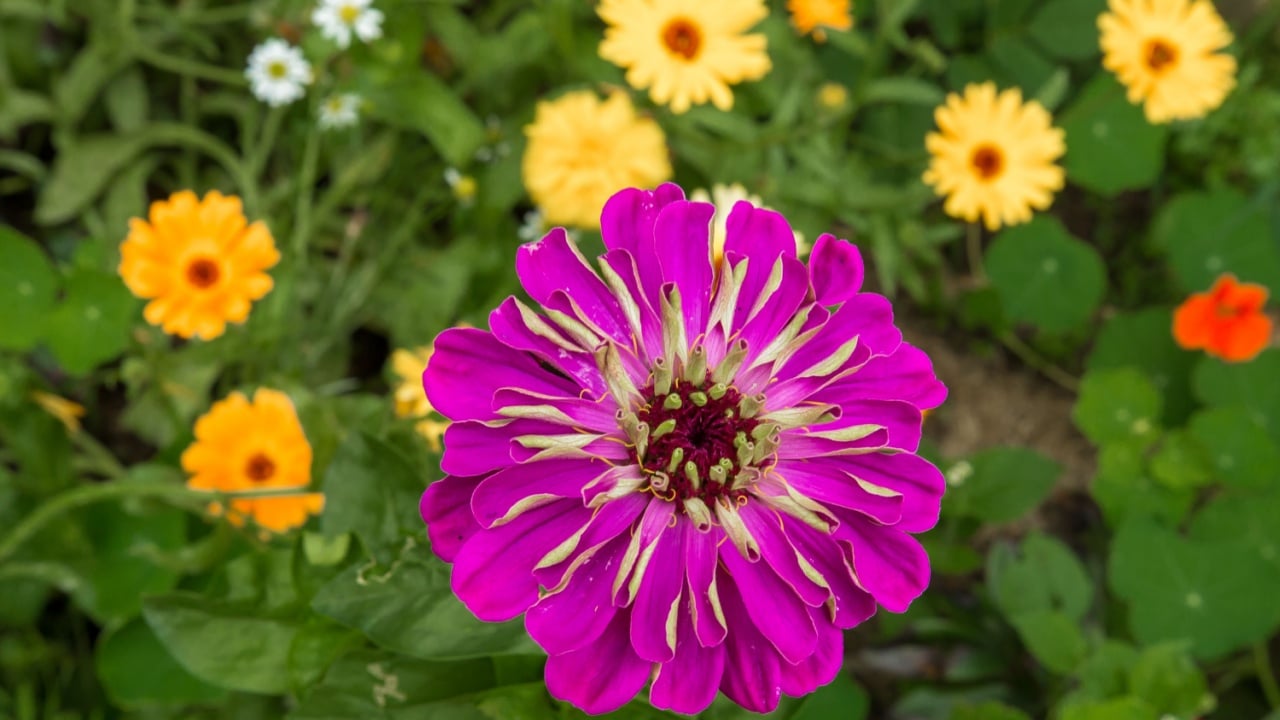
Zinnias are beloved for their bold hues, long-lasting blooms, and ability to attract helpful pollinators like bees and butterflies. While they look spectacular on their own, pairing zinnias with complementary plants can create a vibrant and harmonious garden.
The right companions can enhance their beauty, support garden ecology, and add texture, height, or contrast to your beds. Below, we’ve gathered 16 plants that pair perfectly with zinnias, including two new additions to create eye-catching and functional garden designs.
How We Chose These Partners
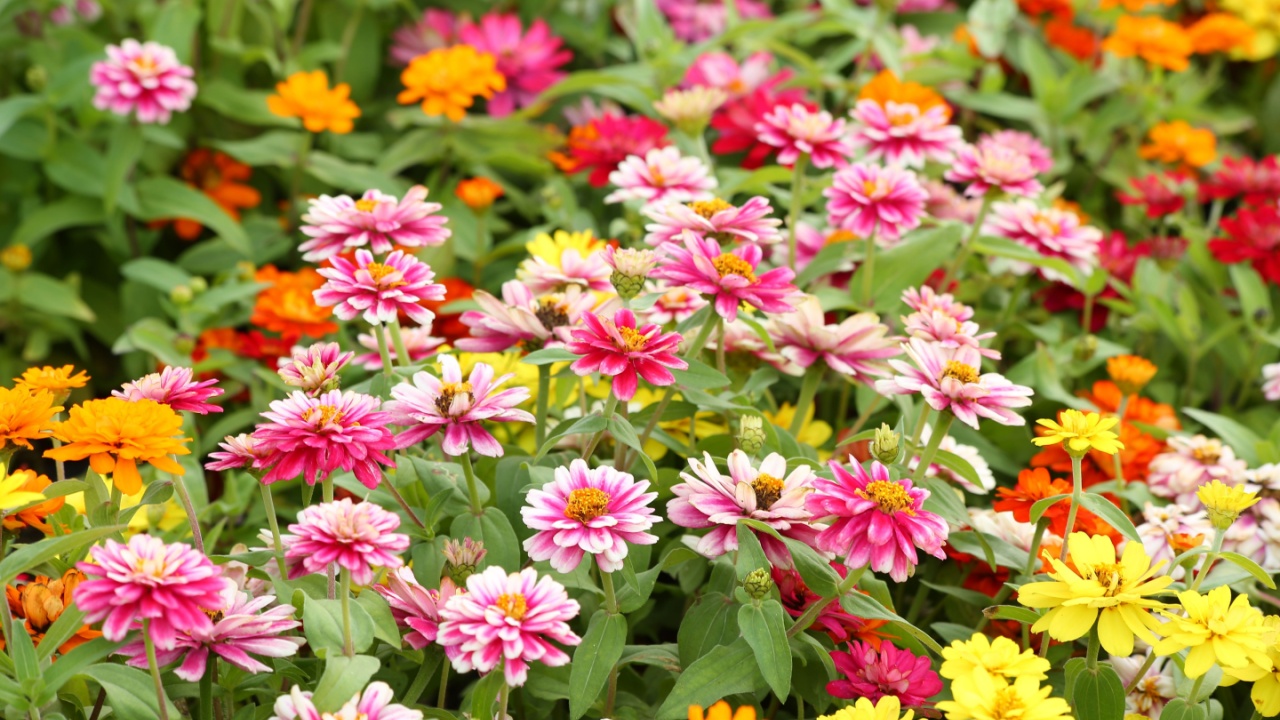
These 16 plants were chosen because they share similar growing needs with zinnias—full sun, well-drained soil, and regular watering—so they thrive together.
We also looked for plants that offer extra benefits, like attracting pollinators, adding color contrast, or helping reduce pests naturally. Each pairing has been tested in real gardens to ensure it not only looks great but also keeps the garden healthy and vibrant all season long.
1. Dahlias

Dahlias, known for their showstopper blooms, pair seamlessly with zinnias thanks to their similar sun and soil requirements. Their larger, more intricate flowers provide contrast to zinnias’ simpler, daisy-like blooms, creating a dynamic visual impact.
Care Tips: Plant dahlias in full sun with well-drained soil and space them adequately for airflow. Regular deadheading extends the bloom season.
Garden Design Idea: Alternate zinnias and dahlias in a border for a stunning color gradient. Use zinnias in front for shorter varieties and dahlias behind for height.
2. Marigolds
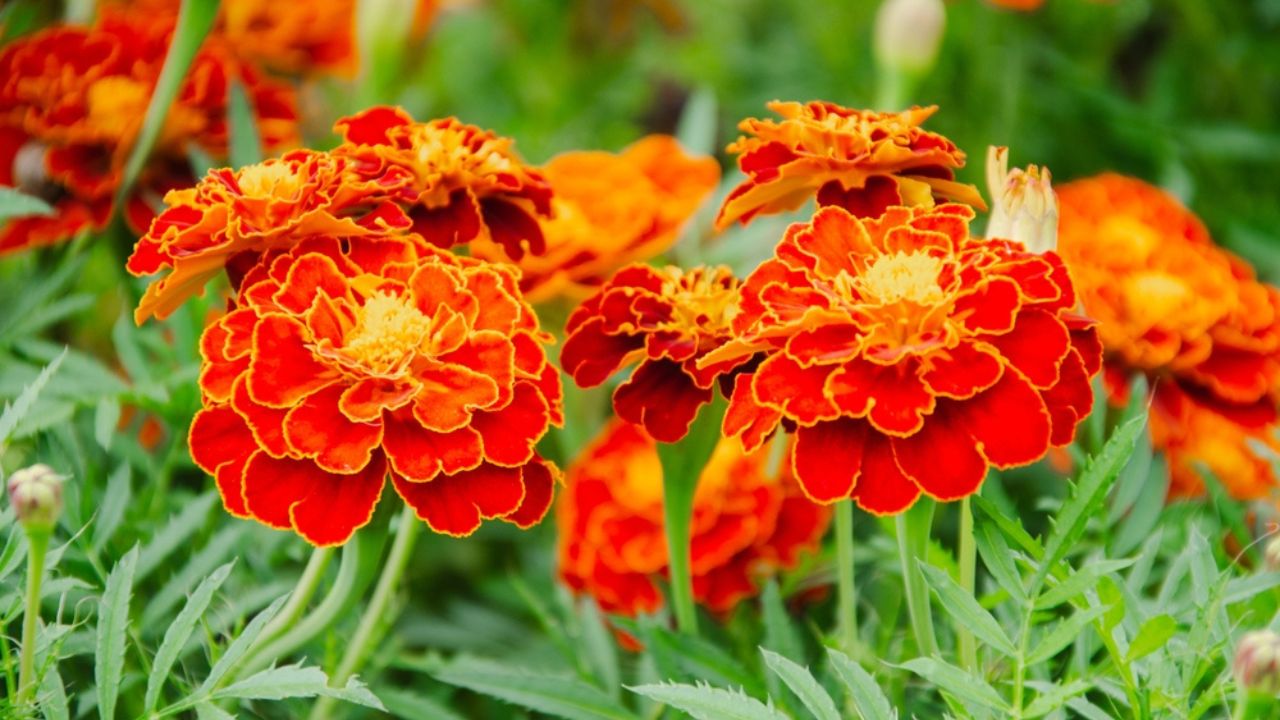
Marigolds enhance zinnias with their golden and orange shades while providing natural pest control. They repel nematodes and aphids, creating a healthier growing environment for nearby plants.
Care Tips: Plant marigolds in full sun and water at the base to prevent mildew. Pinch off spent blooms for continued flowering.
Garden Design Idea: Interplant marigolds and zinnias in vegetable gardens to add color while protecting crops from unwanted pests.
3. Black-Eyed Susans
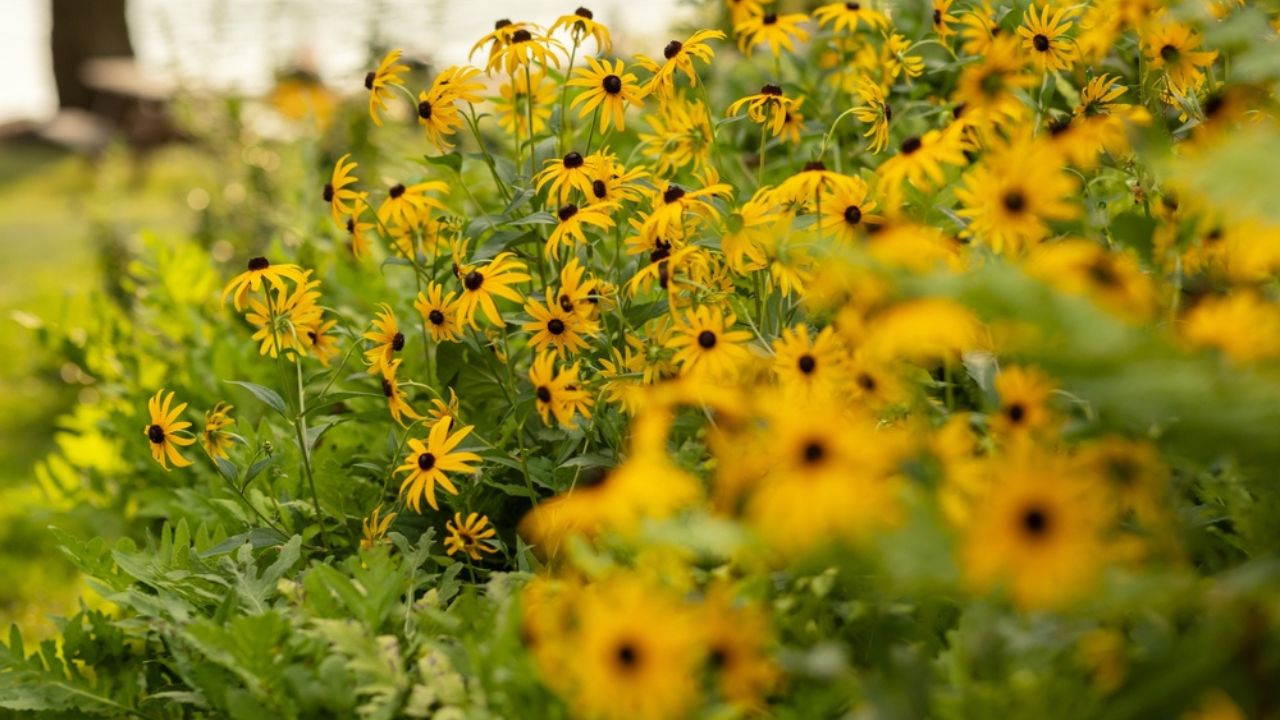
Pairing black-eyed Susans with zinnias creates a cheerful, sunlit display that attracts butterflies and bees. Their yellow petals and contrasting dark centers complement zinnia’s vibrant color palette.
Care Tips: These hardy perennials prefer full sun and tolerate various soil types. Water regularly until established, then less frequently.
Garden Design Idea: Plant black-eyed Susans alongside zinnias in a meadow-style garden for a rustic, pollinator-friendly space.
4. Cosmos
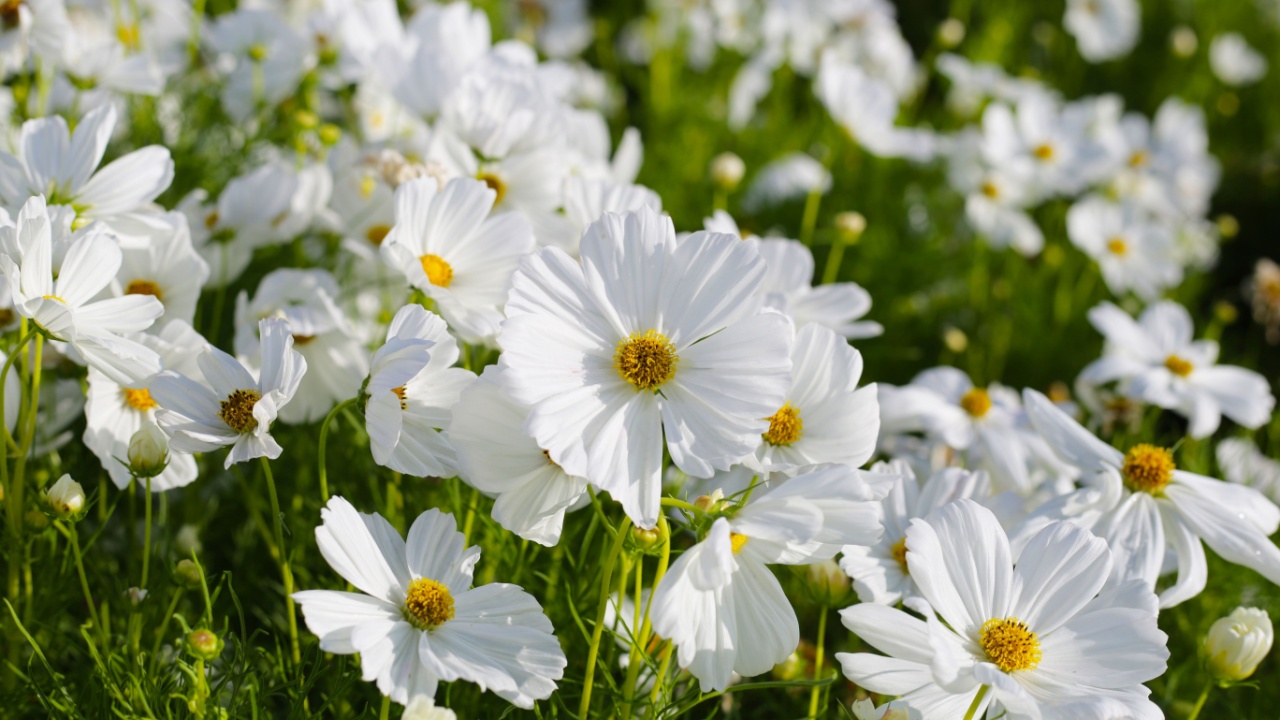
Cosmos boasts airy foliage and delicate, daisy-like blooms, which provide a soft, whimsical backdrop to zinnia’s boldness. They also attract beneficial insects like ladybugs and hoverflies.
Care Tips: Grow cosmos in full sun with well-drained soil. Prune spent blooms to encourage continuous flowering.
Garden Design Idea: Combine cosmos and zinnias in a cottage garden to create layers of color and texture. Add taller cosmos varieties to the back.
5. Sunflowers
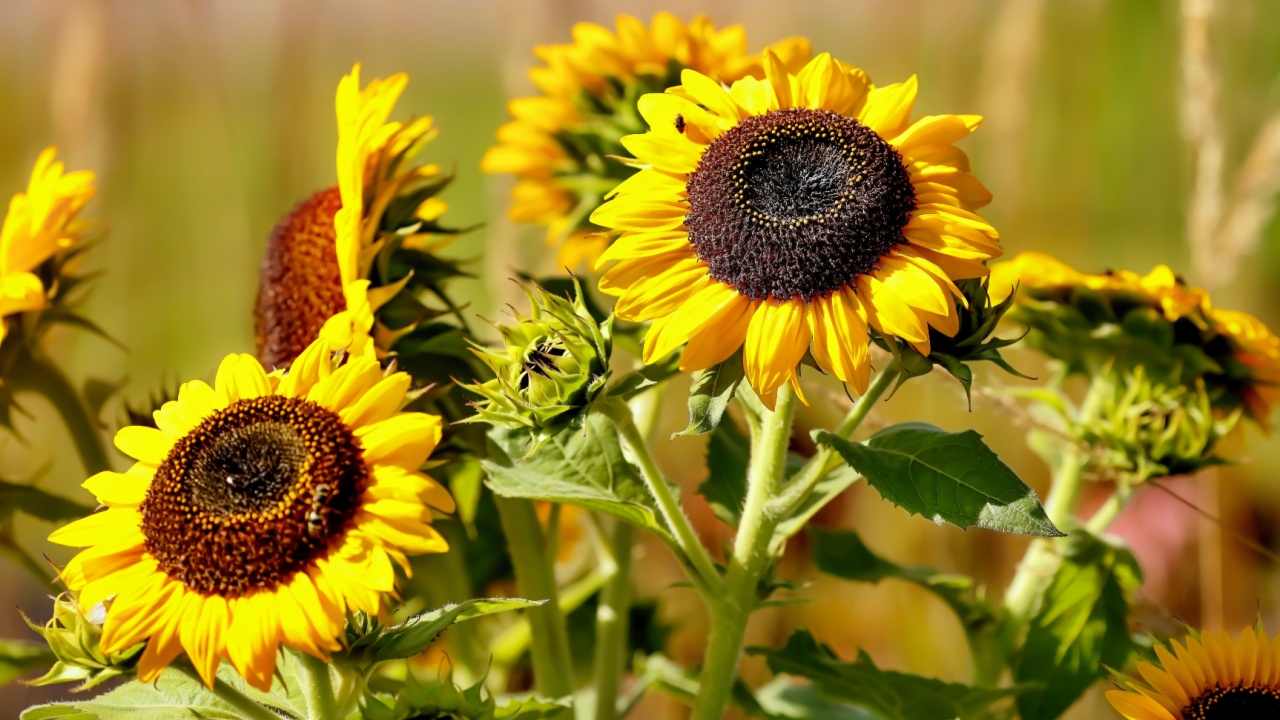
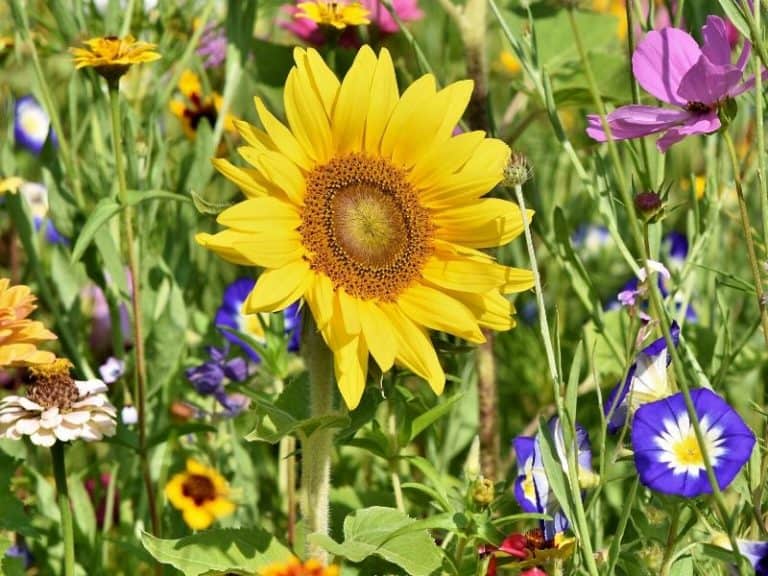
Sunflowers are a natural choice for pairing with zinnias, towering above them with their majestic stems and golden blooms. They draw pollinators and support a diverse garden ecosystem.
Care Tips: Plant in full sun and space sunflowers according to their variety size. Water deeply but infrequently to promote deep roots.
Garden Design Idea: Create a “living garden fence” by planting tall sunflowers behind zinnias. This layered arrangement enhances privacy and adds depth.
6. Sweet Alyssum
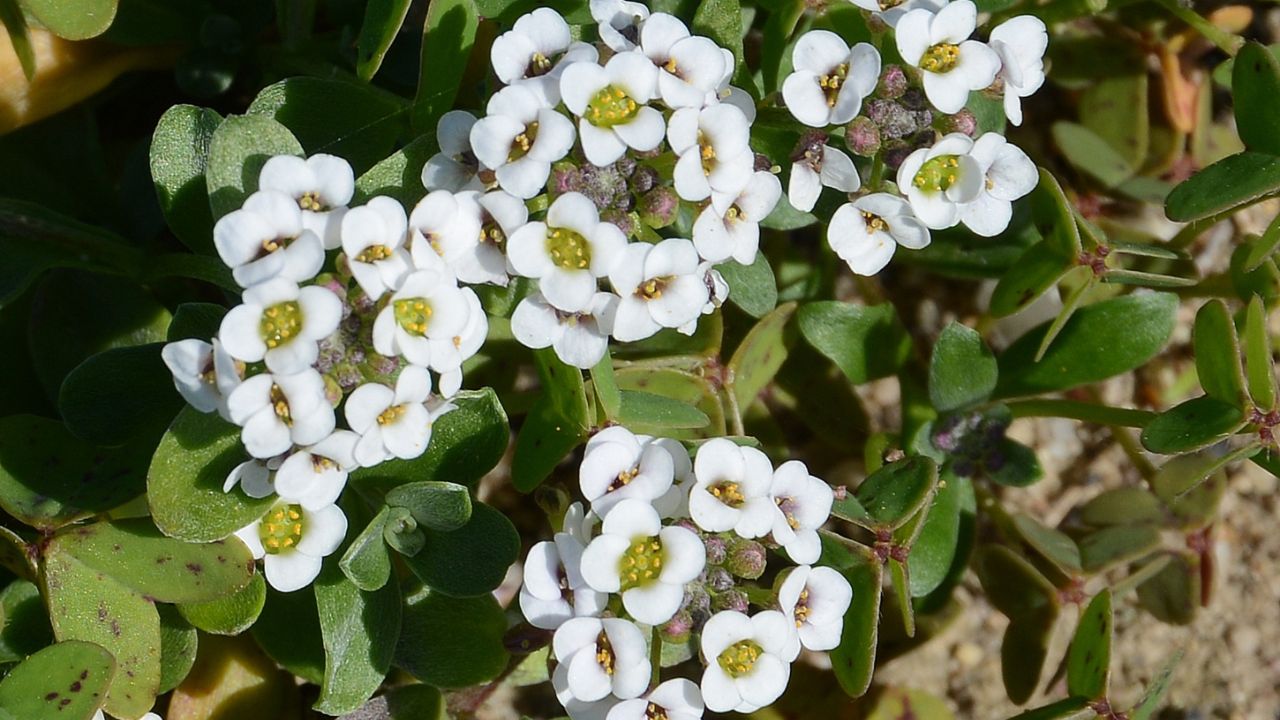
Sweet alyssum acts as a living mulch beneath zinnias, suppressing weeds and adding a fragrant touch with its delicate white, pink, or lavender blooms. It attracts pollinators and predatory insects.
Care Tips: This ground-hugging annual thrives in full sun to partial shade. Water consistently during warm weather to maintain its blooms.
Garden Design Idea: Edge zinnia beds with sweet alyssum to create a soft, cascading border that enhances color contrast.
7. Peppers
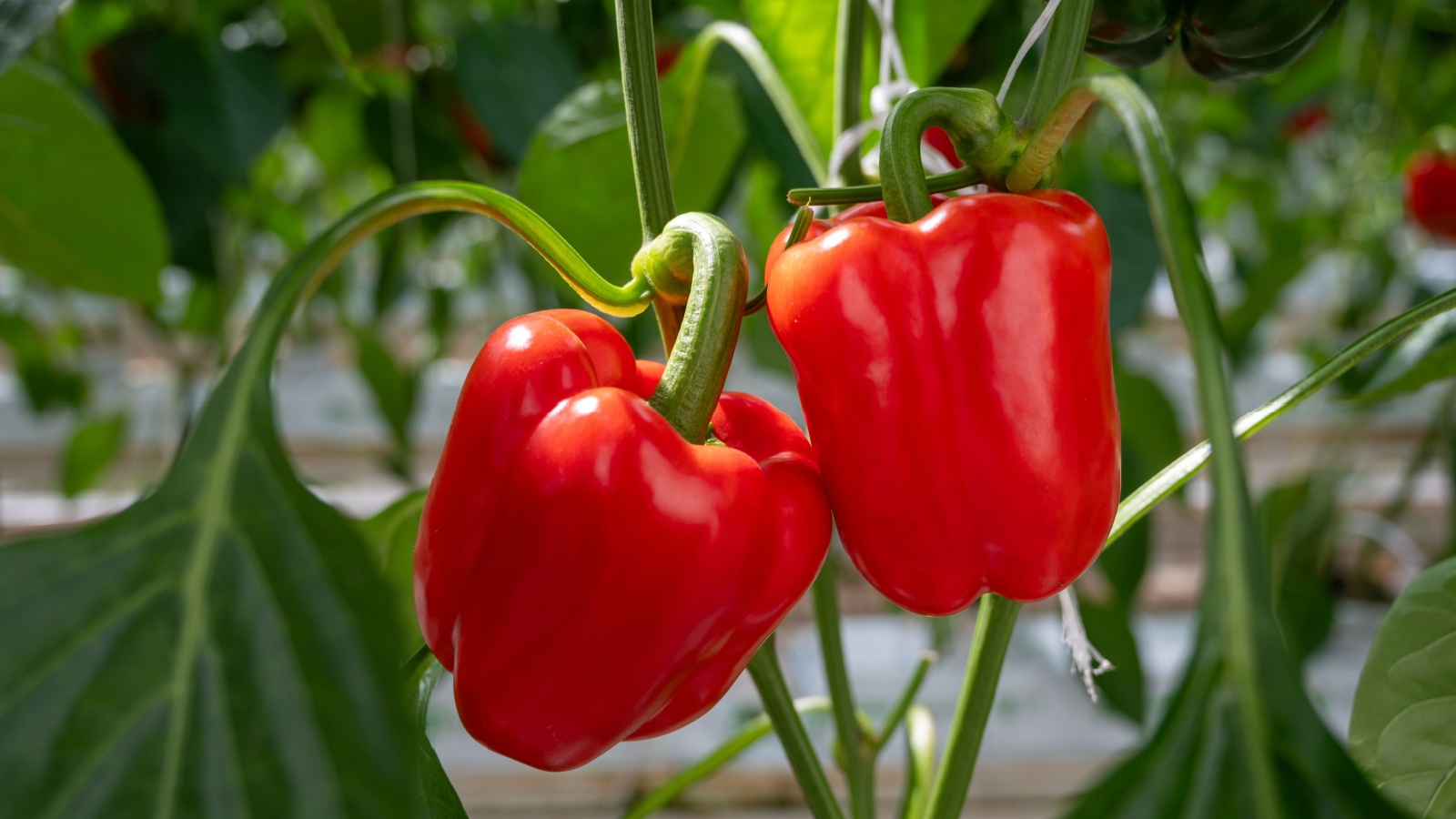
Both hot and sweet peppers thrive when planted near zinnias, which attract pollinators and beneficial insects essential for fruit production. Zinnias also provide shade for the soil, reducing evaporation around pepper plants.
Care Tips: Peppers need full sun, well-drained soil, and moderate watering. Fertilize lightly during the growing season.
Garden Design Idea: Interplant zinnias and peppers in an edible flower garden, alternating rows or clusters for visual interest.
8. Cucumbers
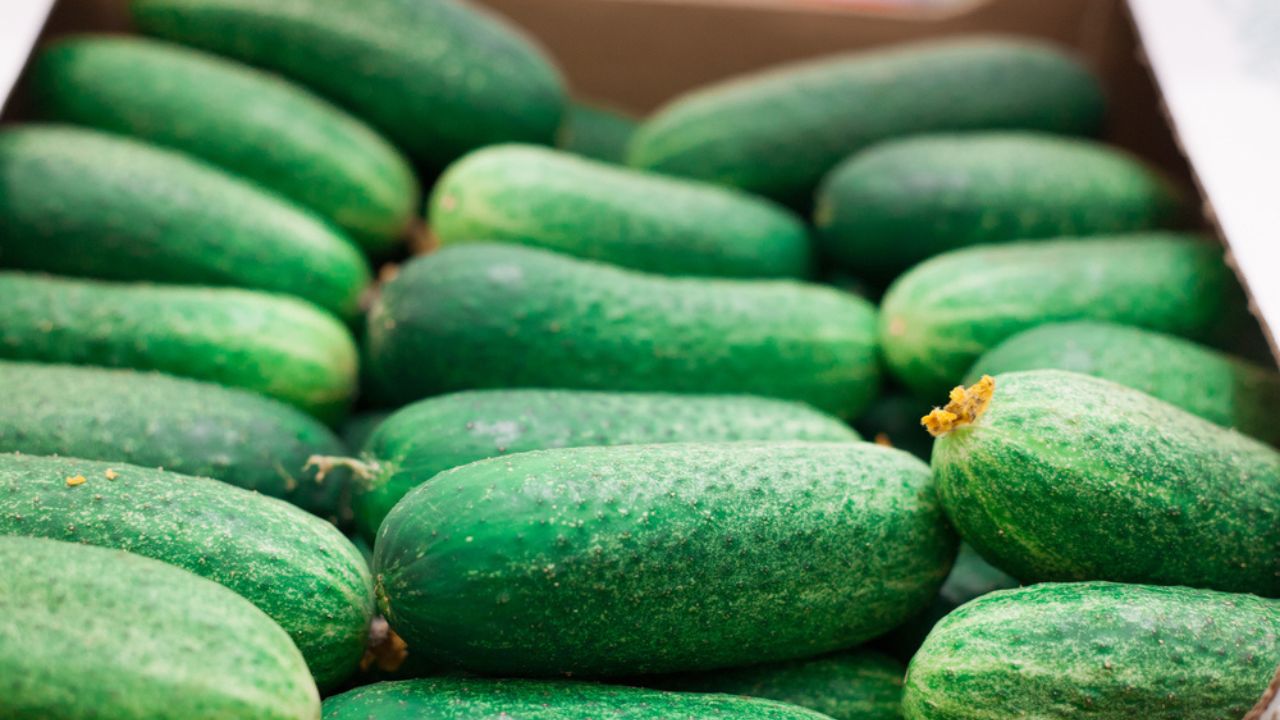
Zinnias and cucumbers make a productive pair. The flowers attract pollinators that boost cucumber yields, while the cucumbers’ sprawling vines offer a natural ground cover.
Care Tips: Provide cucumbers with trellises for vertical support. Plant in rich soil and water consistently to prevent bitterness.
Garden Design Idea: Use zinnias to frame a cucumber trellis, blending practicality with bold summer color.
9. Kale
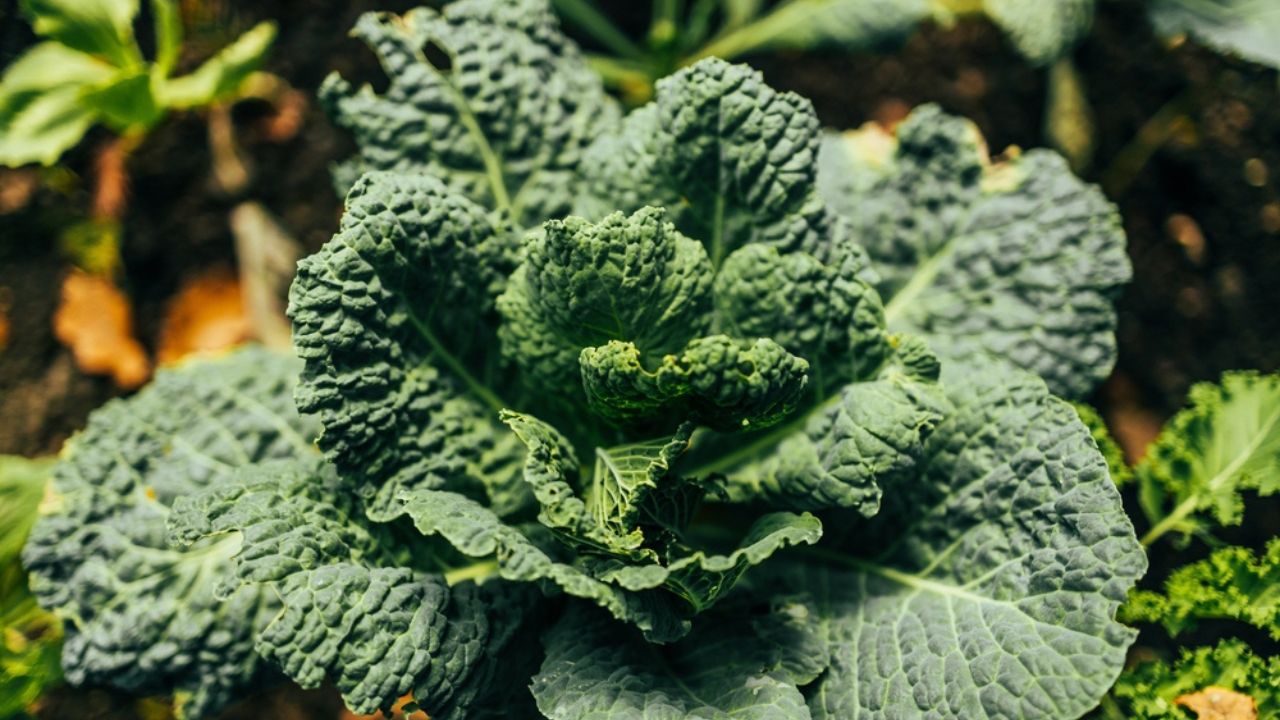
Kale looks surprisingly beautiful paired with zinnias. Its textured, dark green leaves contrast with zinnia’s bright blooms while benefiting from their ability to attract aphid-eating insects.
Care Tips: Plant kale in full sun to partial shade with well-drained soil. Water consistently and mulch to retain moisture.
Garden Design Idea: Plant zinnias in clusters near rows of kale for a visually stunning mix of colorful blooms and leafy greens.
10. Salvia
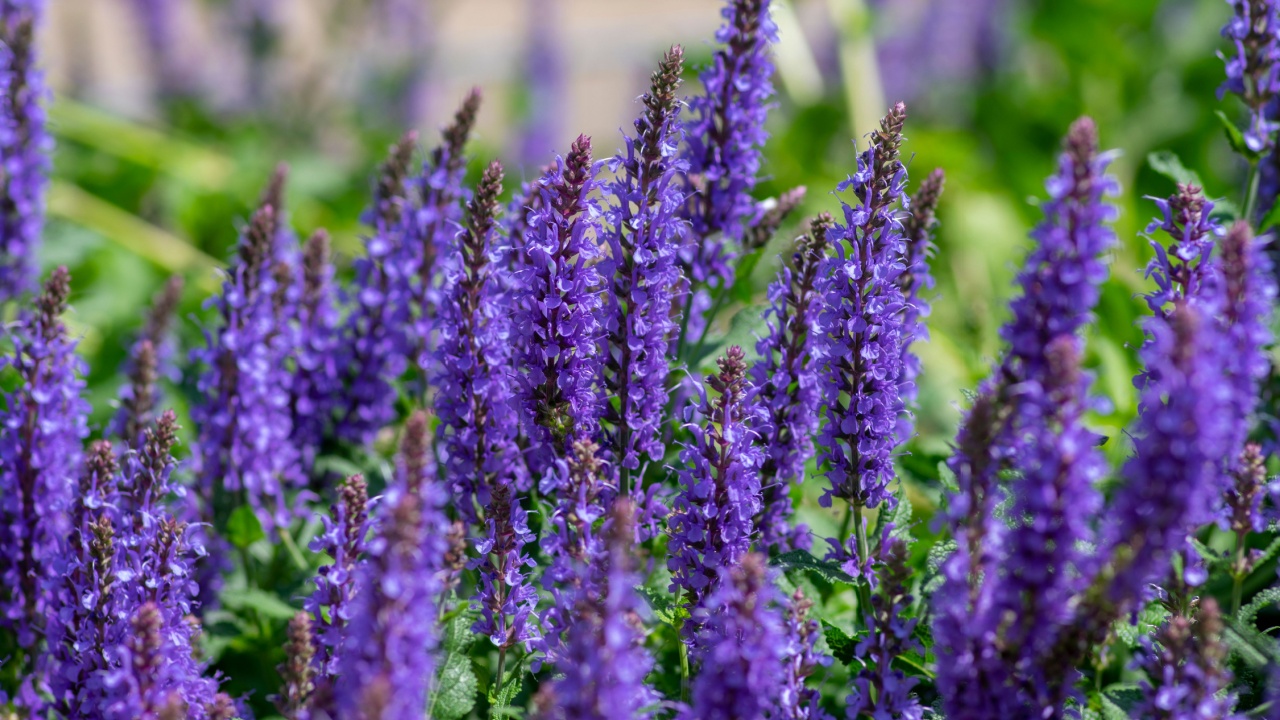
Salvia’s spiked flowers in shades of blue, purple, and red complement zinnia’s round, bold blooms. Both plants are drought-tolerant and appeal to pollinators like bees and hummingbirds.
Care Tips: Grow salvia in full sun and well-drained soil. Cut back flowers after blooming to extend the season.
Garden Design Idea: Plant salvia and zinnias in alternating rows for a balanced mix of height and color variation.
11. Tomatoes
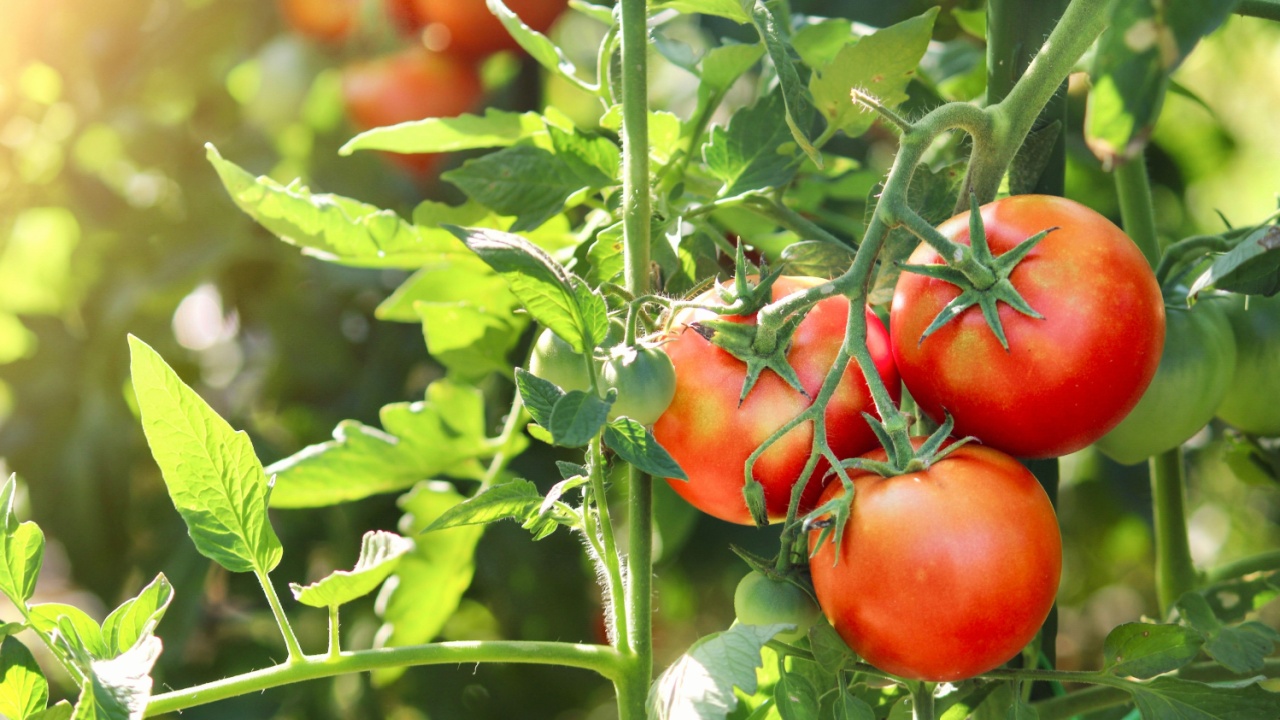
Tomatoes thrive near zinnias, which attract pollinators and beneficial insects that protect the plants from pests like aphids and whiteflies. Zinnias also add vibrant pops of color to any vegetable garden.
Care Tips: Stake or cage tomatoes for support. Ensure they receive full sun and regular watering.
Garden Design Idea: Line the edges of your tomato bed with zinnias to enhance pollination and keep pest populations under control.
12. Petunias

Petunias and zinnias form a stunning, low-maintenance duo. Their varied colors and textures complement each other beautifully, and both attract hummingbirds and butterflies.
Care Tips: Plant petunias in full sun with well-drained soil. Remove spent flowers to encourage continued blooms.
Garden Design Idea: Use petunias as a groundcover beneath taller zinnias to create a tiered look in garden beds or containers.
13. Coneflowers
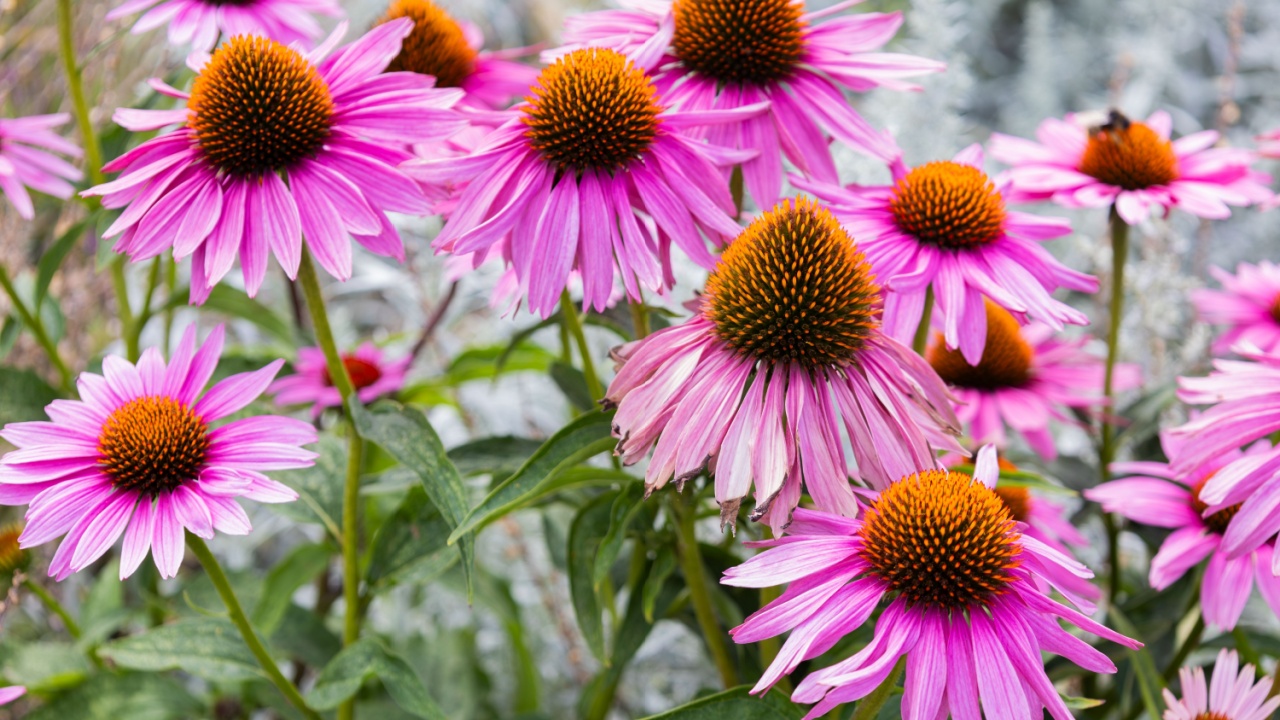
Coneflowers, or echinacea, are ideal zinnia companions with their nectar-rich blooms that support pollinators. Their earthy hues and sturdy stems balance zinnias’ bright tones and delicate shapes.
Care Tips: Plant coneflowers in full sun with sandy or well-drained soil. Water sparingly once established.
Garden Design Idea: Combine zinnias and coneflowers in a wildflower or prairie garden for an appealing mix of colors and textures.
14. Nasturtiums

Nasturtiums are the perfect edible companion to zinnias. Both plants thrive in warm climates, and nasturtiums’ trailing habit adds soft edges to garden beds. They also deter pests with their peppery scent.
Care Tips: Grow nasturtiums in full sun and lean, well-drained soil. Water minimally to promote a balance between foliage and flowers.
Garden Design Idea: Interplant nasturtiums along zinnia borders to create a fragrant, colorful display that’s both ornamental and functional.
15. Bee Balm
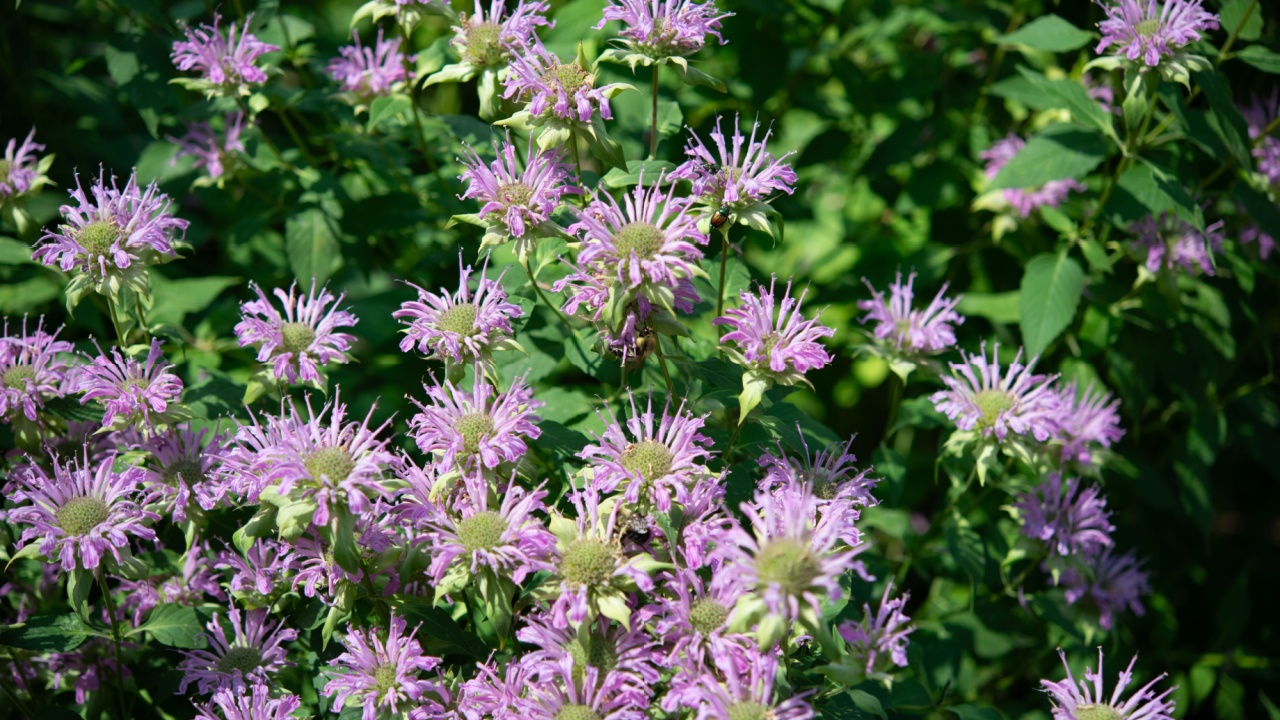
Bee balm, with its vibrant red or purple blooms, complements zinnias both visually and ecologically by attracting bees, butterflies, and hummingbirds. This hardy perennial also provides vertical height to balance zinnias’ horizontal spread.
Care Tips: Plant in full sun or partial shade with fertile, well-drained soil. Divide plants every few years to maintain vigor.
Garden Design Idea: Use bee balm in the back of zinnia plantings as a tall border, drawing attention to the garden’s vertical dimension.
16. Ageratum
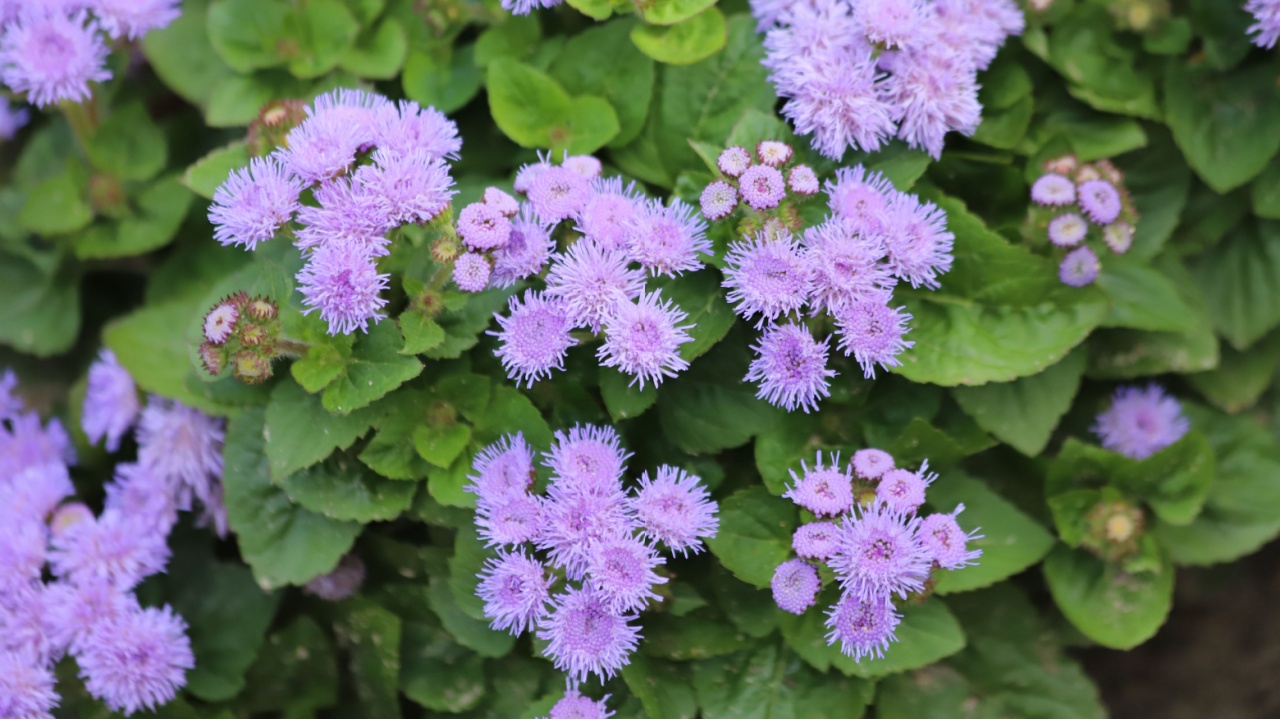
Also known as floss flower, ageratum’s fluffy blue or lavender blooms pair beautifully with zinnias, creating a soothing contrast against the bold colors. It attracts pollinators and works well in shaded spots.
Care Tips: Plant in full sun to partial shade with moist, well-drained soil. Pinch back stems early for a bushier habit.
Garden Design Idea: Add ageratum between zinnia clusters for a soft, textured look that enhances depth and variety in mixed flower beds.
Practical Pairings
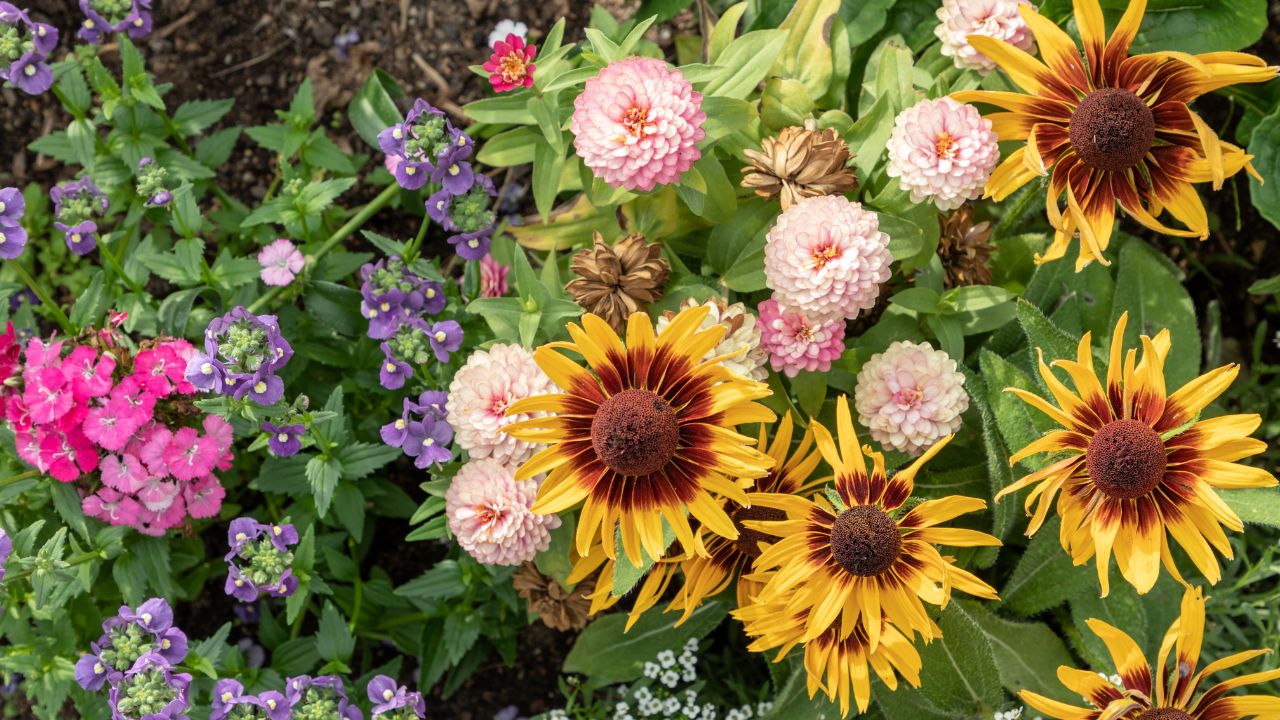
Pairing zinnias with the right companion plants enhances garden aesthetics, supports pollinators, and improves plant health. Whether you’re creating a vegetable patch, wildflower meadow, or decorative flower bed, these 16 plants will complement zinnias beautifully, keeping your garden lively, vibrant, and buzzing with life all season long. Start planting today and watch your garden flourish with this colorful and functional lineup!
Read more:
The Best Companion Plant Pairings That Actually Work (And the Popular Ones That Don’t)
11 Companion Plants That Thrive Next to Ornamental Grasses