These 18 Annual Flowers Offer Vibrant End-of-Summer Color
When summer begins to wane, your garden doesn’t have to lose its vibrant charm. Annual flowers are the late-season heroes, bursting into bloom and keeping the color show alive when many perennials start to fade. These flowers thrive in the warm temperatures and sunlight of late summer, creating a refreshing palette of hues that carry your garden’s beauty into September.
Whether you’re a seasoned gardener or a beginner, these stunning blooms are low-maintenance champions that reward your efforts with blazing color and pollinator-friendly charm. Let’s explore 18 annual flowers that will breathe life into your garden’s late-summer landscape.
Why These 18 Flowers?
When selecting these late-summer annuals, we focused on plants that have proven, documented performance in gardens during the hottest months and into early fall. At this point in the season, unless you’ve already started them from seed, it’s best to hit up your local nursery.
We prioritized flowers supported by trusted horticultural research, such as reputable gardening publications, and supplemented the list with a few plants chosen based on consistent anecdotal success from experienced gardeners.
1. Portulaca (Portulaca grandiflora)
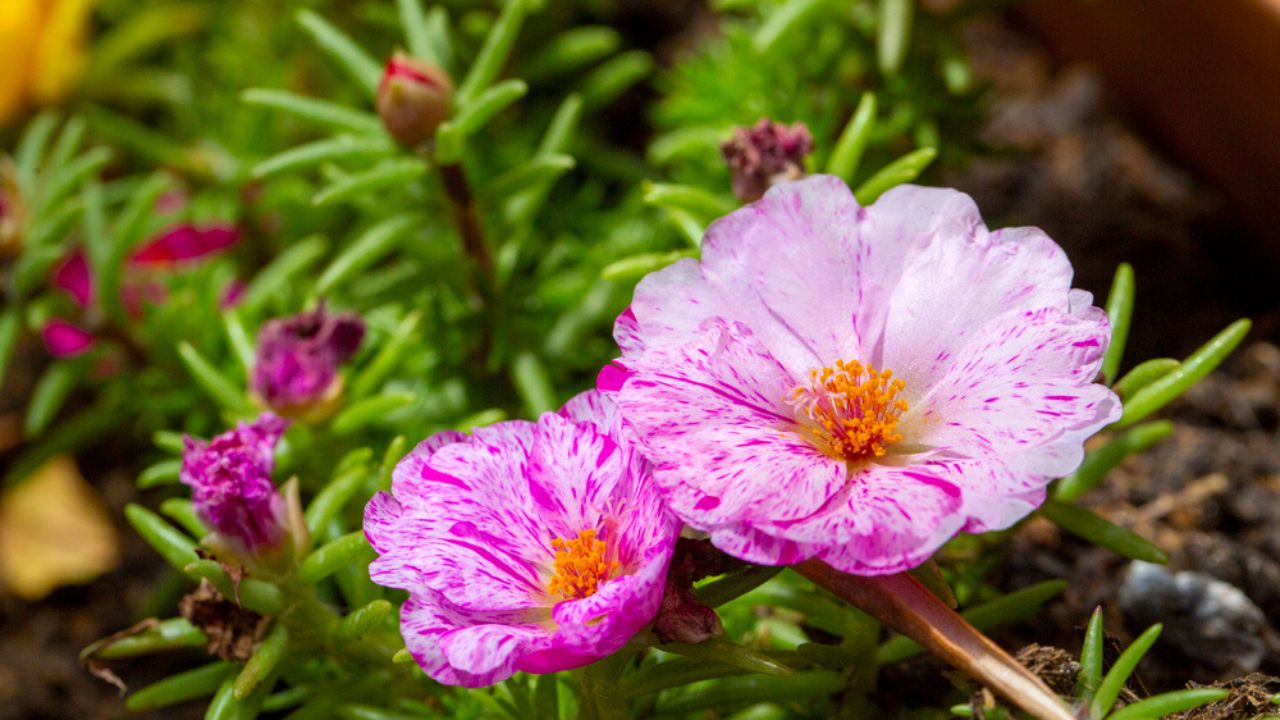
Portulaca, also known as moss rose, is a drought-tolerant beauty that thrives in the dog days of summer. Its low, succulent mats burst into clusters of papery blooms in shades of pink, orange, and yellow. Portulaca’s non-invasive habit means it stays exactly where you plant it, bringing order to garden borders and rock gardens.
Care Tips: Plant in full sun and well-drained soil. Water sparingly to prevent rot, and enjoy blooms that open brightly in the morning light.
2. Zinnia (Zinnia elegans)
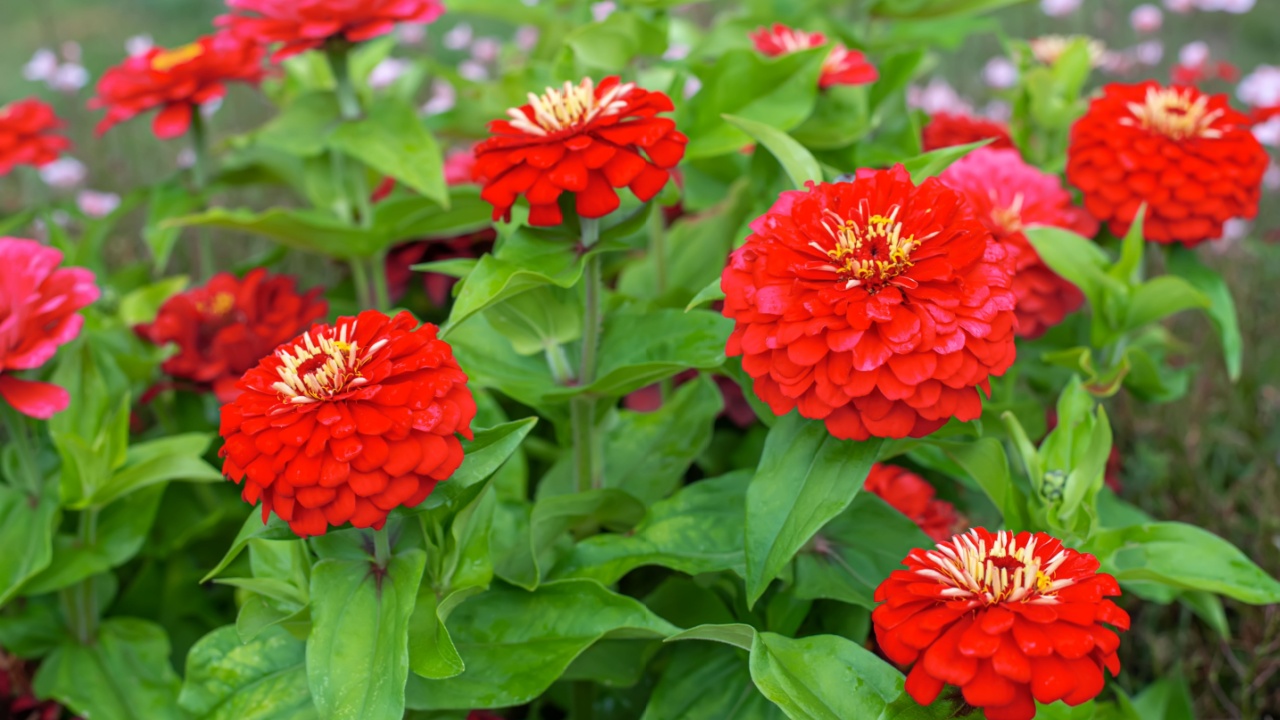
Zinnias are true late-summer survivors, providing bold daisy-like flowers on upright stems. Common varieties like ‘State Fair’ can reach an impressive three feet tall, creating stunning visual displays. Zinnias are also pollinator magnets, inviting butterflies to your garden at a time when nectar sources may be dwindling.
Care Tips: Plant in full sun with fertile, well-drained soil. Deadhead regularly to encourage continuous flowering, and stake taller varieties to maintain their structure.
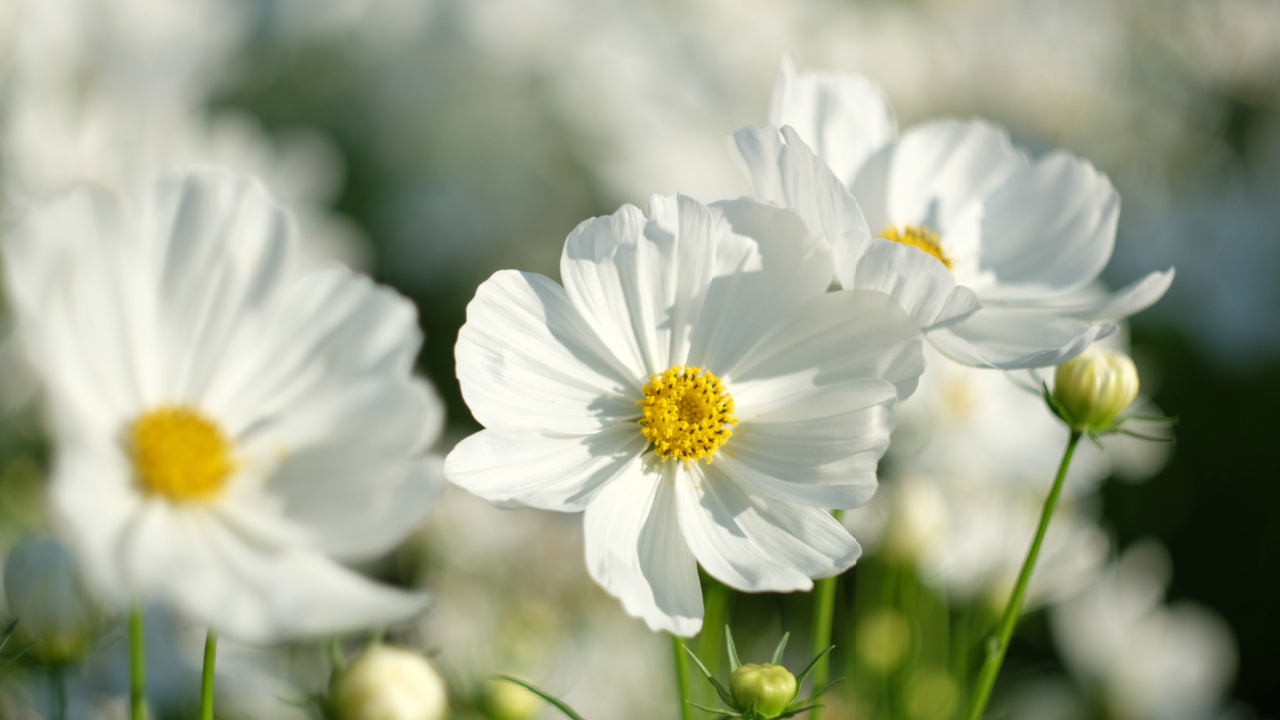
3. Cosmos (Cosmos bipinnatus)
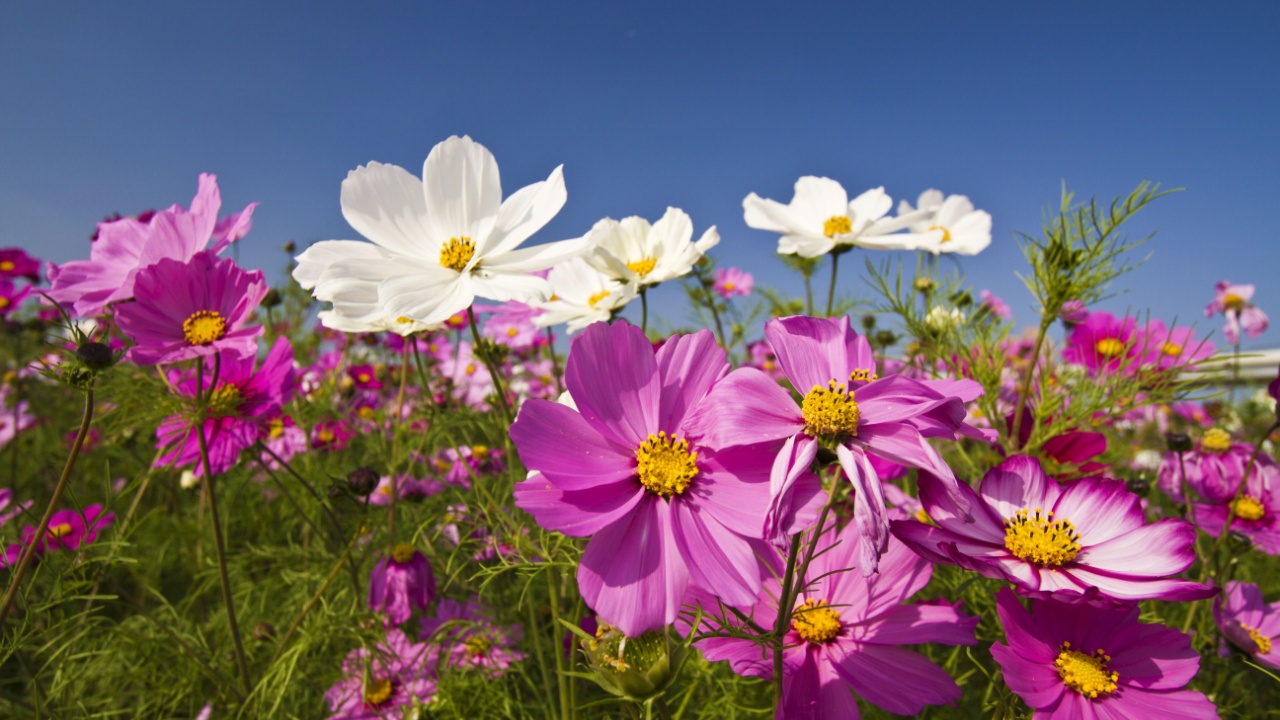
Cosmos adds an airy elegance to late-summer gardens with its feathery foliage and daisy-like blooms. Originating from Central America, this plant thrives in poor soil, delivering beautiful pink, white, and magenta colors. Its long-lasting flowers are perfect for cutting.
Care Tips: Plant in full sun and avoid over-fertilizing. Pinching back growing tips encourages bushier growth and more blooms.
4. Marigold
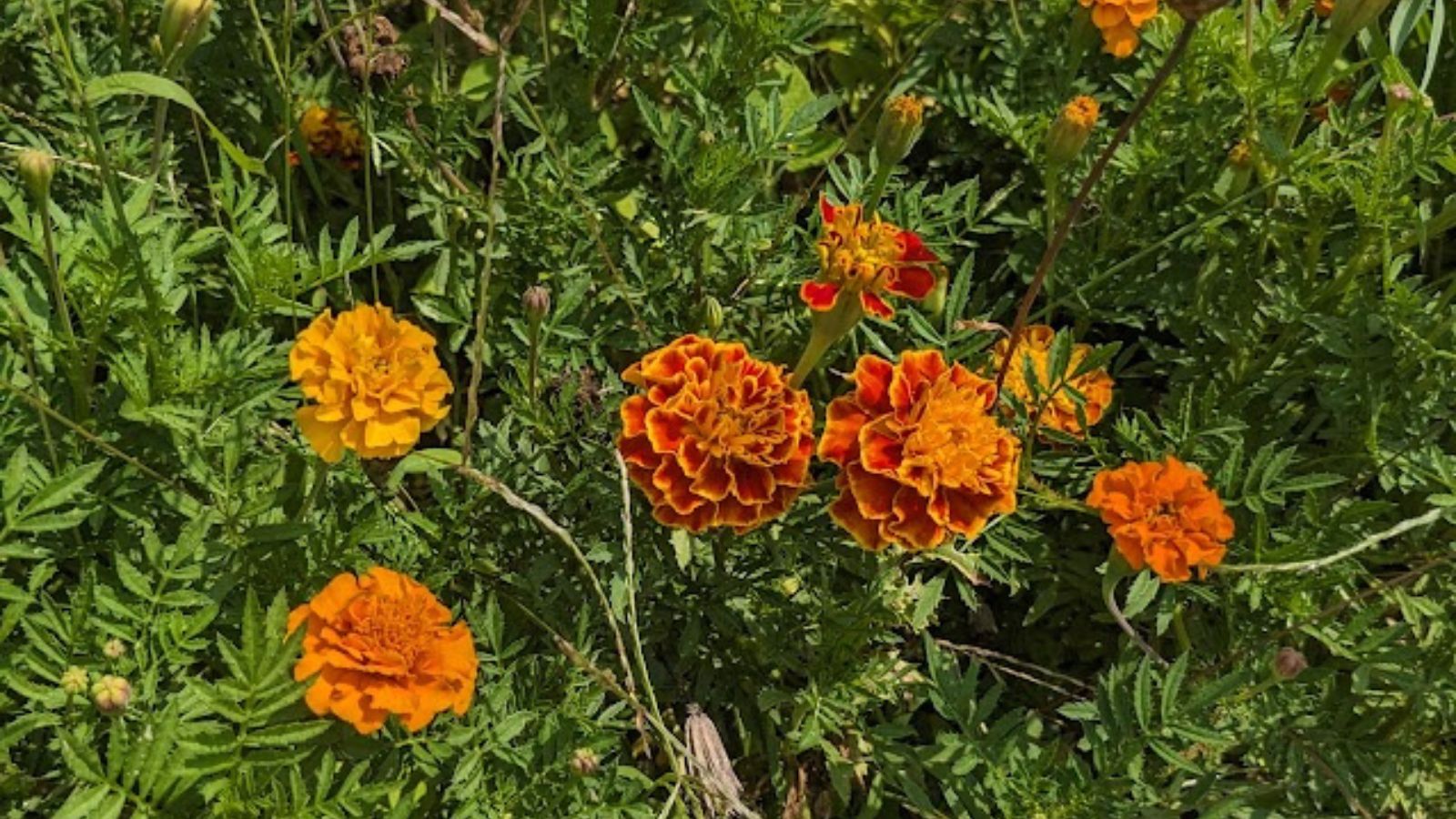
Bursting in warm hues of gold, orange, and yellow, marigolds are classic annuals for late-summer gardens. They not only brighten up garden beds but also deter pests with their natural compounds. These cheerful blooms thrive in hot conditions, offering vibrant color when other plants falter.
Care Tips: Keep marigolds in full sun and water at their base to prevent mildew. Deadhead spent flowers to extend blooming.
5. Petunia (Petunia hybrida)
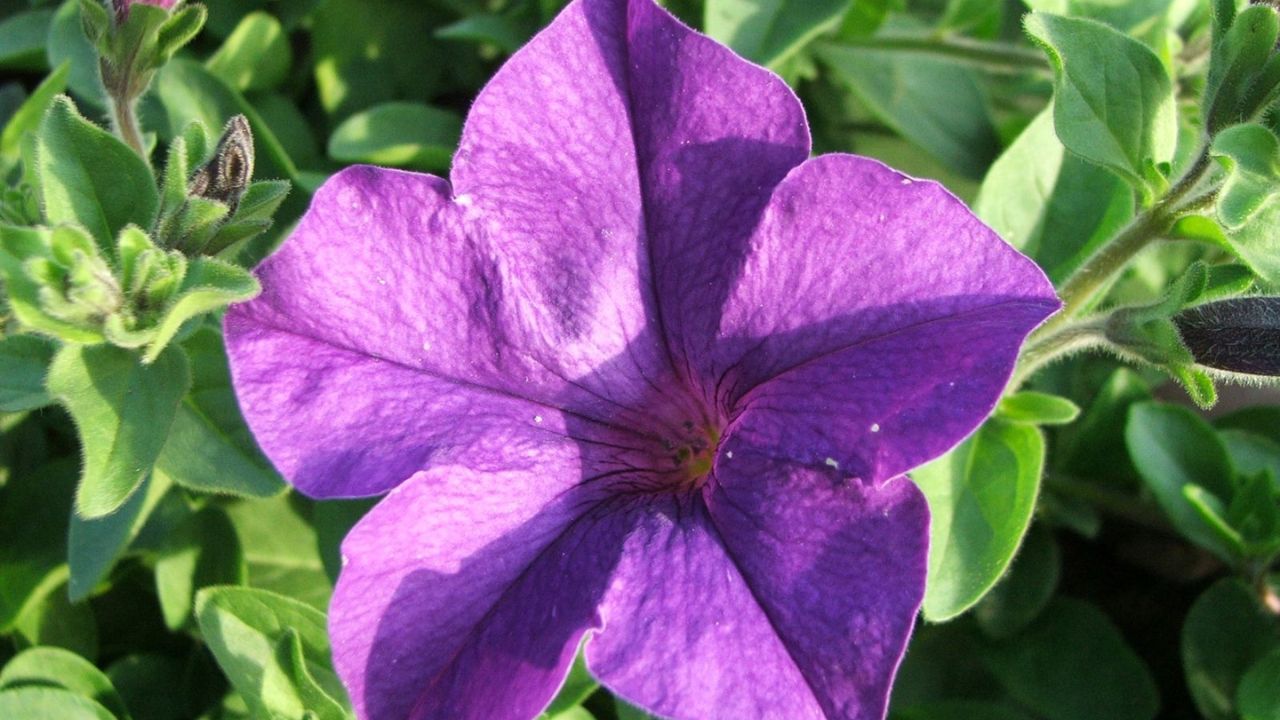
Petunias are loved for their bold trumpet-shaped blooms and ability to spread robustly in containers or garden beds. From soft pastels to striking red and purple shades, petunias can match any garden aesthetic while continuing their dazzling performance through late summer.
Care Tips: Grow in full sun or partial shade. Water regularly but avoid over-saturating the soil. Deadhead frequently to prolong flowering.
6. Celosia (Celosia cristata)
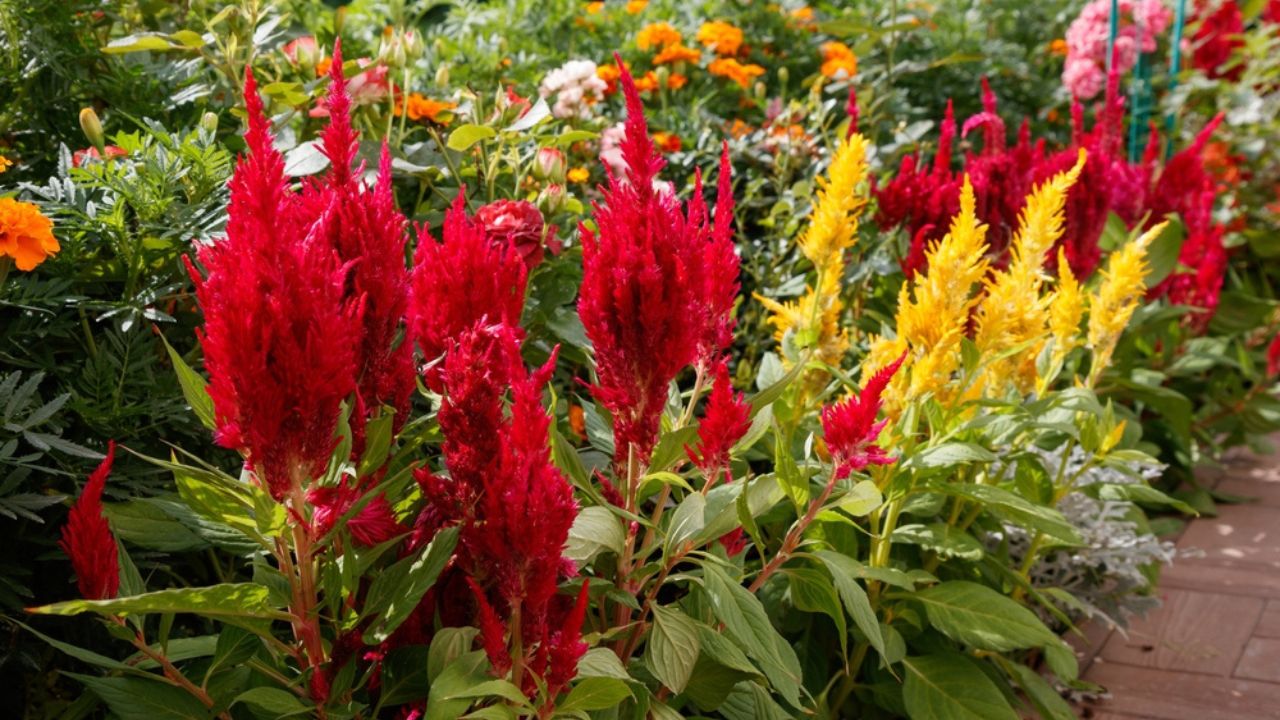
Known for its feathery, heat-loving blooms in fiery shades of red, gold, and crimson, celosia, or cockscomb, is a late-summer stunner. Its bold color and unique crested shapes make it a conversation starter in any garden.
Care Tips: Plant in full sun with well-drained soil. Remove spent blooms to encourage fresh waves of flowers.
7. Scarlet Sage (Salvia splendens)
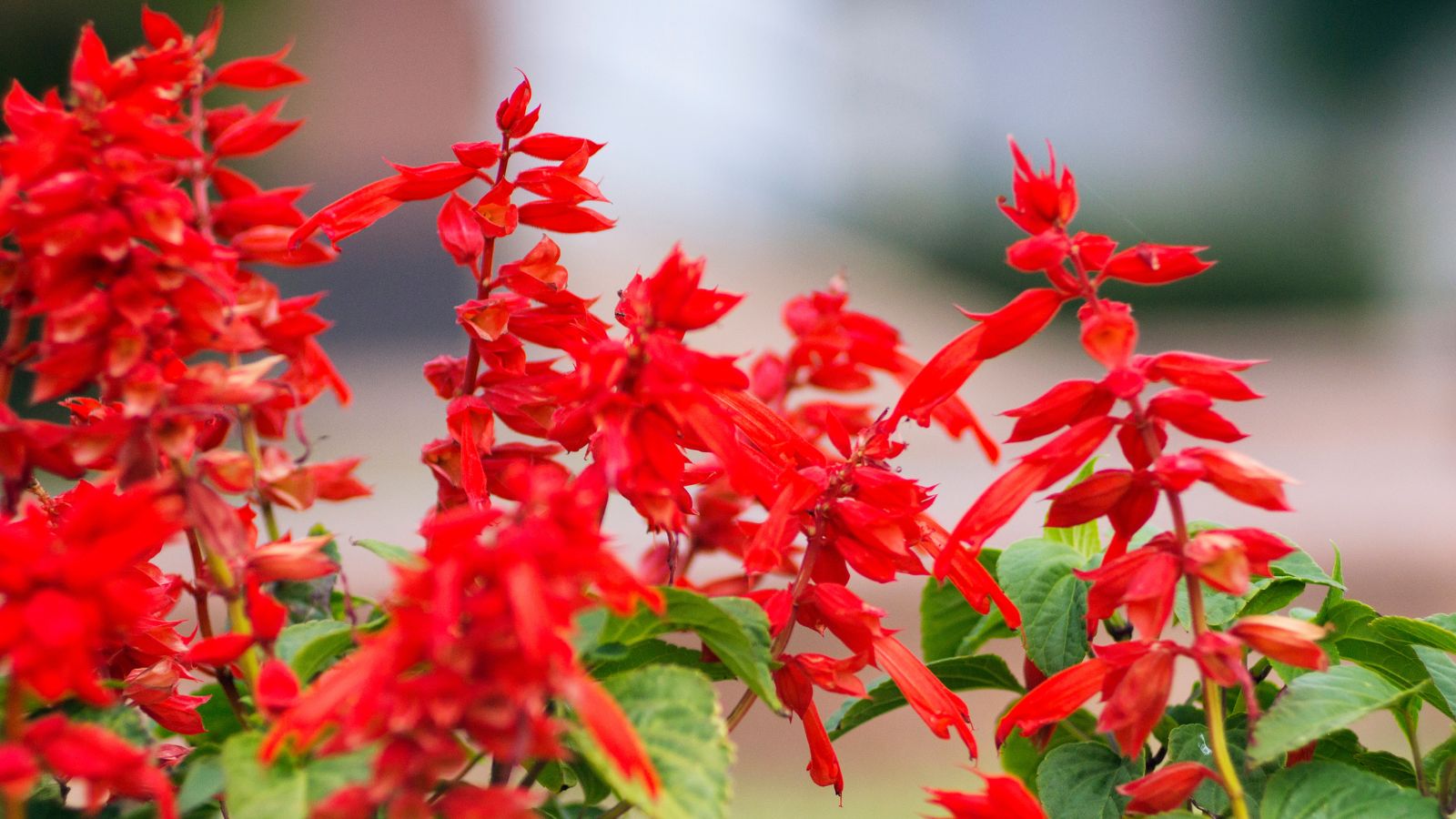
Salvia splendens brings vibrant red spires of blooms to your late-summer garden. Its upright growth adds vertical interest, while its nectar-rich flowers are a favorite of hummingbirds.
Care Tips: Place in a sunny spot, water consistently, and cut back blooms after fading to promote ongoing flowering.
8. Impatiens (Impatiens walleriana)
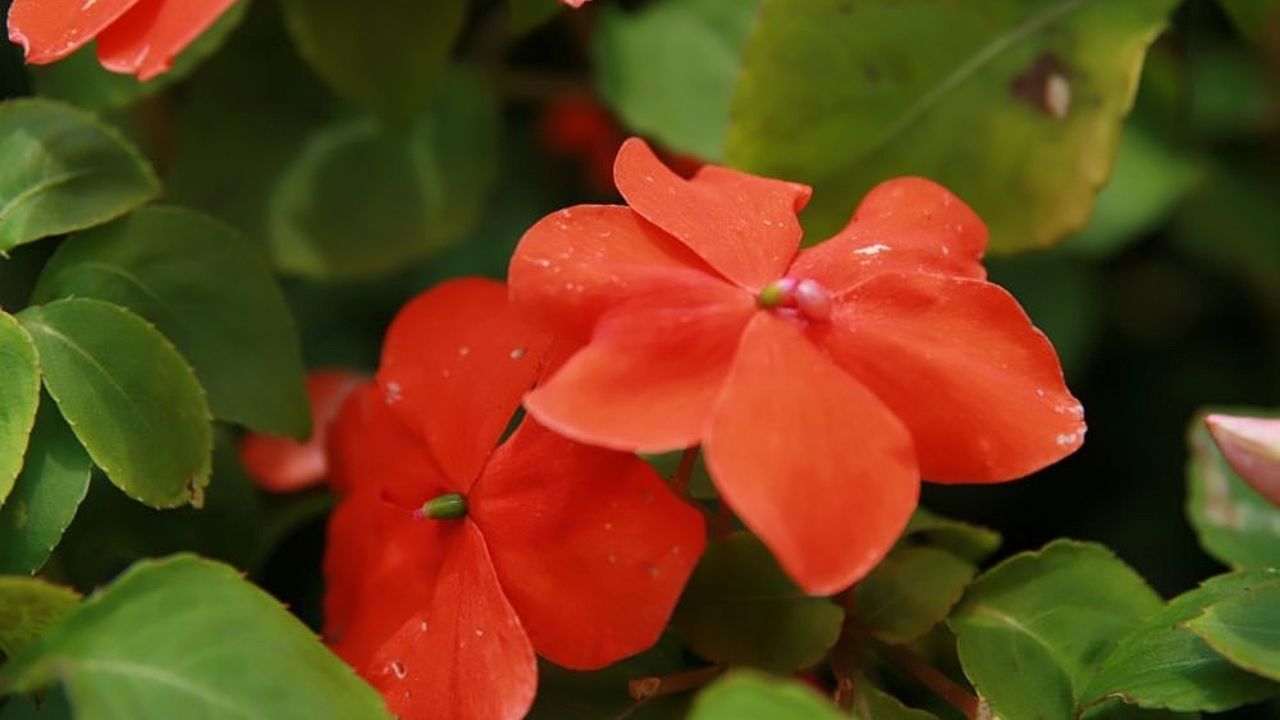
Impatiens are shade-loving annuals that brighten darker corners of your garden. Their compact growth and wide variety of colors ensure they’re a versatile addition to spaces where summer heat can challenge other plants.
Care Tips: Keep soil moist but well-drained, and plant in partial to full shade. Fertilize lightly throughout the season for continuous blooms.
Note: If you live somewhere where late summer translates to high heat, this flower might not give you a reliable late summer bloom.
9. Strawflower (Xerochrysum bracteatum)
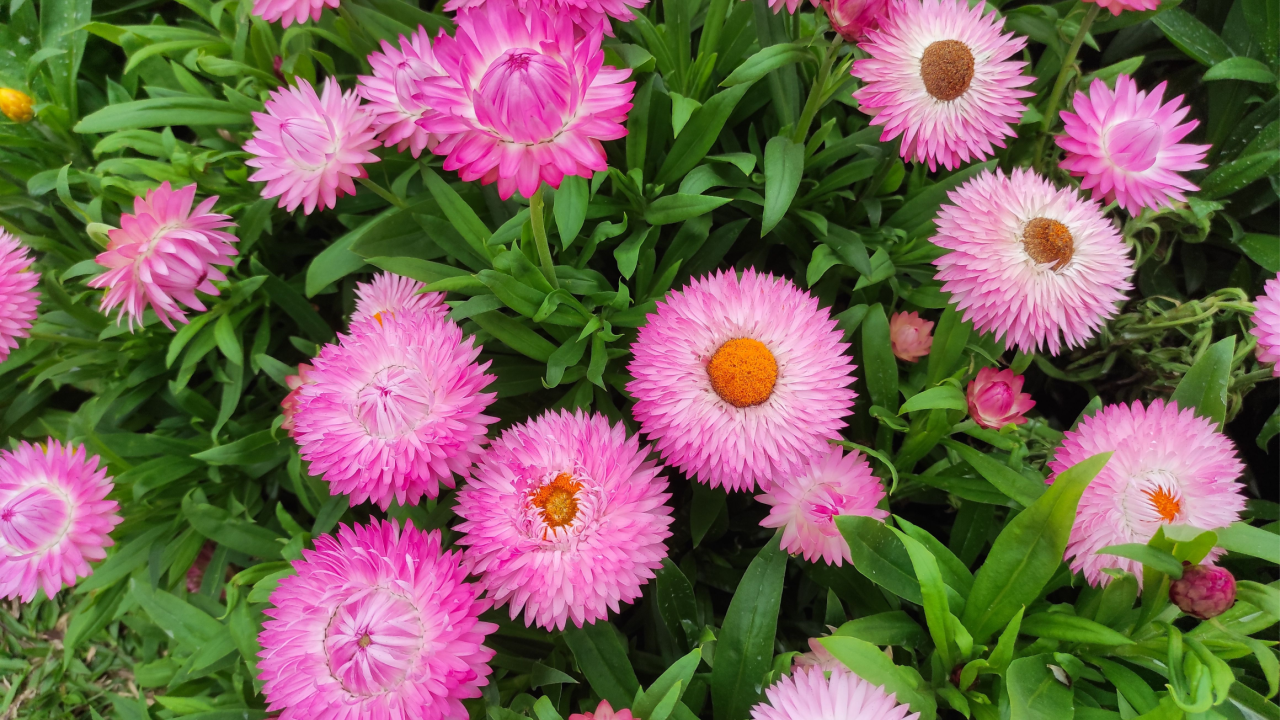
Strawflowers, also known as everlasting flowers, have a papery texture that’s perfect for drying and arrangements. Their vivid colors last well into fall, and they stand up beautifully to late-season heat.
Care Tips: Plant in full sun with well-drained soil, and deadhead flowers to keep the blooms coming.
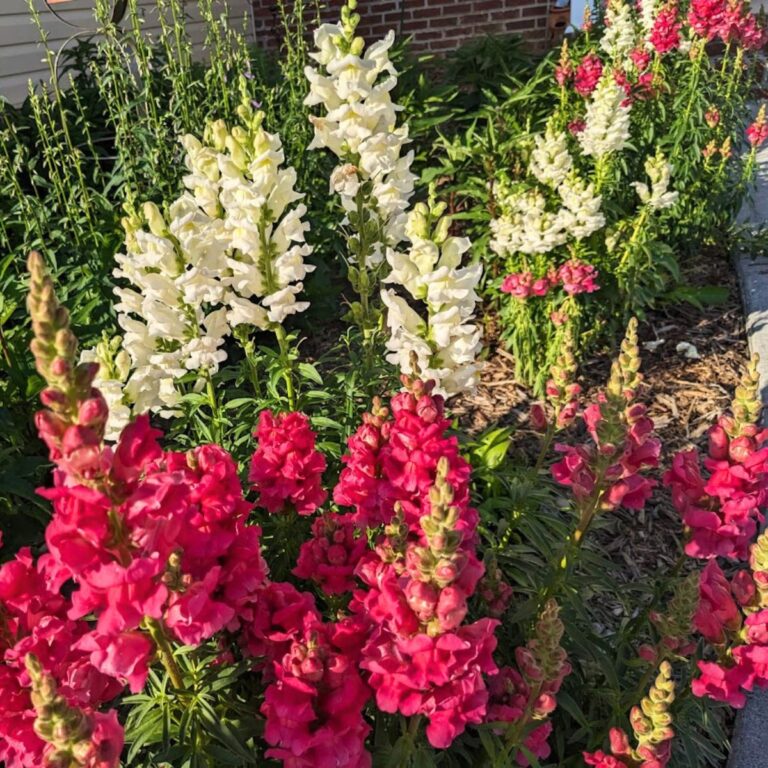
10. Snapdragon (Antirrhinum majus)
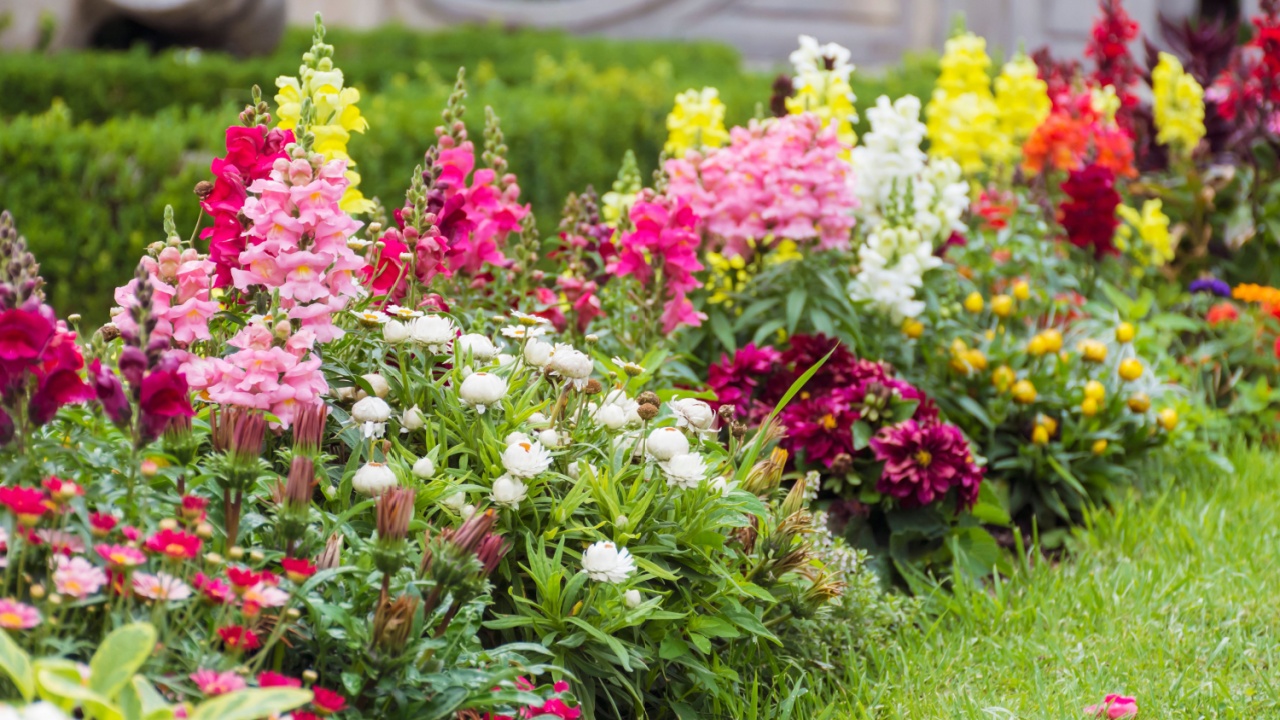
Snapdragons bring vertical drama to any garden with their tall spires of colorful blooms. They love cooler temperatures, so they can still deliver a splash of color as summer merges into fall (they’ll lose their color in the heat but can regain it in the cooler late summer days!).
Care Tips: Grow snapdragons in full sun and consistently water to prevent dryness. Adding support like stakes ensures upright growth.
11. Vinca (Catharanthus roseus)

Vinca, also known as periwinkle, thrives in heat and humidity, making it perfect for late-summer gardens. With glossy green leaves and cheerful five-petaled blooms, it is a reliable performer until frost.
Care Tips: Plant in full sun, water sparingly to avoid rot, and lightly fertilize to keep flowers thriving.
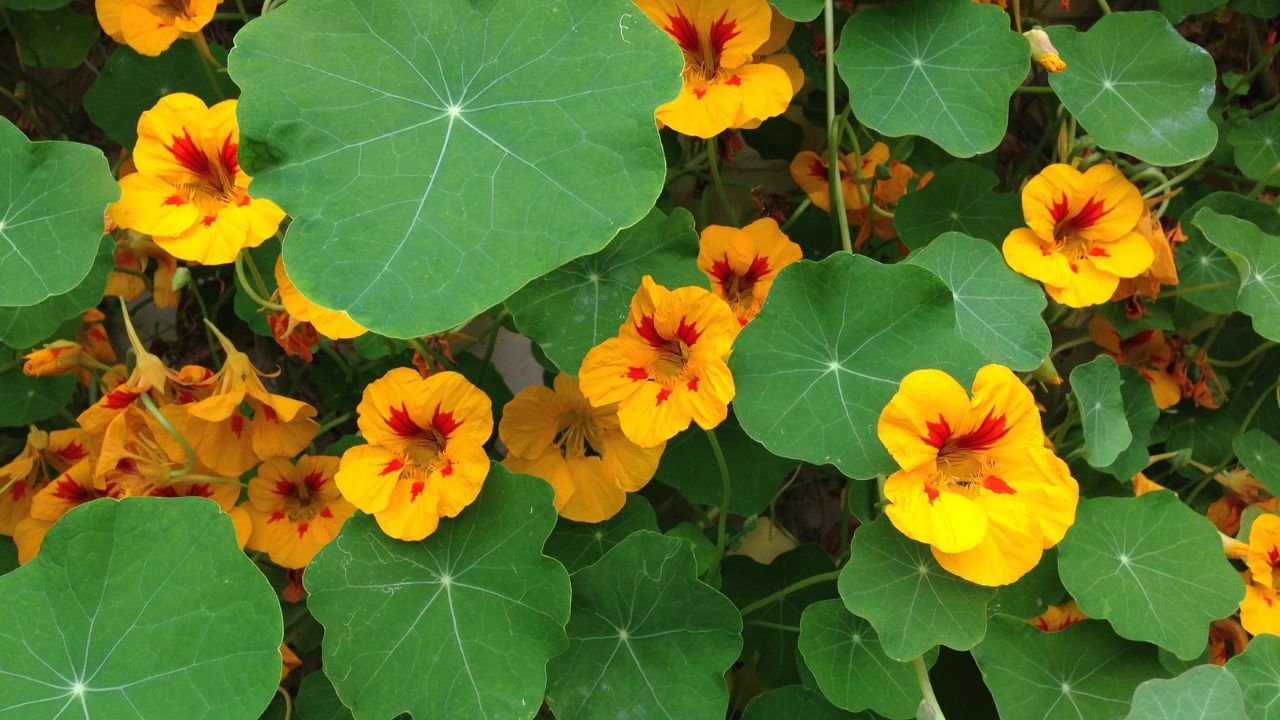
12. Nasturtium (Tropaeolum majus)
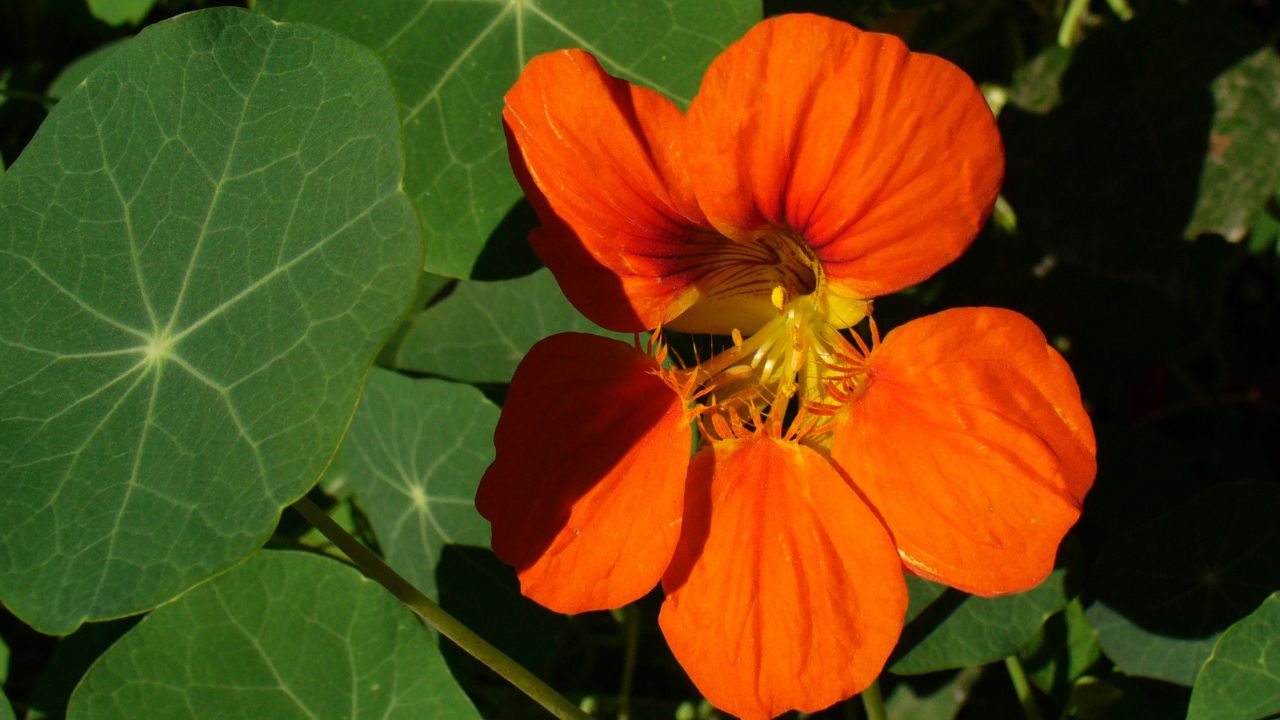
Nasturtiums bloom prolifically in warm-weather conditions, showcasing edible, peppery flowers in orange, yellow, and red. Their sprawling habit makes them versatile for growing over fences or spilling from containers.
Care Tips: Grow in full sun with moderately fertile, well-drained soil. Harvest seeds at the end of the season for future plantings.
13. Balsam (Impatiens balsamina)
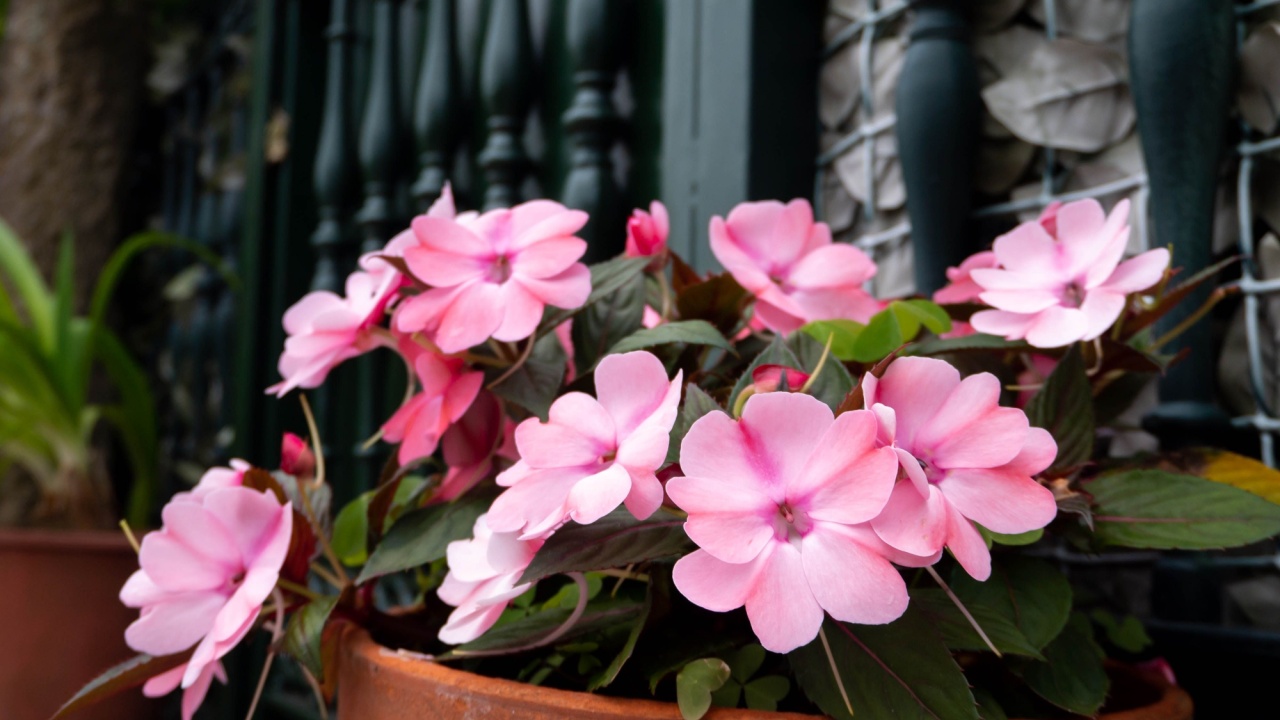
Balsam, or touch-me-not, produces clusters of unique, spurred blooms in partial shade. Its self-seeding nature ensures volunteers for the following year if you save seeds.
Care Tips: Plant in part shade, water consistently, and pinch back plants for a bushier habit.
14. Globe Amaranth (Gomphrena globosa)
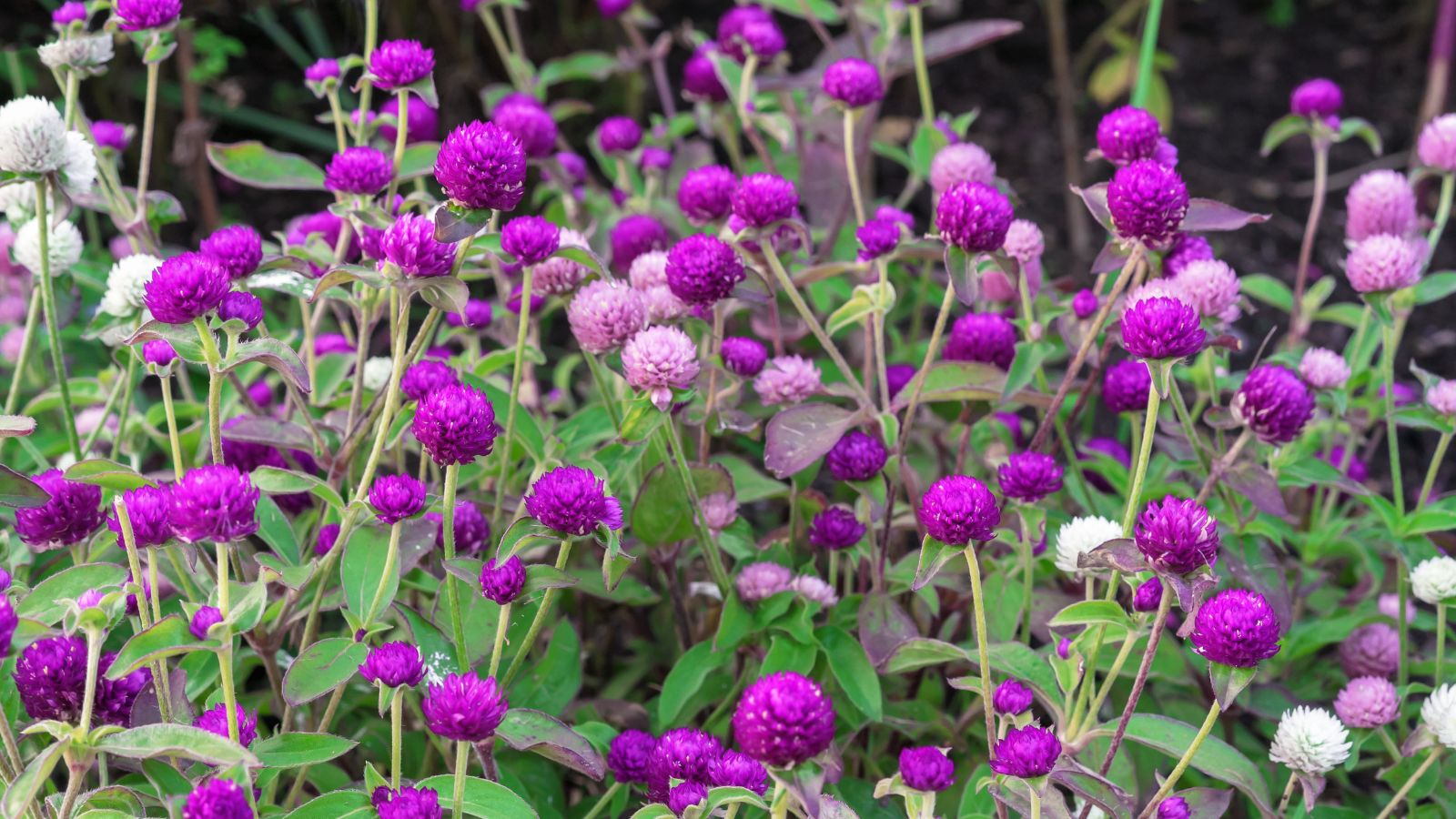
Globe Amaranth’s round-shaped blooms in bold pink, magenta, and white stand tall against late-summer heat. These long-lasting flowers add accents to garden beds and dried arrangements alike.
Care Tips: Plant in full sun with rich soil. Deadheading maintains its neat appearance.
15. Cigar Plant (Cuphea ignea)
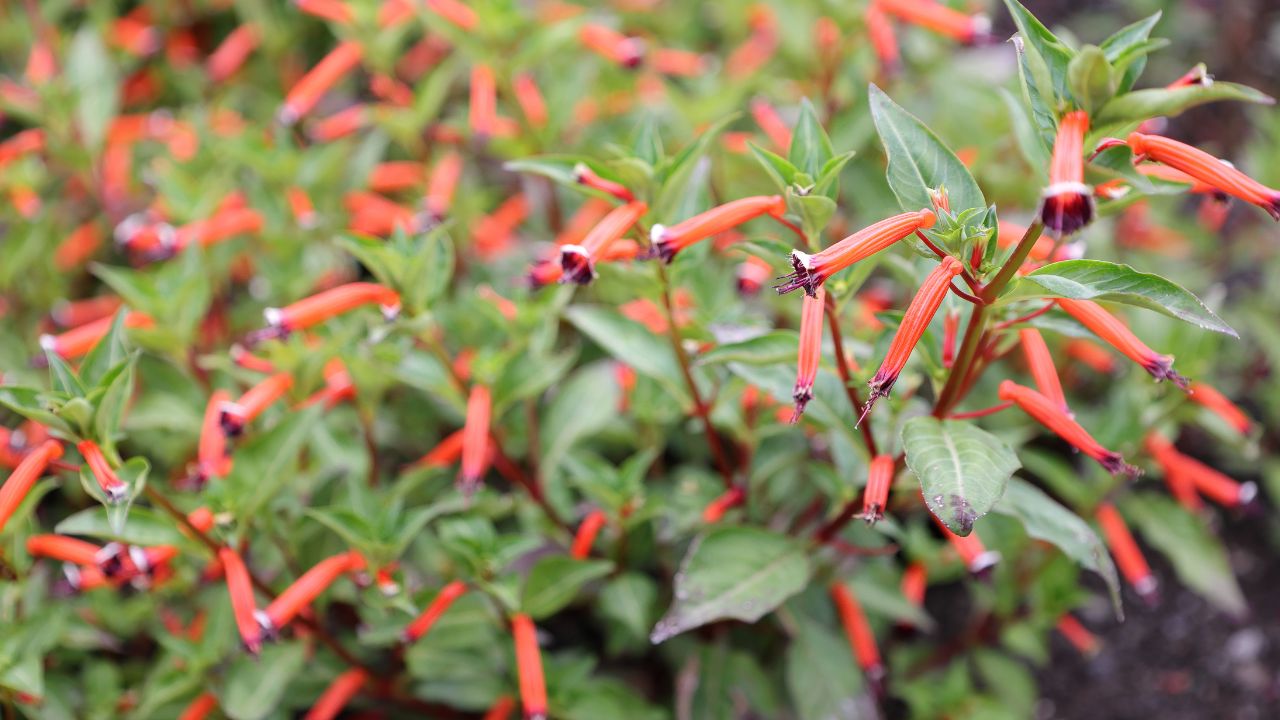
Named for its red, tube-shaped flowers resembling cigars, this plant takes late-summer heat in stride. Its blooms offer nectar to hummingbirds, extending their garden visits.
Care Tips: Place in full sun and sandy, well-drained soil. Water consistently to encourage abundant flowering.
16. Dianthus (Dianthus chinensis)
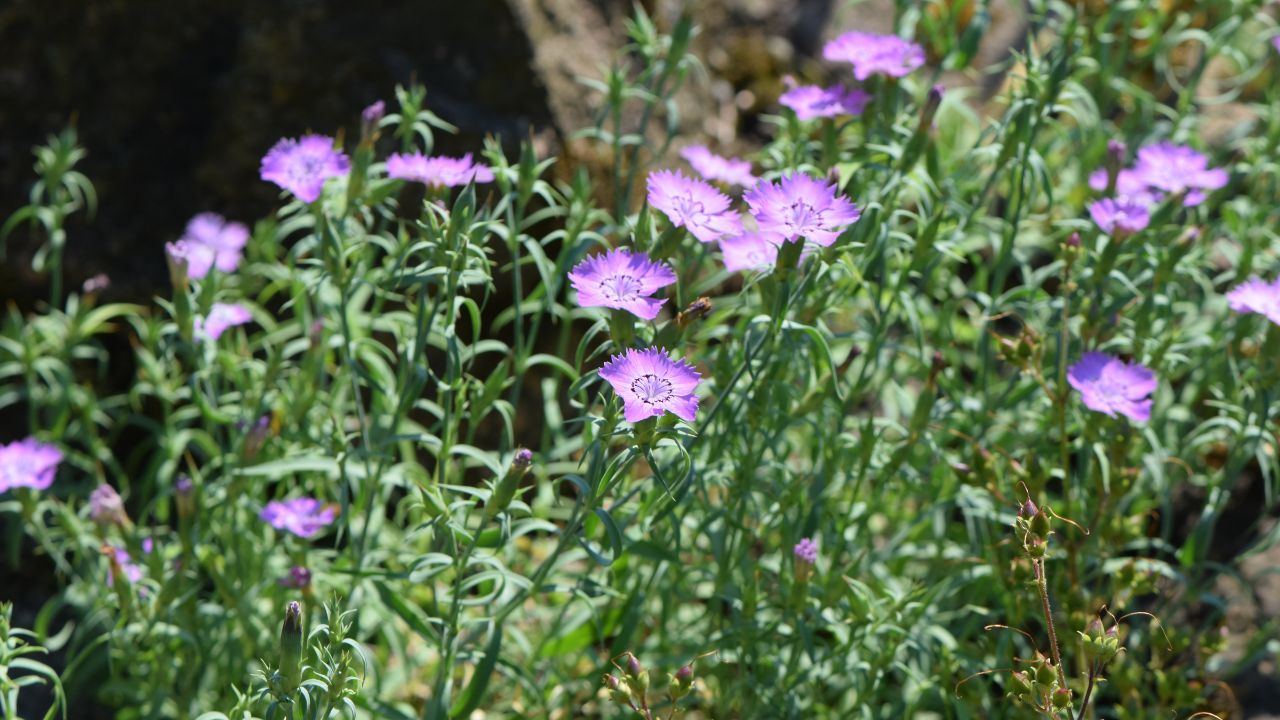
Known for their frilled, fragrant petals, dianthus adds a touch of classic beauty to summer gardens. While they traditionally bloom in earlier summer, deadheading can extend their color to later in the season in some environments. Their compact growth makes them ideal for borders or containers.
Care Tips: Grow in full to partial sun and well-drained soil. Remove old blooms to encourage fresh flowering.
17. Annual Phlox (Phlox drummondii)
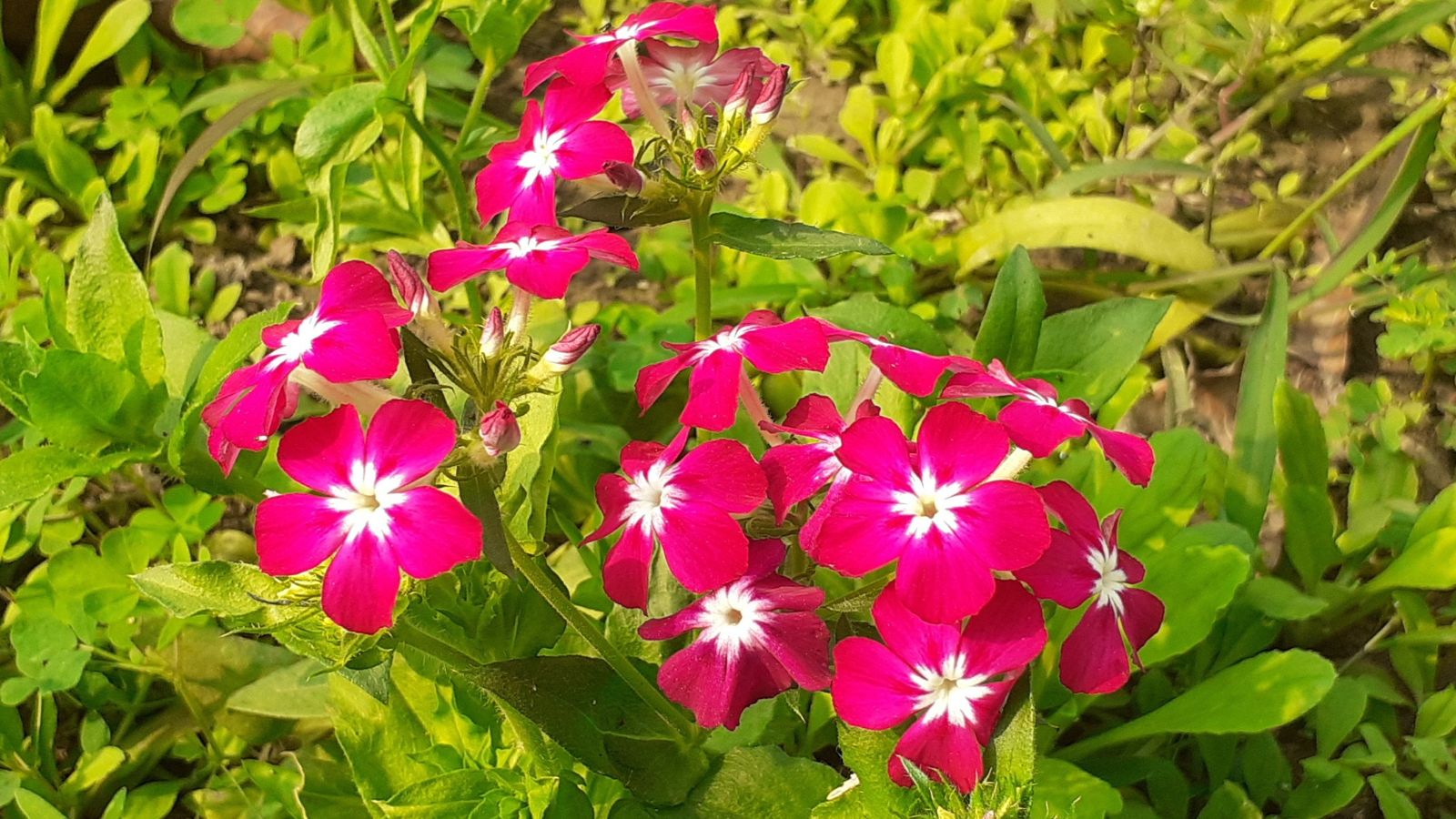
Phlox brings clusters of star-shaped flowers in a variety of cheerful colors. It stands out in late-summer gardens with its airy, mounding habit and long bloom period.
Care Tips: Plant in full sun and fertile, moist soil. Pinch back stems early in the season for bushier growth and more flowers.
18. Four O’Clocks (Mirabilis jalapa)
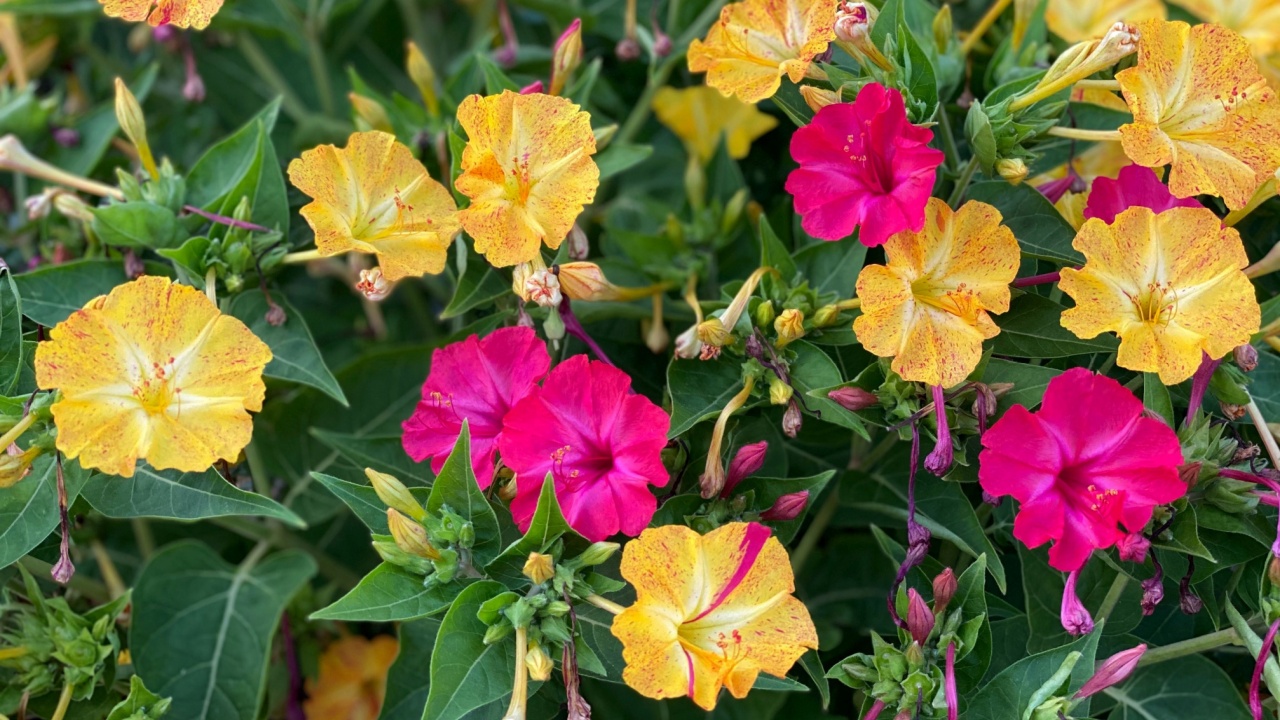
Named for their habit of blooming in the late afternoon, Four O’Clocks charm the garden with trumpet-like flowers in pink, white, and yellow. They thrive in tough summer conditions, offering delightful evening fragrance.
Care Tips: Grow in full sun or partial shade with well-drained soil. Moderate watering keeps the plants lush and blooming.
Enjoy the Color
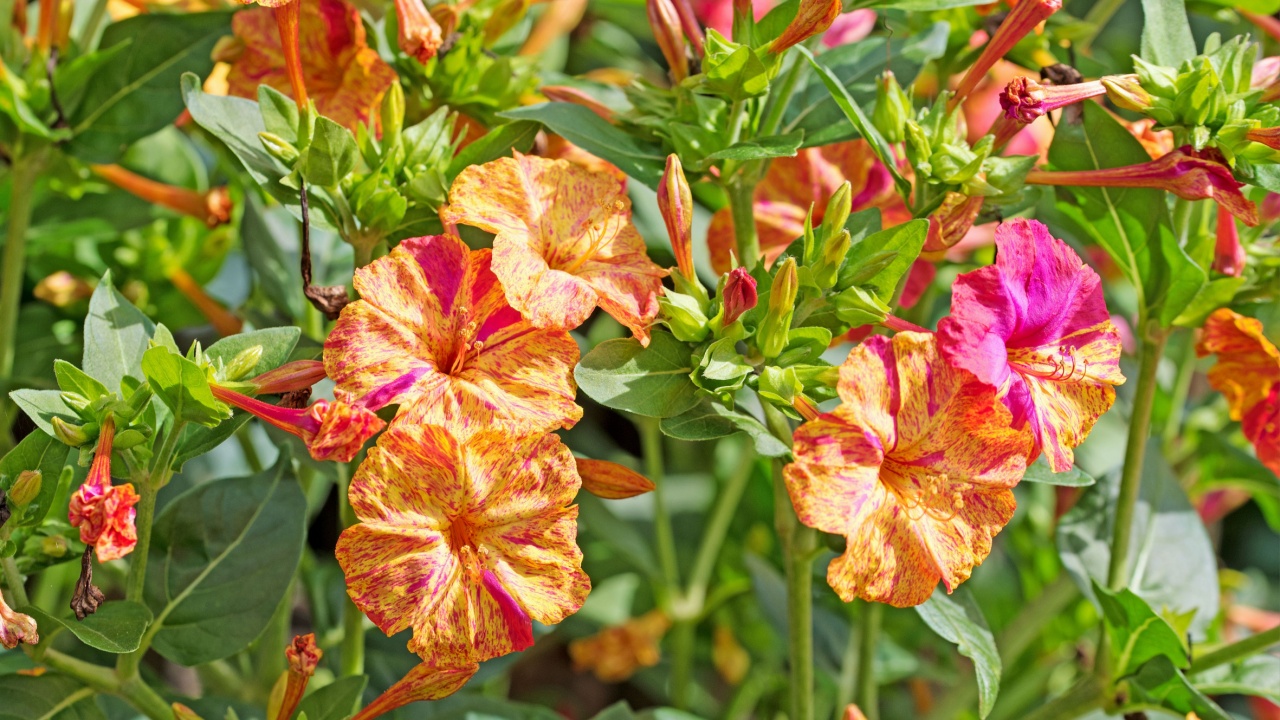
With these 18 vibrant annual flowers, your garden can keep its brilliance well into the late summer and beyond. From compact ground covers to towering spires, these hardworking plants offer something for every garden size and style. Choose your favorites and enjoy an extended season of color and beauty!