10 Kindnesses to Local Wildlife That Are Sabotaging Your Garden
You love animals. You feed the birds, you leave out scraps for the stray cat, and you even built a little brush pile “for the bunnies.” But what if those well-intentioned gestures are actually sabotaging your garden?
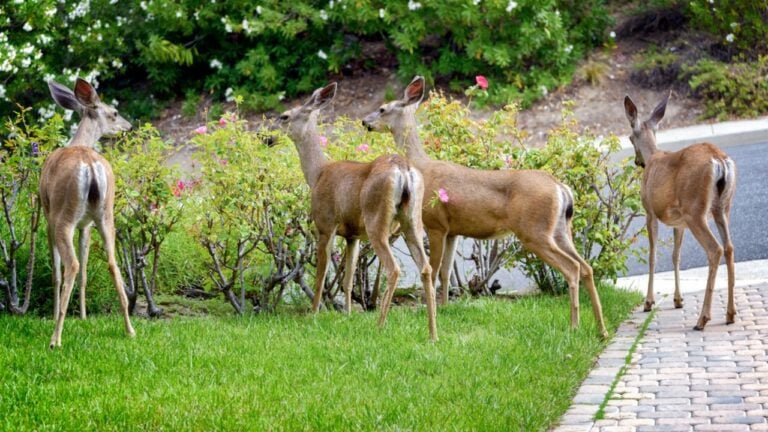
It turns out that some common “acts of kindness” toward wildlife can create bigger problems for your landscape, from pest explosions to plant destruction and even disease spread. Here’s what to watch out for and what to do instead, from trusted sources like the University of Florida.
1. Feeding Wildlife (Even Just a Little)

Leaving out table scraps, cat food, or even excess birdseed can attract more than just cute critters. Raccoons, rats, and opossums may start seeing your garden as a buffet—and they won’t leave your veggies alone.
Instead: Use tightly sealed bird feeders, clean up fallen seed regularly, and never leave out pet food or food scraps overnight.
2. Creating Brush Piles for Shelter
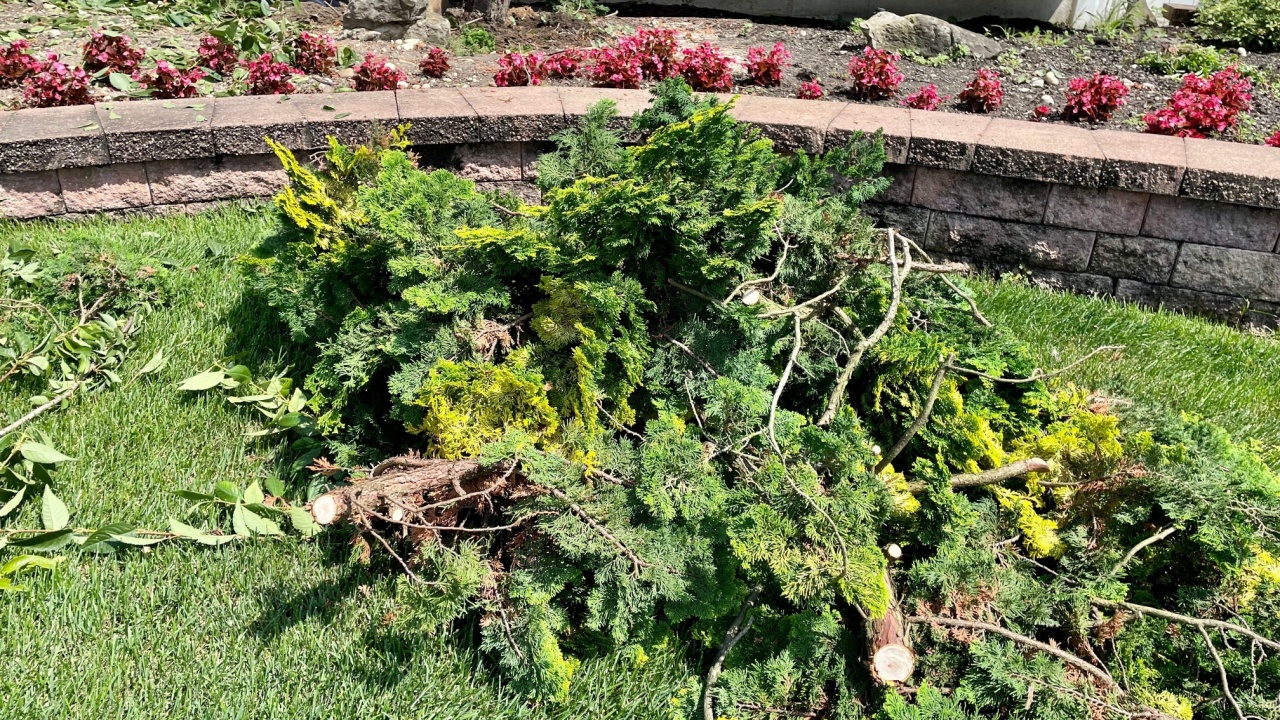
While it may seem kind to create hiding places for bunnies or hedgehogs, brush piles can quickly become breeding grounds for rodents, snakes, and destructive insects like termites and ticks.
Instead: Keep brush piles 30+ feet from your home or main garden, or build a structured wildlife habitat using guidance from local conservation agencies.
3. Leaving Water Out for Animals
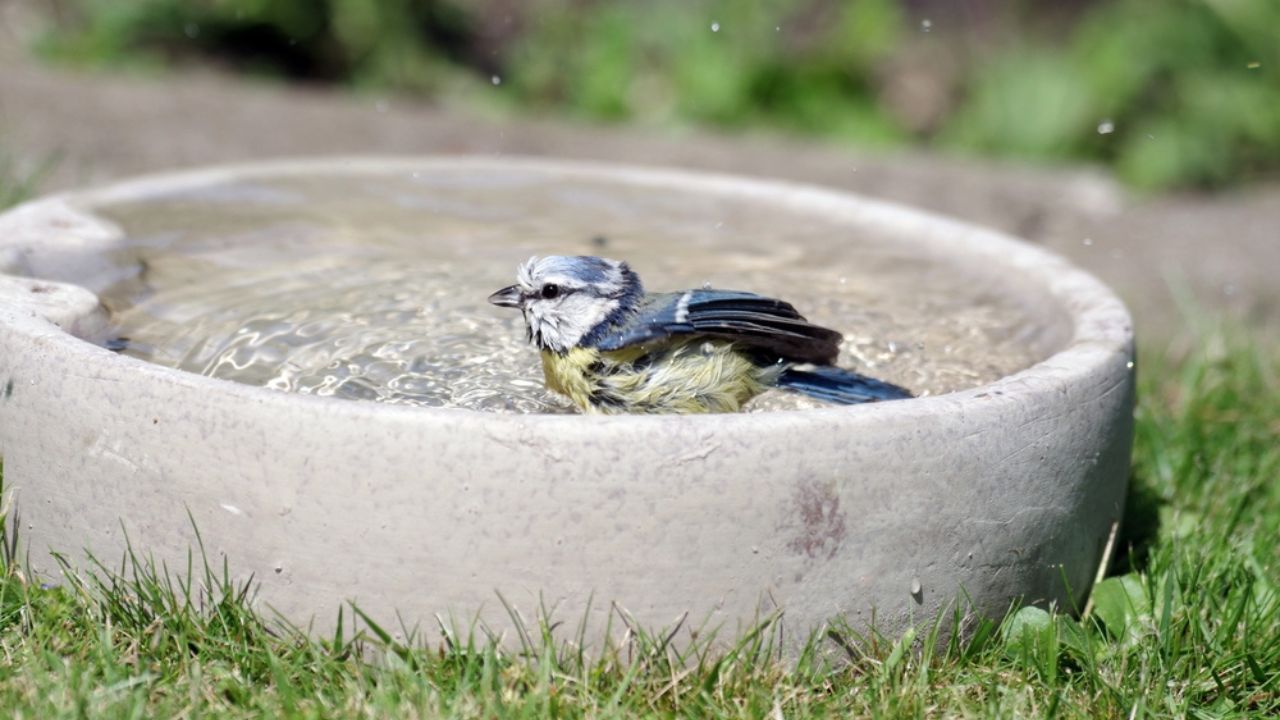
Especially in hot weather, it’s tempting to put out bowls of water for wildlife—but stagnant water becomes a mosquito breeding haven fast. Plus, animals may begin using your garden as a regular watering hole, trampling plants in the process.
Instead: Add a birdbath with circulating water, and clean it every 2–3 days.
4. Tossing Scraps into the Compost Without Burying Them
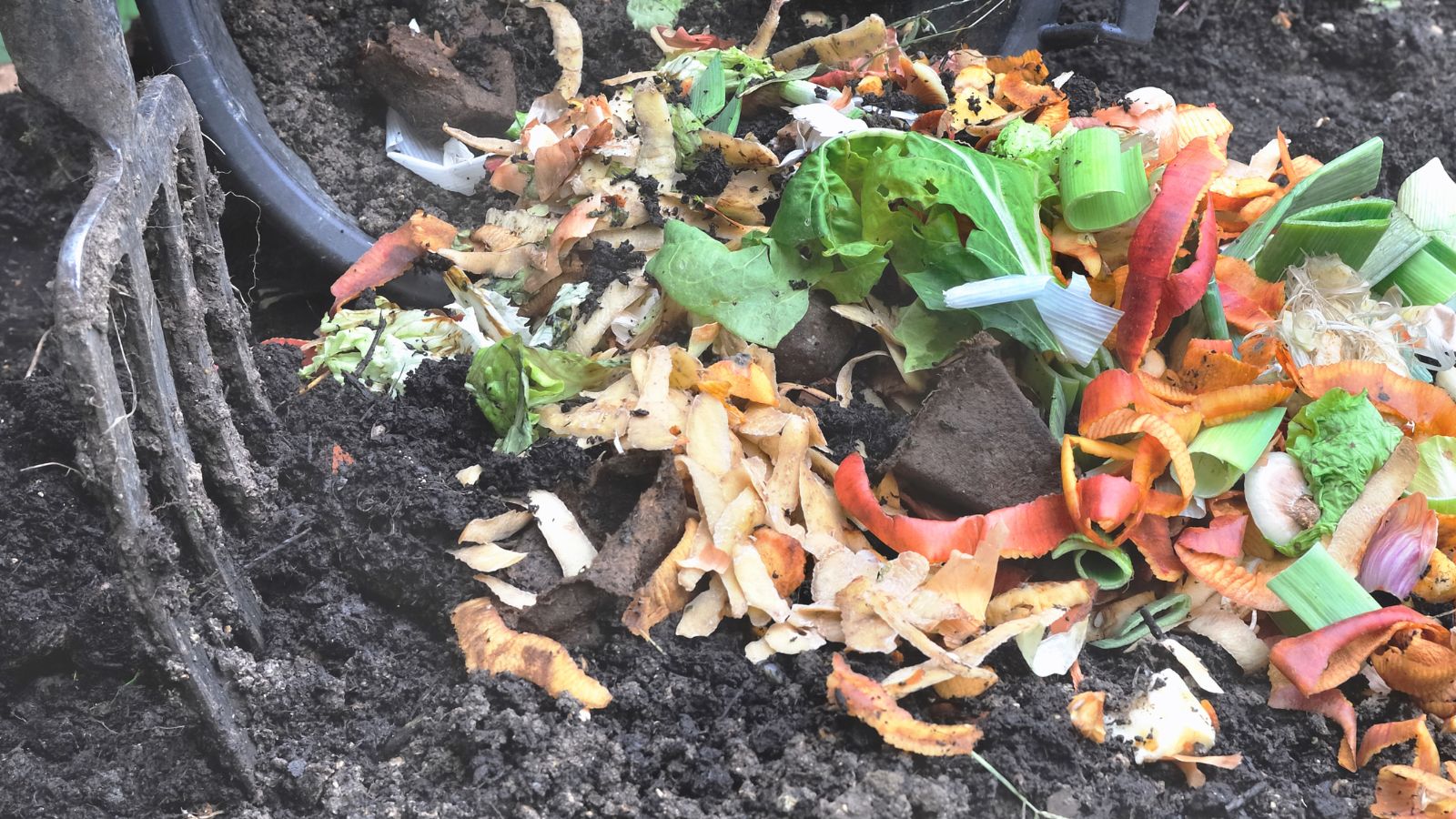
A half-rotten apple or leftover salad tossed on top of the compost pile may seem harmless, but it can draw raccoons, rodents, and insects overnight.
Instead: Always bury food scraps deep within the pile and never compost meat, dairy, or oils unless using an enclosed system.
5. Letting “Helpful” Animals Run Wild
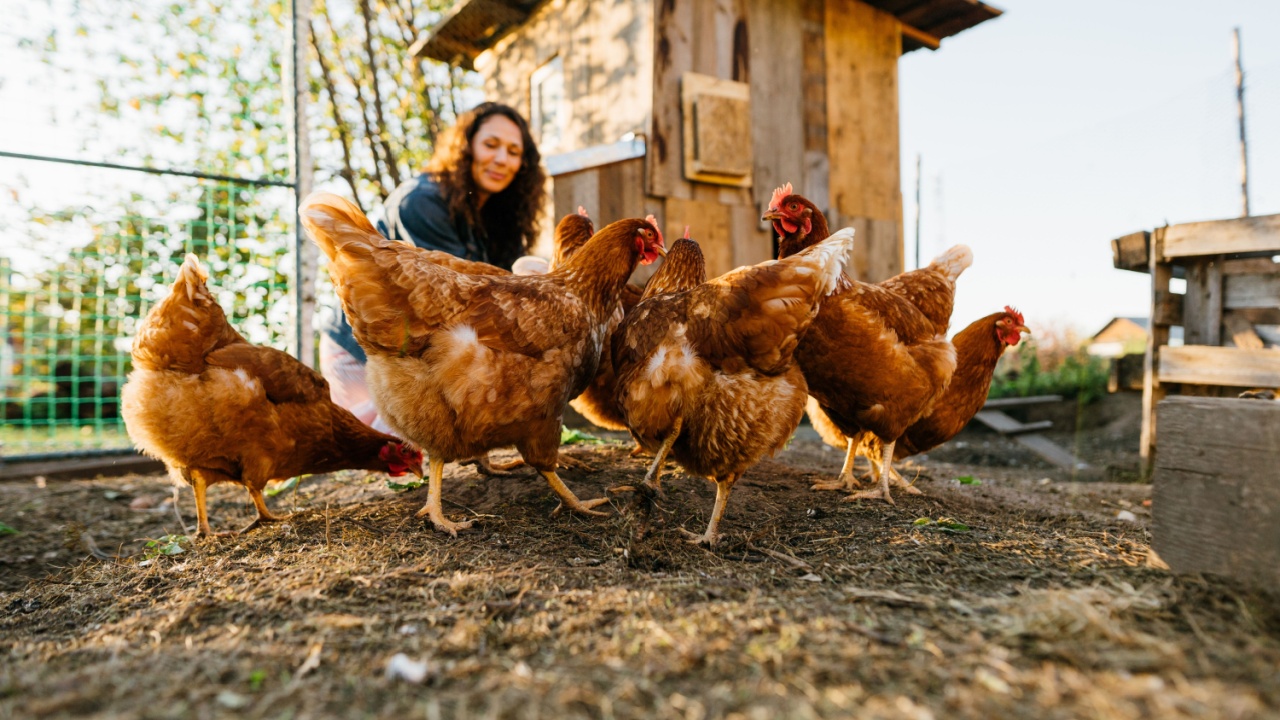
Animals like ducks, chickens, or even outdoor cats are often welcomed into gardens as pest control. But ducks trample seedlings, chickens scratch up mulch, and cats decimate native bird populations.
Instead: Use controlled, rotational access for poultry, and consider non-lethal pest management before introducing animals.
6. Building a Garden Pond Without Planning for Predators
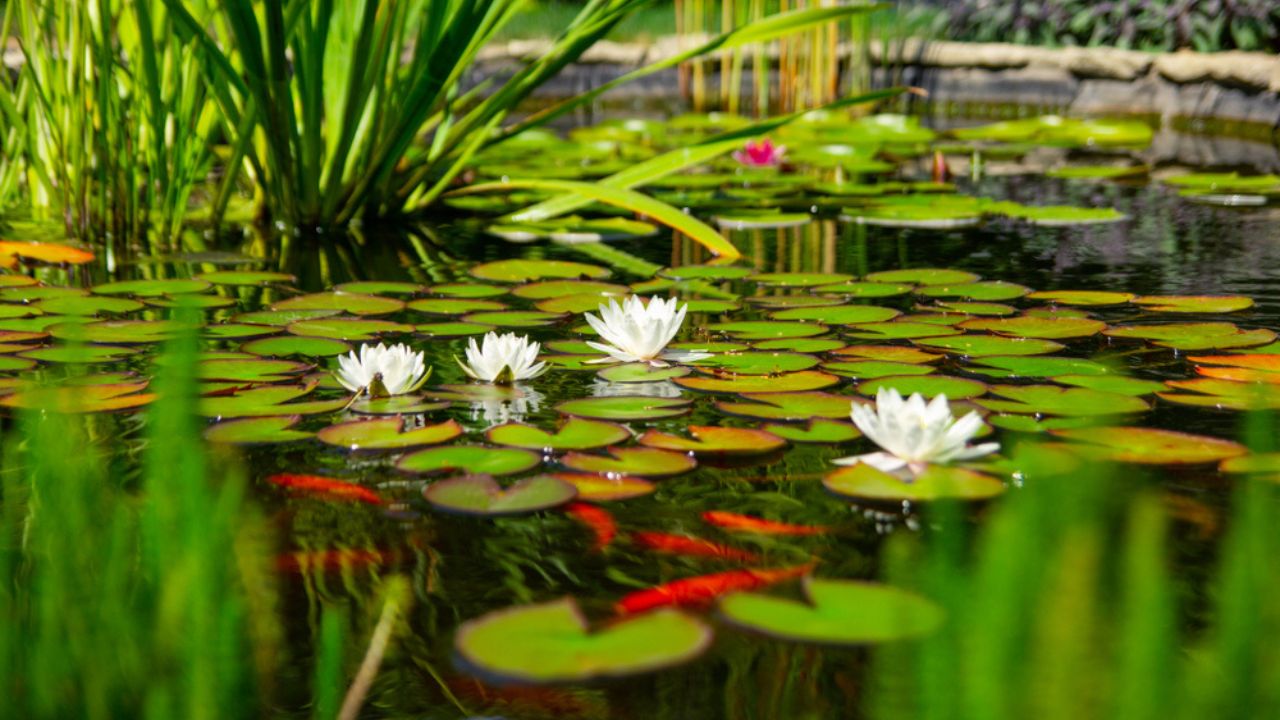
Adding a peaceful backyard pond may seem like a gift to frogs, birds, and butterflies. But without proper design, it can also draw raccoons, snakes, or neighborhood pets that disturb plants and harm wildlife.
Instead: Use natural barriers, rocks, or netting to protect pond edges, and avoid placing it too close to edible beds.
7. Leaving Fallen Fruit or Veggies in the Garden
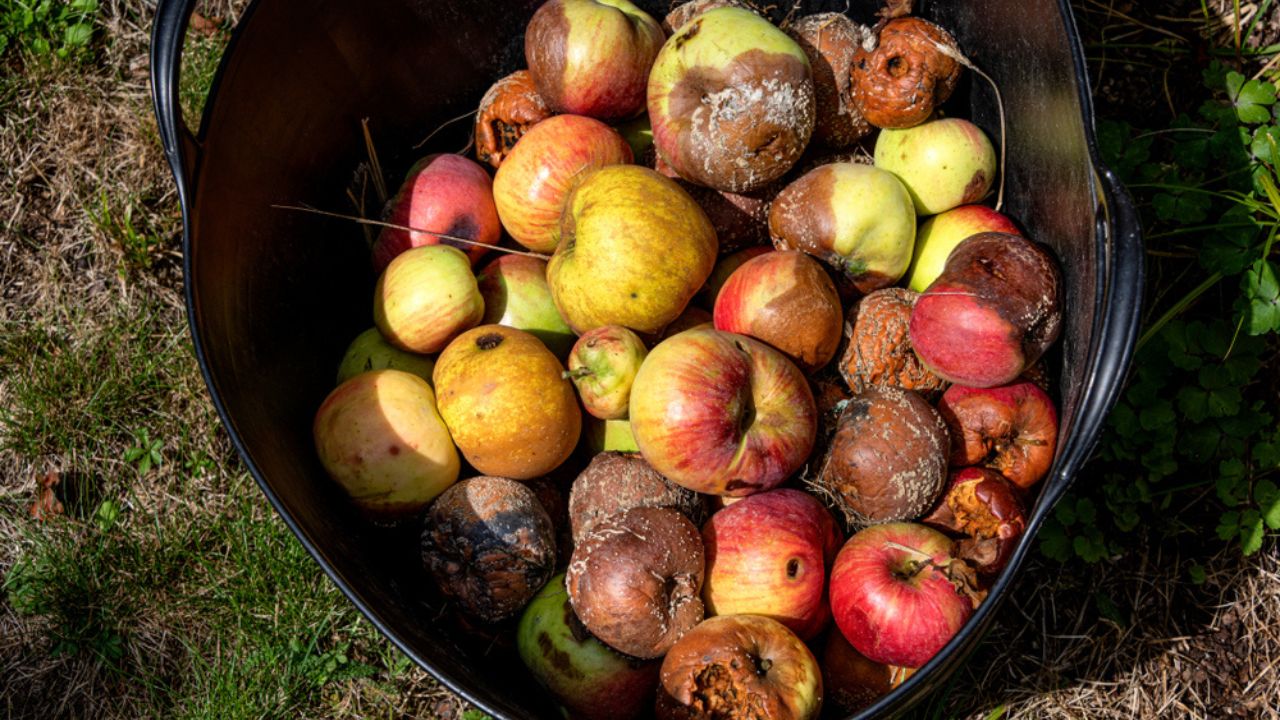
It’s tempting to leave windfall fruits as food for critters, but this invites ants, wasps, rats, and rot, which may spread to healthy crops or draw in unwanted scavengers.
Instead: Pick up fallen produce daily and compost or discard securely.
8. Using Untreated Wood or Old Mattresses as “Shelter” Structures
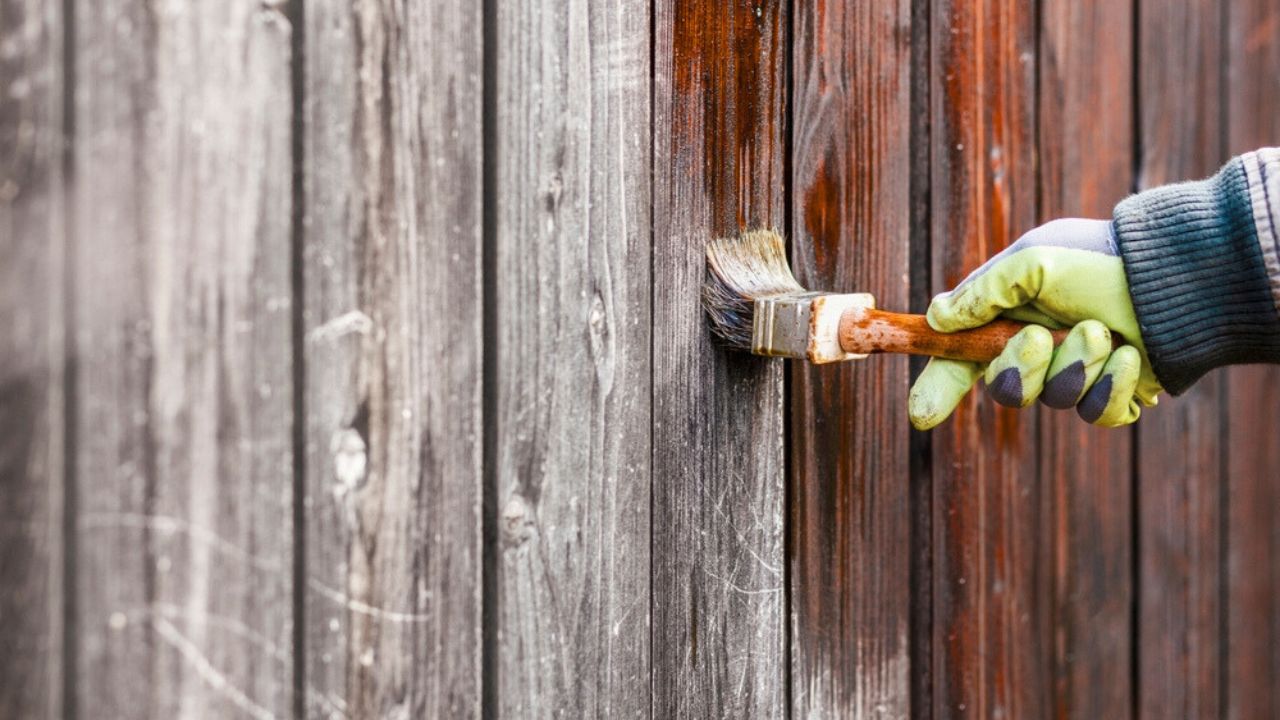
Repurposing materials is eco-friendly—but using untreated pallets, rotting wood, or even old cushions and mattresses to “make a shelter” can create nesting zones for termites, fire ants, and mold.
Instead: Build wildlife structures using untreated cedar, pine, or official plans from wildlife organizations.
9. Choosing Ornamental Plants Instead of Native Species
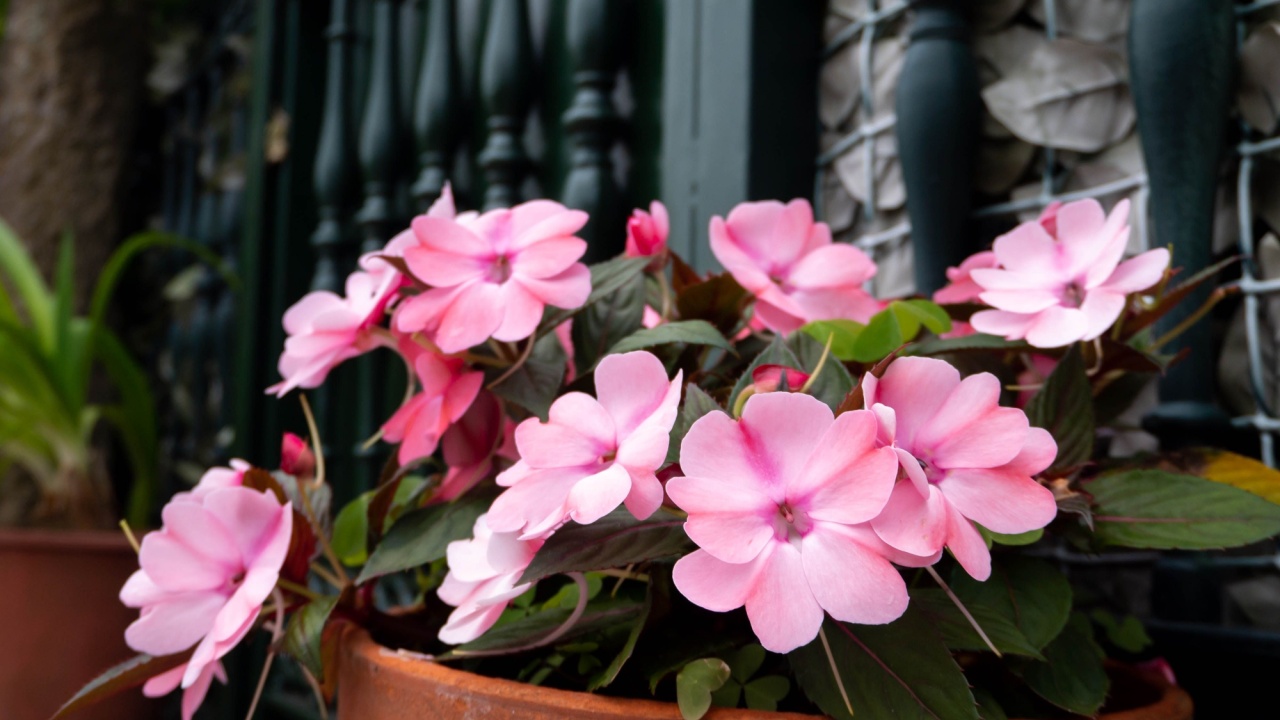
It’s tempting to fill your yard with exotic blooms or fancy cultivars—but many ornamental plants offer little to no value to local wildlife. Some even become invasive, choking out native plants that birds, butterflies, and bees actually depend on.
Instead: Prioritize native plants in your landscape. They’re adapted to your soil and climate, support pollinators, and require less maintenance.
10. Keeping a Lawn That’s Too Tidy

A perfectly manicured lawn may impress the neighbors, but for wildlife, it’s a barren wasteland. Over-mowing and removing all leaf litter, twigs, or “wild” patches can eliminate habitat for beneficial insects, birds, and pollinators.
Instead: Try “lazy lawn” practices—leave some areas unmowed, allow clover and violets to grow, or create a mini wildflower patch.
Rethinking “Helpful” Choices in the Garden
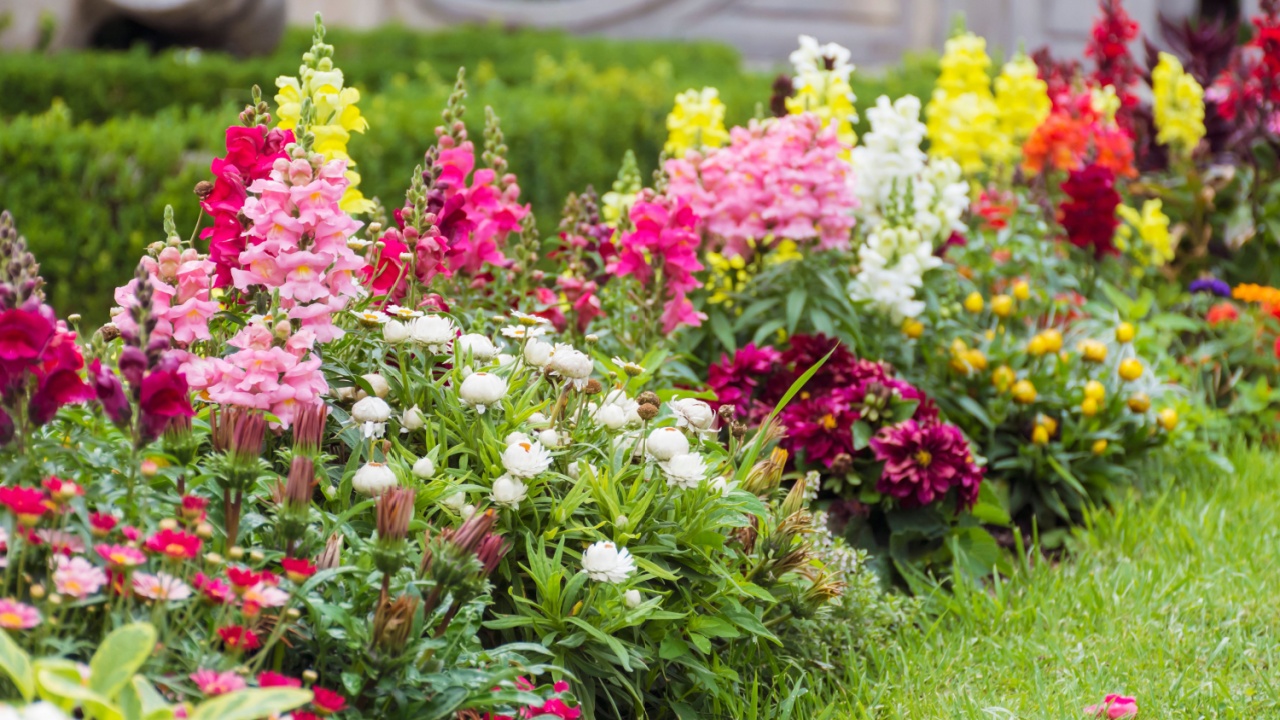
Many of us make landscaping or wildlife decisions with good intentions—planting pretty flowers, releasing animals into the wild, or striving for the “perfect” lawn. But as we’ve seen, some of these habits can unintentionally harm the very ecosystems we’re trying to enjoy or protect.
The good news? A few mindful swaps—choosing native plants, leaving the leaves, or skipping the pet release—can make a huge difference for local wildlife and long-term sustainability.
By embracing a more informed, nature-friendly approach, we can turn our backyards into true havens, not just for us, but for all the creatures that share our space.
Read more
19 Perennials That’ll Provide a Haven for Local Wildlife
7 Easy Tips For Creating a Garden For Wildlife