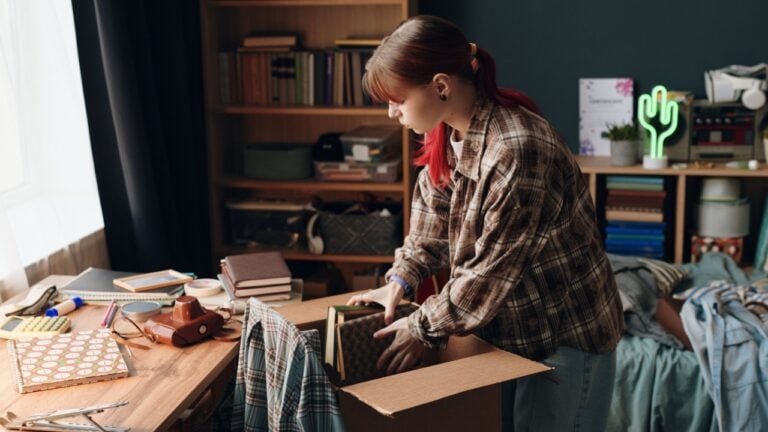
18 Everyday Habits That Are Filling a Home with Clutter
Clutter can sneak up on you and make your home feel chaotic, stressful, and less functional. The surprising culprit? Many of the everyday habits we don’t think twice about could be filling your space with unnecessary clutter. If you’re ready to reclaim your home and enjoy a more peaceful, organized environment, it’s time to identify those habits and tackle them head-on.
Here are 18 everyday habits that contribute to clutter—and practical tips to break them for good.
How We Picked These Habits

We’ve all heard the saying “out of sight, out of mind,” and it’s especially true when it comes to clutter. Many of these habits may seem harmless because we don’t see the mess they create, but over time, they can add up and make our homes feel cluttered and disorganized.
We chose these 18 habits based on their potential to contribute to clutter in different areas of your home, as well as their impact on day-to-day living. They are also grounded in evidence from environmental psychology, behavioral research, and expert organizing guidance. By addressing them one by one, you can eliminate unnecessary clutter and create a more functional space.
1. Letting Mail and Paperwork Pile Up
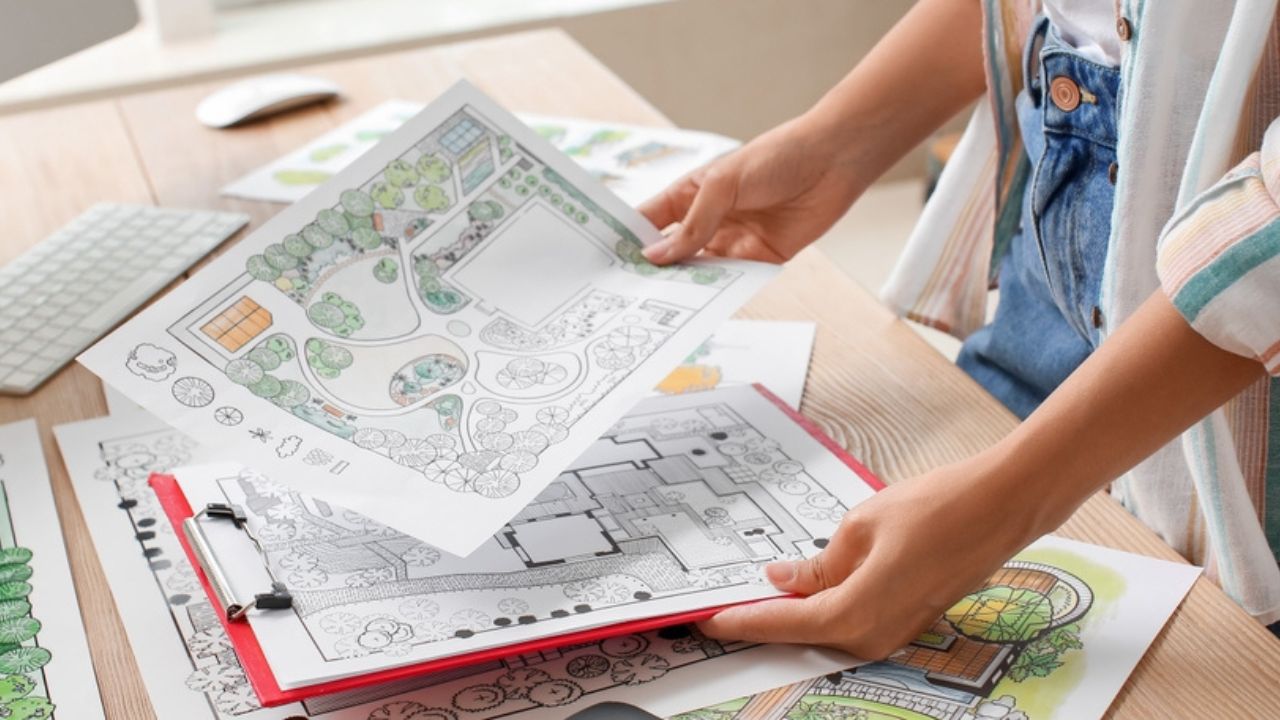
Stacks of unopened mail, unpaid bills, and unsorted paperwork can quickly take over surfaces like kitchen counters or desks. This habit not only crowds your space but also creates stress when you can’t find important documents.
How to Stop It: Dedicate 5–10 minutes daily to sorting mail. Recycle junk mail immediately, file bills promptly, and invest in a small filing system or labeled folder for essential paperwork to keep everything in its place.
2. Keeping Clothes You Don’t Wear

If your closet is bursting with clothes you haven’t worn in years, you’re not alone. Hanging onto “just in case” items or pieces that no longer fit can result in overwhelming closets and drawers.
How to Stop It: Implement the one-year rule—if you haven’t worn it in a year, donate or sell it. Regularly review your wardrobe and make conscious decisions to keep only what you love and use.
3. Storing Expired or Unused Food
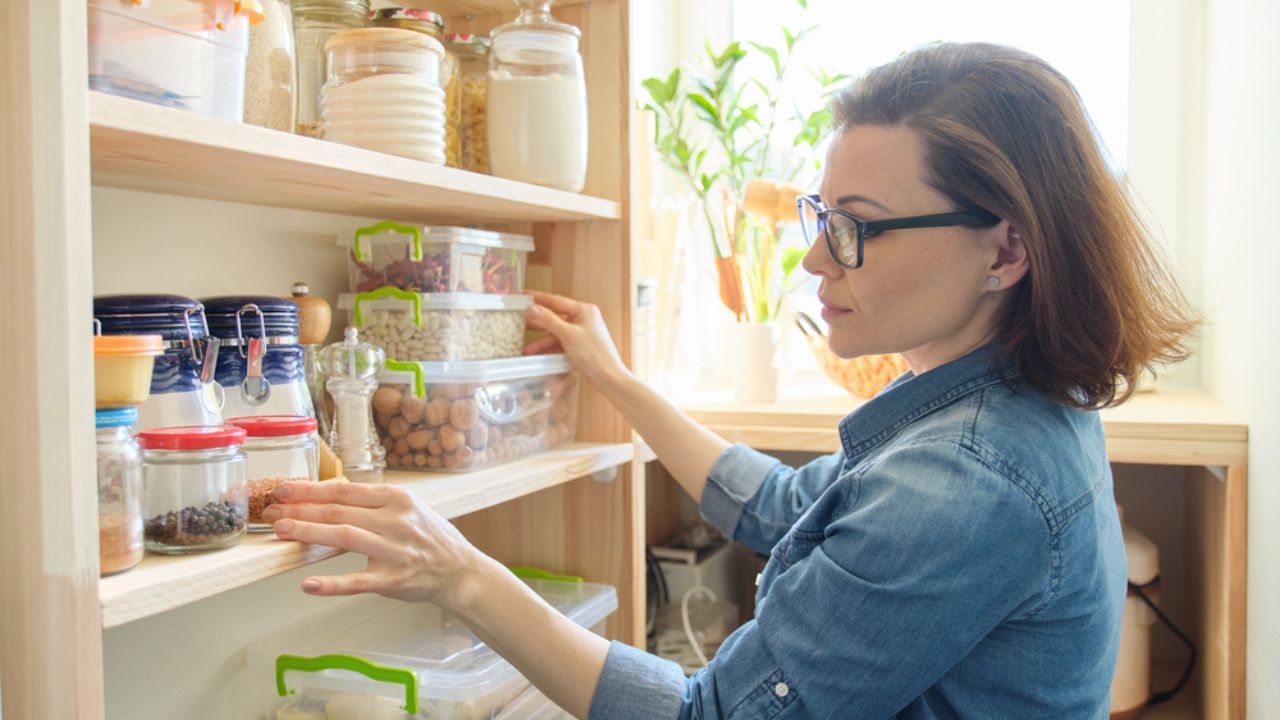
Pantry shelves and refrigerators often end up filled with expired canned goods, unused condiments, and forgotten leftovers. This not only wastes space but also makes meal planning harder.
How to Stop It: Conduct a monthly pantry and fridge audit. Discard expired items, organize shelves so you can easily see what you have, and plan meals around pantry staples to use items before they expire.
4. Saving Broken Items with Intentions to Fix Them
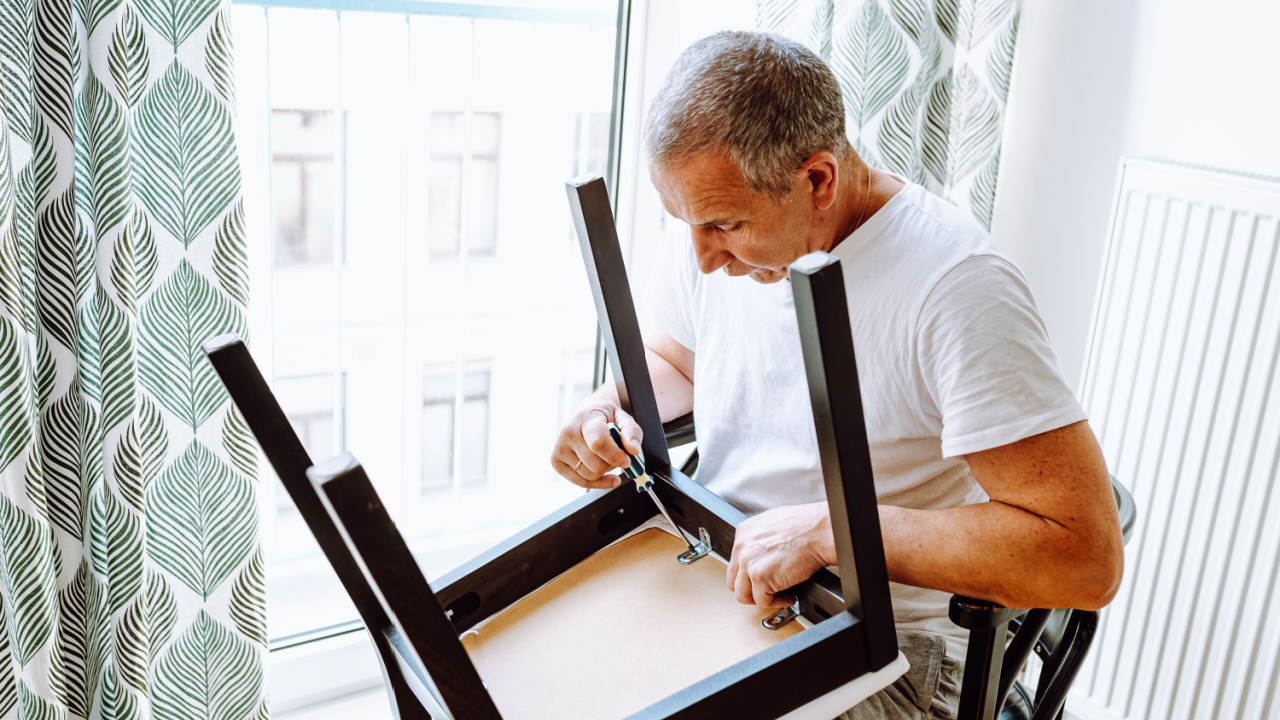
From old electronics to wobbly chairs, holding onto broken items with the vague plan to someday repair them contributes to clutter. More often than not, these items remain untouched.
How to Stop It: Give yourself a 30-day deadline to fix broken items. If you don’t get to it, recycle it or dispose of it responsibly to free up space for functional belongings.
5. Never Returning Borrowed Items

Borrowed books, tools, kitchenware, or clothing can linger in your home long after they should be returned—and they take up valuable space.
How to Stop It: Create a “borrowed items” area in your home. Set reminders on your phone or calendar to return items promptly and thank the lender for their generosity.
6. Procrastinating on Decluttering

Putting off organizing or tidying up messy spaces allows clutter to build and become unmanageable. The longer you delay, the more daunting the task becomes.
How to Stop It: Schedule short decluttering sessions into your week. Spend just 10–15 minutes each day tackling one small area like a drawer or countertop. Breaking it into small tasks feels less overwhelming.
7. Not Assigning a Home to Everything
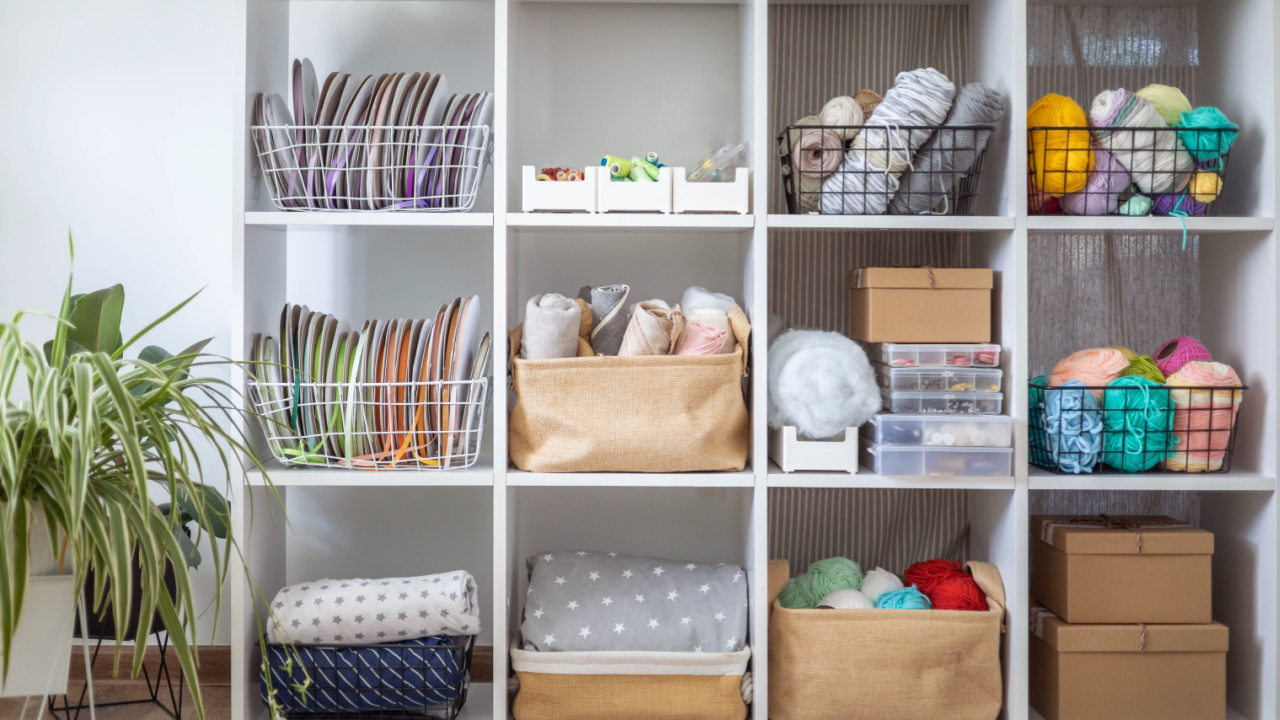
When items don’t have designated storage places, they often end up scattered across surfaces or floors, creating visual and physical clutter.
How to Stop It: Use labeled bins, baskets, and hooks to assign a “home” to every item in your house. Organize similar items together and get the whole family on board to return things to their designated spots.
8. Impulse Buying Without a Plan

Shopping without considering your actual needs often leads to duplicate or unnecessary items cluttering your space. The allure of sales or trends can make it easy to accumulate things you won’t use.
How to Stop It: Practice mindful shopping by creating a wish list and waiting 48 hours before purchasing. Ask yourself if the item serves a purpose or solves a problem before bringing it home.
9. Allowing Toys to Take Over

Kids’ toys, games, and art supplies can spread throughout the house, making it hard to maintain an organized home. Without regular decluttering, things can quickly spiral out of control.
How to Stop It: Rotate toys to keep the collection manageable and engaging for your child. Store out-of-use items in bins and consider donating toys that your kids have outgrown to reduce clutter.
10. Saving Every Sentimental Item
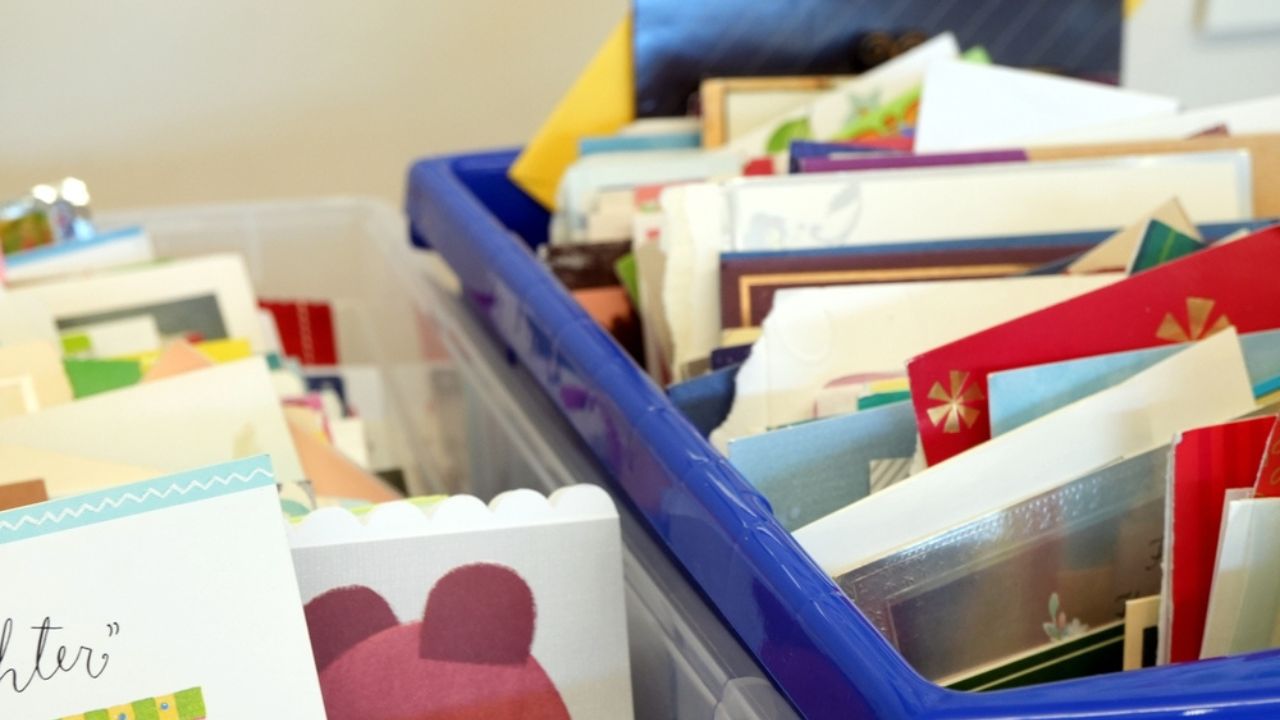
It can be hard to part with keepsakes like cards, souvenirs, and childhood projects, but holding onto every memento will overflow drawers, closets, and shelves.
How to Stop It: Limit sentimental items to one dedicated memory box or a digital format. Scan old photos and save digital copies of memorable cards or notes to preserve the memory without taking up physical space.
11. Accumulating Free Samples and Giveaways

Grabbing free tote bags, beauty samples, or notebooks seems harmless until drawers and cabinets are filled with forgotten items that never get used.
How to Stop It: Only accept freebies you’ll truly use. Periodically, clear out these items by donating or recycling them to avoid excess clutter in your home.
12. Not Disposing of Packaging

Empty boxes, shipping materials, and store bags often end up tucked away “just in case,” but can consume valuable storage space.
How to Stop It: Recycle packaging immediately after you’ve unpacked an item. Keep only a small supply of reusable bags or boxes for necessary use.
13. Overloading Storage Spaces
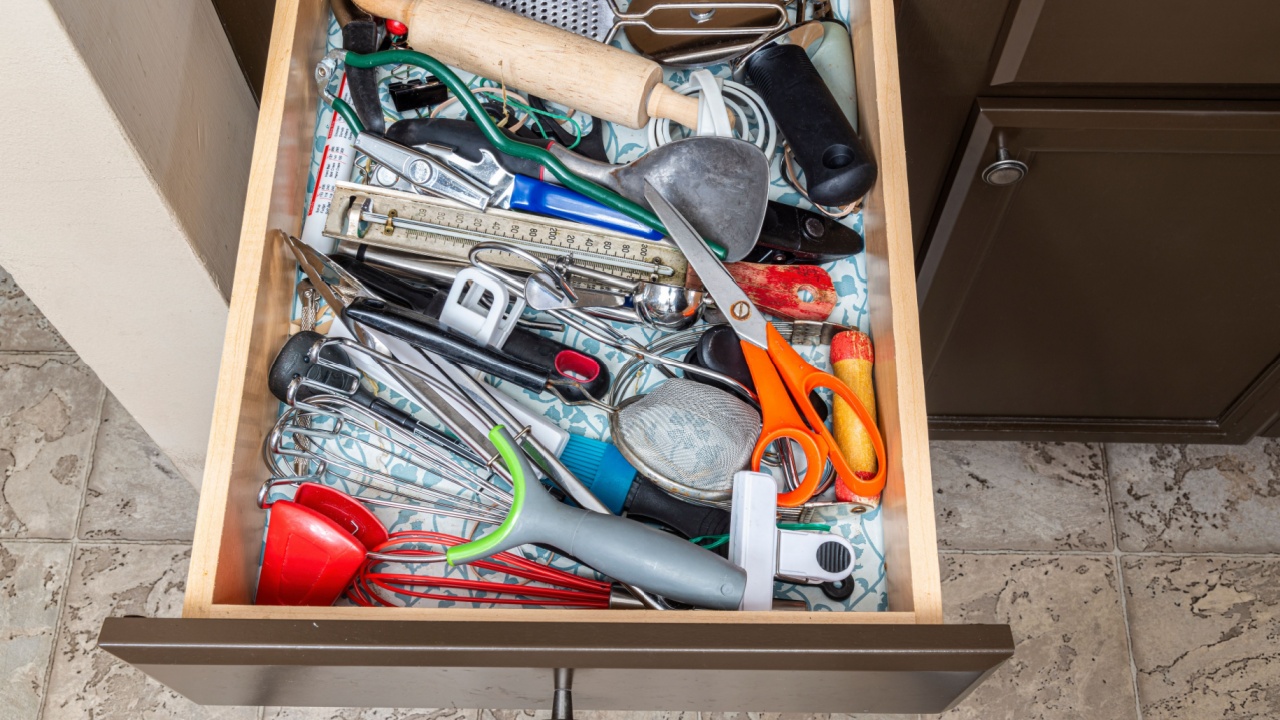
Stuffing closets and drawers to the brim may seem like an efficient solution, but overloading makes it hard to find what you need and encourages disorganization.
How to Stop It: Adopt the “one-in, one-out” rule—when you buy something new, remove an old item. Use drawer dividers or shelf organizers to make storage spaces more functional and accessible.
14. Keeping Old Electronics and Cords

A tangled drawer full of outdated devices and chargers can quickly become chaotic. Holding onto these items “just in case” only creates clutter.
How to Stop It: Recycle old electronics through e-waste programs and donate items that still work. Label and neatly store essential cords to streamline your tech setup and avoid unnecessary duplicates.
15. Neglecting to Manage Magazines and Books
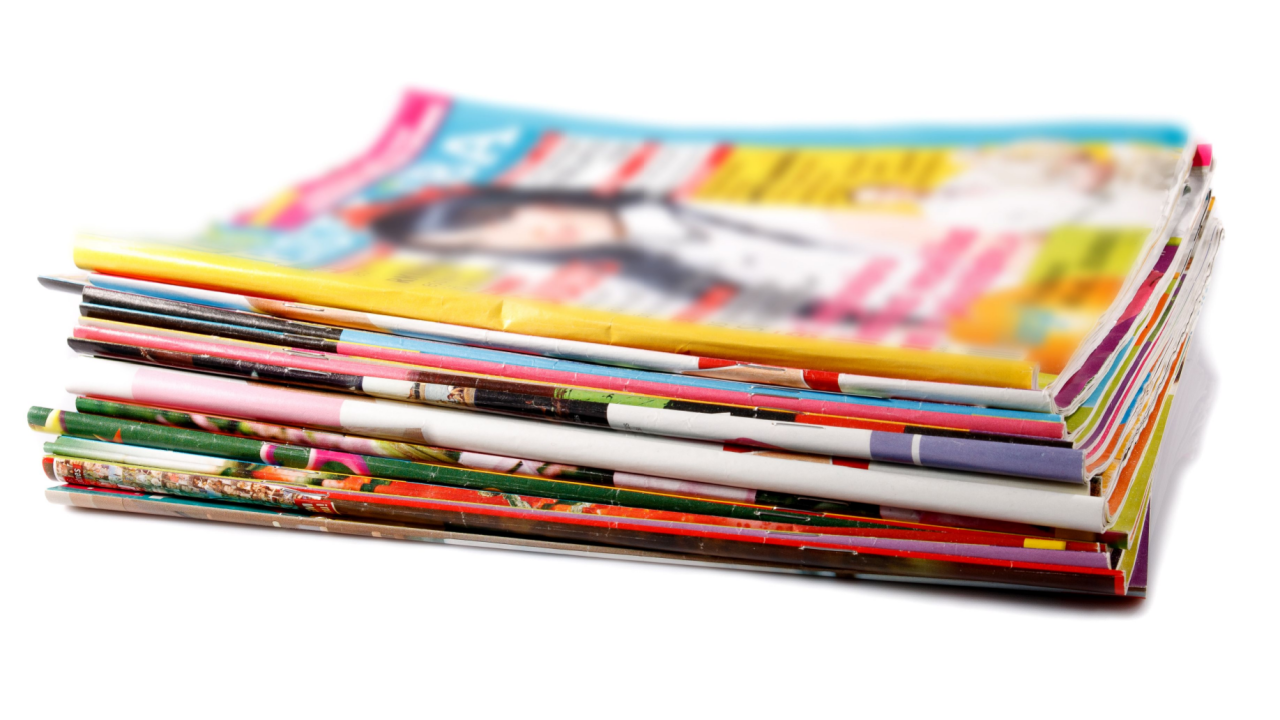
Stacks of unread magazines, newspapers, and books quickly pile up, creating both physical and mental clutter.
How to Stop It: Establish a policy for cycling out old reading material. Donate books you won’t reread, and cancel unnecessary subscriptions to prevent paper buildup over time.
16. Ignoring the Entryway
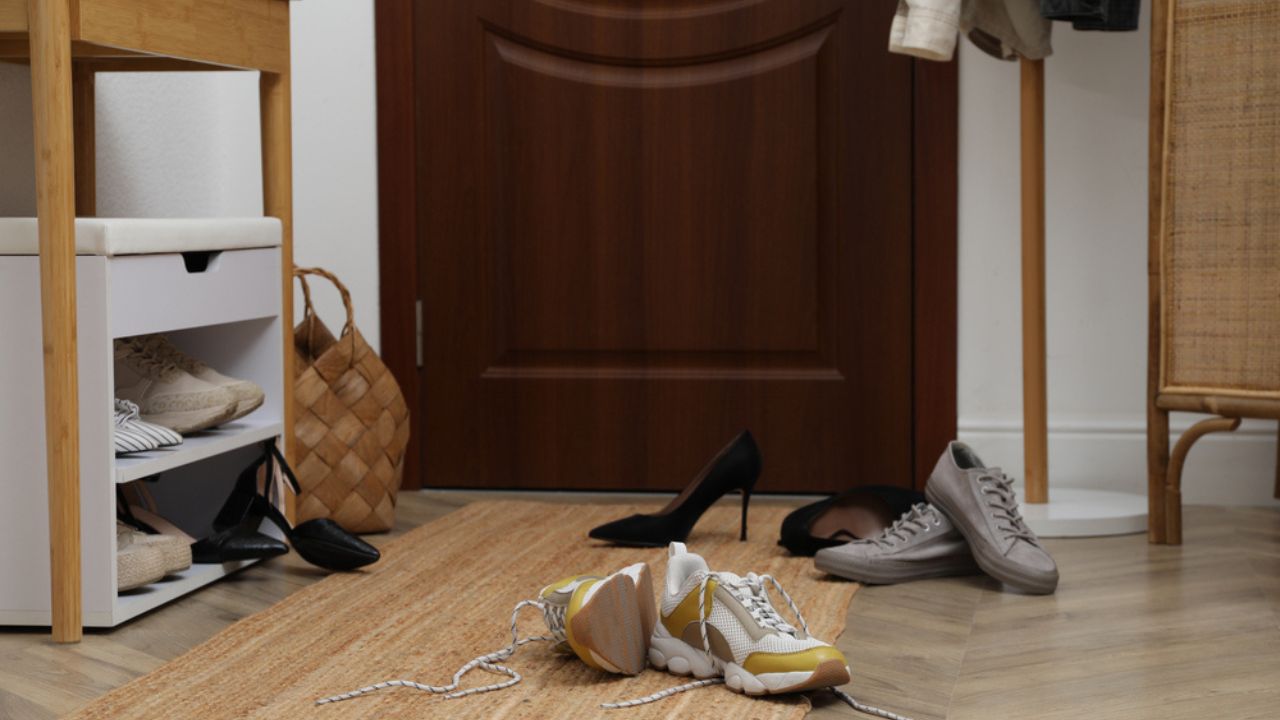
Shoes, bags, coats, and miscellaneous items dropped at the door often give entryways a cluttered, chaotic appearance.
How to Stop It: Set up a functional drop zone with hooks, baskets, or shoe racks. Create a habit of clearing this space daily to keep it neat and welcoming.
17. Putting Off Seasonal Decluttering

Failing to rotate seasonal items like clothes, decorations, or gear easily leads to stuffed closets and forgotten storage areas.
How to Stop It: Declutter wardrobes, decorations, and sports gear at the start of each season. Store off-season items in labeled bins and donate anything you no longer use.
18. Hoarding Unused Hobby Supplies

Craft supplies, sports equipment, and materials for abandoned projects can monopolize valuable space if left unchecked.
How to Stop It: Assess your hobbies and remove items you no longer use. Donate or sell supplies to other enthusiasts and organize active materials in clear bins for easy access.
The First Step is Noticing

Clutter-free living starts with recognizing the habits that contribute to clutter in the first place. By addressing these 18 common tendencies with practical solutions, you’ll create a home that feels more spacious, organized, and stress-free. Start small and chip away at one habit at a time—you’ll be amazed at how even small changes can make a big difference in your living space.