31 Full Sun Perennials That Get Better Each Season
Planting perennials that thrive in full sun is one thing. Choosing ones that grow bigger and more vibrant with every passing year is another. These perennial powerhouses don’t just survive; they flourish, gifting you with increasingly abundant blooms and lush growth every season. Whether you’re a seasoned gardener or just getting started, these sun-loving plants are excellent for creating a dynamic, evolving garden that only gets better with time.
Here’s a curated list of 31 full-sun perennials that will transform your garden year after year.
Why Are There 31 Full-Sun Perennials on This List?
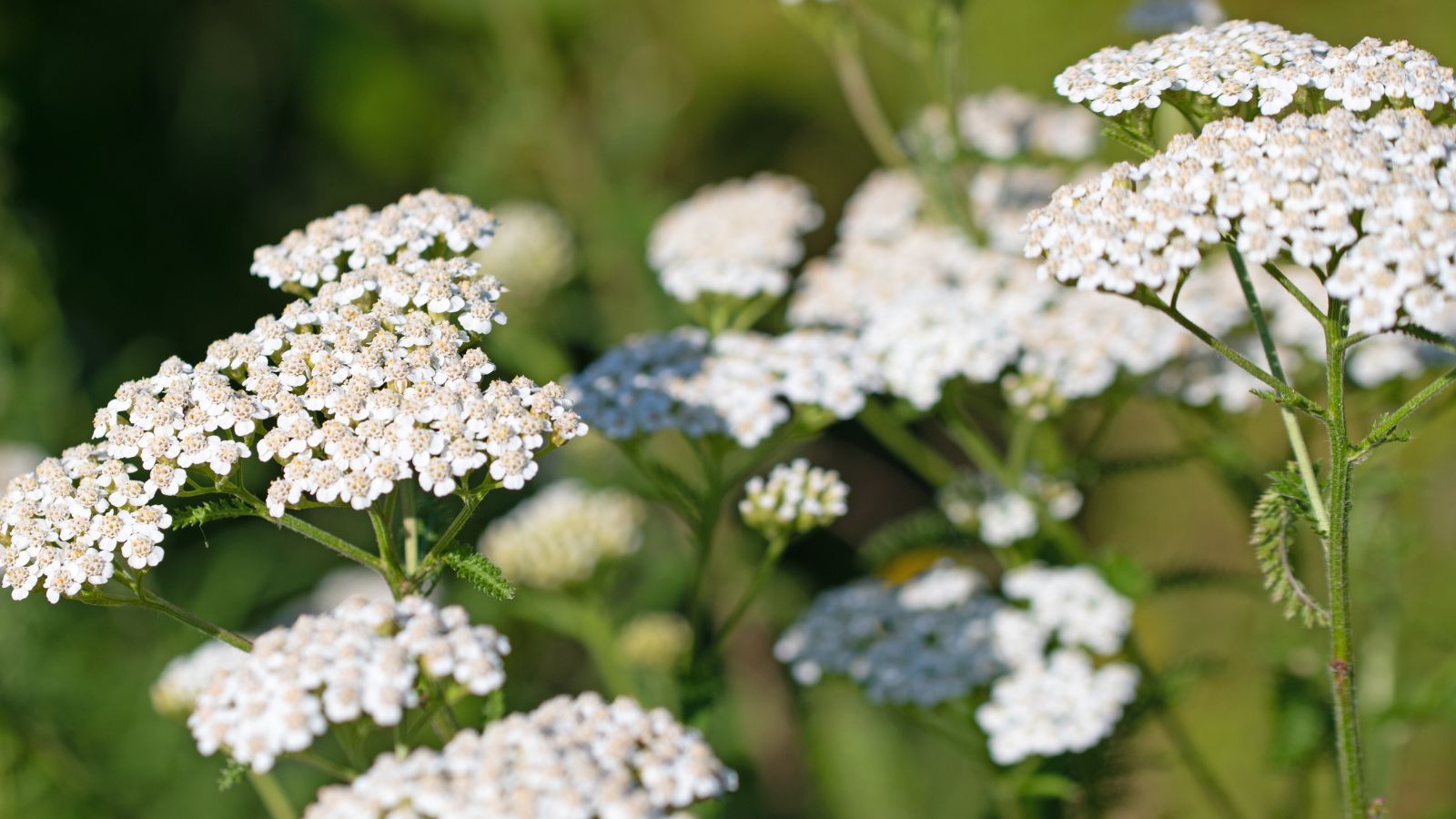
Research published in community ecology studies confirms that gardens with diverse perennial plantings attract more pollinator species and are more stable over time, compared to limited or monoculture plant selections.
What exactly does that mean? You need a variety and choices!
Too few options can leave gaps in bloom time, pollinator support, and seasonal interest; too many can overwhelm gardeners with choices. Combining a diverse mix of plant heights, bloom times, and growth habits helps create year-round color while supporting pollinators through multiple seasons
1. Aster (Aster spp.)
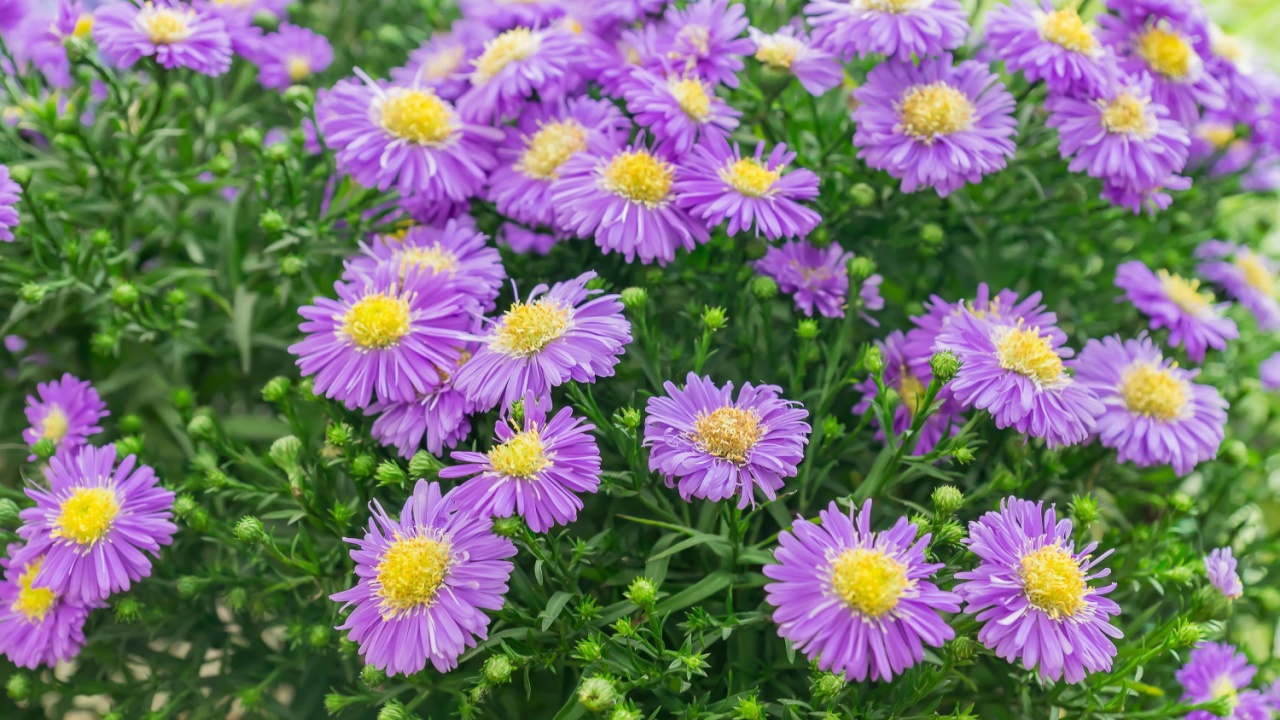
Asters are known for their radiant, star-shaped flowers that appear late in the season. These perennials spread via underground rhizomes, resulting in larger clumps every year. Their increased blooms attract butterflies and keep your garden colorful well into the fall.
Care Tips: Plant them in moist, well-drained soil and full sun. Divide the clumps every two to three years to ensure continued growth and prevent overcrowding. Deadheading spent blooms encourages a more extended flowering period.
2. Blanket Flower (Gaillardia spp.)
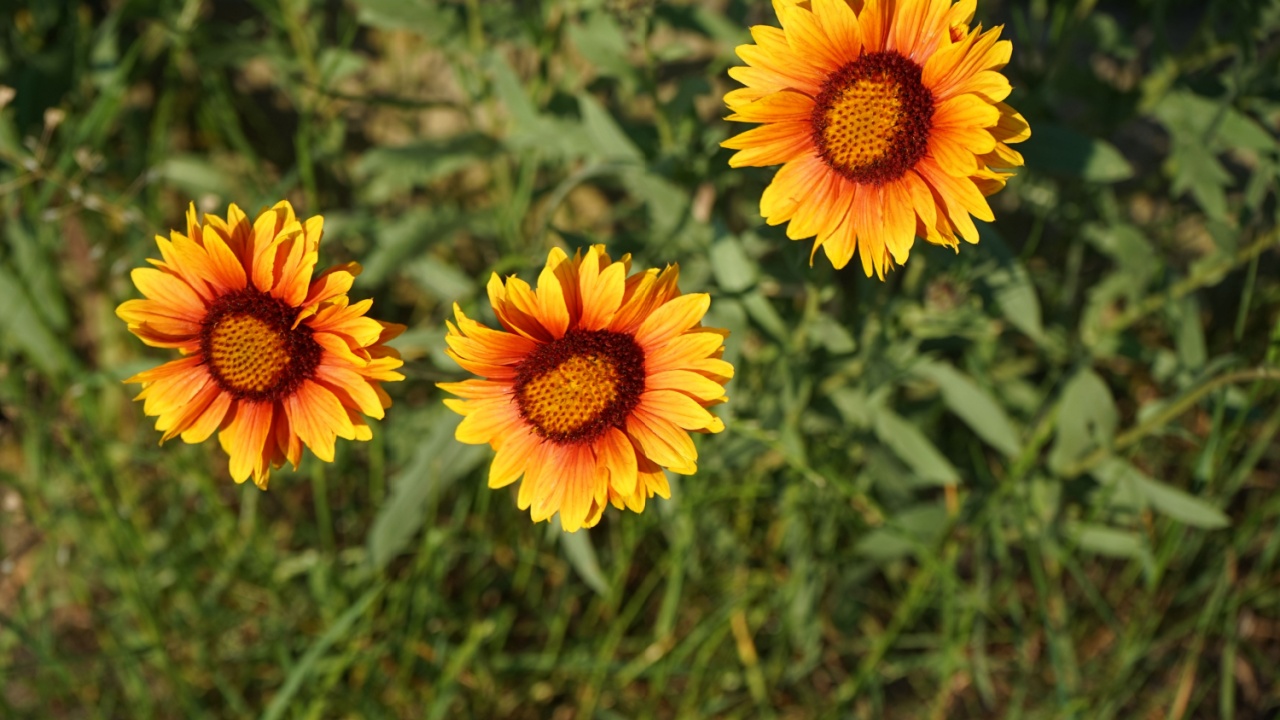
This eye-catching perennial thrives in hot, sun-drenched areas and produces fiery red, orange, and yellow blooms. Its self-seeding properties, combined with its hardy nature, mean you’ll see larger clusters of flowers with each passing year.
Care Tips: Use sandy, well-drained soil and cut back faded flowers to encourage continuous blooming. Avoid overwatering and allow these drought-tolerant plants to thrive naturally.
3. Blazing Star (Liatris spicata)
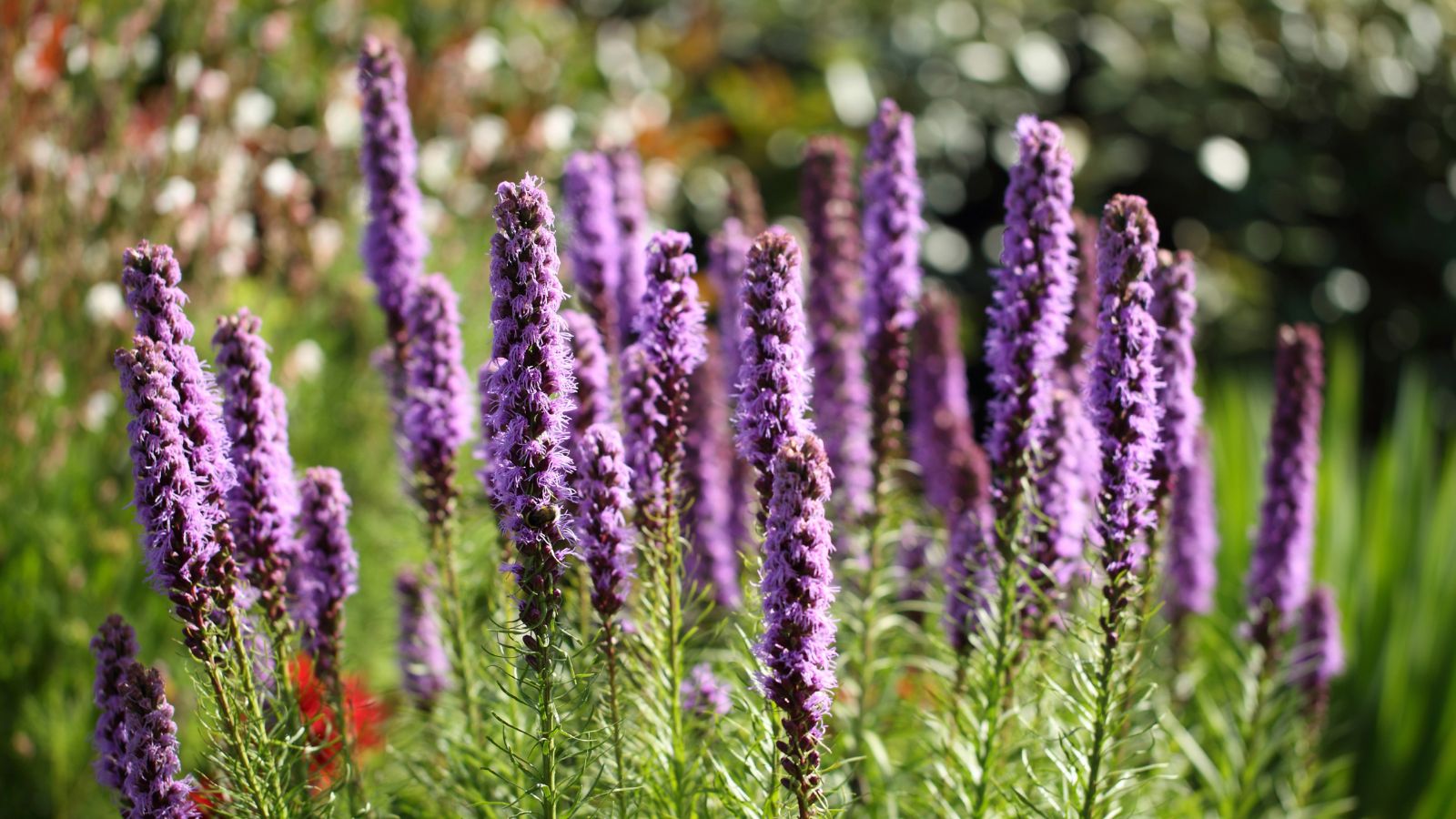
Blazing Star, with its tall, feathery purple flower spikes, offers both vertical interest and resilience. Its underground corms multiply each season, leading to fuller plants and more abundant blooms.
Care Tips: Plant in well-drained soil and provide adequate sunlight. Once established, these perennials require moderate watering. Cut back stalks post-bloom to direct energy into stronger growth.
4. Penstemon (Penstemon spp.)
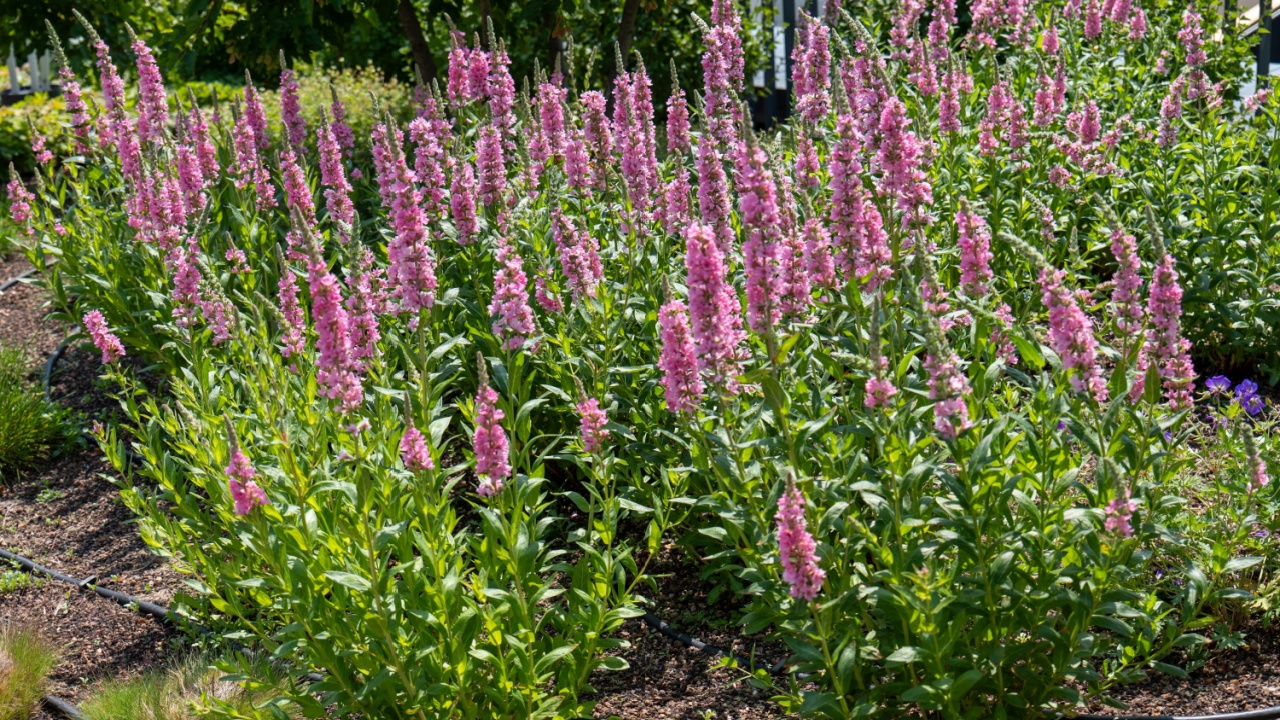
Penstemon features clusters of colorful, tubular flowers that blend beautifully into any sunny border. Over the years, these perennials develop more stems and larger flower spikes, making them a standout choice.
Care Tips: Give them a sunny spot with well-drained, sandy soil. Regular pruning and deadheading will prevent legginess and promote denser blooms.
5. Coneflower (Echinacea purpurea)
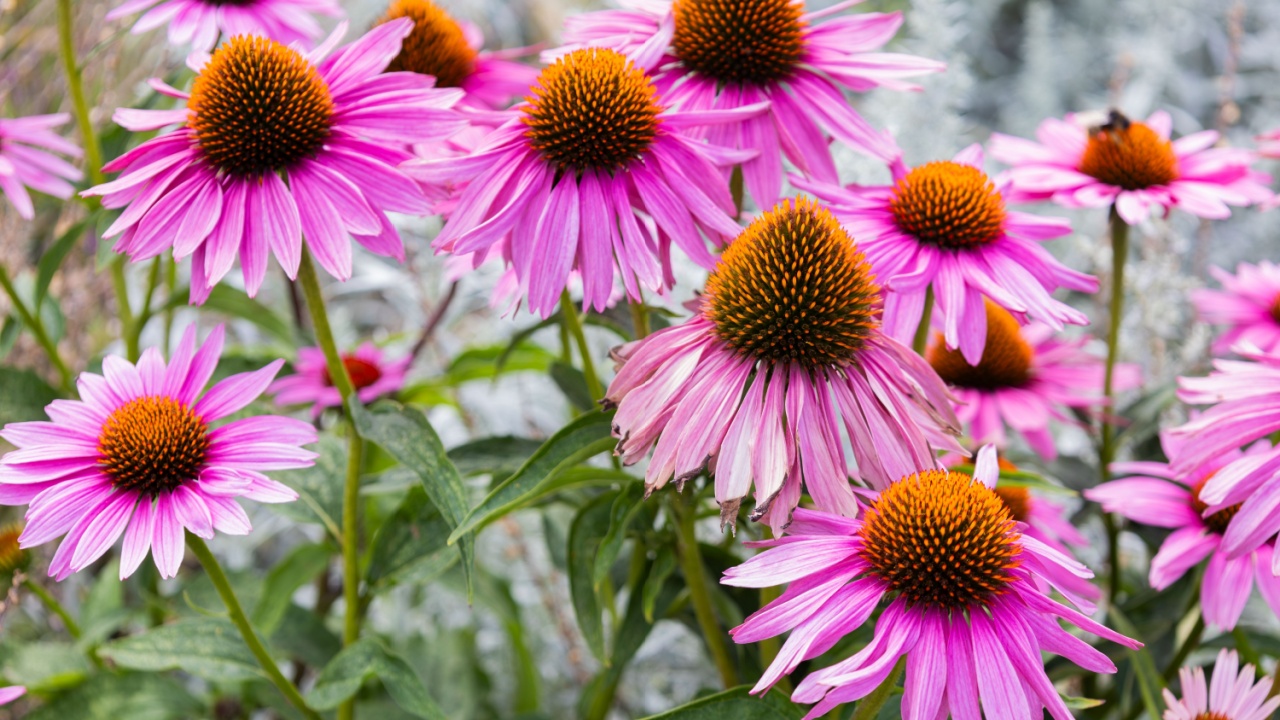
Beloved by pollinators, coneflowers return stronger each year through their central crown and self-seeding capabilities. Their vibrant petals in shades of pink, purple, and orange create a dazzling summer spectacle.
Care Tips: Plant them in well-draining soil under direct sunlight. Deadhead spent flowers, and leave some seed heads for winter food for birds. Divide overcrowded clumps every three to four years.
6. Bee Balm (Monarda spp.)
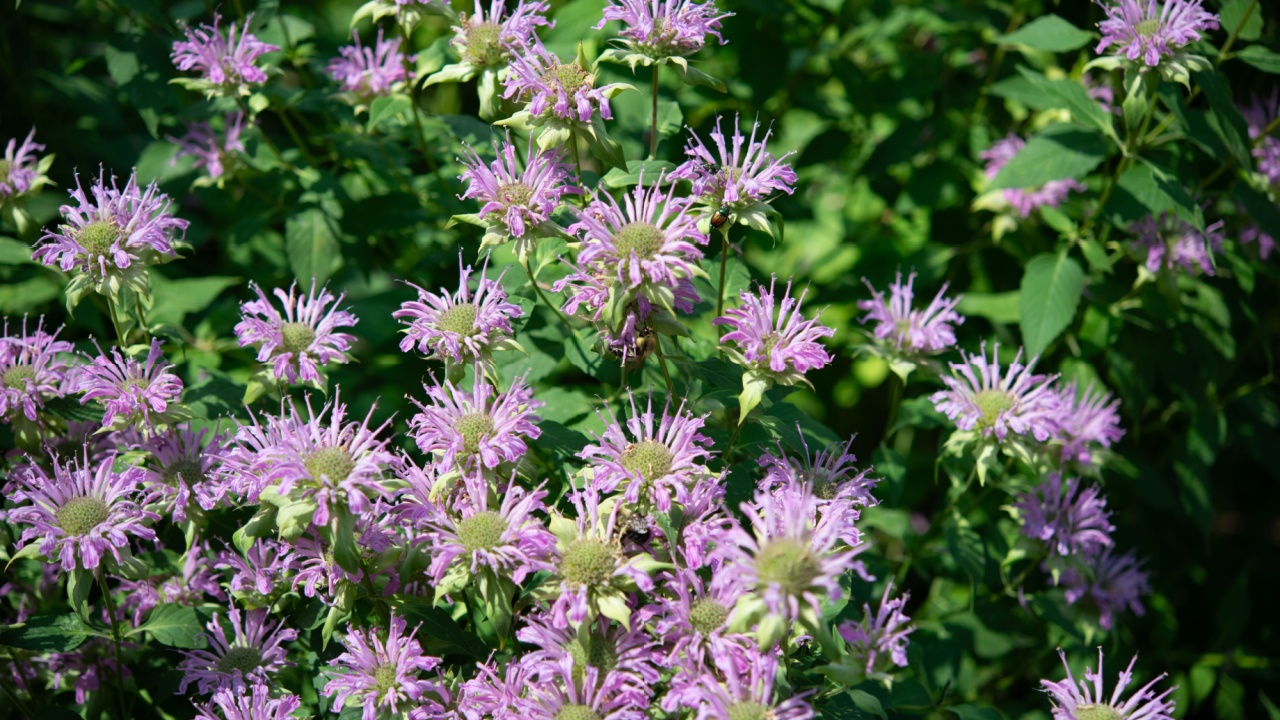
Spreading via underground rhizomes, Bee Balm creates a denser and larger patch of vivid red, purple, or pink blooms each year. The fragrant foliage is a natural mosquito repellent, while the flowers attract hummingbirds and bees.
Care Tips: Choose organically-rich, well-moisturized soil with ample sun exposure. Thin out or divide plants every few years to avoid excessive crowding or mildew buildup.
7. Tickseed (Coreopsis spp.)
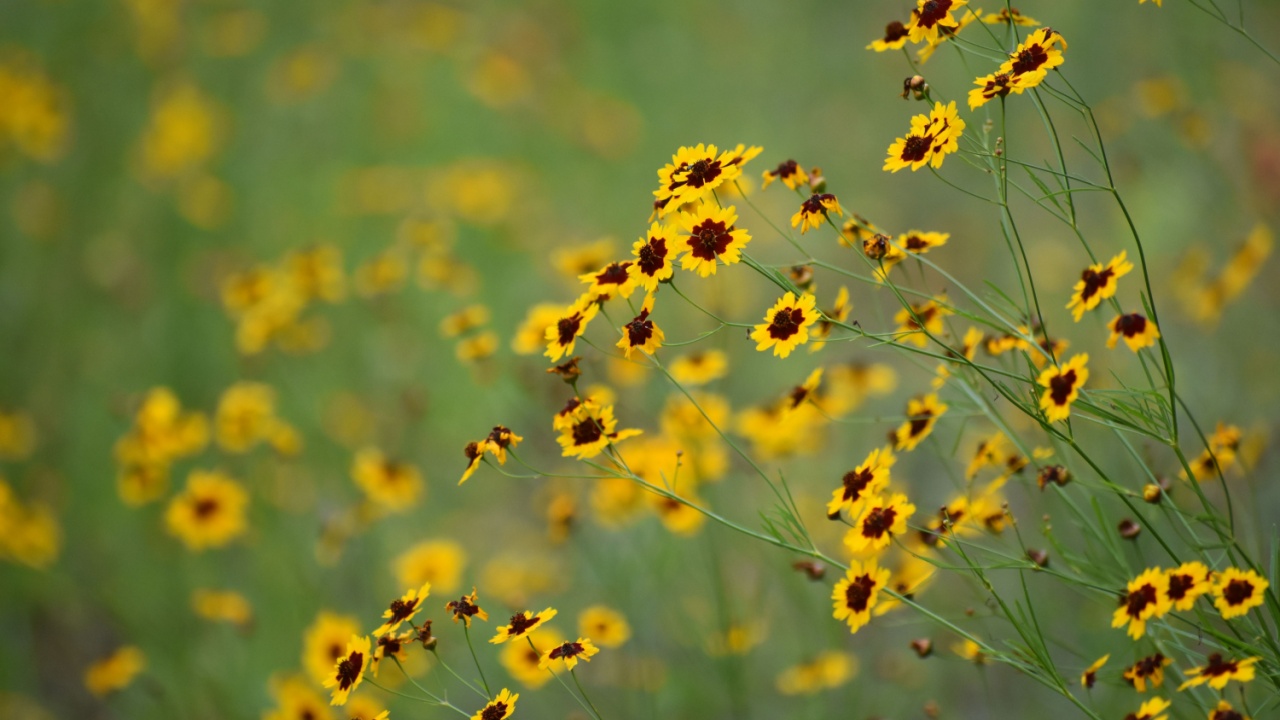
Tickseed offers cheerful yellow, orange, or red daisy-like flowers. Its self-seeding habit ensures that this low-maintenance plant grows denser and more vibrant with time.
Care Tips: Provide well-drained soil and a full-sun location. Deadhead spent flowers regularly to extend the bloom season and divide plants every three years.
8. Daylily (Hemerocallis spp.)
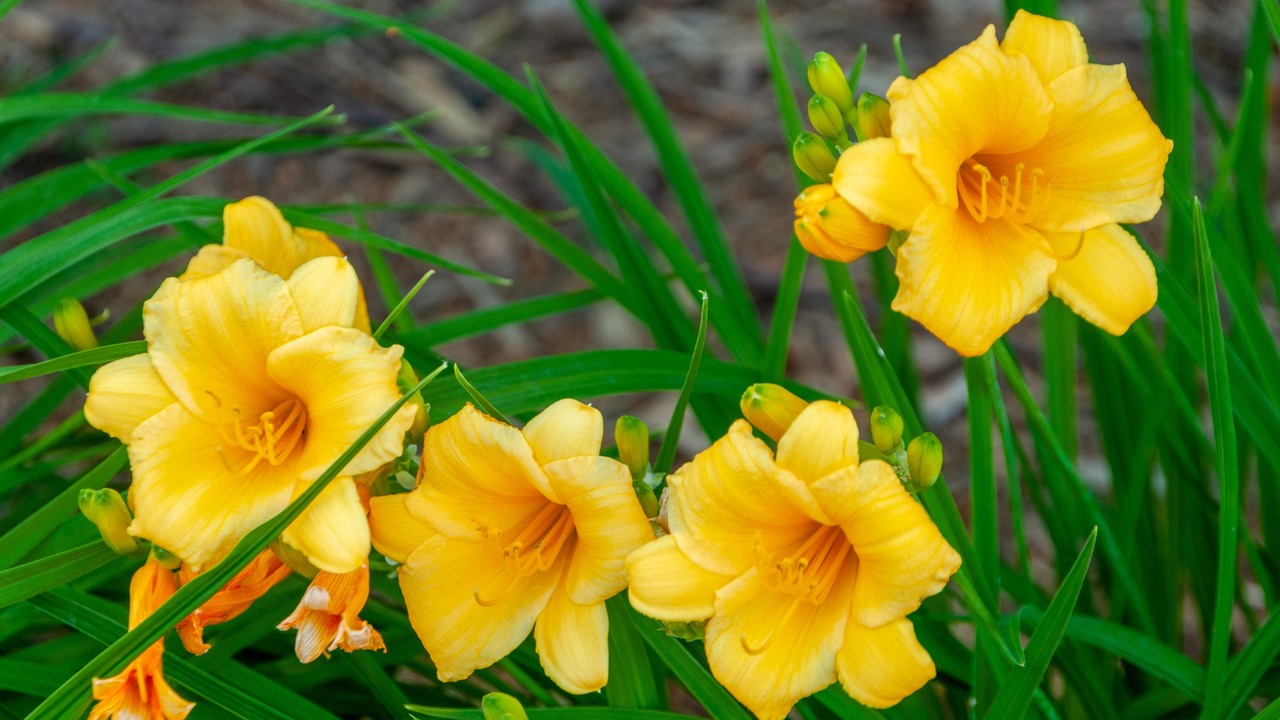
Daylilies live up to their reputation as indestructible perennials. With clumps that naturally expand yearly, you’ll see more flowers each summer. Their array of colors makes them a versatile addition to any garden.
Care Tips: Ensure well-draining soil and full sun. Deadhead spent blooms and cut back foliage at the end of the season to promote stronger regrowth.
9. Lavender (Lavandula spp.)
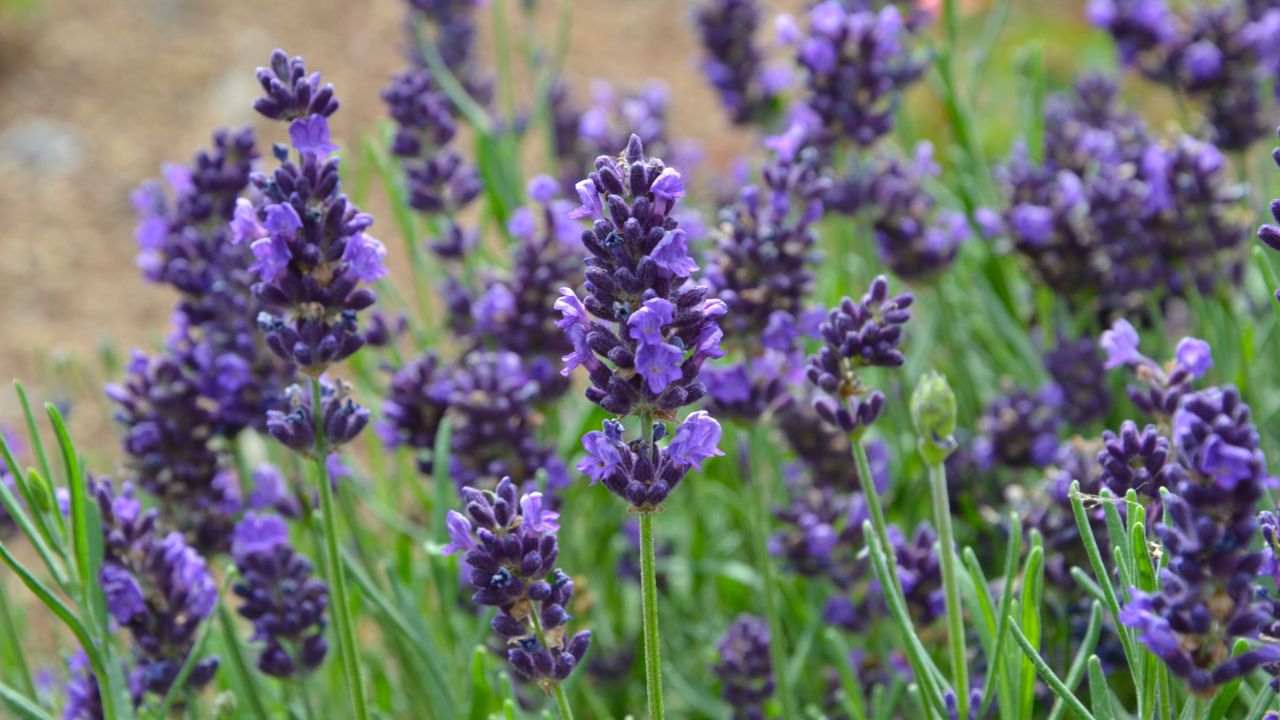
The aromatic beauty of lavender intensifies each year as the plants grow more robust in their sunny, well-drained locations. Their fragrant purple spikes attract pollinators while adding calming hues to your garden.
Care Tips: Plant in sandy, well-drained soil with ample sunlight. Prune the plant lightly after it flowers to encourage compact, bushy growth.
10. Black-Eyed Susan (Rudbeckia hirta)
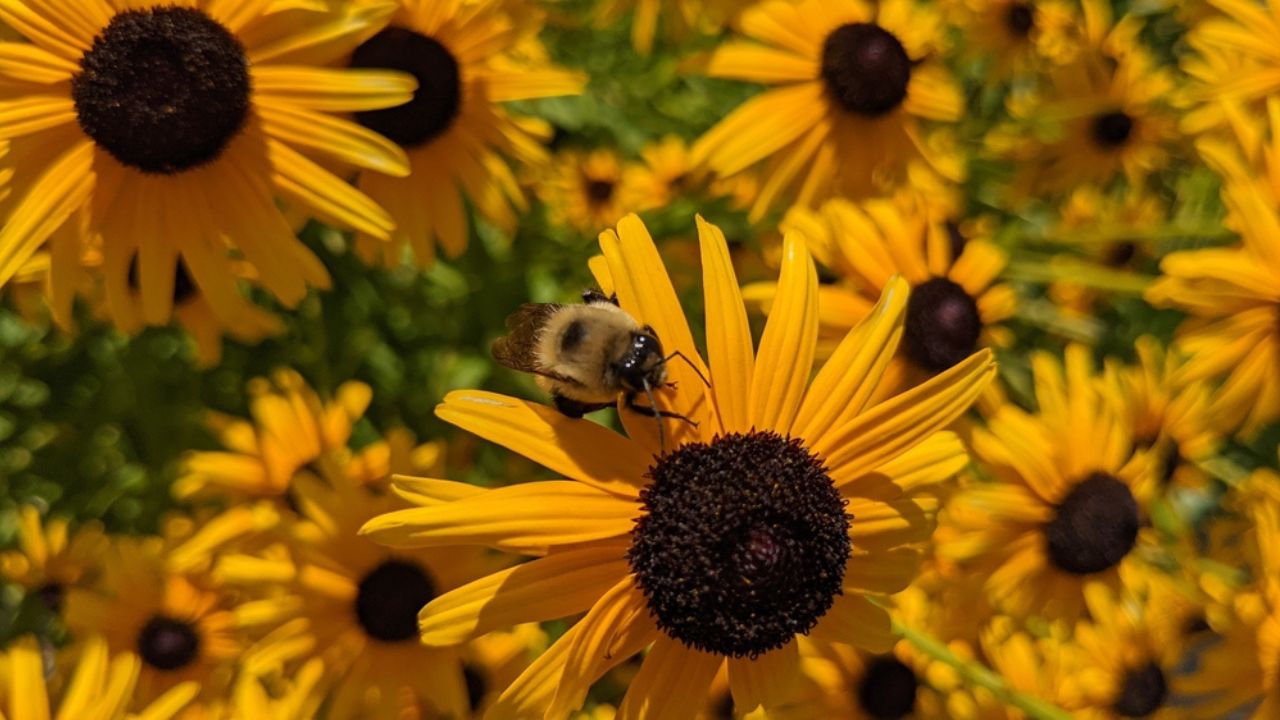
Black-Eyed Susans brighten up gardens with their golden yellow petals and dark centers. They thrive year after year, spreading through root systems and reseeding themselves.
Care Tips: Plant in well-draining soil under full sun. Deadhead frequently to prolong blooming, and leave some seed heads intact for reseeding and bird feeding.
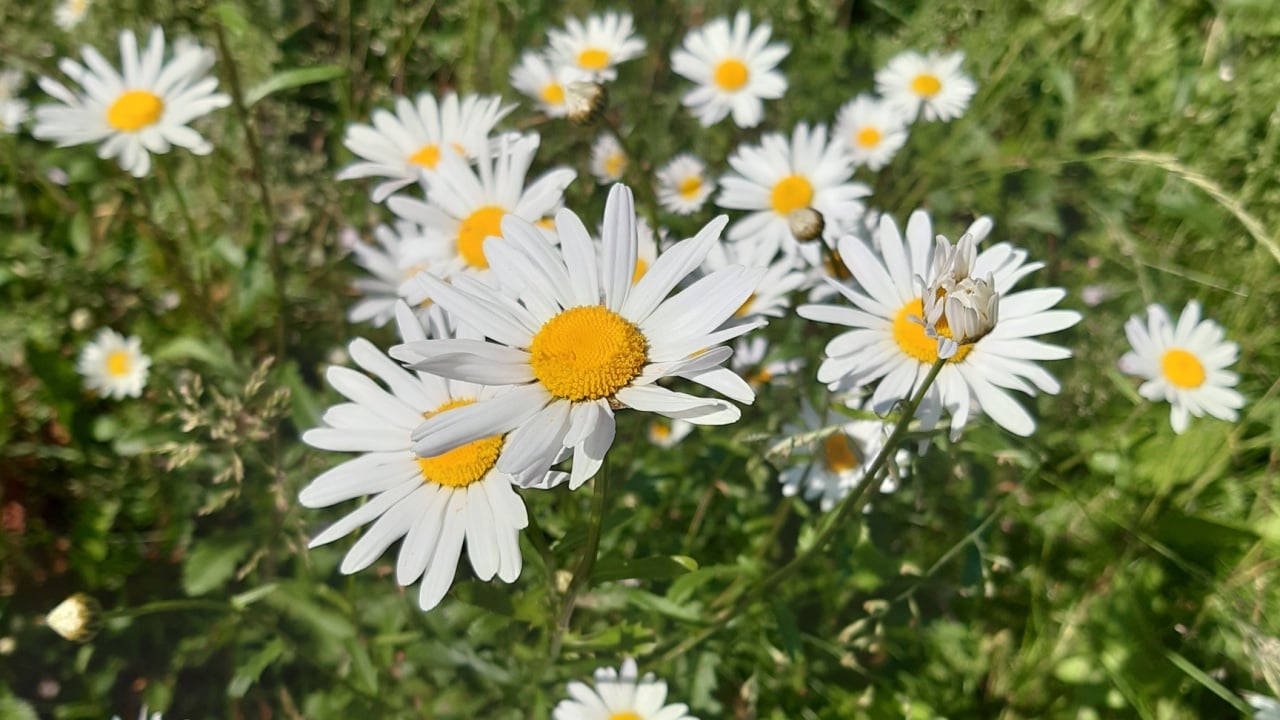
11. Shasta Daisy (Leucanthemum × superbum)
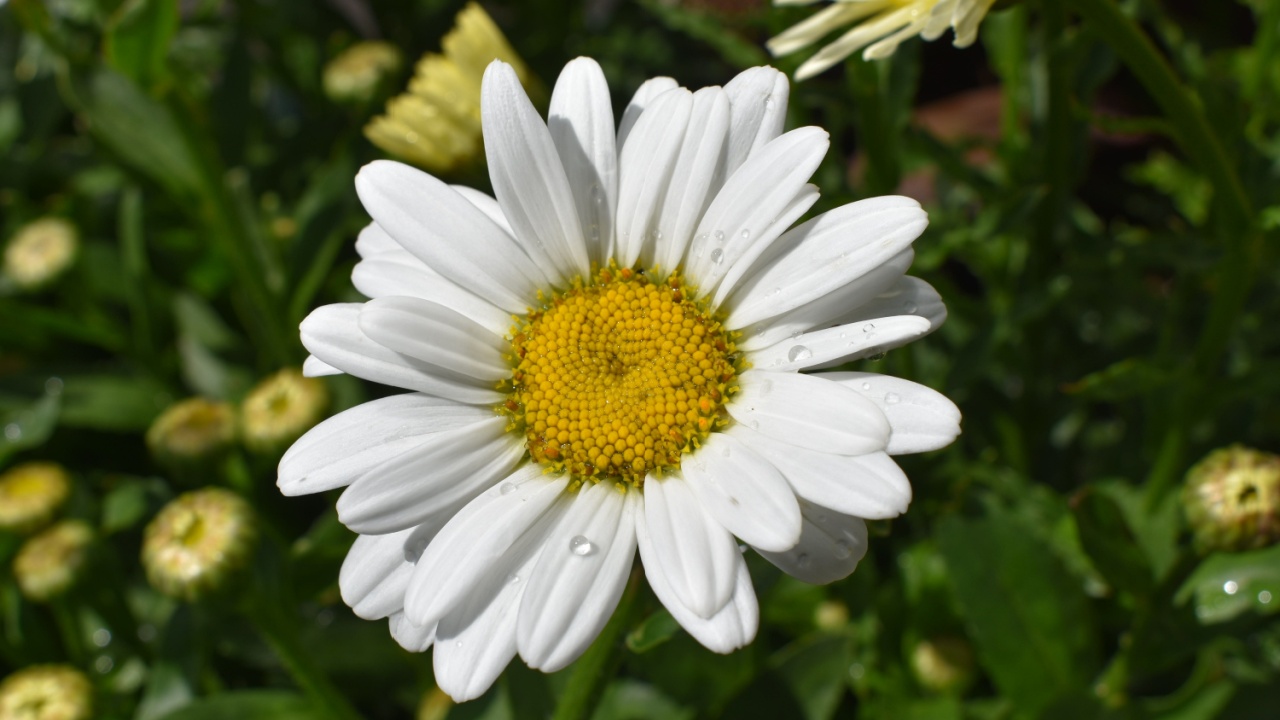
Shasta Daisies, with their classic white petals and sunny yellow centers, grow fuller over the years. Their hardy nature and long bloom time make them an adaptable choice for sunny beds.
Care Tips: Use nutrient-rich, well-draining soil and provide ample light. Divide plants every two to three years to maintain vitality and floral abundance.
12. Butterfly Weed (Asclepias tuberosa)
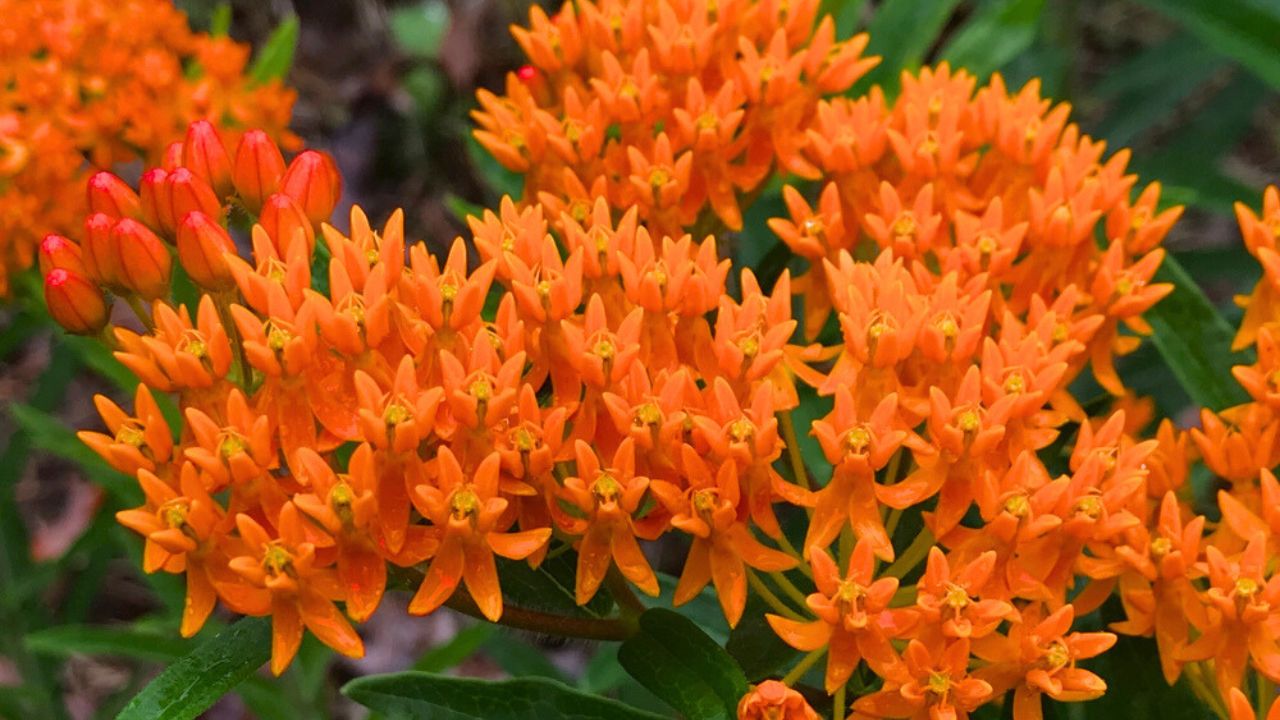
Butterfly Weed not only provides stunning orange flowers but also supports monarch butterflies. Over time, the plant expands its roots and yields more stalks and blooms.
Care Tips: Opt for sandy, well-drained soil and direct sunlight for optimal health. Avoid overly rich soil, as it can trigger excessive leaf growth at the expense of flowers.
13. Blazing Star (Liatris ligulistylis)
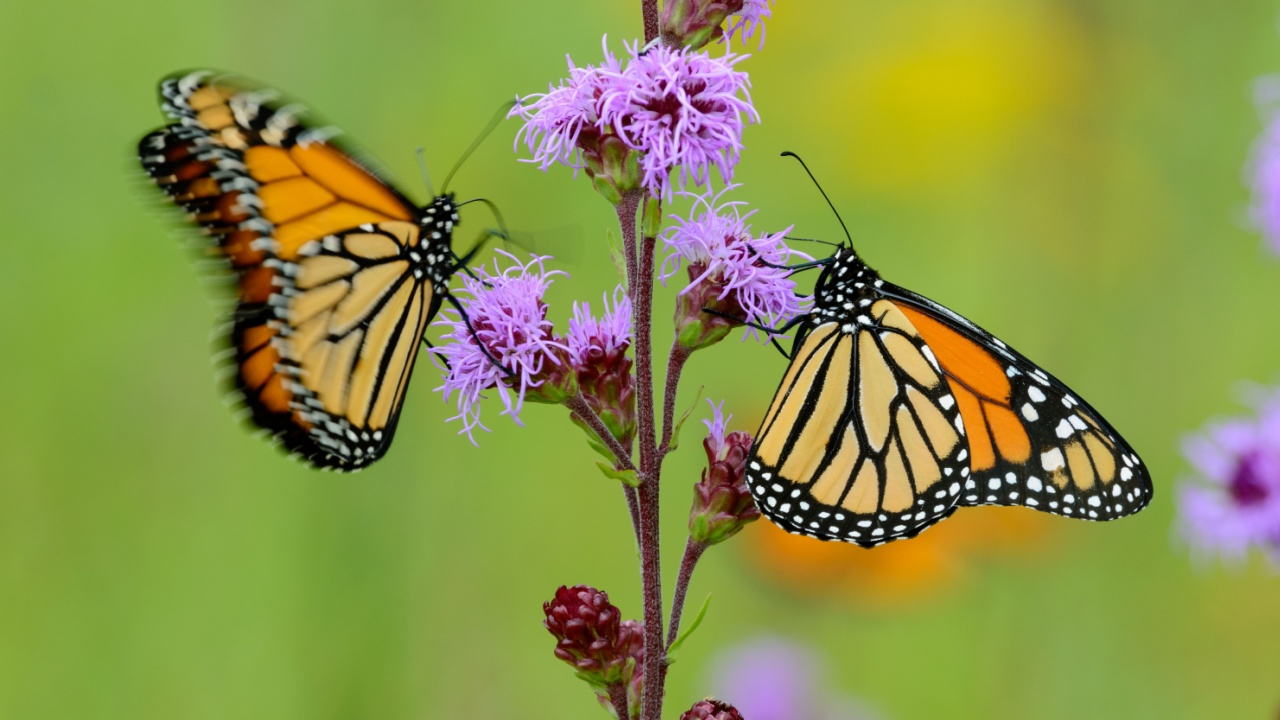
Another variant of Blazing Star, this species spreads via rhizomes and grows bushier over time. Its nectar-rich flowers are particularly attractive to pollinators.
Care Tips: Ensure sunny, well-drained planting locations. Prune post-bloom to encourage stronger regrowth the following year.
14. Balloon Flower (Platycodon grandiflorus)
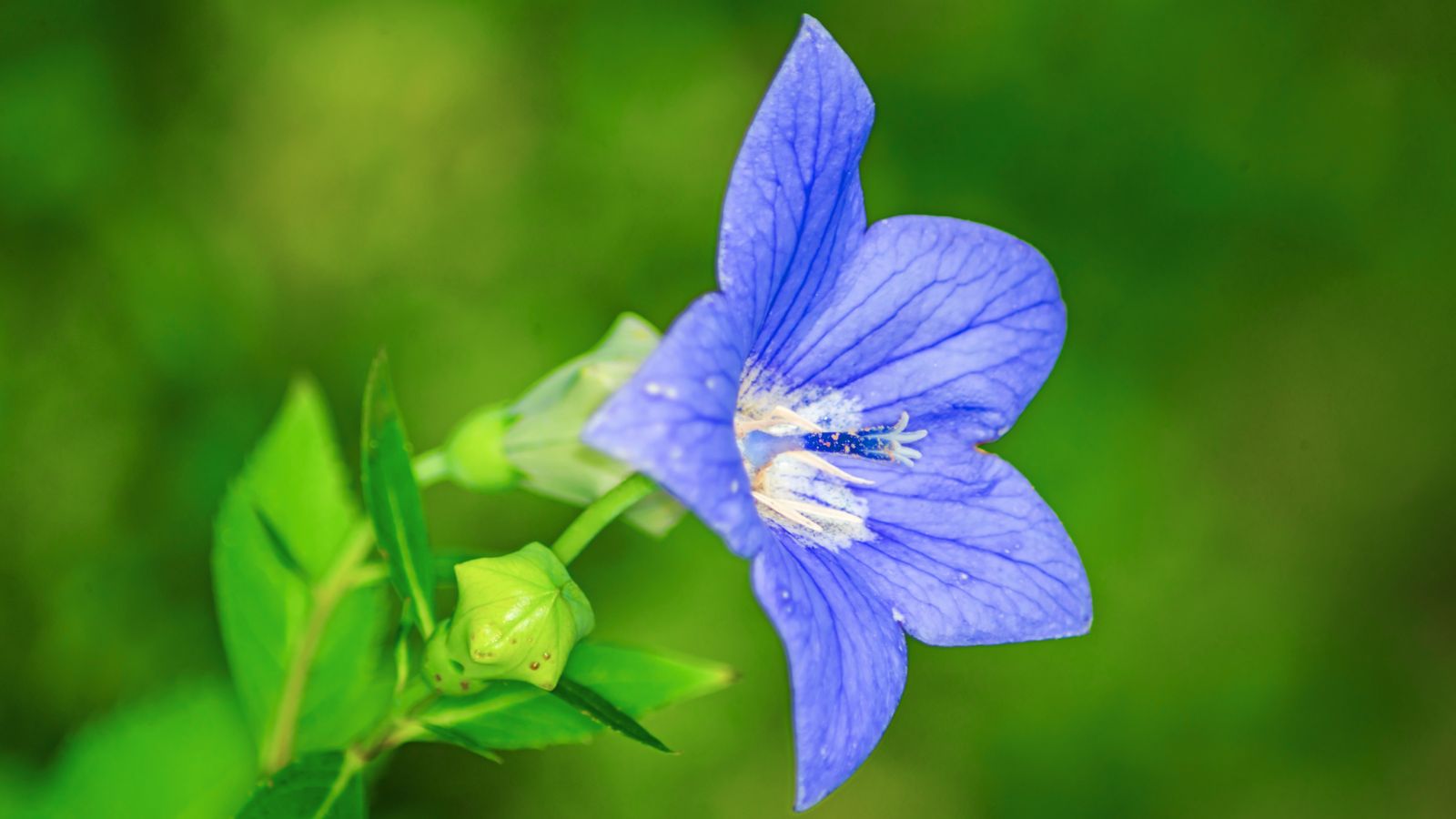
This perennial packs a visual punch with its star-shaped flowers that emerge from balloon-like buds. Each year, the plant produces more shoots and flowers, increasing its garden appeal.
Care Tips: Plant in moist, well-drained soil and full sunlight. Avoid transplanting once established, as they dislike being disturbed.
15. Columbine (Aquilegia spp.)
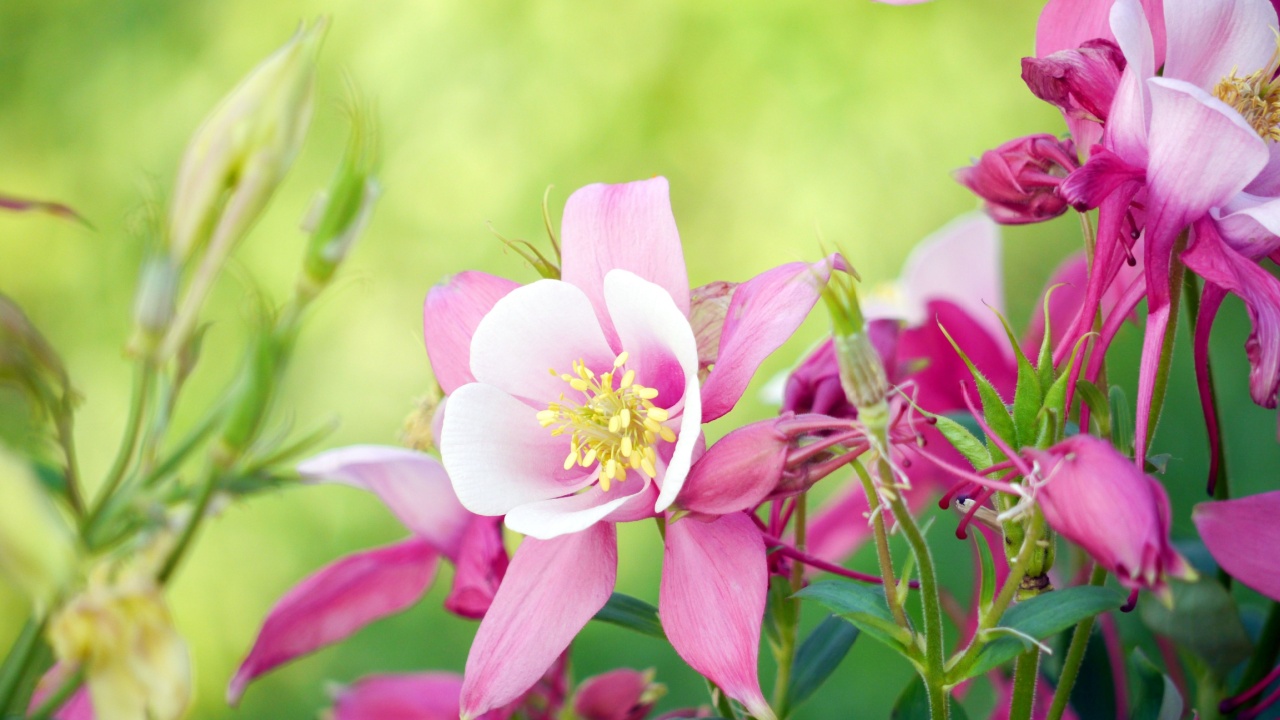
Columbines offer delicate, nodding blooms and intricate foliage that multiply over time. Their tendency to self-seed means your garden will host even more airy flowers every spring, creating a dreamy, expanding shade when planted en masse.
Care Tips: Choose fertile soil with good drainage and partial to full sun. Let seed pods ripen to encourage self-sowing, or deadhead for a tidier look.
16. Salvia (Salvia spp.)
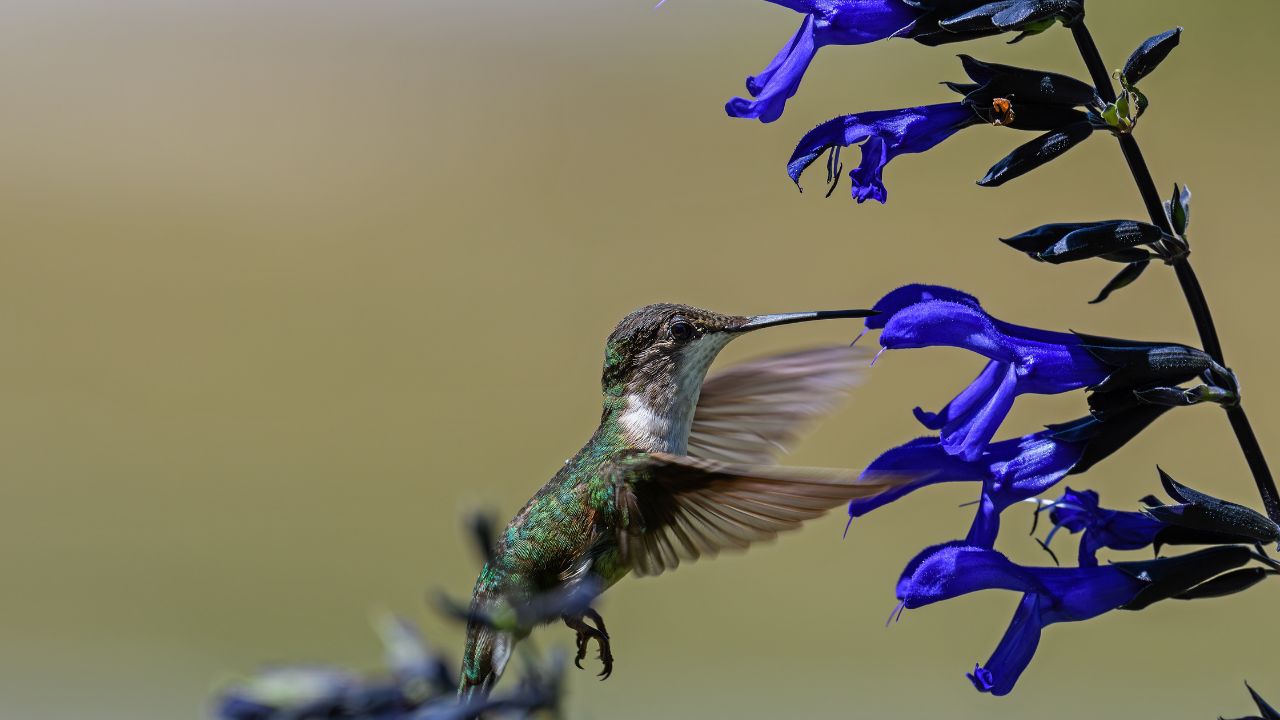
Salvia’s vibrant spikes of purple, blue, pink, or red become fuller each year as the plant establishes a stronger root system. With more robust foliage and bloom stalks each season, they fill borders beautifully.
Care Tips: Plant in well-drained soil in a sunny location. After the first flush of flowers, trim back lightly to promote repeat blooming.
17. False Indigo (Baptisia australis)
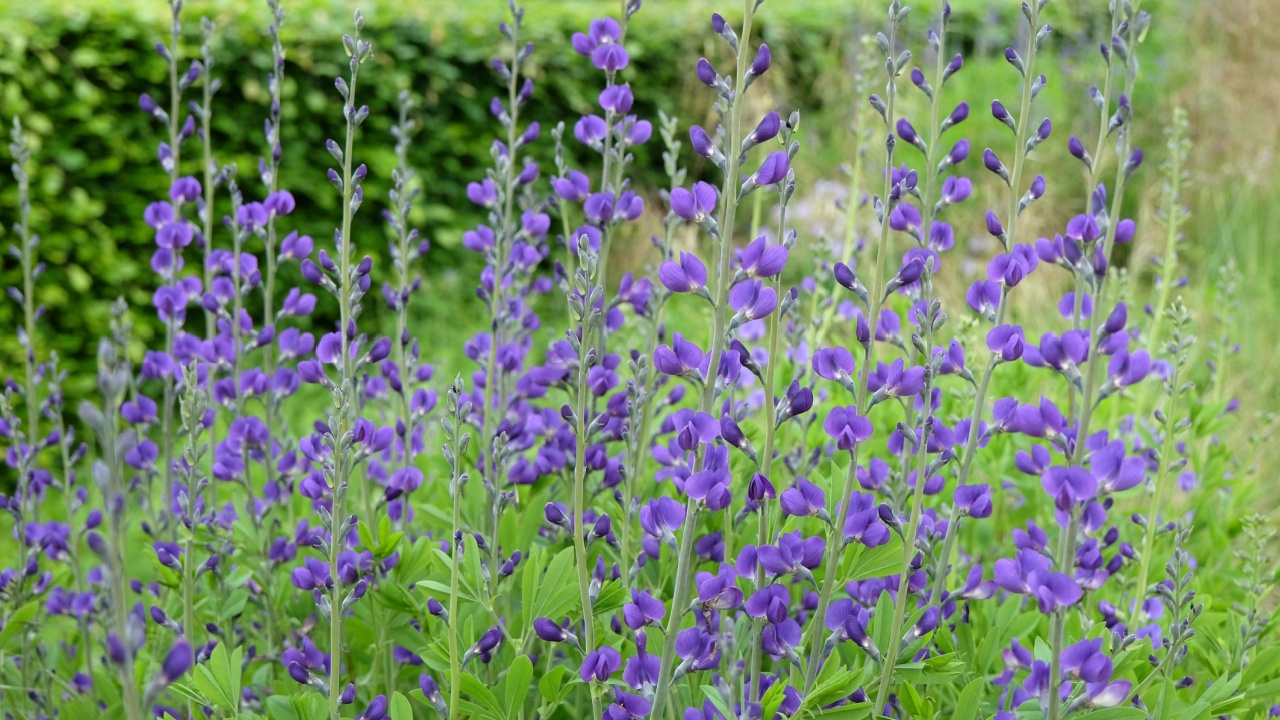
False Indigo grows as a small shrub, adding height and presence as clumps expand with age. Each year brings a greater profusion of indigo-blue spikes and attractive foliage from spring through fall.
Care Tips: Provide full sun and well-drained soil, then simply water young plants until established. Avoid frequent transplanting as mature roots spread deep.
18. Yarrow (Achillea millefolium)
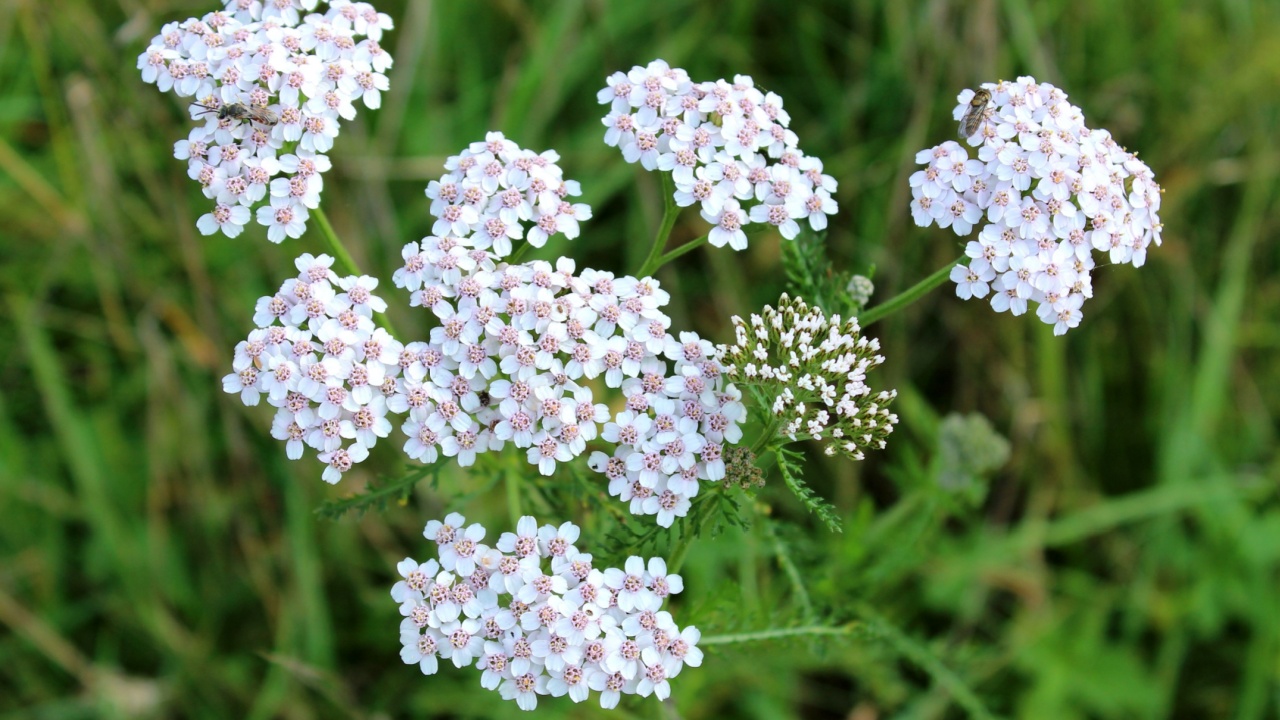
Yarrow’s ferny mats get broader every season, producing larger swathes of yellow, pink, or red flower clusters. As clumps grow, they crowd out weeds and offer reliable drought-tolerant color.
Care Tips: Plant in average to sandy, well-drained soil in a sunny spot. Deadhead spent blooms and divide every few years to keep growth compact.
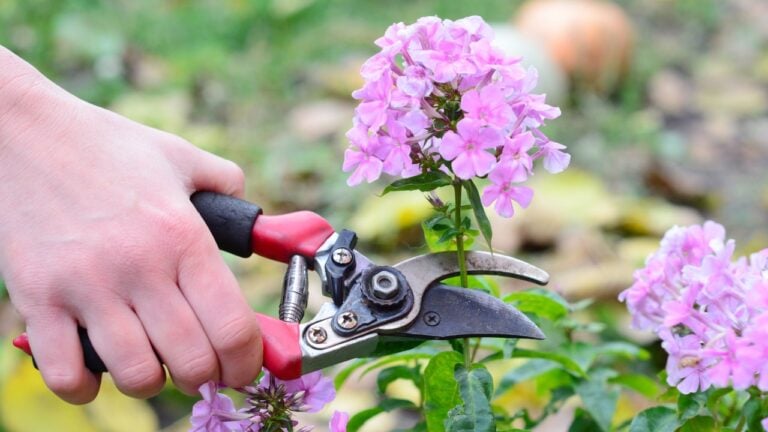
19. Garden Phlox (Phlox paniculata)
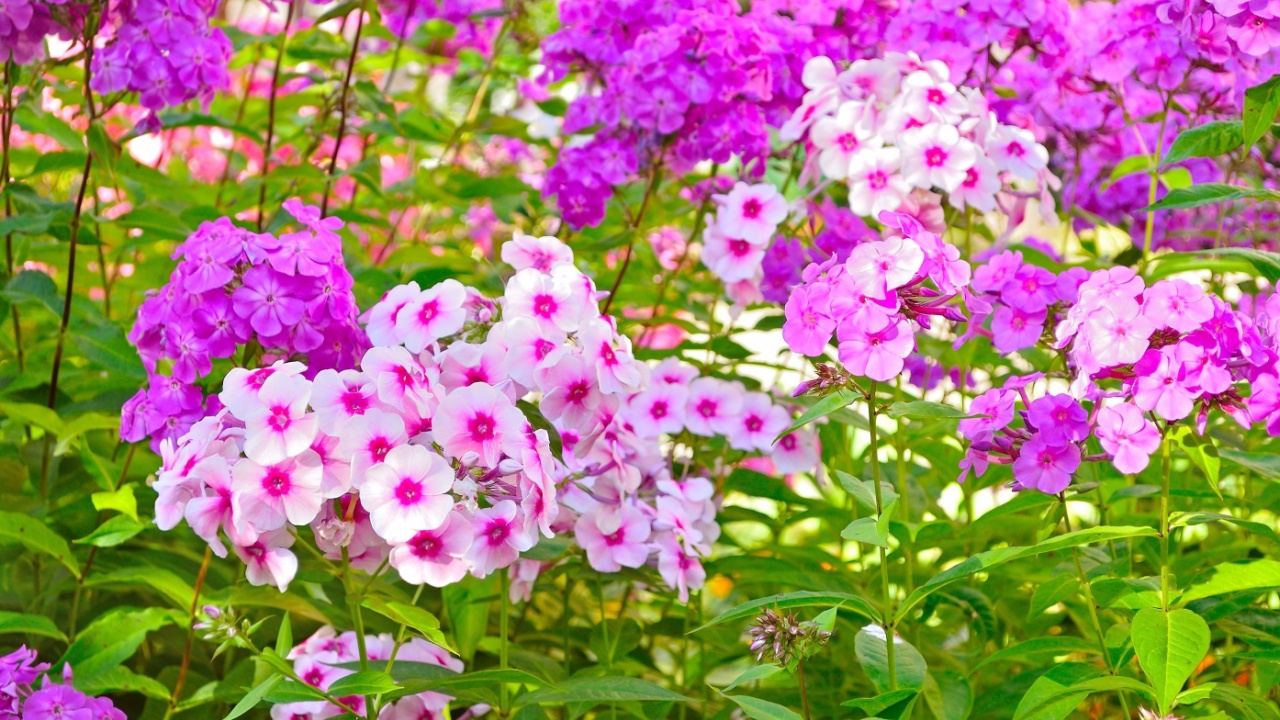
With fragrant clusters that seem to double each year, garden phlox rewards patience with increasingly dazzling displays. Their bold blooms invite pollinators and become true showstoppers in sun-drenched beds. They love the sun too, as long as the heat isn’t too extreme.
Care Tips: Provide nutrient-rich soil and steady moisture, plus lots of sun. Divide every 3 years to prevent disease and ensure vigorous new shoots.
20. Catmint (Nepeta spp.)
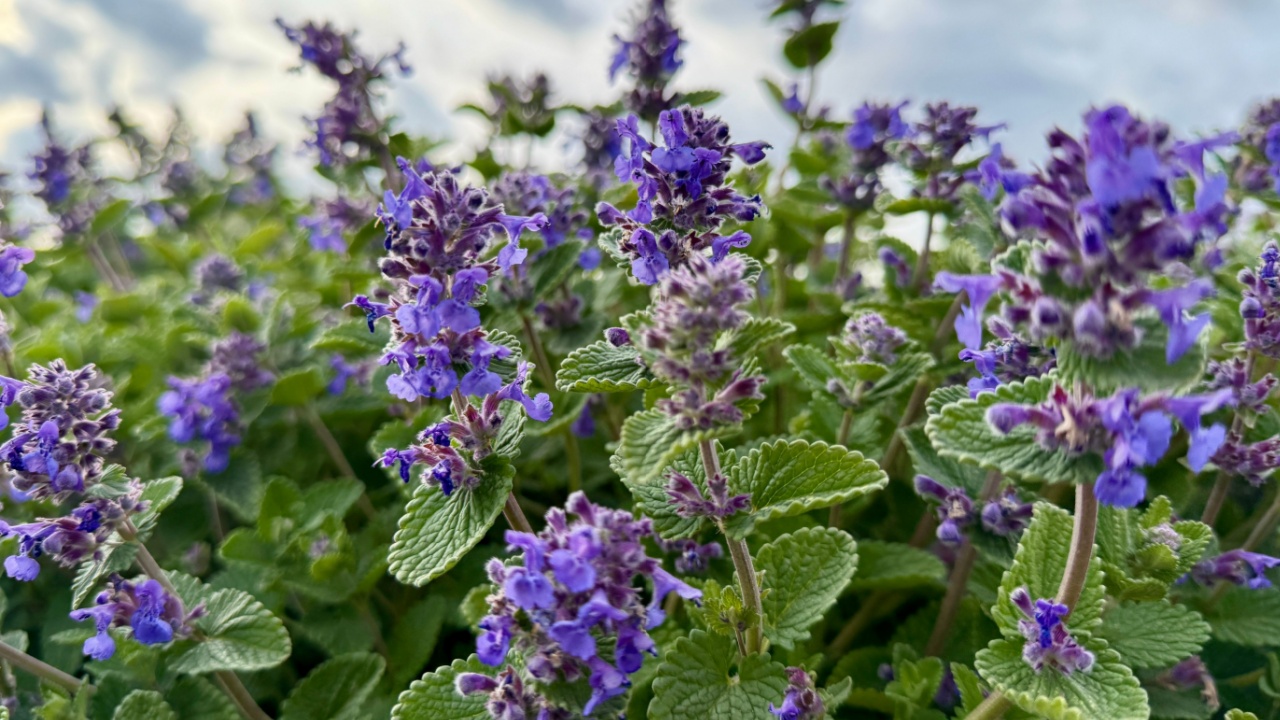
Catmint forms neat, spreading mounds which only expand with time. Each season brings a curtain of lavender-blue flowers and soft, fragrant foliage that spills elegantly over borders.
Care Tips: Choose well-draining soil in full sun. Shear back after flowering for repeat blooms and to keep the mound compact.
21. Foxglove (Digitalis purpurea)
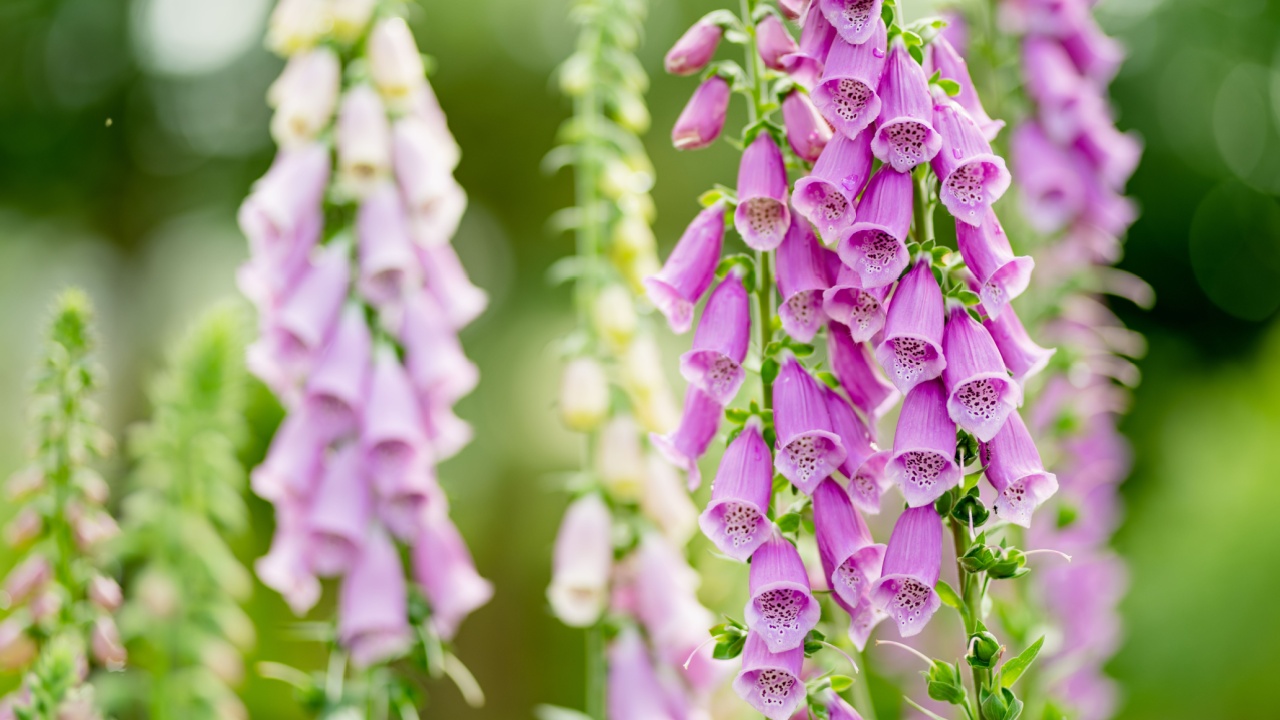
While technically a biennial or short-lived perennial, foxglove often reseeds freely, resulting in bigger and better flower displays each summer. The tall spires naturalize with a woodland look over time.
Care Tips: Plant in moist, fertile soil with sun to afternoon shade. Leave seed heads to scatter for fresh new growth each year.
22. Coreopsis (Coreopsis verticillata, “Moonbeam”)
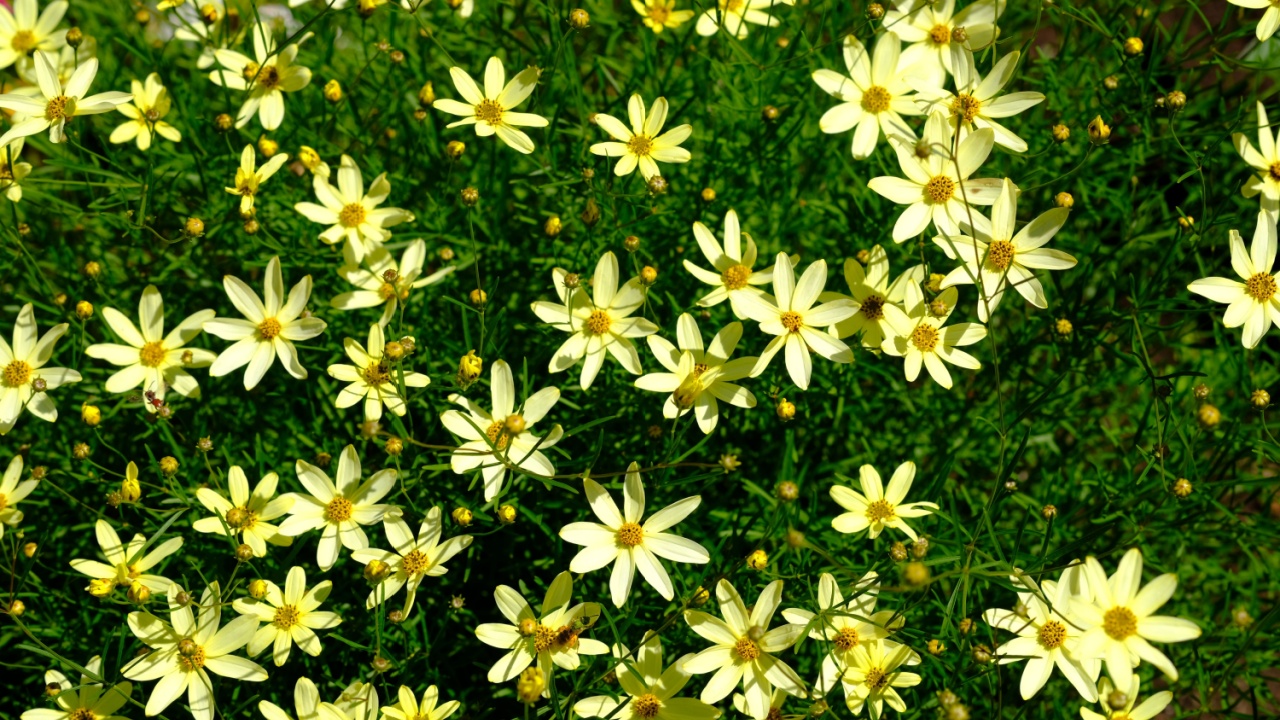
This perennial fills out rapidly as its airy, fern-like foliage and cheerful pale blooms spread wider each season. The result is an ever-growing, breezy look ideal for front borders.
Care Tips: Grow in full sun and well-drained soil. Divide clumps or thin out old stems as the plant becomes dense.
23. Iris (Iris spp.)
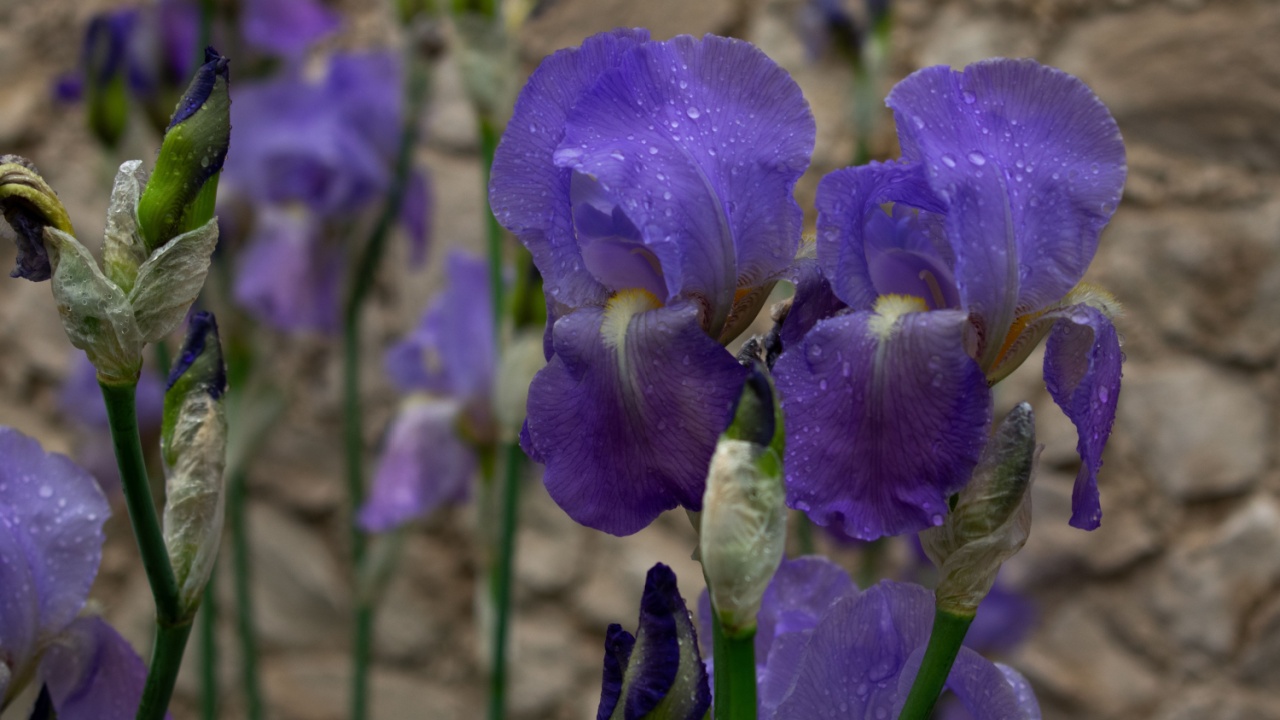
Irises multiply yearly by rhizomes, yielding more sword-like leaves and vibrant blossoms in spring. Over time, your iris bed will burst with thick, color-rich fans and flowers.
Care Tips: Plant rhizomes shallowly in full sun with good air circulation. Divide every few years to prevent overcrowding and maintain blooms.
24. Bellflower (Campanula spp.)
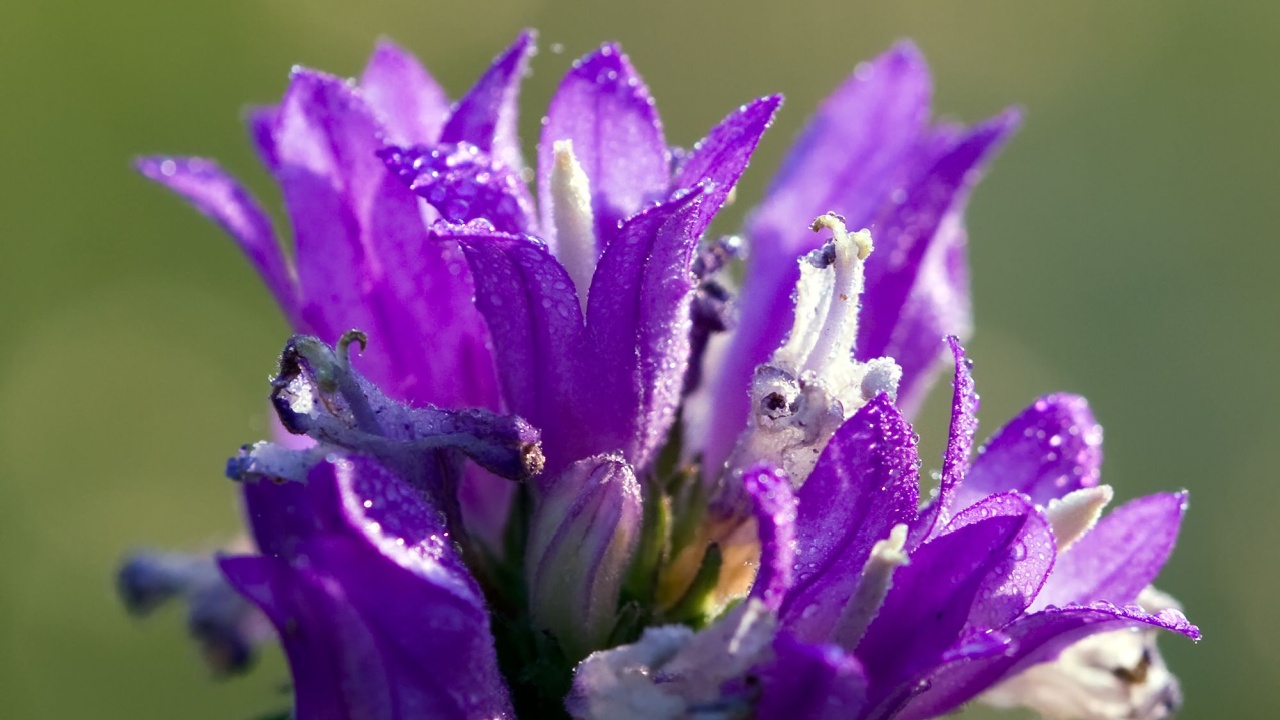
Bellflowers naturalize quickly, with pink, blue, or white bell-shaped blooms increasing in number with every passing year. They fill open spaces beautifully and entice bees and butterflies.
Note: If you live in a hot region, these flowers might benefit from some afternoon shade.
Care Tips: Select well-drained soil and ample sun. Cut back after blooming to encourage new growth and divide expanding clumps every 3-4 years.
25. Agastache (Agastache spp.)

Agastache, also known as hummingbird mint, thrives in the heat, and clumps become bushier and more floriferous each summer. Their aromatic blooms rise above thickening foliage, attracting loads of pollinators.
Care Tips: Plant in sunny, well-drained spots and avoid heavy fertilization. Pinch back in spring for a fuller shape.
26. Spurge (Euphorbia spp.)
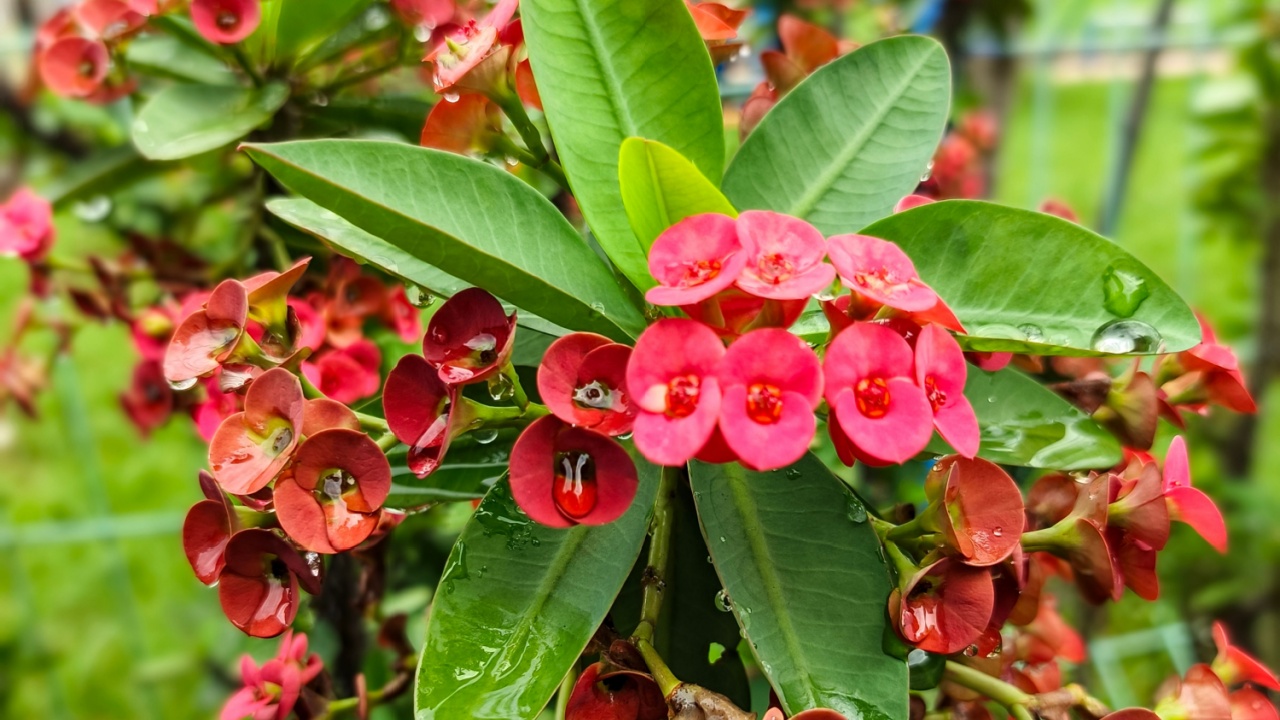
Spurge quickly forms mounded colonies, with chartreuse blooms and blue-green foliage that get denser and more impressive over the years. It’s equally suited to borders or rock gardens.
Care Tips: Use sandy or gravelly soil in full sun. Wear gloves when handling, as sap may irritate skin, and cut back woody or weak stems each spring.
27. Calamint (Calamintha nepeta)
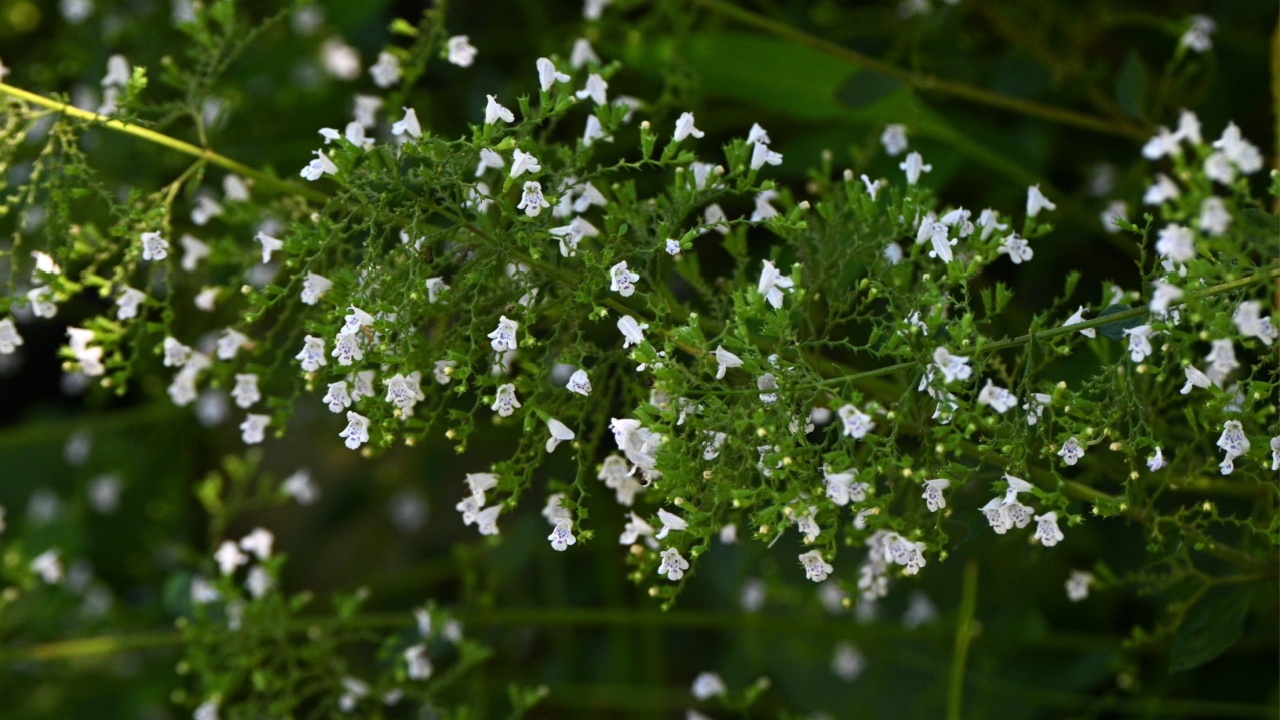
Calamint grows as a bushy, herbaceous perennial, producing more tiny white or purple blossoms every year. Its nectar-rich flowers are irresistible to bees and butterflies all season.
Care Tips: Plant in well-drained soil and sun. Shear back mid-summer to refresh the greenery and encourage new blooms.
28. Russian Sage (Perovskia atriplicifolia)
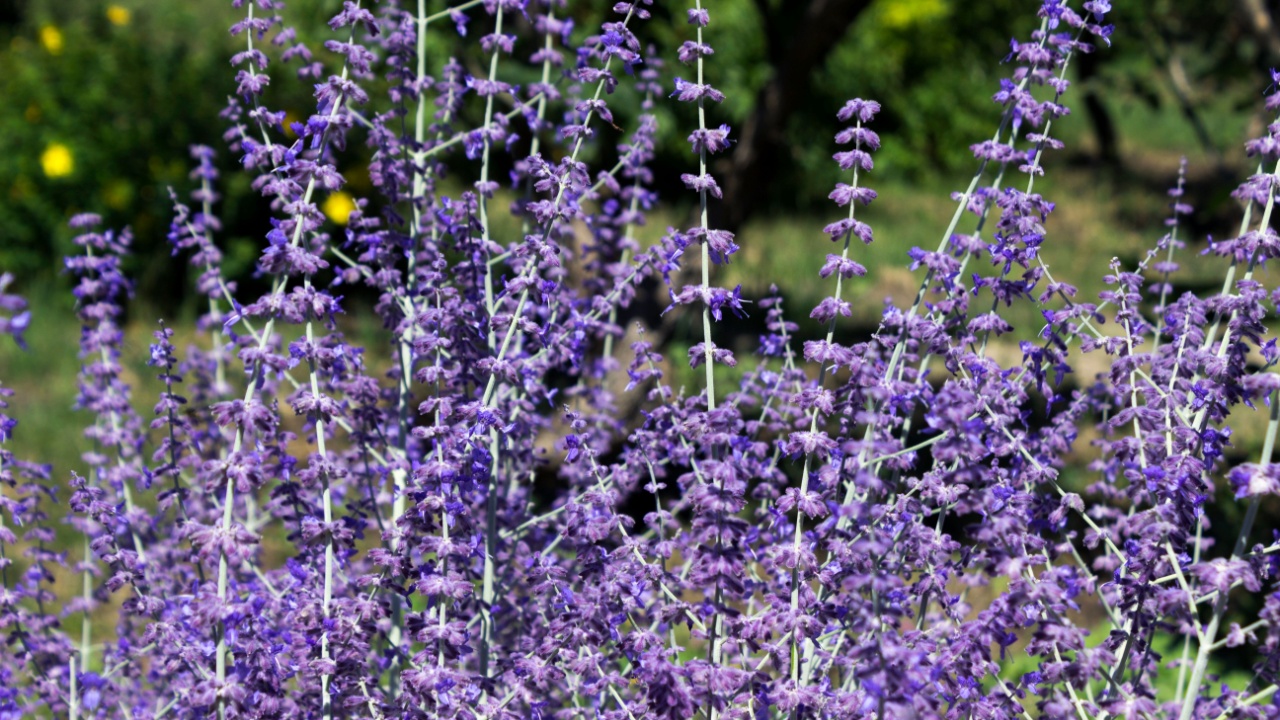
This drought-tolerant perennial gets showier every year as woody stems grow taller and clouds of lavender-blue flowers fill your landscape midsummer through fall.
Care Tips: Choose sandy, well-drained soil in a sunny spot. Cut back plants in early spring to a few inches above the ground to promote dense growth.
29. Helenium (Sneezeweed)
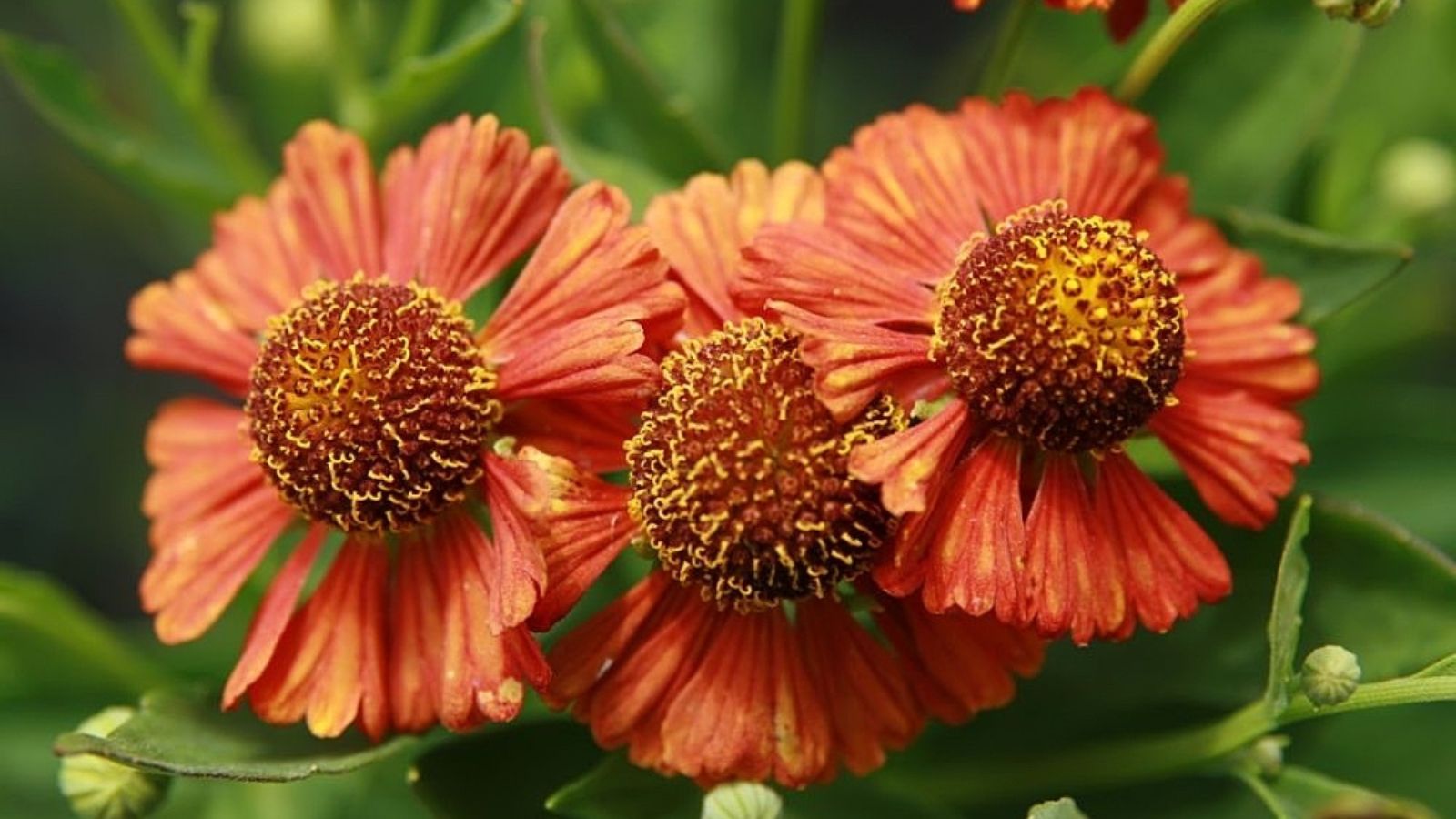
Helenium produces masses of daisy-like blooms in gold, red, or bronze, and established clumps get bushier and more floriferous season after season. It brightens late summer beds as other flowers fade.
Care Tips: Plant in moist, well-drained soil and sun. Divide every few years to keep blooming at its best.
30. Red Hot Poker (Kniphofia uvaria)
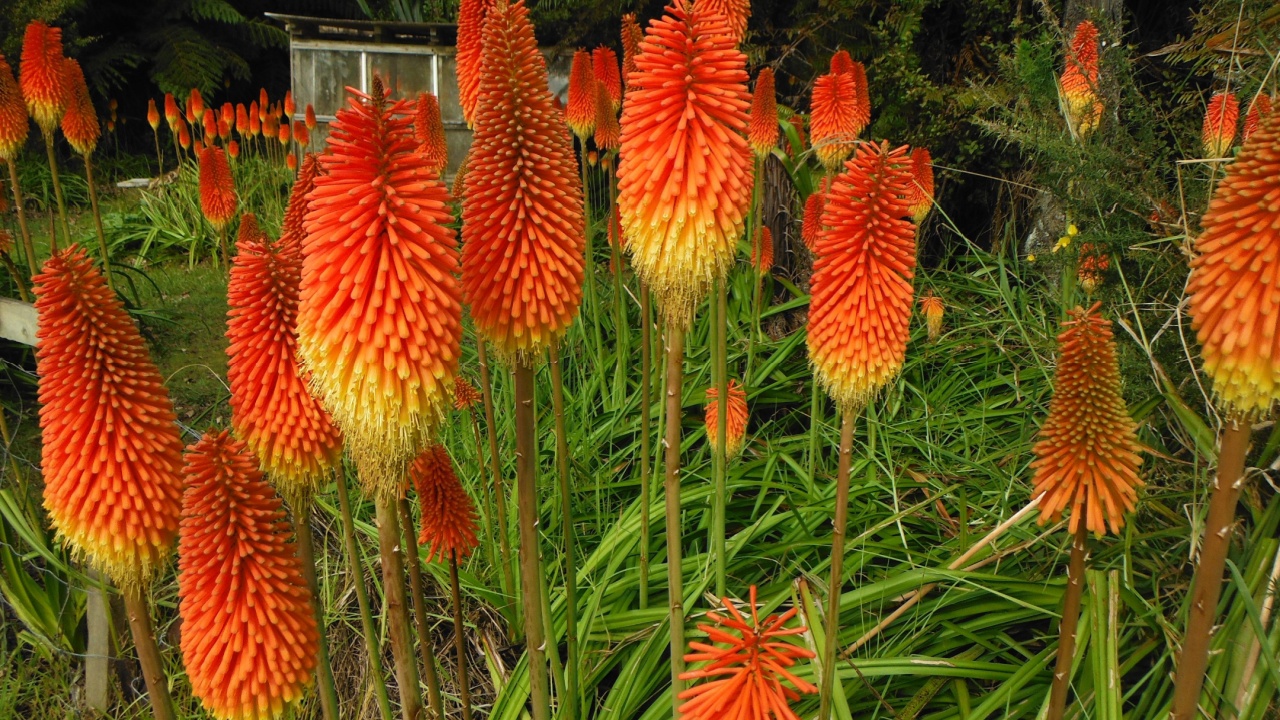
Red Hot Poker’s spiky, flaming flowers appear in greater numbers with each year as mature clumps bulk up, creating a dramatic vertical accent in sunny borders.
Care Tips: Provide well-drained soil in a full-sun spot and avoid wet winter conditions. Cut back dead foliage and flower spikes after blooming.
31. Oriental Poppy (Papaver orientale)
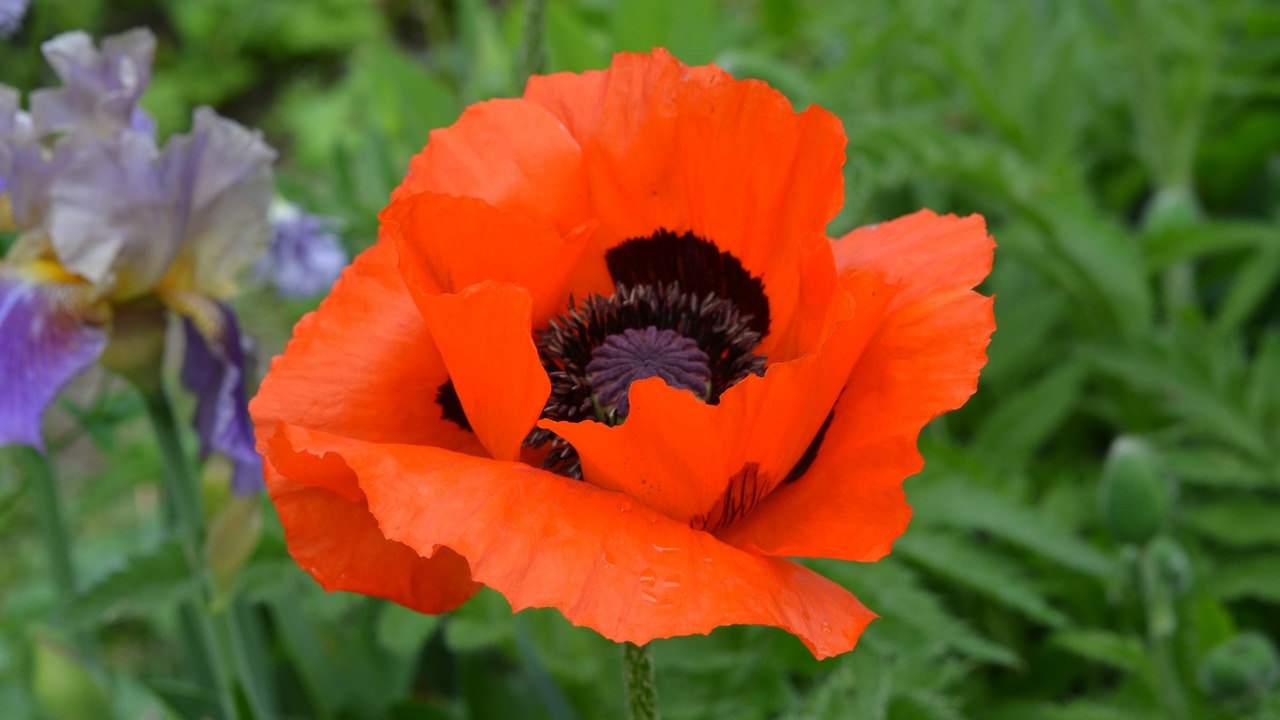
Oriental poppies send up more robust, showier blooms each year as they settle into the garden, returning with bold, satiny flowers in vibrant reds, pinks, and oranges.
Care Tips: Grow in full sun and fertile, well-drained soil. Allow foliage to die back naturally after flowering and mark clumps so you don’t disturb dormant crowns.
By mixing tried-and-true classics with new favorites, you’ll create a garden that doesn’t just survive—each year, it will dazzle with bigger, better color and blooms.
Read more
19 Tall Perennials Perfect for Stunning Garden Borders
12 “Set It and Forget It” Perennials That Thrive on Neglect (And Reward You for It)