8 Natural Ways to Get Rid of Garden Weevils This Season
Struggling with weevils munching on your plants and roots? These persistent beetles can quickly compromise your edible and ornamental gardens, leaving notched leaves and damaged roots in their wake. The good news is, you can manage and reduce weevil populations without reaching for synthetic chemicals. Several natural, eco-friendly approaches specifically target weevils while protecting your garden’s balance.
Here are eight natural ways to get rid of weevils, plus tips to help you get started with each one.
How We Chose Our Remedies
Dealing with pests always feels easier when guided by experts. The eight strategies are all rooted in integrated pest management (IPM) principles and have strong support from extension and academic sources, such as Oregon State University and the University of Minnesota.
That means they’re all well-supported, but are best used as part of a comprehensive approach to garden pests. Remember, even the most effective weevil management strategies can be undermined by poor sanitation or an excess of other garden problems.
What Types of Weevils You Might Find in the Garden
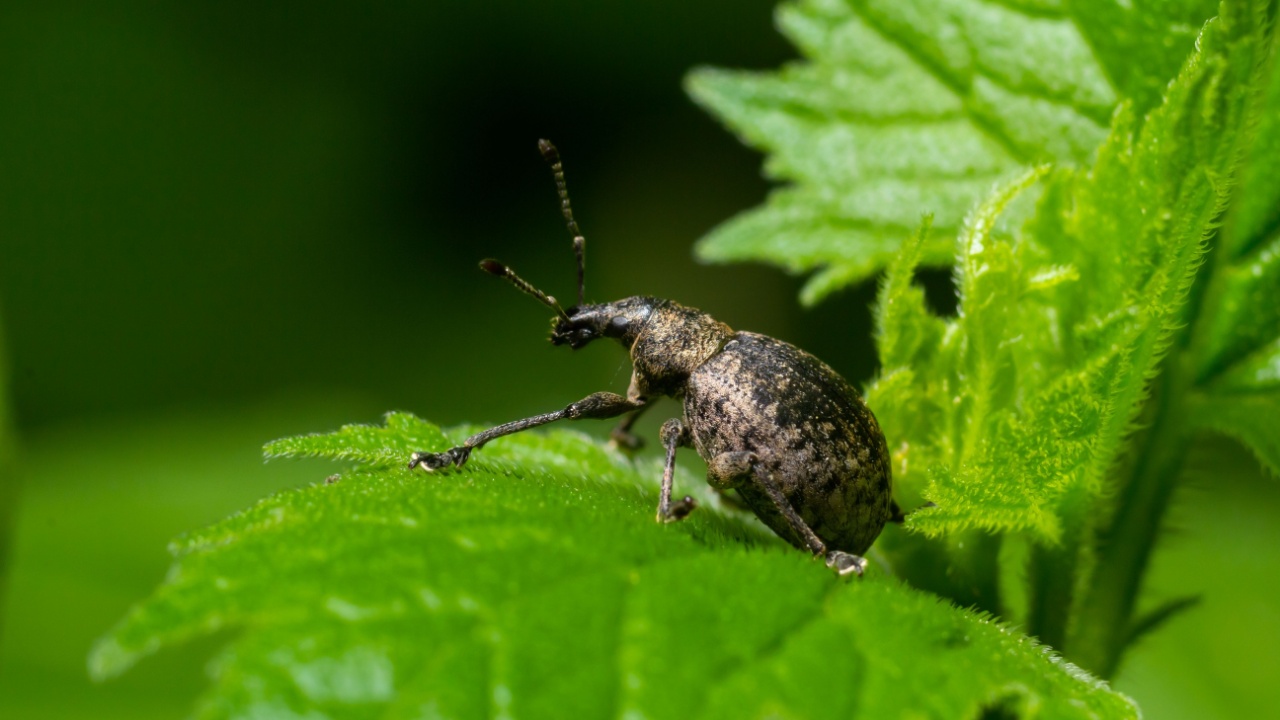
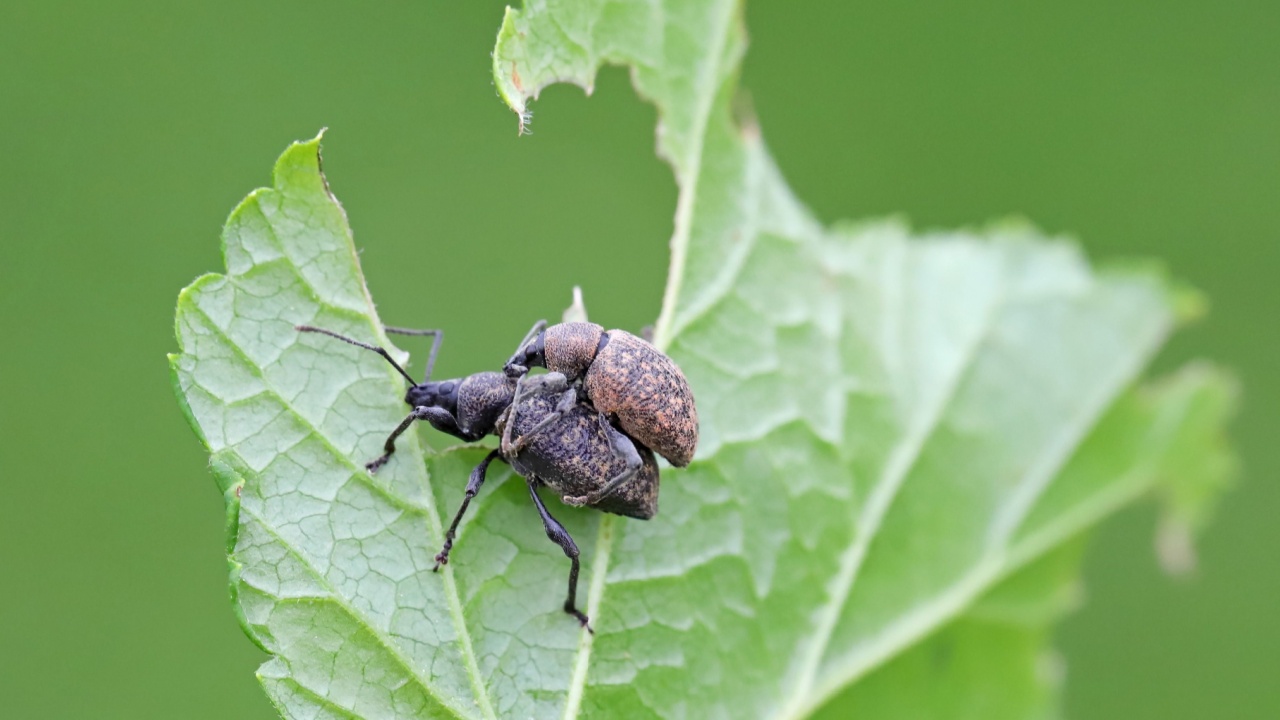
Weevils are a type of beetle in the Curculionidae family, and while there are thousands of species worldwide, only a handful are common pests in home gardens. Most garden-damaging weevils share a similar pattern: larvae feed below ground, damaging roots, while adults feed on foliage or flowers. Here are the main types you might encounter:
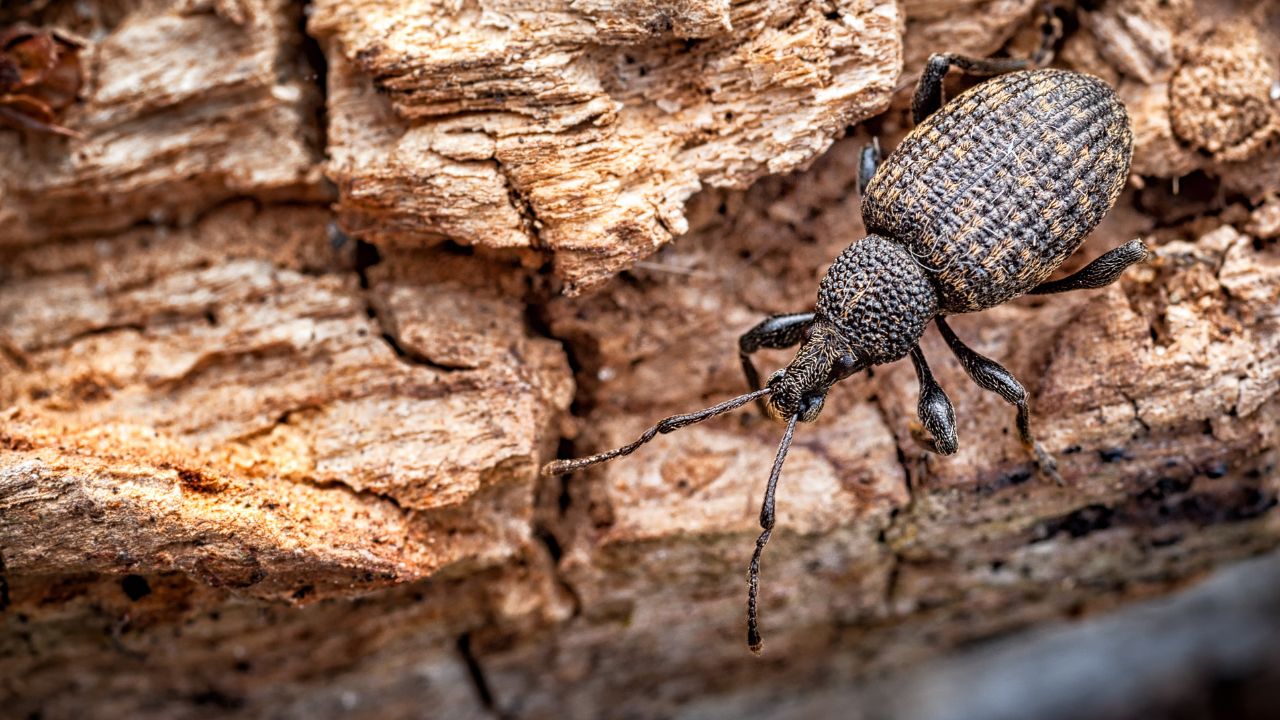
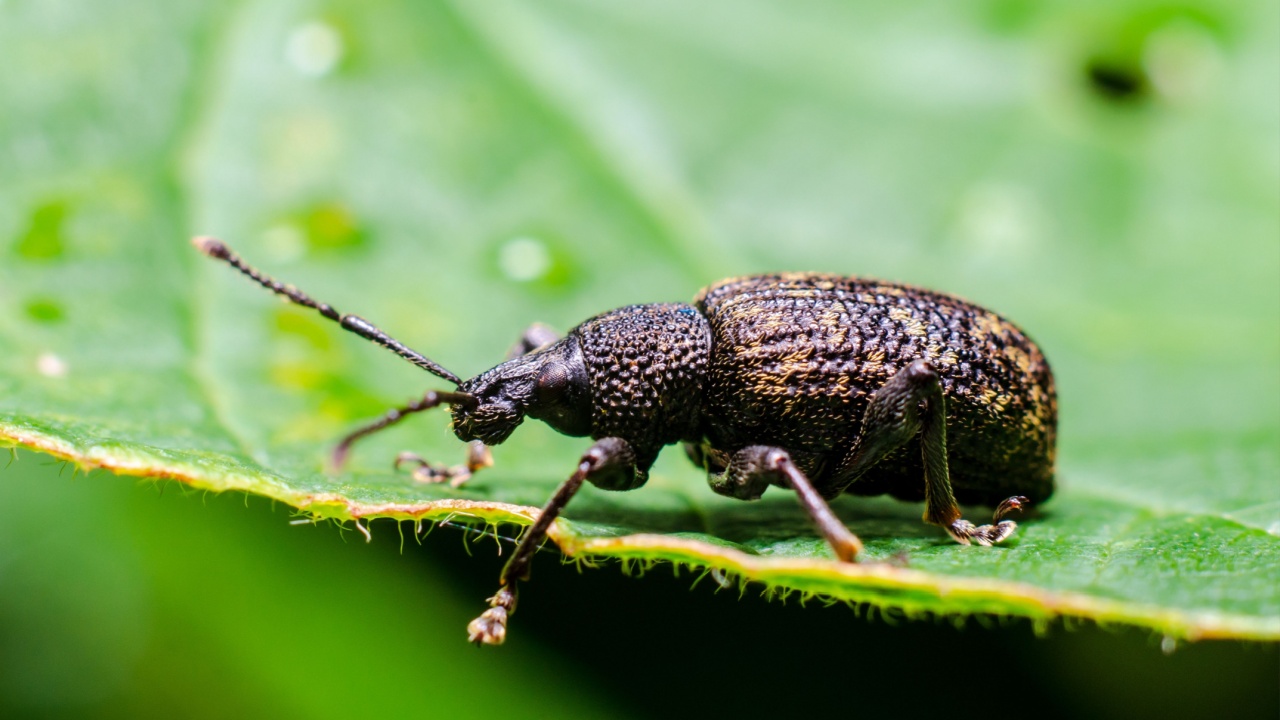
- Root Weevils: Examples include the black vine weevil (Otiorhynchus sulcatus) and strawberry root weevil (Otiorhynchus ovatus). Larvae live in the soil and chew on plant roots, often causing stunted growth, wilting, or plant death. Adult root weevils feed at night, leaving distinctive notches along the edges of leaves.
- Alfalfa and Clover Weevils: Primarily a problem in forage crops, but sometimes found in home gardens with legumes. Larvae feed on plant stems and leaves, causing skeletonization or a frosted appearance. Heavy infestations can significantly reduce plant vigor.
- Specialty Crop Weevils: Some weevils target specific plants—such as the cribrate weevil (Otiorhynchus cribricollis) on artichokes or the pepper weevil (Anthonomus eugenii) on peppers. These species feed on buds, flowers, or developing fruits, reducing yields and marketability.
What Weevil Damage Looks Like
Damage signatures help distinguish types and inform treatment:
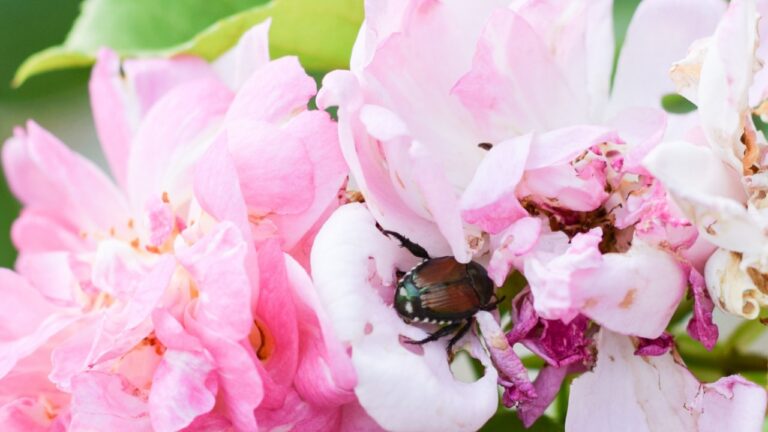
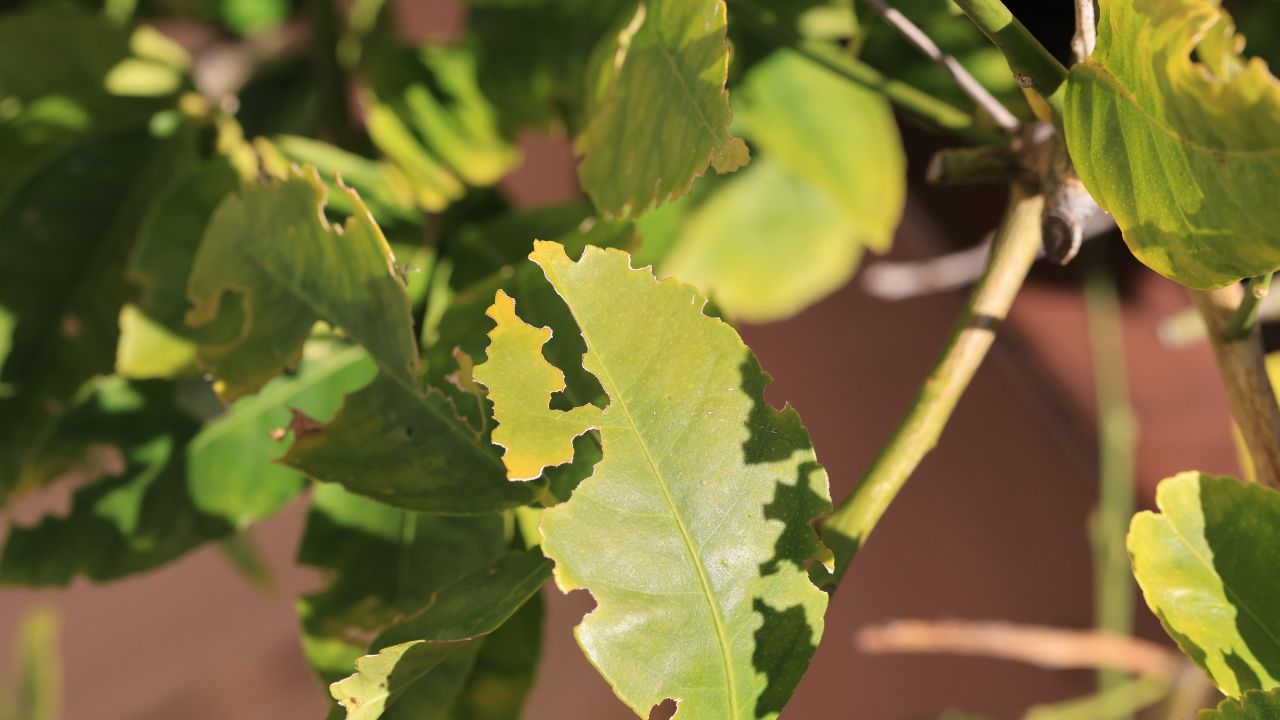
- Notched or ragged leaf edges: Adult root and many foliage-feeding weevils create distinctive notches along leaf margins, often at night. This can reduce photosynthetic area and, if widespread, weaken plants.
- Wilting, stunting, or plant decline from root feeding: Larvae of root weevils feed on roots, which interferes with water and nutrient uptake; heavy infestations can cause canopy decline or death.
- Stem and foliage skeletonization: Larvae of stem-associated weevils like the alfalfa weevil feed inside stems initially and later strip foliage, leaving a grayish cast or skeletonized leaves.
- Damaged or infested seeds/kernels: Seed/stored-grain weevils tunnel into kernels, which may not be obvious until adults emerge or exit holes appear—the damage reduces viability and quality.
- Bud and flower damage: Some weevils (like certain curculios) feed on flower buds or developing fruits, clipping or dropping them, which can reduce yield or ornamental value.
How to Control Weevil Infestations- 1. Introduce Nematodes
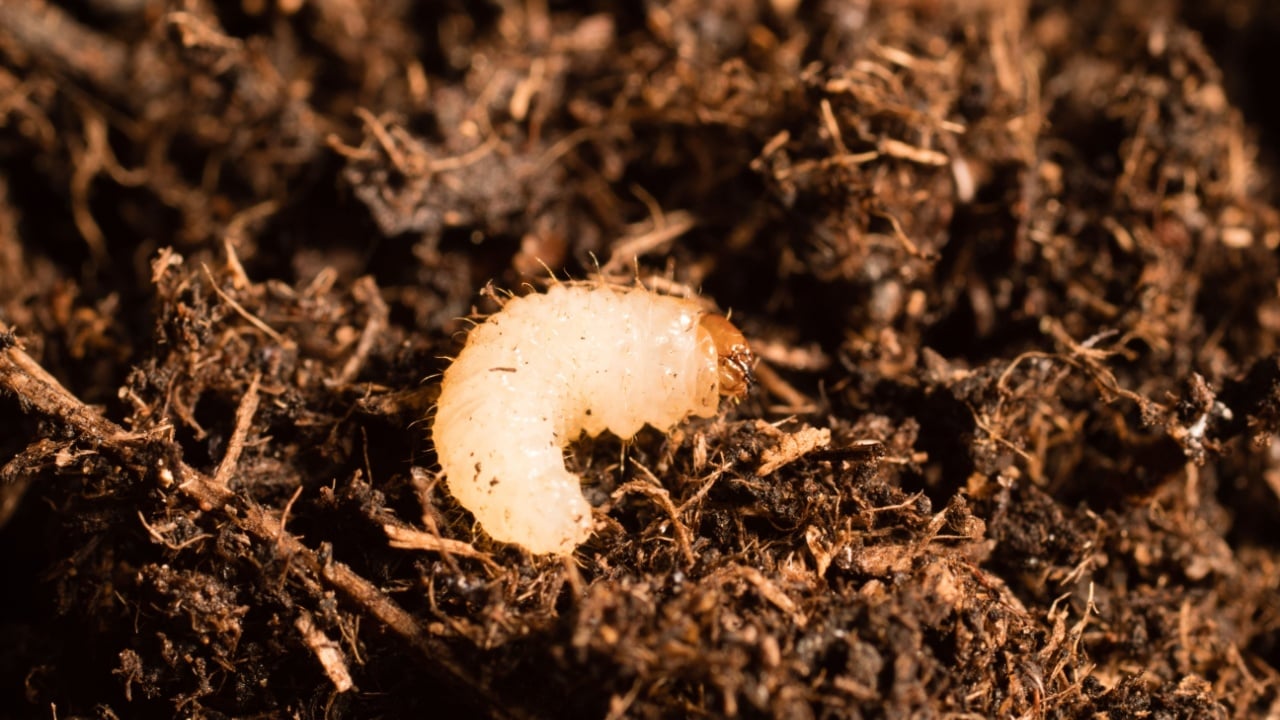
Beneficial nematodes are especially effective against root-feeding weevil larvae lurking in the soil. These microscopic organisms enter the bodies of weevil larvae and stop them before they mature into adult beetles, disrupting the pest’s lifecycle underground.
How to Get Started: Buy beneficial nematodes from a reputable garden center. Apply them to well-watered soil in the evening or on a cool, overcast day. Follow the package directions closely, focusing on garden beds where you’ve noticed stunted growth or gnawed roots—a telltale sign of weevil larvae.
2. Companion Planting

Some aromatic herbs and strong-scented plants can make your garden less inviting to adult weevils. For example, planting bay leaves, garlic, or mint among vulnerable crops may help deter weevils from visiting and laying eggs.
How to Get Started: Tuck pots of mint or rows of garlic near susceptible plants, like strawberries or ornamentals. A border of these plant-based repellents can disrupt weevil activity, but keep mint contained so it doesn’t take over.
Note: This remedy is typically only effective when paired with other strategies.
3. Use Diatomaceous Earth

Diatomaceous earth provides a natural, abrasive barrier around stems and garden beds. When weevils attempt to crawl over treated soil or plant surfaces, the powder damages their exoskeletons and causes them to dehydrate and die—no chemicals needed.
How to Get Started: Dust a thin layer of food-grade diatomaceous earth around the base of plants, especially in areas where adult weevils are active. Reapply after watering or rainfall, as moisture washes away the effectiveness. Be careful not to overapply and focus on affected areas to minimize its effect on other bugs.
4. Attract Natural Predators

Birds, frogs, and some beneficial insects (like ground beetles and spiders) love to feast on weevils. Encouraging these predators offers a natural form of pest management right in your backyard.
How to Get Started: Install bird feeders, nesting boxes, or add a shallow water source to attract insect-eating birds. Create habitat by planting native shrubs and leaving areas of leaf litter for ground predators to shelter in. Avoid broad-spectrum pesticides, which can harm these helpful allies.
5. Remove Plant Debris Regularly
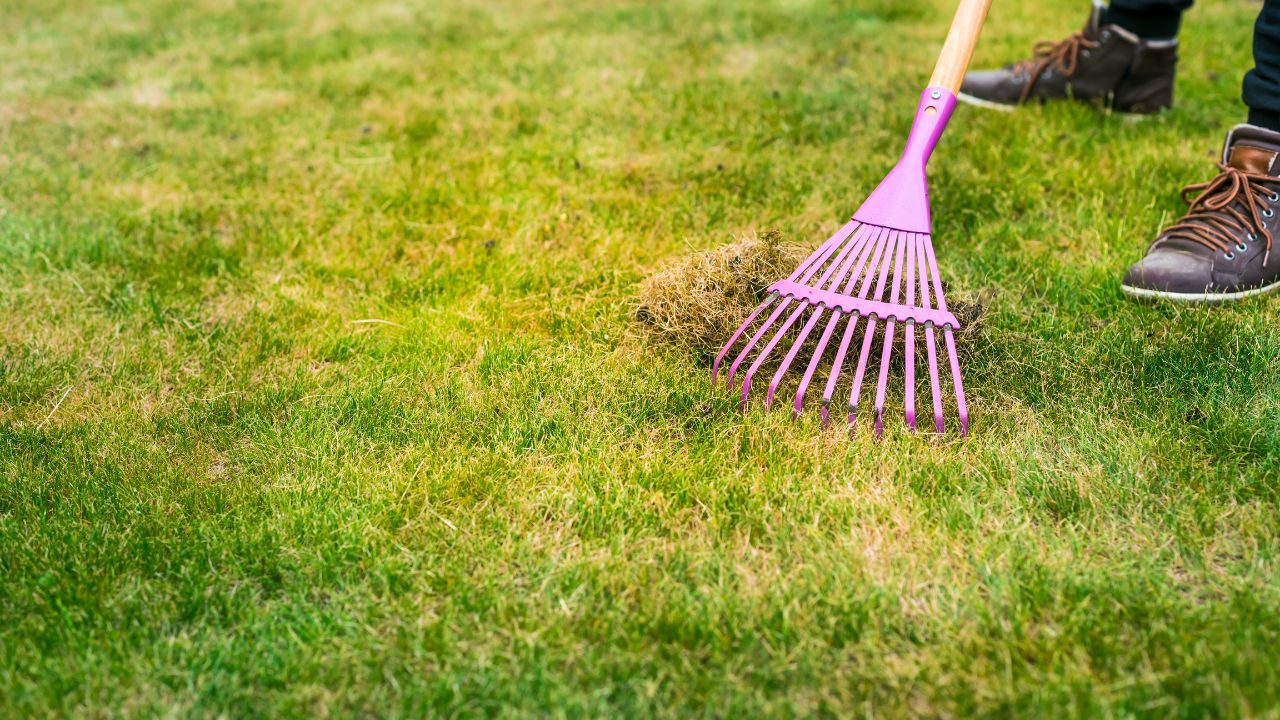
Weevils love to hide in plant debris, mulch, or under overgrown foliage, where they can lay eggs or overwinter. Keeping your garden free of clutter removes their shelter and disrupts their life cycle.
How to Get Started: Routinely rake up fallen leaves, remove old mulch, and clear away any dead plant material around susceptible crops. Dispose of debris away from the garden so adult weevils don’t return.
6. Try Handpicking Weevils
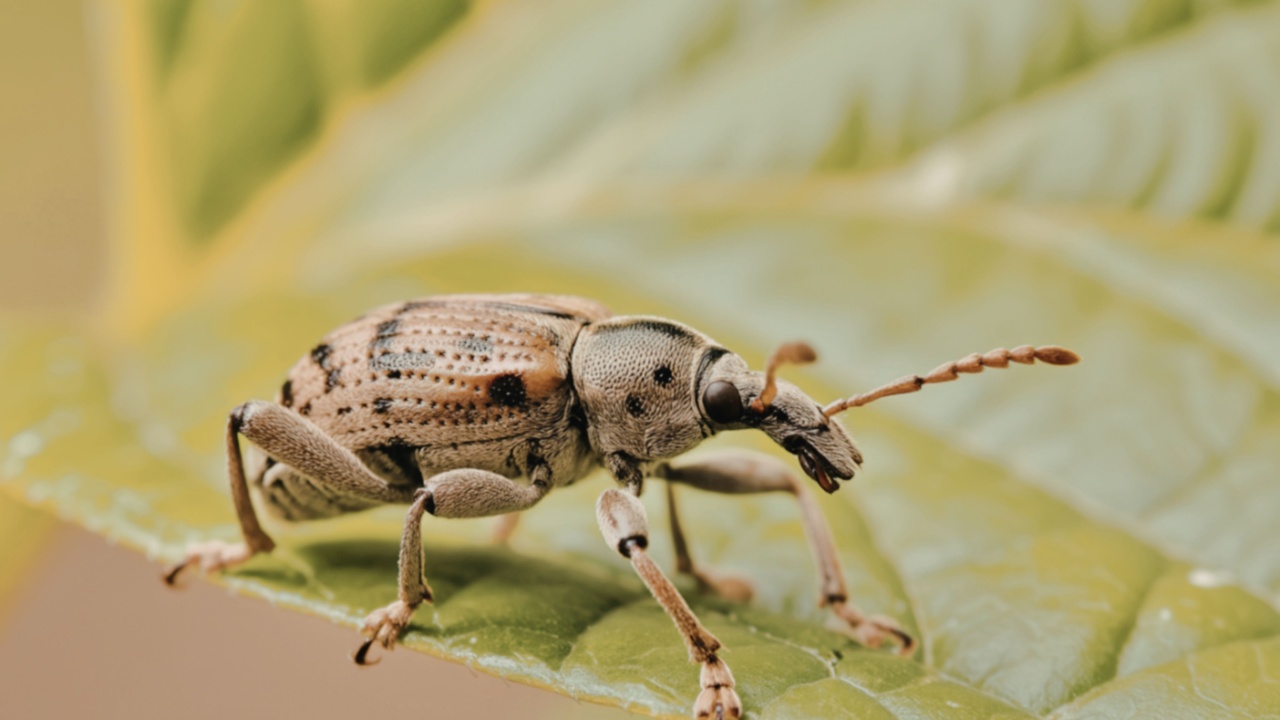
Adult weevils are most active at night and hide during the day. Handpicking is an effective way to quickly reduce minor infestations, especially in smaller gardens.
How to Get Started: Head outside after dusk with a flashlight. Shake leaves over a sheet or tray to dislodge weevils, then collect and destroy them. Drop any captured adults into a bowl of soapy water to prevent their return.
7. Encourage Sustainable Gardening Practices
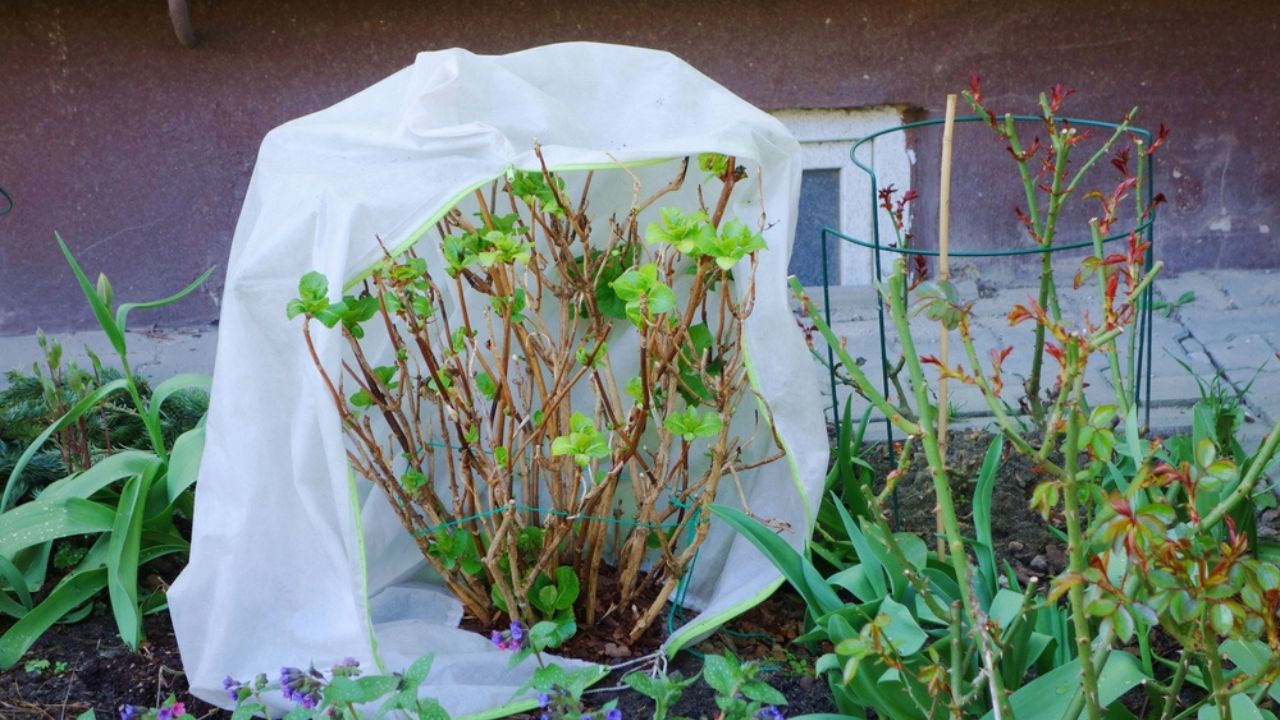
A diverse and healthy garden ecosystem naturally keeps weevil populations in check by supporting a range of predators and minimizing weevil-friendly habitats.
How to Get Started: Grow a mix of native plants, maintain ground cover, and avoid using synthetic chemicals that can harm beneficial organisms. The more robust your garden’s natural food web, the less likely weevils are to become overwhelming.
8. Make DIY Natural Sprays
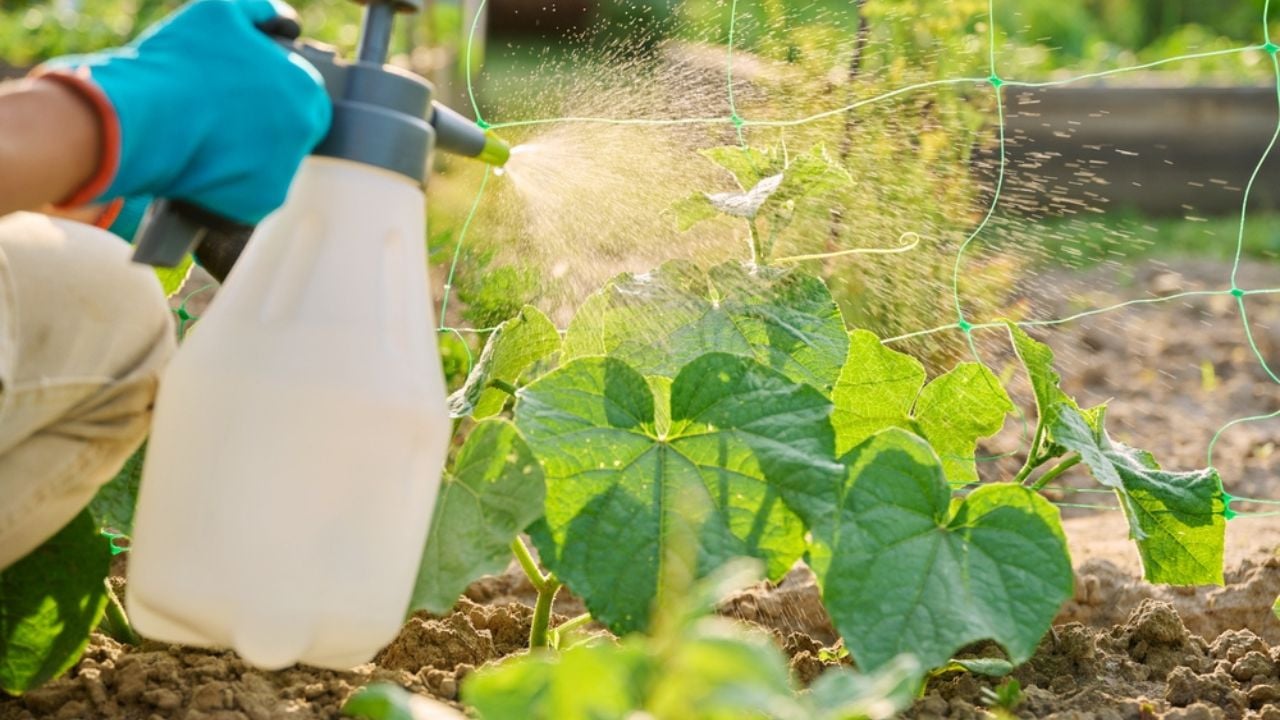
Some homemade solutions, such as garlic or neem oil sprays, can help deter adult weevils from feeding on leaves and laying eggs. Garlic acts mostly as a repellent/anti-feedant, while neem oil has broader modes (repelling, disrupting growth/reproduction), but both need regular reapplication and can stress plants or affect beneficials if misused.
How to Get Started: For garlic spray, blend several cloves with water, strain, and dilute in a spray bottle. Mist affected plants in the evening, making sure to cover both upper and lower leaf surfaces. Neem oil can be mixed with water and a drop of mild soap; spray on plants every two weeks, especially after rain, for ongoing deterrence.
The Right Tools Make All the Difference
Fighting weevils in the garden doesn’t have to mean harsh chemicals or losing your harvest. With these eight natural strategies, you can reduce weevil damage, disrupt their life cycle, and restore balance to your growing space. Choose the methods that suit your garden and revisit them regularly for best results—your plants (and the local ecosystem) will thank you!
Read more
9 Natural Pest Control Methods for Backyard Gardens That Actually Work
Have Mealybugs on Your Succulents? Here’s How to Get Rid of Them