
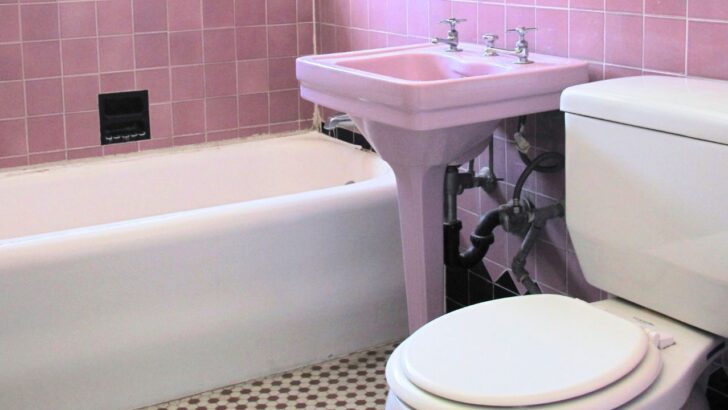
Getting your home ready for sale can feel overwhelming, especially when it comes to repairs and updates. Not everything needs to be fixed before putting your house on the market, though. Some repairs won’t offer enough return on investment, while others may not matter to buyers at all. Knowing where to focus your efforts will save you time, money, and stress.
Here are 12 things you don’t need to fix before selling your home, along with a handy list of fixes that are worth addressing to get the best value for your property.
How We Chose These 12 Items

Image Credit: Shutterstock.
We based this list on guidance from national real estate organizations, home staging professionals, and housing market data showing which pre-sale repairs actually influence buyers’ decisions. According to the National Association of Realtors’ 2023 Remodeling Impact Report, cosmetic upgrades like replacing functioning appliances or redoing light fixtures generally have a low cost recovery—often under 60%—while structural and mechanical fixes see a far higher return.
By focusing on the fixes that matter most to buyers—and skipping the ones with poor ROI—you can save money, reduce stress, and still present a competitive, appealing home.
Safety First
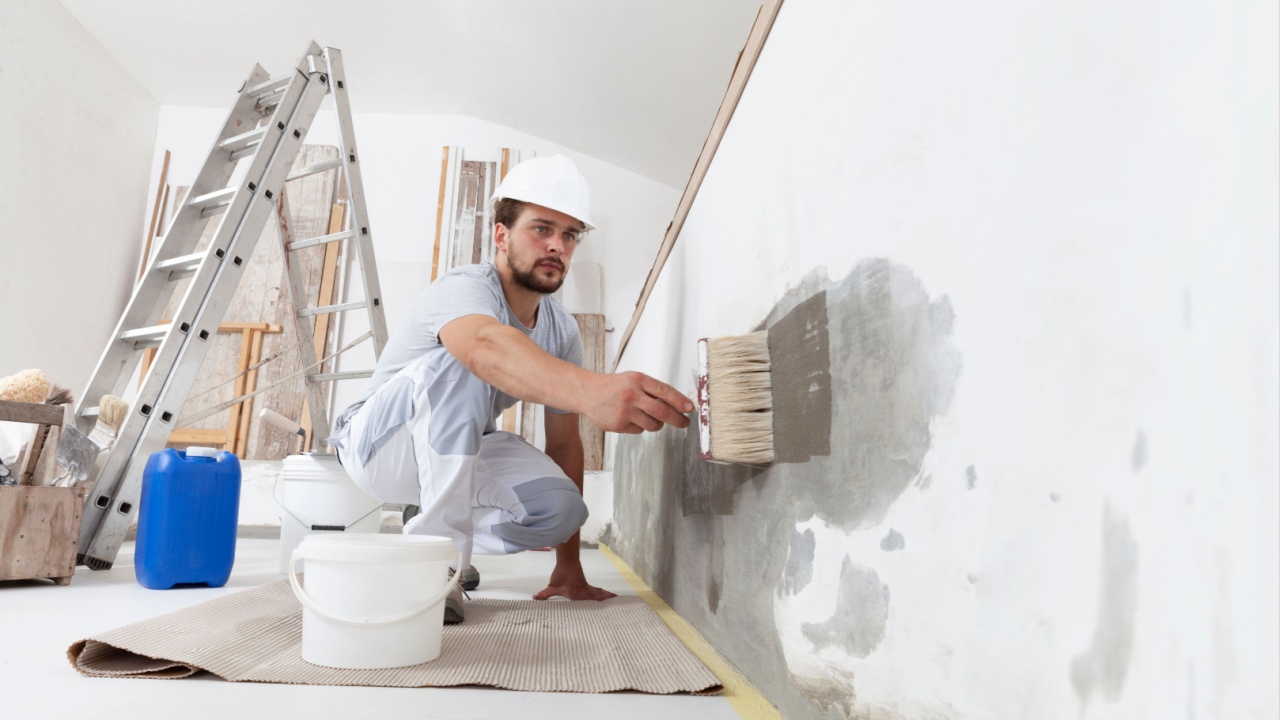
Image Credit: Shutterstock.
Before getting into the nitty-gritty of home renovation, it’s important to prioritize safety. These are the top priority items to focus on before even thinking about cosmetic issues. In other words, don’t skip these!
- Structural issues (foundation, roof) – deal breakers if unaddressed (can affect a buyer’s ability to get approved for financing)
- HVAC, major plumbing, and electrical safety problems – critical for inspection pass/fail and buyer confidence.
- Mold/pest problems – major red flags; buyers demand clean/safe.
1. Old Appliances

Image Credit: Shutterstock.
If your appliances still function, there’s no need to replace them (unless others on the market in your area are more polished). New appliances rarely influence buyers unless they’re broken or visibly on their last legs. Most buyers will either keep their old appliances or replace them with models that suit their taste after they move in.
Why Skip It: Upgrading to brand-new appliances can cost thousands of dollars, and buyers typically won’t pay a premium for high-end models unless you’re selling a luxury property.
Pro Tip: If an appliance is unusable or severely worn, consider replacing it with a secondhand or basic new model. A modest investment here can help avoid red flags during showings.
2. Cosmetic Preferences
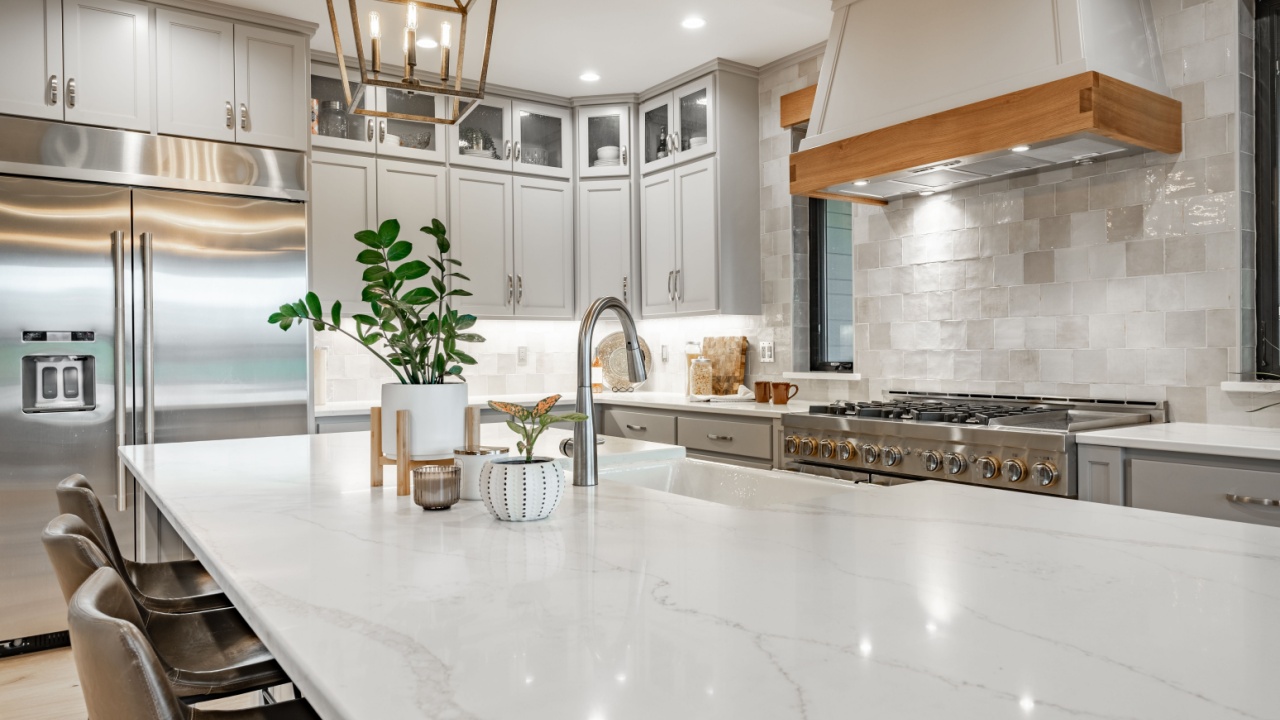
Image Credit: Shutterstock.
Taste is subjective, and features like cabinet colors, countertops, or wallpaper that you dislike might not even register with buyers. Many buyers plan to redecorate anyway, so sinking money into these fixes won’t pay off.
Why Skip It: Buyers appreciate a clean, functional space more than one tailored to personal style.
Pro Tip: If a cosmetic feature, like an outdated paint color, feels particularly distracting, a quick refresh with a neutral shade can help; otherwise, simply focus on cleanliness.
3. Normal Wear and Tear

Image Credit: Depositphotos.com.
No home is perfect, and buyers expect some signs of everyday living, like faded carpets, minor scuffs on floors, or discolored grout lines. These imperfections shouldn’t stop someone from making an offer.
Why Skip It: Most of these minor flaws are expected, and fixing them doesn’t significantly increase resale value.
Pro Tip: Instead of investing in expensive repairs, deep clean the space to make it feel well-maintained.
4. Outdated Fixtures
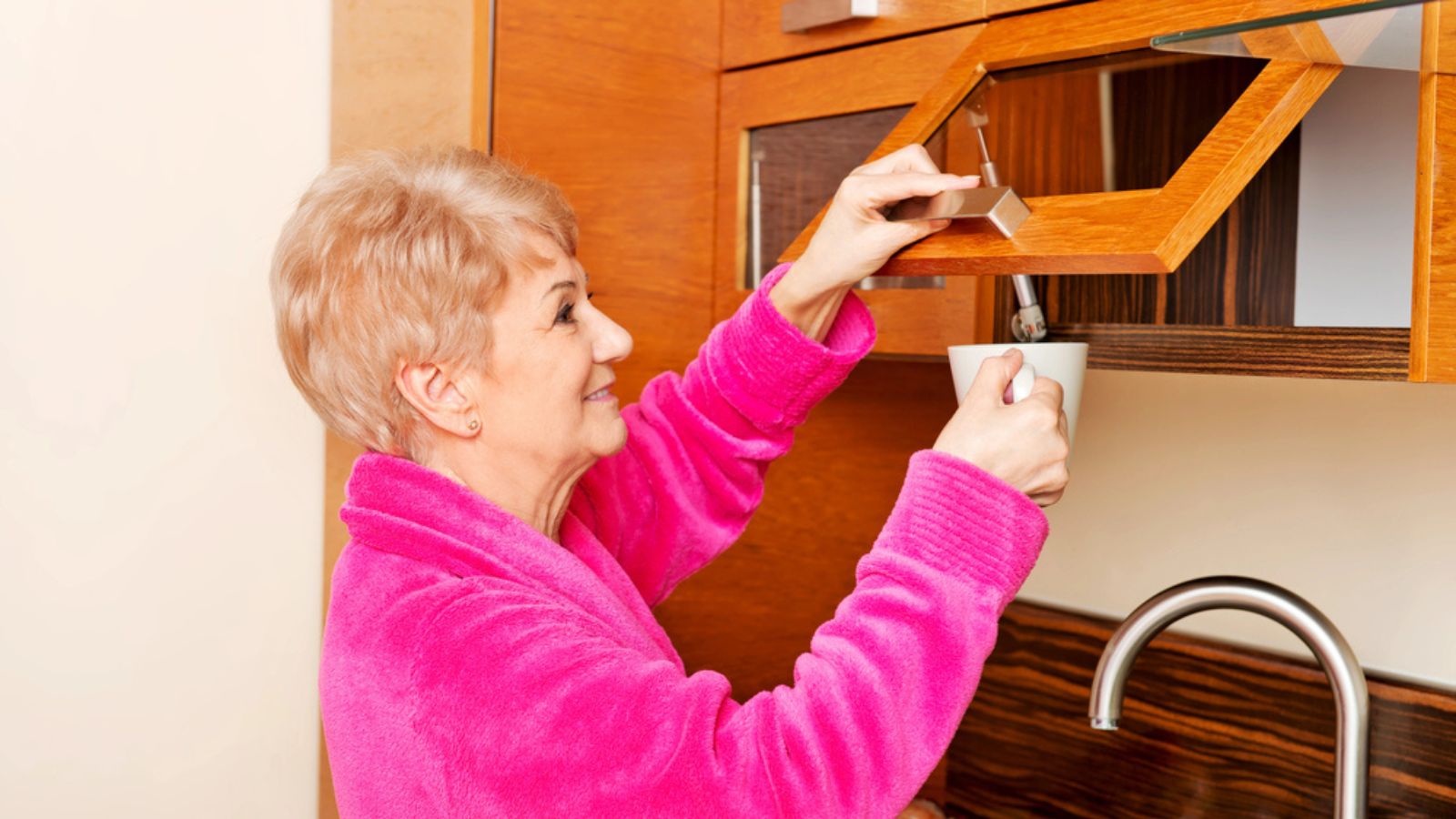
Image Credit: Depositphotos.com
Fixtures like bathroom faucets, light fixtures, and cabinet hardware might look dated, but they rarely sway buyers’ decisions. Unless these fixtures are broken or in poor working condition, there’s no need to replace them.
Why Skip It: Buyers often prefer to choose their own finishes and are unlikely to pay more for trendy updates.
Pro Tip: Clean and polish fixtures as needed to ensure they’re presentable. If you want to make a low-cost upgrade, swapping out dated lightbulbs for modern LED options can brighten up the space.
5. Minor Electrical Issues

Image Credit: Shutterstock.
Loose outlet plugs, missing switch plates, or light switches that don’t seem connected to anything can all seem like glaring problems—but they’re often not dealbreakers. Unless there’s a significant safety concern, these issues can likely be left alone.
Why Skip It: These are typically classified as minor inconveniences that don’t affect overall value.
Pro Tip: Be sure that your electrical panel and outlets are up to code for safety. For very low-cost repairs, replacing a missing outlet cover or tightening a plug can add polish without much effort.
6. Small Driveway or Walkway Cracks

Image Credit: Shutterstock.
Hairline cracks in concrete driveways or walkways may look unsightly, but they’re standard for most homes. Fixing these won’t add enough buyer value to justify the cost of pouring new concrete.
Why Skip It: Buyers know that driveways and sidewalks naturally suffer wear and tear.
Pro Tip: Pressure wash the driveway or sidewalk to remove dirt and make the space look fresh without costly repairs.
7. Curtains and Other Removable Items
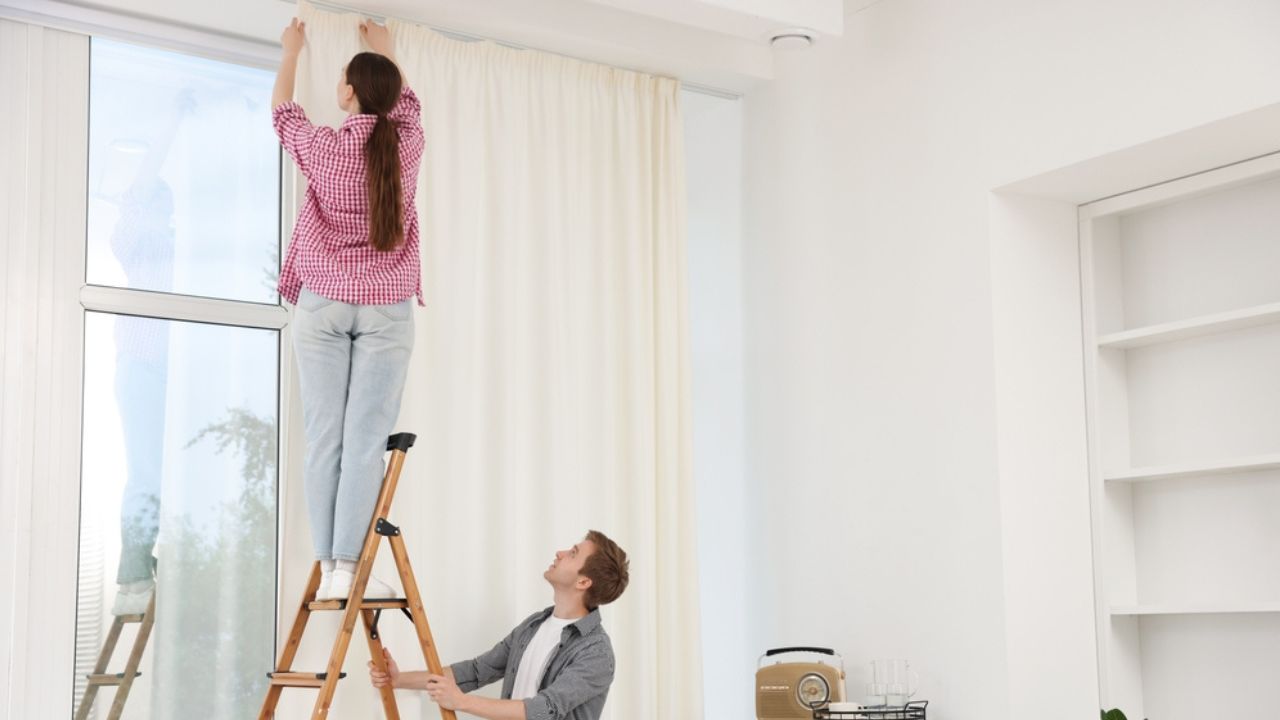
Image Credit: Shutterstock.
Outdated or worn window treatments like curtains, rods, or valances might seem like a glaring issue, but they’re not fixtures of the home. Buyers typically focus on the home’s structural and design elements rather than removable items.
Why Skip It: Buyers may remove window treatments themselves as part of their redecorating plans.
Pro Tip: If curtains are visibly worn, take them down entirely to open up window spaces and brighten the room naturally.
8. Grandfathered-In Code Issues

Image Credit: rifky naufaldy / Shutterstock.
Older homes often don’t meet current building codes, but buyers generally don’t expect them to unless safety is an immediate concern. For example, a staircase without railing spindles that meet new construction standards isn’t a dealbreaker if it’s still functional and safe.
Why Skip It: Updating to meet modern codes can be outrageously expensive and doesn’t often yield additional value.
Pro Tip: Disclose any known code issues upfront to avoid surprises later in the process. Buyers may ask to address major concerns after inspections.
9. Partially Finished Renovations

Image Credit: Shutterstock.
It might be tempting to start last-minute upgrades like adding new vanities or tile to a bathroom, but partially completed renovations almost always harm your home’s appeal. Buyers find it hard to visualize the finished product and may see this as a red flag. The only time you might leave it is if it’s finished enough to allow a buyer to complete the project with their own personal touch.
Why Skip It: If you can’t finish a renovation completely before listing, it’s better left alone.
Pro Tip: Focus on ensuring spaces are tidy and functional instead of starting time-intensive upgrades.
10. Bathroom Upgrades Without a Complete Overhaul
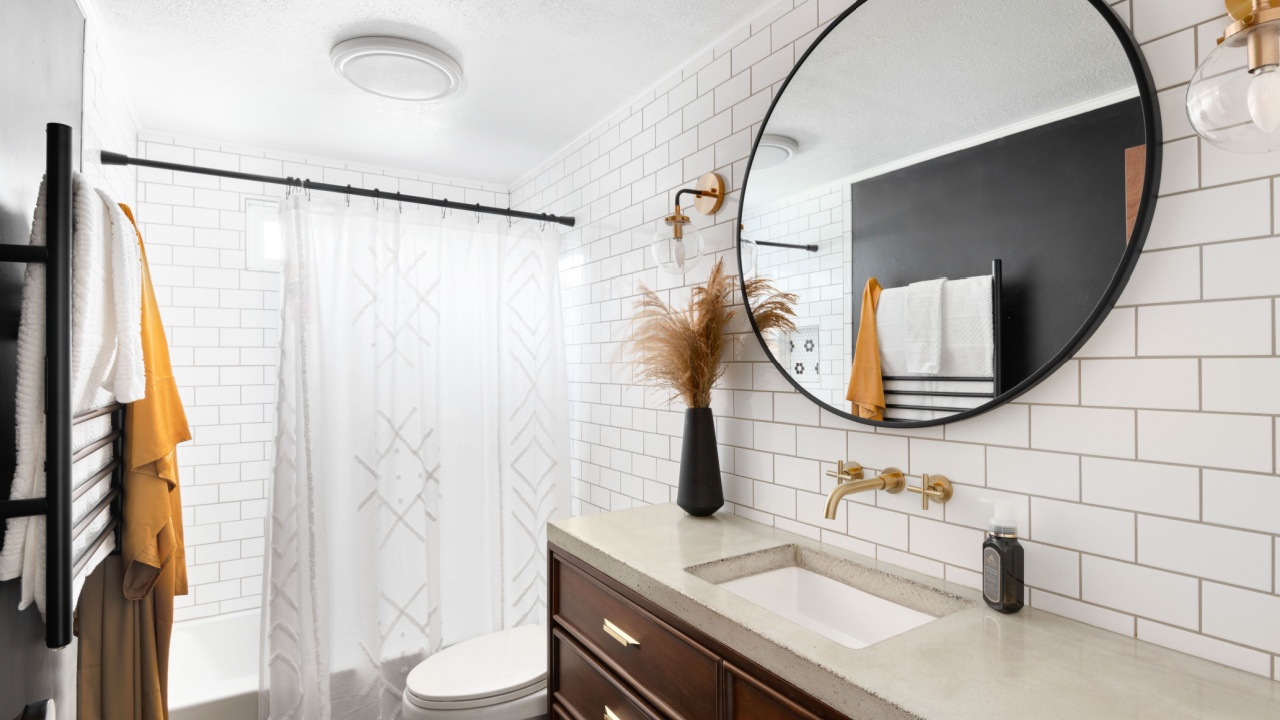
Image Credit: Shutterstock.
Replacing a vanity while leaving outdated tile or attempting other small-scale updates in your bathroom can highlight the room’s age rather than helping sell the home.
Why Skip It: Piecemeal updates rarely pay off because they draw attention to what hasn’t been updated.
Pro Tip: Instead of replacing fixtures, focus on a deep clean or simply paint cabinets to freshen the space.
11. Major Outdoor Improvements

Image Credit: Deposit Photos.
While curb appeal matters, projects like adding a full outdoor kitchen, koi pond, or fire pit can be extravagant for a home you’re about to sell. These aren’t typically make-or-break features for buyers.
Why Skip It: Large-scale landscape changes rarely offer a high financial return.
Pro Tip: A freshly mowed lawn, trimmed shrubs, and a power-washed exterior can work wonders without overspending on upgrades.
12. High-End Customizations

Image Credit: Depositphotos.com.
Unique, high-end additions like built-in wine fridges or custom wallpaper reflect personal tastes but may not appeal to the majority of buyers. Over-personalizing a home before selling can limit its appeal to a broader audience.
Why Skip It: Buyers want to envision the space as their own, and niche upgrades can feel limiting.
Pro Tip: Keep the space neutral and adaptable to attract more potential buyers.
What You Should Fix Before Selling
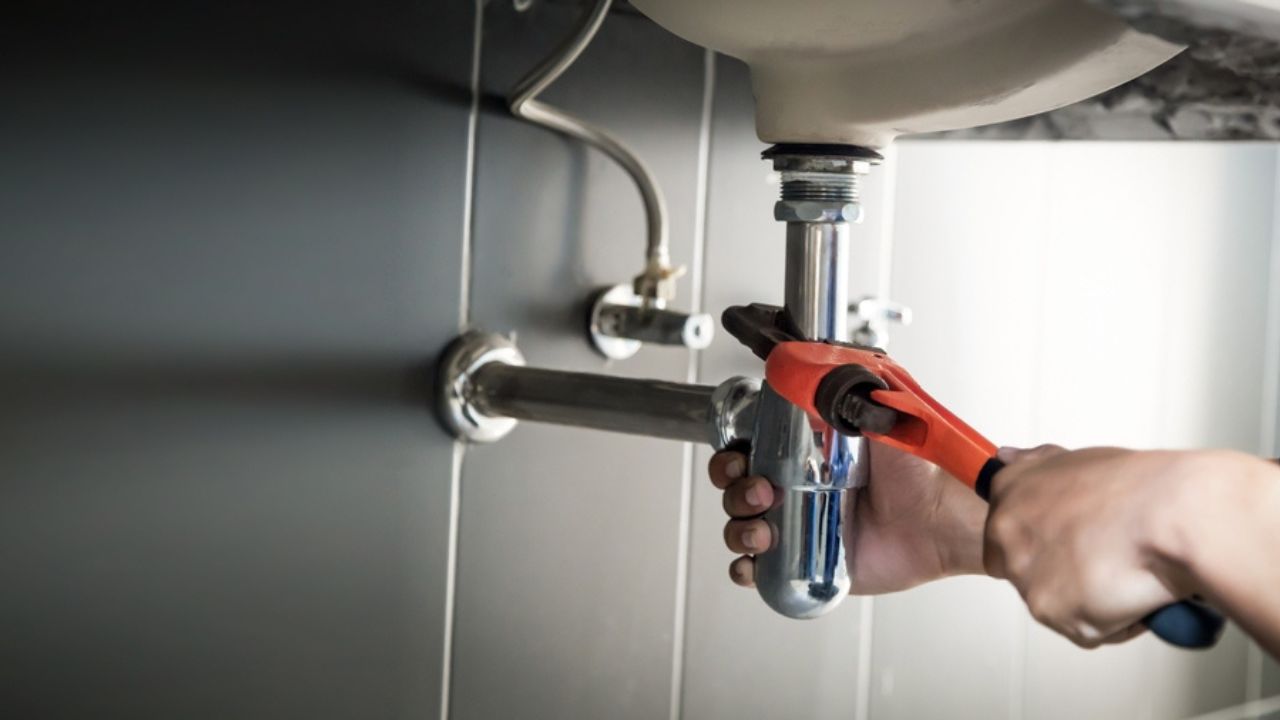
Image Credit: Shutterstock.
While some fixes aren’t necessary, others can make or break a sale. Here’s what you should prioritize before listing your home (as briefly mentioned in the beginning):
- Structural Issues: Address problems like foundation cracks or roof damage to prevent scaring off buyers.
- HVAC Repair: Ensure the heating and cooling systems are functional, as buyers often prioritize comfort over aesthetics.
- Plumbing Issues: Fix any leaks, clogs, or dripping faucets to avoid inspection red flags.
- Electrical Problems: Resolve serious issues like exposed wiring or outlets that don’t work.
- Mold or Pest Problems: Buyers want a home that feels clean and safe to live in.
- Exterior Repairs: Replace missing roof shingles and broken gutters to ensure the house is weatherproof.
- Deep Clean and Declutter: A spotless space leaves the impression of a well-maintained home.
Focus Where It Counts
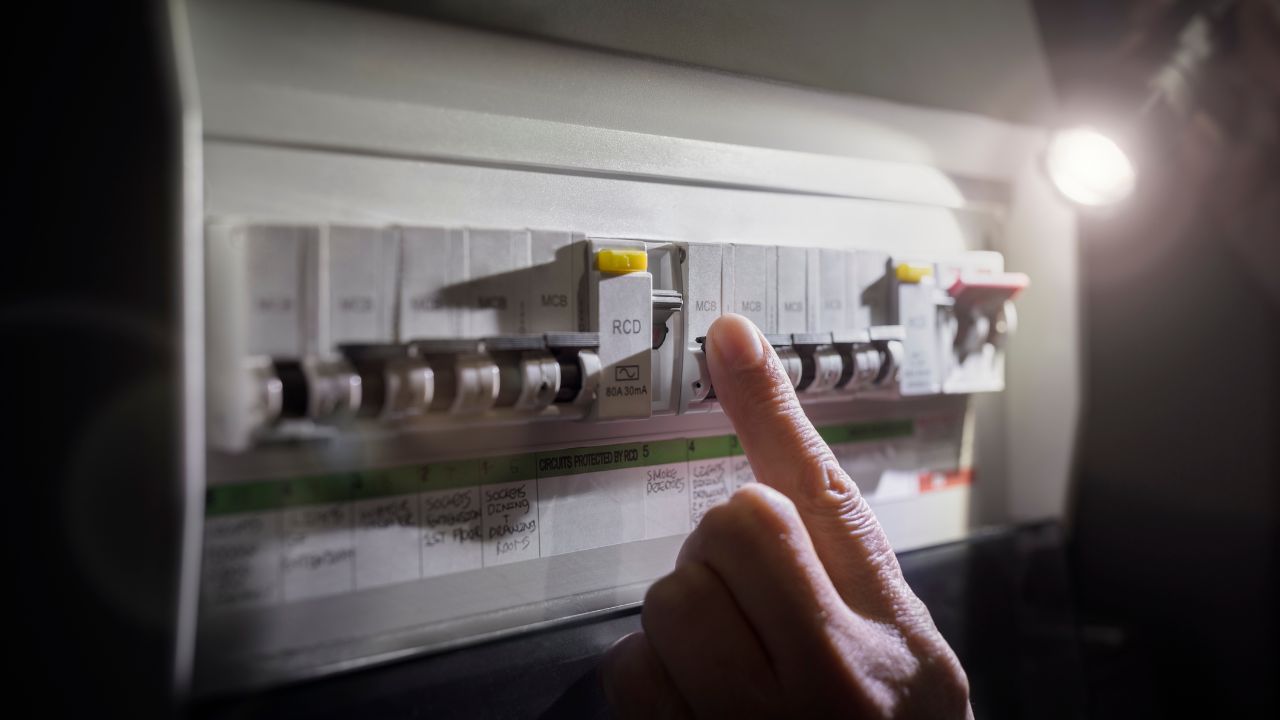
Image Credit: Shutterstock.
Selling a home doesn’t have to mean fixing every flaw. By focusing on what matters most to buyers and skipping unnecessary repairs, you’ll save time and money while getting your home ready to sell. Start with the “must-fix” list to address critical items and leave the cosmetics for the next homeowner. With these tips in mind, you’ll be well on your way to a successful sale!