16 High Maintenance Vegetables to Skip
Starting your own garden is an exciting adventure, but not all vegetables are created equal when it comes to ease of growth and the rewards they offer. Some vegetables require intensive care, have lengthy growing seasons, or yield a harvest that might make you wish you’d used the space more wisely (was that worth saving $.95 at the grocery store?).
If you’re a beginner gardener or looking to expand your garden, this guide will help you avoid frustrations and make smarter planting decisions.
How We Curated This List
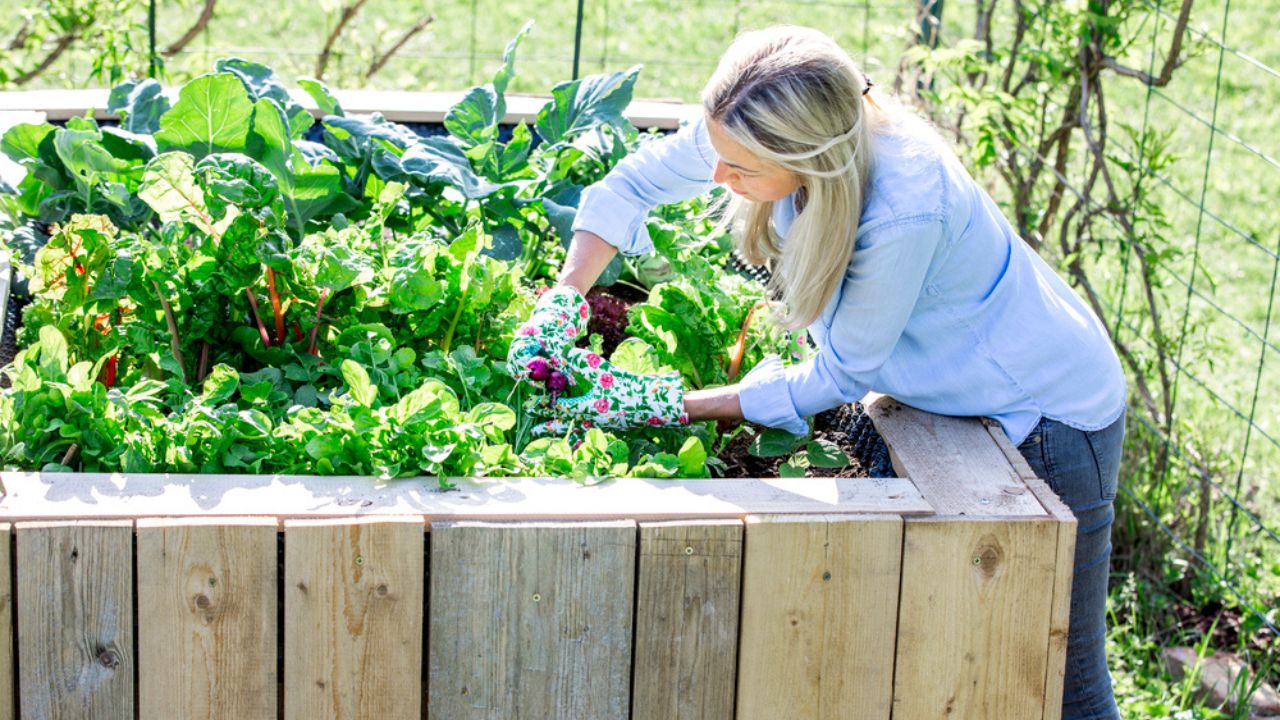
Whether you’re brand new to gardening or a seasoned pro, growing vegetables takes time and effort. Considering your space, what you actually like to eat, and the amount of yield (compared to effort) are all important to maximize satisfaction and minimize disappointment.
On some lists out there, you’ll find complaints about okra, cucumbers, pumpkins, and other grower favorites. It just goes to show there is no black and white answer to what’s “worth it.”
That’s why we’ve compiled this list of 16 vegetables that may not be worth growing if you are short on time, space, or patience, along with alternatives that will provide a better payoff for your hard work.
Don’t Take Our Word For It
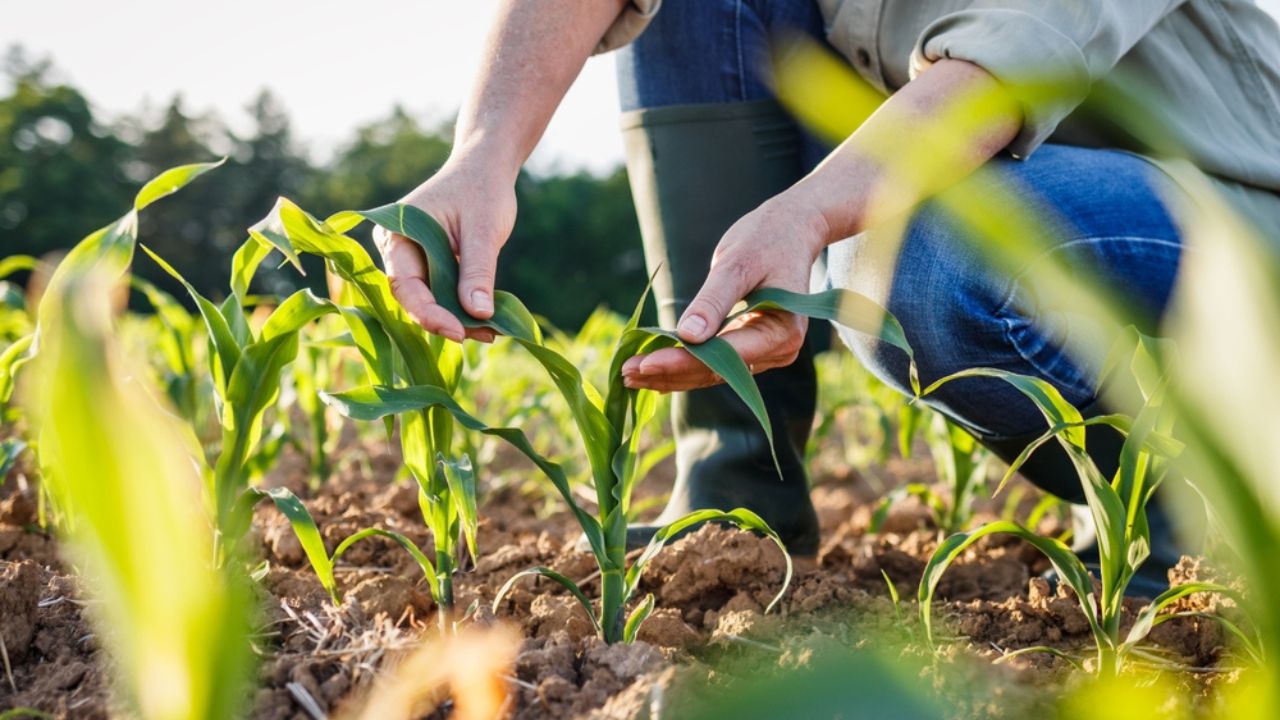
Now the caveat.
We’re not trying to dissuade you from growing these vegetables entirely. Different climates, soil types, and preferences will all affect how well each of these vegetables grows in your garden.
Some may thrive in your area while others struggle. It’s important to experiment and find what works best for your specific situation.
Additionally, just because a vegetable may not be worth growing in terms of effort vs yield, it doesn’t mean that you can’t still enjoy them! Farmer’s markets, community gardens, and local farms are great options for getting high-quality produce without the extra work.
1. Celery

Celery is a demanding crop that requires consistently moist, nutrient-rich soil and plenty of time. It’s prone to pests and diseases, and its grocery-store alternative is often inexpensive.
Grow Instead: Swiss chard
Swiss chard offers similar crunch and versatility but grows effortlessly in a wide range of conditions. It’s also a cut-and-come-again vegetable, meaning you can harvest leaves continuously throughout the season.
2. Cauliflower
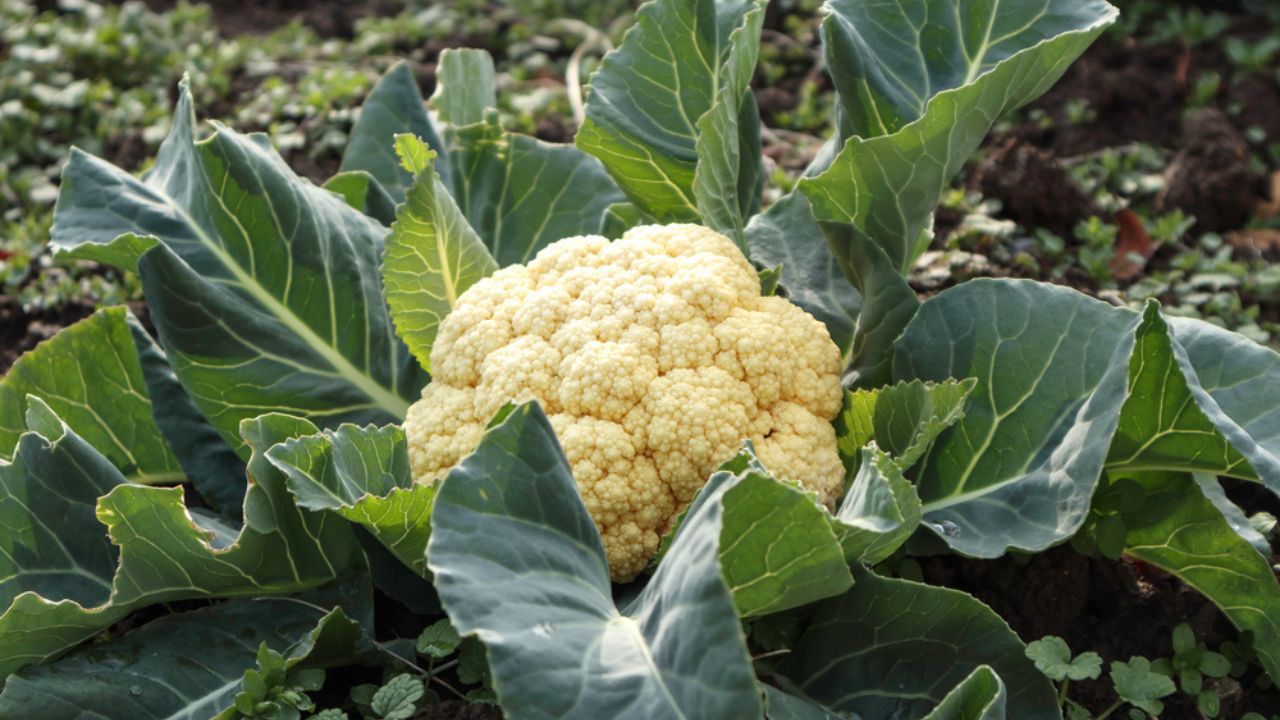
With strict temperature requirements and susceptibility to pests like aphids and cabbage worms, cauliflower can leave even experienced gardeners frustrated.
Grow Instead: Broccoli
OSU Extension verifies that broccoli is sturdier, easier to grow, and offers just as much nutritional value. It’s also less fussy about temperature and rewards gardeners with multiple harvests if side shoots are cut regularly.
3. Asparagus
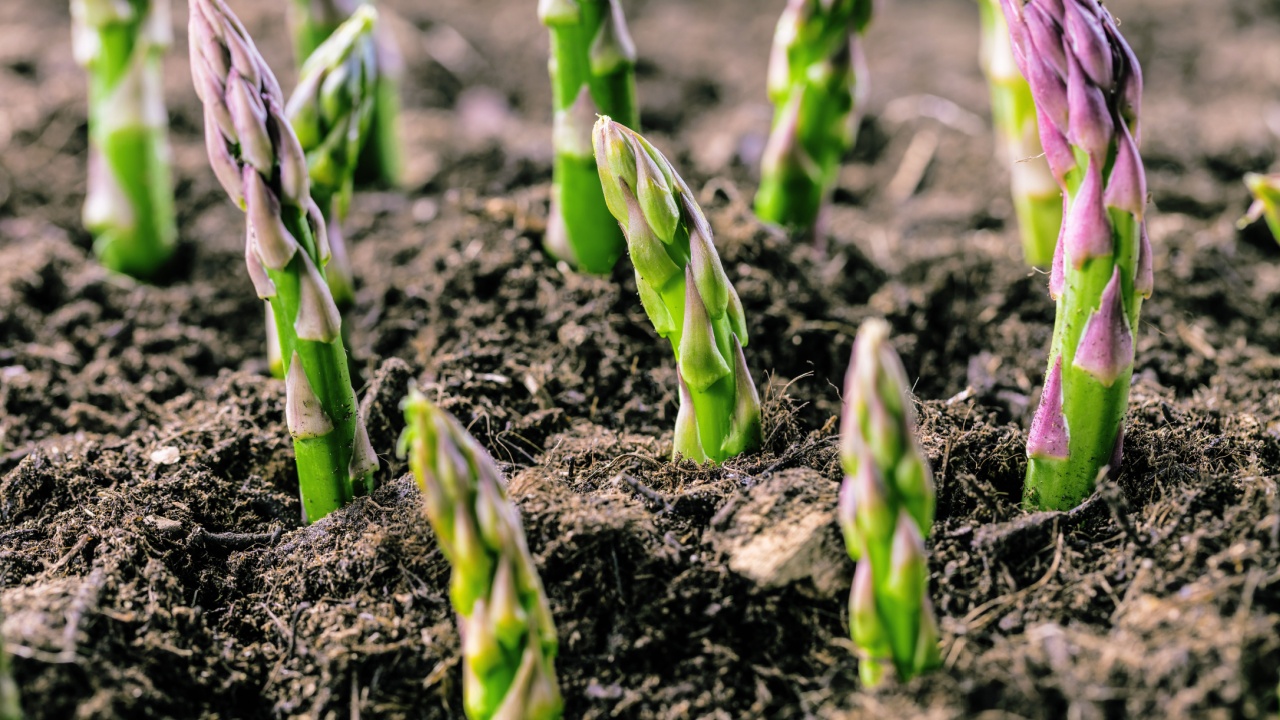
This perennial favorite takes three years to yield a harvest, and its bed-space requirements make it impractical for small gardens. If you want something that you can enjoy sooner, Asparagus isn’t a good choice. However, once it’s established, keep in mind this is a low-maintenance perennial that you’ll love.
Grow Instead: Rhubarb
Rhubarb grows prolifically and offers tart, vibrant stalks that are perfect for desserts. Plus, it’s easy to maintain and provides years of bounty once established. Although not comparable as a food in the kitchen, it’s a better choice if you’re looking a quicker turnover.
4. Artichokes
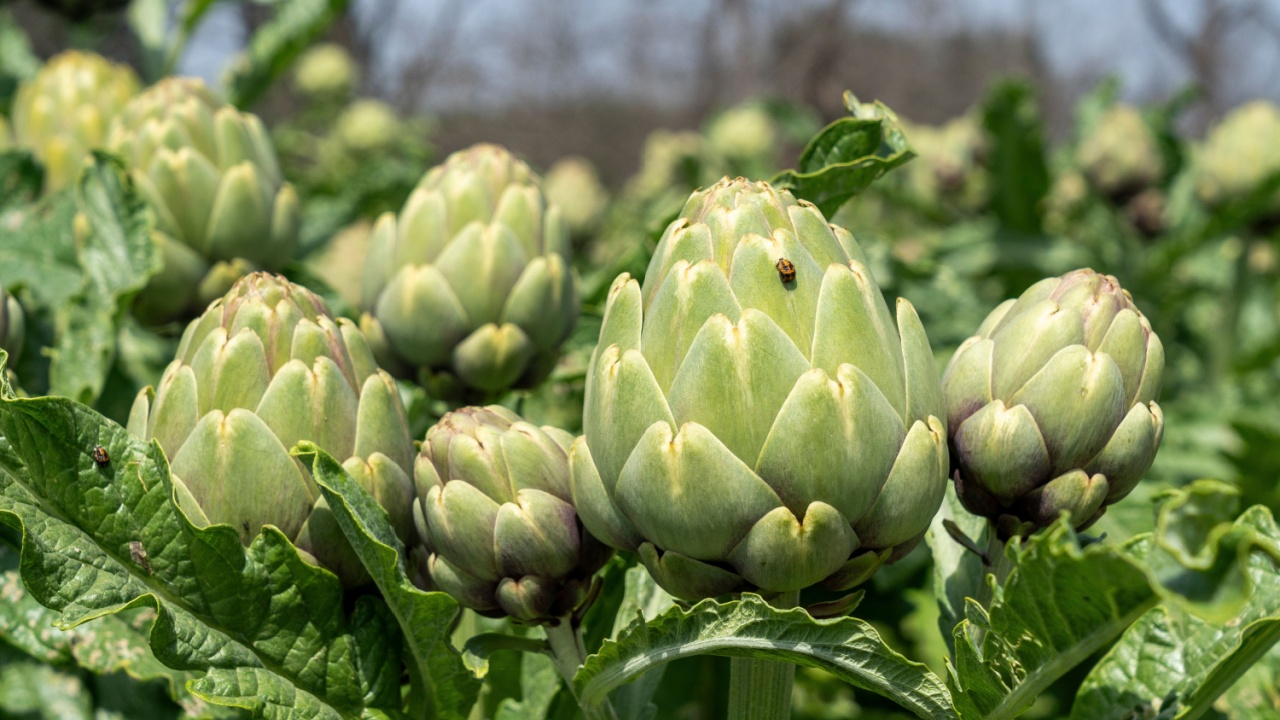
Artichokes need warm weather, well-draining soil, and significant care to flourish. Their yields often don’t justify the effort required.
Grow Instead: Jerusalem Artichoke
Related to sunflowers, it produces edible tubers with a nutty flavor (not the same taste as globe artichokes, but a productive edible alternative). Very easy to grow, hardy, and prolific, but needs space because it spreads.
5. Eggplant
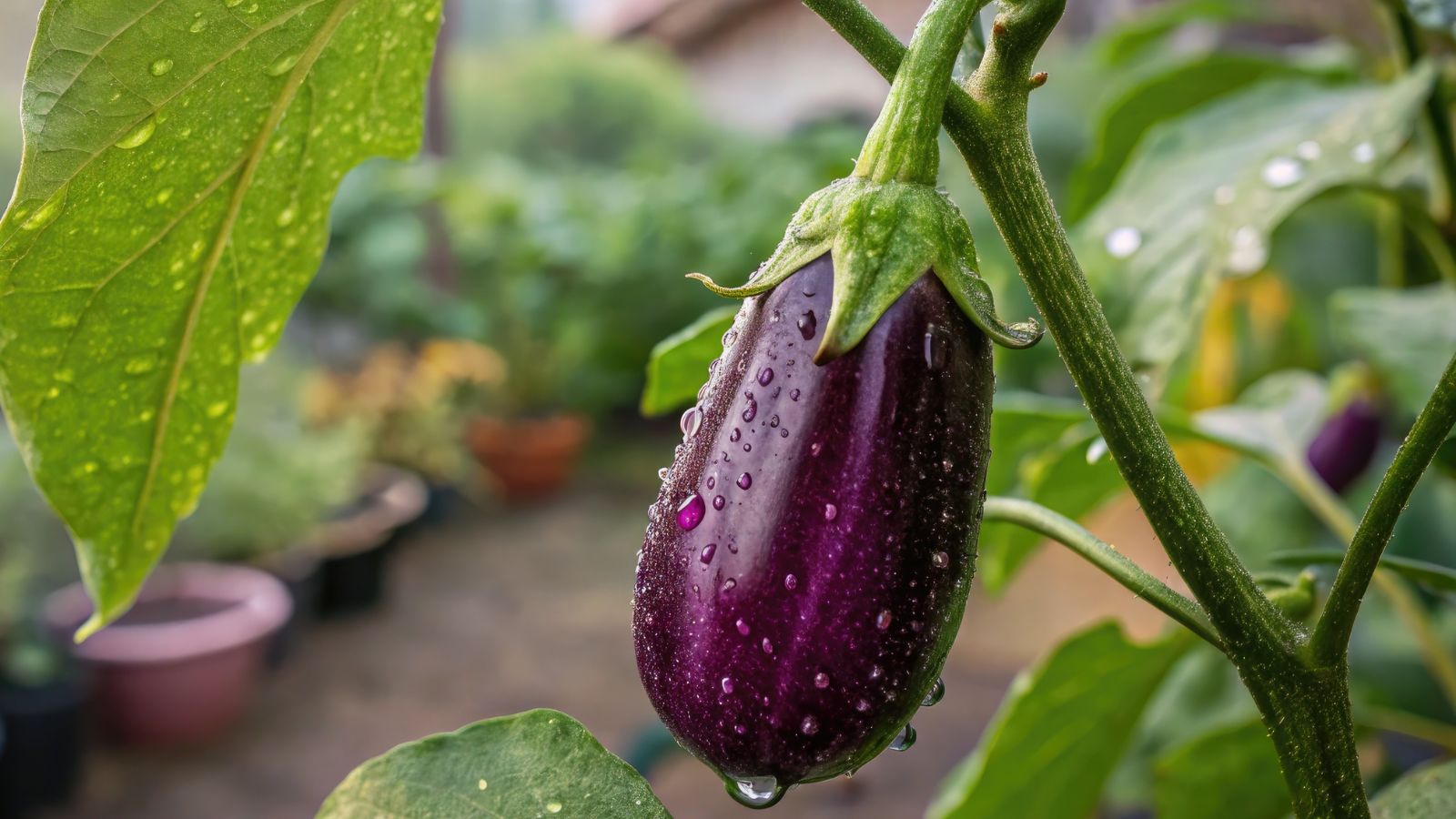
Eggplants are highly susceptible to pests like flea beetles and need a long growing season with optimal warmth, making them difficult for many gardeners.
Grow Instead: Zucchini
Zucchini is prolific, versatile, and far easier to cultivate. Although it suffers from its own pests and diseases. Just a few plants will provide an abundance of fruit throughout the season.
6. Brussels Sprouts
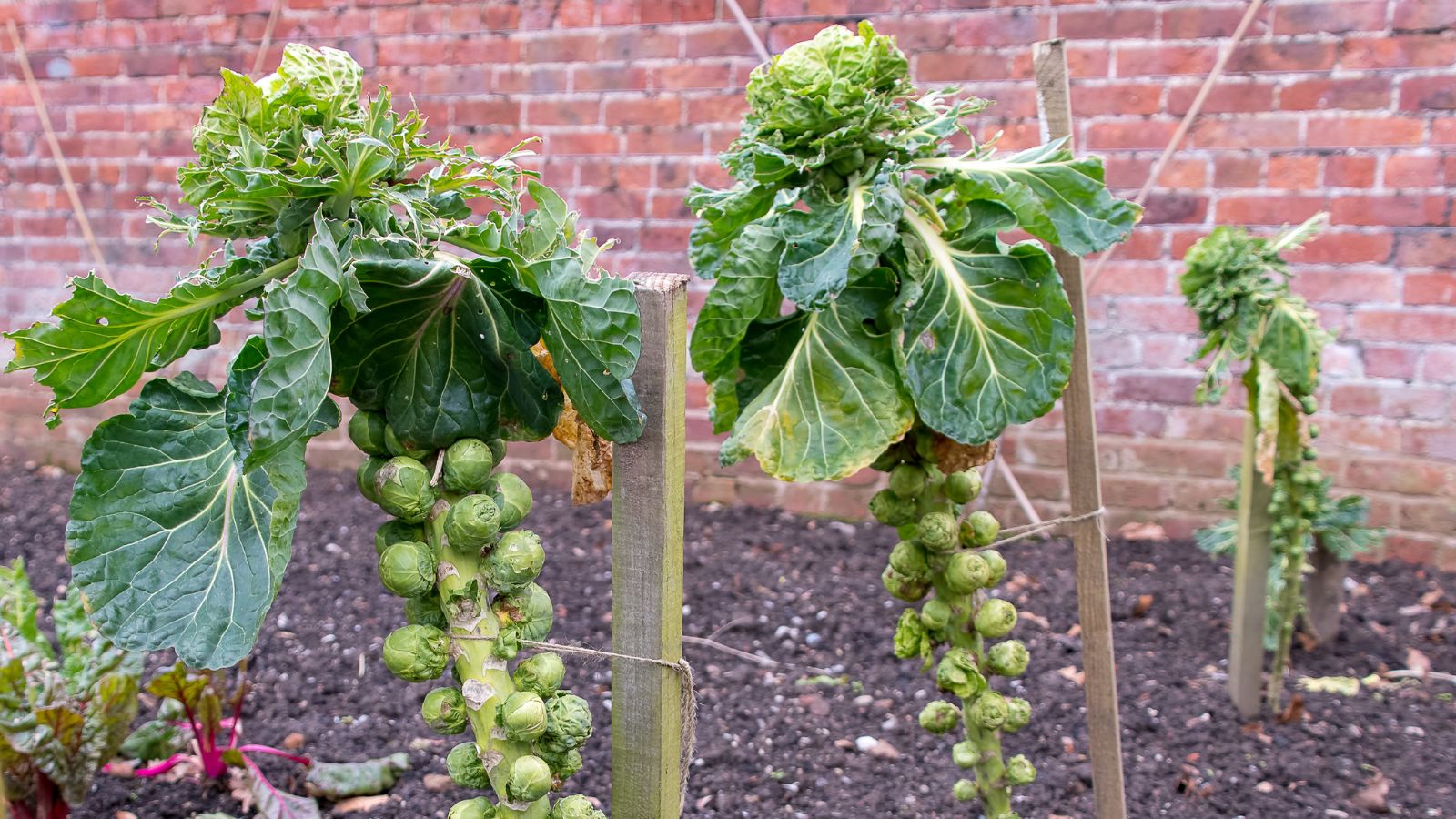
These slow-growing plants are prone to pests such as caterpillars and require a lengthy season to reach maturity.
Grow Instead: Kale
Kale grows quickly, tolerates a variety of conditions, and allows for multiple harvests. It’s also highly nutritious and frost-hardy.
7. Lettuce and Spinach
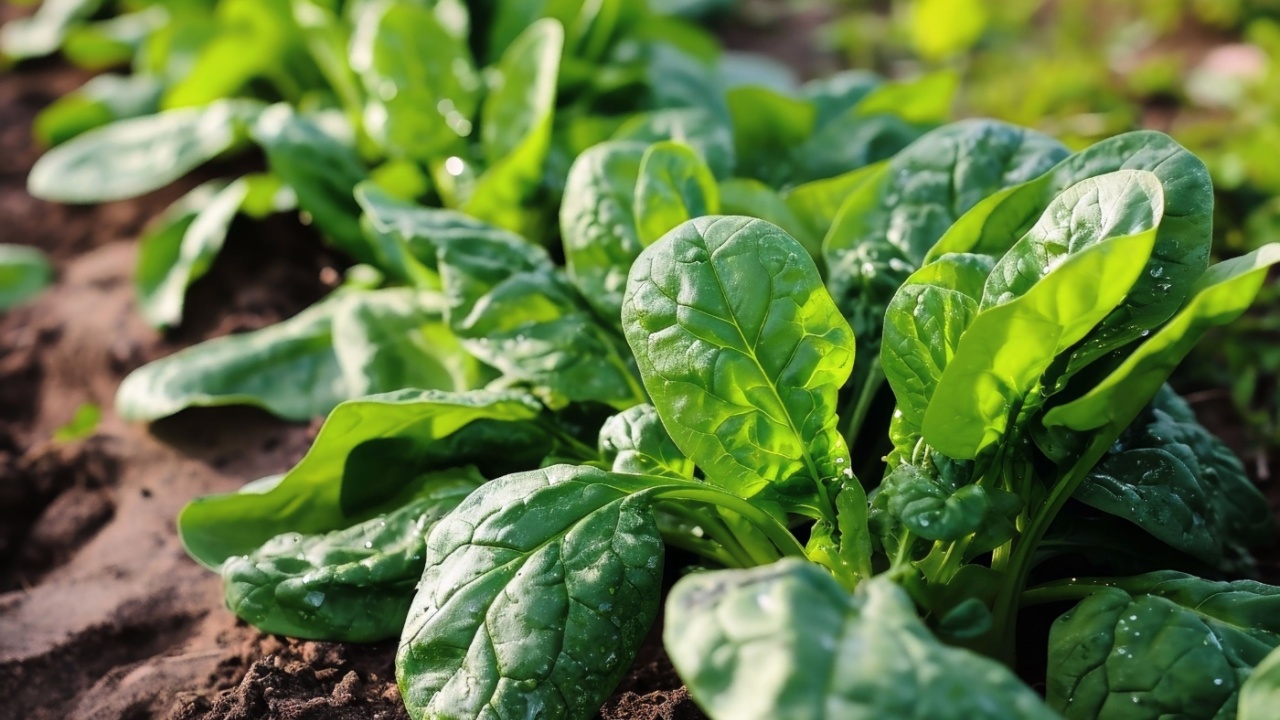
While both lettuce and spinach are popular salad greens, they can be frustrating for many gardeners. Lettuce tends to bolt quickly in warm weather, turning bitter, while spinach is even more heat-sensitive, often going to seed before you get a good harvest. These crops are best used in shady areas or shoulder seasons (not in the middle of a hot summer). Plus, they require frequent re-seeding.
Grow Instead: Arugula.
Arugula is a fast-growing, peppery-flavored green that thrives in both cool and moderately warm conditions, making it far more forgiving than lettuce or spinach. You can start harvesting baby leaves in as little as 3–4 weeks, and it regrows quickly after cutting. It tolerates a wider range of temperatures, allowing for earlier spring planting and extended fall harvests without as much bolting. Arugula also self-seeds readily, so once it’s established, you may find it coming back on its own year after year.
8. Carrots
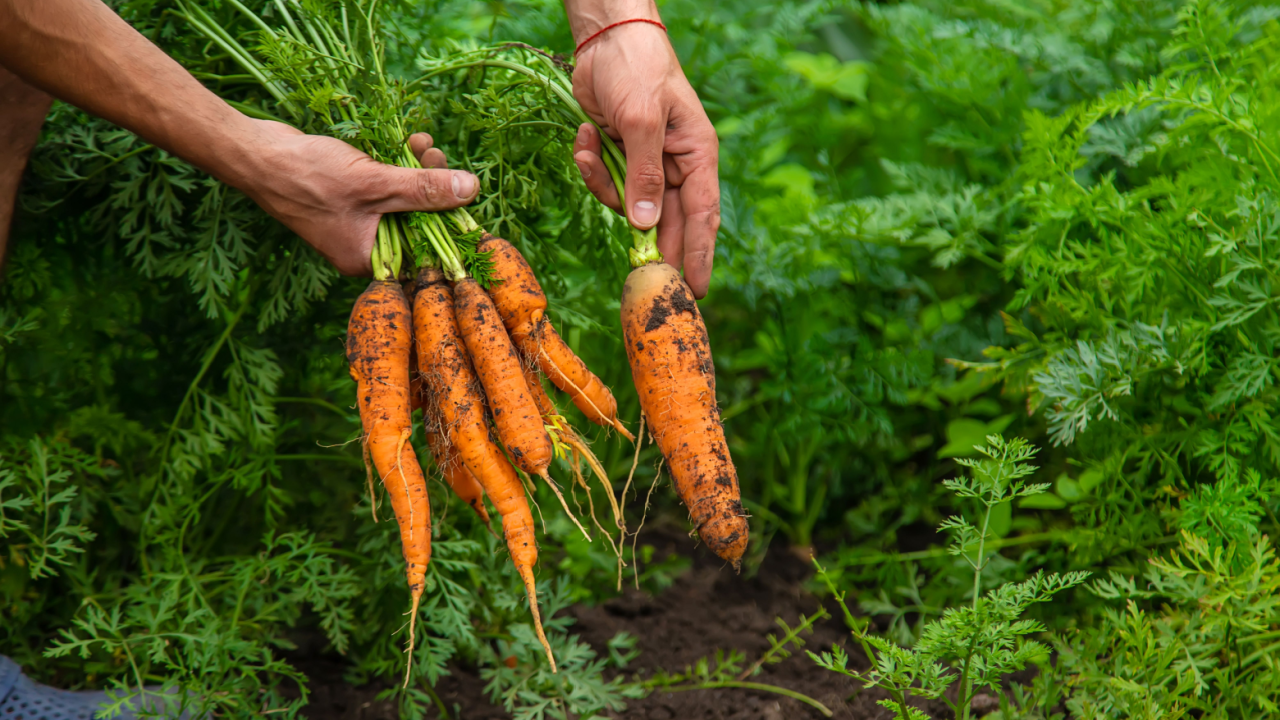
Carrots demand loose, sandy soil to develop long, uniform roots. Without ideal conditions, they often end up misformed or stunted.
Grow Instead: Radishes
Radishes grow quickly, even in less-than-perfect soil, and add a crisp, peppery flavor to salads and snacks. They are a forgiving crop that you can maximize with succession planting.
9. Onions

Onions require a long growing season, specific soil conditions, and consistent care to form full, healthy bulbs.
Grow Instead: Green onions (scallions)
Green onions mature quickly, are less fussy about soil conditions, and can be harvested repeatedly for fresh, mild flavor.
10. Corn
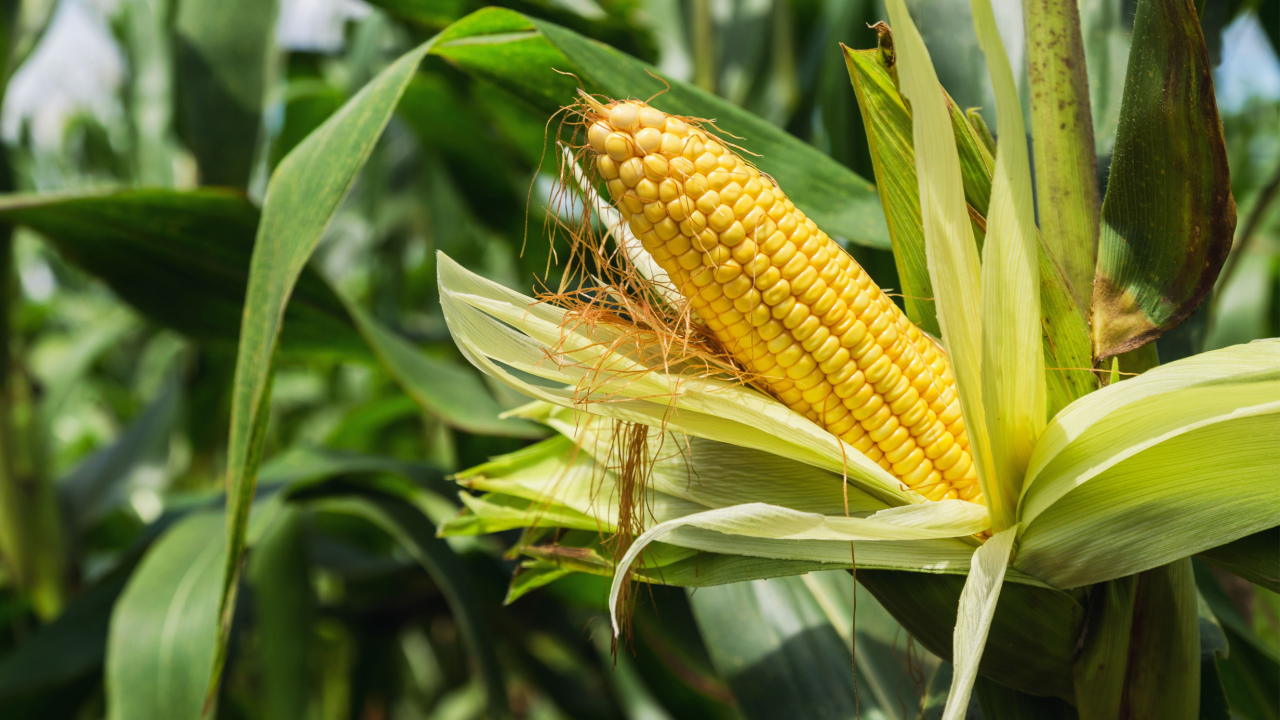
Corn requires significant space, water, and nutrient-rich soil, making it a poor choice for most home gardeners.
Grow Instead: Beans
Beans are space-efficient, enrich the soil with nitrogen, and deliver high yields with minimal care. They’re also versatile, working as either pole or bush varieties.
11. Peas
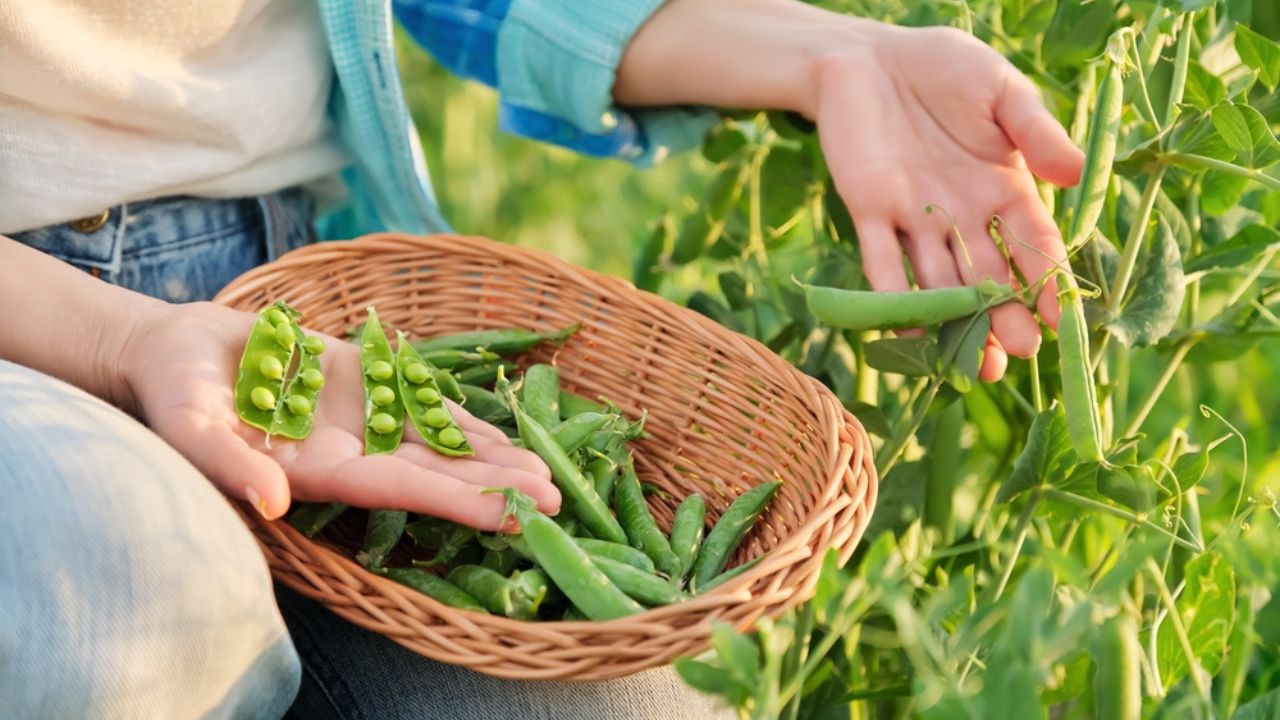
Peas flourish in cool, moist environments, and their yields are often minimal compared to the effort involved in trellising and harvesting. If you grow them at the right time (early summer or fall), they might be worth it. But in the middle of summer, not so much.
Grow Instead: Bush beans
Bush beans love warm weather, don’t require staking, and produce consistently high yields across the season.
12. Cabbage

Cabbage takes months to grow, requires careful pest management, and is readily available at low cost in stores.
Grow Instead: Collard greens
Collard greens are fast-growing, pest-resistant, and deliver a steady supply of large, nutritious leaves.
13. Radicchio
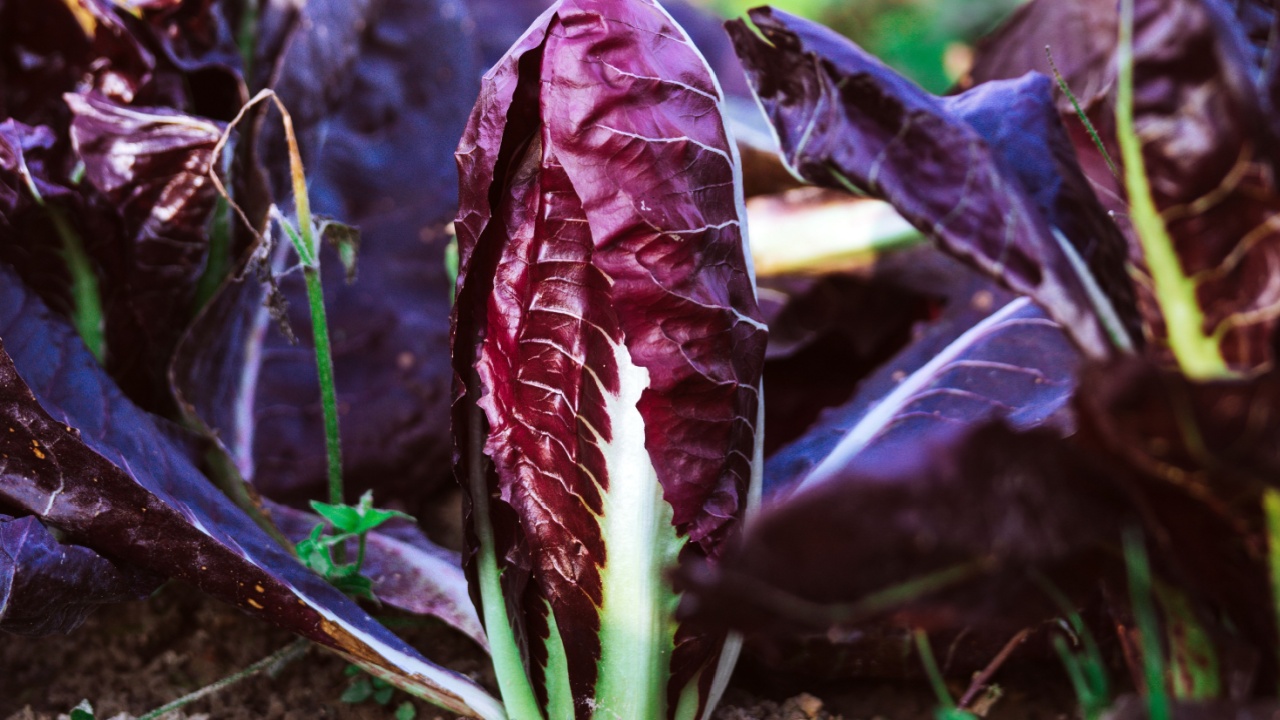
Radicchio is susceptible to bolting in warm weather and requires precise conditions to thrive, making it a challenge for most gardens.
Grow Instead: Endive
Endive is slightly more resilient, handles a bigger range of climates, and offers a similar bitter flavor with a little less effort.
14. Fennel
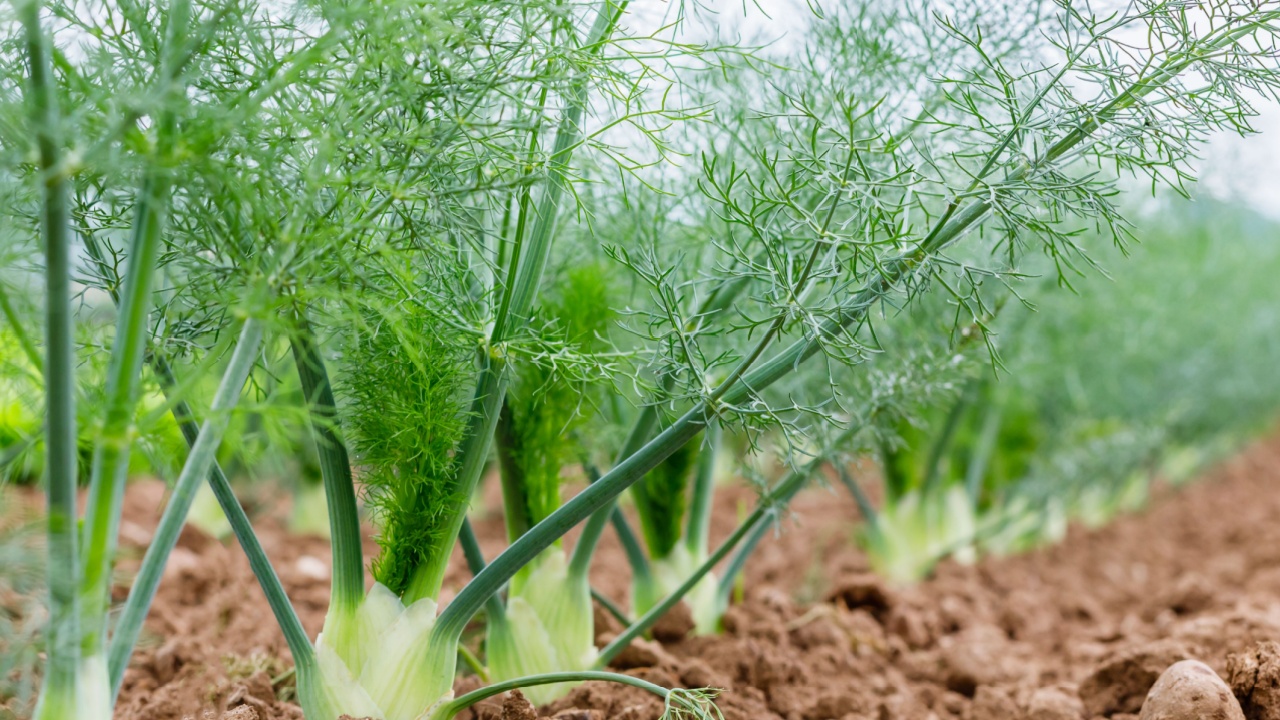
Fennel needs well-draining soil, precise moisture conditions, and ample care to thrive, making it finicky for most gardeners. Plus, it doesn’t play well with other plants, taking over the soil and attracting pests.
Grow Instead: Dill
Dill provides a similar anise-like flavor while being much less demanding. It grows quickly and attracts beneficial insects to your garden.
15. Kohlrabi
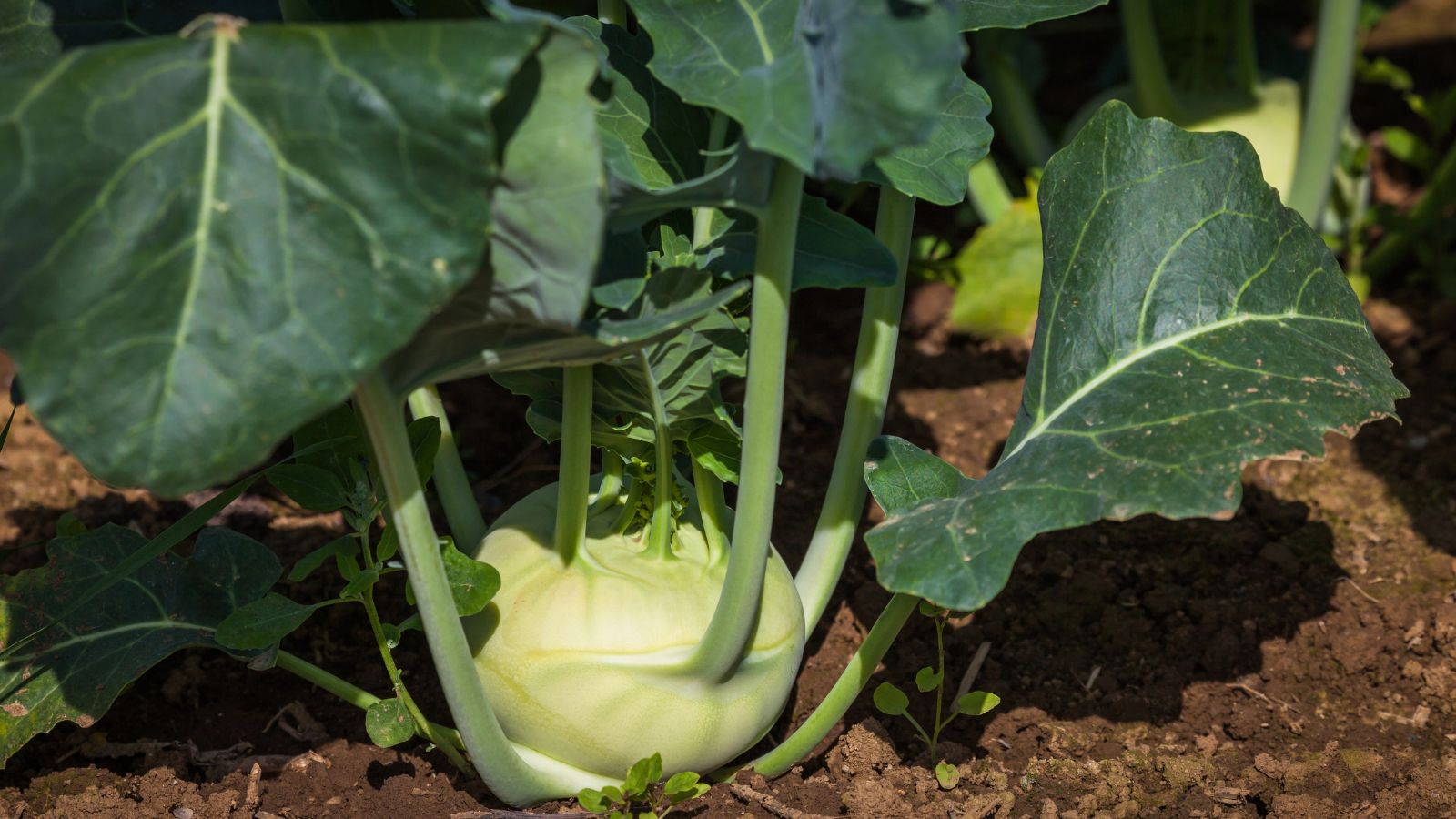
Kohlrabi struggles in gardens with nutrient-poor or compacted soil and doesn’t always yield well.
Grow Instead: Radishes
Radishes mature quickly, thrive in most soil types, and make a welcome addition to any beginner’s garden.
16. Sweet Potatoes
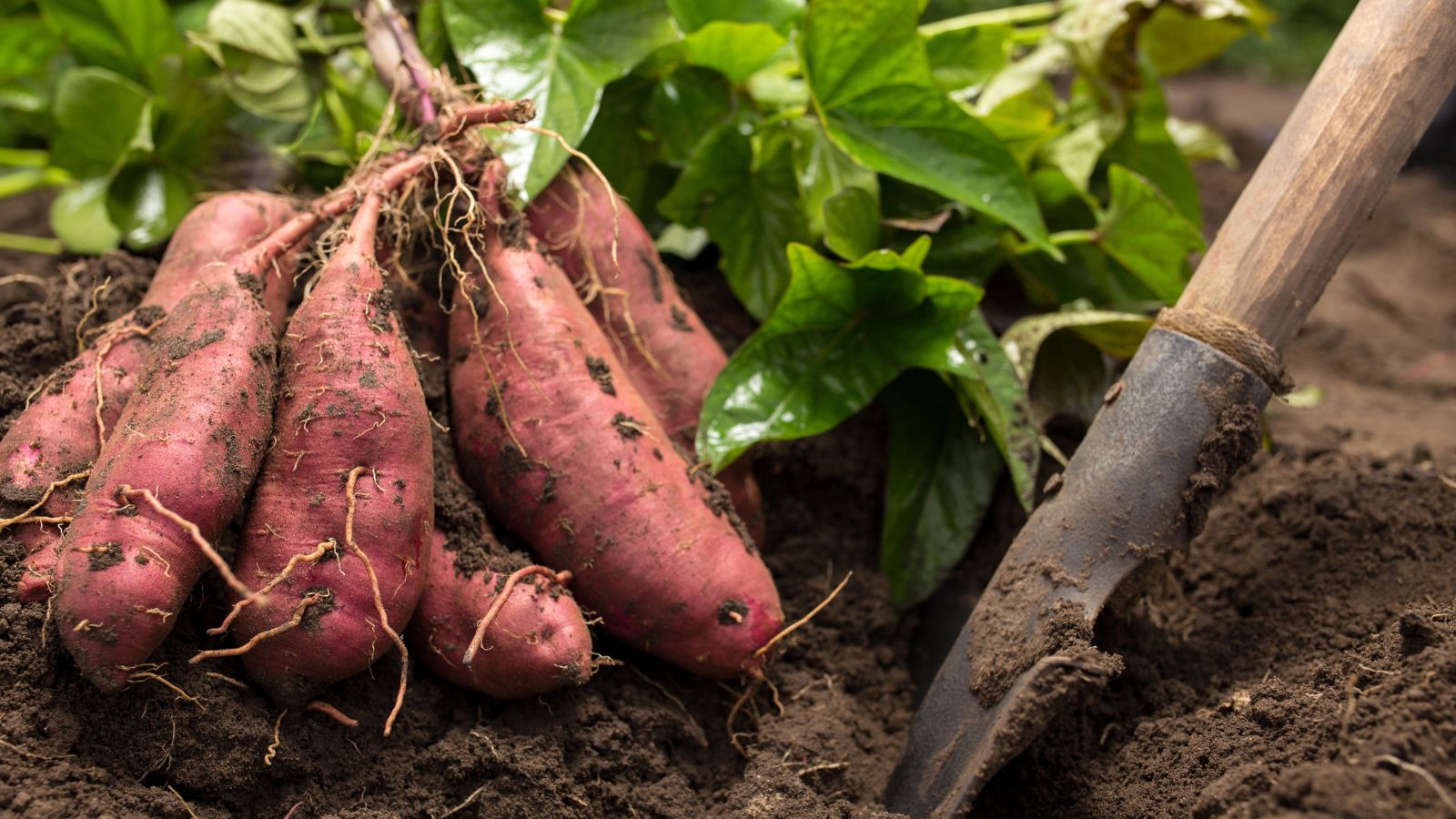
Sweet potatoes require long growing seasons, warm soil, and plenty of space, making them impractical for small-scale gardens.
Grow Instead: Winter squash
Although another space hog that requires a longer growing season, winter squash delivers high yields, thrives in various conditions, and offers incredible versatility with far less effort.
Choose What You Enjoy

When planning your garden, it’s essential to weigh the challenges and demands of each crop against what you hope to achieve. By swapping out these high-maintenance vegetables for easier alternatives, beginner gardeners and garden expanders alike can enjoy healthier harvests and less frustration.
With the right choices, you’ll maximize your space and effort while creating a beautiful and productive garden.
Read more:
12 Vegetables to Direct Sow in the Garden Right Now in March
9 Vegetables and Herbs That Could Cut Your Grocery Bill by $400 This Year