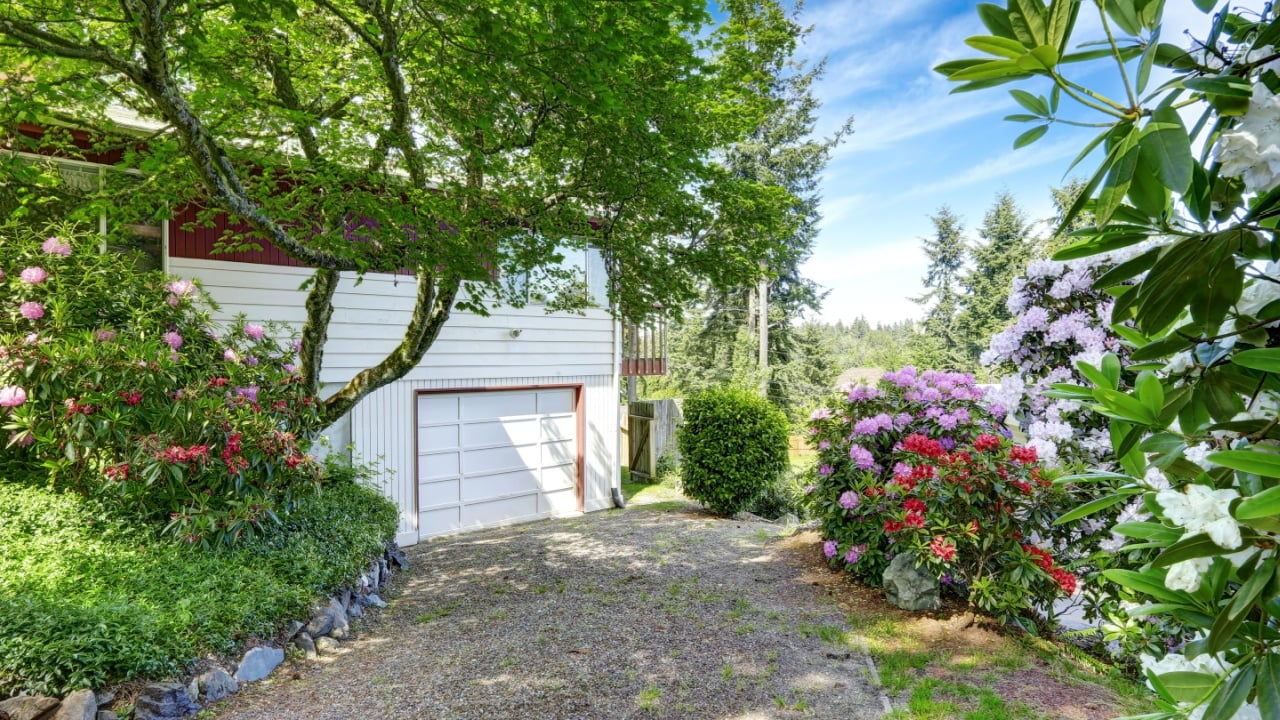
10 Simple Ways to Get Weeds Out of Crakin the Driveway
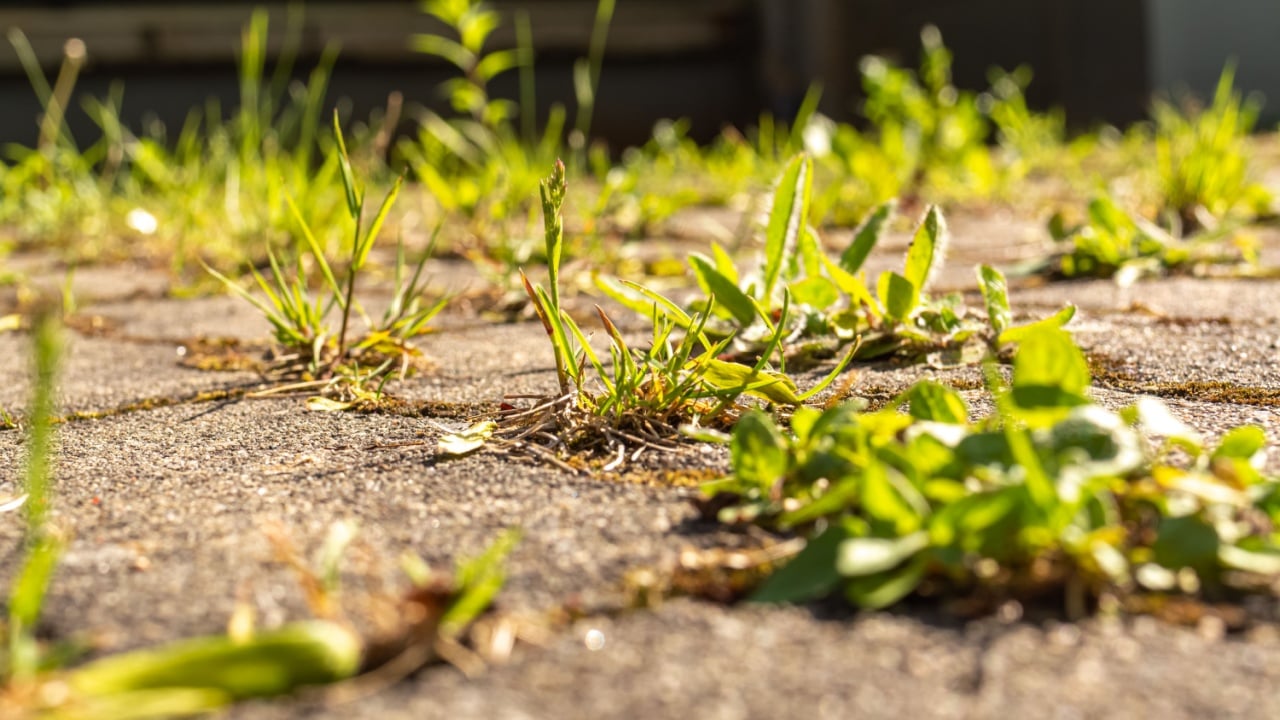
Weeds sprouting through driveway cracks are more than just an eyesore they’re stubborn intruders that can weaken your driveway’s structure over time.
While sprays like Roundup or glyphosate are often seen as the easiest solution, they come with significant long-term effects on the environment, including soil contamination and harm to pollinators. Opting for alternative methods not only keeps your driveway weed-free but also safeguards the planet.
Here are 10 effective ways to stop pesky weeds from growing in your driveway cracks, all backed by expert advice.
1. Seal Driveway Cracks

How It Works:
Cracks in your driveway provide just enough access to soil and moisture for weeds to thrive. Sealing these cracks blocks weed seeds from taking root. Using flexible concrete caulk or polymeric sand provides a durable seal that lasts for years.
Pros and Cons:
This method is highly effective for preventing weed growth and also prolongs the life of your driveway. However, it requires some upfront effort and access to proper sealing materials, which can be time-consuming.
Safety and Environmental Considerations:
Sealing driveway cracks doesn’t involve introducing harmful chemicals to the environment, making it a sustainable option. Ensure you clean the cracks thoroughly before applying the sealant to achieve the best results.
2. Remove Weeds by Hand

How It Works:
Manually pulling weeds, roots and all, is one of the simplest and most effective ways to eliminate them. Tools like a screwdriver or a hooked weeding tool can make the process easier and help dislodge stubborn roots.
Pros and Cons:
Hand-pulling offers immediate results and minimizes the risk of damaging nearby plants or surfaces. However, it’s labor-intensive and may need to be repeated for weeds with deep roots.
Safety and Environmental Considerations:
This method is completely natural and safe, without the need for any chemicals. Pulling weeds after rain or watering makes the soil softer, making removal easier and more efficient.
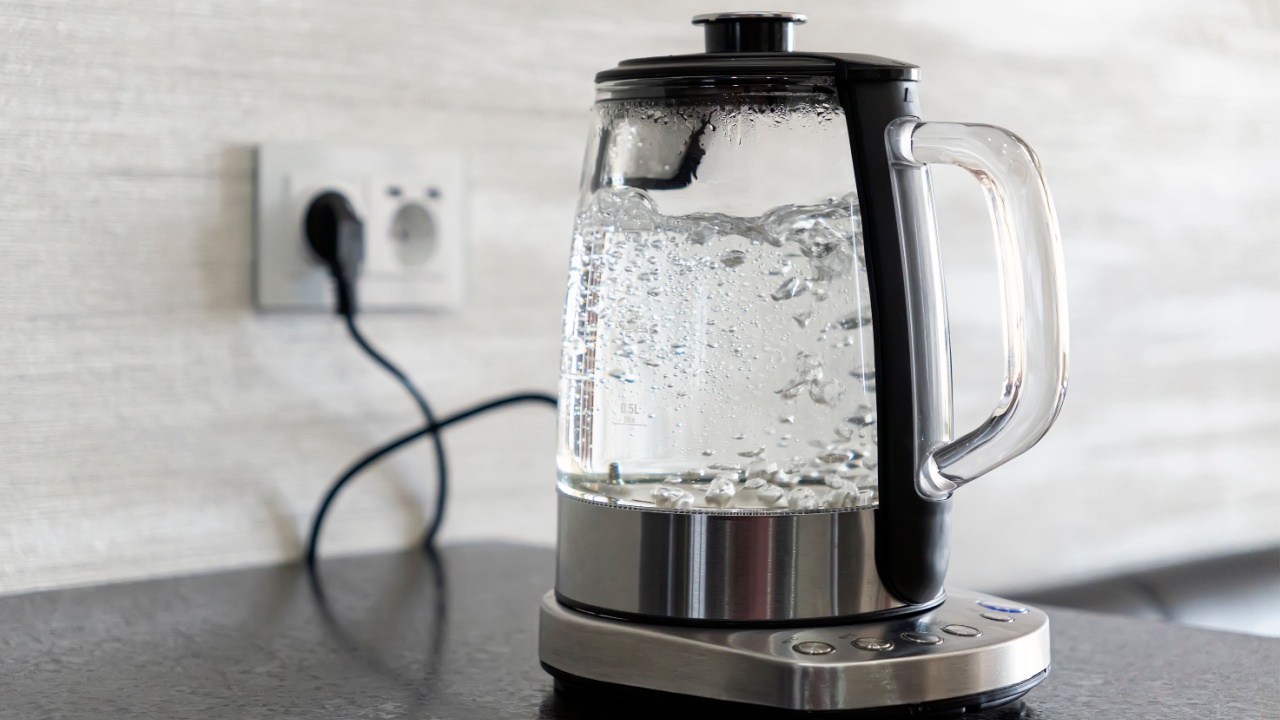
3. Pour Boiling Water
How It Works:
Boiling water scalds and damages the weed’s leaves and stems, eventually killing it. This straightforward option works well for smaller cracks with young or less-established weeds.
Pros and Cons:
The biggest advantage is its simplicity and low cost. However, it often requires multiple applications to kill the same weed entirely, as it may not always reach the roots.
Safety and Environmental Considerations:
While this method doesn’t leave chemical residues, extreme caution is needed when handling boiling water to avoid burns. Always pour carefully and avoid splashing onto desirable plants.
4. Use a Pressure Washer

How It Works:
A strong stream of water from a pressure washer can blast weeds out of driveway cracks while also flushing out any underlying soil. This prevents new weeds from sprouting in the same location.
Pros and Cons:
Pressure washing is effective at removing existing weeds and cleaning your driveway simultaneously. However, it can be a bit messy and may require cleaning up the displaced soil afterward.
Safety and Environmental Considerations:
This method is eco-friendly and free from chemicals but does require access to a pressure washer. Be careful not to damage delicate areas of the driveway with excessively high pressure.
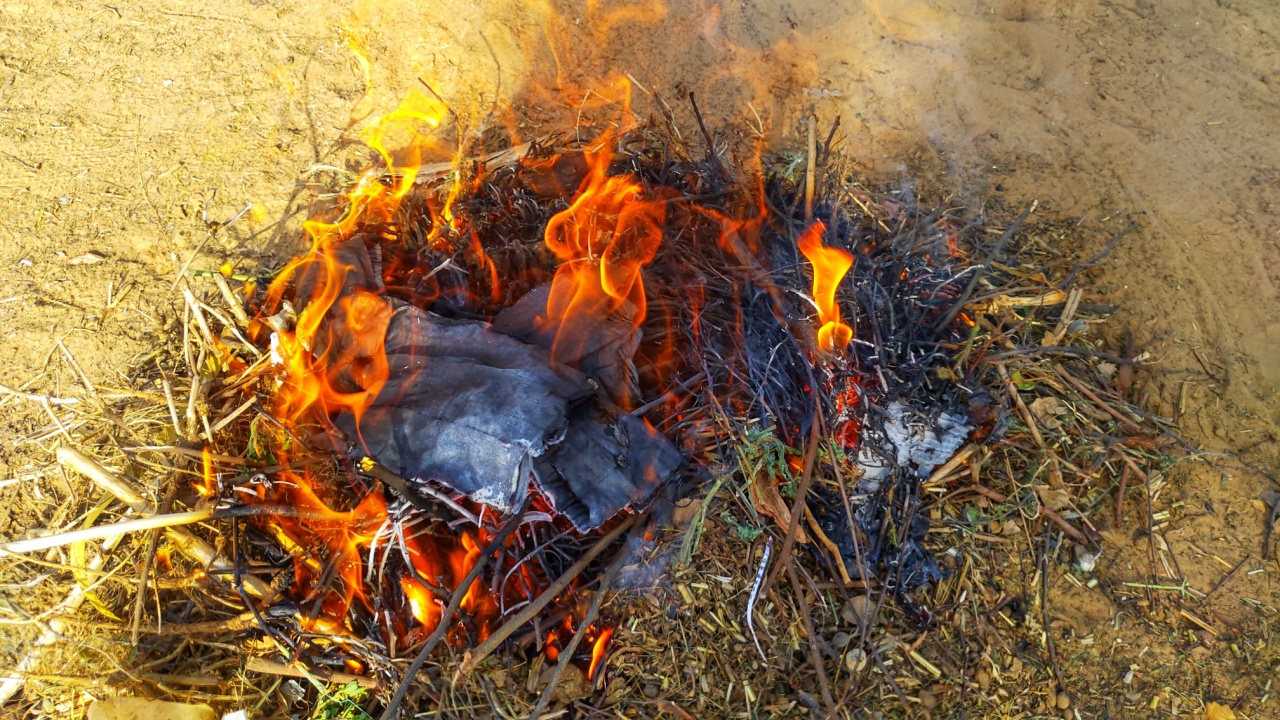
5. Use Fire to Burn Weeds
How It Works:
A propane weed torch produces a focused flame that destroys weeds by burning them to the ground. It kills the plant above the surface, but repeated application may be necessary for deeply rooted weeds.
Pros and Cons:
Burning weeds is quick and effective for small, concentrated areas. However, it requires a great deal of caution to avoid accidents or scorching nearby surfaces. Additionally, it’s more suited for driveways made of non-flammable materials like concrete.
Safety and Environmental Considerations:
Always wear protective gear when using a weed torch and keep a fire extinguisher close for safety. Avoid using this method in areas prone to wildfires or during dry seasons.
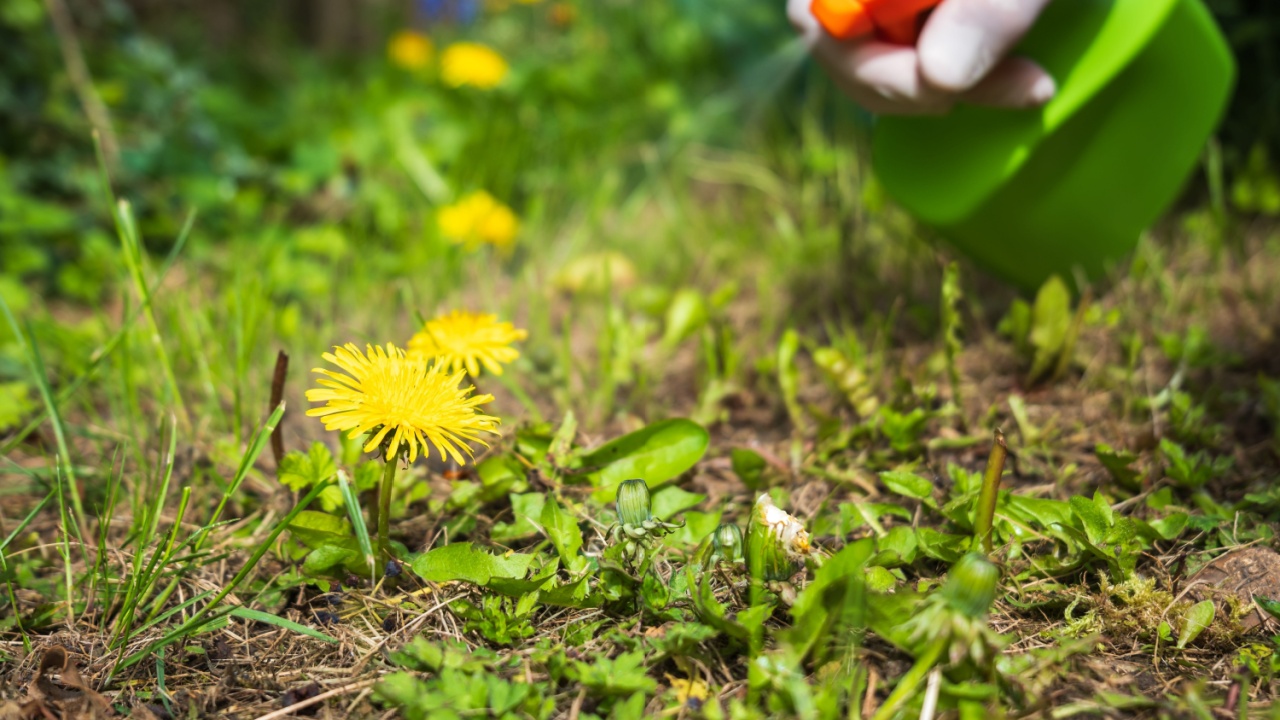
6. Spot Treat with Herbicide
How It Works:
Herbicides, whether pre-emergent or post-emergent, target weeds either before they sprout or after they’ve grown. Spot treating driveway cracks can prevent widespread weed growth while limiting overall herbicide use.
Pros and Cons:
Herbicides are highly effective and require minimal effort. However, many products contain harmful chemicals that can leach into the soil, harming beneficial organisms and contaminating groundwater.
Safety and Environmental Considerations:
Always follow the manufacturer’s instructions carefully to minimize risks. Consider using organic or eco-friendly herbicide options to reduce environmental damage.
7. Use Vinegar as a Natural Herbicide
How It Works:
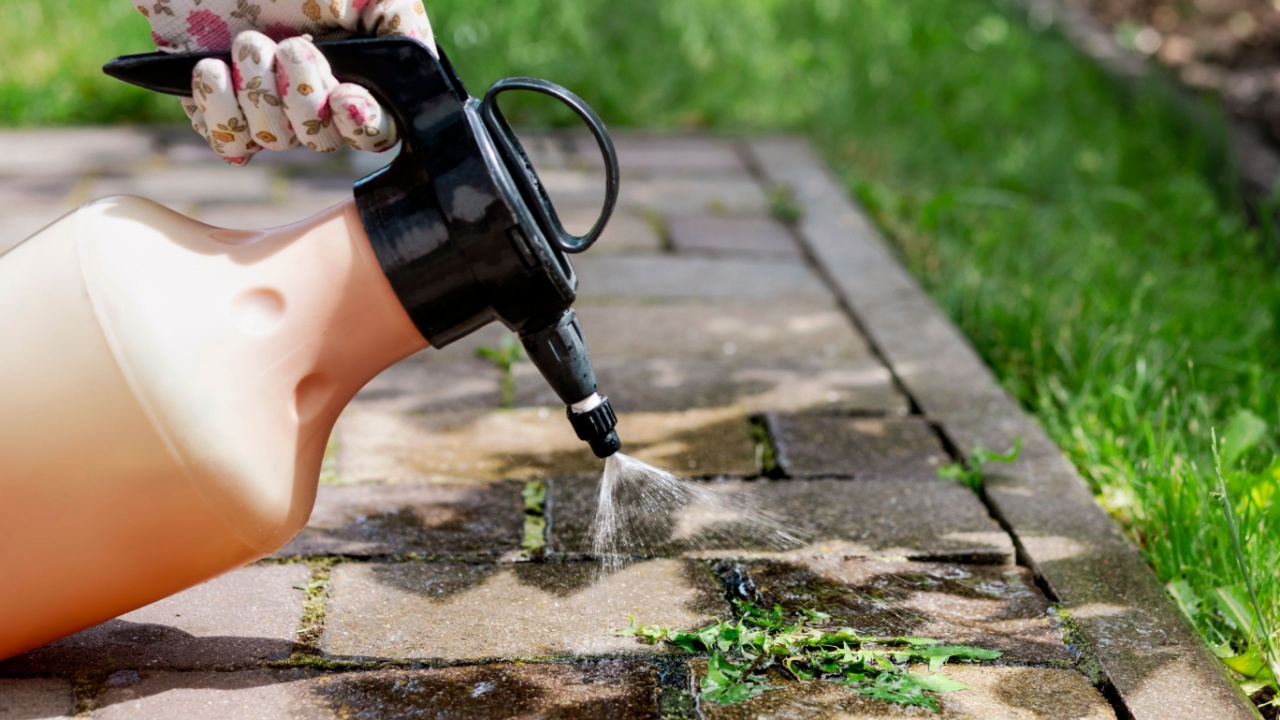
Household vinegar (acetic acid) is a natural weed killer that works by drying out weeds and killing them at the surface level. This method is best for small weeds and requires a spray bottle for targeted application.
Pros and Cons:
Vinegar is readily available, affordable, and free of toxic chemicals, making it a viable alternative to commercial herbicides. However, it doesn’t target the roots, so follow-up treatments may be needed.
Safety and Environmental Considerations:
While vinegar is safe for the environment, excessive use can increase soil acidity. Apply carefully to avoid harming desired plants or altering nearby soil conditions.
8. Cover Cracks with Salt

How It Works:
Salt dehydrates weeds by drawing moisture away from their tissues, effectively killing them. Sprinkle table salt or rock salt directly into the cracks for effective results.
Pros and Cons:
Salt is inexpensive and simple to use, but it can inhibit all plant growth and potentially damage concrete surfaces over time.
Safety and Environmental Considerations:
Use salt sparingly, as excess can impact nearby plants and soil fertility. Avoid using it near areas with rainwater runoff to prevent contamination of water sources.
9. Apply Mulch or Gravel to Cracks
How It Works:
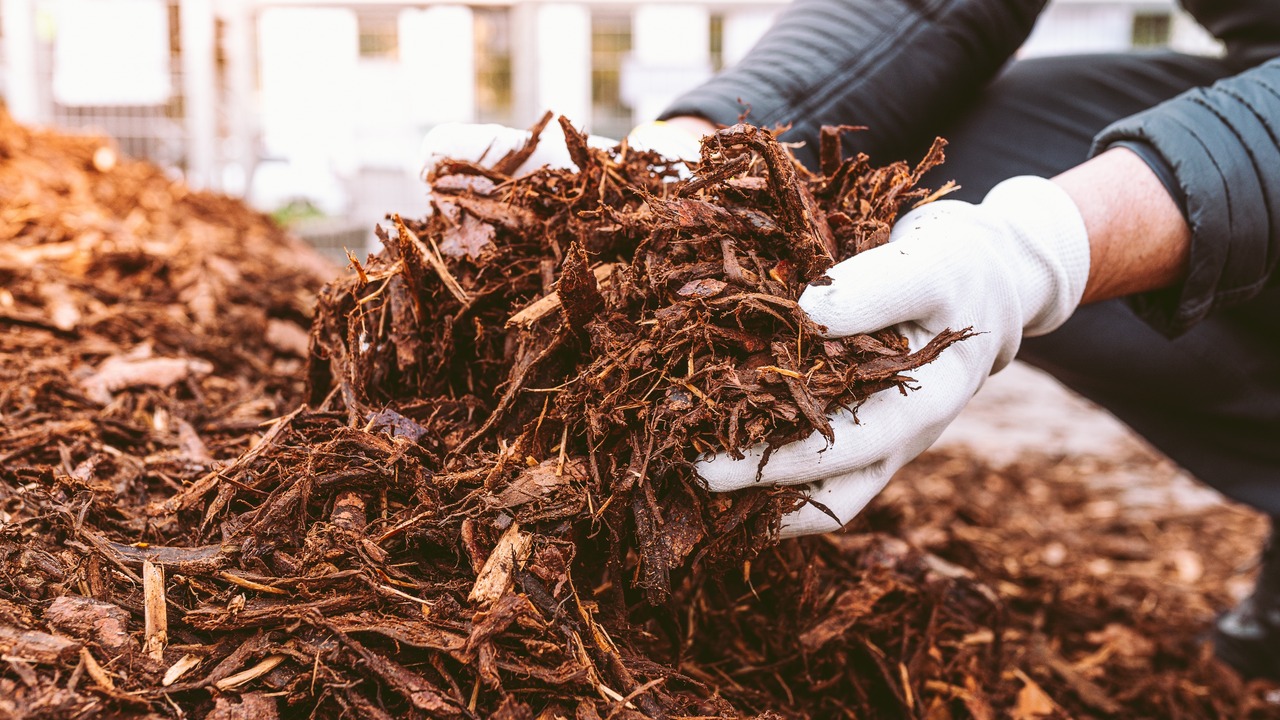
Mulch or gravel blocks sunlight from reaching seedlings, preventing weeds from germinating. Spread a thick layer of mulch or fine gravel over cracks to suppress weed growth before it starts.
Pros and Cons:
This method is highly effective for preventing new weeds, but it doesn’t address existing ones. Additionally, it may need to be refreshed periodically to maintain coverage.
Safety and Environmental Considerations:
Both mulch and gravel are eco-friendly options and have minimal impact on the environment. When choosing mulch, opt for untreated, plant-based varieties for the best results.
10. Use Baking Soda to Prevent Growth
How It Works:
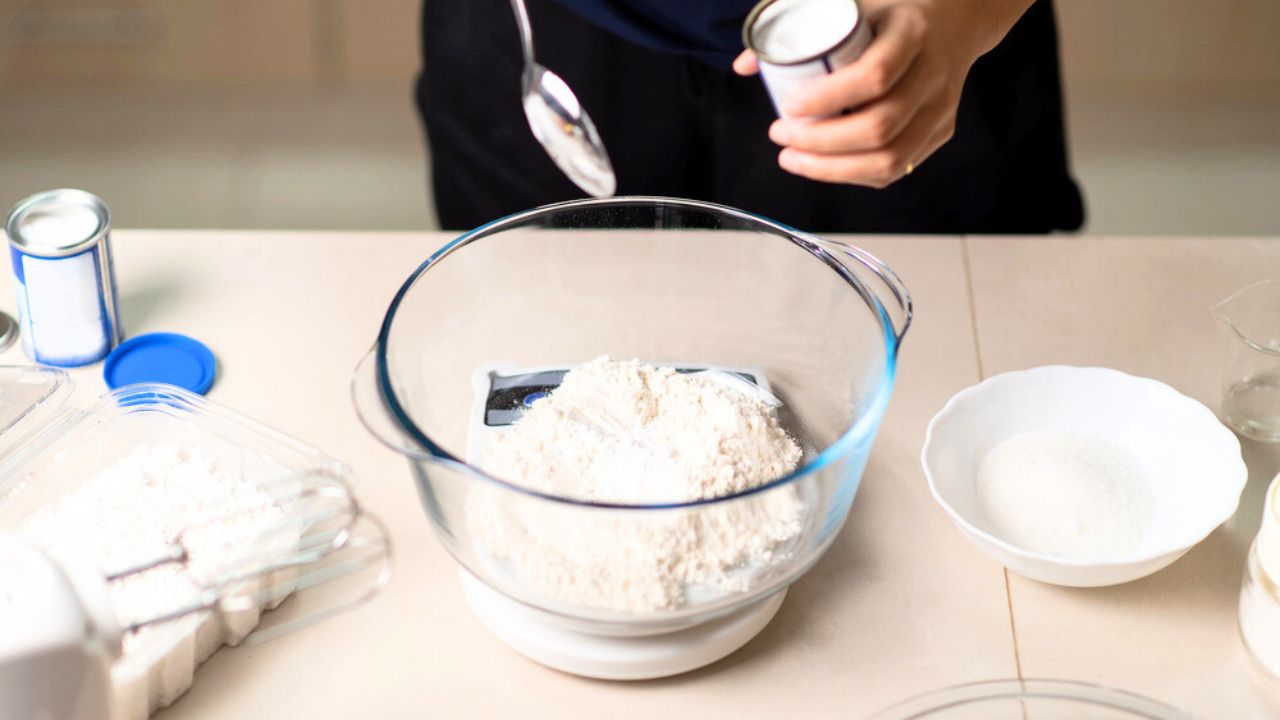
Baking soda is alkaline and dehydrating, making it an inexpensive solution for preventing weeds. Sprinkle it into driveway cracks to kill weeds and inhibit future growth.
Pros and Cons:
Baking soda is a low-cost and readily available option. However, its weed-killing power is more effective on smaller plants and may require reapplication.
Safety and Environmental Considerations:
This method is completely chemical-free and poses minimal risks to soil health. Just avoid overusing it, as excess baking soda can build up in the soil and potentially affect nearby plants.
You Have Options
While driveway weeds may seem inevitable, these natural and reliable methods show that chemical sprays like Roundup aren’t the only solution. Start by sealing cracks and removing established weeds, then use preventive measures such as mulch, vinegar, or baking soda to keep them at bay. By choosing eco-friendly options, you’ll not only maintain a cleaner driveway but also contribute to a healthier environment.
Read more:
20 Weeds That Are Worth Keeping Around
How to Turn Pesky Weeds into a Garden Feast